

Most couples do not lose the spark in one dramatic fight. They lose it quietly, in the routine: the same mornings, the same evenings on the sofa, the same quick “how was your day” that neither of you really answers. One day you look up and realise you are excellent roommates and loving parents and reliable teammates — and yet the feeling of being chosen, wanted and delighted by each other has gone a little dim. Learning how to keep the spark alive in a relationship is not about one grand gesture or an expensive holiday. It is about the small things you do every day, the tiny signals that say “I still see you, I still want you here.”
This guide starts with eight honest explainers — what the spark really is, why it fades without anyone noticing, the signs it is slipping and the signs it is still there, how small daily habits work, how to talk about wanting more closeness, and what to avoid when you are trying to rekindle things — then walks through 34 small, doable habits, from a six-second kiss goodbye to a monthly “state of us” talk. Every section notes what it means, how to try it, what it costs in time and effort, and the mistakes that undo it, so you can rebuild closeness one ordinary day at a time.
What the Spark Really Is — and What It Is Not

The spark is not the butterflies of the first month, and it is not constant excitement. It is the feeling of aliveness between two people: curiosity about each other, warmth when you are close, a small lift when your partner walks into the room, and the sense that you are still choosing each other rather than simply sharing a calendar. It can be quiet — a hand on a shoulder, a private joke, a look across a crowded room — and still be very real.
What it means: the spark is attention plus affection, kept alive on purpose. What it is not: proof that a relationship is perfect, a test your partner has to pass every day, or something only new couples have. Quick verdict: if you miss the feeling, that is not a sign the relationship is broken — it is a sign it needs a little daily care, the same way a garden needs water.
Why the Spark Fades Quietly — It Is Rarely One Big Fight

The spark rarely disappears because of one terrible event. It fades because life gets full: work deadlines, children, bills, tiredness, phones, and a thousand small decisions that quietly push the relationship to the bottom of the list. Couples stop greeting each other properly, stop asking real questions, stop touching for no reason, and stop doing the playful things that once came naturally. None of it feels like a decision — which is exactly why it happens so easily.
Why it matters: knowing the cause stops you blaming your partner, or yourself, for something that is mostly about routine. Common mistake: waiting for a big moment — an anniversary, a holiday, a crisis — to fix what only daily habits can fix. Real-life example: a couple who stopped saying good morning properly realised they had not really looked at each other before leaving the house in months — and fixing that one small moment changed their whole day.
Signs the Spark Is Fading — and Signs It Is Still There

When the spark is fading, the signs are usually small and easy to miss: conversations shrink to logistics — who is picking up the shopping, what time is the meeting — and you stop sharing the funny or strange parts of your day. Touch becomes practical rather than affectionate, date nights keep getting postponed, and you catch yourself scrolling your phone instead of talking. The good news is that the opposite signs are just as easy to spot: you still laugh together, you still want their opinion, you still reach for them in the night.
Signs to watch for: you feel more like flatmates than partners, you stop telling each other things first, or affection feels like an obligation rather than a pleasure. Signs it is still there: a joke only the two of you understand, a song that makes you both smile, or the relief you feel when they come home. What to avoid: treating a quiet season as a verdict — many long relationships have quiet seasons, and they pass when both people tend to them.
The Daily-Habits Approach: Small Things, Done Often

Grand gestures are lovely, but they are rare, expensive, and they wear off fast. A holiday can feel magical for a week and then the same routine returns on Monday. Small daily habits work differently: a kiss that lasts a few seconds longer, a real question at dinner, a note left on the fridge — each one is tiny, but together they add up to hundreds of small moments of closeness every month. That is how to keep the spark alive in a relationship without waiting for a special occasion or spending a fortune.
Pros: habits cost almost nothing, take minutes, and build trust through consistency. Cons: they feel unromantic at first, and they only work if both people keep them up — one person cannot carry the spark alone for long. Cost and time: most habits in this guide take between two and fifteen minutes and cost nothing at all. Who this suits: any long-term couple, especially busy parents and couples who feel more like teammates than lovers right now.
How to Talk About Wanting More Closeness Without Pressure

Saying ‘I want more spark’ can sound like a complaint, and your partner may hear it as ‘you are not enough.’ The kinder version starts with your own feeling and a shared goal: ‘I miss how playful we used to be, and I would love us to feel closer again.’ Pick a calm moment, not bedtime and not during an argument, and talk about what you would like more of — laughter, touch, time together — rather than listing what is missing.
What to say: ‘I love our life together, and I also miss the fun part of us. Can we try one small thing a week?’ What not to do: do not compare your relationship to another couple’s, do not keep score of who tried last, and do not make it a test your partner has to pass. When it helps: a gentle, honest talk usually brings relief, because most partners have been feeling the same quiet distance and were waiting for someone to name it first.
Keeping Play, Flirting and Fun Alive in a Long-Term Relationship

Play is the first thing busy couples drop and the thing they miss most. Flirting is not only for the dating stage — a teasing text, a silly nickname, a stolen kiss in the kitchen, a joke that makes your partner laugh out loud are all small ways of saying ‘I still find you delightful.’ Fun does not need a plan or a budget: it needs permission to be a little unserious together, even when life is serious everywhere else.
What it means: play keeps a relationship feeling alive, because it reminds you both that you like each other, not just love each other. Real-life example: one couple started a rule of sending each other one ridiculous photo a day — it took seconds, cost nothing, and within a week they were laughing together again every evening. What to avoid: forcing fun on a bad day, or turning play into another chore on the list — the moment it feels like homework, it stops working.
What to Avoid When You Are Trying to Rekindle Things

Trying to rekindle the spark can go wrong in a few predictable ways. The biggest is overdoing it: planning a huge surprise every week, demanding instant romance, or turning closeness into a project with targets and scores. Another is faking it — pretending everything is wonderful when you are actually hurt or exhausted will only make the distance worse. And the quietest mistake is keeping score: ‘I did three romantic things this week, you did none’ turns love into accounting.
What not to do: do not buy affection with expensive gifts when what is needed is attention, do not pressure your partner for intimacy as a test, and do not punish them for not responding the way you hoped. Common mistake: copying another couple’s idea of romance instead of finding your own — what works for them may feel forced for you. Quick verdict: slow, honest and small beats big, forced and fast, every single time.
When the Spark Needs More Than Habits — Getting Help Together

Sometimes daily habits are not enough, and that is not a failure. If the distance has lasted for years, if affection feels impossible rather than just rusty, if one or both of you feel resentful, numb, or afraid to talk honestly, outside help is the sensible next step. A couples counsellor gives you language and exercises you cannot always find alone, and individual support can help with stress, low mood or past hurt that keeps blocking closeness.
What it means: asking for help is a sign the relationship matters enough to protect properly. Signs it is time: the same cold silence repeats for months, attempts to reconnect keep ending in arguments, or either of you has started imagining a life apart. What to avoid: waiting until one person has already checked out emotionally — help works best while both people still care and still want to try, even if they are tired. Who this suits: any couple that has tried the small habits honestly and still feels stuck.
1. The Six-Second Kiss Goodbye

Most couples leave the house with a peck that lasts less than a second — a habit so quick it barely registers. Try making it six seconds instead: a real kiss, arms around each other, no phone in hand, no shoes half on. Six seconds is long enough to actually feel it, and short enough to do every single morning without being late. Couples who try this often say it is the smallest change with the biggest effect, because it turns a routine goodbye into a moment of choosing each other.
How to try it: set the kiss by the front door, not in the rush of the kitchen, and give it your full attention for six slow seconds. Cost and time: six seconds, free. Common mistake: turning it into a joke the first time and then dropping it — do it seriously for two weeks before you judge it.
2. Greet Each Other Like You Mean It

When your partner comes home, what do they walk into — a warm face that lights up, or a person staring at a screen who says ‘hey’ without looking up? The first thirty seconds of a reunion set the tone for the whole evening. Put the phone down, stand up, walk over, and greet them properly: a hug, a kiss, a real ‘I missed you today.’ It sounds obvious, but in busy homes the greeting is often the first thing that disappears, and its absence is felt every single day.
What it means: a warm greeting says ‘you matter more than whatever I was doing.’ Signs it is working: your partner starts coming home earlier, or lingering in the doorway a little longer. What to avoid: greeting them with a complaint or a chore the moment they walk in — give the warmth first, and the logistics can wait ten minutes.
3. The Ten-Minute Evening Check-In

Ten minutes, once a day, phones away, no television: two people talking about something other than chores and schedules. One question each is enough — ‘What was the best part of your day?’ or ‘What is on your mind tonight?’ The point is not to solve anything; it is to hear each other properly, the way you did when you were first getting to know each other. Ten minutes of real attention every evening adds up to more than an hour a week of genuine closeness.
How to try it: pick a fixed time, like after dinner or before bed, and protect it the way you would protect a meeting. Pros: it prevents small worries from growing into big silences. Cons: it can feel awkward for the first few days if you are out of practice — keep going, the awkwardness passes quickly.
4. Put the Phones Away at Dinner
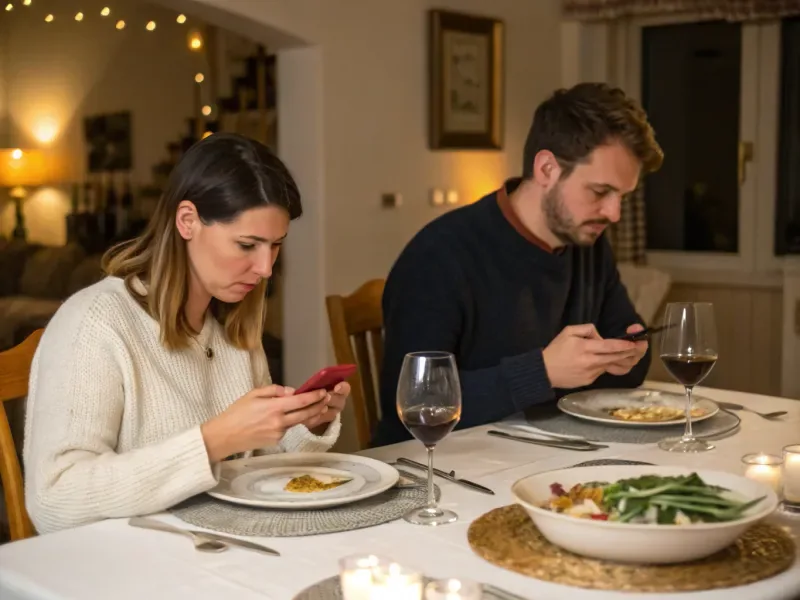
Dinner is one of the few moments most couples still sit together every day, and yet it is often spent half-watching a screen. A phone on the table says ‘something else might be more interesting than you,’ even when neither of you means it that way. Try one simple rule: phones in another room for dinner, even if dinner is only twenty minutes and even if it is takeaway on the sofa. The conversation that fills the silence is usually worth far more than whatever was on the screen.
What it means: undivided attention is one of the clearest forms of affection there is. What to avoid: making it a rule only one of you follows — it has to be both, or it becomes a source of resentment. Quick verdict: couples who try this for a week almost never go back, because dinner starts feeling like time together again.
5. One Genuine Compliment a Day

Compliments fade fast in long relationships, because you assume your partner already knows what you think of them. They do not — or at least, they need to hear it again. One genuine compliment a day, about something specific and true, is enough: ‘You looked lovely this morning,’ ‘You handled that meeting brilliantly,’ ‘You always know how to make me laugh.’ The key word is genuine — a compliment your partner can tell you actually mean lands completely differently from a polite one.
How to try it: notice one real thing each day and say it out loud, at the moment you notice it, not hours later. Signs it is working: your partner starts complimenting you back without being asked. Common mistake: complimenting only appearance, or only achievements — mix it up, and notice character, kindness and effort too.
6. The Two-Minute Hug
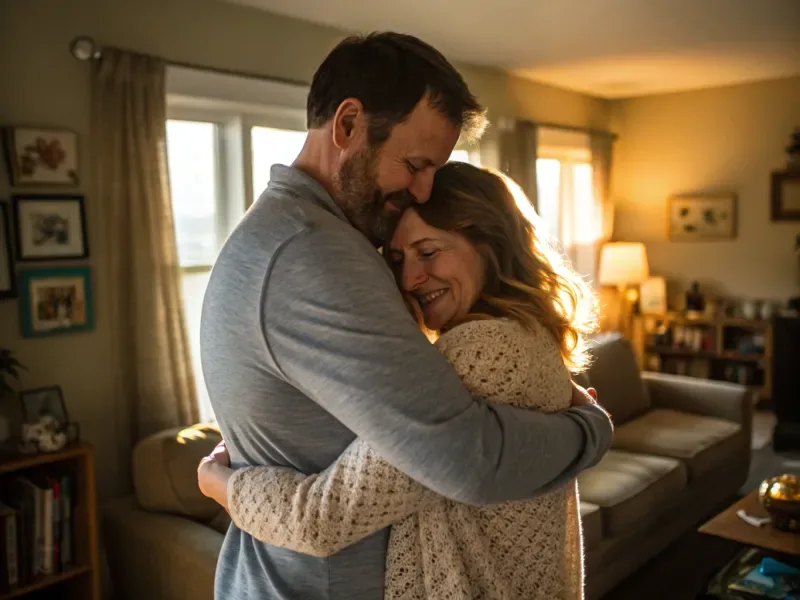
A quick hug is a greeting; a two-minute hug is a reset. Hold each other properly, arms around each other, breathing together, with nowhere to rush to. Two minutes is long enough for your shoulders to drop and your breathing to slow down, and short enough to fit into any day — before work, after dinner, or when one of you has had a hard day. Physical closeness like this releases the tension that words alone cannot reach, and it reminds your body, not just your mind, that this person is your safe place.
What it means: touch without an agenda is one of the most reassuring things a couple can share. When it helps most: after a stressful day, after a disagreement, or on a day when words feel hard. What to avoid: hugging while one of you is still holding a phone, or treating it as a task to tick off — the point is presence, not performance.
7. Text Something Sweet Midday

A short, unexpected message in the middle of an ordinary day can change the whole afternoon: ‘Thinking of you,’ ‘That thing you said this morning made me smile,’ or simply a photo of something that reminded you of them. It costs nothing and takes ten seconds, but it tells your partner they are on your mind even when you are busy with other things. The best midday texts are specific and personal — a private joke, a memory, a small detail — not a copied quote from the internet.
How to try it: send one message a day at a time your partner is not expecting it, and keep it short and true. Pros: it breaks up the day and gives you both something to look forward to. Cons: it only works if it is genuine — a daily text sent out of duty feels like a chore to receive as well as to send.
8. Share One Small Thing You Noticed

Long-term couples often stop sharing the small, strange details of their days — the funny thing a colleague said, the cloud shaped like a dog, the song that came on in the shop. Sharing those little observations is how two people stay curious about each other, and curiosity is one of the main ingredients of the spark. Make it a habit: every evening, share one small thing you noticed that day, something that has nothing to do with work, money or chores.
What it means: noticing things for your partner is a way of saying ‘I was thinking of you while we were apart.’ Real-life example: a husband who started sending his wife one photo a day of something odd he saw on his walk said it became the best part of their evening conversation. What to avoid: only sharing complaints or worries — balance the small joys with the small troubles.
9. Cook Together Once a Week

Cooking together is one of the easiest shared activities a couple can do, because it has a clear purpose, it uses your hands, and it ends with something you both enjoy. Pick one evening a week, choose a recipe together — something new, something a little ambitious — and make it side by side, with music on and phones away. The meal matters less than the teamwork: chopping, tasting, laughing at the mess, and sitting down to eat something you made together.
Cost and time: one evening a week, the cost of the ingredients, no special equipment needed. Pros: it creates a weekly ritual you both look forward to, and it gives you a natural reason to talk. What to avoid: turning it into a competition about who cooks better, or criticising how your partner chops an onion — the point is fun, not perfection.
10. The Sunday Walk Ritual

Walking side by side makes talking easier. There is no eye contact to maintain, no screen to look at, and the rhythm of walking loosens thoughts that feel stuck indoors. A weekly walk — even thirty minutes around the neighbourhood or through a park — gives a couple a regular, low-pressure space to talk about everything from the week ahead to the dreams they have not mentioned in years. Many couples say their best conversations happen on walks, not at the dinner table.
How to try it: pick a fixed day and time, keep it short enough to do every week, and leave the phones at home or in a pocket. Who this suits: couples who find face-to-face talks intense, busy parents who need fresh air, and anyone who thinks better while moving. What to avoid: using the whole walk to discuss problems — let at least half of it be light, funny or dreamy.
11. Flirt Like You Did at the Start

Flirting does not have to stop when a relationship becomes serious — in fact, it is one of the things that keeps it feeling alive. A teasing comment, a wink across the room, a compliment with a smile, a hand on the small of the back as you pass in the kitchen: these tiny signals say ‘I still find you attractive, I still enjoy you.’ The early days of a relationship are full of this kind of play, and there is no rule that says it has to end.
What it means: flirting is attention with delight in it, and it tells your partner they are wanted, not just loved. How to try it: borrow one thing you used to do when you were dating — a nickname, a joke, a look — and bring it back for a week. Common mistake: flirting only when you want something, which makes it feel like a transaction instead of play.
12. Hold Hands Again — On Purpose

When did you last hold hands, not because you were crossing a road, but simply because you wanted to? Holding hands is one of the simplest forms of affection, and it is also one of the first to disappear in a long relationship. Try it again on purpose: on a walk, in the car, on the sofa while you watch television, or across the table at a restaurant. It is a small, quiet signal that says ‘I am here, and I am yours,’ and it costs nothing at all.
What it means: hand-holding is closeness without words, and it works even on days when talking feels hard. Signs it is working: your partner starts reaching for your hand first. What to avoid: only holding hands in public to show others you are a couple — the private moments, when no one is watching, are the ones that matter most.
13. Say Thank You for the Boring Things

Long relationships run on invisible work: the washing, the school run, the bills paid on time, the car filled with petrol, the dinner that appears every evening. Saying thank you for these ordinary things matters far more than thanking someone for a grand gesture, because it shows you notice the daily effort that keeps your life together. A simple ‘thank you for doing that, I noticed’ can change how appreciated your partner feels — and feeling appreciated is one of the strongest fuels for the spark.
What it means: gratitude turns invisible effort into visible love. How to try it: thank your partner once a day for something specific and ordinary, and mean it. Common mistake: only saying thank you when something goes wrong, or using thanks as a way to point out what usually does not get done — keep it warm and genuine.
14. A Weekly Date Night That Actually Happens

Date nights fail when they are vague — ‘we should go out sometime’ — and succeed when they are fixed, simple and protected. Pick one evening a week, put it in the calendar, and treat it like an appointment you cannot cancel for anything less than an emergency. It does not need to be expensive or fancy: a walk, a cheap meal, a film at home with the phones off, or a picnic in the park all count. The point is time that belongs only to the two of you, every single week.
Cost and time: one evening a week; the budget is yours, from free to a restaurant meal. Pros: a fixed date night stops ‘sometime’ from becoming ‘never.’ Cons: it needs a babysitter or a plan if you have children, which takes a little organisation. What to avoid: cancelling it three weeks in a row for work — if it keeps slipping, make it shorter, not rarer.
15. Learn Something New Together

Learning something new together — a language, a dance, a recipe, a sport, a musical instrument — puts a couple back in the position of beginners, side by side, laughing at their own mistakes. It creates shared stories, inside jokes, and a reason to look forward to the same evenings each week. It also reminds you both that there is still more to discover about each other, which is exactly what the spark is made of: curiosity, novelty and shared effort.
Who this suits: couples who feel they have run out of things to talk about, or who want a project that is just theirs. Cost and time: from free online lessons to a weekly class; start small and see if it fits. What to avoid: choosing something only one of you enjoys, or turning it into a competition — the goal is shared fun, not a winner.
16. The Five-Minute Morning Coffee Together

Mornings set the tone for the whole day, and yet most couples spend them in parallel silence, each rushing through their own routine. Try five minutes together before the day starts: one coffee, sitting side by side, no phones, no news, just a few quiet minutes of being together. Talk about the day ahead, share a small hope, or simply sit in comfortable silence. Five minutes is tiny, but starting the day as a couple rather than as two strangers in the same house changes how the rest of the day feels.
How to try it: wake up five minutes earlier, make the coffee together, and sit somewhere comfortable. Cost and time: five minutes and the price of a coffee. Signs it is working: you start looking forward to those five minutes, and the day feels less rushed even when it is busy.
17. Surprise Notes in Unexpected Places

A short note in an unexpected place — in a lunchbox, on the bathroom mirror, inside a coat pocket, on the pillow — is a tiny surprise that can make an ordinary day feel special. It does not need to be long or poetic: ‘Have a lovely day,’ ‘I love you,’ ‘You looked beautiful this morning,’ or a private joke only the two of you understand. The delight is in the discovery, in finding out that someone was thinking of you when you were not there.
How to try it: leave one note a week in a place your partner will find it, and vary the place and the message. Pros: it costs nothing and takes a minute, but it is remembered for days. Common mistake: writing the same note every time, or leaving notes only on special occasions — the surprise is the point, so keep it irregular and personal.
18. Laugh Together Every Day

Laughter is one of the fastest ways to feel close to someone, and one of the first things to disappear when life gets serious. Couples who laugh together every day — at a silly video, a shared memory, a joke that only they find funny — report feeling closer and more satisfied, even when life is hard. Make it a habit: share one funny thing a day, watch something that makes you both laugh, or simply be a little sillier with each other than you are with anyone else.
What it means: shared laughter is shared joy, and it reminds you both that you like each other as well as love each other. Real-life example: a couple who started watching one short comedy clip together every evening said it became the moment they both relaxed, and the day’s tensions melted away. What to avoid: laughing at your partner rather than with them — teasing is only fun when both people are laughing.
19. Touch Without an Agenda

Touch in a long relationship can slowly become tied to one thing only, and when that happens, every touch starts to feel like a request. Try touching without any agenda: a hand on the back as you pass, a foot touching under the table, a head on a shoulder while you watch television, a kiss on the forehead for no reason. This kind of touch says ‘I like being close to you’ without asking for anything in return, and it makes the closeness itself feel safe and warm again.
Why it matters: affection without pressure rebuilds trust in touch, and it often leads naturally to more closeness. How to try it: add one small, agenda-free touch a day and notice how your partner responds. What to avoid: keeping score of touches, or withdrawing all touch when you feel hurt — silence in the body is felt just as loudly as silence in words.
20. Remember the Small Details

Remembering the small details — how they take their tea, the name of their colleague, the film they mentioned wanting to see, the anniversary of a small moment that mattered to them — is one of the most powerful ways to say ‘I pay attention to you.’ In a long relationship it is easy to stop listening properly, because you assume you already know everything about your partner. You do not: people keep changing, and noticing those changes is what keeps the spark alive.
What it means: attention to detail is proof that you are still interested, not just comfortable. How to try it: write down one small detail a week — a preference, a wish, a worry — and act on it later. Signs it is working: your partner says ‘you remembered!’ and their face lights up, because being remembered feels like being loved.
21. Plan a Tiny Adventure Each Month

Adventure does not need a passport or a big budget. Once a month, plan one small adventure together: a new café, a walk in a place you have never been, a market in a different town, a train ride to somewhere new, or cooking a meal from a country neither of you has visited. The point is novelty — doing something for the first time together — because shared new experiences are one of the strongest ways to feel close and excited about each other again.
Cost and time: one afternoon a month, from free to the price of a train ticket or a meal out. Pros: it gives you something to look forward to and something to remember together. What to avoid: planning an adventure so ambitious it becomes stressful — the adventure should feel like play, not another project to manage.
22. The No-Screens Bedroom Hour

The bedroom is where many couples spend their last hour together each day, and yet it is often spent side by side in silence, each scrolling a different screen. Try one hour before sleep with no screens at all: talk, read, listen to music, hold each other, or simply lie quietly together. The first few nights may feel strange, but most couples find that without the glow of a phone, they start talking again — about the day, about their worries, about the things they had forgotten to say.
How to try it: charge your phones outside the bedroom, or in a drawer, for one hour before sleep. Pros: better sleep, better conversations, and a calmer end to the day. Cons: it takes a few days to break the scrolling habit, and one of you may resist at first — start with thirty minutes if an hour feels too much.
23. Ask a Real Question, Not ‘How Was Your Day?’

‘How was your day?’ is a question that almost always gets the same answer: ‘Fine.’ Try a real question instead, one that invites a real answer: ‘What made you laugh today?’ ‘What was the hardest part of your day?’ ‘What are you looking forward to this week?’ ‘Is there something you have been thinking about lately?’ Real questions show genuine curiosity, and they open conversations that the usual small talk never reaches.
What it means: a good question says ‘I want to know who you are today, not just what you did.’ How to try it: keep a small list of good questions on your phone, and ask one at dinner or on a walk. Common mistake: asking a good question and then answering it yourself, or checking your phone while your partner answers — listen fully, or do not ask at all.
24. Celebrate Small Wins Together

Couples are good at marking big occasions — birthdays, anniversaries, promotions — and terrible at marking small ones. Yet a small win celebrated together — a finished project, a good health result, a week of early mornings, a child sleeping through the night — can feel just as sweet, because it says ‘your efforts matter to me.’ Celebrate small: a favourite meal, a glass of something nice, a slow dance in the kitchen, or simply saying ‘I am proud of you’ and meaning it.
What it means: celebrating together turns individual effort into shared joy. How to try it: notice one small win a week and mark it in a small way, the same day it happens. What to avoid: only celebrating your own wins, or waiting for a big occasion to say you are proud — small, prompt celebrations are the ones that build closeness.
25. Give Each Other Space to Miss Each Other

Closeness needs a little distance to breathe. Couples who spend every waking moment together often stop noticing each other, because there is nothing new to share. Time apart — an evening with friends, a hobby of your own, a walk alone — gives you both something to come home and talk about, and it lets you miss each other a little. Missing someone is not a sign of distance; it is a sign that their presence matters to you, and it makes the reunion sweeter.
What it means: space is not the opposite of closeness — it is part of it. Who this suits: couples who work from home together, new parents, or anyone who feels they have lost themselves inside the relationship. What to avoid: using space as a punishment, or disappearing without explanation — healthy space is agreed, honest and kind, not a silent withdrawal.
26. Revisit Your Favourite Shared Memory
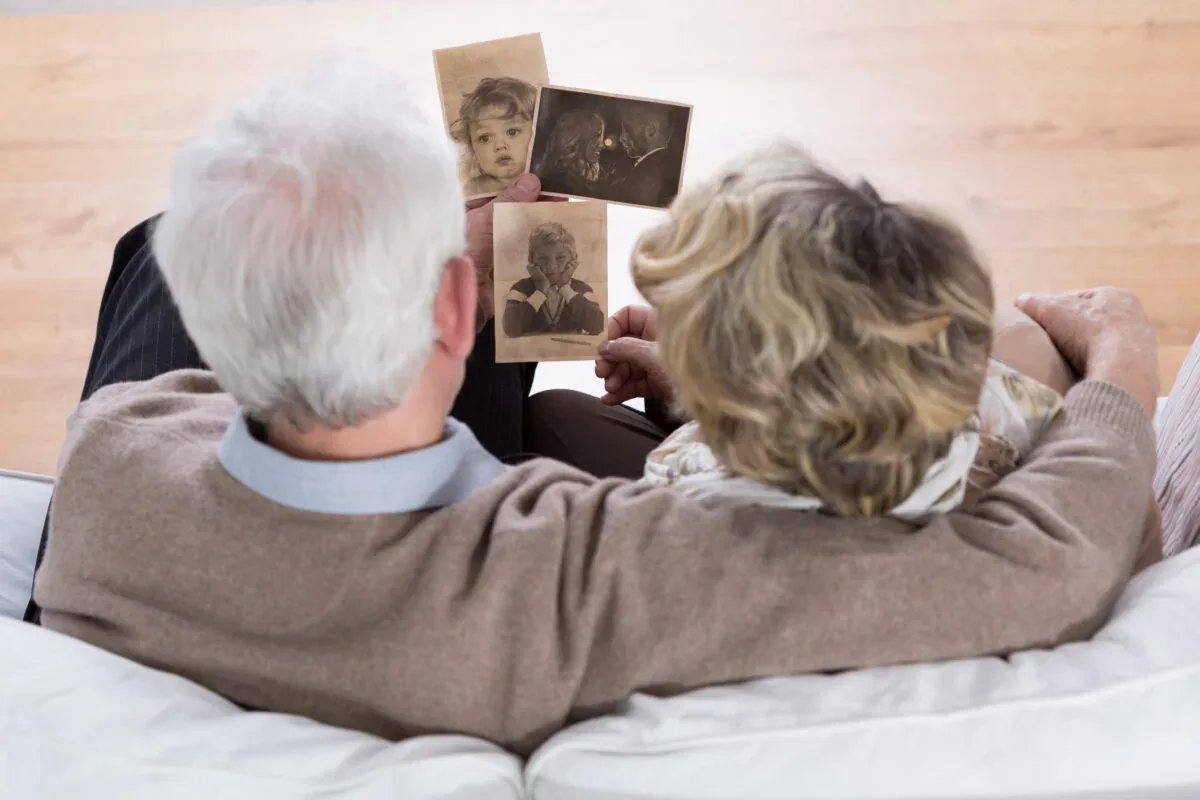
Every couple has a handful of golden memories — the first holiday, a funny disaster, a night that went perfectly, a place that felt like yours. Revisiting one of them together — looking at old photos, cooking the meal you ate that night, going back to the place, or simply telling the story again — reminds you both why you chose each other in the first place. Memories are not just nostalgia; they are evidence of a shared life, and retelling them keeps that life feeling real and precious.
How to try it: once a month, pick one shared memory and revisit it together — photos, a place, a meal, or just the story. Real-life example: a couple who had their first date in a small café went back there on their tenth anniversary and ordered the same meal; they said it felt like meeting each other again. What to avoid: only remembering the good times and never talking about how you got through the hard ones — both kinds of memory matter.
27. The Apology That Keeps Things Light

Small hurts, left unspoken, are one of the fastest ways to dim the spark. A forgotten promise, a sharp word, a plan changed without asking — none of them is a crisis on its own, but together they build a quiet resentment that makes closeness feel hard. The fix is a quick, honest apology, given freely and early: ‘I am sorry, I got that wrong,’ without a ‘but’ and without waiting to be asked. A small apology, given quickly, keeps the air clear between you.
What it means: apologising quickly says the relationship matters more than being right. Signs it is working: disagreements get shorter, and neither of you keeps a mental list of old wrongs. Common mistake: apologising and then explaining why it was actually the other person’s fault — that is not an apology, it is a defence, and it undoes the good the apology did.
28. Dress Up for Each Other Sometimes

In a long relationship it is easy to stop making an effort with how you look for each other — the same comfortable clothes, the same routine, day after day. Dressing up sometimes, just for each other, is a small way of saying ‘I still want to look good for you.’ It does not need to be formal: a favourite outfit, a little extra care with your hair, a scent your partner loves. The point is the effort, and the message behind it — that you still care about delighting each other.
How to try it: pick one evening a week or one date night a month to make a little extra effort, and notice the difference it makes. Pros: it changes how you feel about yourself as well as how your partner sees you. What to avoid: dressing up only to impress other people, or making your partner feel they have to match your effort — the gesture is a gift, not a demand.
29. A Shared Playlist for Ordinary Moments

Music is a shortcut to feeling. A shared playlist — songs from your early days, songs that make you both laugh, songs for cooking, driving or slow dancing in the kitchen — gives an ordinary moment a little extra warmth. Build it together, add to it whenever a song reminds you of each other, and play it during the everyday moments: cooking dinner, driving to work, or winding down in the evening. Years from now, those songs will still bring the feeling back in an instant.
Cost and time: free, a few minutes to start, and it grows on its own. Who this suits: couples who bonded over music, and anyone who wants a low-effort ritual that runs in the background of daily life. What to avoid: only adding songs one of you likes — a shared playlist should sound like both of you, not just one.
30. The Goodnight Ritual That Ends the Day Well

How a day ends matters as much as how it begins. A goodnight ritual — a few quiet minutes together, a kiss, a short ‘what was the best part of today?’, or simply holding each other until you fall asleep — turns the end of the day into a moment of closeness instead of a moment of two people turning away from each other towards their phones. It is a small, gentle way to say ‘today is done, and we are still here, together.’
How to try it: agree on one small thing you will do every night, and do it even on tired or difficult days — especially on those days. Signs it is working: you start looking forward to bedtime, and you fall asleep feeling connected rather than alone. Common mistake: letting the ritual become a time to discuss problems or tomorrow’s chores — keep it warm, short and kind.
31. Make Intimacy Playful Again

When intimacy becomes routine, it can start to feel like another item on the list — expected, scheduled, or quietly avoided. Bringing playfulness back does not mean grand gestures; it means lightness, laughter, and permission to be a little silly together. A teasing message, a slow dance in the living room, a compliment whispered at the right moment, or simply taking your time instead of rushing: these small things remind you both that closeness is meant to be enjoyed, not performed.
What it means: playful intimacy is about connection and delight, not pressure or performance. How to try it: talk honestly about what you both enjoy, try one small change, and keep the conversation kind and open. What to avoid: pressuring your partner, keeping score, or treating intimacy as a test of the relationship — the moment it becomes a duty, the spark dims further.
32. Support Each Other’s Solo Hobbies

A person with a life of their own is a more interesting partner. Supporting each other’s solo hobbies — the painting, the running, the reading group, the football on Sundays — is not a threat to the relationship; it is one of the best things for it. A partner who comes home from something they love is happier, more interesting, and has more to share. Encourage it, ask about it, and make space for it in the week, even when life is busy.
Why it matters: when your happiness does not depend entirely on one person, you can love them freely instead of clinging to them. How to try it: protect one evening a week for each of you to do something that is just yours. What to avoid: resenting the hobby, or using it as a reason to keep score — ‘you got your evening, so I get mine’ turns a gift into a transaction.
33. The Monthly ‘State of Us’ Talk

Once a month, sit down together and ask three simple questions: ‘How are we doing?’, ‘What has felt good this month?’, and ‘Is there one small thing we could do better next month?’ Keep it short, kind and honest, and start with what is working before you talk about what needs attention. A monthly talk like this stops small problems from growing quietly for months, and it gives you both a regular chance to say what you need before resentment builds.
How to try it: pick a fixed day each month, keep it to twenty minutes, and end with one small, agreed change for next month. Pros: it prevents the big, painful conversations that happen when things are left unsaid for too long. Cons: it can feel formal at first — keep it light, and celebrate what is going well before you discuss anything else.
34. Choose Each Other Again Every Morning

The spark is not something you find once and keep forever; it is something you choose, in small ways, every single day. Choosing each other again each morning means deciding, on purpose, to be kind, to pay attention, to make the effort, and to treat your partner as someone you are glad to have — even on the tired, busy, ordinary days. It is the quietest habit in this guide, and also the most powerful, because every other habit on this list is simply a way of making that daily choice visible.
What it means: love in a long relationship is less a feeling you wait for and more a decision you make, again and again. How to try it: each morning, make one small, deliberate choice for your partner — a kiss, a kind word, a cup of tea, a moment of attention. When it helps: over weeks and months, that daily choice becomes a habit, and the habit becomes a relationship where the spark is not a memory of the early days, but a living part of every day. That is how to keep the spark alive in a relationship — not with one grand gesture, but with a hundred small choices, made daily, with love.
Is it normal for the spark to fade in a long-term relationship?
Yes, it is completely normal for the spark to fade in a long-term relationship — almost every couple experiences it, usually because routine, work, children and tiredness quietly push closeness to the bottom of the list. A fading spark is not a sign that the relationship is broken or that you chose the wrong person; it is a sign that the relationship needs a little daily care. Small habits, done consistently, bring the feeling back far more reliably than waiting for it to return on its own.
How long does it take to bring the spark back?
It depends on how long the distance has lasted, but most couples notice a real difference within two to four weeks of trying small daily habits — a proper greeting, a few minutes of real conversation, a little more touch and play. The feeling does not return all at once; it comes back in small moments first, a laugh here, a warm evening there, and then it grows. The key is consistency: one romantic weekend will not fix months of routine, but a month of small daily habits usually will.
What is the fastest way to feel close again?
The fastest way to feel close again is usually the simplest: put the phones away, sit together, and talk properly for ten minutes about something real — not chores or schedules, but how you are both actually feeling. Add a long hug and a genuine compliment, and most couples feel the distance shrink within a single evening. Quick fixes like an expensive gift or a surprise trip can feel exciting, but they wear off fast; real closeness comes from attention, and attention is free.
Can the spark come back after years of routine?
Yes, the spark can come back after years of routine — many couples say their relationship feels closer in year ten or fifteen than it did in year five, once they start tending to it on purpose. Years of routine do not erase the connection; they bury it under habit, and habits can be changed. Start with the smallest habits in this guide, keep them up for a month, and talk honestly about what you both want. If the distance is deep or painful, a counsellor can help you both find your way back faster.
What if only one of us is trying?
If only one of you is trying, the habits will still help a little, but they will not work for long — a relationship needs both people to choose it. Start by telling your partner honestly how you feel, without blame: ‘I miss how close we used to be, and I would love us to try a few small things together.’ Often the other person has been feeling the same distance and was waiting for someone to say it first. If they still will not try, talk about why — exhaustion, hurt, or feeling unheard are common reasons, and they can usually be worked through together.
Do grand gestures work better than small habits?
No — grand gestures feel wonderful in the moment, but they wear off quickly, and they cannot replace daily closeness. A holiday, an expensive gift or a big surprise can give a relationship a lovely boost, but by Monday the same routine is back. Small daily habits work better because they happen every day: hundreds of tiny moments of attention and affection each month add up to far more closeness than one big gesture a year. The best approach is both — small habits every day, with a grand gesture now and then as a bonus.
How often should couples have date nights?
Once a week is a good aim for most couples — one evening that belongs only to the two of you, protected in the calendar like any other appointment. It does not need to be expensive or fancy: a walk, a cheap meal, a film at home with the phones off, or a picnic all count. If once a week feels impossible with children or shift work, start with once a fortnight and protect it properly. The regularity matters more than the budget — a short, weekly date night beats a rare, expensive one.
What kills the spark fastest?
The fastest spark-killers are usually the quiet ones: phones at the dinner table, conversations that shrink to logistics, affection that becomes an obligation, and small hurts that are never apologised for. Keeping score, comparing your relationship to other couples, and treating your partner as a flatmate rather than a lover all dim the spark quickly. The good news is that each of these has a simple opposite — attention instead of screens, real questions instead of logistics, play instead of pressure, and a quick apology instead of silence.
Is wanting more excitement a sign the relationship is wrong?
No — wanting more excitement is usually a sign that the relationship needs more care, not that it is the wrong relationship. Almost everyone in a long relationship misses the novelty and playfulness of the early days at some point, and that feeling is normal, not a verdict. What matters is what you do with it: talking honestly to your partner, trying small changes together, and building new shared experiences is almost always a better answer than looking for excitement somewhere else.
When should couples seek counselling about a lost spark?
Consider counselling when the distance has lasted for months or years, when attempts to reconnect keep ending in arguments or silence, when affection feels impossible rather than just rusty, or when either of you feels resentful, numb, or afraid to talk honestly. Counselling works best when it is sought early, while both people still care and still want to try — it is a sign of strength, not failure, and it gives you tools and language that small habits alone cannot always provide.
Conclusion: How to Keep the Spark Alive in a Relationship, One Small Day at a Time
Learning how to keep the spark alive in a relationship comes down to one simple truth: the spark is not a feeling you wait for, it is a habit you build. A six-second kiss, a real greeting, ten minutes of honest talk, a phone put away at dinner, a compliment said out loud, a laugh shared every day — none of these is dramatic on its own, but together they add up to a relationship that feels alive, chosen and warm, even in the busiest seasons of life.
Start small, start today, and start together. Pick three habits from this guide, try them for a month, and notice what changes. Talk honestly about what you both want, forgive the small hurts quickly, and keep choosing each other every morning. The spark was never really gone — it was just waiting, quietly, for a little daily attention. Give it that, and it will come back.

