

You know the moment exactly. You step out of the house with smooth, perfect hair, and before you have even crossed the street the wind has turned it into a tangled knot across your face, a puff of frizz at the crown, and a style that looks nothing like the one you left the mirror with. Wind is the one weather forecast most of us ignore when we choose a hairstyle — and it is the one that ruins a good hair day fastest. The right hairstyles for a windy day are not about giving up on looking good. They are about choosing styles that work with the wind instead of fighting it, so you still look polished when you arrive.
This guide starts with eight honest explainers — what wind actually does to your hair, why loose hair always loses, who wind-proof styles suit best, how to wind-proof any style in five minutes, what to ask your stylist before a big outdoor day, the mistakes that make frizz worse, the real pros and cons, and what wind-proof hair costs in time and upkeep — then walks through 33 styles that genuinely stay put, from tight braids and low buns to twists, ponytails and clever fixes for short and curly hair. Every section notes why the style holds, how to secure it, and who it flatters most, so you can pick hairstyles for a windy day that survive the gusts and still feel like you.
What Wind Actually Does to Your Hair — and Why Some Styles Hold

Wind does three things to hair at once: it lifts the cuticle and creates frizz, it tangles strands around each other until they knot, and it pushes loose sections across your face and out of shape. Fine hair goes flyaway first, curly hair poufs up as the curl pattern is pulled apart, and long hair tangles worst of all, because every loose end has room to wrap around its neighbours. A style holds in wind when it gives the wind nothing loose to grab — tucked ends, anchored sections, and a smooth surface the air slides over instead of catching.
What it means: wind-proof hair is mostly about structure, not product. A tight braid or a pinned bun holds because the hair is locked into place; a cloud of hairspray on loose hair will still blow apart. What to watch for: if a style leaves more than a few centimetres of loose ends flapping, the wind will find them. Quick verdict: anchored, tucked and braided styles beat loose styles every single time, whatever your hair type.
Why Loose Hair Loses the Fight on a Windy Day

Loose hair looks wonderful indoors and falls apart outdoors, because every strand is free to move in a different direction. The wind catches the top layer first, lifts it, and lets it fall back in a different place — and once a few strands cross over each other, the tangling starts and keeps going. That is why even a perfect blow-dry can look wild after ten minutes outside, and why the same hair, pulled into a braid, can survive an entire afternoon at the coast without a single knot.
Why it matters: knowing this saves you from blaming your products when the real problem is the shape of the style. Common mistake: adding more hairspray to loose hair instead of changing the style — it makes the hair stiff, sticky and even more likely to tangle. How to fix it: if you love wearing your hair down, at least pin back the front sections and braid the underneath layer, so the wind has far less loose hair to work with.
Who Wind-Proof Hairstyles Suit Best — and Who Should Skip Them

Wind-proof styles suit almost everyone, because they are built on braids, twists and buns rather than on one face shape or hair type — but the best choice depends on your hair. Long, thick hair holds braids beautifully and can carry a heavy low bun without slipping. Fine hair does better with twists, textured braids and a little backcombing at the roots, so the style has something to grip. Curly hair loves pineapple updos and braided crowns, which protect the curl pattern instead of pulling it apart. Short hair suits tucked styles, headbands and a strong-hold cream.
Who should avoid what: very tight braids every day can strain fine hair and the hairline, so alternate tight styles with looser pinned ones. Who benefits most: anyone with long hair, anyone heading to the coast, a wedding, a festival or a windy commute, and anyone who hates re-doing their hair halfway through the day. What to ask yourself: how long will you be outside, and how much wind is forecast — a breezy afternoon needs far less armour than a coastal storm.
How to Wind-Proof Any Hairstyle in Five Minutes

You do not need a new haircut to survive a windy day — you need five minutes and the right order of steps. Start with a light leave-in cream on damp or dry hair to smooth the cuticle, then brush the hair in the direction you want it to sit. Anchor the style before you finish it: pin the front sections back, braid the nape layer, or twist the sides in, so the foundation is secure even if the top moves. Finish with a flexible-hold hairspray from arm’s length, and carry two bobby pins and a spare hair tie in your bag for a quick rescue.
What it means: the anchor step is the whole trick — a style that is only held at the ends will unravel, while a style anchored at the roots, the sides and the ends holds. Time it takes: about five minutes on top of your normal routine, and less once you have done it a few times. What to avoid: loading on heavy wax or gel first — it makes the hair sticky, attracts dust, and still will not hold a loose style in a real gust.
What to Ask Your Stylist Before a Windy-Day Event

If you have a wedding, a photo shoot or a big outdoor event on a windy day, a five-minute chat with your stylist can save the whole look. Ask which styles hold best for your hair type and how long the style should realistically last outdoors. Ask them to pin the style in three places — roots, middle and ends — instead of relying on one elastic, and ask what to carry for touch-ups: a small bottle of spray, extra pins, or a silk scarf. A good stylist will also tell you honestly when a style is too delicate for the weather and suggest a sturdier alternative.
What to say: ‘It will be windy all afternoon — which of these styles will still look good at 4 p.m.?’ Cost and time: a wind-proof updo usually costs the same as a normal updo and takes ten to fifteen minutes longer, because of the extra pinning. What to avoid: booking a style that depends on soft, loose curls or a high, loose bun for a coastal wedding — both are the first things the wind destroys, however beautifully they start.
Common Windy-Day Hair Mistakes That Make the Frizz Worse

The most common windy-day mistake is brushing wind-blown hair while it is still tangled, which turns a few knots into a cloud of frizz. The second is using too much hairspray on dry hair, which makes strands stick together and then snap apart into flyaways. The third is wearing a hat over loose hair, which flattens the crown and leaves the ends whipping around underneath. And the fourth is touching your hair constantly to push it back — every touch adds oil, friction and frizz, and the wind just blows it straight back across your face again.
What to do instead: finger-comb gently from the ends upward, smooth flyaways with a tiny drop of serum on your palms, and wear the hat over a low bun or braid, not over loose hair. Signs you are making it worse: the hair feels rougher and looks bigger every time you touch it. Quick fix: twist the front sections back and pin them — it takes thirty seconds, it stops the hair hitting your face, and it instantly makes the whole style look deliberate again.
Pros and Cons of Wind-Proof Styles: The Honest Trade-Offs
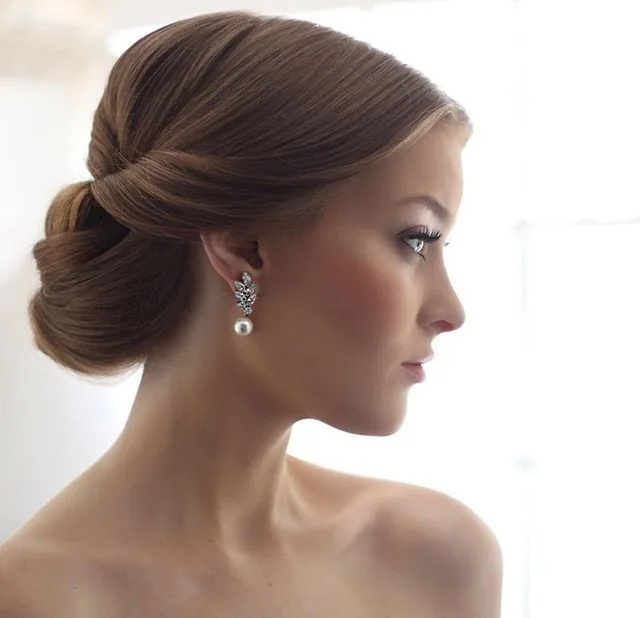
Wind-proof hairstyles have real advantages: they last for hours, they keep hair out of your face, they prevent the painful tangles that take twenty minutes to brush out, and they photograph well, because they look the same at the end of the day as they did at the start. The trade-offs are honest too. Tight styles can feel uncomfortable after a long day and can pull at the hairline if worn too often. Braids and updos take longer than leaving your hair down, and some of them need a mirror or a second pair of hands. A very secure style can also look a little severe if every strand is pulled flat.
The pros: lasting hold, no tangles, no hair in your face, and a polished look that survives the weather. The cons: more time, more pins, and a little less softness and movement. Quick verdict: for a windy day the trade is worth it — a style that looks 90 percent as pretty but survives the whole day beats a perfect style that lasts ten minutes. Soften a secure style with a few face-framing twists or a scarf, and you get the best of both.
Maintenance, Cost and Time: What Wind-Proof Hair Really Takes

Wind-proof hair is cheap and quick once you know the moves, but it does need a little more care than a wash-and-go. Most of the styles in this guide take five to fifteen minutes, use products you probably already own — a brush, a few elastics, bobby pins, a light cream and a flexible hairspray — and cost nothing extra. The maintenance is in the evening: take braids out gently, brush from the ends up, and use a weekly deep-conditioning mask, because wind and sun dry the hair out and tight styles can cause breakage if the hair is already dry and brittle.
Time: five minutes for a simple braid or twist, fifteen for a full updo, and less every time you practise. Cost: under the price of one salon visit for a full set of pins, elastics, a scarf and a good hairspray that lasts months. Who should avoid daily tight styles: anyone with a sensitive scalp, thinning hair or a sore hairline — alternate with loose, pinned styles and give your hair rest days. Quick verdict: wind-proof hair is one of the cheapest, most practical upgrades in this whole guide.
1. The Low Braided Bun That Refuses to Move
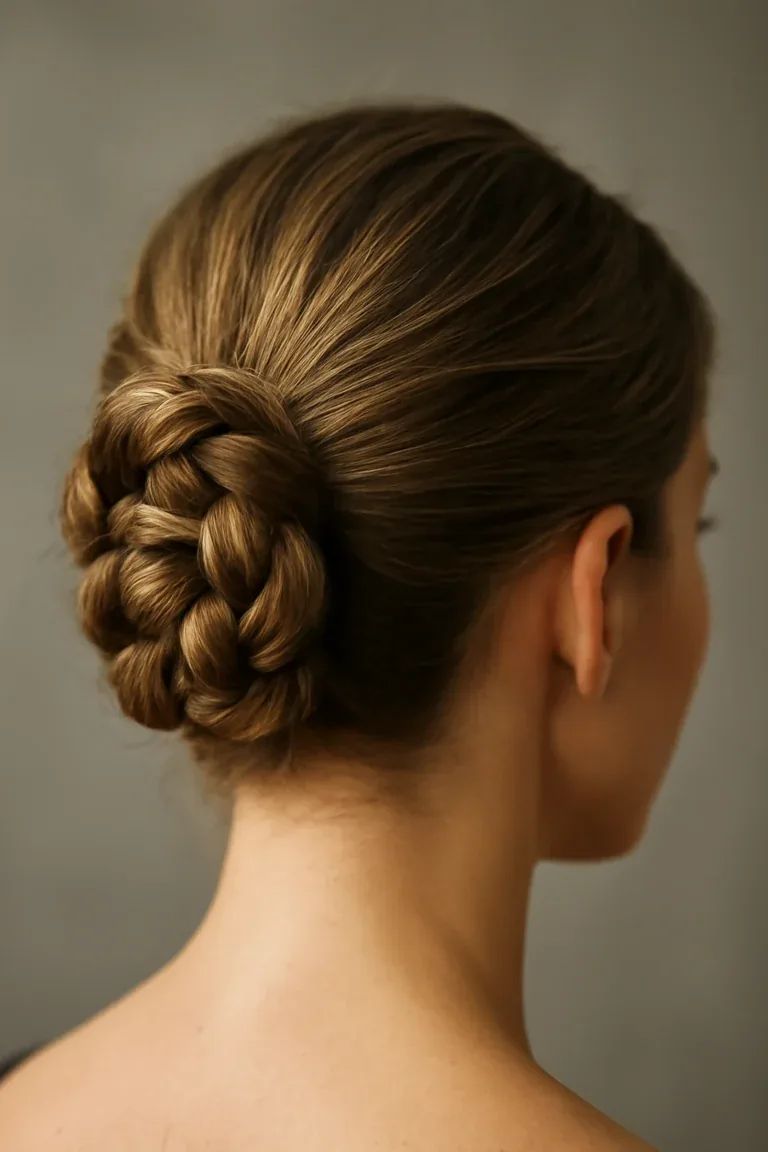
Start with a low ponytail at the nape, braid it loosely, then coil the braid into a flat bun and pin it in four places. The braid is the secret: it locks the length into one solid rope, so the wind cannot separate the strands, and the low position keeps the weight close to your head, where gusts have the least leverage. It looks elegant enough for a wedding guest and practical enough for a windy school run, and it holds for hours without a single touch-up.
Why it holds: braided hair cannot tangle with itself, and a bun pinned at four points cannot unravel from one loose end. How to secure it: use a snag-free elastic, coil the braid flat, and push bobby pins in from opposite directions so they lock against each other. Who it suits: medium to long hair, straight or wavy — and it flatters every face shape, because the low position softens the jawline.
2. The Classic French Braid, Tightened for Wind
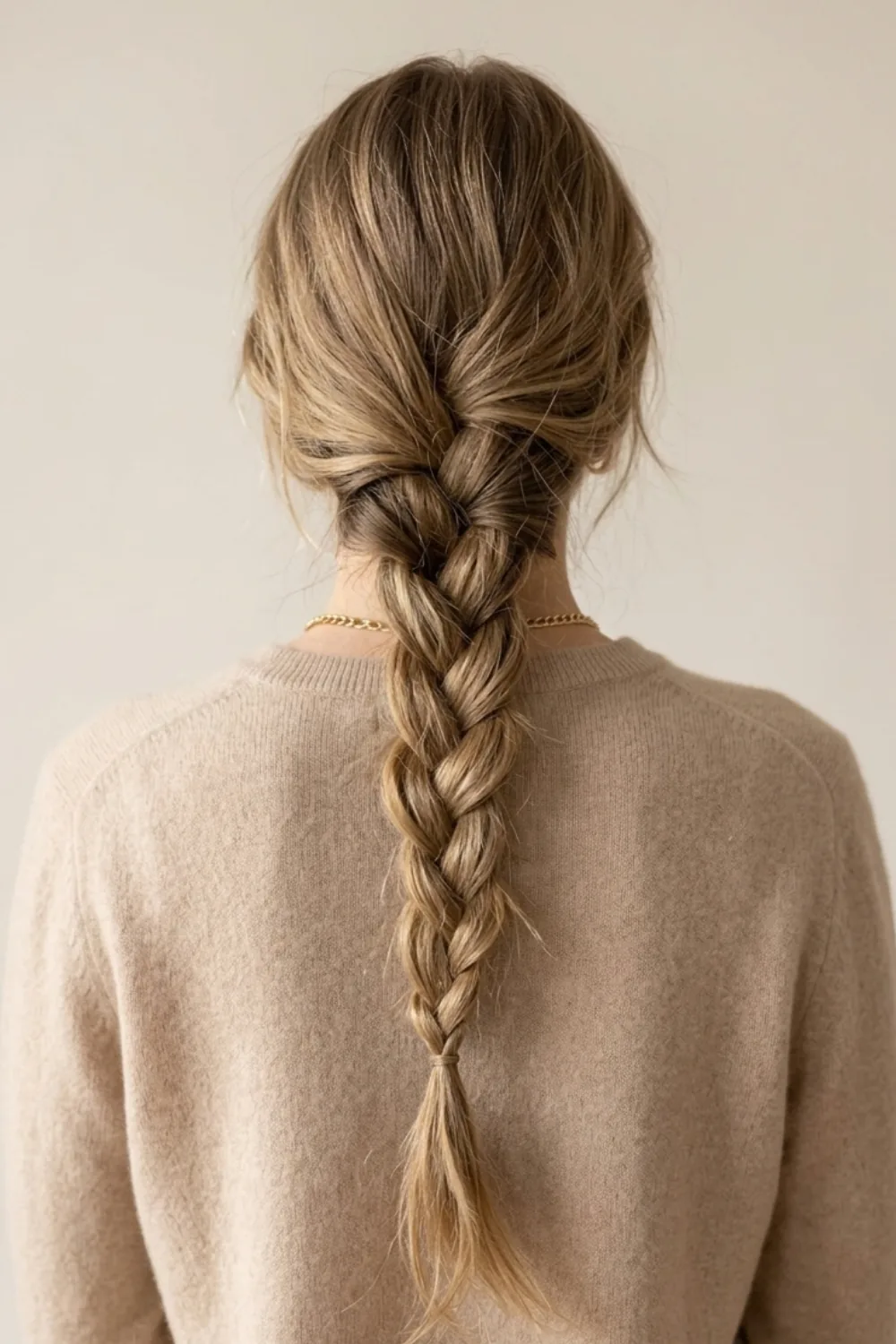
The French braid is the original wind-proof style, and it earns that title because every section of hair is woven into the braid as you go, leaving nothing loose behind. For a windy day, braid a little tighter than usual, keep the sections small and even, and run your fingers along the braid at the end to check for any loose loops. Tuck the tail under and pin it flat, and the whole style becomes one smooth, aerodynamic shape the wind slides straight over.
Why it holds: the hair is anchored to the scalp every few centimetres, so no gust can lift a whole section at once. How to secure it: finish with a small clear elastic, fold the tail under, and add two crossed pins at the nape. Who it suits: long hair of any thickness, and it is especially kind to fine hair, because the weaving adds grip and volume at the roots.
3. The Dutch Braid Crown
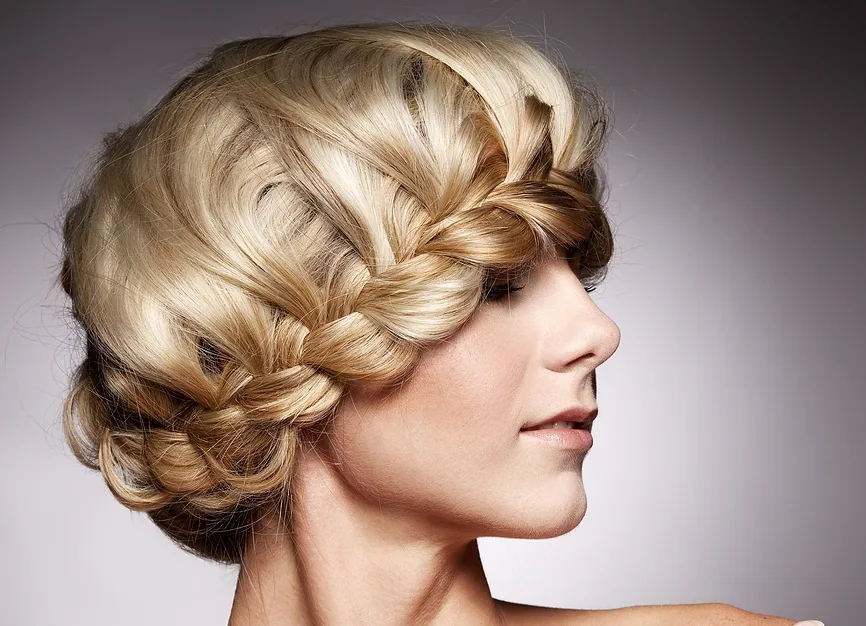
A Dutch braid crown — one braid worked around the head like a headband — keeps the front hair completely out of your face, which is exactly where the wind does its worst damage. Braid from one ear, over the top of the head, down to the other ear, picking up small sections as you go, and pin the tail behind the ear. The rest of the hair can be left down, braided, or gathered into a low bun, and the crown holds the whole front in place.
Why it holds: the braid sits flat against the scalp and the wind has no loose edge to catch. How to secure it: pancake the braid gently for width, then pin every few centimetres with pins that match your hair colour. Who it suits: anyone who hates hair blowing across their face — it works on short, medium and long hair, and it looks romantic rather than severe.
4. The Messy-But-Anchored Top Knot

A top knot can survive a windy day, but only if the messy part is on top and the anchored part is underneath. Gather the hair high, twist it, and coil it — then pin the base of the knot firmly to the scalp in at least four places before you pull out any soft pieces. The trick is to keep the loose, wispy bits to the very top of the knot, where they are short, and to keep everything around the hairline smooth and pinned flat.
Why it holds: all the hair is gathered into one point high on the head, so the wind cannot catch separate sections. How to secure it: use a strong elastic, a donut or a second elastic around the base, and pins pushed through the knot into the scalp hair. Who it suits: thick hair holds it best, but fine hair works too with a little texture spray at the roots first.
5. The Low Sleek Ponytail With a Hidden Grip
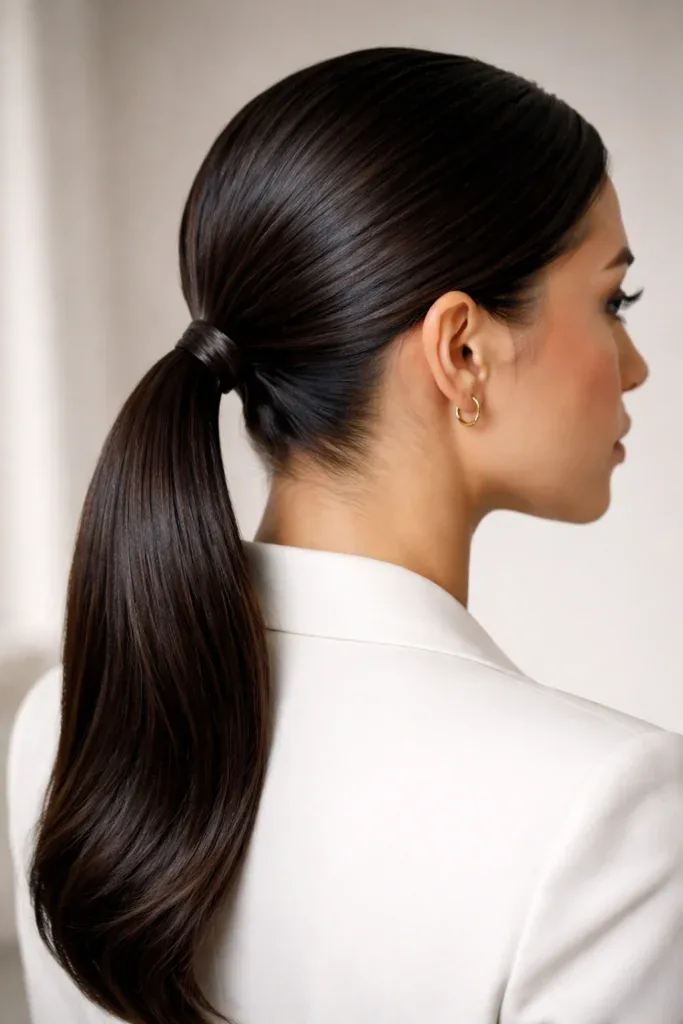
A low ponytail looks simple, but on a windy day the difference between a ponytail that survives and one that falls apart is the hidden grip underneath. Smooth the hair back with a brush and a pea-sized drop of serum, secure it low at the nape with a strong elastic, then wrap a small section of hair around the elastic and pin it — the wrap stops the elastic sliding and hides it at the same time. Braid the last few centimetres of the tail, or twist it, so the ends cannot whip around and tangle.
Why it holds: the low position and the wrapped base stop the ponytail swinging and loosening in gusts. How to secure it: use two elastics for thick hair, and add a pin through the wrapped section into the ponytail base. Who it suits: everyone — it is the fastest wind-proof style in this guide, and it looks polished with almost any outfit.
6. The Double Dutch Braids for Long Hair
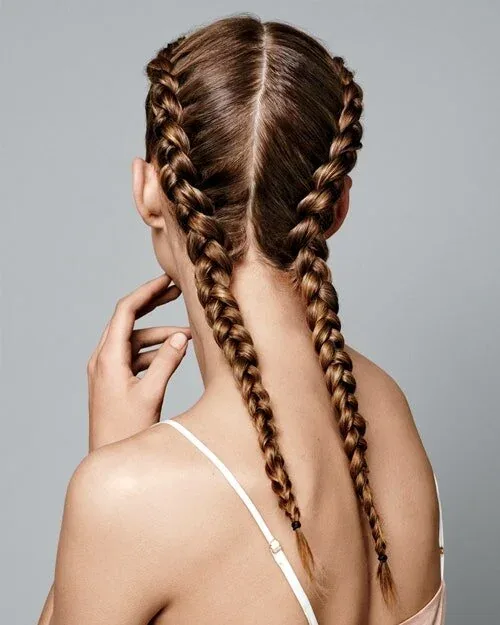
Two Dutch braids, one on each side, are the most secure style in this whole guide — and the reason is simple: the hair is divided, woven and anchored twice over, so the wind would have to defeat two braids at once. Part the hair down the middle, braid each side from the front hairline to the nape, and secure the tails with small elastics. Leave the tails braided, tie them together at the back, or tuck them under for a tidier finish.
Why it holds: every strand is inside a braid from root to tip, and the centre part stops the hair sliding to one side. How to secure it: braid tightly at the front where the wind hits hardest, and finish each tail with a snag-free elastic plus a pin. Who it suits: long, thick hair in particular — but it also rescues fine hair, because two braids look fuller than one.
7. The Twisted Low Chignon
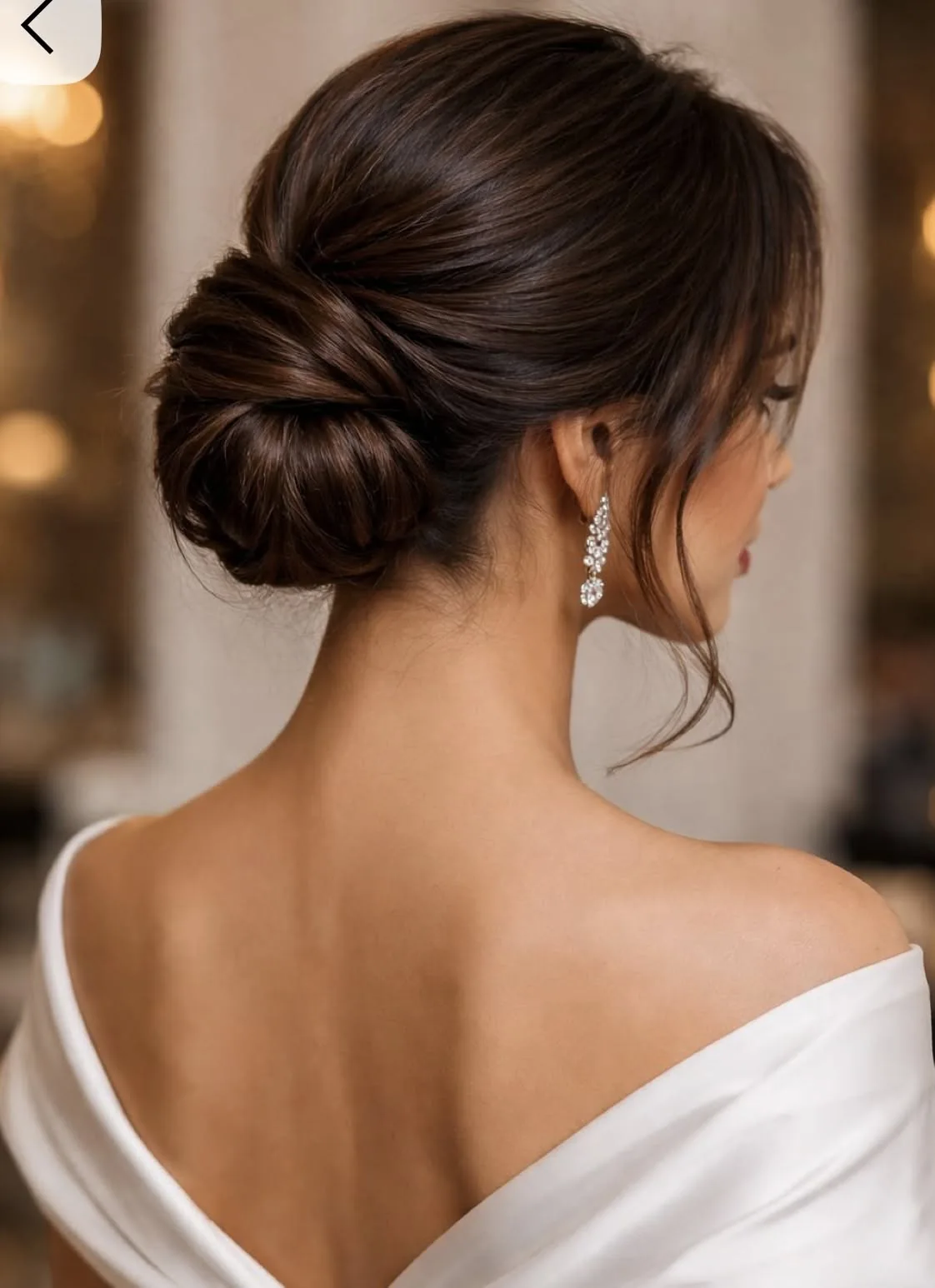
A twisted low chignon looks like it took an hour and takes about five minutes. Part the hair, twist each side back toward the nape, cross the twists over each other, and coil the ends into a small, flat bun. The twists do the wind-proofing: twisted hair cannot separate into flyaways the way loose hair can, and the low, flat shape sits close to the head, where the wind has almost nothing to catch.
Why it holds: twists lock the hair into ropes, and the chignon pins flat against the nape. How to secure it: pin each twist before you coil the bun, then pin the bun itself in three places. Who it suits: medium-length hair that is too short for a full braid, and anyone who wants an elegant style without a single braid.
8. The Fishtail Braid That Locks Itself In
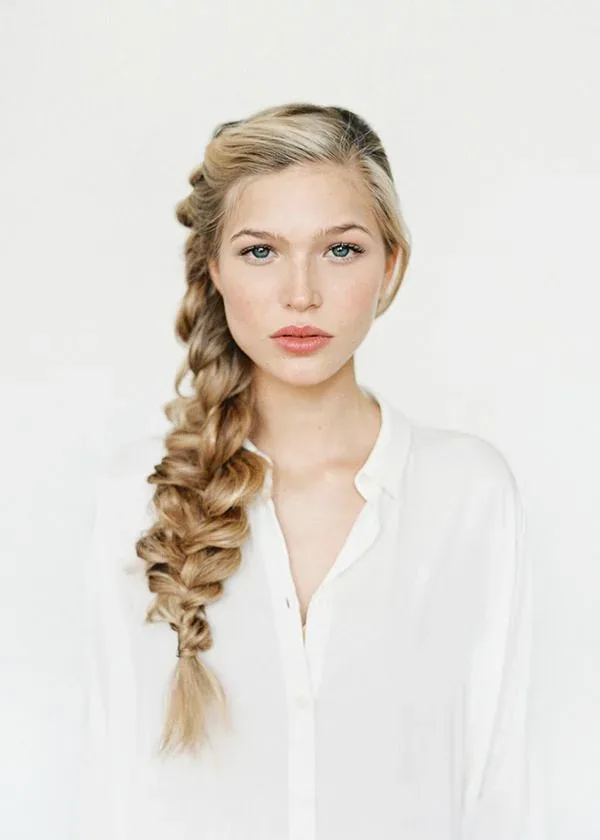
A fishtail braid is made of tiny, interlocking sections, and that fine weave is exactly what makes it so wind-resistant — the smaller the sections, the harder it is for the wind to pull any one of them loose. Gather the hair to one side or down the back, split it in two, and keep crossing small pieces from the outside of one half to the inside of the other. It takes a little longer than a normal braid, but the result is a style that looks intricate and holds like armour.
Why it holds: the tight, fine weave leaves almost no gaps for the wind to get into. How to secure it: braid all the way to the very ends, use a small elastic, and mist lightly with flexible hairspray. Who it suits: long hair, straight or wavy — and it is one of the prettiest styles in this guide, so it earns its place at weddings and parties too.
9. The Bubble Ponytail That Cannot Tangle
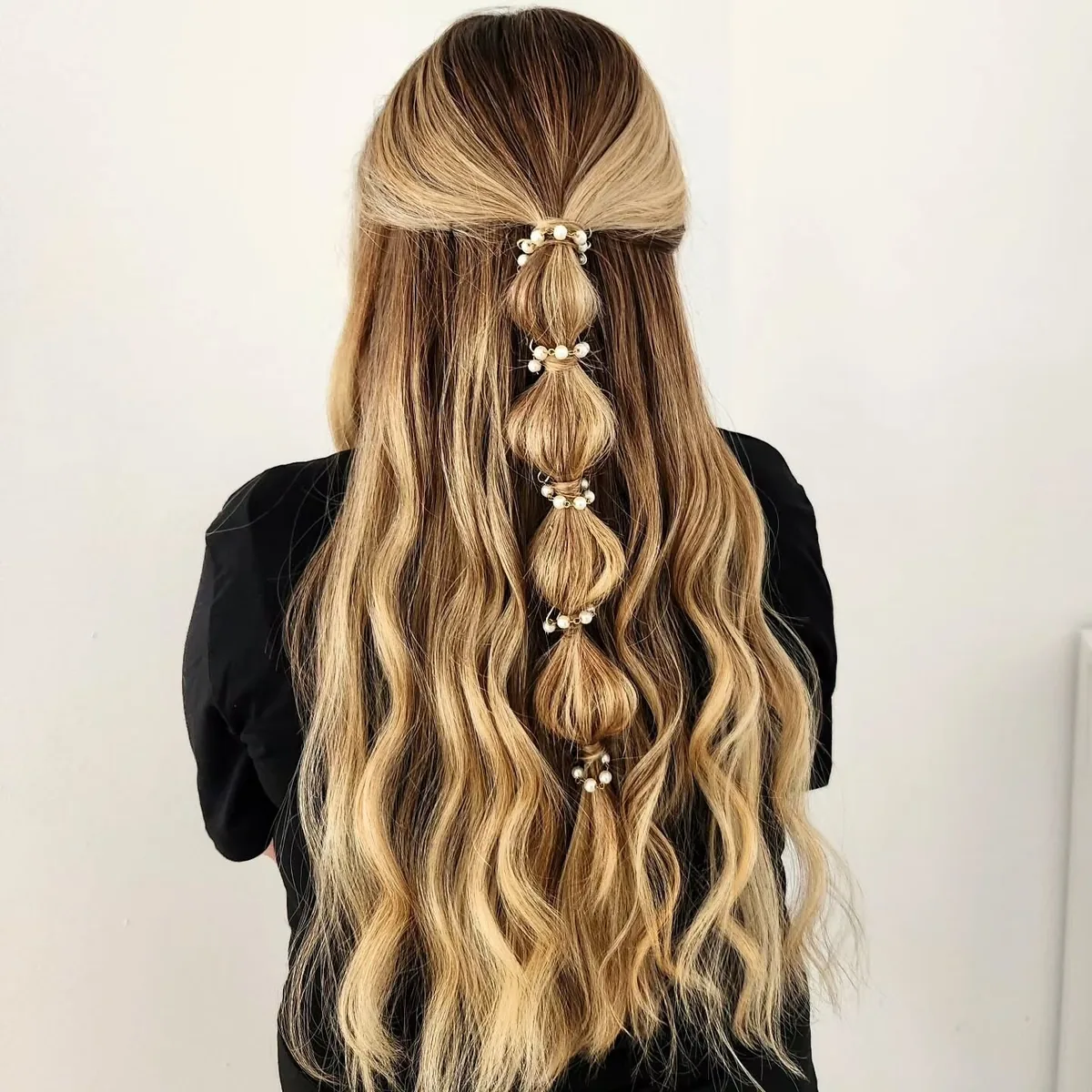
The bubble ponytail turns the wind’s worst habit — tangling — into a non-issue, because the hair is divided into separate bubbles by elastics every few centimetres, and each bubble is sealed off from the next. Pull the hair into a high or low ponytail, add elastics down the length, and gently pull each section wider to make the bubbles. The elastics stop the hair whipping around and knotting, and the style looks playful and modern at the same time.
Why it holds: every section of the tail is contained by an elastic, so nothing can tangle or whip free. How to secure it: use matching elastics, space them evenly, and hide the last elastic with a small wrap of hair. Who it suits: long hair best, but medium hair works with three or four bubbles — and it is a favourite for festivals and windy days out.
10. The Side Braid Tucked Behind the Ear

A side braid is the gentlest wind-proof style in this guide, and the trick is the tuck: braid the hair over one shoulder, then tuck the tail behind the ear or pin it to the back of the neck, so the wind cannot swing it around. Start the braid high near the temple, keep it tight for the first few centimetres, and let it loosen slightly as it goes down. The result looks soft and romantic, but the pinned tail keeps it firmly in place.
Why it holds: the braid is anchored at the temple and pinned at the end, so it cannot swing or unravel. How to secure it: use a clear elastic and two pins — one behind the ear, one at the nape. Who it suits: shoulder-length and long hair, and anyone who wants a soft look that still survives a gusty walk.
11. The Half-Up Twist With Pinned Sides
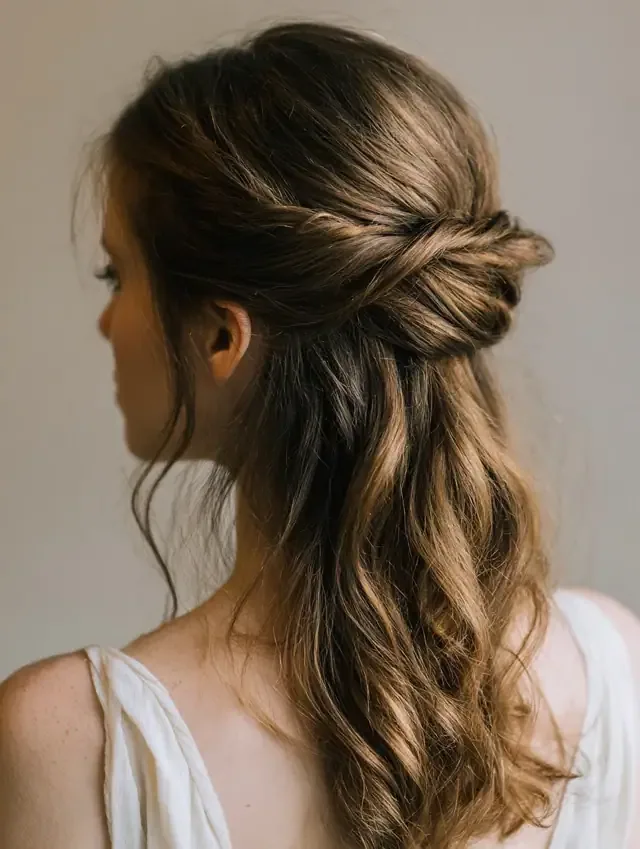
The half-up twist is the compromise style for anyone who wants to wear their hair down on a windy day without regretting it. Take the front sections from both sides, twist each one back, cross them at the back of the head, and pin them firmly — the twists hold the hair away from your face, while the rest falls loose behind. For extra security, braid the small under-layer at the nape, so even the loose hair has a hidden anchor.
Why it holds: the front hair, which the wind attacks first, is twisted and pinned, and only the back layer is loose. How to secure it: cross the twists and pin through both, then add a second pin below for insurance. Who it suits: medium and long hair, wavy or straight — and it is one of the quickest styles in this guide, at about three minutes.
12. The Braided Headband That Holds the Front
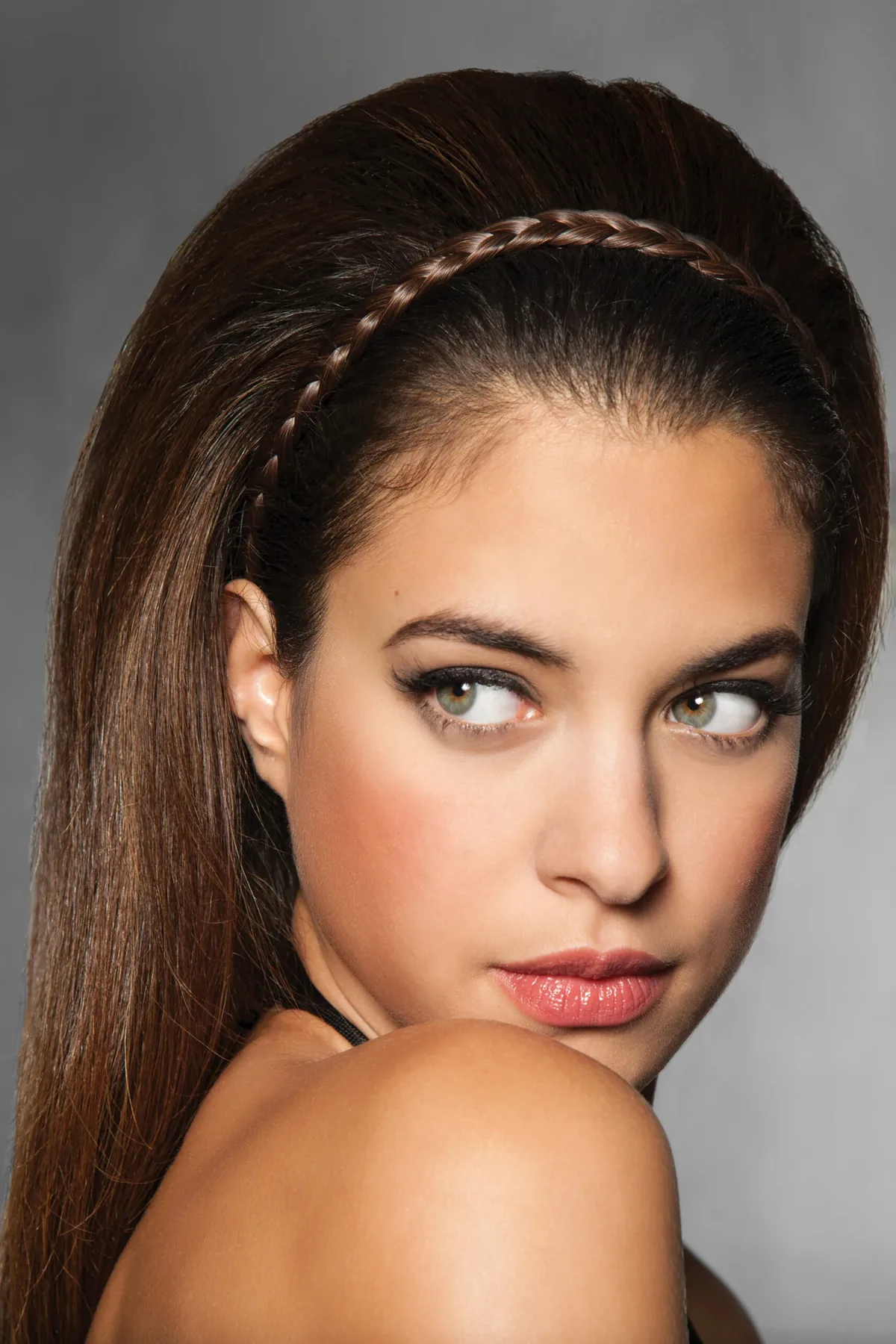
A braided headband does two jobs at once: it looks like a pretty accessory, and it pins the entire front hairline flat, which is where wind-blown hair starts. Take a section from behind one ear, braid it, and lay it across the top of the head like a band, pinning it behind the other ear. The rest of the hair can be worn down, in a bun, or in a ponytail, and the front stays put whatever the weather does.
Why it holds: the braid lies flat against the scalp across the whole front, so there is no loose fringe for the wind to lift. How to secure it: braid tightly, pin both ends behind the ears, and hide the pins under the loose hair. Who it suits: anyone with bangs or face-framing layers that blow across the eyes — it is the single best fix for that problem.
13. The Low Twisted Bun for Thick Hair
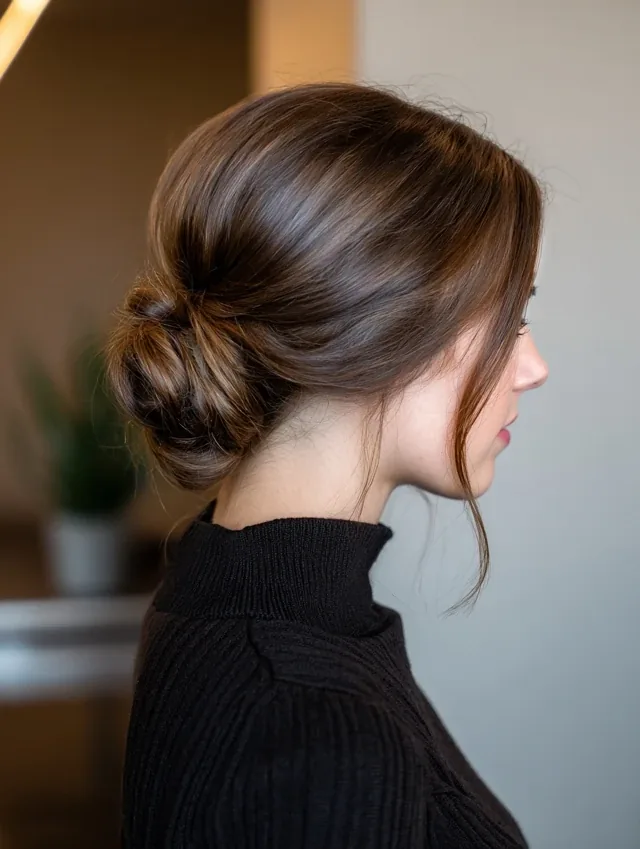
Thick hair is heavy, and heavy hair slips out of pins — unless you twist it first. Split the hair into two halves, twist each one tightly, then wrap the twists around each other into a low bun at the nape. The twisting compresses the volume into a dense, solid shape, and the two twists lock against each other, so the bun cannot slowly unwind the way a plain coiled bun does in the wind.
Why it holds: twisted hair grips itself, and a dense bun has no loose, light sections for the wind to lift. How to secure it: use large, strong pins — small pins bend in thick hair — and push them through the bun into the scalp hair. Who it suits: thick and very long hair, which is exactly the hair that defeats most other buns on a windy day.
14. The Rope Twist Ponytail
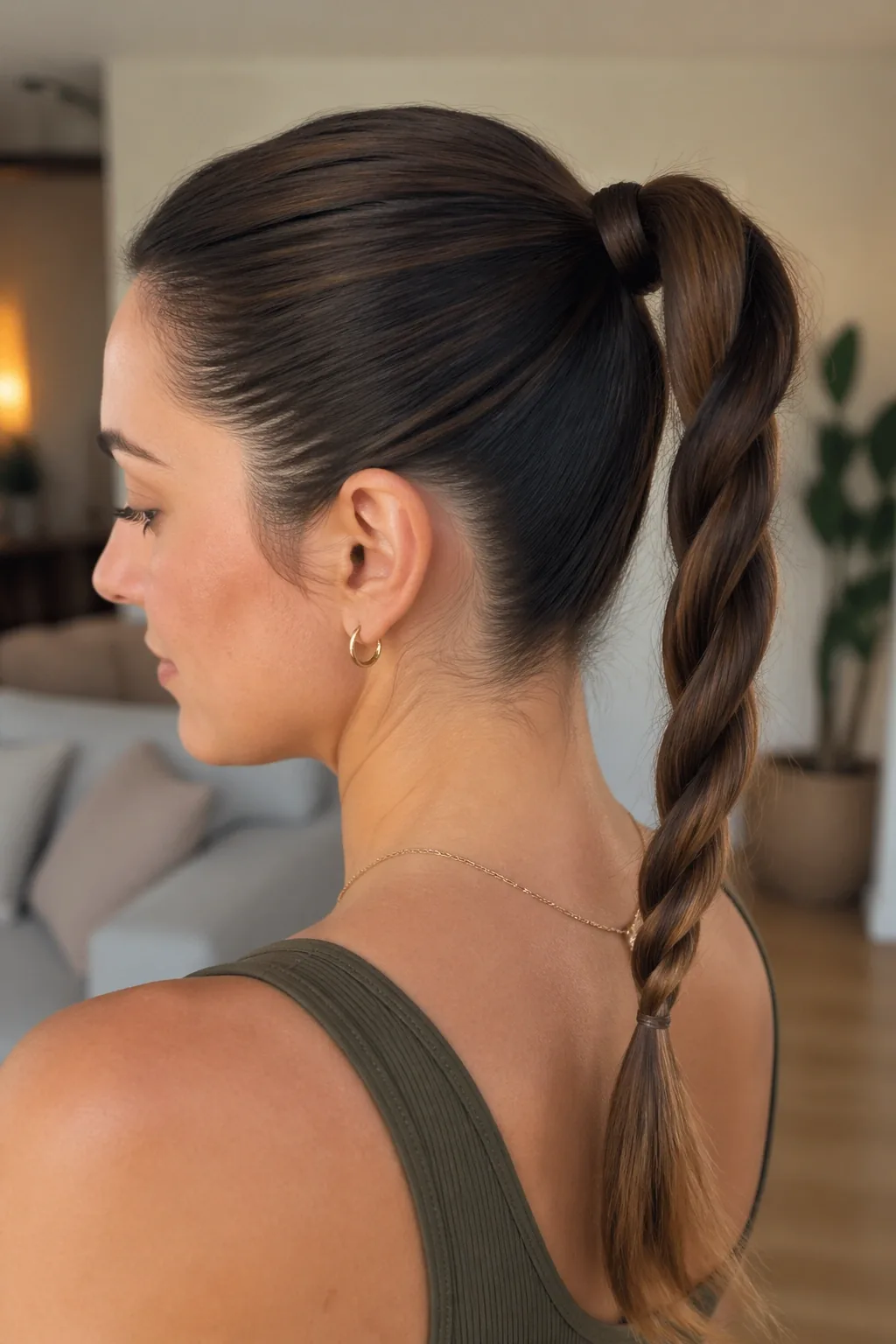
A rope twist ponytail looks like a sleek rope of hair, and it is one of the most wind-resistant ponytails you can wear. Gather the hair into a low ponytail, split it into two halves, twist each half in the same direction, then wind the two twists around each other in the opposite direction and secure the end. The opposing twists lock each other in place — the harder the wind pulls, the tighter the rope holds.
Why it holds: the counter-twist structure tightens under tension instead of loosening. How to secure it: keep twisting until the very ends, finish with a small elastic, and tuck the tail under with a pin. Who it suits: medium to long hair, straight or slightly wavy — and it looks far more polished than an ordinary ponytail for almost no extra effort.
15. The Gibson Tuck, the Old-School Wind Winner
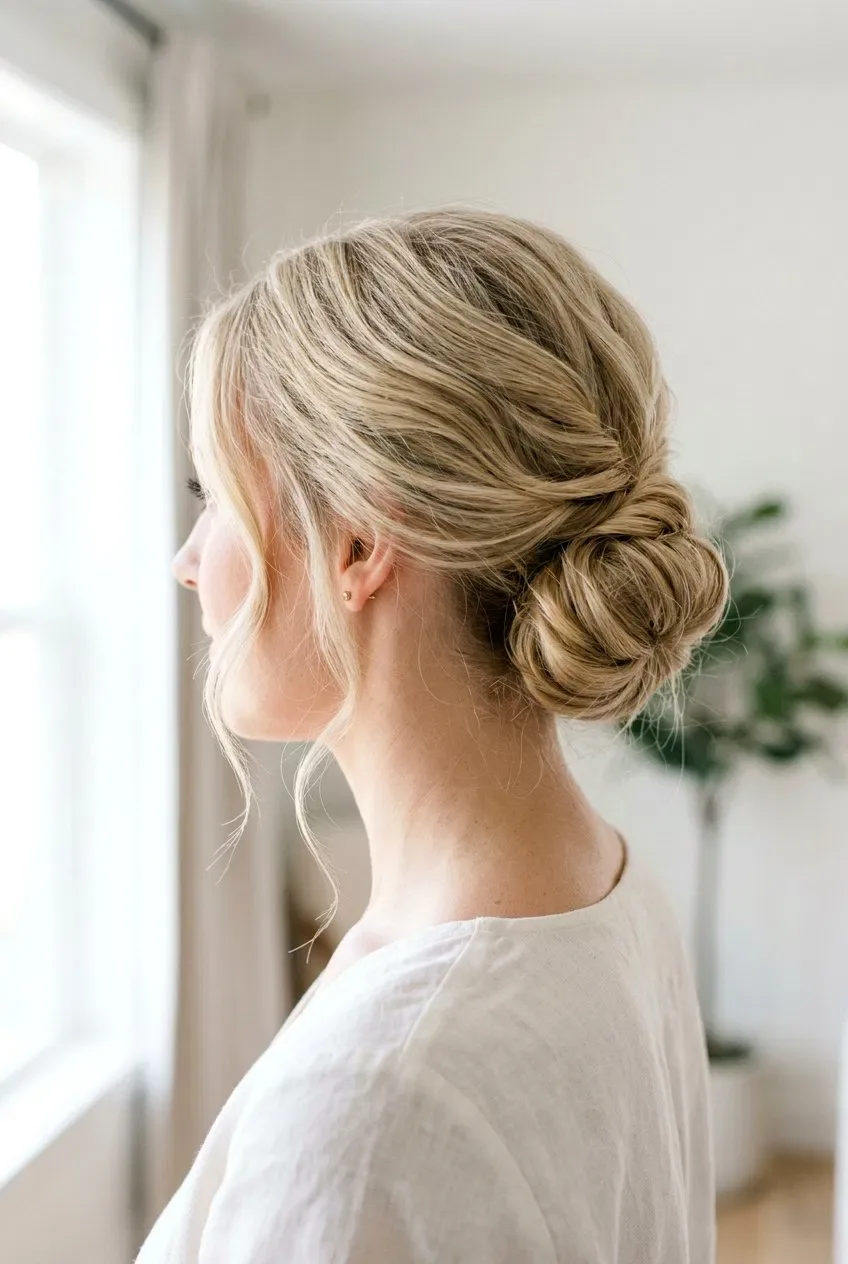
The Gibson tuck is a vintage style that was made for windy days long before hairspray existed. Gather the hair into a low ponytail, loosen the elastic slightly, split the hair above it into a pocket, and tuck the whole ponytail up and through the pocket, then pin the roll flat. The result is a neat, low roll at the nape with no loose ends at all — and because the hair is folded inside itself, the wind has literally nothing to catch.
Why it holds: every end is tucked inside the roll, so the style is a smooth, closed shape. How to secure it: pin along the top edge of the roll and at both ends, and use a hair tie that matches your hair colour. Who it suits: medium-length hair, and anyone who loves vintage styles — it looks elegant at weddings and smart at work.
16. The Braided Ponytail Combo
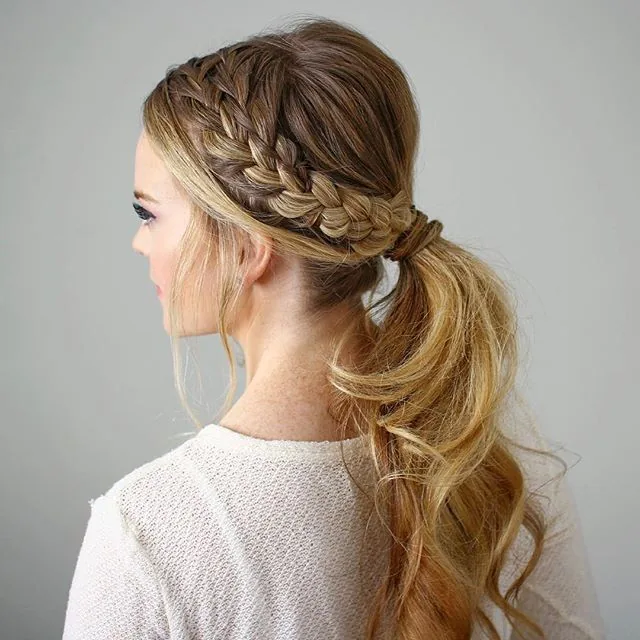
The braided ponytail combines the two most wind-proof ideas in this guide — a ponytail and a braid — into one style. Pull the hair into a ponytail first, high or low, then braid the tail itself. The ponytail keeps the hair off the neck and out of the way, and the braid stops the tail whipping around and tangling, which is the part of a ponytail the wind destroys first. It is the best of both, and it takes about two minutes.
Why it holds: the braid locks the tail, and the ponytail base anchors the whole style to the head. How to secure it: braid tightly at the top of the tail, where the wind hits it, and finish with a small elastic. Who it suits: long hair, and anyone who finds a plain ponytail falls apart by lunchtime on a windy day.
17. The Scarf-Wrapped Low Bun
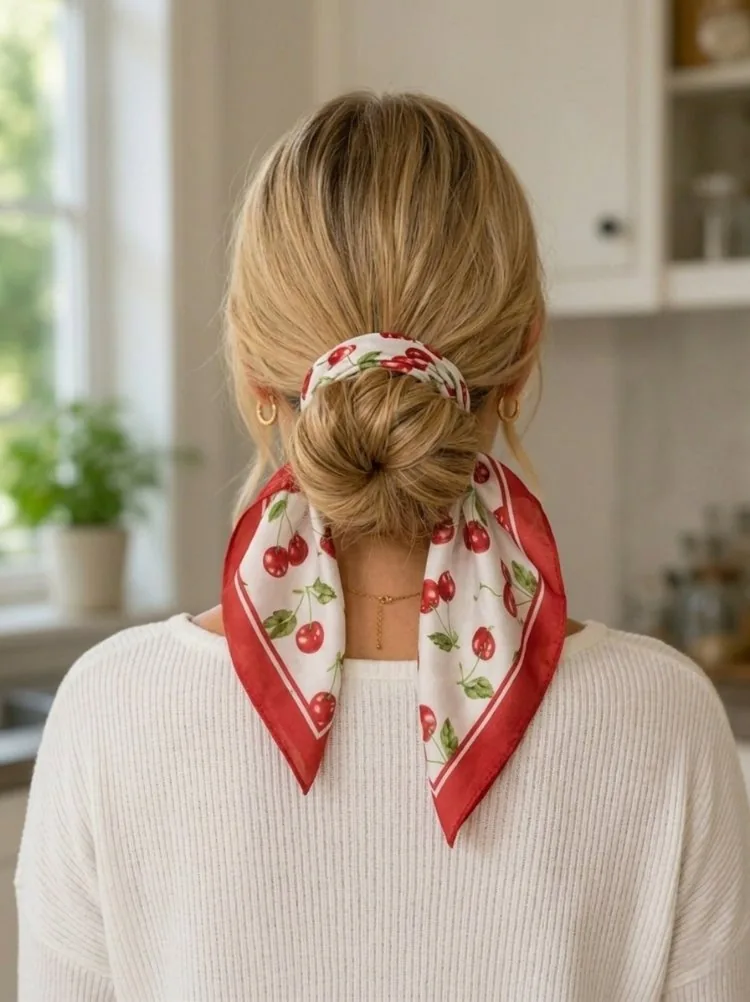
A silk scarf wrapped around a low bun is both a style statement and a wind shield. Make a low bun, then fold a square scarf into a band, wrap it around the bun and tie it underneath, tucking the ends in. The scarf holds the bun in place, covers any flyaways, and stops the wind drying the hair out — and when the wind really picks up, you can pull the scarf forward over the crown for extra cover without ruining the style.
Why it holds: the scarf adds a second layer of grip over the bun and smooths every flyaway underneath it. How to secure it: tie the scarf snugly and pin it to the bun in two places so it cannot slide off. Who it suits: everyone — and it is the best option for curly and textured hair, because the silk protects the curl pattern from wind frizz.
18. The Sleek Chignon With a Hair Net Trick

A sleek chignon is a low, smooth bun at the nape, and the professional trick that makes it truly wind-proof is a fine, invisible hair net over the bun. Smooth the hair back with serum, coil it into a flat chignon, pin it, then slip a hair-coloured net over the whole bun and pin the net in place. The net is invisible from a normal distance, but it stops every single flyaway and keeps the bun perfectly smooth, even in a strong gust.
Why it holds: the net contains the entire bun, so no strand can escape, however hard the wind blows. How to secure it: pin the chignon first, then the net, with pins that match your hair colour. Who it suits: anyone who needs a formal style to last all day outdoors — brides, bridesmaids, and anyone heading to a windy wedding.
19. The Two Mini Buns for Short-to-Medium Hair

Short-to-medium hair is hard to braid and hard to bun — but two mini buns solve both problems. Part the hair down the middle, gather each side into a small bun on top of the head or at the back, twist, coil and pin. Because the hair is divided, each bun only has to hold half the hair, so it stays put far better than one bun trying to contain everything. The style looks playful and young, and it keeps every strand off the face and neck.
Why it holds: two small, dense buns are easier to pin securely than one loose one, and the centre part stops the hair sliding. How to secure it: use small elastics and two pins per bun, pushed in from opposite sides. Who it suits: shoulder-length and shorter hair, and anyone whose hair is too short for a full braid or a single bun.
20. The French Twist, Pinned to Last
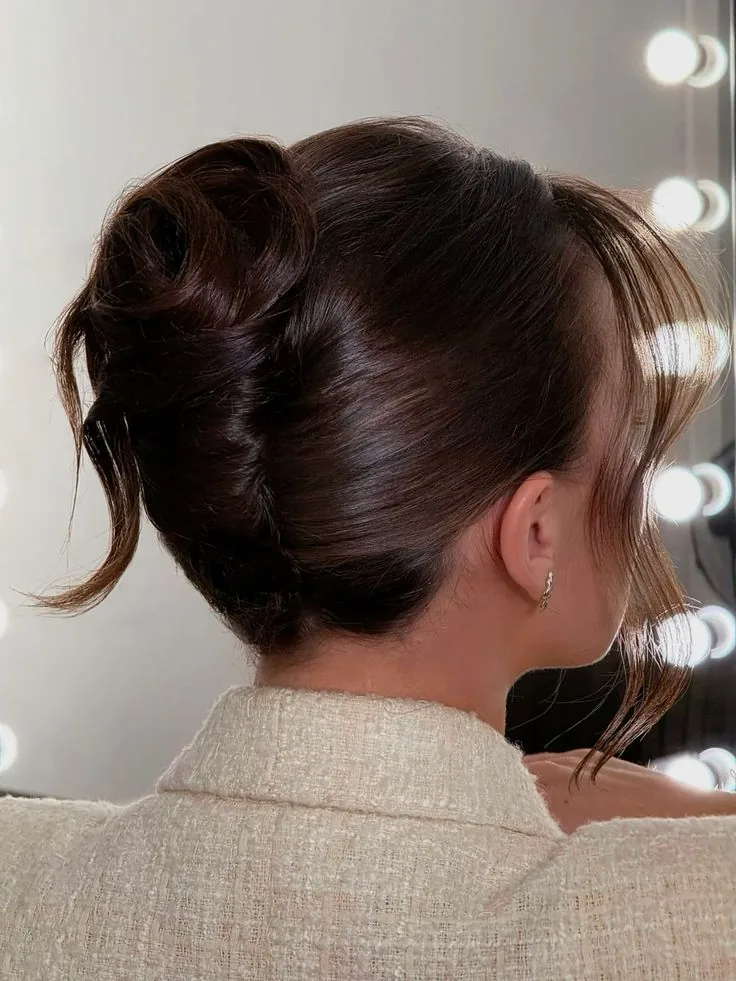
The French twist is a classic updo that rolls the hair up into a vertical twist at the back of the head — and when it is pinned properly, it is one of the most wind-proof styles ever invented. Gather the hair to one side, roll it upward and inward, tuck the ends in, and pin along the whole length of the twist with long pins. Because the hair is folded inside the twist, there are no loose ends anywhere, and the vertical shape sheds wind instead of catching it.
Why it holds: the hair is rolled and tucked inside itself, and the pins run the full length of the twist. How to secure it: use long, strong pins, at least five, spaced evenly from top to bottom. Who it suits: medium to long hair, and anyone who wants a truly elegant style for a formal, windy occasion.
21. The Waterfall Braid, Pinned Down Tight
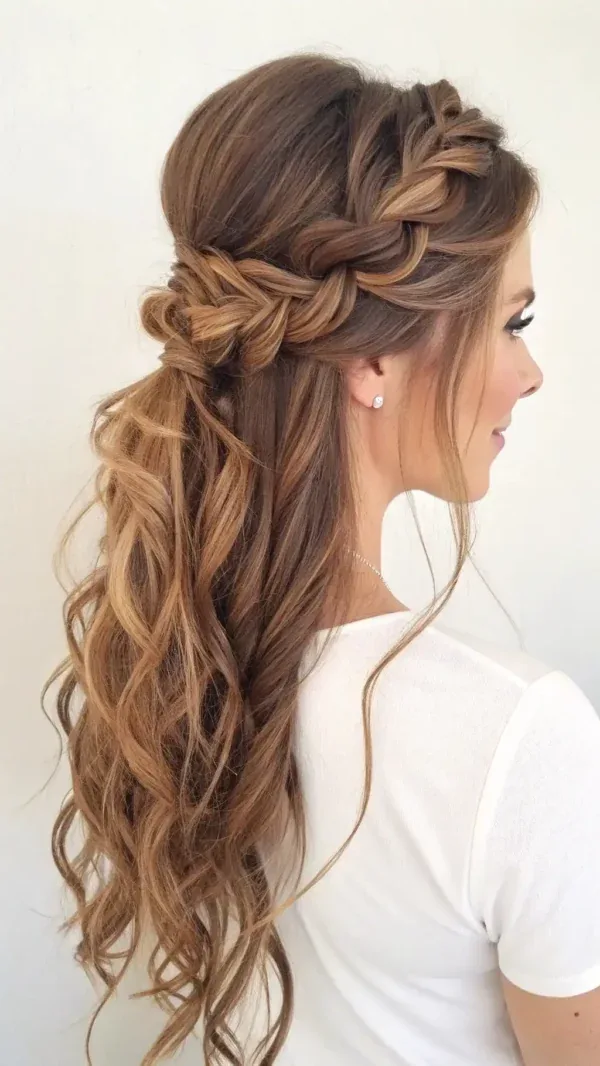
A waterfall braid looks delicate — strands of hair cascade down through the braid like water — but on a windy day it needs one firm change: pin the falling strands. Braid across the back of the head, letting a strand drop with each stitch, then pin each dropped strand flat against the head underneath, so the wind cannot lift and tangle them. The waterfall effect stays visible, but every strand is anchored, and the style survives the wind intact.
Why it holds: the braid anchors the top, and the pins anchor every falling strand below it. How to secure it: use small pins that match your hair colour, and mist the braid lightly with flexible spray. Who it suits: long, wavy hair, which shows the waterfall pattern best — and it is a lovely choice for a windy garden party.
22. The Curly Pineapple Updo for Windy Days
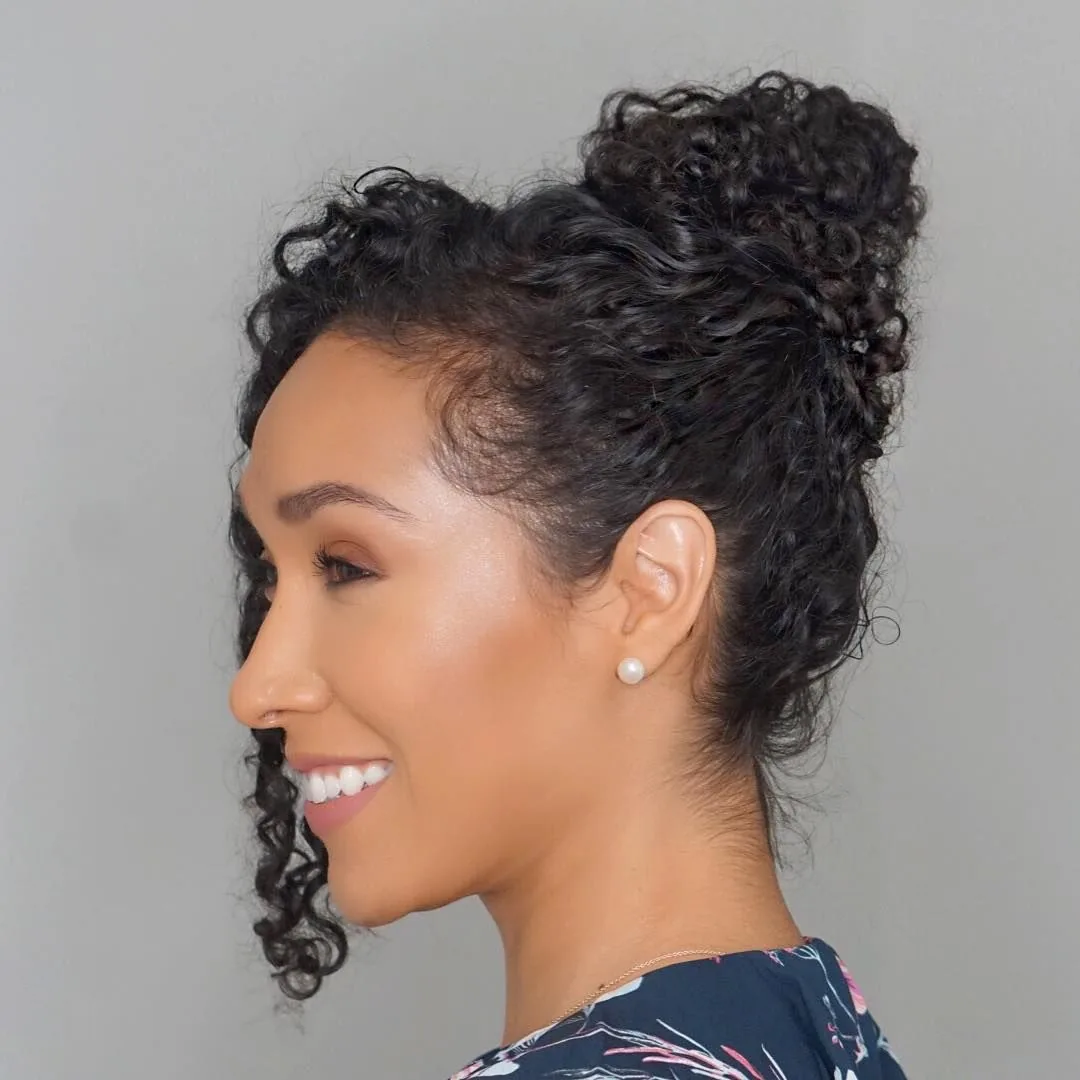
Curly hair and wind are natural enemies, because the wind pulls curls apart and turns definition into frizz — unless the curls are gathered up and protected. The pineapple updo piles the curls loosely on top of the head with a soft scrunchie, so the curl pattern is preserved inside the pile instead of being pulled apart. A silk scarf around the base keeps the edges smooth, and the curls themselves act as a cushion that the wind cannot easily separate.
Why it holds: the curls are contained in one soft pile, so the wind cannot catch individual curls and pull them apart. How to secure it: use a loose scrunchie, never a tight elastic, and pin the front edges with flat clips. Who it suits: curly and coily hair of any length — it is the kindest wind-proof style for curls, because it protects the pattern instead of fighting it.
23. The Slicked-Back Low Bun With Gel
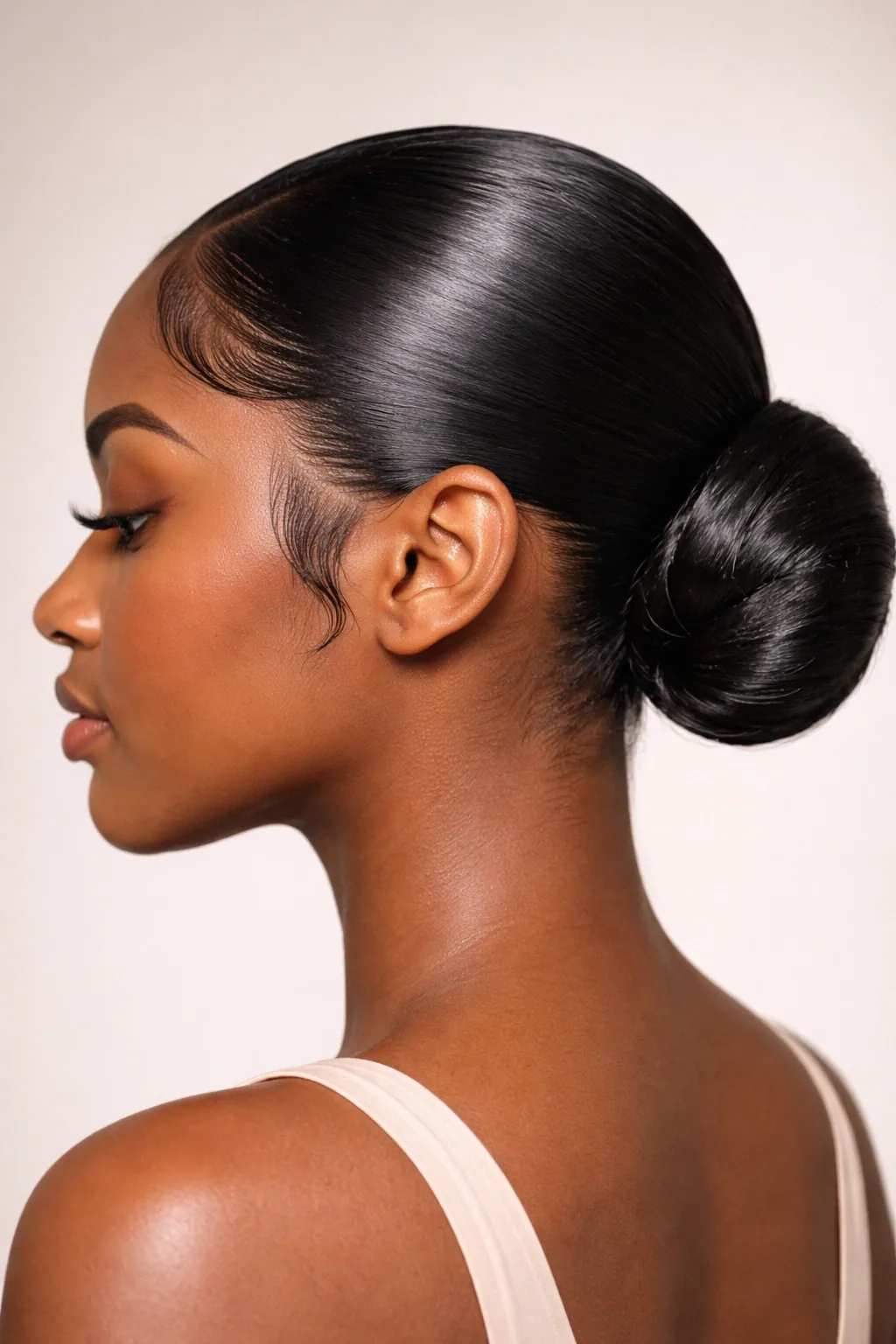
Sometimes the simplest answer is the strongest: slick the hair back with a light gel, gather it low at the nape, and coil it into a flat bun. The gel smooths the cuticle and glues down every flyaway, the low position keeps the style close to the head, and the bun contains the length. The result is a sleek, editorial look that the wind simply cannot ruffle — and it takes about four minutes from start to finish.
Why it holds: the gel creates a smooth, sealed surface, and the low bun gives the wind nothing to lift. How to secure it: apply gel to damp hair, brush it smooth, and pin the bun in three places. Who it suits: straight and wavy hair, and anyone who likes a clean, polished look — it is also the best choice when the wind comes with rain, because wet-looking hair still looks deliberate.
24. The Side-Swept Twist for Shoulder-Length Hair
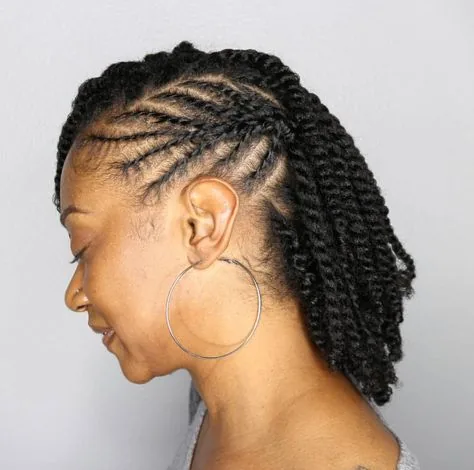
Shoulder-length hair is the hardest length for windy days — too short to braid properly, too long to leave loose — and the side-swept twist is the answer. Sweep all the hair to one side, twist the front section back from the temple, and pin the twist behind the ear, then let the rest fall over the shoulder. The twist anchors the front, and the side sweep means the wind blows the hair in one direction instead of scattering it in every direction.
Why it holds: the twist pins the front flat, and the single-direction sweep works with the wind instead of against it. How to secure it: use two pins through the twist and a light mist of spray on the lengths. Who it suits: shoulder-length hair, straight or wavy — and it flatters round faces, because the side sweep lengthens the face.
25. The Braided Crown Bun
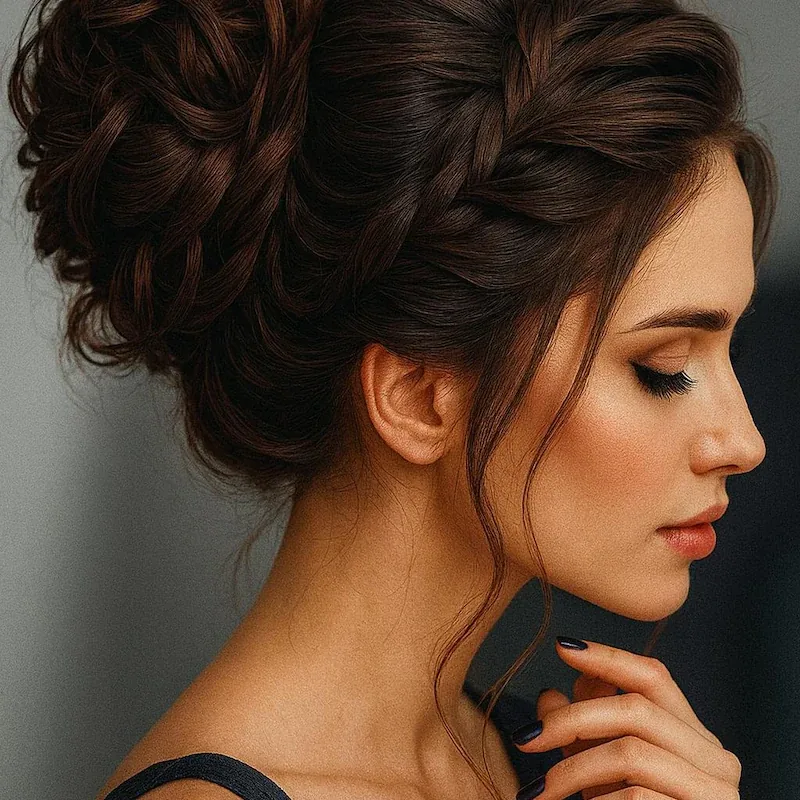
The braided crown bun combines a braid and a bun into a single, circular style: braid the hair around the head like a crown, then coil the tail of the braid into a small bun at the back and pin it. The crown braid holds the front and sides completely flat, the bun contains the length, and the whole style is one continuous, anchored loop. It looks like a red-carpet style, but it is genuinely one of the most practical windy-day choices in this guide.
Why it holds: the braid circles the whole head, so there is no loose section anywhere for the wind to attack. How to secure it: pin the crown every few centimetres and pin the bun separately in three places. Who it suits: long hair, and anyone heading to a wedding, a festival or a photo shoot on a windy day.
26. The Low Ponytail With a Wrapped Base
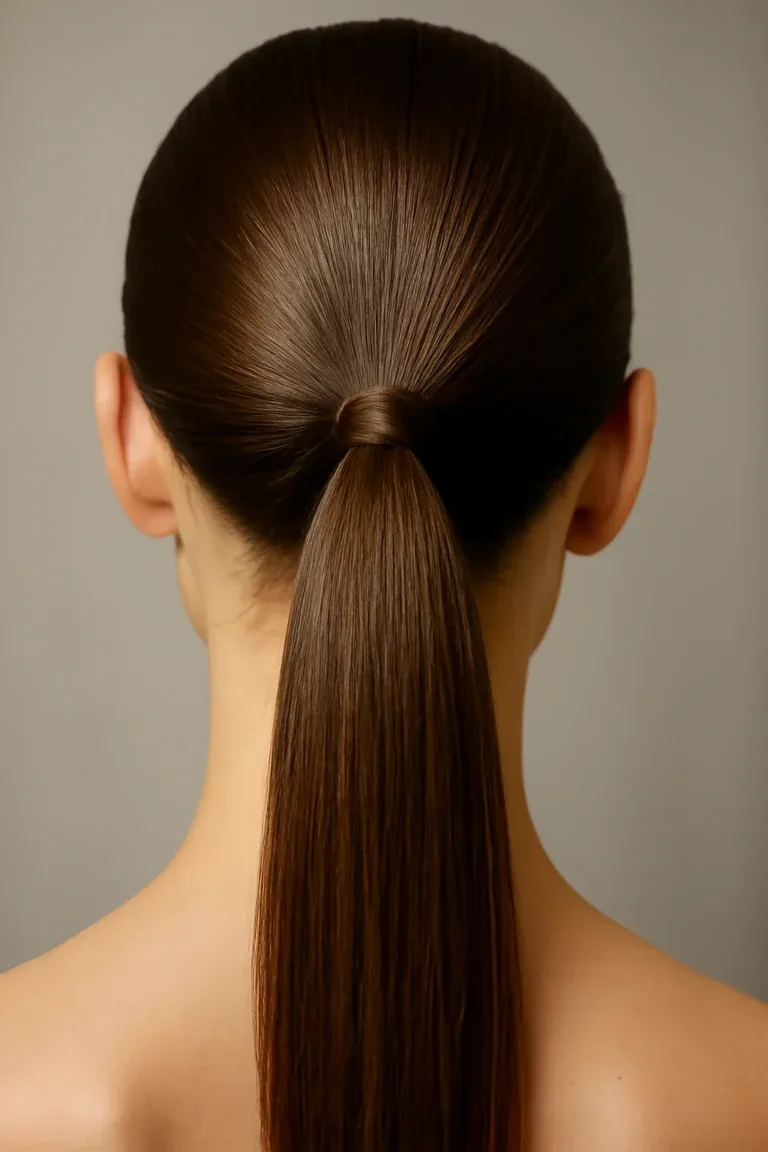
A wrapped base is the small detail that turns an ordinary low ponytail into a wind-proof one. Gather the hair low at the nape, secure it with a strong elastic, then take a thin section from underneath the ponytail, wrap it around the elastic several times, and pin the end underneath. The wrap stops the elastic sliding down in the wind, hides the elastic for a polished finish, and adds just enough grip to keep the ponytail from loosening over the day.
Why it holds: the wrap locks the elastic in place and the low position keeps the ponytail from swinging. How to secure it: pin the wrapped section through the elastic and into the ponytail base. Who it suits: everyone — it is the easiest upgrade in this guide, and it works on every hair length that can make a ponytail.
27. The Twisted Halo for Fine Hair
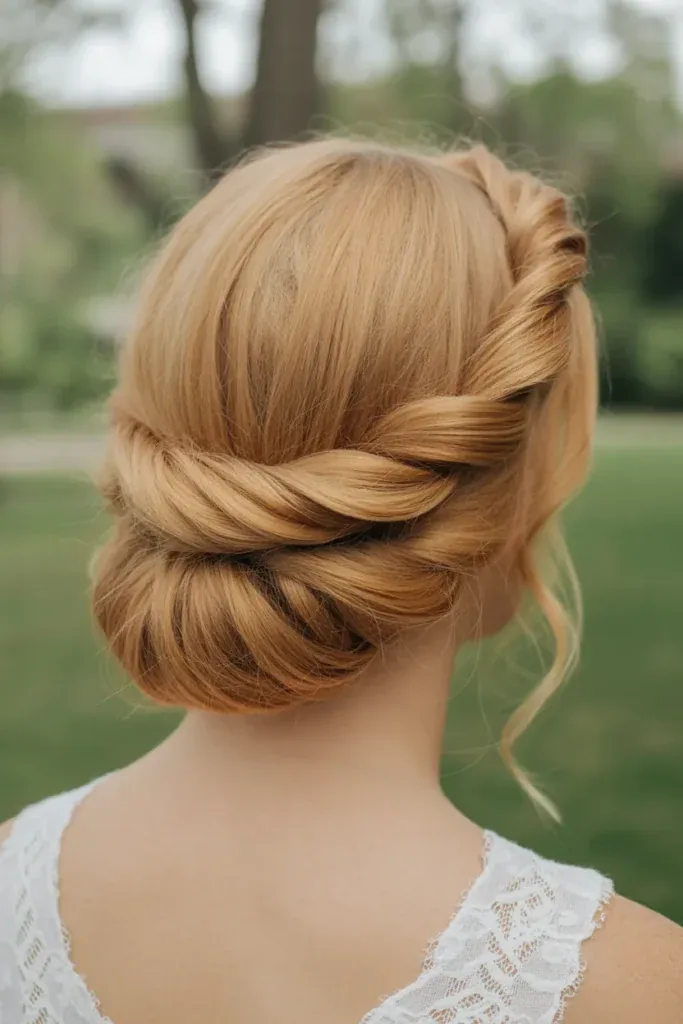
Fine hair slips out of braids, so the twisted halo is the better choice: it uses twists, which grip fine hair far better than plaits do. Take a section from each side of the head, twist each one back, cross them at the back, and pin them — then twist the remaining hair into a small low bun. The halo of twists holds the front flat, adds volume at the crown, and gives fine hair the grip it needs to survive the wind.
Why it holds: twists grip fine hair, and the halo anchors the whole front of the style. How to secure it: backcomb the roots lightly first for grip, then pin each twist with two pins. Who it suits: fine and thin hair in particular — but it also looks soft and romantic on thicker hair, so it earns its place for everyone.
28. The Knotted Low Bun
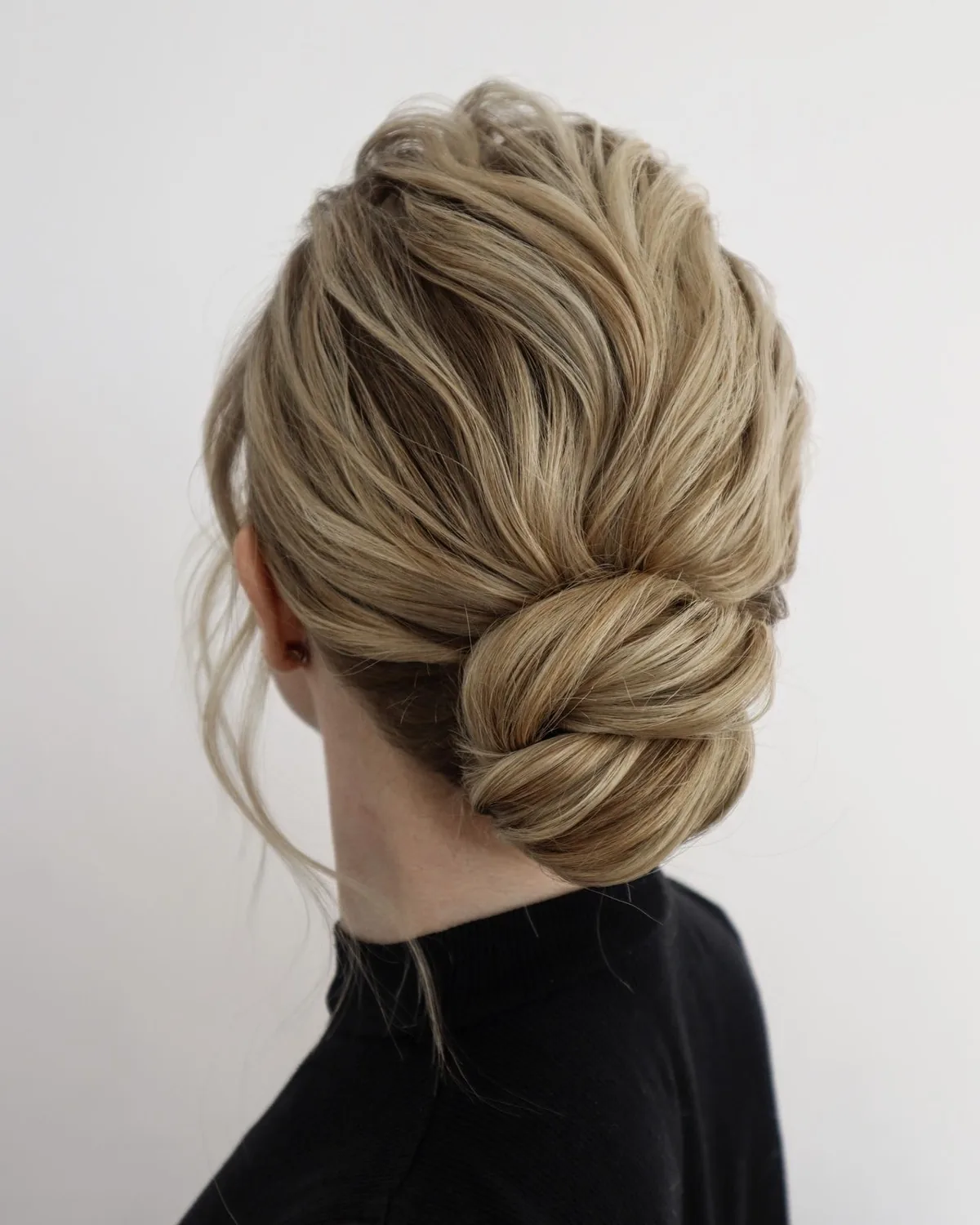
A knotted bun is made by tying the hair itself into a knot — literally — and a knot is one of the hardest shapes for wind to undo. Split the ponytail into two halves, tie them in a simple knot, then tie a second knot on top and pin the ends underneath. The knots lock the hair into a solid, compact shape, and the low position keeps it close to the head. It looks modern and a little edgy, and it holds for hours.
Why it holds: a knot tightens under tension, so the harder the wind pulls, the more secure it becomes. How to secure it: tie the knots snugly, tuck the ends under, and pin through the centre of the knot. Who it suits: medium to long hair, straight or wavy — and it is a great choice for anyone who wants a bun that looks different from the usual coil.
29. The Pull-Through Braid That Stays Neat

A pull-through braid is made by pulling sections of a ponytail through each other, instead of weaving three strands — and the result is a big, full braid that is actually easier to make than a normal one and holds just as well in wind. Make a ponytail, split it, pull the halves through, and repeat down the length, securing each section with a small elastic. The elastics divide the braid into sealed sections, so no gust can unravel more than one section at a time.
Why it holds: every section is sealed by an elastic, and the pull-through structure is thicker and heavier than a normal braid. How to secure it: use small, clear elastics and space them evenly down the length. Who it suits: long hair, and anyone whose arms get tired braiding — the pull-through method is much easier on the shoulders.
30. The Claw-Clip Twist That Survives Gusts

The claw-clip twist is the fastest wind-proof style you can do without a mirror. Gather the hair up, twist it upward, fold the twist against the back of the head, and clamp a large claw clip over the whole thing. The clip grips far more hair than pins can, and the twist folds the ends inside, so there is nothing loose for the wind to catch. It takes under a minute, and it is the style to reach for when the wind catches you by surprise.
Why it holds: the clip clamps the entire twist at once, and the folded ends are hidden inside. How to secure it: use a large, strong clip — small clips slip in thick hair — and add one pin at the top for insurance. Who it suits: medium and long hair, and anyone who wants a practical, everyday windy-day fix in seconds.
31. The Braided Pigtails for a Playful Windy Day

Braided pigtails are not just for children — two neat braids are one of the most secure styles an adult can wear on a very windy day, and they look fresh and playful rather than childish when they are kept sleek. Part the hair down the middle, braid each side from the nape down, and secure the tails with small elastics. Keep the braids tight at the top and let them soften slightly toward the ends, and the whole style stays put from morning to night.
Why it holds: the hair is divided and braided twice over, so the wind has to defeat two braids at once. How to secure it: braid tightly at the nape and use snag-free elastics on both tails. Who it suits: long hair, and anyone heading to a festival, a beach day or a windy walk — it is also the best choice for very strong wind, when nothing else quite holds.
32. The Short-Hair Tuck With a Headband

Short hair cannot be braided or bunned, but it can be tucked — and a headband is the tool that makes the tuck hold. Smooth a light cream through the hair, tuck the front sections behind the ears, and slide a fabric or padded headband on to hold everything flat. The headband presses the hair against the scalp across the whole front, which is exactly where the wind lifts short hair into a wild halo, and the tucked sides stay neat underneath it.
Why it holds: the headband anchors the entire front hairline, and the tucked sides have nowhere to blow. How to secure it: choose a headband with a little grip — velvet or fabric, not smooth plastic — and pin the tucked sections behind the ears. Who it suits: pixie cuts, bobs and lobs — it is the single best windy-day fix for short hair.
33. The Overnight Braid Waves, Pinned Back for Wind
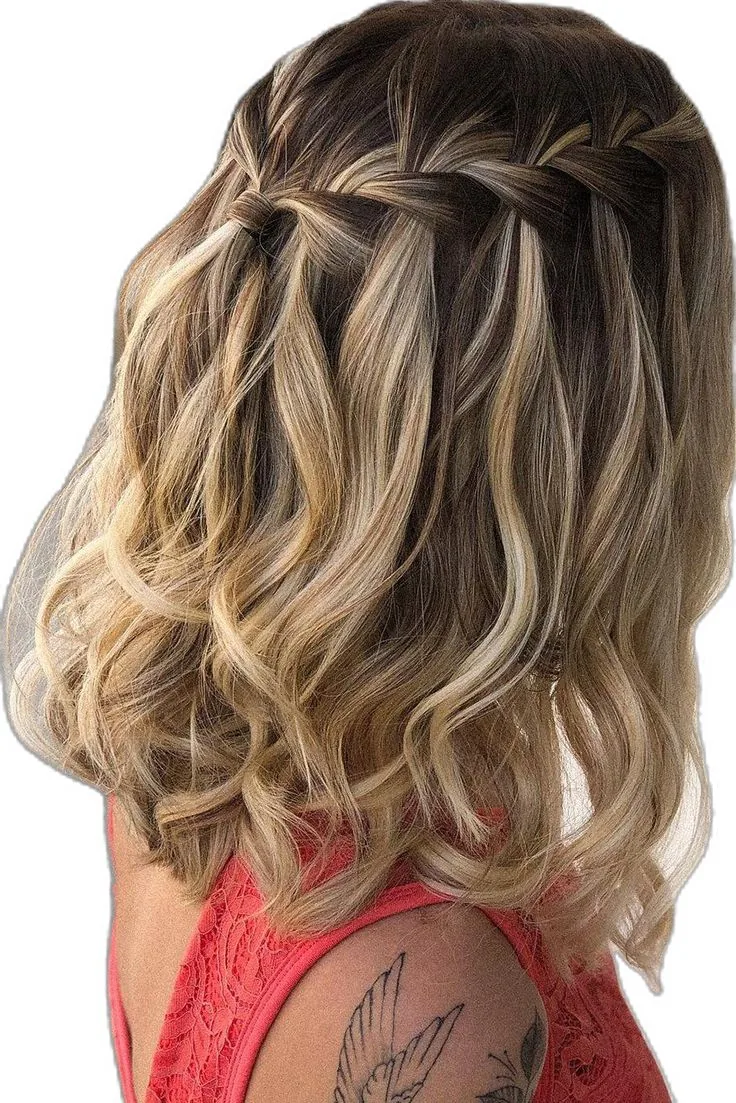
Overnight braid waves give you soft, natural waves without heat — and on a windy day they have a hidden advantage, because the waves were made by braids and the hair remembers the shape. Sleep in two loose braids, take them out in the morning, and pin back the front sections with two small twists, leaving the waves loose behind. The waves look effortless, but the pinned front stops the hair blowing across your face, and the braid texture stops the waves separating into frizz.
Why it holds: the braid texture gives the hair grip and memory, and the pinned front anchors the style. How to secure it: pin the front twists firmly and mist the waves lightly with a flexible spray. Who it suits: medium and long wavy hair — and anyone who wants to look like they did nothing at all, while actually being fully wind-proof.
What is the best hairstyle for a very windy day?
The best hairstyle for a very windy day is a tight braid or a low bun, because both lock the hair into one solid shape with no loose ends for the wind to catch. Double Dutch braids, a low braided bun or a French braid are the most secure choices, and a scarf or a hair net over the style adds even more protection on the windiest days.
How do I keep my hair from getting tangled in the wind?
Keep your hair from tangling in the wind by braiding it, twisting it or putting it in a bun before you go outside, because loose hair tangles the moment strands cross over each other. A light leave-in cream smooths the cuticle first, and a silk scarf over the style stops the ends whipping around. If your hair does tangle, finger-comb it gently from the ends upward — never brush it while it is still knotted.
Do braids really hold better than a ponytail in wind?
Yes, braids hold better than a ponytail in wind, because a braid weaves every strand into a locked structure while a ponytail leaves the whole tail free to whip around and tangle. A braided ponytail gives you the best of both — the ponytail keeps the hair off your neck and the braid stops the tail tangling — so if you love ponytails, braid the tail.
What products stop flyaways on a windy day?
A light leave-in cream or serum stops flyaways on a windy day best, because it smooths the cuticle without making the hair stiff — rub a pea-sized drop between your palms and smooth it over the surface. A flexible-hold hairspray from arm’s length locks the style without making it crunchy, and a clean mascara brush or toothbrush with a drop of gel tames the hairline. Avoid heavy wax, which attracts dust and makes flyaways worse.
How can I fix wind-blown hair without starting over?
Fix wind-blown hair without starting over by finger-combing it gently from the ends upward, then twisting the front sections back and pinning them — that one move makes the whole style look deliberate again. Smooth flyaways with a drop of serum on your palms, and if the ends are tangled, braid them loosely and pin the braid up. Carry two bobby pins and a spare hair tie in your bag and most windy-day damage takes under a minute to repair.
Are windy-day hairstyles bad for curly hair?
No, windy-day hairstyles are not bad for curly hair when they protect the curl pattern — a pineapple updo, a braided crown or a scarf-wrapped bun all keep curls contained instead of pulling them apart. What damages curly hair is tight, daily braiding that pulls at the roots, and brushing dry curls after the wind has tangled them. Use a loose scrunchie, a silk scarf and a leave-in cream, and curly hair survives wind better than straight hair does.
What hairstyle works for short hair on a windy day?
The best hairstyle for short hair on a windy day is a tucked style with a headband, because short hair cannot be braided or bunned and a headband is the only thing that anchors the whole front hairline. Smooth a light cream through the hair, tuck the front sections behind your ears, and wear a fabric or velvet headband with a little grip. Two mini buns work for shoulder-length hair, and a slicked-back finish with gel holds a pixie cut perfectly.
Should I wash my hair before a windy day?
No, you should not wash your hair right before a windy day if you can avoid it — freshly washed hair is slippery, flyaway and much harder to keep in place, while day-old hair has natural grip that holds braids, twists and pins far better. If you must wash it, use a leave-in cream and let it dry fully before styling, and add a little texture spray at the roots. Second-day hair is the secret weapon of almost every style in this guide.
How do I keep bangs down in the wind?
Keep bangs down in the wind by pinning them to the side with two crossed bobby pins, or by braiding them into a small side braid that joins the rest of your hair. A light mist of flexible hairspray on the bangs helps, but pins do the real work — spray alone will not hold bangs in a real gust. A braided headband or a scarf also keeps bangs flat, and both look deliberate rather than like a rescue mission.
Can I wear my hair down on a windy day?
Yes, you can wear your hair down on a windy day, but you need to anchor it first — pin back the front sections, braid the underneath layer at the nape, and smooth a leave-in cream through the lengths, so the wind has far less loose hair to work with. Expect some movement and a little frizz, and carry pins for a quick twist-back if it gets wild. For very strong wind, though, a braid or a low bun will always look better by the end of the day.
Conclusion: Hairstyles for a Windy Day That Let You Enjoy the Weather
The best hairstyles for a windy day are not about hiding your hair or giving up on looking good — they are about choosing a shape the wind cannot defeat. Braids lock the hair into place, low buns keep the weight close to your head, twists grip where braids slip, and a scarf, a headband or a few well-placed pins do the rest. Pick the style that fits your hair length and your day, anchor it at the roots, the sides and the ends, and carry two spare pins in your bag — that is the whole secret.
Wind does not have to ruin a good hair day, and it does not have to keep you indoors. With one of these 33 styles, a little leave-in cream and five minutes of pinning, you can walk out into a gusty morning, a coastal afternoon or a windy wedding and arrive looking like you meant it. Try a braid first, then a bun, then a twist — and find the windy-day style that feels so much like you that you reach for it even when the weather is calm.

