

Jealousy arrives uninvited. One small moment — a name you do not recognise on your partner’s phone, a laugh that lasts a second too long, a reply that comes three hours late — and suddenly your chest tightens, your thoughts race, and you are saying things you do not mean. Learning how to handle jealousy in a relationship is not about never feeling jealous. It is about knowing what to do with the feeling when it shows up, so it does not quietly take over the relationship.
This guide starts with eight honest explainers — what jealousy really is, why it happens, when it is normal and when it is a warning sign, how it shows up in daily life, how to talk about it calmly, and how to rebuild trust — then walks through 36 real situations, signs and scripts, from the ex on social media to the late-reply spiral, from asking for reassurance to setting a boundary without an ultimatum. Every section notes what it means, the signs to watch for, what to say, and what to avoid, so you can handle jealousy with calm and clarity instead of fear and control.
What Jealousy Really Is — and What It Is Not

Jealousy is a mix of feelings, not a single one: fear of losing someone you love, hurt at feeling unimportant, and insecurity about whether you are enough. It is one of the most human feelings there is, and feeling it does not make you a bad partner, a controlling person, or someone who does not trust their partner. It simply means something in the relationship — or in your own history — feels unsafe right now, and your mind is trying to protect you.
What it means: jealousy is information, not an accusation. It tells you where you feel unsure, not what your partner has done. What it is not: proof of cheating, proof of love, or a licence to check phones and demand passwords. What to avoid: treating the feeling as a fact — ‘I feel jealous’ is true, but ‘my partner is cheating’ is a conclusion that needs evidence, not just fear.
Why Jealousy Happens, Even in Good Relationships

Jealousy grows where there is something to lose. The closer you are to someone, the more a threat — real or imagined — can sting, which is why even happy couples feel jealous sometimes. Past hurt makes it louder: if an ex cheated, if you were lied to before, or if you grew up watching jealousy turn into shouting, your brain learned to scan for danger early. Low self-esteem, stress, tiredness and distance can all turn the volume up further, so the same small thing that would not bother you on a good day feels enormous on a bad one.
Why it matters: knowing the cause stops you blaming the wrong thing — sometimes the trigger is your partner’s behaviour, sometimes it is your history, and often it is a bit of both. Signs it is working: you can name the real reason — ‘I am tired and insecure today’ — instead of starting a fight about a text message. How to handle it: ask yourself what you are actually afraid of, and answer that fear honestly before you speak to your partner.
Normal Jealousy vs a Warning Sign: How to Tell the Difference

Normal jealousy is brief, specific and honest: you notice a pang, you name it, you talk about it, and it passes. It might sting when your partner’s ex messages, but you can still hear their explanation and move on. A warning sign looks different: the feeling never really leaves, it spreads to everything — friends, work, family, a phone left face-down — and it starts changing how you behave, how you check, how you control, and how safe your partner feels around you.
What it means: the difference is not how strong the feeling is, but what it makes you do. Signs it is a warning: you check things daily, you need constant reassurance, you feel panicked rather than hurt, or your partner starts hiding normal things just to keep the peace. What to avoid: calling constant suspicion ‘just caring’ — care protects a person, control restricts them, and the two feel very different to live with.
How Jealousy Shows Up in Everyday Life

Jealousy rarely announces itself as jealousy. More often it shows up disguised: as a joke that is not quite a joke, as a sudden coldness after a party, as a question asked three different ways, as a scroll through old photos at midnight, or as a fight about the dishes that is really about a text from a coworker. In the body it feels like a tight chest, a racing heart, a knot in the stomach, and a mind that replays one small moment on a loop, finding a new suspicious detail every time.
What it means: jealousy often hides behind other behaviour, which is why couples argue about the wrong thing for hours. Signs to watch for: you keep score of who texted whom, you reread conversations looking for clues, or you feel relief only when your partner is beside you. How to handle it: name the feeling out loud, even to yourself — ‘I am feeling jealous right now’ — because a named feeling is much easier to manage than a hidden one.
How to Talk About Jealousy Calmly, Without Starting a Fight

The hardest part of handling jealousy is the conversation, because it is easy to walk in with an accusation and walk out with a bigger problem. The calm version starts with timing: not in the heat of the moment, not late at night, not in front of other people, and never through a string of angry texts. Sit down when you are both calm, say what you felt and what you need, and let your partner respond before you decide what it all means — that order changes everything.
What to say: ‘When I saw that message I felt insecure, and I need a bit of reassurance’ — it describes your feeling and your need, without accusing. What not to do: do not open with ‘Who is she?’ or ‘You always do this’ — questions that sound like a trial make people defensive, not honest. When it helps: a calm talk about jealousy usually ends with both people feeling closer, because honesty about insecurity is one of the most trusting things you can share.
Rebuilding Trust After Jealousy Has Done Damage

Jealousy itself rarely breaks a relationship — it is what jealousy makes people do that breaks it: the checking, the accusations, the apologies that never quite land. Rebuilding trust after that damage is slow, and it is built in small, boring, repeatable ways: doing what you said you would do, being where you said you would be, answering honestly even when the answer is uncomfortable, and giving reassurance without being asked for it. Trust is not rebuilt by one grand promise. It is rebuilt by a hundred small kept promises.
What it means: trust returns when behaviour becomes predictable and kind again, day after day. Signs it is working: the checking gets less frequent on its own, the questions get softer, and both of you can laugh again without one of you scanning for a hidden meaning. What to avoid: demanding instant trust, or punishing your partner for a mistake they have already owned and changed — rebuilding only works when both people are allowed to move forward.
What to Avoid When You Feel Jealous

Almost every jealousy mistake comes from trying to feel safe quickly: checking a phone, demanding a password, reading old messages, following a partner, or issuing an ultimatum in the middle of an argument. These things can bring a minute of relief, and then they make everything worse — they teach your brain that checking is the only way to feel calm, and they teach your partner that honesty gets punished. The same goes for silent treatment, testing your partner, or bringing up old mistakes to win a new argument.
What it means: the quick fix is usually the trap. What not to do: do not snoop, do not test, do not involve friends or family to spy, and do not threaten to leave unless you genuinely mean it. How to handle it instead: pause, name the feeling, do something physical — a walk, a shower, a glass of water — and talk when your heart rate has come back down. Jealousy handled slowly is jealousy handled well.
When to Get Help for Jealousy — Together or Alone

Some jealousy needs more than a good conversation. If the same fight repeats for months, if either of you feels afraid, if checking and controlling have become daily habits, or if jealousy is tied to past trauma or betrayal, outside help is not a failure — it is the sensible next step. A counsellor gives a couple language and tools they cannot always find alone, and individual therapy can untangle the older wounds that keep making a small trigger feel enormous.
What it means: asking for help is a sign that the relationship matters enough to protect properly. Signs it is time: talks always end in shouting or silence, one of you has started hiding normal things, or jealousy is affecting sleep, work or friendships. What to avoid: waiting until one person is ready to leave — help works best while both people still care and still want to fix things, not after the damage is done.
1. Name the Feeling Before You Act on It

Before you send the text, ask the question, or open the app you know you should not open, pause and name what is happening inside you: ‘I am feeling jealous.’ It sounds too simple to work, but naming a feeling is the fastest way to take its power down. A feeling you can name is a feeling you can choose how to respond to; a feeling you cannot name runs the show and picks your words for you.
What it means: naming the feeling separates you from it — you are a person who feels jealous right now, not a jealous person. Signs it is working: the urge to accuse softens into curiosity, and you can ask a real question instead of making a charge. How to handle it: say it out loud, even just to yourself in the mirror or in a note on your phone, and wait five minutes before you act on it.
2. The Five-Minute Pause Rule

Jealousy is fastest in the first five minutes and slowest after them. In those first minutes your mind is a lawyer building a case from one small detail, and every message you send then will sound like an accusation, whatever you meant. The five-minute pause rule is simple: when jealousy spikes, do nothing about it for five minutes — no text, no call, no checking, no confrontation. Walk, drink water, step outside, breathe.
Why it matters: most jealousy spirals are decided in those five minutes, and a short pause gives your calmer brain time to catch up. What to say later: ‘I needed a minute before I talked about this, because I wanted to be fair to you.’ What not to do: do not use the pause to gather evidence — that is not a pause, that is an investigation, and it will make you feel worse.
3. Ask What You Actually Need

Under almost every jealous moment there is a simple, unspoken need: reassurance, attention, honesty, or just to feel chosen. The trouble is that jealousy usually asks for the wrong thing — it asks for a password, a deleted contact, or a promise that no one will ever talk to your partner again, when what it really wants is to hear ‘you are the one I want.’ Learning how to handle jealousy in a relationship starts with translating the feeling into a need you can actually ask for.
What it means: a need is something your partner can give you; a demand is something that controls them. Signs it is working: you can finish the sentence ‘What I really need right now is…’ without it sounding like a test. What to say: ‘I need to hear that I matter to you today’ is a request your partner can answer — and answering it makes you both feel closer.
4. Use “I Feel” Instead of “You Always”

‘You always flirt with everyone’ and ‘I felt left out when you spent the whole evening talking to her’ describe the same evening, but they land completely differently. The first is an accusation that makes your partner defend themselves; the second is a feeling they can actually respond to. ‘I feel’ language is not soft or weak — it is the most honest way to talk about jealousy, because jealousy is, at its heart, a feeling, not a fact about what your partner did.
How to handle it: build the sentence in three parts — what happened, how you felt, what you need: ‘When you stayed on the phone, I felt unimportant, and I need us to have dinner without phones.’ What not to do: do not hide an accusation inside an ‘I feel’ — ‘I feel like you are cheating’ is still an accusation. When it helps: use it every time jealousy comes up, and notice how much shorter the arguments get.
5. The Ex on Social Media

Seeing your partner’s ex like a photo, comment on a post, or appear in a memory can sting even in a solid relationship, because the ex is not just a person — they are a reminder that your partner loved someone before you. The sting is normal. What matters is what happens next: a calm, honest conversation about boundaries is healthy; silently checking their profile every day is not, and it will quietly eat away at your peace.
What it means: jealousy about an ex is usually about the present — feeling unsure of your place — not about the past. What to say: ‘Seeing her name pop up makes me uneasy. Can we talk about what contact, if any, feels okay to both of us?’ What not to do: do not demand they block everyone from their past on the spot, and do not compare yourself to the ex — comparison is a game you can only lose.
6. A Coworker Who Texts Too Much

A coworker who messages late at night, uses pet names, or shares things that feel more personal than professional is a fair reason to feel uneasy — and it is also a situation where jumping to the worst conclusion helps no one. Work friendships are real, and some of them are close, but there is a line between friendly and inappropriate, and couples are allowed to draw it together. The question is not whether your partner has friends at work, but whether the friendship respects your relationship.
Signs to watch for: messages hidden or deleted, late-night chats that stop when you walk in, or your partner getting defensive about a perfectly ordinary question. What to say: ‘I am not asking you to stop talking to her, but the late-night messages make me uncomfortable — can we agree on a boundary?’ What to avoid: reading every message yourself; the goal is an agreement you both trust, not surveillance.
7. When Your Partner Likes Someone Else’s Photos

A like on a photo is one of the smallest things a person can do online, and yet it can feel enormous when the photo is of someone attractive and the likes keep coming. Before you decide what it means, ask what it actually is: a quick tap while scrolling, a like on a friend’s holiday photo, or a pattern of liking one person’s pictures every single day? The pattern matters far more than any single like, and so does whether your partner is open about it or hides it.
What it means: a like is rarely the real issue — the real issue is usually feeling unseen or unchosen. How to handle it: mention it once, calmly, and say what would help: ‘It bothers me when you like her photos every day. I would feel better if that stopped.’ What not to do: do not scroll through months of likes building a case, and do not like someone else’s photos just to get even — revenge likes fix nothing.
8. Jealousy After Cheating in a Past Relationship

If a previous partner cheated, your brain learned a painful lesson: people you love can lie to you. That lesson does not quietly disappear when a new, honest partner arrives — it stays on guard, scanning every late reply and every new name for danger. It is deeply unfair, both to you and to your new partner, but it is also understandable, and naming it honestly is the only way to stop the past from running your present relationship.
What it means: this jealousy is a wound, not a character flaw, and it needs healing, not hiding. What to say: ‘My ex cheated, so I get scared more easily than I should. It is not that I do not trust you — it is that I am still learning to trust again.’ When it helps: tell your partner early, before the first jealous moment, so they understand the fear instead of feeling accused by it.
9. Comparing Yourself to Their Ex

Scrolling through an ex’s photos and measuring yourself against them — prettier, funnier, more successful, more interesting — is one of the cruellest things jealousy makes you do, and the cruelest part is that you do it to yourself. Your partner chose you, in the present, with all the information they have about both of you. The ex is a finished story; you are the one they are still writing with, and no amount of comparing will change what they feel.
Why it matters: comparison turns a relationship into a competition you were never invited to, and it always ends with you feeling smaller. Signs it is working: you can see a photo of the ex and feel nothing more than a passing thought. What to avoid: asking your partner to rank you against their ex, or fishing for compliments that prove you are better — the answer will never feel like enough, because the question comes from fear.
10. The Phone-Checking Urge
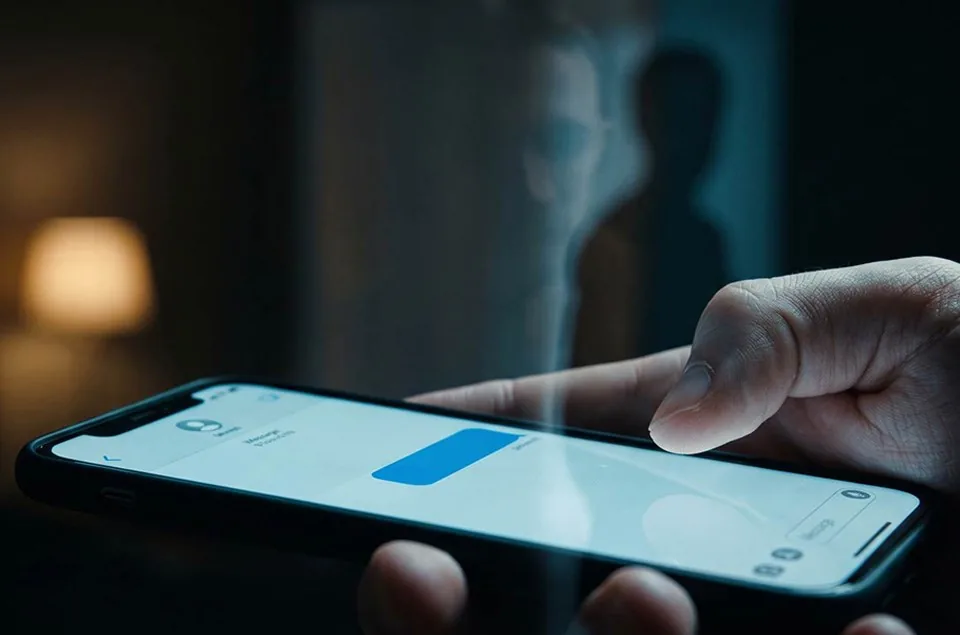
The urge to check a partner’s phone is one of the most common jealousy habits, and one of the most damaging. It feels like it will bring certainty — one quick look and you will know — but it never does. If you find nothing, you wonder if it was deleted; if you find something small, it becomes enormous. Checking does not build trust; it replaces trust, and once a relationship runs on checking instead of trust, both people start to feel trapped.
What it means: the urge to check is a sign that you need reassurance, not evidence. How to handle it: when the urge hits, tell your partner instead — ‘I am having the urge to check your phone, and I know that is not fair. Can you just tell me about your day?’ What not to do: do not check in secret and then pretend you did not, and do not demand passwords as a condition of trust — a relationship that needs passwords to feel safe is not safe, it is monitored.
11. Location Sharing — Help or Control?

Sharing your live location can be a sweet, practical thing — knowing your partner got home safe, or finding each other in a crowd. It becomes a problem when it stops being a choice and starts being a check: when one partner is expected to share it always, when turning it off starts a fight, or when it is used to question every detour and delay. The difference between safety and surveillance is consent, and consent has to be real — freely given, and freely removable.
What it means: location sharing should make both people feel safer, not one person feel watched. What to say: ‘I am happy to share my location when I am travelling late, but I need it to be my choice, not a rule.’ What to avoid: using location as a test — ‘Why were you at that address?’ — because a relationship that runs on tracking is a relationship that has stopped trusting.
12. When Friends Say “They’re Flirting”

Friends mean well, but a friend who says ‘your partner was totally flirting’ can plant a seed that grows into a full-blown jealousy spiral — especially if that friend has their own history, their own biases, or only saw five seconds of a long conversation. Other people see behaviour; only you and your partner know the context, the history, and what was actually said. A friend’s observation is worth hearing, but it is not a verdict, and it should never replace a direct conversation with your partner.
How to handle it: thank your friend, then check it yourself — ask your partner, calmly, what happened, and listen to the whole answer. What not to do: do not confront your partner with ‘everyone saw it’ as evidence, and do not let a friend become the judge of your relationship. Signs it is working: you can hear a friend’s concern without it ruining your evening, because you trust your own conversation with your partner more.
13. Jealousy at Parties and Gatherings

Parties are jealousy fuel: loud music, alcohol, old friends, new people, and a partner who is suddenly the funniest, most charming person in the room — talking to everyone except you. It is easy to stand in a corner keeping score of who they laughed with and for how long, and even easier to start a fight in the car on the way home. A better plan is made before you arrive: a quick check-in, a signal for ‘I need you’, and an agreement that you will talk about anything that bothered you tomorrow, not tonight.
What it means: party jealousy is often about feeling invisible in a crowd, not about anything your partner actually did. What to say in the moment: ‘Come dance with me’ or ‘I miss you over here’ — an invitation, not an accusation. What not to do: do not start the argument at the party, in front of other people, and do not punish your partner the next day for a conversation you never actually had.
14. The Late-Reply Spiral

Your message was read two hours ago and there is still no reply, and your mind has already written the whole story: they are with someone else, they are ignoring you, they are losing interest. The late-reply spiral is one of the most common jealousy patterns, and it is almost always wrong — people get busy, phones die, meetings run long, and a read receipt is not a confession. The spiral is not really about the reply at all; it is about the silence, and what your fear fills the silence with.
How to handle it: put the phone down, do something else for an hour, and send one calm follow-up if you need to — ‘Hey, just checking in’ — instead of five escalating messages. Signs it is working: you can see ‘read 2 hours ago’ and think ‘they are probably busy’ before you think anything worse. What to avoid: do not demand instant replies as a rule, and do not test your partner by going silent yourself — two spirals do not cancel each other out.
15. Old Photos and Old Messages

Finding old photos or old messages from a previous relationship can feel like finding a secret, even when your partner simply never deleted them. A photo in a drawer or a chat thread from three years ago is usually just a leftover, not a hidden love — but jealousy does not care about usually, and it will happily turn a forgotten folder into a full investigation. Before you decide what it means, ask: did they hide it, or did they just forget it was there?
What it means: the hurt is real even when the threat is not — the photos remind you that your partner had a life before you. What to say: ‘I found these old photos and they made me feel uneasy. Can we talk about what to keep and what to let go of?’ What not to do: do not read through years of old messages looking for a reason to be upset, and do not demand they erase their entire past — a person without a past is not more loyal, just more edited.
16. When Your Partner Has a Close Friend of the Opposite Sex

A partner with a close friend of the opposite sex can be one of the hardest jealousy situations, because the friendship is usually genuine, long-standing, and completely innocent — and yet it can still make you feel like an outsider. The healthy question is not ‘should they be friends?’ but ‘does this friendship respect our relationship?’ A friend who respects boundaries, includes you, and is honest about the friendship is very different from a friendship that is secretive, overly intimate, or constantly prioritised over you.
Signs it is healthy: you are invited along, the friend knows about you and likes you, and nothing is hidden. Signs to watch for: private jokes you are excluded from, late-night one-on-one meetings your partner does not mention, or a friend who openly dislikes you. What to say: ‘I want to feel included, not threatened — can I get to know her better, so she is a person to me and not a worry?’
17. Jealousy in a Long-Distance Relationship

Distance makes jealousy louder, because you cannot see what is happening — you only have texts, calls, and your imagination, and imagination is not a reliable witness. A missed call at midnight, a new name in a story, a weekend plan you were not part of: from far away, each one can feel like evidence. Long-distance couples who handle jealousy well do two things differently — they communicate more on purpose, with regular calls and honest updates, and they build trust through consistency rather than through checking.
Why it matters: in a long-distance relationship, trust is the whole relationship — without it, there is nothing holding the distance together. How to handle it: agree on a rhythm — a goodnight call, a weekend video date, a quick message when plans change — so silence has a shape you both understand. What to avoid: do not demand constant contact as proof of love, and do not punish a missed call as if it were a betrayal — exhaustion is not disloyalty.
18. The “Who Were You Talking To?” Question

‘Who were you talking to?’ is a question that can be asked with curiosity or with suspicion, and your partner can hear the difference instantly. Asked once, warmly, it is a normal question between two people who share a life. Asked every day, with a tone that says ‘I already know you are lying’, it becomes an interrogation — and a person who is interrogated daily will eventually stop sharing, not because they have something to hide, but because honesty keeps getting punished.
What it means: the question is fine; the tone and the frequency are what turn it into a problem. What to say instead: ‘You seemed really happy on that call — who was it?’ — genuine interest, not an investigation. What not to do: do not ask the same question three different ways hoping for a different answer, and do not treat a normal phone call as something your partner has to explain.
19. Setting a Boundary Without an Ultimatum

A boundary says what you need to feel safe; an ultimatum says what will happen if your partner does not obey. ‘I need us to be honest about who we are texting late at night’ is a boundary. ‘Stop talking to her or I am leaving’ is an ultimatum, and ultimatums almost always backfire — they make a partner comply out of fear, resent you for it, and hide things next time instead of being honest. Boundaries protect a relationship; ultimatums control a person, and the two feel very different to live inside.
How to handle it: state the boundary, explain why it matters to you, and ask what your partner thinks — a boundary agreed together is far stronger than one imposed. What to say: ‘For me, late-night private chats with an ex cross a line. Can we agree on that together?’ When it helps: use boundaries early, before jealousy becomes a crisis, when both of you can still talk about them calmly.
20. Agreeing on What Counts as Flirting

Every couple has a different line for flirting, and most couples never actually talk about it — until one of them crosses a line the other one never knew existed. Is a compliment flirting? A long hug? A joke with a double meaning? A drink bought for a stranger? There is no universal answer, which is exactly why the conversation matters: two people who agree on the line rarely fight about it, and two people who never discuss it fight about it constantly.
What it means: flirting is defined by the couple, not by the internet, and your line is valid even if another couple’s line is different. How to handle it: talk about it on a calm day, not after an incident — ‘What feels like flirting to you, and what feels fine?’ — and write down what you both agree. What to avoid: do not move the line after the fact to win an argument, and do not assume your partner knows a line you never told them about.
21. Reassurance That Actually Works

Not all reassurance is equal. ‘Stop worrying, I love you’ said while looking at a phone does almost nothing, while a partner who puts the phone down, looks at you, and says ‘You are the person I want, and here is why’ can end a jealous spiral in a minute. Good reassurance is specific, warm, and freely given — it names what is true about the relationship, not just what is not true about the fear. And it works both ways: asking for reassurance clearly is a skill, and giving it generously is a gift.
What to say when you need it: ‘I am feeling insecure today. Could you just tell me we are okay?’ What to say when you give it: name something real — ‘I love how we talk, I love our Sundays, I choose this’ — instead of a generic ‘don’t worry’. What to avoid: do not make reassurance a daily test your partner has to pass, or it stops feeling like love and starts feeling like a chore.
22. The Apology That Rebuilds Safety

After a jealousy blow-up — the accusations, the checking, the things said in anger — an apology has to do more than say sorry. A real apology names what you did, names how it affected your partner, and names what you will do differently, without adding a ‘but’ that quietly blames them. ‘I am sorry I went through your phone. It was wrong, it broke your trust, and I will talk to you instead next time’ rebuilds safety; ‘I am sorry, but you made me do it’ rebuilds nothing.
What it means: an apology is not about who was right — it is about whether your partner feels safe with you again. Signs it is working: your partner relaxes, the conversation opens up, and the same incident stops being replayed in every future argument. What not to do: do not apologise and then keep doing the same thing, and do not demand an apology back in the same breath — a real apology is a gift, not a trade.
23. When You Are the One Who Caused the Jealousy

Sometimes jealousy is not irrational at all — sometimes you flirted, hid a message, kept a friendship too close, or broke a promise, and your partner’s jealousy is a reasonable response to something you did. That is a hard truth to sit with, but it is also good news: if your behaviour caused the fear, your behaviour can also fix it. Own it plainly, without excuses, change the behaviour, and give your partner time and reasons to trust you again.
What it means: causing jealousy does not make you a bad person — it makes you a person who made a mistake and now has a choice. What to say: ‘You are right to feel that way. I crossed a line, and here is what I am going to do differently.’ What to avoid: do not minimise it — ‘it was just a joke’ — and do not blame your partner for overreacting; the fastest way to rebuild trust is to take the feeling seriously, even when it is uncomfortable.
24. Jealousy and Low Self-Esteem

Jealousy and low self-esteem are close companions: when you do not believe you are enough, every attractive person your partner meets looks like a threat, every compliment they give someone else feels like a compliment taken from you, and every small distance feels like the beginning of the end. Working on self-esteem is not vanity — it is relationship work. The more secure you feel in yourself, the less you need your partner to prove, constantly, that you are worth staying for.
Why it matters: no amount of reassurance from a partner can fill a gap that belongs to self-worth, and asking it to will exhaust you both. How to handle it: build a life that is yours — friends, work, hobbies, health — so your whole sense of worth does not rest on one relationship. Signs it is working: you can see your partner admire someone else and feel nothing more than a passing thought, because you know what you bring to the relationship.
25. Stop the Detective Work
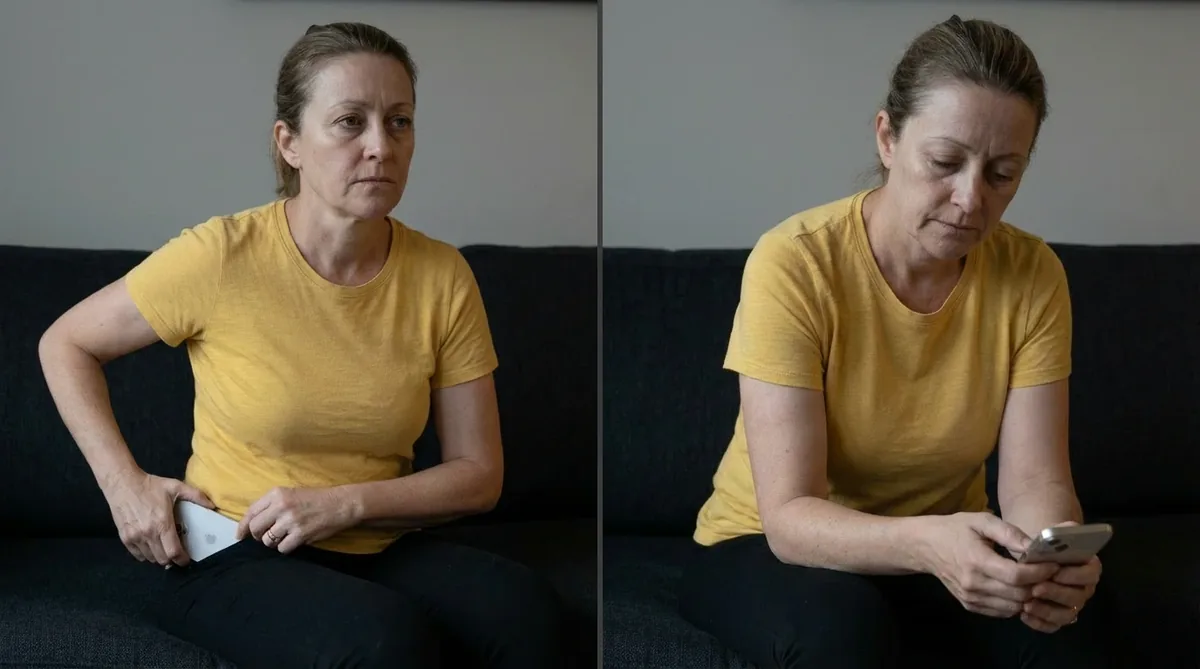
Detective work feels productive — one more scroll, one more search, one more ‘quick check’ — but it is a trap with no exit. Every clue you find creates two new questions, every innocent explanation sounds like a cover story, and the more you investigate, the less you trust your own judgement. The detective never finds peace, because peace was never in the evidence; it was in the decision to trust, or in the honest conversation that replaces the investigation.
What it means: if you need to investigate your partner, the relationship already has a trust problem, and investigating will not fix it. How to handle it: set a rule for yourself — no checking, no searching, no asking friends to report back — and replace the habit with a direct question to your partner. What to avoid: do not keep a mental file of suspicious moments to use in a future argument; a file like that is not evidence, it is a weapon, and it poisons the relationship it is meant to protect.
26. The Conversation Script for the First Talk

The first time you talk about jealousy sets the pattern for every talk after it, so it is worth preparing — not rehearsing a speech, but knowing the shape of what you want to say. Start with the feeling, not the accusation: ‘I have been feeling jealous, and I want to talk about it honestly.’ Then name one specific moment, say what you felt, say what you need, and then — the hardest part — stop talking and listen. A script is not about controlling the conversation; it is about making sure the real thing gets said.
What to say: ‘When you texted your ex last week, I felt scared that I was losing you. I need to know where we stand, and I need a bit more reassurance right now.’ What not to do: do not list ten examples at once, do not bring up old fights, and do not decide the answer before your partner speaks. When it helps: use this shape every time jealousy comes up, and the talks get shorter, calmer, and closer each time.
27. What to Say When Jealousy Hits Mid-Argument

Jealousy has terrible timing: it shows up in the middle of an argument about something else entirely, turns a small disagreement into a trial, and leaves both people saying things they regret. When you feel it hijacking an argument, the bravest move is to name it and pause the argument: ‘I think jealousy is taking over this conversation, and I do not want to say something I do not mean. Can we take twenty minutes and come back to this?’ A pause is not losing the argument — it is saving the relationship from it.
What it means: an argument driven by jealousy is not really about the topic any more; it is about fear, and fear makes terrible arguments. What to say: ‘I am feeling jealous right now, and I know it is making me unfair. Give me a few minutes.’ What not to do: do not use jealousy as a weapon mid-fight — ‘at least I don’t flirt with everyone’ — and do not bring up a jealousy incident to win an unrelated argument.
28. Rebuilding After a Jealousy Blow-Up

After a jealousy blow-up — the shouting, the accusations, the phone grabbed, the door slammed — both people usually feel awful, and neither quite knows how to start fixing it. Start small and start honest: apologise for what you actually did, not for what you think your partner did. Give each other a day of gentleness — a cooked meal, a quiet walk, a hand held without words. Then, when you are both calm, talk about what happened and agree on one change each, so the same blow-up does not repeat next month.
How to handle it: repair is a process, not a single apology — check in the next day, and the next week, and ask ‘are we okay?’ until the answer is genuinely yes. Signs it is working: you can talk about the blow-up without it turning into a second one. What to avoid: do not pretend it never happened, and do not use it as a reason to never talk about jealousy again — silence after a blow-up is not peace, it is a postponed fight.
29. Jealousy About Your Partner’s Success

Jealousy is not always about other people — sometimes it is about your partner’s promotion, their new friends, their fitness, or a life that seems to be moving faster than yours. It is a strange, guilty feeling, because you are supposed to be happy for them, and part of you is — but another part whispers that they are outgrowing you. That whisper is worth listening to, not because it is true, but because it is telling you that you feel left behind, and that feeling deserves attention.
What it means: jealousy about success is usually about your own goals, not your partner’s achievements. What to say: ‘I am proud of you, and I also feel a bit left behind. Can we talk about my goals too?’ What not to do: do not minimise their success, compete with it, or quietly hope they fail — a relationship where one person’s win feels like the other’s loss will not stay happy for long.
30. When Jealousy Turns Into Control

There is a line where jealousy stops being a feeling and becomes control, and it is important to name it plainly: when one partner decides who the other can talk to, where they can go, what they can wear, or who they can see, that is not love and it is not protection — it is control. It often starts small, framed as care — ‘I just worry about you’ — and grows quietly, until one person has lost their friends, their freedom, and their sense of self. If you recognise this pattern, in yourself or in your partner, take it seriously.
Signs it is control: rules about friends and clothes, constant check-ins demanded, anger when plans change, isolation from family, or fear of your partner’s reaction. What to do: talk to someone you trust outside the relationship, and get professional help — a counsellor, a trusted friend, or a support service. What to avoid: do not normalise it as ‘just jealousy’ — jealousy is a feeling, control is a behaviour, and no amount of love makes controlling behaviour okay.
31. The Weekly Check-In That Prevents Jealousy

Most jealousy grows in silence — in the small worries that are never mentioned, the questions never asked, the reassurance never given, until one day they explode over something tiny. A weekly check-in stops that build-up: fifteen minutes, once a week, same time, phones away, two questions each — ‘How are we doing?’ and ‘Is there anything you need from me?’ It sounds formal, but couples who do it say it is the single best habit for keeping jealousy small, because nothing is left to fester for weeks.
Why it matters: regular, calm conversations mean jealousy never has to become a crisis to be heard. How to handle it: keep it short and kind, celebrate what is working first, and treat it as maintenance, not a performance review. Signs it is working: the big jealousy talks get rarer, because the small worries are handled while they are still small — and that is exactly how to handle jealousy in a relationship before it grows.
32. Handling Jealousy Without Losing Your Friendships

Jealousy does not only damage the relationship — it can quietly take your friendships too, when a partner dislikes your friends, when you stop seeing people to keep the peace, or when every night out becomes a negotiation. A healthy relationship makes room for friendships; a jealous one slowly closes that room, until one day you realise you have no one left to talk to except the person you are struggling with. Protecting your friendships is not disloyalty — it is one of the best things you can do for your relationship.
What it means: friends are not a threat to a relationship; they are part of what keeps you whole inside it. What to say: ‘My friends matter to me, and I need time with them — just like I want you to have time with yours.’ What to avoid: do not let jealousy choose your friends for you, and do not hide friendships to avoid a fight — hidden friendships feel like secrets, and secrets feed jealousy.
33. Jealousy in a New Relationship

Jealousy in a new relationship feels especially confusing, because you barely know each other yet and already you are worried about losing them. New love is intense, uncertain, and full of unknowns — you do not know their friends, their routines, or their history, so your imagination fills every gap with a worst case. The kindest thing you can do in a new relationship is go slowly: learn the real person before you judge the imagined one, and let trust build from what you actually see, not from what you fear.
How to handle it: ask curious questions instead of suspicious ones — ‘Tell me about your friends’ beats ‘Who is that?’ every time. Signs it is working: the unknowns shrink week by week, and the fear shrinks with them. What not to do: do not rush into labels, rules, or password-sharing to feel safe in the first month — safety built on rules is fragile, while safety built on really knowing someone lasts.
34. When Both Partners Feel Jealous

When both partners feel jealous, the relationship can turn into a standoff: each person waiting for the other to change first, each keeping score of who looked at whom, each feeling accused and accusing at the same time. It is exhausting, but it is also an opportunity — because when both people feel the same fear, they can finally talk about it as a shared problem instead of a one-sided accusation. ‘We both get jealous’ is a much kinder starting point than ‘You are the jealous one.’
What it means: mutual jealousy usually means mutual insecurity, and it needs a mutual solution — not a winner. How to handle it: agree on shared boundaries together, give reassurance generously in both directions, and celebrate the moments when trust wins. What to say: ‘We both feel this, so let us fix it together — what would help you feel safe, and what would help me?’ What to avoid: do not use the other person’s jealousy to excuse your own — two jealous people do not cancel each other out, they double the work.
35. Keeping Your Own Life Full

One of the quietest causes of jealousy is a life that has become too small: when the relationship is your only hobby, your only social life, and your only source of feeling good, every small threat to it feels like a threat to everything. A full life is the best jealousy medicine there is — friends of your own, work you care about, a hobby that is yours, time alone that you enjoy. When your happiness does not depend entirely on one person, you can love them freely instead of clinging to them fearfully.
Why it matters: a person with a full life is a more interesting, calmer, and more secure partner — and a much less jealous one. How to handle it: pick one thing this week that is just yours — a class, a walk with a friend, an hour with a book — and protect it like it matters, because it does. Signs it is working: you miss your partner when they are out, but you do not panic — because you have a good evening of your own, too.
36. Choosing Trust Every Day

Trust is not a feeling you wait for — it is a choice you make, again and again, usually in small moments that no one notices. Choosing trust means believing the kind explanation before the cruel one, asking instead of assuming, and giving your partner the benefit of the doubt even on the days when fear is loud. It does not mean ignoring real warning signs or accepting bad behaviour; it means refusing to punish your partner for crimes they have not committed, and building a relationship on what is real instead of what you fear.
What it means: choosing trust is not naive — it is brave, and it is the only way a relationship ever feels safe. How to handle it: each morning, make the small decision: ‘Today I will trust what I see, ask about what I don’t understand, and talk about what I feel.’ When it helps: over weeks and months, that daily choice becomes a habit, and the habit becomes a relationship where jealousy still visits sometimes — but it no longer gets to move in.
Is it normal to feel jealous in a relationship?
Yes, feeling jealous in a relationship is completely normal — almost everyone feels it sometimes, even in happy, trusting relationships. Jealousy becomes a problem only when it is constant, when it leads to checking or controlling behaviour, or when it stops either partner from feeling safe. A brief pang that you can name and talk about is healthy; daily suspicion that never goes away is a sign to look deeper.
How do I stop being jealous for no reason?
Start by naming the feeling and pausing before you act on it, then ask yourself what you are actually afraid of — usually the answer is a need for reassurance or attention, not a real threat. Talk to your partner using ‘I feel’ language, build a fuller life of your own, and notice the pattern over a few weeks. If the jealousy has no clear trigger and will not ease, talking to a counsellor can help you find where it really comes from.
How do I talk to my partner about jealousy without fighting?
Choose a calm moment, start with your feeling rather than an accusation, name one specific situation, and say what you need — for example, ‘When I saw that message I felt insecure, and I need a bit of reassurance.’ Then listen to their answer before you decide what it means. Keeping the talk short, specific and kind is the best way to handle jealousy without it turning into a fight.
Is jealousy a sign of love?
Jealousy is a sign that you care and that you are afraid of losing someone — but it is not, on its own, a sign of love. Love shows up as trust, respect, kindness and freedom, while jealousy on its own can just as easily show up as fear and control. A little jealousy in a loving relationship is normal, but a relationship that runs on jealousy is not running on love.
What should I do when my partner is jealous of me?
Take their feeling seriously, even if you think there is no reason for it — dismissing jealousy with ‘you are overreacting’ only makes it worse. Offer honest, specific reassurance, be open about the situation that worried them, and agree together on boundaries that feel fair to both of you. If their jealousy turns into checking or controlling behaviour, talk about that directly and consider getting help together.
Can a relationship survive jealousy?
Yes, a relationship can survive jealousy — and many come out stronger for having talked about it honestly. What matters is what happens after the jealous moment: an honest conversation, a real apology where one is owed, changed behaviour, and patience while trust rebuilds. Relationships rarely break because of a jealous feeling; they break because of what jealousy makes people do when it is never talked about.
When is jealousy a red flag?
Jealousy is a red flag when it becomes constant, when it leads to checking phones, demanding passwords, isolating a partner from friends and family, or making rules about where they can go and who they can see. It is also a red flag when a partner becomes angry or frightening when jealous, or when you feel afraid of their reaction. In those cases, talk to someone you trust and consider professional help.
How do I rebuild trust after jealousy damaged it?
Rebuild trust slowly, through small, repeatable actions: do what you say you will do, be honest even when it is uncomfortable, give reassurance without being asked, and apologise properly for what actually happened. Trust returns when behaviour becomes predictable and kind again, day after day. It takes time, and both partners need to be patient — but a hundred small kept promises will do what one grand promise cannot.
Should I check my partner’s phone if I feel jealous?
No — checking your partner’s phone may bring a minute of relief, but it usually makes jealousy worse, not better, and it damages trust whether you find something or not. If you feel the urge to check, tell your partner instead and ask for the reassurance or honesty you actually need. A relationship that runs on checking is a relationship that has stopped trusting, and the fix is a conversation, not surveillance.
When should we get couples counselling for jealousy?
Consider couples counselling when the same jealousy argument repeats for months, when talks always end in shouting or silence, when checking or control have become daily habits, or when either partner feels unsafe. Counselling works best when it is sought early, while both people still care and want to fix things — it is a sign of strength, not failure, and it gives you tools and language you cannot always find alone.
Conclusion: How to Handle Jealousy in a Relationship With Calm, Honesty and Trust
Learning how to handle jealousy in a relationship comes down to a few honest habits: name the feeling before you act on it, pause before you speak, translate jealousy into a need you can actually ask for, and talk about it calmly instead of accusing. Jealousy itself is not the enemy — it is a human feeling that visits almost every relationship, and handled well, it can even bring a couple closer, because talking honestly about insecurity is one of the most trusting things two people can do.
What breaks relationships is not the feeling, but what the feeling is allowed to do: the checking, the controlling, the accusations, the silence. So keep your own life full, keep the weekly check-in, choose trust a little more each day, and ask for help early when you need it. Jealousy will still show up sometimes — that is normal. But with calm, honesty and trust, it does not get to run the relationship. You do.

