
Hot weather changes the rules of hair. A style that looks perfect in an air-conditioned bathroom can collapse within ten minutes of stepping outside: the roots go damp, the ends puff up, the neck feels sticky, and a ponytail that started sleek ends up sliding down your back. Heat and humidity do not just ruin a good hair day — they make hair genuinely uncomfortable, trapping warmth against the neck and scalp exactly when your body is trying to cool down. The styles in this guide are chosen for the opposite job: hair that lifts off the neck, lets air reach the scalp, holds its shape through sweat and humidity, and still looks like you meant it.
Here are 31 hairstyles for hot weather, from the high messy bun and the bubble ponytail to double Dutch braids, claw clip twists, scarf-wrapped buns and short cuts that dry in minutes. Each one notes its cooling effect, how well it resists humidity, and who it suits best. Eight guides cover why hair misbehaves in heat and humidity, how to pick a style by hair type, sweat-proof products that actually hold, sun protection for hair and scalp, keeping curls defined instead of frizzy, quick cool-down styles for the gym and the beach, the no-heat drying routine, and the after-sun recovery your hair needs. No style here needs a hot iron in a heatwave, and most take under five minutes.
Why Hair Misbehaves in Heat and Humidity
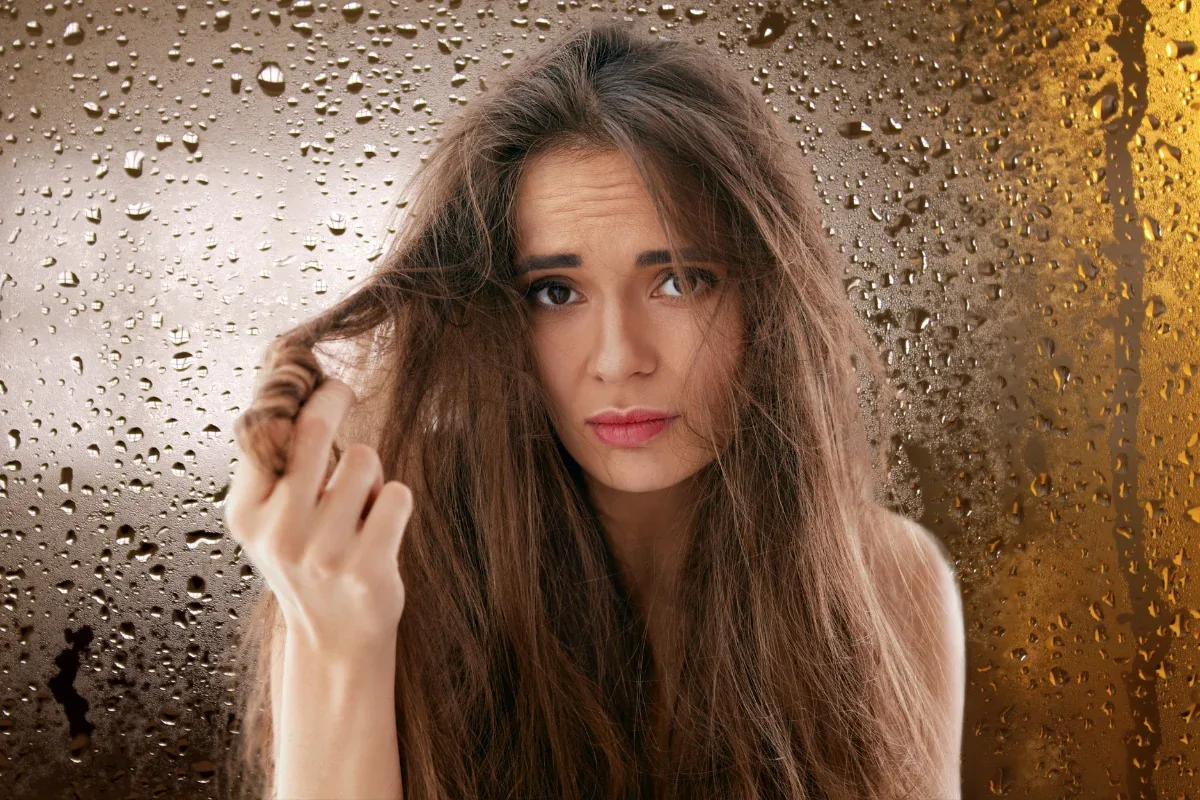
Hair is hygroscopic, which means it absorbs water from the air around it. On a humid day, each strand swells as it takes in moisture, the cuticle lifts, and the hair shaft gets thicker and rougher — that is frizz, and it is a physics problem before it is a styling problem. Heat adds a second force: sweat at the roots makes freshly washed hair go limp and stringy, while the sun dries out the lengths, so the same head of hair can be greasy at the scalp and parched at the ends by mid-afternoon. That is why summer hair often feels like two different heads of hair at once, and why the same products that worked in winter suddenly stop working in July.
The fix is mostly structural, not chemical. Styles that keep hair contained — braids, buns, twists — give humidity less loose surface to attack, and they keep the lengths from rubbing against sweaty skin, which is what turns a small amount of frizz into a halo. Smoothing products help by sealing the cuticle, but they cannot do the job alone on a truly humid day; the style has to do the heavy lifting. Understanding that split — style first, product second — is what makes the difference between fighting your hair all summer and simply putting it up and forgetting about it.
Pick Your Style by Hair Type and Humidity Level
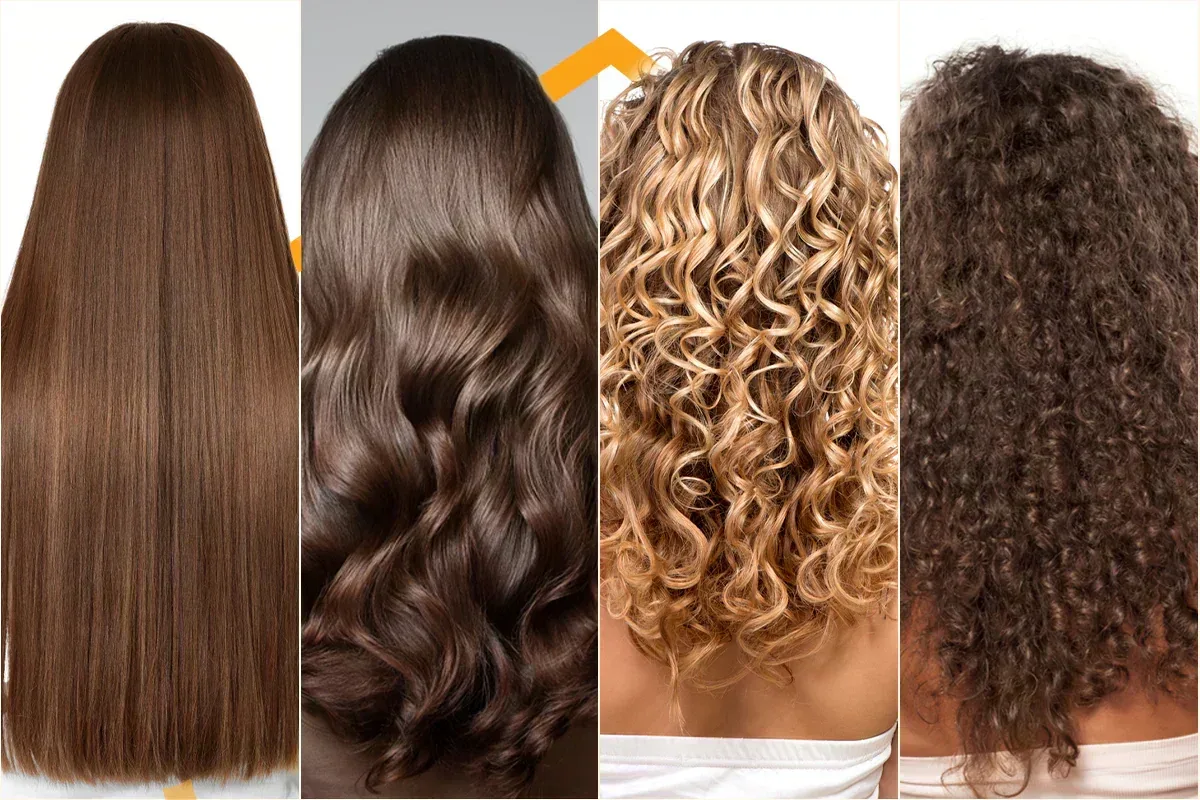
Fine hair and thick hair fail in opposite ways in the heat. Fine hair goes flat and damp at the roots within an hour, so it needs styles with grip — braids, twists, and buns built on a little dry shampoo or texture spray, which give pins and elastics something to hold. Thick hair holds a style easily but traps heat, so it needs styles that lift the bulk off the neck and split the weight, like double braids or two buns instead of one heavy knot. Wavy and curly hair actually has an advantage in summer: its natural texture hides humidity frizz far better than straight hair does, so styles that work with the wave — a pineapple updo, a braided crown — look better for longer than styles that fight it.
Humidity level matters as much as hair type. In dry heat, almost any updo holds, and the main enemy is the sun drying out the ends; leave-in conditioner and a hat do most of the work. In humid heat, loose styles are the first to fail, so the safest choices are fully contained ones — French braids, Dutch braids, slicked buns — where every strand is anchored. On the most humid days, accept a little texture: a slightly messy bun or a braid with soft flyaways looks intentional, while a perfectly sleek style that collapses by noon looks like a failure. Choose the style for the weather you actually have, not the weather you wish you had.
Sweat-Proof Your Style: Products That Actually Hold

The three products that earn their place in a summer hair kit are dry shampoo, a light-hold gel or styling cream, and a flexible hairspray — and the order you use them in matters more than the brand. Dry shampoo goes on clean, dry roots before styling, where it absorbs sweat before it can flatten the style; sprayed on already-damp hair it just makes paste. A pea-sized amount of gel or cream smoothed over the surface before braiding or twisting tames flyaways without the crunch of heavy hairspray, and a light mist of flexible spray at the end locks the shape while still letting the hair move. Heavy waxes and oils are the products to skip in a heatwave: they melt, weigh hair down, and mix with sweat into a greasy film.
Tools matter too, and the cheapest upgrade is the elastic. Fabric-covered elastics and spiral hair ties grip without denting, while thin rubber bands snap under the weight of damp, heavy hair and leave a crease that survives until the next wash. Bobby pins work best when they are pushed in wavy-side down, crossed over each other in an X, and anchored into the bulk of the style rather than skimming the surface. Keep a small kit — two elastics, four pins, a travel dry shampoo — in your bag, and a style that slips at 2 p.m. is a thirty-second fix instead of a lost cause.
Sun Protection for Hair and Scalp
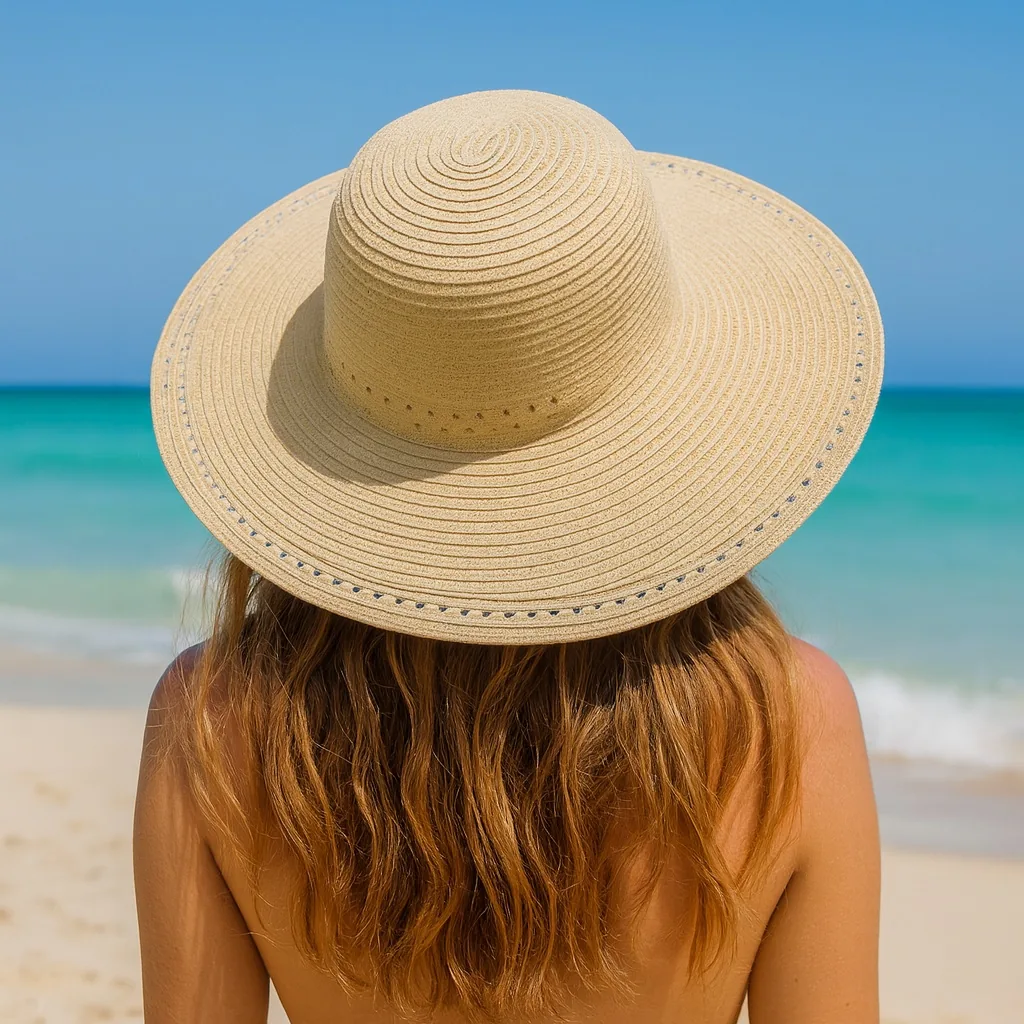
Sun damage to hair is real and cumulative: UV breaks down the proteins in the hair shaft, fades colour — natural and dyed alike — and dries out the lengths until they feel rough and snap easily. The scalp burns just as readily as the shoulders, and a part line is the most common place, because it is a strip of bare skin pointed straight at the sun. A wide-brim hat or a scarf is the most reliable protection there is, and it doubles as a style in its own right; section 22 shows how to make a scarf part of the updo rather than an afterthought. If you are not wearing a hat, a UV-protectant leave-in spray helps, and a little sunscreen rubbed along the part line is worth doing on long outdoor days.
Colour-treated hair needs extra care in summer, because sun, salt water and chlorine all strip colour faster than shampoo does. Rinse hair with fresh water before swimming — wet hair absorbs far less chlorinated or salty water than dry hair — and again afterwards, and use a colour-safe conditioner once a week as a mask. Blonde hair can pick up a green tint from chlorine; a single wash with a clarifying shampoo usually lifts it. None of this needs expensive products, but it does need consistency: five minutes of protection before a beach day saves weeks of repair afterwards.
How to Keep Curls Defined (Not Frizzy) in Humidity
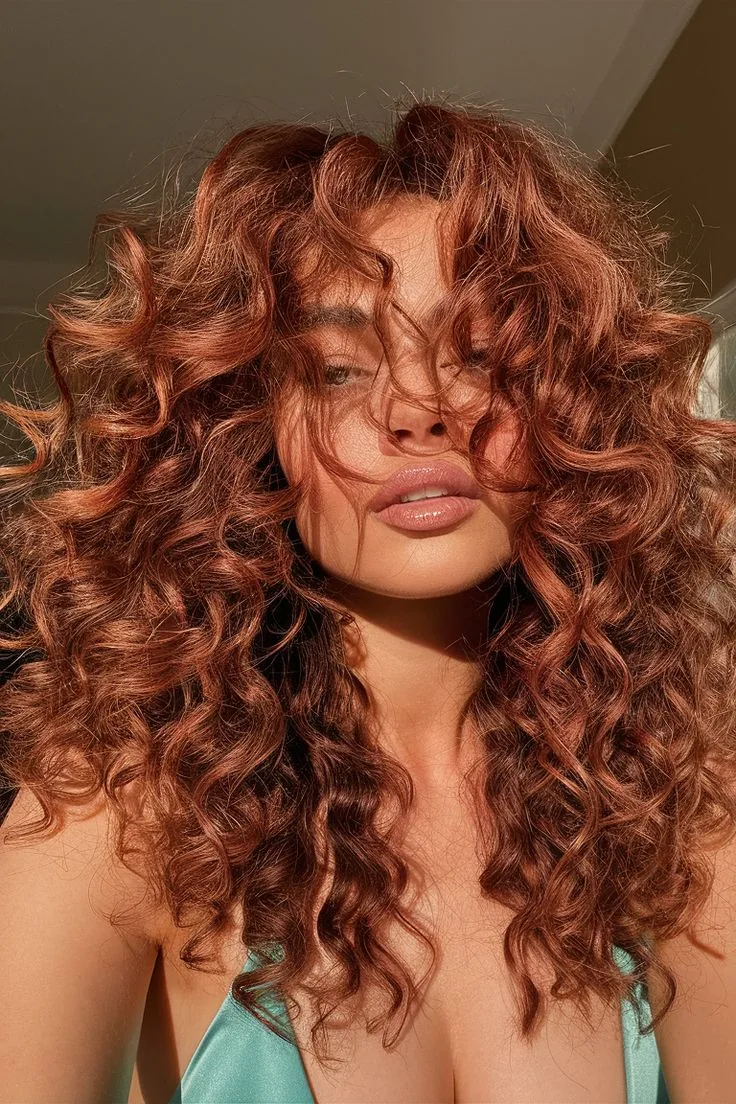
Curly hair frizzes in humidity for the same reason straight hair does — the cuticle lifts and each strand swells — but curls show it more, because every strand is a separate curve that can go its own way. The trick is to set the curl pattern while the hair is still wet and then leave it alone: apply a curl cream or gel to soaking-wet hair, scrunch gently, and do not touch it again until it is fully dry. Touching drying curls breaks the cast the gel forms and turns defined curls into a halo of frizz, which is why the hardest part of summer curl care is patience, not products. A diffuser on low heat finishes the job faster than air-drying on a humid day, when hair can stay damp for hours.
On the days when even a good wash day collapses by afternoon, the pineapple updo and the high puff in this guide are the rescue styles: they gather the curls up and off the neck without crushing the pattern, and they come down the next morning with the curls still mostly intact. A silk or satin scrunchie matters here — ordinary elastics snag and break curly hair, and a dented curl pattern is hard to revive without re-wetting. Sleep with the pineapple up and a satin pillowcase under it, and a summer wash day can stretch to three days instead of one.
Quick Cool-Down Styles for the Gym, Beach and Commute
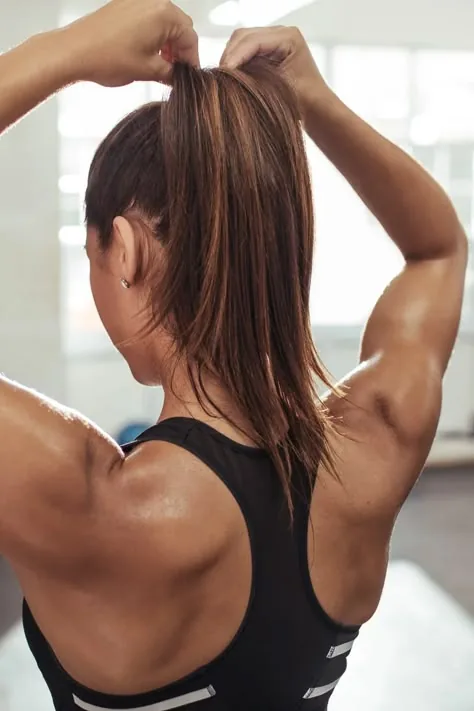
Some days the hairstyle is not about looking good — it is about surviving a commute, a workout, or a beach afternoon without overheating. The rule for those days is simple: everything off the neck, everything anchored, nothing that needs a mirror. A high ponytail, double braids, or a top knot all pass that test, and they take under two minutes, which is the real requirement when you are already running late. Braids beat ponytails for the gym, because a ponytail whips around and the tail gets heavy with sweat, while a braid stays in one place and keeps the weight distributed. For the beach, a braid is also the style that survives salt water best and comes out as waves instead of tangles.
Carry the fix, not the whole routine. A spare elastic around your wrist, two bobby pins, and a small dry shampoo cover almost every mid-day failure: a slipping bun, a damp hairline, a ponytail that has dropped. Wet the hairline with a splash of water and smooth it back if the roots have gone frizzy — water reactivates most styling products enough to reset the surface. And remember that a slightly undone style is fine on a hot day; nobody expects a red-carpet updo at a 35-degree bus stop, and a relaxed bun that stays put beats a perfect one that falls apart.
Wash-Day Timing and the No-Heat Drying Routine
Summer is the best season to give up the hairdryer, because the air does the drying for free and your hair keeps the moisture the heat would have stripped out. Wash in the morning rather than at night, so the hair dries fully during the day instead of staying damp against a pillow — damp hair pressed into a pillowcase all night is a recipe for frizz and a flattened crown. After washing, squeeze the water out with a microfibre towel or an old cotton T-shirt rather than rubbing with a bath towel; rubbing roughs up the cuticle and guarantees frizz before the hair is even dry. Then apply your leave-in or curl product and let the air work.
How often to wash is a personal call, but most people need one extra wash a week in summer, not a daily wash: sweat is mostly water and salt, and it rinses out with water alone or with a co-wash on the days between shampoos. Daily shampooing strips the scalp, which then overproduces oil to compensate, and the cycle makes the roots greasier, not cleaner. If the scalp feels itchy or the roots look flat, a dry shampoo on day two and a proper wash on day three is a better rhythm than a harsh daily shampoo — and it keeps the style you built on wash day alive for an extra day.
After-Sun Hair Recovery: Repair, Hydrate, Reset
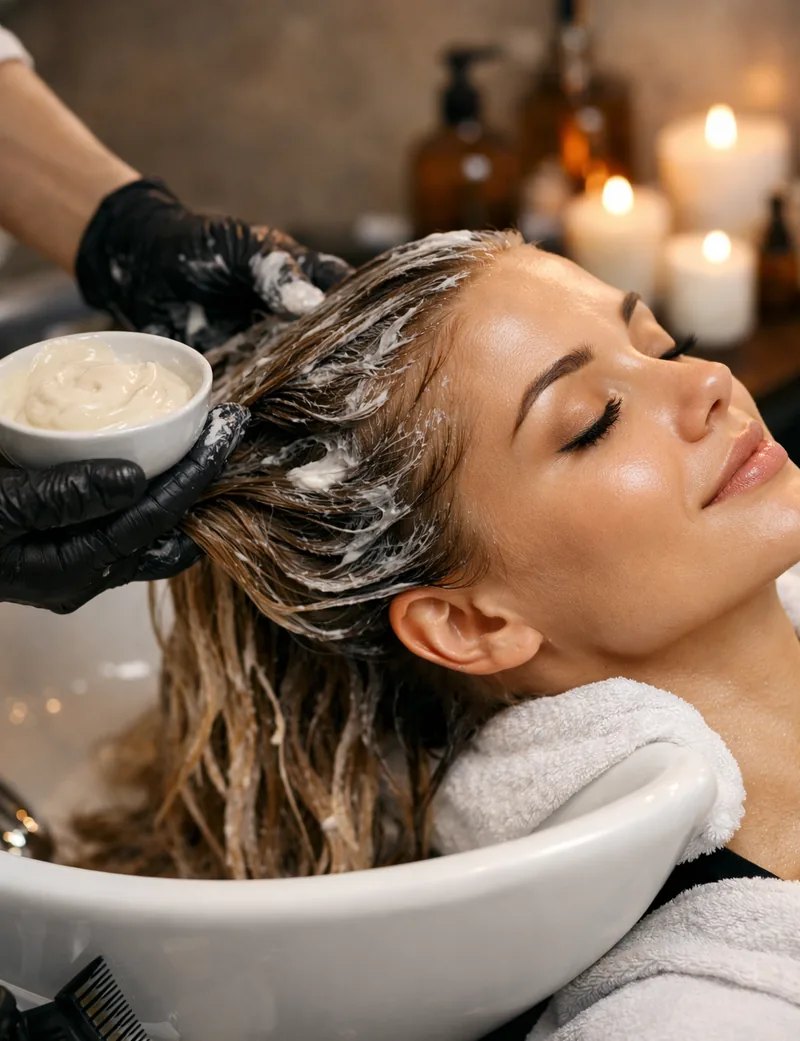
After a long day in sun, salt or chlorine, hair needs the same thing skin does: water first, then a barrier. Rinse with fresh water, then use a deep conditioner or a hair mask and leave it on for at least ten minutes — the heat of a warm shower helps it sink in. A weekly mask through the summer is enough for most hair; daily heavy conditioning just builds up and weighs the hair down. If the ends feel straw-like, a tiny drop of hair oil smoothed over the very ends (never the roots) seals the cuticle and stops the dryness travelling further up the strand. Trim the ends every six to eight weeks in summer, because split ends split further, and no mask can glue them back together.
Recovery is also the time to reset your styling habits for the next hot day. If a style kept slipping, the problem was usually grip, not effort — add dry shampoo or texture spray next time, or switch to a braid-based style that anchors itself. If the scalp felt sore or itchy, rotate the part line and vary the style so the same patch of scalp is not pulled in the same direction every day. And give your hair a genuinely free day once a week: down, loose, no elastics, no pins. Hair that rests recovers faster than hair that is styled every single day, however gentle the styling is.
1. The High Messy Bun
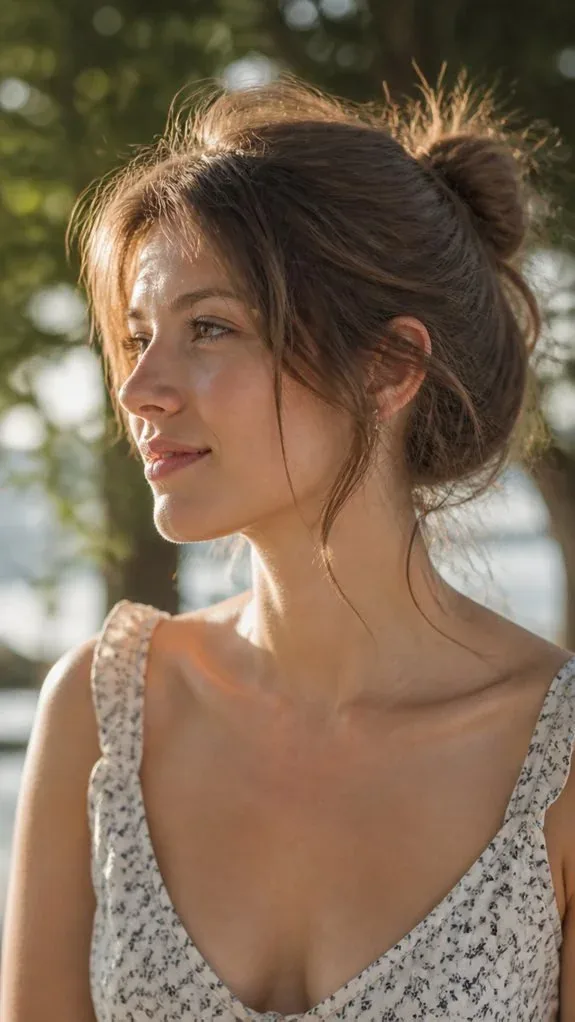
The high messy bun is the default hot-weather hairstyle for a reason: it lifts every strand off the neck and shoulders, lets air reach the scalp, and takes about ninety seconds. Gather the hair high on the crown, twist it loosely, wrap it around its own base and pin it in two or three places — deliberately imperfect, with a few soft strands left out around the face. The height is the whole point: a bun sitting on top of the head keeps the weight off the nape, where sweat collects first, and it catches any breeze that a low style would miss entirely.
Cooling effect: excellent — the neck and shoulders are completely clear and air circulates around the scalp. Humidity resistance: good; the loose texture hides frizz, though very fine hair may need dry shampoo for grip. Best for: medium to long hair, all textures, days when the temperature is the main problem and polish is not.
2. The Sleek Top Knot
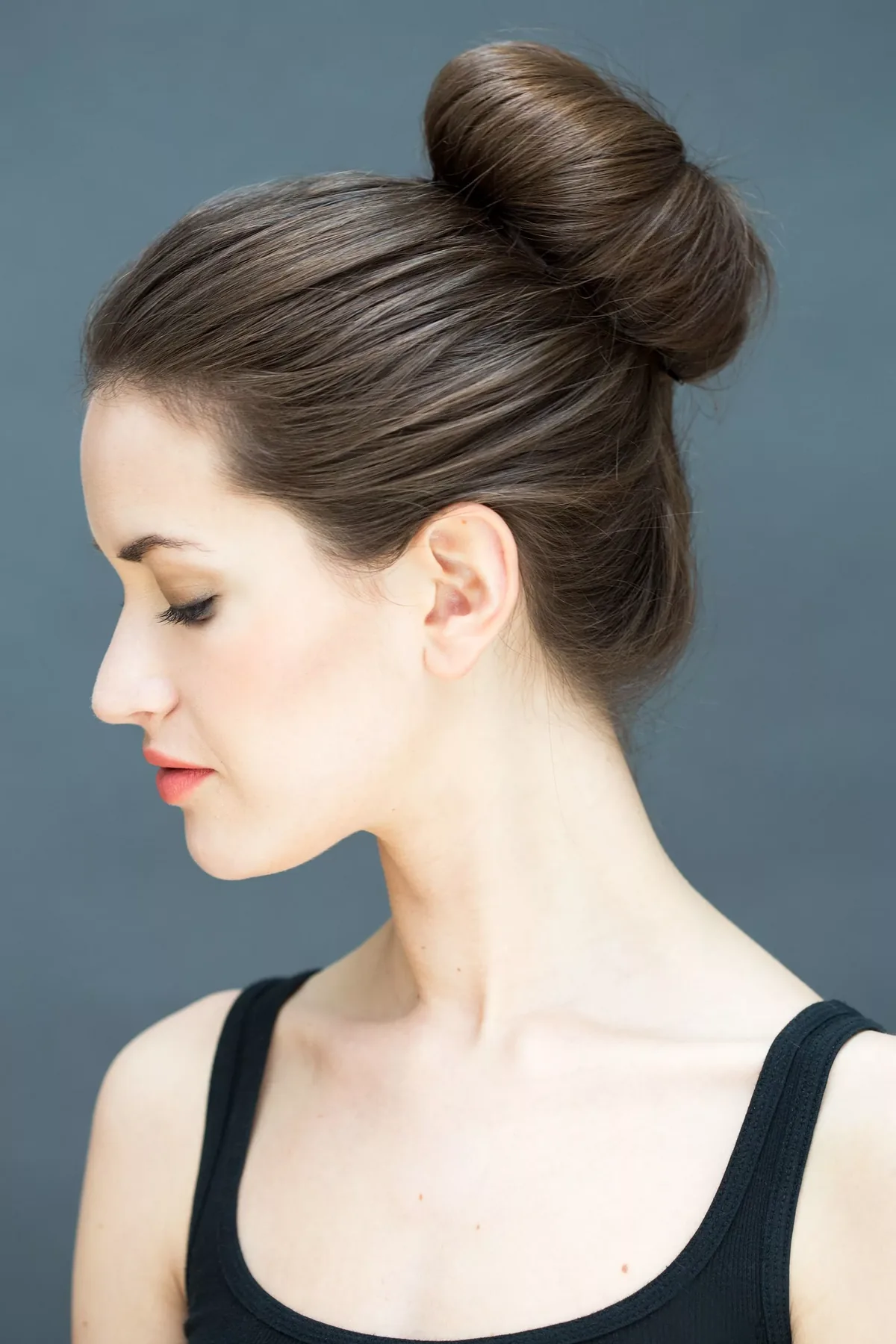
The sleek top knot is the polished version of the messy bun: the same cooling height, but with the hair brushed smooth, the knot wrapped tight, and not a strand out of place. Brush the hair up with a little gel or cream, secure it high, twist it into a firm coil and pin it flat. It reads as deliberate and elegant — the style for a summer wedding, a job interview, or any day you want to look finished despite the heat — and it stays that way for hours, because a tight coil has nowhere to slip to. The trade-off is tension: a knot pulled this tight all day can ache, so save it for occasions and let the messy bun do the everyday work.
Cooling effect: excellent, same as any high bun, with the added benefit that no loose strands stick to a sweaty neck. Humidity resistance: very good; gel seals the surface and the tight coil resists swelling. Best for: medium to long hair, straight or wavy textures, formal summer occasions.
3. The Low Textured Bun
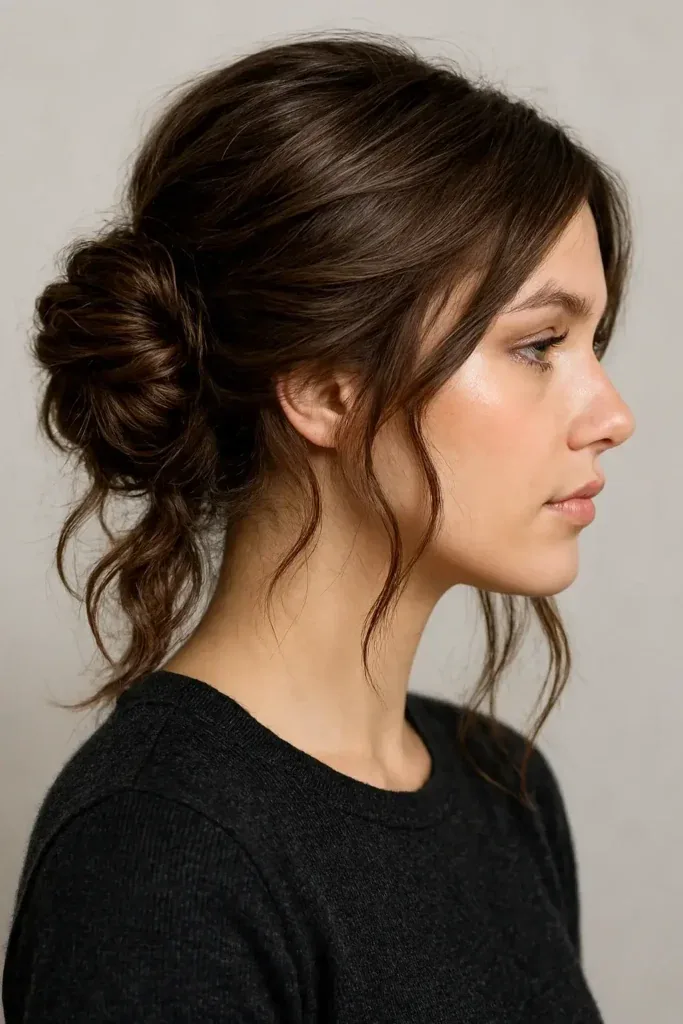
Not every hot day wants height. The low textured bun sits at the nape, soft and loose, with texture through the crown and a few face-framing pieces left free — the relaxed, romantic option for evenings, dinners, and days when a top knot would feel too severe. Build grip first with dry shampoo or texture spray, gather the hair low, twist it loosely and pin it in a soft coil, then gently pull at the crown for volume. It keeps the hair contained without pulling, which matters on days when the scalp is already tender from sun or a tight style the day before.
Cooling effect: moderate — the nape stays covered, so it suits warm evenings better than midday heat. Humidity resistance: good; the texture disguises frizz and the loose coil flexes instead of collapsing. Best for: medium to long hair, wavy and curly textures, soft summer evenings and occasions.
4. The Classic French Braid

The French braid is the most reliable hot-weather style ever invented: every strand is anchored from the crown to the ends, nothing escapes, nothing sticks to the neck, and the finished braid lies flat enough to wear under a hat. Start at the crown, add a small section of hair with each cross, and keep the tension even all the way down — a braid that starts tight and ends loose unravels from the bottom up. It takes a little practice, but once the motion is automatic it is a three-minute style that survives heat, humidity, wind, a workout, and a full day outdoors without a single re-do.
Cooling effect: very good — the hair is fully contained and the neck is clear. Humidity resistance: excellent; the braid structure holds its shape as strands swell. Sweat management: superb — sweat at the roots is absorbed into the braid instead of flattening loose hair. Best for: medium to long hair, all textures, the hottest and most active days.
5. Double Dutch Braids
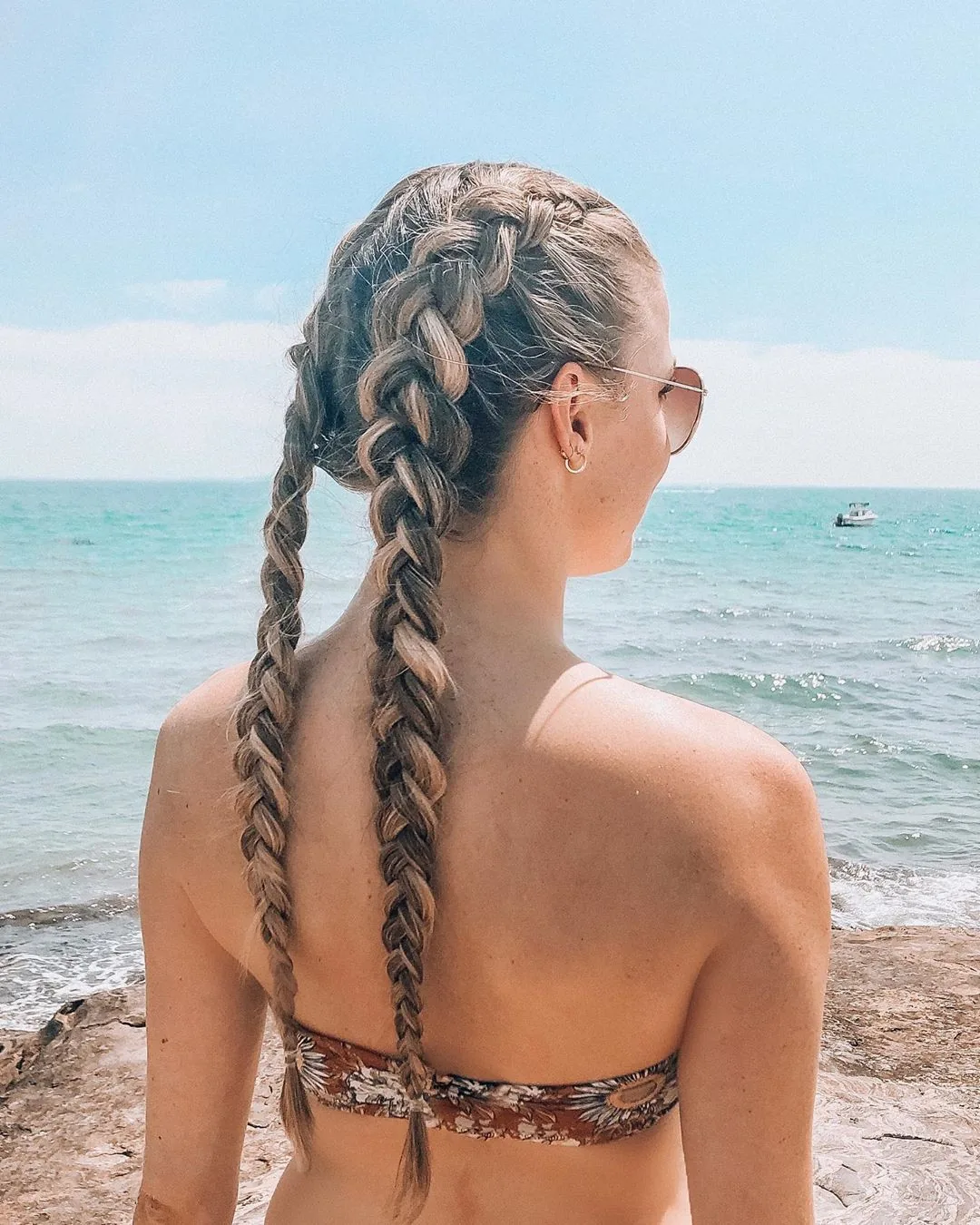
Double Dutch braids — two braids woven outward so they sit on top of the hair, one on each side — split the weight of the hair in half and keep it off the neck completely. Part the hair down the middle, braid each side from the front hairline to the nape, and secure the ends. They are the sportiest style in this guide, which is why they show up on runners, cyclists, festival-goers and anyone spending a long day moving in the heat. They also solve the thick-hair problem: one braid of very thick hair is heavy and slow to dry, but two smaller braids dry faster, hold better, and distribute the weight so the scalp never aches.
Cooling effect: excellent — the scalp is exposed along the part and the neck is fully clear. Humidity resistance: excellent; Dutch braids are the most secure braid style in humidity. Best for: medium to very long hair, thick hair, workouts, festivals and beach days.
6. The Fishtail Braid
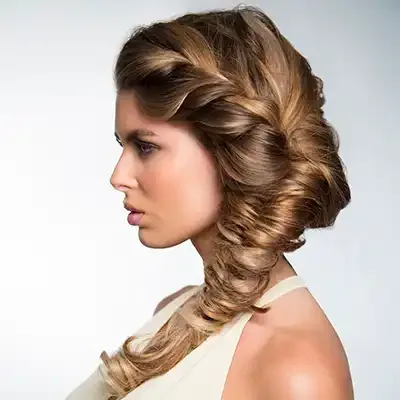
The fishtail braid looks far more intricate than it is: split the ponytail in two, take a thin piece from the outside of one side and cross it to the other, and repeat. The result is a fine, woven pattern that reads as elegant and detailed, and it drapes beautifully over one shoulder — the pretty option for summer evenings, weddings and holidays. It holds up well in heat because the many small crossings lock the hair in place, but it does take longer than a three-strand braid, so it is a style to build when you have ten unhurried minutes, not two. Pull the finished braid gently apart at the edges for a fuller, softer look that hides any unevenness.
Cooling effect: good when worn over one shoulder, keeping the neck mostly clear. Humidity resistance: very good; the tight weave resists loosening. Best for: long hair, straight or wavy textures, occasions where the braid itself is the feature.
7. The Bubble Ponytail
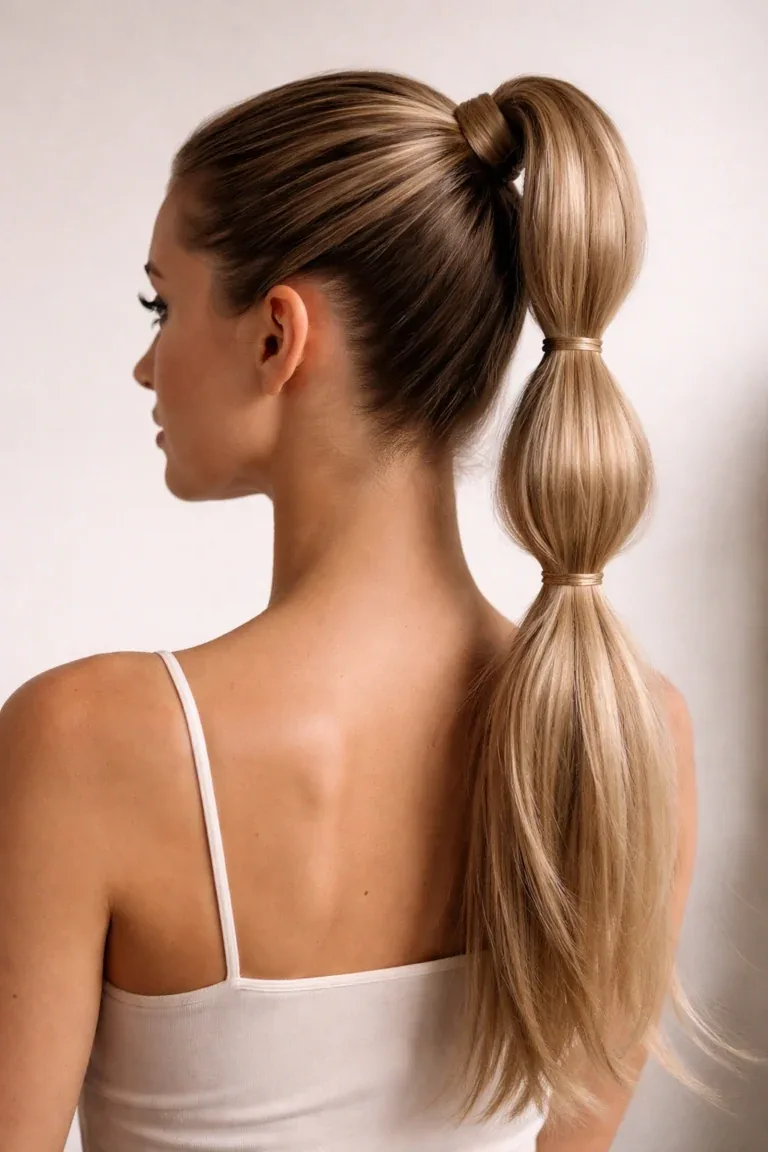
The bubble ponytail turns a basic high ponytail into a statement: secure the ponytail high, then add elastics every few centimetres down the length and gently pull each section out into a round bubble. It is playful, modern, and surprisingly practical in the heat — the bubbles keep the tail from whipping around and sticking to a sweaty back, and the style holds its shape for hours because each elastic anchors its own section. It works best on longer hair, where there is enough length for at least three bubbles, and it photographs beautifully, which is why it has become a holiday and festival favourite.
Cooling effect: very good — the hair is high and contained, and the bubbles keep it off the back. Humidity resistance: good; the elastics hold each section independently. Best for: long hair, straight or wavy textures, festivals, holidays and photos.
8. The High Ponytail with a Twist

A plain high ponytail is the fastest hot-weather style there is, but it has one weakness: the tail swings, thumps, and sticks to the back as soon as you start sweating. The twist fixes that. Secure the ponytail high, split the tail in two, twist each half, then twist the two halves around each other and secure the end — the result is a rope-like tail that stays in one place, looks far more finished than a plain ponytail, and takes only a minute longer to build. It is the style for the days when you want the speed of a ponytail with the staying power of a braid.
Cooling effect: excellent — everything is lifted high off the neck. Humidity resistance: good; the twist holds better than a loose tail. Sweat management: good — the compact tail absorbs less sweat and dries faster than loose hair. Best for: medium to long hair, all textures, busy days and workouts.
9. The Low Sleek Ponytail
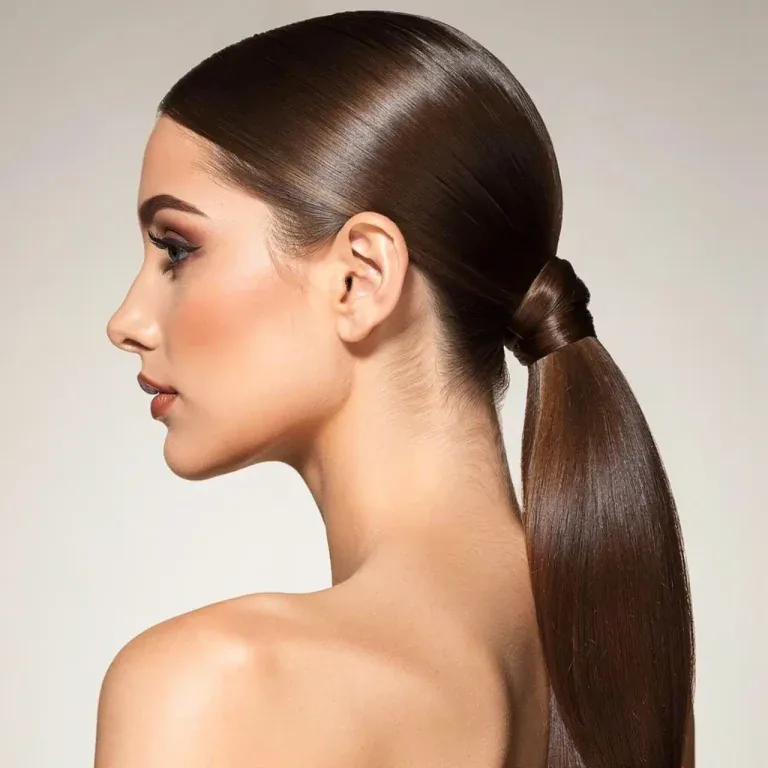
The low sleek ponytail is the most polished hot-weather style that still takes two minutes: brush the hair smooth, gather it low at the nape, secure it, and wrap a small strand around the elastic to hide it. It suits the office, formal summer events, and any day when a high ponytail would feel too casual, and it keeps the hair completely off the face while leaving the neck mostly clear. The secret is the finish — a little gel or cream smoothed over the crown before gathering, and a boar-bristle brush to flatten flyaways, because a low ponytail with a bumpy crown looks unfinished while a smooth one looks expensive.
Cooling effect: moderate — the nape is covered, so it suits air-conditioned days and warm evenings best. Humidity resistance: fair; sleek styles show frizz first, so gel and a light hairspray are essential. Best for: medium to long hair, straight hair especially, work and formal summer occasions.
10. The Pineapple Updo
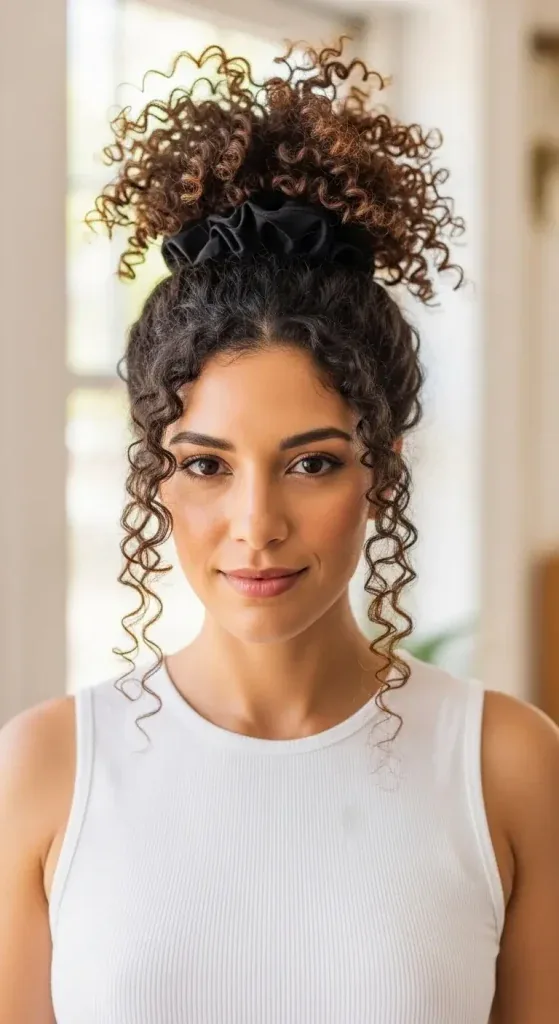
The pineapple updo was invented for curly hair, and it is a summer essential: gather the curls loosely on top of the head with a silk scrunchie, letting them fall forward like the top of a pineapple. The curls stay up and off the neck, the pattern is not crushed the way a tight bun would crush it, and the style takes under a minute. It is also the best overnight style for curls — sleep with the pineapple up and the curls survive the night instead of flattening into frizz. On the hottest days, a pineapple with a few curls left framing the face is both the coolest and the most flattering option curly hair has.
Cooling effect: excellent — the neck is clear and the scalp can breathe. Humidity resistance: very good; curls gathered loosely keep their pattern instead of fighting humidity. Best for: curly and coily hair, medium to long lengths, the hottest days.
11. The Claw Clip Twist
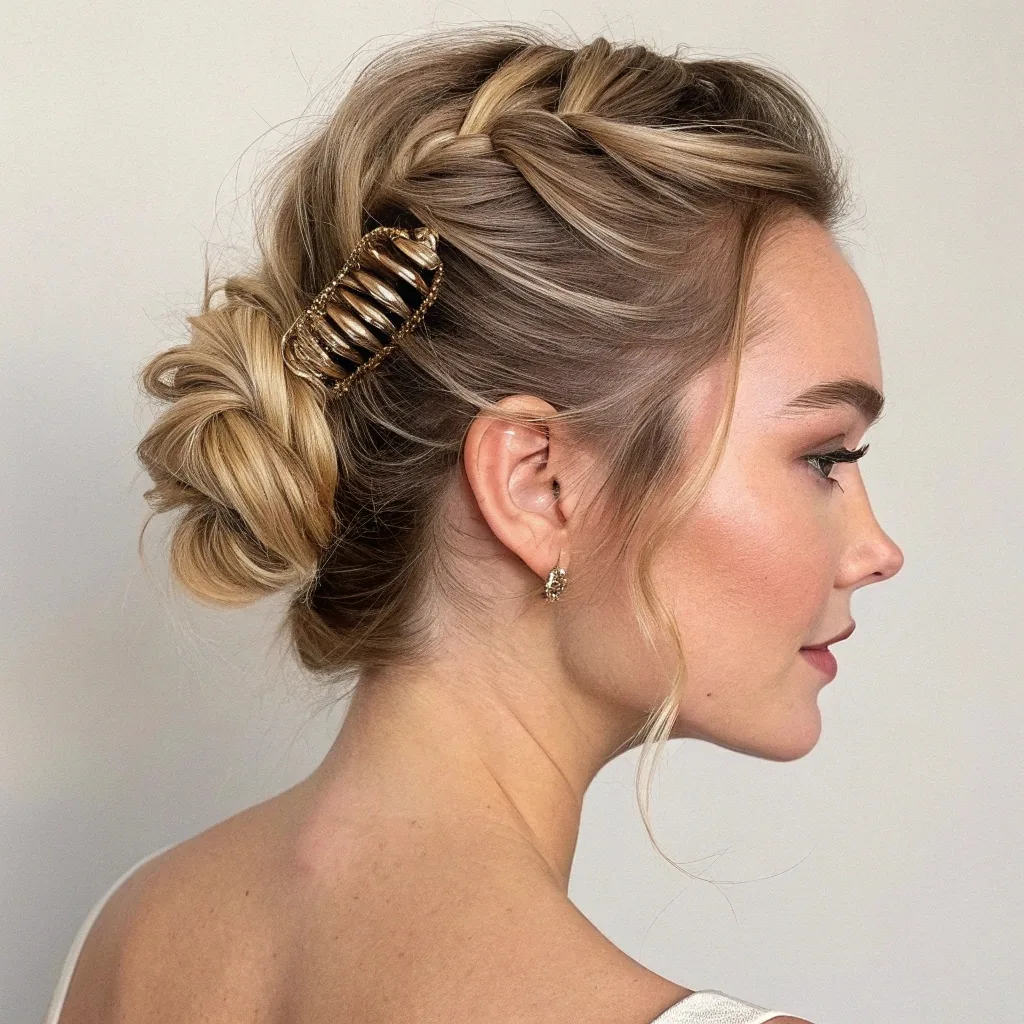
The claw clip twist is the thirty-second hot-weather rescue: gather the hair, twist it up the back of the head, fold the ends over, and clamp a large claw clip over the twist. It holds without an elastic, leaves no dent in the hair, and comes out in one second — the style for the moment you walk in from the heat and need your hair off your neck right now. It works on medium to long hair, and the bigger the clip the better the hold; a small clip on thick hair will slide by midday. It is deliberately relaxed, with soft pieces falling out around the face, and that looseness is what makes it look effortless rather than unfinished.
Cooling effect: very good — the hair is lifted and the clip itself lets air through. Humidity resistance: good; the twist flexes with swelling strands instead of fighting them. Sweat management: excellent — no elastic means no sweat-soaked band, and the style can be redone in seconds. Best for: medium to long hair, all textures, instant cool-downs and casual days.
12. The Half-Up Top Knot
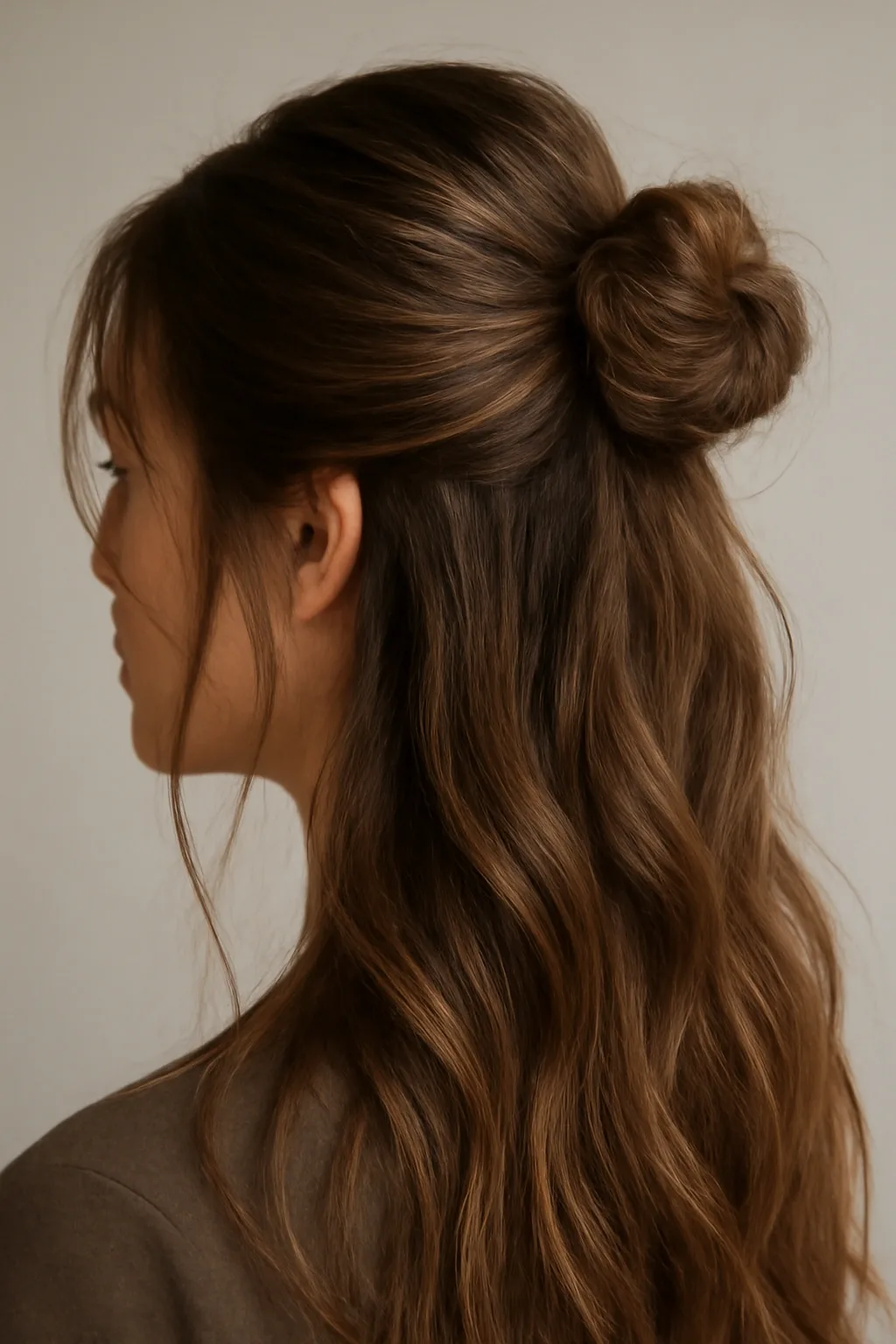
The half-up top knot is the compromise for days when you want your hair down but the heat will not allow it: take the top half of the hair, twist it into a small knot on the crown, and leave the rest loose. The face and the front hairline stay clear and cool, the knot gives the style a finished shape, and the loose lengths still move — the best of both worlds for a summer evening or a holiday dinner. It works best on longer hair, where the loose half has enough length to look intentional, and it is the easiest style in this guide to dress up or down with a clip or a scarf.
Cooling effect: moderate — the face is clear but the loose lengths still trap heat at the back. Humidity resistance: fair; the loose half will frizz on humid days, so it suits dry heat and evenings best. Best for: long hair, wavy and straight textures, summer evenings and holidays.
13. The Braided Crown
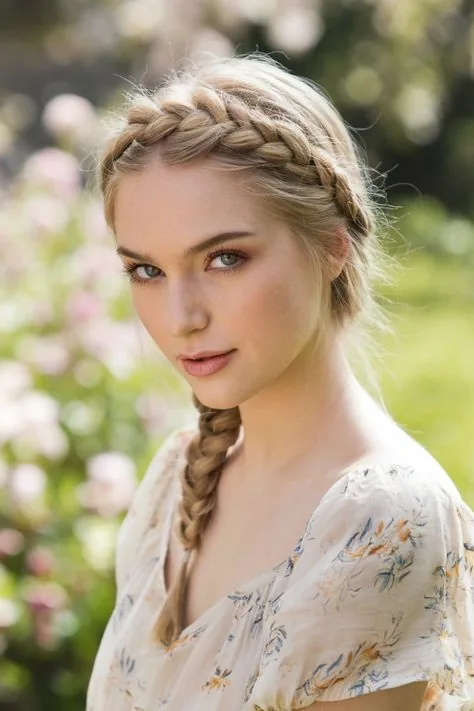
The braided crown — a single braid wrapped around the head like a halo — is the most elegant way to get every strand off the neck in the heat. Braid the hair from one side, wrap it around the head, and pin the end under the start; the braid itself becomes the decoration, so no accessories are needed. It takes practice and about ten minutes, but it survives heat, humidity and wind better than almost any other style, because the braid is anchored at a dozen points around the head. It is the style for summer weddings, garden parties, and any day you want to look as if you tried very hard while actually staying cool.
Cooling effect: excellent — nothing touches the neck or shoulders. Humidity resistance: excellent; the braid is fully anchored all the way around. Best for: medium to long hair, all textures, weddings and formal summer occasions.
14. The Side Braid
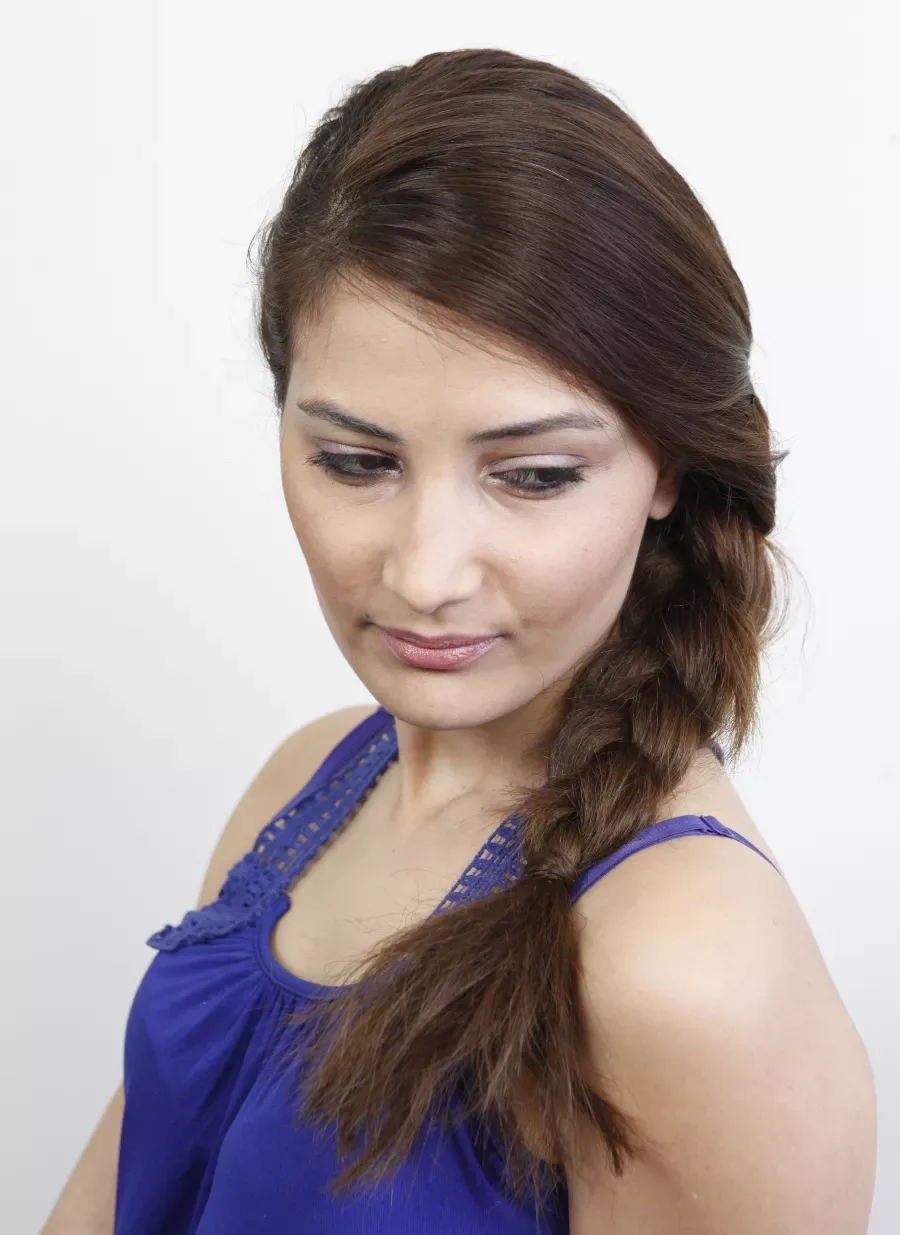
The side braid is the relaxed, romantic cousin of the French braid: sweep all the hair to one side, braid it loosely over the shoulder, and pull the edges gently apart for a soft, full finish. It keeps the hair contained and off the neck while still showing off the length, which makes it the favourite for holidays, beach days and photos. It is also forgiving — an uneven side braid looks deliberately boho, while an uneven French braid just looks wrong — so it is a good first braid to learn. Tie the end with a fabric elastic and leave a little texture at the front for a soft, sun-warmed frame around the face.
Cooling effect: good — the neck is clear on one side and the braid sits over the shoulder. Humidity resistance: good; the loose weave hides frizz well. Best for: medium to long hair, wavy textures especially, holidays and relaxed summer days.
15. The Rope Braid Ponytail
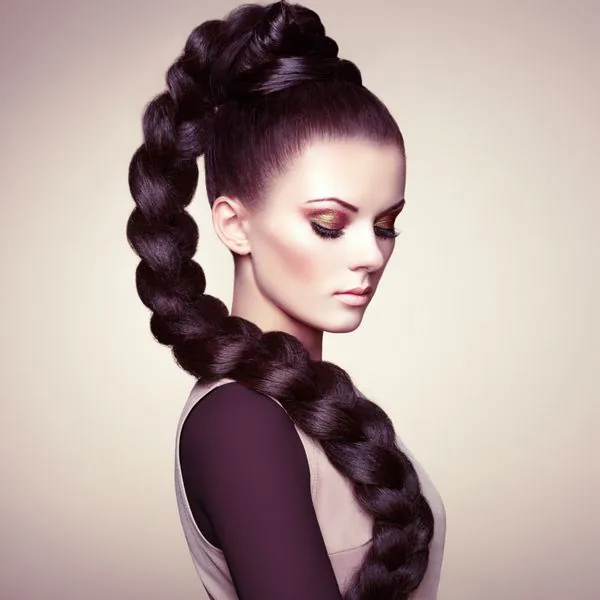
The rope braid ponytail combines the speed of a ponytail with the security of a braid: secure a high ponytail, split the tail in two, twist each half in the same direction, then twist the two halves around each other in the opposite direction and secure the end. The twist locks itself — the opposing directions are what hold it together — so it does not unravel the way a plain twist can. The result is a slim, rope-like tail that stays in place through wind, workouts and humidity, and looks far more deliberate than a plain ponytail for only a minute of extra work.
Cooling effect: excellent — the hair is high and the compact tail stays off the back. Humidity resistance: very good; the locked twist resists loosening as strands swell. Sweat management: good — the tail is compact, dries quickly, and does not stick to the back. Best for: medium to long hair, all textures, active days and the gym.
16. The Space Buns

Space buns — two small buns, one on each side of the crown — split the hair’s weight in half and keep it completely off the neck, while looking playful and young. Part the hair down the middle, gather each side into a high ponytail, twist each into a bun and pin it. They are a festival and holiday favourite for good reason: they survive dancing, heat and humidity, they dry fast if they get wet, and they distribute the weight so well that even very thick hair feels light. They also suit shorter hair better than a single bun does, because each bun needs only half the length.
Cooling effect: excellent — the neck and shoulders are completely clear. Humidity resistance: good; two small buns hold better than one large one. Best for: medium to long hair, thick hair, festivals, holidays and fun summer days.
17. The Braided Ponytail
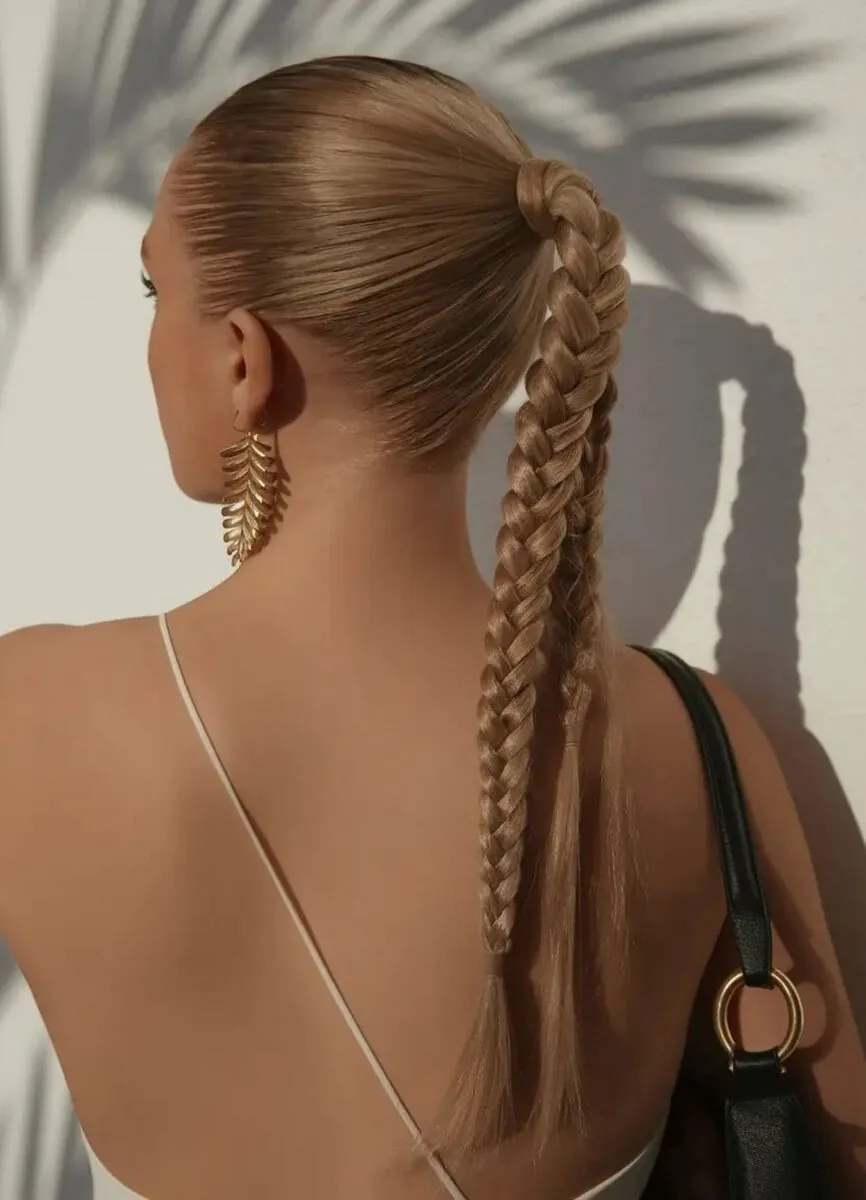
The braided ponytail is a high ponytail with the tail braided — the sleekest sporty style in this guide, and the one that holds up longest on a truly hot day. Brush the hair smooth and high, secure it, then braid the tail and tie the end. The braid stops the tail whipping around and sticking to a sweaty back, and it keeps the weight of the hair in one compact column instead of a loose curtain. It works on any hair long enough to braid from a ponytail, and it is the style to choose when you want to look athletic and polished at the same time — a summer run, a tennis match, or a long day of sightseeing.
Cooling effect: excellent — everything is high and the neck is fully clear. Humidity resistance: excellent; the braid anchors the tail completely. Sweat management: very good — the compact braid dries fast and does not cling. Best for: medium to long hair, all textures, sport and active summer days.
18. The Slicked-Back Wet Look
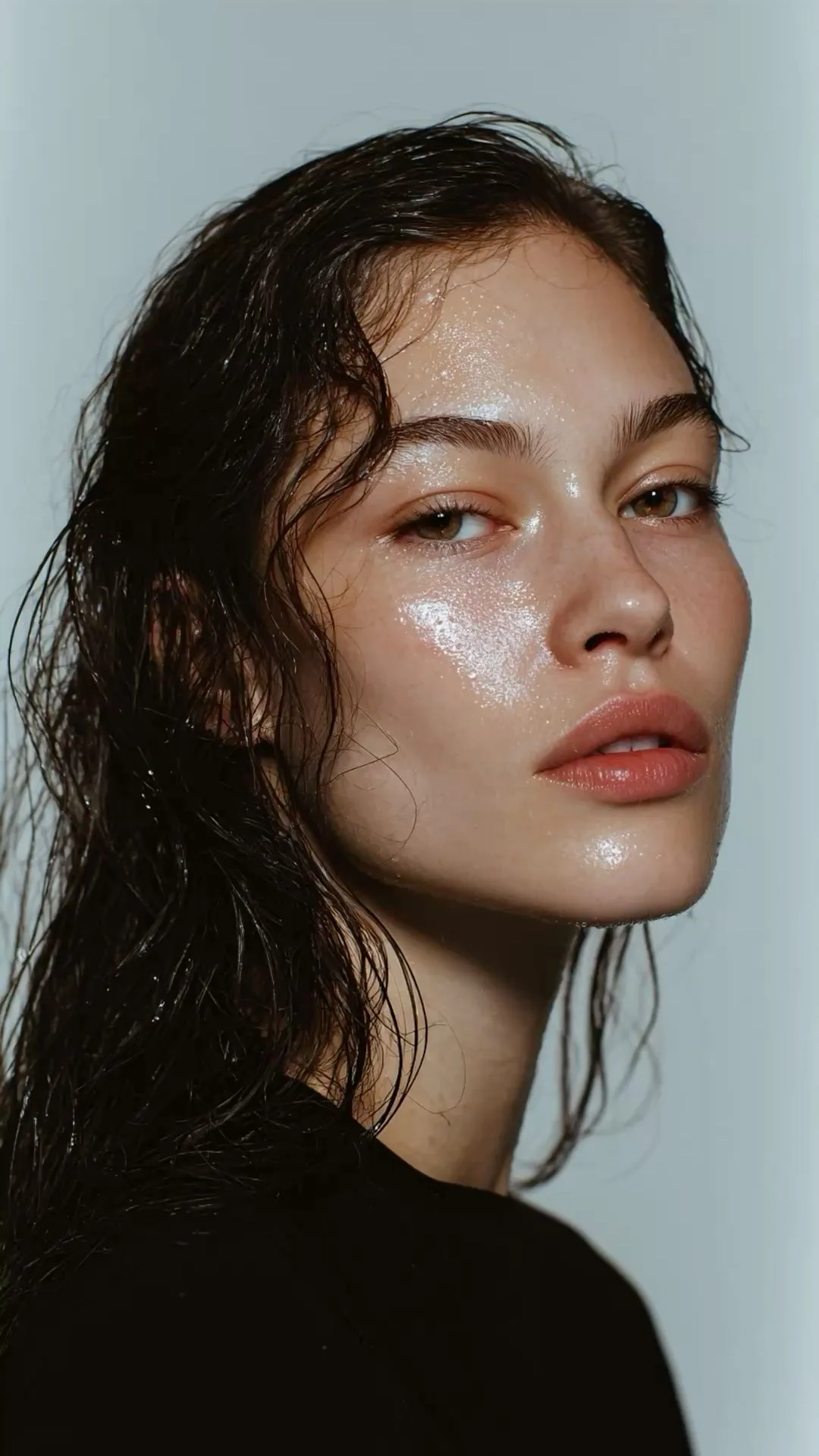
The wet look turns summer’s biggest problem — damp hair — into the style itself. Work a generous amount of gel or styling cream through damp hair, comb it straight back, and let it dry into a glossy, sculpted finish. It is the most humidity-proof style in this guide, because there is nothing to frizz: the hair is already smoothed and sealed, and humidity cannot add what is already there. It suits the beach, pool parties and summer evenings, and it works on short, medium and long hair alike. The only rule is commitment — a half-hearted wet look just looks greasy, so use enough product and comb it properly.
Cooling effect: very good — the hair is off the face and neck entirely. Humidity resistance: outstanding; the gelled finish is immune to frizz. Best for: all lengths, straight and wavy textures, beach days, pool parties and evenings.
19. The Textured Pixie Cut
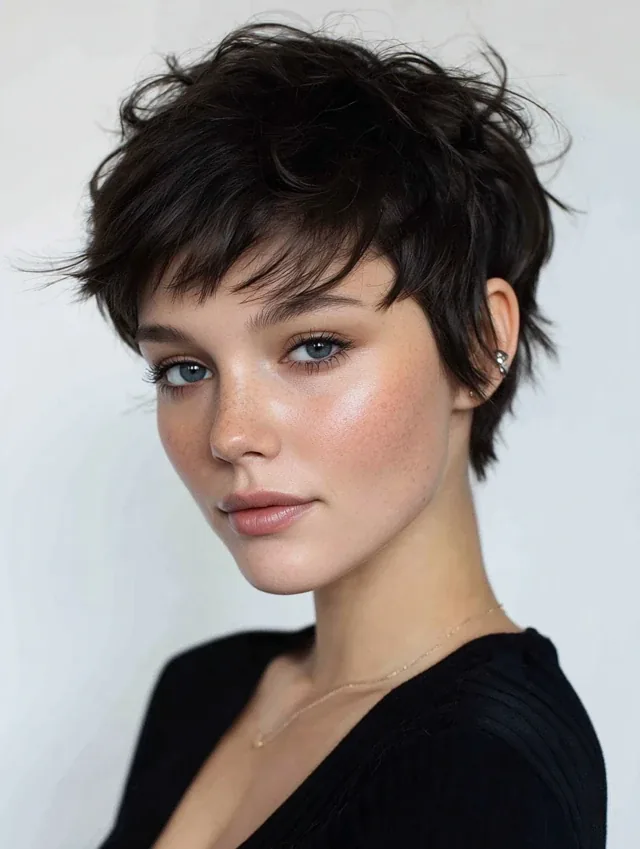
If you are ready for a real change, nothing beats the heat like a pixie cut. A textured pixie — short at the back and sides, longer and piecey on top — dries in minutes, needs no heat styling, and keeps the neck completely free all summer. A dab of texture paste scrunched through damp hair is the whole routine, and the style actually improves with a little humidity, which adds volume to the textured top. It is a bold cut, and it grows out through an awkward stage, so it is a decision to make in spring rather than mid-August — but for anyone who has spent summers fighting long hair, it can feel like freedom.
Cooling effect: outstanding — the shortest style in this guide and the coolest by far. Humidity resistance: excellent; short textured hair has little surface to frizz. Sweat management: excellent — the scalp dries in minutes. Best for: anyone ready for short hair, all textures, the hottest climates.
20. The Chin-Length Bob
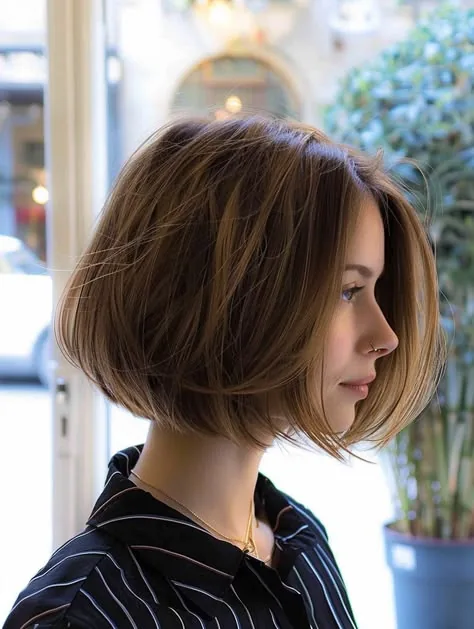
The chin-length bob is the short cut for people who are not ready for a pixie: short enough to dry fast and stay off the shoulders, long enough to tuck behind the ears or clip back on the hottest days. Ask for a textured, slightly layered bob rather than a blunt one — the texture stops the cut looking heavy in humidity and lets it move naturally instead of puffing into a triangle. It is wash-and-go in the truest sense: towel-dry, add a little cream, and let the air do the rest. For wavy hair it is especially flattering, because the natural wave gives the bob its shape without any styling at all.
Cooling effect: very good — the shoulders and upper neck stay clear. Humidity resistance: good, especially with textured layers. Best for: straight and wavy hair, anyone wanting a low-maintenance summer cut.
21. The Curly Pineapple Puff
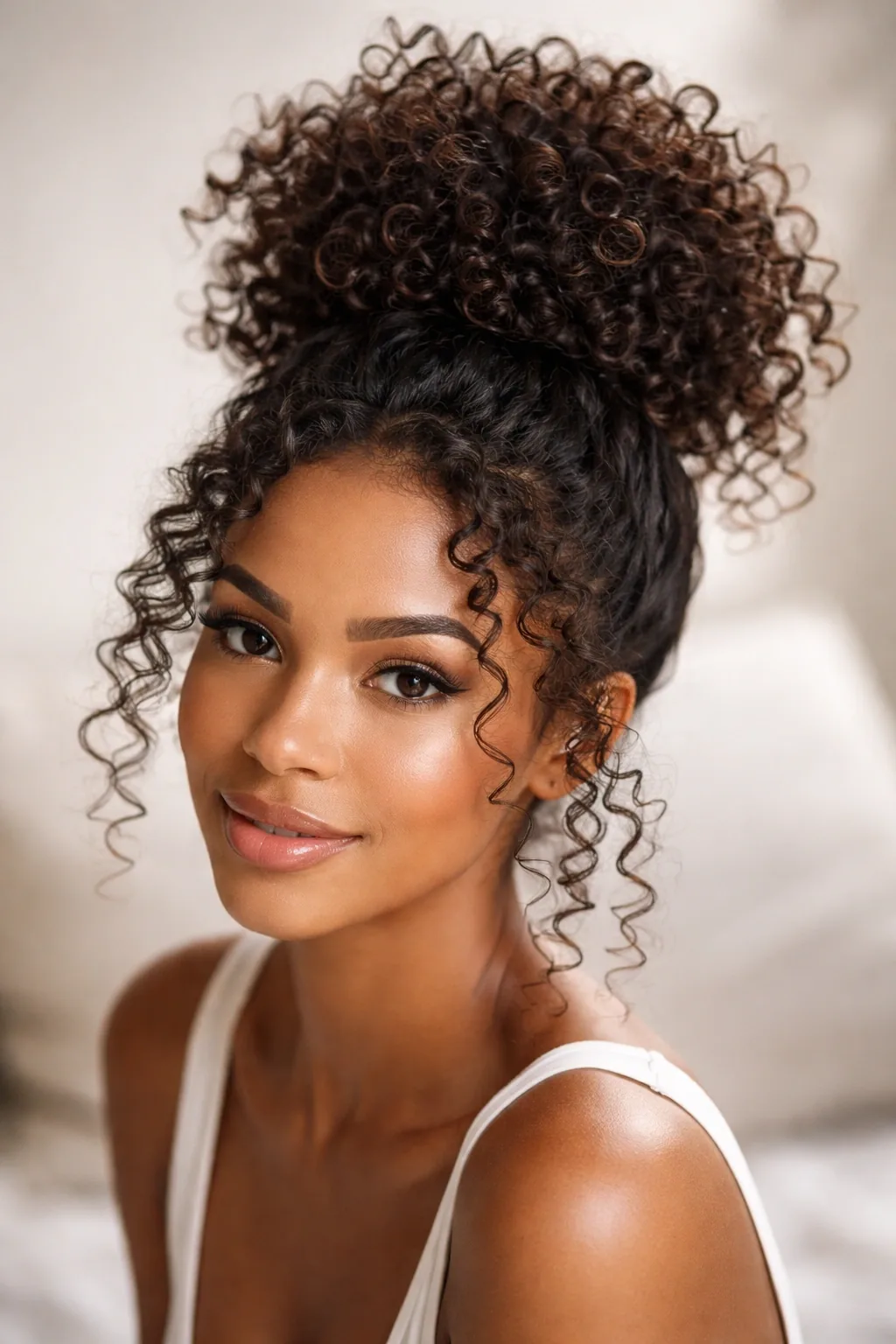
The curly pineapple puff is the pineapple updo’s bolder sister: the curls are gathered high and fluffed out into a full, round puff, with the sides smoothed back. It shows off the curl pattern instead of hiding it, keeps every curl off the neck, and holds its shape through humidity because the curls support each other in the puff. Use a silk scrunchie and smooth the sides with a little gel on a brush — the contrast between the sleek sides and the full puff is what makes the style look finished. It is a confident, joyful summer style, and it is the one curly-haired readers come back to year after year.
Cooling effect: excellent — the neck is clear and the scalp breathes. Humidity resistance: very good; the puff’s volume hides any frizz. Best for: curly and coily hair, medium to long lengths, anyone who wants their curls on show.
22. The Scarf-Wrapped Bun
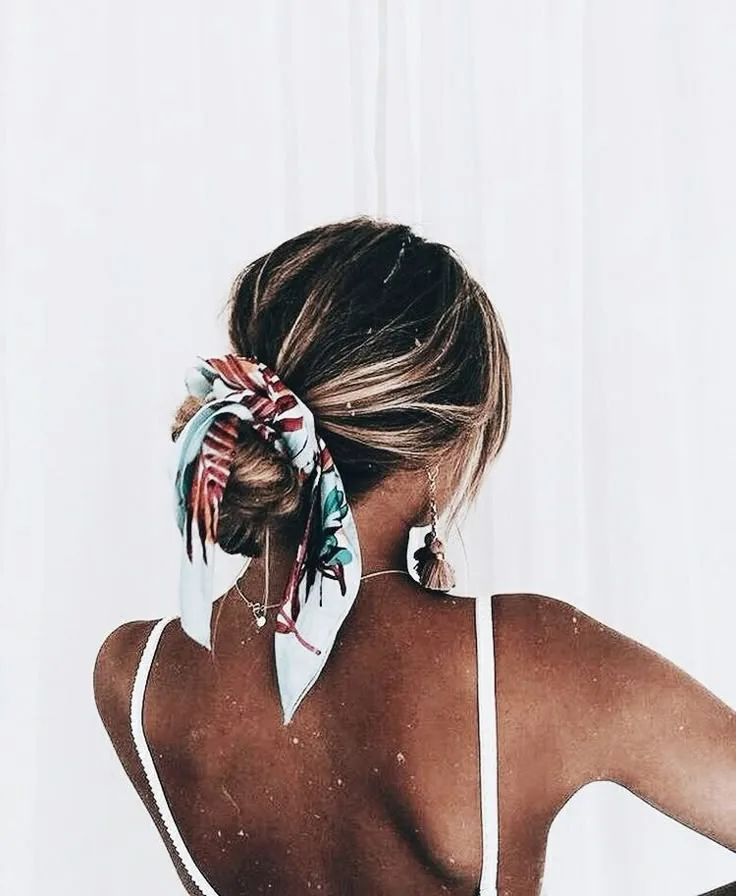
The scarf-wrapped bun does three jobs at once: it holds the bun, it protects the hair and scalp from the sun, and it adds colour to the whole outfit. Build a low or high bun, then wrap a silk or cotton scarf around its base and tie it, letting the ends hang or tucking them in. The scarf absorbs sweat at the hairline, shields the part line from sunburn, and keeps the bun secure far longer than pins alone. Choose a light, breathable fabric — silk or thin cotton — and avoid heavy scarves that trap heat. It is the most practical holiday style in this guide, and the prettiest too.
Cooling effect: very good, with the scarf adding sun protection the bun alone cannot. Humidity resistance: good; the scarf holds the bun’s shape as strands swell. Best for: medium to long hair, all textures, holidays, beach days and sun protection.
23. The Headband Tuck
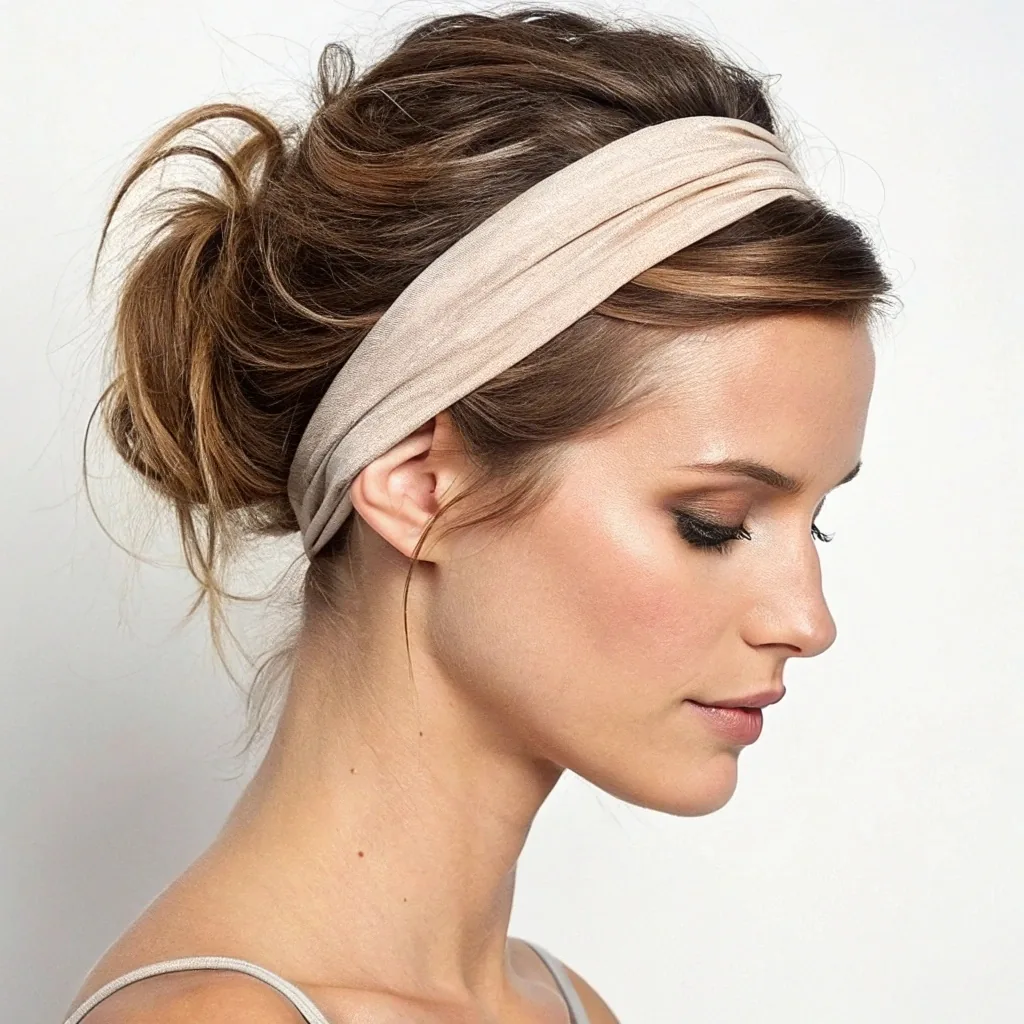
The headband tuck is the easiest updo in this guide and the best option for shoulder-length hair, which is often too short for a bun. Put a stretchy fabric headband on over the hair, then tuck the lengths up and under the band all the way around, working in small sections. The result looks like a soft rolled updo, it keeps the hair completely off the neck, and it takes about two minutes with no pins at all. A wide fabric band works best — it grips the tucked hair and absorbs sweat at the hairline — and a patterned band turns the whole thing into an accessory.
Cooling effect: very good — the neck is clear and the band absorbs sweat. Humidity resistance: good; the tuck holds even as strands swell. Best for: short to medium hair, all textures, quick everyday cool-downs.
24. The Braided Headband

The braided headband uses your own hair as the accessory: braid a section from behind one ear, bring it across the front hairline, and pin it behind the other ear, so the braid frames the face like a headband. It keeps the front hair — the part that sticks to a sweaty forehead first — completely off the face, and it looks intricate while taking only a few minutes. It works as a standalone style on short hair, and as the finishing touch on a bun or ponytail on longer hair, where it turns a plain updo into something special. On the hottest days, pair it with any of the buns in this guide for a fully contained, fully decorated style.
Cooling effect: good — the hairline and forehead stay clear and dry. Humidity resistance: very good; the braid anchors the front section firmly. Best for: medium to long hair, all textures, keeping the face clear in the heat.
25. The Low Chignon
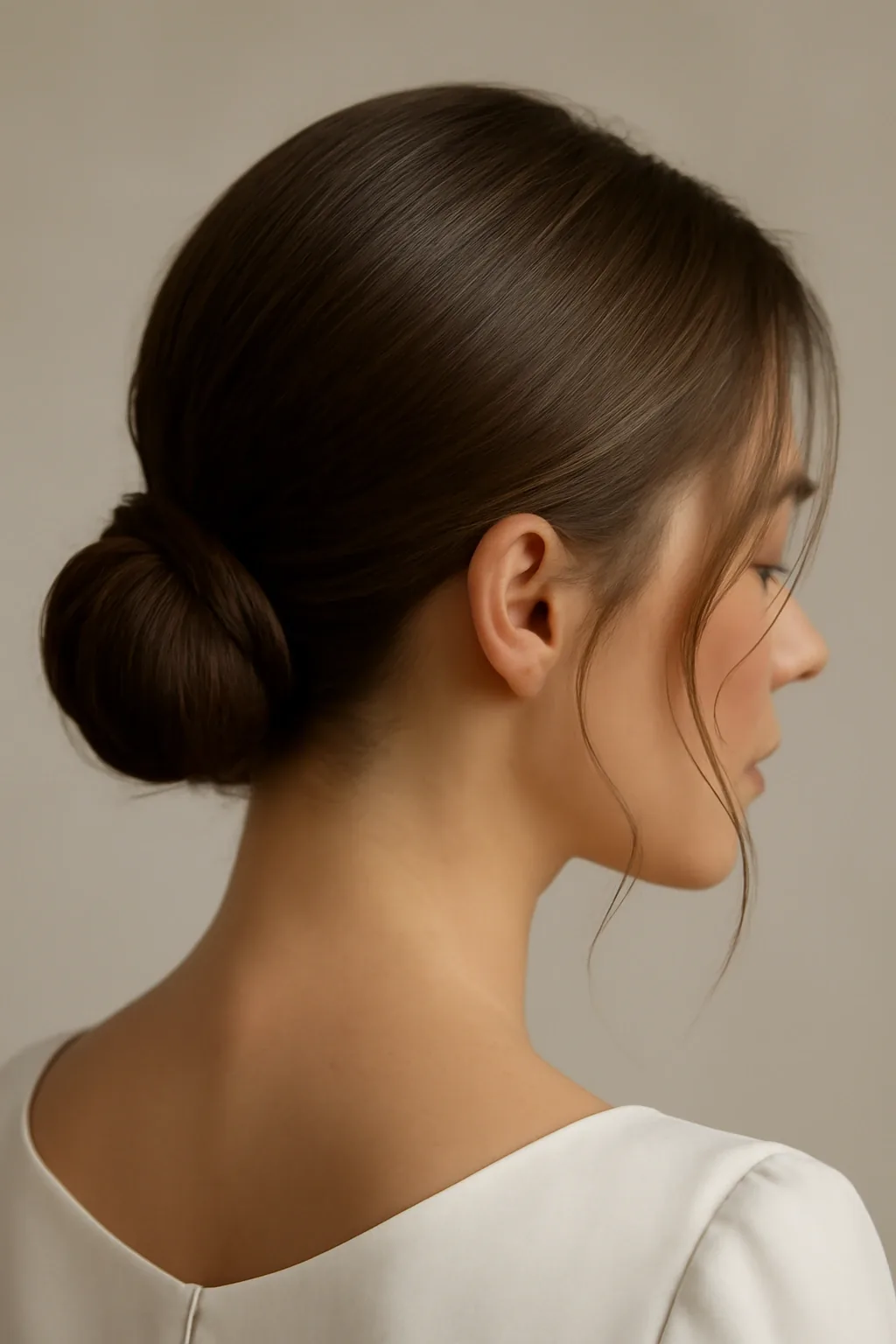
The low chignon is the classic elegant updo — the hair gathered low at the nape, twisted or folded into a smooth roll, and pinned flat. It is the style for summer weddings, formal dinners and occasions where a messy bun would feel too casual, and it has a hidden hot-weather advantage: the smooth, pinned roll has very little loose surface for humidity to attack, so it holds its shape for hours. Build it on hair with some grip — second-day hair or hair with a little dry shampoo — and pin through the roll itself, not just the surface, so the chignon cannot shift as the day warms up.
Cooling effect: moderate — the nape is covered, so it suits evenings and air-conditioned occasions best. Humidity resistance: very good; the smooth pinned roll resists swelling. Best for: medium to long hair, straight or wavy textures, formal summer occasions.
26. The Messy Side Bun

The messy side bun moves the bun to one side of the nape, where it sits over the shoulder instead of at the back of the neck — cooler than a low bun, because the weight is off the hottest part of the neck, and softer-looking, because the asymmetry reads as relaxed and romantic. Gather the hair to one side, twist it loosely, pin it in a soft coil, and leave a few strands free around the face. It is the style for summer dates, evening drinks and photos, when you want to look undone in a deliberate way. It holds best on wavy or textured hair, where the looseness looks intentional rather than accidental.
Cooling effect: good — the back of the neck is clear and the bun sits to the side. Humidity resistance: good; the loose texture hides frizz. Best for: medium to long hair, wavy and curly textures, summer evenings and dates.
27. The French Twist
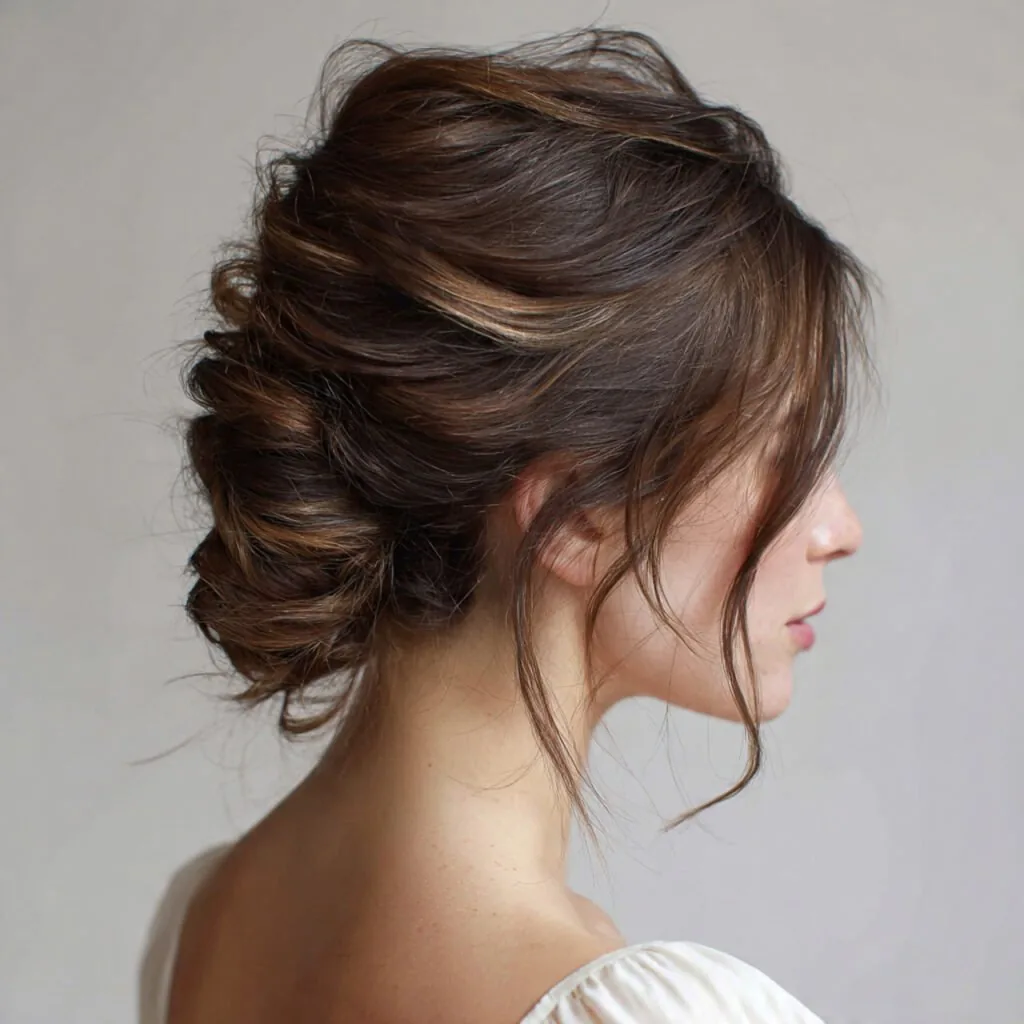
The French twist is the most secure classic updo there is: the hair is swept up, folded over itself into a vertical roll, and pinned along the fold — a shape that cannot slip because it is anchored along its whole length. It is formal, timeless, and surprisingly practical in the heat: the roll sits close to the head, nothing hangs near the neck, and the smooth surface resists humidity better than any loose style. It takes practice — the first few attempts will feel clumsy — but a French twist comb or a few well-placed pins make it far easier, and once learned it is a five-minute style that lasts all day.
Cooling effect: very good — the neck is fully clear and the roll sits close to the head. Humidity resistance: excellent; the vertical roll is anchored along its whole length. Best for: medium to long hair, straight or wavy textures, formal occasions and hot days alike.
28. The Braided Pigtails

Braided pigtails are the playful, youthful option — two braids, one on each side, that keep the hair completely contained and the neck completely clear. They are the coolest style in this guide for very long or very thick hair, because splitting the hair in half halves the weight and the drying time, and they survive swimming, dancing and a full day outdoors without loosening. They also dry faster than any single style after a swim, which is why they are a beach favourite. Wear them high for a fun festival look, or low and loose for something softer and more grown-up.
Cooling effect: excellent — the neck is clear and the weight is split in half. Humidity resistance: excellent; two braids hold better than one. Best for: medium to very long hair, thick hair, beach days, festivals and active days.
29. The Voluminous High Puff
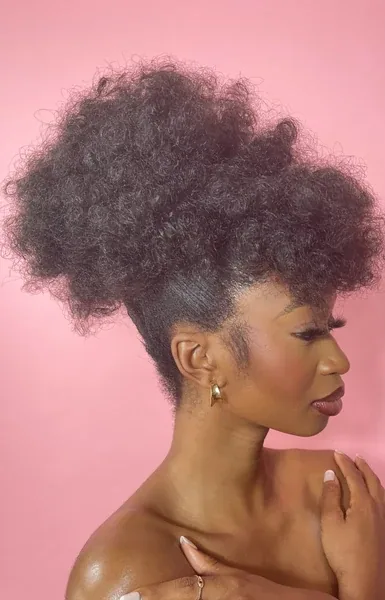
The voluminous high puff gathers natural hair into a big, round shape on top of the head, with the sides smoothed back — a bold, beautiful style that keeps every strand off the neck while showing off volume and texture. Smooth the sides with gel on a brush, gather the hair high with a wide band or scarf, and fluff the puff out to its full size. The volume is the point: a big puff catches the breeze, dries fast, and holds its shape through humidity because the hair supports itself. It is a statement style, and it earns its place on the hottest days precisely because it refuses to be flattened by the weather.
Cooling effect: excellent — the neck is clear and the puff sits high. Humidity resistance: very good; the volume hides frizz completely. Best for: curly, coily and natural hair, medium to long lengths, making a statement in the heat.
30. The Twisted Halo
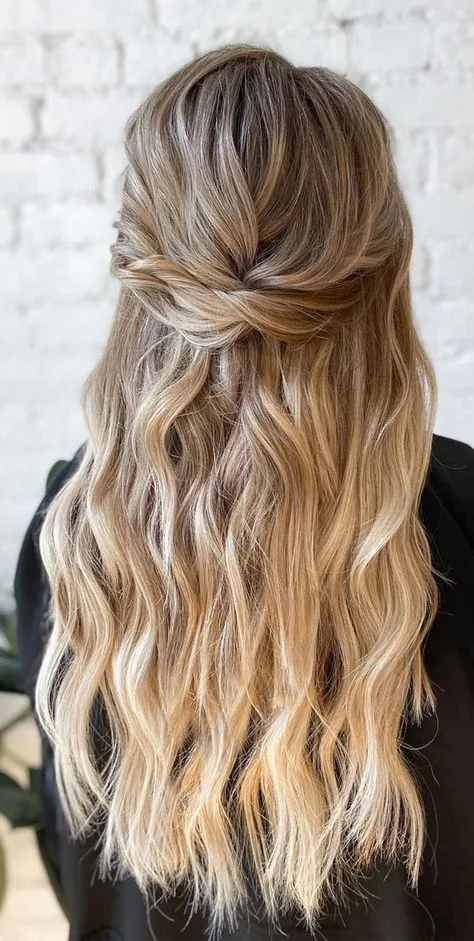
The twisted halo is the braided crown’s easier cousin: instead of braiding, take two sections from the front, twist each one back along the hairline, and pin them where they meet at the back — a halo of twists that frames the face and keeps the front hair off the forehead. It needs no braiding skill at all, takes about five minutes, and looks polished enough for a wedding guest or a summer party. It is also the best rescue style for second-day hair in the heat: the twists hide a greasy hairline, the pins anchor the front section, and the rest of the hair can go into a bun or a ponytail underneath.
Cooling effect: good — the forehead and hairline stay clear and dry. Humidity resistance: very good; the twists anchor the front section firmly. Best for: medium to long hair, all textures, anyone who cannot braid but wants a halo style.
31. The Pinned-Back Beach Waves
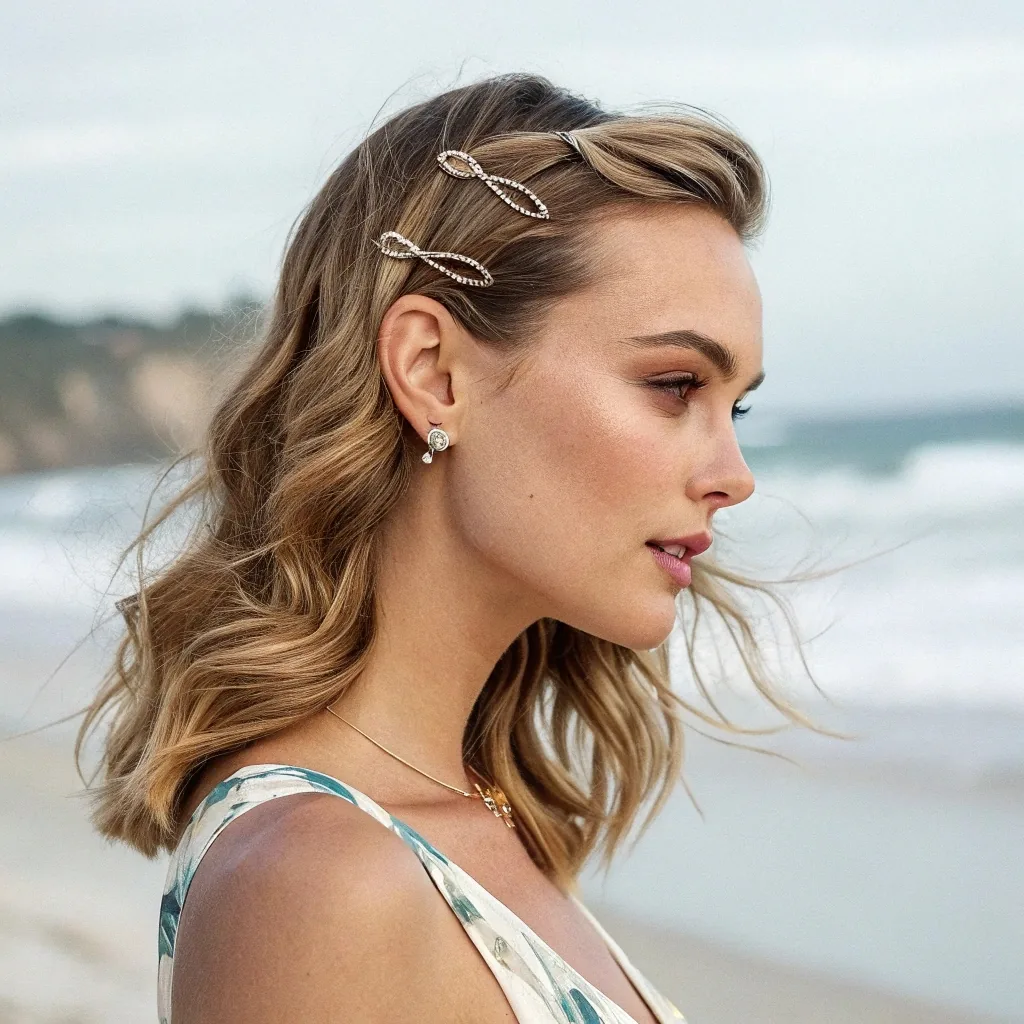
For the days when you want your hair down, the pinned-back beach waves are the compromise that actually works in the heat: let the waves fall loose, but pin the front sections back on each side so the hair stays off the face and neck. Scrunch a little sea-salt spray or curl cream through damp hair, let it air-dry into waves, then pin the two front pieces back with small clips or a twist. The waves move and look effortless, the face stays cool and clear, and the style works with the humidity instead of against it — beach waves are supposed to look a little undone. It is the only down style in this guide, and it earns its place by being honest about what a hot day allows.
Cooling effect: moderate — the face is clear, though the loose lengths still trap some heat. Humidity resistance: good; waves hide frizz far better than straight hair. Best for: medium to long hair, wavy and curly textures, beach days and relaxed summer evenings.
What is the best hairstyle for very hot weather?
A style that lifts all the hair off the neck and anchors it firmly — a French braid, double Dutch braids, a high bun, or a braided ponytail. Braids are the most reliable choice in extreme heat because every strand is anchored, they resist humidity, and they keep sweat from flattening loose hair. For very short hair, a textured pixie cut is the coolest option of all.
How do I stop my hair getting frizzy in humidity?
Keep the hair contained in a braid, bun or twist, which gives humidity less loose surface to attack, and seal the cuticle with a light leave-in conditioner or anti-frizz cream on damp hair before styling. Avoid touching drying hair, rubbing it with a rough towel, or using heavy oils in a heatwave — all three make frizz worse. A little frizz is normal in humidity; a contained style hides it far better than a loose one.
Should I wash my hair more often in summer?
Most people need about one extra wash a week in summer, not a daily wash. Sweat is mostly water and salt and rinses out with water alone or a co-wash between shampoos. Daily shampooing strips the scalp, which then overproduces oil, making the roots greasier. Use dry shampoo on day two and wash properly on day three for a better rhythm.
Can I wear my hair down in hot weather?
Yes, but only in styles that keep the front sections off the face — like the pinned-back beach waves in section 31 — and only when the heat is moderate. On very hot or humid days, hair worn fully down traps heat against the neck, sticks to sweaty skin, and frizzes faster than any updo. If you want it down, choose a wavy or curly texture, which hides humidity far better than straight hair.
How do I protect my hair from sun damage?
Wear a wide-brim hat or a scarf — it is the most reliable protection for both hair and scalp — and use a UV-protectant leave-in spray on days you are outdoors for hours. Rub a little sunscreen along the part line, where the scalp burns most easily. Rinse with fresh water before and after swimming so the hair absorbs less salt water or chlorine.
What hairstyles keep sweat off my neck?
Any high style: a high messy bun, a sleek top knot, space buns, a high ponytail, or a braided crown. High styles lift the hair completely clear of the nape, where sweat collects first. Avoid low buns and low ponytails on the hottest days, since they sit directly over the sweatiest part of the neck.
Does braiding wet hair damage it?
Braiding soaking-wet hair can cause breakage, because wet hair stretches and is more fragile than dry hair — but braiding damp, towel-dried hair is fine and is actually the classic way to get heat-free waves. Let the hair air-dry until it is about 70 percent dry, then braid loosely rather than tightly, and never sleep in a very tight wet braid. Undo it gently in the morning instead of pulling it apart.
How do I make a bun last all day in the heat?
Build grip first with dry shampoo or texture spray, anchor the bun low or high with a strong elastic, and pin it in at least three places spread around the bun — pins pushed in wavy-side down and crossed in an X hold far better than pins skimmed across the surface. Braiding the hair before coiling it into a bun gives it internal structure that survives twelve hours in the heat.
What is the best hairstyle for humid weather with curly hair?
A pineapple updo or a high puff, which gather the curls up and off the neck without crushing the curl pattern. Set the curls with gel or cream on soaking-wet hair, do not touch them until fully dry, and use a silk scrunchie — ordinary elastics snag and break curly hair. On the worst humidity days, a braided style like double Dutch braids holds the pattern better than any loose style.
How do I stop my scalp sweating under a hat or scarf?
Choose a light, breathable fabric — straw, thin cotton or silk — and avoid heavy or lined hats that trap heat. Apply dry shampoo to the roots before putting the hat on, so sweat is absorbed before it flattens the hair, and take the hat off in the shade whenever you can to let the scalp breathe. A scarf wrapped around a bun absorbs sweat at the hairline better than a tight hat does.
Conclusion: Cool Hair, Hot Days, Zero Fuss
The best hairstyle for hot weather is not the most elaborate one — it is the one you forget about. A style that lifts the hair off your neck, holds through sweat and humidity, and comes out without a fight has done its job, whether it is a two-minute claw clip twist or a braided crown you practised until it was automatic. Start with three essentials — one braid, one bun, one clip style — and build from there as your confidence grows. Protect your hair from the sun the way you protect your skin, give it a free day once a week, and let the air do the drying whenever you can. Pick a style from this guide, try it on the next hot day, and walk out knowing your hair will still be where you left it when the temperature finally drops.

