
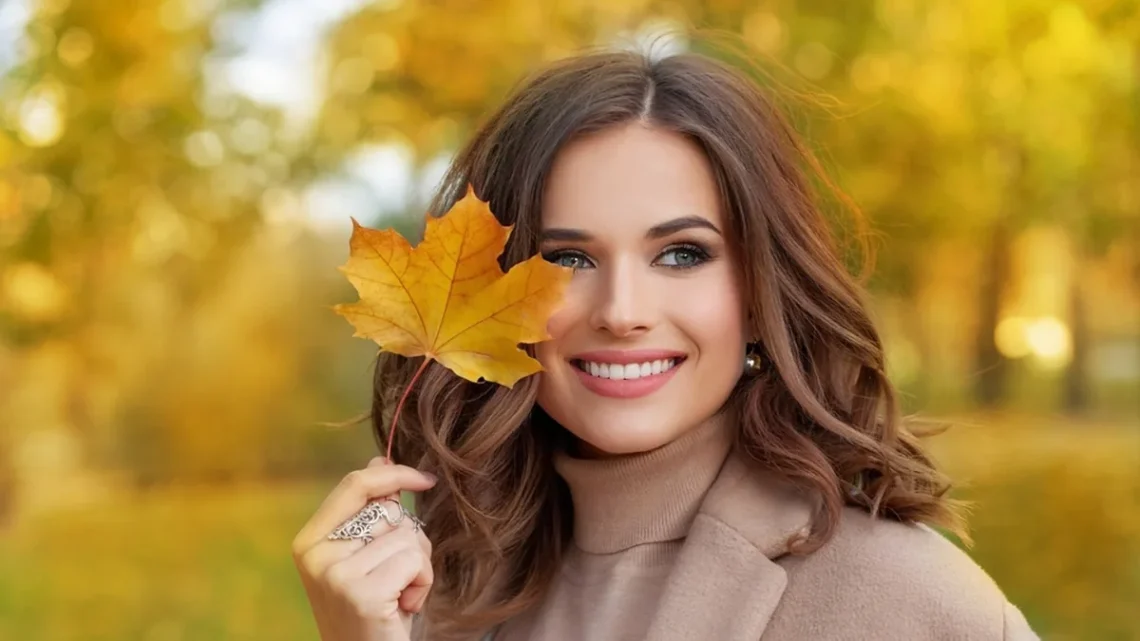
Autumn is the season hair finally gets to relax. The summer sun has done its fading, the humidity drops, and suddenly the styles that frizzed and fell apart in August hold their shape again. It is also the season of warm colour — copper, auburn, caramel, chocolate — of soft scarves, beanies and coats that frame the face, and of cuts that feel richer and more deliberate than a summer chop. Fall hair is not about fighting the weather; it is about working with it, and the cooler air is on your side.
Here are 38 fall hairstyles for women, from warm copper layers and auburn balayage to cozy low buns, braided crowns, beanie-friendly buns and polished office chignons — plus eight guides on what autumn air does to your hair, the colour pairings that flatter fall light, layering hats and scarves with your style, transitioning summer hair into the new season, fall hair care, what to ask your stylist for a fall cut, low-effort autumn routines, and the mistakes that make fall hair look dull. Every style notes who it suits, how to style it, and what to watch out for.
What Autumn Air Actually Does to Your Hair

Autumn air is drier and cooler than summer air, and your hair notices the change within a week or two. The humidity that made summer hair puffy and frizzy disappears, which is wonderful for smooth styles and blowouts — they finally hold. But the same dry air pulls moisture out of the hair shaft, especially at the ends, so hair can feel rougher, look duller and snap more easily if you do nothing about it.
The fix is mostly about moisture and gentleness. Swap a light summer conditioner for a richer one, add a weekly mask or a leave-in conditioner, and go easy on hot tools — the drier the air, the more damage high heat does. Static is the other autumn guest: dry air plus wool scarves and hats creates flyaways, and a tiny drop of light hair oil smoothed over the surface, or a dryer sheet lightly run over the lengths, tames it. Think of autumn hair care as winter preparation — protect the ends now and they will survive the cold months intact.
Fall Colour Pairings That Flatter Autumn Light
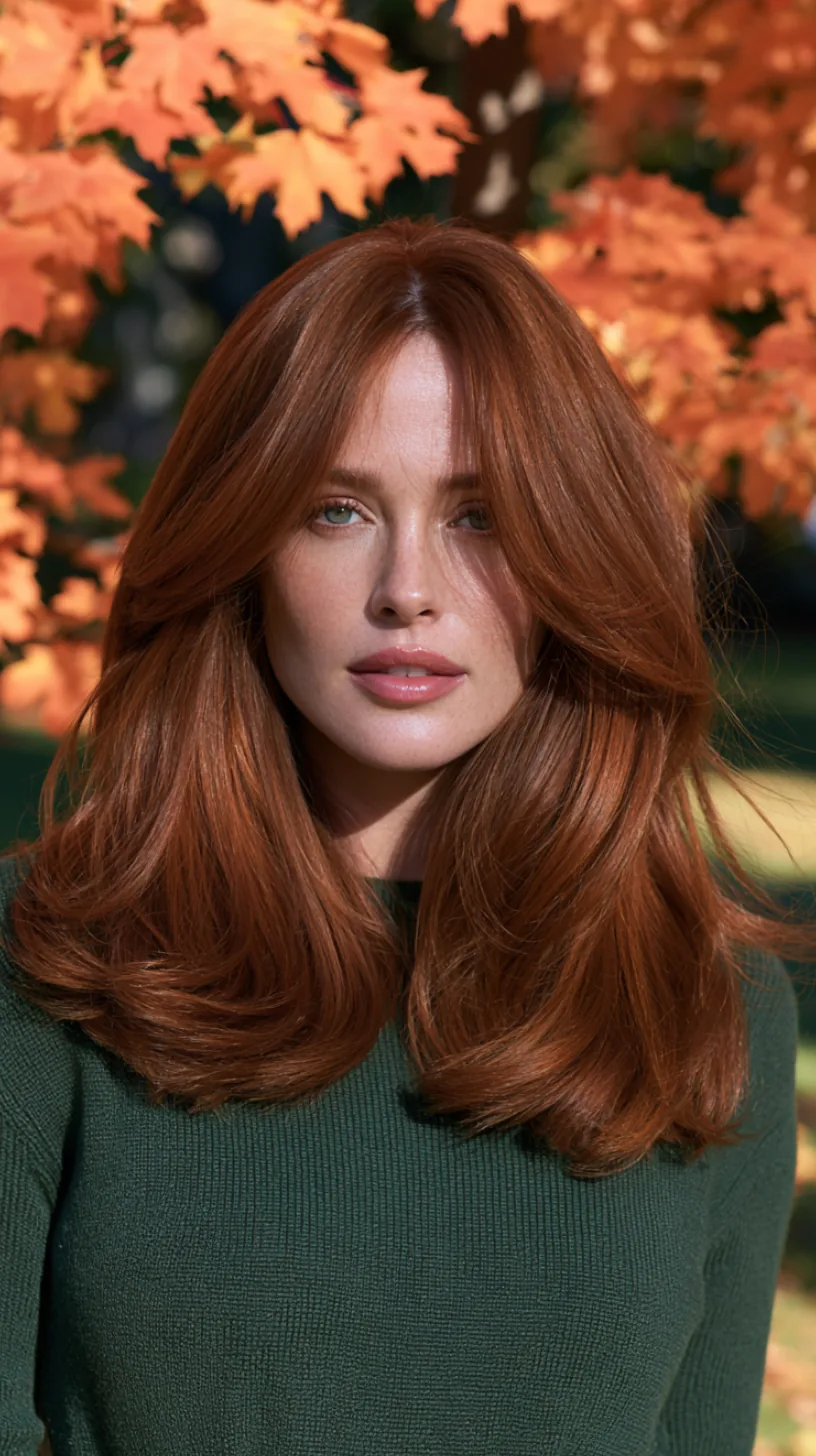
Autumn light is warmer and lower than summer light, and it flatters warm hair colour in a way no other season does. Copper, auburn, caramel, honey and chocolate brown all glow in golden-hour light, while ash tones can look flat and grey. The most flattering fall colours are not necessarily the boldest — a few warm, hand-painted pieces through the front of the hair can warm up the whole face without a full colour change.
Match the warmth to your skin. Warm skin tones glow with copper, auburn and golden caramel; neutral skin can carry almost any warm shade; cool skin tones do best with a muted copper or a rich chocolate with warm lowlights rather than a bright orange-red. If you are not ready for permanent colour, a gloss or a semi-permanent warm tone gives the same autumn richness for a few weeks. And remember that fall colour fades more slowly than summer colour, since there is less sun — a good reason to book the colour now.
Layering Hats and Scarves with Your Hairstyle
Hats and scarves are part of the autumn outfit, so the hairstyle has to work with them, not against them. The golden rule is simple: whatever sits under the hat should be flat and smooth, and whatever hangs below the scarf line should have the movement. A low ponytail, a low bun or loose lengths that fall in front of the shoulders all sit comfortably under a beanie, while a high bun or a tall top knot will fight the hat and lose.
For scarves, keep the hair in front of the shoulders or swept to one side, so the scarf does not trap and tangle the lengths. A silk or satin scarf causes far less friction and frizz than wool, so if your hair tangles easily, wear the silk layer closest to the hair. And plan for hat hair: a little dry shampoo at the roots before you put the hat on, and a quick finger-fluff when you take it off, saves the style. The hat is not the enemy of good hair — it is just a styling constraint worth planning around.
Transitioning Summer Hair into Fall
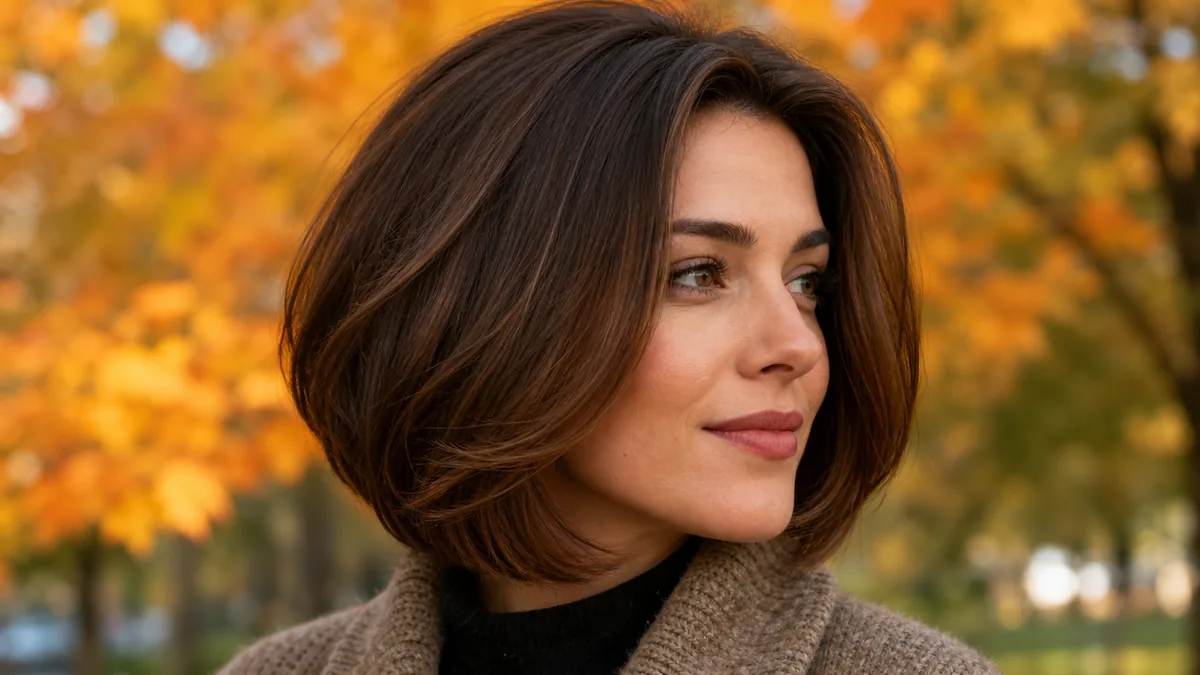
Summer hair arrives in autumn sun-faded, dry at the ends and often a little longer than you meant it to be. The transition starts with a trim — even a centimetre off the ends removes the most sun-damaged hair and makes the whole cut look intentional again. Then reassess the colour: summer sun lifts hair a shade or two, so the tone you loved in July may look washed out in October, and a warm gloss or a few lowlights restores the depth.
The second part of the transition is routine. Lighter summer products — a light conditioner, a salt spray — should give way to richer ones, and the heat styling you skipped all summer can return in gentler form, since autumn air holds a blowout far better than humid summer air. Give your hair two weeks after the trim and colour refresh before you judge the result; hair settles after a change, and the autumn version of your cut usually looks better once the first wash has softened it.
Fall Hair Care: Moisture, Static and Shedding
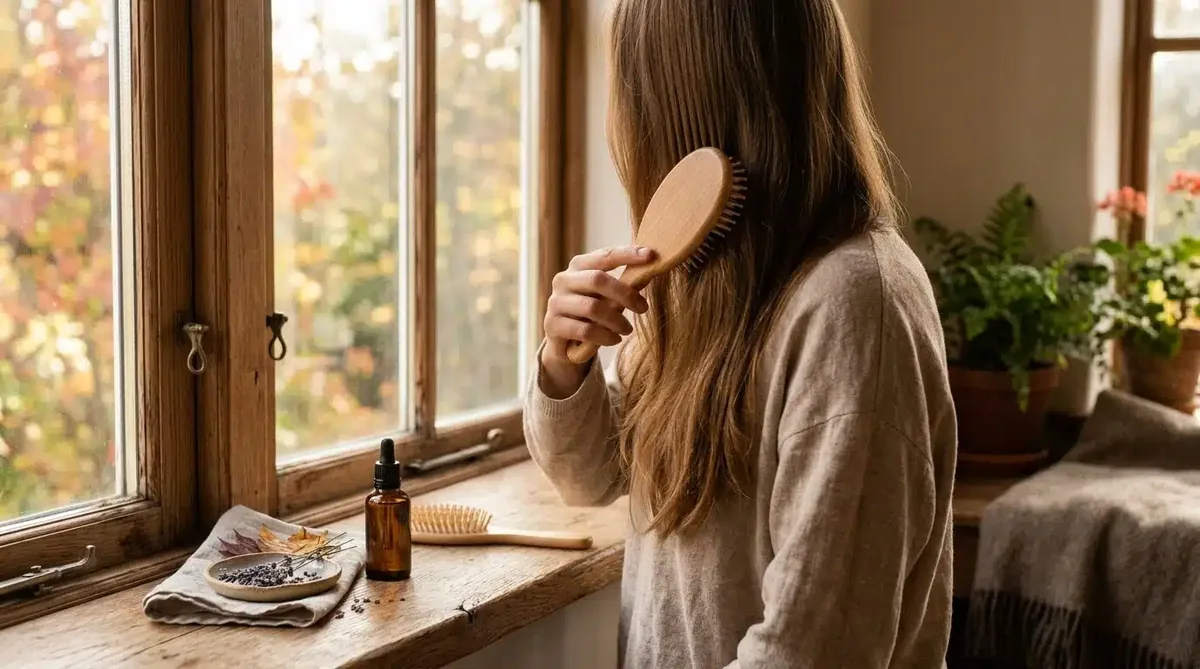
Autumn brings three hair problems at once: dryness, static and seasonal shedding. The dryness comes from cooler, drier air and from indoor heating starting up; the static comes from wool and dry air; and the shedding is a real, normal seasonal pattern — many people lose more hair in autumn as summer-grown hair reaches the end of its cycle. None of these is a crisis, but all three reward a small routine change.
For moisture, add a weekly deep-conditioning mask and a leave-in conditioner, and turn the shower temperature down a notch, since very hot water strips the oils that protect the hair shaft. For static, a light hair oil or a leave-in cream on the surface of the hair works better than more conditioner, and a silk pillowcase reduces overnight friction. For shedding, be gentle — wide-tooth comb on wet hair, no aggressive brushing, and a scalp massage a few times a week to encourage circulation. If shedding is heavy or lasts beyond a couple of months, that is worth mentioning to a doctor, but the usual autumn shed settles on its own.
What to Ask Your Stylist for a Fall Cut
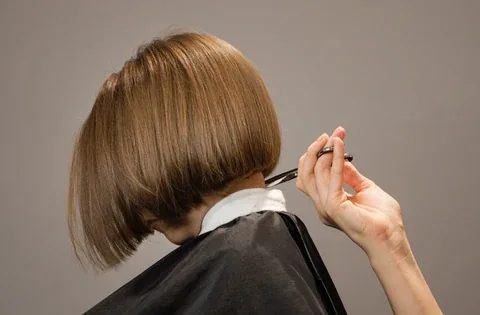
The most useful thing to bring to a fall appointment is a clear idea of how much maintenance you want. Autumn is the season to choose between a cut that needs styling and a cut that does not — and the honest answer depends on your mornings. Tell your stylist how many minutes you will actually spend on your hair, and whether you wear hats most days, because a cut designed for beanie weather is cut differently from a cut designed to be seen.
Then ask the practical questions. Ask how the cut will grow out over the next two to three months, since fall is a long season and you do not want a shape that falls apart by November. Ask whether your hair texture suits the warm colour you are considering, and whether a gloss would give you the same warmth with less commitment. And bring photos of your own hair texture, not just the colour — a copper shag on thick wavy hair is a different cut from a copper shag on fine straight hair, and the stylist needs the right reference to cut the right version.
Low-Effort Fall Routines That Still Look Finished
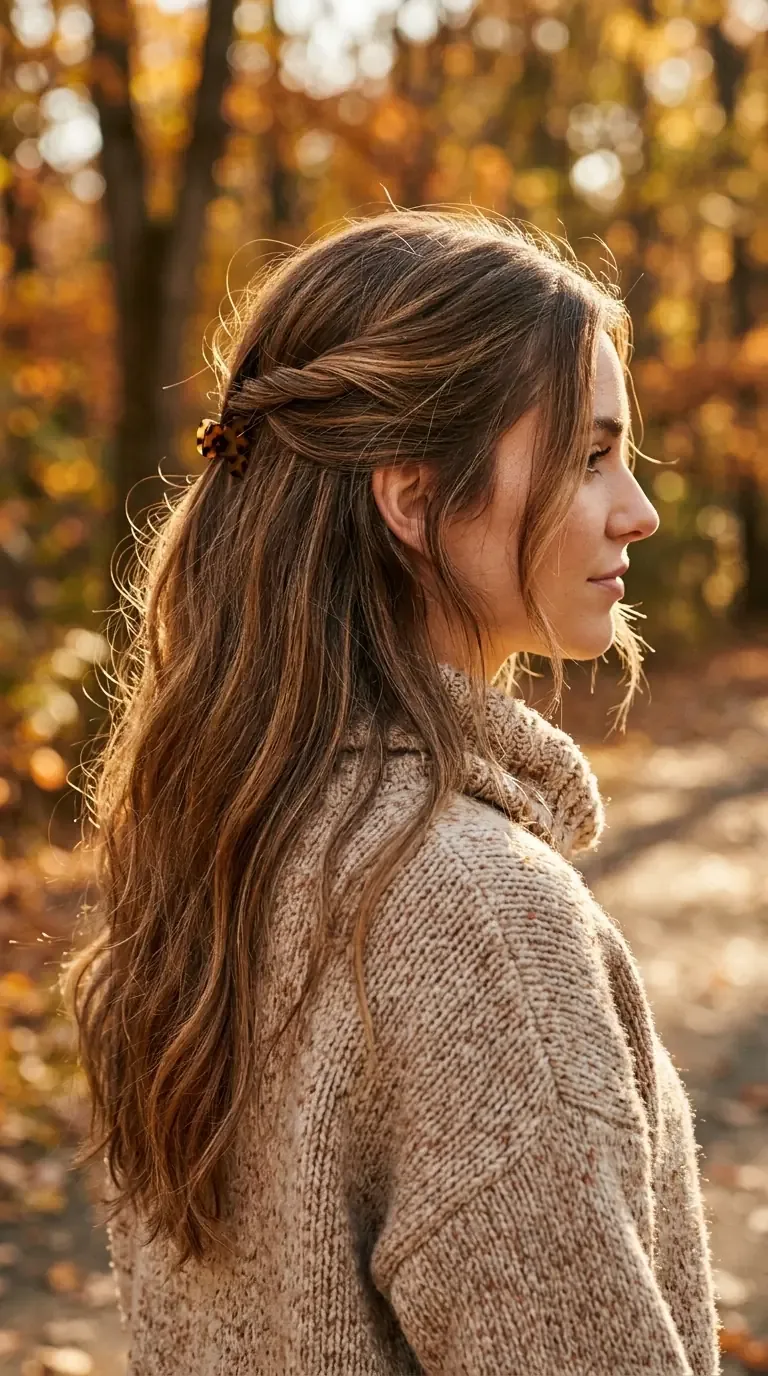
The best fall routines are built around one idea: style the hair once, then let the season do the rest. Autumn air holds a blowout, a wave and a braid far better than summer air, so a little effort on wash day pays for two or three days. The routine that works for most people is a wash-day blow-dry or a loose braid left in overnight, then second- and third-day styling with dry shampoo, a claw clip or a low bun — the styles that look intentional because the hair underneath is already smooth.
Keep the product list short. A heat protectant before any hot tool, a light oil on the ends, and dry shampoo for the roots covers almost everything; heavy creams and strong sprays fight the soft, touchable texture that suits autumn best. And build in a five-minute morning version for rushed days: dampen the front pieces, blow-dry them with your fingers, pull the rest into a low bun or a claw clip, and let the fringe or the face-framing pieces carry the look. Fall hair rewards consistency more than effort.
Common Fall Hair Mistakes (and How to Avoid Them)
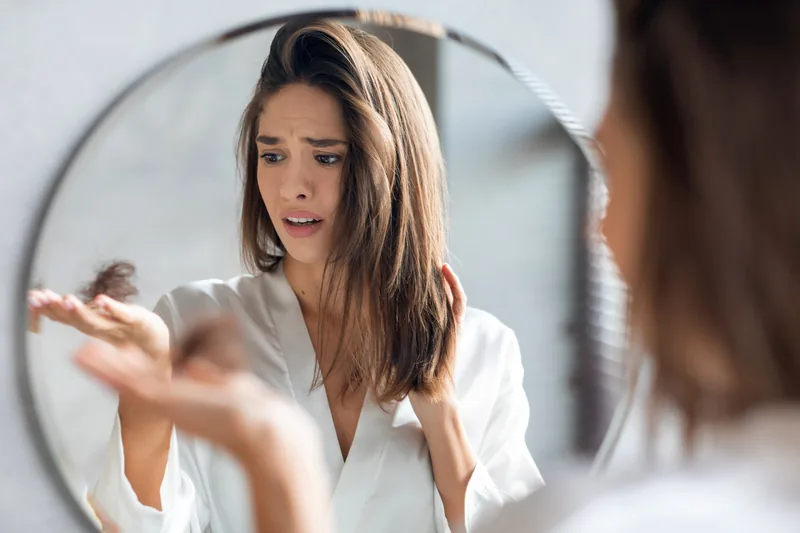
The most common fall mistake is keeping the summer routine. The light conditioner that was perfect in July leaves autumn hair dry and flyaway, and the salt spray that gave summer texture turns autumn hair into straw. If your hair suddenly feels rougher in October, the routine is the first thing to change, not the cut. Swap in a richer conditioner and retire the salt spray until next summer.
Other mistakes are easy to fix once you spot them. Skipping the trim and letting sun-damaged ends stay all autumn makes every style look tired, no matter how good the cut. Choosing a colour that is too dark for your skin can wash you out in autumn’s weaker light — warmth matters more than depth. Overusing hot tools to fight the static only dries the hair further and creates more static. And wearing wool hats over freshly washed, product-free hair guarantees hat hair; a little dry shampoo and a light oil before the hat goes on changes everything.
1. Copper Layers That Catch the Autumn Light
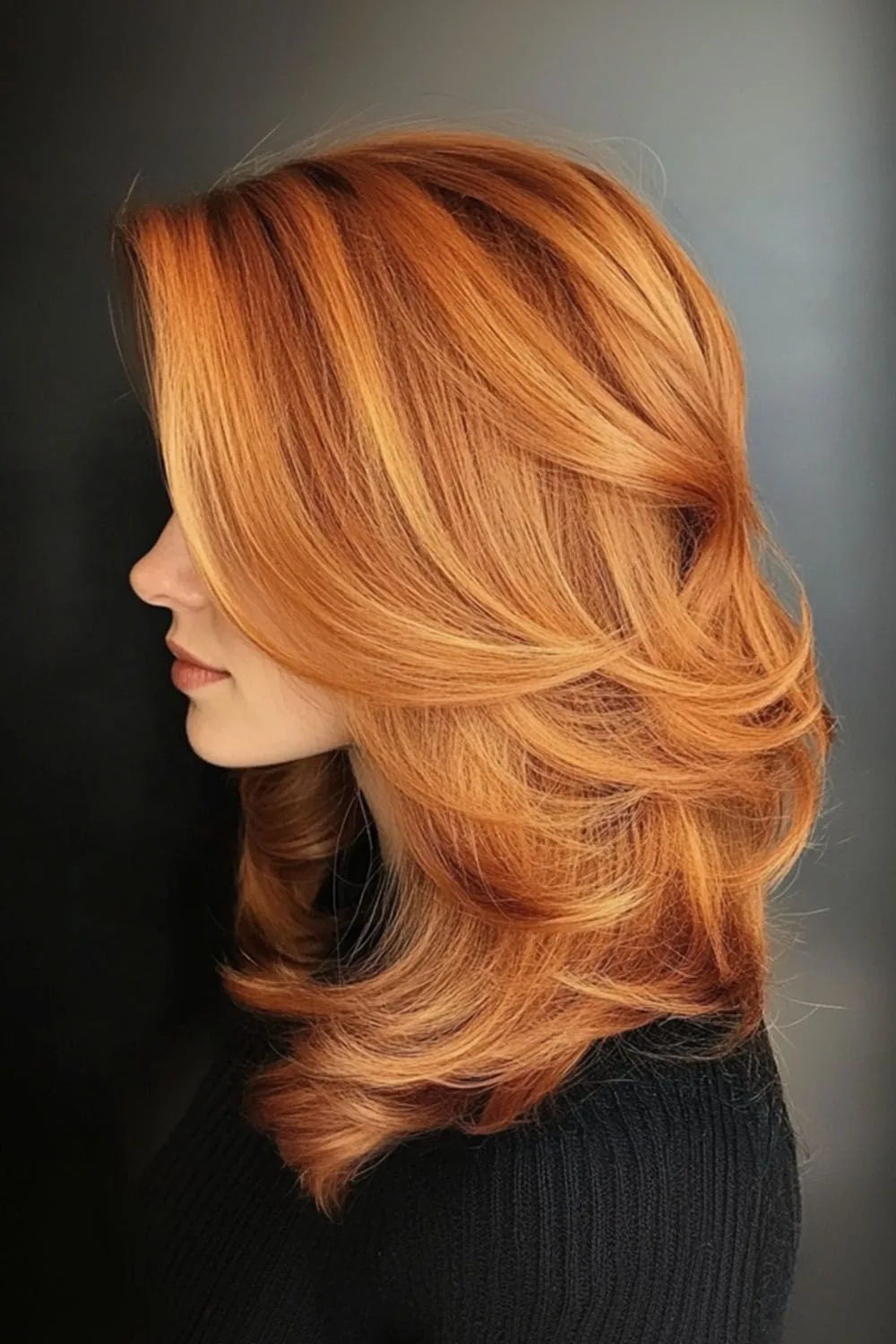
Copper is the colour of autumn, and layered copper hair is the most autumn thing you can do with your hair. The warm, burnished tone glows in low golden light, and soft layers give the colour movement so it never reads as flat. Layers that start around the cheekbones and fall in long, soft steps let the light catch the warm tones at every length, which is why this cut photographs so beautifully in October and November.
What it is: a warm copper colour with long, soft layers. Why it works: the layers create movement that shows off the colour’s dimension, and the warm tone flatters most skin in autumn light. Who it suits: medium to long hair, warm and neutral skin tones, and anyone ready for a colour change. How to style it: a round-brush blow-dry for a soft bend, or loose waves with a large-barrel iron — and a colour-safe shampoo, since copper fades faster than brown.
2. Auburn Balayage Waves for a Softer Fall
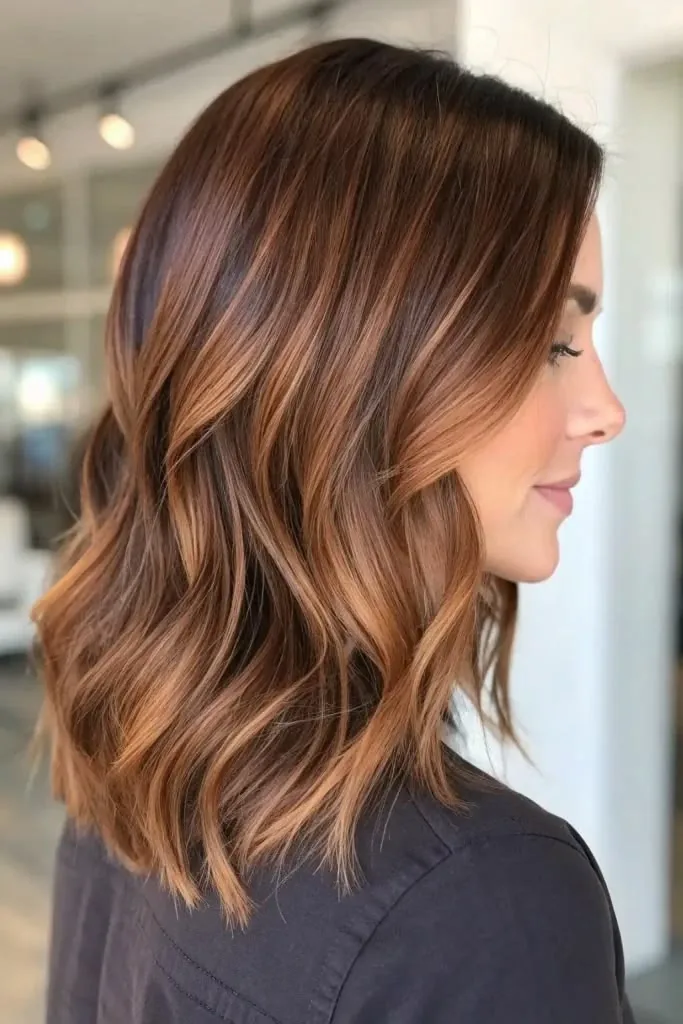
Auburn balayage is the gentlest way into fall colour: hand-painted ribbons of warm red-brown woven through a darker base, so the colour looks sun-kissed rather than dyed. The balayage grows out softly, which means no harsh root line and no urgent salon visit in six weeks. Worn with loose waves, it is the most forgiving autumn colour — rich, dimensional and easy to live with.
Best for: brunettes who want warmth without a full colour change, and anyone who dislikes frequent root touch-ups. How to style: loose waves with a large-barrel iron, alternating directions so the colour catches the light. Watch out for: auburn can turn brassy on very light hair, so ask for a cooler auburn base with warm ribbons, and use a colour-safe shampoo to slow the fade.
3. The Chocolate Brown Lob, Autumn’s Quiet Classic
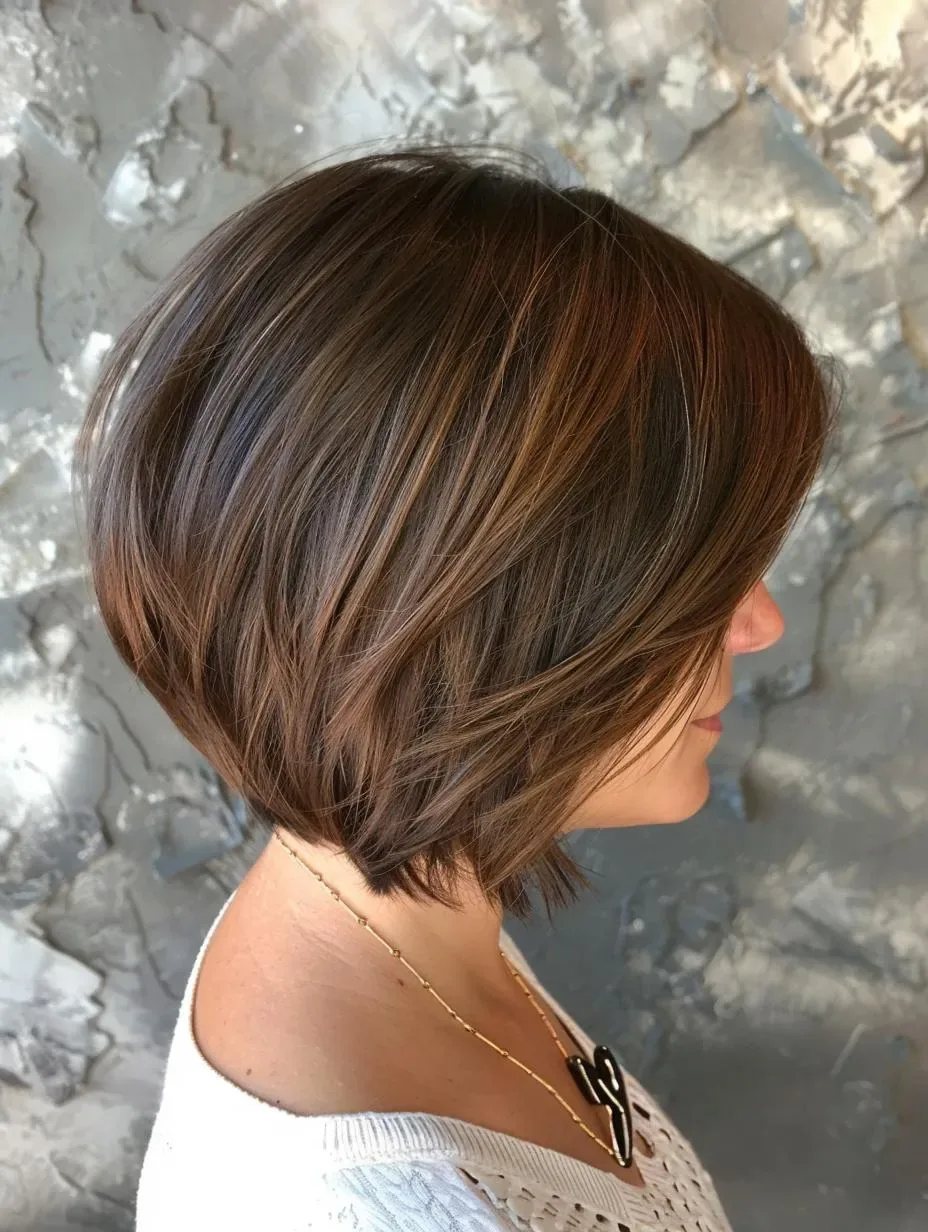
A chocolate brown lob is the cut that needs no introduction: shoulder-length, glossy, rich brown, and quietly expensive-looking. Autumn is its season, because the colour is deep enough to suit coats and scarves, and the length is short enough to style in minutes but long enough to tie back on a windy day. It is the hairstyle equivalent of a good camel coat — it goes with everything and it never looks wrong.
The shine is the whole point, and shine comes from health: a gloss treatment after the colour, a weekly mask, and a heat protectant before any styling. A common mistake is letting the ends go ragged — a lob lives or dies by its ends, so a trim every six weeks keeps the line clean. Style it with a round brush for a soft under-curve, or tuck one side behind the ear for a little asymmetry.
4. Caramel Highlights on Long Layers
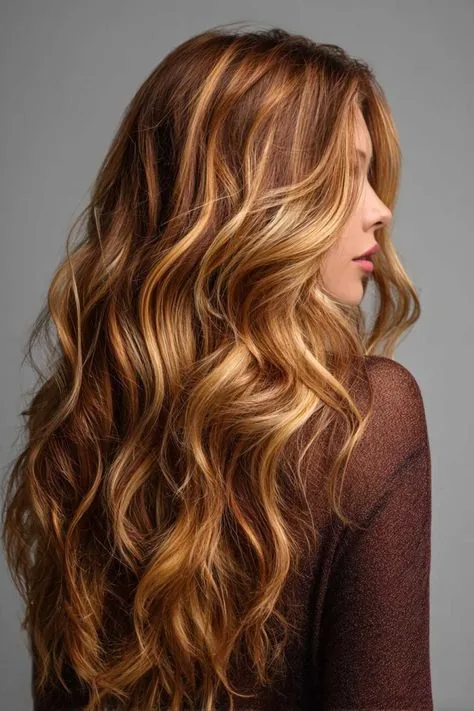
Caramel highlights on long layers are autumn’s answer to summer blonde: the same lightness and dimension, but warm instead of bright. Fine, hand-painted caramel pieces through the front and the lengths catch the light as the hair moves, and the warm tone suits the season’s palette of rust, camel and olive perfectly. It is a beautiful choice for anyone who loves highlights but finds summer blonde too harsh in autumn light.
Pros: warm and flattering in autumn light; grows out softly; suits most skin tones. Cons: caramel can go brassy without a toning gloss, and very dark hair needs lightening first, which is a bigger commitment. Quick verdict: the safest warm highlight for long hair — ask for fine, blended pieces rather than chunky streaks, and a gloss every six weeks to keep the tone honeyed, not orange.
5. A Cozy Low Bun That Works With a Scarf
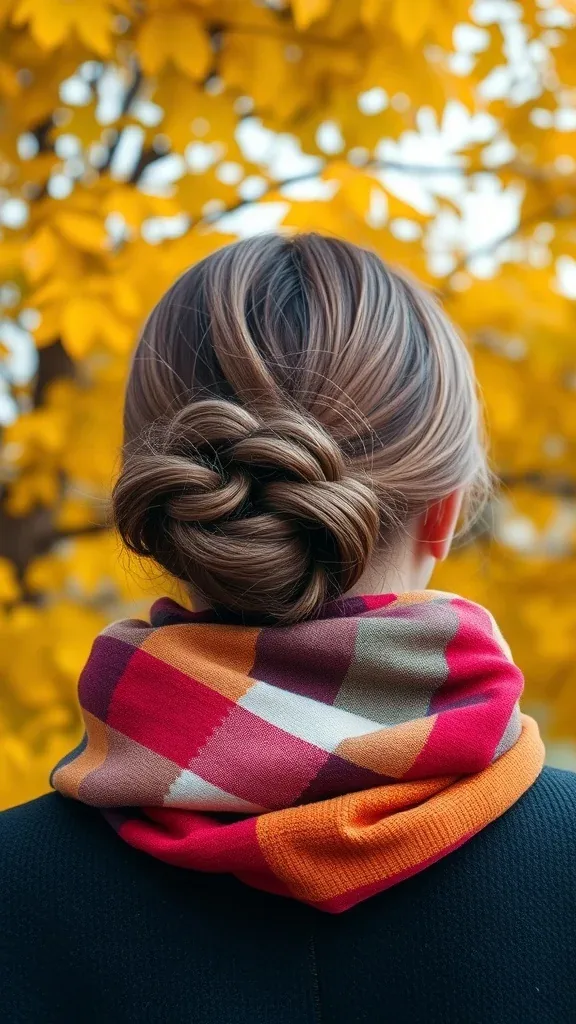
A low bun and a scarf were made for each other. The bun sits at the nape, below the scarf line, so nothing tangles or bunches; the scarf frames the face; and a few soft pieces pulled loose at the temples keep the look gentle instead of severe. It is the hairstyle for crisp mornings, for the school run, for a walk in the park — the one that looks put-together with almost no effort.
Start by styling the front pieces first, since they are what people see. Gather the hair low, twist it loosely and pin it at the nape, then loosen the front slightly with your fingertips so the shape is soft. Pull two thin pieces loose at the temples. Then wrap the scarf over the top of the bun, not under it, so the bun stays visible and the scarf does not crush it. A silk scarf causes far less frizz than wool against the hair.
6. Autumn Curtain Bangs With a Warm Edge
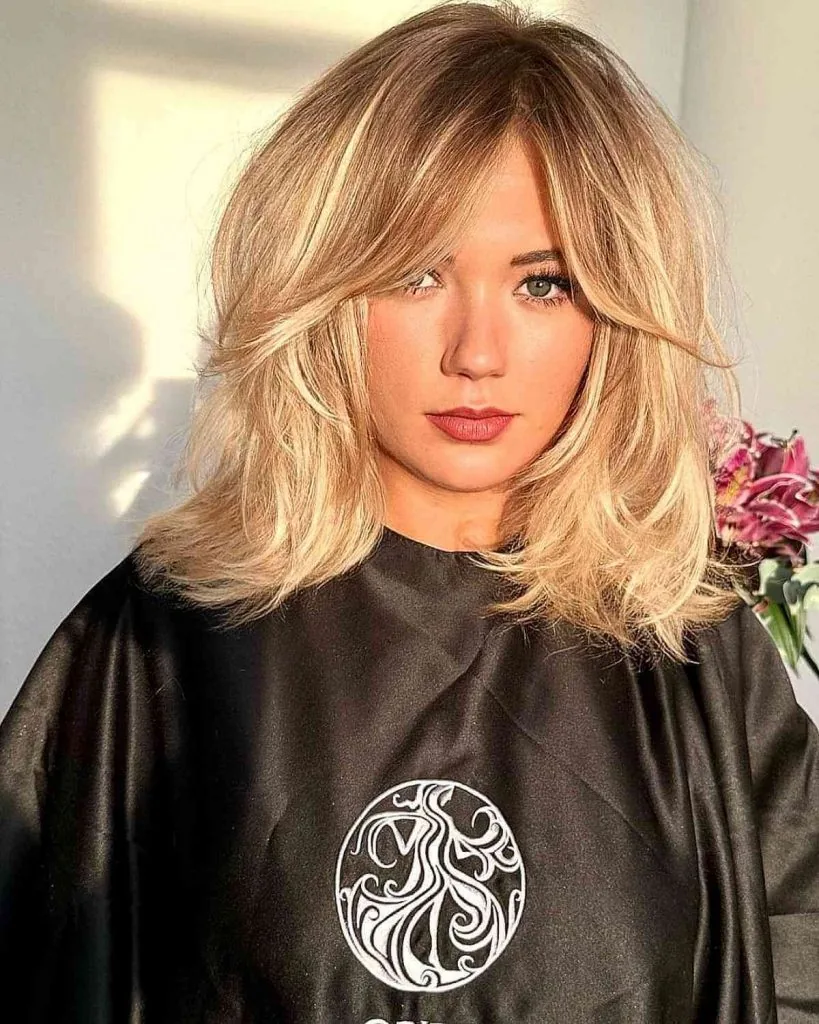
Curtain bangs get a fall upgrade when they are cut a touch longer and paired with warm colour. The centre falls just over the brows, the sides lengthen into face-framing layers, and the whole front of the hair becomes one soft frame that suits coats, scarves and hats alike. They are the best first fringe for autumn, because they blend into the hair so easily and grow out into layers without an awkward phase.
What it is: a longer, softer curtain fringe with warm-toned ends. Why it works: the fringe opens the face while the length keeps it low-maintenance, and the warm colour stops it from looking flat in weak autumn light. Who it suits: long and medium hair, oval and heart-shaped faces, and anyone trying bangs for the first time. How to style it: blow-dry each side away from the face with a round brush, or wrap the damp fringe around a large velcro roller for ten minutes.
7. Pumpkin Spice Highlights for Warmth That Lasts
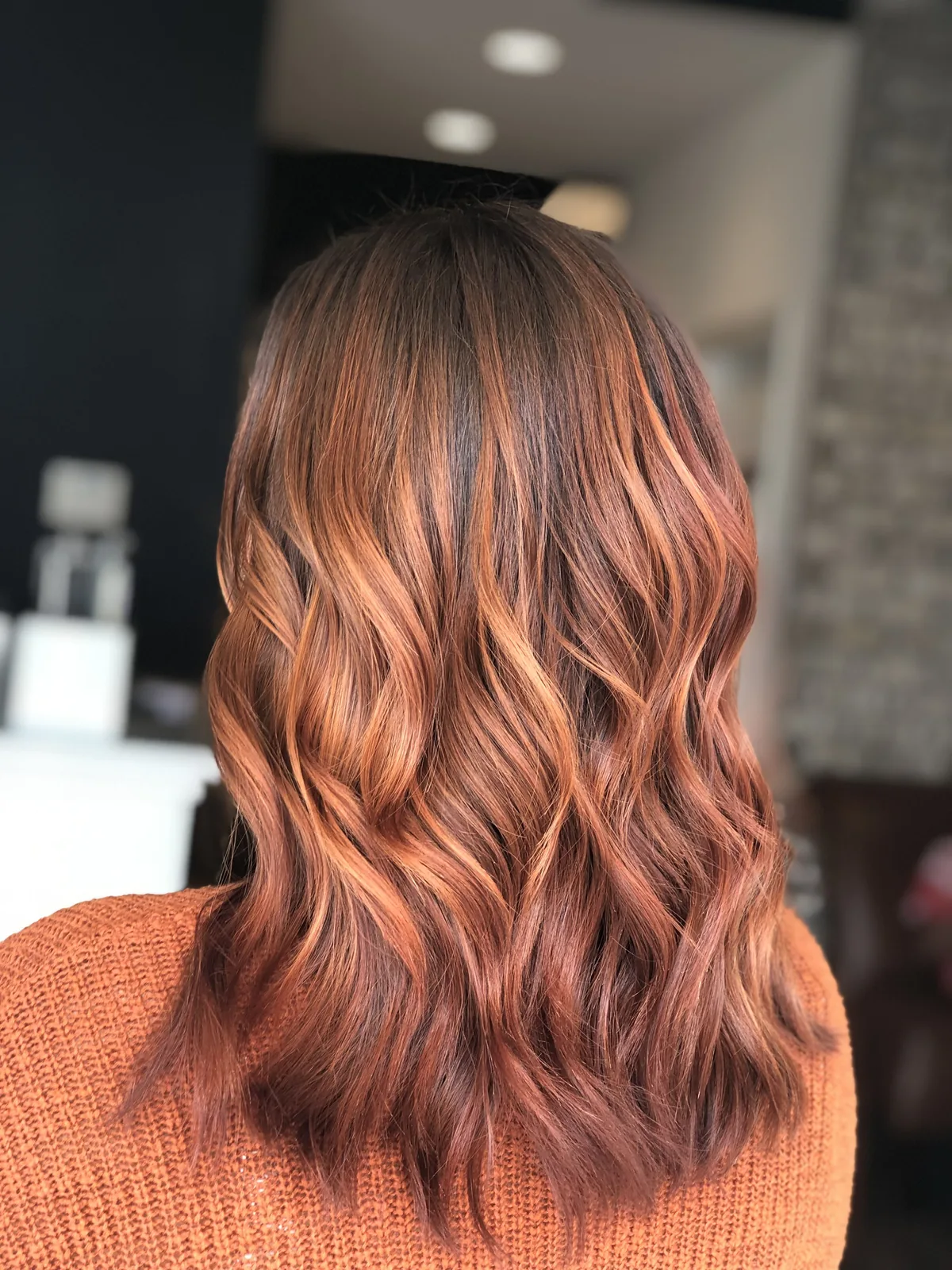
Pumpkin spice is not just a latte — it is a genuinely flattering autumn hair colour: warm copper, cinnamon and honey woven together so the hair looks like it is glowing from the inside. The mix of tones gives the colour enormous dimension, so it looks different in every light, and it suits a surprising range of skin tones because the warmth is blended rather than flat.
Best for: medium brown hair, warm and neutral skin, and anyone who wants a visible colour change without going full red. How to style: loose waves or a soft blowout show the dimension best; straight hair can hide the blend. Watch out for: the red tones fade fastest, so a colour-safe shampoo and cooler water help, and a gloss refresh at six weeks keeps the spice from turning dull.
8. A Shag With a Fall Fringe, for Effortless Texture
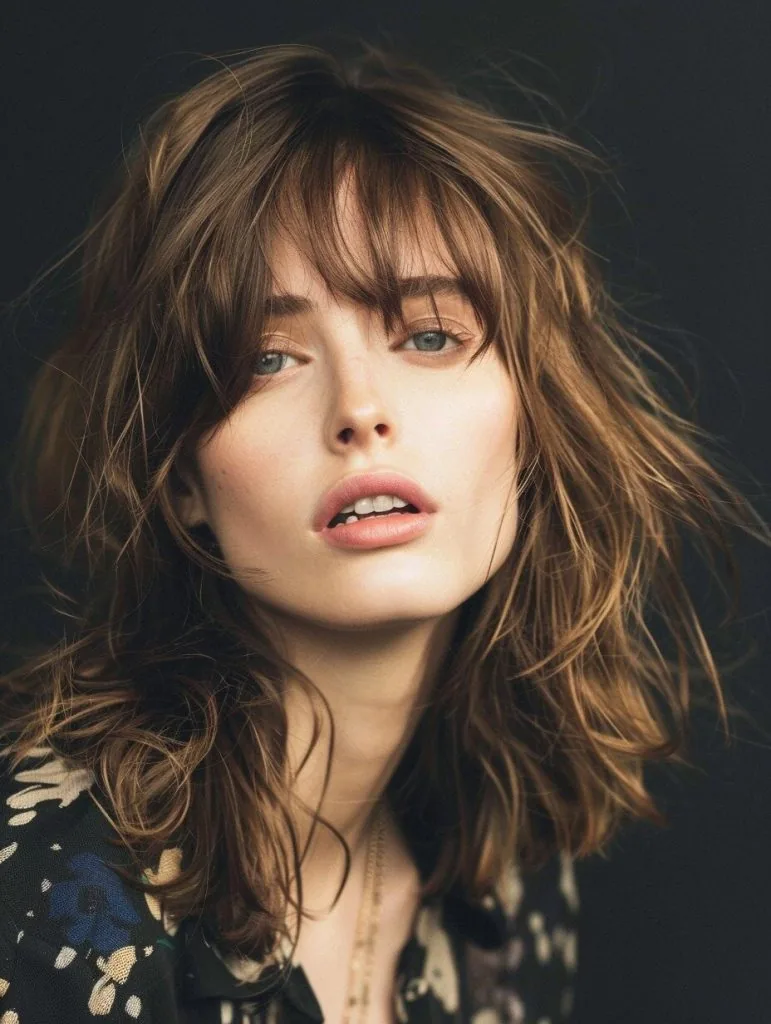
The shag is autumn’s most relaxed cut: choppy layers, volume at the crown, ends that flick out, and a fringe that ties the whole shape together. In fall, the shag’s texture is its superpower — the layers hold their shape in dry autumn air far better than they do in summer humidity, and a little texturising spray is all the styling it needs. It is the cut for people who want to look styled without styling.
The upkeep is refreshingly light: a trim every eight weeks to keep the layers from going stringy, and a texturising spray scrunched through damp hair, then air-dry. A common mistake is over-styling the shag — a flat iron or a precise blow-dry fights the cut’s whole purpose. Let it be a little wild. If your hair is fine, ask for shorter layers at the crown for lift; if it is thick, ask for the bulk thinned from the inside so the shag stays light.
9. A Low Ponytail Tied With a Velvet Ribbon
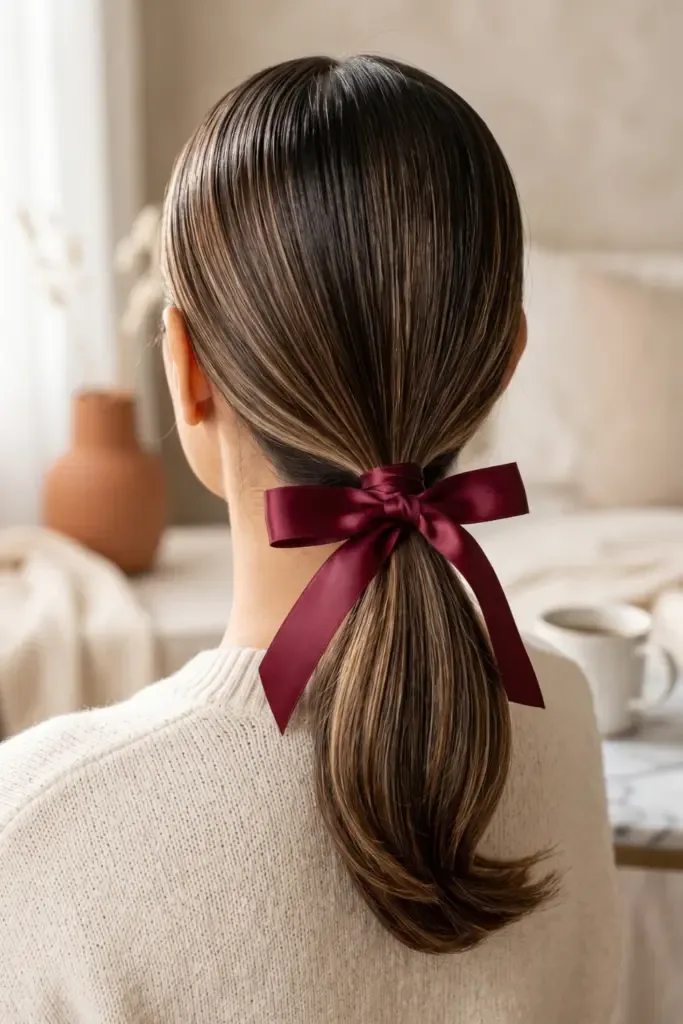
A low ponytail tied with a velvet ribbon is the smallest autumn upgrade with the biggest payoff. The ribbon adds texture, colour and a seasonal softness that an elastic never will, and the low tail sits comfortably under a coat collar and a scarf. It is polished enough for the office, pretty enough for a dinner, and it takes three minutes — the kind of style that makes people ask where you got your hair done.
Pros: three minutes; works with second-day hair; the ribbon hides the elastic and adds autumn texture. Cons: a very sleek ponytail needs a brush and a little smoothing serum, and a ribbon can slip on very fine hair — tie it in a bow and pin it. Quick verdict: keep a velvet ribbon in your bag all autumn; it turns the most basic style into a seasonal one.
10. Half-Up Autumn Waves for a Romantic Fall Day
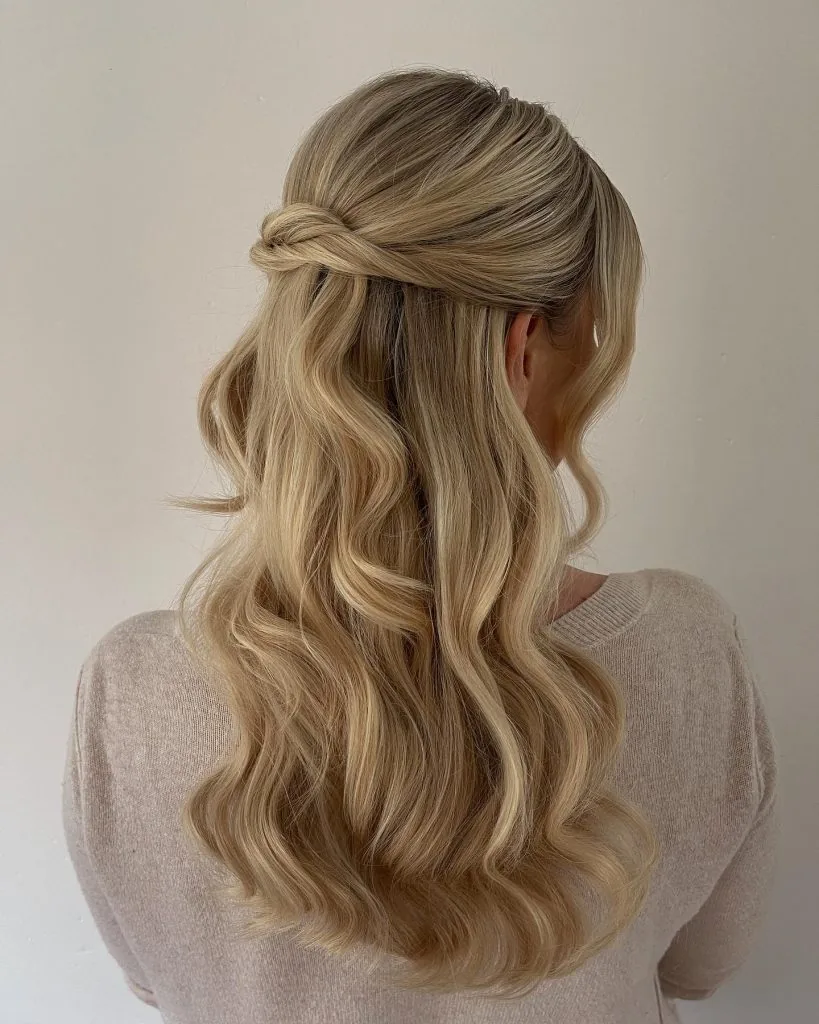
The half-up style is autumn’s romantic default: the top section pulled back so the face is clear, the lengths left down in soft waves, and a few face-framing pieces loose at the front. It works with a scarf, under a hat, and at a fall wedding alike, and it is one of the few styles that looks better on second-day hair, when the waves have softened and the texture has settled.
Take a small section from the crown only, so the style stays light, and secure it with a small elastic hidden under a twist, or a claw clip for a softer hold. Style the front pieces first, then the half-up section, then the lengths — a loose wave through the ends ties everything together. For extra autumn warmth, weave a thin velvet ribbon into the twist. If your hair is fine, backcomb the crown section lightly before securing it for a little lift.
11. A French Twist for Fall Evenings
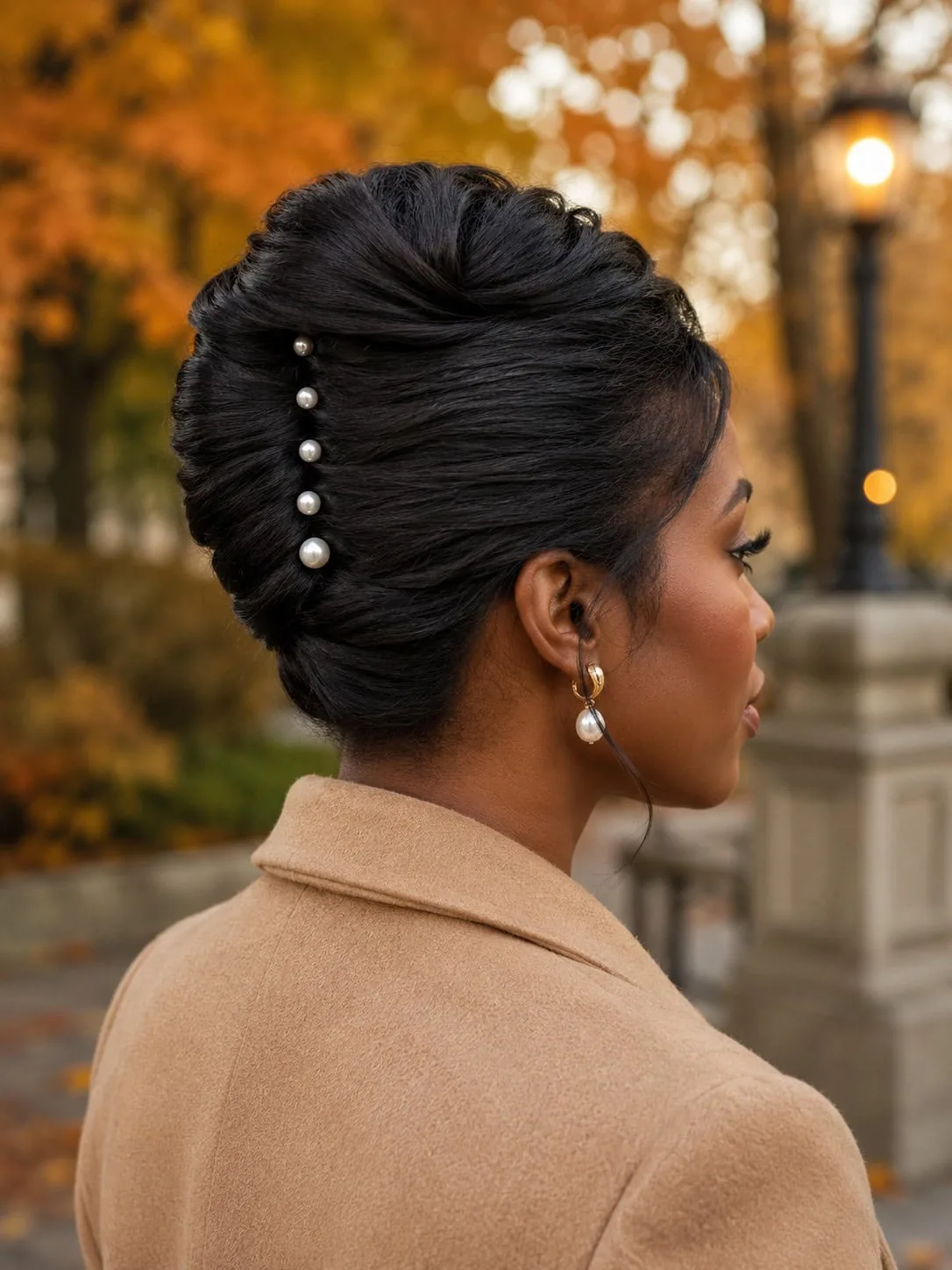
A French twist is the most elegant thing you can do with autumn hair, and the season suits it: the twist is sleek and contained, the face is framed by soft pieces, and the whole style holds for hours through a long evening. It is the hairstyle for fall weddings, for dinners, for any occasion where the outfit is doing the talking and the hair needs to be quietly perfect.
What it is: a classic vertical twist pinned at the back of the head, with soft face-framing pieces. Why it works: the twist adds height and polish, the loose front pieces add softness, and autumn air holds the shape far better than summer humidity. Who it suits: medium to long hair, and anyone who wants an updo that is not a bun. How to style it: smooth the hair back with a brush, twist upward, pin securely, then pull two thin pieces loose at the temples and finish with a flexible-hold spray.
12. A Braided Crown for Crisp Autumn Days
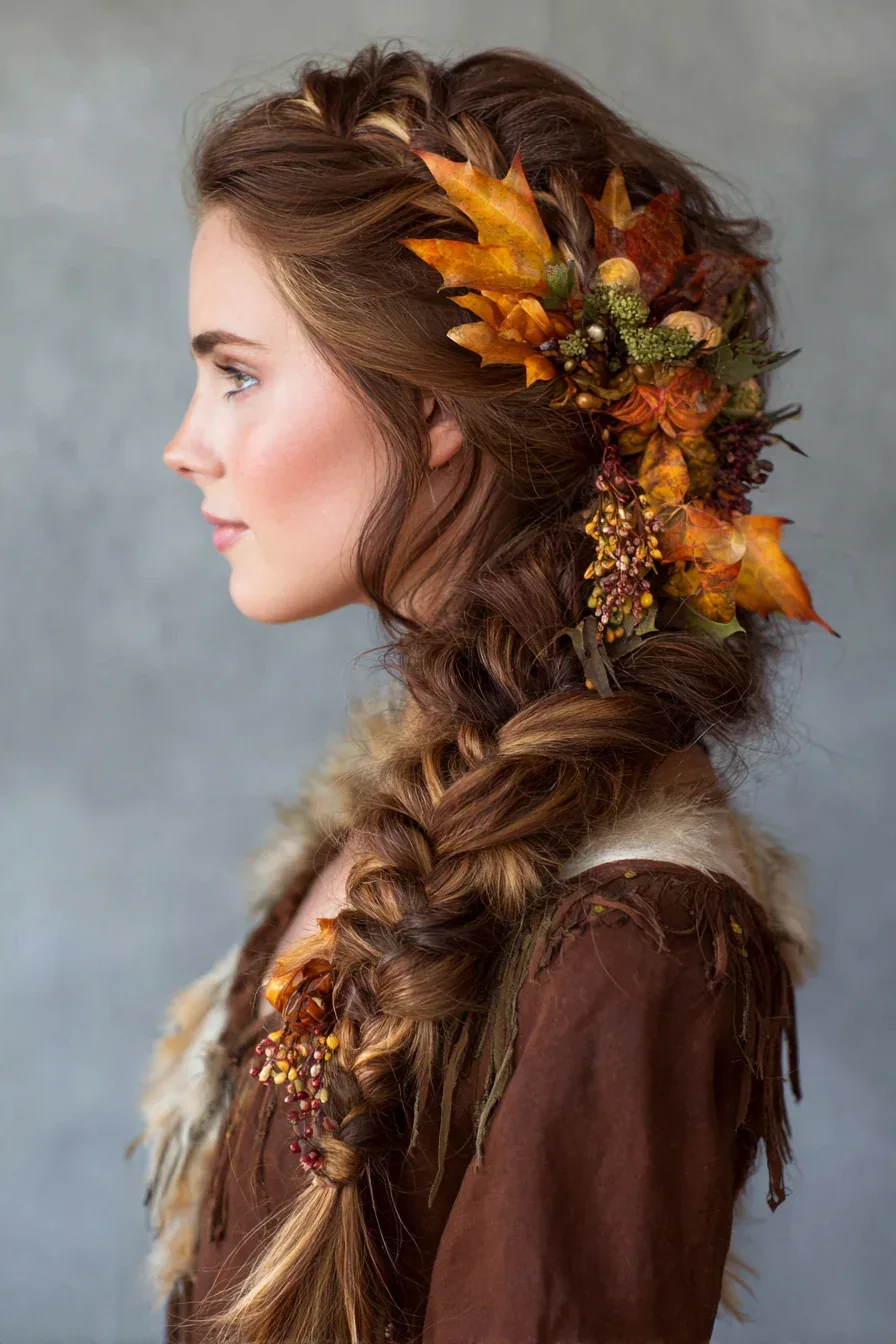
A braided crown is the romantic updo that still feels modern: two braids wrapped around the head like a halo, and a soft fringe or face-framing pieces left loose so the look stays gentle. The braids keep every strand contained on a windy autumn day, and the style holds for hours, which makes it a favourite for fall weddings, festivals and long afternoons outdoors.
Best for: medium to long hair, weddings and outdoor autumn events, and anyone who wants an updo that survives wind. How to style: braid loosely and pancake the braids by tugging the edges outward so they look fuller. Watch out for: a tight crown braid fights with a soft fringe — keep the braid loose, style the front pieces first, and pull a few wisps loose at the temples and nape.
13. A Messy Bun That Survives a Beanie
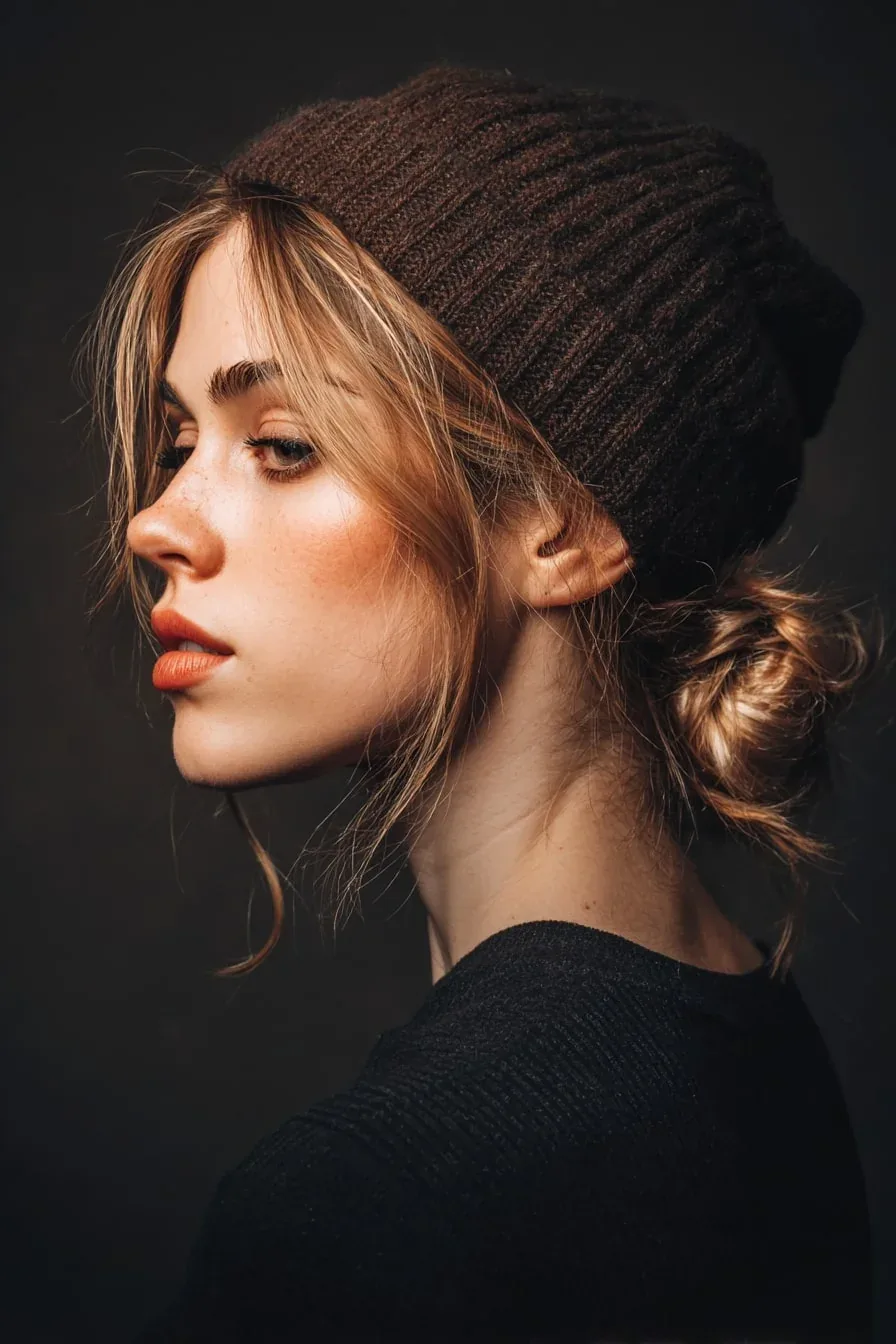
A messy bun under a beanie is the real autumn uniform: the bun sits low enough to fit under the hat, the hat keeps you warm, and when the hat comes off, the bun still looks intentional. The trick is the position — a bun at the nape or just above it fits under any beanie, while a high bun fights the hat and loses. A few loose pieces at the front stop it from looking severe.
The bun’s shape matters more than its neatness: twist loosely, pin, then pull a few pieces loose and loosen the front slightly so the shape is soft. A common mistake is making the bun too tight under a hat — the hat presses it flat and it looks scraped-back when the hat comes off. Keep it loose, and carry a little dry shampoo: a quick spritz at the roots after the hat comes off revives the volume instantly.
14. Sleek Straight Hair With a Centre Part for Fall
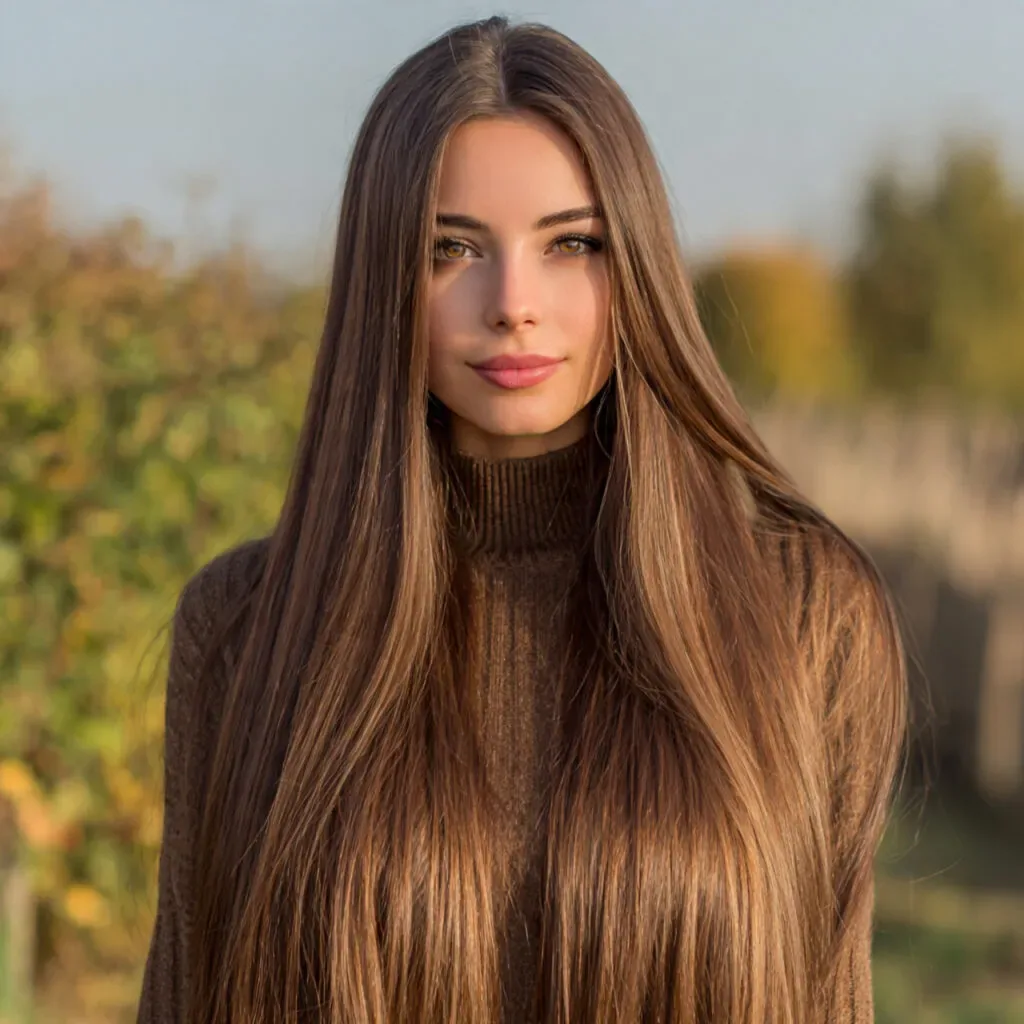
Sleek, straight hair with a centre part is autumn’s minimalist statement: smooth, glossy lengths, a clean part, and nothing to distract from the shine. Autumn air is the secret ingredient — low humidity means the sleek finish actually lasts, instead of puffing up by lunchtime the way it does in summer. It is the style for people who like their hair to look expensive with minimal effort.
Pros: polished and timeless; autumn air holds it beautifully; shows off colour and shine. Cons: it shows every split end, so a fresh trim is essential, and fine hair can look flat without a little root lift. Quick verdict: flat iron in small sections, finish with a pea-sized drop of light oil on the ends only, and keep a silk scarf between your hair and a wool coat collar to avoid frizz.
15. Loose Curls With Caramel Ends
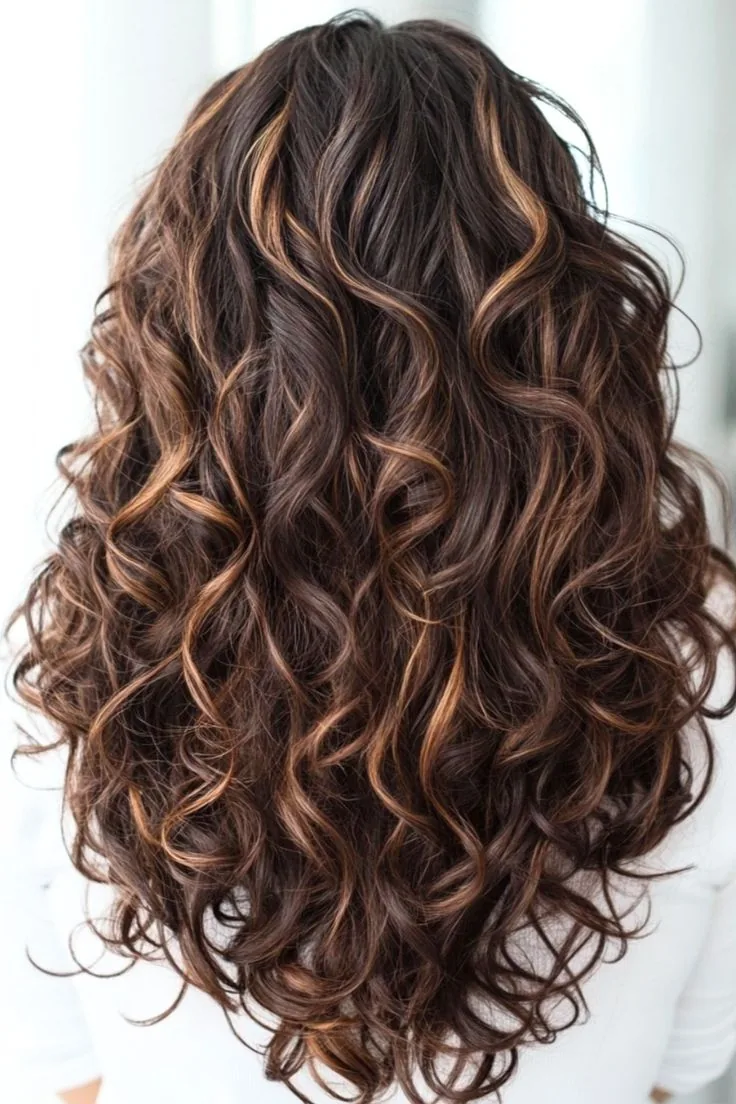
Loose curls with caramel ends are the autumn version of the beach wave: the same soft, touchable curl, but with warm, honeyed ends that catch the light like autumn leaves. The curl gives the colour movement, the caramel gives the curl dimension, and together they create a look that feels rich without feeling done-up. It is the hairstyle for golden-hour photos and for ordinary Tuesdays alike.
Curl in alternating directions with a large-barrel iron, then shake the curls out with your fingers — never a brush — and finish with a texturising spray for hold without stiffness. Start the curls a few inches from the roots so the top stays smooth and the movement sits in the lengths, where the caramel is. On second-day hair, a quick re-curl of the front pieces is usually all it needs.
16. A Textured Bob With Warm Autumn Tones
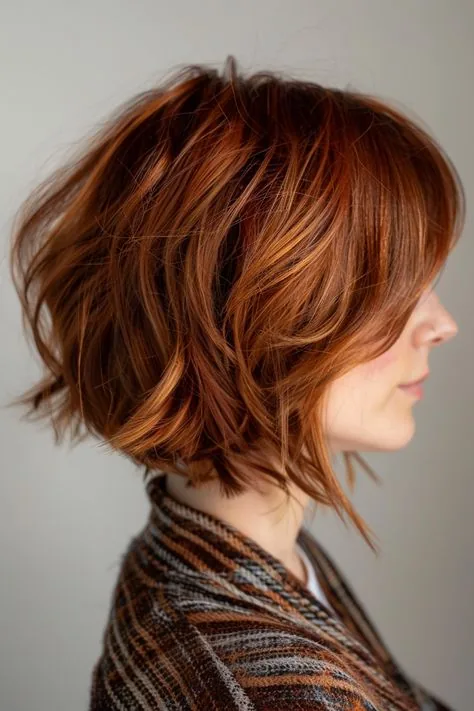
A textured bob with warm autumn tones is the short cut that feels like a fresh start: chin-length or just below, soft textured ends, and a warm copper or caramel tone woven through. The texture keeps the bob from looking heavy or helmet-like, the warmth keeps it from looking flat in weak autumn light, and the length is short enough to style in five minutes.
What it is: a chin-length bob with texturised ends and warm colour. Why it works: the texture creates movement, the warmth creates dimension, and the length is endlessly practical under coats and scarves. Who it suits: straight to wavy hair, oval and heart-shaped faces, and anyone ready to go shorter for fall. How to style it: a round brush for a soft under-curve, or a little texturising spray scrunched through damp hair for a lived-in finish.
17. A Side Braid With a Ribbon for Autumn Weekends
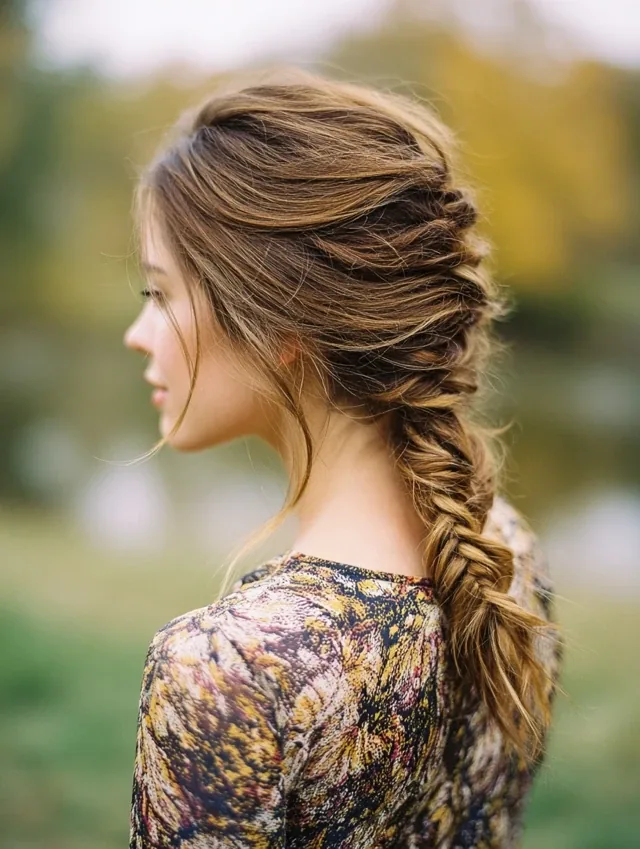
A side braid with a ribbon is the weekend hairstyle that looks like you tried much harder than you did. The braid sits over one shoulder, the ribbon woven through the end adds autumn texture and colour, and a few loose pieces at the front keep it soft. It is practical on windy days, charming in photos, and it works on hair that is not quite clean — the braid hides a multitude of second-day sins.
Best for: medium to long hair, weekends, windy days, and second-day hair. How to style: braid loosely over one shoulder, pancake the edges for fullness, and tie the ribbon in a small bow at the end. Watch out for: braiding too tightly pulls at the hairline — keep it loose, and if the braid feels thin, pull the edges outward gently rather than adding product.
18. A High Ponytail Wrapped With a Scarf
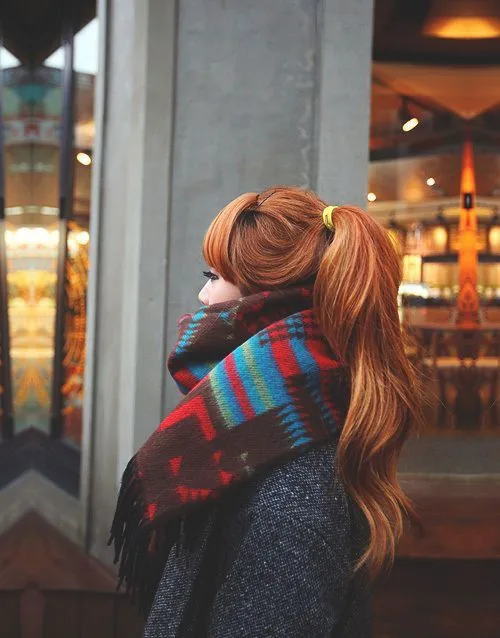
A high ponytail wrapped with a scarf is the autumn version of the classic high pony: the tail lifts the face, the scarf wrapped around the base adds colour and texture, and the whole look takes three minutes. It is the style for a crisp morning when you want to look polished but you do not have time for a blow-dry — the scarf does the styling work for you.
The position is everything: the ponytail should sit high enough to lift the face but not so high that a hat will fight it. A common mistake is wrapping the scarf too tightly around the base, which pulls the ponytail flat — wrap it loosely and let the ends hang. Leave a few wisps loose at the temples to soften the front, and choose a scarf colour that picks up a tone in your outfit rather than matching it exactly.
19. A Voluminous Blowout, Autumn’s Best Party Trick
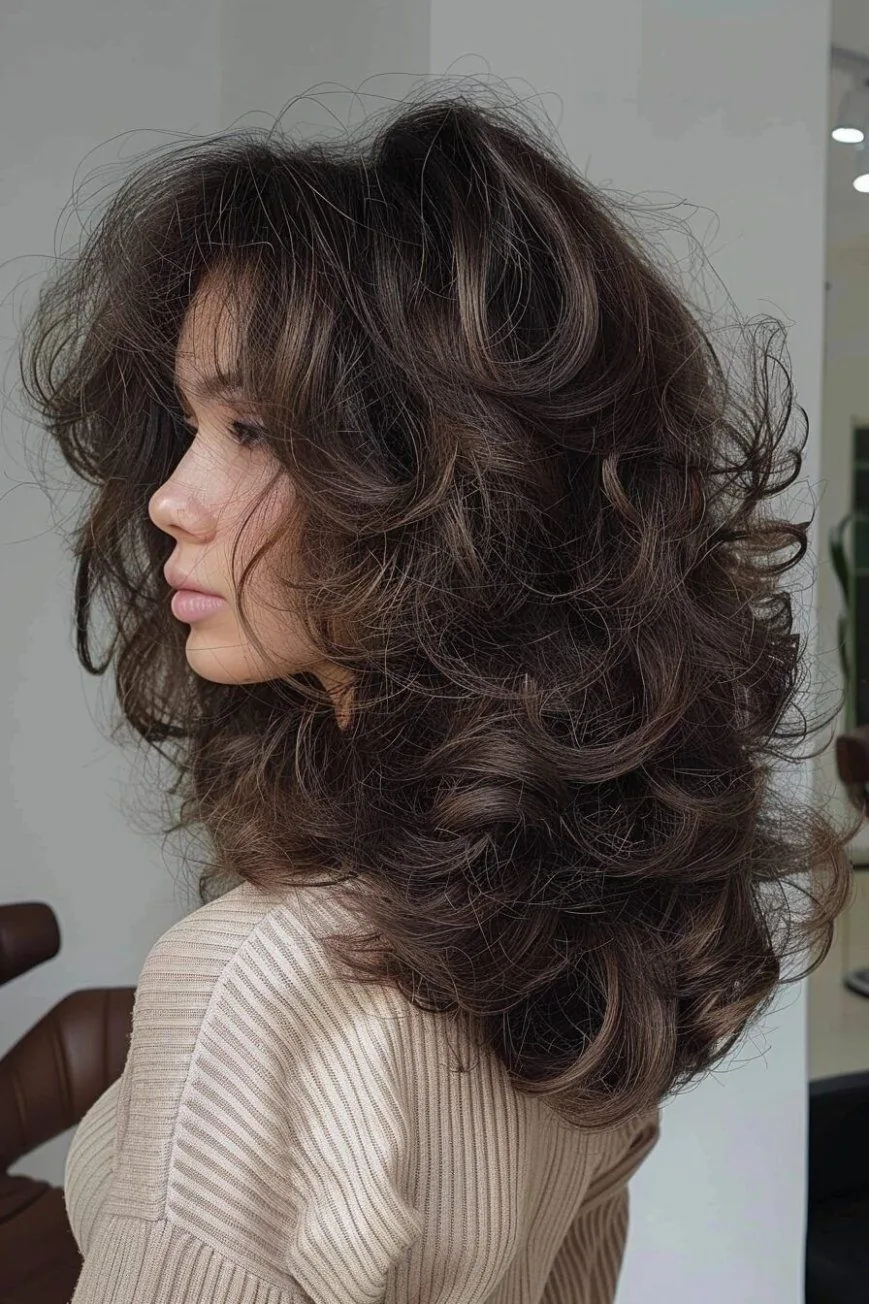
A voluminous blowout is autumn’s best party trick, because the season finally lets it last. Low humidity means the volume you create in the morning is still there at dinner, and the bounce and shine of a good blowout suit the season’s richer outfits perfectly. It is the hairstyle for the days you want to feel like the best version of yourself — and in autumn, it actually survives the day.
Pros: maximum volume and shine; lasts all day in autumn air; suits every length from a lob to long hair. Cons: it takes twenty minutes and a round brush, and it needs a heat protectant every time. Quick verdict: blow-dry in sections with a large round brush, lifting at the roots, and finish with a cool shot from the dryer to set the shape — the cool air is what locks the volume in.
20. An Autumn Pixie, Short and Full of Warmth
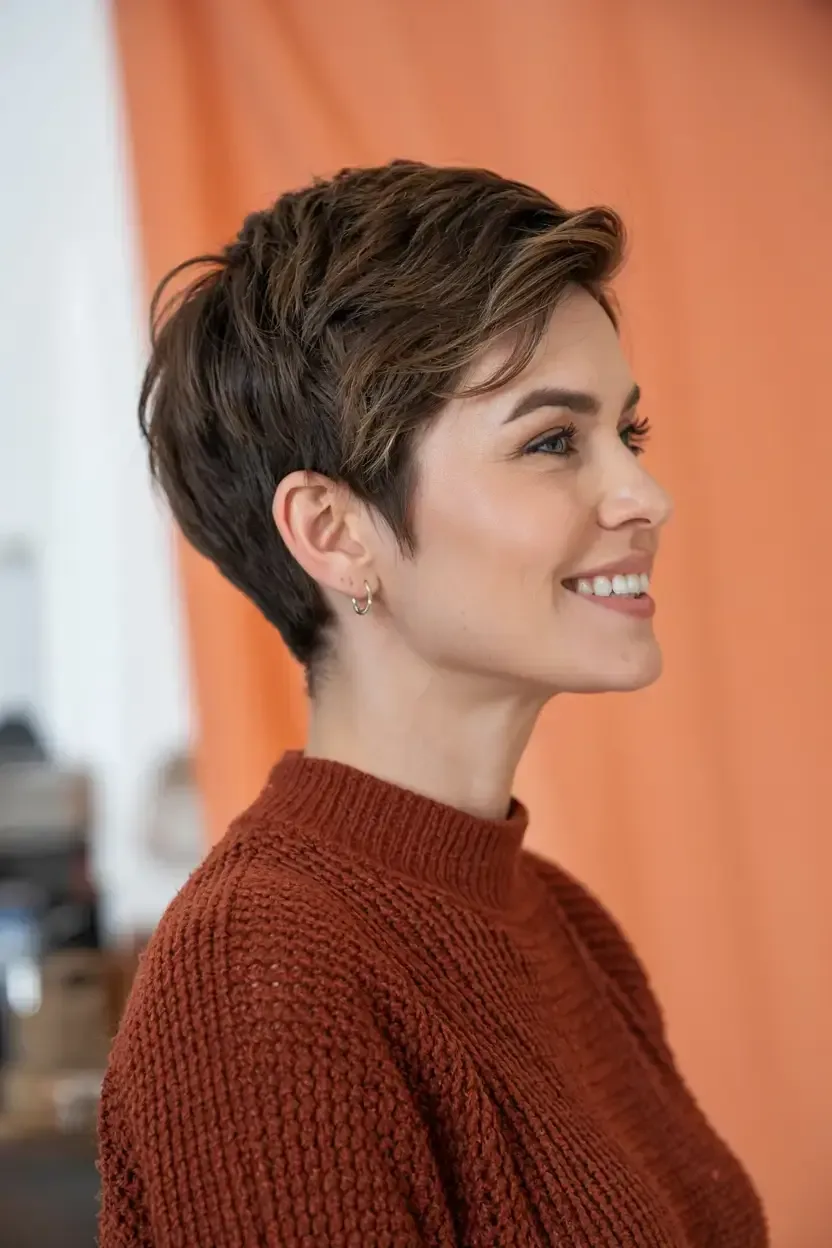
An autumn pixie is short hair at its most confident: a textured crop with a longer, piecey fringe, warmed up with a copper or auburn tone that glows in autumn light. The cut is fresh and modern, the fringe softens the forehead, and the whole style takes five minutes — a wash, a little styling cream, and you are done. It is also the easiest cut to wear under a beanie, since there is nothing to crush.
Work a pea-sized amount of styling cream through the fringe with your fingers, and push the top up slightly for texture. Keep the fringe at brow length or below — on a pixie, a fringe cut too short can look severe. For the colour, ask for the warmth to be painted through the top and the fringe, where the light hits, rather than all over. A pixie grows fast, so book a tidy-up every four to five weeks to keep the shape.
21. Long Layers With Honey Balayage
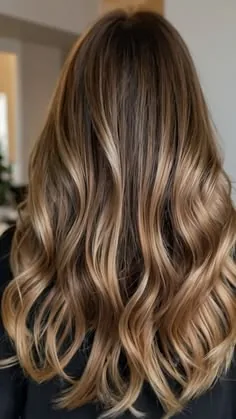
Honey balayage on long layers is the autumn colour for people who love blonde but want warmth: ribbons of honey and gold painted through long layers, so the hair looks lit from within. The layers give the colour somewhere to move, and the movement gives the colour dimension — the two depend on each other, which is why this combination is so often requested in October.
What it is: hand-painted honey tones through long, soft layers. Why it works: the warm gold flatters autumn light and suits most skin tones, and the balayage grows out without a root line. Who it suits: long hair, medium brown to dark blonde bases, and anyone who wants lightness without a full blonde commitment. How to style it: loose waves show the dimension best, and a purple shampoo once a week keeps the honey from turning brassy.
22. Milkmaid Braids for a Cozy Fall Afternoon
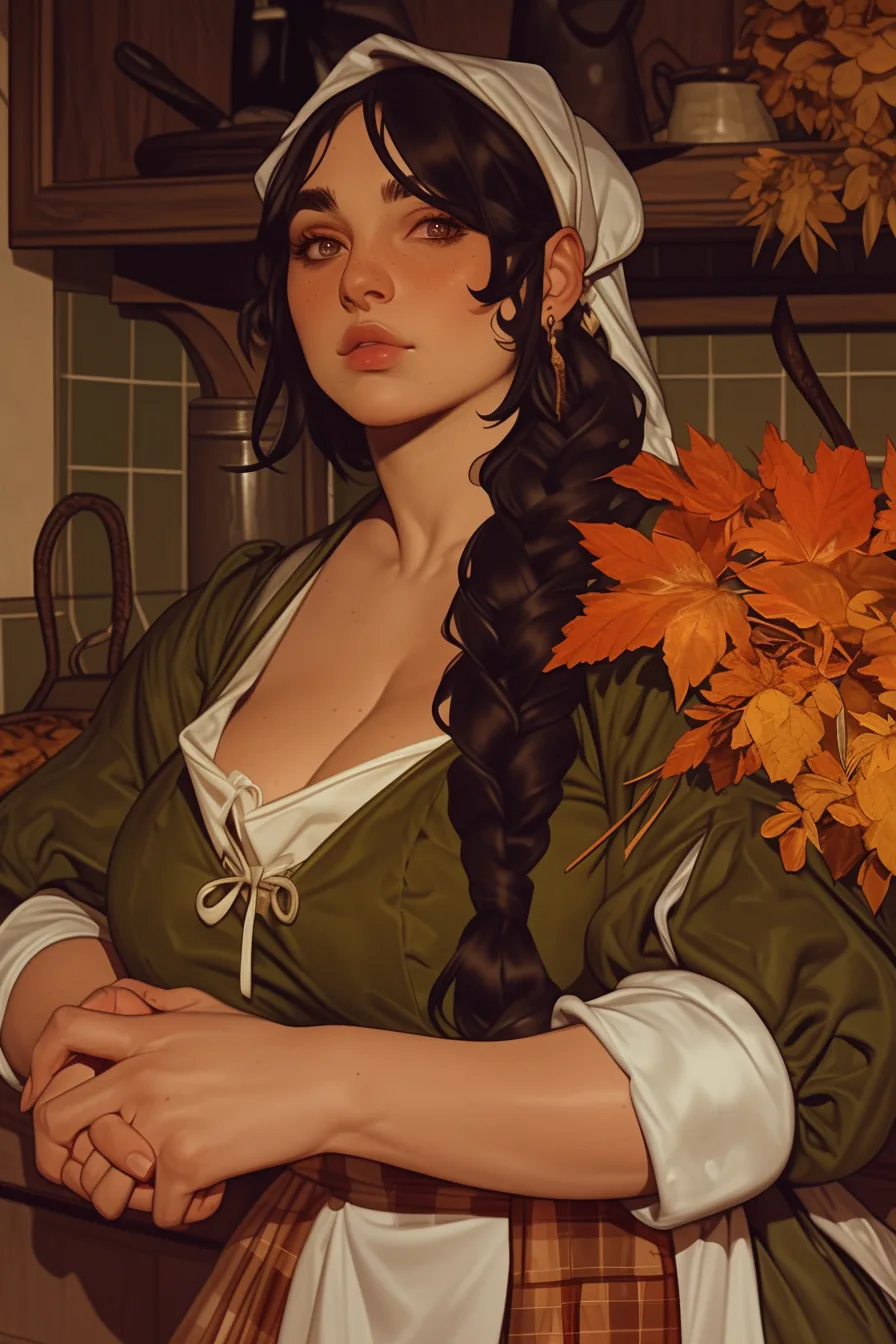
Milkmaid braids are the braided crown’s softer, more relaxed cousin: two braids pinned across the top of the head, with a few loose pieces at the front for softness. They are charming, practical, and completely windproof, which makes them perfect for autumn afternoons outdoors — apple picking, a walk in the park, a fall festival. They also look wonderful with a beanie worn over the top.
Best for: medium to long hair, outdoor autumn days, and anyone who wants a braided style without the formality of a crown. How to style: braid loosely, pancake the edges for fullness, and pin the braids across the crown, tucking the ends underneath. Watch out for: braiding too tightly gives a headache by lunchtime — keep it loose, and pull a few wisps loose at the temples so the style does not look severe.
23. A Claw Clip Twist With Autumn Layers
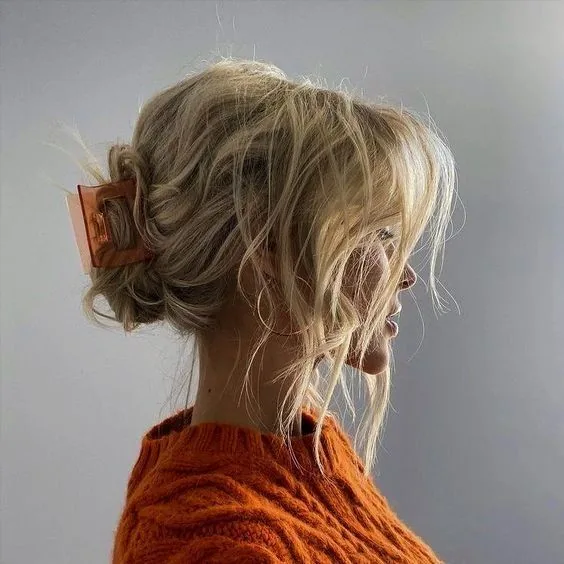
The claw clip twist is the two-minute hairstyle that defined a generation, and autumn layers make it better: the layers fall softly around the clip, the fringe or face-framing pieces stay loose, and the whole look is relaxed and pretty. It is the best friend of second-day hair, and it works on every length from a lob to long hair — the clip does the holding, the layers do the styling.
The clip needs to match your hair volume — a small clip on thick hair will pop open by lunchtime. A common mistake is twisting the hair too tightly before clipping, which makes the style look scraped-back; twist loosely, clip, then loosen the front slightly with your fingertips. Style the front pieces first, as always, and choose a tortoiseshell or autumn-toned clip to suit the season.
24. Deep Side Part Waves for Instant Drama
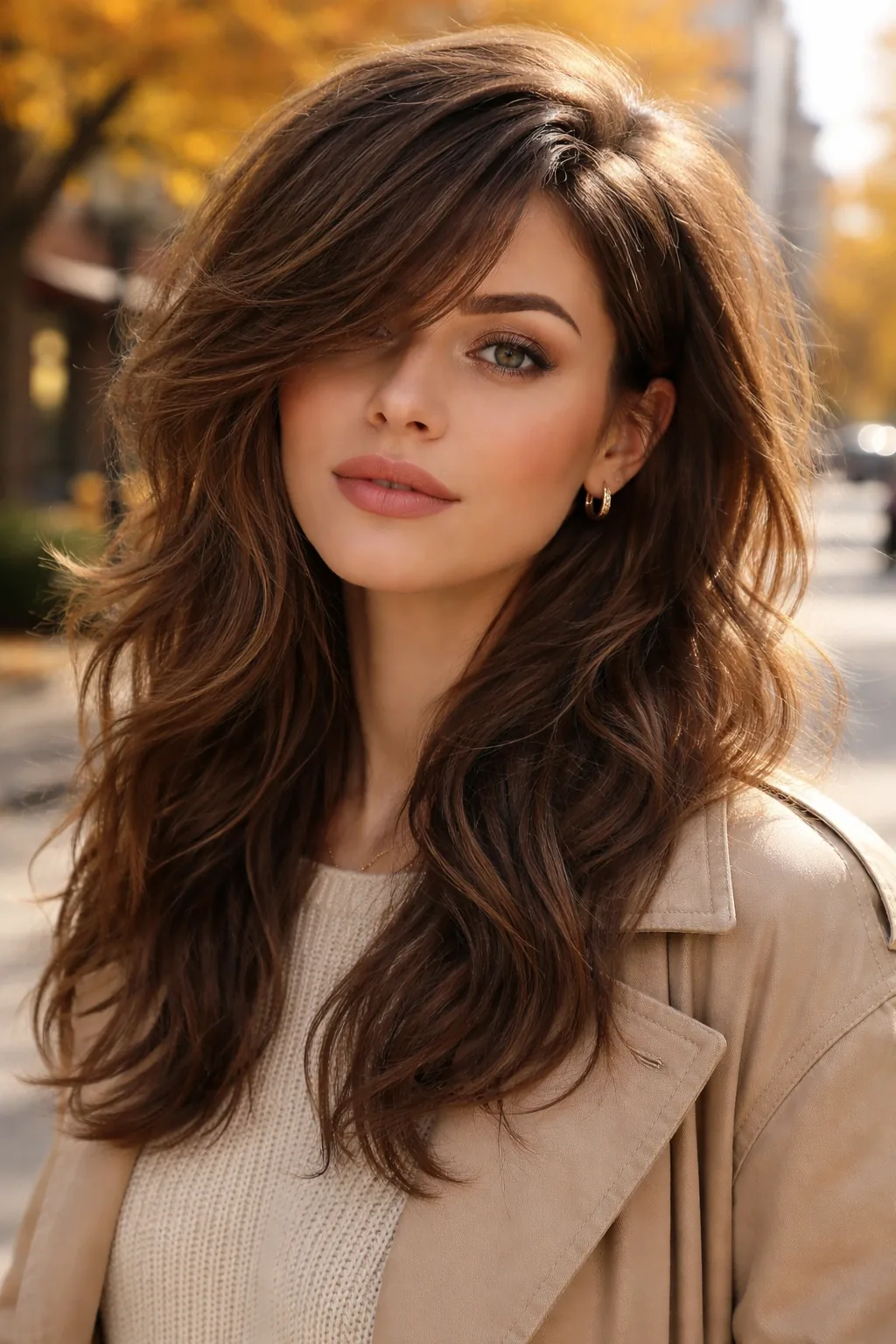
A deep side part is the fastest way to make a familiar cut feel new: the same layers, the same colour, but the weight falls to one side and suddenly the whole shape has drama. In autumn, the deep side part pairs beautifully with warm colour, because the sweep of hair across the forehead catches the light and shows off the tone. It is the style for evenings, for photos, and for days when you want your hair to make a statement.
Pros: instant volume and drama; no cut or colour needed; grows out invisibly. Cons: a deep part can fight a strong natural part, and it needs a little styling to stay in place. Quick verdict: part deeply on one side while the hair is damp, blow-dry the fringe across the forehead in the direction of the part, and finish with a light flexible-hold spray — the sweep does the rest.
25. Copper Curtain Layers, the Most Flattering Fall Cut
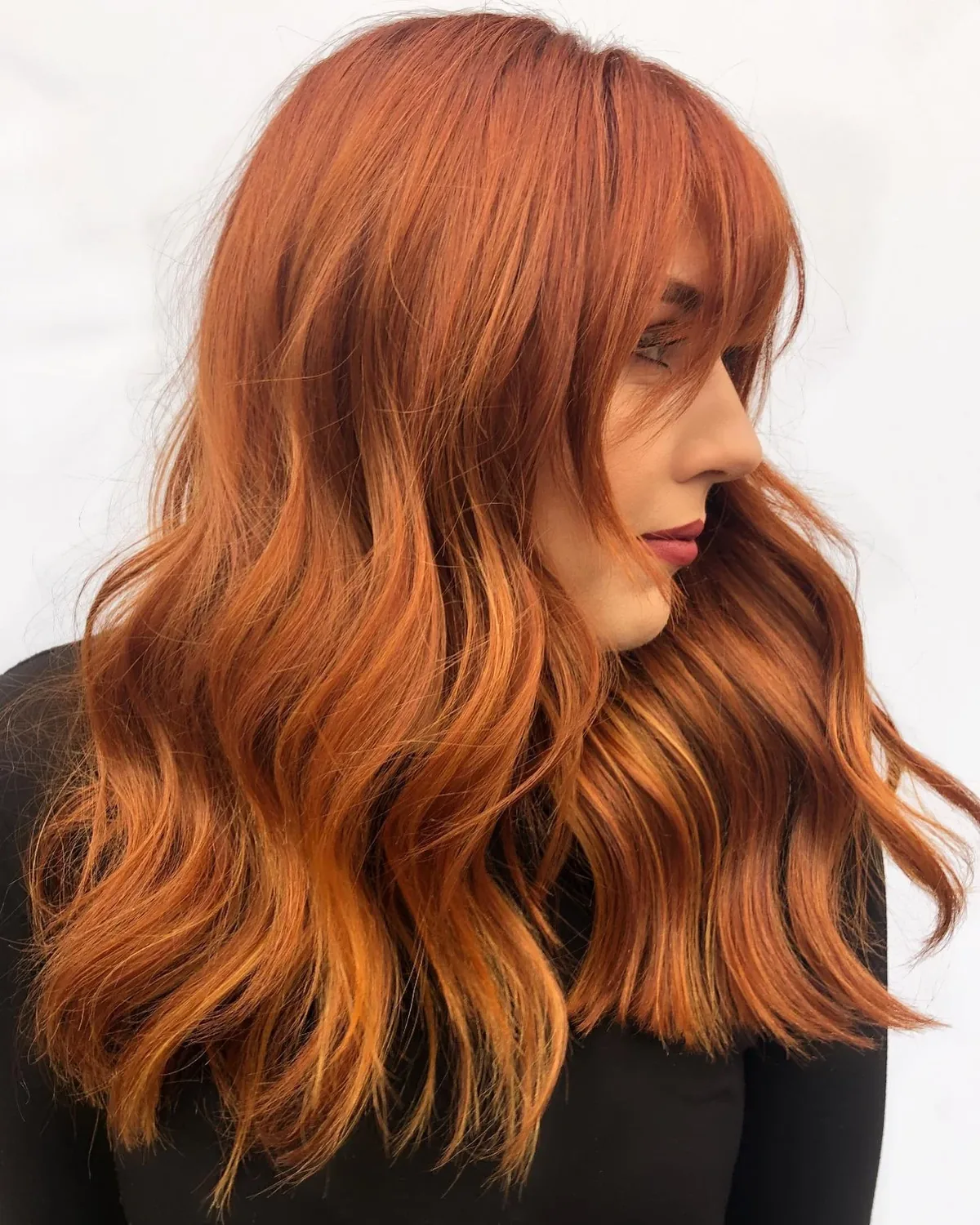
Copper curtain layers are the cut that does everything at once: the curtain layers open away from the face, the copper colour glows in autumn light, and the whole front of the hair becomes one soft, continuous frame. The fringe is the shortest point, the layers lengthen past the cheekbones and jaw, and the effect is a face that looks gently sculpted without any harsh lines. It is one of the most flattering cuts for long hair, and one of the most requested this season.
Start with the part: a clean middle part makes the curtain symmetrical, while a slightly off-centre part gives a softer, more casual feel. Blow-dry each side away from the face with a round brush, and let the copper do the talking — the colour is the star here, so keep the styling soft. For upkeep, a gloss every six weeks keeps the copper from fading dull, and a trim every eight weeks keeps the layers from going stringy.
26. Fall Wedding Guest Waves That Photograph Beautifully
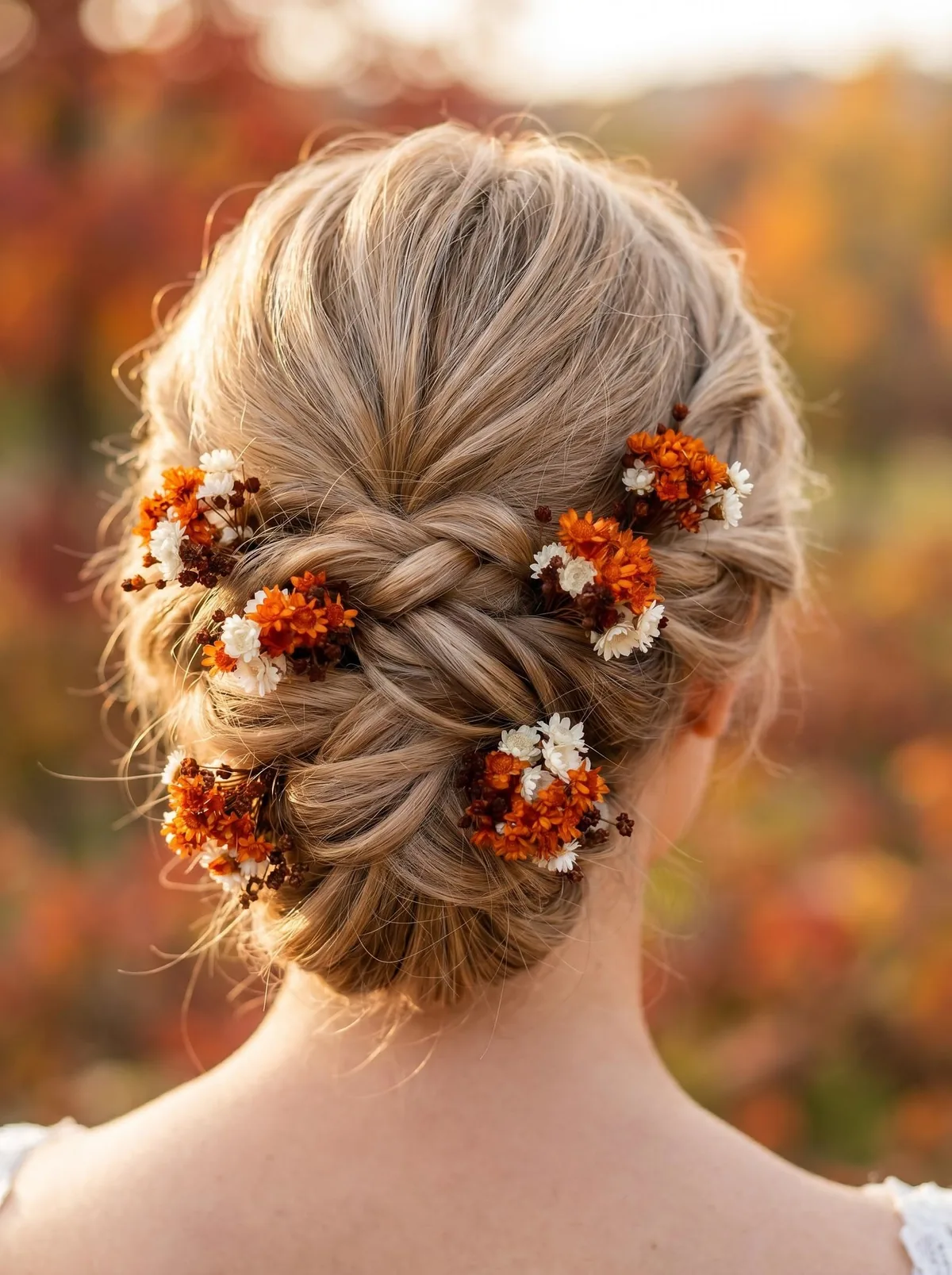
For a fall wedding guest, soft waves with warm colour are the detail that makes a simple hairstyle look occasion-ready. The waves are loose and touchable, the warm tones catch the autumn light, and a low bun or half-up version of the same waves works just as well. The look is elegant without competing with the bride, which is exactly the brief — and it photographs beautifully in golden-hour light.
What it is: soft, loose waves with warm autumn colour, worn down or half-up. Why it works: the waves are romantic without being fussy, and the warm colour suits the season’s palette perfectly. Who it suits: medium to long hair, and anyone attending a fall wedding or formal dinner. How to style it: curl with a large-barrel iron, shake out with your fingers, and finish with a flexible-hold spray — the waves should look soft and touchable, not shellacked.
27. An Office-Ready Low Chignon for Autumn
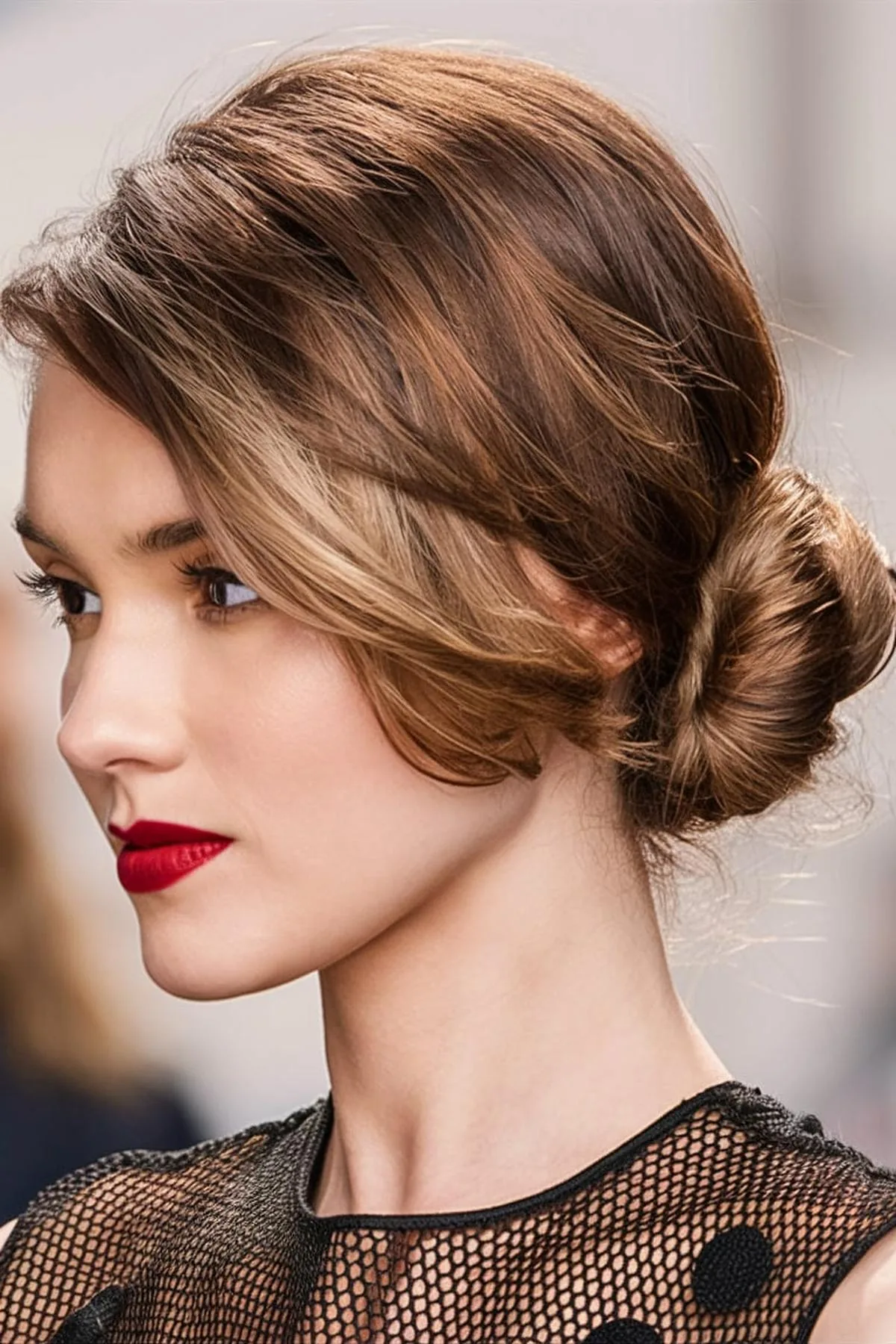
A low chignon is the autumn office hairstyle: sleek, contained, polished, and completely practical under a coat and a scarf. The bun sits at the nape, the front is smooth, and a few soft pieces at the temples keep it from looking severe. It works in conservative offices and creative ones alike, which is rare for an updo, and it takes about five minutes once you have the technique.
Best for: work, interviews, and formal autumn days. How to style: smooth the hair back with a brush, twist it into a low bun at the nape, pin securely, and pull two thin pieces loose at the temples. Watch out for: a chignon that is too tight pulls at the hairline — keep the front slightly loose, and a quick midday refresh with dry shampoo keeps the front from going flat at your desk.
28. Face-Framing Highlights That Brighten Autumn Days
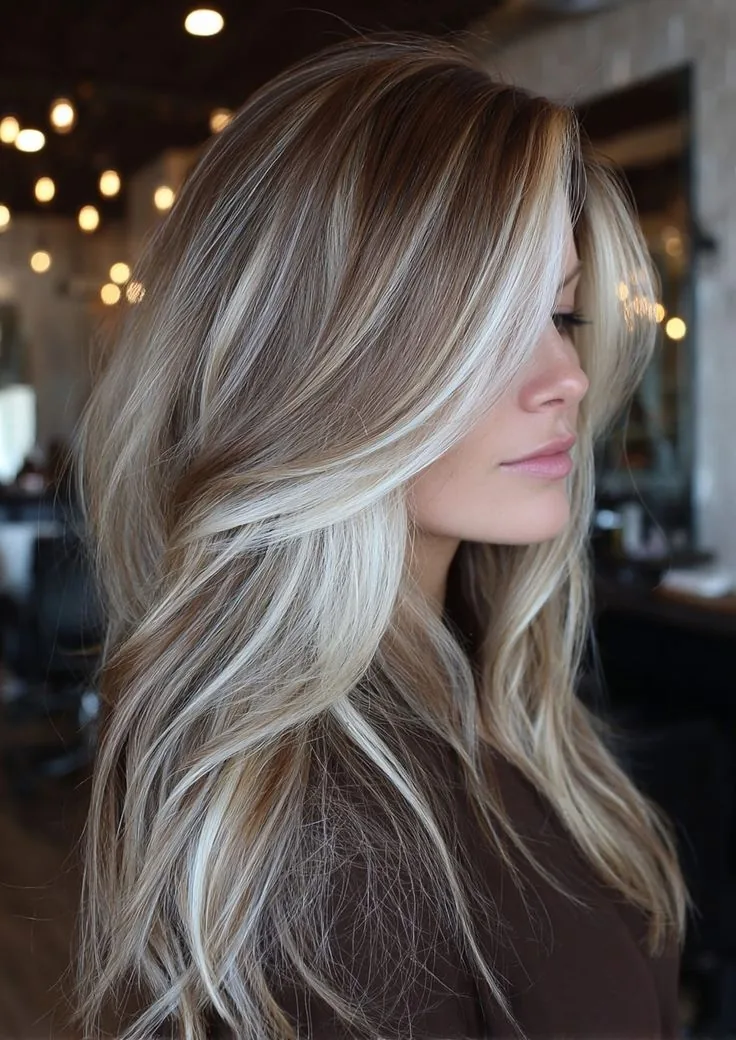
Face-framing highlights are the smallest colour change with the biggest effect: a few bright, warm pieces at the very front of the hair that lighten the face, brighten the eyes, and make the whole cut look fresher. In autumn, warm caramel or honey pieces are the flattering choice — they catch the low light and warm up the complexion, while the rest of the hair stays darker and lower-maintenance.
The placement is the whole art: the pieces should be fine and blended, not a solid block, and they should start a little back from the hairline so they look like they grew there. A common mistake is going too bright at the front, which creates a stripe effect — ask for a soft, diffused blend. The upkeep is gentle, since only the front pieces need toning, and a gloss every six weeks keeps them honeyed rather than brassy.
29. A Wavy Lob With a Soft Fringe
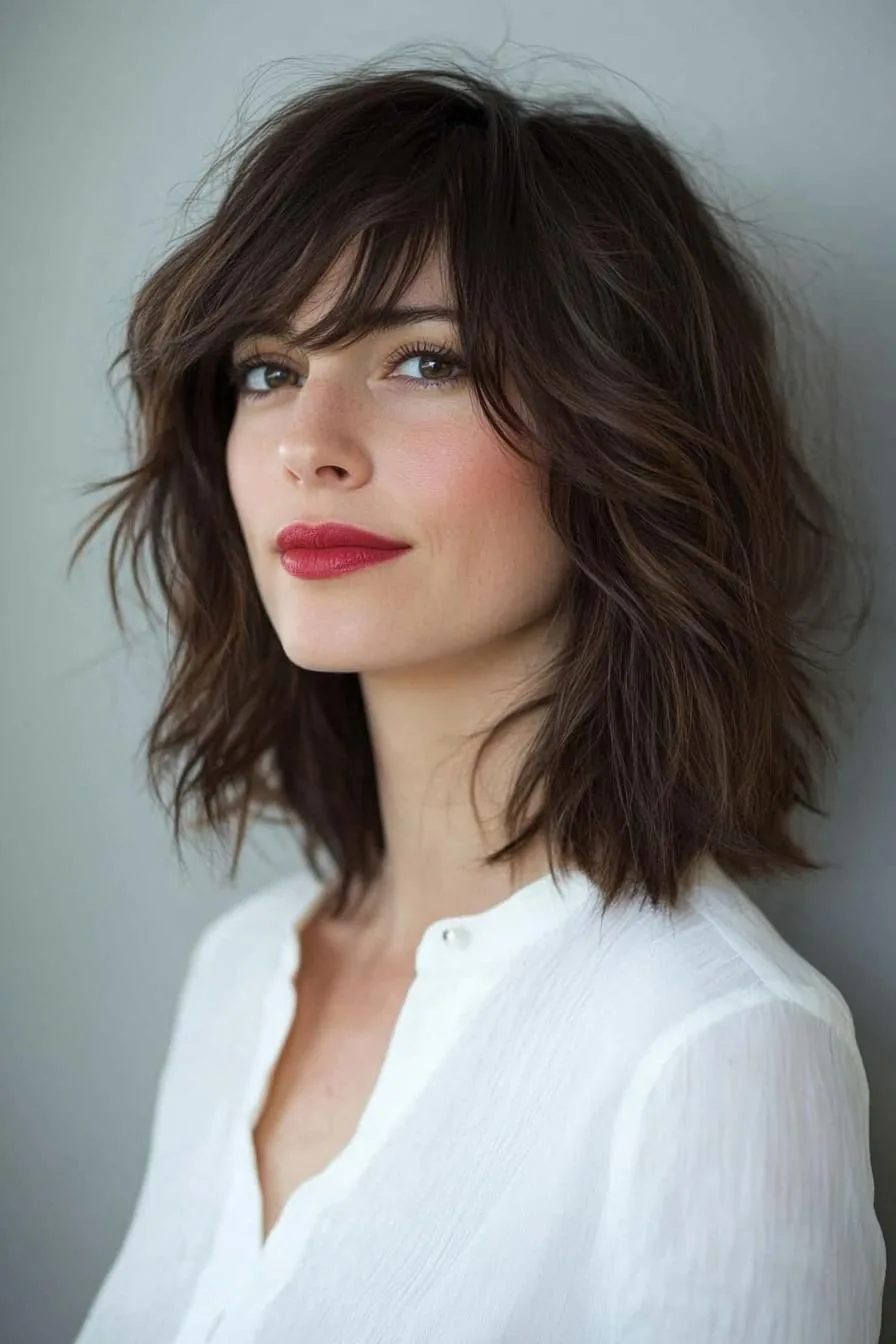
A wavy lob with a soft fringe is the autumn cut for people who want short hair without a big commitment: shoulder-length, softly waved, with a fringe that falls just over the brows. The waves give the lob movement, the fringe gives it softness, and the length is short enough to style in minutes but long enough to tie back. It is the most versatile short cut of the season.
Pros: quick to style; suits most face shapes; the fringe softens the front beautifully. Cons: the waves need a little styling to look intentional, and fine hair can fall flat without root lift. Quick verdict: curl the lengths in alternating directions with a large-barrel iron, shake out, and let the fringe fall naturally — the lob should look lived-in, not perfect.
30. A Top Knot With a Scarf for Cold Mornings
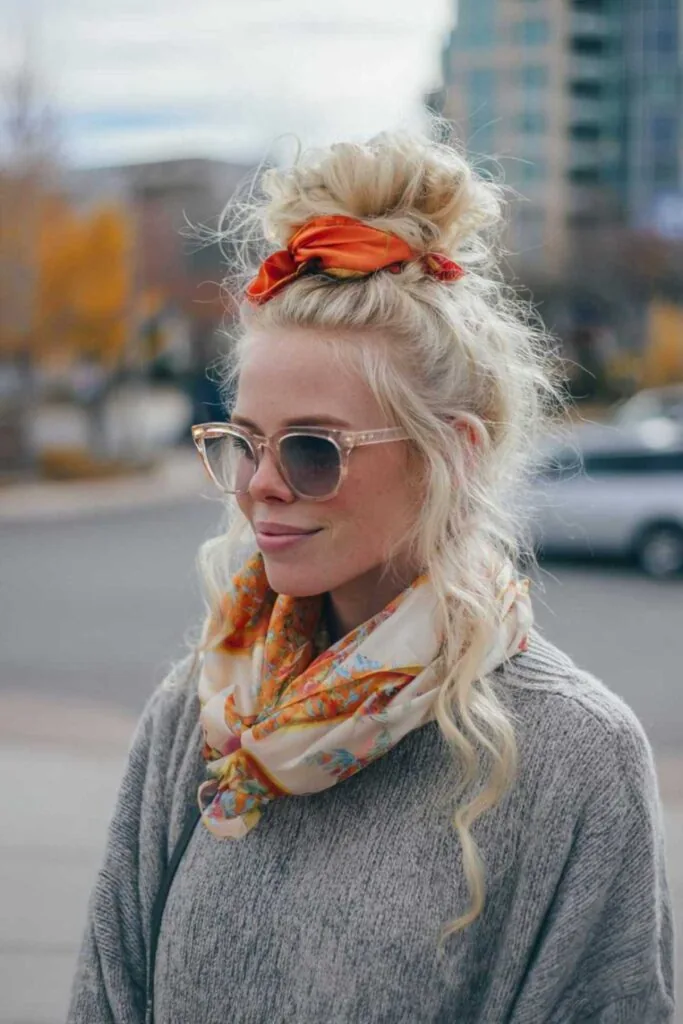
A top knot with a scarf is the high, polished bun for cold mornings: the knot lifts the face and shows off the cheekbones, the scarf adds warmth and colour, and the whole look takes five minutes. It works for a day when you want your hair completely out of the way but still want to look finished — and the scarf wrapped around the base of the knot adds the autumn detail that makes it feel seasonal.
Smooth the hair up with a brush and secure the knot high, then wrap a thin scarf around the base and tie it in a small bow. Keep the front slightly loose so the knot does not pull at the hairline, and leave a few wisps loose at the temples to soften the front. If the knot feels too severe, loosen it with your fingertips after pinning — a top knot should look soft, not scraped.
31. A Fishtail Braid for Autumn Texture
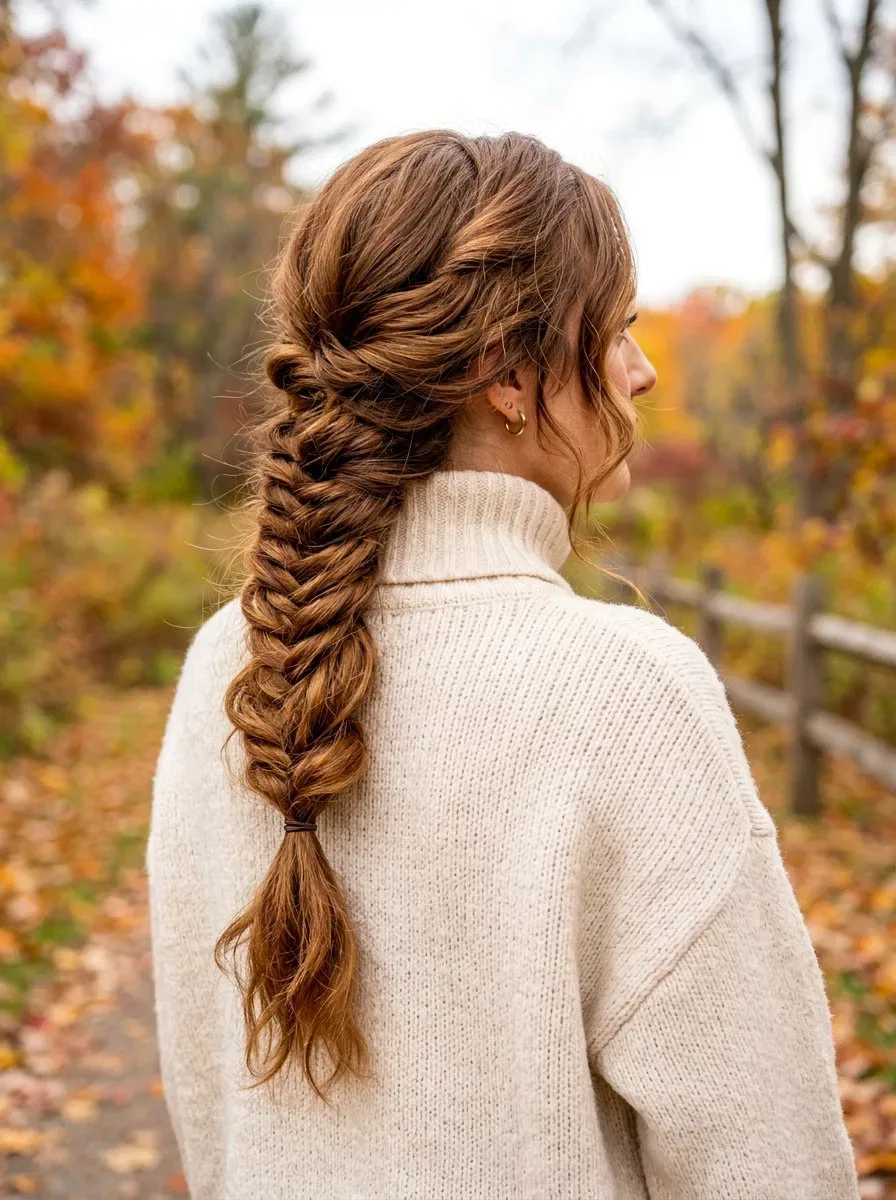
A fishtail braid is the most textural braid you can wear, and autumn is its season: the intricate, woven pattern looks beautiful against wool and corduroy, the braid holds for hours in dry autumn air, and a few loose pieces at the front keep it soft. It is the braid for people who find a regular braid too plain — the fishtail’s detail does the work of an accessory.
What it is: a two-strand woven braid, looser and more detailed than a classic three-strand braid. Why it works: the texture is the decoration, so it needs no ribbon or accessory, and it survives wind and hats better than loose hair. Who it suits: medium to long hair, and anyone who likes a braid with detail. How to style it: braid loosely, pancake the edges by tugging them outward, and pull a few wisps loose at the front.
32. Warm Brunette Layers for a Rich Fall Finish
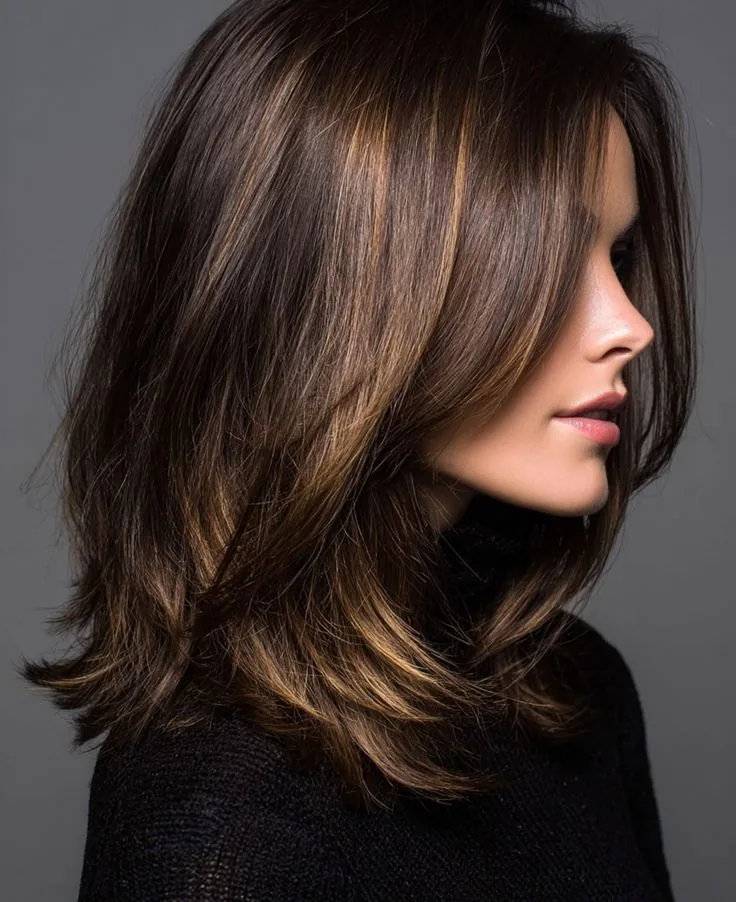
Warm brunette layers are the autumn colour for people who love brown hair and want it richer: a deep, warm brown base with soft layers and a gloss finish that makes the hair look like polished wood. The colour is understated, but the shine and the warmth make it look expensive — and it suits almost every skin tone, since the warmth is gentle rather than bold.
Best for: natural brunettes, anyone who wants a low-maintenance colour change, and cool skin tones that need warmth rather than red. How to style: a round-brush blow-dry for shine, or loose waves for movement. Watch out for: warm brunette can look flat without a gloss — ask for a clear or warm gloss after the colour, and a weekly mask keeps the shine.
33. Autumn Curls: Letting Natural Curls Shine in Fall
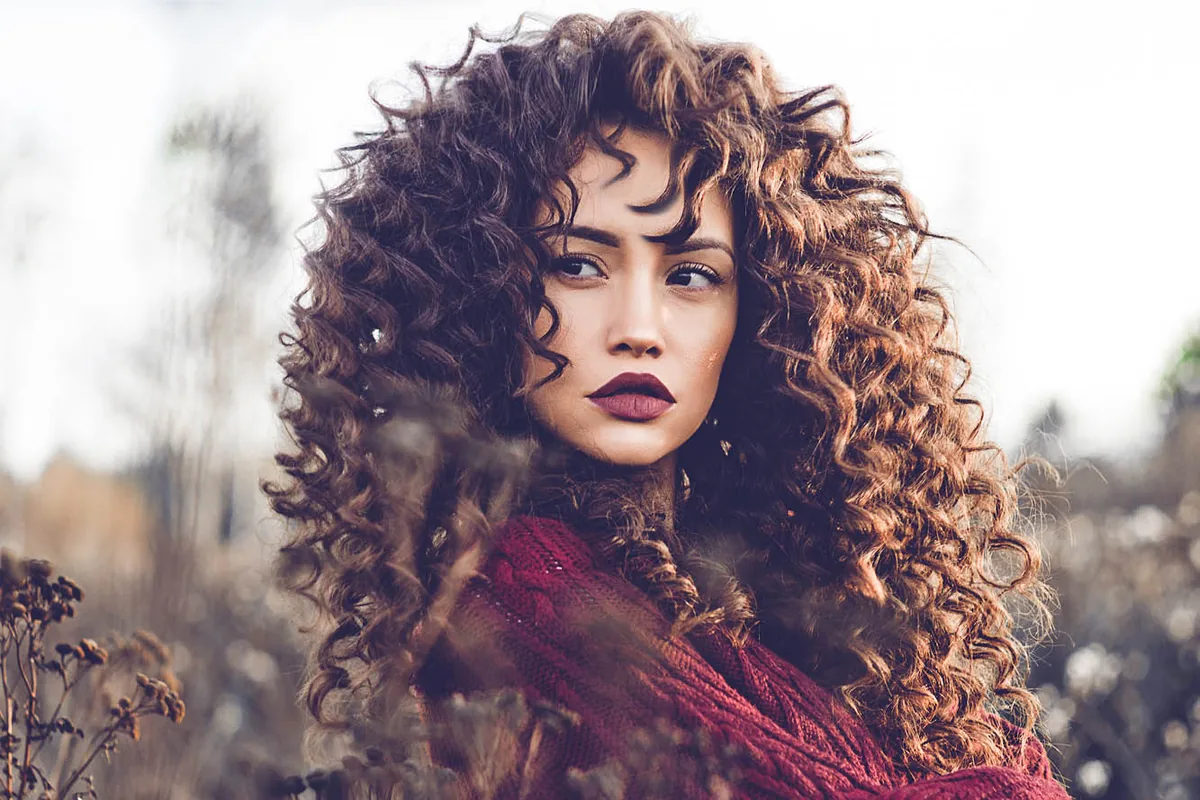
Autumn is a wonderful season for curly hair: the humidity drops, the frizz calms, and curls hold their shape for days instead of hours. The season’s job is mostly to protect the curls from dry air — a little extra moisture, a little less heat, and a gentle touch. A curly cut with long layers, worn with the curls’ natural volume, is one of the most beautiful autumn looks there is.
The routine is simple but specific: scrunch a curl cream through damp hair and let it air-dry, or diffuse on low heat. A common mistake is brushing curly hair when it is dry — brushing breaks the curl pattern into frizz, so use a wide-tooth comb on wet hair only. On refresh days, a light mist of water reactivates the curls. And keep a silk scarf between the curls and a wool coat collar, since wool friction is the fastest way to frizz a curl.
34. Fall Layers for Fine Hair That Needs Volume
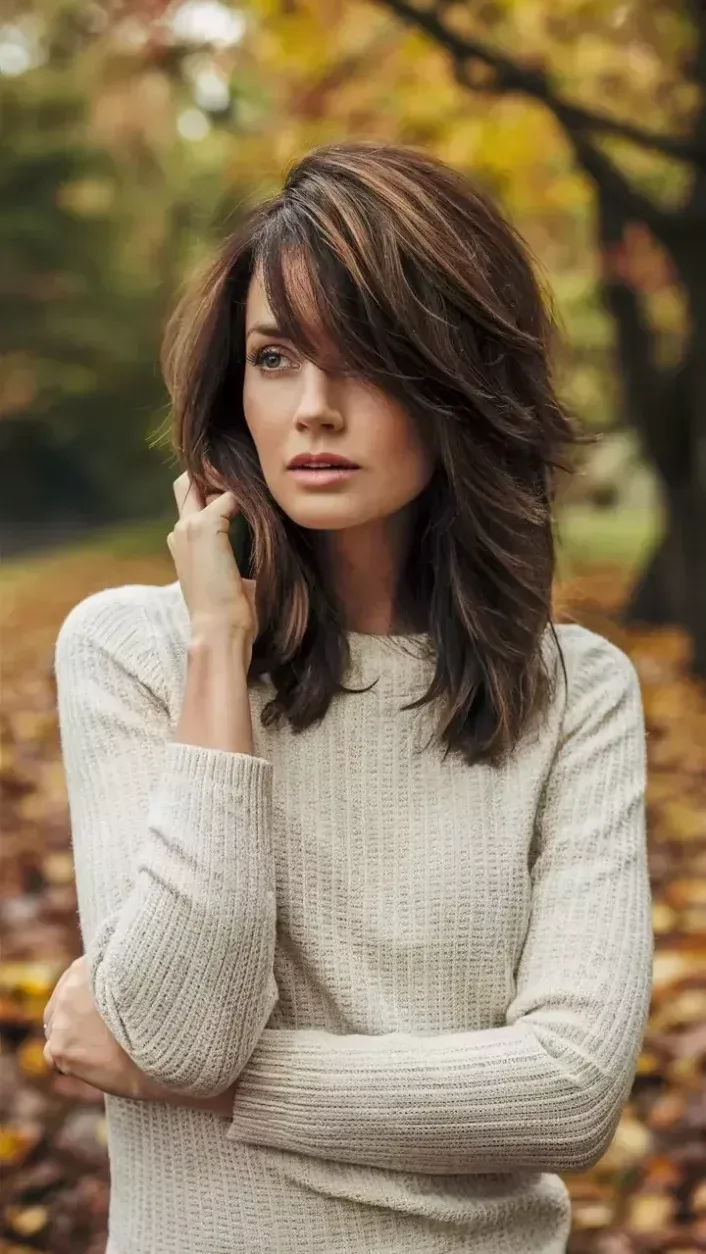
Fine hair and autumn are a good match, because dry autumn air gives fine hair something it rarely has: grip. Layers cut into fine hair create the illusion of volume, and a little dry shampoo at the roots adds lift that lasts all day. The key is cutting the layers short enough to create movement, but not so short that the ends look sparse — a balance a good stylist will find by cutting dry.
Pros: autumn air adds natural grip and volume; layers create movement without weight. Cons: fine hair shows split ends quickly, and heavy products flatten it instantly. Quick verdict: a light volumising mousse at the roots before blow-drying, a round brush for lift, and no heavy oils or creams — fine hair needs air, not weight.
35. Autumn Layers for Thick Hair That Needs Lightness
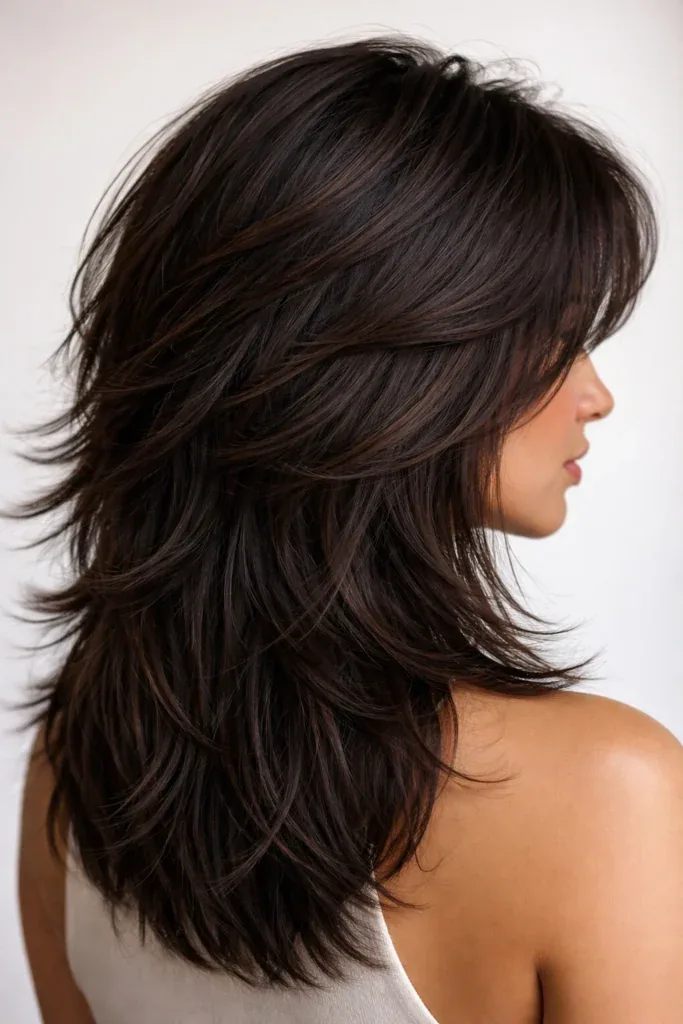
Thick hair in autumn needs one thing above all: lightness. Without thinning, thick hair under a coat and a scarf becomes a heavy curtain that fights every style. Layers thinned from the inside remove bulk while keeping the length, so the hair moves, breathes and sits comfortably under a hat. Done right, thick autumn hair looks full and healthy rather than heavy.
Ask your stylist to thin the hair with thinning shears or a razor, removing bulk from the inside while keeping the tapered ends. Style with a round brush to keep the ends feathered rather than bulky, and a little dry shampoo at the roots keeps the hair from clumping. The upkeep is a trim every six to eight weeks — thick hair grows out faster, and the lightness needs refreshing. If your hair keeps turning into a solid block, ask for more aggressive thinning next time.
36. Fall Layers That Flatter a Round Face
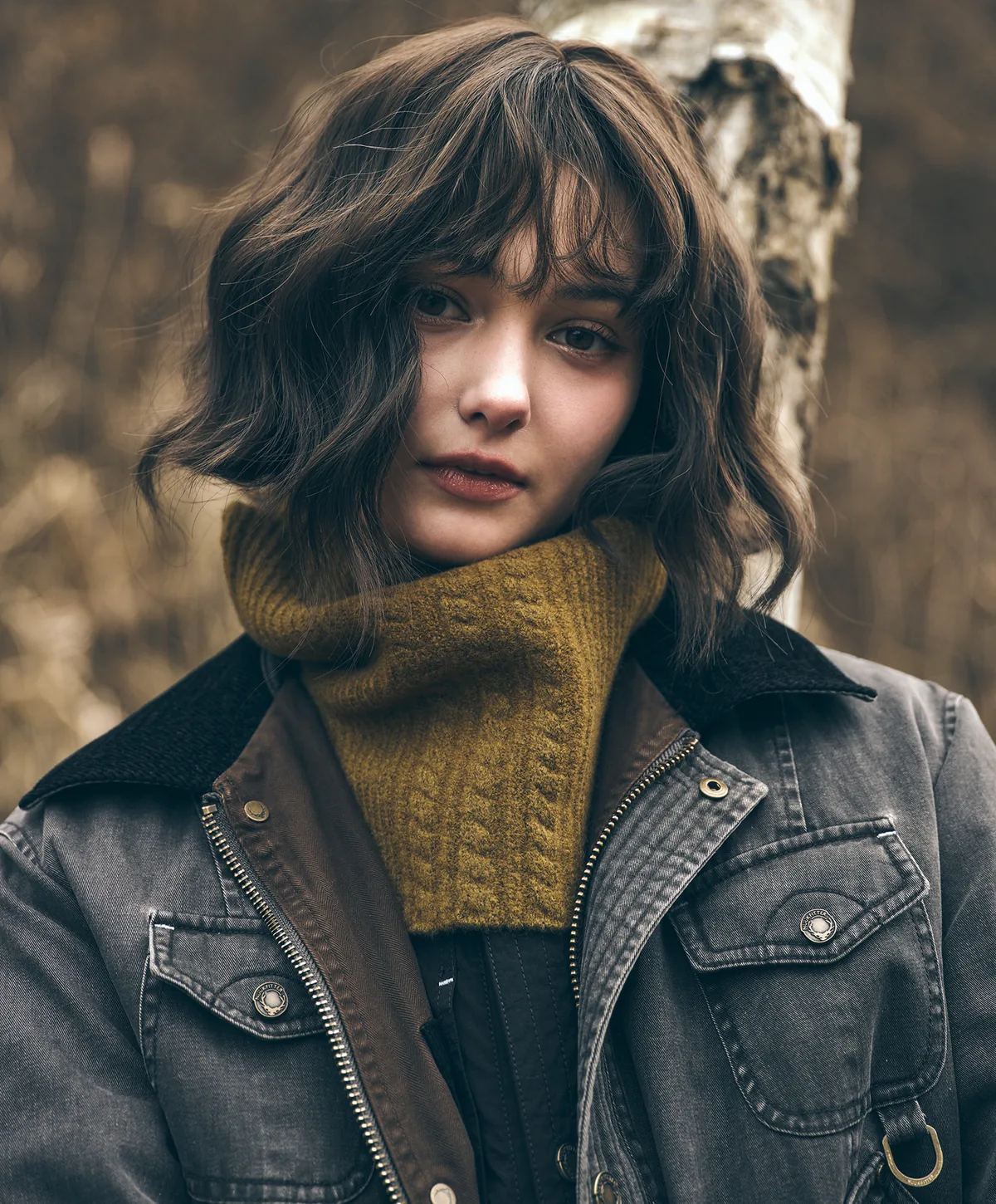
Round faces and autumn layers are a genuinely good match, as long as the layers are cut long. Layers that fall past the cheekbones draw the eye downward and add the illusion of length, while a warm colour at the ends keeps the face from looking covered up. The mistake to avoid is a short, full fringe with short layers, which shortens the face and emphasises its roundness — length is your friend here.
What it is: long, face-framing layers with warm autumn colour at the ends. Why it works: vertical lines lengthen a round face, and the airy texture avoids adding width. Who it suits: round and full faces, especially with medium to long hair. How to style it: a middle or slightly off-centre part, with the layers blow-dried to fall past the cheekbones. What to ask your stylist for: layers that start no higher than the chin, and no blunt horizontal line.
37. A Short Copper Bob for a Bold Autumn Change
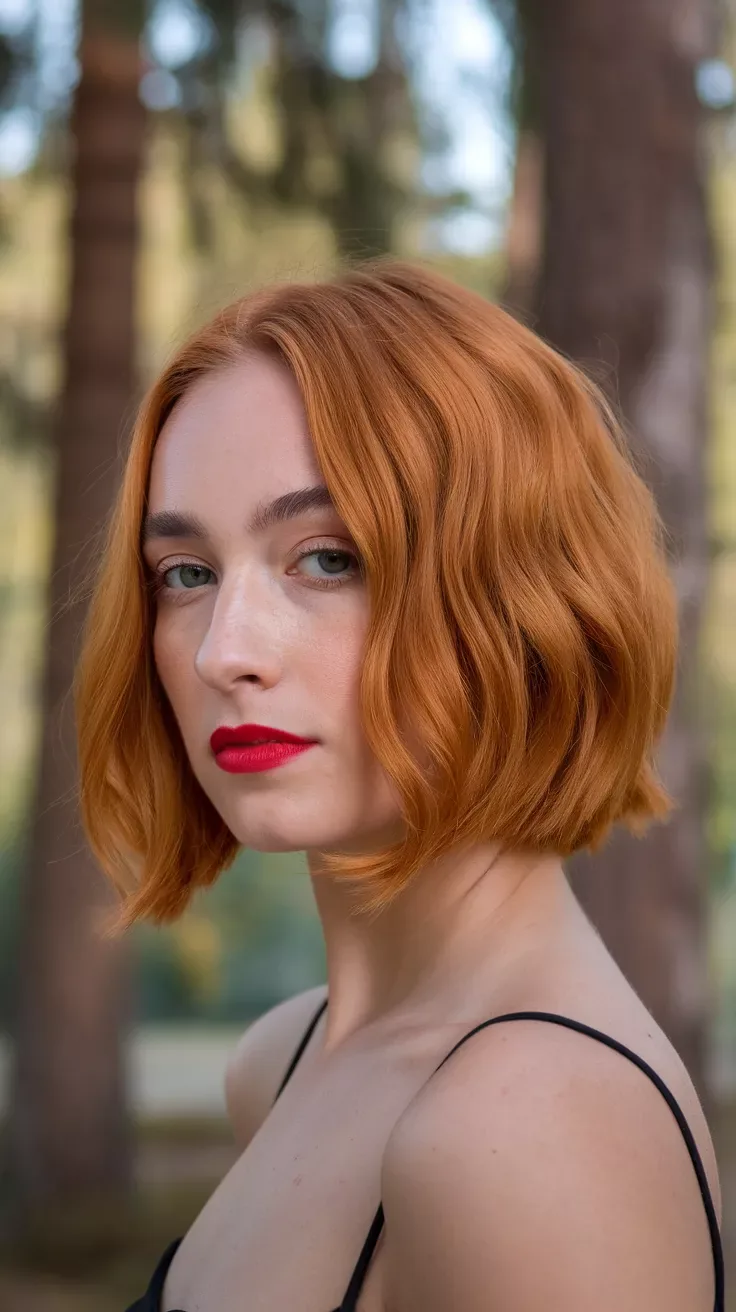
A short copper bob is the boldest autumn change in this guide: chin-length, rich copper, and completely unmissable. The colour glows in autumn light, the bob’s clean line gives the colour a frame, and the whole cut feels like a fresh start — which is exactly what autumn is for. It is the cut for people who have been thinking about going copper for years and are finally ready.
Best for: straight to wavy hair, oval and heart-shaped faces, and anyone ready for a visible change. How to style: a round brush for a soft under-curve, or a flat iron bent under at the ends for a sleeker finish. Watch out for: copper fades faster than any other colour, so a colour-safe shampoo and a gloss refresh at four weeks are essential, and the bob’s line needs a trim every six weeks to stay sharp.
38. Long Hair With a Fall Shine, Simple and Glossy
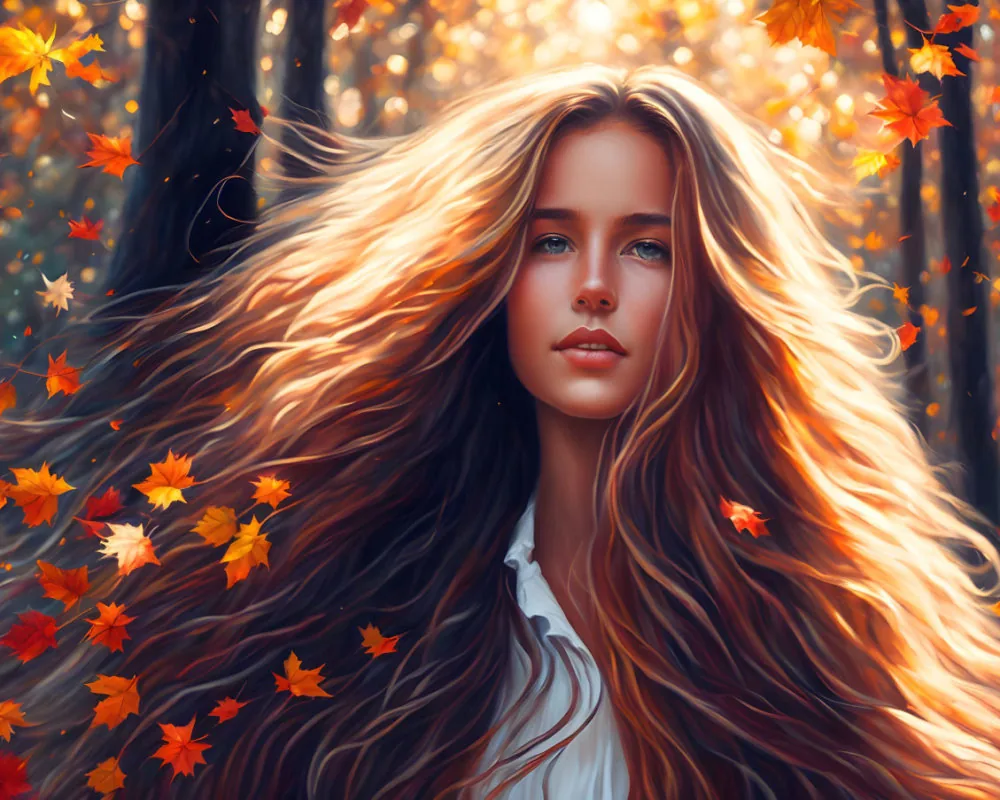
Long, glossy hair is autumn’s simplest luxury: no complicated cut, no bold colour, just healthy, shiny lengths that catch the light. The shine comes from care — a gloss treatment, a weekly mask, a heat protectant, and a trim to keep the ends clean. In autumn’s low, golden light, healthy long hair looks more expensive than any colour change, and it suits every outfit the season brings.
Pros: timeless and low-maintenance; shows off health and shine; suits every face shape. Cons: it shows split ends and dullness instantly, so the care routine matters more than the cut. Quick verdict: a clear gloss every six weeks, a leave-in conditioner on the ends, and a silk scarf between the hair and a wool collar — shine is a routine, not a product.
What are the best fall hairstyles for women?
The best fall hairstyles are the ones that work with autumn air: warm copper and auburn colour, layered cuts, low buns and braids that sit under hats and scarves, and blowouts that actually last in low humidity. The 38 styles in this guide cover every length and hair type, from a short copper bob to long glossy layers, with the care and styling advice that makes each one work all season.
What hair colour is best for fall?
Warm colours are best for fall: copper, auburn, caramel, honey and chocolate brown all glow in autumn’s warm, low light. The most flattering choice depends on your skin — warm skin glows with copper and auburn, cool skin does best with a muted copper or a rich chocolate with warm lowlights. A gloss or a few warm balayage pieces give the same richness with less commitment than a full colour change.
How do I keep my hair from getting dry in fall?
Swap to a richer conditioner, add a weekly deep-conditioning mask and a leave-in conditioner, turn the shower temperature down a notch, and go easy on hot tools. A pea-sized drop of light hair oil on the ends seals in moisture, and a silk pillowcase reduces overnight friction. The dryness comes from cooler, drier air and indoor heating, so the fix is mostly about moisture and gentleness.
Why does my hair get static in autumn?
Static comes from dry air plus friction with wool scarves, hats and coats. A tiny drop of light hair oil smoothed over the surface of the hair tames it, as does a leave-in cream. A silk scarf worn closest to the hair causes far less friction than wool, and a dryer sheet lightly run over the lengths is a quick fix on the go. Avoid overusing hot tools, which dry the hair further and create more static.
What hairstyles work best under a beanie?
Low styles work best under a beanie: a low bun, a low ponytail, a loose braid, or lengths worn down in front of the shoulders. The hair under the hat should be flat and smooth, and the movement should sit below the hat line. A little dry shampoo at the roots before the hat goes on, and a quick finger-fluff when it comes off, saves the style from hat hair.
Is autumn a good time to change my hair colour?
Yes — autumn is one of the best times to change colour. There is less sun, so warm colours like copper and auburn fade more slowly than they would in summer, and the warm, low light flatters warm tones. A gloss or a semi-permanent tone is a low-commitment way to try the change, and a full colour booked now will still look fresh through the holiday season.
How often should I trim my hair in fall?
Every six to eight weeks for most cuts, and every three to five weeks for a fringe or a short bob. The autumn trim matters more than usual, because it removes the sun-damaged ends from summer — even a centimetre makes the whole cut look intentional again. Thick hair and fast-growing hair need the shorter end of that range.
Do fall hairstyles work on fine hair?
Yes — autumn air actually helps fine hair, because the dry air gives it grip and volume it rarely has in summer. Layers cut into fine hair create the illusion of volume, and a light volumising mousse at the roots plus dry shampoo adds lift that lasts. Avoid heavy oils and creams, which flatten fine hair instantly, and ask for layers cut dry so the stylist can see the real volume.
What should I ask my stylist for a fall cut?
Tell them how many minutes you will actually spend styling, and whether you wear hats most days, since a cut for beanie weather is cut differently. Ask how the cut will grow out over two to three months, whether your texture suits the warm colour you want, and whether a gloss would give you the same warmth with less commitment. Bring photos of your own hair texture, not just the colour.
How do I stop my hair from shedding in autumn?
Some autumn shedding is normal — many people lose more hair in autumn as summer-grown hair reaches the end of its cycle, and it usually settles on its own within a couple of months. Be gentle while it lasts: a wide-tooth comb on wet hair, no aggressive brushing, and a scalp massage a few times a week. If the shedding is heavy or lasts beyond a couple of months, mention it to a doctor.
Conclusion: Let Autumn Do the Styling for You
Fall hair works because the season is on your side: the air is dry enough to hold a blowout, the light is warm enough to flatter copper and caramel, and the scarves, hats and coats give every style a frame. The 38 hairstyles in this guide — from copper layers and auburn balayage to low buns, braided crowns and the humble claw clip twist — all share one idea: work with autumn, not against it. Choose the cut that matches your mornings, the colour that matches your skin, and the routine you will actually keep.
Start with the version that matches your hair and your life — the chocolate lob if you want a classic that never fails, the copper layers if you are ready for a colour change, the low bun with a scarf if you want the easiest good-hair days of the season. Book the trim, refresh the colour with a gloss, and give the new routine two weeks to settle before you judge it. Autumn hair rewards a little care and a little patience — and it pays you back every golden morning until winter.

