
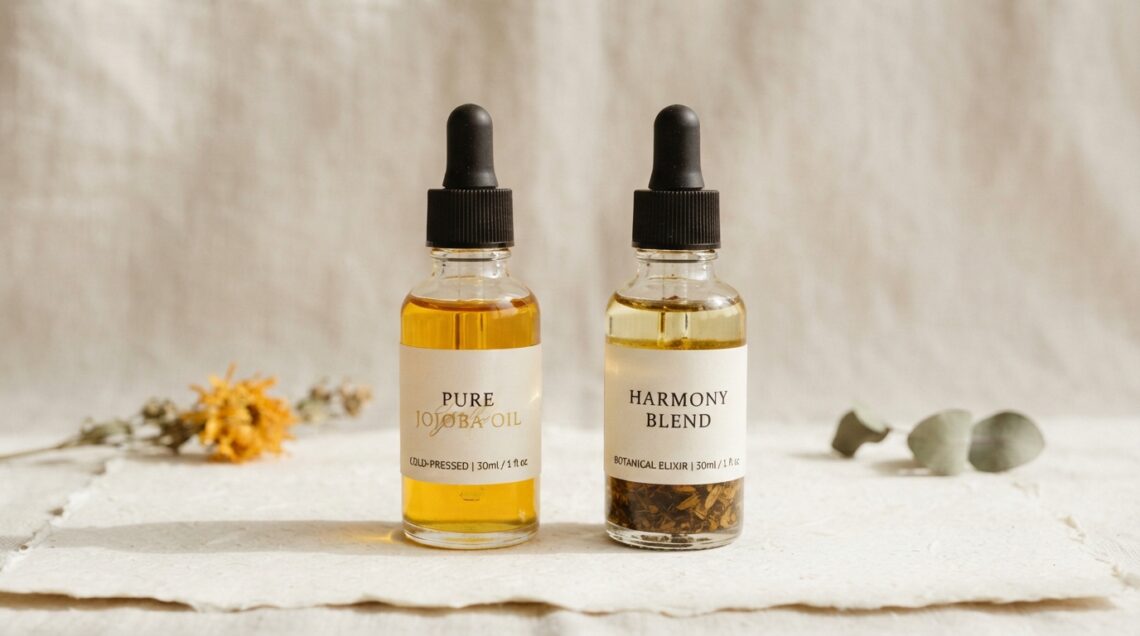
I used to think hair oil was hair oil. Then I flipped over a bottle at the beauty counter, counted the ingredients, and found thirteen different oils in one little pump. Thirteen. For hair.
That was the moment I fell down the multi-oil cocktail rabbit hole. And honestly? Some of it is real science, and some of it is very expensive marketing.
So in this post I’m breaking down why prestige brands blend 3 to 13 oils, which oils actually do something, and how to use these blends without turning your hair into a greasy mess.
We’ll also cover how a good oil cocktail fits the biggest 2026 hairstyles, from old money hair to the vampire haircut. Let’s get into it.
What Is the Multi-Oil Cocktail Haircare Trend?
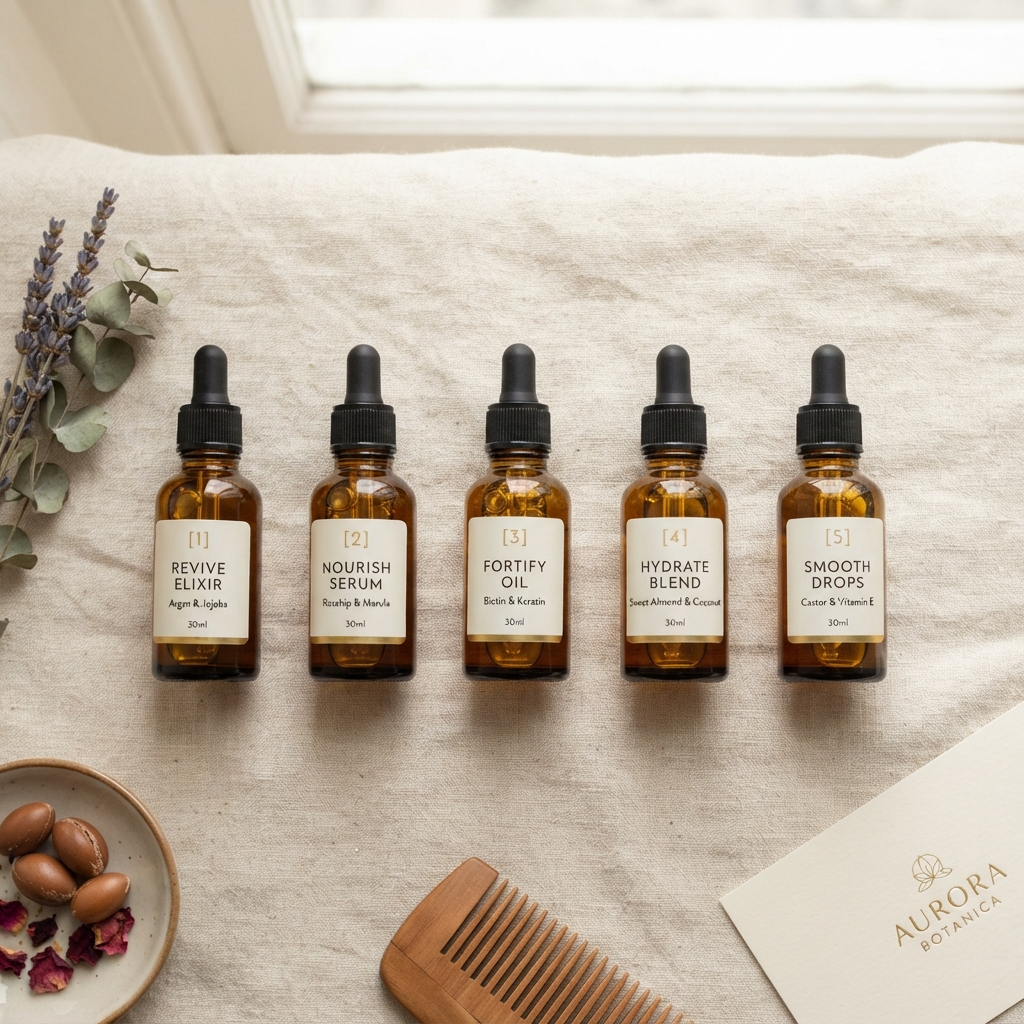
A multi-oil cocktail is exactly what it sounds like: one product made from several different plant oils instead of just one.
The idea is that no single oil does everything. Coconut oil penetrates deep but can feel heavy. Argan oil adds shine but sits on the surface. Jojoba mimics your scalp’s natural sebum.
Blend them together and you get the best of each. That’s the whole trend in one sentence.
The “cocktail” part comes from how brands market it. Three oils sounds simple. Thirteen sounds like a lab full of chemists worked on your hair. Same concept, different story.
Why Prestige Brands Use 3 to 13 Oil Blends
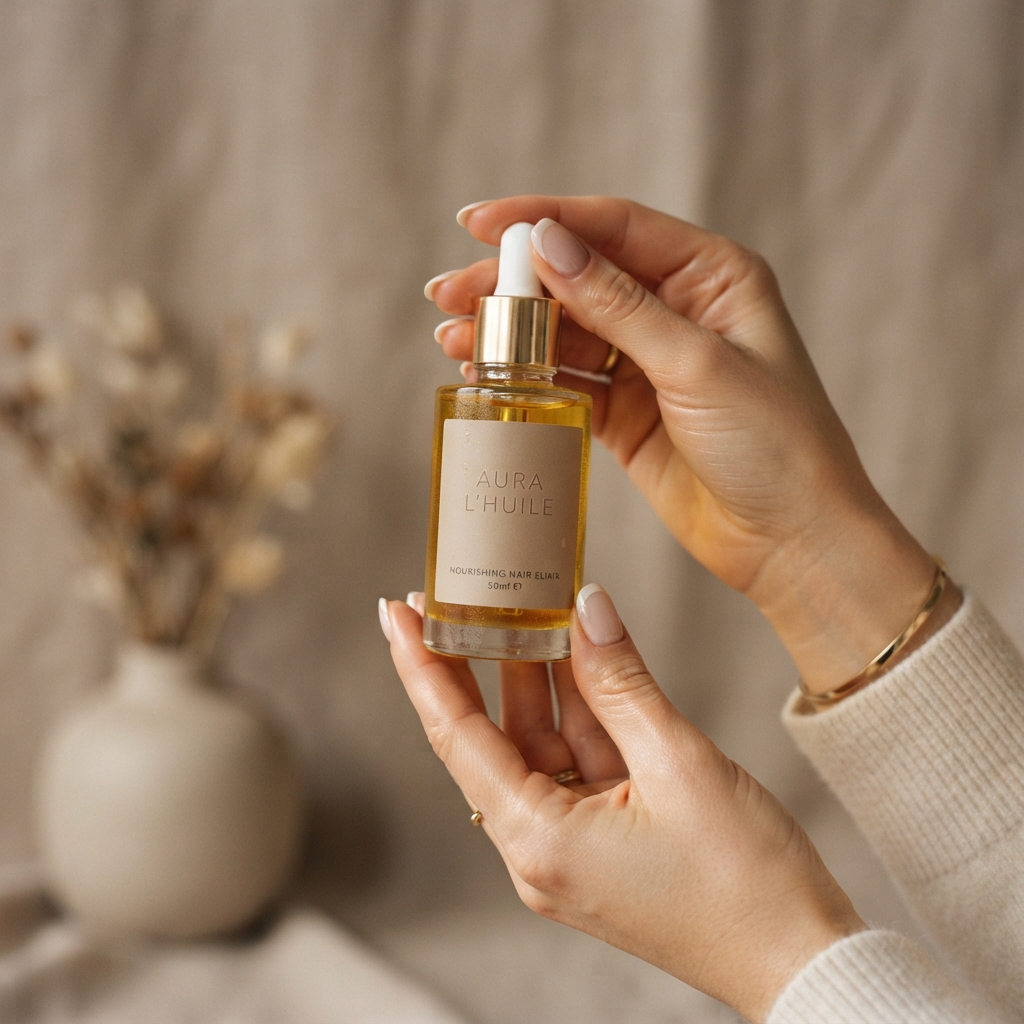
There are three real reasons brands blend so many oils.
- Texture control. One oil might be too thick. Mixing in a lighter one makes it spread easily.
- Different molecular sizes. Some oils sit on the cuticle, some slip inside the strand. Together they coat and condition.
- Smell and shelf life. Some oils are added for scent or to keep the formula stable, not for your hair.
Here’s the honest part: past about five oils, you’re usually paying for the story, not extra results.
So if a 13-oil blend costs triple a 4-oil blend, ask yourself if the first five oils are the ones doing the work. Usually they are.
The Honest Truth About Oil Blend Labels
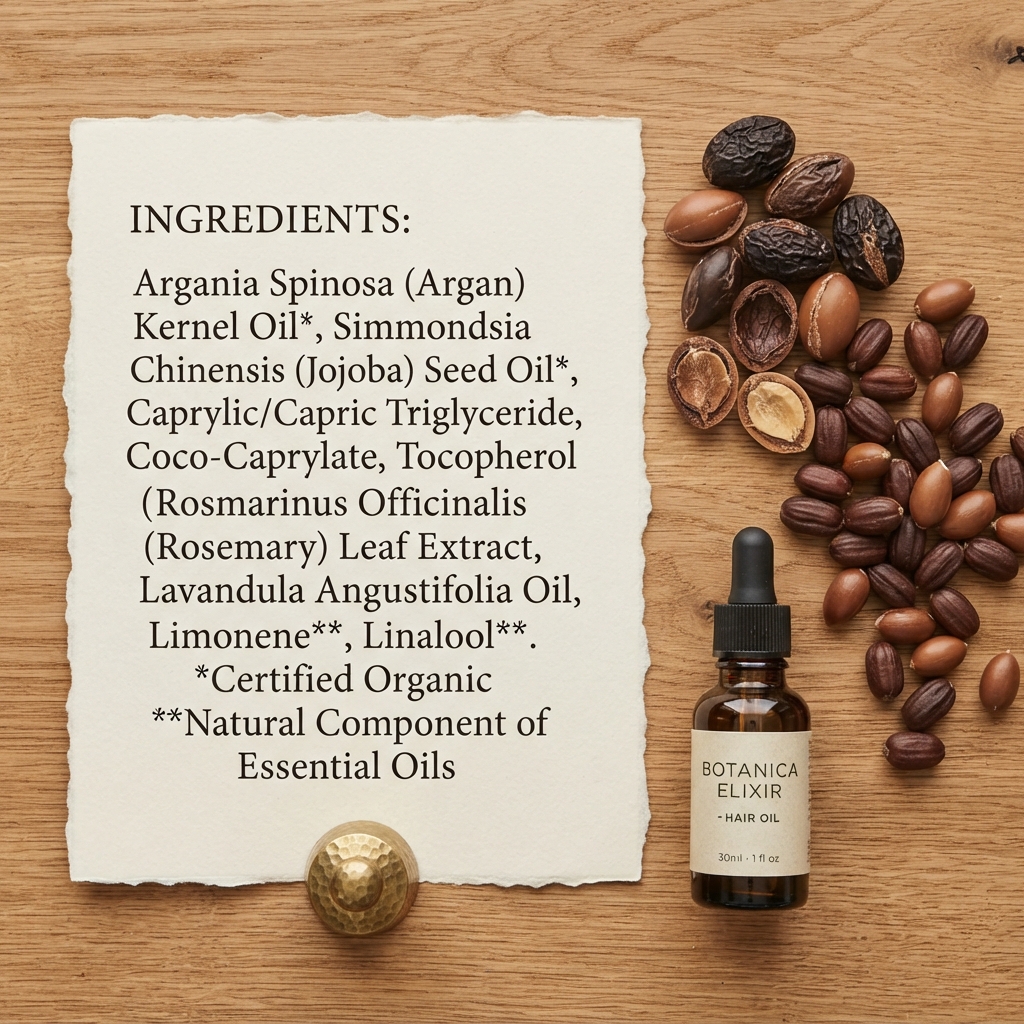
Ingredient lists are ordered by amount. The first few ingredients are most of the bottle. The last few are often less than one percent.
That means a “13 oil blend” might be 85 percent coconut oil and 15 percent twelve other things combined.
Not a scam. Just math.
I always look at the first three oils. If those three are good ones like argan, jojoba, and squalane, the rest of the list barely matters.
If the first ingredient is mineral oil or a silicone under a fancy name, the pretty oils at the bottom aren’t saving it.
How to Read an Oil Blend Label in 30 Seconds
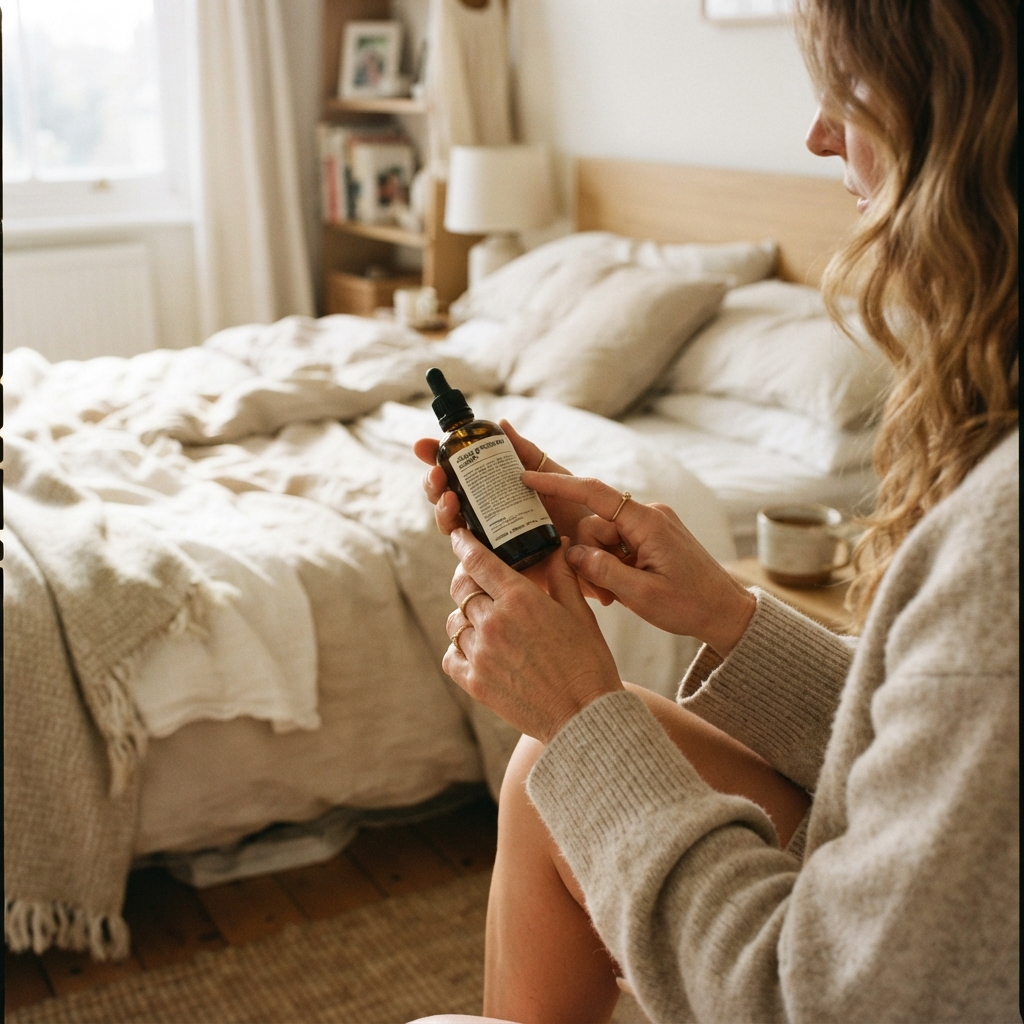
- Find the first three oils listed. These are your real formula.
- Check for a silicone near the top, like dimethicone. Fine for shine, but it’s not a treatment.
- Look for a scent ingredient like fragrance or parfum. That’s often why the oil count is high.
- Scan for vitamin E, also called tocopherol. It helps the blend last longer.
That’s it. Thirty seconds, no chemistry degree required.
If the first three oils are ones you’d actually want on your hair, it’s a good bottle. If not, put it back.
The 5 Oils Worth Paying For
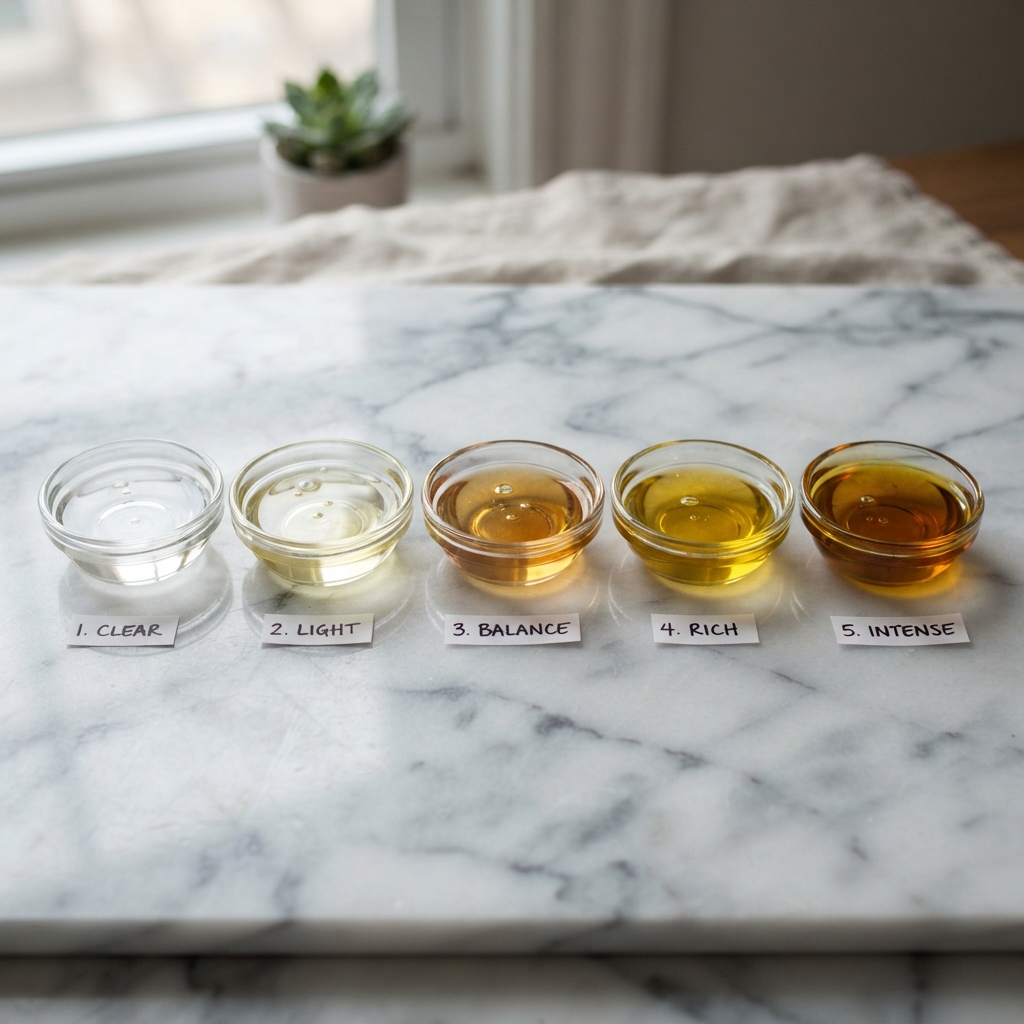
These five show up in almost every blend that actually works.
- Argan oil. Light, shiny, great for frizz. The workhorse.
- Jojoba oil. Closest to your scalp’s own oil. Perfect for the ends.
- Squalane. Weightless, absorbs fast, never greasy.
- Coconut oil. Penetrates the strand. Best used before washing.
- Camellia oil. The classic Japanese hair oil. Silky, not heavy.
If your blend has three of these in the top spots, you’re in good shape.
The Oils That Are Mostly Filler
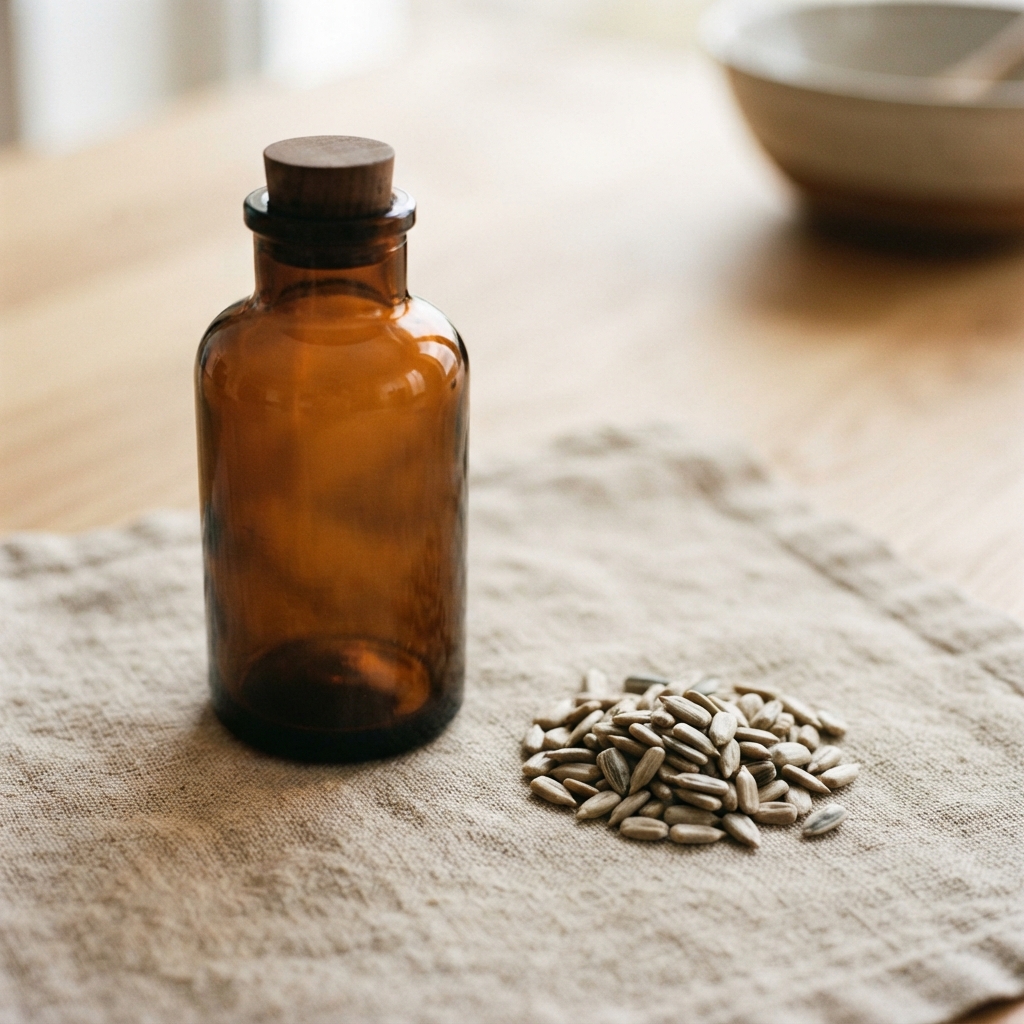
Not everything in the bottle is there for your hair.
- Sunflower and soybean oil. Cheap carriers. Not bad, just not special.
- Mineral oil. Coats the hair and traps moisture out. Feels smooth, does little.
- Fragrance oils. Counted in the “13 oils” total sometimes. That’s marketing.
None of these will ruin your hair. They just shouldn’t be the headline.
When I see a blend with ten oils and seven of them are cheap carriers, I know I’m paying for the label, not the formula. Simple as that.
The 3-Oil Starter Blend for Beginners
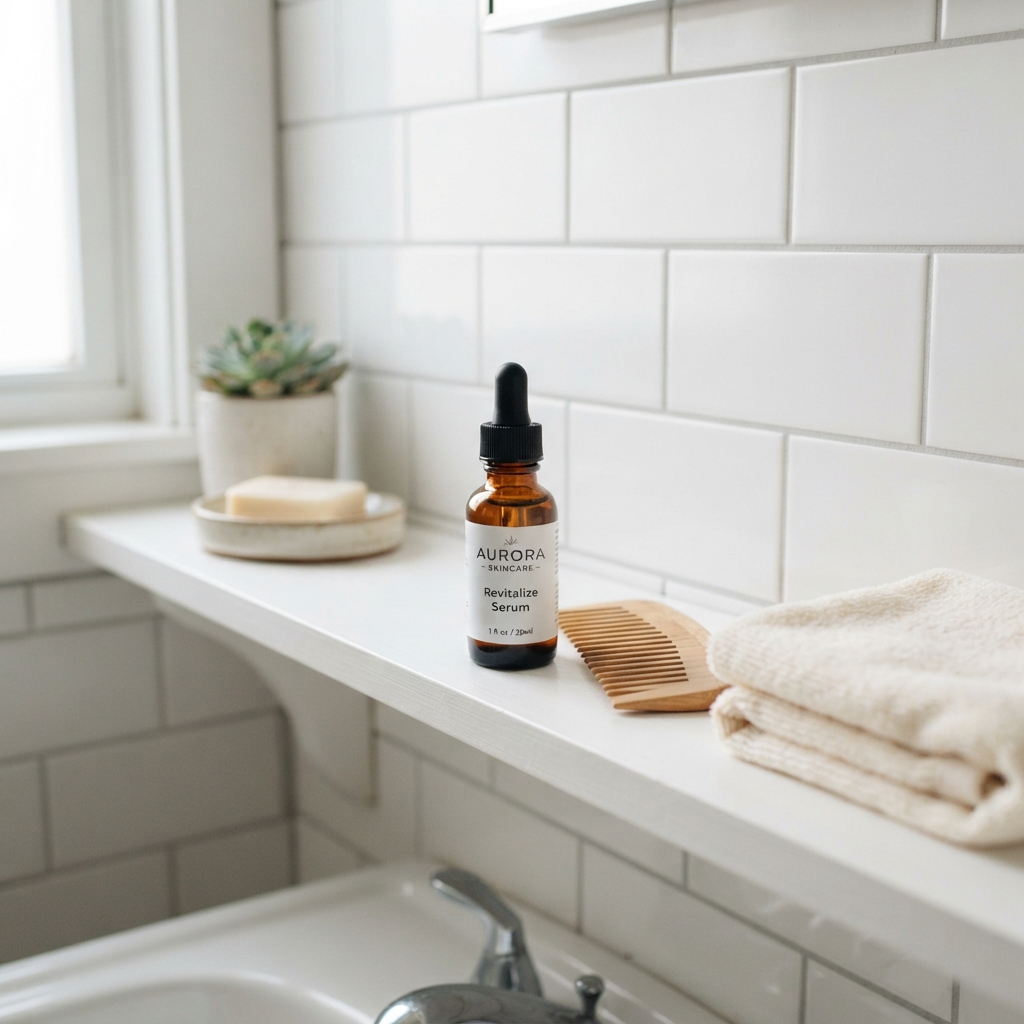
If you’re new to multi-oil cocktails, start small. Three oils is plenty.
- Two parts jojoba oil for lightweight moisture.
- One part argan oil for shine and frizz control.
- A few drops of squalane to make it all feel weightless.
Mix it in a small amber bottle and use two to three drops on damp ends after washing.
This little blend handles 90 percent of what most of us actually need. And it costs way less than a prestige bottle.
The 5-Oil Blend for Shine and Softness
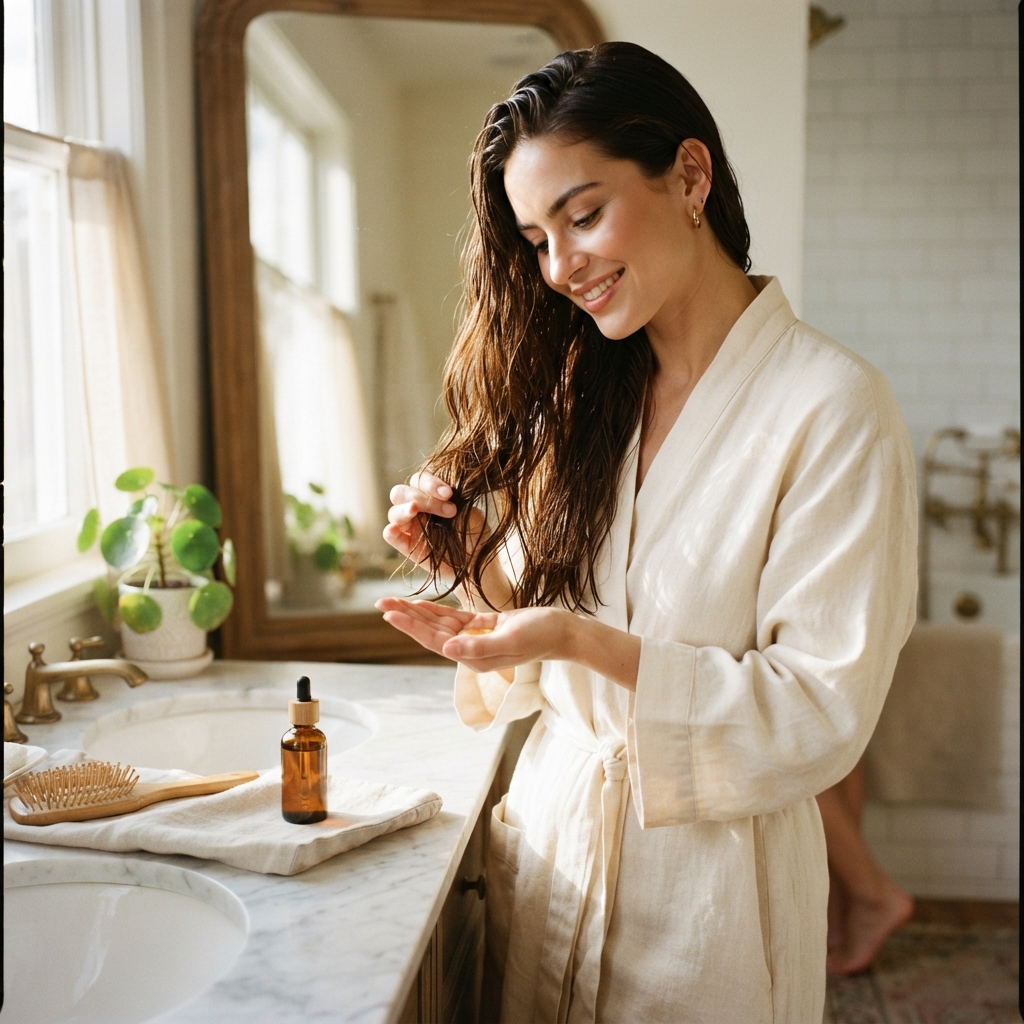
Once you’re comfortable, add two oils for extra polish.
- Jojoba, argan, and squalane as your base.
- Add camellia oil for that silky, glassy finish.
- Add a small amount of vitamin E oil to keep the blend fresh.
This is my everyday mix. It gives shine without the heavy feeling, which matters if you have medium or fine hair.
Use it on damp hair for smoothness, or on dry ends to refresh day-two hair. Both work.
The 7-Oil Blend for Frizz and Humidity

Humidity is the real test. Here’s where a slightly bigger blend earns its keep.
Start with your five-oil base, then add:
- Coconut oil for deep conditioning before wash day.
- Castor oil in tiny amounts for thickness and hold.
Keep castor oil at under 10 percent of the blend. It’s thick and a little goes a very long way.
The trick with frizz is sealing damp hair, not soaking it. Two drops, smoothed from mid-length to ends, then let it air dry.
What a 13-Oil Prestige Blend Really Gives You
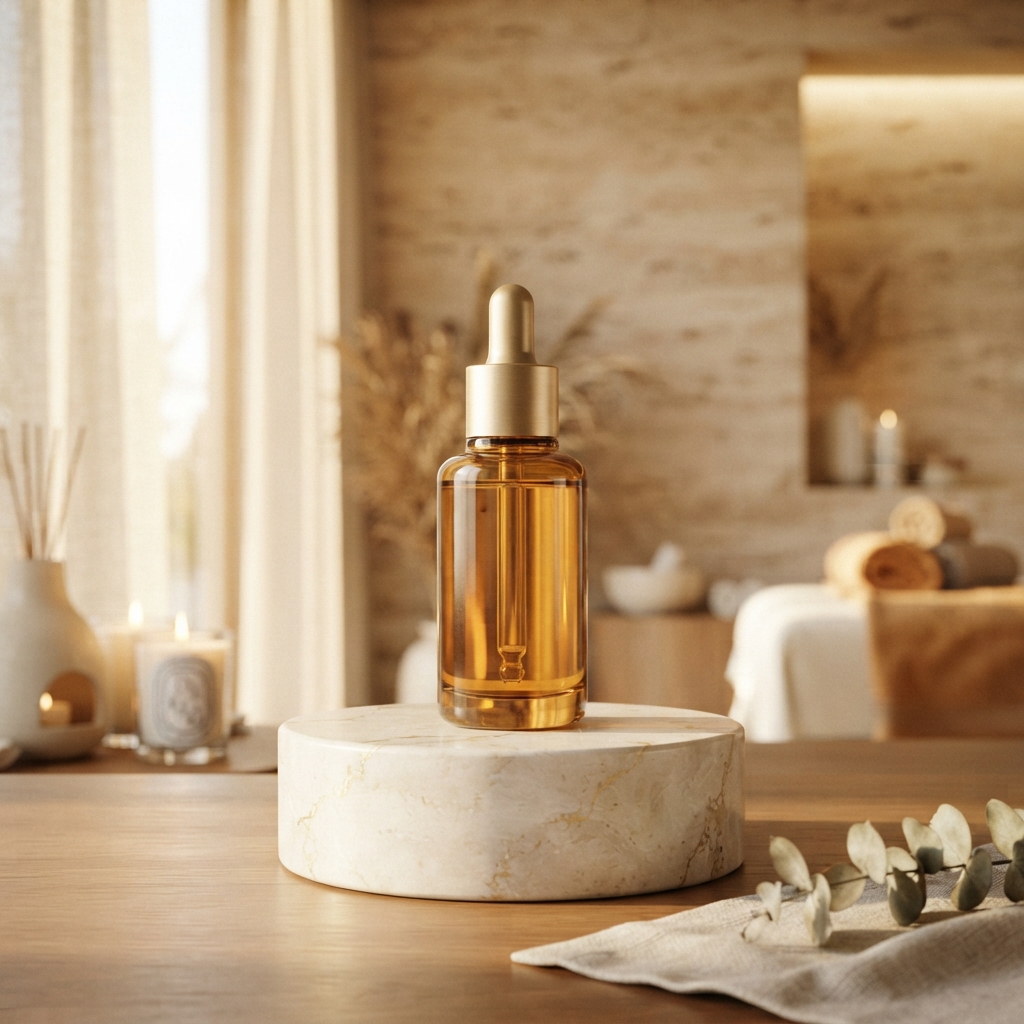
Here’s my honest take on the 13-oil bottles.
You usually get a beautiful texture, a lovely scent, and packaging that looks amazing on your shelf. That’s real value if you enjoy it.
What you rarely get is thirteen times the results of a good five-oil blend.
Think of the extra oils like seasoning. They add nuance, not magic. The core conditioning still comes from the first few ingredients.
So buy the prestige blend if it makes you happy. Just don’t expect your split ends to disappear because oil number eleven showed up.
How to Apply a Multi-Oil Cocktail Without Greasy Hair

Greasy hair almost always comes from too much product, not the product itself.
- Start with two drops in your palm. Rub your hands together.
- Press and smooth from mid-length to ends. Skip the roots completely.
- Add one more drop only if you still need it.
- Use on damp hair for smoothness, dry hair for shine.
If you overdo it, don’t panic. Dry shampoo at the roots and a quick brush-through usually fixes it.
And remember: fine hair needs less. Start with one drop and build up.
The Lightweight Oil Rule for Old Money Hair

Old money hair is never oily. It’s healthy, bouncy, and quietly expensive looking.
That means one rule: light oils only, used sparingly.
- Choose squalane, camellia, or argan over heavy coconut or castor.
- Apply to damp ends, never the scalp.
- One to two drops is the whole job.
The goal is hair that looks like it’s always been like this. Not hair that looks like you did something to it.
Less product, better hair. That’s the whole philosophy, and oil blends fit it perfectly when you don’t overdo it.
Multi-Oil Care for the Quiet Luxury Bob
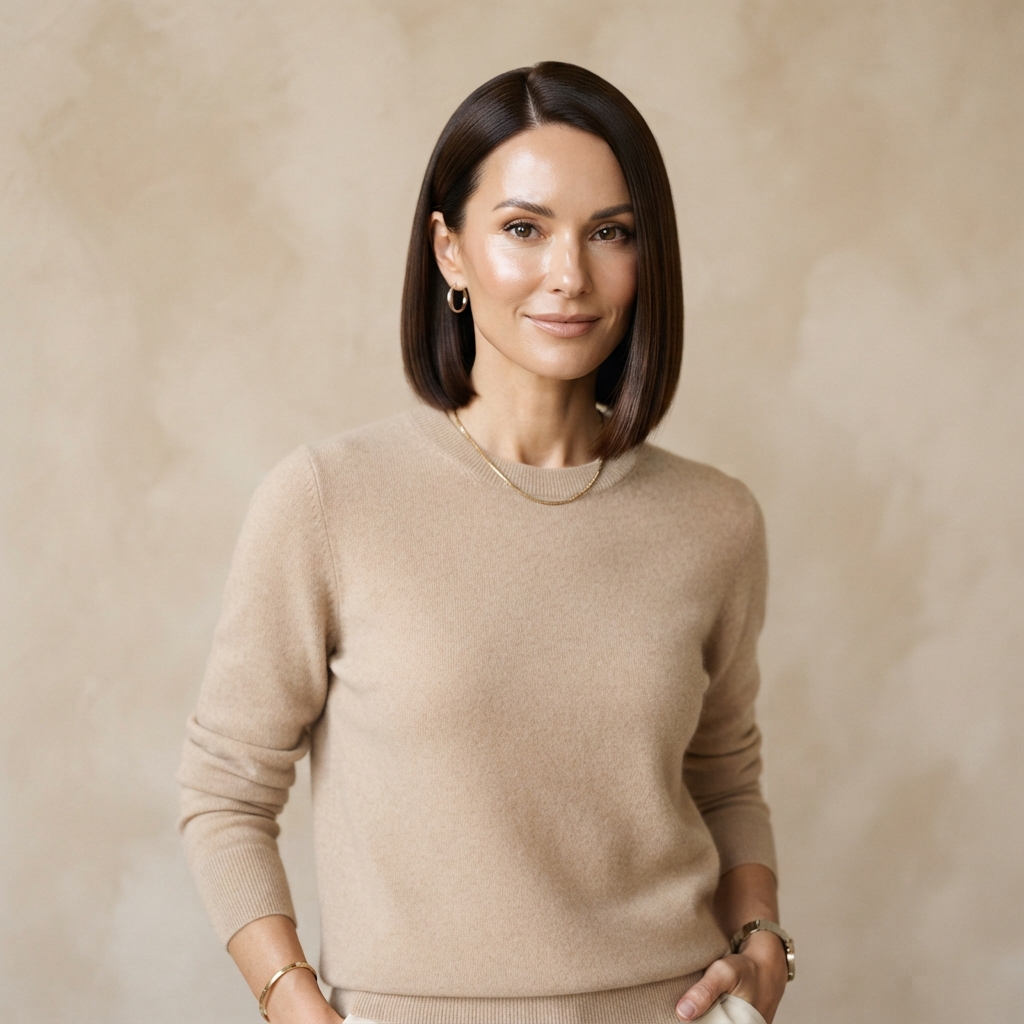
A quiet luxury bob lives and dies by its finish. It needs shine, but zero heaviness, or it flattens at the crown.
Here’s what works:
- Use a two-oil blend, like squalane plus camellia.
- Apply one drop to damp ends only.
- Finish with a cool blow-dry for that smooth, rounded shape.
Skip oils with coconut or castor in a bob. They’re too heavy for short hair and can make it look stringy by lunchtime.
A light blend keeps the cut sharp and expensive looking all day.
Oiling an Asymmetrical Lob Without Flattening It

An asymmetrical lob has two different lengths, and they rarely need the same amount of oil.
So treat them separately.
- One drop on the longer side, which tends to be drier.
- Half a drop on the shorter side, just to smooth the ends.
- Keep the roots completely dry for volume.
This is also where a lightweight blend beats a rich one. You want movement in a lob, not weight.
If your lob is textured or wavy, emulsify the oil in your hands first and scrunch it in instead of smoothing.
Romantic Goth Hairstyles and Richer Oil Blends

Romantic goth hairstyles lean richer: deep shine, soft waves, a little drama. That’s where a heavier blend belongs.
Look for blends with:
- Argan and coconut for deep moisture.
- A touch of castor oil for weight and definition.
- Camellia for that romantic, glossy finish.
Apply to damp hair, then let it air dry for softness. For a sleeker look, smooth a drop over dry hair with your palms.
One warning: rich oils plus dark hair show buildup fast. Wash every two to three days and keep the roots clean.
The Vampire Haircut: Sleek, Glassy Oil Finishes

The vampire haircut is all about sharp lines and glossy, reflective shine. Oil is basically the finishing touch it was built for.
Here’s how I’d do it:
- Start with damp hair and a lightweight oil on the ends.
- Blow dry smooth with a round brush for a sleek shape.
- Finish with one drop of camellia oil, pressed flat over the top layer.
Avoid heavy butters or thick oils here. They dull the shine and weigh down the sharp middle part that makes this cut work.
Light oil, high shine, sharp lines. That’s the whole formula.
Hime Cut Care: Keeping Blunt Lines Sharp
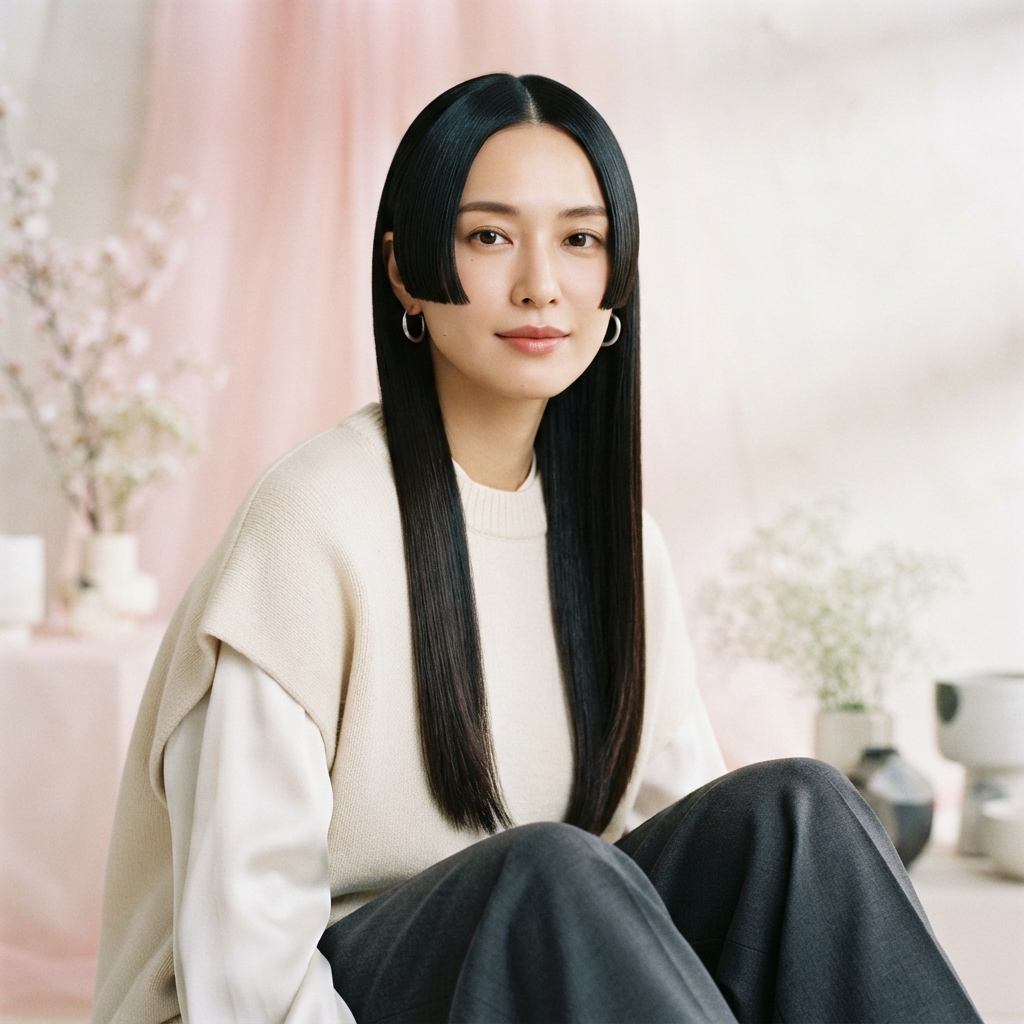
The hime cut is defined by blunt, precise lines: straight side bangs, cheek-length pieces, and long hair behind.
Oil helps, but placement matters more than amount.
- One drop smoothed down the long back section for shine.
- A tiny amount on the blunt side pieces to stop flyaways.
- Nothing on the roots, ever.
Because the cut is so geometric, any greasiness shows immediately. Use a light blend and keep it to the ends.
Also, choose a blend that won’t stain lighter hair. Clear oils like squalane and camellia are safest.
Glitchy Glam Hair: Oil for Texture and Reflection

Glitchy glam hair is that editorial look with wet roots, glossy strands, and a little controlled chaos. Oil is genuinely part of the styling here, not just the care.
Try this:
- Use a light oil blend on damp roots for that wet finish.
- Add a second layer of oil to random mid-length strands for shine.
- Leave the ends slightly undone for contrast.
Because you’re using more product than usual, rinse it out that same night with a gentle shampoo.
It’s a fun look for nights out and photos. Maybe not for the office on Monday.
2026 Hairstyles and the Oil-Layering Method

2026 hairstyles are all about looking effortless while being quietly polished. Oil layering fits that perfectly.
Here’s the method I use:
- One drop on damp hair before styling. This is your base layer.
- Style as usual, then let hair cool completely.
- One more drop over the ends to seal and shine.
Two layers, not one. The first conditions, the second finishes.
This works whether you’re wearing a sleek bob, soft waves, or the asymmetrical lob everyone’s asking for right now. It’s the same three steps every time.
How Often Should You Oil Your Hair, Really?
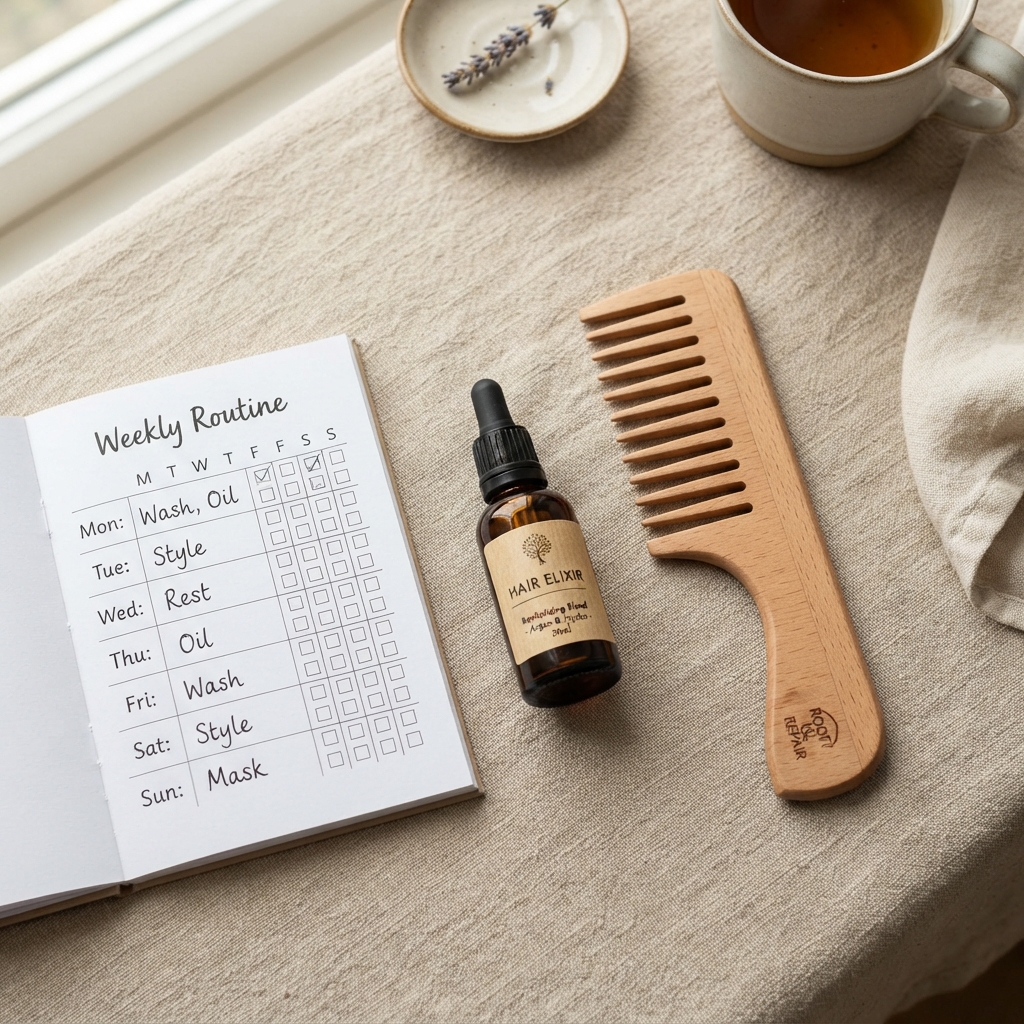
There’s no single answer, but here’s a good starting point.
- Fine hair: two to three times a week, one drop at a time.
- Medium hair: daily on ends, plus one deep oil before washing.
- Thick or curly hair: daily, and a heavier blend before wash day.
Watch your ends. If they feel soft and look shiny, you’re doing it right. If they look limp or stringy, cut back.
Your scalp tells you the rest. If it feels greasy or itchy, keep oil off it and stick to your ends only.
DIY Multi-Oil Cocktail in 3 Steps
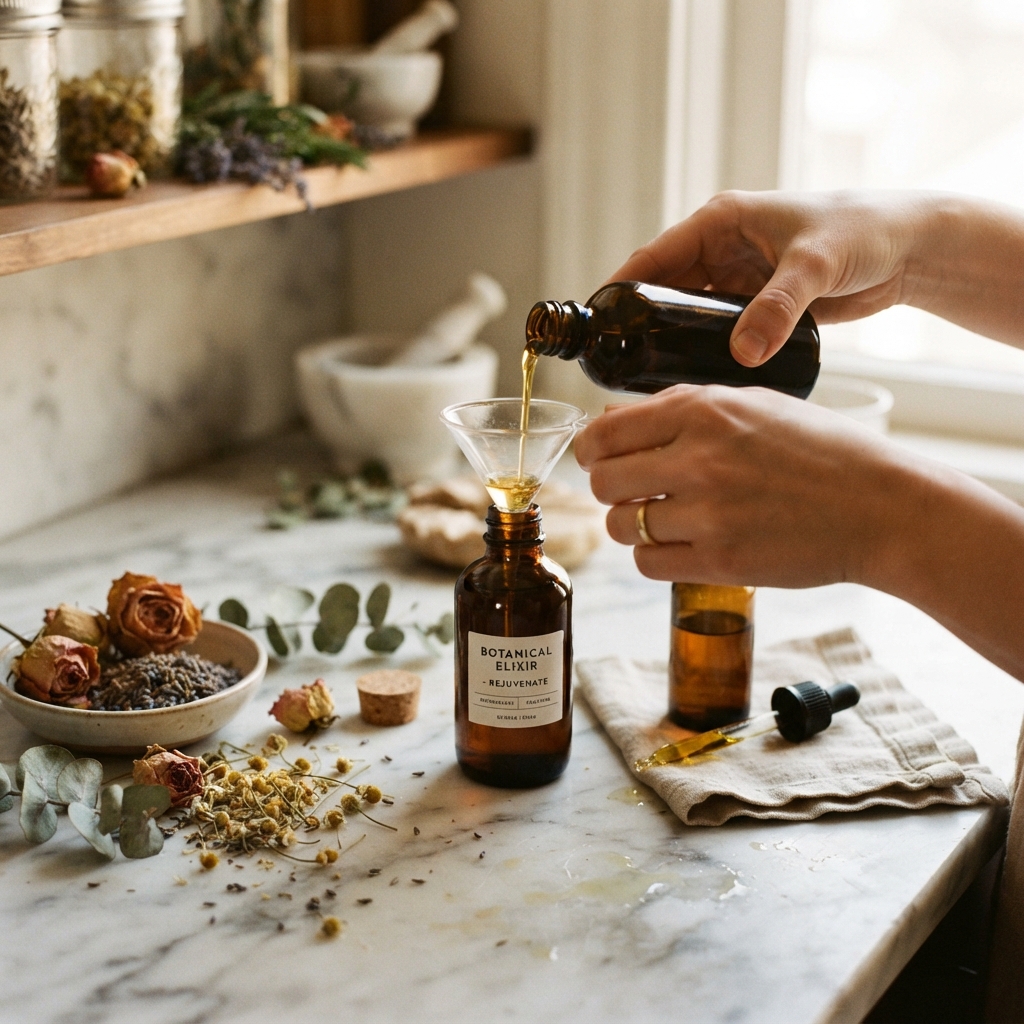
Making your own blend is easier than you think, and you control everything in it.
- Fill a small amber dropper bottle: 50 percent jojoba, 30 percent argan, 20 percent squalane.
- Add two to three drops of vitamin E oil to help it last longer.
- Shake gently before each use and store it away from sunlight.
That’s it. Three ingredients, one bottle, months of use.
Want it richer? Swap some jojoba for camellia oil. Want it lighter for fine hair? Add more squalane. It’s your cocktail.
Mistakes That Make Oil Blends Stop Working

If your oil blend stopped doing anything for you, it’s probably one of these.
- Using it on soaking wet hair. It slides right off. Wait until hair is damp.
- Applying to the roots. That’s where grease starts, not where dryness is.
- Using too much. Two drops is a real amount. More isn’t better.
- Never clarifying. Buildup blocks everything. Use a clarifying shampoo once a week.
Fix these four things and almost any blend starts working again. I’ve seen it happen with my own bottles.
Multi-Oil vs Single Oil: Which One Wins?
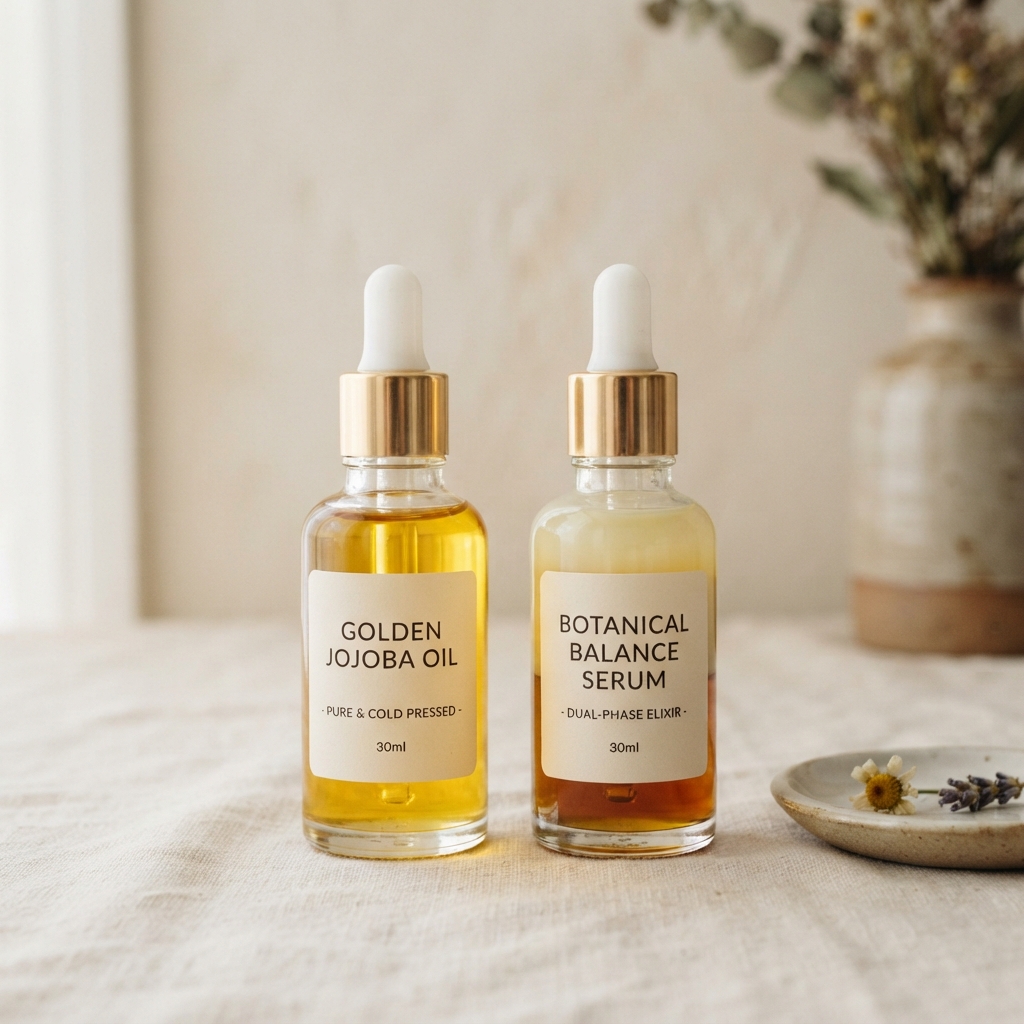
Honest answer: it depends on what you want.
- Single oil wins if you have one clear problem, like dry ends. Plain argan oil is hard to beat.
- Multi-oil wins if you want one bottle that does shine, softness, and frizz control without layering three products.
For most people, a simple three to five oil blend covers everything. You rarely need thirteen.
And if you already own a single oil you love, you’re not missing out. You can just add a second oil and make your own blend at home.
One Last Thing Before You Go
Multi-oil cocktails aren’t a gimmick, but they’re not magic either. The first few oils do the heavy lifting. The rest are seasoning, scent, and story.
So don’t chase the number on the bottle. Chase the first three ingredients, a light hand, and consistency. That’s what actually changes your hair.
Start with a simple three-oil blend this week. Give it a month. I think you’ll be surprised how much softer your ends feel.
Save this post to Pinterest so you can find it next time you’re standing in the hair oil aisle, staring at a bottle with thirteen ingredients.
And tell me in the comments: what’s your current hair oil, and how many oils are actually in it? I read every single one. Hailey & Team

