

Hey friend. If you’ve spent the last few years bleaching, heat styling, and generally putting your hair through it, you already know the bond repair aisle is crowded right now.
For ages, one name owned the entire conversation. But in 2026, that’s changing fast. A new wave of peptide-powered formulas is hitting shelves and salon backbars, and they’re giving the legacy classics a real run for their money.
So I did the digging. I read ingredient decks, tested textures, and asked stylists who see the results on real clients every week.
Below you’ll get the honest breakdown: what peptides actually do, where they beat the old guard, where they don’t, and how to slot them into your routine without wasting a dime. Quick read, real answers. Let’s go.
What Bond Repair Actually Means
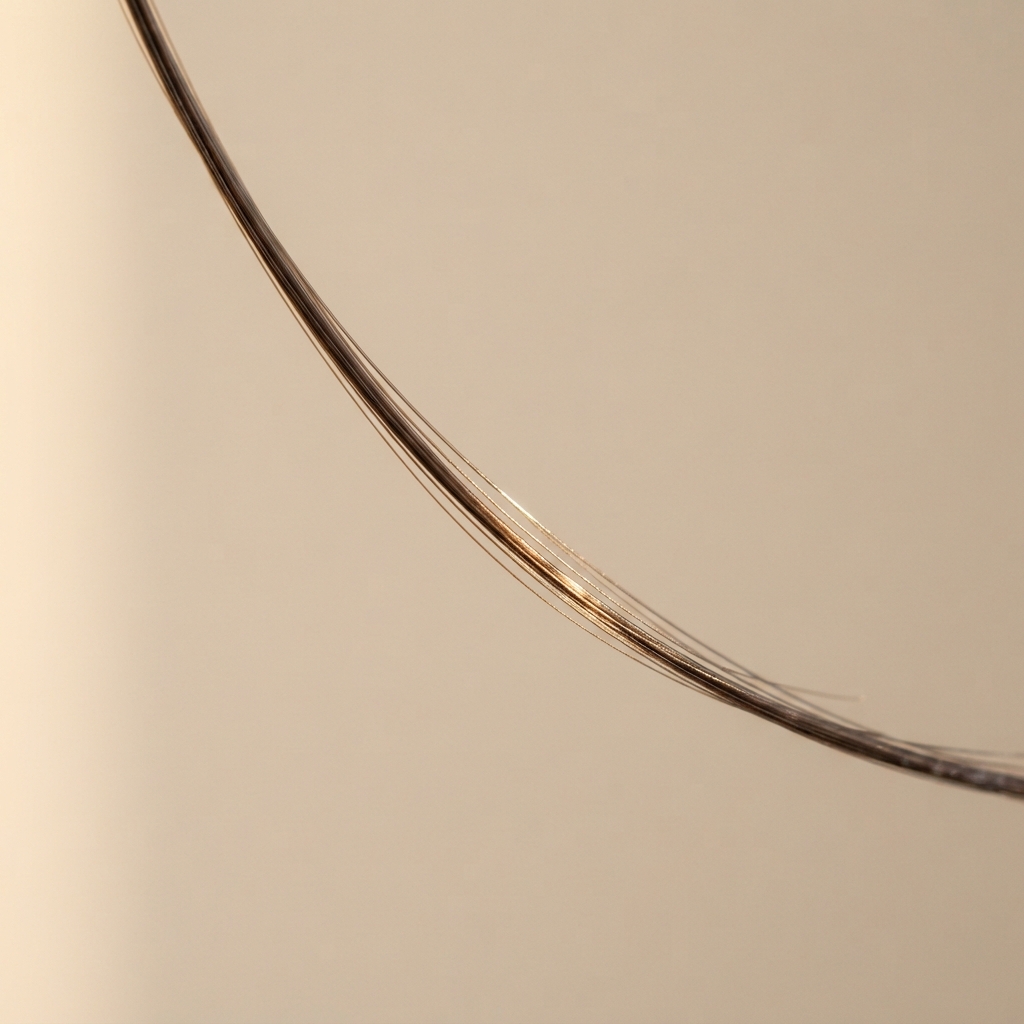
Your hair is basically a rope of protein strands held together by bonds. Those bonds snap when you bleach, color, heat style, or brush wet hair too aggressively.
Broken bonds show up as mushiness, snapping, and dullness that no amount of conditioner seems to fix. That’s your signal.
Repair products reach inside the strand to reconnect or reinforce those links. Some use patented molecules. Some use amino acids. The newest wave uses peptides, which are short chains of amino acids that act like little building blocks for your hair.
Why Olaplex Became the Gold Standard
Olaplex changed everything when it launched. It was the first brand to make bond building a household idea, and honestly, it earned that spot.
Its patented ingredient worked on a specific type of broken bond, and stylists swore by it for bleached clients. For years, it was the only name people trusted.
But here’s the thing about being first: you also become the benchmark everyone else builds on. Competitors studied the science, found gaps, and started engineering new molecules. That’s where peptides came in.
What Are Next-Generation Peptides?
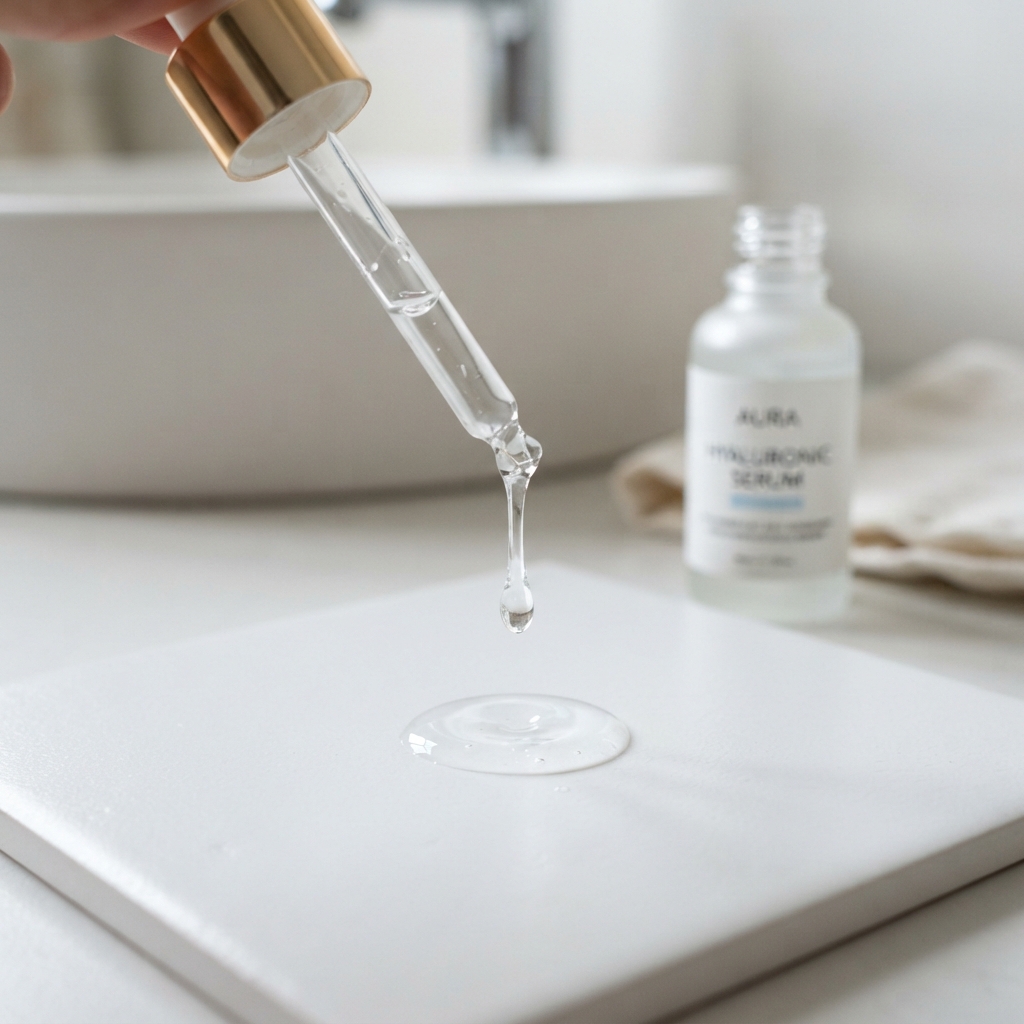
Peptides are short chains of amino acids, usually two to fifty of them. Think of them as pre-cut puzzle pieces your hair can actually use.
Because they’re small, they can travel deeper into the strand than larger proteins. Once inside, they help rebuild the structure and hold moisture where it matters.
The newest generation is engineered to target specific damage types, like heat damage versus color damage. That’s the breakthrough part. It’s not just “protein in a bottle” anymore.
Peptides vs. Patented Bond Builders
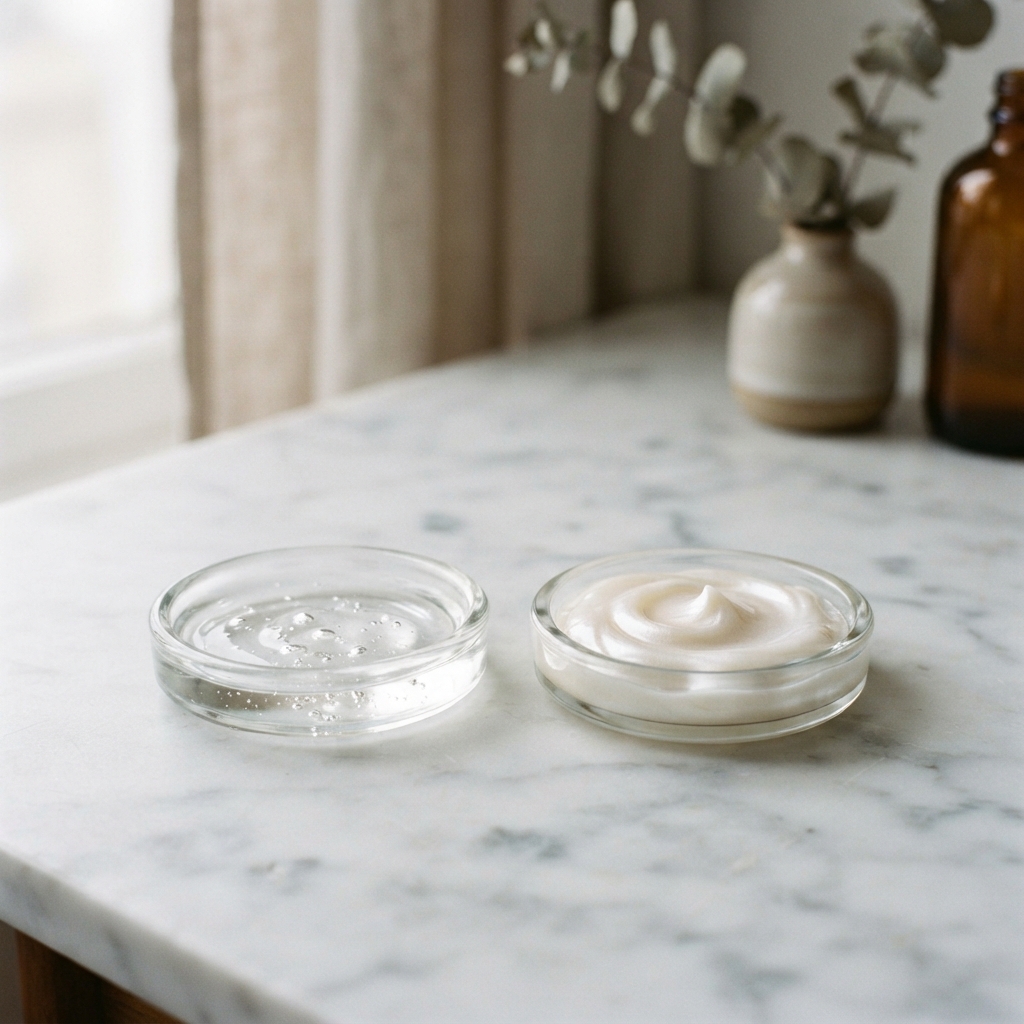
Here’s the honest comparison, no brand loyalty involved:
- Legacy bond builders: fast, dramatic results on bleach damage, but can feel drying if you overuse them.
- Peptides: gentler, more gradual, and usually better for fine or low-porosity hair.
- Best combo: use the heavy hitter right after a color service, then maintain with peptides weekly.
Neither one is magic. They’re tools. The right pick depends on what your hair has been through.
How to Tell If Your Hair Needs Bond Repair

Do this quick check in the shower. Take one wet strand and gently stretch it between your fingers.
- Stretches and snaps fast? You need protein and bond support.
- Stretches forever and feels gummy? You need moisture first.
- Snaps immediately with no stretch? You’re likely over-proteinized already.
If your hair tangles within seconds of washing or feels rough even after conditioning, bond repair is worth trying. If it’s shiny and bouncy, save your money.
The Peptide Brands Making Noise in 2026

I won’t turn this into a shopping list, but here’s what I’m seeing in the category.
Salon-backbar lines are reformulating with peptide blends to stay competitive. Drugstore brands are launching peptide masks that actually work for under twenty dollars. And a few indie brands are doing single-ingredient peptide serums that stylists love for precision.
Look for peptides listed in the first five ingredients. If it’s near the bottom, it’s marketing, not science.
What Makes a Peptide Formula Worth Buying
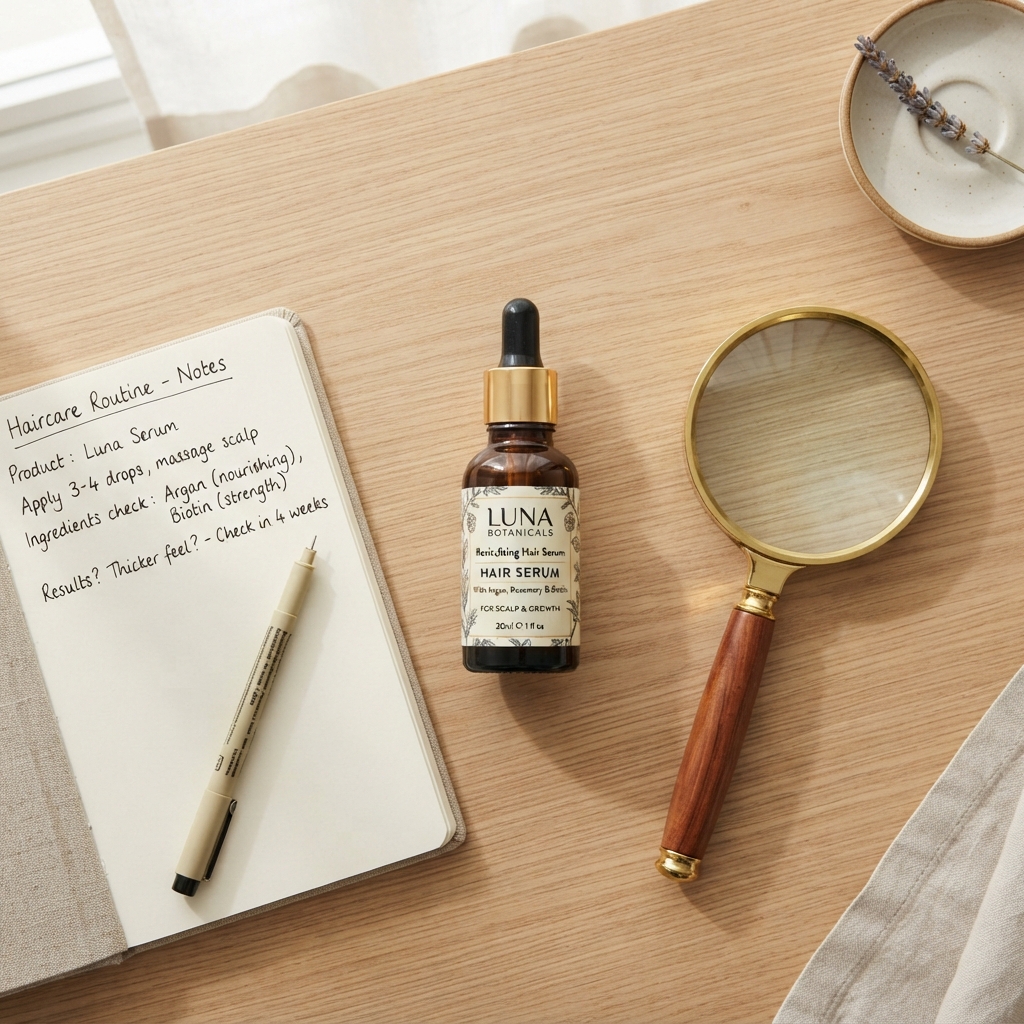
Pretty packaging means nothing. Here’s what actually matters:
- Peptide type listed clearly. Vague “peptide complex” is a red flag.
- No heavy silicone at the top. It masks damage instead of fixing it.
- pH balanced. Happy hair sits around 4.5 to 5.5.
- Refillable or recyclable packaging. Better for your wallet long term.
One good serum beats five mediocre ones. Always.
The Porosity Test You Can Do at Home

Drop a clean strand of shed hair into a glass of water and wait two to three minutes.
- Sinks fast: high porosity, meaning your cuticle is lifted and thirsty.
- Floats: low porosity, meaning products sit on top instead of absorbing.
- Hovers in the middle: normal porosity, lucky you.
High porosity hair drinks up peptides quickly. Low porosity hair needs heat or a lighter formula to let them in. This one test changes how you shop.
How to Layer Peptides With Your Normal Routine

You don’t need to rebuild your whole shelf. Just add one step.
- Wash and gently towel dry.
- Apply peptide serum to damp mid-lengths and ends, not roots.
- Wait one minute, then add your usual leave-in.
- Seal with a light oil if your ends are dry.
Order matters. Peptides go on first so nothing blocks them from absorbing. Everything else layers on top.
Peptides and Bleach: What You Need to Know
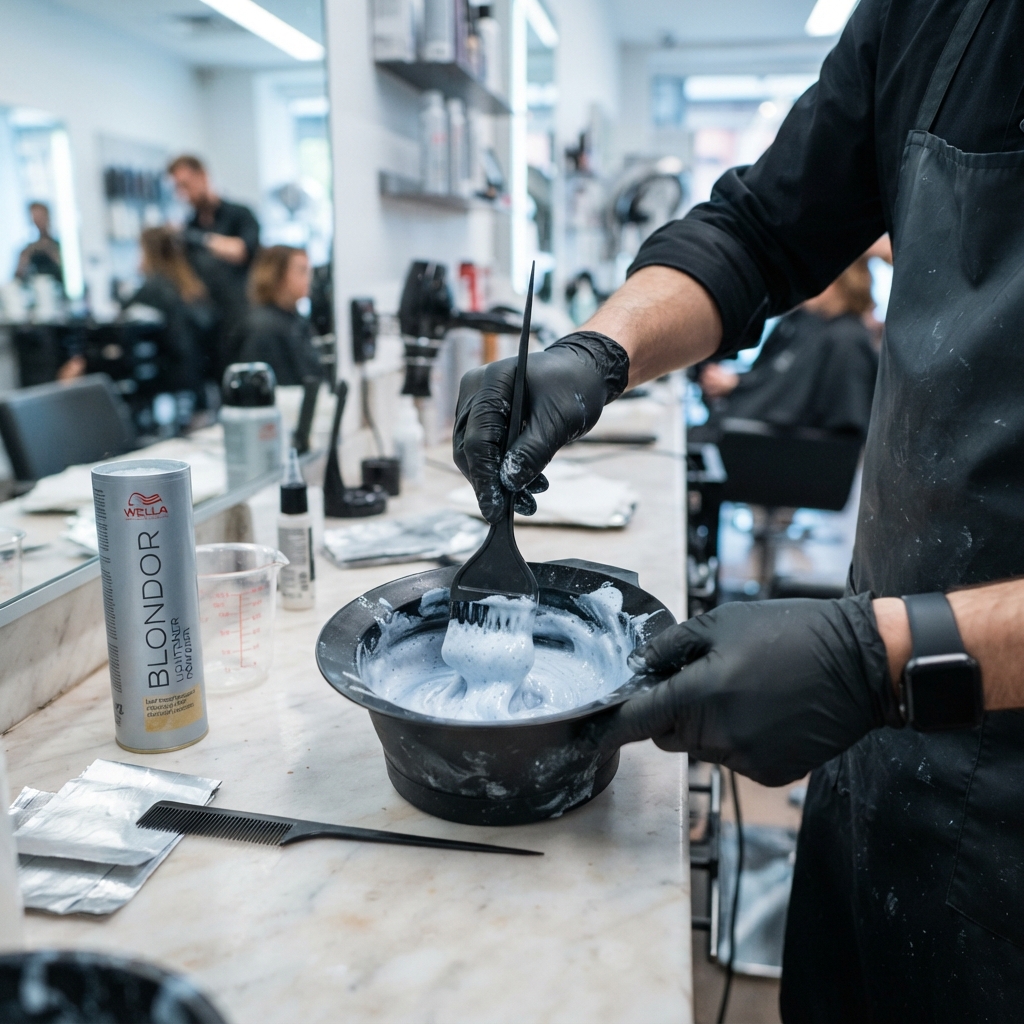
Can you use peptides before and after a bleach service? Yes, and you should.
Ask your stylist to add a peptide treatment to the rinse step. It helps neutralize some of the stress that lightener puts on the strand.
Then keep using peptides at home for the next four to six weeks. That’s the window where hair is most fragile. Skip it and you’ll wonder why your color fades and your ends snap. Trust me, I’ve learned this one the hard way.
Strengthened Hair Makes the Quiet Luxury Bob Look Better

The quiet luxury bob is everywhere in 2026 hairstyles, and it’s brutal about one thing: it shows every bit of damage.
A blunt cut has no layers to hide frizz. If your ends are dry or frayed, everyone sees it. That’s why repair matters more than ever with this cut.
Peptide treatments keep the ends smooth and dense so the line stays crisp. Pair it with a silk pillowcase and a weekly mask. Small habits, big payoff.
Old Money Hair Starts With Healthy Ends

Old money hair isn’t about a specific cut. It’s about looking effortlessly maintained, like you’ve never had a bad hair day in your life.
That look is built on healthy hair, period. Shine comes from a smooth cuticle. Bounce comes from internal strength.
So before you chase the aesthetic, fix the foundation. Two months of consistent peptide use will do more for that polished look than any new styling tool.
Romantic Goth Hairstyles on Repair Mode

Romantic goth hairstyles lean on length, texture, and softness. The problem is they often come with a history of bleach and black dye.
Here’s the fix. Use peptides weekly to keep hair from turning brittle. Then add moisture with a leave-in cream before styling.
Air dry when you can. Braid loosely at night. That combination keeps the romantic mood without the crunchy texture.
Glitchy Glam Hair Without the Damage
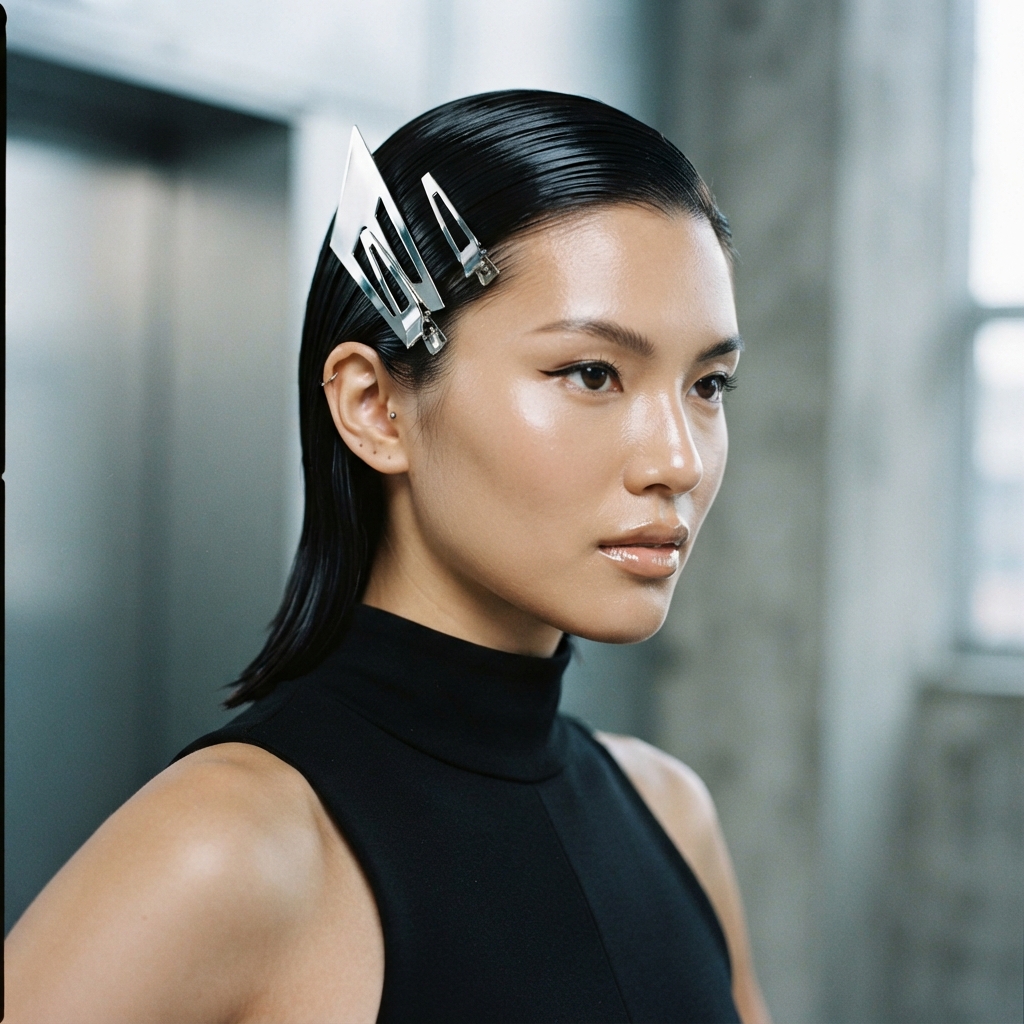
Glitchy glam hair is all about high shine, sharp sections, and that slightly futuristic edge. It’s fun, and it looks incredible in photos.
But the styling usually means gel, heat, and a lot of manipulation. That’s where damage sneaks in.
Do a peptide treatment the night before. It gives the strand enough strength to handle the styling without cracking. Then wash gently the next day and let your hair rest.
Why the Asymmetrical Lob Is a Repair-Friendly Cut
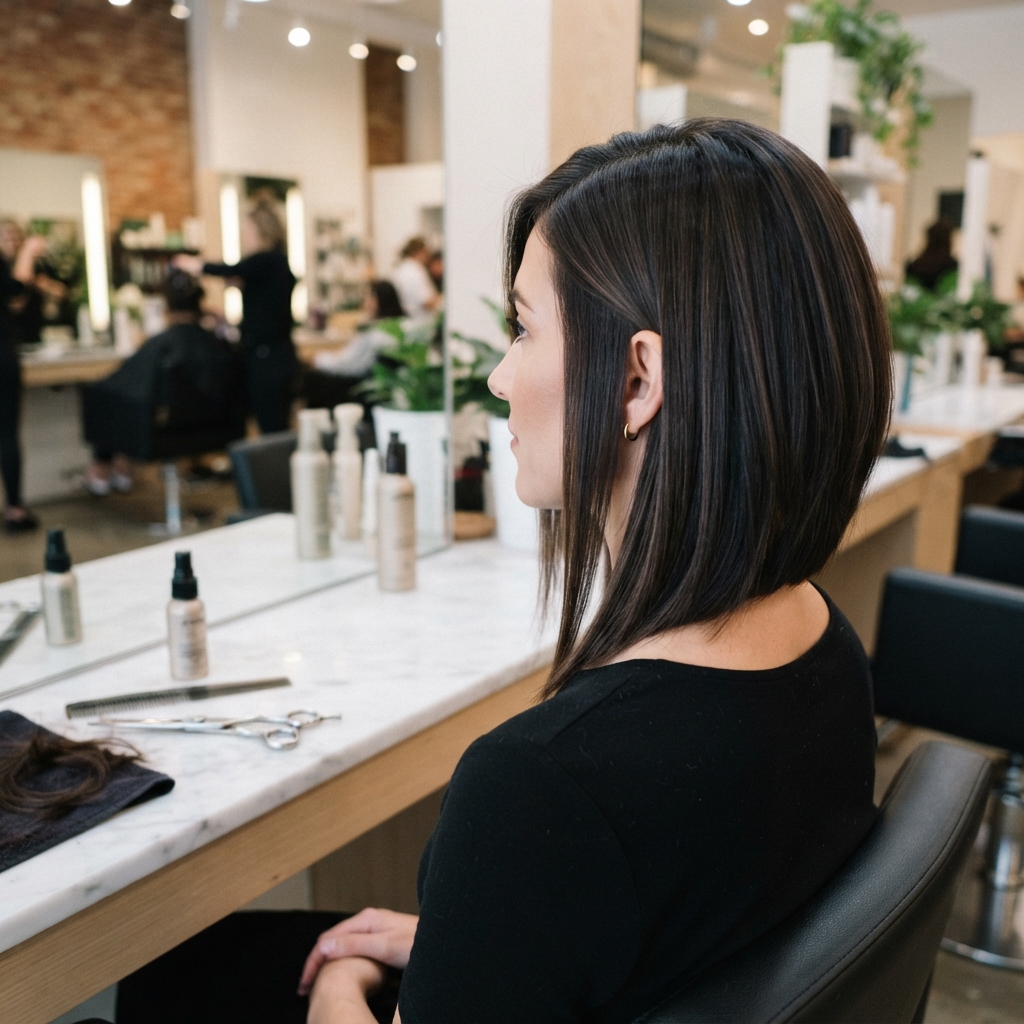
The asymmetrical lob is one of my favorite 2026 hairstyles for damaged hair. Here’s why.
The varying lengths let your stylist cut away the worst ends while keeping length on the healthier side. You keep the shape, lose the damage.
It also grows out gracefully, which means fewer salon visits while your hair recovers. Add peptides to your routine and you’ll see the new growth come in stronger.
The Vampire Haircut and Keeping Ends Sharp

The vampire haircut lives and dies by its edges. Blunt, sleek, a little dramatic. Frayed ends completely ruin it.
So keep a trim every eight to ten weeks and stay consistent with bond repair in between. Peptide serums on damp ends keep the line looking freshly cut.
Style it with a middle part and a light gloss spray. Less product, more shine.
Hime Cut Care for Very Long Hair

The hime cut is stunning, but it requires serious length. That means older ends, and older ends are usually the weakest part.
Protect them. Sleep on silk, wear loose braids at night, and never brush from the top down. Start at the ends and work upward.
Peptide treatments twice a week keep those long side pieces from looking thin and stringy. Consistency is everything here.
Protein vs. Peptides: Don’t Overdo It
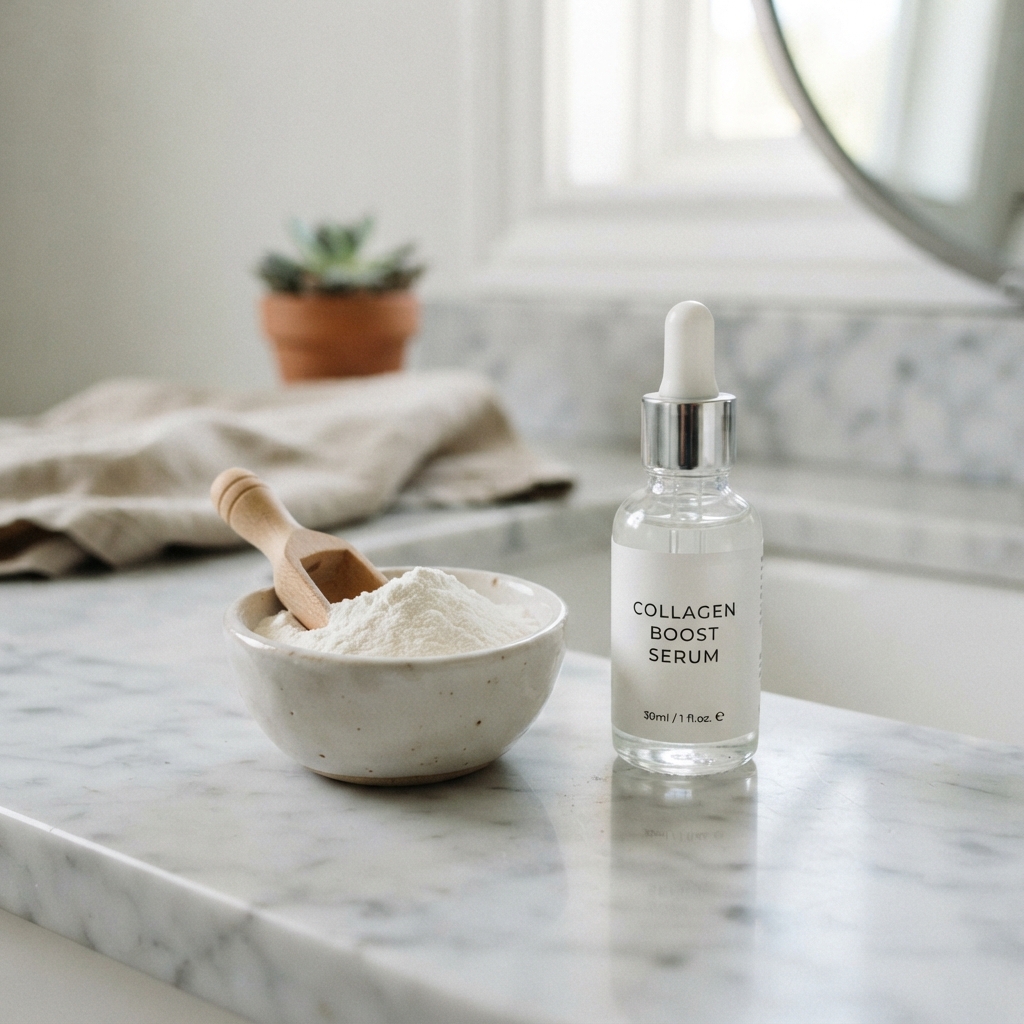
Here’s the mistake I see most. People hear “protein” and go all in. Then their hair turns stiff, brittle, and snaps even more.
That’s protein overload. Peptides are gentler than full proteins because they’re smaller and absorb more evenly, but you can still overdo them.
- Use peptides one to three times a week, not daily.
- Alternate with deep moisture masks.
- If hair feels crunchy, back off for a week.
Balance beats intensity every time.
Heat Styling Rules While You’re Repairing
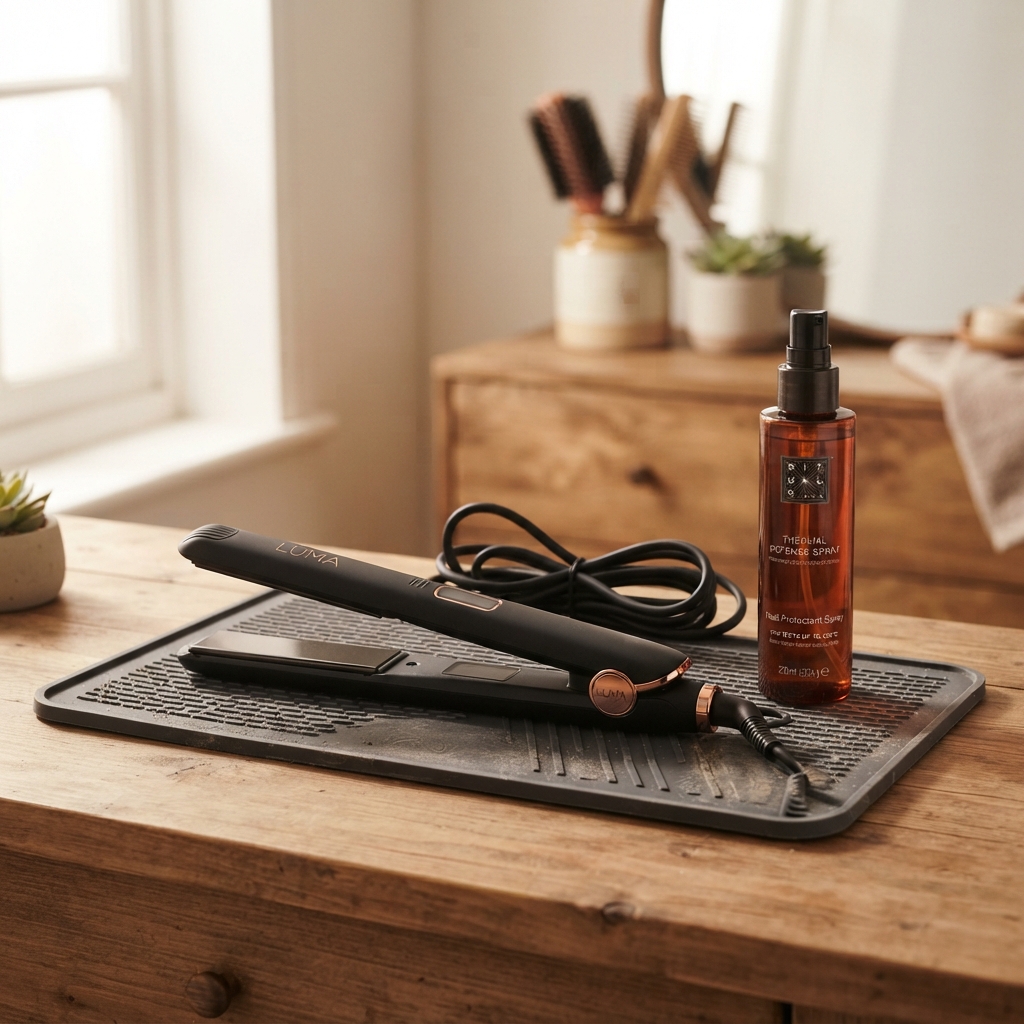
You don’t have to give up heat. You do have to be smarter about it.
- Keep tools under 350 degrees.
- Always use a heat protectant, every single time.
- Make sure hair is fully dry before flat ironing.
- Limit hot tool use to two or three days a week.
Wet-to-dry flat ironing is the fastest way to destroy everything you’ve built. Please don’t.
How Long Until You Actually See Results

Set realistic expectations. This is not a one-wash miracle.
- Week 1 to 2: hair feels softer and easier to detangle.
- Week 3 to 4: less breakage when brushing, more shine.
- Week 6 to 8: visibly stronger ends and better bounce.
Real structural change takes time because hair grows about half an inch a month. Be patient with it. Your future self will thank you.
Five Mistakes That Stall Your Progress
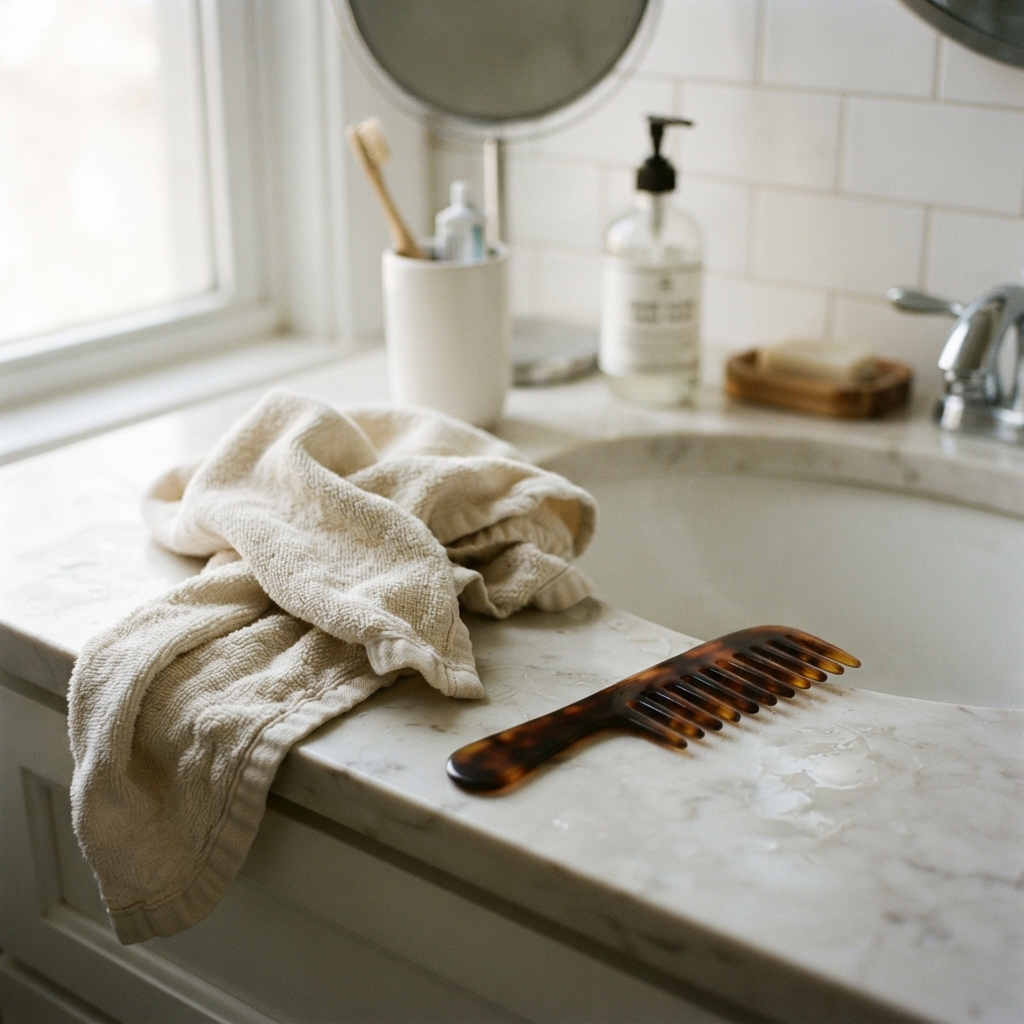
I made every one of these, so learn from me.
- Rubbing hair dry with a rough towel.
- Applying serum to soaking wet hair so it dilutes.
- Skipping trims and hoping for the best.
- Using too many bond products at once.
- Sleeping on cotton pillowcases that pull and snag.
Fix these five and your hair will improve before you even buy a new product.
Budget-Friendly Ways to Try Peptides

You don’t need a hundred-dollar serum to get started. Here’s how I’d build a starter kit on a budget.
- A peptide leave-in under twenty dollars.
- A silk scrunchie set for nighttime.
- A wide-tooth comb from any drugstore.
- One deep conditioning mask you actually like the smell of.
That’s it. Spend the rest on a good haircut. A great cut makes cheap products look expensive.
Your Simple Weekly Repair Routine

Keep it simple so you’ll actually stick with it.
- Sunday: peptide treatment plus a moisture mask.
- Wednesday: peptide serum on damp ends only.
- Every night: loose braid, silk pillowcase.
- Every wash: cool rinse to seal the cuticle.
That’s roughly ten extra minutes a week. Your hair does the rest while you sleep.
What I Actually Keep in My Shower

Friends always ask, so here it is. One gentle sulfate-free shampoo, one peptide serum, and one deep conditioner. That’s the whole lineup.
I add a gloss once a month and a trim every ten weeks. Nothing fancy, nothing expensive.
The biggest change wasn’t a product. It was consistency. Same three steps, week after week, for six months. That’s what actually moved the needle for me.
A Final Word Before You Shop
Legacy bond builders aren’t dead. They’re just not the only option anymore. Peptides have earned their place in the lineup, especially for fine, fragile, or over-processed hair.
Start with one product. Give it two months. Pay attention to how your hair feels, not just how it looks.
And remember, the best routine is the one you’ll actually keep doing. Simple beats complicated every single time.
If this helped, save this post to Pinterest so you can find it next time you’re standing in the hair aisle feeling overwhelmed.
Now tell me in the comments: have you tried peptides yet, or are you still loyal to your original bond builder? I read every single one.
— Hailey

