

If you’re noticing more hair in your brush than usual, take a breath. You are not alone, and you are not doomed to thin hair forever. Hair loss can feel scary, but there are real steps you can take starting today.
Maybe it’s stress, hormones, genetics, or too many hot tools. Whatever the cause, your hair deserves a plan, not panic. I’ve been there, and I’ve helped readers through it too.
In this guide, I’m sharing how to treat hair loss in a simple, practical way. We’ll talk doctor visits, gentle routines, nutrition, styling tricks, and even how to rock 2026 hairstyles while your hair recovers.
Think of this as your best-friend roadmap. No shame, no complicated jargon, just honest help. Let’s get your confidence and your curls back on track.
Start With a Doctor, Not a Guess

Hair loss is a symptom, not a life sentence. Before you buy ten serums, get a real diagnosis. A dermatologist can tell if it’s genetic, stress-related, hormonal, or something else.
Go sooner if your loss is sudden, patchy, itchy, painful, or comes with fatigue or irregular periods. Those clues matter.
- Ask for a scalp exam.
- Bring photos of your part line.
- List all meds and supplements.
- Ask what type of hair loss you have.
That one appointment can save you months of guessing. It also makes every next step smarter.
Track Your Shedding for Two Weeks
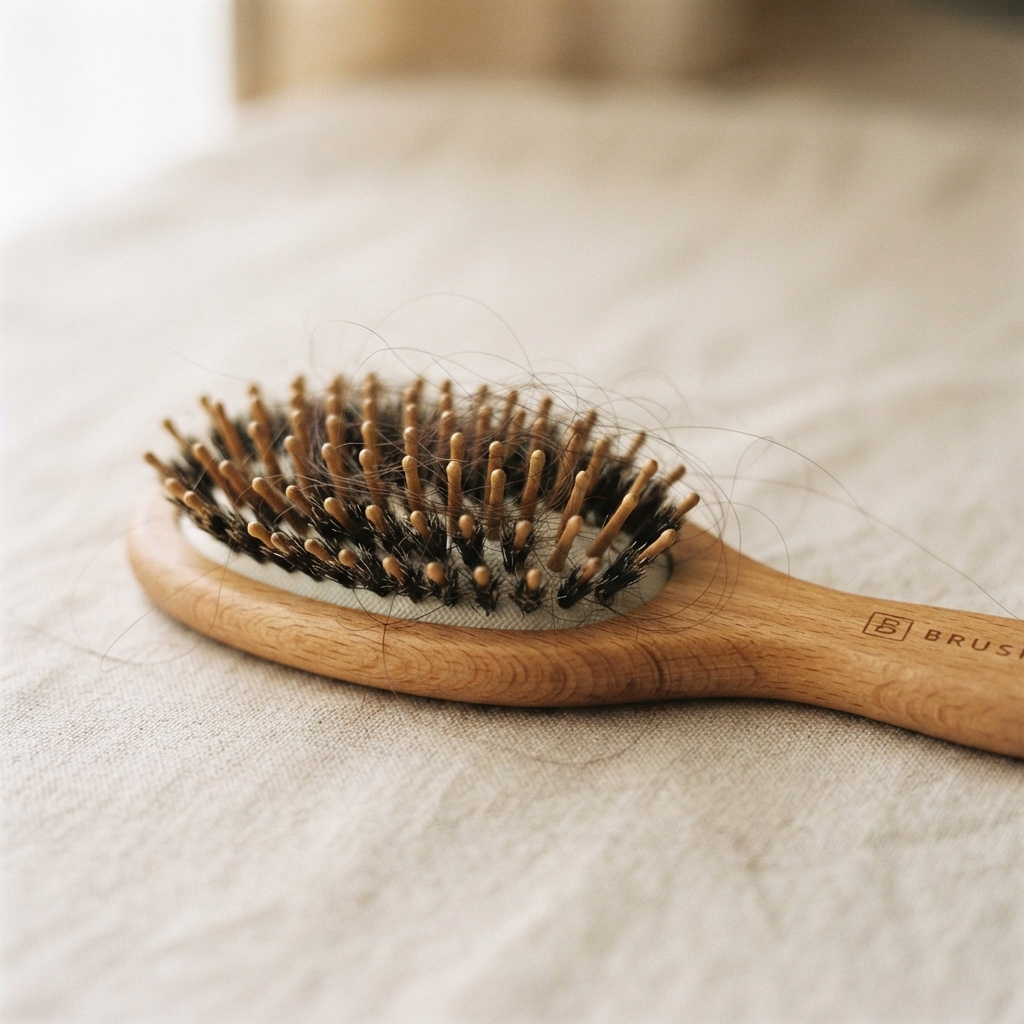
You don’t need to count every hair forever. Just do a two-week check-in. It helps your doctor see patterns and helps you stop panicking over normal shedding.
Try this:
- Snap a photo of your part line each morning.
- Save hairs from your brush and shower drain.
- Note if shedding is worse on wash days.
- Write down sleep, stress, and diet changes.
Normal is about 50 to 100 hairs a day. If you’re seeing clumps or bare patches, that’s your cue to call a pro.
Get the Right Bloodwork
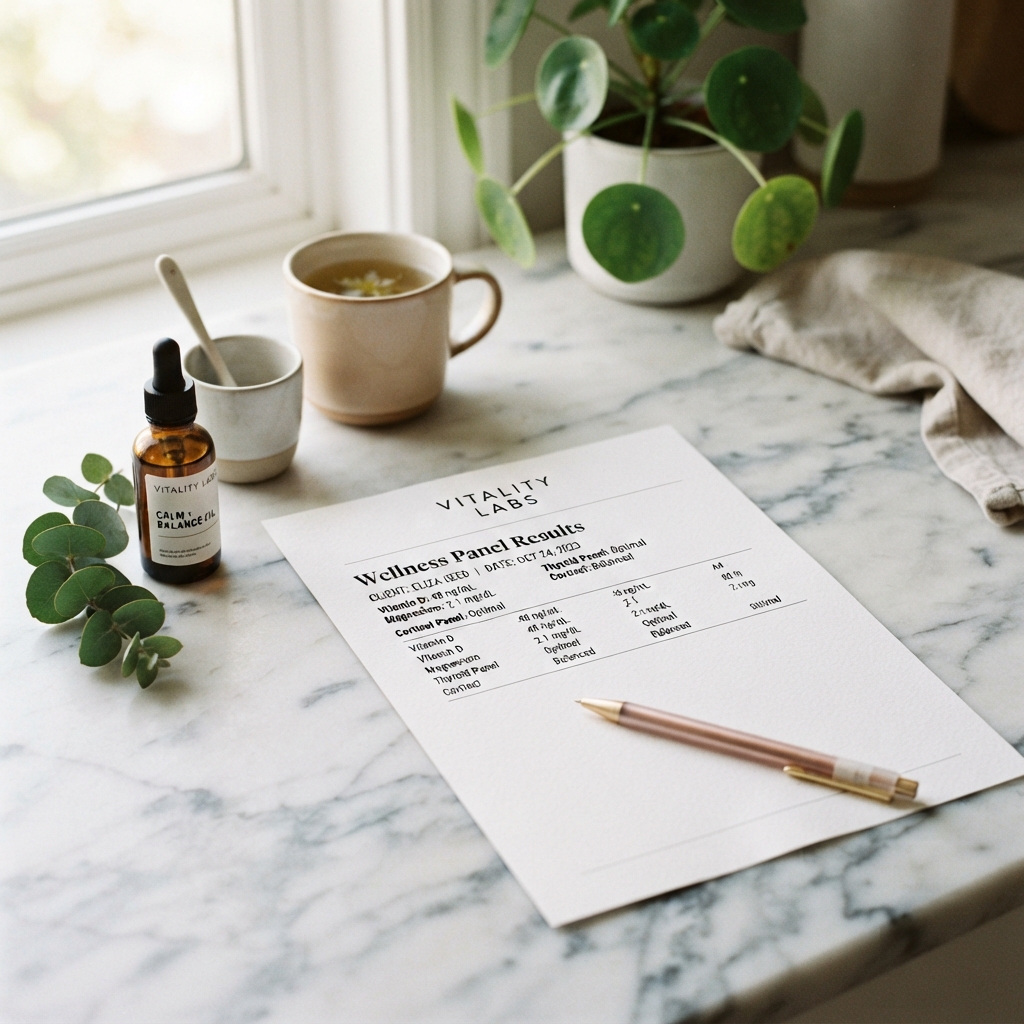
Sometimes hair loss is your body waving a flag. Bloodwork can catch easy-to-fix issues before they get worse. Ask your doctor which tests make sense for you.
Common ones include:
- Ferritin and iron panel
- Vitamin D
- Thyroid panel
- CBC
- Hormones like testosterone, DHEA, or estrogen
- B12 and folate
Don’t just look at “normal” ranges. For hair, ferritin often needs to be higher. Ask what optimal looks like for you. Then treat the root cause, not just the shed.
Review Your Medications and Supplements

Some prescriptions can trigger shedding. So can too much of certain supplements. But never stop a medication cold turkey without your doctor.
Ask about:
- Blood thinners
- Acne and hormone meds
- Antidepressants
- Blood pressure meds
- High-dose vitamin A or selenium
Your doctor may switch doses or brands. Sometimes that’s enough to slow the shed. Keep a simple log of when you started each product and when shedding changed. Bring the bottles to your appointment so nothing gets missed.
Manage Stress Before It Manages Your Hair

Stress can push hair into a resting phase. A few months later, it falls out. That’s called telogen effluvium, and it’s temporary for many people.
You can’t erase stress, but you can lower the load:
- Sleep 7 to 9 hours.
- Walk 20 minutes daily.
- Try therapy or journaling.
- Say no to one extra commitment.
- Breathe slowly for 5 minutes.
Your hair grows back on its own timeline. Calming your nervous system helps your whole body, including your scalp.
Eat for Hair Growth, Not Perfection
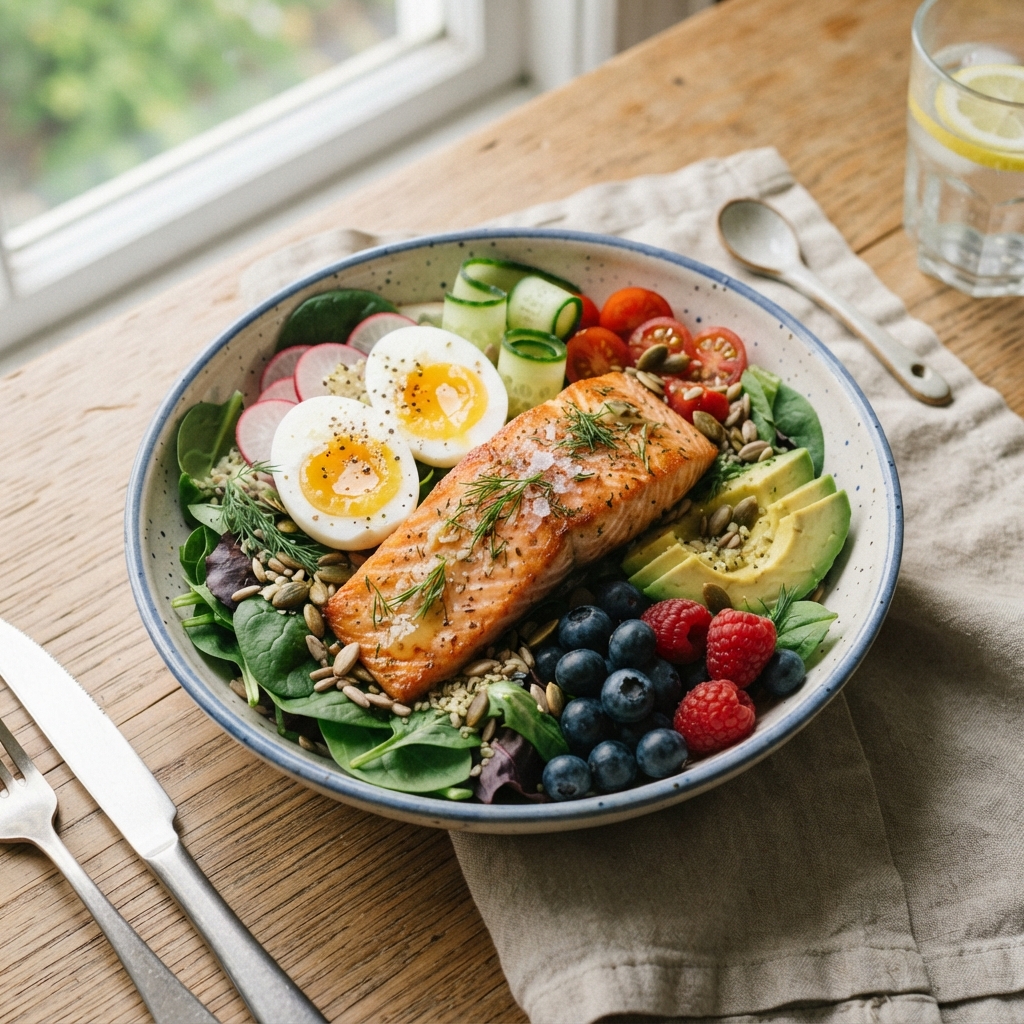
Hair is made of protein. If you’re skimping on food, your body may send nutrients to more vital organs first. You don’t need a perfect diet, just a steady one.
Focus on:
- Protein: eggs, fish, chicken, beans, tofu
- Iron: lentils, beef, spinach, fortified cereal
- Zinc: oysters, pumpkin seeds, chickpeas
- Omega-3s: salmon, walnuts, flax
- Biotin: eggs, nuts, sweet potatoes
Skip crash diets. They often cause shedding. If you have a history of eating disorders, please get support from a professional.
Check Iron and Vitamin D First
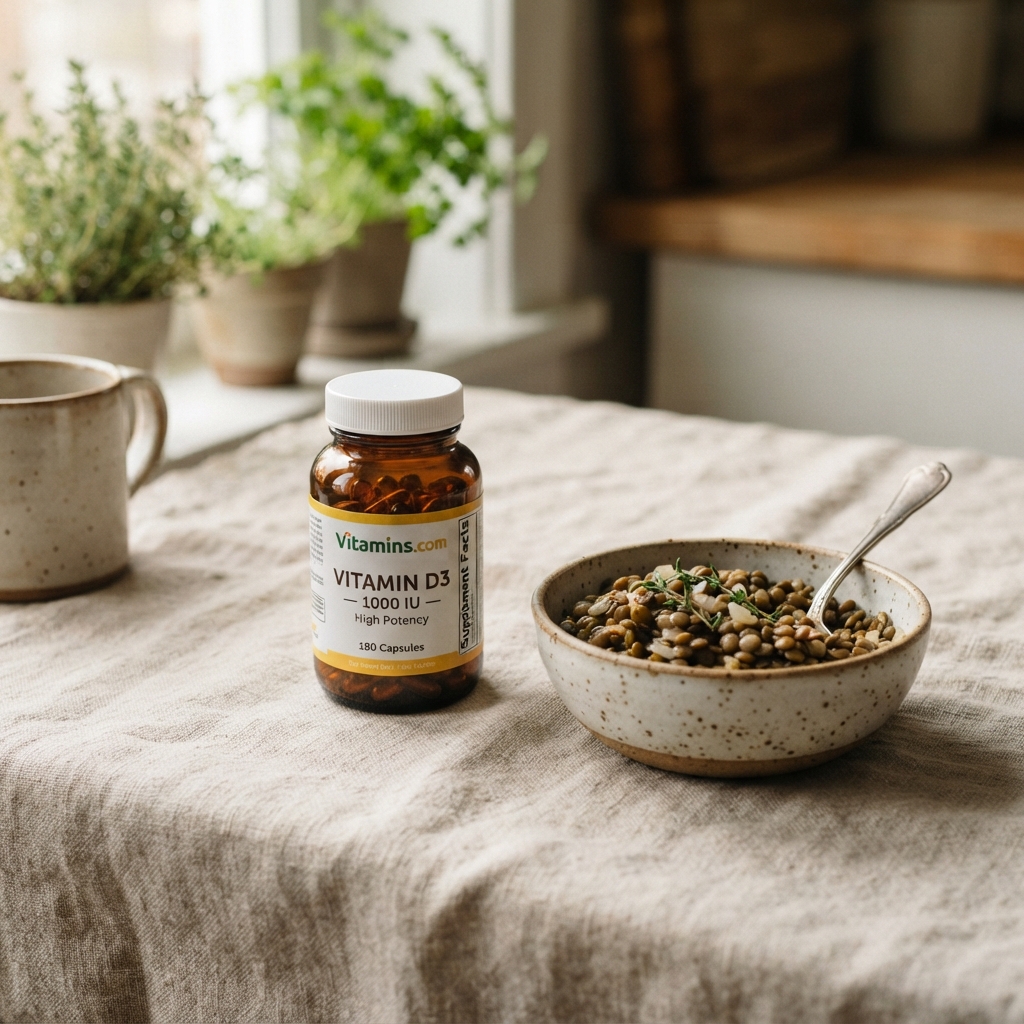
Two deficiencies show up again and again with hair loss: low ferritin and low vitamin D. Both are common and both are easy to test.
For iron, ask for ferritin, not just hemoglobin. For vitamin D, ask for 25-hydroxyvitamin D. Then supplement only with your doctor’s guidance.
- Take iron with vitamin C.
- Avoid iron with coffee or tea.
- Take vitamin D with a meal that has fat.
- Retest after 8 to 12 weeks.
More is not better. Too much iron or vitamin D can be harmful. Test, treat, retest.
Be Gentle With Wet Hair

Wet hair stretches and breaks more easily. If you’re already losing hair, rough handling makes everything look thinner. Treat your strands like fine silk, not a rope.
Try this routine:
- Apply conditioner in the shower.
- Use a wide-tooth comb, starting at the ends.
- Never brush from roots down while soaking wet.
- Squeeze water out with a soft towel or cotton tee.
- Air dry when you can.
Small changes add up. Less breakage means more visible density over time.
Wash Less, But Wash Well
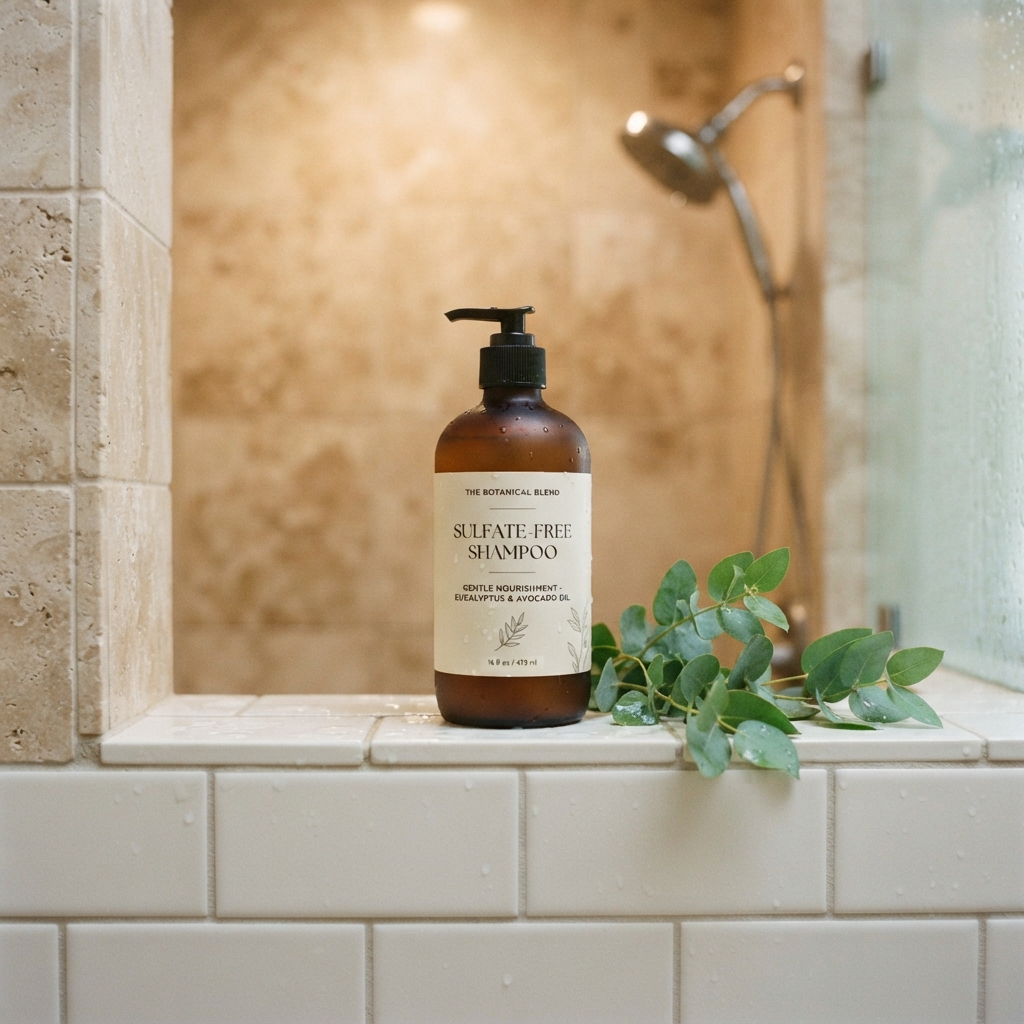
A dirty, inflamed scalp is not a good home for hair. But over-washing can strip your strands. Find your balance, usually every 2 to 3 days.
Wash well by:
- Using a gentle, sulfate-free shampoo.
- Massaging the scalp with fingertips.
- Rinsing until no bubbles remain.
- Conditioning mid-lengths and ends only.
- Skipping heavy oils on the scalp unless advised.
If you have dandruff or itching, try an anti-fungal shampoo once or twice a week. A healthy scalp supports healthy growth.
Ditch Tight Hairstyles

Tight ponytails, braids, buns, and extensions can pull hair out at the root. That’s called traction alopecia. It’s preventable, and early changes can help hair return.
Choose looser styles:
- Silk scrunchies instead of rubber bands.
- Loose braids, not tight cornrows.
- Low buns with a soft hold.
- Switch your part every few days.
- Take breaks from extensions and wigs.
If your scalp hurts, the style is too tight. Listen to that signal. Even a half-inch of looseness can make a difference. Your hairline will thank you later.
Limit Heat and Chemical Damage
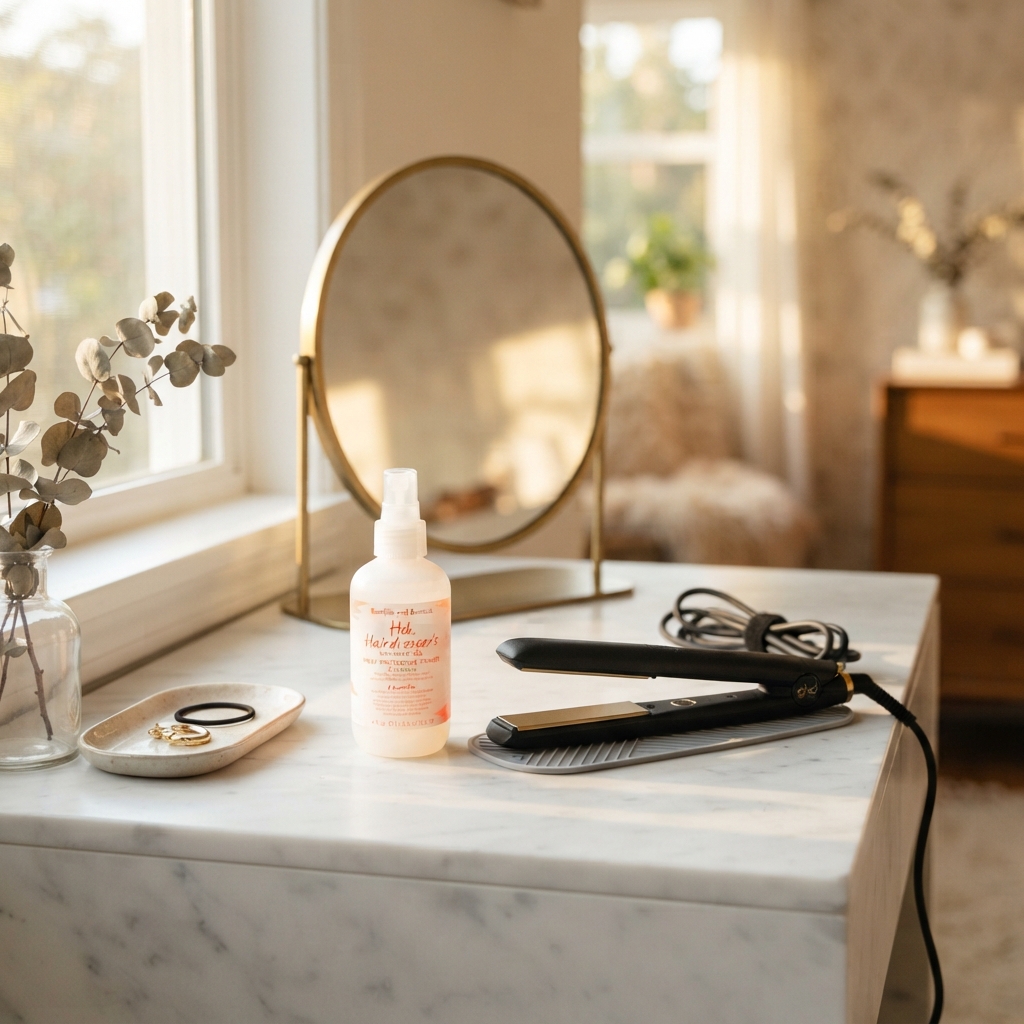
Heat and bleach can make hair brittle. When you’re trying to treat hair loss, you want to keep every strand you have. So dial down the damage.
Smart swaps:
- Air dry 80 percent, then style.
- Use heat protectant every time.
- Keep flat irons under 350°F.
- Space out bleach and color.
- Try old money hair: smooth, low-key, no hot tools needed.
Old money hair is polished but simple. A little leave-in cream and a smooth brush can give you that quiet, healthy look.
Try Scalp Massage and Oils

Scalp massage boosts blood flow and feels amazing. It won’t cure genetic hair loss alone, but it’s a gentle habit that supports your routine.
How to do it:
- Use fingertips, not nails.
- Press and move in small circles.
- Spend 5 minutes daily.
- Add a few drops of rosemary oil to a carrier oil.
- Patch test first and stop if irritated.
Don’t drench your scalp. Too much oil can clog pores and cause flakes. Keep it light and consistent. Do it while watching TV or before bed.
Use Proven Over-the-Counter Treatments
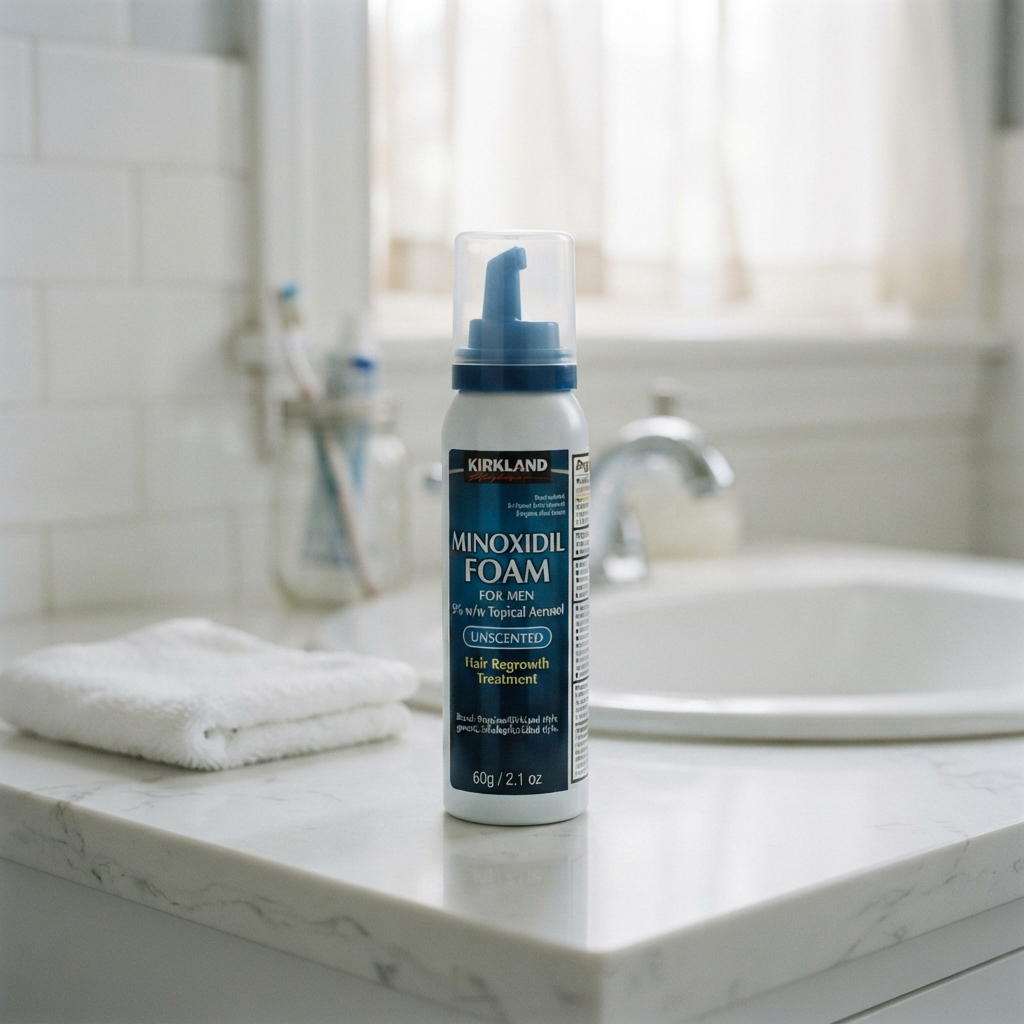
Minoxidil is the most well-known over-the-counter option for many types of hair loss. It can slow shedding and encourage regrowth, but only if you use it consistently.
What to know:
- Apply to a dry scalp, not wet hair.
- Use the dose on the label.
- Expect a shed in the first weeks.
- Give it 3 to 6 months.
- Stop only if your doctor says so.
Some people love foam, others prefer liquid. Pick the one you’ll actually use. Consistency beats perfection.
Ask About Prescription Options

If OTC treatments aren’t enough, your doctor may suggest prescription options. These work differently for men and women, so personalized advice matters.
Common prescriptions include:
- Finasteride for some men
- Spironolactone for some women
- Oral minoxidil
- Topical prescription blends
Ask about side effects, pregnancy risks, and how long before you see results. Don’t order mystery pills online. A real doctor who knows your history is worth the wait. Your primary care doctor can refer you to a dermatologist if needed.
Explore Low-Level Laser Therapy

Low-level laser therapy, or LLLT, uses red light to stimulate hair follicles. Some studies show modest help for pattern hair loss. It’s not a miracle, but it can support other treatments.
If you try it:
- Choose an FDA-cleared device.
- Use it exactly as directed.
- Be consistent for at least 6 months.
- Take before-and-after photos.
- Skip it if your scalp is inflamed.
It’s an investment of time and money. Set a reminder and track results so you know if it’s worth it for you.
Understand PRP, Exosomes, and Transplants

In-office procedures can help certain types of hair loss. PRP uses your own plasma to stimulate follicles. Exosomes are newer and less regulated. Transplants move healthy follicles to thinning areas.
Ask these questions:
- Is the doctor board-certified?
- What results are realistic for my type of loss?
- What’s the total cost and downtime?
- How many sessions will I need?
- Can I see real patient photos?
These options are not for everyone. Do your homework and avoid pressure sales. Ask for a clear treatment plan before you pay.
Choose Hair-Friendly 2026 Hairstyles

You can still love 2026 hairstyles while treating hair loss. The trick is choosing cuts that respect your density and scalp. Trendy doesn’t have to mean damaging.
Try these:
- Quiet luxury bob: blunt, chin-length, low-maintenance.
- Old money hair: smooth, healthy, understated.
- Asymmetrical lob: adds angles and volume.
- Hime cut: blunt sides, soft back, very chic.
Ask your stylist for low-tension styling and a cut that works with your part. A good cut can make thin hair look fuller instantly.
Try Protective Styles Without Tension

Protective styles can reduce daily manipulation, but only if they’re not tight. The goal is to protect your ends and scalp, not pull your hairline back.
Gentle options:
- Loose side braids
- Low buns with silk scrunchies
- Twists without tension
- Silk scarves or satin bonnets
- Wigs with soft, breathable caps
Take your style down every few days. Massage your scalp. If you feel pulling or bumps, redo it. Your scalp needs air and movement to stay healthy.
Fake Volume With the Right Cut

Thin hair doesn’t mean boring hair. The right cut can create the illusion of density. An asymmetrical lob is a great place to start because it breaks up the eye and adds lift.
Stylist tips:
- Ask for blunt ends, not heavy layers.
- Try a side part for instant volume.
- Add subtle face-framing pieces.
- Consider a hime cut for structure.
- Use root spray, not heavy cream.
Keep trims regular. Split ends travel up and make hair look thinner. A fresh cut always helps. A volumizing powder at the roots can also help.
Have Fun With Bold Trends
Hair loss can feel heavy, so let yourself play. Bold trends can be temporary and low-commitment. You don’t need perfect density to have fun with your look.
Try:
- Romantic goth hairstyles with soft waves and dark ribbons.
- Glitchy glam hair with temporary color wax.
- Vampire haircut: sleek, sharp, and dramatic.
- Clip-in extensions for volume.
- Hair jewelry to distract and delight.
Keep scalp health first. Use clip-ins gently, wash after products, and never glue anything to thinning areas. Confidence is the best accessory. Trends fade, but your confidence can stay.
One Last Hug From Me
Hair loss is not your fault, and it is not the end of your story. Start with one doctor visit, one gentle habit, or one cut that makes you feel good. Small steps really do add up.
Your hair may not bounce back overnight, but you deserve care, patience, and a routine that feels kind. Take it one wash day at a time. I’m right here with you.
Save this post to Pinterest so you can come back to these steps whenever you need them. And tell me in the comments: what’s one small change you’re trying first? I’m cheering for you.
