

If your scalp feels itchy, oily, or just… off, you are not alone. For years we blamed dry ends, hard water, or too much dry shampoo. But the real story often starts at the root: your scalp microbiome.
In 2026, postbiotic and ferment shampoos are moving from niche labs to everyday shelves. They are not magic. They are simply a smarter way to care for the ecosystem where your hair grows.
I tested the trends, read the labels, and talked to stylists. This guide breaks down what works, who it is for, and how to pair it with looks like the quiet luxury bob, old money hair, and even romantic goth hairstyles.
Let us keep it simple. By the end, you will know if scalp biotech deserves a spot in your shower.
What Is the Scalp Microbiome?
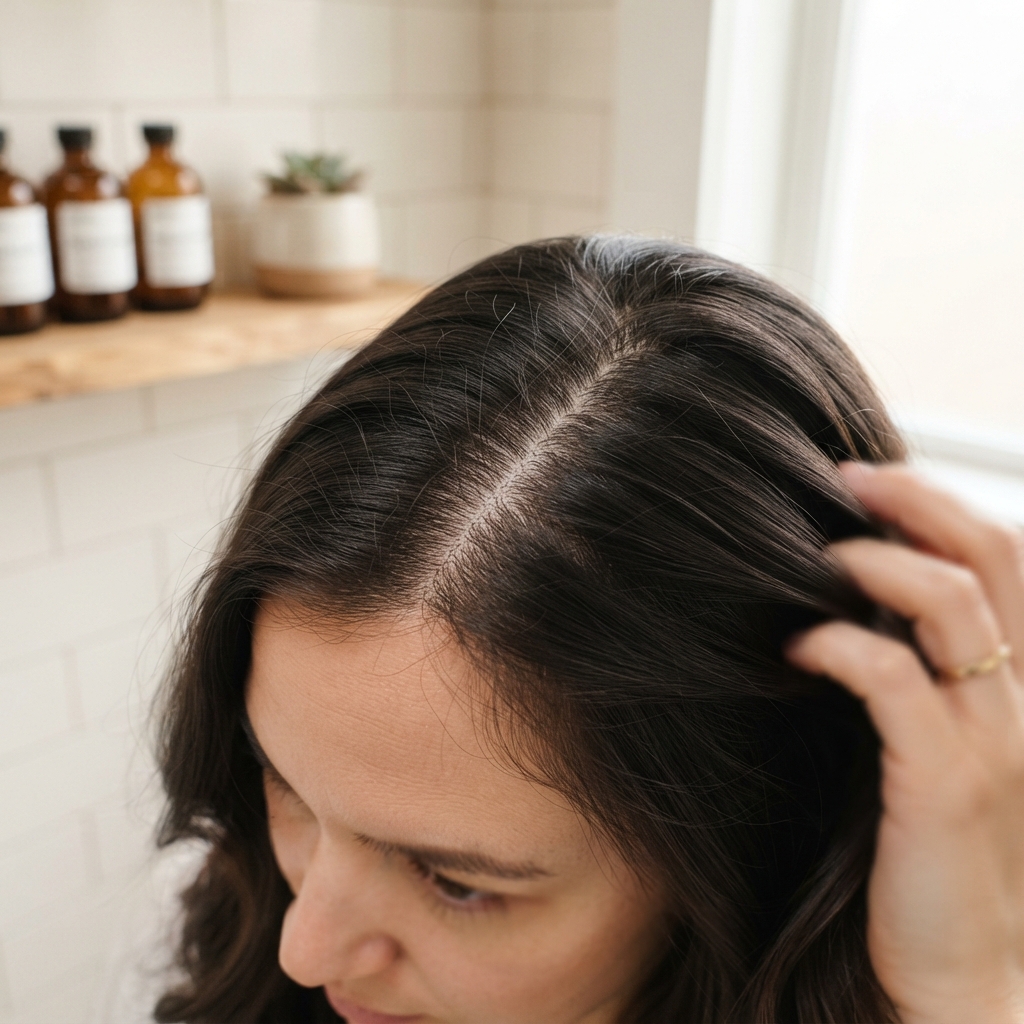
Your scalp is home to billions of tiny organisms. Bacteria, fungi, and yeasts live there in a balance. That balance is your scalp microbiome.
When it is happy, you may notice less itch, less flakes, and hair that feels stronger at the root. When it is thrown off, oil, irritation, and buildup can steal the show.
Think of it like a garden. You do not want to scorch the soil. You want to feed the good stuff and keep the bad stuff in check. That is the whole idea behind postbiotic and ferment shampoos.
Why Postbiotic Shampoos Are Everywhere in 2026

Postbiotic shampoos are having a moment because we are tired of stripping our scalps. Harsh sulfates can leave you squeaky clean and then painfully dry. Biotech offers a gentler path.
These formulas often include fermented ingredients, prebiotics, and postbiotics. They support the skin barrier instead of waging war on it.
In 2026, scalp care is the new skincare. And just like with your face, consistency matters more than one dramatic wash. If you love old money hair or a quiet luxury bob, a calm scalp makes that polish look effortless.
Ferment Shampoos vs. Regular Shampoo
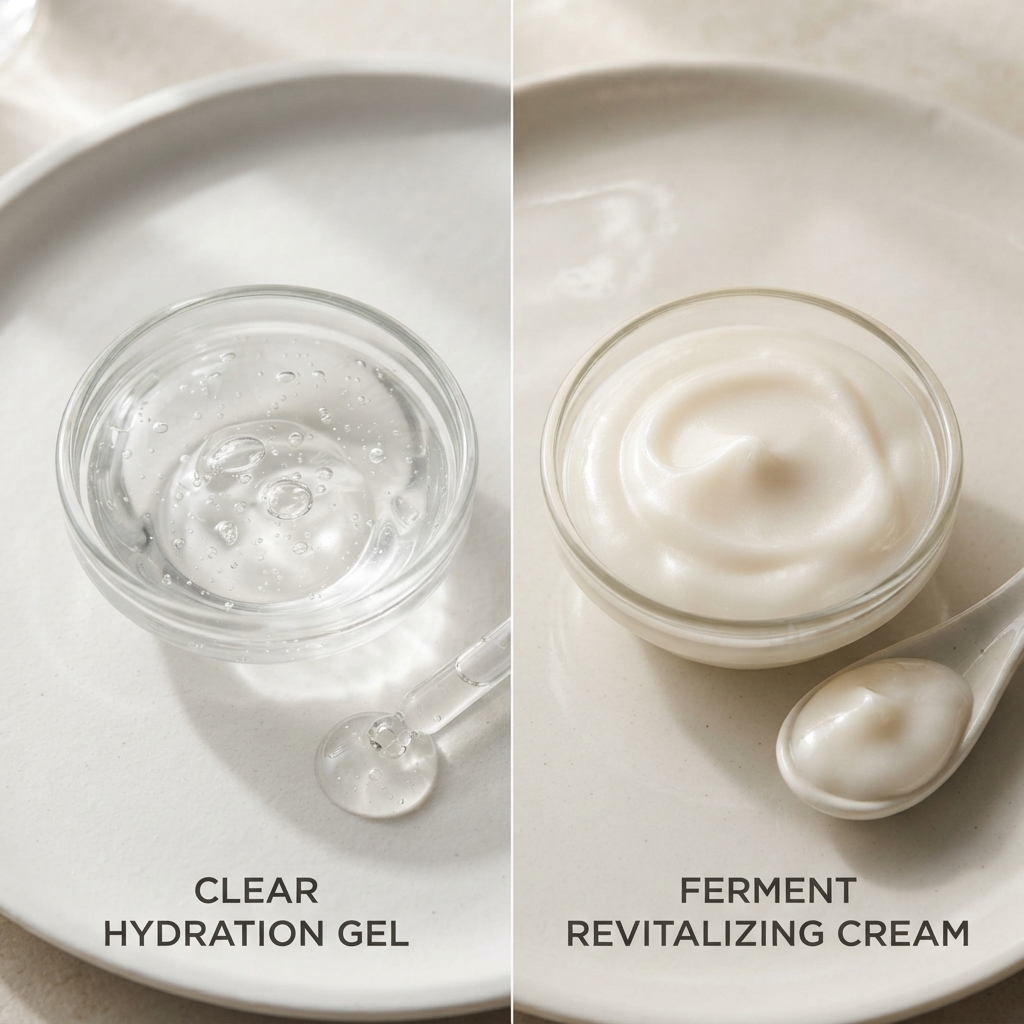
Regular shampoo mostly cleans. It lifts oil, dirt, and product so your hair feels fresh. Ferment shampoos clean too, but they also aim to feed your scalp.
The difference is in the extras. Fermented rice water, green tea ferment, and sake ferment can add moisture, shine, and balance. They may also help your scalp hold onto good bacteria.
You still need a real cleanser. Ferment shampoo is not a pass to skip washing. It is an upgrade for your routine, especially if you want soft volume for 2026 hairstyles.
How Scalp Biotech Actually Works
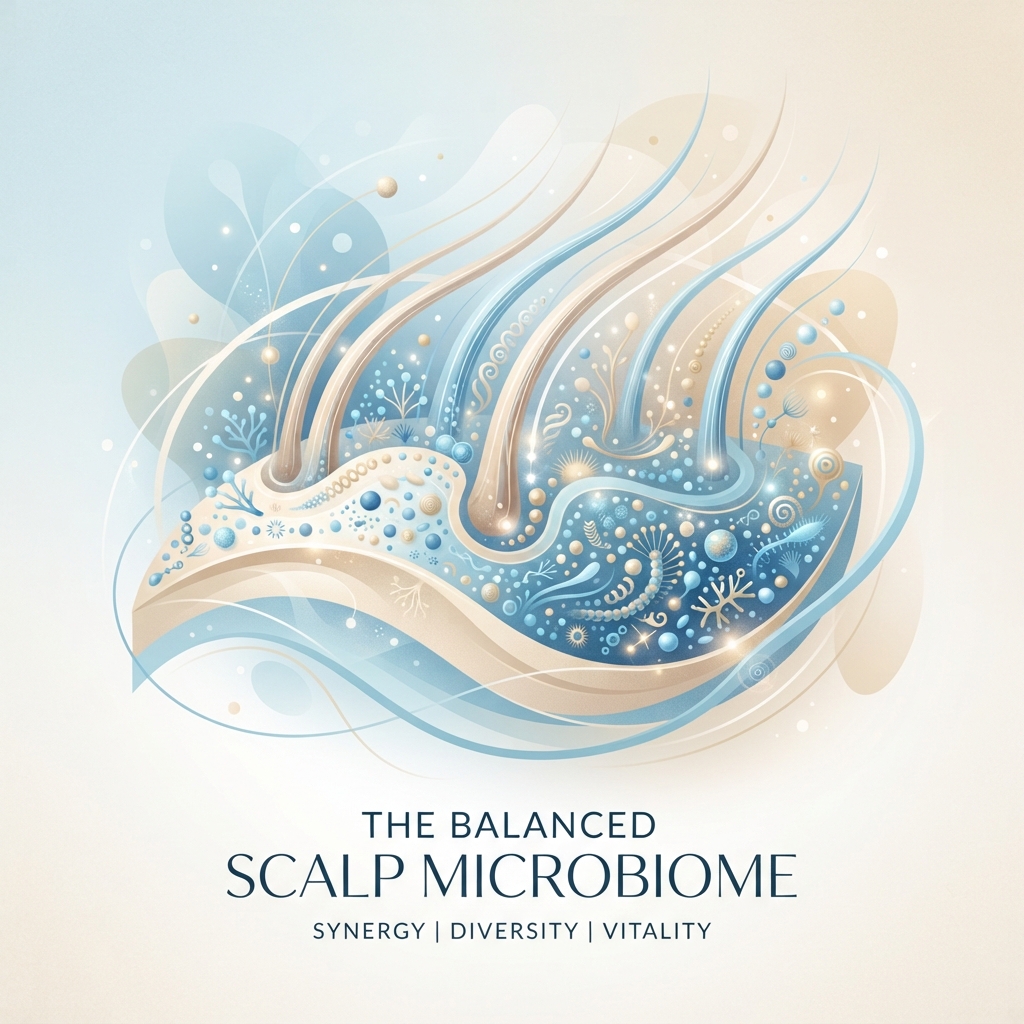
Scalp biotech sounds fancy, but the idea is simple. Your skin has a barrier. That barrier likes a slightly acidic pH and a diverse mix of microbes.
Postbiotics are the beneficial compounds made by good bacteria. They can help calm redness, support moisture, and defend against irritants.
Ferments act like a gentle prebiotic meal. They feed the good guys so they can do their job. Together, they help your scalp stay resilient. That means less panic, fewer flakes, and a better canvas for any haircut.
The Big Benefit: Stronger, Less Fussy Hair

When your scalp is balanced, your hair does not need to work as hard. You may see less breakage near the roots and less greasy buildup after day two.
Healthy scalp conditions can also support a better shedding cycle. That does not mean overnight growth. It means hair that stays put and looks healthy.
The best part? Less fuss. You can wear a sleek asymmetrical lob or air-dried waves without constantly fighting your roots. Scalp biotech is not a trend for perfect people. It is for real people who want easier hair days.
Who Should Try Postbiotic Shampoo?

Postbiotic shampoo can be a great fit if your scalp feels tight, itchy, or reactive. It is also helpful if you color your hair or use lots of styling products.
You might love it if you:
- Get flakes after every wash
- Feel oily by lunchtime
- Notice irritation from strong fragrances
- Want a gentler routine for 2026 hairstyles
It is not just for people with problems. It is also for anyone who wants to protect the scalp they have. Think prevention, not just rescue.
Who Should Skip It for Now?
If your scalp is calm and your current shampoo works, you do not have to switch. Scalp biotech is helpful, not mandatory.
You may want to pause if you have an active scalp infection, open sores, or a diagnosed condition. In those cases, see a dermatologist first.
Also, if you love a strong clarifying wash once a week, keep it. You can use postbiotic shampoo on other days. Balance beats blind loyalty. Your routine should fit your real life, not a trend cycle.
How to Read a Postbiotic Label
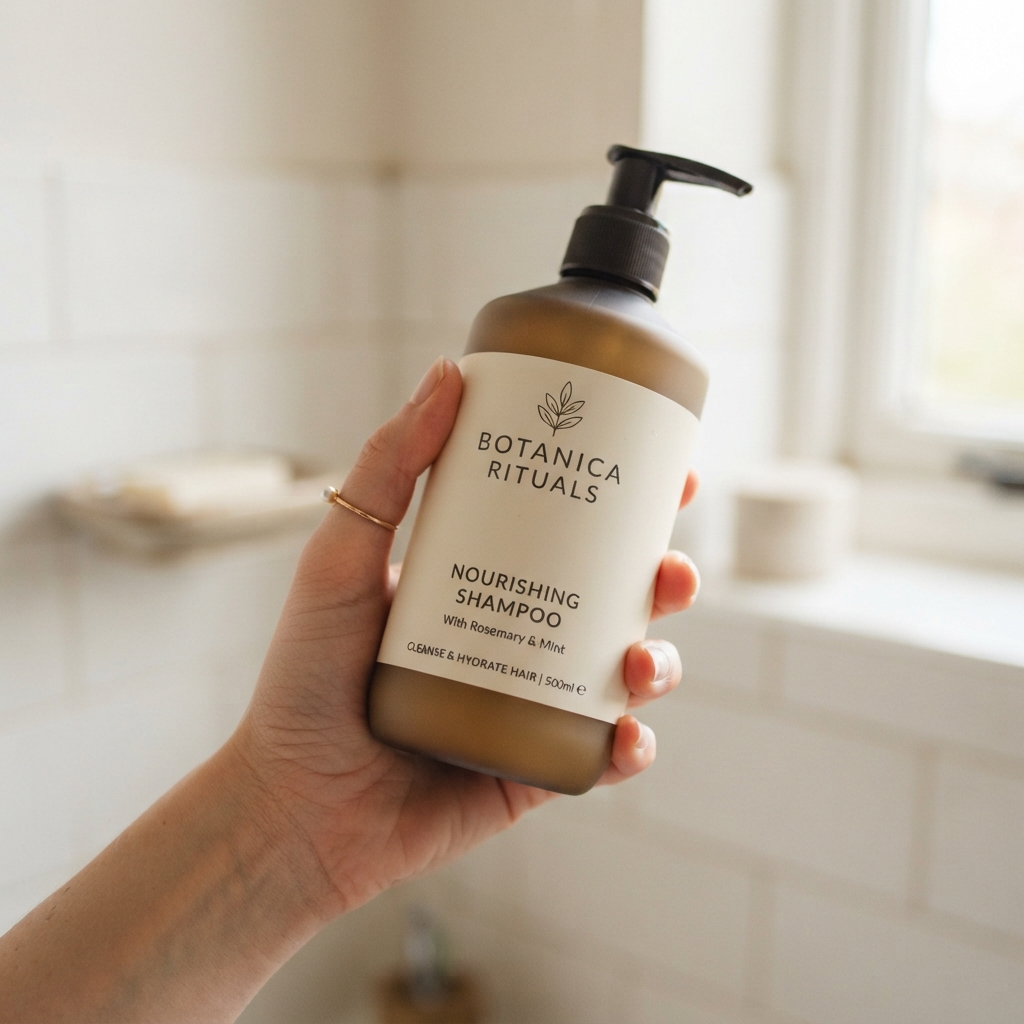
Labels can be sneaky. You want to see words like postbiotic, ferment, prebiotic, or microbiome-friendly. But you also want a gentle surfactant system.
Look for:
- Fermented rice water or sake ferment
- Galactomyces or bifida ferment
- Panthenol or glycerin for moisture
- No harsh sulfates if your scalp is sensitive
Skip anything that promises miracle growth. Hair growth claims need real evidence. A good postbiotic shampoo should support scalp comfort first.
Ferment Ingredients Worth Knowing

Ferment ingredients are not all the same. Some are hydrating. Some are brightening. Some are just good marketing.
Here are the ones I look for:
- Rice ferment: softness and shine
- Sake ferment: moisture and smoothness
- Green tea ferment: antioxidant support
- Bifida ferment: barrier-friendly care
You do not need all of them. Pick one or two that match your scalp. If you have oily roots, a lightweight ferment works better than a heavy cream formula.
The Quiet Luxury Hair Care Routine

Quiet luxury is not about logos. It is about hair that looks expensive because it is healthy. A quiet luxury bob needs a calm scalp and shiny ends.
Try this simple routine:
- Wash with a postbiotic shampoo two to three times a week.
- Massage your scalp for 60 seconds.
- Use a lightweight conditioner on mid-lengths and ends only.
- Finish with a shine serum on damp hair.
That is it. No ten-step ritual. Just consistent, gentle care that makes old money hair feel natural.
Pairing Ferment Shampoo With a Quiet Luxury Bob

The quiet luxury bob is all about precision and softness. If your scalp is flaky or oily, the cut can look less polished fast.
A ferment shampoo helps keep roots clean without stripping. That means your bob can hold its shape and shine.
Ask your stylist for a blunt or softly layered bob. Then wash with a microbiome-friendly formula. Add a little volumizing spray at the roots. You will get that effortless, expensive look without heavy products.
Postbiotics and Old Money Hair

Old money hair looks like it has never seen a bad hair day. It is glossy, healthy, and low-key. But that look often starts with scalp care.
Postbiotic shampoo helps you avoid the cycle of over-washing and over-styling. You can keep your color, your shine, and your volume.
For old money hair, less is more. Use a gentle ferment shampoo, a silk pillowcase, and a weekly scalp massage. That is the quiet routine behind the polished result.
Scalp Health for 2026 Hairstyles

2026 hairstyles are playful but wearable. Think fluffy blowouts, sleek ribbons, and soft texture. None of them look good on an irritated scalp.
If your scalp is happy, you can try more. You can go bold with a hime cut or soft with a romantic goth hairstyle.
Scalp biotech gives you a stable base. It is not the trend itself. It is the support system behind the trend. That is why I keep a ferment shampoo in rotation all year.
Romantic Goth Hairstyles Need a Calm Scalp

Romantic goth hairstyles are moody and soft. Think dark waves, braids, and face-framing pieces. But heavy styling can irritate your scalp.
A postbiotic shampoo helps remove buildup without harsh stripping. That means less itch under all that texture.
Try washing with a ferment formula, then air-dry before styling. Use a scalp serum if you feel tight. Your goth look should feel romantic, not uncomfortable. A balanced scalp keeps the drama in the hair, not on your skin.
Glitchy Glam Hair Starts With Balanced Scalp

Glitchy glam hair is fun, edgy, and a little digital. It often involves gel, glitter, and sharp lines. That can mean product overload.
Start with a clean, balanced scalp. Postbiotic shampoo helps reset without leaving residue. Then you can pile on the styling.
Try a ferment wash, then apply gel while hair is damp. Add holographic clips or a metallic streak. At night, wash it out gently. Glitchy glam should be playful, not painful.
The Asymmetrical Lob and Ferment Wash Routine

The asymmetrical lob is sharp and modern. It needs clean roots and smooth ends to look intentional.
Use a postbiotic shampoo to keep your scalp balanced. Then apply conditioner only to the ends. If you have an oily scalp, focus the wash at the roots.
Blow-dry with a round brush for a smooth finish. Or let it air-dry for a softer look. The cut does the work. Your scalp care just keeps it looking fresh between appointments.
Vampire Haircut Care Tips

The vampire haircut is dramatic and elegant. It often has sharp layers, a deep side part, or a bold fringe. It looks best when the hair is healthy.
Keep your scalp calm with a ferment shampoo. Avoid heavy oils at the roots. Use a light serum on the ends for shine.
If you wear a fringe, wash it more often. Your forehead produces oil, and that can make bangs look stringy. A gentle postbiotic wash keeps everything crisp.
Hime Cut Scalp Care Secrets

The hime cut is precise and striking. It needs smooth, healthy hair from root to tip. Dry scalp can make the blunt lines look dusty.
Use a postbiotic shampoo to support a comfortable scalp. Then condition the lengths. Rinse with cool water for shine.
Brush from the ends up to avoid pulling at the roots. Sleep on a silk pillowcase if you can. The hime cut is a statement. Scalp biotech helps you keep that statement polished.
How Often Should You Use Postbiotic Shampoo?
You can use postbiotic shampoo every wash if your scalp likes it. Most people do well with two to four times a week.
If you have oily roots, you may wash more often. If you have dry scalp, start with once or twice a week.
Do not overthink it. Watch how your scalp feels. It should feel comfortable, not tight. Adjust based on sweat, styling, and weather. Your scalp changes with the seasons. Your routine can change too.
Can You Layer Ferment Shampoo With Dry Shampoo?
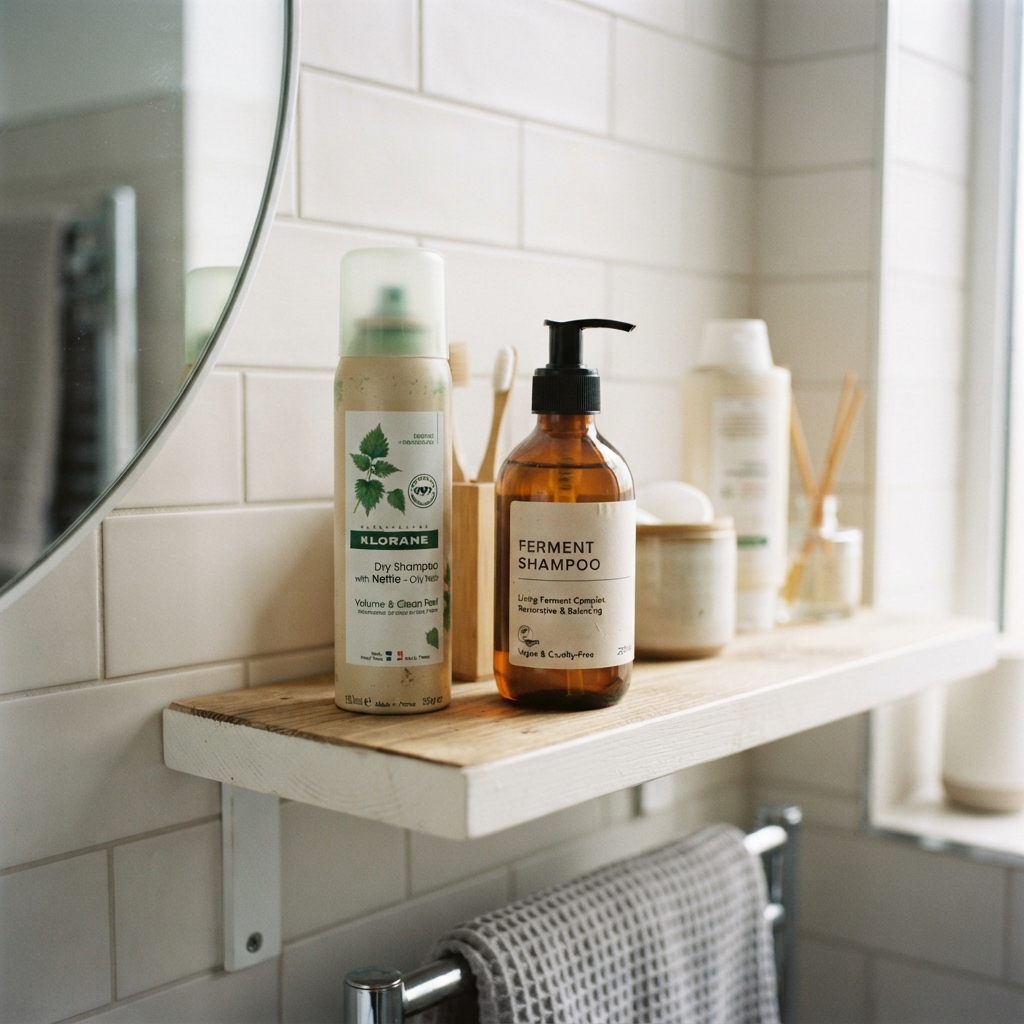
Yes, you can use both. Dry shampoo absorbs oil between washes. Ferment shampoo cleans and supports your scalp when you wash.
Just do not rely on dry shampoo every day. It can build up and clog follicles. Use it on day two or three, then wash.
If you use dry shampoo, massage it in and brush it out before bed. On wash day, use your postbiotic shampoo to reset. That combo keeps 2026 hairstyles fresh without irritation.
Common Mistakes With Scalp Microbiome Products
The biggest mistake is expecting overnight miracles. Scalp biotech is gentle and cumulative. Give it a few weeks.
Other mistakes:
- Using too much product
- Skipping conditioner and drying out ends
- Washing with scalding water
- Switching products every week
Also, do not use a postbiotic shampoo as a treatment for a medical condition. See a doctor if you have pain, hair loss, or severe flakes. Gentle care is smart, but it is not a cure-all.
A Simple 4-Week Reset Plan

Want to try scalp biotech without overcomplicating it? Here is a simple reset.
- Week 1: Wash with postbiotic shampoo three times. Skip heavy oils.
- Week 2: Add a 60-second scalp massage each wash.
- Week 3: Use dry shampoo only once, if needed.
- Week 4: Check in. Less itch? Less flaking? Keep going.
Take one photo in natural light each week. That helps you see real changes. Slow and steady wins here.
What Results Are Realistic?
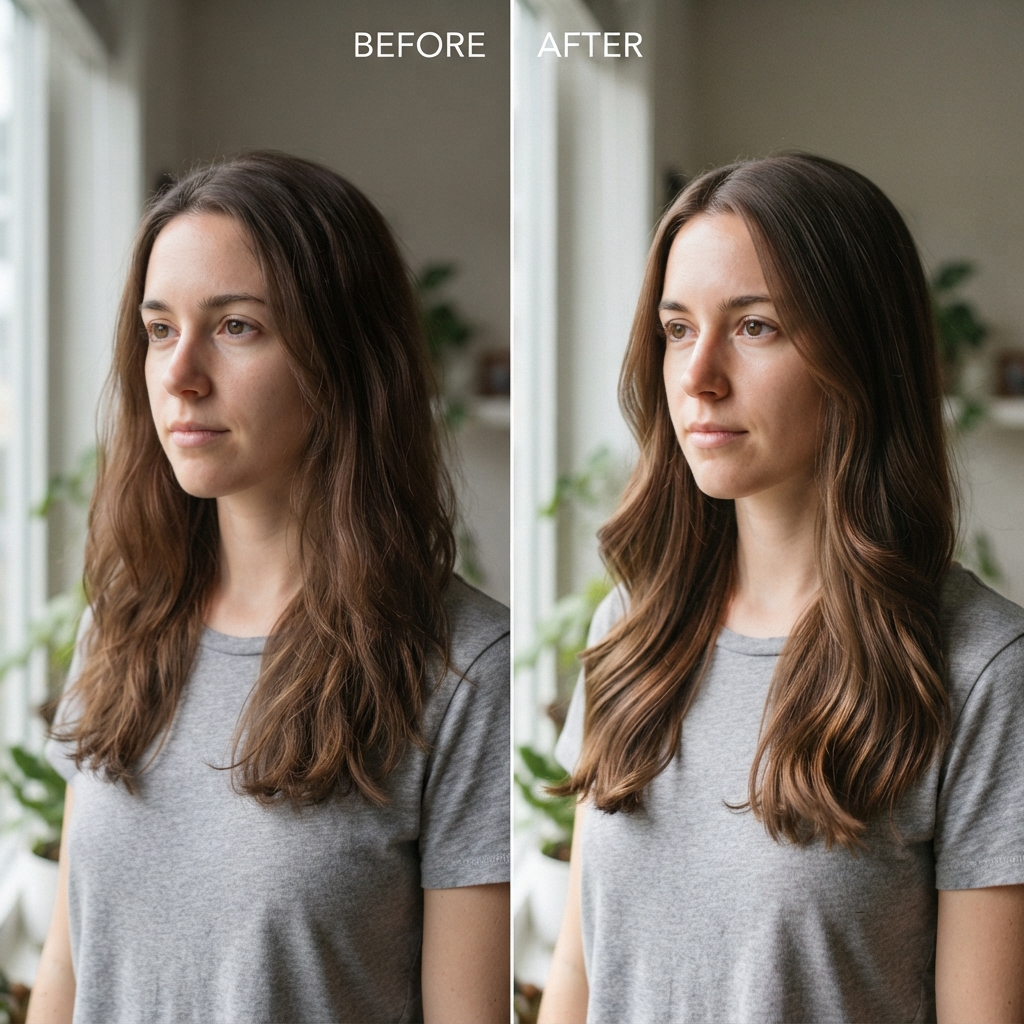
You may notice less itch and flaking in one to two weeks. Shine and softness can improve in three to four weeks.
Do not expect a new hairline. Postbiotic shampoos support scalp health. They are not hair transplant in a bottle.
What they can do is make your hair look healthier and feel better. That often makes styles like the asymmetrical lob or vampire haircut look sharper. Real results are quiet. They show up as comfortable scalps and easier mornings.
How to Store Ferment Shampoos
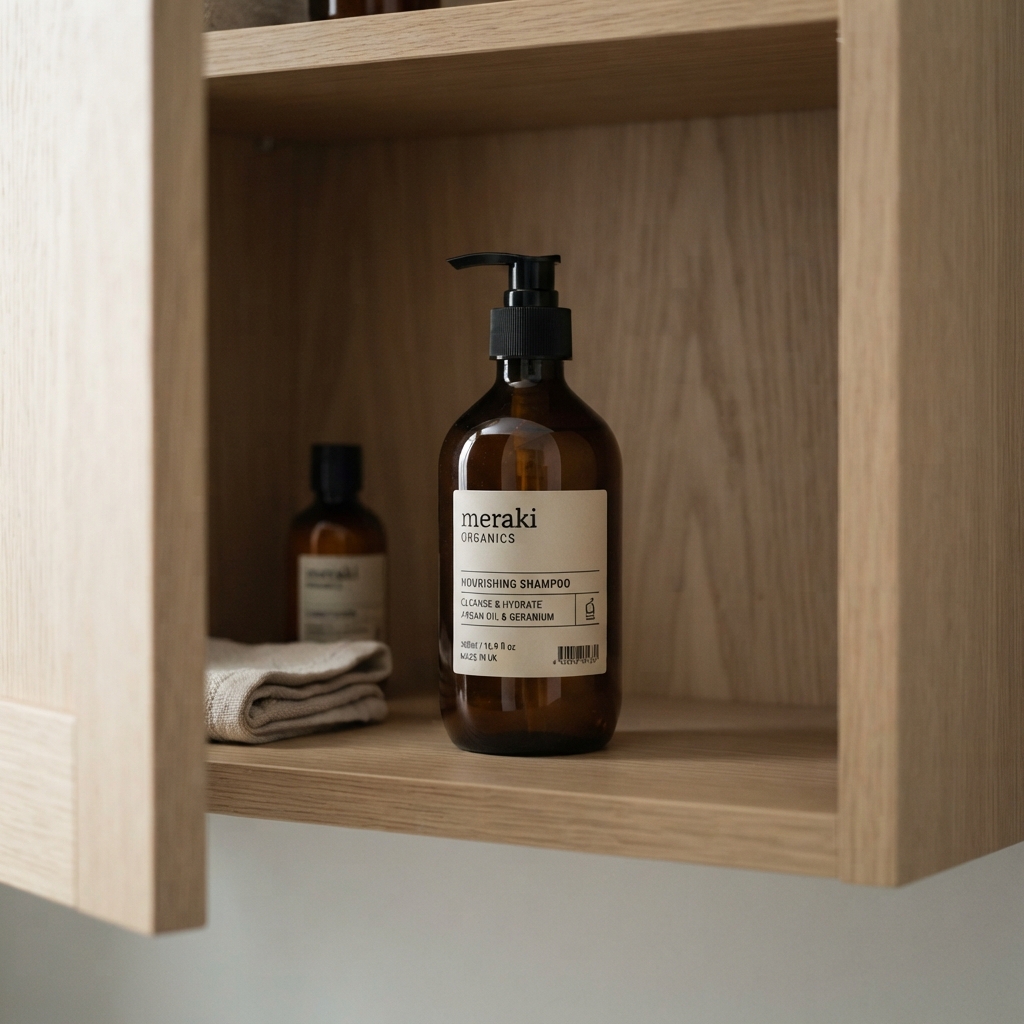
Ferment shampoos contain living-derived ingredients. They can be more sensitive to heat and light.
Store them in a cool, dry place. Keep the cap closed. Avoid leaving them in a hot shower for months.
If the smell changes or the texture separates, toss it. Also, check the PAO symbol, which looks like an open jar. It tells you how many months the product is good after opening. A little care keeps your formula effective. That means better results for your scalp and your 2026 hairstyles.
Budget-Friendly Ways to Try Scalp Biotech

You do not need a luxury price tag to try postbiotic or ferment shampoo. Drugstore brands are catching up fast.
Look for:
- Travel sizes before full bottles
- Ferment ingredients lower on the label
- Fragrance-free options for sensitive scalps
- Refillable or concentrated formulas
You can also alternate an affordable ferment shampoo with your regular one. That keeps costs down while still supporting your scalp. Smart hair care is not about spending more. It is about spending on what works.
Final Glow-Up: Hair That Feels Like You

Your hair should feel like you, not like a trend. Postbiotic and ferment shampoos are simply tools. They help you get there with less irritation and more consistency.
Whether you love old money hair, a quiet luxury bob, or romantic goth hairstyles, scalp health is the foundation. Treat your scalp like skin. Keep it clean, calm, and cared for.
Then style however you want. The best hair is healthy hair that fits your life. And that is always in style.
A Final Warm Note
You do not need to rebuild your whole routine today. Just start with one gentle swap. A postbiotic or ferment shampoo can be the small change that makes your scalp feel calmer and your hair look happier.
Give it a few weeks. Pay attention to how your scalp feels, not just how your hair looks. That is where the real glow starts.
Save this post to Pinterest so you can come back to your favorite scalp biotech tips later. And tell me in the comments: would you try a postbiotic shampoo, or are you sticking with your current favorite?

