

If your hair feels stuck at the same length, you’re not alone. I spent years trying every product and style, only to watch my ends break off. The truth? My hair didn’t need more. It needed less.
A low manipulation natural hair routine changed everything for me. It’s gentle, simple, and perfect for anyone trying to grow their hair without constant stress.
In this post, I’m sharing the exact routine that works for busy mornings and lazy Sundays. You’ll learn how to wash, moisturize, protect, and style your hair while keeping it healthy.
No complicated schedules. Just real habits that help your hair thrive. Whether you’re transitioning, dealing with postpartum shedding, or just tired of breakage, this is for you. Your growth journey deserves peace, not pressure. Let’s get into it.
What Is a Low Manipulation Natural Hair Routine?

Low manipulation means you touch, comb, and style your hair less often. You let it rest. Instead of daily styling, you wash, moisturize, and protect.
It’s not about neglect. It’s about gentle care. Your hair thrives when you stop forcing it. This routine works for 4a, 4b, 4c, and looser textures.
It’s especially good if you want length retention. Think of it as a break for your strands. Less pulling, less breakage, more growth. Simple.
Why Low Manipulation Helps Your Hair Grow

Every time you comb, brush, or style, you create friction. Friction leads to split ends and breakage. Low manipulation reduces that friction.
Your hair keeps its length instead of snapping off. It also protects your scalp and edges. Over time, you see real growth. Not because of a magic product, but because you stopped damaging it.
If your hair feels stuck, this is often the missing piece. Give it a month. You’ll notice fewer broken pieces in your sink.
The Golden Rule: Stop Touching Your Hair So Much

This is the rule I break the most. Touching your hair feels good, but it costs you length. So set boundaries. No constant finger combing. No playing with your curls. No restyling every morning.
Save your hands for wash day and nighttime. If you work from home, wear a scarf or bonnet. If you’re out, choose a style that stays put.
Your hair doesn’t need your attention every hour. It needs your patience. Trust me, your ends will thank you.
Start With a Gentle Wash Day
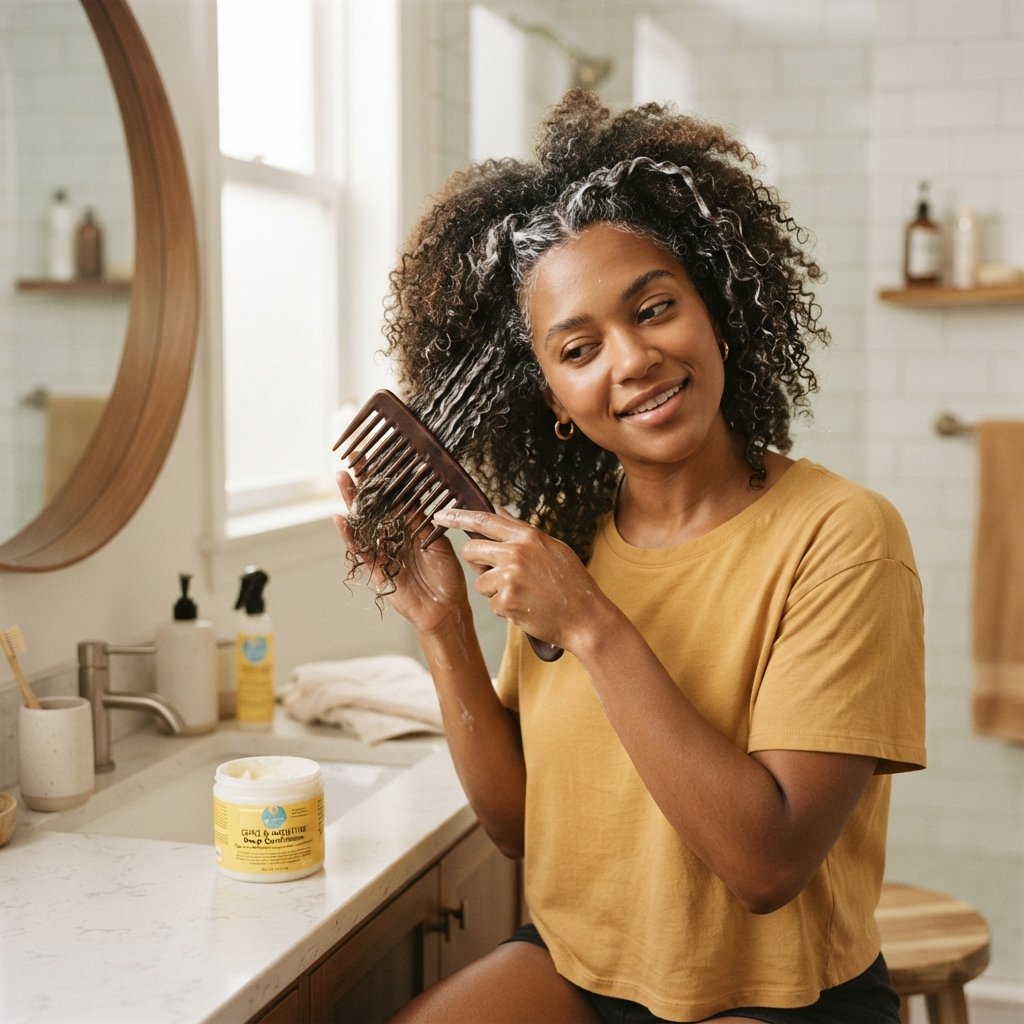
Wash day sets the tone. Don’t rush it. Start by sectioning your hair into four or six parts. Use a sulfate-free shampoo or co-wash. Focus on your scalp, not your ends.
Let the water run through your strands to clean them. Don’t pile your hair on top of your head. That causes tangles. Rinse with cool water to seal the cuticle.
Then apply conditioner in sections. Use your fingers to detangle gently. Wash day should feel like self-care, not a battle. Keep it calm.
How to Detangle Without Breakage
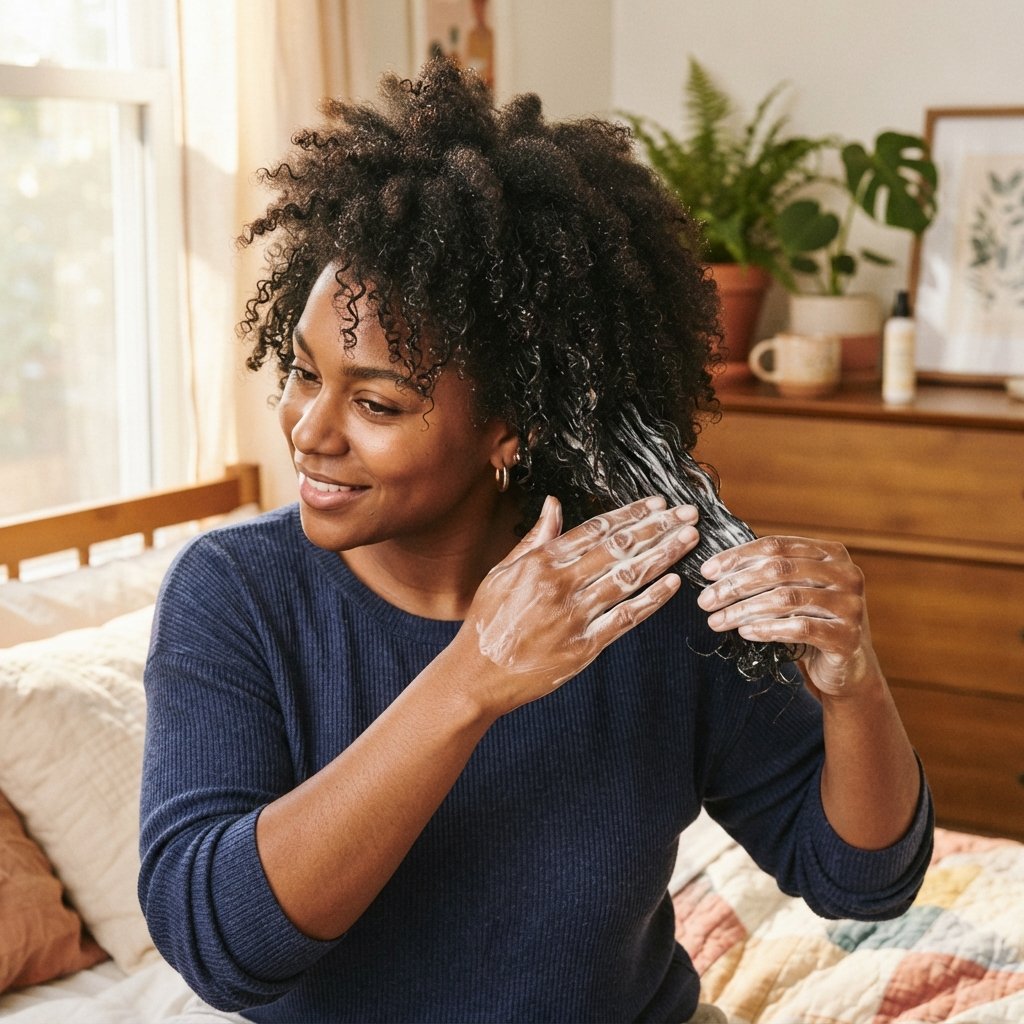
Detangling is where most breakage happens. So slow down. Always detangle wet hair with conditioner. Use a wide-tooth comb or your fingers.
Start at the ends and work up to the roots. Never rip through knots. If you hit a tangle, add more conditioner and use your fingers. Work in small sections.
Hold the hair near the root to reduce pulling. Twist each section after detangling. This keeps it from retangling. Patience here means length later. You’ve got this.
The Moisture Routine That Actually Works
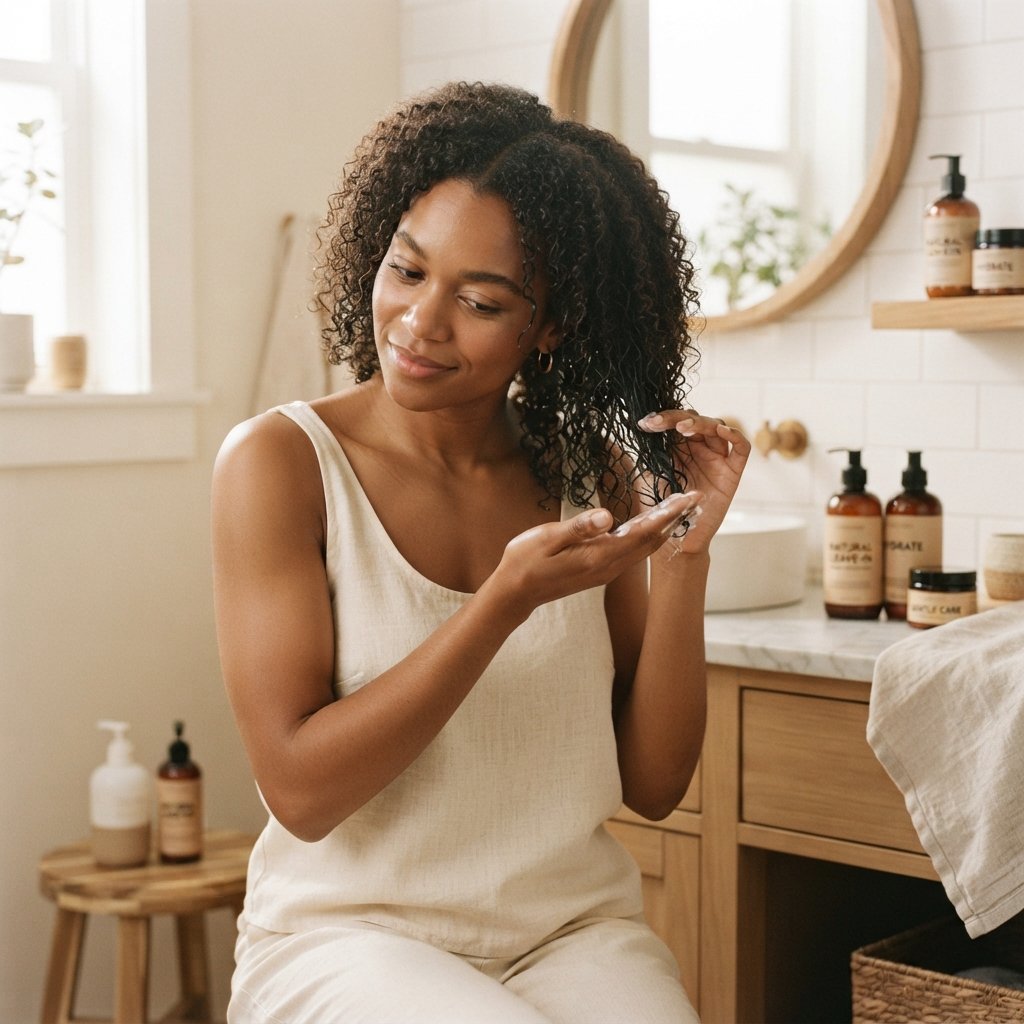
Dry hair breaks. Moisturized hair grows. So make moisture non-negotiable. After washing, apply leave-in conditioner to damp hair.
Use the LCO method: liquid, cream, oil. Or LOC: liquid, oil, cream. Find what your hair loves. Focus on your ends. They are the oldest and driest part.
Don’t use too much product. Your hair should feel soft, not greasy. If it feels crunchy, you used too much protein or not enough water. Moisture is a daily habit, not a weekly event.
Seal in Moisture With Oils and Butters

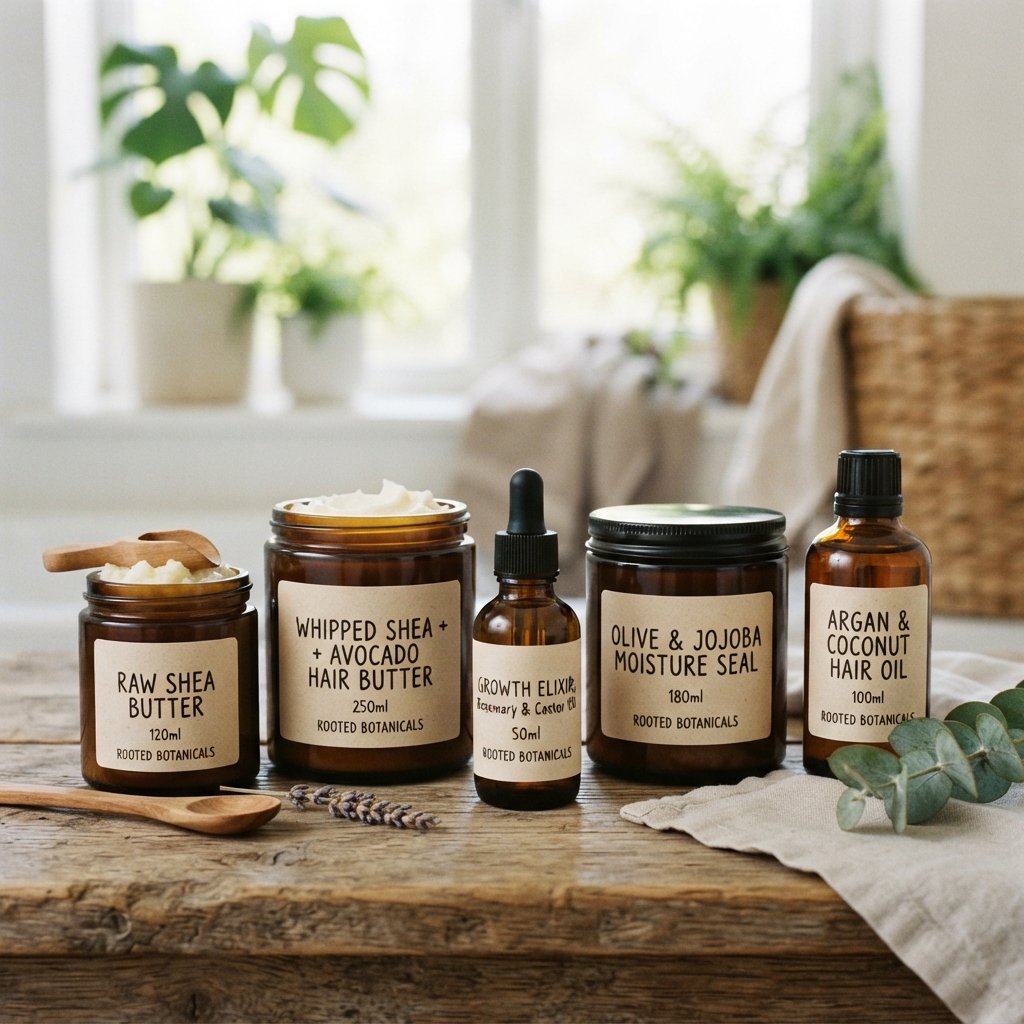
Oils and butters lock moisture in. But they don’t add moisture. So always apply them after water or leave-in. Use light oils like jojoba or grapeseed for fine hair.
Use heavier butters like shea or mango for thick, coily hair. Rub a few drops between your palms. Smooth it over your ends first. Then work upward.
Avoid your scalp unless it’s dry. A little goes a long way. If your hair feels weighed down, you used too much. Sealing is the final step that keeps your hair soft all week.
Protective Styles for Busy Weeks

Protective styles give your hair a vacation. They keep your ends tucked away. Good options include two-strand twists, flat twists, cornrows, and bantu knots.
You can also wear a low bun or a simple puff. The key is not to make them too tight. Your edges should never hurt.
Keep them in for one to two weeks. Then take them down gently. Don’t leave them in for months. Your hair needs cleansing and moisture. A good protective style is loose, neat, and easy to maintain.
Your Nighttime Routine Matters Most
You grow hair while you sleep. So protect it. Sleep on a satin pillowcase or wear a satin bonnet. Cotton pulls moisture out and causes breakage.
Before bed, moisturize your ends if needed. Then loosely pineapple your hair or put it in a few big twists. Don’t tie it too tight. You want blood flow to your scalp.
If you wear a bonnet, make sure it’s not too tight around your edges. A simple nighttime routine takes two minutes. It saves your hair from a week of damage.
Morning Refresh Without Restyling

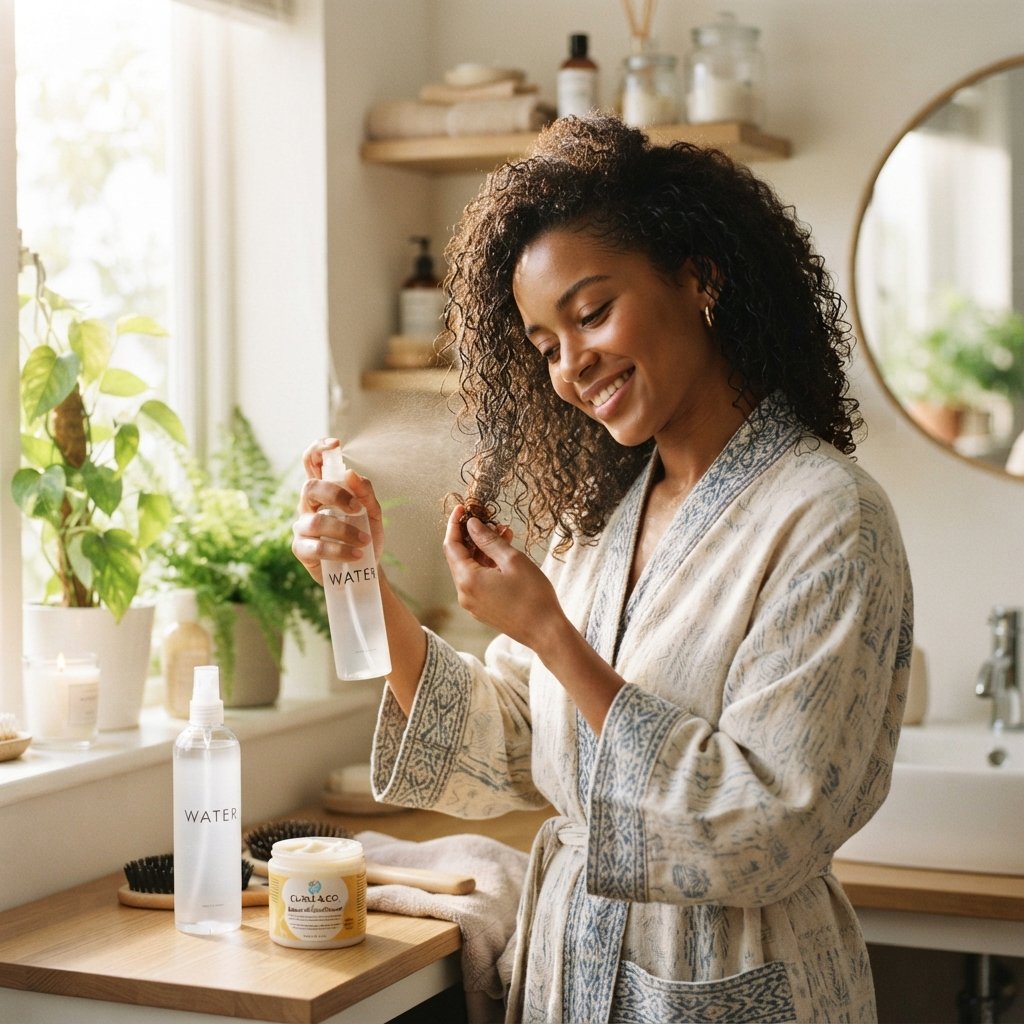
Mornings should be quick. Don’t restyle your whole head. Instead, refresh. Spritz your hair with water and a little leave-in conditioner.
Fluff your roots with your fingers. Smooth your edges with a soft brush and a tiny bit of gel. If your style looks tired, put it in a loose bun or a headband. That’s it.
No combing through dry hair. No starting over. Low manipulation means you leave the style alone as much as possible. Refresh, don’t rebuild.
Deep Condition on a Schedule

Deep conditioning is a game changer. It restores moisture and strength. Do it every one to two weeks. Use a moisturizing deep conditioner if your hair feels dry.
Use a protein deep conditioner if your hair feels mushy or stretchy. Apply it in sections. Cover with a plastic cap. Sit under a steamer or use a warm towel.
Leave it on for 20 to 30 minutes. Rinse with cool water. Your hair will feel like butter. Don’t skip this step. It’s the secret to soft, growing hair.
Protein Treatments: When and How

Protein helps rebuild your hair. But too much causes brittleness. So pay attention. If your hair snaps easily, feels limp, or won’t hold curls, you might need protein.
Use a light protein treatment every four to six weeks. Look for hydrolyzed wheat, silk, or rice protein. Follow with a moisturizing deep conditioner.
If your hair feels stiff, you used too much. Balance is everything. Protein for strength, moisture for softness. Your hair needs both.
Trimming for Length Retention
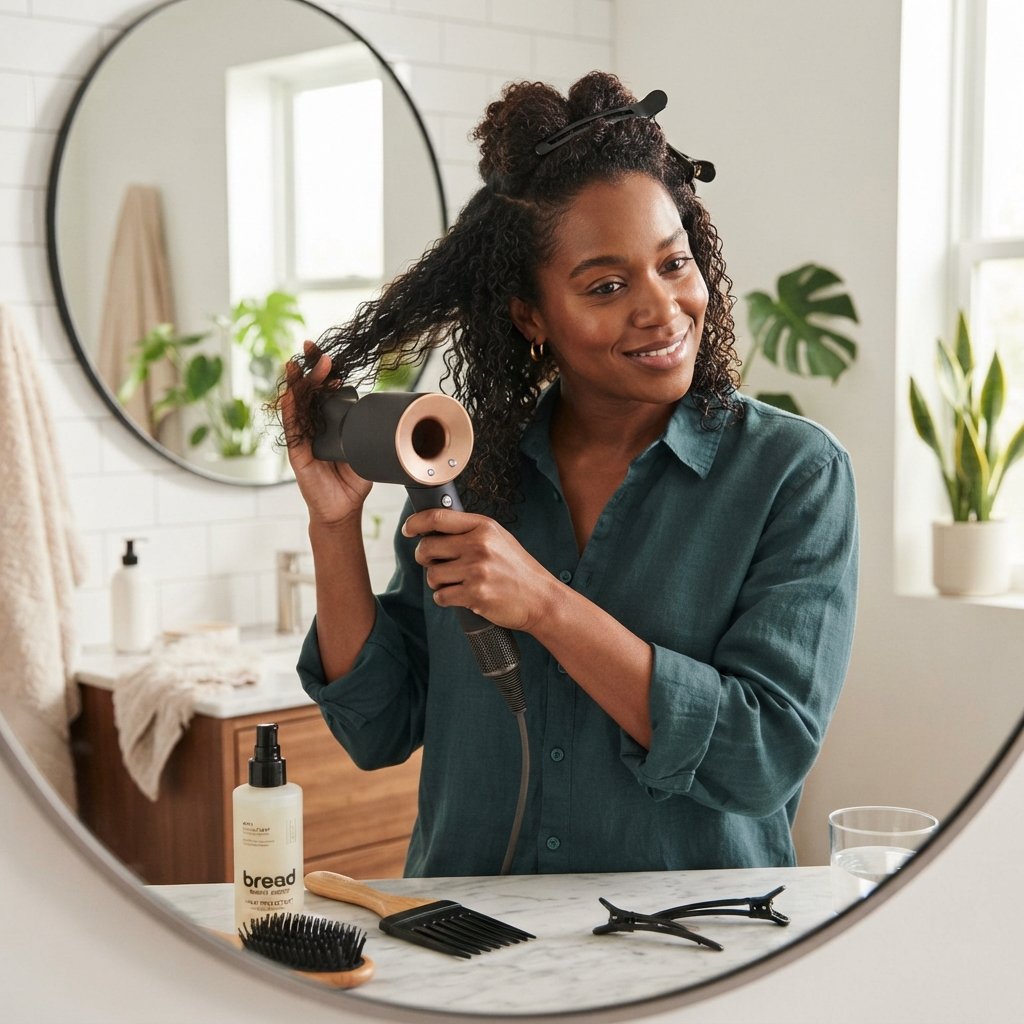
Trimming doesn’t stop growth. It helps you keep length. Split ends travel up the hair shaft. If you don’t trim them, they break off higher.
So get a trim every 8 to 12 weeks. You only need to remove a tiny bit. Use sharp hair scissors. Never use dull ones. Trim in small twists or sections.
If you wear protective styles, you can stretch trims to 12 weeks. But don’t ignore frayed ends. A small trim saves big length. Your future hair will thank you.
Heat and Low Manipulation: Can They Coexist?
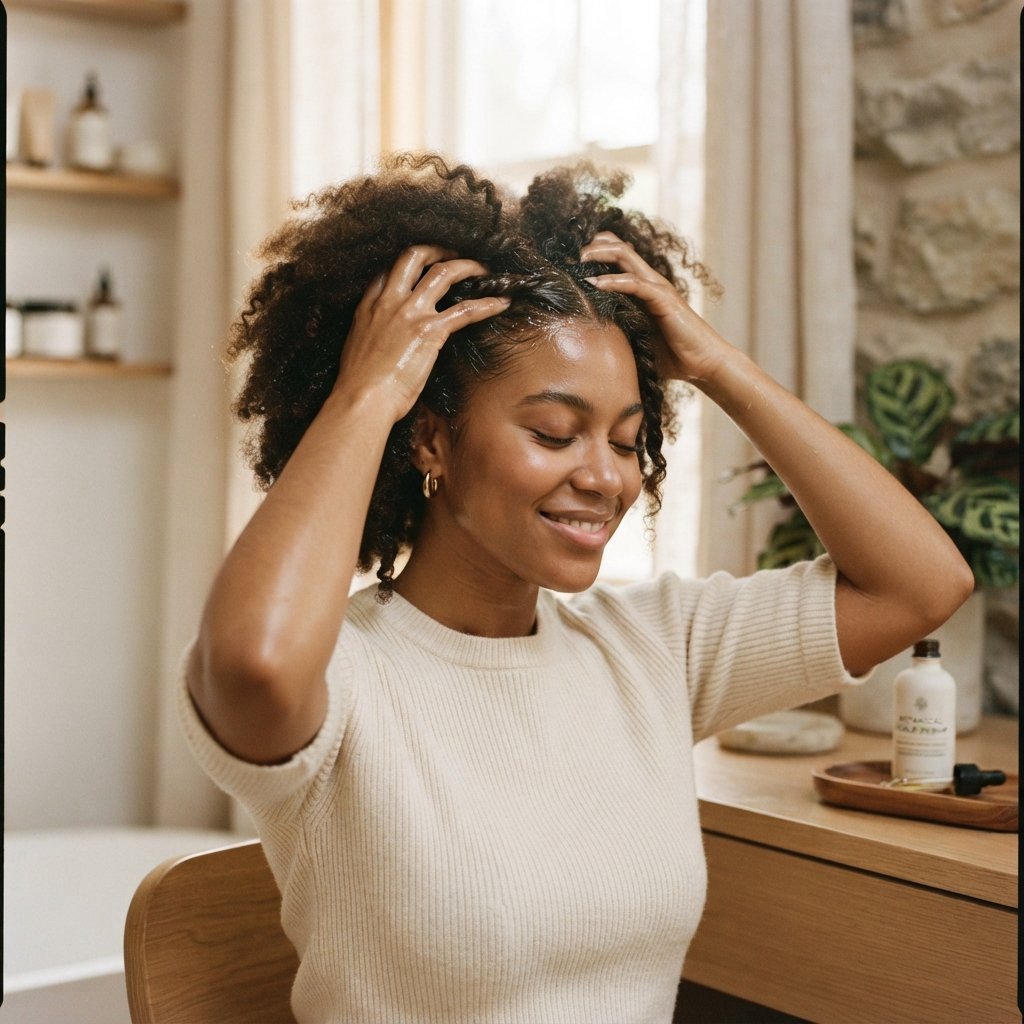
Yes, but carefully. Heat can damage your curl pattern. So use it sparingly. Save blowouts and flat irons for special occasions. Always use a heat protectant.
Keep the temperature below 350°F. Don’t pass the iron over the same section more than once. If you want a quiet luxury bob or an asymmetrical lob, consider a wig or a temporary style instead.
Your natural hair can look elegant without daily heat. Low manipulation means gentle, not never. Just be smart about it.
Scalp Care Is Hair Care

Your scalp is where growth starts. Keep it clean and stimulated. Wash it regularly. Don’t let product buildup clog your follicles. Massage your scalp for five minutes a day.
Use your fingertips, not your nails. You can add a few drops of rosemary or peppermint oil to your carrier oil. But always dilute.
If your scalp is itchy or flaky, treat it. A healthy scalp grows healthy hair. Don’t ignore it. A simple massage can improve blood flow and relaxation.
Protect Your Edges at All Costs
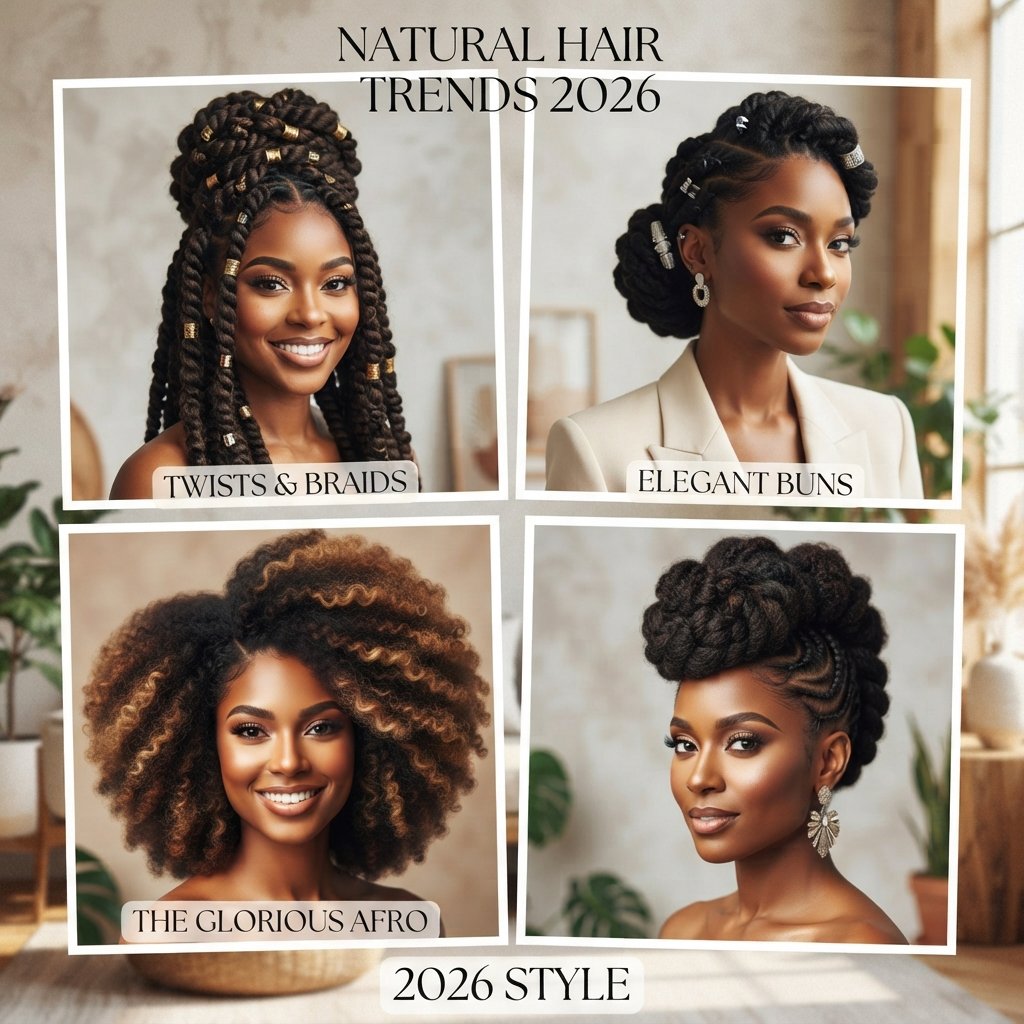
Your edges are delicate. They break easily and take forever to grow back. So never pull them tight. Avoid heavy braids, tight ponytails, and glued-on styles.
Don’t brush them harshly. Use a soft brush and light hold gel. If you wear a scarf, don’t tie it too tight. Give your edges a break between styles.
Massage them with castor oil or jojoba oil. If they look thin, stop all tension immediately. Your edges frame your face. Treat them like the precious thing they are.
Low Manipulation Styling Inspiration for 2026

You can still be trendy with low manipulation. For 2026 hairstyles, think simple and elegant. A low bun gives old money hair vibes. A tucked twist out looks like a quiet luxury bob.
For romantic goth hairstyles, add dark ribbons to two braids. For glitchy glam hair, use temporary color wax on a few twists. If you want an asymmetrical lob or vampire haircut, try a wig or clip-ins.
A hime cut can be recreated with straight-back cornrows and loose ends. Trendy doesn’t mean damaging. Have fun with low manipulation.
How to Handle Special Occasions and Trends

Weddings, parties, and date nights are fun. You don’t have to sacrifice hair health. Plan ahead. Wash and deep condition a few days before.
Choose a style that doesn’t require tight pulling. A low chignon, a braided crown, or a sleek puff all work. If you want a vampire haircut look, use clip-in bangs.
For glitchy glam hair, add glitter roots. For romantic goth hairstyles, use black hair pins. Take it down gently that night. Moisturize your scalp. Then let your hair rest for a week. Celebrate without damage.
Seasonal Adjustments for Your Routine
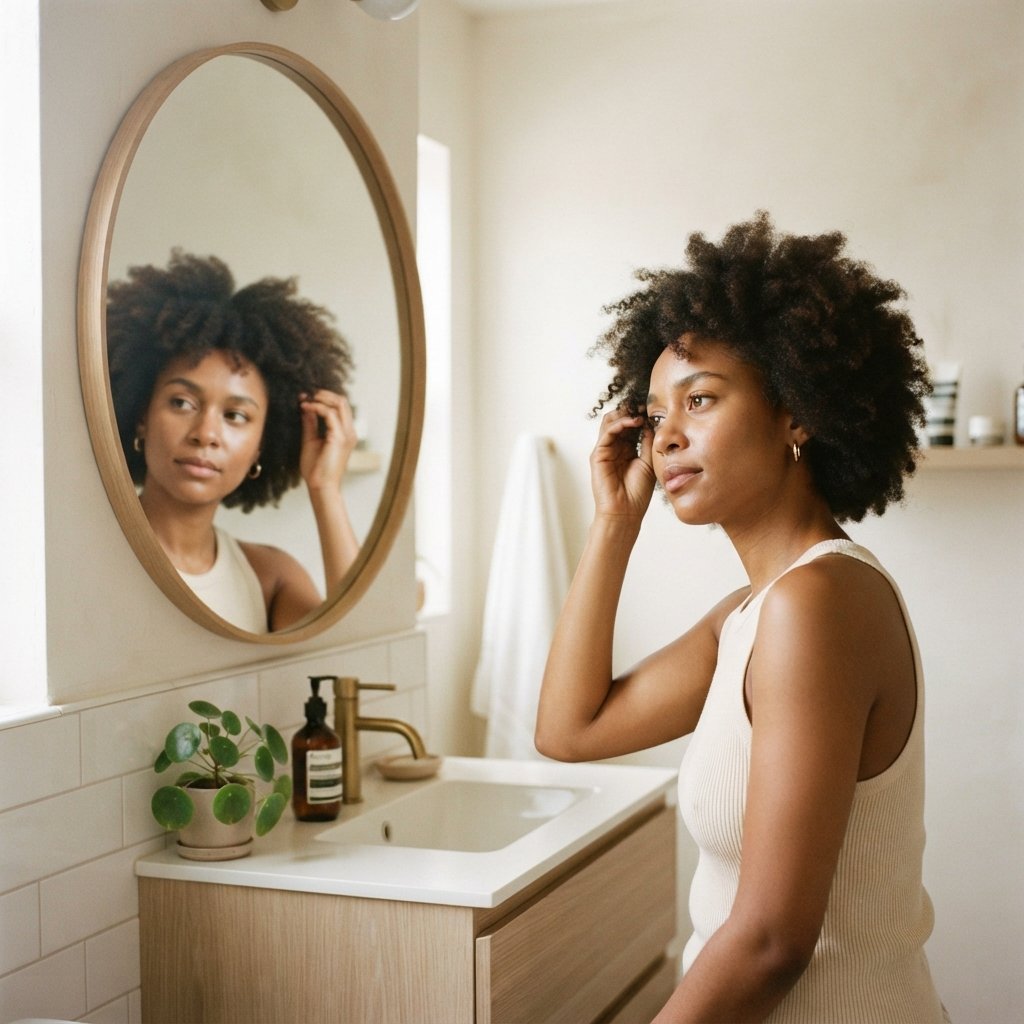
Your hair has different needs in different seasons. In winter, focus on moisture. Use heavier butters and protective styles. Cover your hair with a satin-lined hat.
In summer, focus on cleansing. Sweat and sunscreen can build up. Co-wash more often. In spring and fall, you can keep your regular routine.
Always listen to your hair. If it feels dry, add moisture. If it feels greasy, cleanse. Low manipulation doesn’t mean rigid. It means flexible and gentle. Adjust as the weather changes.
Common Low Manipulation Mistakes to Avoid
Even good routines have traps. Watch out for these mistakes:
- Leaving protective styles in too long
- Forgetting to moisturize your ends
- Using too much protein
- Detangling dry hair roughly
- Tying your scarf too tight
- Skipping trims
Avoid these, and your hair will thrive. Low manipulation is not an excuse for neglect. It’s intentional care. You still need to wash, moisturize, and check your hair. But you do it less often and with more love. Simple.
How to Build a Routine You’ll Actually Stick To
A routine only works if you do it. So keep it simple. Pick two wash days per month. Choose one deep condition day. Set a bedtime reminder for your bonnet.
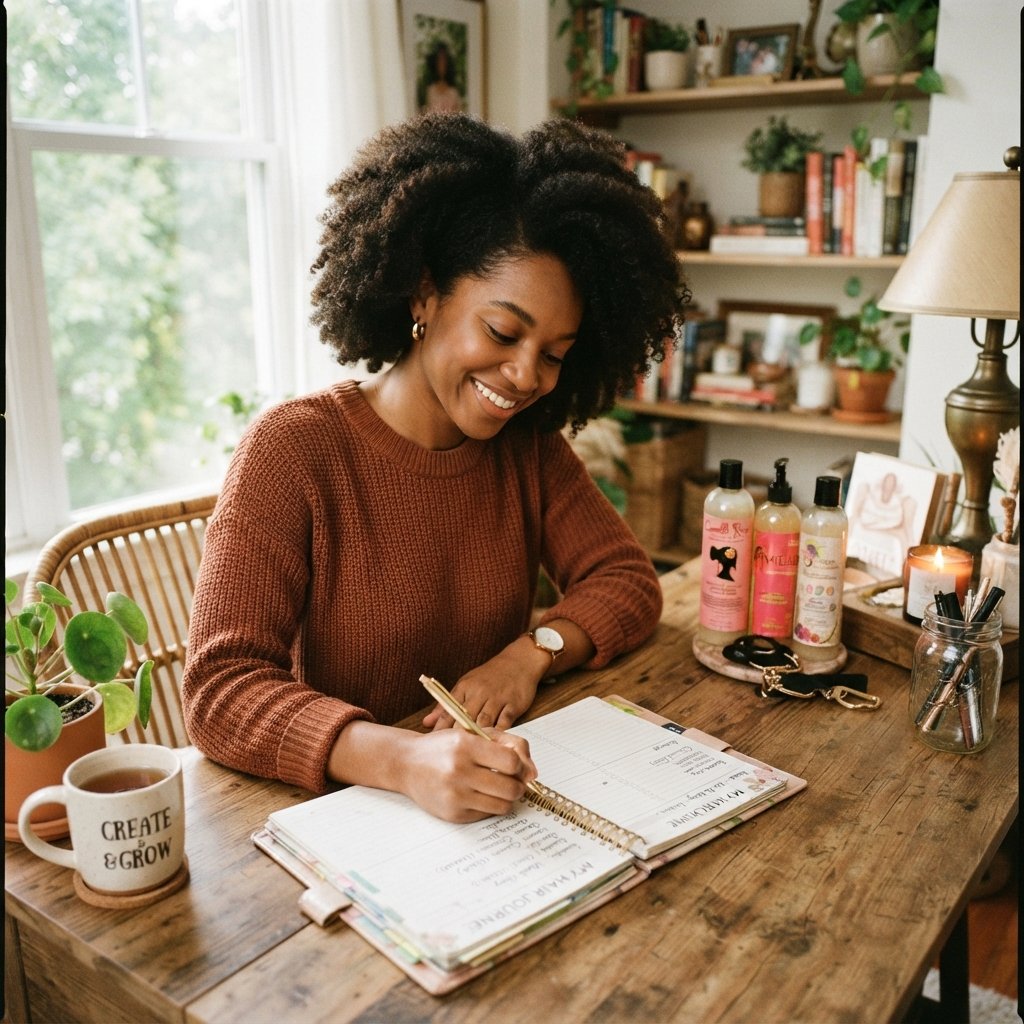
Use the same products for a month before switching. Write it down. Track what works. Don’t copy someone else’s routine exactly. Your hair is unique.
Start with three steps: cleanse, moisturize, protect. Add more only if needed. Consistency beats intensity. A simple routine done every week is better than a complex one done once.
Tracking Your Growth Without Obsessing
It’s okay to want growth. But don’t measure every day. That leads to frustration. Instead, take a length check photo every three months. Wear the same shirt. Use the same lighting.
Pay attention to how your hair feels. Is it softer? Are your ends thicker? Do you see fewer knots? Those are wins.
Keep a simple hair journal. Note products and styles that worked. Celebrate small progress. Your hair is growing, even when it doesn’t feel like it. Trust the process.
A Warm Wrap-Up
Your hair doesn’t need perfection. It needs consistency, patience, and a whole lot of grace. A low manipulation natural hair routine gives you all three. Start small. Pick one habit from this post and try it this week.
Remember, growth happens in the quiet moments. When you leave your hair alone. When you moisturize your ends. When you sleep on satin. Those little choices add up to big length.
You’re doing better than you think. Keep going, friend.
Save this post to Pinterest so you can come back to it on wash day. And tell me in the comments: what’s your biggest hair goal right now? I read every single one.
Xo, Hailey & Team

