
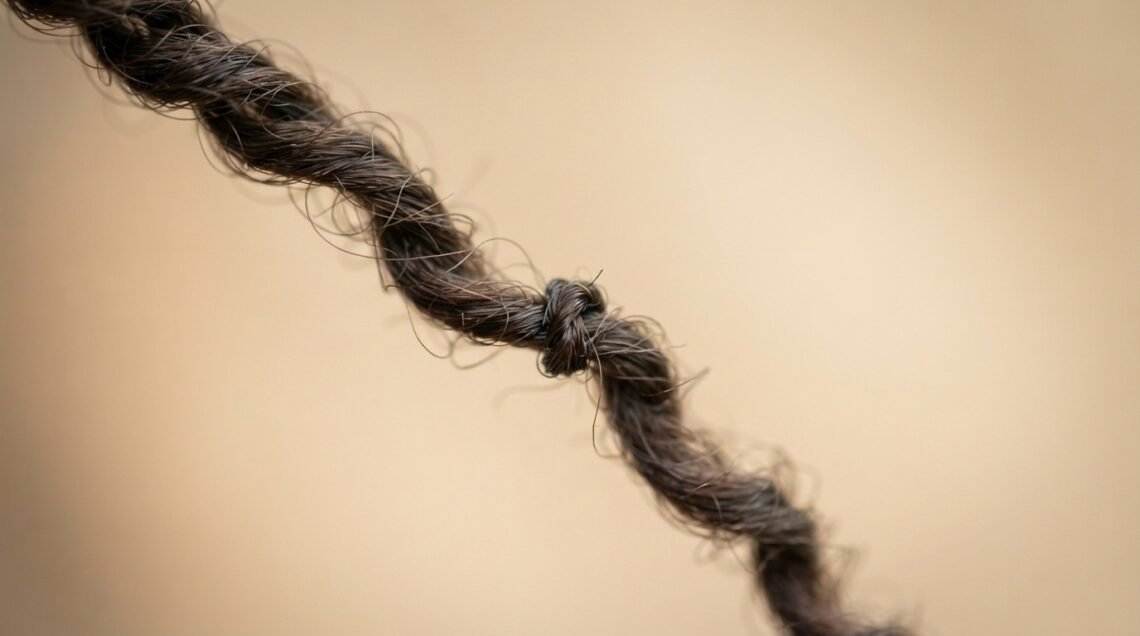
If you have Type 4 coily hair, you already know the tiny fairy knots that show up out of nowhere. Single strand knots can make wash day feel like a puzzle, especially when you are trying to keep your coils healthy and your routine simple.
I have been there. You detangle, moisturize, style, and then find a little knot at the end of a single strand. It is annoying, but it is not a sign that you are doing everything wrong.
In this post, I am sharing practical ways to manage coily Type 4 hair without causing single strand knots. You will learn how to wash, detangle, dry, style, and protect your coils in a way that actually works for real life.
Let’s keep it easy, gentle, and doable. Your hair can feel soft, healthy, and manageable without a 20-step routine.
What Single Strand Knots Really Are

A single strand knot is exactly what it sounds like: one strand of hair loops around itself and forms a tiny knot. People call them fairy knots because they are small, sneaky, and show up when you least expect them.
They usually appear near the ends, but they can form anywhere along the hair shaft. For Type 4 coils, the natural bends and curves make these loops more likely to happen.
They are different from a regular tangle. A single strand knot involves just one hair, so pulling it apart often causes breakage. Your best move is prevention, not force.
Why Type 4 Hair Gets Fairy Knots

Type 4 hair has tight coils, sharp bends, and lots of texture. That texture is beautiful, but it also gives strands more chances to wrap around themselves. The tighter the coil, the easier it is for a strand to loop and knot.
Dryness makes it worse. When coily hair loses moisture, the cuticle feels rough, and strands catch on each other instead of gliding. Shrinkage also plays a role because ends curl back into the coil as hair dries.
You cannot change your texture, but you can change how you handle it. Moisture, gentle detangling, and stretching make a real difference.
Moisture Is Your First Defense
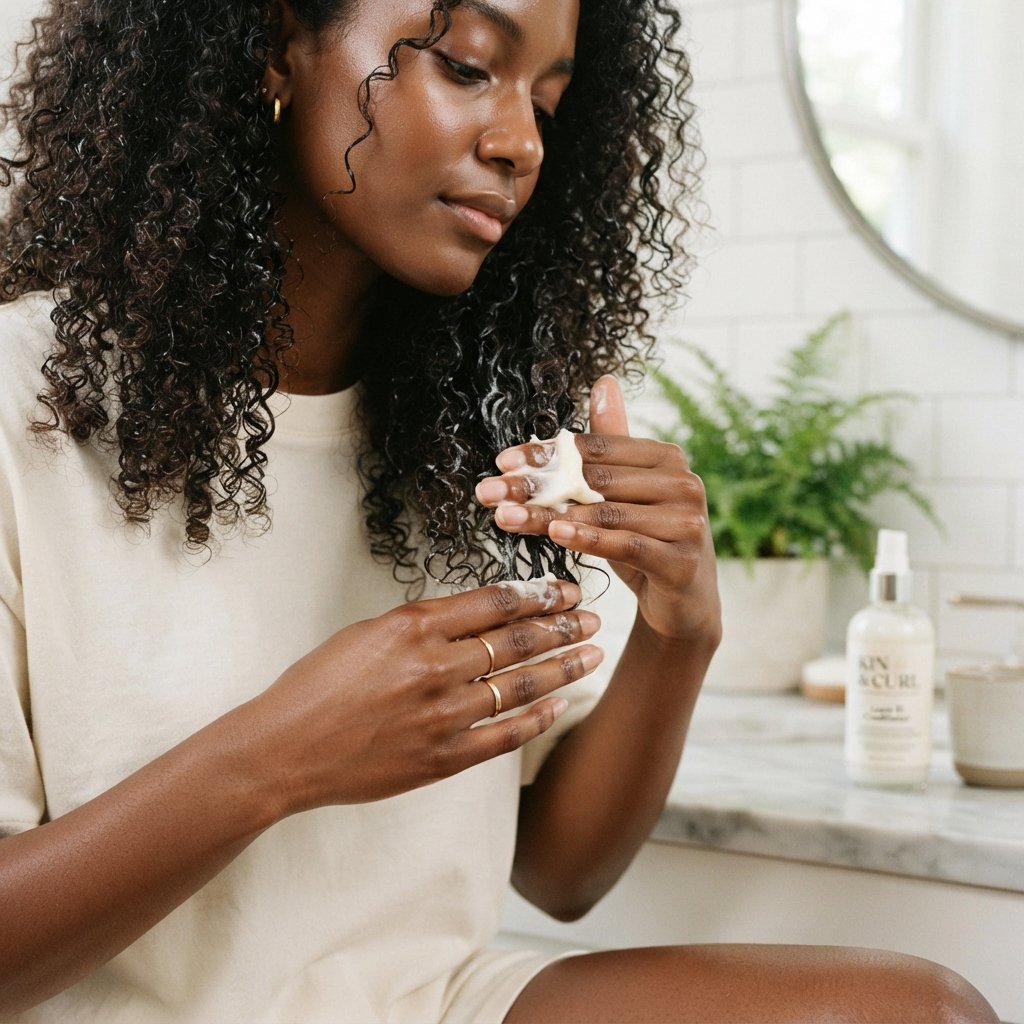
Single strand knots love dry hair. Before you buy another styler, focus on moisture balance. Your coils need water, a leave-in conditioner, and a sealant that keeps that water in.
Try this simple layering method:
- Spray with water or a water-based refresher.
- Add a leave-in conditioner.
- Seal your ends with a light oil or butter.
Do not drench your hair every single day. Over-wetting without sealing can make coils swell, shrink, and tangle more. Moisture is a routine, not a one-time fix. Stay consistent and your ends will feel softer.
Pre-Detangle Before Wash Day
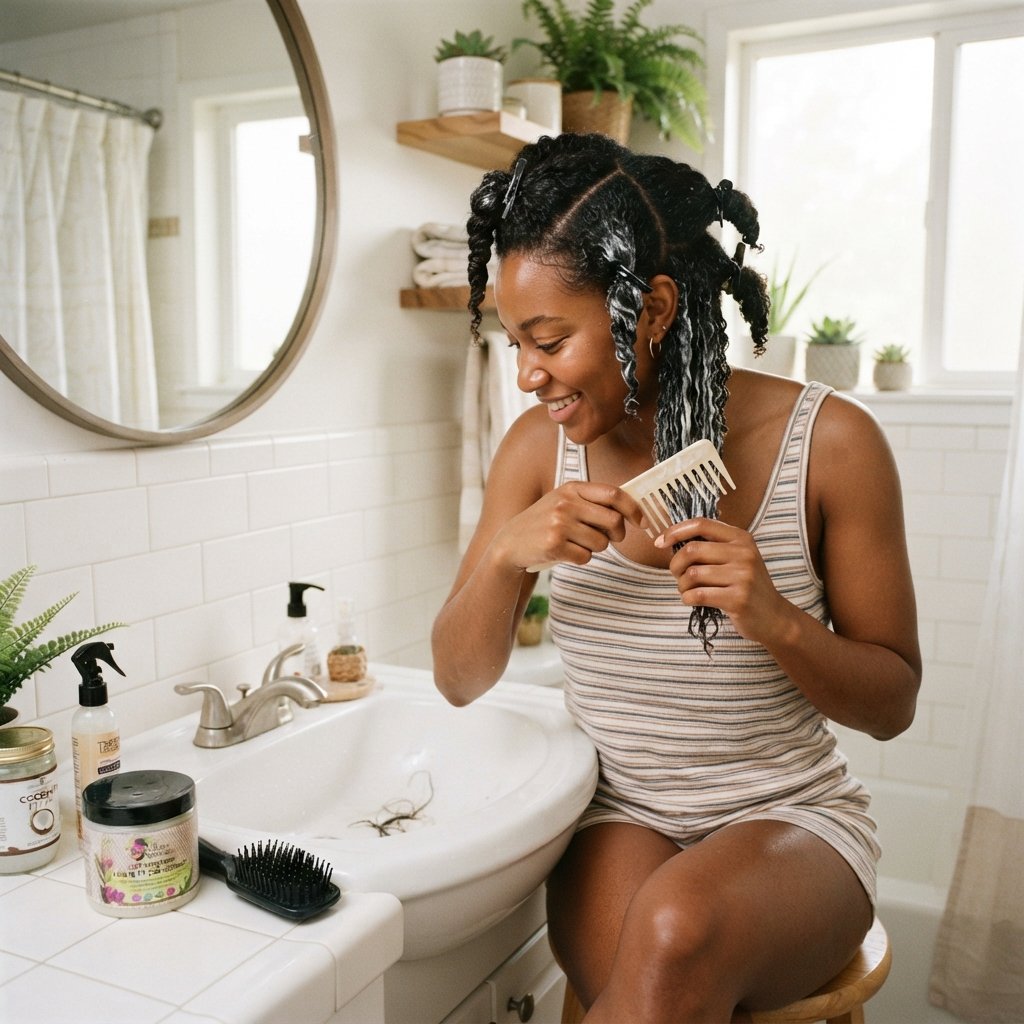
Wash day should not be the first time you detangle. If your hair is already knotted, shampooing makes everything worse. Take 10 minutes the night before to remove shed hair and loosen tangles.
Mist your hair with water and a little conditioner. Work in four to six sections. Gently separate each section from the ends up to the roots.
This prep step reduces single strand knots because shed hairs do not wrap around your coils during washing. It also makes wash day faster, calmer, and less stressful for your hair.
Work in Small Sections

Small sections are your best friend when you have Type 4 hair. If you grab a big chunk, you cannot see the tiny knots hiding inside. You also pull harder, which creates more breakage and more fairy knots.
Use clips to keep each section separate. Take one section at a time. Twist or braid it after detangling so it stays stretched and out of the way.
Yes, it takes patience. But small sections save your ends. They also help you spot single strand knots before they become a bigger problem.
Choose Knot-Friendly Tools

Not all combs and brushes are safe for coily hair. Fine-tooth combs can snap strands. Ball-tip brushes can snag. Look for seamless combs, wide-tooth combs, and detangling brushes with flexible bristles.
My go-to order:
- Finger detangle.
- Wide-tooth comb.
- Detangling brush only if needed.
Always detangle on damp, conditioned hair. Never rip through dry Type 4 coils. If you hear snapping, stop and add more slip. A good detangling tool should feel smooth, not scratchy.
Finger Detangle First

Finger detangling is not just for beginners. It is one of the best ways to prevent single strand knots because you can feel the tangle before you pull it. Your fingers are gentle and precise.
Start at your ends. Gently pull the hair apart with your fingers. If you feel a knot, do not yank it. Add conditioner or water and work it loose slowly.
You do not have to finger detangle every day. But doing it before combing, washing, and styling can save your coils from unnecessary breakage. Slow hands save length.
Shampoo in Twists or Braids

Shampooing loose Type 4 hair can turn into a tangled mess. Instead, cleanse your hair in large twists or braids. This keeps the strands separated while you clean your scalp properly.
Focus shampoo on your scalp, not your ends. Let the suds rinse down the hair shaft. Use your fingertips, not your nails, and be gentle around your edges.
If your hair feels stripped, follow with a moisturizing conditioner. A gentle wash routine keeps your coils clean without inviting knots or dryness. Clean hair can still be soft hair.
Deep Condition for Slip

Deep conditioning is not optional when you have coily hair. It adds softness, elasticity, and slip. Slip is what helps strands glide past each other instead of knotting together.
Look for conditioners with ingredients like aloe, glycerin, marshmallow root, or slippery elm. Apply in sections and use a shower cap for 15 to 30 minutes.
Rinse with cool or lukewarm water. Hot water can rough up the cuticle and make hair feel dry. Soft, slippery hair is less likely to form single strand knots. Your coils will feel more elastic and ready to detangle.
Balance Protein and Moisture

Protein can strengthen hair, but too much makes Type 4 coils stiff and brittle. Brittle hair snaps and knots more easily. Moisture without protein can feel mushy and weak, so balance matters.
Try a protein treatment every four to six weeks if your hair is damaged. Follow with a deep moisturizing conditioner. If your hair feels hard, pause protein and focus on moisture.
Balance is personal. Pay attention to how your hair feels after each wash day, then adjust. Your coils will tell you what they need. Strong hair is flexible hair, not stiff hair.
Dry Gently, Never Rough

How you dry your hair matters. Rubbing with a rough towel causes friction, frizz, and tangles. That friction can lead to single strand knots, especially on your delicate ends.
Use a microfiber towel or a soft cotton T-shirt. Squeeze and blot the water out. Do not rub. If you air dry, keep hair in sections so strands do not wrap around each other.
If you use a diffuser, use low heat and low speed. Rough drying is one of the fastest ways to create fairy knots. Patience here protects your ends.
Stretch Your Coils

Shrinkage is normal, but tight shrinkage can cause ends to coil back into themselves. Stretching your hair helps reduce single strand knots because the ends are not constantly looping around the shaft.
Ways to stretch:
- Band hair in sections.
- Use large twists or braids.
- Blow dry on low heat occasionally.
- Use a hooded dryer with stretched styles.
You do not need to stretch every day. Stretching after wash day can make the next few days much easier to manage. Stretched hair also shows length and reduces fairy knots.
Keep Styling Low-Manipulation

More styling does not mean better results. Constantly combing, brushing, and re-twisting your hair can cause friction and knots. Type 4 coils like to be left alone once they are set.
Choose low-manipulation styles like twists, braids, flat twists, and buns. Install them on damp, detangled hair. Then step away and let your hair rest.
If you restyle every day, you are asking for single strand knots. Give your hair a break between styles. Less touching really does mean fewer knots. Your hands are not a styling tool you need to use every hour.
Protective Styles That Protect

A good protective style hides your ends and reduces manipulation. But not all protective styles are safe. Tight braids, heavy extensions, and rough takedowns can cause breakage and knots.
Try loose flat twists, two-strand twists, cornrows without tension, or a low bun with a satin scrunchie. Keep your edges safe and avoid pulling too hard.
Leave the style in for one to three weeks, then take it down gently with conditioner and water. If a style causes pain, it is too tight. Protective means low tension, not high tension.
Simple Night Routine

Your nighttime routine can make or break your hair. Cotton pillowcases soak up moisture and create friction. That friction leads to tangles and single strand knots while you sleep.
Sleep on satin or silk. Use a satin bonnet, scarf, or pillowcase. Put your hair in loose twists, braids, or a pineapple before bed to keep ends protected.
You do not need a complicated routine. Just protect your ends and keep moisture in while you sleep. Your morning detangling will be so much easier. A good night’s sleep should not cost you your ends.
Refresh Without Retangling
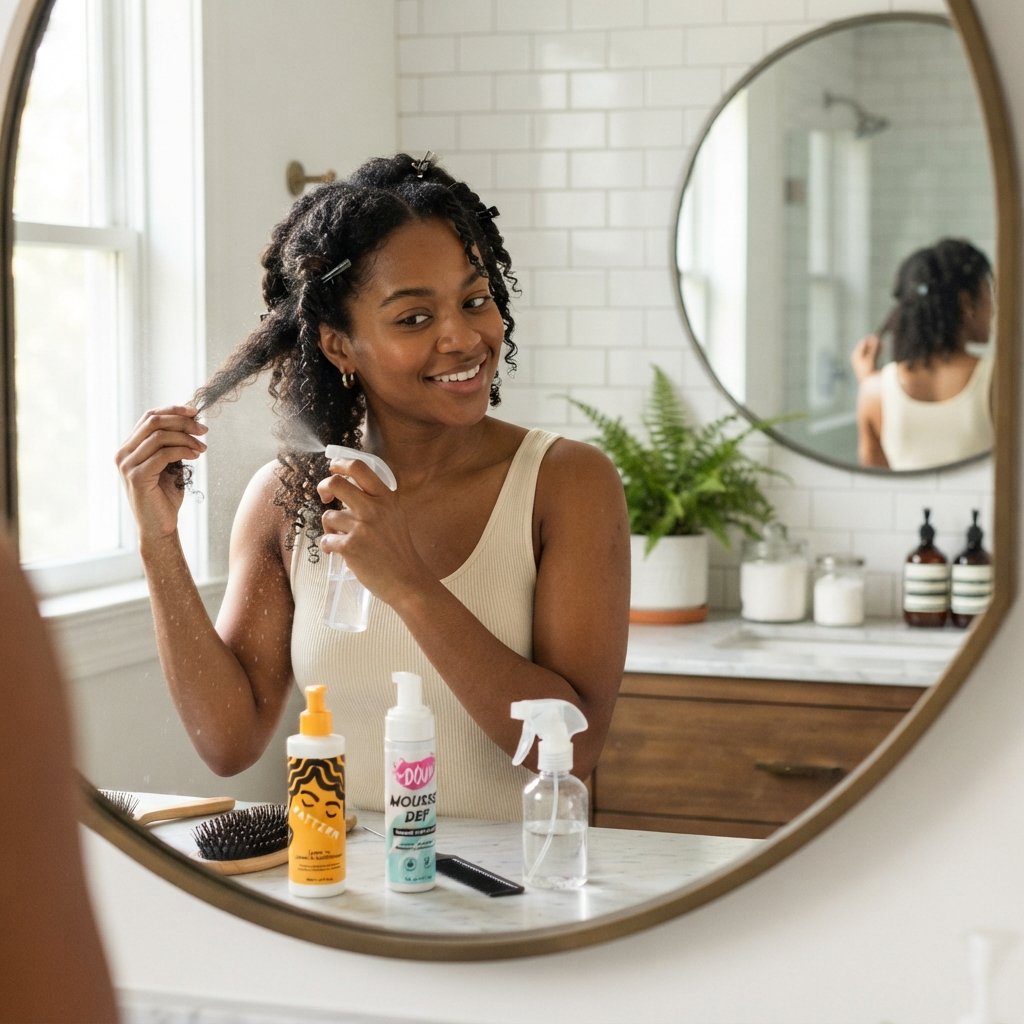
Refreshing does not mean soaking your hair and combing it all over again. That can create knots. Instead, refresh in sections and focus on the ends where dryness shows up first.
Mix water with a little leave-in conditioner. Spray one section at a time. Smooth with your fingers or a soft brush. Re-twist if needed and move on.
If your hair is already tangled, do not refresh over it. Detangle first, or you will lock the knot in place. Gentle refresh days keep your coils happy. A little water and leave-in can go a long way.
Trim When Knots Keep Coming Back

Sometimes single strand knots are a sign that your ends need a trim. If you find fairy knots every week, your ends may be dry, split, or rough. Rough ends catch on themselves.
Trimming does not mean losing length. It means removing weak ends so they do not travel up the strand. A light dusting every 10 to 12 weeks can help.
Trim in twists. Snip only the very ends. Healthy ends are less likely to wrap around themselves and create knots. Your future length will thank you. Sharp shears make a clean cut, which helps prevent splits.
Build a Low-Knot Wash Day
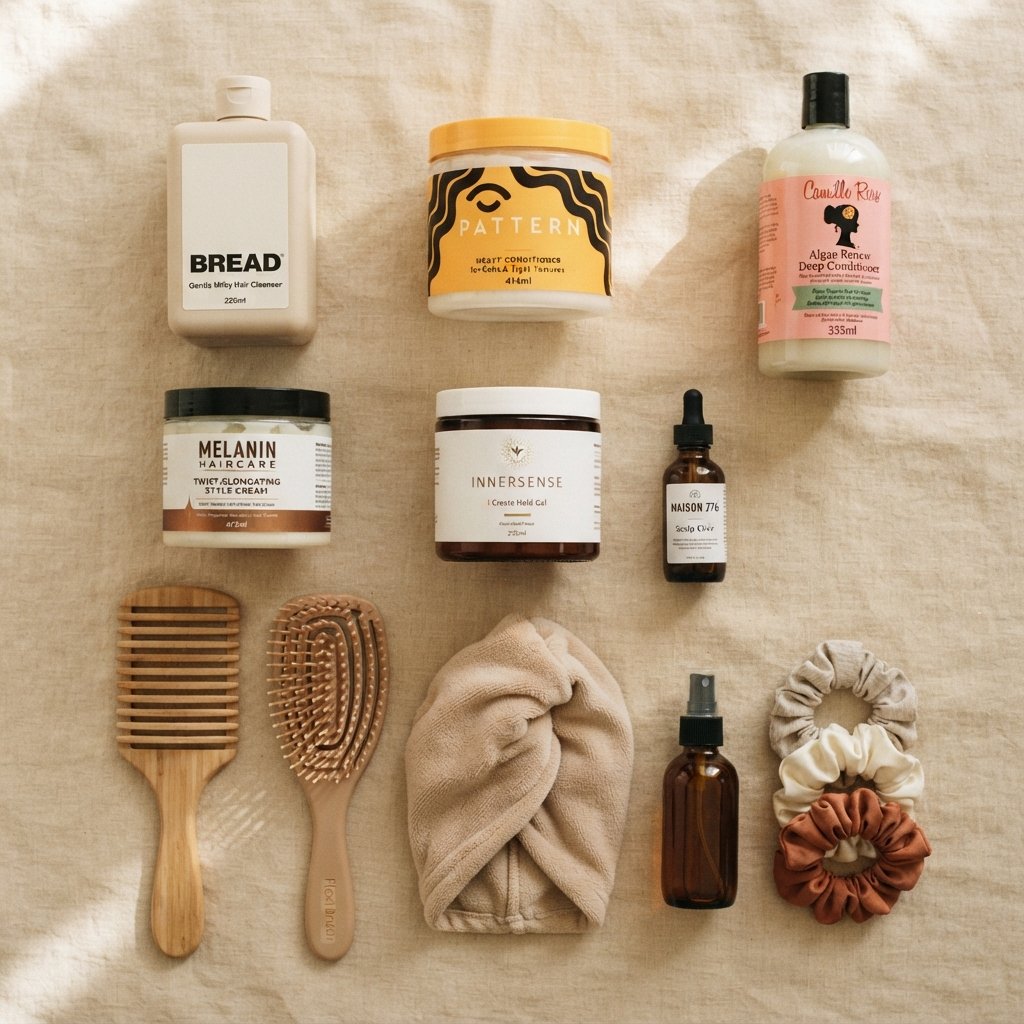
Here is a simple wash day routine that helps prevent single strand knots:
- Pre-detangle in sections.
- Shampoo in twists.
- Deep condition with slip.
- Detangle again with conditioner.
- Rinse and blot with a T-shirt.
- Apply leave-in and seal ends.
- Style in twists or braids to stretch.
Keep it consistent. A calm routine beats a rushed one every time. Write it down if you need to, then repeat what works. Do not skip the prep step, even when you are tired.
Style Inspiration for 2026

You can still enjoy 2026 hairstyles with coily hair. Think polished and low-manipulation. For old money hair, try a sleek low bun with smooth edges. For a quiet luxury bob, fake the shape with a stretched twist-out pinned under.
Love romantic goth hairstyles or glitchy glam hair? Add a few face-framing twists or metallic clips to a braid-out. An asymmetrical lob, vampire haircut, or hime cut can inspire your next protective style, even if your hair is coily.
Keep styling gentle. The goal is beautiful hair, not a knotty setback. You can be trendy and protective at the same time.
When to See a Professional
If your single strand knots are causing serious breakage, thinning, or pain, see a professional stylist. They can help with a proper trim, detangle, or treatment plan that fits your hair.
Look for someone who understands Type 4 hair. They should detangle gently, respect your ends, and listen to your goals. Do not be afraid to ask questions before you sit in the chair.
You can also ask them to teach you how to detangle your own hair. A good stylist wants you to succeed at home, not depend on them forever.
Single strand knots are frustrating, but they are not your fault. With moisture, gentle sectioning, stretching, and a simple night routine, you can keep your Type 4 coils healthier and more manageable.
You do not need a perfect routine. You need consistency and patience. Start with one or two changes this week, then build from there.
Your coily hair deserves care that feels calm, not complicated. I am cheering you on.
Save this post to Pinterest so you can come back to these tips on your next wash day. And tell me in the comments: what is your biggest struggle with single strand knots?

