

Hey friend, I see you. You run your fingers through your hair and suddenly there’s a small animal in your brush. Seasonal shedding is real, and it can feel like your hair is abandoning you. But here’s the good news: you can slow it down before it gets out of hand.
I’ve been there. Every fall and spring, my shower drain looks like a horror movie. So I tested a bunch of simple habits, and they actually work. No crazy products. No expensive treatments. Just small changes that make a big difference.
In this post, I’m sharing 20+ easy steps to stop seasonal shedding in its tracks. We’ll talk scalp care, gentle styling, and even how to rock 2026 hairstyles while your hair recovers. You’ve got this, and I’ve got you. Let’s dive in.
Why Seasonal Shedding Happens (And Why It Feels Scary)

Seasonal shedding is your hair’s natural response to changing daylight and temperature. In fall and spring, your scalp shifts from growth to rest. That’s why you see more strands than usual. It’s not forever, but it can feel alarming.
The key is to support your scalp now so the shedding doesn’t snowball. Think of it like a seasonal reset for your hair. Your old money hair routine should be gentle, not aggressive. When you panic and over-treat, you can make it worse. So first, breathe. Then take these simple steps.
The 2026 Hair Reset: Start With Your Scalp

Healthy hair starts at the root. If your scalp is dry, itchy, or clogged, shedding can get worse. So make scalp care your number one priority. Use a gentle exfoliating scrub once a week. Then massage your scalp for five minutes daily. This boosts blood flow and relaxes you.
For 2026 hairstyles, think of your scalp as the foundation. A quiet luxury bob looks best when your hair is strong from the start. So treat your scalp like a garden. Water it, feed it, and don’t yank at the weeds.
How Many Strands Are Actually Normal?

Losing 50 to 100 strands a day is normal. But seasonal shedding can push that to 150 or more. The difference is whether you’re replacing them. If you see thinning at your part or temples, it’s time to act.
Keep a simple log for one week. Count the strands on your pillow and in the shower. This helps you spot patterns. Don’t obsess, just observe. If the number stays high for more than two months, see a doctor. For now, trust that your body knows how to reset.
The Quiet Luxury Bob Secret to Less Breakage

A quiet luxury bob is not just a style. It’s a protective move. Short hair means less weight on your roots. Less weight means less pulling and snapping. So if your shedding is out of hand, consider a blunt cut just above your shoulders. It looks expensive and feels effortless.
Ask your stylist for soft layers only at the ends. This keeps your hair looking full while it recovers. Pair it with old money hair habits: low heat, clean products, and regular trims. Your hair will thank you.
Switch to a Gentle Wash Routine Right Now

Harsh shampoos strip your scalp and weaken your strands. So switch to a sulfate-free formula. Wash your hair every other day, not every day. Use lukewarm water, not hot. Hot water opens your cuticles and causes breakage.
When you condition, focus on your mid-lengths and ends. Keep it off your scalp. Rinse well. Then gently squeeze out water with a soft towel. No rubbing. This one change can reduce shedding by a surprising amount. Your scalp will feel calmer in a week.
Old Money Hair Care: Less Product, More Patience

Old money hair is not about pricey serums. It’s about consistency. Use three products max: a gentle shampoo, a hydrating conditioner, and a light oil for your ends. That’s it. Skip the heavy gels and root sprays that clog your follicles.
Let your hair air dry when you can. If you must blow dry, use the cool setting. Patience is your secret weapon. The less you mess with your hair, the less it falls out. So keep it simple, elegant, and calm.
The Asymmetrical Lob: A Shedding-Friendly Cut

The asymmetrical lob is having a moment in 2026 hairstyles. And it’s perfect for shedding season. The uneven length creates volume and movement. That means you can hide thin spots without layers that pull. Ask for a cut that’s longer in the front and shorter in the back. This keeps weight off your crown.
Style it with a texturizing spray and your fingers. No round brush needed. It’s low maintenance and high impact. Plus, it grows out beautifully, so you won’t need trims every four weeks.
Stop Over-Brushing (Your Hair Will Thank You)
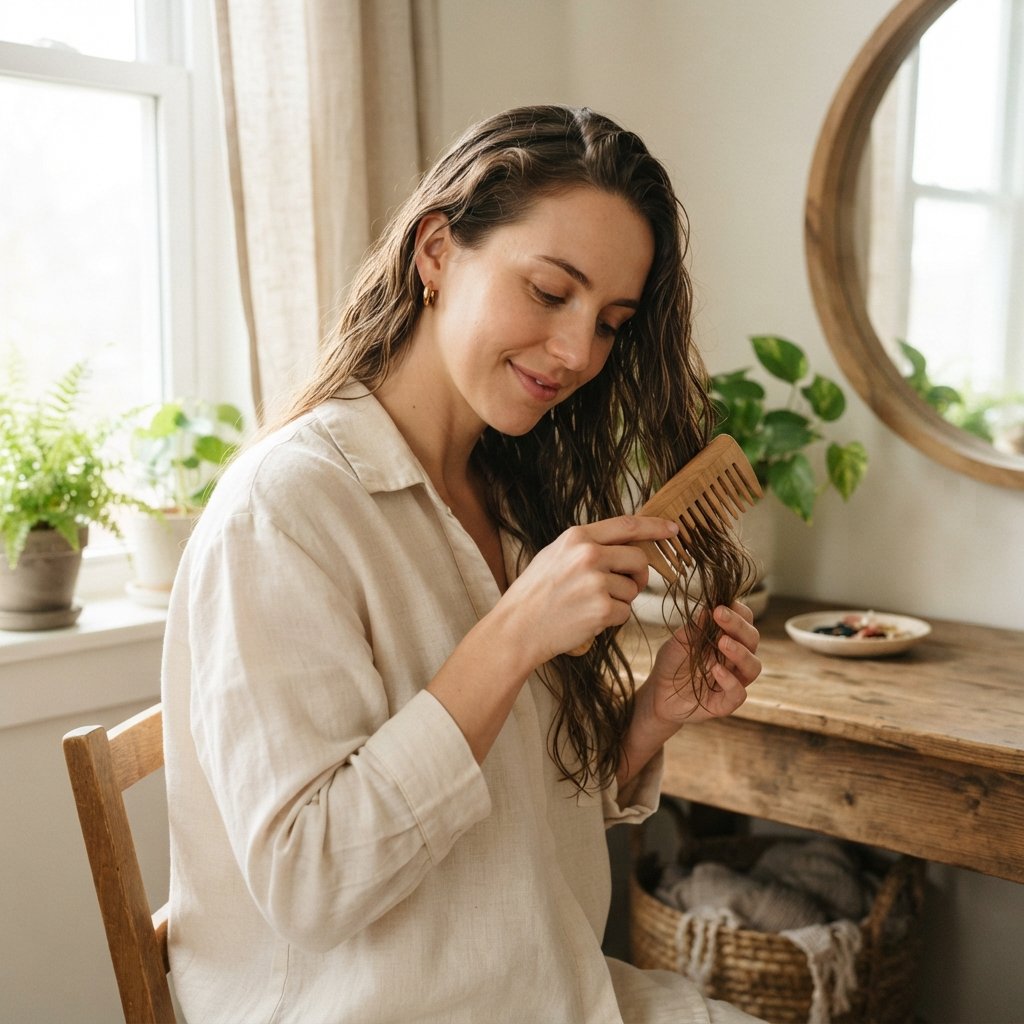
Brushing feels good, but too much of it breaks hair. So only brush when your hair is dry and detangled. Use a wide-tooth comb for wet hair. Start at the ends and work your way up. Never yank through knots.
If you hit a tangle, use your fingers to separate it. Then spray a little leave-in conditioner. Also, clean your brush every week. A dirty brush spreads oil and bacteria. That can irritate your scalp and increase shedding. So be gentle, be slow, and your hair will stay put.
Romantic Goth Hairstyles That Hide Thinning

Romantic goth hairstyles are dramatic and forgiving. Think soft braids, loose waves, and face-framing pieces. These styles add volume without pulling at your roots. You can also try a half-up look with a velvet ribbon. It distracts from any thin areas.
Just avoid tight ponytails or heavy extensions. Those cause traction alopecia. Instead, use a claw clip for a loose twist. Add a few dried flowers. The goal is to look ethereal, not tense. So play with texture and let your hair breathe.
Glitchy Glam Hair Without the Heat Damage

Glitchy glam hair is all about fun, edgy texture. But you don’t need a flat iron to get it. Use a sea salt spray on damp hair. Then scrunch and let it air dry. For extra hold, braid your hair before bed. In the morning, unravel for perfect waves.
If you want a sleek section, use a blow dryer on cool. Never use heat above 300 degrees. And always use a heat protectant. This way, you can rock 2026 hairstyles without losing your hair. Glam should never cost you your strands.
The Vampire Haircut for a Fresh Start

The vampire haircut is sharp, sleek, and powerful. It’s usually a chin-length cut with blunt ends and a deep side part. This style is great for shedding because it removes damaged ends. It also makes your hair look thicker instantly.
Ask your stylist for a strong perimeter. Keep the layers minimal. Then style it with a shine serum. The vampire haircut works with straight or wavy hair. It’s low maintenance and high drama. So if you’re ready for a change, this cut can reset your whole look.
Hime Cut Layers to Protect Your Ends

The hime cut is a Japanese style with straight, blunt bangs and side locks. It looks delicate and intentional. But it also protects your ends. The side locks are cut shorter, so they don’t rub against your shoulders. That means less breakage.
The back stays long and healthy. Ask for a blunt cut, not layers. Then maintain it with regular trims every eight weeks. This style is perfect for old money hair vibes. It’s clean, simple, and timeless. Plus, it keeps your hair looking full even when you’re shedding.
Scalp Massage: The 5-Minute Daily Habit

A daily scalp massage is free and effective. Use your fingertips, not your nails. Press gently and move in small circles. Start at your hairline and work back. Do this for five minutes every night. You can also use a wooden scalp massager.
This increases blood flow to your follicles. It also reduces stress, which is a major cause of shedding. Pair it with a deep breath. Think of it as me-time, not a chore. Your hair will grow back stronger and your mind will feel calmer.
Eat for Your Hair: Iron, Protein, and Healthy Fats

Your hair is made of protein. So eat enough of it. Aim for eggs, chicken, fish, or beans at every meal. Iron is also key. Low iron is a common cause of shedding. So add spinach, lentils, and red meat. Healthy fats like avocado and olive oil keep your scalp moisturized.
Don’t forget biotin and zinc. You can find them in nuts and seeds. Drink plenty of water. You don’t need fancy supplements. Just real food, eaten consistently. Your strands will thank you in a few weeks.
Hydration Inside and Out for Stronger Strands

Dehydration makes your hair brittle and prone to breakage. So drink half your body weight in ounces of water daily. That’s about 8 to 10 glasses for most of us. Also, use a humidifier in your bedroom. Dry air pulls moisture from your hair.
When you wash, use a hydrating mask once a week. Look for ingredients like aloe, honey, or glycerin. Then seal it with a light oil. This locks in moisture. Hydrated hair stretches instead of snapping. So sip more, mist more, and watch your shedding slow down.
Silk Pillowcases and Gentle Hair Ties

Cotton pillowcases tug at your hair while you sleep. That causes friction and breakage. So switch to silk or satin. It’s gentle and keeps your hair smooth. Also, ditch tight elastics. Use silk scrunchies or spiral hair ties. They hold without pulling.
If you need a ponytail, keep it loose. Never sleep with tight braids or buns. Your roots need a break. These small swaps make a huge difference. You’ll wake up with fewer tangles and less hair on your pillow. It’s a tiny change with a big payoff.
Skip Tight Styles That Pull at Your Roots

Tight ponytails, braids, and buns can cause traction alopecia. That’s permanent hair loss. So stop pulling your hair back so hard. If you must tie it up, use a soft scrunchie. Leave some tension. Better yet, wear it down or in a loose twist.
For 2026 hairstyles, the messy bun is still cute. But make it actually messy. Not tight. Also, avoid heavy extensions. They pull on your natural hair. Give your scalp a vacation. Your follicles will recover. And your hairline will thank you.
Deep Condition Weekly (But Don’t Overdo It)

A weekly deep conditioner repairs damage and adds moisture. But don’t leave it on for hours. That can make your hair mushy. Follow the instructions. Usually 10 to 20 minutes is enough. Apply from mid-length to ends. Skip your scalp unless it’s very dry.
Use a wide-tooth comb to distribute. Then rinse with cool water. This seals the cuticle. Do this once a week. More often can weigh your hair down. So keep it simple. A little goes a long way. Your hair will feel soft and strong.
When to See a Doctor About Hair Loss

Seasonal shedding usually resolves in six to eight weeks. But if it lasts longer, see a doctor. Also, if you notice bald patches, scalp pain, or extreme fatigue, get checked. You might have a thyroid issue, anemia, or a hormonal imbalance. These are treatable.
Don’t wait. Your hair is a window into your health. A simple blood test can give you answers. So advocate for yourself. There’s no shame in asking for help. You deserve to feel confident again.
Build a Simple Seasonal Shedding Plan

Here’s your simple plan. Week one: switch to gentle products. Week two: add scalp massage and deep conditioning. Week three: clean up your diet and hydration. Week four: get a trim and update your style. Then repeat each season.
Keep a journal of what works. Don’t try everything at once. Small steps add up. This plan fits any 2026 hairstyles you love. So stay consistent. Your hair will adjust. And you’ll stop panicking every time you see a stray strand.
Track Your Progress Without Obsessing

Take a photo of your hair every two weeks. Same lighting, same angle. This helps you see real progress. Don’t count strands every day. That creates stress. Stress makes shedding worse.
Instead, focus on how your hair feels. Is it softer? Shinier? Less tangled? Those are wins. Also, ask a friend to check your part. Sometimes we are our own worst critics. Celebrate small improvements. Your hair is growing. It just takes time. Trust the process.
Quick Fixes for Hair Everywhere (Shower, Brush, Pillow)
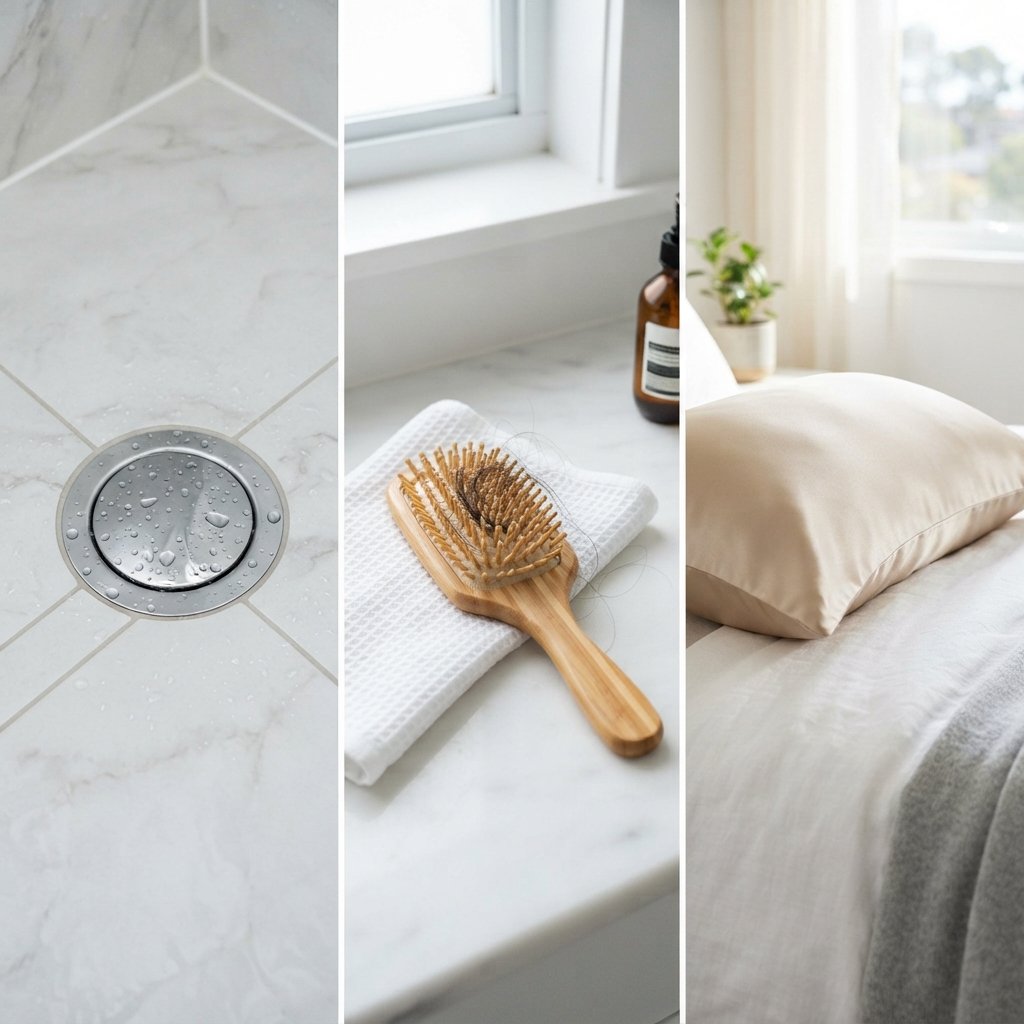
You can’t stop every strand. So manage the mess. Use a drain catcher in your shower. Clean your brush weekly with warm soapy water. Keep a lint roller in your bathroom for stray hairs. Wash your pillowcases twice a week.
These tiny habits keep your space clean. They also reduce the visual stress of shedding. When you see less hair around, you feel calmer. And that calm helps your hair stay put. So do a quick five-minute cleanup every few days. It’s worth it.
A Warm Wrap-Up
Seasonal shedding can feel overwhelming, but it’s temporary. With a gentle routine, a little patience, and the right cut, you can keep your hair healthy and full. Remember, your worth is not measured by how many strands are in your brush. You are beautiful, and your hair will bounce back.
So pick one or two tips from this post and start today. Maybe it’s a scalp massage. Maybe it’s a silk pillowcase. Small actions lead to big results. I’m cheering for you.
Save this post to Pinterest so you can come back to it when shedding season hits. And tell me in the comments: what’s your biggest hair struggle right now? I read every single one. Let’s get through this together.

