
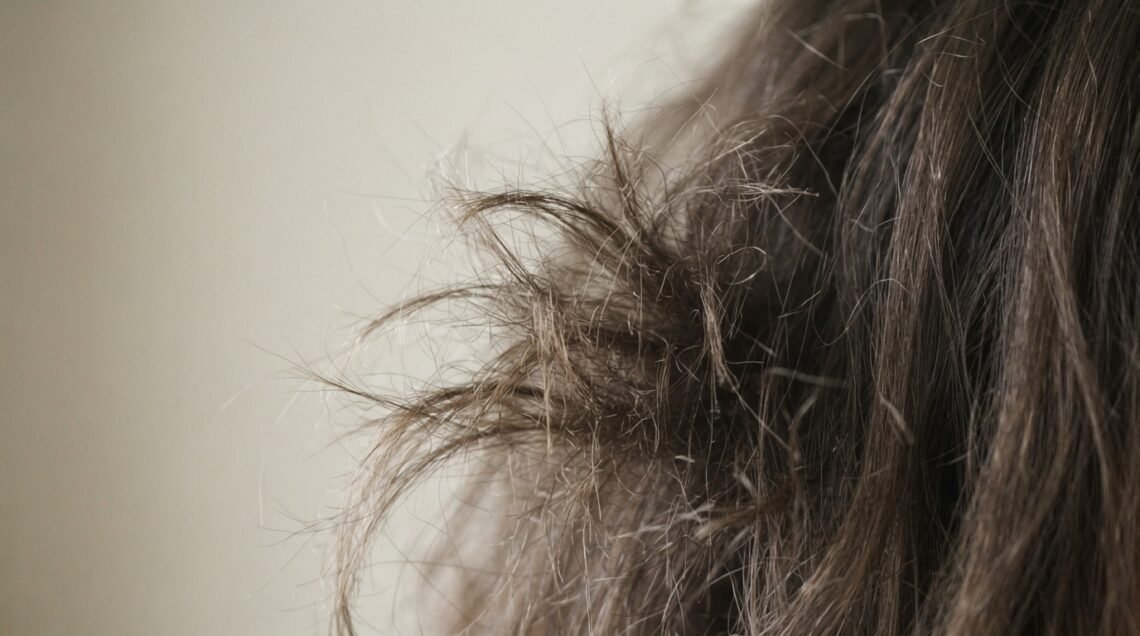
If your hair feels dry, brittle, and weirdly stiff even though you keep doing protein masks, I need you to hear this: you might not need more protein. You might be dealing with protein overload.
I see it all the time in my own hair and in my clients’ hair. You chase shine with a repair treatment, then your strands snap, tangle, and feel like straw. It is frustrating, especially when you are trying to grow your hair out or copy 2026 hairstyles like the quiet luxury bob.
The fix is not a big chop or a hundred new products. It is balancing moisture and protein again.
Today, I am breaking down why protein overload happens and how to bring moisture back. You will learn the signs, a simple at-home test, and a reset routine you can start tonight.
What Protein Overload Actually Means

Protein overload happens when your hair has more protein than it can hold. Protein fills gaps in the cuticle. That is good for damaged hair. But too much makes hair stiff, brittle, and less flexible. It can feel dry even after conditioner.
It is not about using one bad product. It is buildup. Your hair needs both protein and moisture. Protein gives structure. Moisture gives softness and stretch. When structure wins, hair snaps. The goal is balance. Think of a sponge. It needs water, not more sponge.
Why Protein Overload Happens So Easily

It happens because protein is in almost everything. Shampoo, conditioner, leave-in, mask, curl cream, and heat protectant can all contain it. You can layer five proteins without realizing.
If your hair is low porosity, protein sits on top. If you use hard water or clarify rarely, it builds up. Many repair lines are strong, so using them weekly can be too much. Fine, bleached, and relaxed hair are extra sensitive. You may think you are fixing damage, but you are adding stiffness.
Signs Your Hair Needs Moisture, Not More Protein
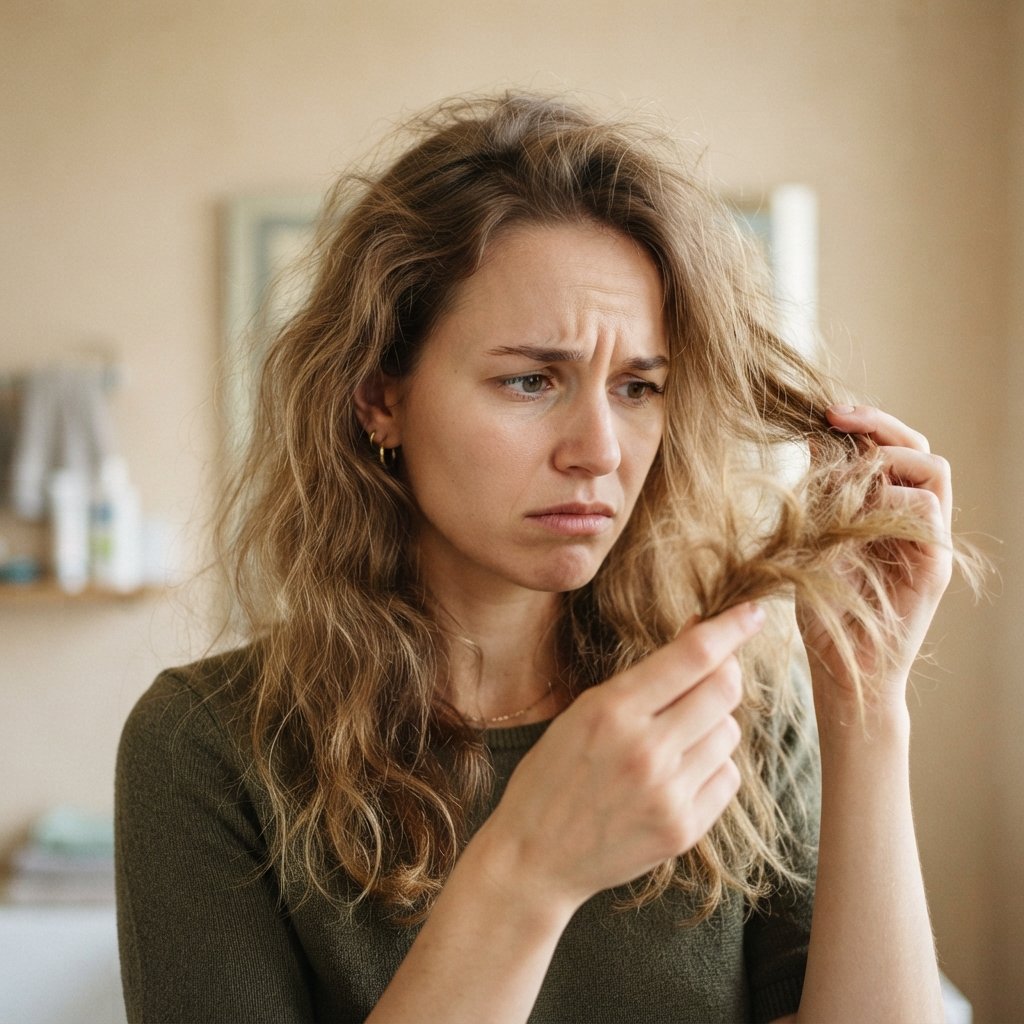
Your hair might feel dry, crunchy, or straw-like. It may snap without stretching. It might feel stiff at the roots but limp at the ends. Products may sit on top instead of soaking in.
- More tangles and breakage
- Curl pattern looks stringy or lifeless
- Hair feels worse after a protein treatment
- Hair feels better after a moisturizing deep conditioner
Keep this list handy before your next wash day. Your hair is giving you clues.
The Moisture-Protein Balance, Explained Simply

Moisture and protein are partners. Protein is the brick. Moisture is the mortar. Too much brick, and the wall cracks. Too much mortar, and the wall sags. Balanced hair feels soft, strong, and elastic. It stretches a little and bounces back.
Protein overload feels stiff and snaps. Moisture overload feels mushy and limp. Most people do not need a perfect 50/50. They need more moisture than protein most weeks. I like to think of protein as a monthly treatment, not a daily habit.
How to Test Your Hair’s Balance at Home
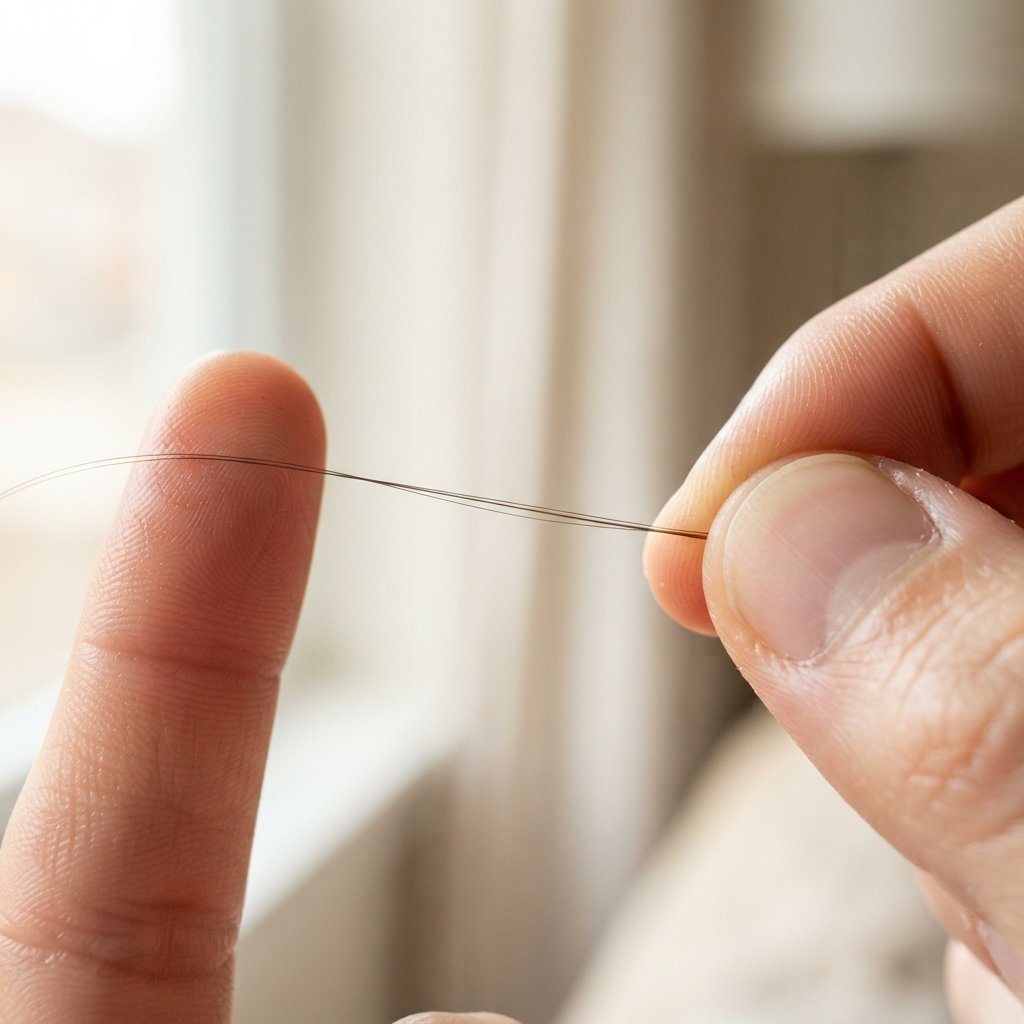
Wash and condition like normal. Do not add styling products. Take one clean strand and gently stretch it. If it stretches far and snaps, you need protein. If it barely stretches and snaps, you need moisture. If it stretches and returns, you are balanced.
Another test: notice how your hair feels after a protein-free wash. Soft and happy means moisture is your friend. Stiff and rough means protein is the issue. This test is not perfect, but it helps you listen to your hair.
The Role of Porosity in Protein Overload
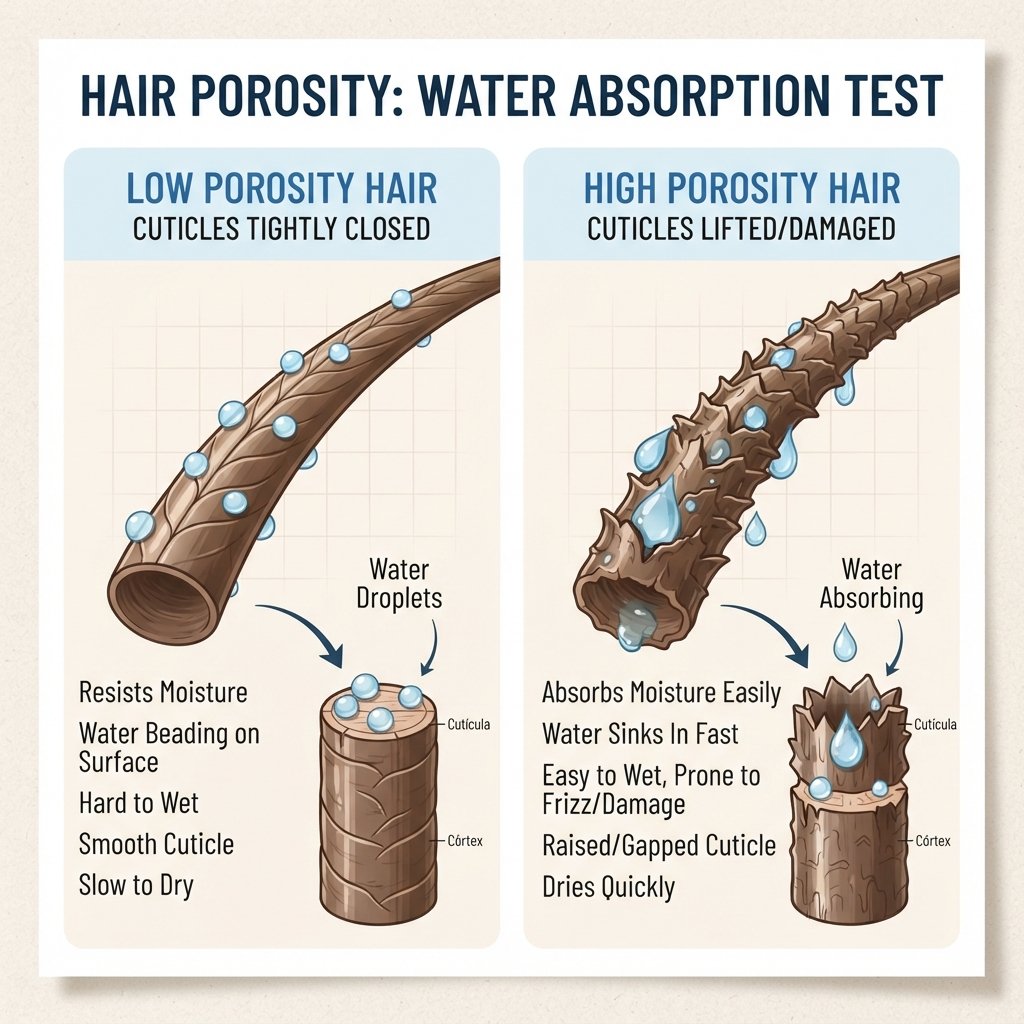
Porosity is how well your hair absorbs and holds moisture. Low porosity hair has tight cuticles. Protein can sit on top and build up fast. High porosity hair has open cuticles. It loses moisture quickly and may need some protein to fill gaps.
But even high porosity hair can overload if you use strong protein too often. Medium porosity is usually the easiest to balance. Knowing your porosity helps you choose lighter proteins and richer moisture. If you are not sure, try the water glass test or ask your stylist.
Why Fine Hair Overloads Faster Than Thick Hair

Fine hair has less mass, so product buildup shows up fast. A protein mask that feels great on thick hair can make fine hair feel like wire. You also need less product overall.
Start with a pea-sized amount. Rinse longer than you think. If you love 2026 hairstyles like the asymmetrical lob, fine hair needs softness to move well. Stiff hair will not swing. Thick hair can handle more protein, but it still needs moisture. Match the treatment to your density.
How Heat Styling and 2026 Hairstyles Play a Part

Heat styling can damage hair and create small cracks. Then protein treatments fill those cracks. That sounds good, but daily heat plus weekly protein can tip you into overload.
If you are recreating glitchy glam hair or old money hair, use heat protectant and lower heat. Try air-drying when you can. The quiet luxury bob looks best with healthy shine, not stiff spray. Romantic goth hairstyles need soft texture, so moisture matters. Balance protein with deep conditioning.
Deep Conditioner: Your First Reset Step
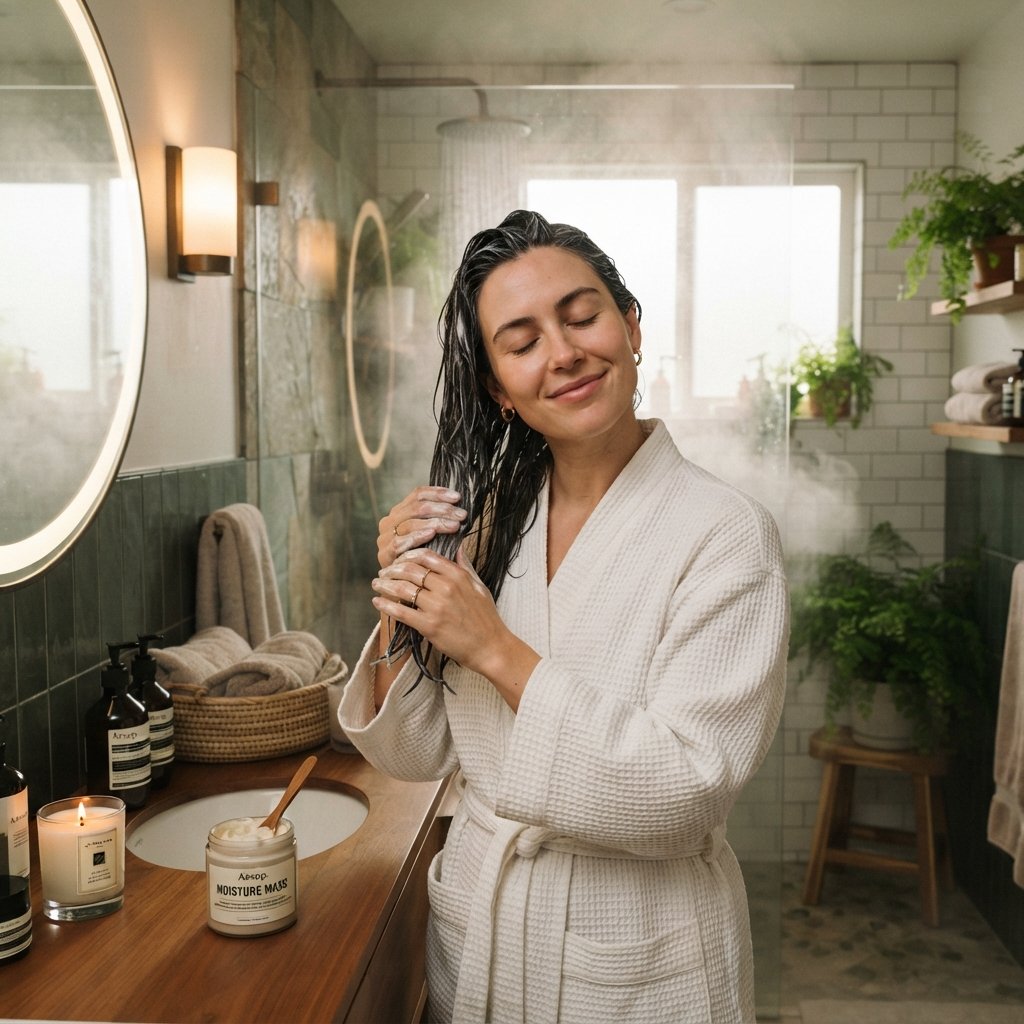
A moisturizing deep conditioner is your best first move. Look for protein-free options with glycerin, aloe, shea, or coconut water. Apply to clean, damp hair. Focus on mid-lengths and ends.
Cover with a shower cap. Leave it on for 20 to 30 minutes. Use gentle heat if your hair is low porosity. Rinse with cool water to seal the cuticle. Do this once or twice a week until your hair feels soft again. It may take a few washes, so be patient.
How to Use Protein Treatments Safely

Protein is not the enemy. It is a tool. Use it when your hair feels weak, mushy, or overly stretchy. Choose a light protein like rice water or silk protein. Save strong treatments for real damage.
Do not use protein every wash day. Once every two to four weeks is enough for most people. If you color or bleach your hair, ask your stylist for a schedule. Always follow protein with moisture. That one-two punch keeps hair strong and soft.
Clarifying Shampoo: When It Helps and When It Hurts

Clarifying shampoo removes buildup from protein, silicones, and hard water. If your hair feels coated and stiff, it can help. Use it once every two to four weeks, not every wash.
After clarifying, your hair may feel dry. That is normal. Follow with a moisturizing mask. Do not clarify and then do a strong protein treatment. That is a recipe for straw hair. If you have colored hair, use a color-safe clarifier. If your scalp is dry, keep it off the ends.
Leave-In Conditioners and Moisture Layering
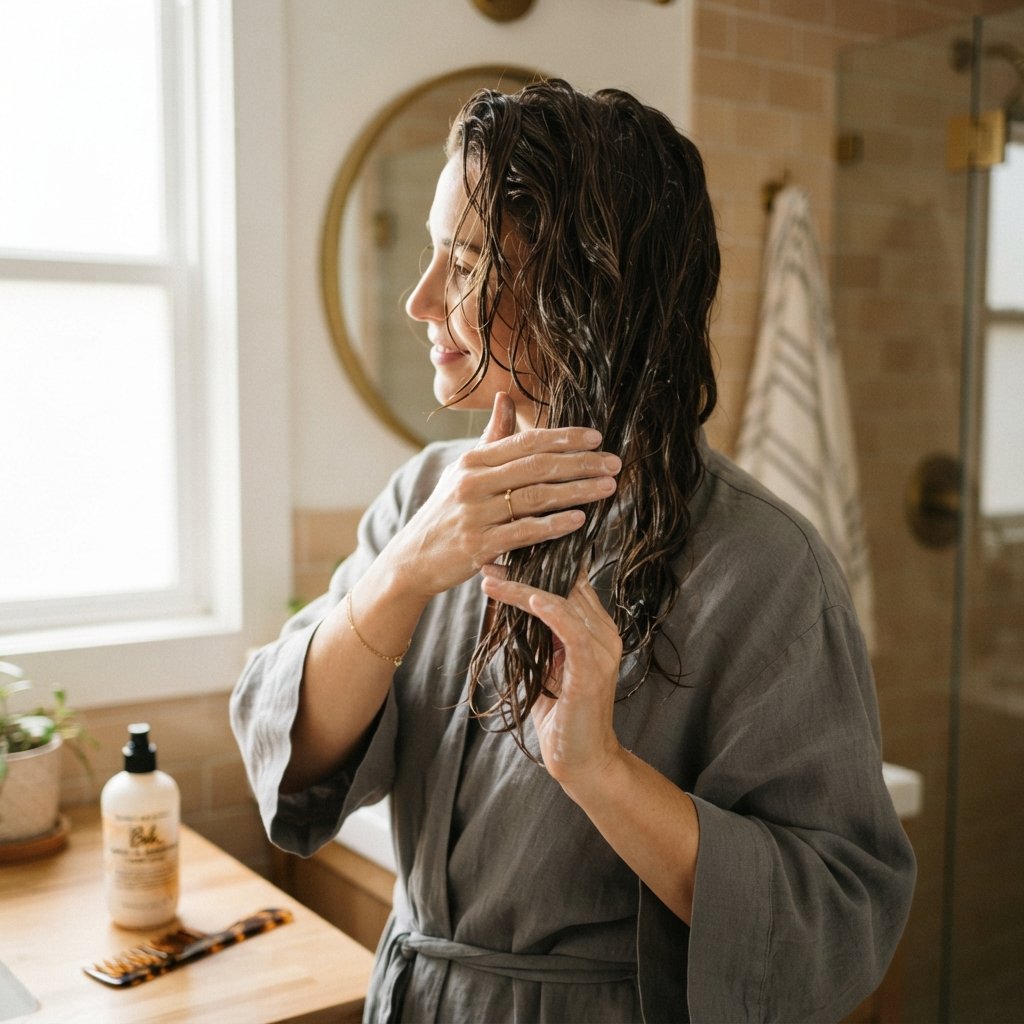
Leave-in conditioner is a great way to add moisture without weight. Apply it to damp hair after washing. Use a light cream or spray for fine hair. Use a richer cream for thick or curly hair.
Layer it before gel or mousse. This helps seal in water. Look for protein-free formulas while you are rebalancing. You can also mix a drop of leave-in with water in a spray bottle for refresh days. Moisture layering is simple: water first, then cream, then oil if needed.
Oils vs. Creams: What Your Hair Actually Needs
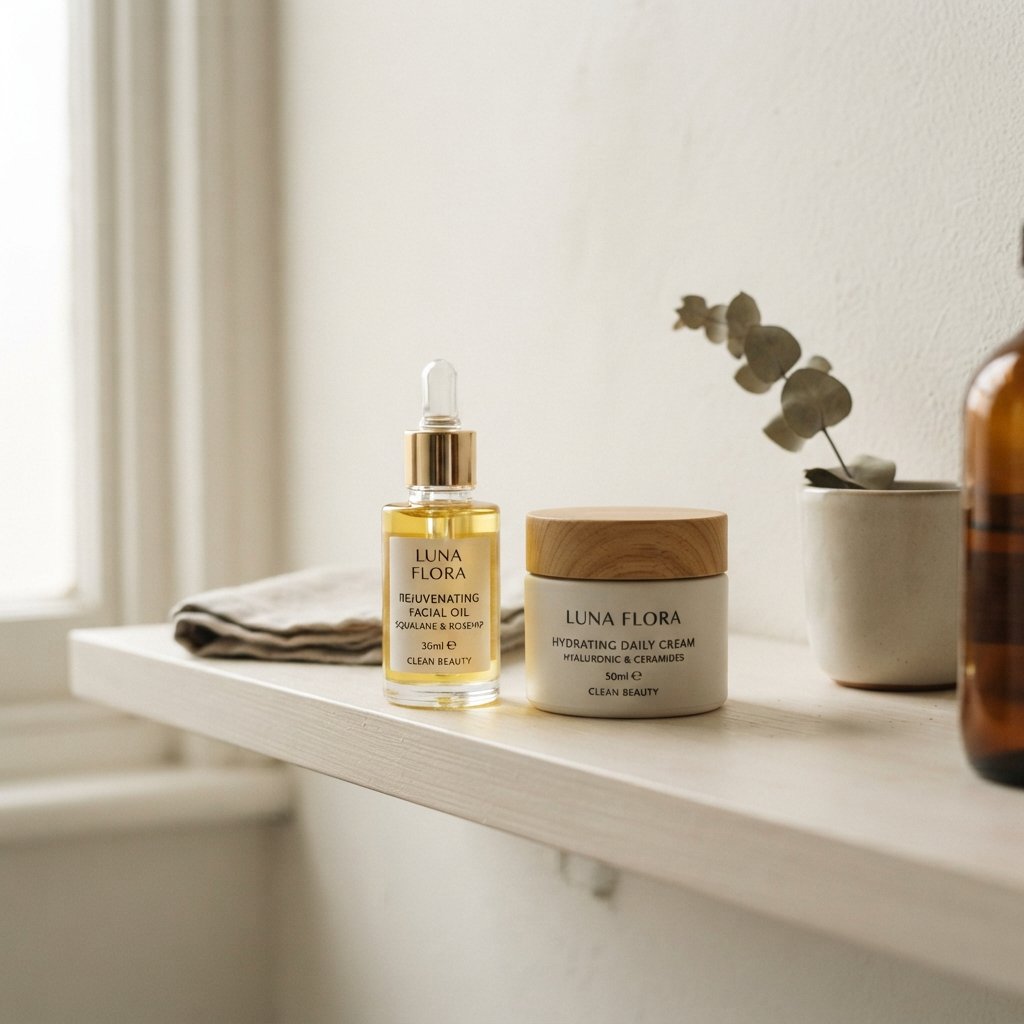
Oils seal moisture. They do not add it. If your hair is dry, oil alone will not fix protein overload. You need water and conditioner first. Creams add softness and slip. Oils can protect ends and reduce frizz.
For protein overload, start with a moisturizing cream. Then seal with a light oil like jojoba or argan. Heavy oils like castor can weigh down fine hair. If you love the quiet luxury bob, a lightweight oil keeps it glossy without looking greasy.
Humectants, Glycerin, and Humidity Control

Humectants pull water into your hair. Glycerin, honey, and aloe are common ones. They are great for dry hair in normal humidity. But in very dry air, they can pull moisture out of your hair. In very humid air, they can cause frizz.
If you are rebalancing protein overload, humectants can help. Just watch the weather. Use them in moderate humidity. In winter, pair them with a sealing oil. In summer, use a light leave-in. Your hair will tell you what works.
Protein-Free Wash Day Routine

- Start with a gentle, sulfate-free shampoo. Focus on the scalp. Rinse well.
- Apply a protein-free conditioner to mid-lengths and ends. Detangle gently.
- Rinse with cool water. Apply a protein-free leave-in to damp hair.
- Add a moisturizing cream if needed. Seal with a light oil.
- Air-dry or use low heat. Avoid protein styling products for now.
Repeat this routine for two to three wash days. You should notice softer, more flexible hair.
How to Fix Protein Overload Without a Big Chop
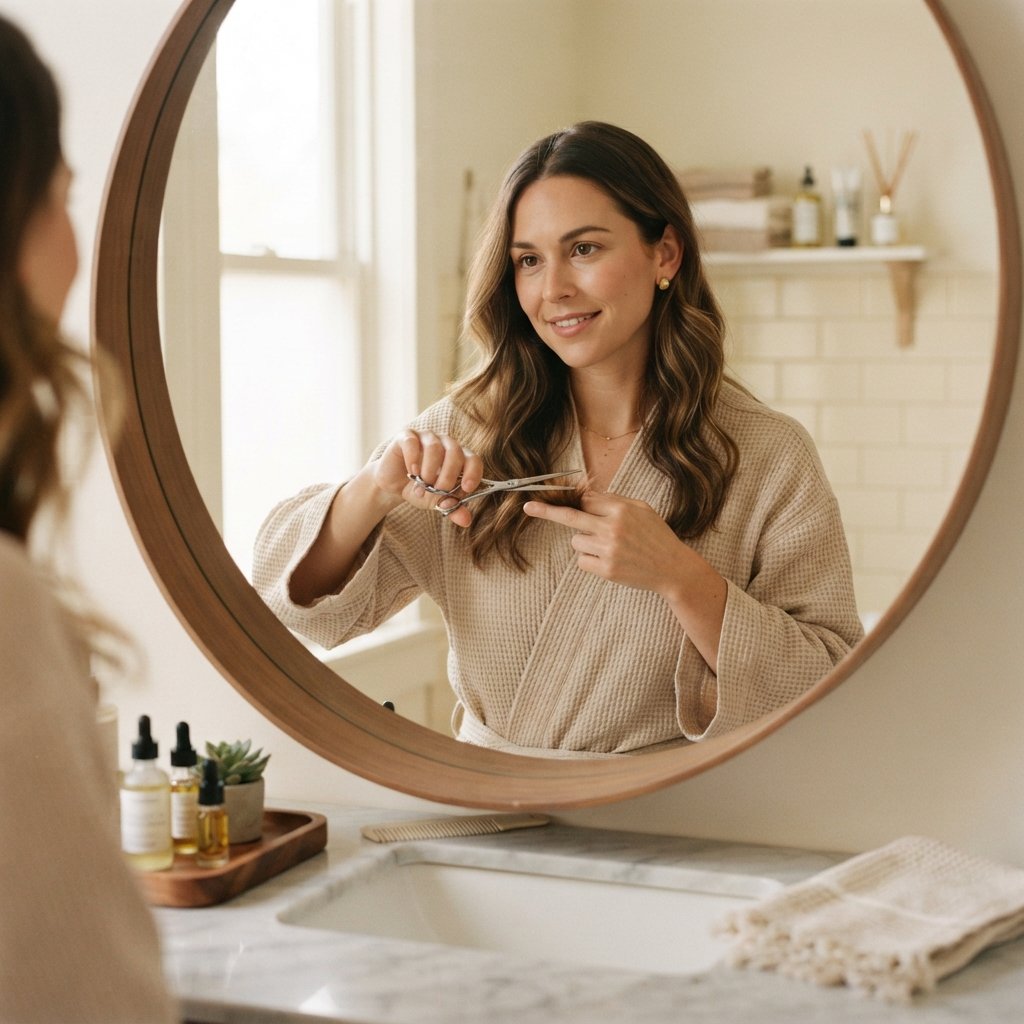
You do not need to cut all your hair off. Unless it is severely damaged, you can rebalance it. First, stop all protein products. Second, clarify once. Third, deep condition weekly.
Fourth, use leave-in and oil to seal moisture. Fifth, trim split ends only. Sixth, be gentle with heat and brushing. It may take a few weeks to a couple of months. If your hair still snaps, see a stylist. A small trim can help, but a big chop is rarely the first answer.
Protective Styles That Don’t Dry You Out
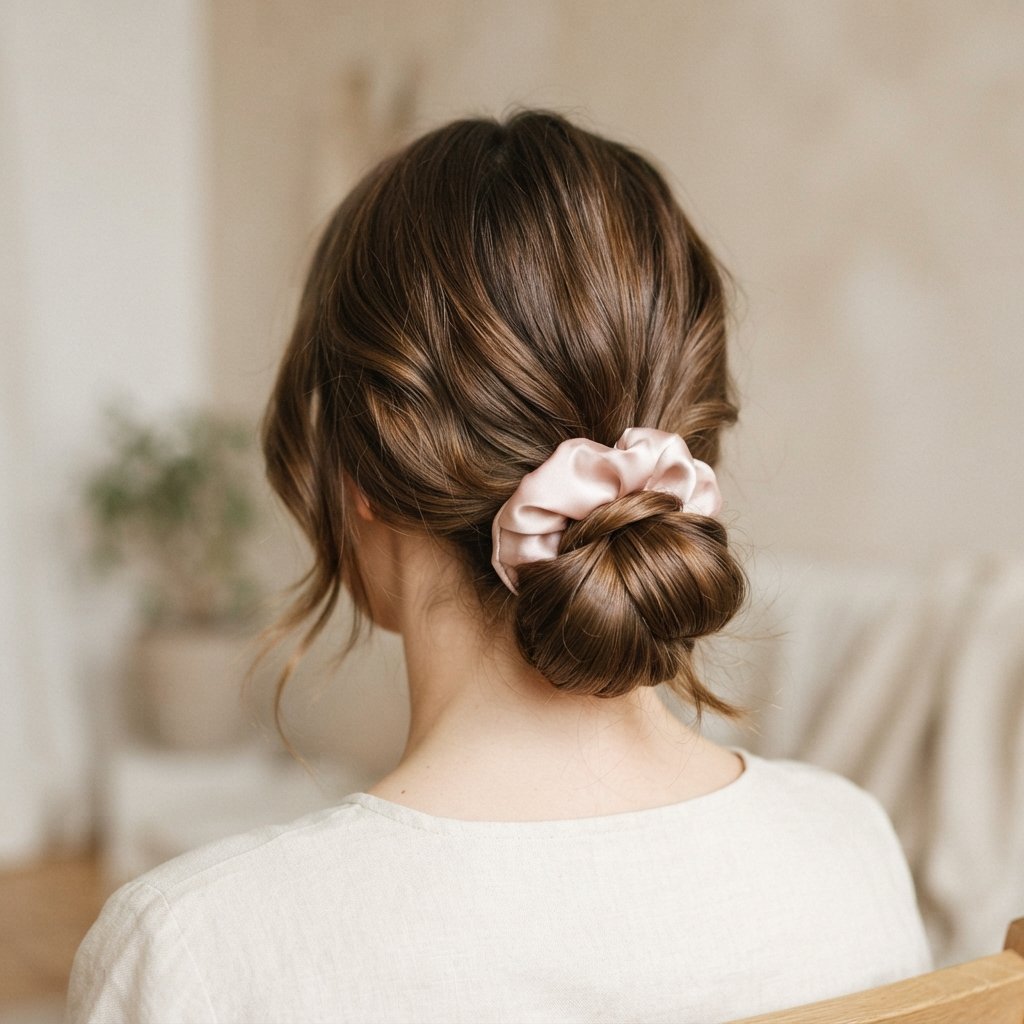
Protective styles can help you stop manipulating your hair. But tight styles can cause breakage. Choose loose braids, twists, or low buns. Avoid heavy gels and protein-heavy edge control.
Moisturize before styling. Use a satin scrunchie or clip. If you love the hime cut, keep the shape with regular trims and soft moisture. The vampire haircut can look sharp with healthy ends. Remember, protective does not mean dry. Your hair still needs water and conditioner.
Styling 2026 Trends Without Over-Proteining
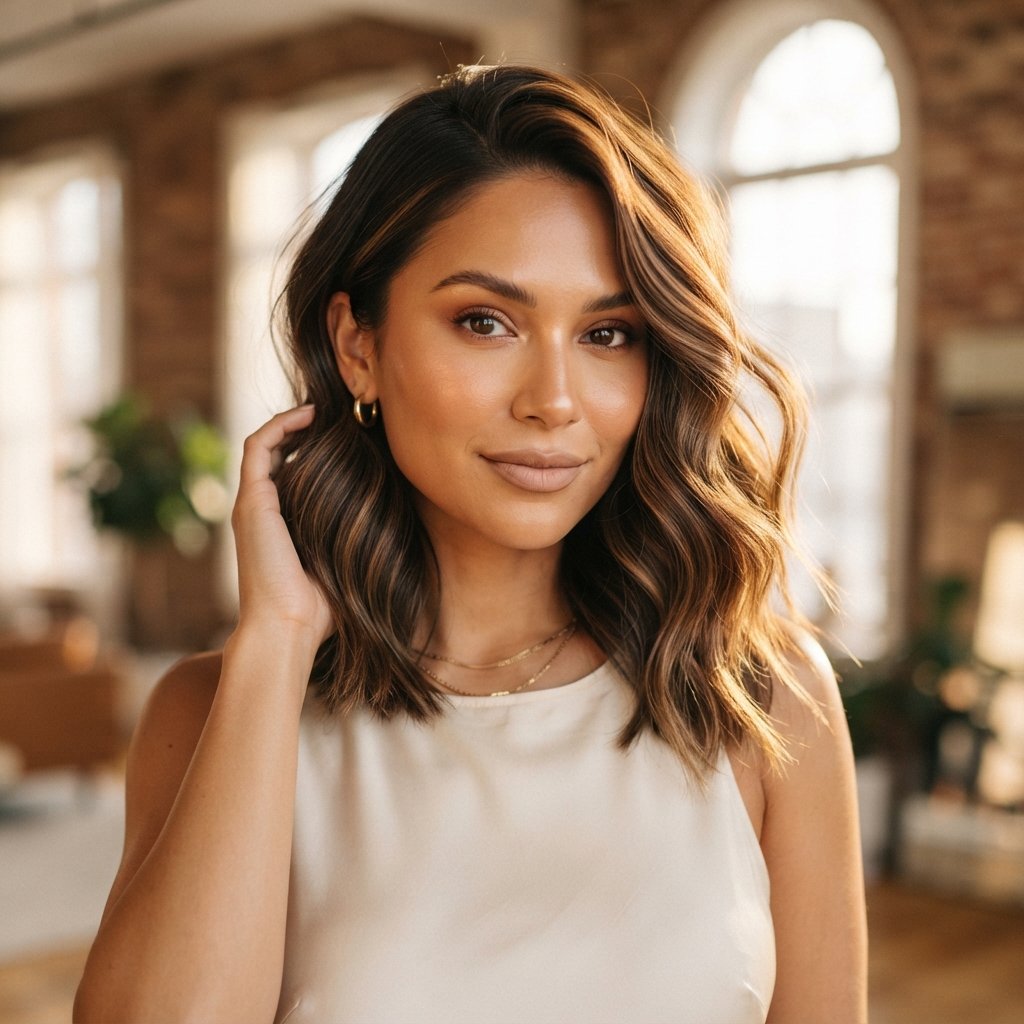
2026 hairstyles are all about texture and movement. The quiet luxury bob needs shine. The asymmetrical lob needs swing. Romantic goth hairstyles need soft volume. Glitchy glam hair needs flexible hold. Old money hair needs smooth, healthy ends.
None of these look good on stiff, straw-like hair. So choose styling products that are moisturizing, not protein-packed. Use mousse for volume, cream for smoothness, and light oil for shine. If your hair feels crunchy, stop the protein and bring back moisture.
How Long It Takes to Rebalance Your Hair
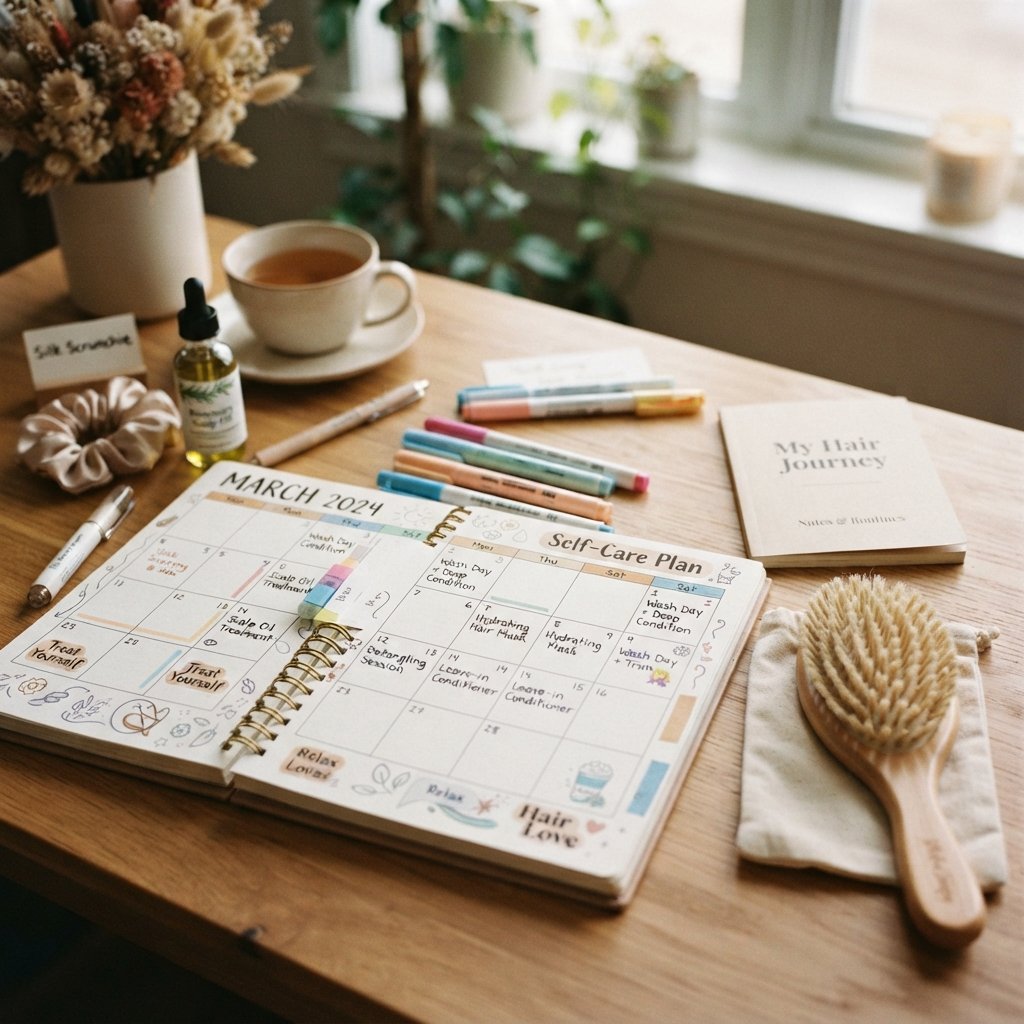
It depends on how much protein you used and your hair’s porosity. Some people feel better after one deep conditioning wash. Others need two to four weeks. Severe overload may take a couple of months.
Be consistent. Do not switch products every day. Keep a simple moisture routine. Take a photo each week so you can see progress. If your hair feels softer and stretches more, you are on track. If it still snaps, add more moisture and reduce protein even more.
Mistakes That Keep You Stuck in Protein Overload
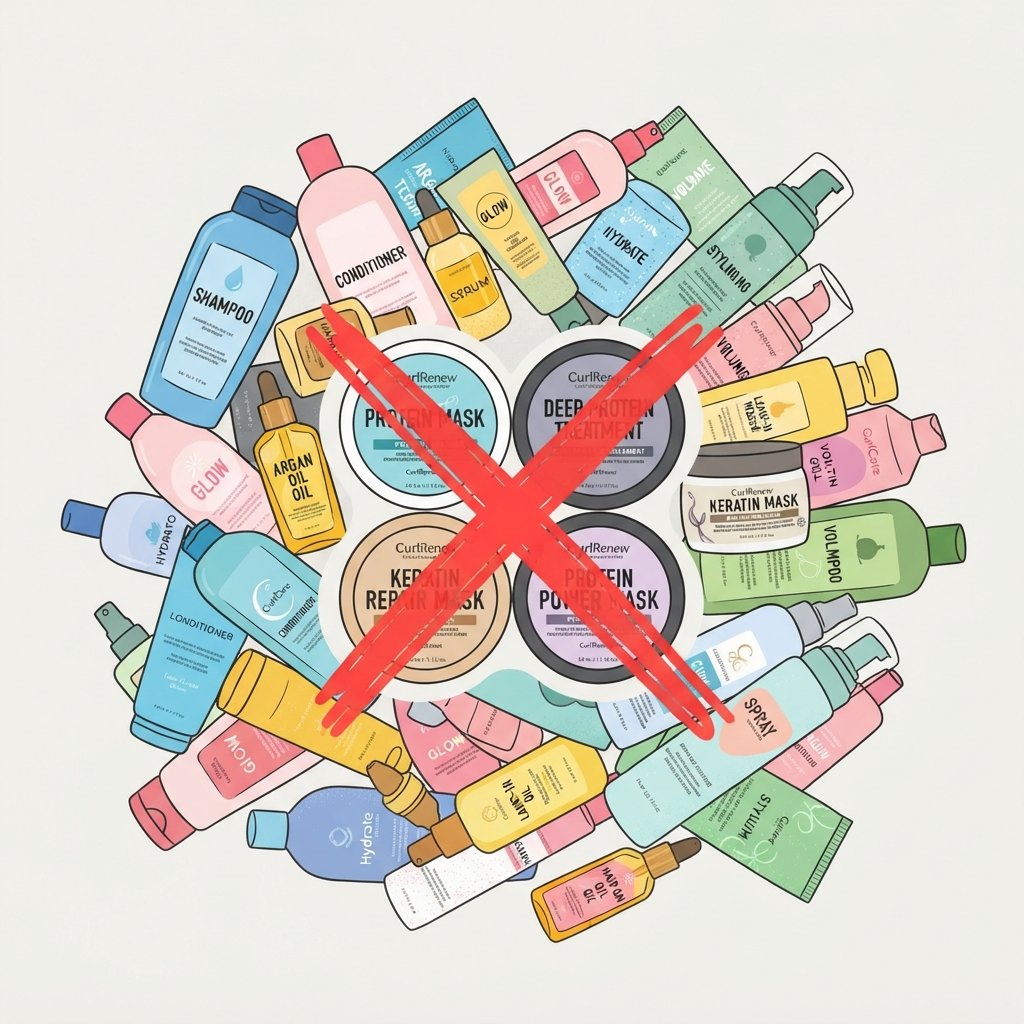
Mistake one: using protein masks weekly. Mistake two: clarifying and then adding protein. Mistake three: ignoring labels. Mistake four: using heavy oils without water.
- Over-brushing stiff hair
- Thinking more product equals more moisture
- Not trimming split ends
- Switching routines too fast
Pick one simple moisture plan and stick with it. Your hair needs time to reset. If you keep adding protein, you will stay stuck. Read labels and be patient.
When to See a Professional
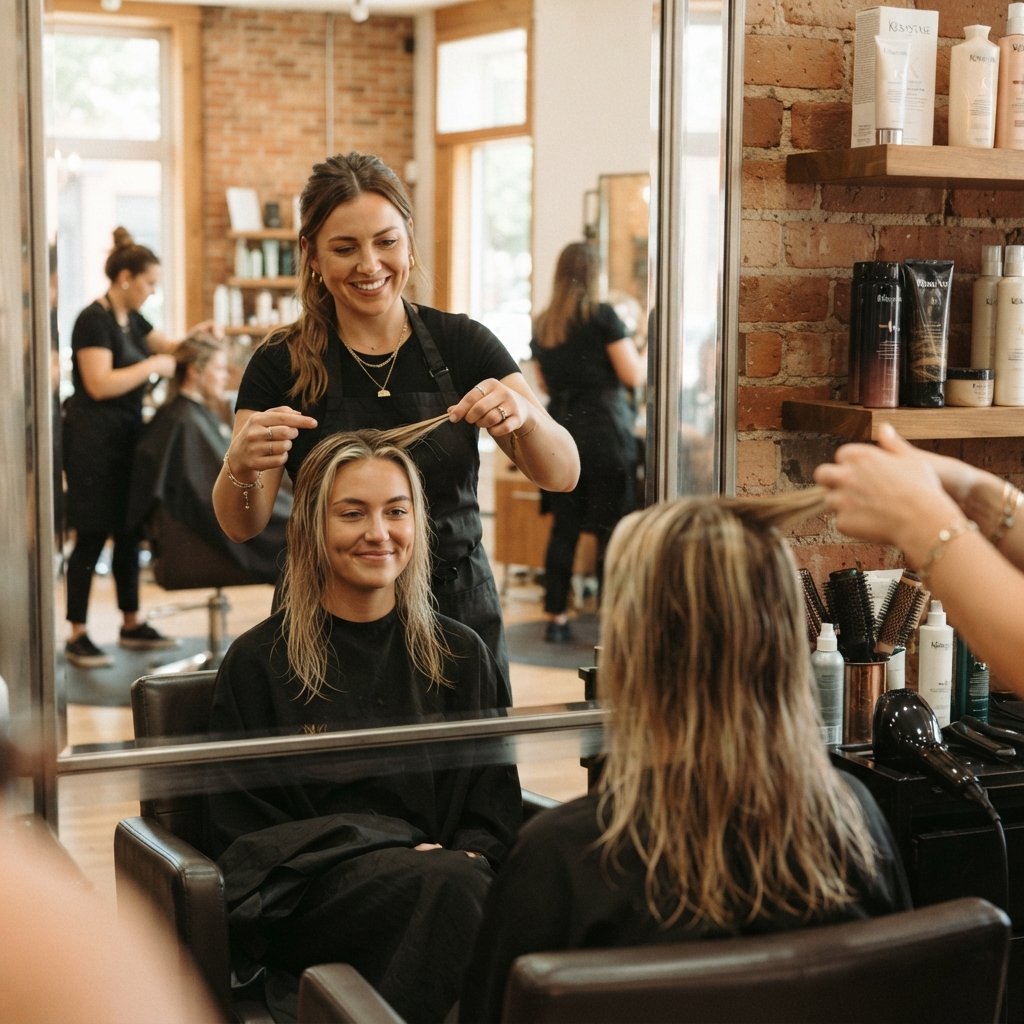
See a stylist if your hair snaps when wet, mats easily, or feels gummy. Also see one if you have severe breakage near the roots. A professional can check your porosity and elasticity.
They can also trim damaged ends and recommend a gentle routine. If you recently bleached or relaxed your hair, ask for a repair plan that includes moisture. Do not be afraid to ask questions. A good stylist will not just sell you products. They will help you balance protein and moisture.
Your Simple Weekly Moisture Plan
Monday: wash with gentle shampoo and protein-free conditioner. Wednesday: refresh with water and leave-in. Friday: deep condition for 20 minutes. Sunday: seal ends with light oil.
Once every two weeks: clarify if you have buildup. Once a month: use a light protein treatment only if your hair feels weak. That is it. Keep it simple. Adjust based on how your hair feels. This plan works for most hair types and supports 2026 hairstyles without overload.
A Warm Wrap-Up
Protein overload is sneaky, but it is not permanent. Once you stop adding protein and start layering moisture, your hair can bounce back. I have watched so many people panic and chop when all they needed was a reset.
Your hair wants softness, stretch, and strength together. Give it water, conditioner, and a little patience. Then those 2026 hairstyles, from the quiet luxury bob to romantic goth hairstyles, will sit beautifully on healthy hair.
Save this post to Pinterest so you can find it on your next wash day. And tell me in the comments: has your hair ever felt stiff after a protein treatment? I would love to help you figure out your next step.

