
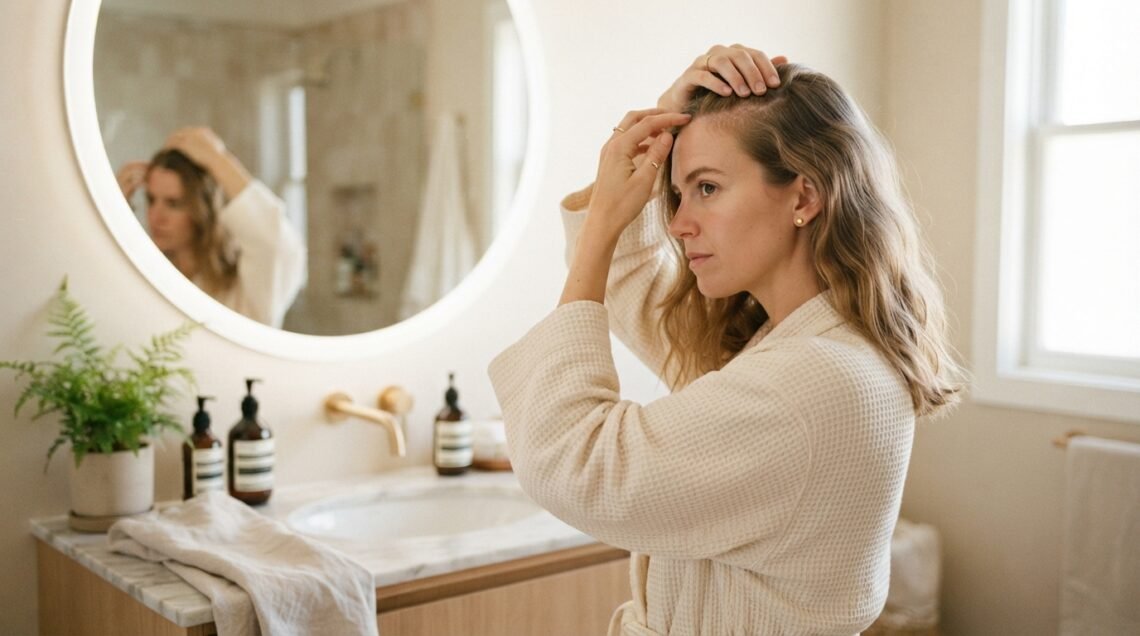
Hey friend, it’s Hailey. If your scalp feels dry, tight, and itchy every time the seasons shift, you are not imagining it. One week it is cold wind, the next it is pollen and humidity, and your scalp is just trying to keep up.
The good news? You do not need a ten-step routine or a closet full of products. You need the right shampoo, a gentler wash day, and a little patience.
Below, I am sharing the best shampoos for managing dry, itchy scalps during seasonal transitions. I will also show you exactly what to look for, what to skip, and how to keep your scalp calm while still styling the 2026 hairstyles you love.
Let’s get your scalp comfortable again, so your hair can look and feel its best.
Why Seasonal Transitions Wreck Your Scalp
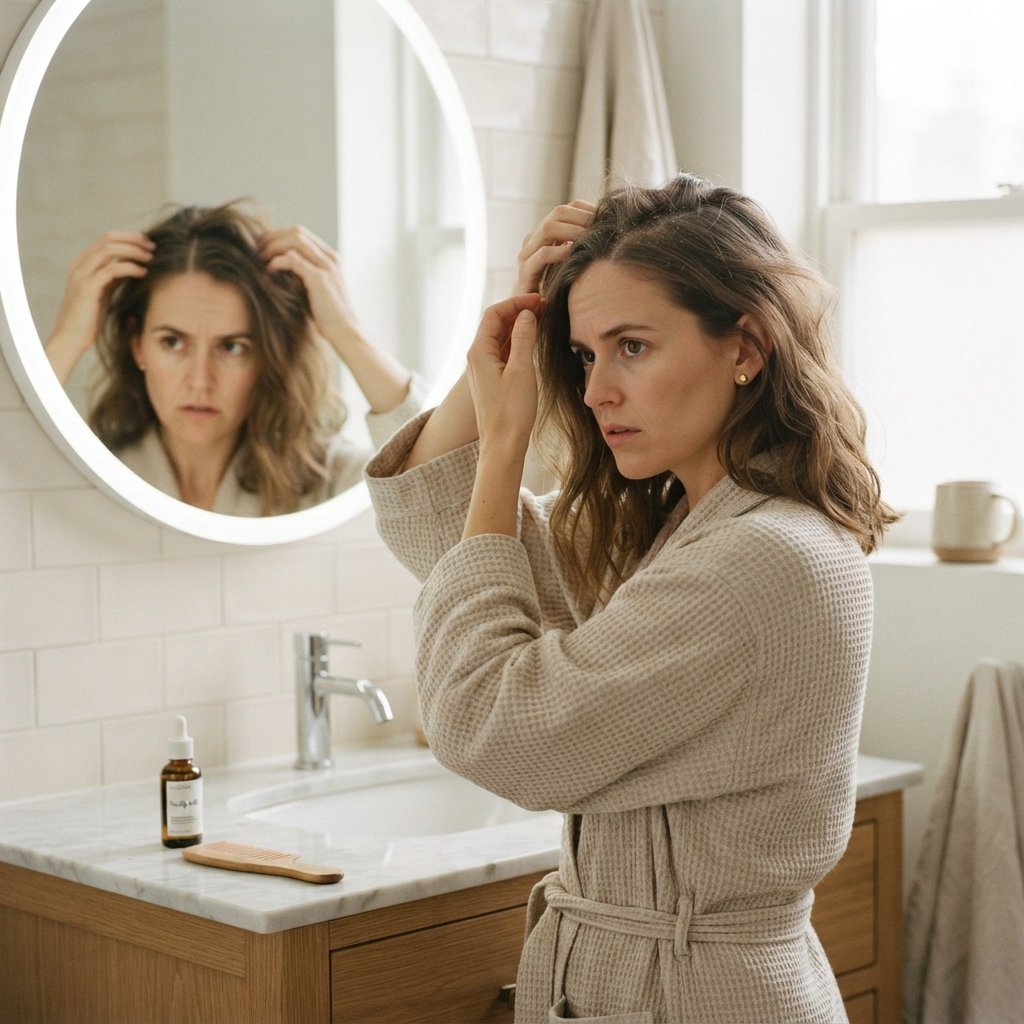
Seasonal transitions mess with your scalp because the air around you changes faster than your skin can adjust. Winter heat pulls moisture out. Spring pollen and wind create irritation. Summer-to-fall humidity drops and your scalp feels tight again.
Your scalp has a barrier, just like your face. When that barrier gets stressed, it can flake, itch, and feel sore. That does not mean you are dirty or doing something wrong.
Watch for:
- Tightness after washing
- Small dry flakes near the hairline
- Itching that gets worse outdoors or in dry rooms
How to Tell Dry Scalp vs Buildup
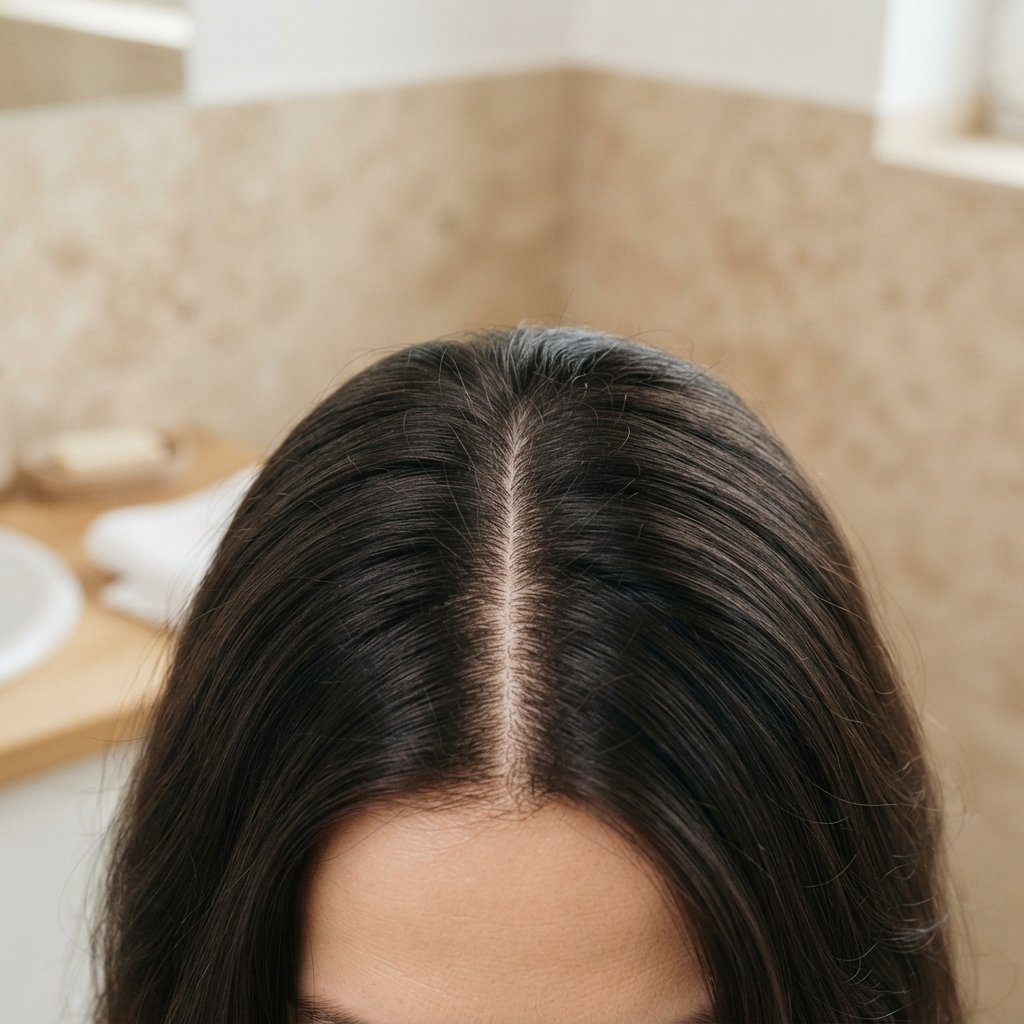
Dry scalp usually means small, white flakes and a tight, itchy feeling. Buildup flakes tend to look yellow or greasy, and your roots may feel oily sooner than usual.
If your scalp is dry, you want gentle hydration. If it is buildup, you may need a soft clarifying wash once a week or every other week.
Quick check:
- Dry scalp: flakes are tiny, dry, and fall easily
- Buildup: flakes cling, scalp feels coated, itch comes with oil
- Both: switch to a gentle shampoo and avoid scratching
What to Look for in a Dry Scalp Shampoo
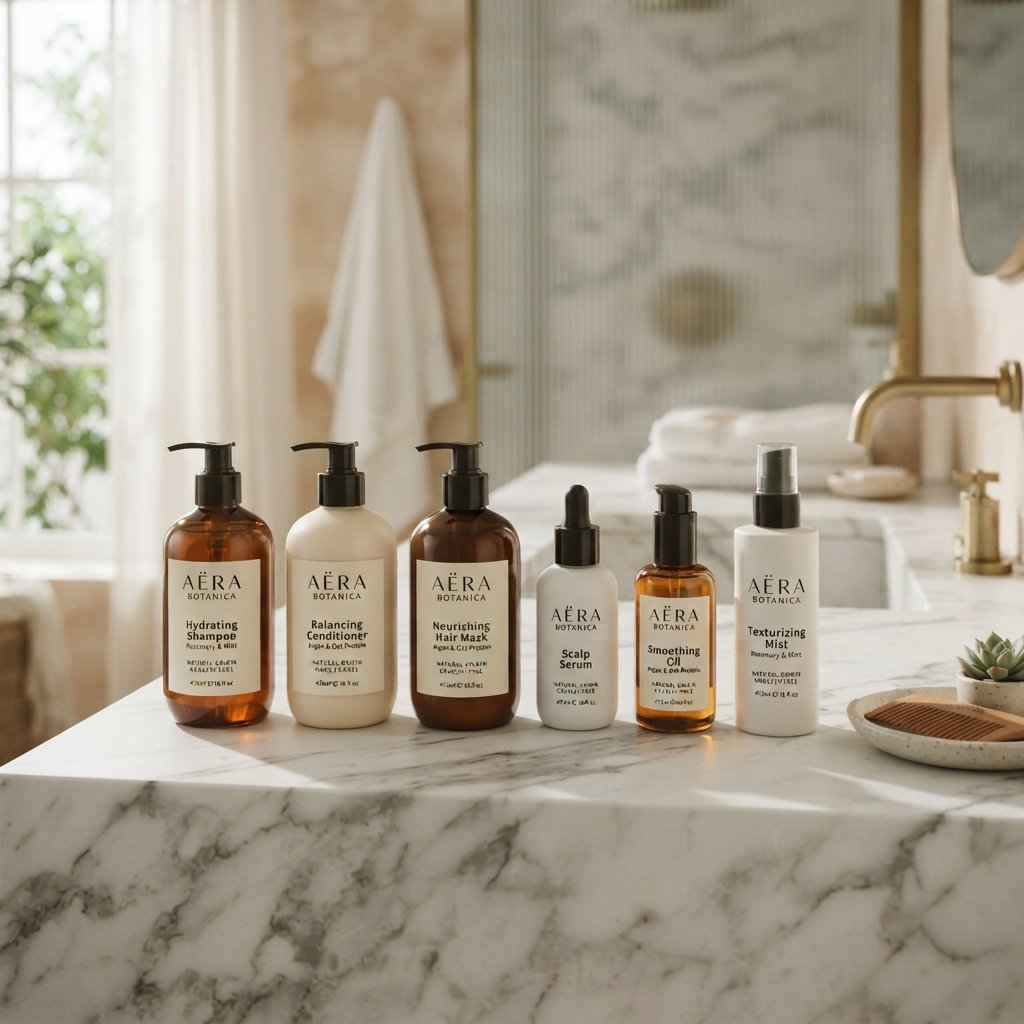
A good dry scalp shampoo should clean without stripping. Look for glycerin, aloe, panthenol, ceramides, colloidal oatmeal, and gentle surfactants.
You want a formula that supports your scalp barrier, not one that leaves it squeaky and angry. A slightly acidic pH is also a nice bonus.
Check the label for:
- Hydrating ingredients near the top
- Sulfate-free or gentle cleansing agents
- No heavy fragrance if you are sensitive
- Easy rinse-out texture
Ingredients to Avoid If Your Scalp Itches
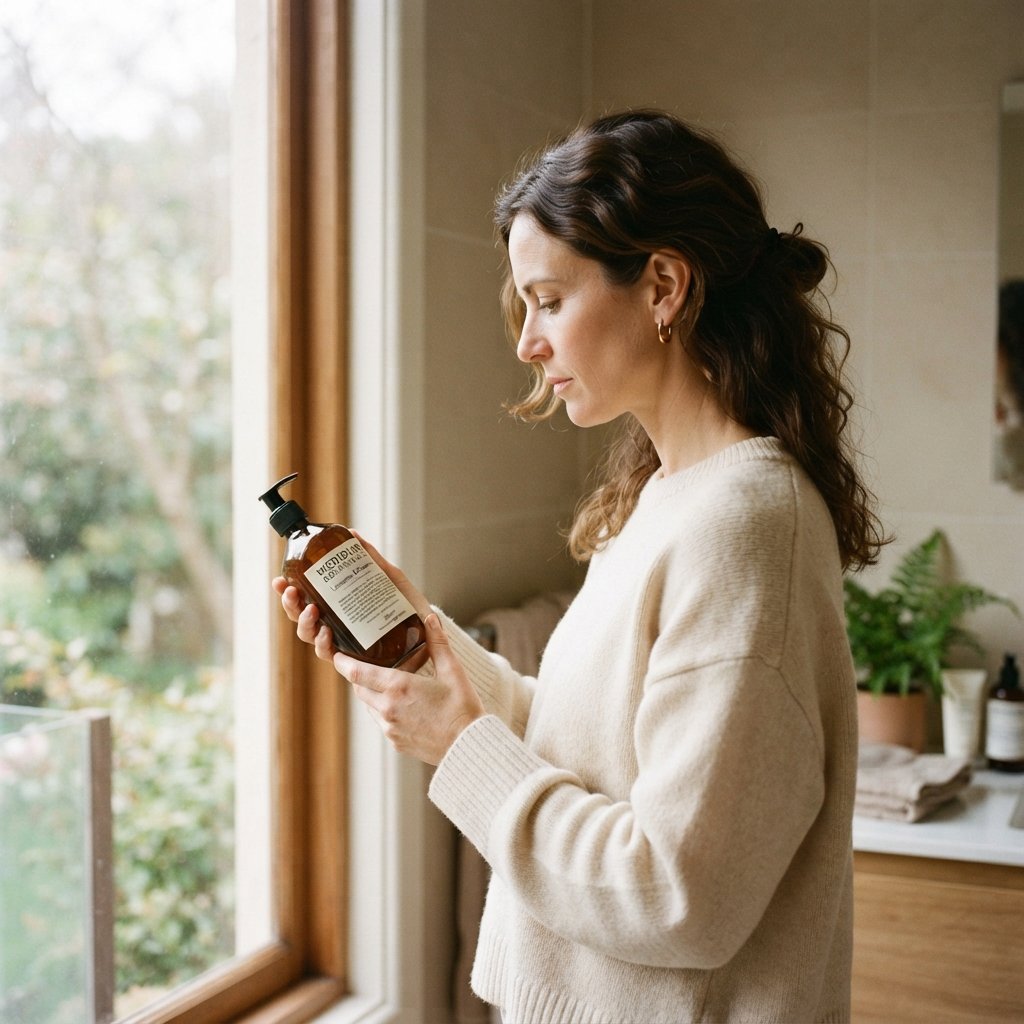
Not every itchy scalp reacts to the same thing, but some ingredients are common troublemakers. Strong sulfates, heavy synthetic fragrance, drying alcohols, and peppermint or menthol can make irritation worse for some people.
Essential oils are tricky. They feel spa-like, but lavender, tea tree, and citrus can trigger reactions on a stressed scalp.
Try to avoid:
- Harsh sulfates if your scalp feels tight
- Strong perfume blends during flare-ups
- Menthol or cooling agents when skin is raw
- Alcohol-heavy formulas that feel drying
Best Shampoo for Flaky Winter Scalp
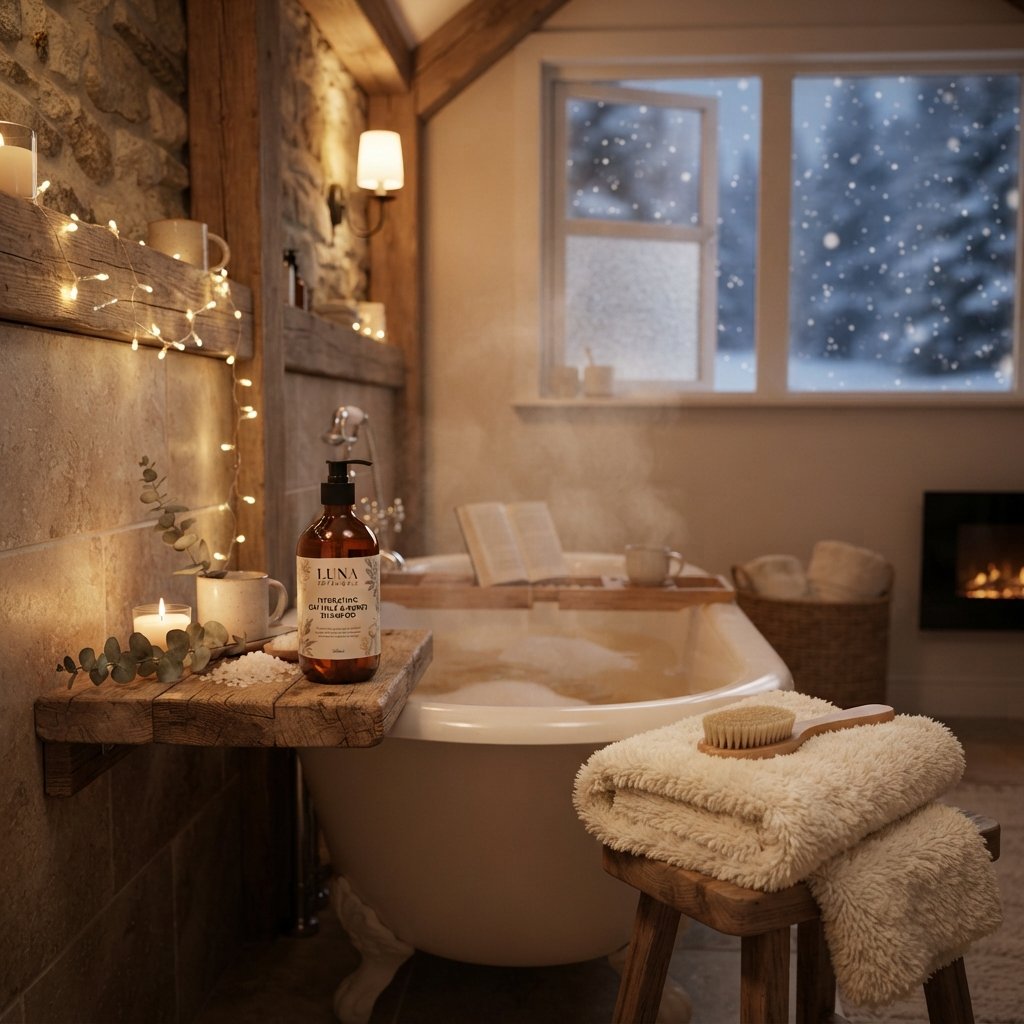
Winter scalp needs creamy hydration. I reach for shampoos with colloidal oatmeal, ceramides, shea butter, or glycerin. They cleanse gently and leave the scalp feeling soft instead of stripped.
Brands like Vanicream Free & Clear, Aveeno Scalp Soothing Oat Milk, and Cetaphil Gentle are good places to start. If your scalp is very dry, wash less often and use lukewarm water.
Winter wash tips:
- Use a hydrating shampoo once or twice a week
- Skip hot showers
- Add a leave-in scalp serum if needed
Best Gentle Shampoo for Spring Allergy Season
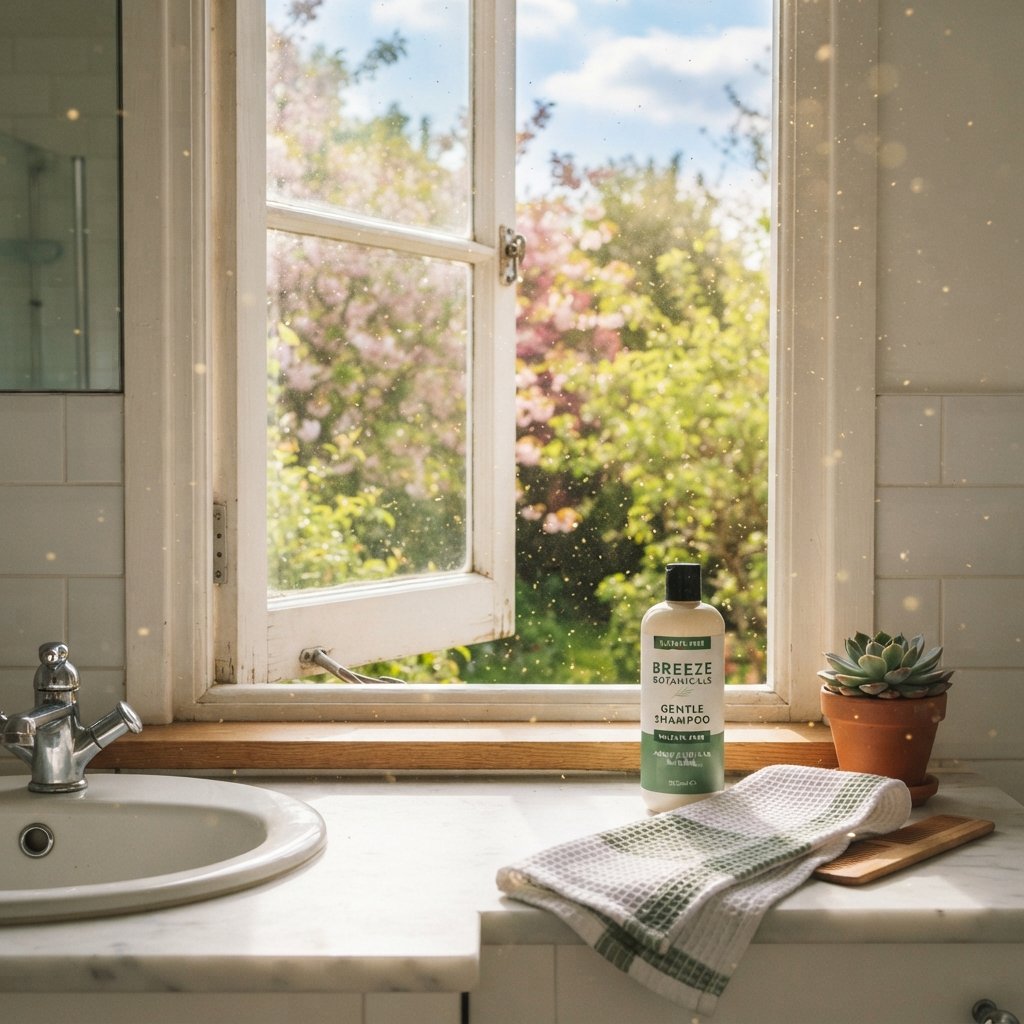
Spring can bring pollen, wind, and sudden humidity. Your scalp may itch because irritants are landing on it all day. A gentle shampoo helps rinse away pollen without causing more inflammation.
Look for fragrance-free or low-fragrance formulas. If you have been outside, wash your hair before bed so pollen does not sit on your scalp overnight.
Spring pick ideas:
- Fragrance-free gentle shampoo
- Aloe or chamomile if your skin tolerates it
- Light hydration, not heavy oils
Best Hydrating Shampoo for Summer-to-Fall Dryness
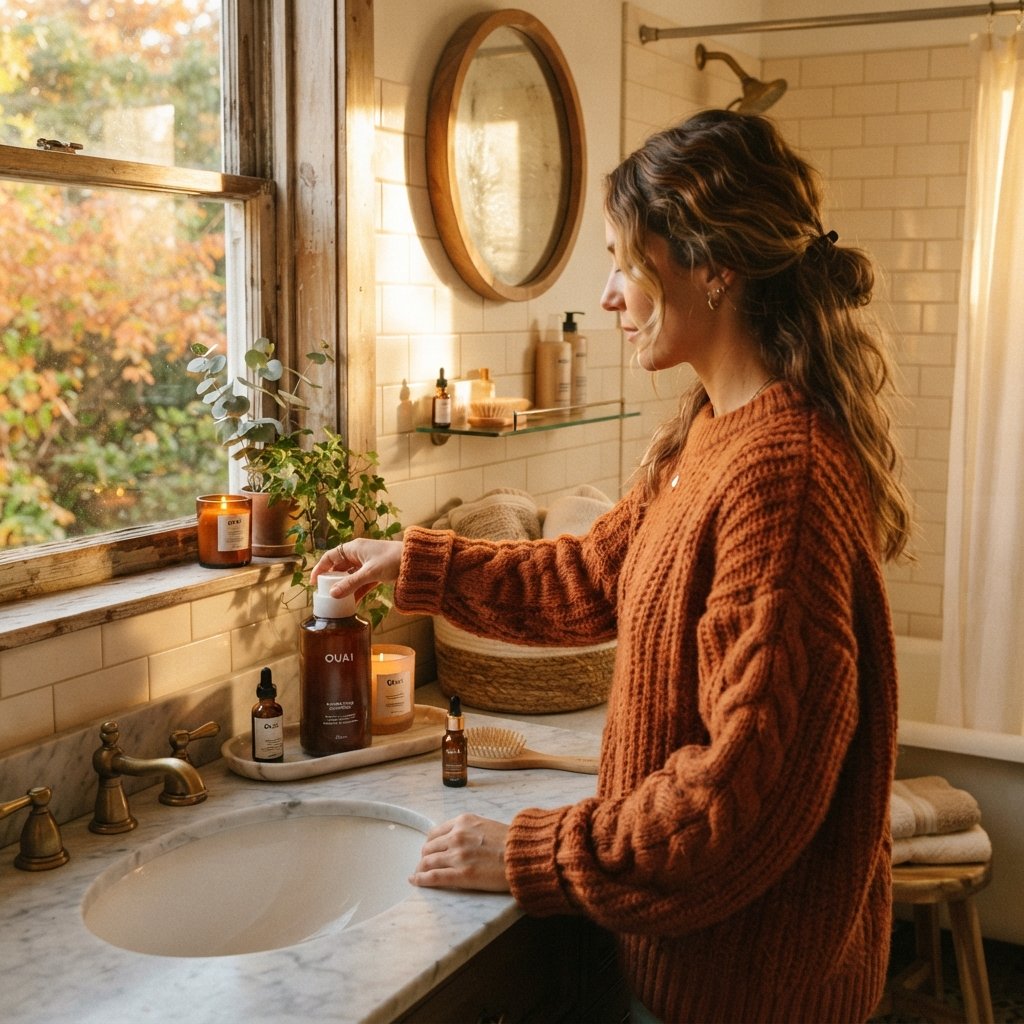
When summer humidity drops into crisp fall air, your scalp can go from oily to tight fast. You need hydration that does not weigh down your roots.
Glycerin, panthenol, and aloe are great because they pull in moisture without feeling greasy. If your scalp gets oily easily, condition only the mid-lengths and ends.
Try this:
- Hydrating shampoo on scalp only
- Cooler rinse to calm itch
- Lightweight scalp moisturizer if needed
Best Sulfate-Free Shampoo for Sensitive Scalps
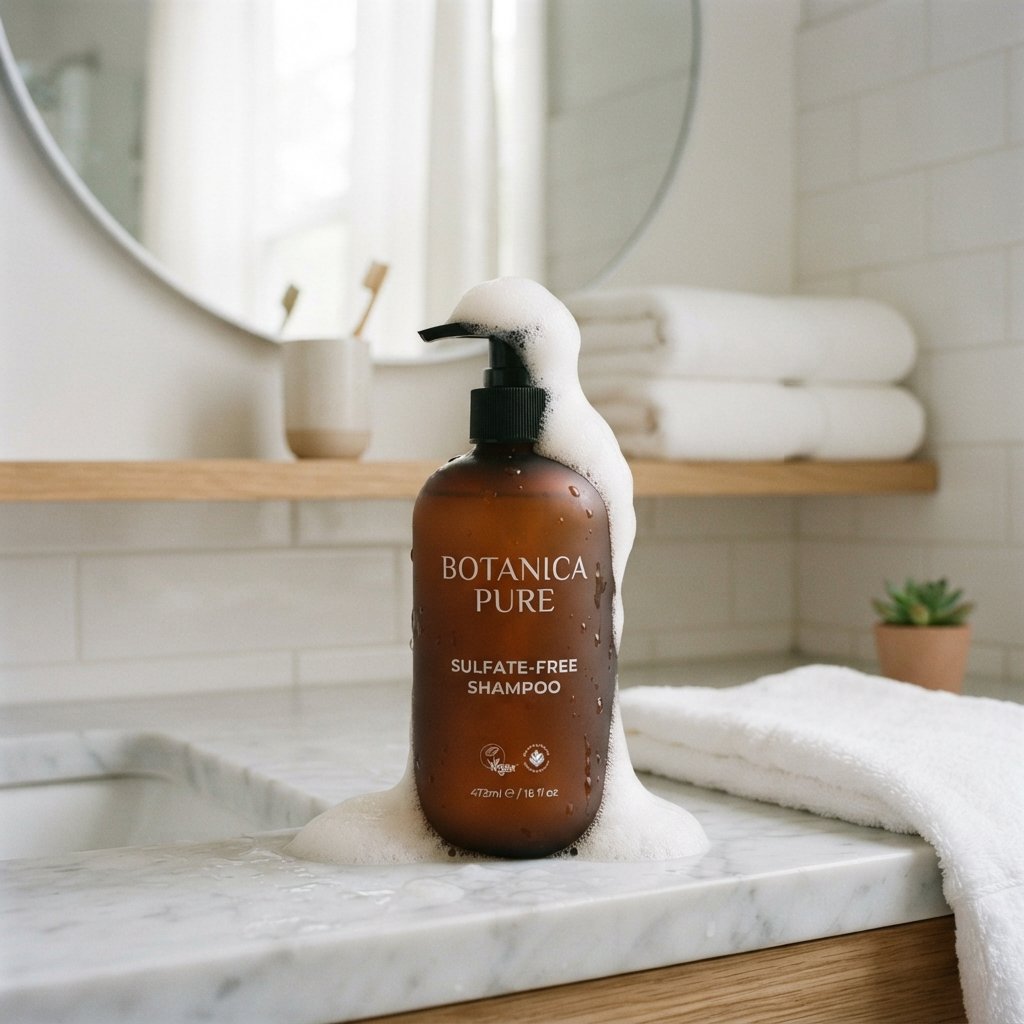
Sulfate-free shampoo can be gentler, but it is not automatically better. Some sulfate-free formulas still contain fragrances or essential oils that irritate sensitive skin.
Look for coco-glucoside, sodium cocoyl isethionate, or other mild cleansers. Rinse extra well, because gentle formulas can leave residue if you rush.
If you use a sulfate-free shampoo:
- Massage it into a wet scalp
- Rinse for at least 30 seconds
- Clarify gently once a month if you use lots of styling products
Best Shampoo for Itchy Scalp With Buildup
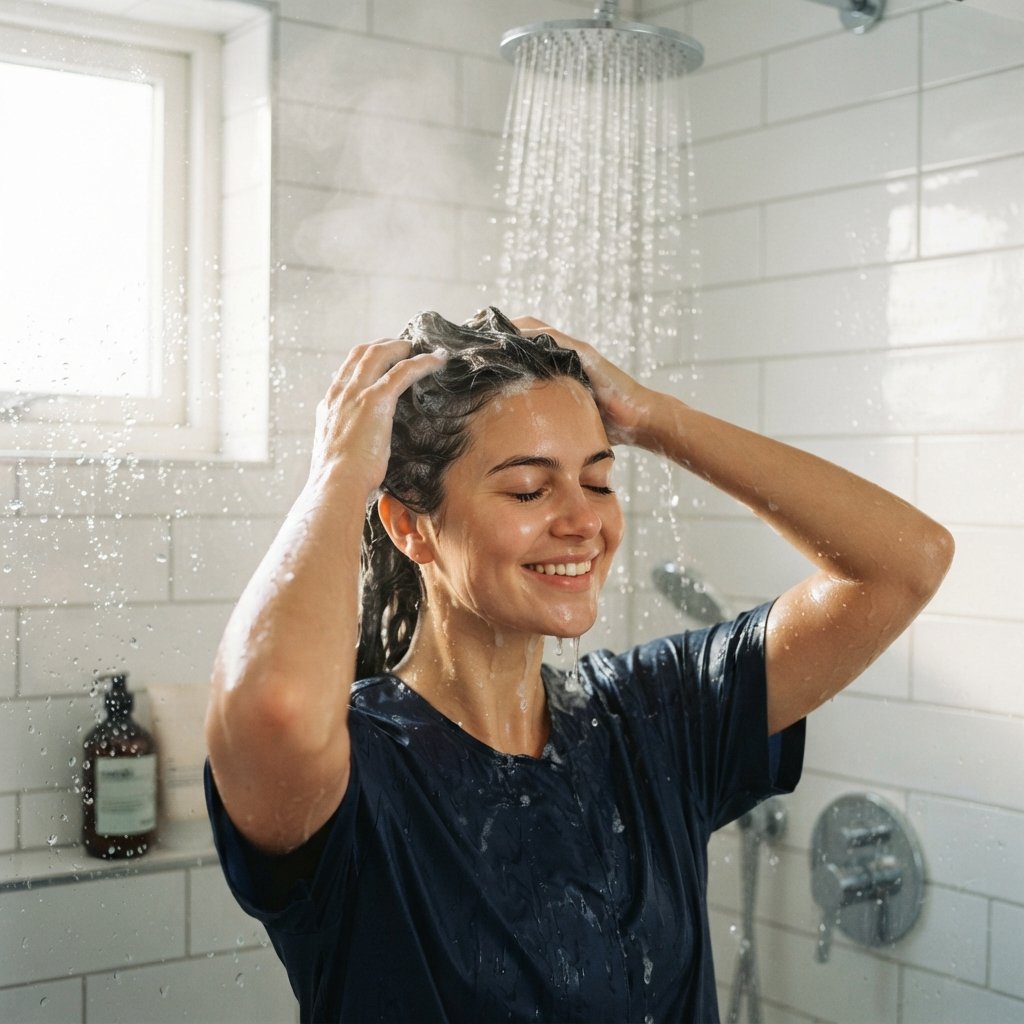
Sometimes an itchy scalp is not dry at all. It is buildup from oil, dead skin, dry shampoo, and styling products. That coating can make your scalp itch and flake.
For this, I like a gentle clarifying shampoo or one with zinc pyrithione, salicylic acid, or ketoconazole if a dermatologist recommends it. Do not scrub with your nails. Use fingertips or a soft silicone brush.
Use it smartly:
- Alternate with your hydrating shampoo
- Start once a week
- Stop if it feels drying or painful
Best Fragrance-Free Shampoo for Reactive Scalps
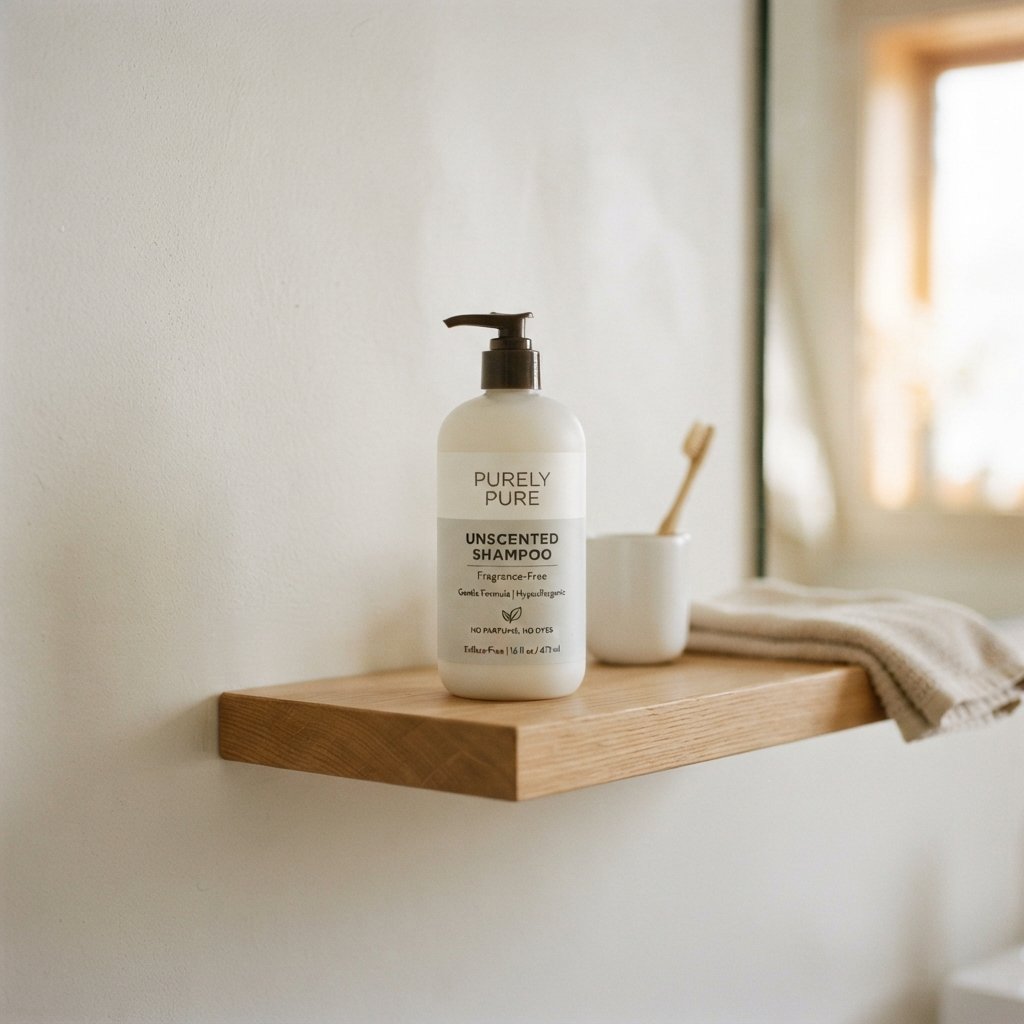
If your scalp stings, itches, or turns red easily, fragrance may be the culprit. “Unscented” is not always the same as “fragrance-free,” so read the ingredient list carefully.
Fragrance-free shampoos are especially helpful during seasonal transitions when your skin barrier is already stressed. They may smell plain, but your scalp will thank you.
Look for:
- No parfum or fragrance
- No essential oils if you are very reactive
- Minimal ingredient list
- Dermatologist-tested formulas
Best Drugstore and Luxury Shampoo Picks
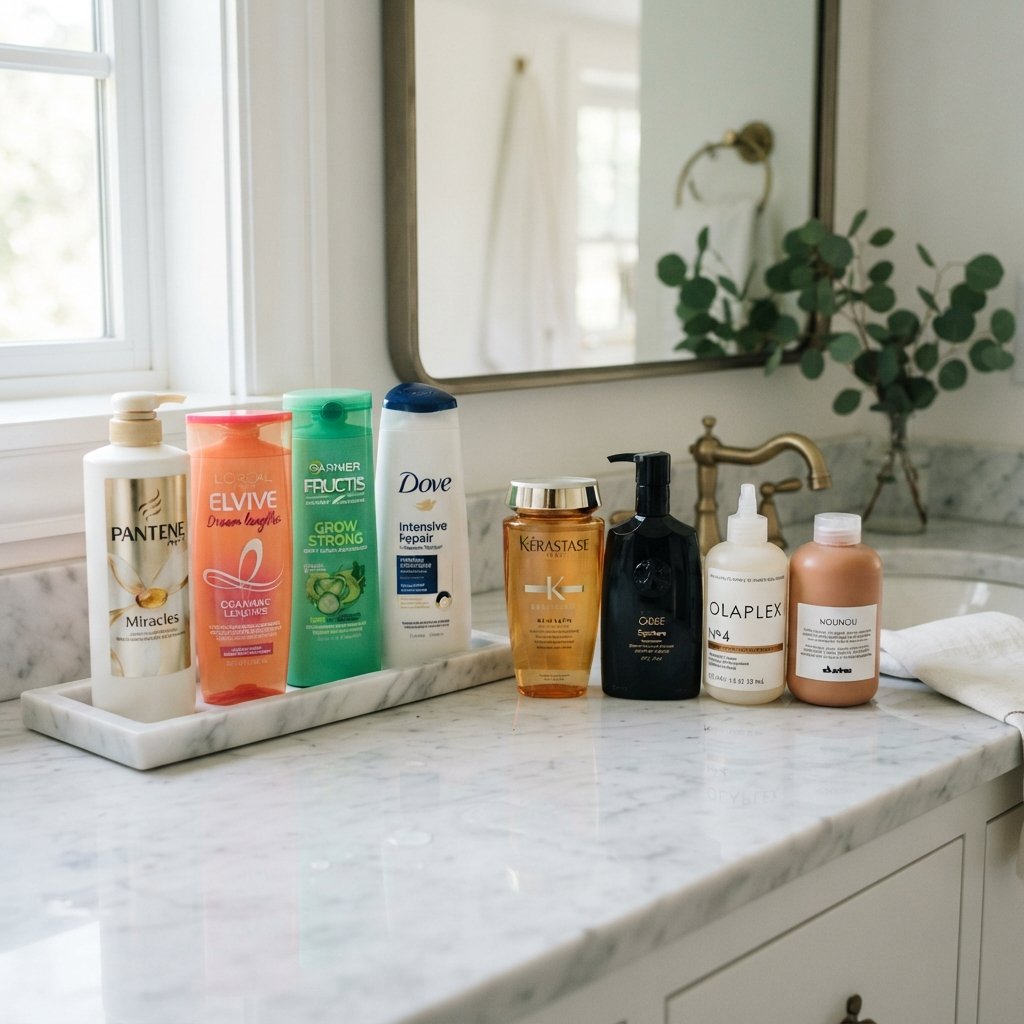
You do not need to spend a fortune. Drugstore gems like Vanicream, Cetaphil, Aveeno, and Dove DermaCare Scalp can work beautifully for dry, itchy scalps.
If you love a luxury moment, Oribe Serene Scalp, Briogeo Scalp Revival, and Nécessaire The Shampoo are popular picks. Just remember: price does not replace the right ingredients for your scalp.
My rule:
- Buy the formula, not the label
- Start with a small size
- Give it two to three weeks
How to Wash Without Stripping Your Scalp
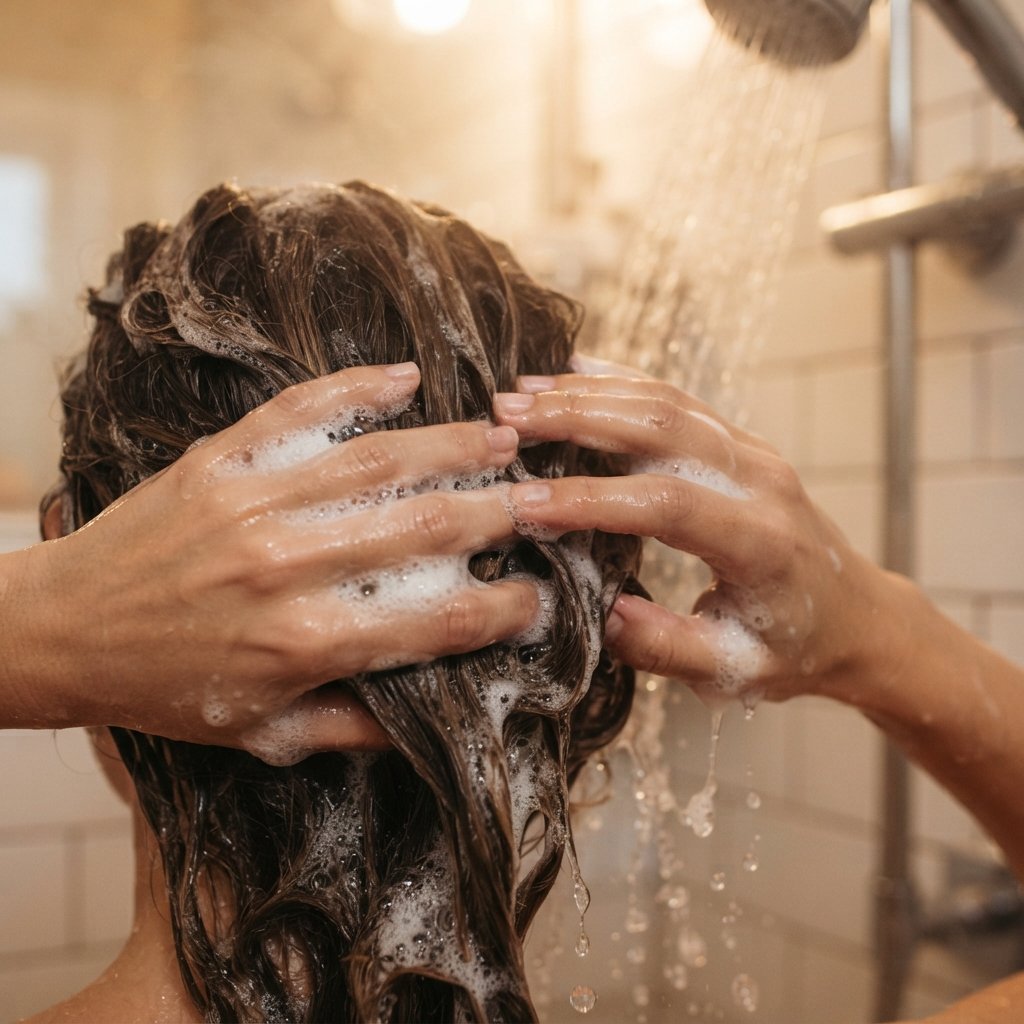
Your wash day can calm your scalp or make it worse. The biggest mistake is using too much shampoo and scrubbing too hard. You only need to clean the scalp, not the entire strand.
Wet your scalp thoroughly, then massage shampoo in with your fingertips. Let the suds rinse through your ends. Condition from mid-length to ends only.
Step by step:
- Wet scalp for 30 seconds
- Use a quarter-size amount of shampoo
- Massage gently for one minute
- Rinse until water runs clear
- Condition ends only
Water Temperature and Wash Frequency
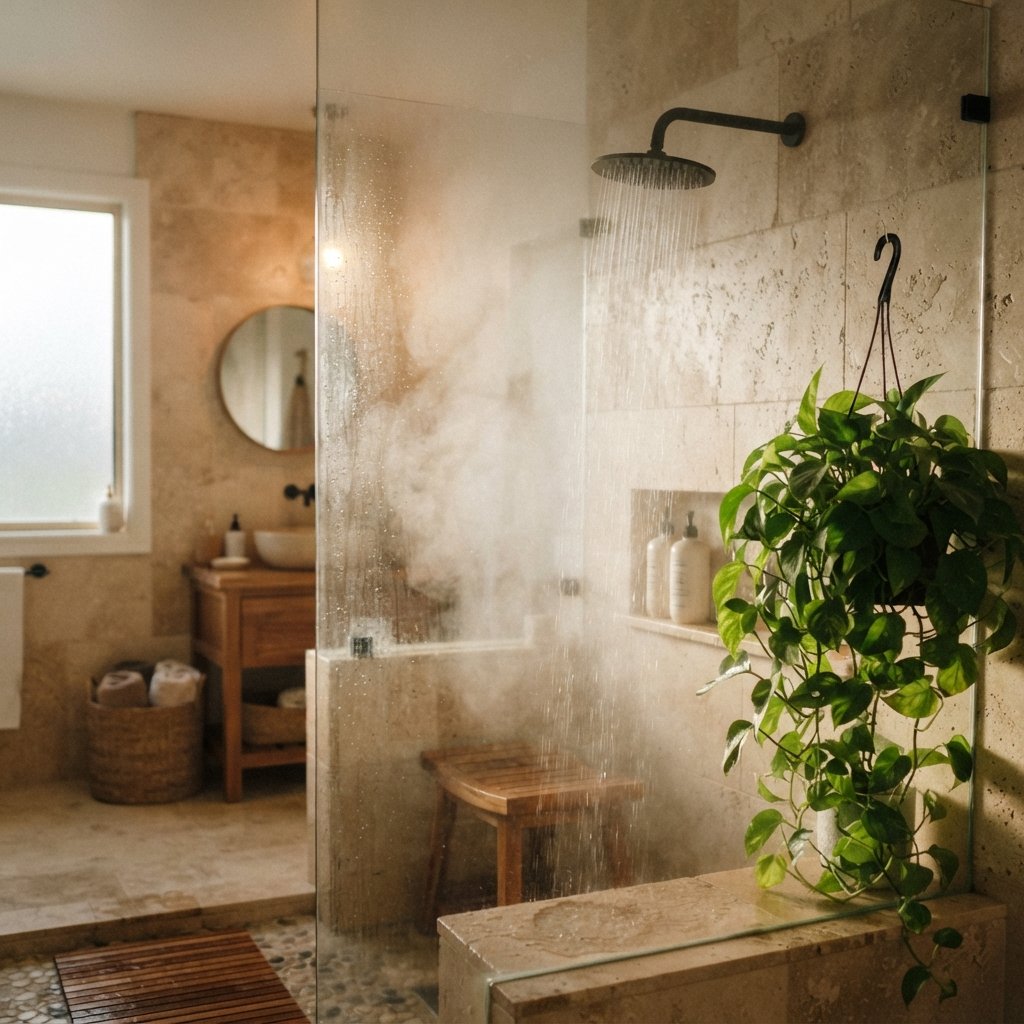
Hot water feels amazing, but it strips your scalp and makes itching worse. Lukewarm water is your friend. It cleans well without leaving your skin tight and dry.
Wash frequency is personal. If your scalp is very dry, every two to three days may be enough. If you have buildup or sweat a lot, wash more often with a gentle shampoo.
Simple guidelines:
- Use lukewarm water
- Wash when your scalp feels oily or itchy
- Do not wait until flakes appear
- Adjust with the season
Scalp Massage and Calming Tricks
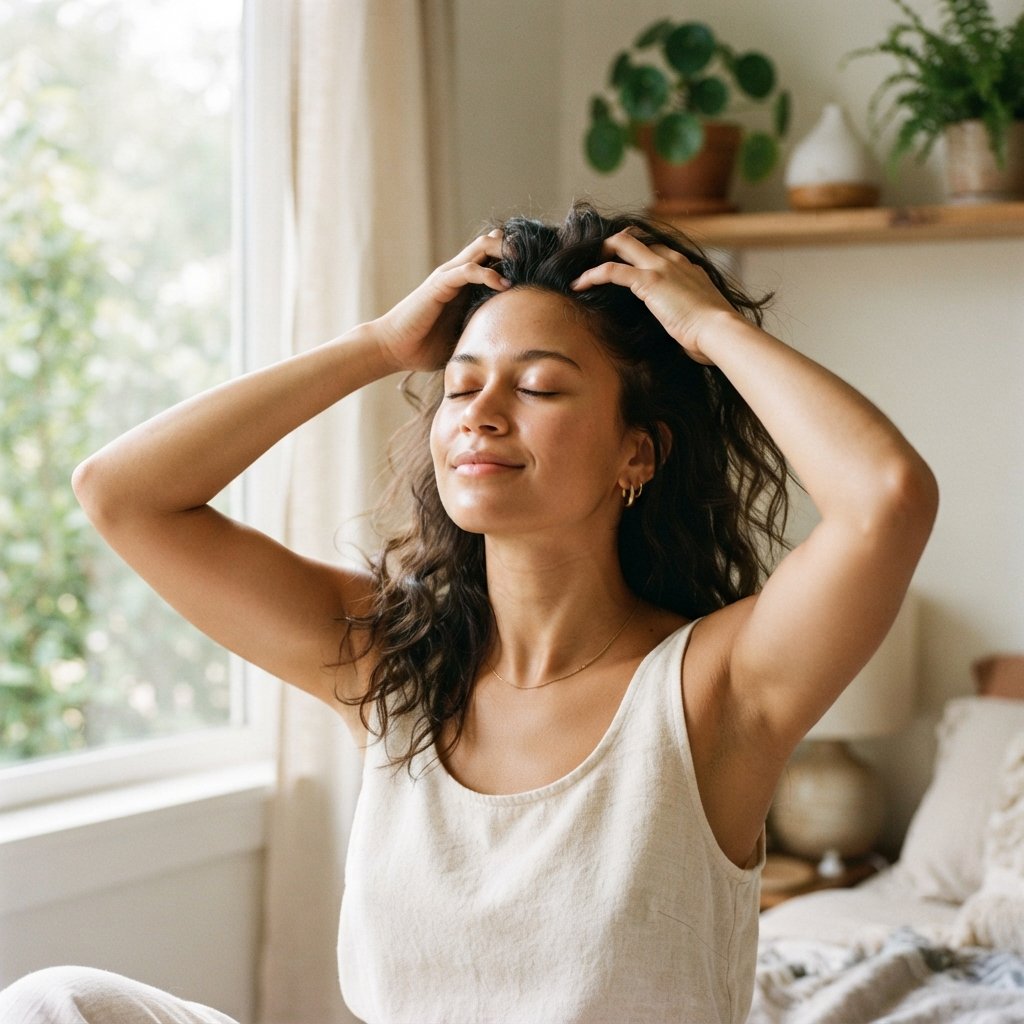
A gentle scalp massage can boost circulation and help calm itching. Do it before washing or while conditioning. Just keep your nails away from your skin.
I also love a cool rinse at the end of a shower. It feels soothing and can reduce that hot, irritated feeling. A little aloe vera gel can help too if your scalp tolerates it.
Try these:
- Massage for two minutes before washing
- Use a soft silicone brush
- Never scratch open skin
- Finish with cool water
Shampoo and 2026 Hairstyles
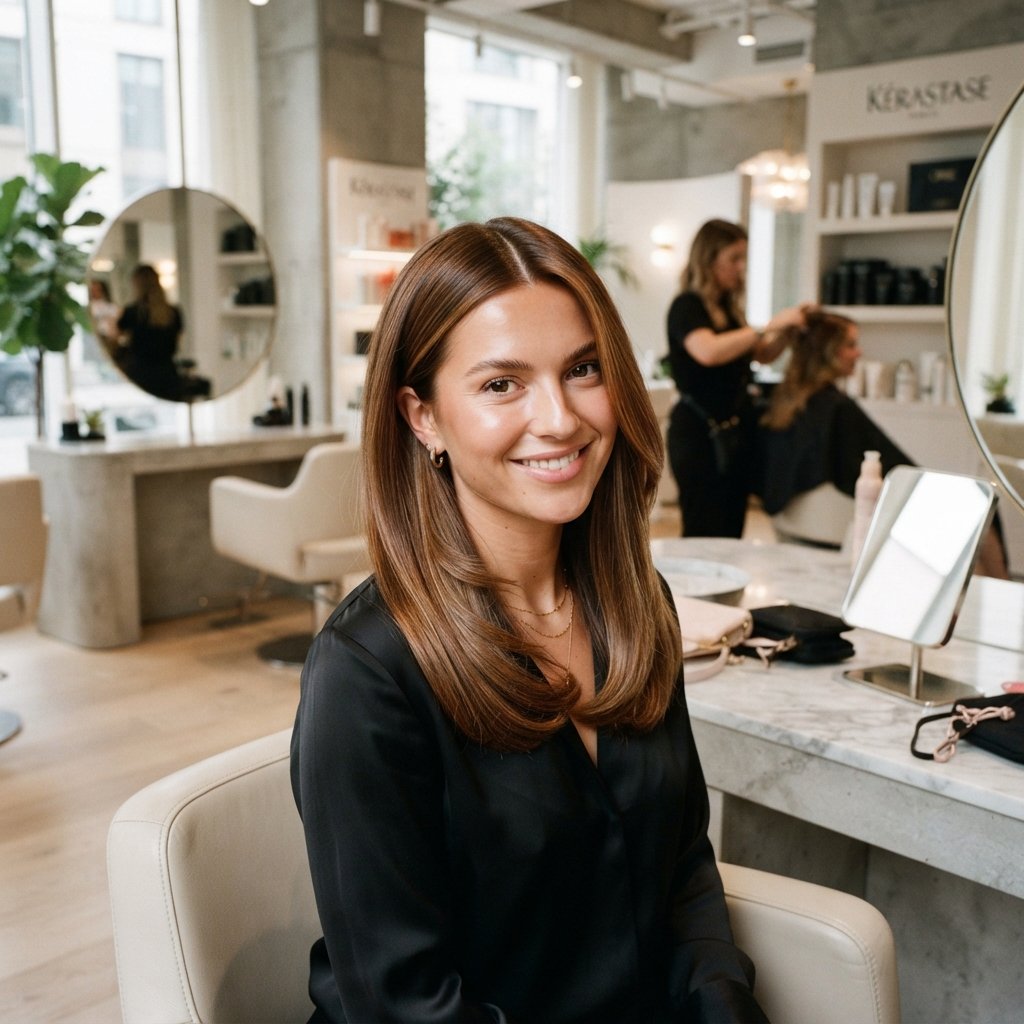
Every 2026 hairstyle starts with a healthy scalp. You can have the perfect cut, but flakes and itch will steal the show. Shampoo is the foundation of every look.
Sleek styles, bouncy blowouts, and textured cuts all look better when your scalp is calm. You do not need perfect hair every day. You just need a scalp that is not begging for relief.
Keep it simple:
- Choose one gentle shampoo for your main wash
- Add a clarifying wash only when needed
- Stay consistent through the season
Quiet Luxury Bob and Old Money Hair

The quiet luxury bob and old money hair are all about polish, shine, and ease. That kind of elegance looks best when your scalp is clean, calm, and comfortable.
Dry, itchy flakes can dull the whole vibe. Use a gentle hydrating shampoo, then add volume at the roots with a light mousse or texturizing spray. Avoid heavy oils on an irritated scalp.
For this look:
- Keep roots clean but not stripped
- Condition ends for shine
- Use cool air to set the bob
- Treat itch before styling
Romantic Goth, Vampire Haircut, and Hime Cut

Romantic goth hairstyles, the vampire haircut, and the hime cut are dramatic and fun. They also show off the scalp more, especially with sharp parts and sleek sections.
That means dry flakes are more visible. A gentle, hydrating shampoo keeps the scalp comfortable without coating dark hair in heavy residue. Fragrance-free options are great for sensitive skin.
Style smarter:
- Cleanse gently before sleek styling
- Avoid heavy scalp oils if you itch
- Use a soft brush on the scalp
- Rinse thoroughly after styling products
Glitchy Glam Hair and Asymmetrical Lob

Glitchy glam hair and the asymmetrical lob are modern, edgy, and a little unexpected. Color, texture spray, and heat styling can dry out your scalp if you are not careful.
Use a sulfate-free or gentle shampoo to protect your scalp barrier. If you use dry shampoo, do not spray it directly on itchy areas. Rinse it out before bed when possible.
Keep these looks healthy:
- Wash out styling products regularly
- Hydrate your scalp with gentle shampoo
- Skip heavy fragrance during flare-ups
- Protect your scalp from heat tools
Build a Simple Seasonal Scalp Routine
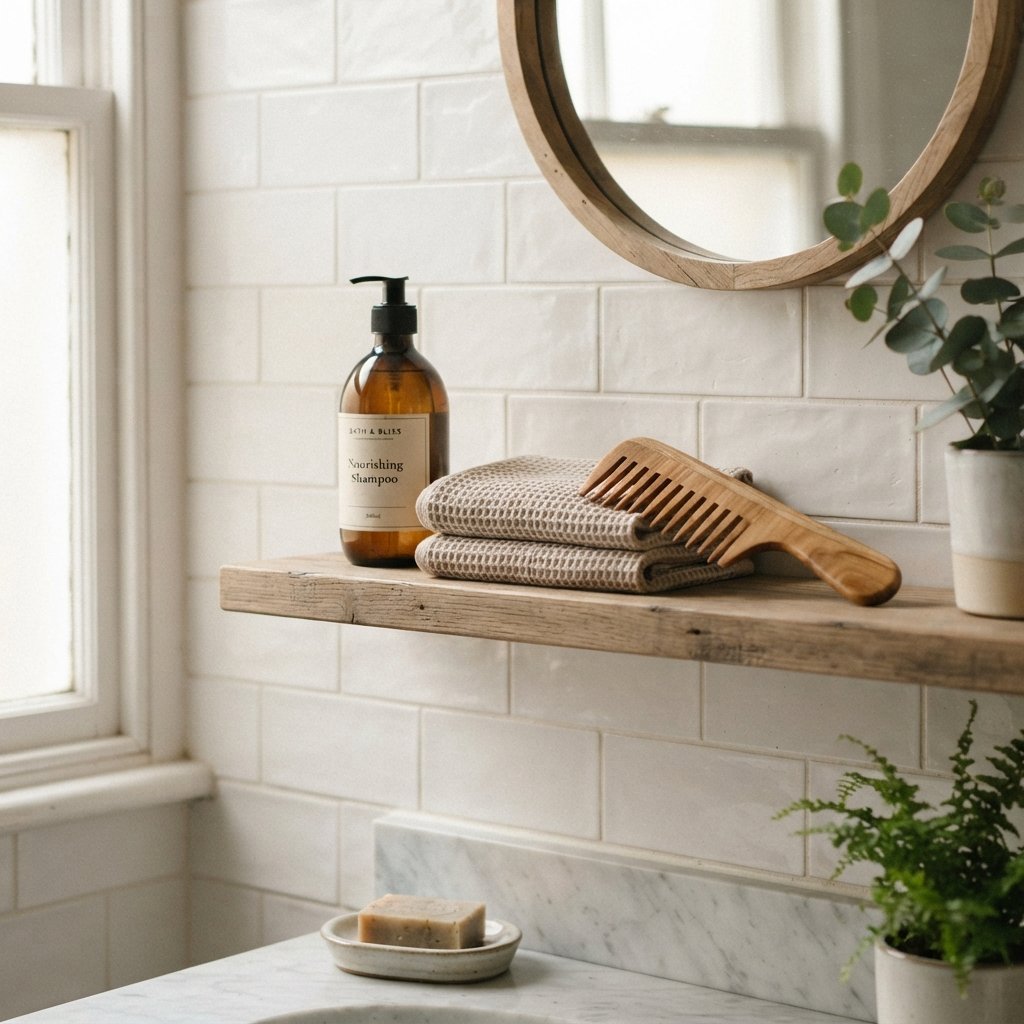
You do not need a complicated routine. You need a gentle shampoo, lukewarm water, and a plan you can actually follow when the weather changes.
Start with one hydrating shampoo. Add a gentle clarifying wash once a week or every other week if you use lots of products. Moisturize your ends, not your itchy roots.
Your simple routine:
- Wash two to three times a week
- Use gentle shampoo on the scalp
- Rinse well with lukewarm water
- Clarify only when needed
- Adjust as the season shifts
When to See a Dermatologist

If your scalp is bleeding, crusting, losing hair, or itching so much you cannot sleep, please see a dermatologist. Dry scalp is common, but psoriasis, eczema, seborrheic dermatitis, and fungal infections need proper treatment.
Also get help if you have tried gentle shampoos for four to six weeks and nothing changes. You do not have to suffer through seasonal transitions.
See a doctor if you notice:
- Severe pain or swelling
- Hair loss or bald patches
- Yellow, greasy, or crusty flakes
- No improvement after a month
A Final Love Note to Your Scalp
Your scalp is skin, and it deserves the same care you give your face. When seasons change, keep things simple: gentle shampoo, lukewarm water, and consistency. You do not need to fix everything in one wash.
Choose one shampoo that calms itching, avoid triggers, and give it a few weeks. Your future 2026 hairstyles will thank you. Healthy scalp, happy hair.
Save this post to Pinterest so you can find your perfect seasonal shampoo later. And tell me in the comments: which season makes your scalp the itchiest? I read every note.

