

If your part is getting wider and your ponytail feels skinnier than it did last year, you are not imagining it. I went through this myself, and I know how quickly it turns into 2 a.m. panic scrolling.
Here is the good news: thinning hair is one of the most researched topics in dermatology. There are real treatments, real timelines, and real things you can do starting this week.
In this post I am breaking down every major treatment option, from drugstore minoxidil to in-office procedures, plus what actually fits your budget. I am also covering the 2026 hairstyles that make fine hair look full and expensive while you wait for results.
No fluff. Just the honest overview I wish someone had handed me on day one.
Why Hair Thinning Happens (The 60-Second Version)
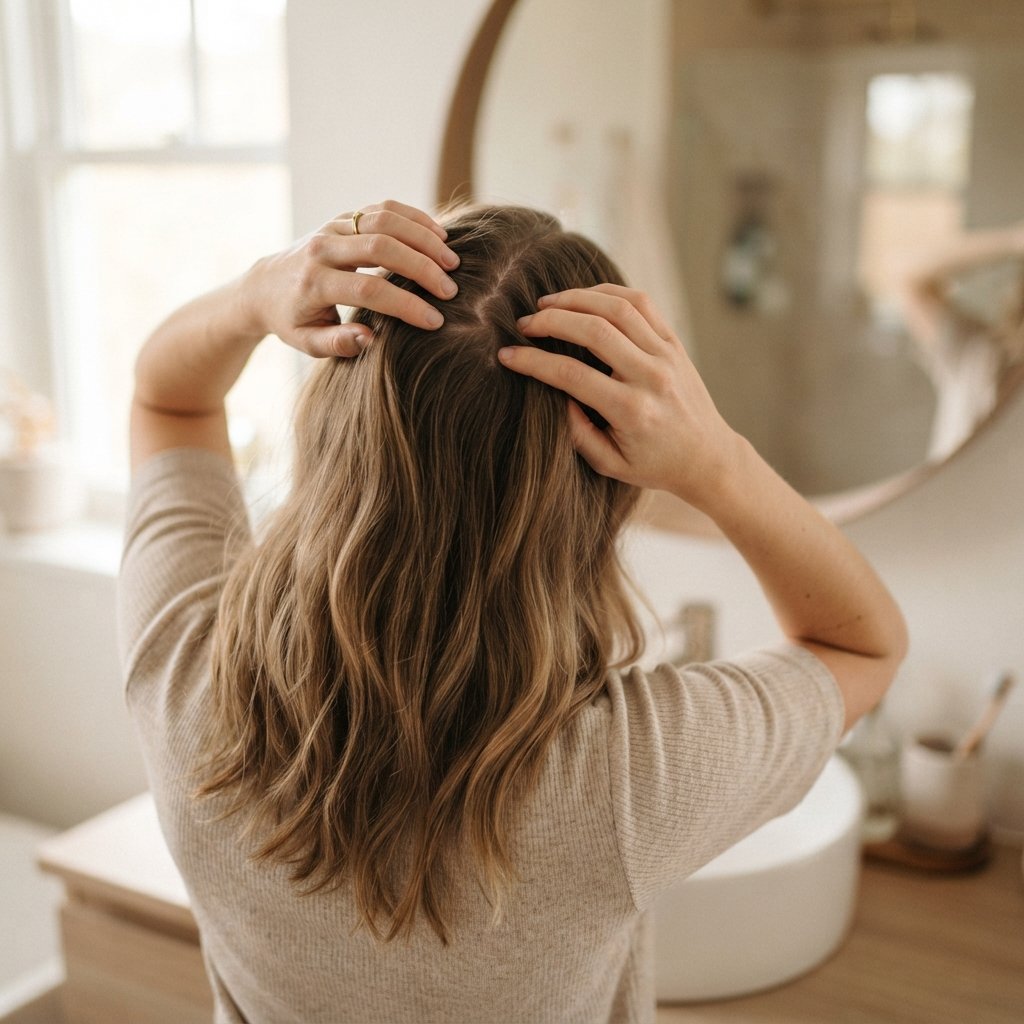
Thinning is not one problem. It is several different problems that all look the same in the mirror.
The most common is genetics, also called androgenetic alopecia. It shows up as a widening part or a receding hairline and it moves slowly. Then there is shedding from stress, illness, crash diets, thyroid issues, and postpartum hormones. That kind often comes on fast and reverses.
- Genetic: slow, steady, runs in your family
- Sudden shedding: triggered by stress, diet, or illness
- Traction: tight styles pulling hair out over years
Knowing which one you are dealing with changes everything about your plan.
Minoxidil: The Most Accessible Starting Point
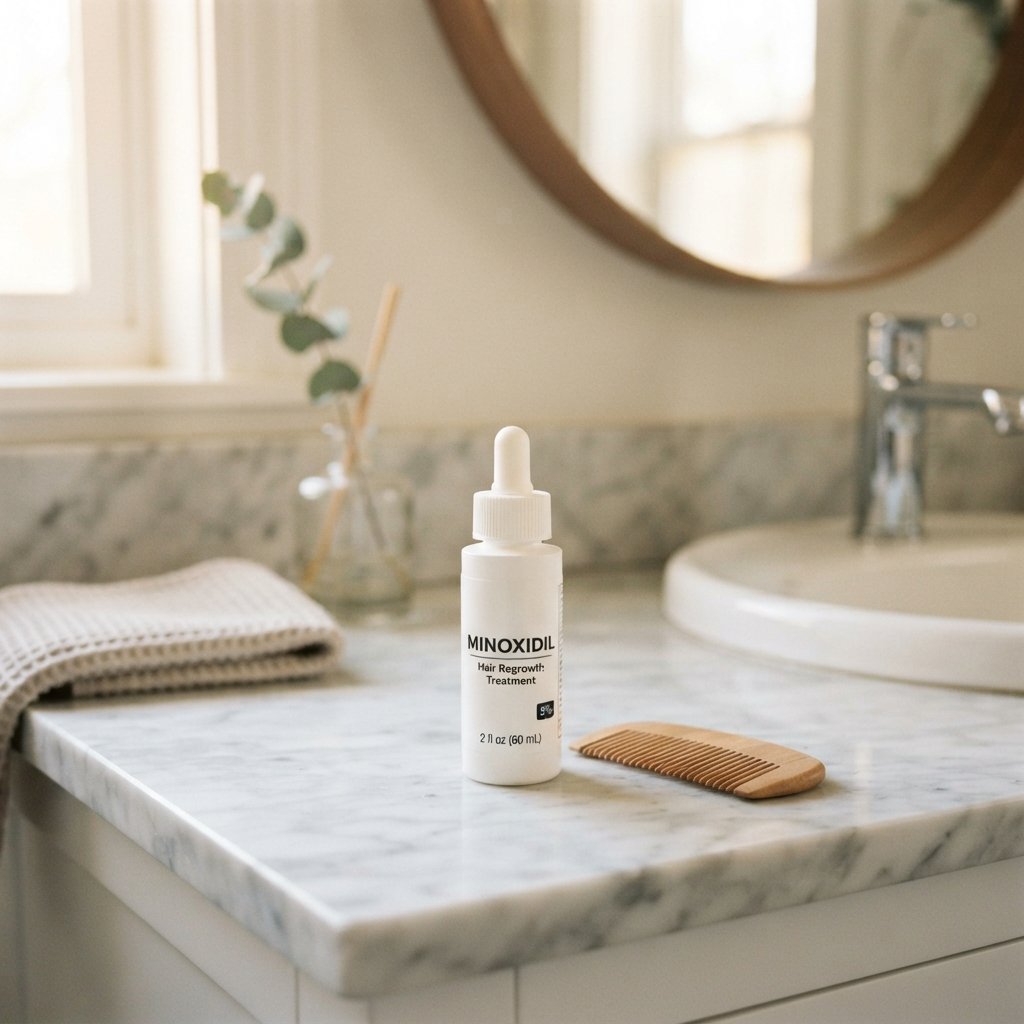
Minoxidil is the one treatment you can buy without a prescription. It comes as a topical liquid, a foam, and now an oral pill by prescription. Topical is where most people start.
It works by extending the growth phase of your hair and widening blood flow to the follicle. It does not fix the root cause, but it slows things down and can regrow some density.
- Apply to a dry scalp, not wet hair
- Use it twice daily for foam or liquid
- Give it a full 4 to 6 months
Expect a shed around week three. That is normal and it means it is working.
Prescription Treatments: Finasteride and Dutasteride

Finasteride is an oral pill that blocks DHT, the hormone that shrinks follicles in genetic hair loss. It is FDA approved for men and commonly prescribed off-label for women at a lower dose.
Dutasteride is a stronger version of the same idea. Both work well, but they are not for anyone pregnant or trying to conceive.
- Best for: confirmed genetic thinning
- Timeline: 6 to 12 months for full effect
- Watch for: side effects, so talk to your doctor first
This is a real conversation to have with a dermatologist, not a decision to make from a forum thread.
Low-Level Laser Therapy: Does It Really Work?

Laser caps and combs use red light to stimulate follicle activity. The research is decent, not miraculous. It works best as a support treatment alongside something else, not on its own.
The catch is consistency. You have to wear it three to four times a week for 15 to 30 minutes, and you have to keep doing it.
- Pros: no drugs, no needles, no side effects
- Cons: pricey upfront and slow to show results
- Best for: early thinning and anyone who cannot use medication
If you will actually wear it, it is worth trying. If it will sit in a drawer, put that money somewhere else.
Supplements With Real Evidence Behind Them

The supplement aisle is loud and mostly unregulated. That said, a few ingredients actually have studies behind them for thinning hair.
- Iron: if your ferritin is low, this is huge
- Vitamin D: deficiency is linked to shedding
- Zinc: supports follicle health, but do not overdo it
- Biotin: only helps if you are truly deficient
- Saw palmetto: mild DHT blocking, mixed evidence
Get bloodwork first. Guessing is expensive and usually wrong. A simple panel can tell you exactly what your body is missing.
PRP and In-Office Treatments
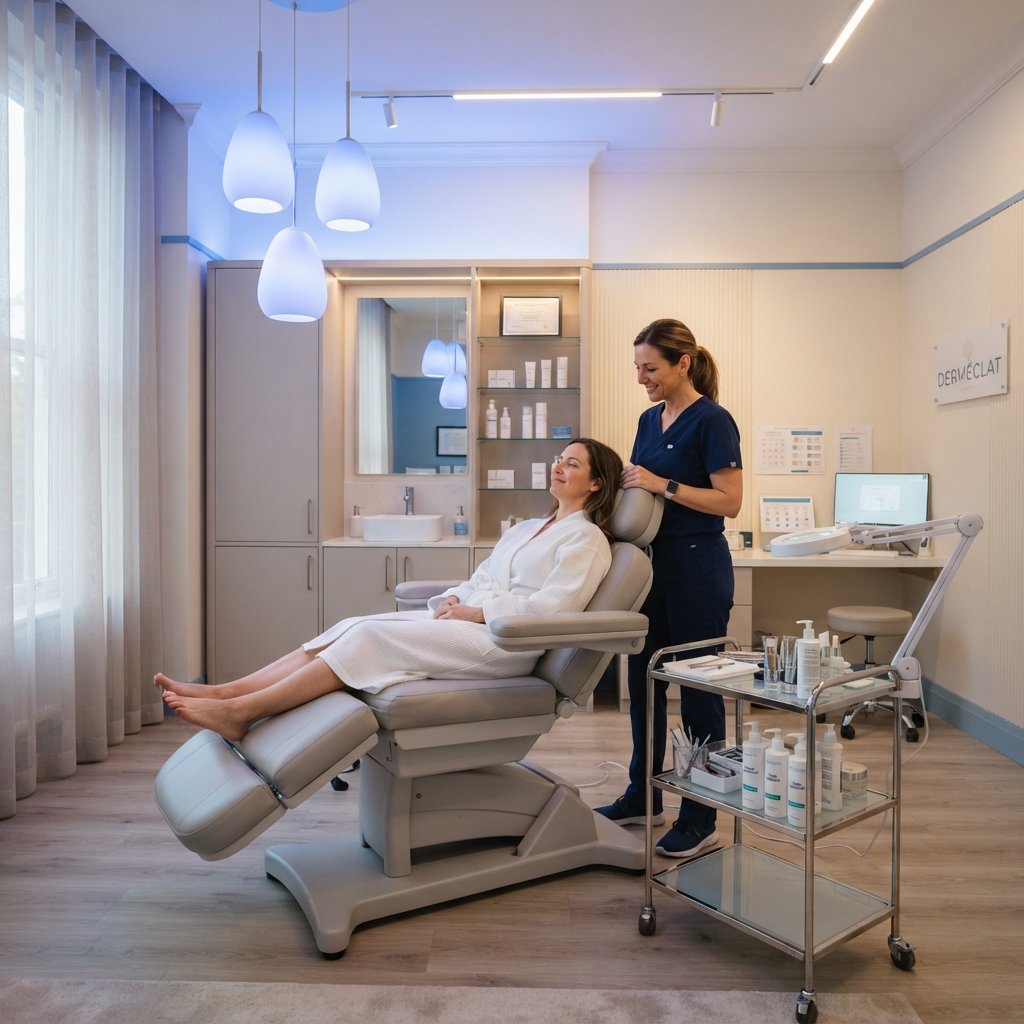
PRP, or platelet-rich plasma, uses your own blood, spins it down, and injects the plasma back into your scalp. It sounds intense because it is. It also works for a lot of people.
You typically need three sessions a month apart, then maintenance every six to twelve months. Results show up around month three.
- Cost: roughly $500 to $1,500 per session
- Downtime: minimal, some tenderness for a day
- Best for: early to mid-stage thinning
Other in-office options include microneedling, exosome therapy, and low-level laser sessions done in a clinic.
Scalp Health Basics Nobody Teaches You

You cannot grow strong hair on an unhealthy scalp. This part is boring and it matters more than most products.
- Wash when your scalp is oily, not on a schedule
- Massage your scalp for two minutes a day with fingertips
- Do not scratch, pick, or scrub aggressively
- Treat dandruff and flaking seriously, it can drive shedding
Scalp massage genuinely helps blood flow, and it is free. Two minutes while you watch TV is enough. Think of it as the foundation everything else is built on.
Shampoos and Serums That Actually Help
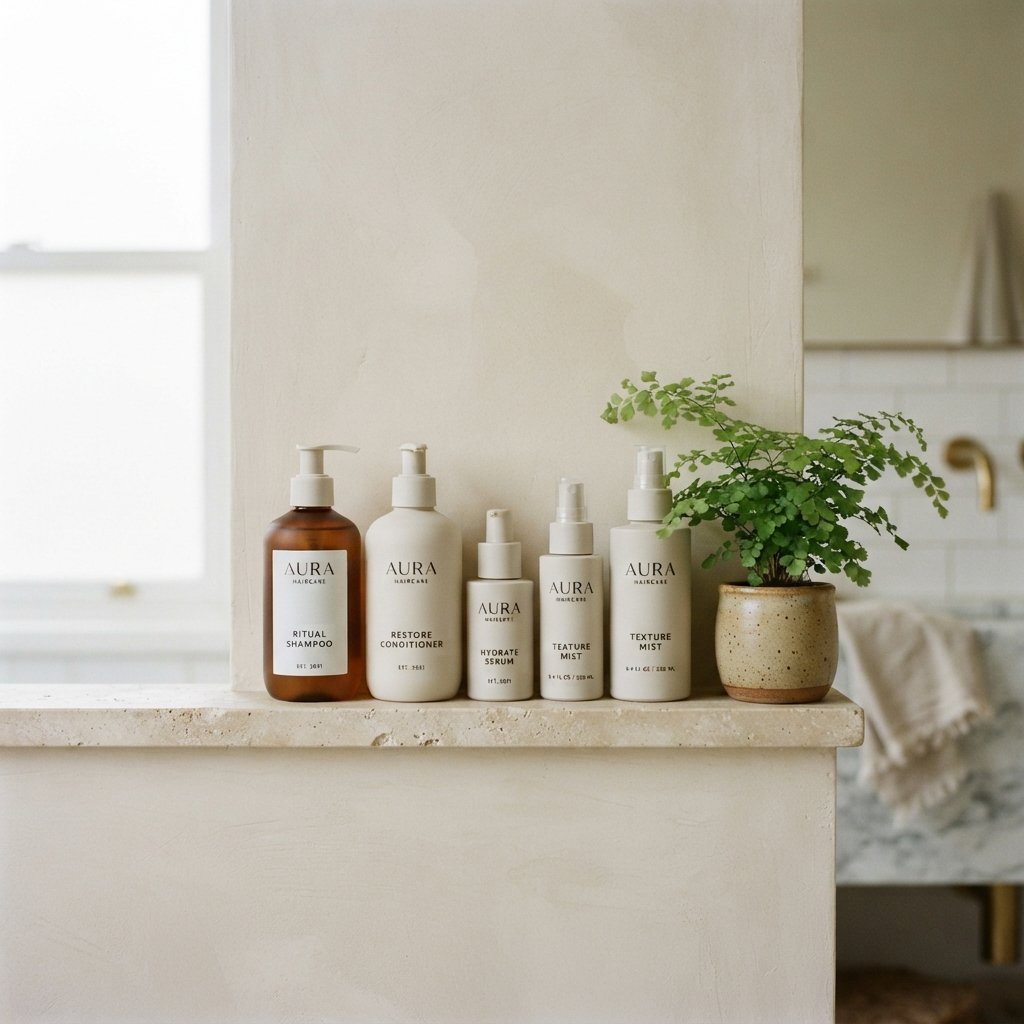
Shampoo will not regrow hair. Anyone telling you otherwise is selling something. What it can do is stop making things worse.
- Look for: gentle surfactants, niacinamide, caffeine, ketoconazole for flaking
- Skip: harsh sulfates if your scalp is irritated, heavy silicones that weigh down fine hair
- Serums: peptides and caffeine serums are nice support, not a cure
Keep your routine simple. One shampoo, one conditioner, one scalp serum. Too many products means you never know what is actually working.
Eating for Stronger Hair

Hair is basically protein and it needs a steady supply of nutrients to build. Crash diets are one of the fastest ways to trigger shedding.
You do not need a special hair diet. You need enough food and enough variety.
- Protein: aim for it at every meal
- Iron: red meat, lentils, spinach, plus vitamin C to absorb it
- Omega-3s: salmon, walnuts, flax
- Vitamin D: fatty fish, eggs, sunlight
If you have been undereating for months, that alone could be your whole answer.
Stress, Sleep, and Hormones

Stress is not a vague excuse. It is a physical trigger that pushes follicles into a resting phase, and the shed shows up two to three months later.
Sleep is when your body repairs. If you are running on five hours and high cortisol, your hair is low on the priority list.
- Target 7 to 9 hours of sleep
- Move your body most days, even a walk counts
- Get thyroid, ferritin, and hormone levels checked
- Ask about PCOS if you also have irregular cycles
Hormones and stress are often the hidden half of the story.
Medications and Conditions That Trigger Shedding

Before you spend a fortune on treatments, rule out the things that are actively causing the problem.
- Thyroid disorders, both high and low
- Low ferritin without full-blown anemia
- PCOS and insulin resistance
- Certain blood pressure, acne, and antidepressant medications
- Recent surgery, illness, or major weight loss
Bring a list of everything you take to your appointment, including supplements. Sometimes the fix is adjusting a dose, not adding a new product. This step alone solves it for a lot of people.
How to Talk to a Dermatologist

A good dermatologist can save you years of guessing. Here is how to get the most out of one appointment.
- Take photos of your part and hairline from six months ago
- Bring your bloodwork if you have it
- List every medication and supplement
- Ask directly: is this genetic, shedding, or something else
- Ask what a realistic result looks like in 12 months
If you feel dismissed, get a second opinion. You deserve someone who takes it seriously.
How Long Results Really Take

This is the part that breaks people. Hair grows about half an inch a month and follicles reset slowly. Nothing works in two weeks.
- Month 1 to 2: possible shedding, no visible change
- Month 3 to 4: early signs, mostly in photos
- Month 6: the first honest checkpoint
- Month 12: full results from most treatments
Take photos in the same lighting, same spot, same angle, once a month. Your eyes will lie to you. Photos will not.
Budget Plan: Under $50 a Month
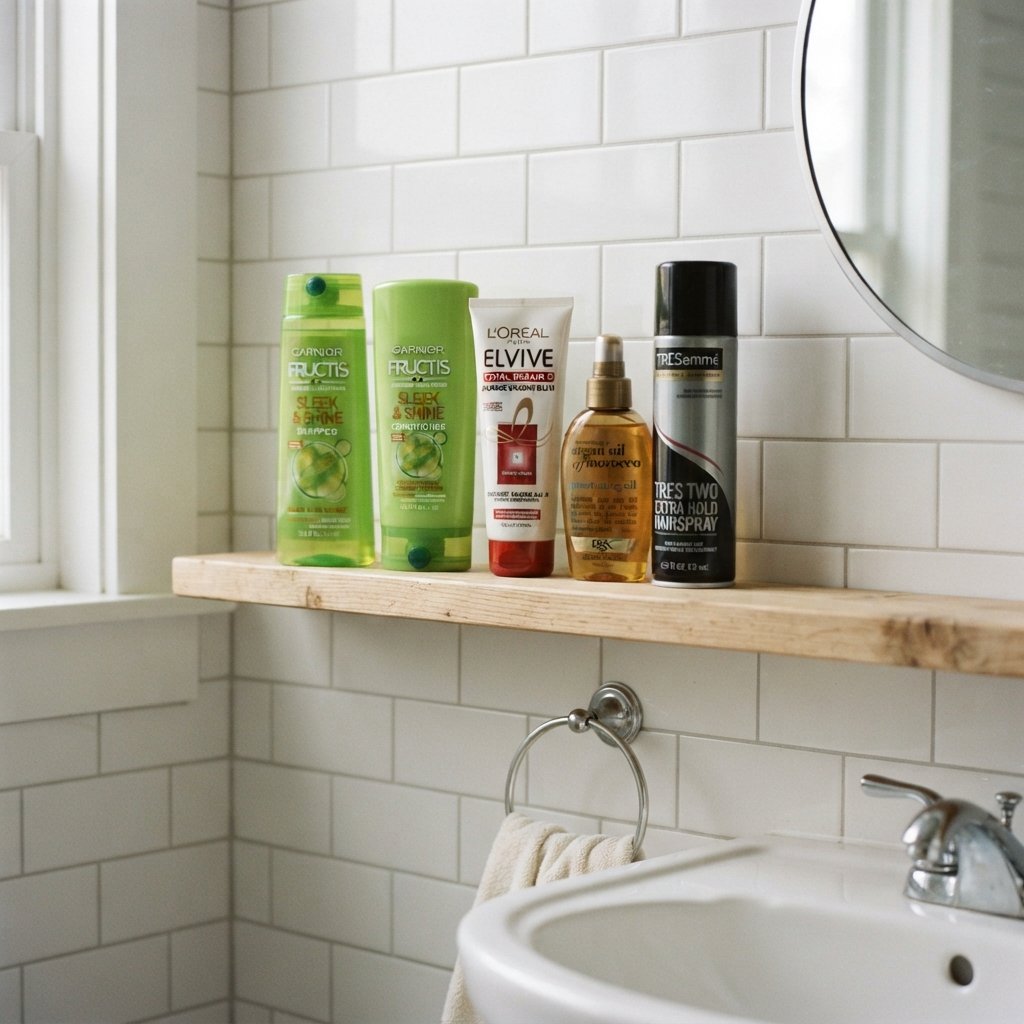
You do not need a big budget to make real progress. You need consistency.
- Generic topical minoxidil, around $15 to $25 a month
- A gentle sulfate-free shampoo, $10 to $15
- A basic iron or vitamin D supplement, if you are deficient
- Two minutes of daily scalp massage, free
Total is usually under $50. That is a genuinely solid starting stack, and it is where I would begin if I were starting over today. Add one thing at a time so you know what is working.
Mid-Range Plan: $50 to $150 a Month

Once the basics are in place, this is where you layer in extras.
- Everything from the budget plan
- A prescription for oral minoxidil or finasteride, if approved
- A low-level laser cap, usually a one-time $200 to $500
- A peptide or caffeine scalp serum
- Silk pillowcase and gentle hair ties to reduce breakage
This is the sweet spot for most people. It is strong enough to see real change without draining your savings account every month.
Splurge Plan and Transplant Talk

If budget is not the issue, you can stack almost everything at once under medical supervision.
- Prescription medication plus oral minoxidil
- PRP or exosome sessions three times a year
- Laser therapy at home and in clinic
- Regular bloodwork to catch deficiencies early
Hair transplants are the permanent option, but only for stable, confirmed genetic loss with a good donor area. They do not stop future thinning, so most people still need medication afterward. Get two consultations before committing.
Hairstyles That Make Thin Hair Look Fuller
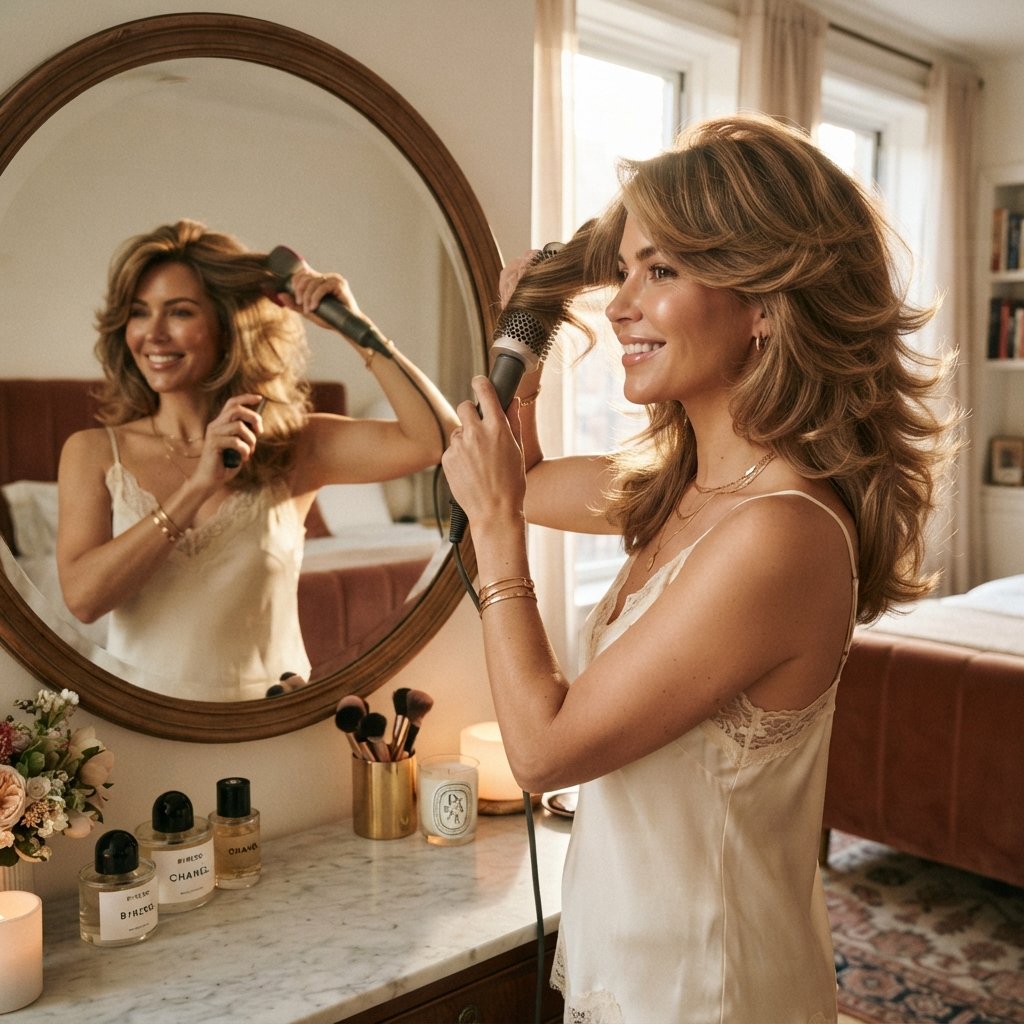
While treatments do their slow work, your haircut can do heavy lifting today. The 2026 hairstyles are honestly great for fine hair because blunt lines and texture are everywhere.
- Blunt cuts make ends look thicker than wispy layers
- Collarbone to shoulder length is the sweet spot for density
- Soft layers around the face add movement without thinning ends
- Darker roots create the illusion of more hair at the scalp
Tell your stylist you are working with thinning and want density, not choppiness. A good one will know exactly what to do.
The Quiet Luxury Bob for Fine Hair

The quiet luxury bob is everywhere for a reason. It is blunt, chin to jaw length, and it makes fine hair look intentional instead of thin.
Blunt ends mean every strand shows. No thinning out at the tips, no straggly pieces. Pair it with a middle or slight side part and you have instant polish.
- Ask for a blunt line, no texturizing
- Keep it chin length or just below the jaw
- Add a slight bend with a round brush, not tight curls
This is also the easiest old money hair look to maintain on thin hair.
Asymmetrical Lob: My Favorite Volume Trick

The asymmetrical lob is my personal favorite. One side longer than the other means your eye cannot track a thin line across your head.
It breaks up the part, adds visual weight on one side, and looks deliberate rather than like you are hiding something.
- Shorter side: around chin length
- Longer side: collarbone length
- Blow dry the shorter side up and out for lift
Works on straight, wavy, and curly hair. It is one of the most flattering cuts for a widening part.
Hime Cut, Blunt Lines, and Instant Density

The hime cut is a Japanese style with straight blunt side pieces framing the face and longer hair in the back. It looks incredible on fine hair because the blunt panels read as thick.
The side pieces add width at the face, which balances out a thinning crown.
- Keep side pieces blunt and chin to cheekbone length
- Skip heavy layering in the back
- A straightener on low heat keeps the line crisp
It is bold, elegant, and surprisingly easy to wear day to day. If you want a statement that works with thinning rather than against it, this is it.
Romantic Goth Hairstyles and the Vampire Haircut

Here is a fun truth: romantic goth hairstyles were practically designed for fine hair. Drama, layers, and dark color all make hair look denser.
The vampire haircut is a long, layered shape with sharp face framing and a center or deep side part. It gives a widow’s peak effect and hides thinning at the temples beautifully.
- Dark, rich color makes the scalp less visible
- Face framing pieces add width where you need it
- Soft waves create volume without heat damage
Moody, romantic, and incredibly flattering.
Glitchy Glam Hair and Old Money Hair
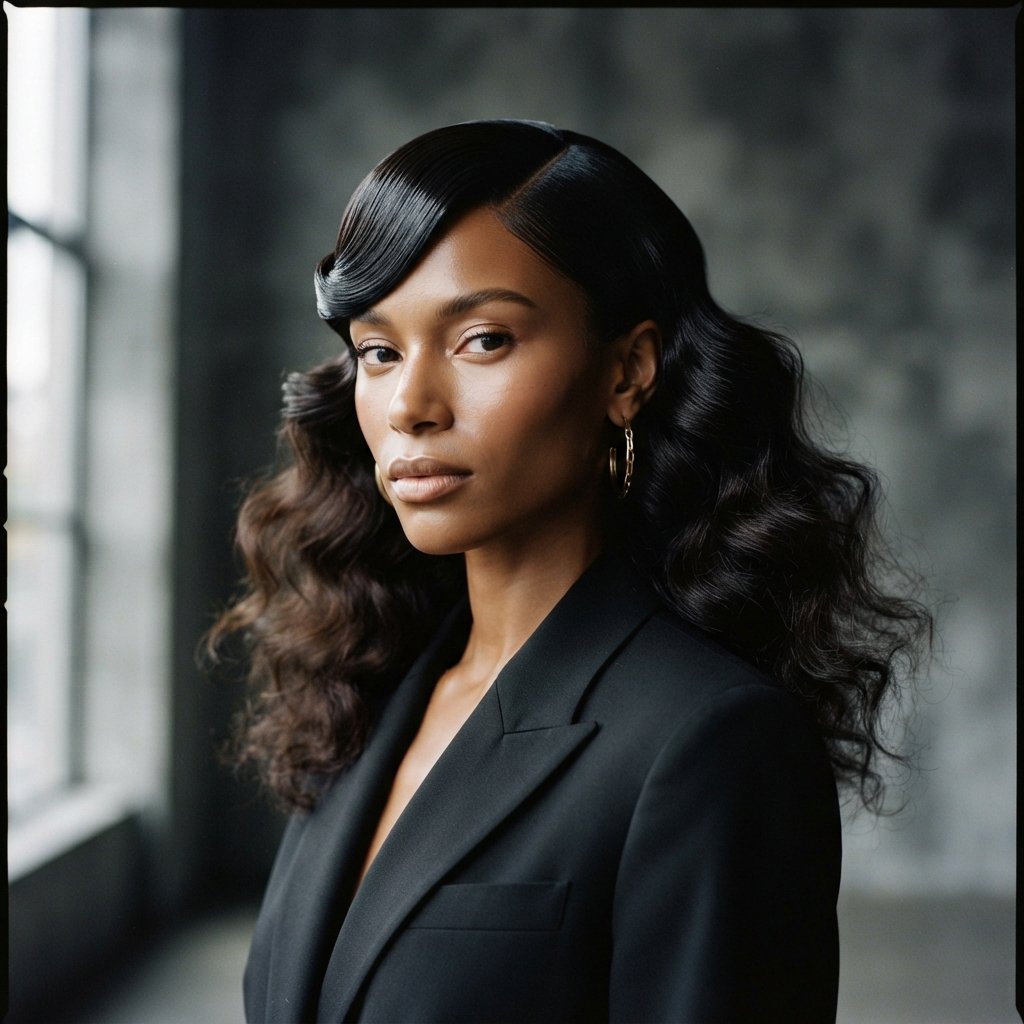
Glitchy glam hair is the 2026 trend of mixing sleek sections with soft, undone texture. Oddly enough, it is great for thin hair because the contrast confuses the eye.
Old money hair is the opposite energy: glossy, healthy, low effort. Think a bouncy blowout with no visible styling.
- Sleek front, wavy back for the glitchy look
- Volume at the crown for old money
- Shine spray over heavy oils, oils flatten fine hair
Both rely on shine, not density. That is your friend.
Toppers, Extensions, and Wigs

There is no shame in adding hair. None. People wear braces and glasses without a second thought.
- Toppers: clip in at the crown, perfect for a widening part
- Extensions: add length and volume, but can stress fragile hair
- Wigs: full coverage, fully customizable, easier than ever in 2026
Start with a topper if your thinning is mostly at the top. It is the least commitment and blends surprisingly well. Look for a lace front and match your root color.
Scalp Makeup and Root Touch-Ups
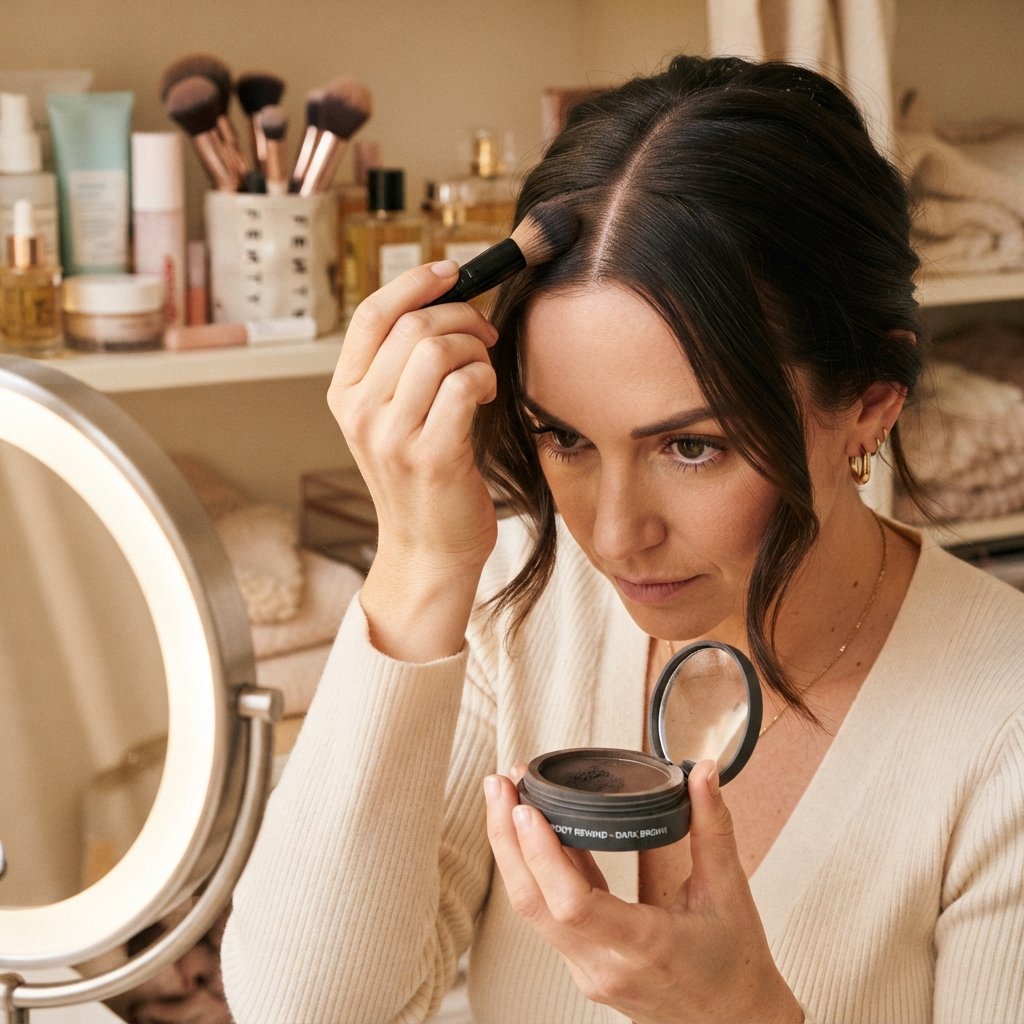
This is the fastest fix in the entire post. Tinted scalp powder takes thirty seconds and makes a part look dramatically fuller.
- Choose a shade one tone darker than your roots
- Tap along the part, then blend the edges with a brush
- Set with a light mist of hairspray so it does not transfer
- Root spray works for larger areas, powder for precision
It washes out with shampoo and it is completely temporary. Honestly, it is the trick I reach for before any event when I want to feel good fast.
Styling Thin Hair Without Causing Damage

Everything you do to hide thinning can also make it worse if you are rough. Be gentle with the hair you have.
- Always use heat protectant, always
- Keep tools on low or medium heat
- Skip tight ponytails, braids, and slicked-back styles
- Use silk scrunchies instead of elastic bands
- Detangle from the ends up with a wide tooth comb
Volume at the root comes from drying upside down or using velcro rollers, not from backcombing. Backcombing feels like it helps and quietly damages everything.
Tracking Progress Without Obsessing
Checking your hair in every mirror and every lighting situation will make you miserable. Trust me on this one.
- Take photos once a month, same spot and lighting
- Write one line about how your scalp feels
- Note any shedding changes or new products
- Only change one thing at a time
That is it. One photo, one note, once a month. Everything else is noise that will steal your peace. Progress is slow and real, and the photos will prove it when your anxiety says otherwise.
Alright, friend. That is the whole landscape: minoxidil, prescriptions, lasers, supplements, PRP, scalp care, nutrition, stress, and every hairstyle that works while you wait for results.
You do not have to do all of it. Pick one or two things, give them six honest months, and take photos. Thinning is common, it is treatable, and you are not doing anything wrong.
Now go make that dermatologist appointment you have been putting off. Then treat yourself to a quiet luxury bob.
Save this post to Pinterest so you can find it the next time you are spiraling at midnight. And tell me in the comments: which treatment are you trying first, or which hairstyle are you booking next? I read every single one.

