
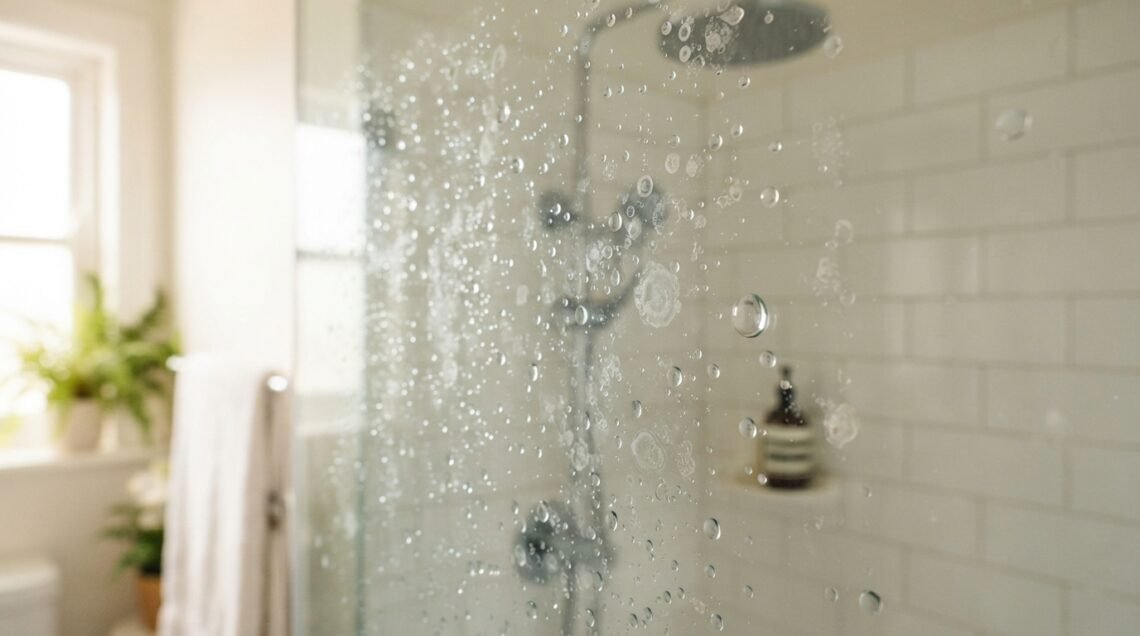
You know that feeling when your hair looks clean but still feels… not clean? Like there’s a film on it. That’s often hard water. It’s packed with minerals like calcium and magnesium, and they love to stick to your strands.
I’ve been there. My old money hair dreams were not matching my dull, crunchy reality. Hard water can make any cut look tired, from a quiet luxury bob to an asymmetrical lob.
Good news: you don’t need a whole new plumbing system. You just need a few simple daily filters and habits. Let’s fix it together, fast.
In this post, I’m sharing what hard water really does, how to filter it out daily, and how to keep your 2026 hairstyles feeling soft, shiny, and expensive.
What Is Hard Water, Really?
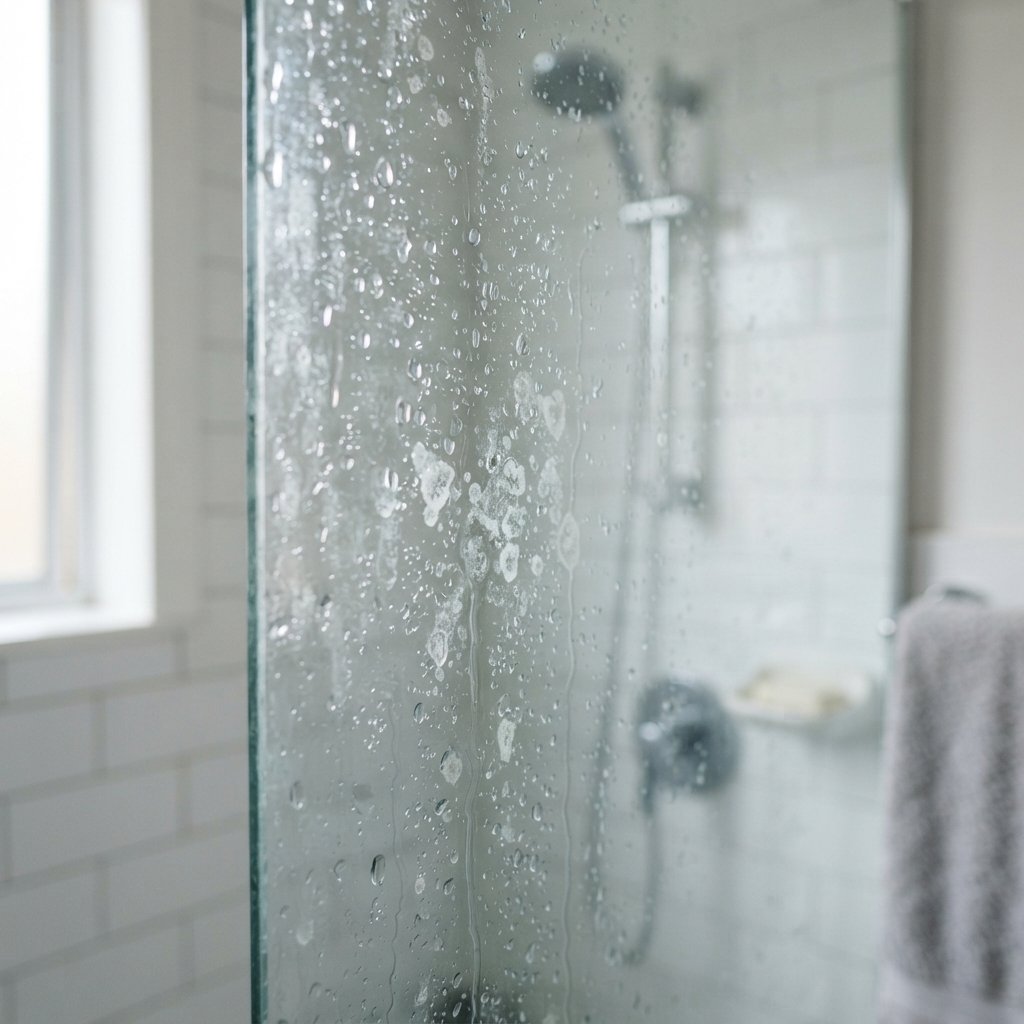
Hard water is just water with a high mineral content, mostly calcium and magnesium. It picks those up as it moves through rocks and soil. That’s not dangerous, but it’s rough on hair.
When you wash, those minerals stay behind. They cling to your strands and create a rough, dull coating. Over time, it can feel like your hair never gets fully clean.
- Signs: filmy feel, dull shine, tangles
- Common in wells and older city pipes
- Worse in areas with limestone
The Mineral Buildup That Ruins Your Shine
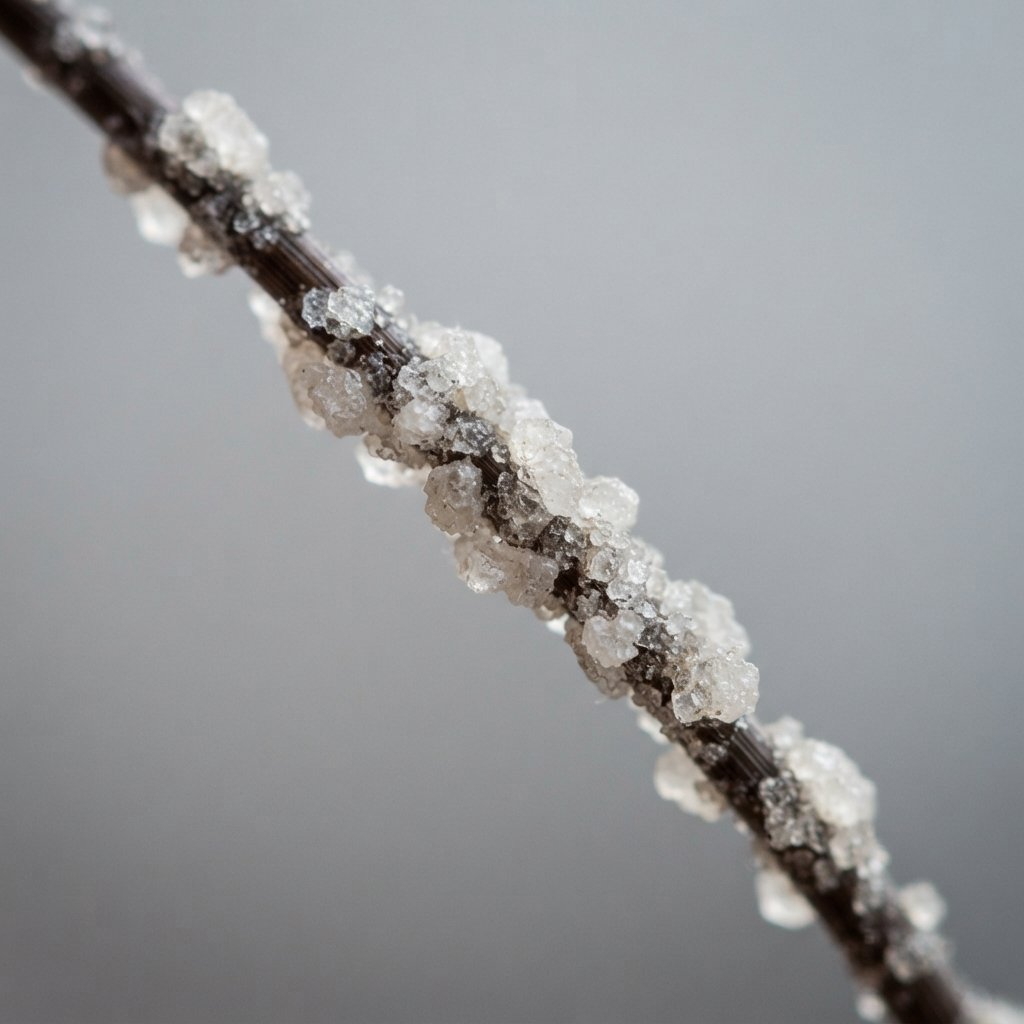
Mineral buildup is like a tiny rough jacket around every strand. It blocks light, so your hair looks dull instead of glossy. It also makes your cuticle feel rough to the touch.
That’s why old money hair and a quiet luxury bob can look flat fast in hard water. The shape is there, but the shine isn’t. Buildup also makes color fade quicker.
- Calcium loves to bind to shampoo residue
- Magnesium can make hair feel sticky
- Buildup attracts more dirt and oil
- Use a filter to reduce new minerals
- Rinse with cool water to smooth the cuticle
Why Your Hair Feels Filmy After Washing

You lather, rinse, and condition. But your hair still feels like it has a thin layer of product on it. That’s usually hard water, not your shampoo.
The minerals mix with soap and create soap scum. It settles on your scalp and strands. So you rinse more, which can strip your ends and leave the film behind.
- Rinse longer with cooler water
- Use a filter or filtered pitcher for final rinse
- Don’t over-shampoo to fight the film
- Finish with a leave-in conditioner
- Avoid hot water on your ends
How Hard Water Messes With Color and Highlights
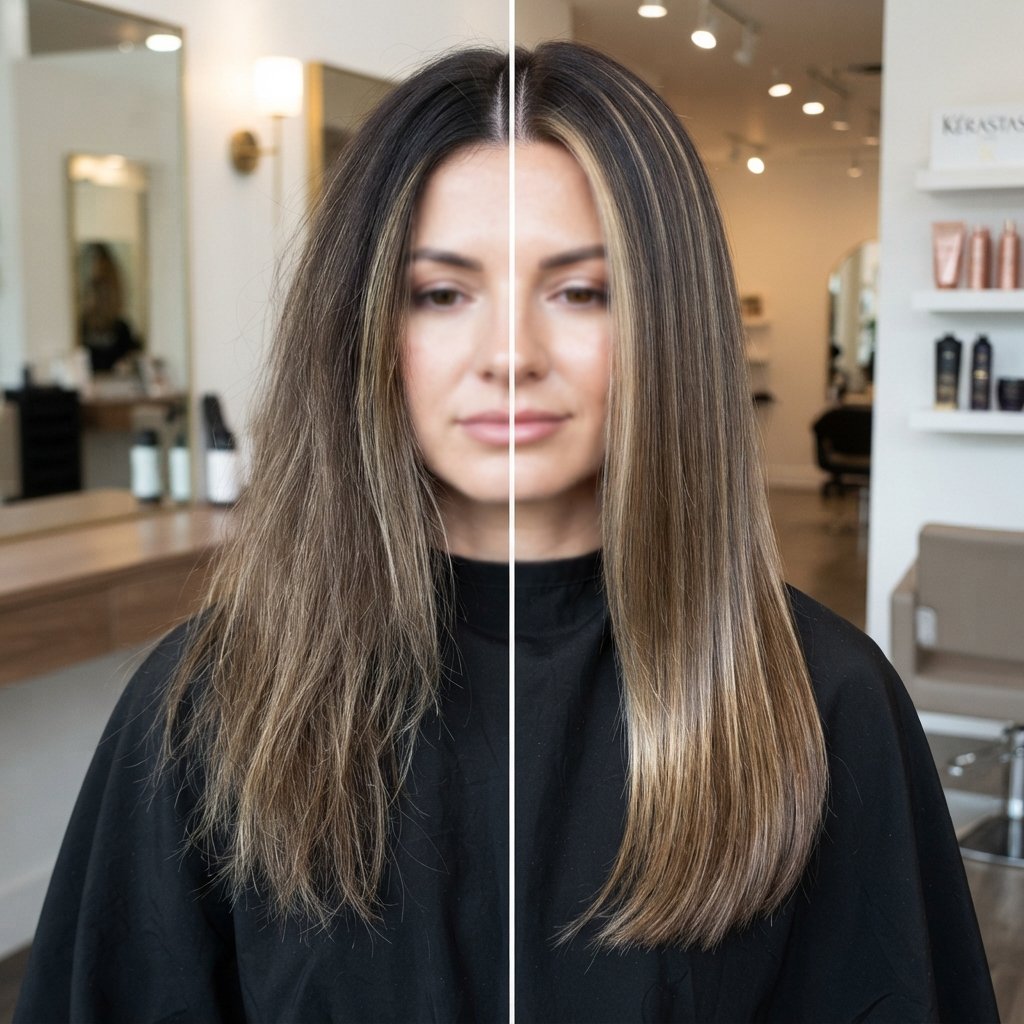
If you color your hair, hard water is not your friend. Minerals can react with dye and cause brassiness, especially on blondes and balayage. They can also make reds fade faster.
Even glosses and toners don’t last as long. Your stylist may think it’s your at-home care, but your shower water could be the culprit. Filtering helps color stay truer between appointments.
- Use chelating shampoo before color
- Rinse with filtered water after washing
- Ask your stylist about mineral removers
- Book a gloss every 6 to 8 weeks
The Quiet Luxury Bob Problem

The quiet luxury bob depends on clean, glassy shine. Hard water steals that. Instead of a smooth, expensive finish, you get a rough, dusty look.
To keep this cut looking sharp, filter your shower water and use a light gloss. A silk pillowcase also helps. The goal is reflection, not heaviness.
- Ask for a blunt or soft A-line bob
- Use a filter and cool rinse
- Style with a round brush and light serum
- Avoid heavy oils that weigh down fine hair
- Your bob should swing, not sag
Why Old Money Hair Needs Soft Water

Old money hair is never loud. It’s healthy, smooth, and natural-looking. Hard water fights that because it makes hair look dry and overworked.
Filtering your water is one of the most low-key luxury habits. It keeps your strands soft without a shelf of products. That’s the real old money secret: simple care done well.
- Use a shower filter daily
- Choose sulfate-free shampoo
- Add a weekly chelating rinse
- Do a vinegar rinse every other week
- Soft water is the quiet flex
Hard Water and 2026 Hairstyles
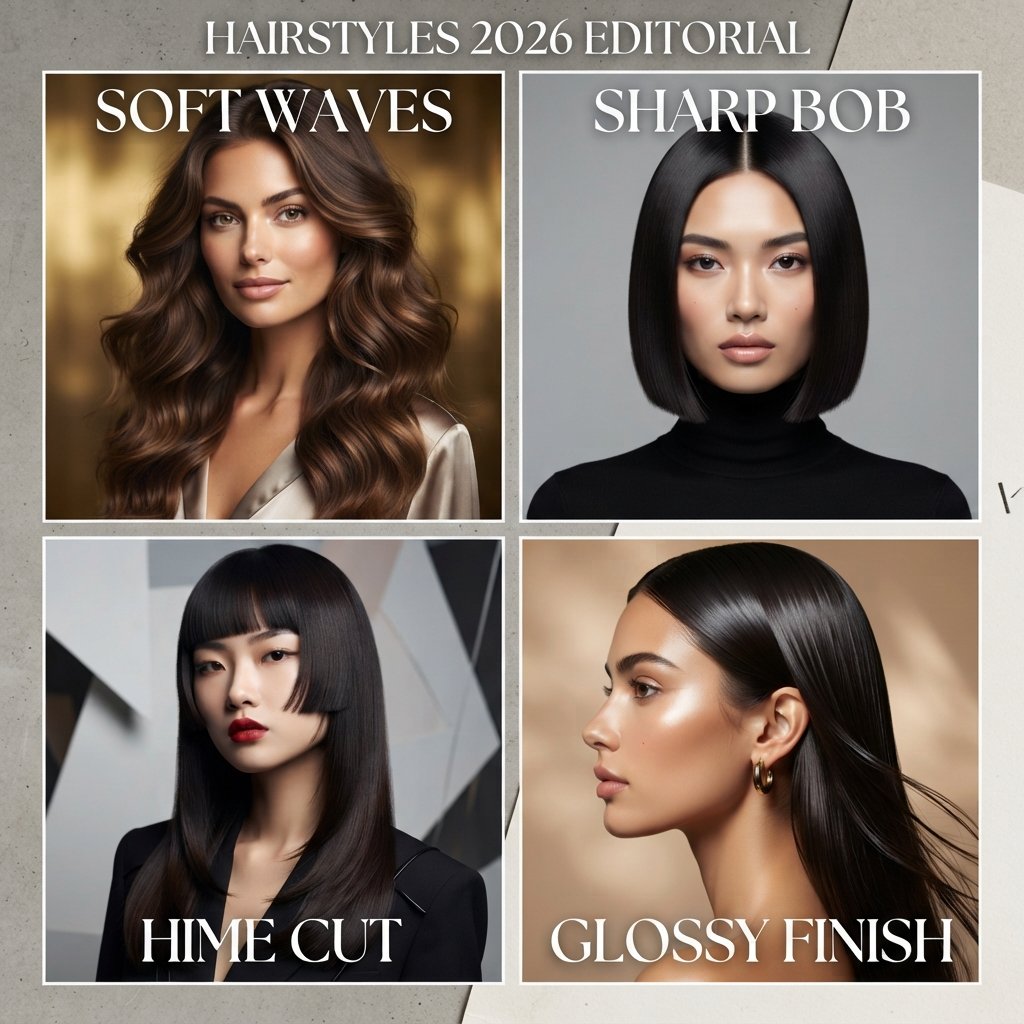
In 2026 hairstyles, texture and shine are everything. From soft bobs to sharp layers, the finish matters. Hard water makes every trend look less polished.
If your hair is dull, no trendy cut will read the way you want. Filtering your water is the behind-the-scenes step that makes 2026 hairstyles actually work.
- Shine makes trends look intentional
- Buildup ruins texture and volume
- Soft water helps styles last longer
- If your hair feels rough, fix the water first
The Vampire Haircut and Dry Ends

The vampire haircut is all about drama: long layers, face-framing pieces, and a slightly dark edge. But hard water can make those ends look fried instead of fierce.
Minerals dry out the oldest parts of your hair first. So the vampire haircut can lose its sleek, gothic polish. Filtering and deep conditioning bring the drama back.
- Trim ends every 8 to 10 weeks
- Use a chelating shampoo monthly
- Seal ends with lightweight oil
- Cool rinses help seal the cuticle
- Your vampire haircut should look sleek, not straw-like
Hime Cut Frizz and Hard Water

The hime cut needs smooth, straight lines. Frizz and flyaways break the whole look. Hard water adds roughness, so your blunt bangs and side locks won’t lie flat.
Filtered water helps keep the cuticle smooth. Then a flat iron or blow dryer can do its job without fighting mineral buildup.
- Rinse with filtered water after washing
- Use a heat protectant with light hold
- Keep bangs clean with dry shampoo
- Blow-dry bangs downward with a small brush
- Use a light serum only on ends
Romantic Goth Hairstyles Need Shine Too

Romantic goth hairstyles are soft, moody, and a little dreamy. They need shine to look intentional, not just messy. Hard water can turn soft waves into a dry, tangled cloud.
Filtering your shower water keeps the darkness rich and the texture soft. Pair it with a leave-in conditioner and a silk scarf at night.
- Use cool water for the final rinse
- Choose moisturizing shampoo
- Refresh waves with a water and leave-in mix
- Avoid heavy waxes that dull shine
- Rinse with cool water to lock in moisture
Glitchy Glam Hair and Mineral Dullness

Glitchy glam hair is fun, edgy, and full of shine. It mixes sleek sections with messy texture. But mineral dullness makes the whole look fall flat.
You want the contrast to pop. Hard water creates a grey, cloudy film that kills that effect. Filtering helps your color and gloss stay vivid.
- Use a filter for every wash
- Add a shine spray after styling
- Clarify once a month
- Use a chelating shampoo before vivid color
- Filter first, then style
Asymmetrical Lob: When One Side Feels Rougher

The asymmetrical lob is chic because it’s uneven on purpose. But hard water can make one side feel rougher than the other, especially if you sleep on that side.
Buildup and friction team up. Filtering your water removes one big variable. Then you can style both sides with the same soft, glossy finish.
- Rinse all sections evenly
- Use a wide-tooth comb in the shower
- Apply serum to the rougher side first
- Sleep on silk to reduce friction
- Trim split ends every two months
Daily Filter Option 1: Shower Filter
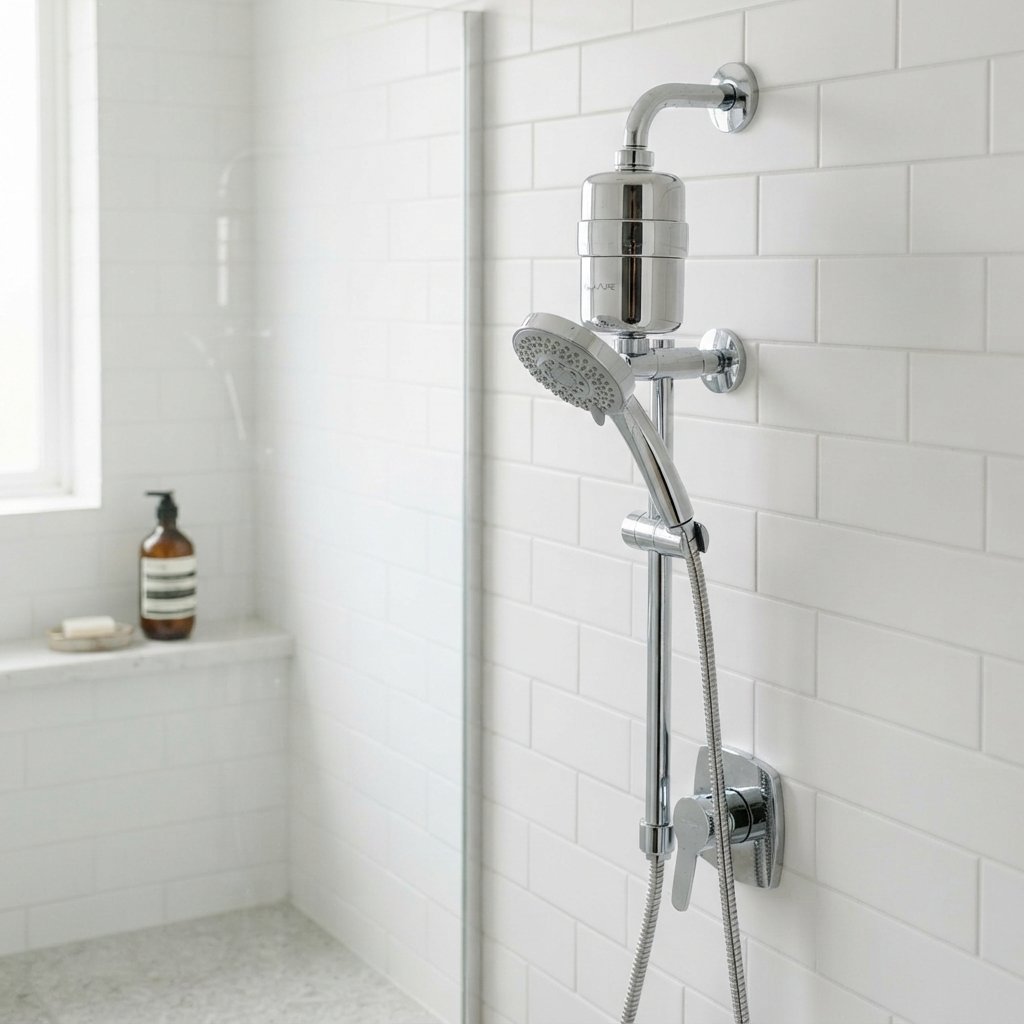
A shower filter is the easiest daily fix. It attaches between your showerhead and the pipe. Most use carbon or KDF media to reduce chlorine and some minerals.
It won’t soften water like a whole-home system, but it can cut the harsh stuff that makes hair feel crunchy. Replace the cartridge as directed, usually every few months.
- Unscrew your showerhead
- Twist on the filter
- Run water for a few minutes
Your shampoo will lather better too.
Daily Filter Option 2: Faucet Filter for Sink Washes
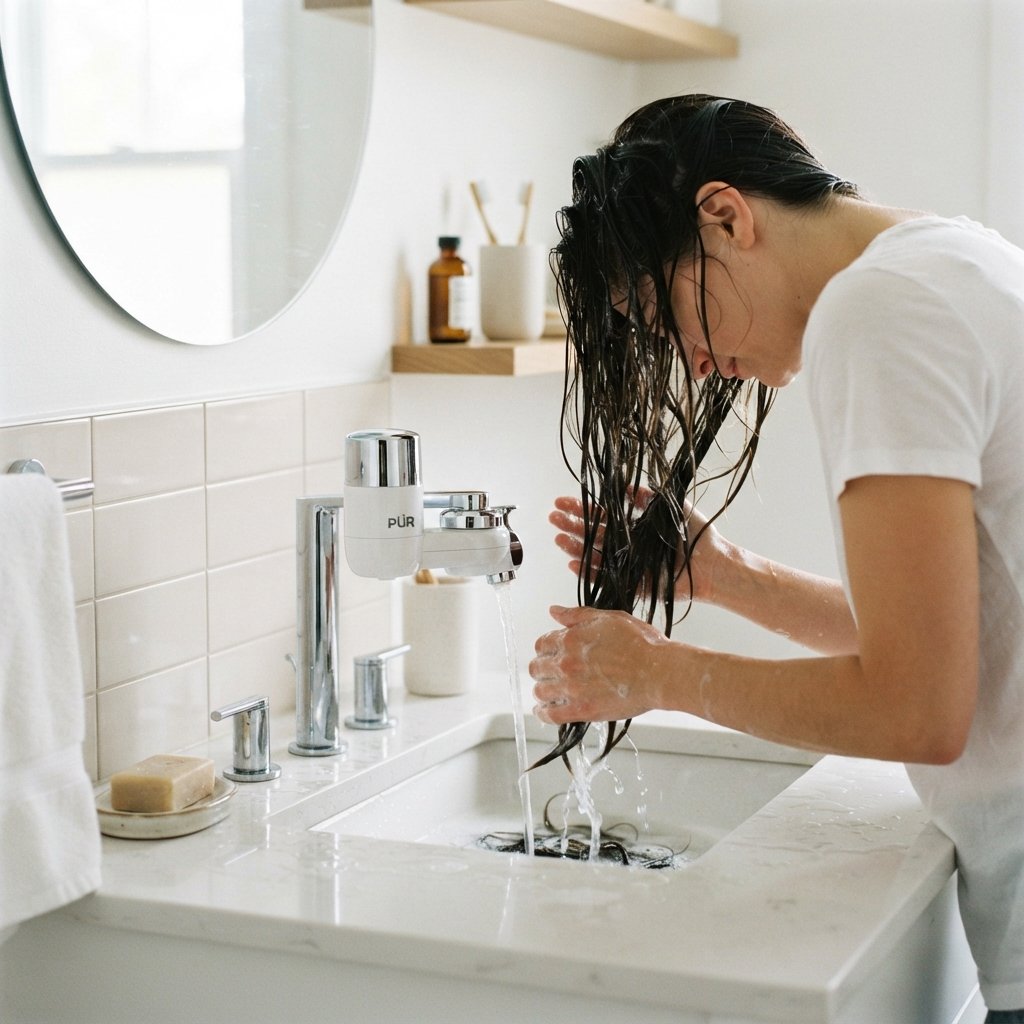
If you wash your hair in the sink, a faucet filter is a game changer. It clips or screws onto your tap and filters water right where you rinse.
This is great for quick refreshes, bangs, and hime cut touch-ups. It also helps when you rinse out a deep conditioner. Just swap the filter when the flow slows down.
- Look for models that reduce chlorine and sediment
- Check fit before buying
- Clean the aerator monthly
- Use filtered water for your final rinse
- Your hair will feel cleaner instantly
Daily Filter Option 3: Filtered Showerhead With Beads
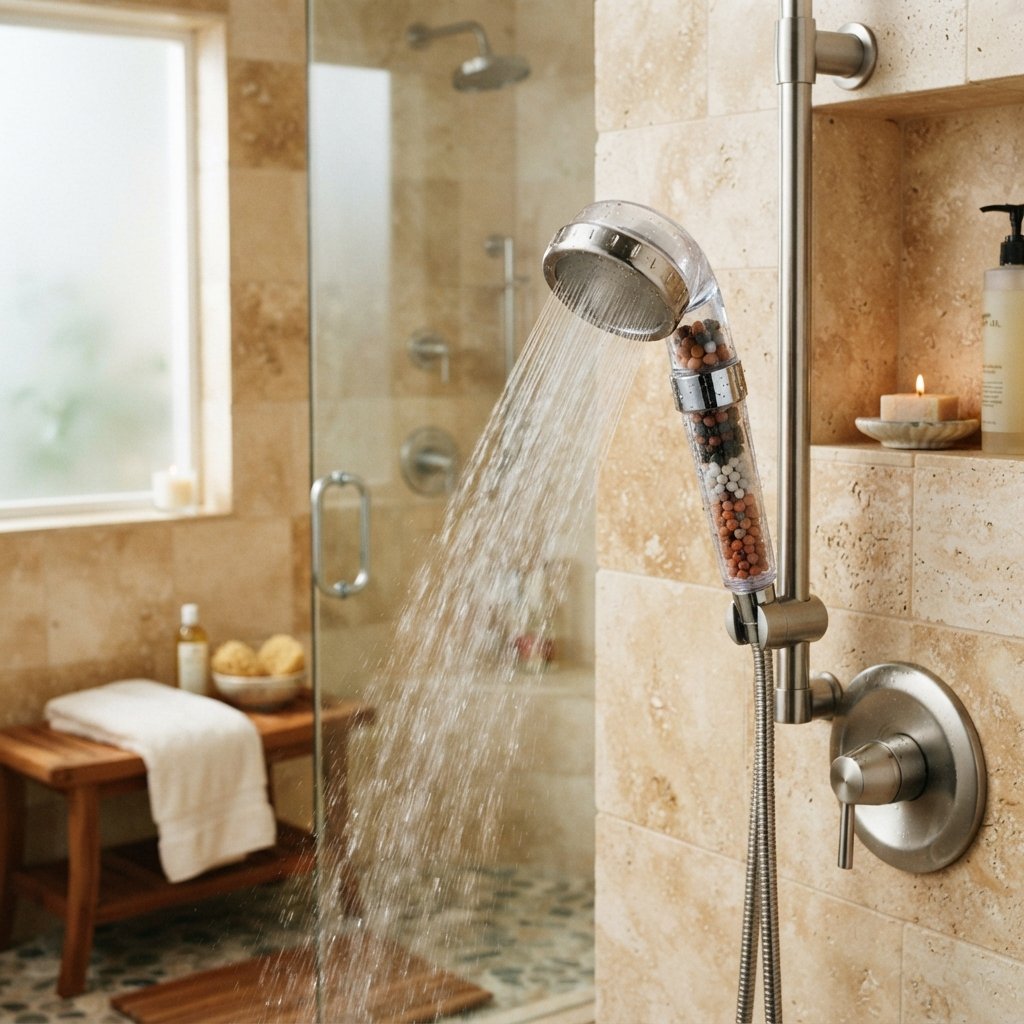
A filtered showerhead with beads is a stylish upgrade. The beads often include tourmaline, zeolite, or ceramic balls. They can help reduce buildup and balance water.
It feels like a spa, and your hair gets a cleaner rinse. Just know these are not all equal. Look for third-party testing if you can.
- Choose a filter that targets calcium and magnesium
- Replace beads or cartridge on schedule
- Pair with a chelating shampoo monthly
- Check reviews for real mineral reduction
- Your hair will feel softer within a week
Daily Filter Option 4: Portable Filter for Travel
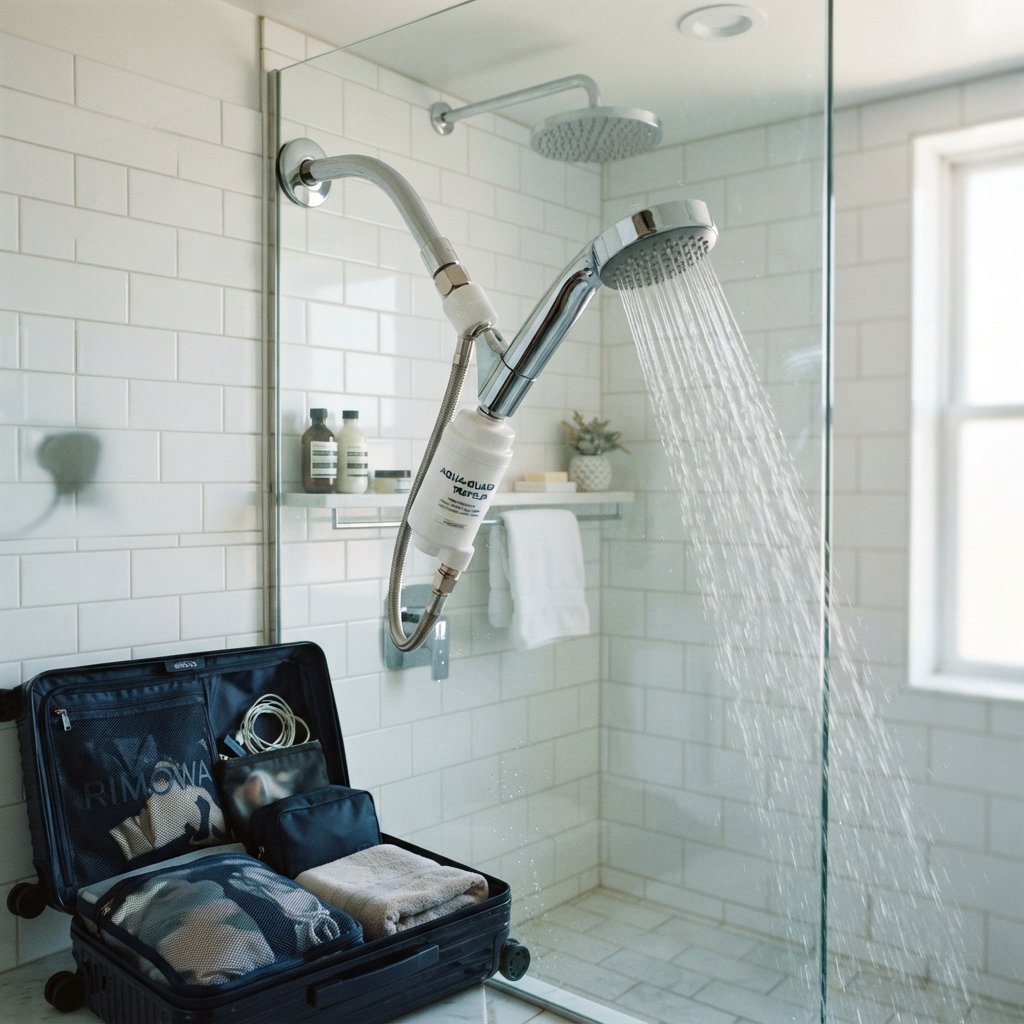
Hotel water can be hard too. A portable shower filter is small enough for your bag and saves your hair on trips. It screws onto most shower arms.
This is perfect for keeping your 2026 hairstyles photo-ready while traveling. No more mystery crunch after a hotel wash. Your hair will thank you.
- Pack a small filter and wrench
- Use filtered water for final rinse
- Bring travel-size chelating shampoo
- Choose a compact filter with universal threads
- Travel hair care is still hair care
Simple Vinegar Rinse for Mineral Buildup
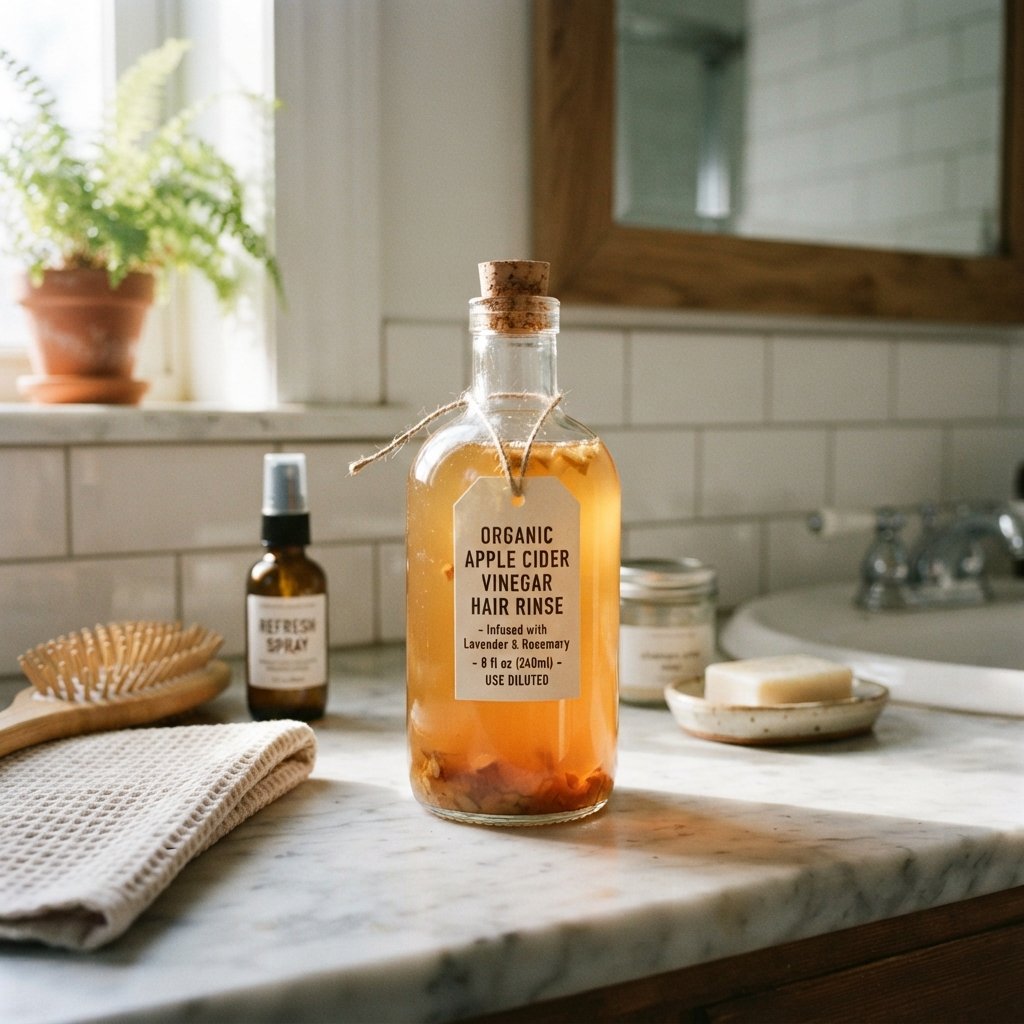
A vinegar rinse is an old-school way to cut mineral film. Mix one part apple cider vinegar with three parts filtered water. After shampoo and conditioner, pour it through your hair.
Leave it for one to two minutes, then rinse with cool filtered water. It helps close the cuticle and restore shine. Don’t do it every day if your scalp is sensitive.
- Mix in a squeeze bottle
- Apply from mid-length to ends
- Rinse well with cool water
Start once a week and adjust.
Clarifying vs Chelating Shampoo
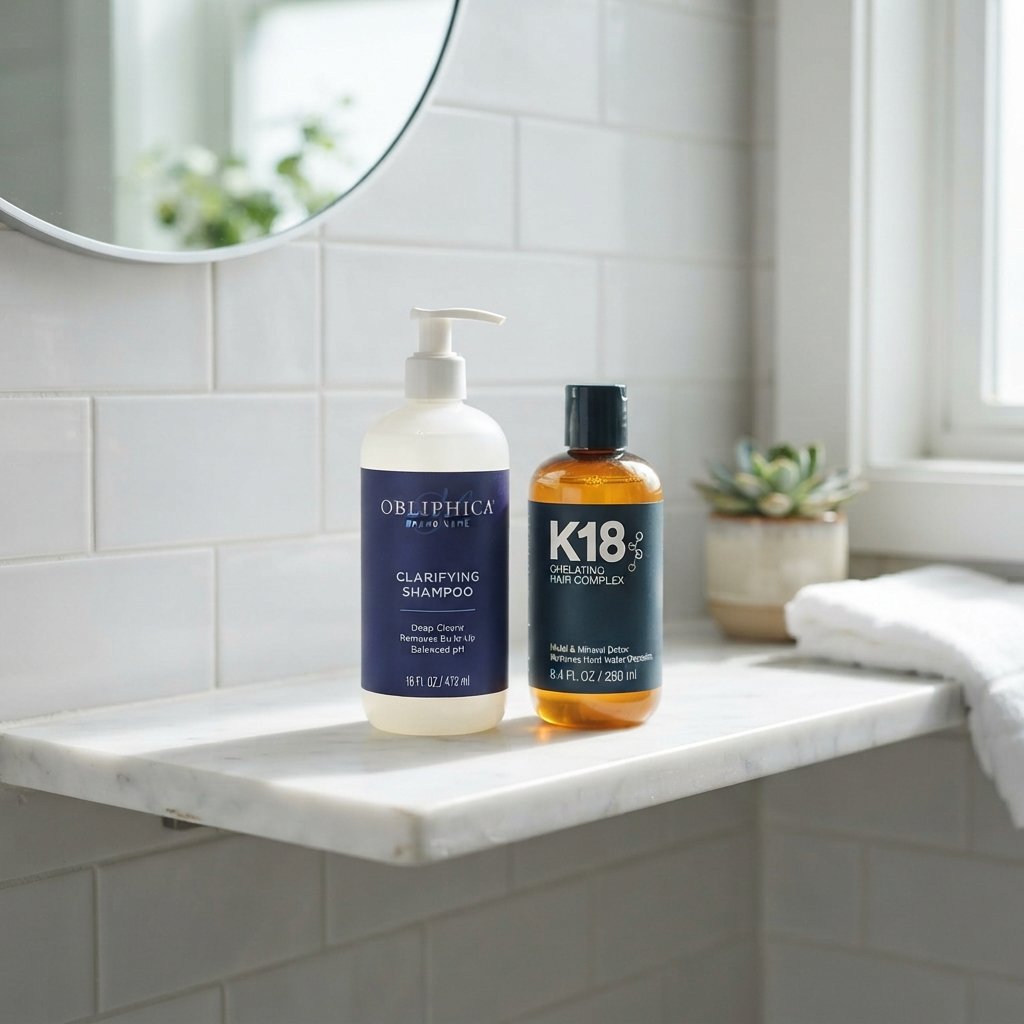
Clarifying shampoo removes product buildup. Chelating shampoo removes minerals like calcium and magnesium. If hard water is your issue, you want chelating.
Use clarifying for styling product. Use chelating when your hair feels stiff, dull, or rough even after a fresh wash. You can alternate based on what your hair needs.
- Clarifying: weekly or as needed
- Chelating: every 2 to 4 weeks
- Always follow with a deep conditioner
- Read labels for EDTA or phytic acid
- Your hair will feel lighter
How Often to Use a Chelating Treatment

How often you chelate depends on your water and hair. If your water is very hard, every two weeks may work. If it’s mildly hard, once a month is plenty.
Watch for signs: dullness, tangles, and that filmy feeling. If your hair feels dry after, you waited too long or used too much. Balance is key.
- Start monthly
- Adjust based on feel
- Deep condition after every treatment
- Use a timer so you don’t leave it too long
- Your hair should feel soft, not squeaky
Leave-In Products That Help With Hard Water
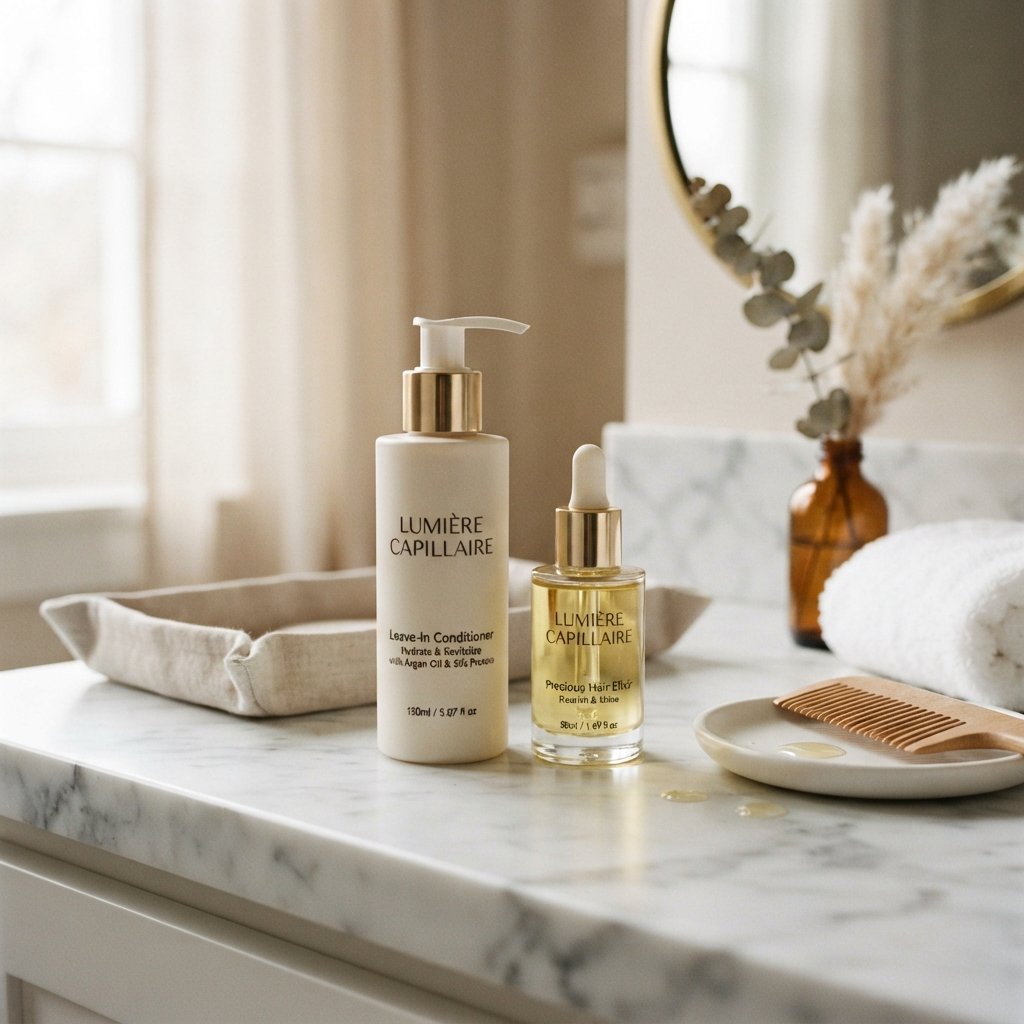
Leave-in products can’t filter water, but they can protect your hair from what’s left behind. Look for lightweight conditioners with glycerin, aloe, or panthenol.
A tiny bit of oil on your ends creates a barrier. It won’t stop minerals completely, but it helps your hair stay soft. Apply to damp hair after a filtered rinse.
- Leave-in conditioner for hydration
- Light oil for ends
- Heat protectant before styling
- Spray leave-in on damp hair, not soaking wet
- A little goes a long way
Heat Styling After Hard Water: What to Change

Hard water can make heat styling harder. Your hair may feel dry, so you crank up the heat. That causes more damage. Instead, prep your hair with a filter and a good heat protectant.
Use medium heat and keep the dryer moving. If your hair feels rough, do a chelating wash before styling. Your quiet luxury bob or asymmetrical lob will look smoother.
- Always use heat protectant
- Keep tools below 350°F
- Finish with cool air for shine
- Use a nozzle to direct airflow down the cuticle
- Your style will last longer
Quick Morning Routine for Soft Water Hair

You don’t need an hour. Rinse with filtered water if you can. If not, use a leave-in spray and a quick cool blow-dry on low.
For second-day hair, dry shampoo at the roots and a little serum on ends. This keeps your hime cut, vampire haircut, or romantic goth hairstyles looking fresh.
- Spray leave-in on damp ends
- Dry roots with cool air
- Add shine serum to ends
Dry shampoo is your best friend on busy mornings.
How to Test Your Water at Home
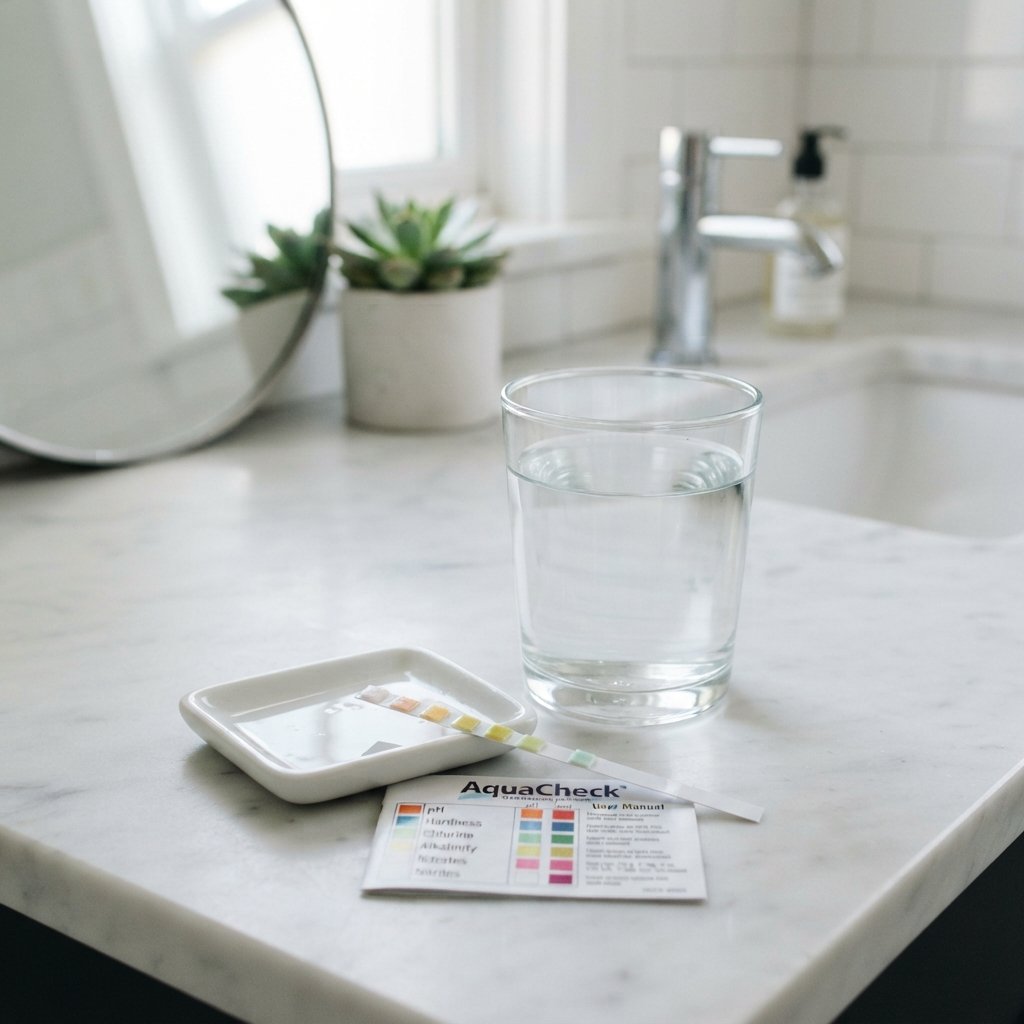
You can test your water with strips or a kit. Look for hardness levels. You can also check your city’s water report online. If you see white crust on faucets, that’s a clue.
Once you know your water, you can choose the right filter and washing schedule. No more guessing why your hair feels weird.
- Test strips are cheap and fast
- City reports are free
- White scale means hard water
- Look for scale on showerheads and kettles
- It takes five minutes
When to See a Pro or Install a Whole-Home Filter

If your water is extremely hard, a shower filter may not be enough. A whole-home water softener or filter can help every tap. It’s an investment, but it protects your hair, skin, and pipes.
Ask a local water pro for advice. If you rent, a shower filter and chelating shampoo are your best daily moves. You still have options.
- Whole-home filter for very hard water
- Shower filter for renters
- Consult a pro before buying
- Ask about maintenance costs
- Your hair is worth the investment
A Warm Little Wrap-Up
Hard water doesn’t have to ruin your hair. Once you know what’s happening, you can filter it out and adjust your routine. Small changes add up to soft, shiny, expensive-looking hair.
Whether you love a quiet luxury bob, a bold vampire haircut, or glitchy glam hair, clean water helps every style look its best. You deserve that fresh, clean feeling.
Start with one small change today, like a shower filter or a chelating wash. Then build from there.
Save this post to Pinterest so you can come back to these filters and tips. And tell me in the comments: what’s your biggest hard water hair struggle? I read every one.

