
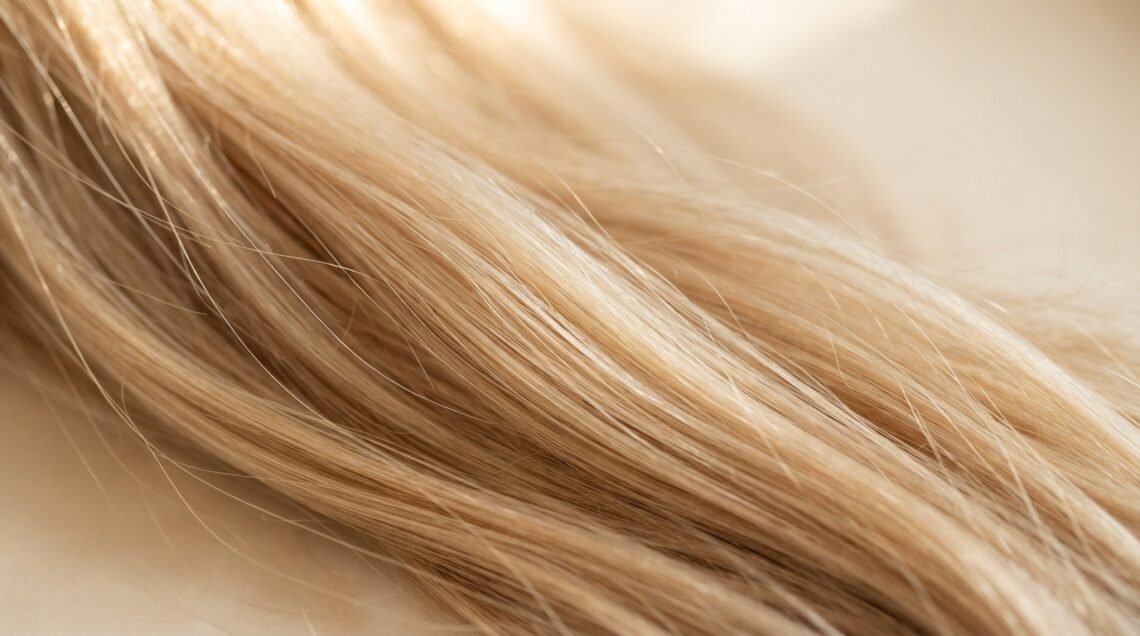
You bleached your hair. It looked amazing for about two weeks. Then it started snapping in the shower, feeling like dry spaghetti, and now you’re googling whether you have to shave it all off and start over.
Take a breath. You almost never need the big chop. You need a plan.
I’ve grown bleach damage out twice without losing my length, and I’ve made every mistake along the way. Too much protein. Too much heat. Way too many “repairing” products that did absolutely nothing.
Below is the routine that actually works: bond repair, moisture, gentle styling, and a few low-commitment cuts that fake a fresh start. Let’s save your hair.
What Bleach Actually Does To Your Hair

Bleach doesn’t just remove your color. It lifts the outer layer of your hair and lets lightener into the cortex, where it breaks down melanin and a good chunk of your protein along with it.
What’s left is hair with tiny gaps in its structure. It’s not “dead” any more than the rest of your hair is. It’s just weaker, more porous, and way more likely to snap where those gaps are.
- More porosity means moisture escapes fast
- Fewer bonds mean less stretch and more breakage
- Rough cuticles mean tangles, dullness, and frizz
Good News: You Rarely Need The Big Chop

Trims are not the same as a chop. You can remove split ends and still keep your length. The trick is taking off little bits often instead of waiting until half your hair is see-through.
Most people who “had to chop” were dealing with years of ignored split ends, not bleach itself. If your hair still stretches before it breaks, you have room to work with.
- Stretch test: wet a strand and pull gently. If it stretches and bounces back, it’s saveable
- If it snaps immediately with no stretch, that section needs protein
- Micro-trims every 8 to 10 weeks beat one dramatic cut
Step 1: Stop The Damage Where It’s Happening
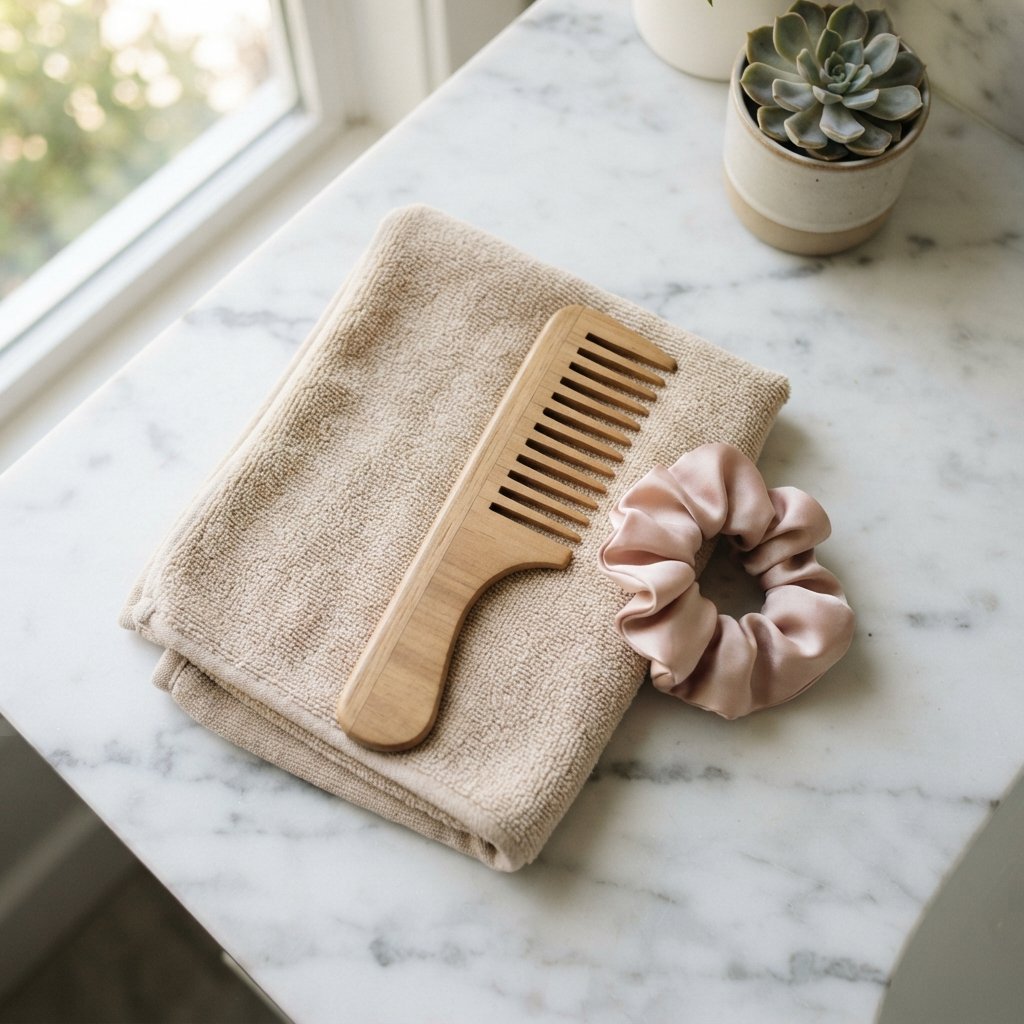
Before you buy a single repair product, stop the bleeding. No treatment can outrun daily damage.
- Ditch the rough cotton towel. Switch to microfiber or a soft old t-shirt.
- Stop brushing wet hair from the roots. Use a wide-tooth comb and start at the ends.
- Swap tight elastics for silk scrunchies or claw clips.
- Lower your shower temperature. Hot water roughs up the cuticle.
- Never detangle dry, bleached hair without a little leave-in first.
These five changes alone reduce breakage more than most people expect.
Bond Builders: What They Do And Don’t Do
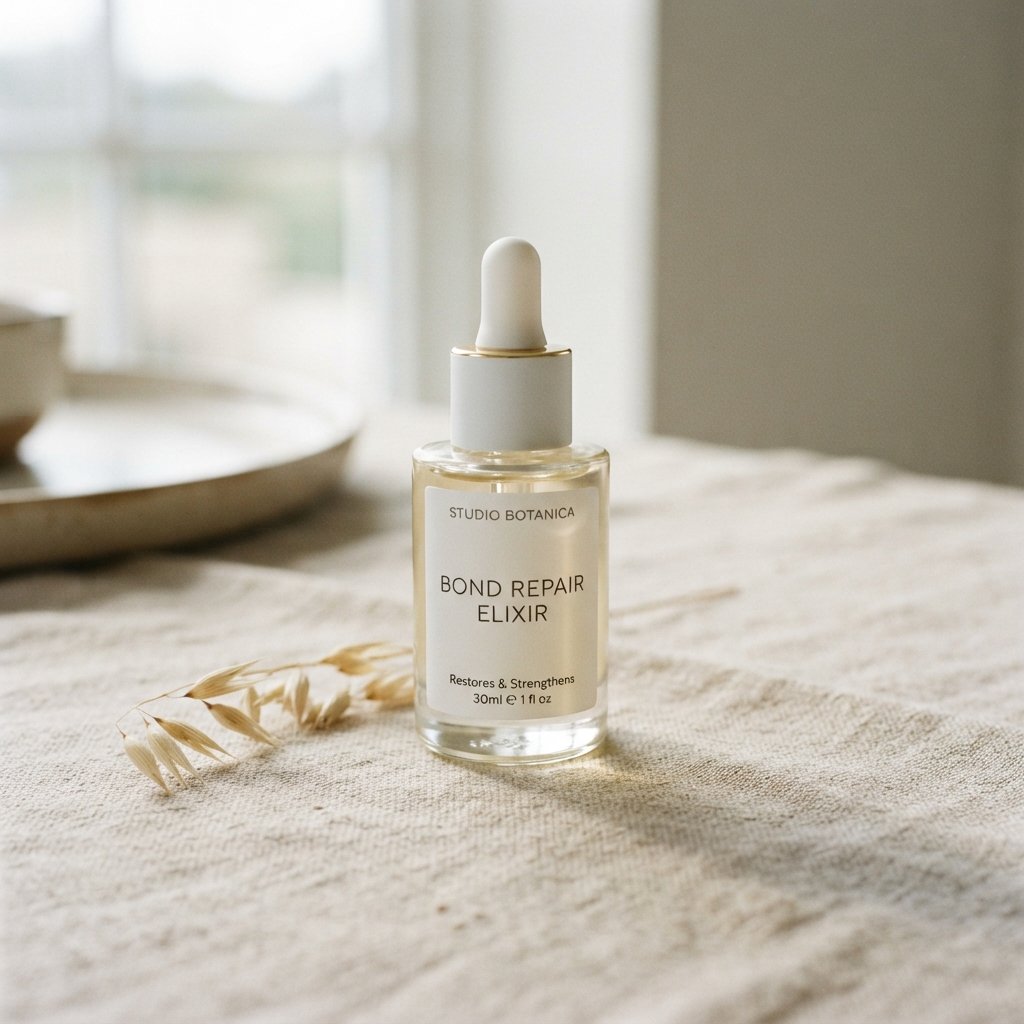
Bond builders are the real deal for bleached hair. They temporarily reconnect some of the broken links in your hair’s structure, which means less snapping and more shine.
What they don’t do: permanently fix hair, replace moisture, or work miracles on ends that are already split. Split is split.
- Use them on damp hair, once or twice a week
- Follow the instructions. More is not better
- Rotate between a bond builder and a deep conditioner
- Give it three to four weeks before you judge results
Protein vs Moisture: The Balance Nobody Explains

Damaged hair usually needs both, but in the right amounts. Too much protein makes hair stiff and brittle. Too little makes it mushy and stretchy.
Here’s the simple test:
- Hair feels straw-like and snaps dry: add moisture
- Hair feels gummy, limp, and stretches forever: add protein
- Hair feels soft, bouncy, and holds a curl: you’re balanced, don’t change a thing
When in doubt, go moisture-heavy. Most bleached hair is dehydrated, not protein-starved.
The Squish Test Your Hair Is Begging For
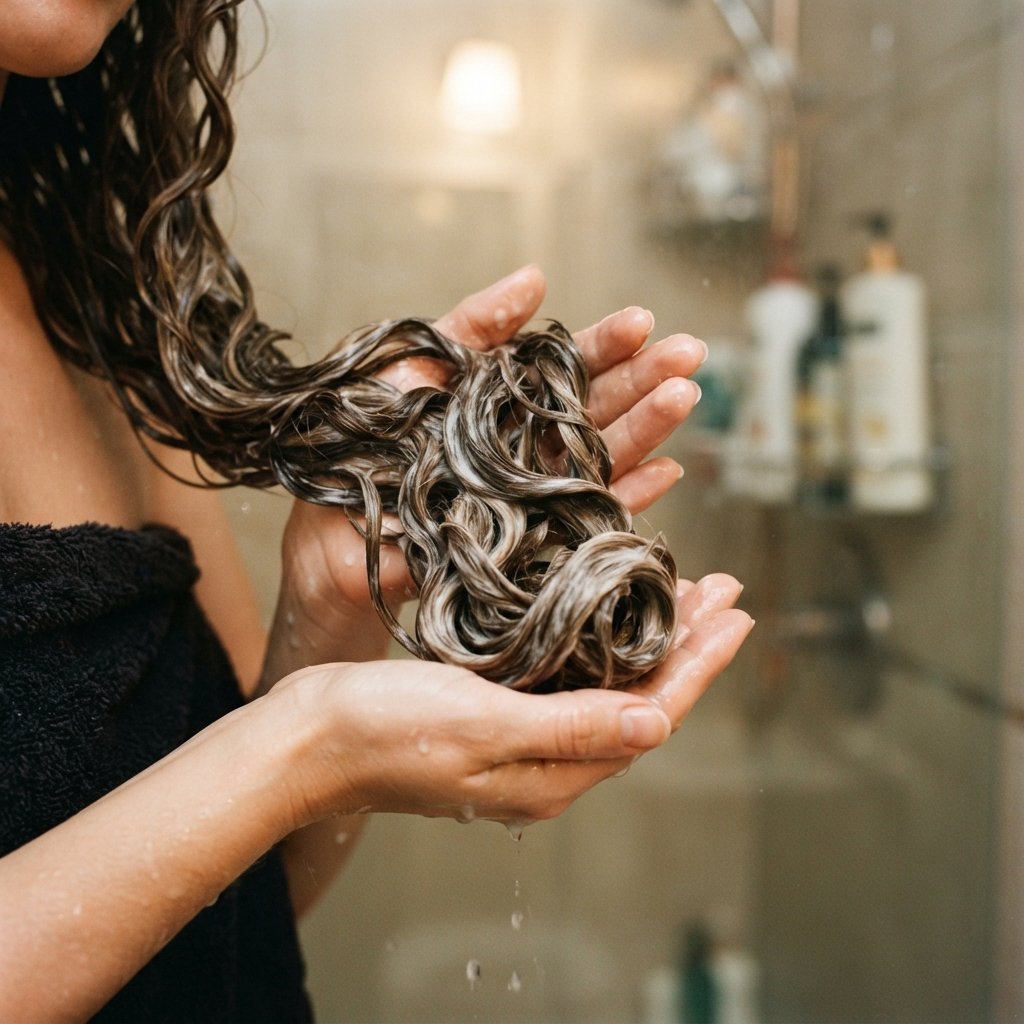
This is my favorite free trick. It adds moisture and definition at the same time.
- After conditioning, cup your hair in your hands with water still in it.
- Squeeze upward toward your scalp, like you’re scrunching but slower.
- Repeat until you hear a squish sound.
- Do it a few times, then gently squeeze out the excess water.
That squishing sound means your hair is absorbing water instead of repelling it. That’s porosity in action.
Deep Conditioning: Your New Sunday Ritual

Once a week, minimum. Bleached hair loses moisture faster than virgin hair, so it needs a standing appointment.
- Apply to damp, towel-blotted hair, mid-lengths to ends
- Skip the roots unless your scalp is dry
- Cover with a plastic cap and leave 20 to 30 minutes
- Add gentle heat with a warm towel for deeper penetration
- Rinse with cool water to seal the cuticle
Pair it with a bond builder every other week. That combo is the backbone of growing out bleach.
Overnight Masks That Save Fried Ends

Overnight treatments are underrated because you’re not doing anything except sleeping. Your hair does the work.
- Lightweight oils like squalane or camellia for fine hair
- Argan or castor blends for thick, coarse strands
- Leave-in creams for extra thirsty mid-lengths
Apply to damp ends, wrap loosely in a silk scarf or braid it, and rinse in the morning. Do it once or twice a week max. Over-oiling can weigh hair down and trap buildup.
Micro-Trims: Cut Less, Save More
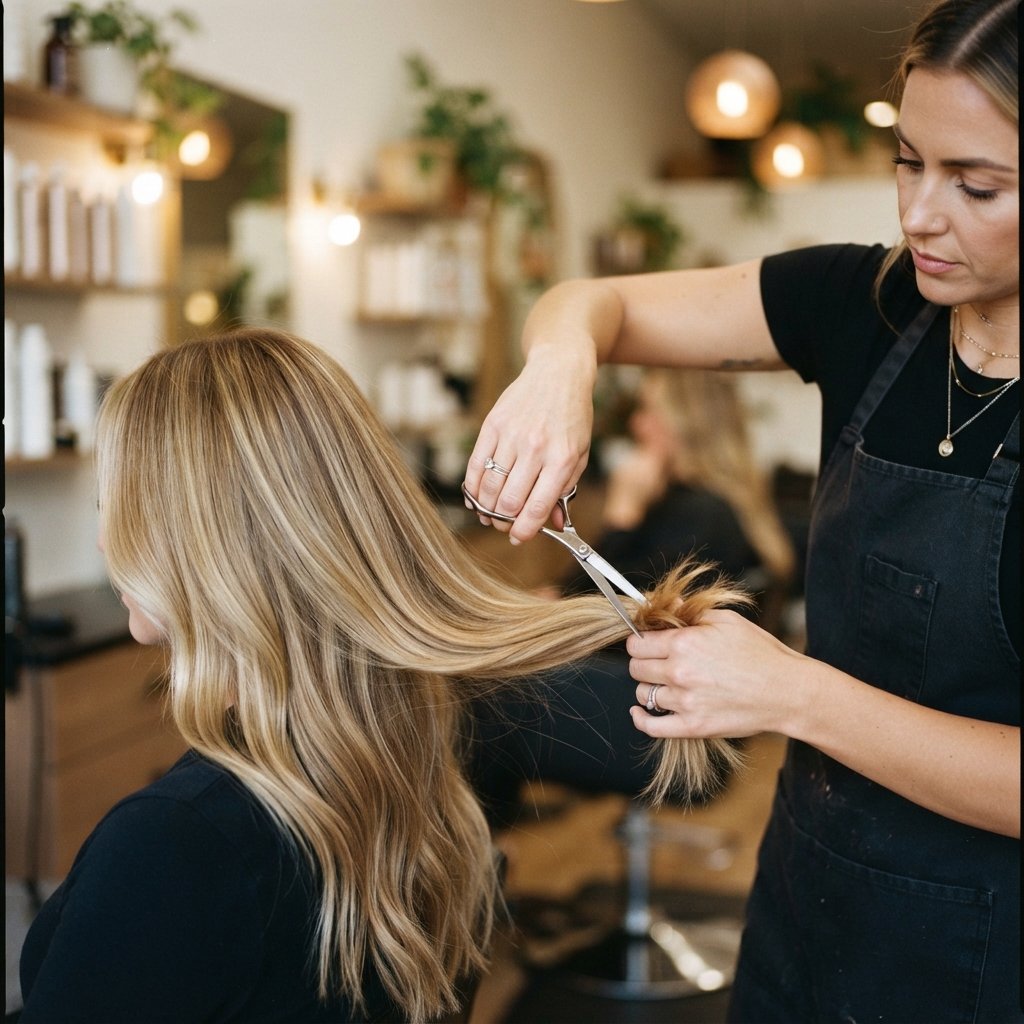
A micro-trim is exactly what it sounds like: a tiny dusting off the very ends. Usually a quarter inch or less.
- Every 8 to 10 weeks, not every 6 months
- Ask for a “dusting” or “micro-trim,” not a trim
- Only you and your stylist need to know
This is how people keep length while their hair heals. Split ends travel upward, so catching them early keeps the damage from climbing. It also makes your hair look instantly healthier, which is half the battle.
Heat Styling Rules You Can’t Skip
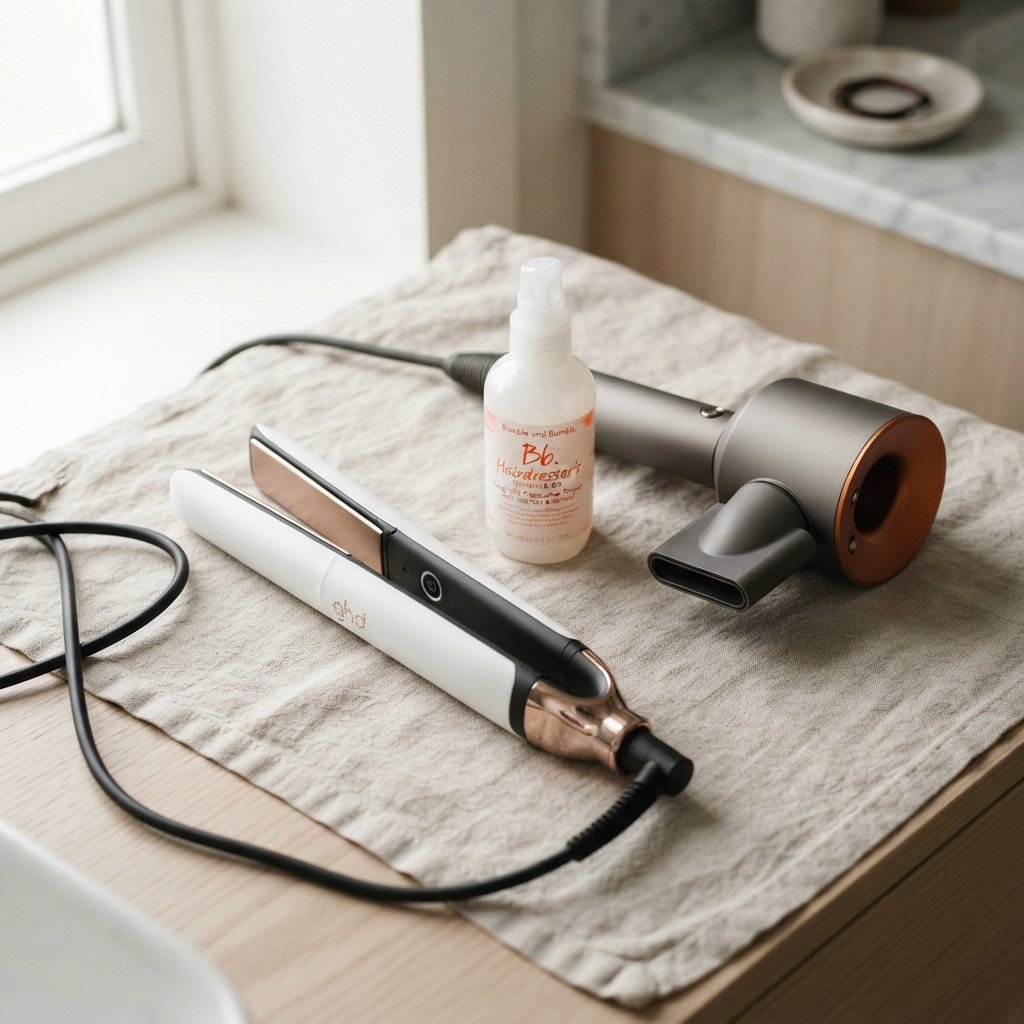
You don’t have to give up heat. You have to be smarter about it.
- Always use a heat protectant, every single time
- Keep tools at 300 degrees or below for bleached hair
- One pass per section, not five
- Never flat iron wet or damp hair
- Skip heat entirely on days you don’t need it
Give your hair at least three heat-free days a week. It sounds small. It’s not.
How To Air Dry Without The Frizz

Air drying is the gentlest thing you can do, but it can leave you with a frizzy, crunchy halo if you skip a couple steps.
- Gently squeeze water out with a microfiber towel. No rubbing.
- Apply a leave-in conditioner and a light gel or cream.
- Scrunch upward to encourage your natural pattern.
- Don’t touch it while it dries. Seriously, hands off.
Once it’s fully dry, scrunch out any crunch. You’ll get soft definition instead of fuzz.
Blow Drying Fragile Hair The Right Way
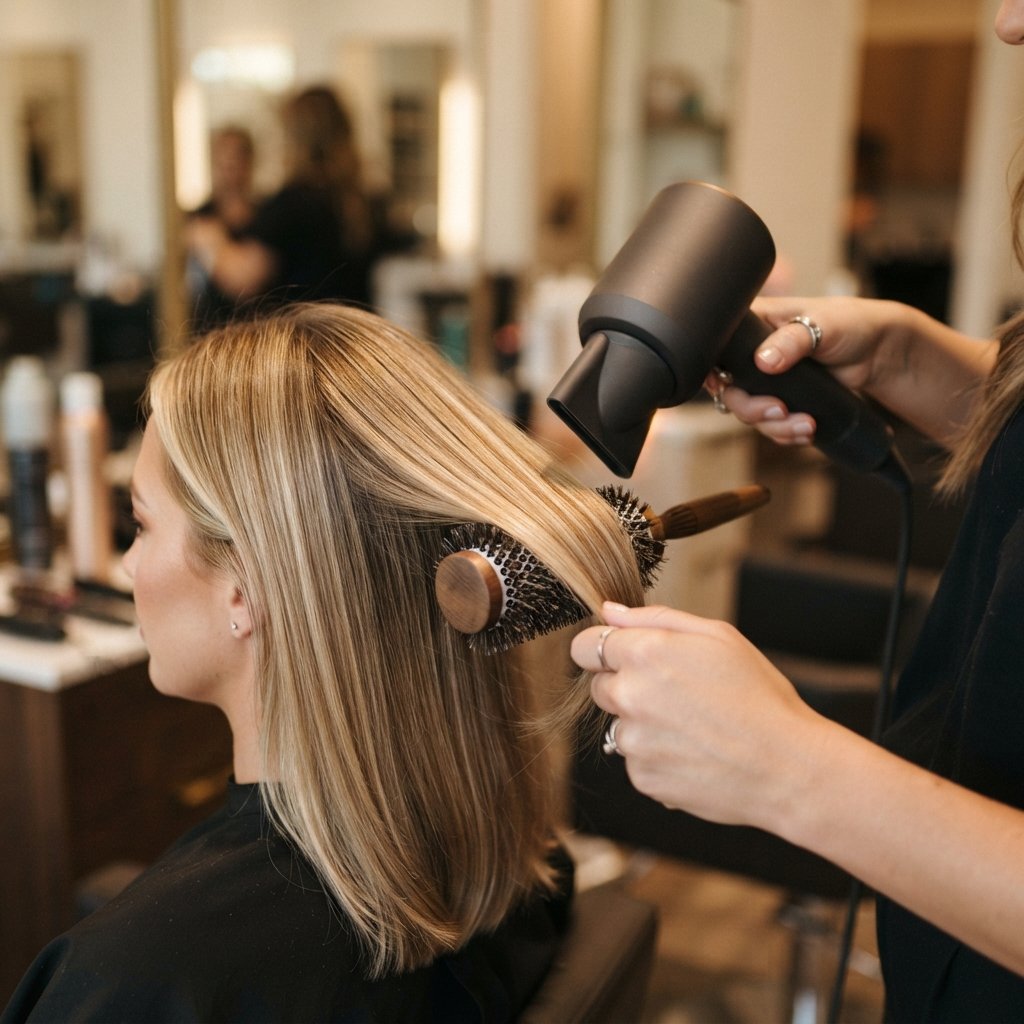
If you must blow dry, do it like a pro who genuinely cares about your ends.
- Start with hair that’s 70 percent air dried
- Use the lowest heat and medium speed
- Point the nozzle down the hair shaft to smooth the cuticle
- Keep the dryer moving and at least six inches away
- Finish with a cool shot to lock in the shape
This gives you that sleek, polished old money hair look without frying what’s left.
Silk, Satin, And Why Your Pillow Matters

You spend a third of your life with your head against something. Make it something kind.
Cotton pillowcases grab and pull at hair all night. Silk and satin let it slide, which means fewer tangles and less breakage by morning.
- Silk or satin pillowcase, worth every penny
- Silk scrunchies instead of tight elastics
- Loose braid or a silk wrap for sleeping
It’s the cheapest hair repair you’ll ever do, and it makes your blowout last longer too.
Protective Styles That Still Look Expensive

Protective styling doesn’t mean boring. Done right, it looks like quiet luxury and gives your ends a break at the same time.
- Low sleek bun with a middle part
- Loose, undone braid pulled over one shoulder
- Claw clip twist for lazy days
- Half-up style with soft face-framing pieces
Keep tension low. If it hurts, it’s damaging your hairline, and that’s a whole different problem.
Washing Less Without Looking Greasy
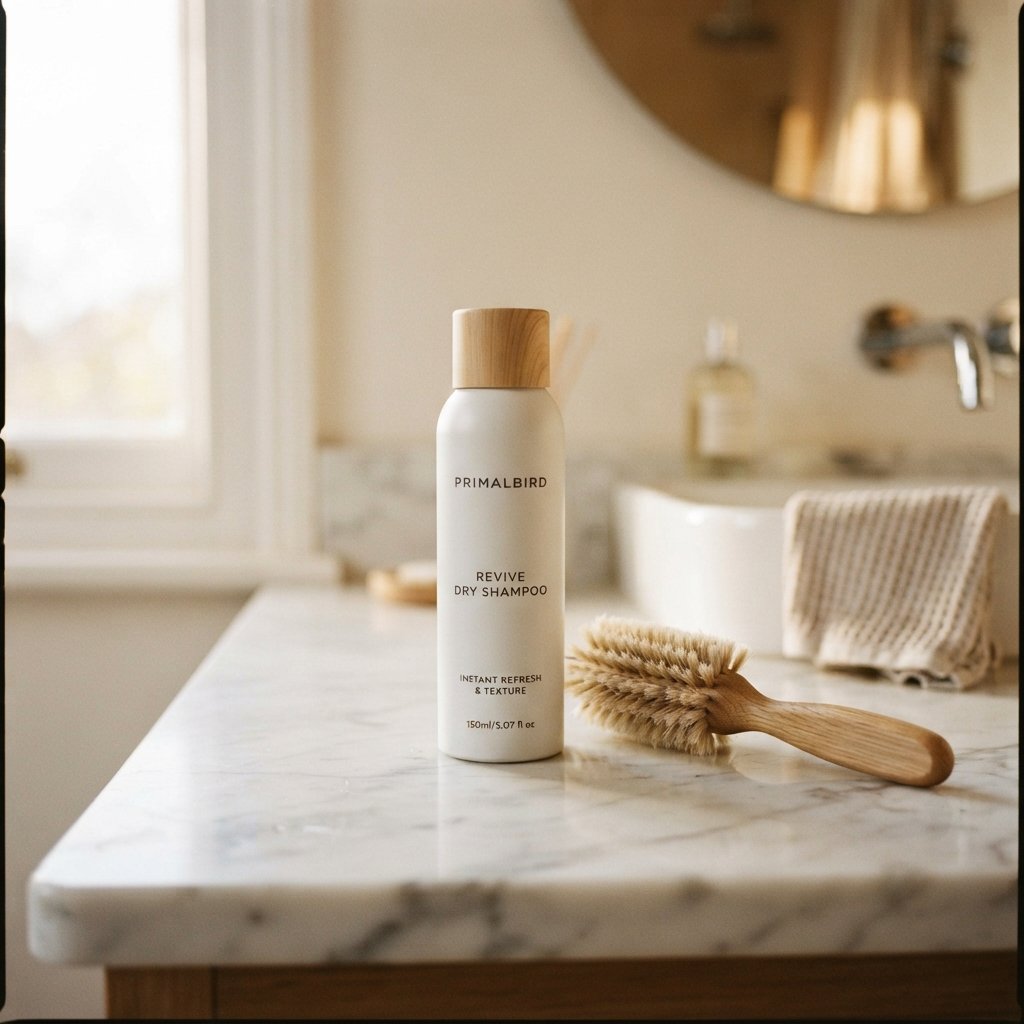
Bleached hair usually needs less washing because it’s drier. But day-three hair is a real thing, so here’s how to stretch it.
- Dry shampoo at night, not in the morning. It absorbs while you sleep
- Focus it on the roots only
- Use a boar bristle brush to move oils down the shaft
- Rinse with cool water when you do wash
Aim for two to three washes a week. Your color and your ends will thank you.
The Purple Shampoo Trap
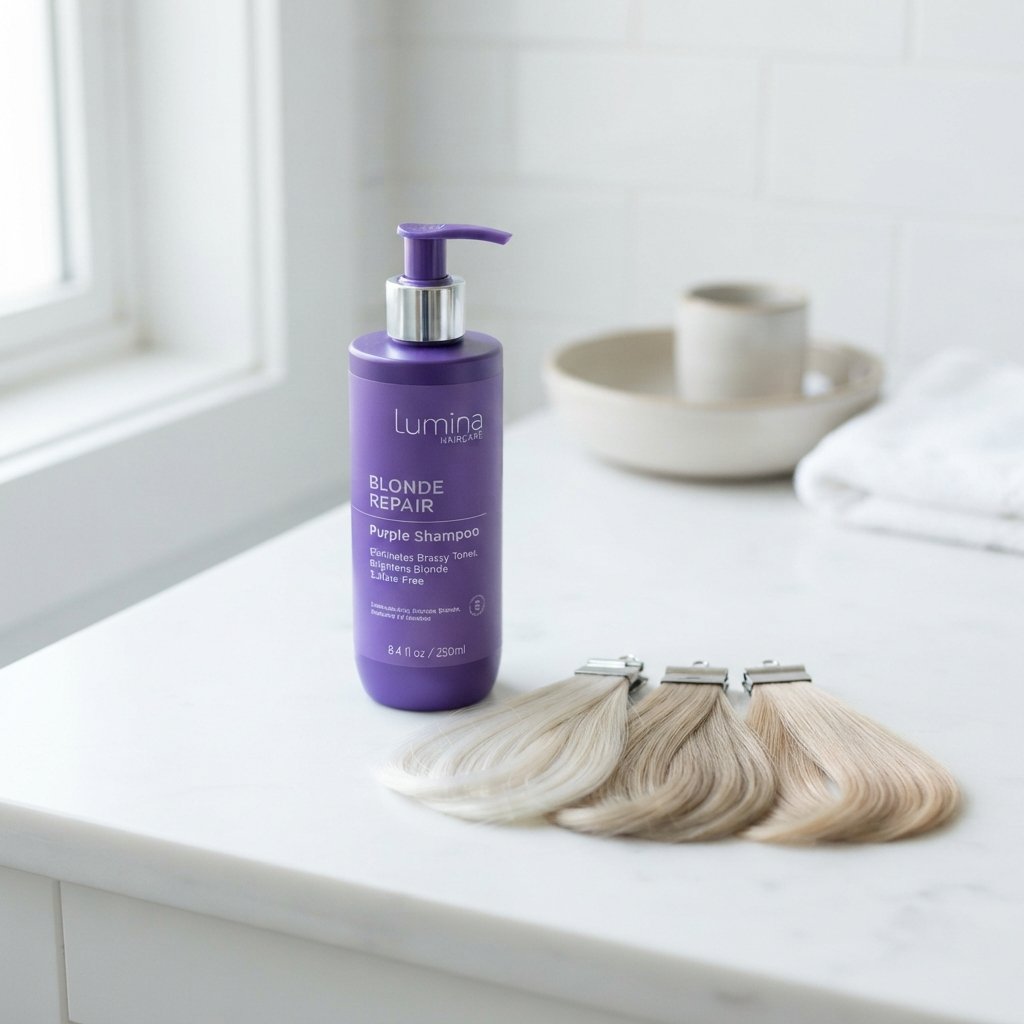
Purple shampoo is great for brass. It’s terrible for dry, damaged hair if you overdo it.
Most purple formulas are drying, and leaving them on for 20 minutes turns hair into straw. That’s not toning. That’s damage.
- Once a week max, twice if you’re very brassy
- Five minutes is usually plenty
- Always follow with a deep conditioner
- Try a purple mask instead of shampoo for gentler toning
Scalp Care When Your Ends Are Suffering

Healthy hair grows from a healthy scalp. If you’re babying your ends but ignoring your roots, you’re only doing half the job.
- Massage your scalp for two minutes a day to boost blood flow
- Use a gentle, sulfate-free shampoo
- Don’t pile products on your roots
- Exfoliate once a month if you get buildup
New growth is your real repair plan. Everything else is just protecting what’s already there.
Gloss Treatments: Shine Without More Bleach
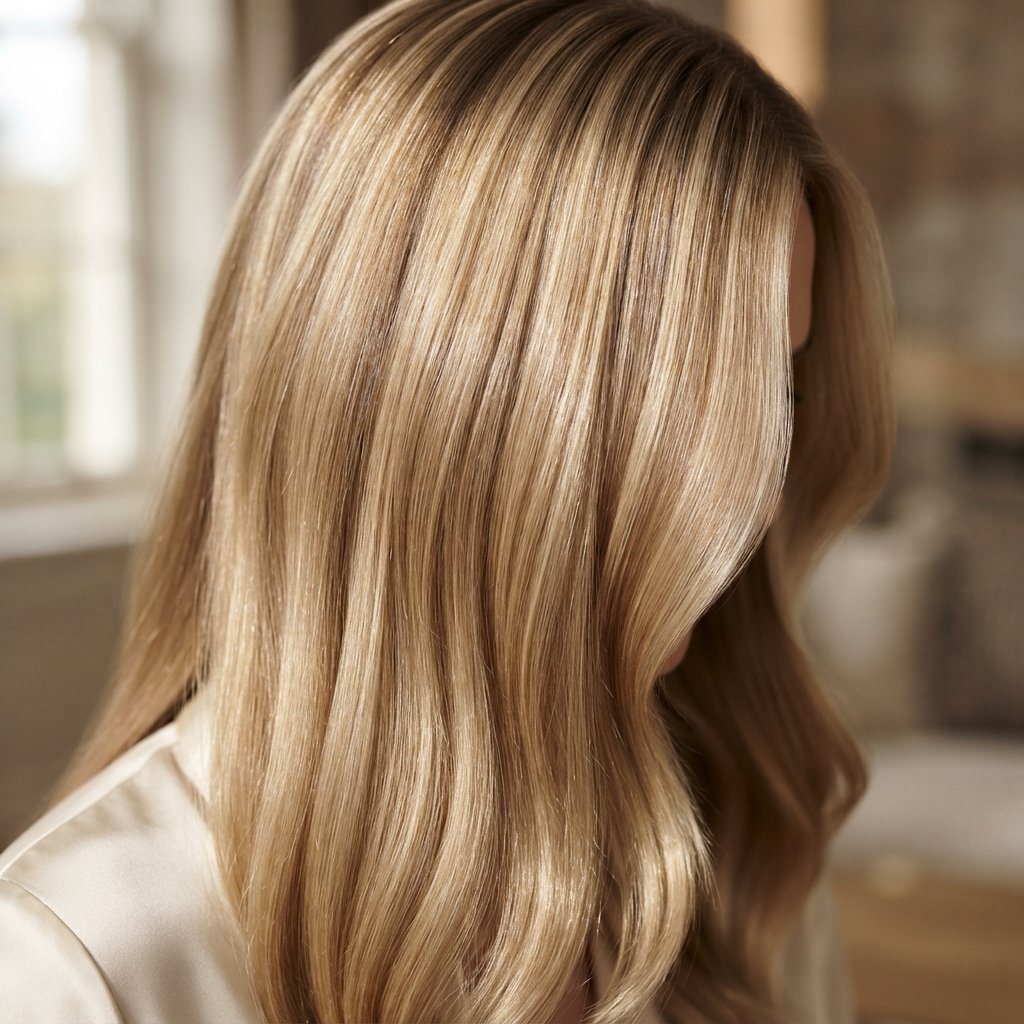
A gloss is the closest thing to a reset button. It coats the cuticle, smooths the surface, and makes damaged hair look instantly healthier.
It doesn’t repair anything underneath, but it does temporarily seal the cuticle, which means less friction and less breakage.
- At-home glosses last about two weeks
- Salon glosses last four to six weeks
- Choose clear or tinted depending on whether you want a tone shift
Do it before a big event. It’s the best quick fix there is.
Glaze vs Toner: Which One You Actually Need
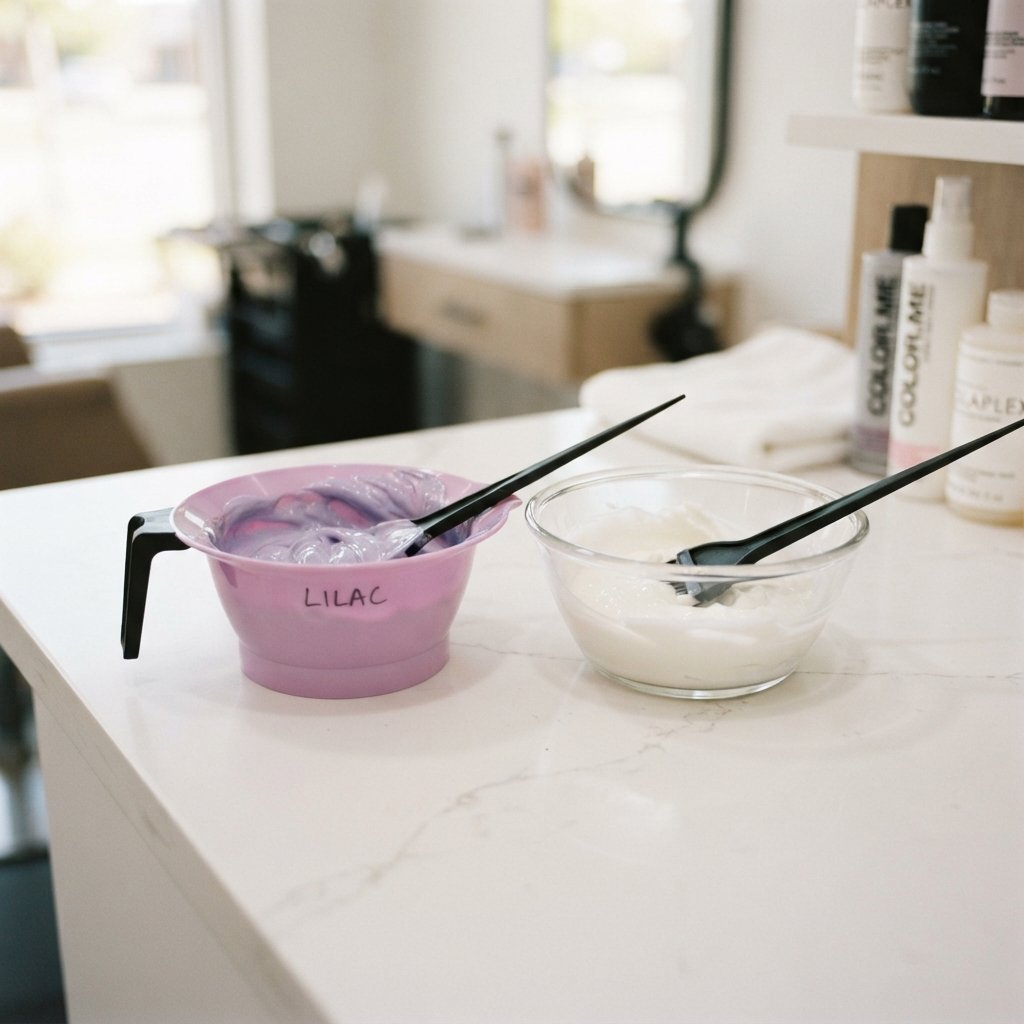
These two get used interchangeably, but they’re different tools.
- Toner: shifts the color and neutralizes brass, doesn’t add much shine
- Glaze: adds shine and a hint of tone, gentler on the hair
- Both are better than more bleach
If your hair is very damaged, go glaze first. Toners can be drying, and a glaze gives you that expensive, glossy finish without the risk.
Low-Commitment Cuts That Fake A Big Chop

If you want the fresh-start feeling without losing your length, you have options.
- Quiet luxury bob: chin to collarbone, blunt, polished
- Asymmetrical lob: longer in front, shorter in back, very modern
- Hime cut: blunt sides with a long back, striking and elegant
- Vampire haircut: layered, face-framing, slightly moody
Each one removes damage strategically while keeping the parts you actually love.
2026 Hairstyles That Work With Fragile Hair

Good news: the trends right now are actually kind to damaged hair.
- Old money hair: glossy, smooth, minimal styling, very low heat
- Quiet luxury bob: blunt and healthy-looking, hides thin ends
- Romantic goth hairstyles: soft waves and dark tones, no bleach needed
- Glitchy glam hair: sleek with one statement piece, no heat required
None of these need fresh bleach, and most need less heat than what you’re already doing.
Nutrition And Supplements That Actually Help

Your hair is one of the last places your body sends nutrients. If you’re deficient, your hair shows it first.
- Protein at every meal, since hair is made of it
- Iron, especially if you’re low
- Vitamin D and zinc
- Omega-3s for scalp health
- Biotin only if you’re actually deficient
Supplements help new growth, not existing strands. Still worth it for the long game.
How Long Until It Actually Feels Better

Honest answer: sooner than you think, but not overnight.
- Week 1 to 2: less breakage, softer feel
- Month 1 to 2: visible shine, fewer tangles
- Month 3 to 6: noticeable strength, healthy new growth
- Month 6 to 12: real length retention
Hair grows about half an inch a month. Your job is making sure it doesn’t break off before it gets there.
Mistakes That Keep You Stuck

I made almost all of these. Learn from my mistakes.
- Using protein treatments every single wash
- Cranking the flat iron “just this once” every week
- Ignoring trims until the damage travels upward
- Buying five products instead of using one consistently
- Bleaching over hair that’s already bleached
Consistency beats intensity every time when it comes to hair.
When To Actually See A Professional

Some things you can fix at home. Some you can’t.
- Hair that snaps with zero stretch
- Large sections that feel gummy when wet
- Scalp irritation or breakage right at the root
- You want a real color correction
A good stylist can also suggest a low-commitment shape like an asymmetrical lob or hime cut that removes damage without a full reset. Ask for honesty, not just a new look.
A Little Pep Talk Before You Go
Your hair is not ruined. It’s just tired, and tired hair responds really well to a little patience and the right routine.
Start with one thing today. Stop the rough towel. Add the deep conditioner. Book the micro-trim. Small moves stack up faster than you’d expect.
Give it three months of consistency and you’ll be shocked at what you kept.
Save this post to Pinterest so you can come back to it on wash day, and drop a comment telling me which tip you’re trying first. I read every single one.

