

A bad running hairstyle announces itself by mile two: the ponytail starts slapping your neck, a loose strand sticks to your sweaty forehead, and by mile four you are running with one hand holding your hair instead of pumping your arms. The best hairstyles for running solve all of that before you leave the house. They lock the hair flat against your head, keep it off your neck and face, and stay put through sweat, wind and the bounce of every stride, so you can think about your pace instead of your hair.
This guide starts with eight practical explainers — why hair slips when you run, how to build a secure base, cap-friendly styles, running with headphones and sunglasses, sweat-proofing, and what to do with your hair after a sweaty run — then walks through 31 hairstyles for running, from the high ponytail and the French braid to boxer braids, braided buns, space buns and race-day styles that work under a cap. Every style notes who it suits, how to style it in minutes, and the mistake that makes it fall apart, so your hair stays put from the first mile to the finish line.
Why Hair Slips When You Run (and How to Stop It)
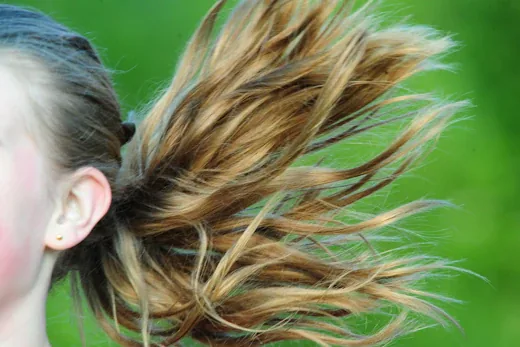
Hair slips when you run for three reasons that stack up against you: sweat loosens the grip of elastics and pins, the up-and-down bounce of every stride works a ponytail loose strand by strand, and wind pulls at any piece that is not anchored to your head. A style that looks secure in the mirror can unravel in ten minutes of running, because nothing in normal life shakes your hair the way a run does. The fix is not a tighter elastic — that just gives you a headache — but a style that anchors the hair in several places at once.
What works: braids anchor hair along the whole head, buns pin it into one compact shape, and a ponytail with a wrapped base stays put far longer than a plain one. Common mistake: relying on a single elastic and a few bobby pins, which sweat defeats one by one. Quick verdict: if your style has only one anchor point, it will fail on a long run — build in at least two, and test the style on a short run before race day.
Building a Secure Base: Elastics, Pins and Braid Anchors
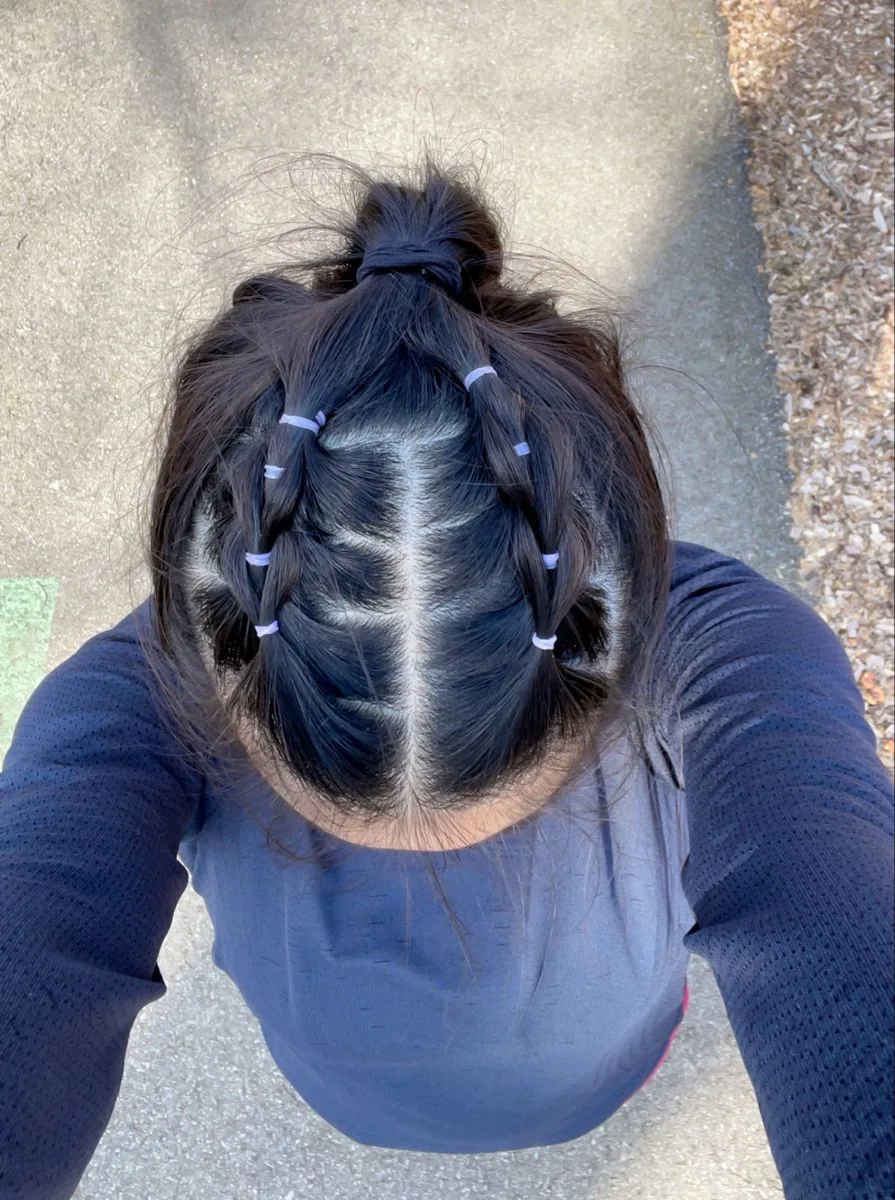
Every secure running hairstyle starts with the same base: clean, dry hair with a little grip in it, a strong elastic that has not lost its stretch, and pins placed against the direction the hair wants to move. A light dusting of dry shampoo or texturising spray on freshly washed hair gives the elastic something to hold, because slippery clean hair is the hardest to keep up. Cross two bobby pins in an X where a bun or braid meets the head, and the anchor holds through sweat that would defeat a single pin.
How to do it: brush the hair smooth, gather it firmly but not painfully tight, and wrap the elastic three times, not two. Best for: every runner, whatever the style on top — the base is what makes the style last. What to avoid: old stretched-out elastics, metal clasps that snag, and pinning wet hair, which slips as it dries. Cost and time: two minutes and a few pennies of product, and it is the difference between a style that lasts and one that does not.
Cap-Friendly Running Styles: Under a Cap or Visor
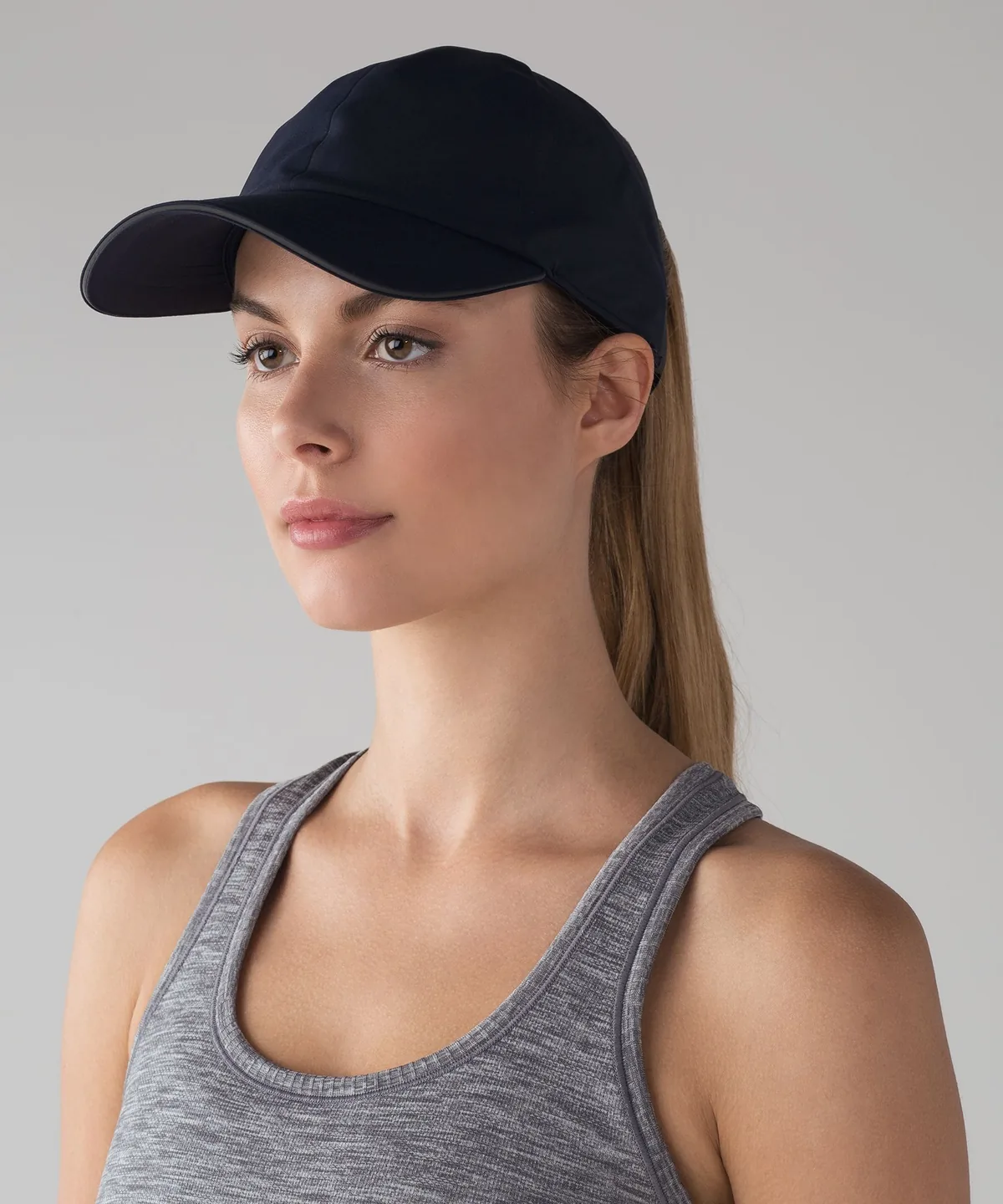
A running cap changes the rules: the hair has to sit low enough to clear the cap’s band, the ponytail has to thread through the gap at the back, and nothing can bunch up under the cap and give you a headache by mile five. Low ponytails, low braids and low buns are the cap-friendly classics, while a high ponytail shoved through the cap gap pulls and loosens with every stride. A visor is more forgiving than a full cap, because the top of the head stays open and a high ponytail or topknot has somewhere to go.
Best for: sunny runs, race days, and anyone whose scalp burns easily. How to style: put the cap on first, then thread the ponytail or braid through the back gap and adjust the band so it sits flat. Common mistake: building a high bun and then forcing a cap over it, which pushes the bun forward and loosens the whole style. Quick verdict: if you run in a cap, build the style low — your cap and your hair will stop fighting each other.
Running with Headphones and Sunglasses: Styles That Do Not Fight Your Gear
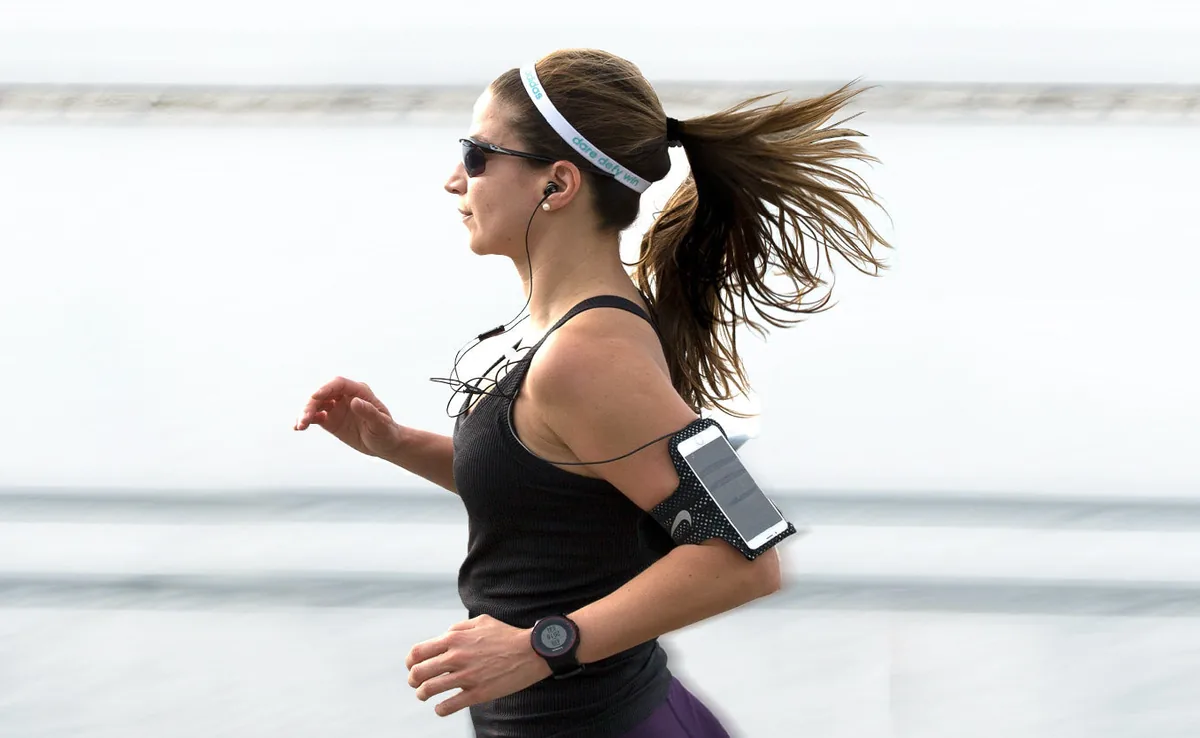
Headphones and sunglasses are the two pieces of running gear that most often destroy a hairstyle: earbuds pull loose when a ponytail tugs them, over-ear headphones press a high bun into your scalp, and sunglasses slide down a sweaty forehead and catch on loose strands. The styles that work best keep the hair flat where the gear sits — smooth at the temples for sunglasses arms, low and compact at the back for a headphone band, and nothing dangling near the ears. Braids are the natural winner here, because they lie flat against the head and leave the ears completely clear.
Best for: anyone who runs with music, podcasts or bone-conduction headphones. How to style: braid or smooth the hair behind the ears, and keep the bulk of the style low so a headphone band sits flat. What to avoid: high side ponytails and loose curls around the ears, which tangle with earbuds within minutes. Quick verdict: choose the style around your gear, not the other way around — flat at the ears, compact at the back, and nothing loose near the temples.
Sweat-Proofing Your Hair: Products, Prep and Frizz Control
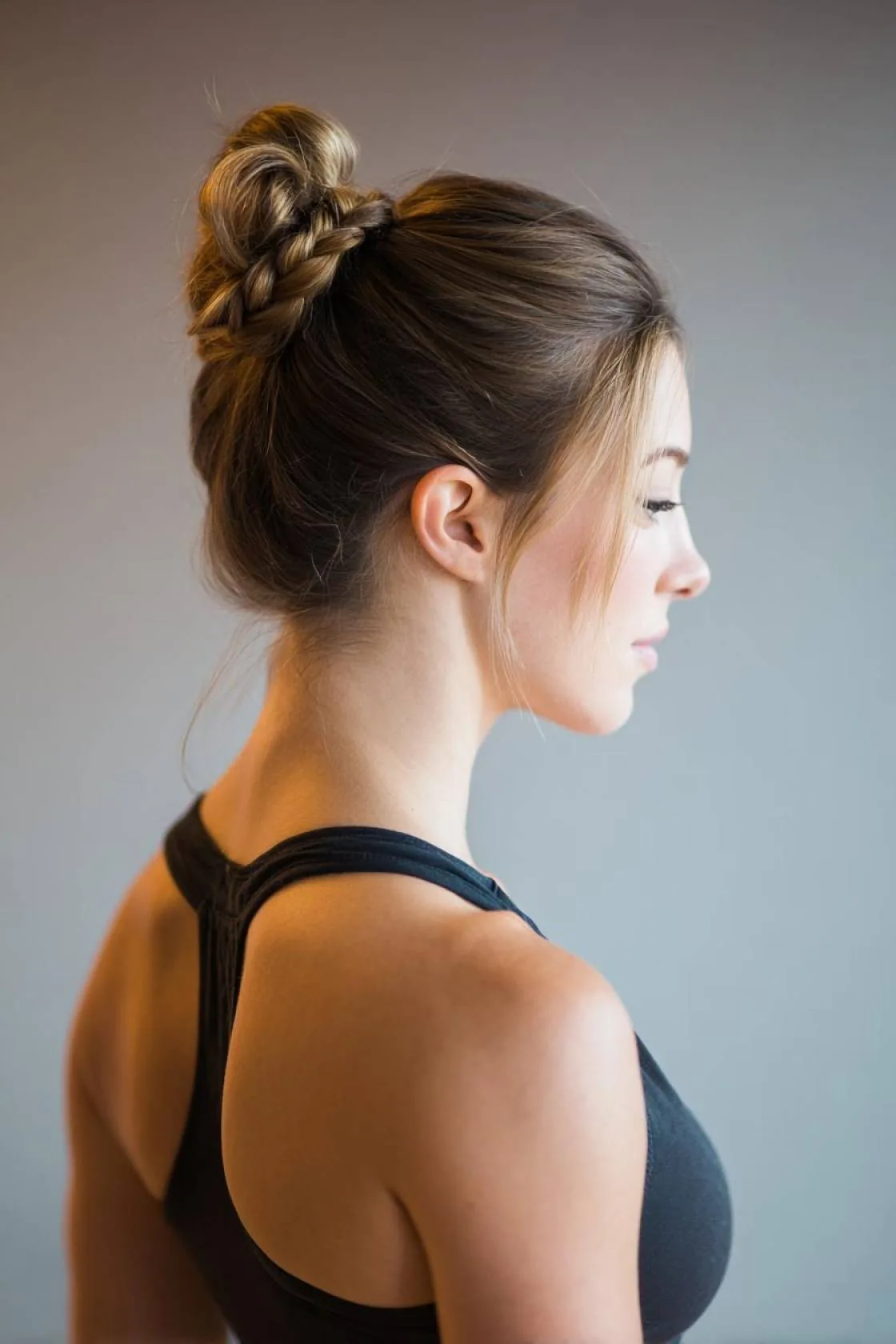
Sweat is the enemy of a running hairstyle twice over: it loosens the style while you run, and it leaves the hair damp, salty and frizzy when you stop. A little prep before the run goes a long way — a pea-sized amount of styling cream smoothed over the hairline tames flyaways, a light-hold hairspray on a braid keeps it neat, and a sweatband or headband keeps the worst of the sweat off your forehead and out of your eyes. The goal is not a helmet of product, just enough grip to hold the style together until you finish.
How to prep: apply product to dry hair, smooth the hairline with a toothbrush or small brush, and finish with a headband if you sweat heavily. Who it suits: every runner, but especially anyone with fine hair that slips, or curly hair that frizzes in humidity. Common mistake: loading the hair with heavy oil or leave-in before a run, which makes it slippery and weighs the style down. Quick verdict: light grip beats heavy product — a little dry shampoo and a good elastic do more than a whole shelf of styling creams.
Short Hair for Running: Styles That Stay Out of Your Face
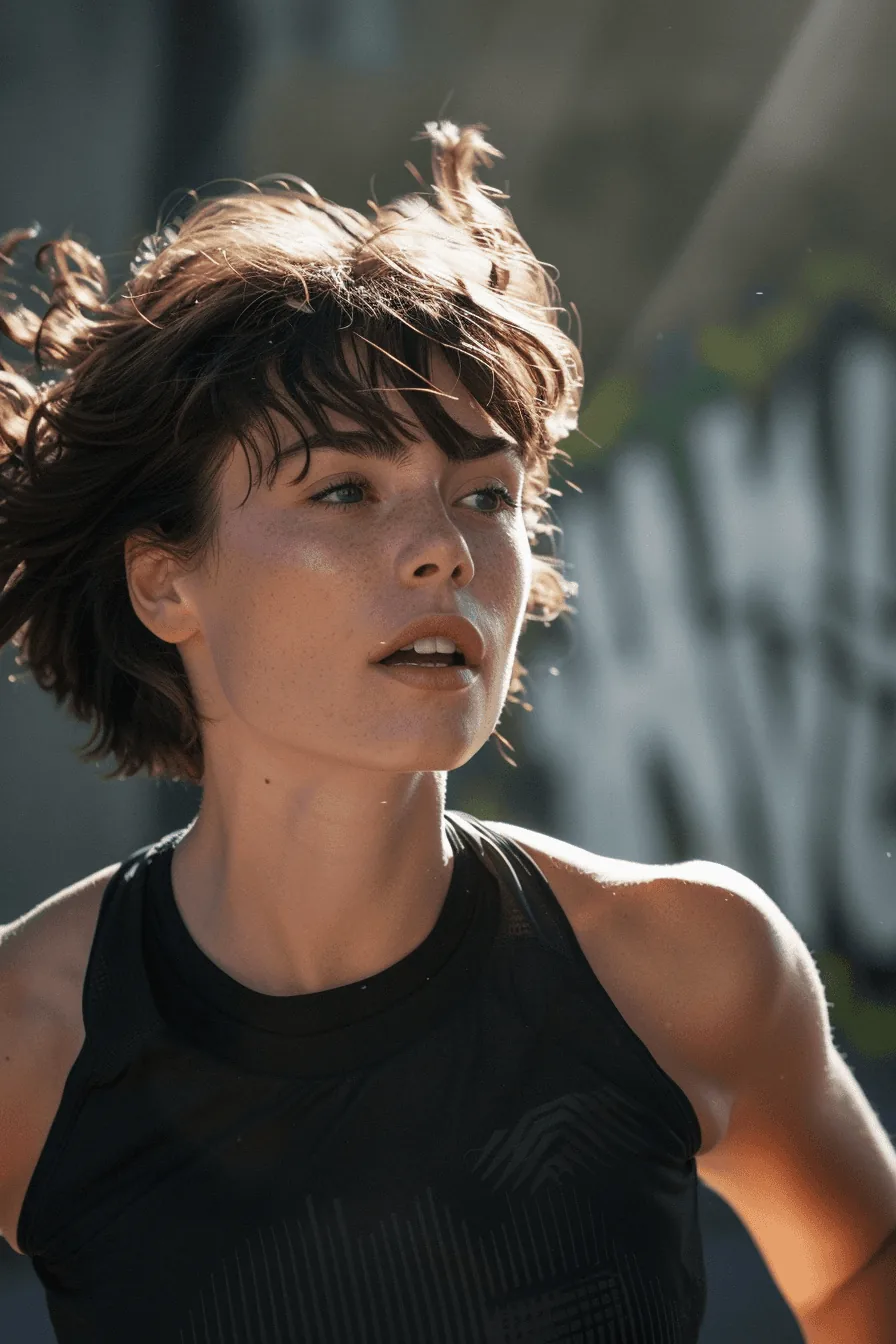
Short hair is the easiest hair to run in, because there is simply less of it to bounce, tangle or stick to your neck — but it still needs a plan. A pixie or a bob can fall into the eyes the moment you start sweating, and the pieces around the face are the hardest to pin back. The answer is small and simple: a sweatband or a wide headband, a few bobby pins at the temples, and a little product to keep the front pieces swept back. Short hair dries fast after a run too, which is the bonus nobody mentions until they have lived with long hair.
Best for: pixie cuts, bobs, lobs and anyone growing out a short cut. How to style: sweep the front pieces back with a little pomade, pin the temples flat, and add a headband for insurance. What to avoid: leaving the fringe loose on a hot day, and using a headband so tight it gives you a headache by mile three. Quick verdict: short hair needs the least styling of any length for running — a headband and two pins are usually the whole routine.
Long Hair for Running: Braid, Bun or Ponytail?
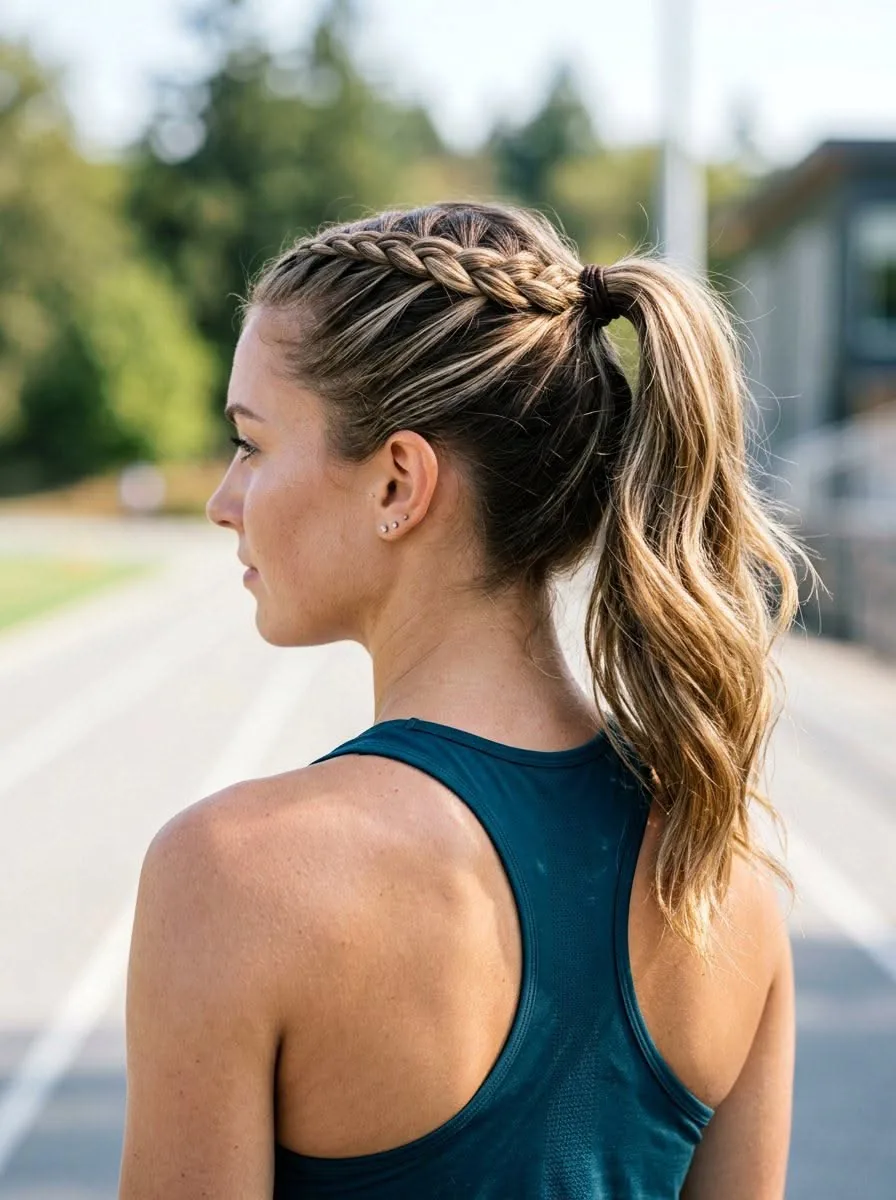
Long hair gives you the most choice for running and the most to go wrong, because every extra inch adds weight, bounce and tangle potential. The three families that actually work are braids, which anchor the hair along the head; buns, which pack it into one compact shape; and ponytails, which are the fastest but the bounciest. Braids win on long runs and windy days, buns win when you want the hair completely off your neck, and ponytails win when you have ninety seconds before you leave the house. Most experienced runners rotate between all three depending on the run.
Pros and cons: braids are the most secure but take the longest; buns are the coolest on the neck but can feel heavy; ponytails are the quickest but bounce the most. Who it suits: anyone with hair past the shoulders, whatever the texture. What to ask your stylist: ask for layers that tuck into a braid cleanly, and avoid very short face-framing layers that escape mid-run. Quick verdict: learn one braid, one bun and one ponytail — between the three, you are covered for every run.
After the Run: Quick Refresh and Hair Care for Sweaty Hair
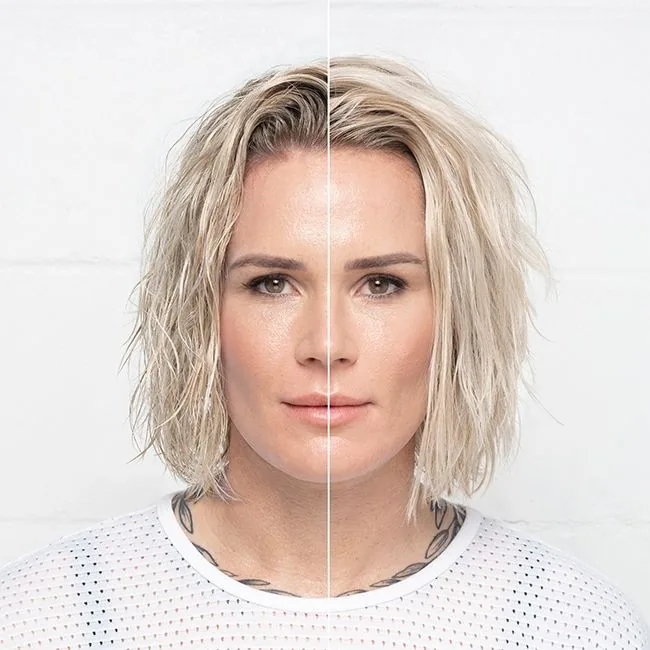
After a run, your hair is damp with sweat, and the worst thing you can do is yank a brush through it or tie it straight back up while it is still wet — wet hair stretches and snaps, and a tight post-run bun traps sweat against the scalp. The quick refresh is simple: let the hair air-dry for ten minutes, brush gently from the ends upward, and use dry shampoo at the roots if you are heading straight somewhere. A proper wash can wait until you are home, but the scalp should not stay sweaty for hours, which is how itching and breakouts start.
How to refresh: air-dry briefly, dry shampoo at the roots, and a loose braid or low bun if you need the hair up again. Maintenance: wash with a gentle shampoo after sweaty runs, and use a clarifying shampoo once a week if you run most days. Common mistake: brushing wet, sweaty hair hard from the roots, which causes breakage at the hairline. Cost and time: five minutes and a bottle of dry shampoo — the cheapest part of your running kit.
1. The High Ponytail That Actually Stays Up
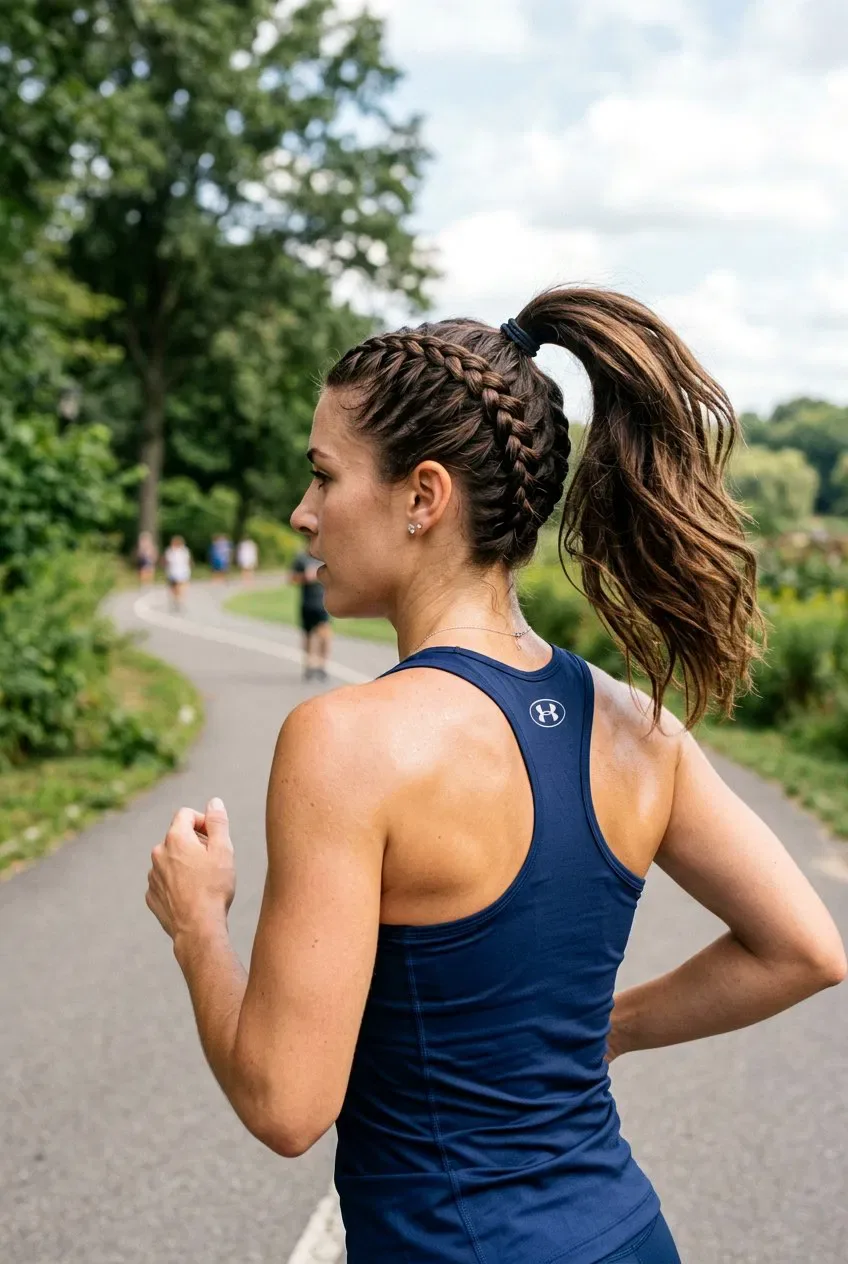
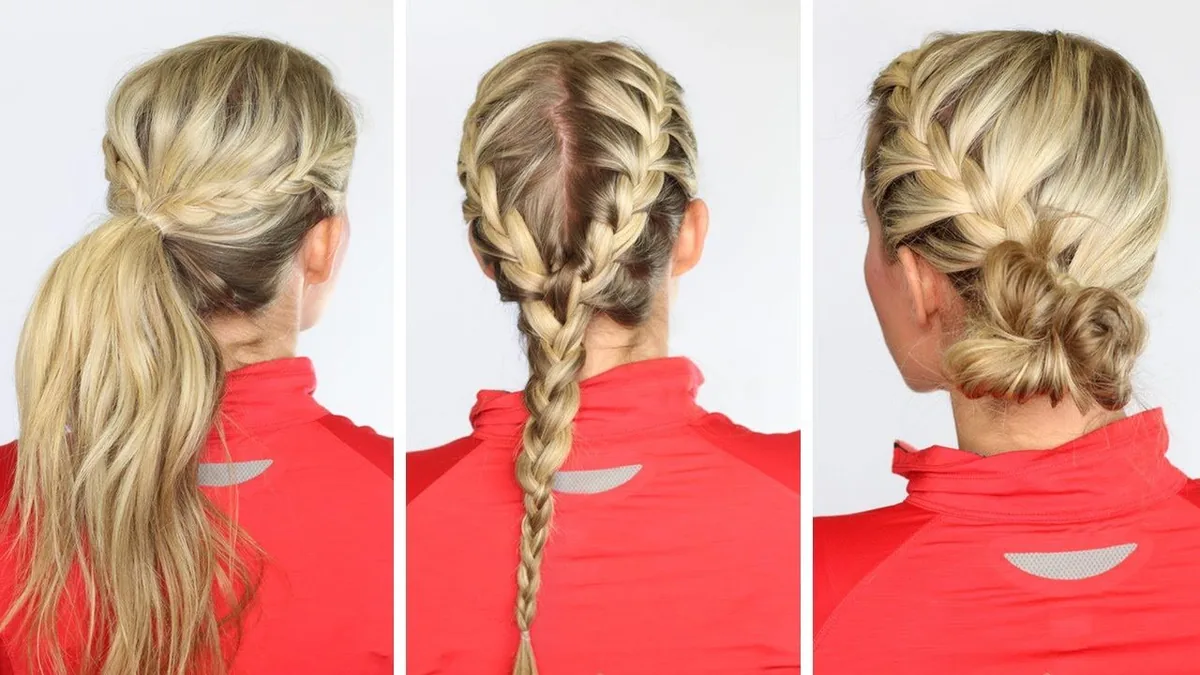
The high ponytail is the classic running hairstyle for a reason: it lifts the hair off the neck, keeps it swinging behind you instead of sticking to your face, and takes about thirty seconds to do. The trick to making it stay up is the base — gather the hair high on the crown, wrap a strong elastic three times, and then take a thin strand from underneath the ponytail, wrap it around the elastic, and pin it in place. That wrapped strand locks the elastic and stops the ponytail from sliding down as you run.
Best for: short and medium runs, and anyone who wants the fastest possible style. How to style: flip your head upside down, gather the hair at the crown, and secure it firmly; add a second elastic halfway down for very long hair. Common mistake: pulling it so tight it gives you a headache, or using a stretched-out elastic that gives up by mile two. Quick verdict: the quickest running ponytail there is — just wrap the base and it will hold.
2. The Low Ponytail for Bounce Control
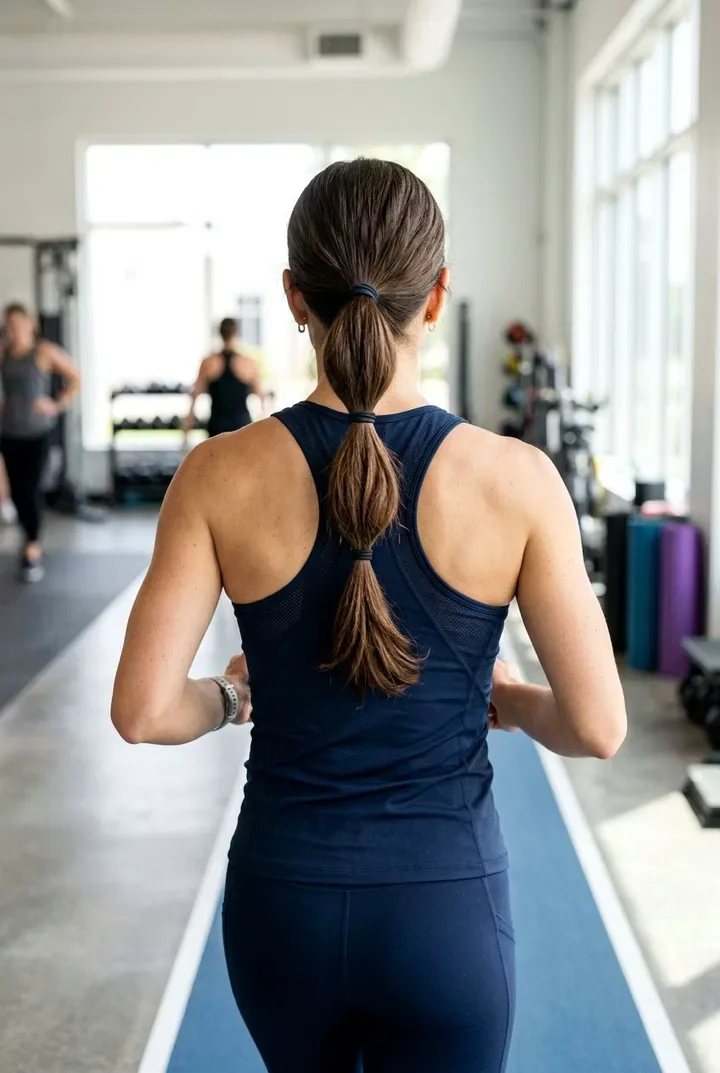
A low ponytail sits at the nape of the neck, and that low position is its whole advantage: the hair has almost nowhere to swing, so it bounces far less than a high ponytail and never slaps your shoulders. It is the ponytail of choice for long runs, for runners who hate the feeling of hair moving, and for anyone wearing a cap, because the ponytail threads neatly through the gap at the back. It looks calmer and more polished than a high ponytail too, which makes it the easiest running style to wear straight into a coffee shop afterwards.
Best for: long runs, cap wearers, and anyone who finds a high ponytail too bouncy. How to style: smooth the hair back, secure it low at the nape, and wrap a strand around the elastic for a finished look. Pros and cons: the least bounce of any ponytail, but it can feel warm on the neck in summer. Quick verdict: if bounce is your complaint, go low — it is the simplest fix in this whole guide.
3. The Bubble Ponytail That Cannot Slip
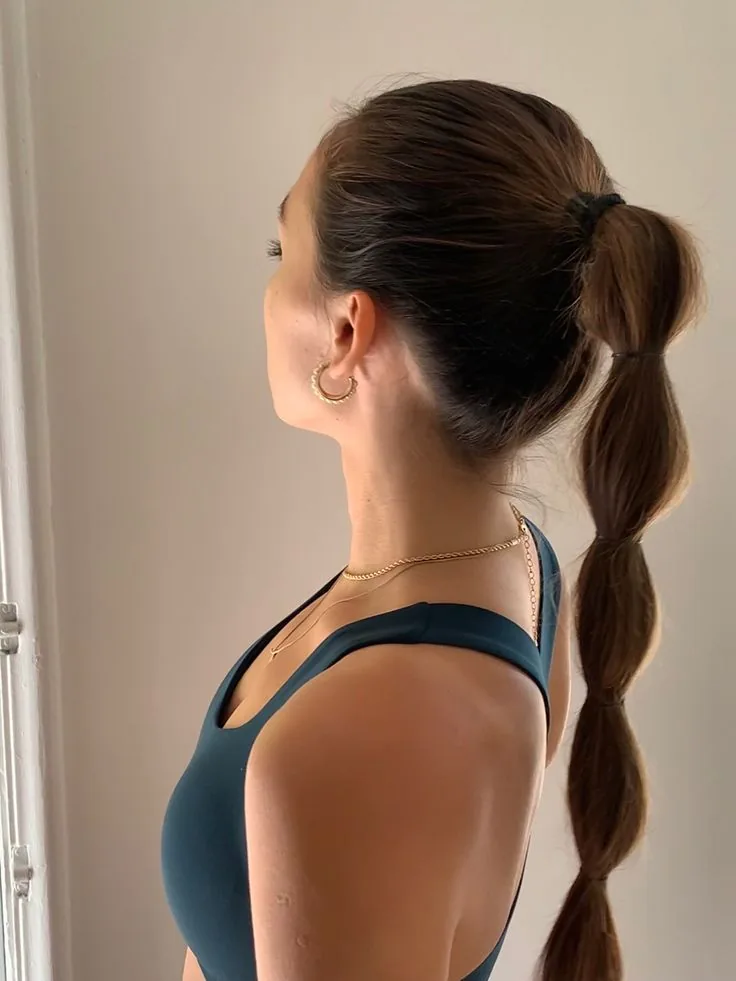
A bubble ponytail turns a plain ponytail into a series of puffs, with an elastic every few inches down the length, and those extra elastics are what make it so secure for running: even if one section loosens, the others hold, and the hair cannot slide out in one piece the way a single ponytail can. It looks playful and a little bit fun, which suits runners who like their style to have some personality, and it works on medium and long hair of almost any texture. Pull each section gently outward to make the bubbles full, and the style holds its shape for the whole run.
Who it suits: medium to long hair, and runners who want a secure style with a bit of fun in it. How to style: secure a high or low ponytail, add elastics every two to three inches, and puff each section out. What to avoid: spacing the elastics too far apart on fine hair, where the bubbles collapse. Maintenance: take the elastics out gently one by one after the run to avoid snapping the hair.
4. The French Braid for All-Day Hold
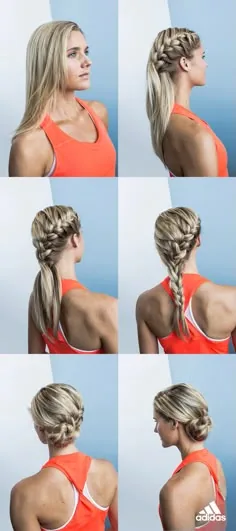
The French braid is the single most reliable hairstyle for running ever invented: the hair is woven into the head from the hairline to the nape, so every section is anchored and nothing can escape, bounce or tangle. It survives sweat, wind, caps and long runs without a single loose strand, and it looks just as neat at mile twenty as it did at mile one. A French braid also doubles as a heatless wave maker — undo it after the run and you have soft waves for the rest of the day.
Best for: long runs, race day, windy days, and anyone whose hair escapes every other style. How to style: start at the hairline, add hair to each section as you braid down, and secure the end with a small elastic. Who should avoid it: nobody, really — but if you cannot French braid your own hair yet, practise on a rest day first. Quick verdict: if you learn only one running hairstyle, make it this one.
5. The Dutch Braid for Extra Grip
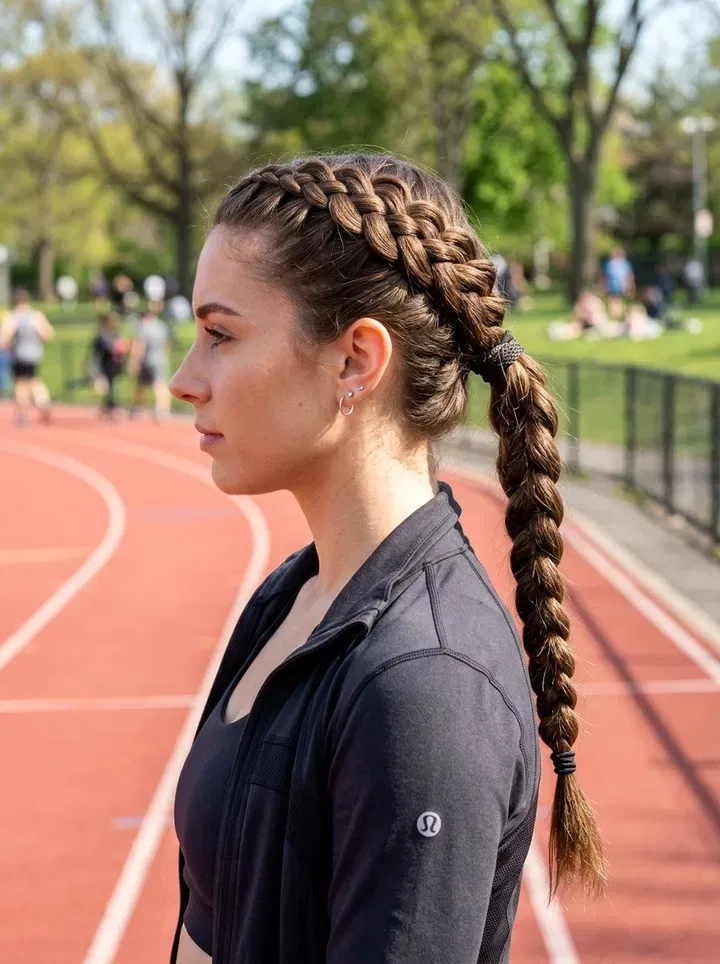
A Dutch braid is a French braid turned inside out: instead of crossing the strands over the top, you cross them underneath, so the braid sits on top of the hair like a raised rope. That raised shape grips better than a French braid on slippery, fine hair, because the braid itself has more texture to hold on to, and it looks bolder and more athletic too. It is the braid runners choose when a French braid slides out, and it holds up brilliantly under a cap or a headband.
Best for: fine, slippery hair that will not hold a French braid, and runners who want a statement braid. How to style: braid under instead of over, keeping the sections tight at the scalp, and finish with a small elastic. Pros and cons: more grip and a bolder look than a French braid, but slightly harder to do on yourself at first. Quick verdict: the French braid’s tougher cousin — reach for it when your hair is too slippery for anything else.
6. Boxer Braids: Two Braids, Zero Bounce
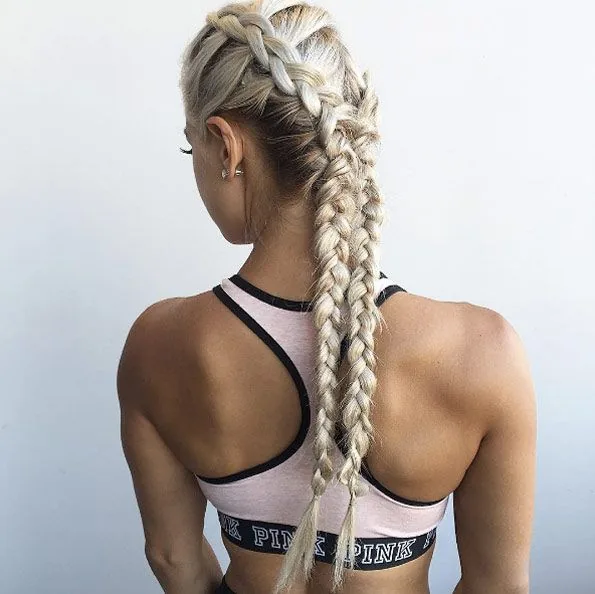
Boxer braids — two Dutch braids, one on each side of the head — are the toughest running hairstyle in this guide. With the hair split down the middle and braided tight to the scalp on both sides, there is nothing to bounce, nothing to tangle, and nothing to stick to your neck, which is why boxers, wrestlers and long-distance runners all swear by them. They take a few minutes longer than a single braid, but they are the style to choose for a race, a trail run, or any run where you will not be able to fix your hair for hours.
Best for: race day, trail running, long runs, and very thick hair. How to style: part the hair down the middle, Dutch-braid each side from the hairline to the nape, and secure both ends. Cost and time: five to ten minutes, and it is the best return on those minutes of any style here. Quick verdict: the most secure hairstyle for running, full stop — if your hair has to survive anything, braid it twice.
7. The Fishtail Braid for Long Runs
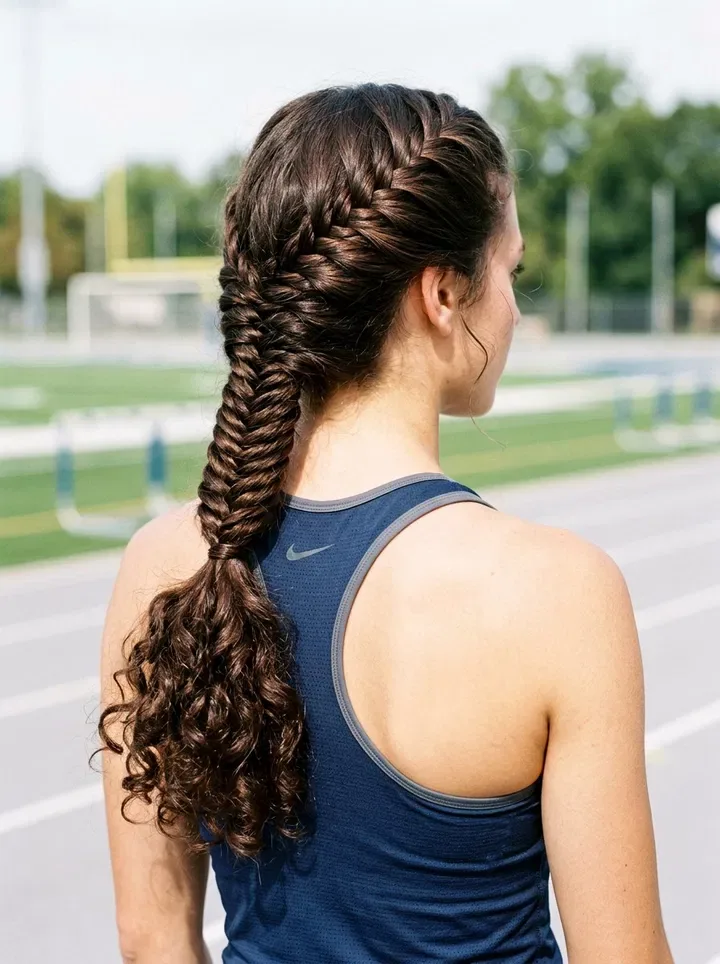
A fishtail braid weaves the hair in tiny, alternating sections, which creates a flat, rope-like braid that lies close to the head and barely moves when you run. It looks more intricate than a French braid, which makes it a lovely choice for a race or a running event where you want to look like you tried, and it is surprisingly secure once you get the rhythm of it. The fishtail works best on long hair, where the small sections have enough length to show off the pattern.
Who it suits: long hair, and runners who like a braid with a little more detail. How to style: split the ponytail in two, take a thin strand from the outside of each side and cross it over, and repeat to the ends. Common mistake: making the sections too thick, which turns the fishtail into a messy regular braid. Maintenance: it takes a few minutes longer than a French braid, so save it for days when you are not in a rush.
8. The Crown Braid That Holds Everything Back
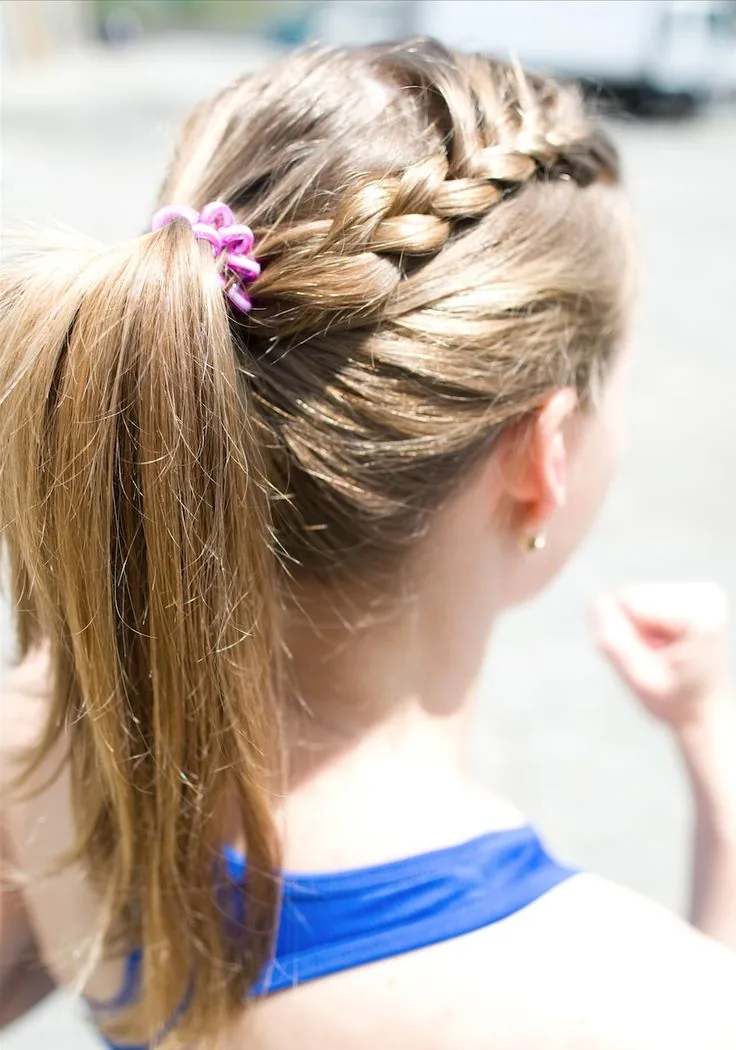
A crown braid circles the whole head like a halo, pulling every strand — including the short pieces around the face — back and away from your eyes. It is the best running style for anyone whose baby hairs and face-framing layers always escape, because the braid catches them all as it travels around the head. It looks beautiful too, which makes it a favourite for running events, charity runs and races where photos are guaranteed.
Best for: anyone with face-framing layers, flyaways or a fringe that will not stay put. How to style: start behind one ear, braid around the hairline, and pin the end under the start. What to avoid: braiding too loosely at the hairline, where the short pieces slip out first. Quick verdict: the prettiest way to solve the flyaway problem — and one of the most secure styles here.
9. The Milkmaid Braid for Total Coverage
A milkmaid braid takes two braids and pins them across the top of the head, so the hair is completely off the neck and shoulders and cannot bounce at all. It is essentially a crown braid built from two separate braids, and it is wonderfully secure — there is no loose end to swing, nothing to catch on a collar, and nothing to stick to a sweaty neck. It takes a few pins and a couple of minutes, but once it is in, it will not move until you take it out.
Best for: hot days, long runs, and anyone who hates hair on their neck. How to style: braid two low braids, cross them over the top of the head, and pin them firmly in place. Pros and cons: the coolest style on the neck in this guide, but it needs enough length to cross over the head. Quick verdict: if you want your hair completely gone while you run, this is the style.
10. The Low Braided Bun for Race Day
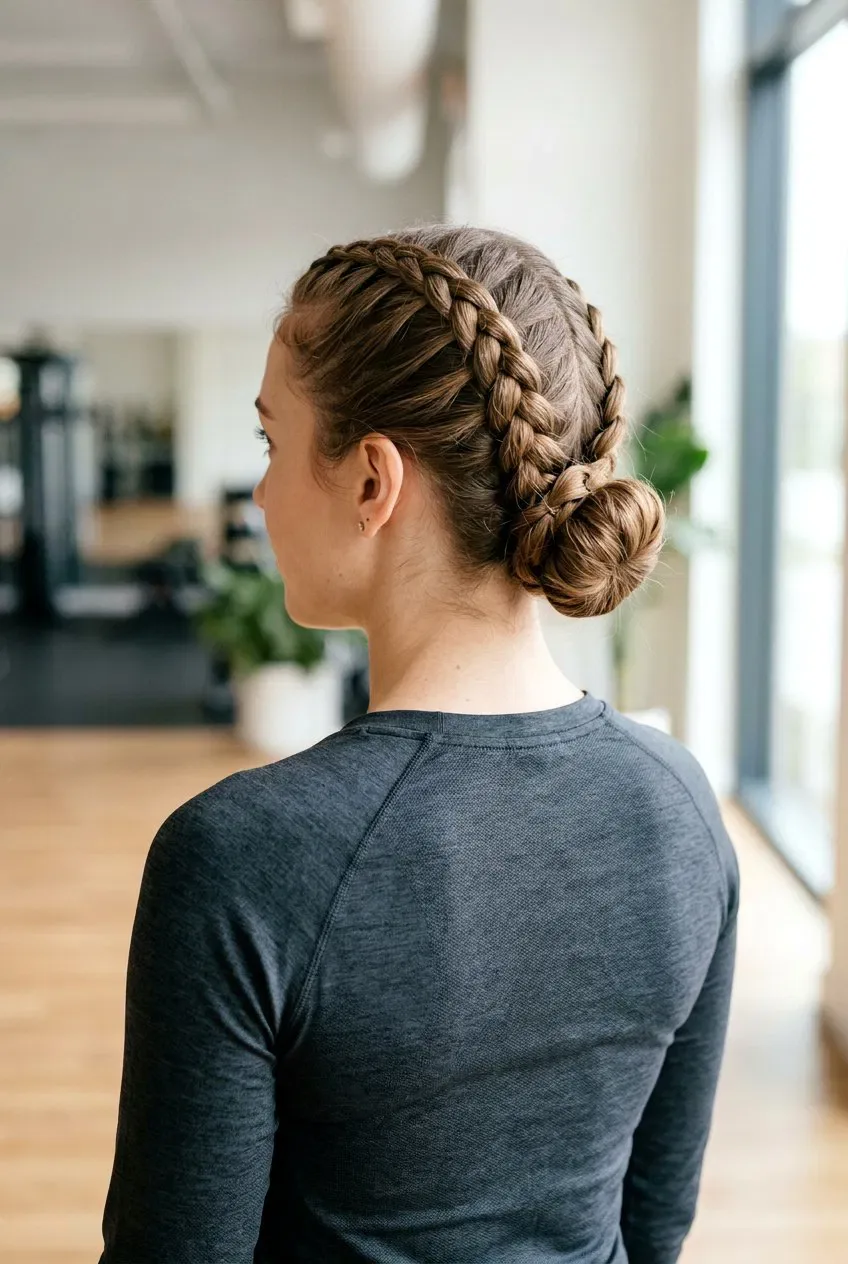
A low braided bun combines the two most secure ideas in running hair — a braid and a bun — into one style that sits at the nape and barely moves. Braid the hair first, then coil the braid into a bun and pin it, and you have a compact shape with no loose ends, no bounce and no bulk under a cap. It is a classic race-day choice, because it looks polished in finish-line photos and survives the whole race without a single adjustment.
Best for: race day, marathons, and runs under a cap. How to style: braid the hair low, coil the braid into a flat bun at the nape, and pin it with crossed bobby pins. Cost and time: about five minutes, and it is worth every second on a long race. Quick verdict: the most race-ready bun in this guide — secure, low, and photogenic.
11. The High Topknot for Hot Days
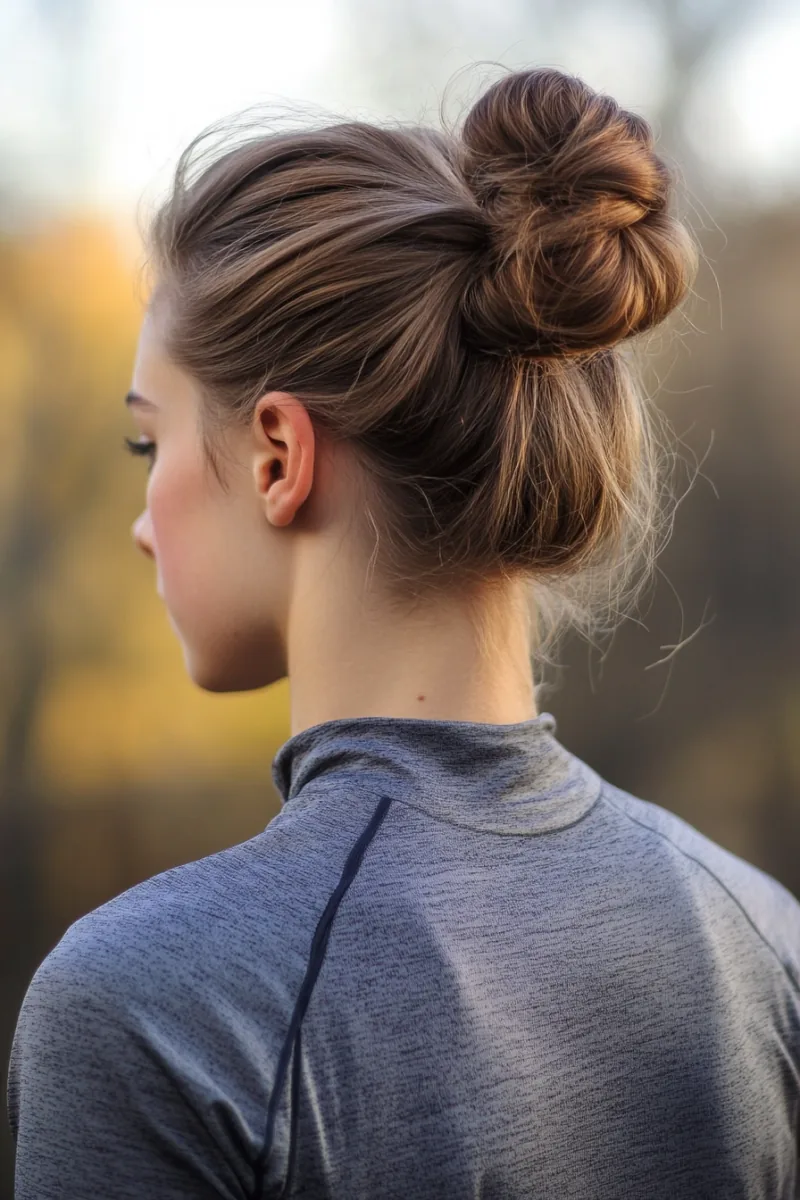
A high topknot piles the hair into a bun right on top of the crown, which gets every strand off the neck and shoulders and lets the air reach your skin — the coolest feeling style on a hot run. It is quick to do, needs only an elastic and a few pins, and it stays put because the weight of the bun sits directly on top of the head instead of pulling sideways. The topknot suits medium and long hair best, and it is the style most runners reach for in summer.
Best for: hot weather, short runs, and anyone who overheats easily. How to style: gather the hair high, twist it into a bun, wrap the elastic around it, and pin the loose ends. Common mistake: making the knot too loose, so it wobbles and slides forward as you run. Quick verdict: the fastest way to get all your hair off your neck — perfect for summer miles.
12. The Messy Bun That Actually Holds
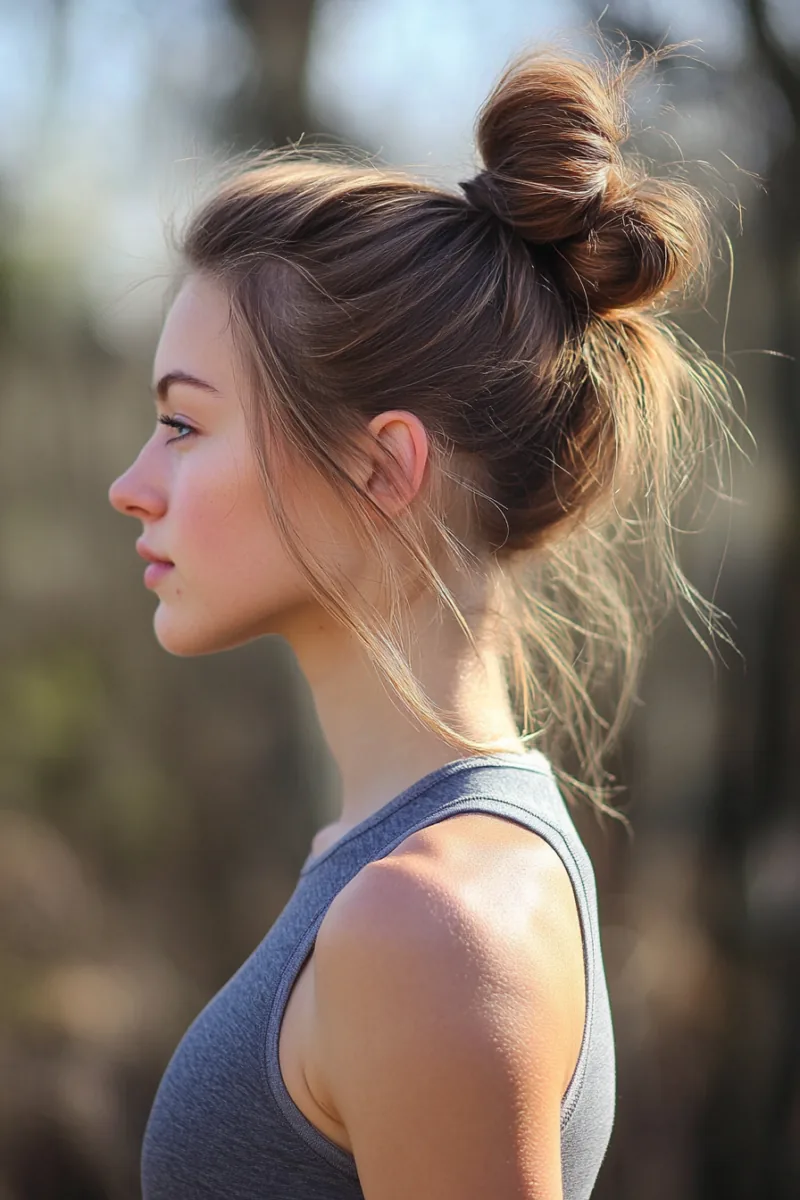
A messy bun has a bad reputation among runners, because the loose, undone version falls apart within a mile — but a messy bun built properly is one of the best running styles there is. The secret is to build the security first and the messiness second: secure a firm bun with a strong elastic and crossed pins, then gently pull out a few pieces for the relaxed look. You get the effortless style with none of the mid-run collapse, and it looks just as good after the run as before it.
Who it suits: medium to long hair, and runners who like a relaxed look. How to style: make a firm bun first, pin it well, then loosen a few strands around the face. What to avoid: skipping the pins — a messy bun without pins is just a bun waiting to fall out. Quick verdict: messy on the outside, engineered on the inside — that is the only messy bun that survives a run.
13. The Sock Bun for a Rock-Solid Shape
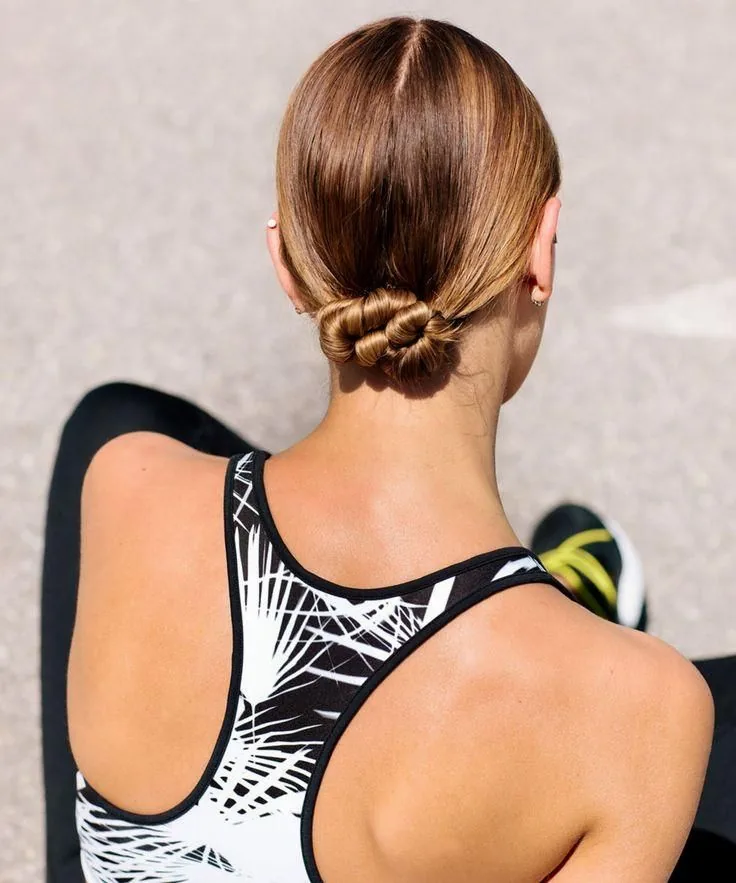
A sock bun uses a donut-shaped hair accessory to roll the hair into a perfectly round, dense bun that holds its shape through anything. The donut gives the bun structure, so it does not flatten or loosen the way a plain bun can, and the weight is spread evenly across the head instead of pulling from one point. It looks neat and polished, which makes it a good choice for a race or a running event, and it is surprisingly easy once you have done it twice.
Best for: medium to long hair, and runners who want a bun that never loses its shape. How to style: pull the ponytail through the donut, spread the hair over it, and tuck the ends underneath with pins. Pros and cons: the most structured bun here, but you need the donut accessory and a few extra minutes. Cost and time: a donut costs very little, and the style takes about five minutes.
14. The Twisted Low Bun for a Polished Finish
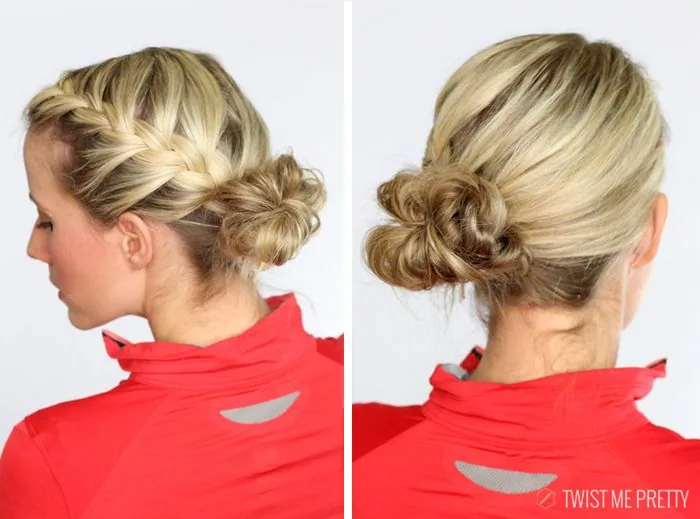
A twisted low bun is the elegant cousin of the plain bun: the hair is split, twisted, and coiled into a low bun at the nape, which gives it a soft, rope-like texture and a much better grip than a smooth bun. The twists lock against each other, so the bun holds its shape without a dozen pins, and the low position keeps it clear of caps and headphone bands. It looks far more polished than the effort it takes, which makes it a lovely choice for a race morning.
Who it suits: medium to long hair, and anyone who wants a bun with a little more style. How to style: split the hair in two, twist each side, cross them at the nape, and coil into a bun. What to ask your stylist: ask for layers that twist cleanly, without short pieces poking out of the twists. Quick verdict: a bun that looks like you spent twenty minutes on it, in about four.
15. The Braided Ponytail: Braid Meets Ponytail
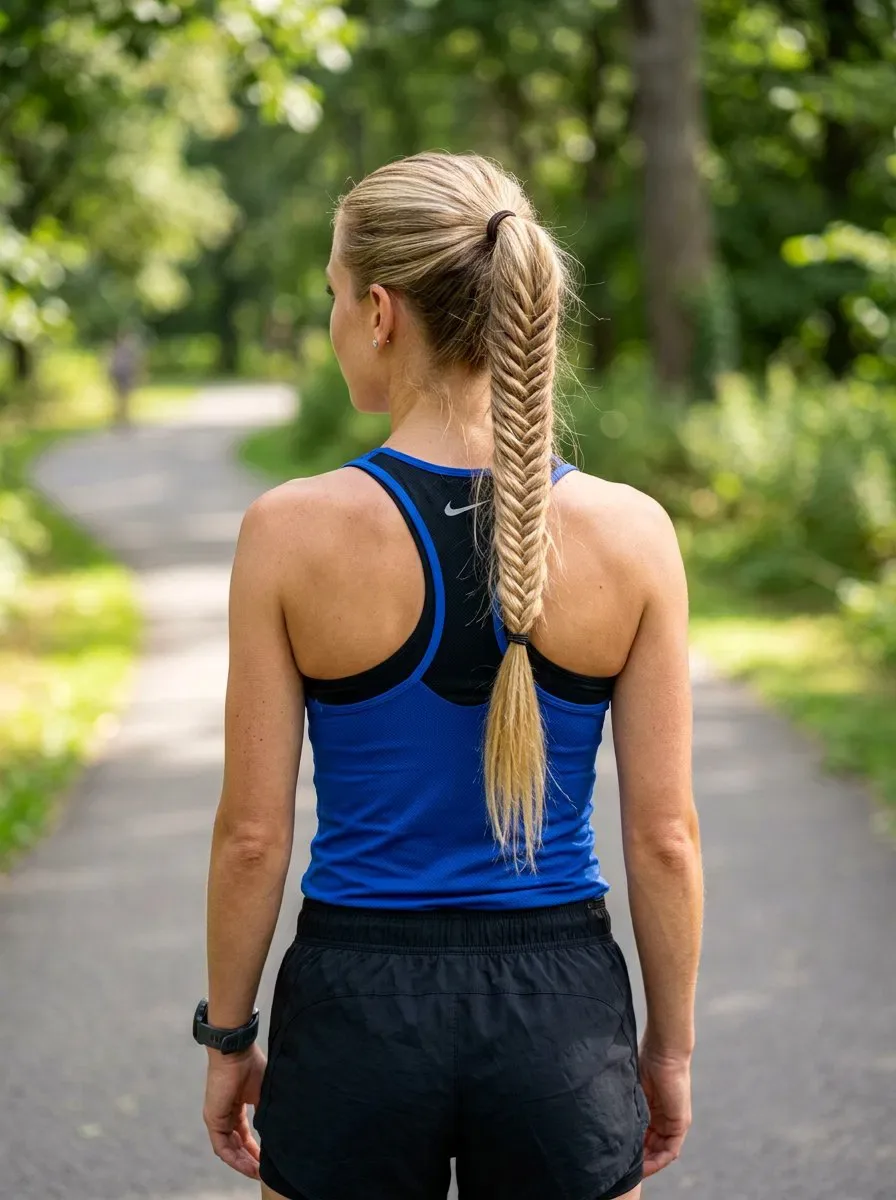
A braided ponytail starts as a high ponytail and then braids the length, which solves the ponytail’s biggest problem: the loose length that bounces, tangles and whips around. The braid keeps the tail compact and controlled, the ponytail base keeps it quick to do, and the combination is one of the most secure styles in this guide. It suits long hair best, and it looks athletic and purposeful, like a style that means business.
Best for: long hair, long runs, and runners who love a ponytail but hate the bounce. How to style: secure a high ponytail, braid the tail in three strands, and finish with a small elastic. Common mistake: braiding too loosely, which lets the tail swing almost as much as a plain ponytail. Quick verdict: the ponytail, fixed — all the speed, none of the whip.
16. The Side Braid for a Change of Pace
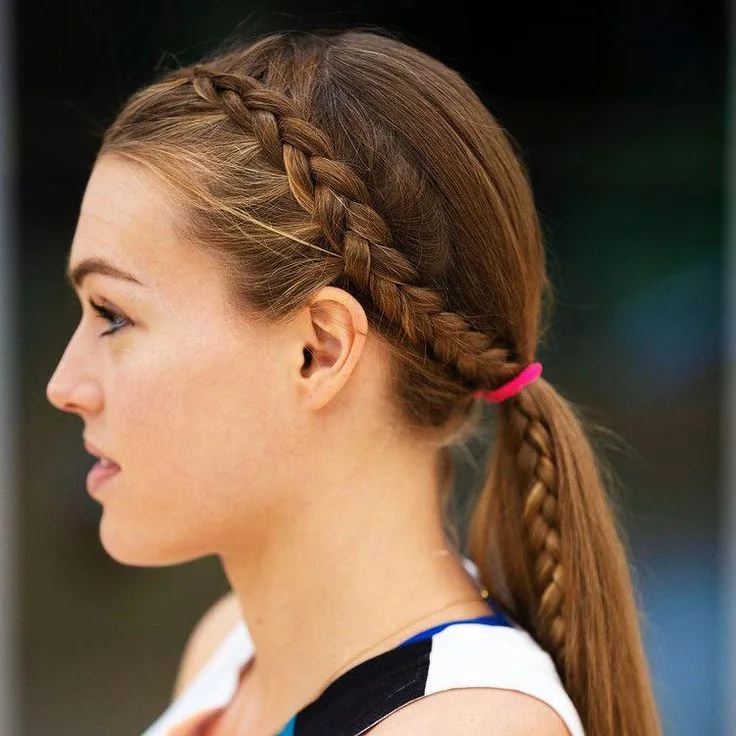
A side braid sweeps all the hair over one shoulder and braids it down the front, which keeps the hair completely off the back of the neck — the sweatiest, hottest part of a run — and puts the braid where you can see it and fix it if it loosens. It is less secure than a French braid, because the hair is not anchored to the scalp, but it is cooler than a back braid and much easier to do on yourself. It suits runners who like to keep an eye on their style, and it photographs beautifully from the front.
Best for: medium to long hair, and hot days when you want your neck clear. How to style: sweep the hair to one side, braid it loosely over the shoulder, and secure the end. Who should avoid it: anyone running a race, where a scalp-anchored braid is safer. Quick verdict: the coolest, easiest braid here — just not the toughest.
17. The Half-Up Topknot for Medium Hair
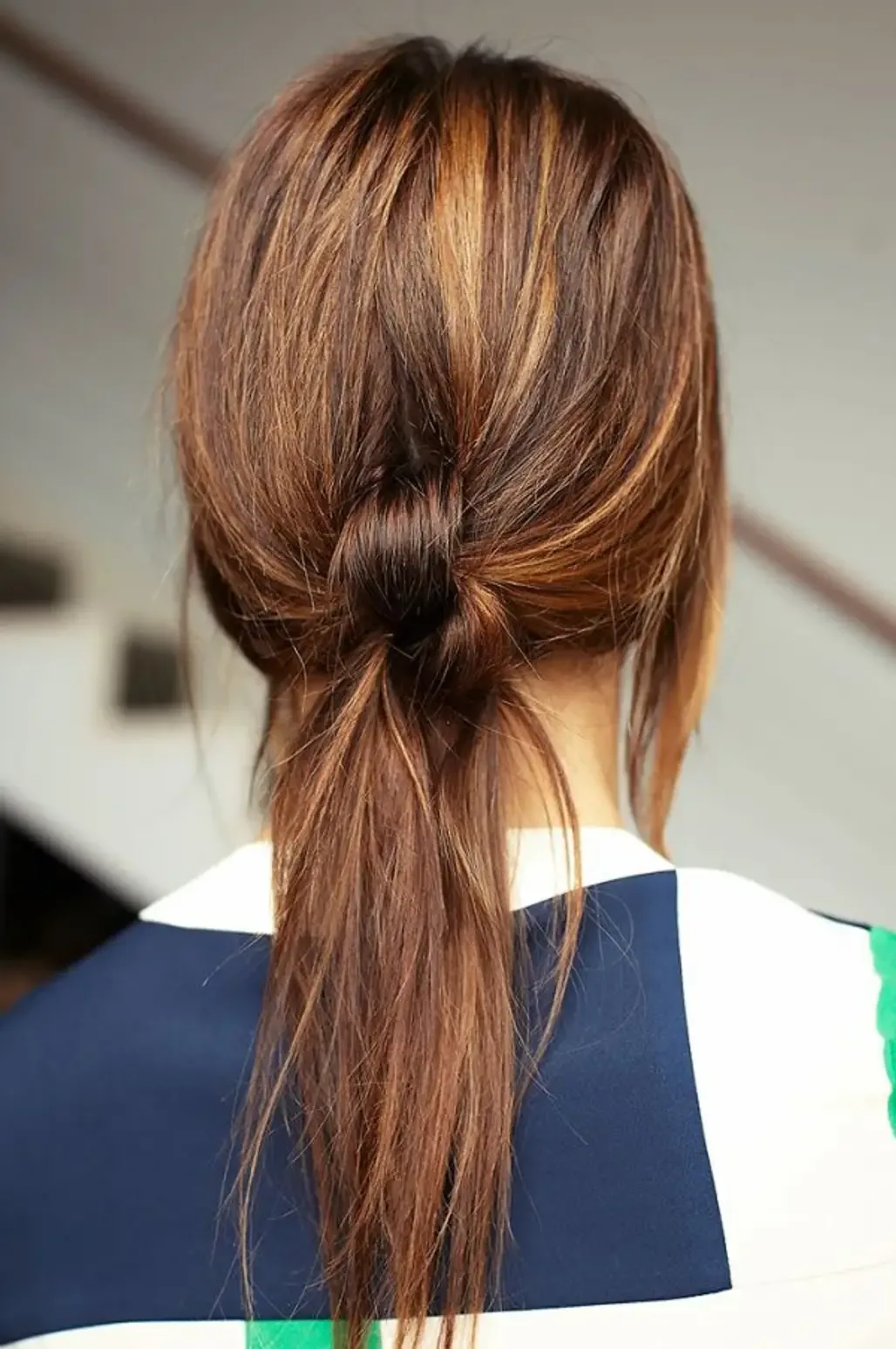
A half-up topknot takes the top half of the hair into a small bun on the crown and leaves the rest down, which sounds like a bad idea for running until you try it on medium-length hair: the top section is the part that falls into your face, and pinning it up solves that, while the lower half is short enough not to tangle or bounce much. It is a good compromise for runners with shoulder-length hair who do not want everything tied up, and it looks relaxed and sporty.
Who it suits: shoulder-length hair, and short runs or gym sessions. How to style: gather the top half, twist it into a small bun, and secure it with an elastic and a pin. Pros and cons: quick and comfortable, but the loose lower half can still bounce on a long run. Quick verdict: a good half-measure for medium hair and short runs — for long runs, tie it all up.
18. The Half-Up Ponytail for Easy Miles
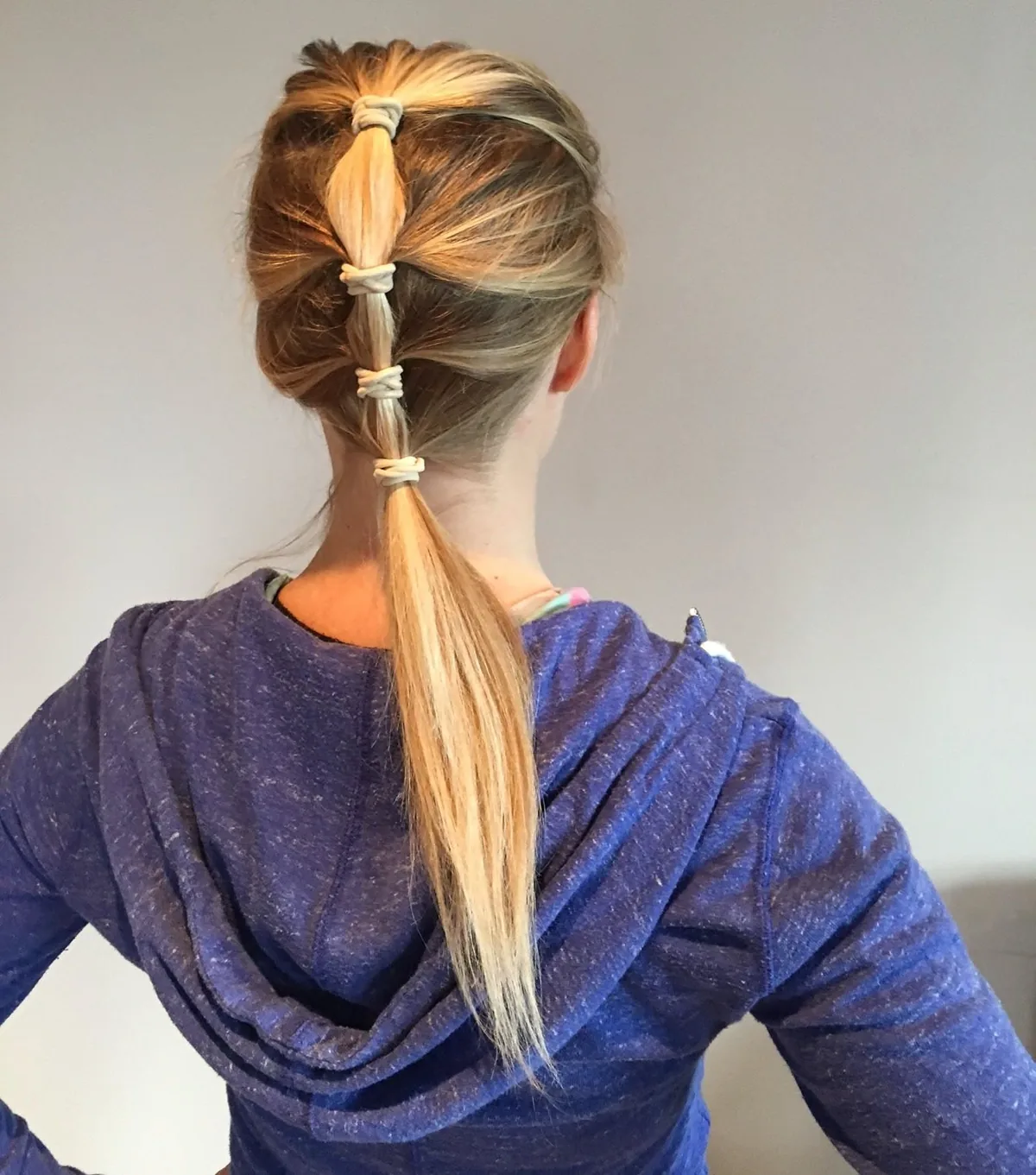
A half-up ponytail is the simplest running style of all: gather the top half of the hair into a small ponytail at the back of the crown, leave the rest down, and go. It keeps the front pieces and the fringe out of your face, which is the main thing that bothers runners with medium hair, and it takes about fifteen seconds. It will not survive a marathon — the loose half still bounces — but for a short jog, a warm-up or a gym session, it is all you need.
Best for: medium hair, short runs, and the gym. How to style: section off the top half, smooth it back, and secure it with a small elastic. Common mistake: taking too little hair into the ponytail, so the front pieces escape anyway. Maintenance: none — it is a fifteen-second style for a fifteen-minute run. Quick verdict: the fastest running hairstyle in this guide, and the least secure — pick it for short runs only.
19. Two Dutch Pigtail Braids for Trail Runs
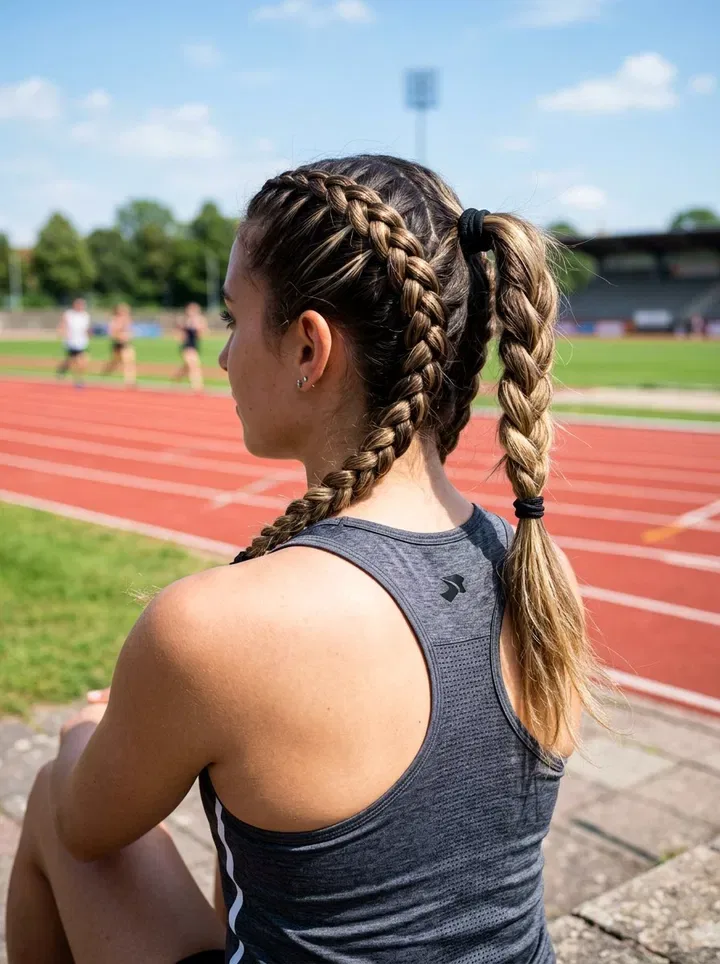
Two Dutch pigtail braids are the trail runner’s answer to a ponytail: the hair is split down the middle and braided tight on each side, so nothing bounces, nothing tangles in branches or a backpack strap, and the style survives hours of uneven ground without a single adjustment. They look sporty and a little bit playful, and they are the style you see most often at trail races, where the hair has to survive mud, wind and hours on the move. They take a few minutes to do, but they repay that time many times over.
Best for: trail running, long runs, and anyone with a backpack. How to style: part the hair down the middle, Dutch-braid each side, and secure both ends with small elastics. What to avoid: braiding too loosely at the nape, where the braids loosen first. Quick verdict: if your run involves trails, mud or a backpack, braid it twice and forget about it.
20. The Low Twisted Ponytail for Sleek Miles
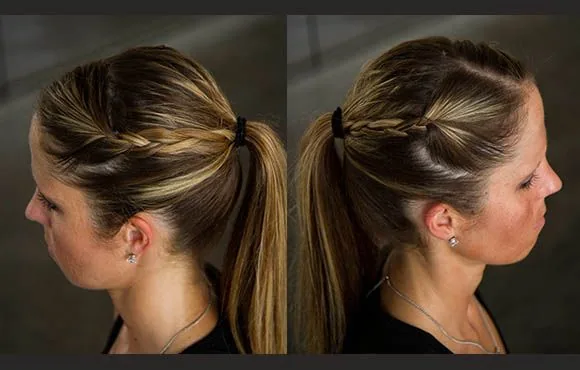
A low twisted ponytail adds one small step to a low ponytail — twisting the hair before you secure it — and that twist is what makes it hold. The twist creates friction between the strands, so the ponytail grips itself instead of sliding through the elastic, and it gives the style a soft, rope-like texture that looks more polished than a plain ponytail. It sits low at the nape, so it bounces less, clears a cap easily, and looks neat enough to wear anywhere after the run.
Who it suits: medium to long hair, and runners who want a ponytail with a little more polish. How to style: gather the hair low, twist the whole ponytail once or twice, and secure it with a strong elastic. Pros and cons: more secure and more polished than a plain low ponytail, for about ten seconds of extra work. Quick verdict: the easiest upgrade in this guide — one twist, and your ponytail behaves.
21. The Braided Headband with a Ponytail
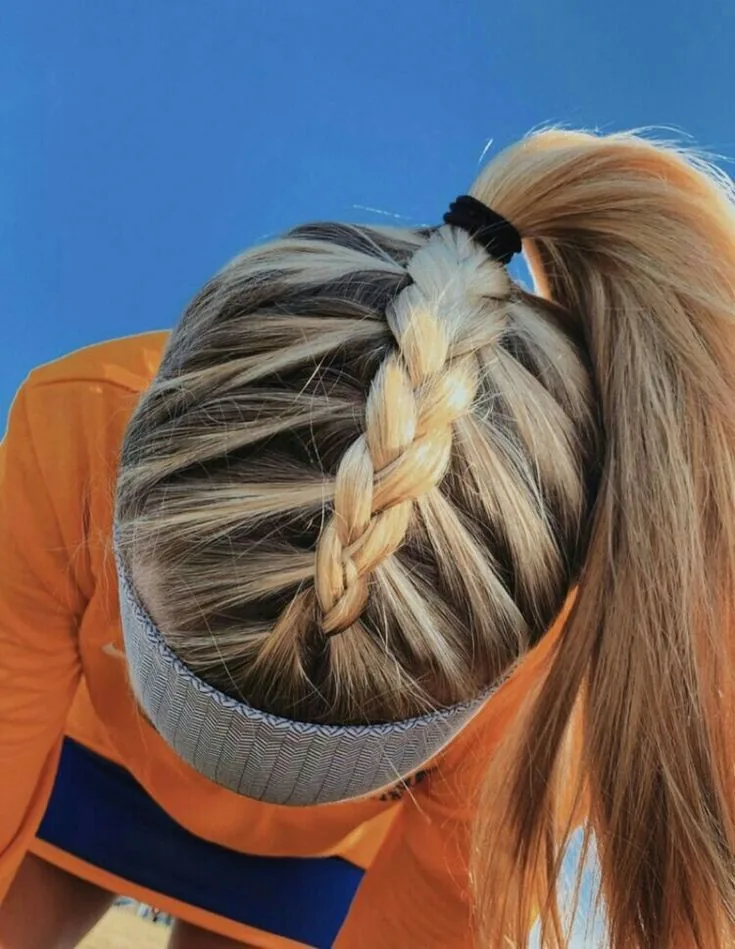
A braided headband is a thin braid across the hairline that acts like a built-in headband, catching the front pieces and flyaways before they can fall into your face, while the rest of the hair goes into a ponytail behind it. It solves the two problems of a ponytail at once: the front is anchored, and the back is tied up. It looks lovely too, which makes it a favourite for running events and group runs where you want to look like you made an effort.
Best for: anyone whose front pieces always escape a ponytail. How to style: braid a thin section across the hairline, pin the end behind the ear, then gather the rest into a ponytail. What to avoid: braiding the headband too thick, which pulls and gives you a headache. Quick verdict: a headband you cannot lose, built from your own hair.
22. Cornrows for Runners Who Want Weeks of Hold
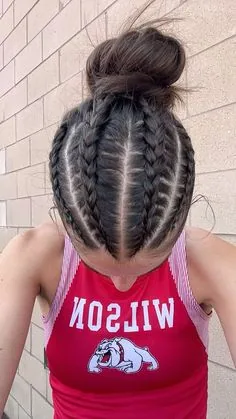
Cornrows are the longest-lasting running hairstyle there is: the hair is braided tight to the scalp in neat rows, and the style holds for weeks, not hours, through runs, swims, sweat and sleep. For runners who train every day, that is a huge advantage — no morning styling, no mid-run fixes, and hair that is always ready. Cornrows need a skilled braider and a few hours to install, but once they are in, your running hair routine is simply done.
Best for: runners who train daily, and anyone who wants a style that lasts weeks. How to style: have them installed by an experienced braider, and keep the scalp moisturised between runs. Cost and time: a few hours to install, but weeks of zero styling time in return. Who should avoid it: anyone who changes their hairstyle often, or who cannot commit to one style for a few weeks. Quick verdict: the highest-effort install and the lowest-effort running hair afterwards.
23. Mini Buns for Short to Medium Hair
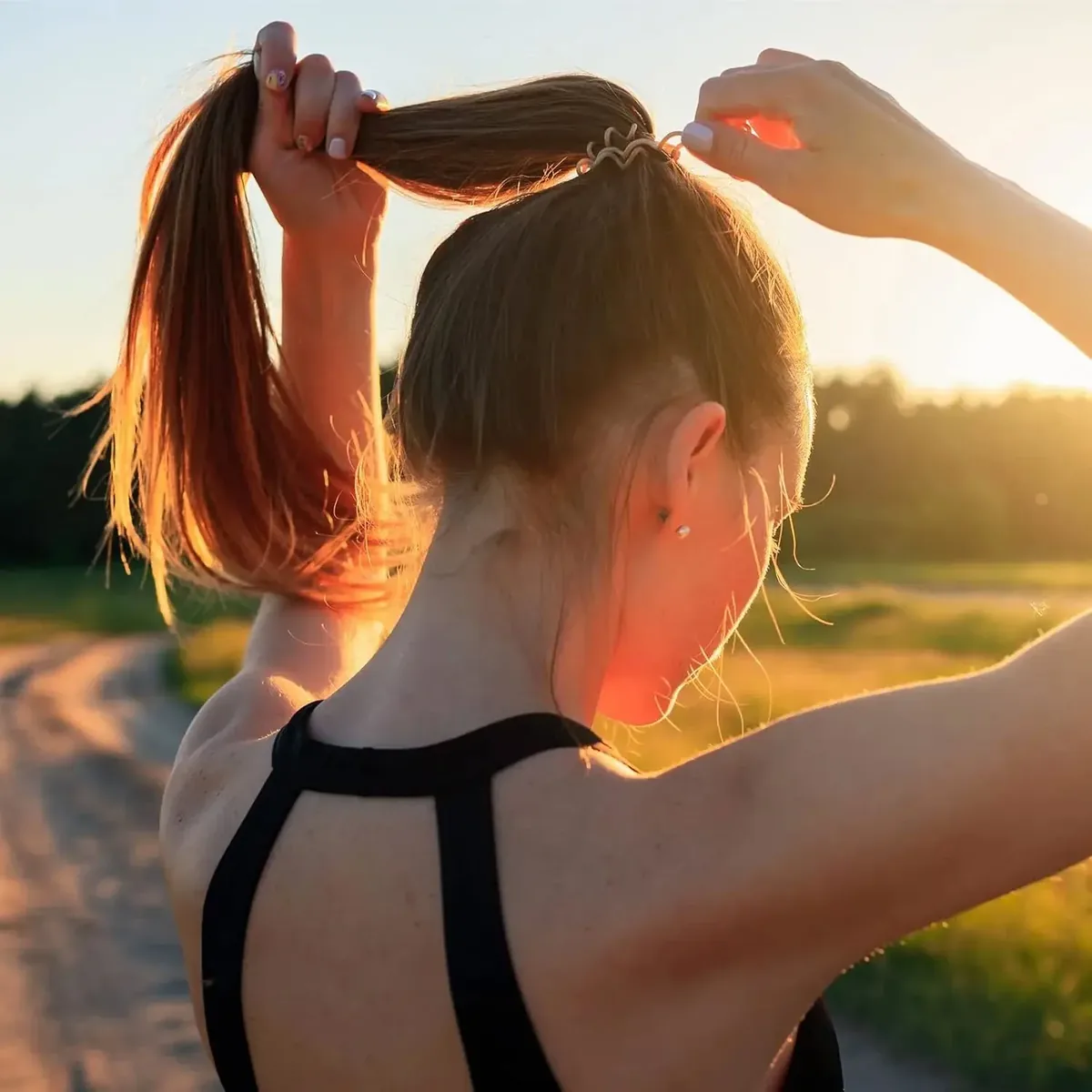
Mini buns — sometimes called Bantu knots when they are twisted tight — split the hair into small sections and coil each one into a tiny bun, which spreads the weight across the whole head and keeps every strand anchored. They work brilliantly on short to medium hair that is too short for a single bun, and they are one of the best running styles for curly and coily hair, because the twists protect the curl pattern from sweat and friction. Undo them after the run and you have defined, bouncy curls.
Who it suits: short to medium hair, and curly or coily textures. How to style: section the hair, twist each section into a small bun, and pin or elastic each one. Pros and cons: very secure and protective, but it takes a few minutes to section and coil. Quick verdict: the best running style for hair that is too short for a ponytail.
24. Space Buns for a Fun, Secure Run
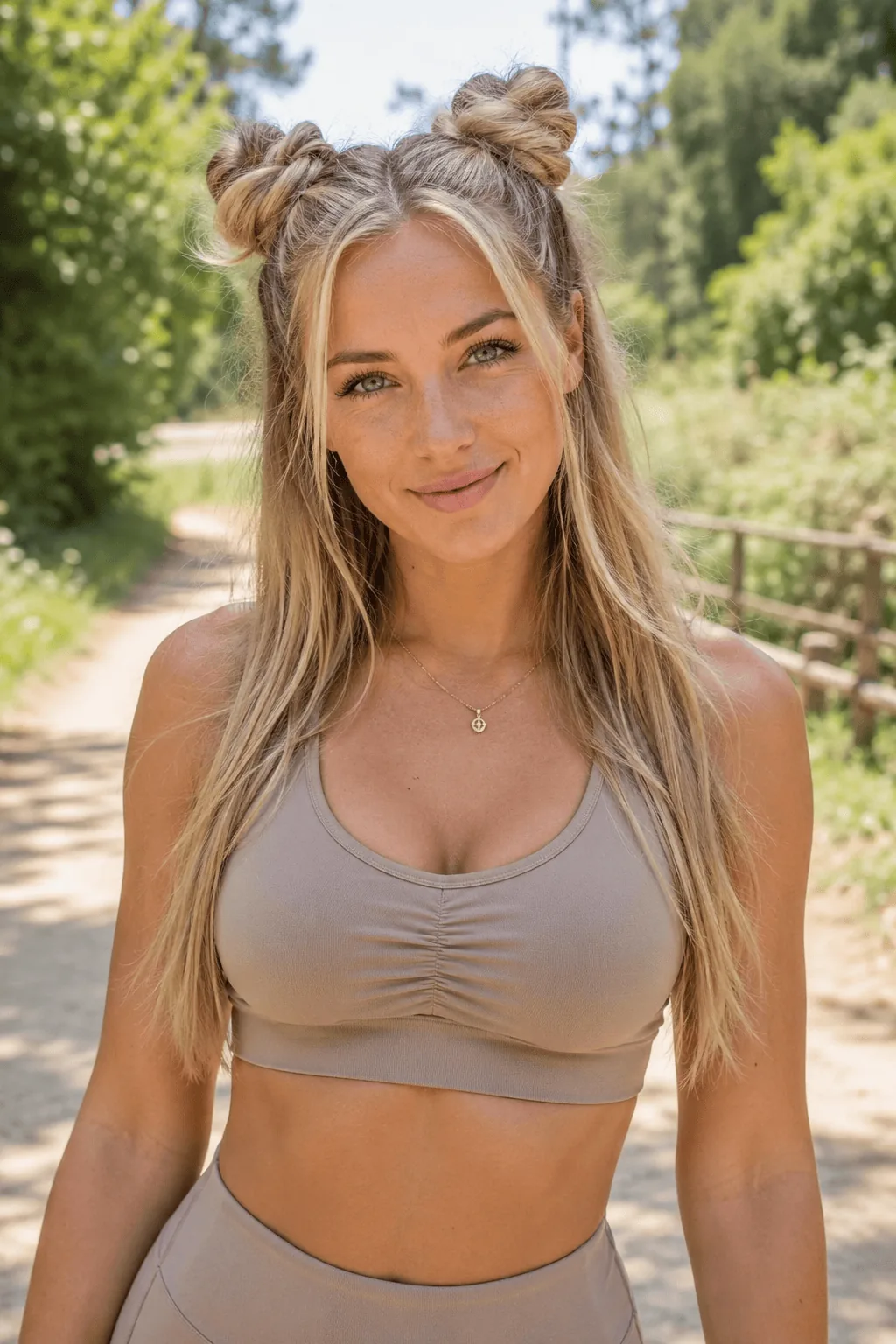
Space buns are two high buns, one on each side of the head, and they are far more practical for running than they look: the weight is split evenly, nothing hangs down to bounce or stick to your neck, and the style survives a whole run without loosening. They look playful and a bit nostalgic, which makes them a fun choice for a charity run, a fun run or a race with friends, and they work on medium and long hair of any texture. Add a headband and the front pieces stay put too.
Best for: fun runs, charity runs, and runners who like a playful style. How to style: part the hair down the middle, gather each side high, and twist into two buns. Common mistake: placing the buns too low, which lets them wobble as you run. Quick verdict: fun, balanced and surprisingly secure — do not dismiss them as a joke style.
25. The Slicked-Back Ponytail for Zero Flyaways

A slicked-back ponytail is a ponytail with every strand smoothed flat to the head using gel or styling cream, so there are no flyaways, no baby hairs and nothing to fall into your face when you sweat. It is the cleanest, most aerodynamic-looking running style, and it stays neat longer than any other ponytail because the product glues the short pieces down. It suits straight and wavy hair best, and it looks sharp enough for a race-day photo.
Who it suits: straight and wavy hair, and anyone whose flyaways ruin every other style. How to style: smooth gel through the hair, brush it back tightly, and secure a high or low ponytail. What to avoid: using so much gel that the hair feels crunchy, and slicking wet hair, which loosens as it dries. Maintenance: wash the gel out after the run so it does not build up on the scalp.
26. The Rope Twist Ponytail for Thick Hair
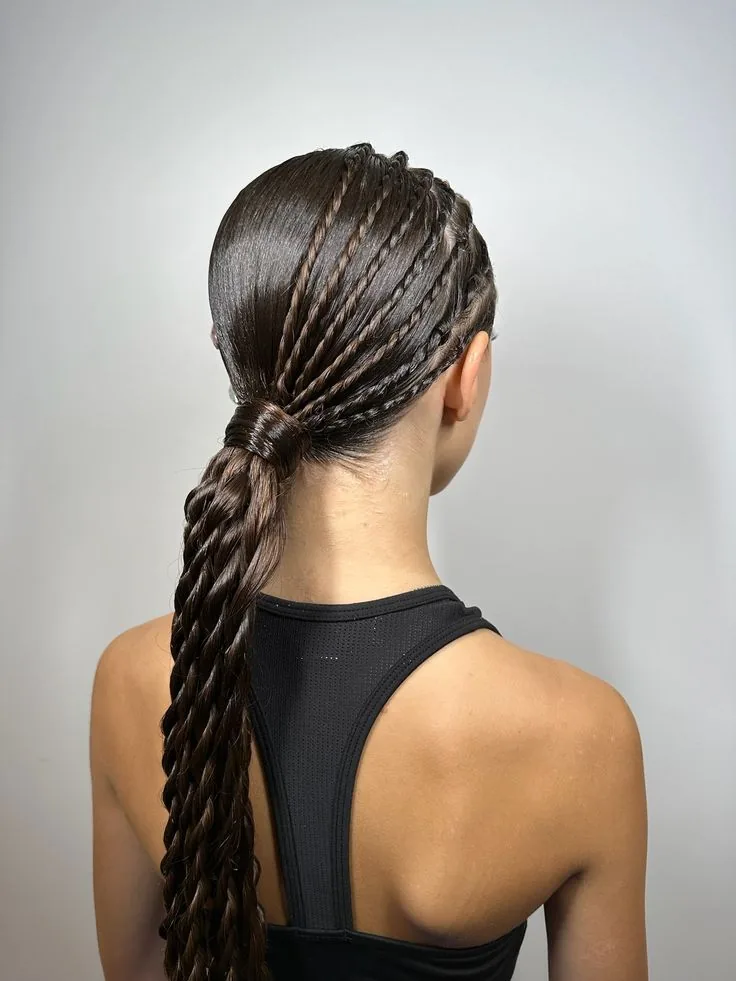
A rope twist ponytail splits the ponytail into two sections, twists each one in the same direction, and then twists them around each other in the opposite direction, which locks the twist in place like a rope. It is the best ponytail for thick hair, because the twist controls the bulk and stops the ponytail from splaying out and slapping your shoulders, and it holds its shape far longer than a plain ponytail. It looks neat and a little bit special, for about a minute of extra work.
Best for: thick, heavy hair that overwhelms a normal ponytail. How to style: secure a ponytail, split it in two, twist each half, then twist the halves together and secure the end. Pros and cons: excellent control for thick hair, but it needs enough length to twist. Quick verdict: if your ponytail is too heavy to behave, twist it into a rope.
27. The Bandana Ponytail for Sweat and Style
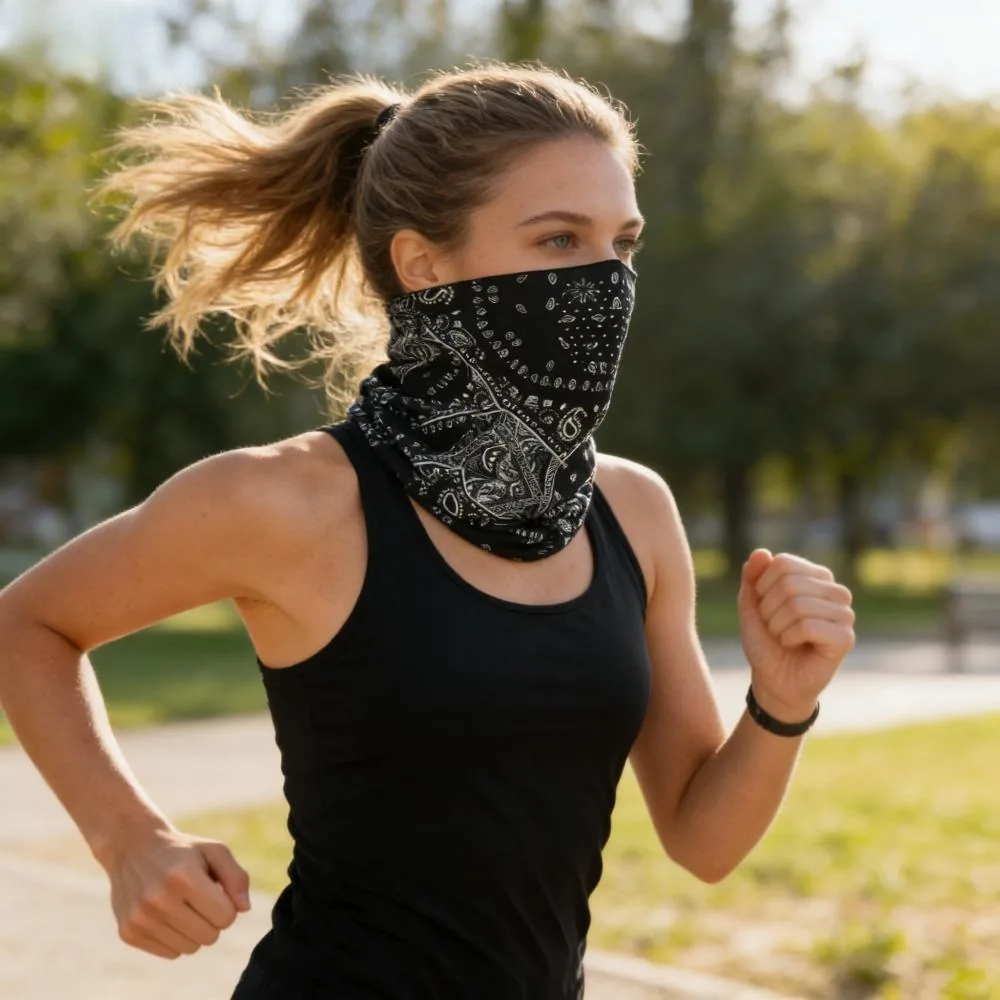
A bandana ponytail pairs a plain ponytail with a bandana or sweatband tied around the hairline, which soaks up sweat before it reaches your eyes and pins the front pieces flat at the same time. It is the most practical style in this guide for hot, sweaty runs, and it adds a pop of colour that makes a plain running outfit look intentional. Fold the bandana into a strip, tie it at the nape or the top, and let the ponytail do the rest.
Best for: hot weather, heavy sweaters, and anyone whose sweat runs into their eyes. How to style: tie a folded bandana around the hairline, then secure the ponytail as usual. Cost and time: a bandana costs almost nothing and adds thirty seconds. Quick verdict: the cheapest sweat solution in running — and it looks good too.
28. The Headband Tuck for Short Hair
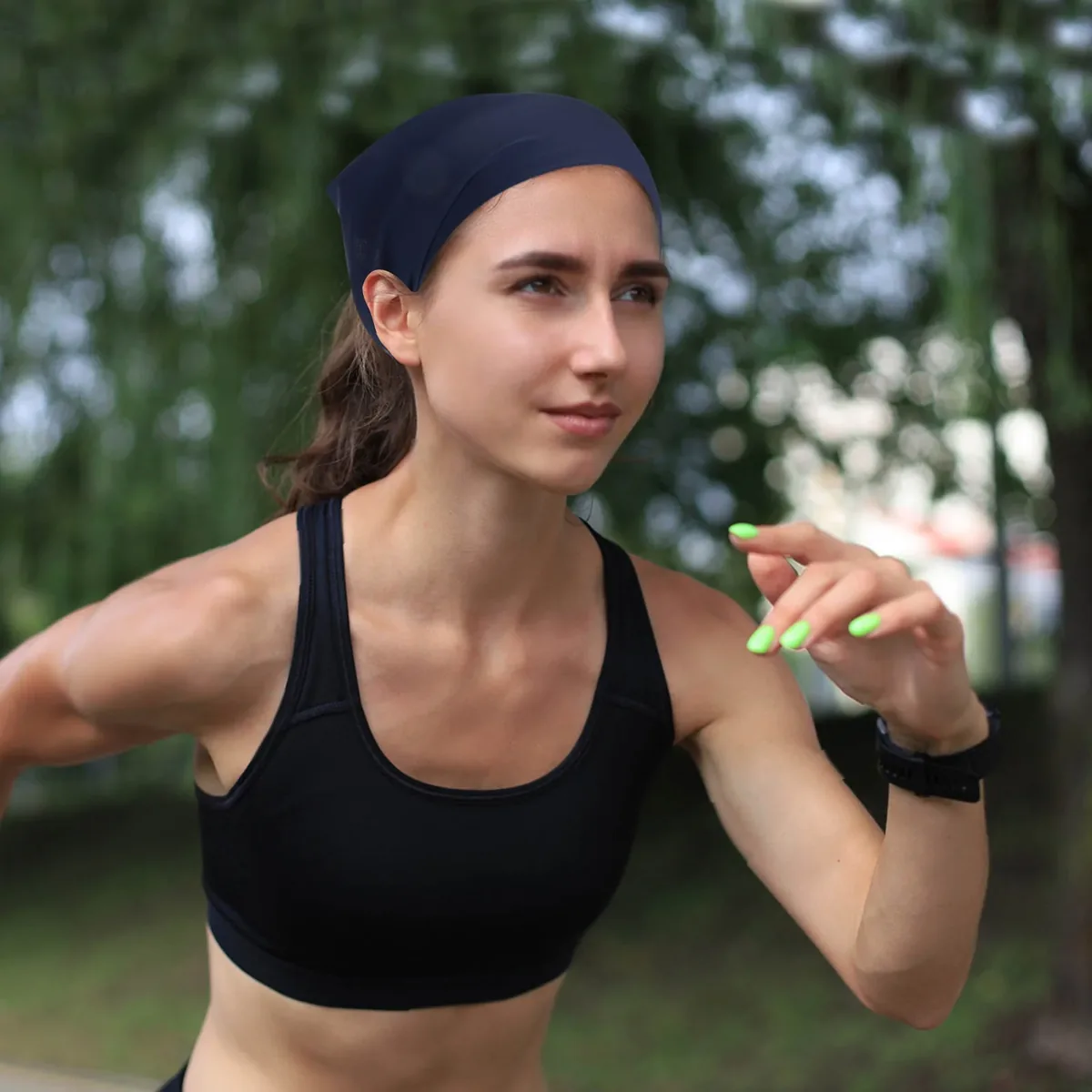
A headband tuck is the short-hair runner’s secret weapon: put on a stretchy headband, then tuck the ends of your hair up and into the band all the way around, so the hair is held up and off your face without a single pin. It works on bobs and lobs that are too short to tie up, it takes about a minute, and it looks like a deliberate updo rather than a workaround. Use a headband with some grip, and the tuck holds through a whole run.
Who it suits: bobs, lobs and shoulder-length hair that will not stay in a ponytail. How to style: put the headband on, tuck the hair up into it section by section, and smooth the front. Common mistake: using a slippery satin headband, which lets the tuck slide out. Quick verdict: a one-minute updo for hair that is too short to tie up.
29. The Pixie with a Sweatband
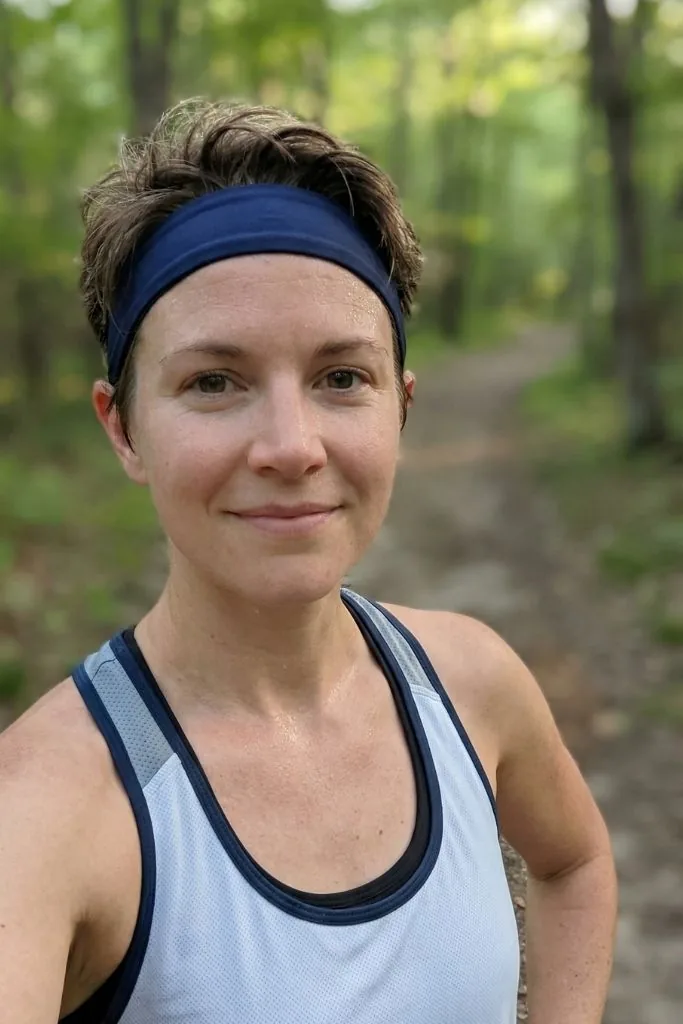
A pixie cut is already the easiest hair to run in, because there is almost nothing to tie up — but the fringe and the front pieces still fall into the eyes the moment you sweat. A sweatband solves that in one move: it pushes the front pieces back, soaks up the sweat, and keeps your vision clear for the whole run. Add a little pomade to sweep the fringe back before you put the band on, and the style is done in under a minute.
Best for: pixie cuts and very short hair. How to style: sweep the fringe back with pomade, and put on a wide sweatband. What to avoid: a narrow band that slides up, and a band so tight it leaves a mark. Maintenance: wash the sweatband after every run, or it will hold the sweat and smell. Quick verdict: the simplest running hairstyle of all — a band and a dab of pomade.
30. The Pineapple Ponytail for Curly Hair
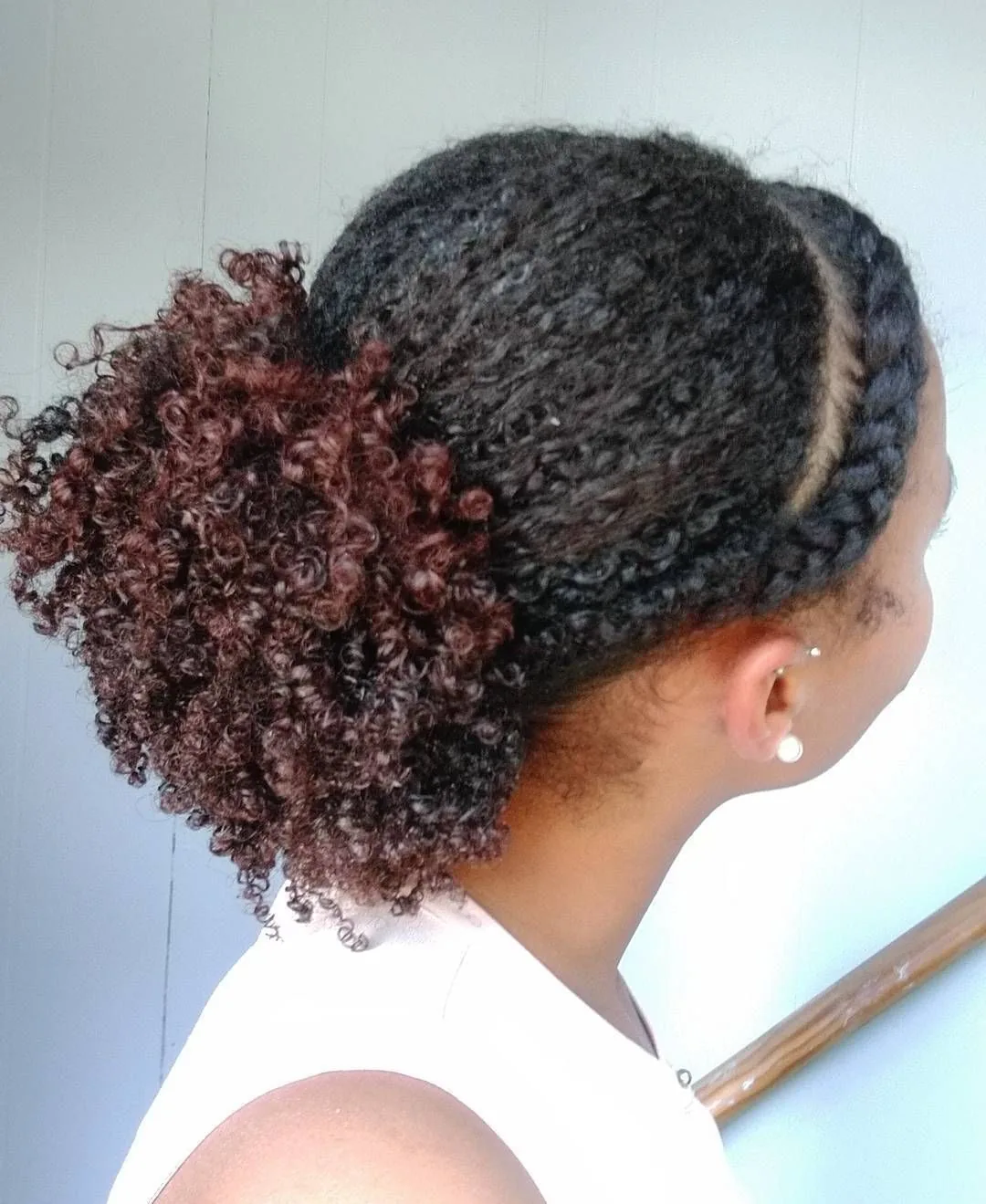
A pineapple ponytail gathers curly hair into a loose, high ponytail right on top of the crown, so the curls pile up like a pineapple and stay off the neck and face while the curl pattern is protected. It is the running style curly-haired runners swear by, because it stops the curls from being crushed or stretched out, and it keeps sweat off the lengths. Use a loose, fabric-covered elastic or a scrunchie, never a tight rubber band, and the curls will still look good when you take it down.
Who it suits: curly and coily hair of any length. How to style: gather the curls loosely on top of the crown and secure with a scrunchie, keeping the ponytail high and loose. Common mistake: pulling the ponytail tight, which stretches the curls flat and causes breakage. Quick verdict: the curly runner’s classic — loose, high, and kind to your curls.
31. The Race-Day Braided Bun Under a Cap
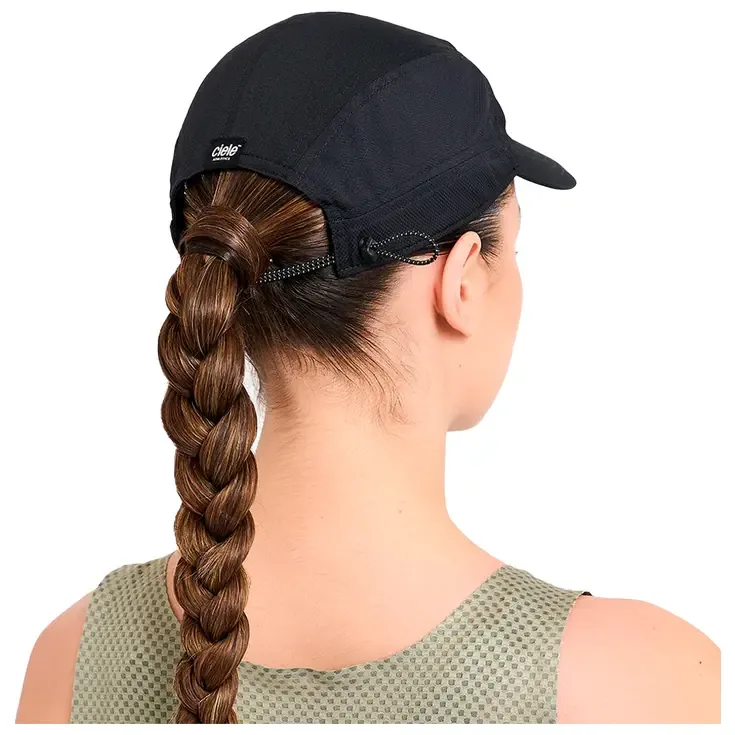
The race-day braided bun is the style you build when everything has to go right: a French braid from the hairline to the nape, coiled into a low bun, with the whole shape sitting low enough to clear a cap and flat enough to sit under a headphone band. It is the most secure style in this guide, it looks polished in finish-line photos, and it will not need a single fix between the start line and the medal. Build it the night before a race if you can, and test it on a training run first so there are no surprises.
Best for: marathons, half marathons, and any race that matters to you. How to style: French-braid the hair to the nape, coil the braid into a low bun, pin it firmly, and put your cap on over it. Cost and time: ten minutes on race morning, or the night before if you sleep in a silk scarf. Quick verdict: the style to trust when the run matters most — braid it, bun it, cap it, and run.
What is the best hairstyle for running?
A French braid or boxer braids are the best hairstyles for running, because the hair is anchored to the scalp along its whole length and cannot bounce, tangle or escape. If braids are not your thing, a low braided bun is the next most secure option, and a low ponytail is the quickest style that still holds reasonably well. The best style is the one that stays put for your whole run, so test it on a training run before race day.
How do I keep my hair from bouncing when I run?
Keep the hair low and compact: a low ponytail, a low bun or a braid bounces far less than a high ponytail. Braiding the ponytail tail, adding a second elastic halfway down, or wrapping a strand around the base all reduce bounce further. The simplest fix of all is to switch from a high ponytail to a low one, which cuts the swing dramatically.
Can I wear a cap with a ponytail when running?
Yes, but build the ponytail low so it threads through the gap at the back of the cap. A high ponytail forced through the cap gap pulls and loosens with every stride, while a low ponytail or a low braid sits naturally under the cap. Put the cap on first, then thread the hair through, and adjust the band so it sits flat.
What hairstyles for running work with headphones?
Braids work best with headphones, because they lie flat against the head and leave the ears completely clear. A low bun or a low ponytail also works well with over-ear headphones, since the bulk sits below the band. Avoid high side ponytails and loose curls around the ears, which tangle with earbuds, and keep the hair smooth at the temples so sunglasses arms sit flat.
How do I stop my hair getting sweaty and frizzy when I run?
Prep the hair before you run with a little styling cream on the hairline and a headband to catch the sweat, and choose a style that keeps the hair contained, like a braid or a bun. After the run, let the hair air-dry for ten minutes before brushing, and use dry shampoo at the roots if you are heading out. Avoid heavy oils before a run, which make the hair slippery and weigh the style down.
Are braids better than a ponytail for running?
Yes, for most runners. A braid anchors the hair along the whole head, so it cannot bounce, tangle or slip the way a ponytail can, and it survives sweat, wind and long runs far better. A ponytail is faster to do and fine for short runs, but on a long run or a race, a braid is the safer choice. Many runners use a ponytail for short runs and a braid for long ones.
What is the best running hairstyle for short hair?
A headband and a few bobby pins are usually all short hair needs for running: sweep the front pieces back, pin the temples flat, and add a sweatband for insurance. A pixie works well with a wide sweatband, while a bob can be tucked into a headband for a quick updo. Short hair dries fast after a run, which is a bonus long-haired runners envy.
What is the best running hairstyle for curly hair?
A pineapple ponytail is the best running hairstyle for curly hair, because it gathers the curls loosely on top of the crown and protects the curl pattern from being crushed or stretched. Braids also work very well for curly hair, since they keep the curls contained and reduce frizz. Use a scrunchie or a fabric-covered elastic, never a tight rubber band, which causes breakage.
How do I refresh my hair after a run without washing it?
Let the hair air-dry for ten minutes, brush gently from the ends upward, and use dry shampoo at the roots to absorb the sweat. A loose braid or a low bun keeps the hair tidy until you can wash it properly. Do not brush wet, sweaty hair hard from the roots, which causes breakage, and do not leave a sweaty scalp for hours, which can cause itching.
Should I wash my hair after every run?
Not necessarily. If you run most days, washing after every run can dry the hair out, so many runners rinse with water or use dry shampoo between washes and shampoo properly every two to three runs. Use a gentle shampoo, and a clarifying shampoo once a week if you run daily. The important thing is not to leave sweat sitting on the scalp for hours after a run.
Conclusion: Pick the Running Hairstyle That Survives Your Run
The best hairstyles for running are not the prettiest ones in the mirror — they are the ones that are still in place at the finish line. A French braid or boxer braids will survive almost anything, a low braided bun is the safest choice for race day, and a low ponytail is the quickest style that still holds. Whatever you choose, build it on a secure base, anchor it in at least two places, and test it on a training run before the race that matters. Your hair should be the last thing on your mind when you run — pick the style that lets you forget about it, lace up, and run free.

