
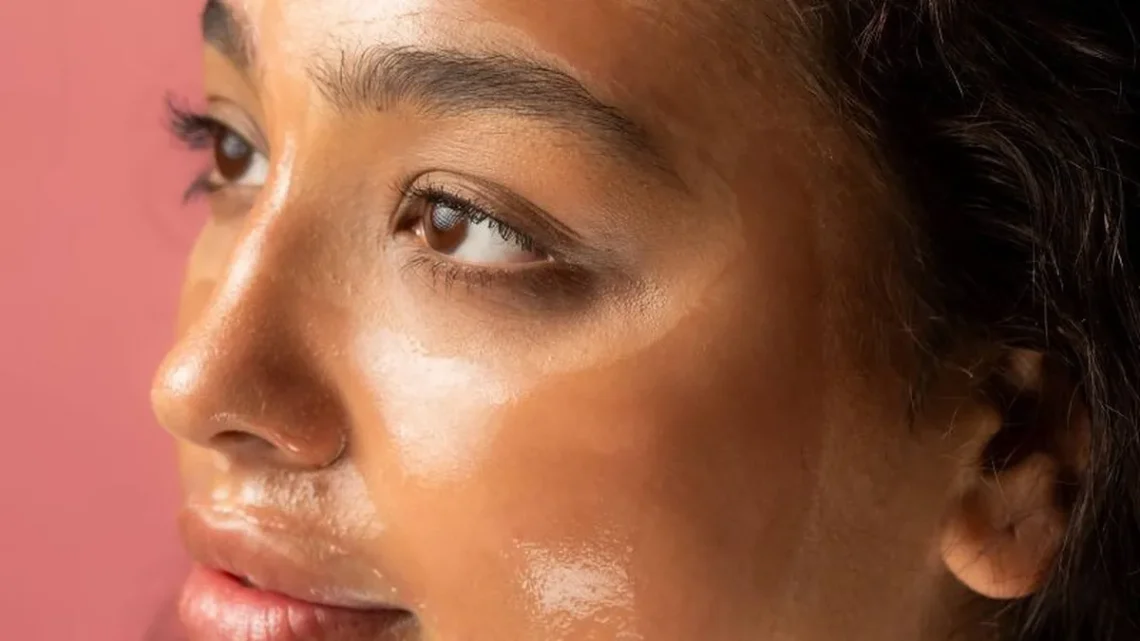
If you have oily skin, you already know the sunscreen struggle: most formulas feel heavy, leave a shiny film, slide off by midday, or seem to invite breakouts. So it is tempting to skip sunscreen altogether — and that is exactly the mistake that costs oily skin the most. The right sunscreen for oily skin does the opposite of what you fear: it protects without adding grease, it can actually help control shine, and the best formulas feel like nothing at all once they set. The trick is not to use less sunscreen, but to use the right kind.
This guide starts with eight practical explainers — what sunscreen for oily skin actually is, why oily skin still needs daily SPF, how gel, matte, mineral and chemical formulas differ, which skin types each suits, how much to apply and how often, and the mistakes that cause breakouts — then walks through 33 sections covering the best formula types, the ingredients to look for and avoid, how to layer sunscreen under makeup and skincare, routines for hot weather, workouts and office days, and the myths that keep oily skin unprotected. Every section notes who it suits, how to use it, what to avoid, and the quick verdict, so you can pick a formula you will actually wear every day.
What Sunscreen for Oily Skin Actually Is
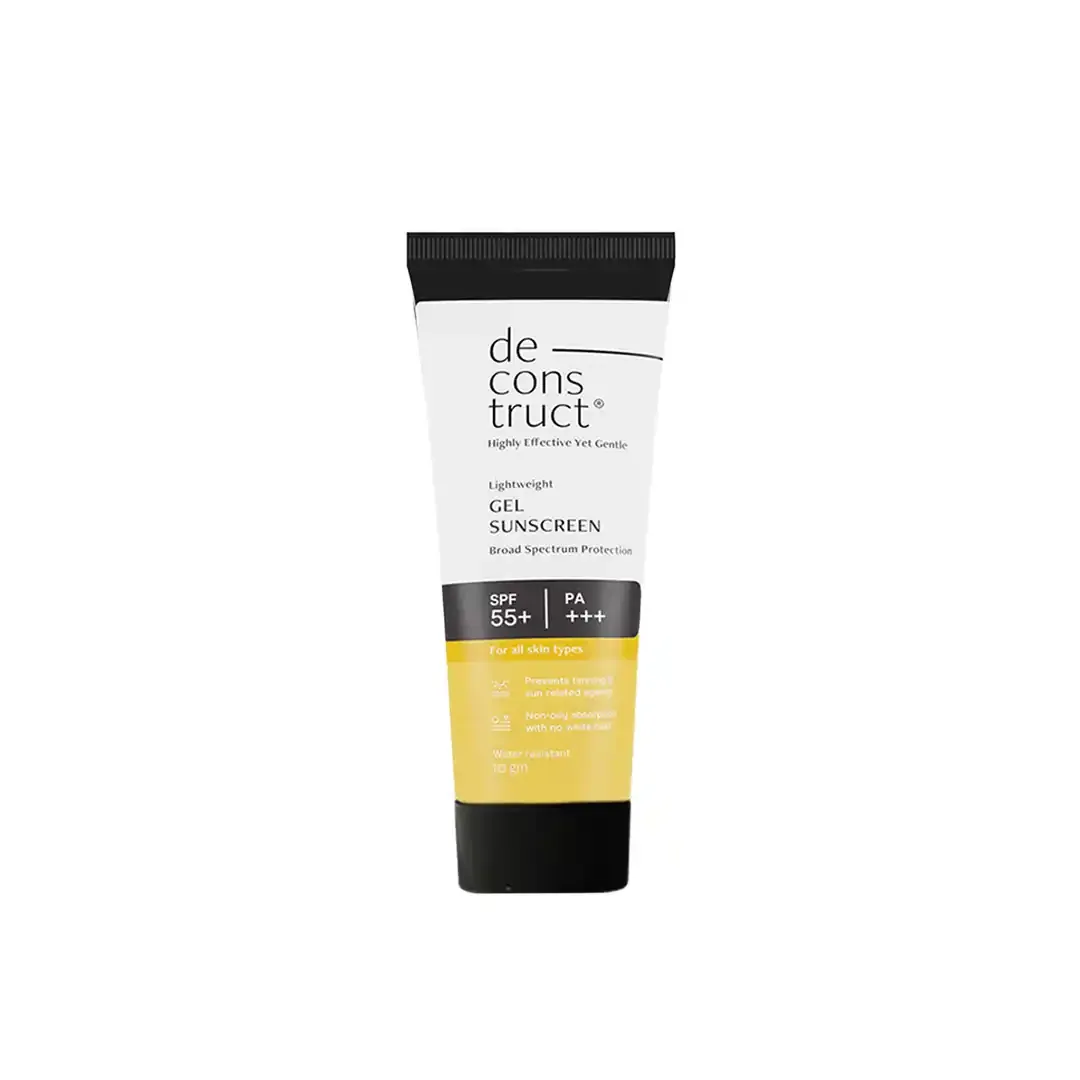
Sunscreen for oily skin is not a separate category on a label so much as a set of formula choices: lightweight gels, fluids, watery lotions and matte creams that absorb fast, leave little or no residue, and do not add oil to skin that already makes plenty of its own. Where a standard sunscreen might be a rich cream designed to comfort dry skin, an oily-skin formula is built around volatile silicones, water-based gels or oil-absorbing powders that evaporate or set to a dry, soft finish. The SPF protection is the same — what changes is the vehicle that carries it.
What it is: a broad-spectrum SPF 30 or higher in a gel, fluid, matte or powder-absorbing base, usually labelled oil-free, non-comedogenic or mattifying. Why it helps: a formula that sets dry is one you will actually wear daily, and daily wear is what prevents sun damage. Skin types it suits: oily, combination and acne-prone skin first, but anyone who hates the feel of sunscreen will prefer these textures. Common mistake: judging a formula by how it feels in the first ten seconds — most gel and matte sunscreens need two to three minutes to set before you can tell how they will wear.
Why Oily Skin Still Needs Daily SPF
Oily skin does not protect itself from the sun. The shine on your face is sebum, not a sun filter, and it offers no meaningful SPF — in fact, oily skin can be more vulnerable to sun damage because the oil can make UV-related pigmentation and post-acne marks look worse and linger longer. Sun exposure also breaks down collagen, deepens the marks that acne leaves behind, and can trigger the very oiliness you are fighting, because dehydrated, sun-stressed skin often produces more oil to compensate.
Why it helps: daily SPF prevents the dark marks acne leaves from getting darker, slows photoageing, and keeps skin barrier function steady so oil production calms down over time. Who it suits: everyone with oily skin, every day, including indoors near windows and on cloudy days, when UVA still reaches you. How to use it: make it the last step of your morning routine, every morning, before makeup. Quick verdict: skipping sunscreen is the most expensive skincare mistake oily skin can make — the damage shows up as marks and texture that take months to fade.
Gel Sunscreens: The Lightest Feel You Can Buy
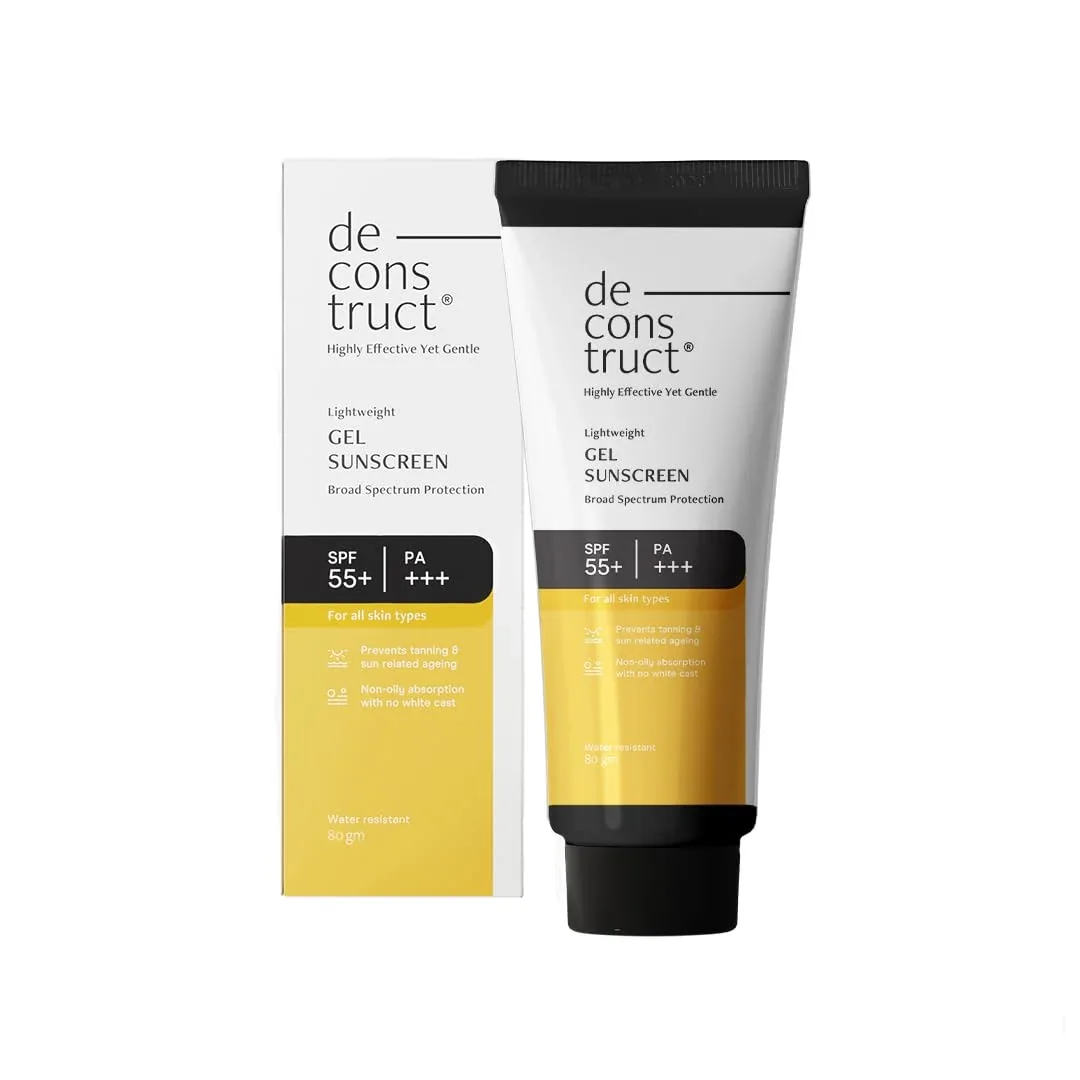
Gel sunscreens are the lightest sunscreen texture available: a clear, watery gel that spreads like a serum, sinks in within a minute, and leaves almost nothing behind on the skin. They are usually water-based, often alcohol-light or alcohol-free, and they suit oily skin because there is simply very little in them to sit on the surface and turn shiny. If you have ever said sunscreen feels like a mask, a gel is the formula most likely to change your mind.
Best for: very oily skin, humid weather, and anyone who wears sunscreen under makeup. How to use: apply two finger-lengths to the face and neck, let it set for two minutes, then apply makeup. Pros: invisible finish, no white cast, fast absorption. Cons: some gels are less water-resistant than creams, so check the label before swimming or heavy sweating. Quick verdict: the best starting point if you hate the feel of sunscreen.
Matte and Oil-Control Formulas: How They Work
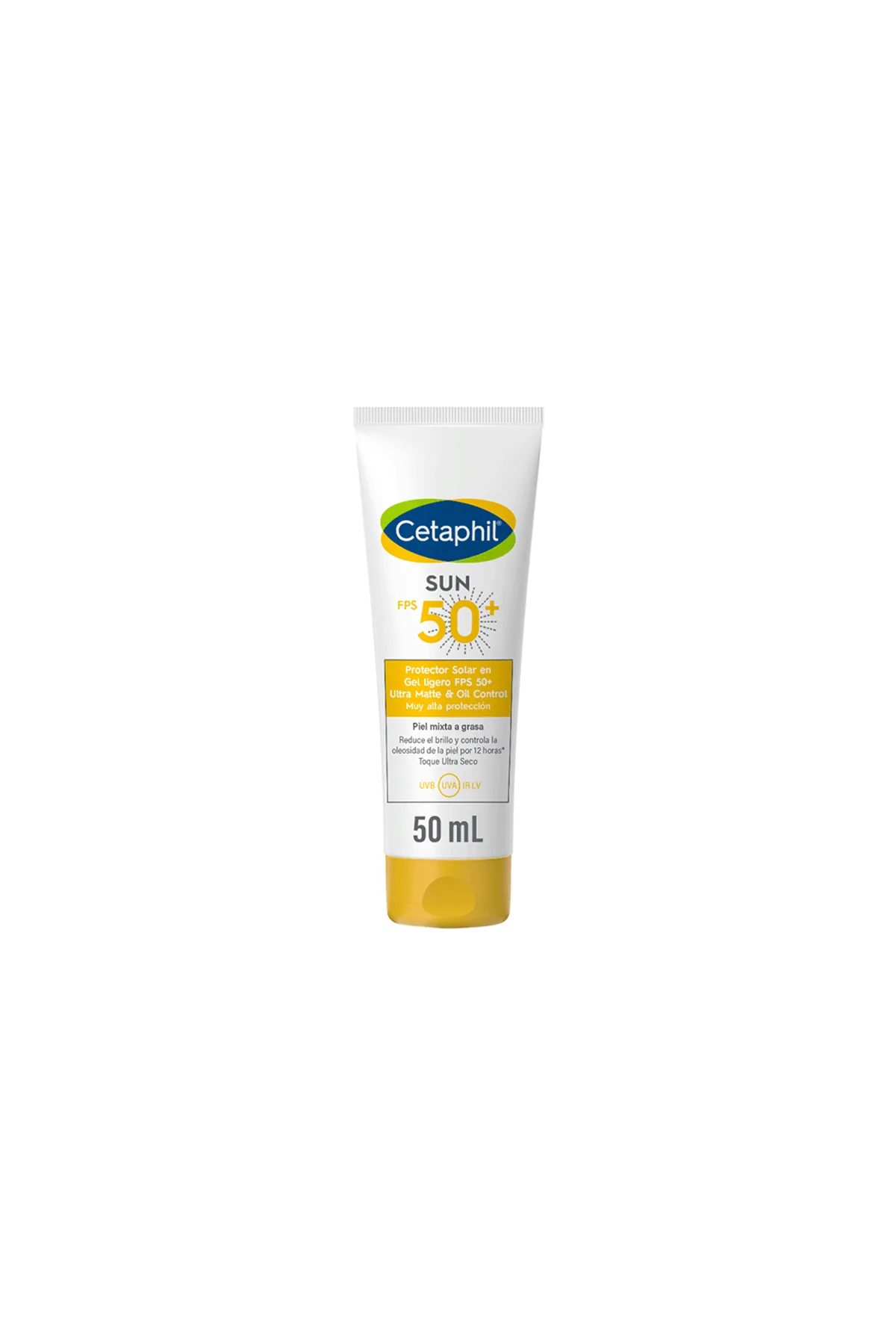
Matte and oil-control sunscreens contain ingredients that actively absorb oil — usually silica, starches or porous powders — so the finish stays dry for hours instead of turning shiny by lunchtime. Some use a soft-focus powder effect that blurs pores, which is why they often double as a makeup primer. The mattifying effect is real, but it is not magic: a matte sunscreen controls the shine your skin produces, it does not stop your skin producing oil.
What it is: a sunscreen with oil-absorbing powders or a silicone-matte base that sets to a dry, velvety finish. Why it helps: it keeps shine down through the afternoon and gives makeup something to grip. Skin types it suits: oily and very oily skin, especially in hot or humid weather. Common mistake: layering a matte sunscreen over a heavy moisturiser, which defeats the mattifying effect — use a light gel moisturiser or none at all underneath. Cost and time: usually the same price as a standard sunscreen, and no extra time to apply.
Mineral vs Chemical Sunscreen for Oily Skin
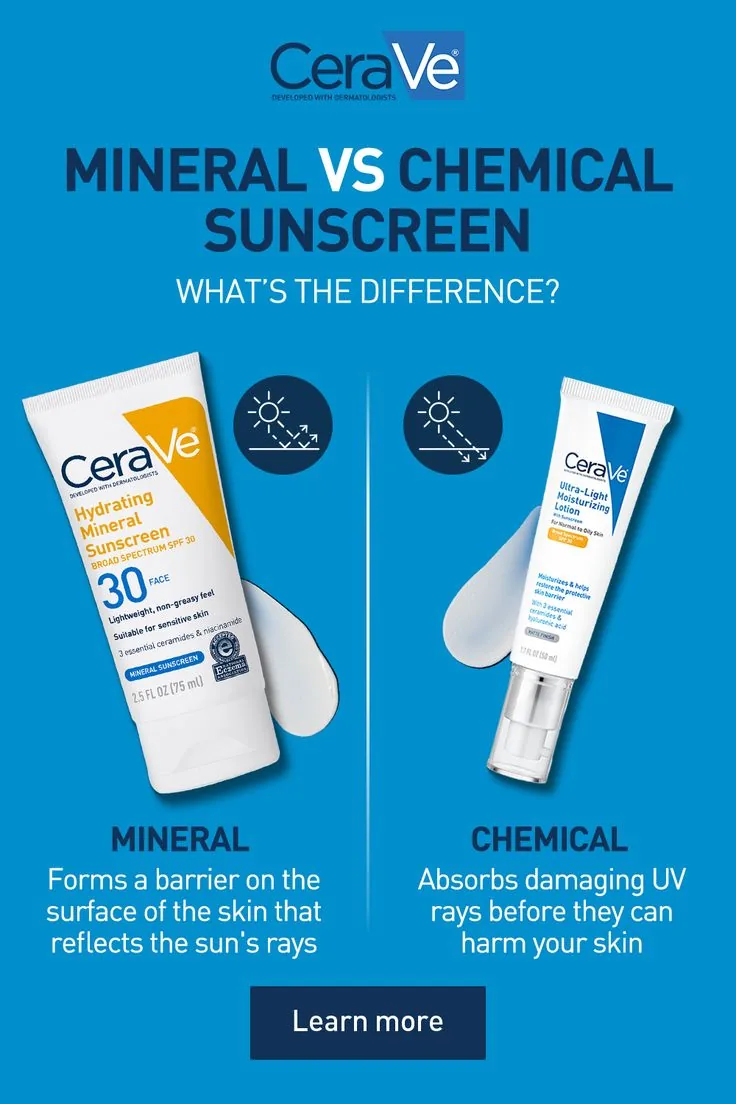
Mineral sunscreens use zinc oxide or titanium dioxide to sit on the skin and scatter UV light, while chemical sunscreens use UV filters that absorb into the top layer of skin and convert UV into heat. For oily skin the difference is mostly about feel and finish: mineral formulas used to be thick and chalky, but modern micronised versions are far lighter, and they are often the gentler choice for acne-prone or sensitive oily skin. Chemical formulas are usually thinner, easier to layer under makeup, and less likely to leave a white cast.
Pros of mineral: gentle on sensitive, acne-prone skin, works immediately, rarely irritates. Cons of mineral: can leave a white cast, especially on deeper skin tones, and can feel heavier. Pros of chemical: sheer, lightweight, no cast, layers well under makeup. Cons of chemical: needs 15 to 20 minutes before sun exposure and can sting sensitive or broken skin. Quick verdict: if your skin is reactive or breakout-prone, try mineral first; if you wear makeup daily, chemical usually layers better.
Which Skin Types Suit Oily-Skin Sunscreen?
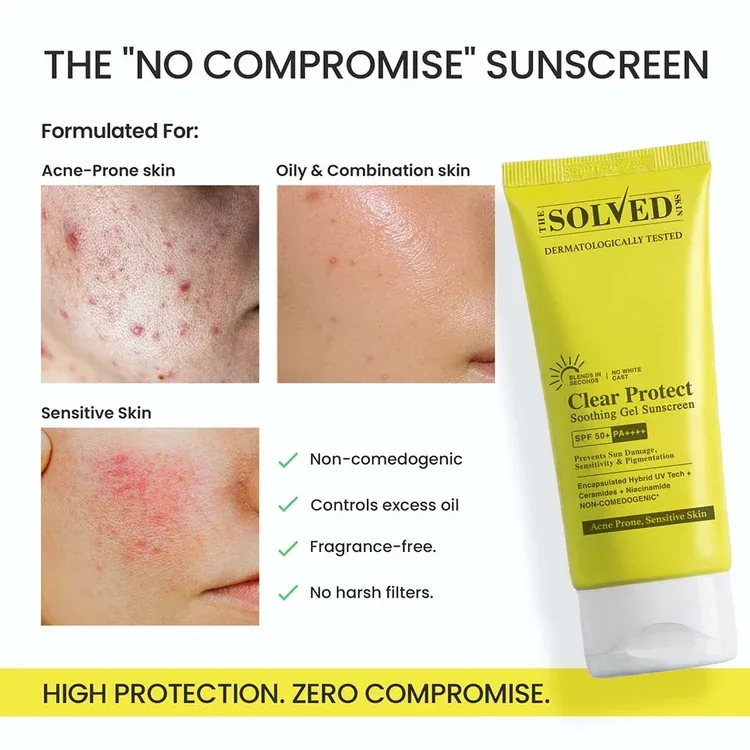
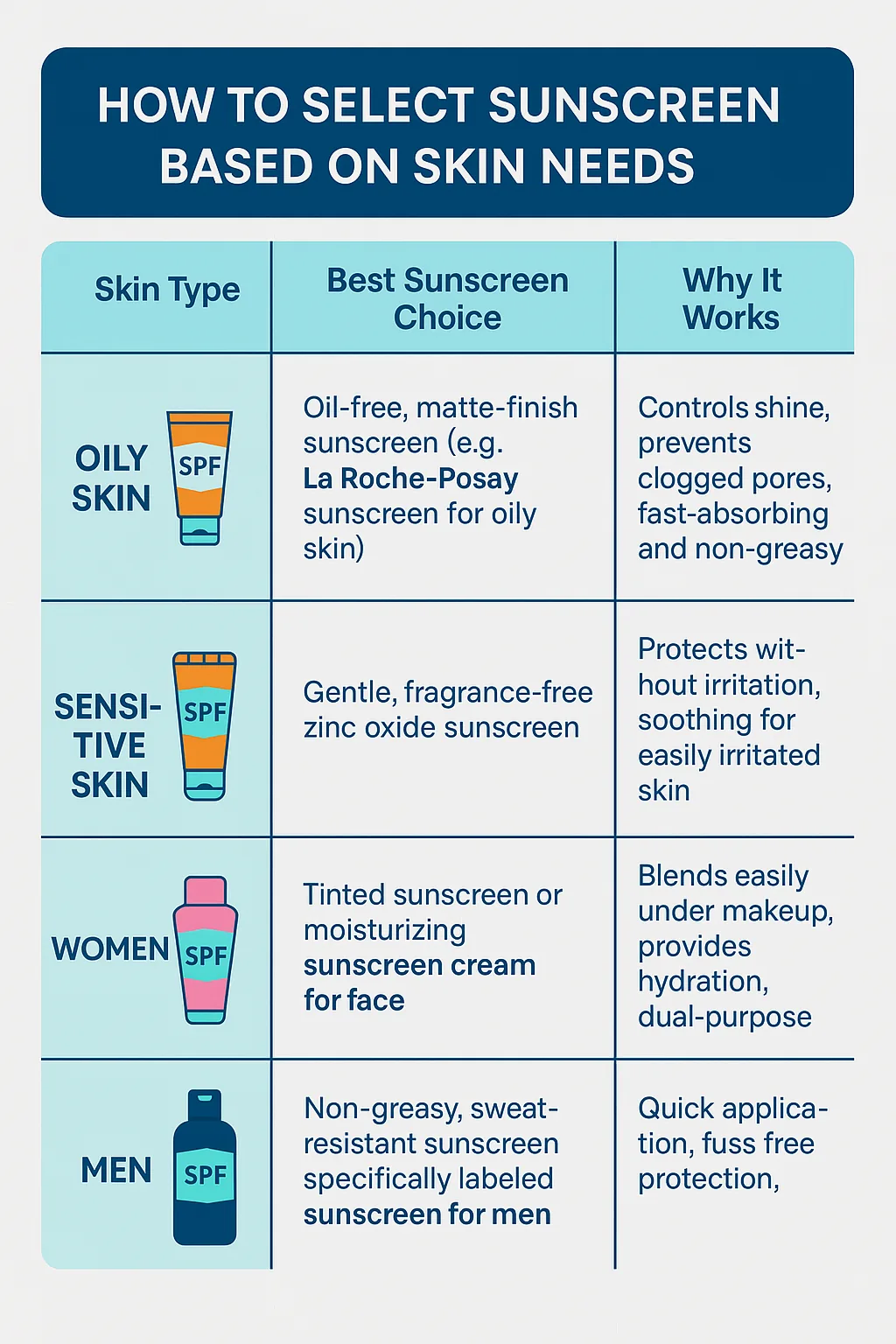
Sunscreen for oily skin is made for more than just oily skin. Combination skin loves it on the T-zone, where shine collects, and acne-prone skin benefits because non-comedogenic, oil-free formulas are far less likely to clog pores than rich creams. Sensitive oily skin does well with fragrance-free mineral formulas, while normal skin in summer often switches to the same lightweight gels. The only skin type that should think twice is very dry skin, which may find matte formulas drying and prefer a hydrating sunscreen instead.
Skin types it suits: oily, combination, acne-prone, and sensitive oily skin, plus normal skin in hot weather. What to look for: the words oil-free and non-comedogenic on the label, and a gel, fluid or matte texture. Who should avoid it: very dry or eczema-prone skin, which needs a creamier, more moisturising formula. How to choose: match the formula to your oiliest area, not your driest — a gel on the T-zone and a light lotion elsewhere works well for combination skin. Quick verdict: if shine is your main complaint, these formulas are made for you.
How Much Sunscreen to Apply and How Often
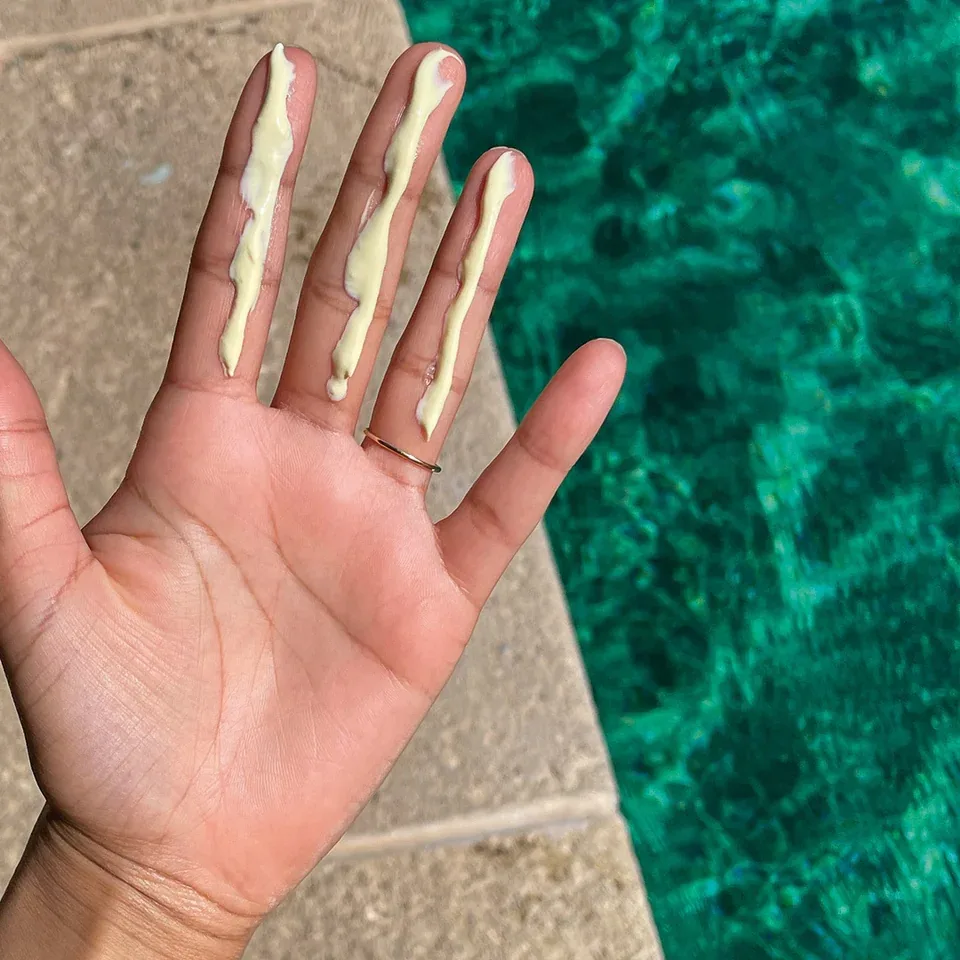
Most people apply about a third of the sunscreen they need, which means the SPF 50 on the bottle behaves more like SPF 15 on their face. The standard dermatology measure for the face and neck is two finger-lengths of product — a line of sunscreen along the full length of your index and middle fingers — or roughly a teaspoon for the face and neck together. It sounds like a lot, and it is: most oily-skin complaints about greasiness come from applying a thick cream in that amount, which is exactly why a lightweight gel matters.
How to use it: two finger-lengths for face and neck, applied in two thin layers rather than one thick one, so it absorbs evenly. How often: reapply every two hours outdoors, and after swimming or heavy sweating. Common mistake: applying one pea-sized dot and calling it done — that is roughly a quarter of the protection you need. Cost and time: at the right amount, a standard tube lasts about three to four weeks of daily face use, so budget for it like a staple, not a luxury.
Common Mistakes That Cause Breakouts and Shine
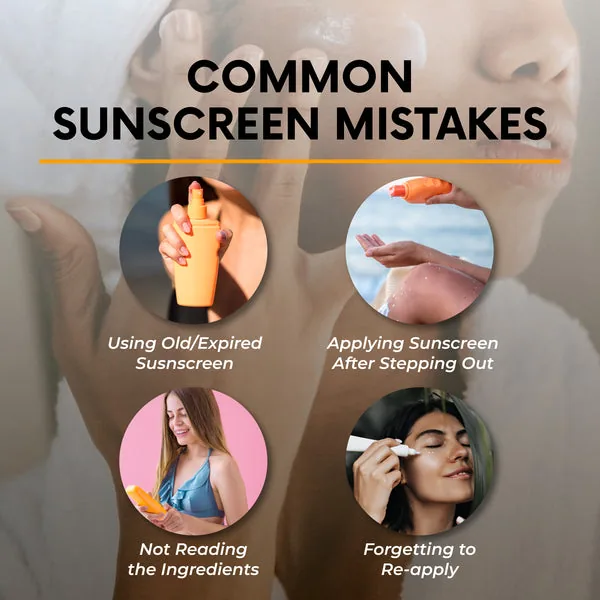
When sunscreen seems to cause breakouts, the cause is usually not the SPF itself but the formula around it: a heavy cream with pore-clogging oils, a product left on overnight without proper cleansing, or a sunscreen layered over too many occlusive products. Other common mistakes include skipping sunscreen on cloudy days, applying it once in the morning and never reapplying, rubbing it in so hard the skin gets irritated, and using a body sunscreen on the face, where the richer formula is far more likely to clog pores.
What to avoid: body sunscreen on the face, heavy oils and butters in the formula, and sleeping in sunscreen without cleansing. How to use it: cleanse properly at night, preferably with a double cleanse, so no sunscreen residue stays in the pores. Common mistake: blaming the sunscreen when the real culprit is a new moisturiser or makeup layered underneath it — change one product at a time. Quick verdict: a non-comedogenic, oil-free formula, applied in the right amount and washed off at night, very rarely causes breakouts on its own.
1. The Best Gel Sunscreen for Oily Skin
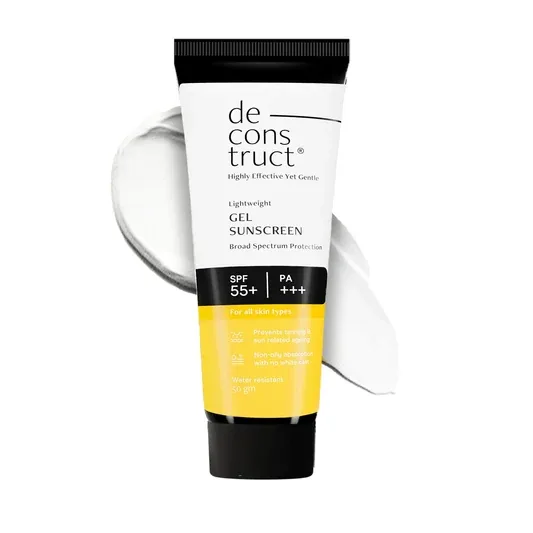
The best gel sunscreen for oily skin feels like a light serum, not a cream: it spreads in seconds, disappears into the skin, and leaves a soft, dry finish that makeup can sit on without sliding. Look for a water-based gel with broad-spectrum SPF 30 or higher, labelled oil-free and non-comedogenic, and test it on your jawline first if your skin is reactive. A good gel should not pill, should not sting the eyes, and should still feel comfortable four hours later — if it turns sticky by midday, it is not the right gel.
Best for: very oily skin, humid climates, and daily wear under makeup. How to use: two finger-lengths, in two thin layers, on clean skin, two minutes before makeup. Pros: invisible finish, no white cast, fast absorption. Cons: often less water-resistant than creams, so reapply after sweating. Quick verdict: if you only buy one sunscreen for oily skin, make it a gel.
2. The Best Matte Sunscreen for Oily Skin
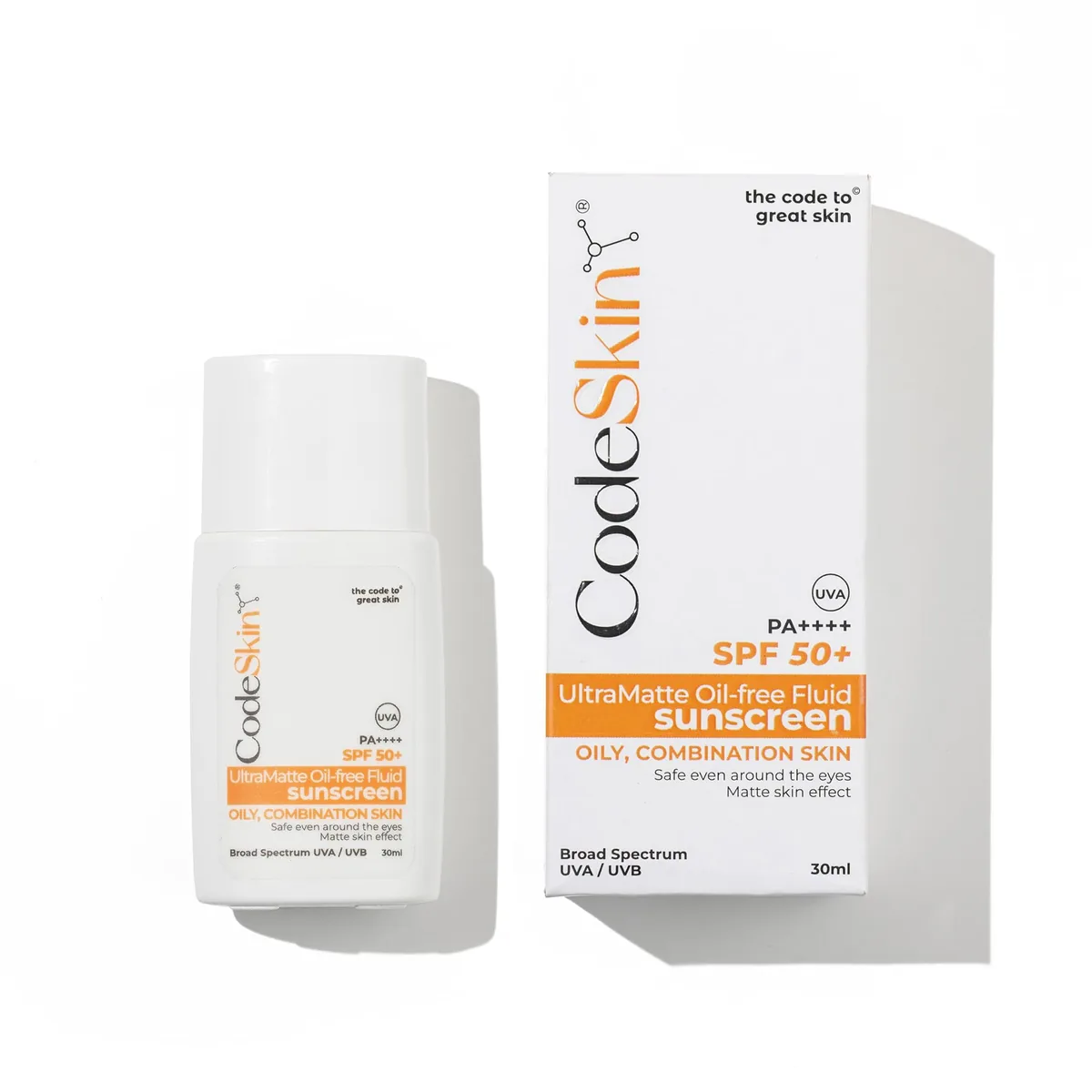
The best matte sunscreen for oily skin does two jobs at once: it protects, and it keeps shine down for hours. These formulas use silica or starch-based powders to absorb oil as your skin produces it, so the T-zone stays dry well into the afternoon instead of turning glossy by 11am. They often have a soft, velvety texture that feels like a primer, and many women find they can skip a separate primer entirely when they use one. Check the label for broad-spectrum SPF 30 or higher and a non-comedogenic claim.
Best for: very oily skin, long days, and anyone whose makeup melts by afternoon. How to use: apply over a light gel moisturiser or bare skin, let it set for two minutes, then apply foundation directly on top. What to avoid: layering it over a rich cream, which cancels the matte effect. Cost and time: no more than a standard sunscreen, and it can replace a primer, so it may save you a step. Quick verdict: the best choice when shine, not just sun, is the problem.
3. The Best Mineral Sunscreen for Oily Skin
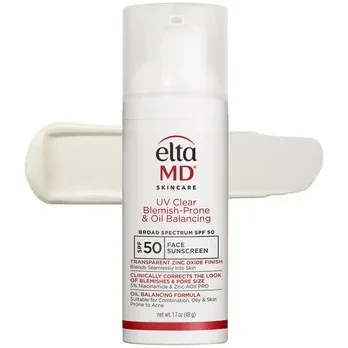
The best mineral sunscreen for oily skin uses micronised zinc oxide or titanium dioxide in a lightweight base, so you get the gentleness of a mineral formula without the thick white paste of old-fashioned sunblocks. Mineral formulas are the safest bet for acne-prone and sensitive oily skin, because they sit on the surface rather than absorbing in, and they start working the moment you apply them. The trade-off is the white cast: test a mineral sunscreen on your jawline in daylight before committing, and prefer tinted versions if the cast shows on your skin tone.
Best for: acne-prone, sensitive and reactive oily skin. How to use: apply as the last skincare step, in two thin layers, and give it a minute to settle before makeup. Pros: gentle, works immediately, rarely clogs pores. Cons: possible white cast and a slightly heavier feel than chemical gels. Who should avoid it: anyone who cannot find a tint or sheer version that matches their skin tone. Quick verdict: the gentlest option, and the one dermatologists reach for first with breakouts.
4. The Best Chemical Sunscreen for Oily Skin
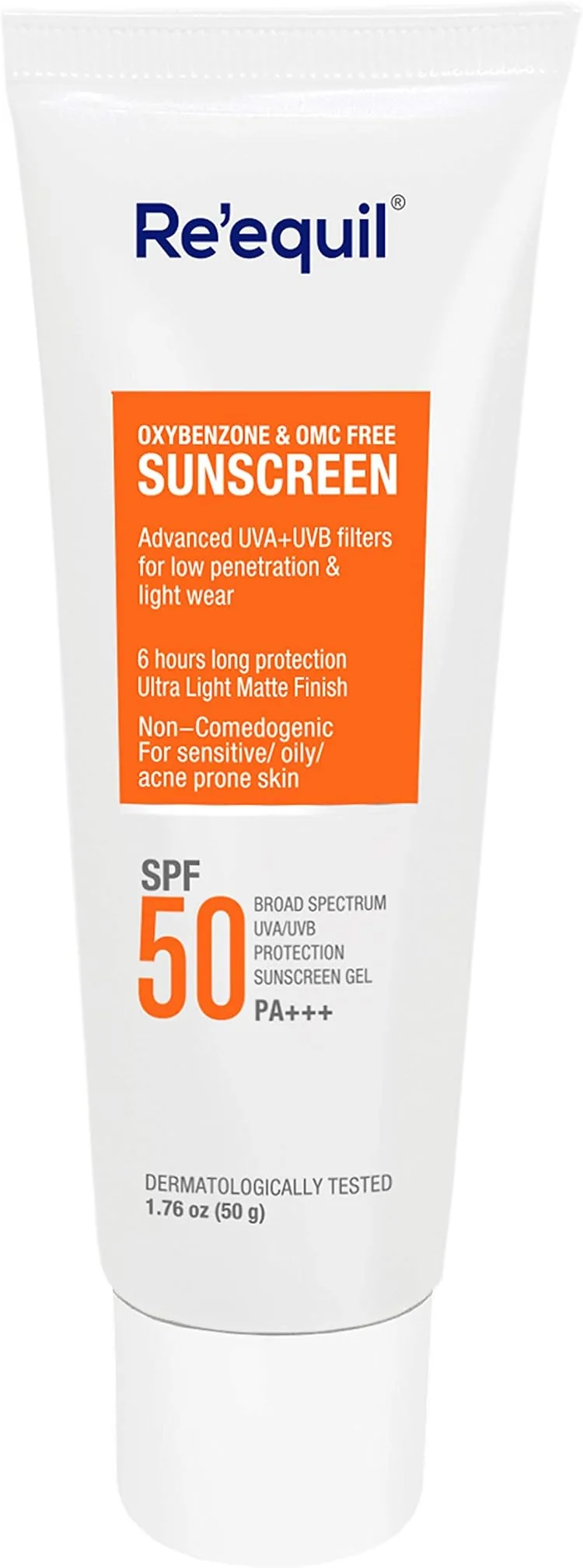
The best chemical sunscreen for oily skin is a sheer fluid or gel-cream that vanishes completely, with no cast, no grease and no pilling under makeup. Chemical filters absorb UV and convert it to heat, which is why these formulas can be so thin and elegant, and why they are the favourite of makeup wearers. They need 15 to 20 minutes to become fully effective, so apply them before you get dressed, not as you walk out the door, and choose a formula labelled broad-spectrum with SPF 30 or higher.
Best for: daily wear under makeup, deeper skin tones, and anyone who hates white cast. How to use: apply two finger-lengths 20 minutes before sun exposure, then makeup on top. Pros: invisible, lightweight, layers beautifully. Cons: can sting sensitive or broken skin, and needs time to activate. Common mistake: applying it after makeup, where it cannot form an even film. Quick verdict: the most elegant finish, as long as your skin tolerates chemical filters.
5. The Best Tinted Sunscreen for Oily Skin
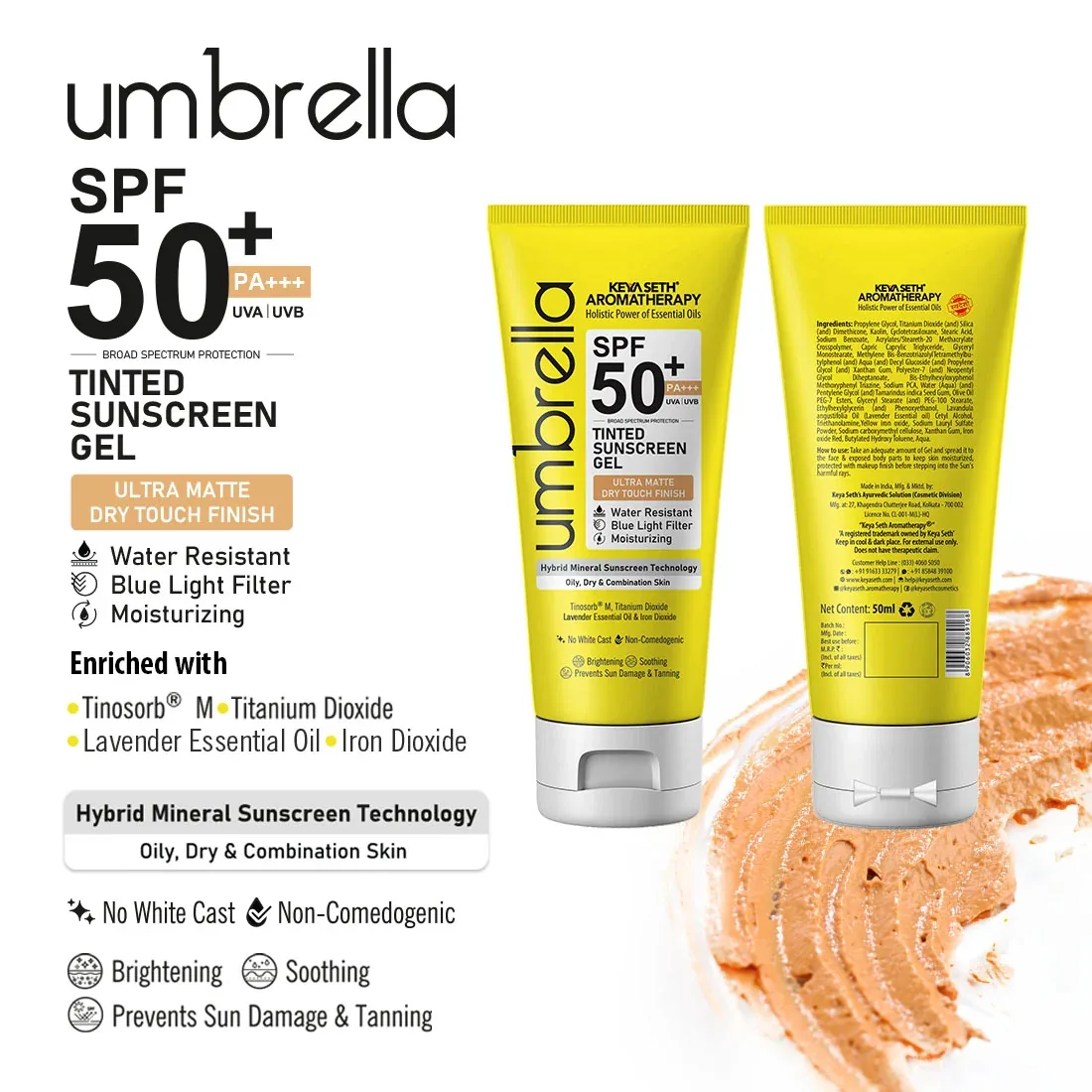
The best tinted sunscreen for oily skin solves two problems in one step: the tint cancels the white cast that mineral formulas leave, and the pigment adds a little extra protection against visible light, which matters for melasma and post-acne marks. A tinted matte sunscreen can replace foundation on light-makeup days, and it usually layers better under foundation than an untinted cream because the pigment helps it grip. Choose a shade that matches your skin or a universal sheer tint, and blend it down the neck so there is no visible line.
Best for: deeper skin tones, mineral-sunscreen users, and no-makeup days. How to use: apply like a light foundation, blending outward and down the neck. Pros: no white cast, evens skin tone, extra visible-light protection. Cons: limited shade ranges, and the tint can transfer onto collars. Quick verdict: the easiest way to make a mineral sunscreen wearable every day.
6. The Best Sunscreen Stick for Oily Skin
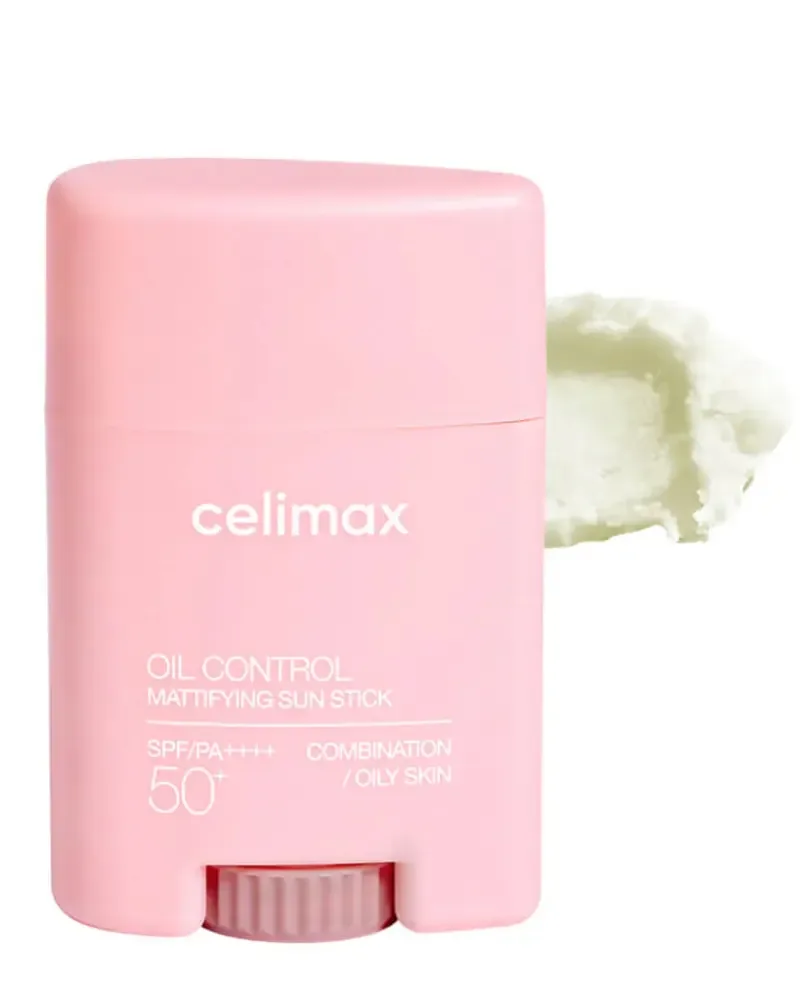
The best sunscreen stick for oily skin is a solid, matte balm that glides on without mess and is made for reapplication, not for your first coat of the day. Sticks are brilliant for touch-ups over makeup, around the eyes, on the nose and ears, and on the go, because they do not leak, do not need clean hands, and do not disturb the makeup underneath. They are not ideal as your only sunscreen, though, because it is hard to know how much you have applied — use a lotion or gel first, then the stick for top-ups.
Best for: reapplying over makeup, travel, handbags, and spot coverage. How to use: swipe four passes over each area of the face for a proper top-up, then blend lightly with clean fingers. Pros: portable, mess-free, makeup-friendly. Cons: easy to under-apply, and some sticks are waxy on very oily skin. Cost and time: a stick lasts for months as a top-up product, so it is cheap per use. Quick verdict: a reapplication tool, not a replacement for your morning sunscreen.
7. The Best Spray Sunscreen for Oily Skin
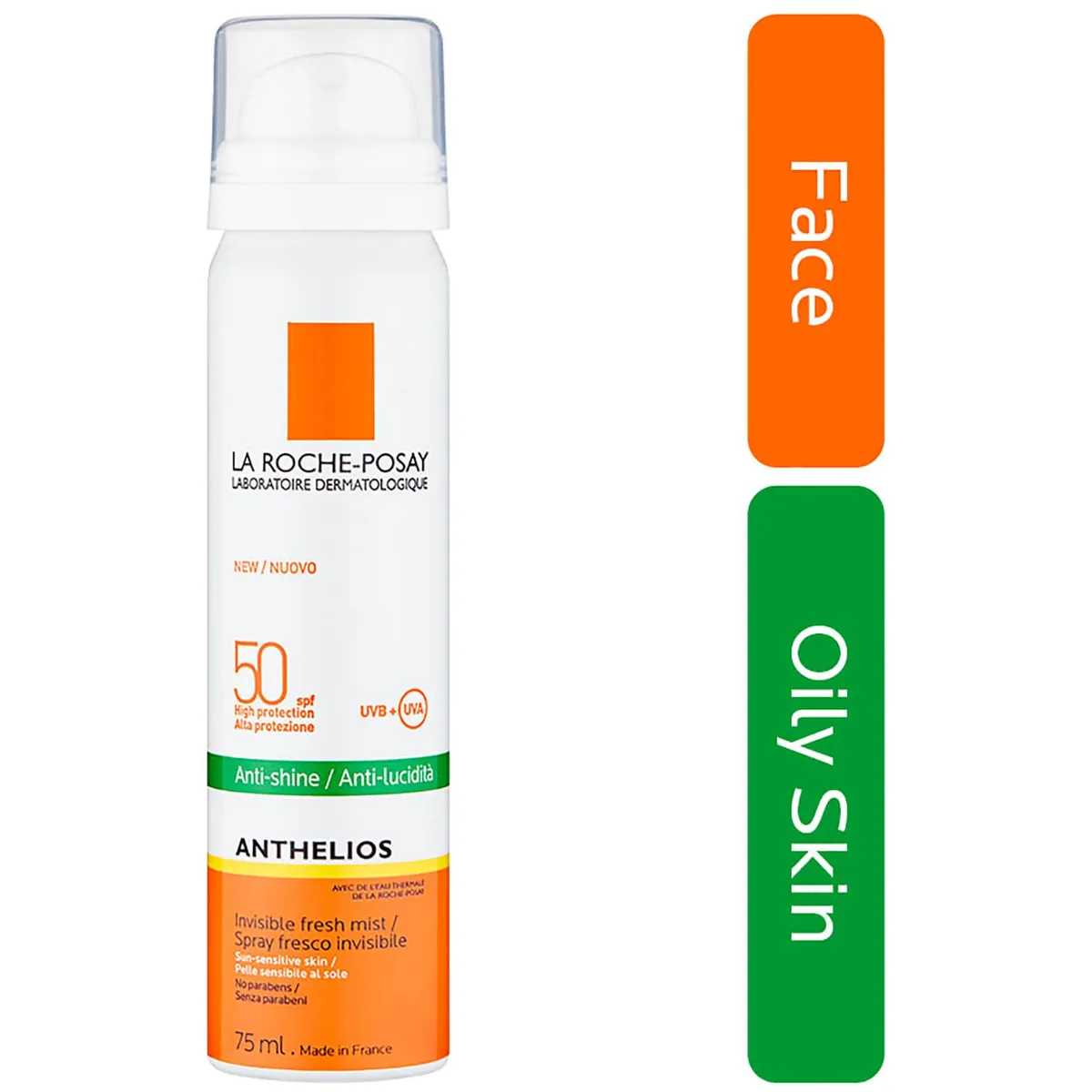
The best spray sunscreen for oily skin is a fine, dry mist that you can apply over makeup without ruining it, which makes it the easiest way to reapply at your desk or outdoors. Sprays are not the best choice for your first application, because it is almost impossible to get an even, thick enough layer from a mist, and some of the product drifts away in the air. Used as a top-up over a proper morning application, though, they are genuinely useful, especially in hot weather when you do not want to touch your face.
Best for: reapplication over makeup, outdoor days, and the scalp and hairline. How to use: hold the spray close, mist generously, then pat it in with clean hands — never rely on the mist alone. What to avoid: spraying near the eyes or inhaling the mist, and using a spray as your only sunscreen. Common mistake: one quick spritz and assuming you are covered — a proper spray top-up takes several seconds per area. Quick verdict: excellent for top-ups, unreliable as your main protection.
8. The Best Sunscreen for Acne-Prone Oily Skin
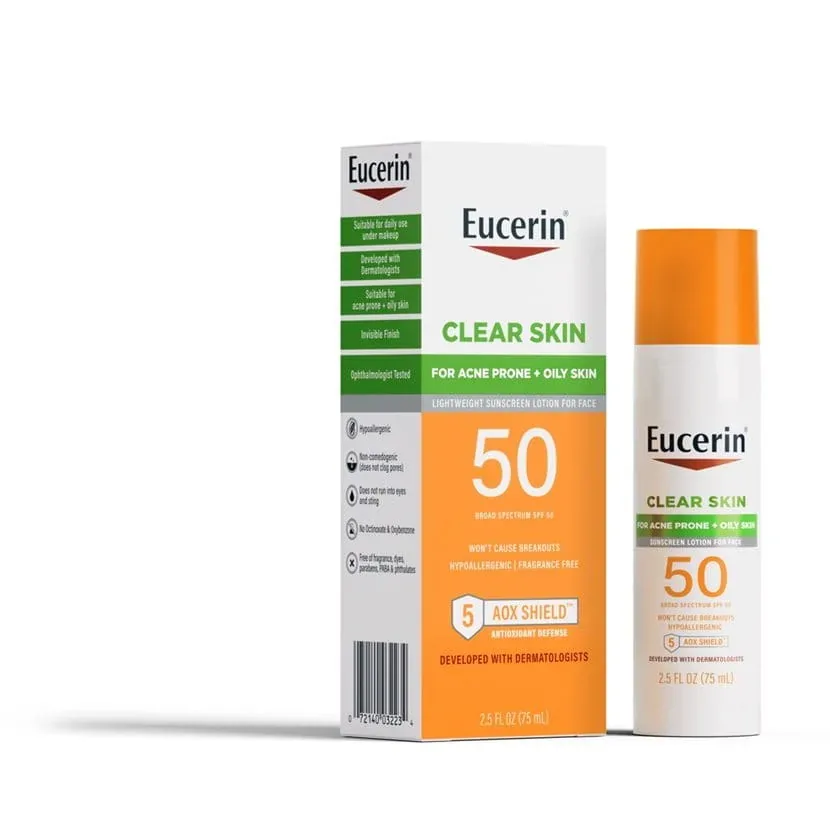
The best sunscreen for acne-prone oily skin is a non-comedogenic, oil-free, fragrance-free formula — ideally a mineral gel or a lightweight chemical fluid — that protects without feeding breakouts. Acne-prone skin is already dealing with clogged pores and inflammation, so a heavy, occlusive sunscreen can make things worse, while the right one actually helps: UV exposure darkens post-acne marks, so daily SPF is part of clearing acne, not an obstacle to it. Patch-test any new sunscreen on your jawline for a few days before using it all over your face.
Best for: active breakouts, post-acne marks, and skin on acne treatments. What to look for: non-comedogenic, oil-free, fragrance-free, and preferably mineral or a gentle chemical formula. What to avoid: heavy creams, coconut oil, cocoa butter, and body sunscreens on the face. How to use: apply gently, without rubbing, and wash it off properly at night. Quick verdict: the right sunscreen helps acne heal faster — the wrong one is easy to blame, so choose carefully and test first.
9. The Best Sunscreen for Oily Sensitive Skin
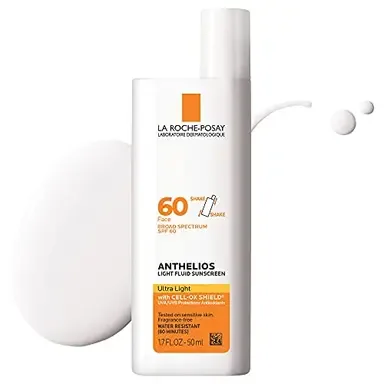
The best sunscreen for oily sensitive skin is a fragrance-free mineral formula with zinc oxide, in a light lotion or gel base, with as few ingredients as possible. Sensitive skin reacts to fragrance, drying alcohols, chemical filters and essential oils, so the shorter the ingredient list, the better your odds. Mineral sunscreens are the usual recommendation here because they are the least likely to sting or trigger redness, and they work immediately, so there is no waiting around with a reactive face.
Best for: redness-prone, reactive and rosacea-prone oily skin. What to look for: fragrance-free, zinc oxide, minimal ingredients, and a patch test before full use. What to avoid: fragrance, essential oils, drying alcohol and chemical filters if they have stung you before. How to use: apply to calm, moisturised skin, and avoid rubbing it in aggressively. Quick verdict: boring, simple and gentle is exactly what sensitive skin needs from a sunscreen.
10. The Best Sunscreen for Oily Skin Under Makeup
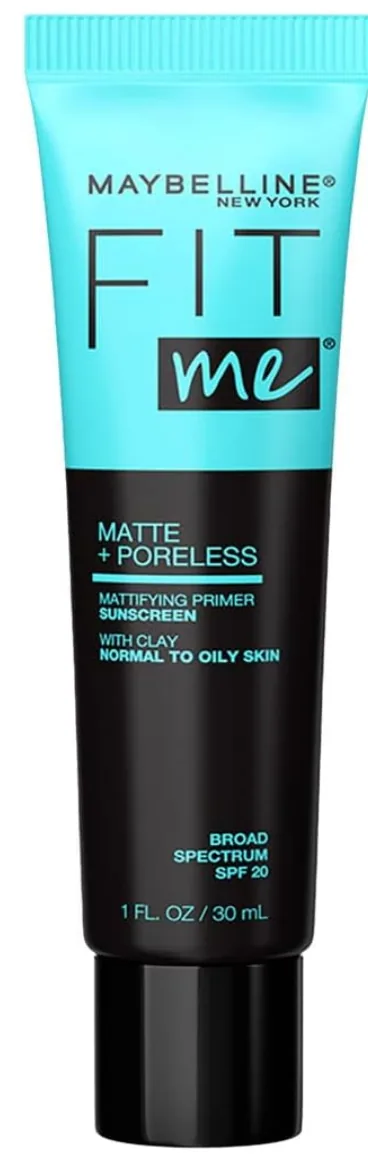
The best sunscreen for oily skin under makeup behaves like a primer: it sets dry, grips foundation, and does not pill when you layer products over it. Gel and matte chemical formulas usually win here, because they dry down to a smooth, slightly tacky base that foundation adheres to, while mineral creams can pill under silicone-based foundations. The key test is simple: apply your sunscreen, wait three minutes, then apply your foundation exactly as usual — if it balls up or slides, change the sunscreen, not the foundation.
Best for: daily makeup wearers with oily skin. How to use: sunscreen first, wait three minutes, then primer if you use one, then foundation. Pros: a good sunscreen can replace a primer and keep makeup on longer. Cons: the wrong pairing pills, so test your combination on a day you are staying home. Common mistake: applying foundation before the sunscreen has set, which mixes the two into a patchy layer. Quick verdict: a gel or matte chemical sunscreen is usually the best makeup partner.
11. The Best Budget Sunscreen for Oily Skin

The best budget sunscreen for oily skin proves that good sun protection does not need a luxury price tag: many drugstore gels and fluids offer broad-spectrum SPF 50, oil-free formulas and non-comedogenic claims for a fraction of the cost of premium brands. Because you need two finger-lengths every day, a sunscreen you can afford to use properly is better than an expensive one you use sparingly — under-application is the bigger risk to your skin than a cheaper formula. Look for the same label claims at any price: broad-spectrum, SPF 30 or higher, oil-free, non-comedogenic.
Best for: daily use on a budget, and anyone who uses sunscreen on the face, neck and ears. How to use: the full two-finger amount, every morning, without rationing it. Pros: affordable enough to use properly and reapply. Cons: budget formulas are more likely to contain fragrance or drying alcohol, so check the label. Cost and time: a drugstore tube used properly lasts about a month, so the monthly cost is small. Quick verdict: spend less per tube, use more per day — that is the best sunscreen economics.
12. The Best Sunscreen for Oily Skin in Hot Weather
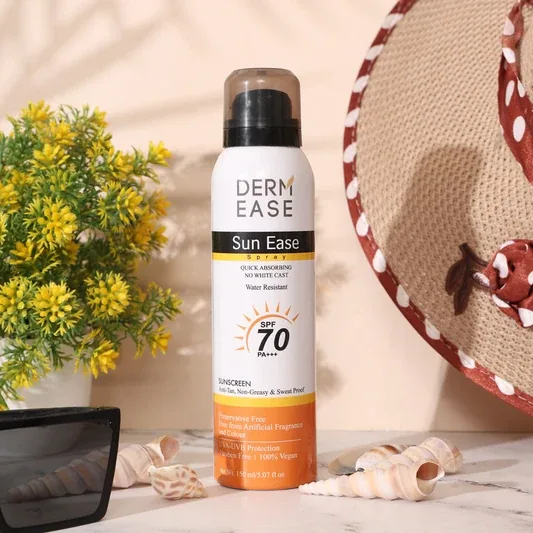
The best sunscreen for oily skin in hot weather is a water-resistant gel or matte fluid that stays put through sweat and humidity instead of melting into your eyes. In heat, your skin produces more oil and more sweat, so a formula that was perfect in spring can turn greasy by noon in summer — look for water-resistant claims, a matte finish, and a texture you would happily reapply at midday. A spray or stick for top-ups in your bag completes the hot-weather kit, because reapplication matters more than the first coat when you are sweating.
Best for: summer, holidays, humid climates and outdoor days. How to use: apply two finger-lengths in the morning, carry a spray or stick, and reapply every two hours outdoors. What to avoid: a non-water-resistant cream on a sweaty day, which will slide off within an hour. Common mistake: thinking one morning application covers a whole beach day — it never does. Quick verdict: in hot weather, water resistance and reapplication matter more than the brand.
13. The Best Sunscreen for Oily Skin and Workouts

The best sunscreen for oily skin and workouts is a water-resistant, sweat-proof gel that will not run into your eyes when you start sweating. Exercise is where most sunscreens fail oily skin: the heat, the sweat and the movement break the film down, and a creamy formula ends up stinging your eyes halfway through a run. A lightweight gel or a sport fluid, applied 20 minutes before you start, is the practical answer, and a sweatband or headband helps keep both sweat and sunscreen out of your eyes.
Best for: running, gym sessions, outdoor training and sports. How to use: apply before your warm-up, avoid the immediate eye area, and reapply after a heavy sweat session. Pros: stays put, does not sting, easy to wash off afterwards. Cons: sport formulas can feel slightly heavier than daily gels. How to remove: cleanse properly after exercise — sweat plus sunscreen plus oil is a breakout recipe if left on. Quick verdict: a water-resistant gel is the only sunscreen that survives a real workout.
14. The Best Sunscreen for Oily Skin at the Office
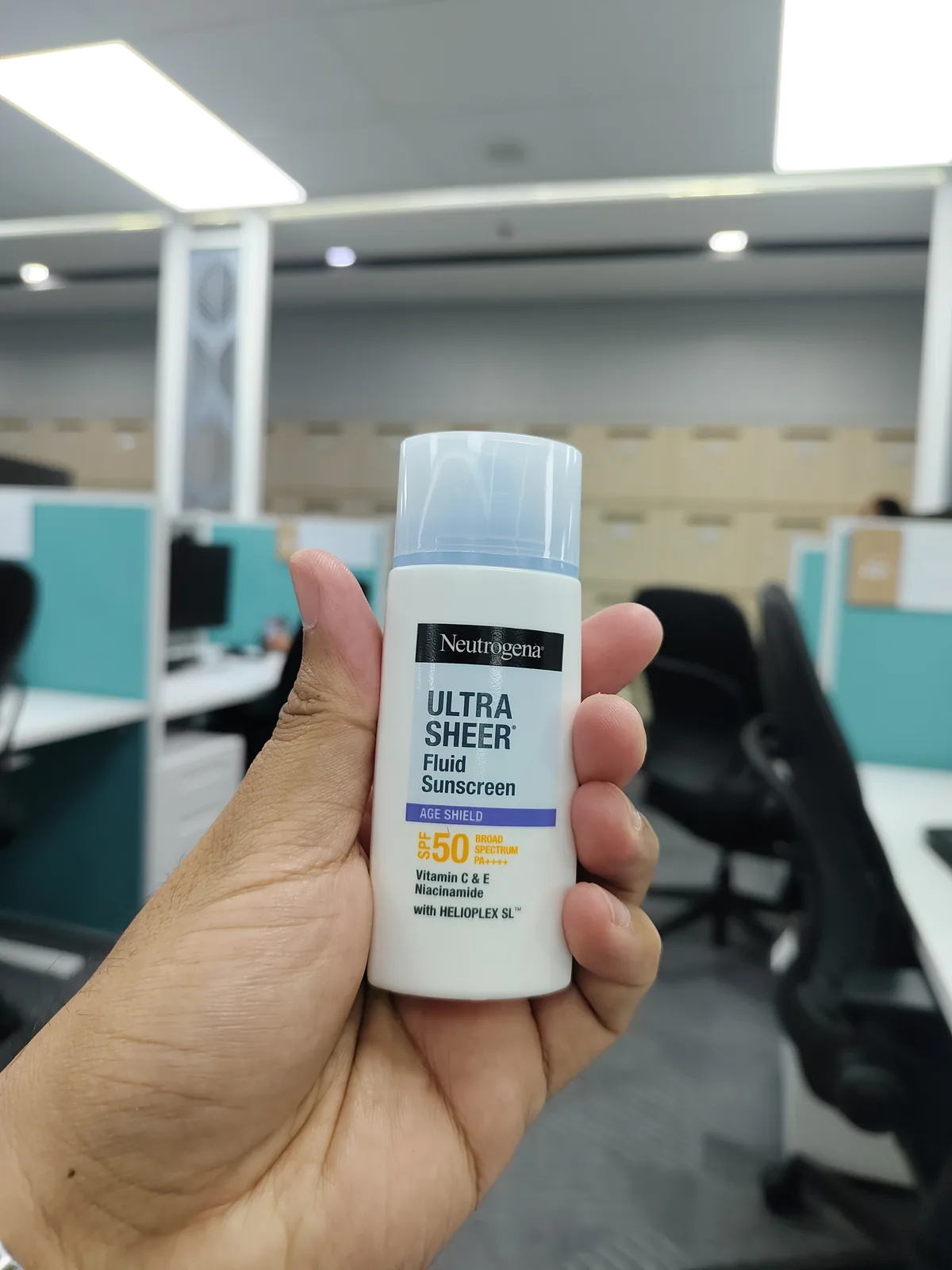
The best sunscreen for oily skin at the office is a lightweight, invisible formula you can reapply at your desk without disturbing your makeup. Office days are deceptive: you sit near windows, you walk to lunch, and UVA passes through glass, so indoor workers still accumulate sun exposure. A matte gel in the morning and a powder sunscreen or spray for a midday top-up is the office routine that actually works, because nobody wants to wash their face and redo their makeup at 1pm.
Best for: office workers, window seats, and long indoor days. How to use: a gel in the morning, then a sunscreen powder or fine mist over makeup at lunch. Pros: no need to redo makeup, and the midday top-up controls afternoon shine. Cons: powder sunscreens alone do not give enough coverage for outdoor time. Cost and time: a desk top-up takes thirty seconds and replaces your afternoon blotting paper. Quick verdict: the office routine is about the top-up, not the morning coat.
15. How to Apply Sunscreen on Oily Skin: The Two-Finger Rule
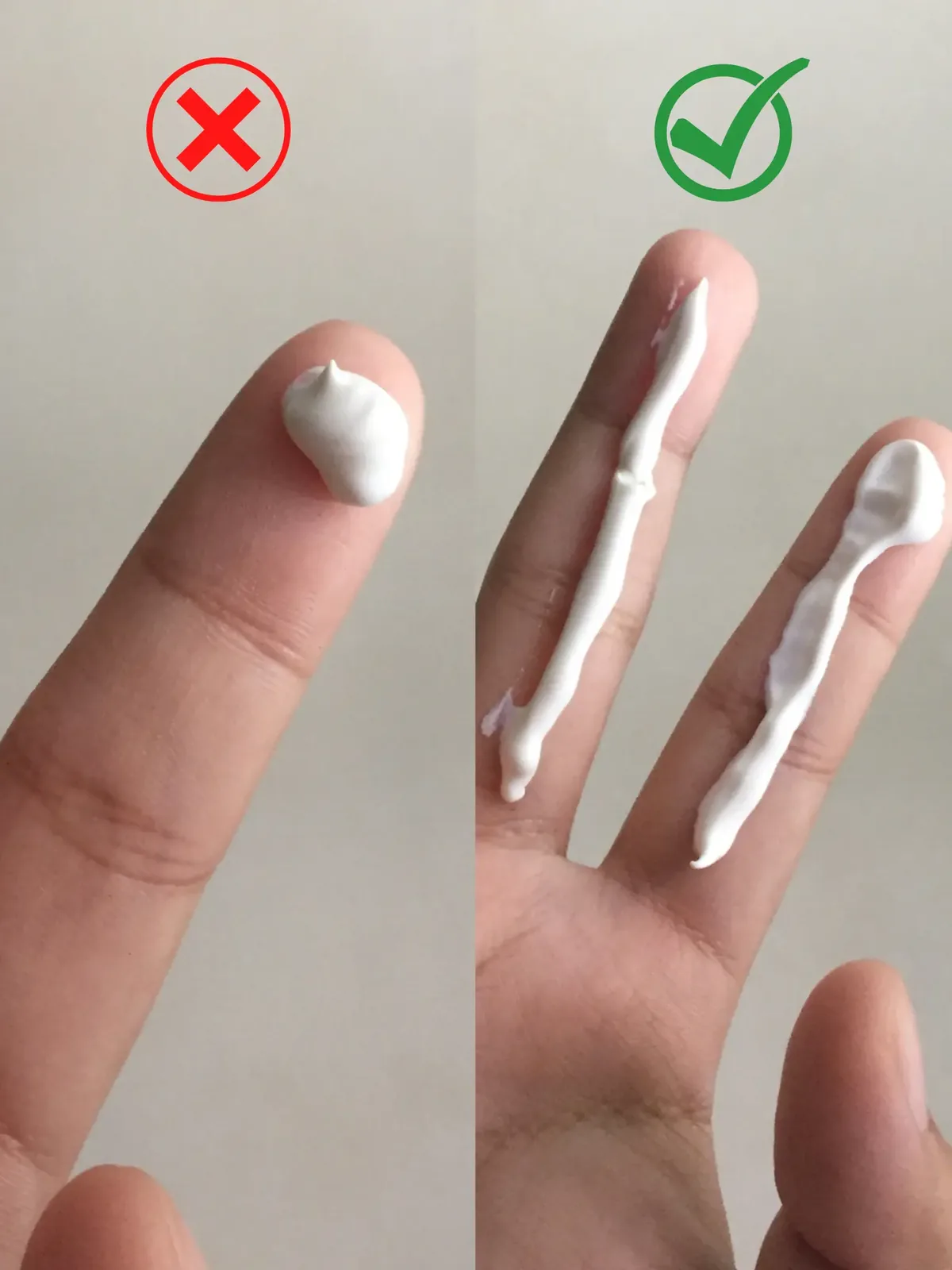
How to apply sunscreen on oily skin comes down to one simple measure: the two-finger rule. Squeeze a line of sunscreen along the full length of your index and middle fingers — that is roughly the right amount for your face and neck — and apply it in two thin layers instead of one thick one. The first layer covers the skin, the second fills in the gaps you missed, and thin layers absorb faster and feel lighter than a single heavy coat. Dot the product on your forehead, cheeks, nose and chin, then spread it evenly, and do not forget your ears, your neck and your hairline.
How to use it: two finger-lengths, two thin layers, on clean skin, every morning. Common mistake: using a pea-sized amount, which gives roughly a quarter of the labelled SPF. What to avoid: rubbing hard to force a thick cream in — if it will not spread, the formula is too heavy for you. Time: about one minute, including the two-minute wait for it to set. Quick verdict: the two-finger rule is the single most useful sunscreen habit you can learn.
16. How Often to Reapply Sunscreen on Oily Skin

How often to reapply sunscreen on oily skin follows the same rule as every skin type: every two hours outdoors, and after swimming or heavy sweating. Indoors, a morning application is usually enough, but if you sit by a window or go out for lunch, a midday top-up is worth it. The practical problem for oily skin is that reapplying a cream over makeup feels awful, which is why a spray, a stick or a sunscreen powder earns its place — the best reapplication method is the one you will actually do.
How to use it: a spray or stick over makeup at midday, or a fresh thin layer of gel if you are bare-faced. Common mistake: assuming a morning application lasts all day — sunscreen breaks down in UV and rubs off, even without sweating. What to avoid: skipping reapplication because it feels greasy — switch to a lighter top-up product instead of skipping it. Quick verdict: reapply at lunch, even if you only use a powder or mist, and your skin will thank you in a decade.
17. How to Layer Sunscreen Under Moisturiser
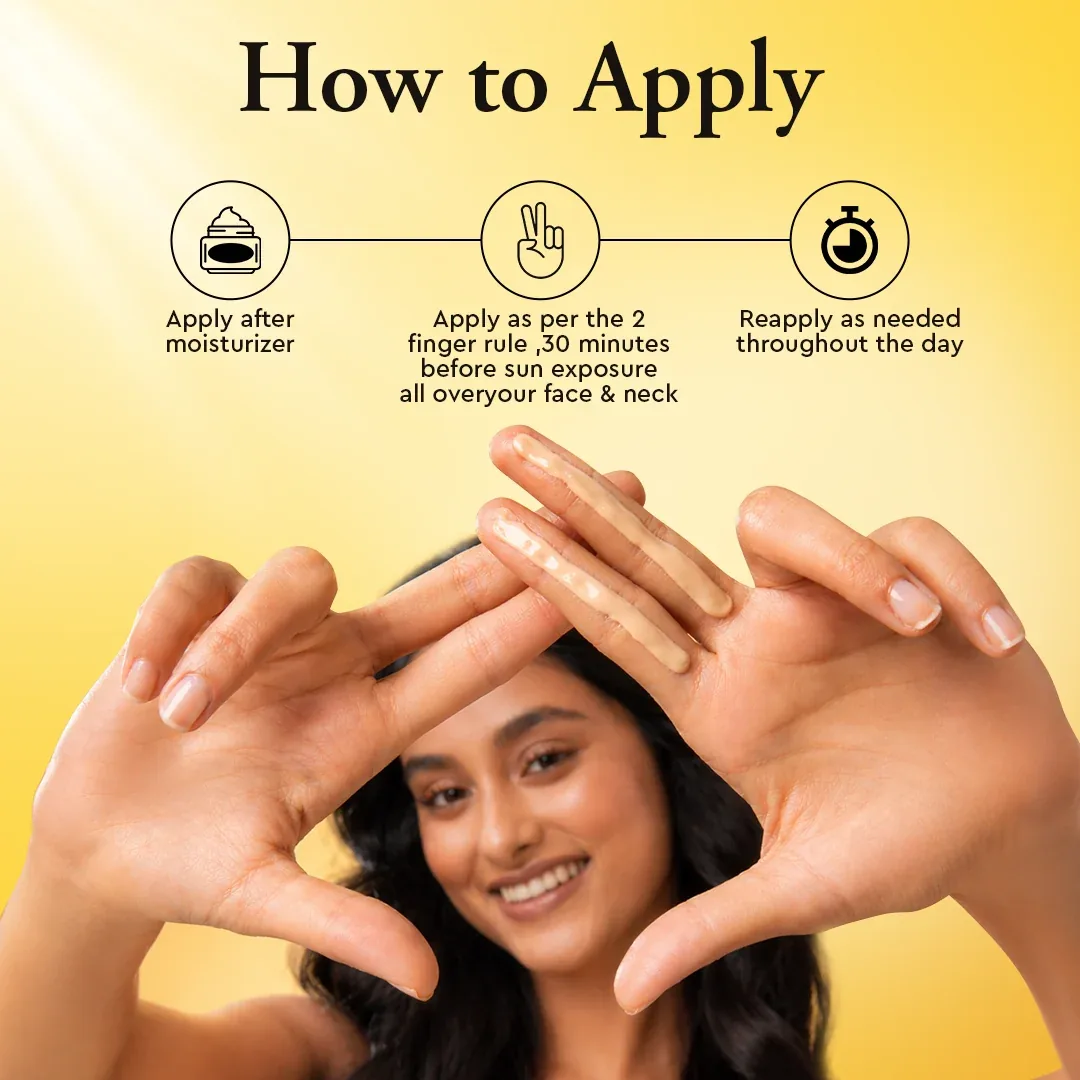
How to layer sunscreen under moisturiser is a question that trips up many oily-skinned people, because the correct order is actually the other way around: moisturiser first, sunscreen last. Sunscreen needs to form an even film on the surface of the skin to work properly, and anything layered over it disrupts that film. On oily skin the trick is to keep the moisturiser very light — a gel or a few drops of a light lotion — or to skip it entirely in the morning and let a hydrating sunscreen do both jobs.
How to use it: cleanser, any serums, a light gel moisturiser if needed, then sunscreen as the final step. Best for: oily skin that still feels tight or dehydrated in the morning. Common mistake: putting moisturiser over sunscreen, which thins the protection and makes it pill. What to avoid: a heavy cream moisturiser under a matte sunscreen, which defeats the matte finish. Quick verdict: light moisturiser, then sunscreen, always in that order.
18. How to Layer Sunscreen Over Serums
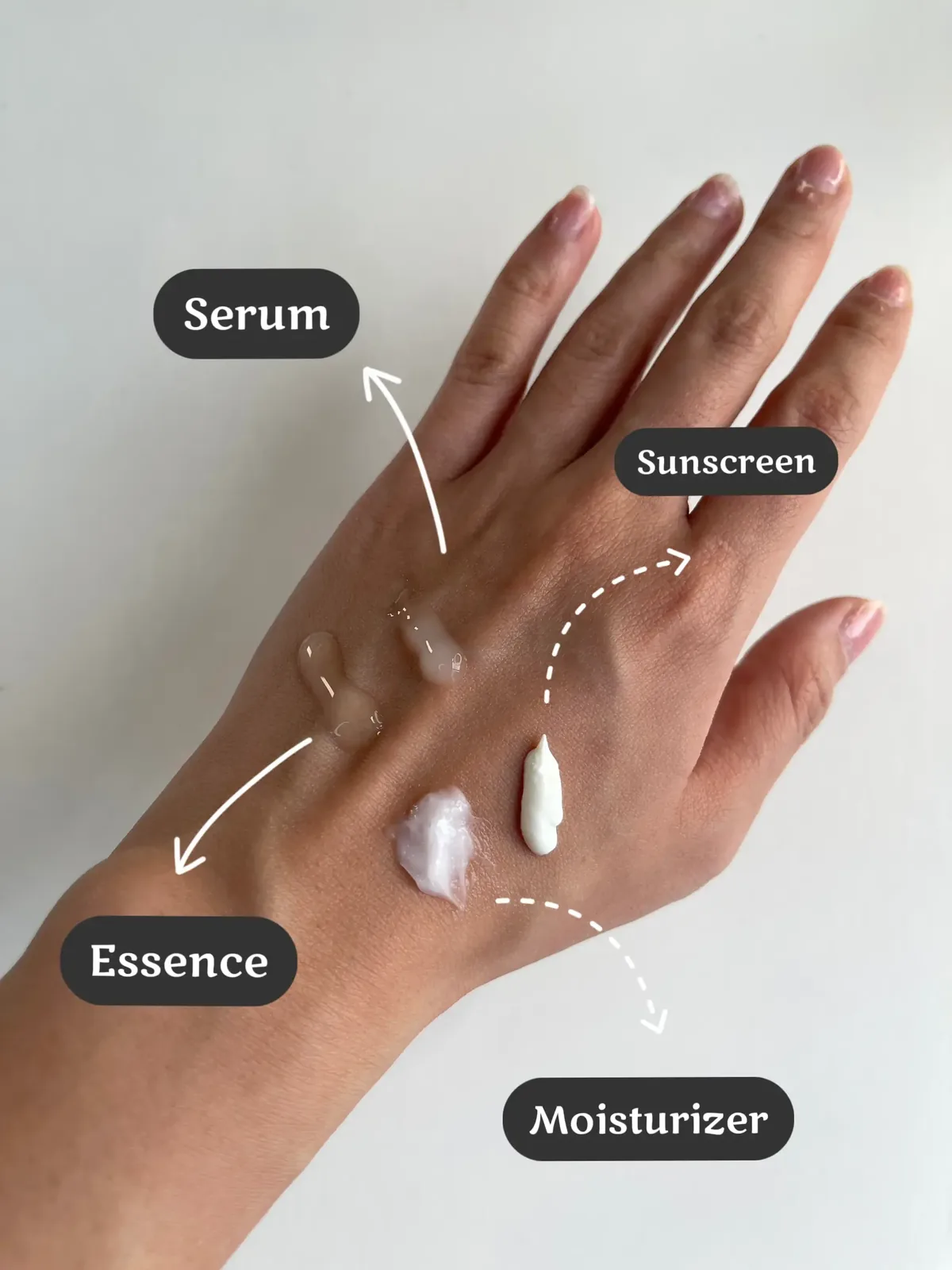
How to layer sunscreen over serums is simpler than it sounds: serums go on first, on clean skin, and sunscreen goes on last, after the serums have absorbed. Niacinamide, hyaluronic acid and vitamin C serums all pair well with sunscreen, and vitamin C in the morning actually boosts your sun protection, because it is an antioxidant. The only rule is timing: give each serum a minute to sink in, then apply your sunscreen, and keep the total number of morning layers small so nothing pills.
How to use it: cleanser, serum, wait a minute, then two finger-lengths of sunscreen. Best for: oily skin using niacinamide or vitamin C in the morning. What to avoid: layering three or four serums under sunscreen, which almost guarantees pilling. Common mistake: mixing sunscreen into your serum or moisturiser to save time — diluting sunscreen drops its SPF unpredictably. Quick verdict: serums first, sunscreen last, one minute between them.
19. How to Layer Sunscreen Under Foundation
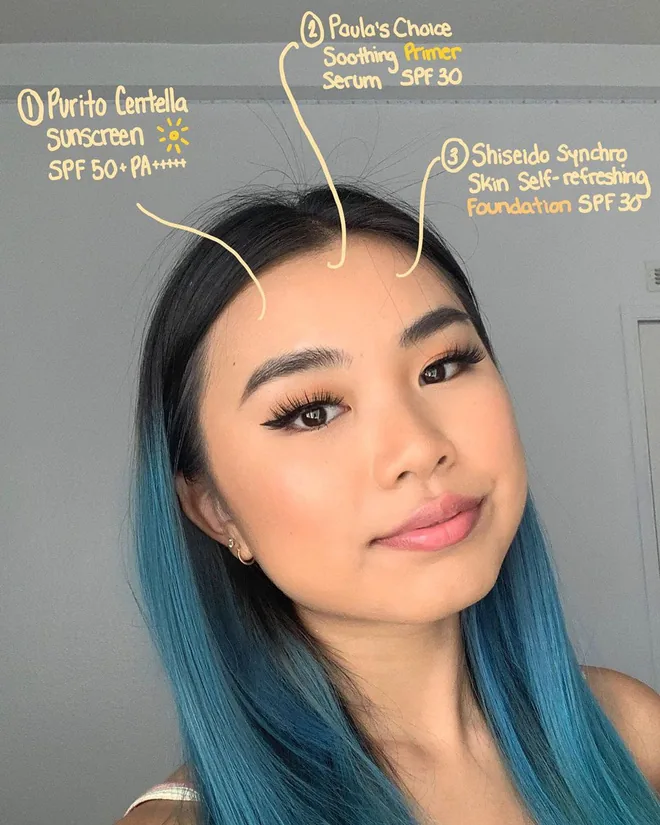
How to layer sunscreen under foundation is the daily challenge for oily skin, because the wrong combination pills, slides, or turns shiny within an hour. The method that works is patience: apply your sunscreen, wait a full three minutes for it to set into a dry film, then apply foundation in thin layers with a sponge or brush, pressing rather than rubbing. Gel and matte chemical sunscreens usually pair best with liquid foundations, while mineral sunscreens can clash with silicone-heavy formulas, so test your pairing on a quiet day at home first.
How to use it: sunscreen, three-minute wait, then foundation pressed on in thin layers. Best for: anyone who wears foundation daily over sunscreen. Common mistake: applying foundation while the sunscreen is still wet, which mixes the two into a patchy mess. What to avoid: a thick layer of both products — thin layers of each are what stay put. Quick verdict: three minutes of waiting is the difference between makeup that lasts and makeup that slides.
20. How to Stop Sunscreen Pilling on Oily Skin
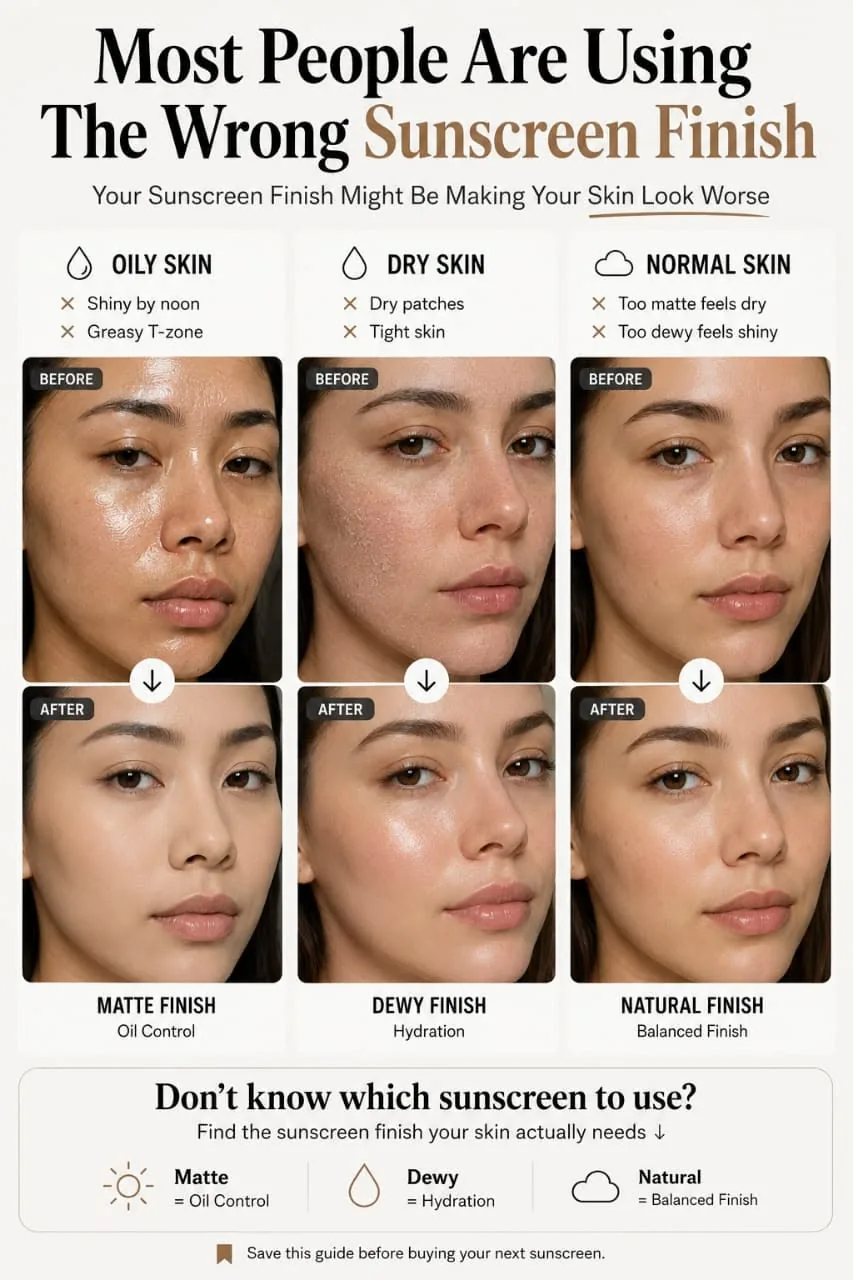
How to stop sunscreen pilling on oily skin starts with understanding why it happens: pilling is what you get when a product forms a film that a second product then rolls up, usually because the first layer had not dried, or because the products do not mix. The fixes are simple but specific: use fewer layers in the morning, wait at least a minute between each one, apply sunscreen in thin layers rather than one thick coat, and avoid silicone-heavy products under a water-based sunscreen. If a particular combination always pills, change one product at a time until you find the culprit.
How to use it: thin layers, a minute between steps, and press products in rather than rubbing them. Common mistake: rushing through five morning steps in two minutes and blaming the sunscreen. What to avoid: mixing a silicone primer with a water-based gel sunscreen, which is the most common pilling combination. Quick verdict: pilling is a layering problem, not a sunscreen problem, and timing is usually the fix.
21. How to Remove Sunscreen at Night: Double Cleansing

How to remove sunscreen at night matters as much as how you apply it, because sunscreen is designed to cling to the skin, and a single quick wash often leaves residue in the pores. Double cleansing means an oil-based cleanser or balm first, to dissolve the sunscreen and makeup, followed by a gentle water-based cleanser to wash everything away. On oily skin this is especially important: leftover sunscreen mixed with sebum overnight is a common cause of the breakouts people blame on the sunscreen itself.
How to use it: a cleansing balm or oil for sixty seconds, rinse, then a gentle foaming or gel cleanser. Best for: anyone who wears sunscreen daily, and especially acne-prone oily skin. Common mistake: using a harsh scrub to remove sunscreen, which irritates the skin and triggers more oil. Cost and time: two minutes at night, and a cleansing balm lasts for months. Quick verdict: if you wear sunscreen in the day, double cleanse at night — it is the other half of the habit.
22. Ingredients to Look For: Niacinamide
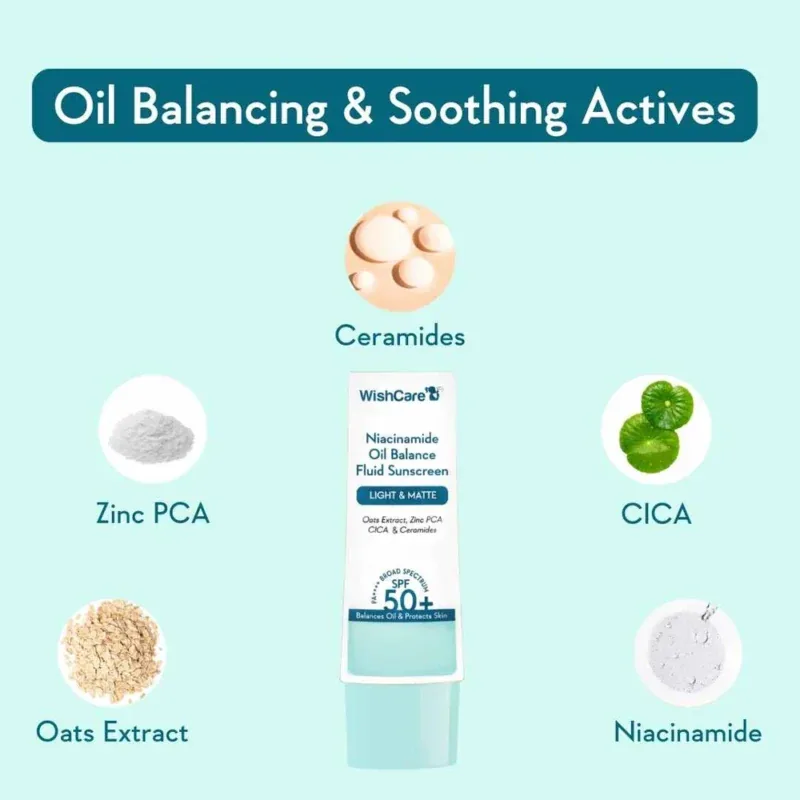
Ingredients to look for in sunscreen for oily skin start with niacinamide, the vitamin B3 derivative that has become the oily skin favourite for good reason. Niacinamide helps regulate sebum, strengthens the skin barrier, and fades the dark marks that acne leaves behind, which makes a sunscreen containing it do double duty. It is gentle enough for daily use, it plays well with other ingredients, and it is the one added ingredient most likely to make an oily-skinned person love a sunscreen for reasons beyond sun protection.
Why it helps: calmer oil production, a stronger barrier, and faster fading of post-acne marks. Best for: oily, acne-prone and combination skin. How to use: either as a niacinamide serum under your sunscreen, or in a sunscreen that already contains it. Pros: well tolerated, well studied, and genuinely useful. Cons: very high percentages can irritate sensitive skin, so 2 to 5 percent is the sweet spot. Quick verdict: the single most useful extra ingredient in an oily-skin sunscreen.
23. Ingredients to Look For: Zinc Oxide and Titanium Dioxide
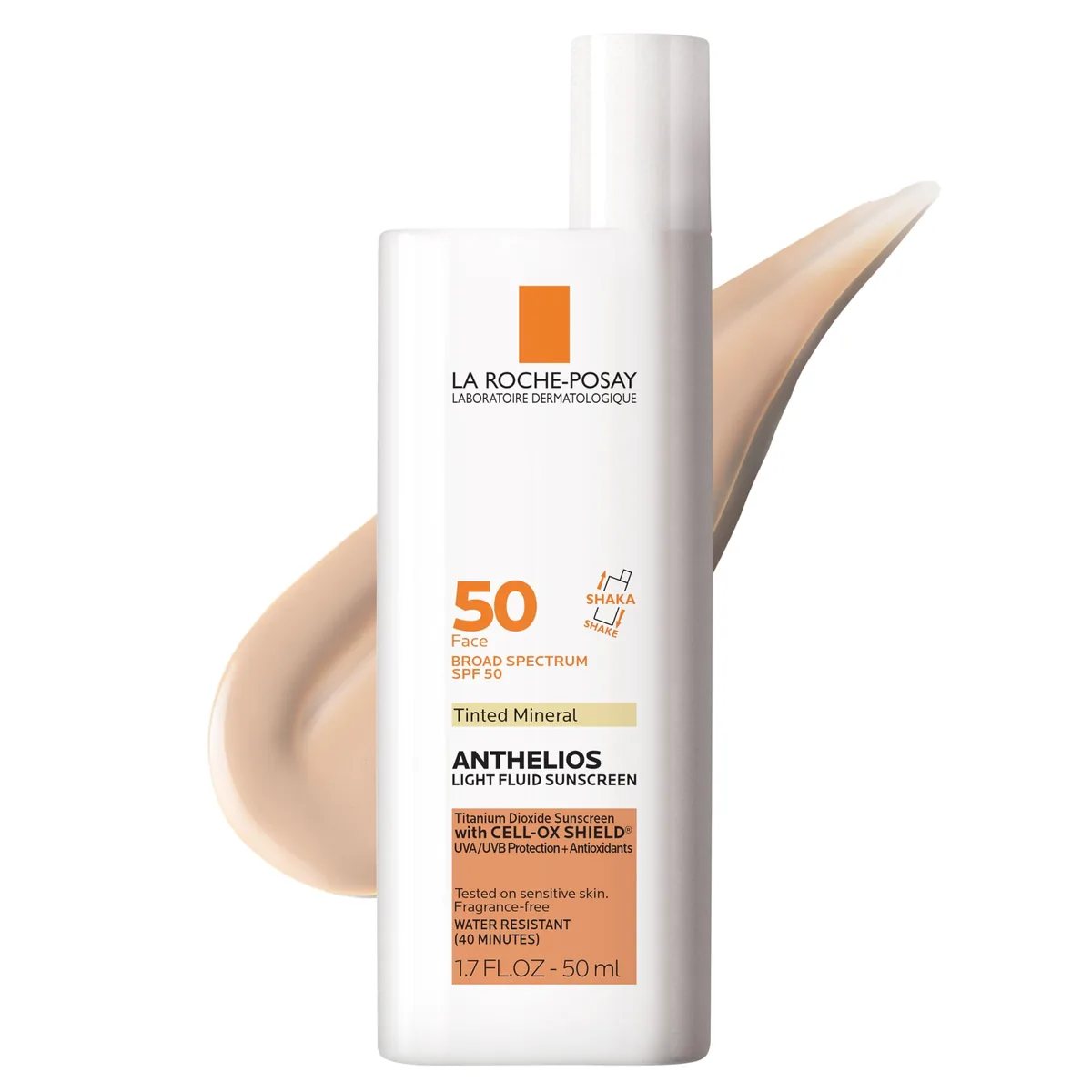
Ingredients to look for in a mineral sunscreen for oily skin are zinc oxide and titanium dioxide, the two mineral UV filters that sit on the skin and scatter UV light. Zinc oxide is the workhorse: it covers the full UVA and UVB range on its own, it is gentle enough for the most reactive skin, and it has a mild calming effect that suits acne-prone skin. Titanium dioxide covers UVB and short UVA well and is often paired with zinc oxide for full coverage. Together they are the reason a mineral sunscreen can be both protective and gentle.
Why it helps: broad, stable protection that works immediately and rarely irritates. Best for: acne-prone, sensitive and reactive oily skin. What to look for: zinc oxide high on the ingredient list, in a micronised or tinted formula to reduce white cast. Cons: a possible white cast, and a slightly heavier feel than chemical gels. Quick verdict: if your skin reacts to everything, zinc oxide is the ingredient to trust.
24. Ingredients to Look For: Silica and Oil-Absorbing Powders
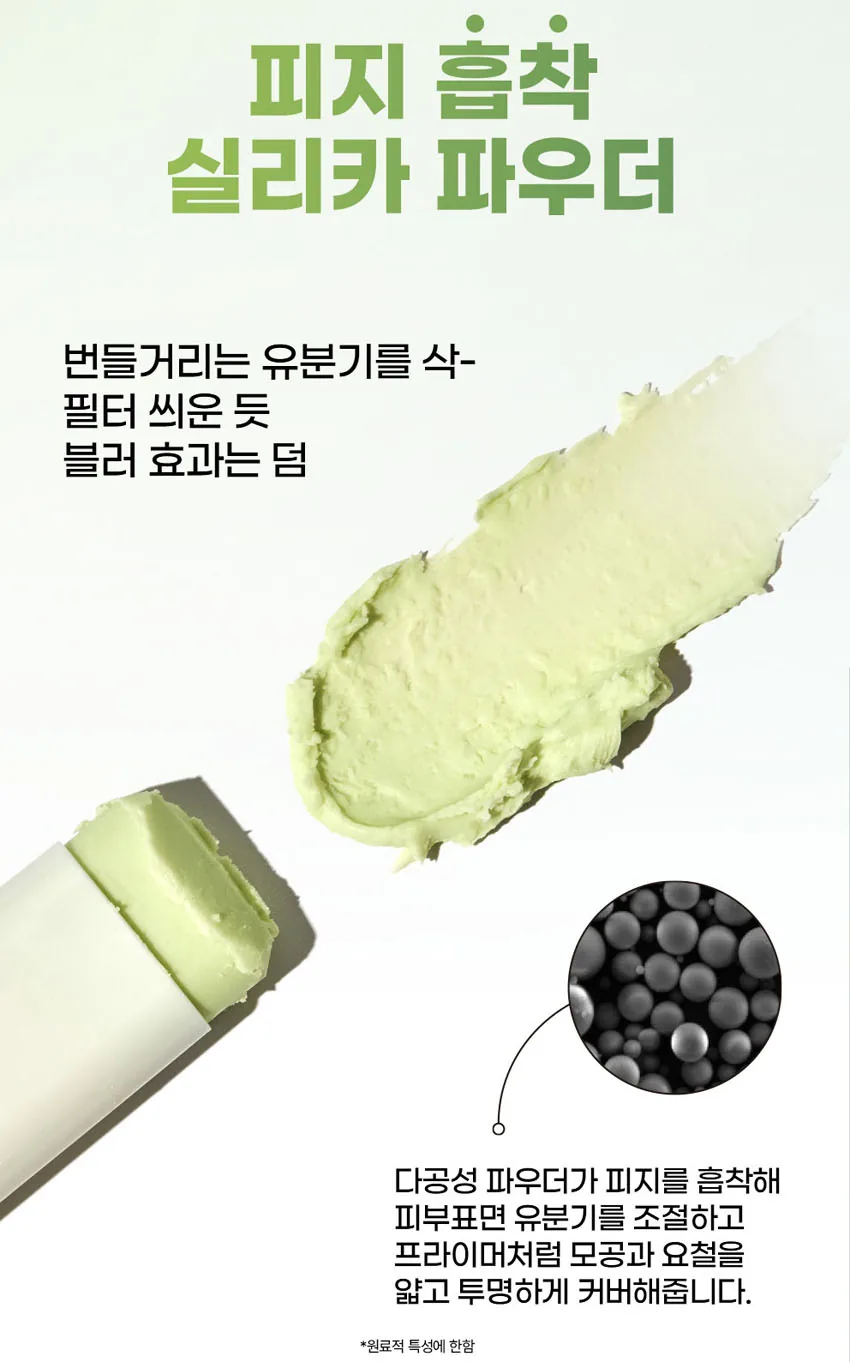
Ingredients to look for when shine is your main complaint are silica and other oil-absorbing powders, the quiet workhorses inside matte sunscreens. Silica is a fine, porous powder that soaks up sebum as your skin produces it, keeping the surface dry for hours, and it also scatters light, which softens the look of pores. Similar ingredients include polymethylsilsesquioxane, starches and clays, all of which do the same job: they give a sunscreen its matte finish and its staying power on oily skin.
Why it helps: hours of shine control without extra products or blotting paper. Best for: very oily skin, humid weather, and long days. How to use: look for silica or oil-absorbing powders on the label, and pair the sunscreen with a light gel moisturiser, not a heavy cream. Pros: genuinely keeps shine down, and doubles as a primer. Cons: can feel drying if your skin is dehydrated rather than truly oily. Quick verdict: the ingredient that separates a matte sunscreen from an ordinary one.
25. Ingredients to Avoid: Heavy Oils and Butters
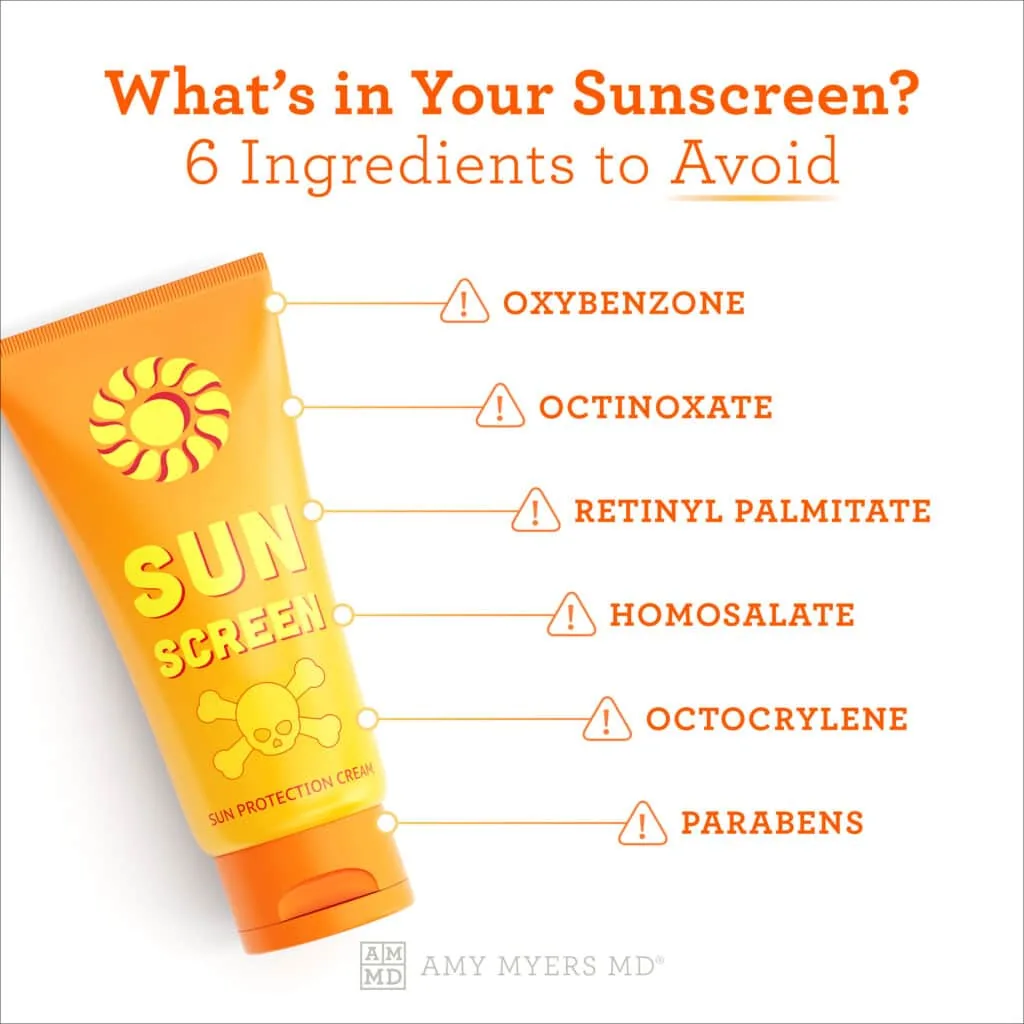
Ingredients to avoid in sunscreen for oily skin start with the heavy oils and butters that make rich creams feel comforting on dry skin and clogged on oily skin. Coconut oil, cocoa butter, shea butter in large amounts, and mineral oil in heavy bases can all trap sebum in the pores, especially when layered under makeup in hot weather. That does not mean every oil is bad — light, non-comedogenic oils in small amounts are fine — but a sunscreen whose first ingredients are butters is a sunscreen built for dry skin, not yours.
What to avoid: coconut oil, cocoa butter, heavy shea butter and rich mineral-oil bases in a face sunscreen. Why it matters: occlusive oils trap sebum and sweat in the pores, which is how breakouts start. Best for: nobody with oily or acne-prone skin, whatever the marketing says. How to choose: check the first five ingredients on the label — if they read like a body butter, put it back. Quick verdict: a face sunscreen should feel like a gel or a fluid, not like a body cream.
26. Ingredients to Avoid: Drying Alcohols and Fragrance
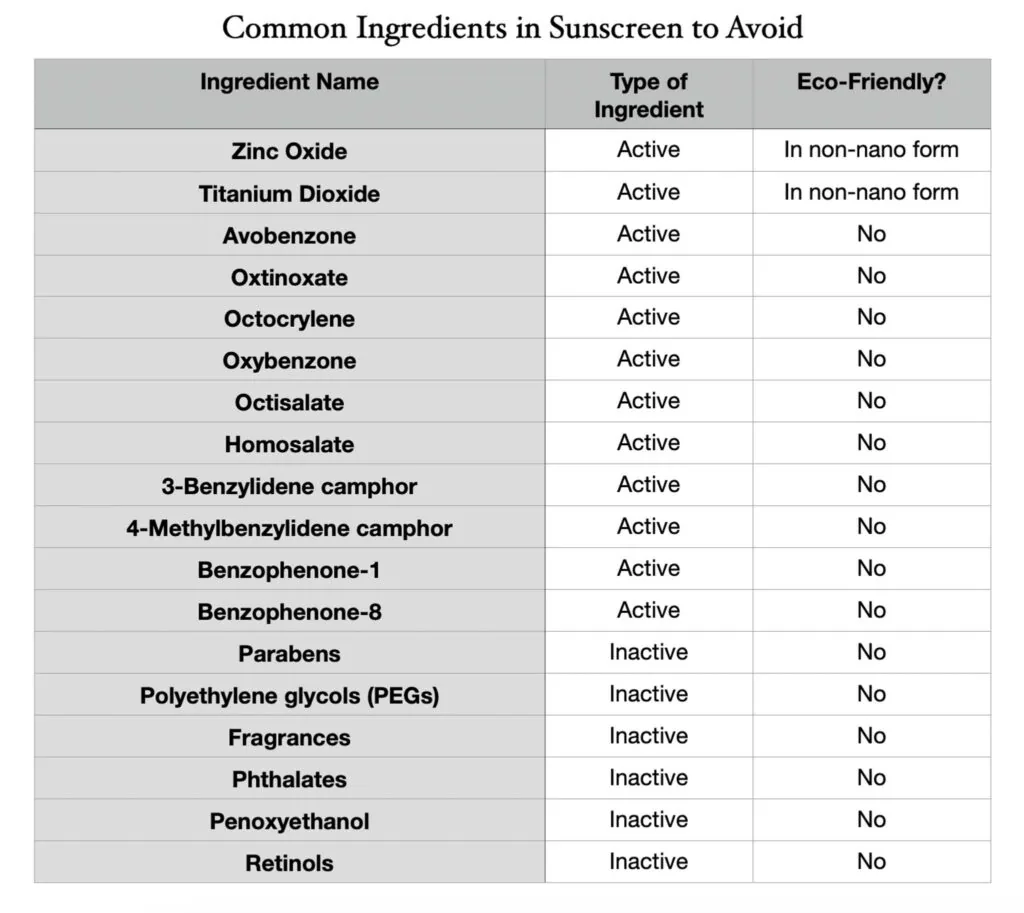
Ingredients to avoid in sunscreen for oily skin also include drying alcohols and fragrance, two common culprits behind the irritation that oily skin often blames on sunscreen itself. Drying alcohol, usually listed as alcohol denat, makes a gel feel light and fast-absorbing, but it can strip the skin barrier, trigger rebound oiliness, and sting broken or sensitive skin. Fragrance, including essential oils, is the most common cause of cosmetic irritation, and it adds nothing to sun protection — it is there to make the product smell nice, at your skin’s expense.
What to avoid: alcohol denat high on the list, added fragrance, and essential oils if your skin is reactive. Why it matters: a stripped barrier produces more oil, so drying alcohol can make oily skin oilier over time. Best for: sensitive, reactive and acne-prone oily skin to avoid both entirely. How to choose: look for the words fragrance-free and alcohol-free, and patch-test anything new on your jawline. Quick verdict: the lightest-feeling sunscreen is not always the kindest one — check the label, not just the texture.
27. Sunscreen for Oily Skin and Acne: What the Evidence Says

Sunscreen for oily skin and acne is an area where the evidence is clear and the myths are stubborn. Dermatology guidance is consistent: sunscreen does not cause acne when the formula is non-comedogenic and oil-free, and daily SPF actually helps acne heal, because UV exposure darkens post-inflammatory marks and slows their fading. The confusion comes from old, heavy sunscreens that did clog pores, and from people blaming the sunscreen when a new moisturiser, foundation or cleanser was the real culprit. Used properly — the right formula, the right amount, washed off at night — sunscreen is part of acne care, not its enemy.
Why it helps: prevents post-acne marks from darkening and protects skin that is sensitised by acne treatments. Best for: anyone on retinoids or acne treatments, which make skin more sun-sensitive. What to look for: non-comedogenic, oil-free, fragrance-free, and preferably mineral or a gentle chemical formula. Common mistake: stopping sunscreen during a breakout, which leaves the marks to darken in the sun. Quick verdict: this is general product-type guidance, not medical advice — if your acne is severe, a dermatologist can recommend a specific formula.
28. Does Sunscreen Cause Breakouts? Myths vs Facts
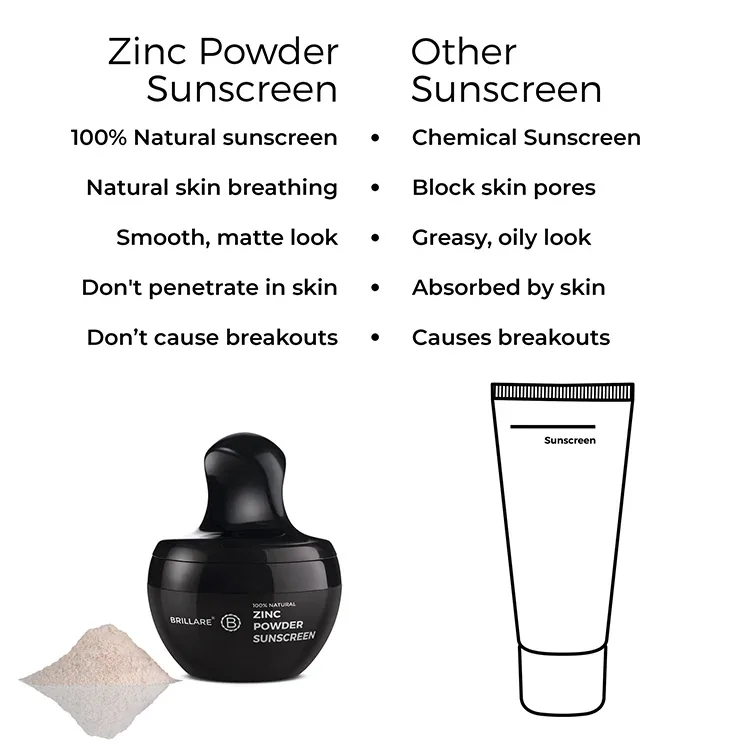
Does sunscreen cause breakouts is the question that keeps more oily-skinned people out of the sun than any other, and the honest answer is: the wrong sunscreen can, but the right one almost never does. The myth comes from a real history — old sunscreens were thick, greasy and pore-clogging — but modern oil-free, non-comedogenic formulas are built specifically to avoid that. When breakouts follow a new sunscreen, the usual suspects are a heavy formula, sunscreen left on overnight, or another new product introduced at the same time, and the only way to know is to change one thing at a time.
Myth: all sunscreen clogs pores. Fact: only heavy, comedogenic formulas do, and they are easy to avoid by checking the label. Myth: oily skin does not need sunscreen. Fact: oil gives no sun protection, and UV makes acne marks worse. Myth: a breakout means you should stop sunscreen. Fact: switch to a lighter, non-comedogenic formula and cleanse properly at night instead. Quick verdict: blame the formula, not the SPF — and test one change at a time.
29. Sunscreen and White Cast on Oily Skin: How to Avoid It
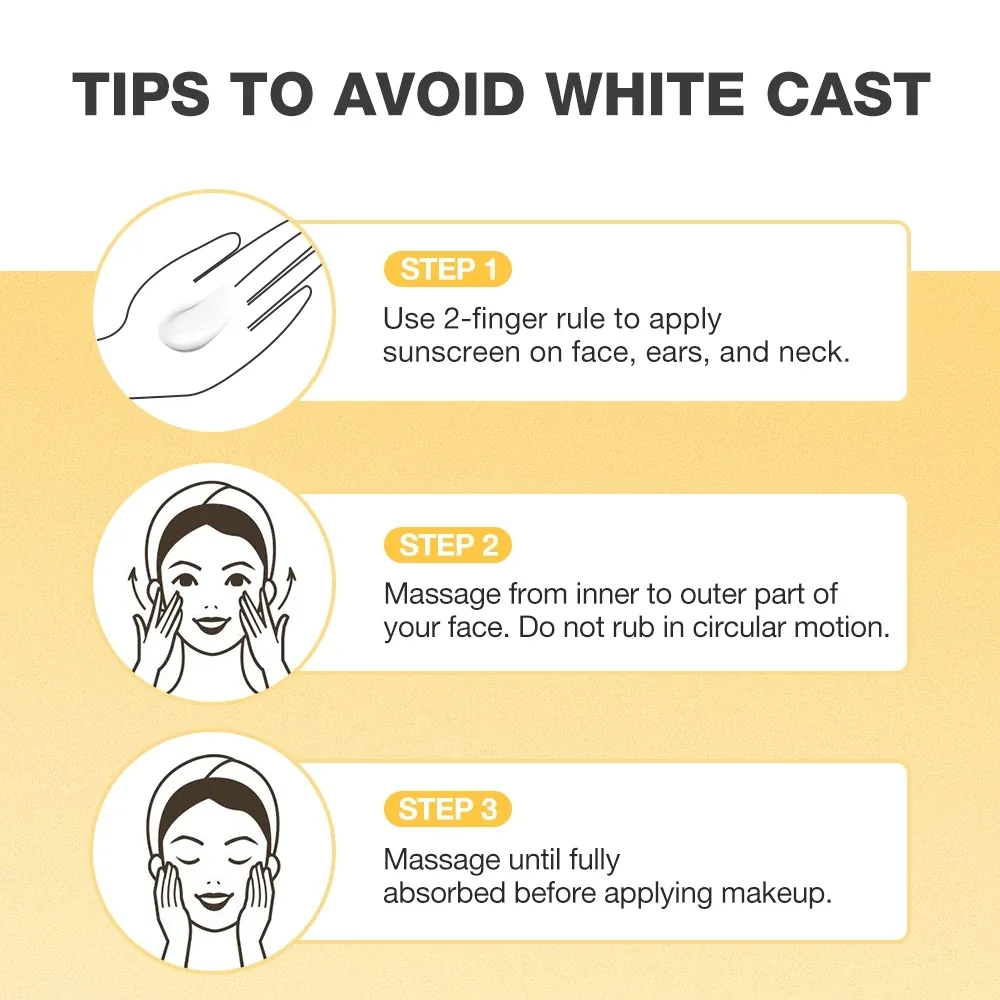
Sunscreen and white cast on oily skin is the most visible complaint about mineral formulas, and it is also the most fixable. White cast happens when zinc oxide or titanium dioxide particles sit on the skin and reflect light, and it shows most on deeper skin tones and in photographs. The fixes are practical: choose a micronised or nano mineral formula, try a tinted version, apply in two thin layers rather than one thick one, or switch to a chemical gel, which has no cast at all. A tinted matte sunscreen is often the best compromise, because it solves the cast and the shine in one step.
How to avoid it: thin layers, a tinted formula, or a chemical gel instead of a mineral cream. Best for: deeper skin tones, photography days, and anyone who has given up on mineral sunscreen because of the cast. Common mistake: applying a thick layer of mineral cream all at once, which maximises the cast. What to avoid: assuming a cast means the sunscreen is bad — it means the formula does not match your skin tone. Quick verdict: the cast is a formula problem with a formula solution, not a reason to skip sunscreen.
30. Sunscreen for Oily Skin in Winter: Do You Still Need It?

Sunscreen for oily skin in winter is easy to forget, because cold weather feels nothing like sunburn weather, but UVA — the ageing, pigment-darkening ray — is present all year, passes through cloud and glass, and reflects off snow. Winter sun is weaker, but it is not absent, and the marks and ageing it causes accumulate silently over years. The good news is that winter is the easiest season for oily skin to wear sunscreen: cooler air means less sweat and less shine, so even a slightly richer formula feels comfortable, and a matte gel is effortless.
Why it helps: prevents the slow accumulation of pigmentation and photoageing, even on grey days. Best for: everyone, every day, including office workers and winter sports. How to use: the same two finger-lengths every morning, with reapplication only if you are outdoors for hours. Common mistake: treating sunscreen as a summer product and stopping in October. Quick verdict: if you can see daylight, you need sunscreen — winter just makes it easier to wear.
31. How to Pick SPF 30 vs SPF 50 for Oily Skin

How to pick SPF 30 vs SPF 50 for oily skin is simpler than the numbers suggest: SPF 30 blocks about 97 percent of UVB, SPF 50 blocks about 98 percent, and the real difference is not the number but how much you apply and how often you reapply. A higher SPF can compensate slightly for under-application, which is why dermatologists often recommend SPF 50 for the face, but an SPF 30 applied properly in the full two-finger amount beats an SPF 50 applied as a thin smear. Choose the higher number if you will be outdoors, and choose the formula you like wearing if you will be mostly indoors.
How to choose: SPF 50 for outdoor days, holidays and sports; SPF 30 is fine for a mostly indoor day if you apply the full amount. Common mistake: trusting the number more than the amount — a thin layer of SPF 50 protects less than a full layer of SPF 30. What to avoid: anything below SPF 30 for the face, and any product that is not broad-spectrum. Cost and time: SPF 50 usually costs the same as SPF 30, so there is no reason to choose the lower number outdoors. Quick verdict: pick the formula you will wear, then pick the highest SPF in that formula.
32. The Cost of Sunscreen for Oily Skin: What to Pay
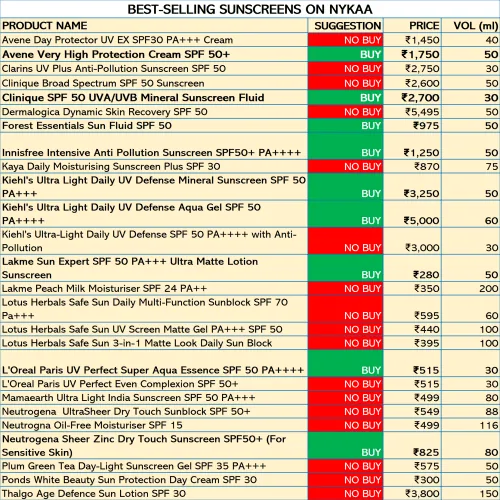
The cost of sunscreen for oily skin is best thought of monthly, not per tube: used properly, a face tube lasts about three to four weeks, so a sunscreen that costs little per tube but gets used generously is cheaper in practice than a luxury tube you ration. Drugstore gels and fluids with the right label claims — broad-spectrum, SPF 30 or higher, oil-free, non-comedogenic — protect just as well as premium formulas, and the premium price usually buys a nicer texture, a better finish under makeup, or a more elegant scent rather than more protection. Spend more only if the expensive texture is what makes you wear it every day.
How to budget: expect one tube a month for daily face use, and buy the formula you will actually finish. Best for: anyone who has been rationing an expensive sunscreen — switch to a cheaper one and use the full amount. Pros of budget: affordable enough to use properly and reapply. Cons of budget: more likely to contain fragrance or drying alcohol, so check the label. Quick verdict: the best sunscreen is the one you can afford to use in the full amount, every single day.
33. A Simple Oily-Skin Sunscreen Routine: Morning to Night
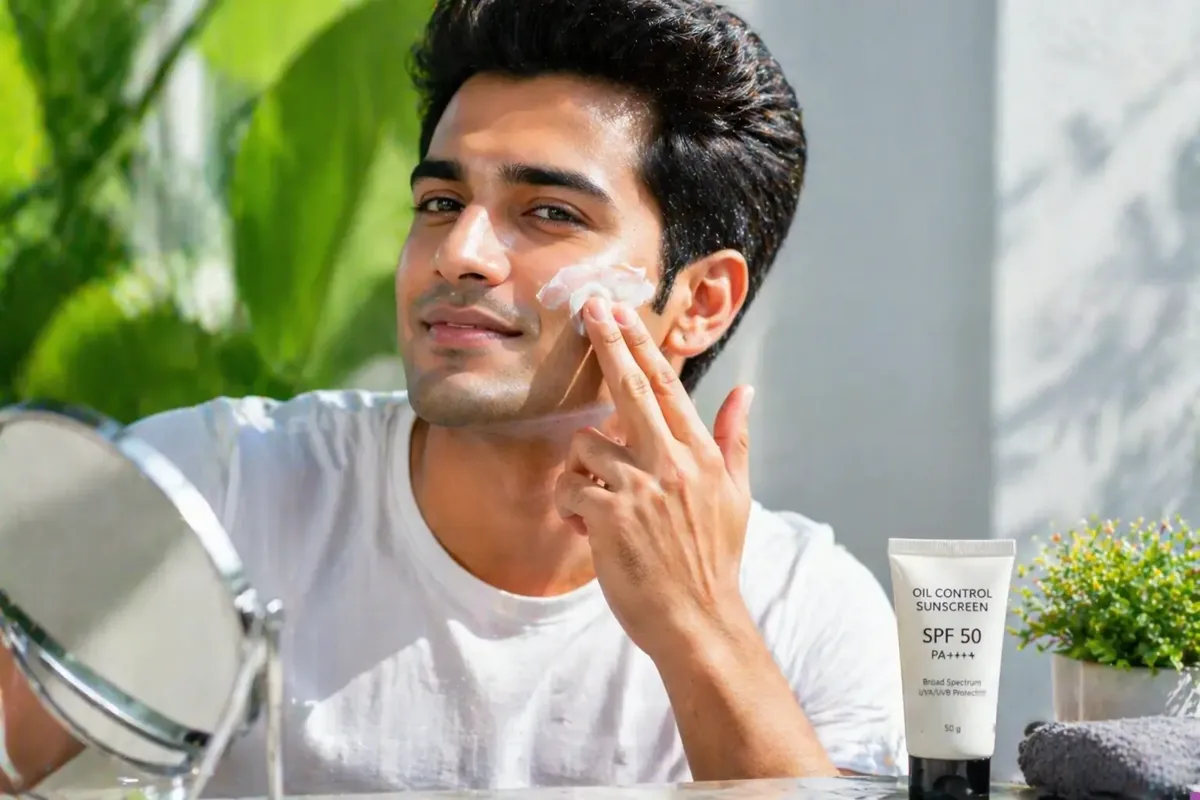
A simple oily-skin sunscreen routine does not need ten steps: in the morning, cleanse with a gentle gel cleanser, apply a niacinamide or vitamin C serum if you use one, add a light gel moisturiser only if your skin feels tight, then apply two finger-lengths of a gel or matte sunscreen and wait two minutes before makeup. At midday, top up with a spray, stick or powder if you are outdoors or by a window. At night, double cleanse to remove every trace of sunscreen, then apply your night treatment. That is the whole routine, and it takes about five minutes in the morning and two at night.
How to use it: morning cleanse, serum, light moisturiser if needed, sunscreen last; midday top-up; night double cleanse. Best for: anyone who wants a routine they will actually keep. Common mistake: adding five morning steps that all pill together — keep it to three or four products. Cost and time: five minutes in the morning, two at night, one tube of sunscreen a month. Quick verdict: the routine that works is the one you can repeat every day without thinking about it.
Is sunscreen good for oily skin?
Yes. Sunscreen is good for oily skin, and it is essential: oily skin has no natural sun protection, and UV exposure darkens post-acne marks, speeds up ageing, and can trigger more oil production. The key is choosing the right formula — a lightweight gel, matte or fluid sunscreen labelled oil-free and non-comedogenic — which protects without adding grease or clogging pores. A sunscreen that suits your skin is one you will wear every day, and daily wear is what delivers the benefit.
Which sunscreen is best for oily skin?
The best sunscreen for oily skin is a broad-spectrum SPF 30 or higher in a gel, fluid or matte formula, labelled oil-free and non-comedogenic. Gel sunscreens are the lightest and most invisible, matte formulas control shine, mineral formulas are the gentlest for acne-prone skin, and chemical formulas layer best under makeup. The best one for you is the formula you will actually wear every day in the full two-finger amount — texture matters as much as SPF.
Does sunscreen make oily skin worse?
A heavy, greasy sunscreen can make oily skin look and feel worse, but the right sunscreen does not increase oil production. In fact, a matte or gel sunscreen can reduce visible shine, and protecting the skin barrier from sun damage can help oil production settle over time. If a sunscreen makes your skin oilier, the formula is wrong for you — switch to a lighter gel or matte formula rather than skipping sunscreen, and check whether drying alcohol in the formula is stripping your skin and triggering rebound oil.
How much sunscreen should I apply on my face?
Apply two finger-lengths of sunscreen to your face and neck — a line of product along the full length of your index and middle fingers, or roughly a teaspoon. Apply it in two thin layers rather than one thick one, so it spreads evenly and absorbs faster. Most people apply about a third of what they need, which drops the real protection far below the SPF on the label, so measuring matters more than the brand you choose.
Can I skip moisturiser if I use sunscreen on oily skin?
Yes, often you can. Many oily-skinned people skip a separate morning moisturiser and let a hydrating gel sunscreen do both jobs, especially in warm weather. If your skin feels tight or dehydrated, use a light gel moisturiser underneath, but keep it very light so it does not cancel the sunscreen’s matte finish. The rule is simple: moisturiser first, sunscreen last, and if your skin is comfortable without the moisturiser, leave it out.
Does sunscreen cause acne?
Sunscreen does not cause acne when the formula is non-comedogenic and oil-free, and daily SPF actually helps acne heal by stopping UV from darkening post-acne marks. Breakouts blamed on sunscreen are usually caused by a heavy or comedogenic formula, sunscreen left on overnight without proper cleansing, or another new product introduced at the same time. Choose an oil-free, fragrance-free formula, patch-test it on your jawline, and double cleanse at night. This is general guidance, not medical advice — see a dermatologist if breakouts persist.
How often should I reapply sunscreen on oily skin?
Reapply every two hours when you are outdoors, and after swimming or heavy sweating. Indoors, a morning application is usually enough, with a midday top-up if you sit near a window or go outside for lunch. Over makeup, use a spray, a stick or a sunscreen powder for the top-up, since a cream would disturb your makeup. The best reapplication method is the one you will actually use.
Can I wear makeup over sunscreen for oily skin?
Yes, and the right sunscreen makes makeup last longer. Apply your sunscreen first, wait three minutes for it to set into a dry film, then apply foundation in thin layers, pressing it in rather than rubbing. Gel and matte chemical sunscreens usually pair best with liquid foundations, while mineral sunscreens can pill under silicone-heavy formulas, so test your combination at home first. A matte sunscreen can even replace a primer.
Is mineral or chemical sunscreen better for oily skin?
Neither is universally better — it depends on your skin. Mineral sunscreen, with zinc oxide or titanium dioxide, is gentler for acne-prone and sensitive oily skin, works immediately, and rarely irritates, but it can leave a white cast. Chemical sunscreen is sheerer, lighter, has no cast, and layers better under makeup, but it needs 15 to 20 minutes to activate and can sting sensitive skin. If your skin is reactive, start with mineral; if you wear makeup daily, chemical usually layers better.
Do I need sunscreen on cloudy days if I have oily skin?
Yes. Up to 80 percent of UV rays pass through cloud, and UVA, which causes ageing and pigmentation, is present all year and passes through windows. Cloudy days are when oily skin most often goes unprotected, because there is no heat or brightness to remind you. A lightweight gel sunscreen feels like nothing on a grey day, so make it a daily habit regardless of the weather, and your skin will show the difference over the years.
Conclusion: The Best Sunscreen for Oily Skin Is the One You Will Wear Every Day
The best sunscreen for oily skin is not the most expensive one or the highest SPF on the shelf — it is the lightweight, oil-free, non-comedogenic formula you will happily apply in the full two-finger amount every single morning. Gel sunscreens are the lightest, matte formulas control shine, mineral formulas are the gentlest for acne-prone skin, and chemical formulas layer best under makeup. Apply it last in your morning routine, wait a few minutes before makeup, top it up at midday if you are outdoors, and double cleanse at night so nothing stays in your pores. Do that every day, and sunscreen for oily skin stops being a chore and becomes the easiest step in your routine — the one that protects your skin, calms your shine, and lets your other skincare actually work. This guide is general product-type guidance, not medical advice; if you have a skin condition or your skin reacts to products, talk to a dermatologist about the formula that suits you.

