
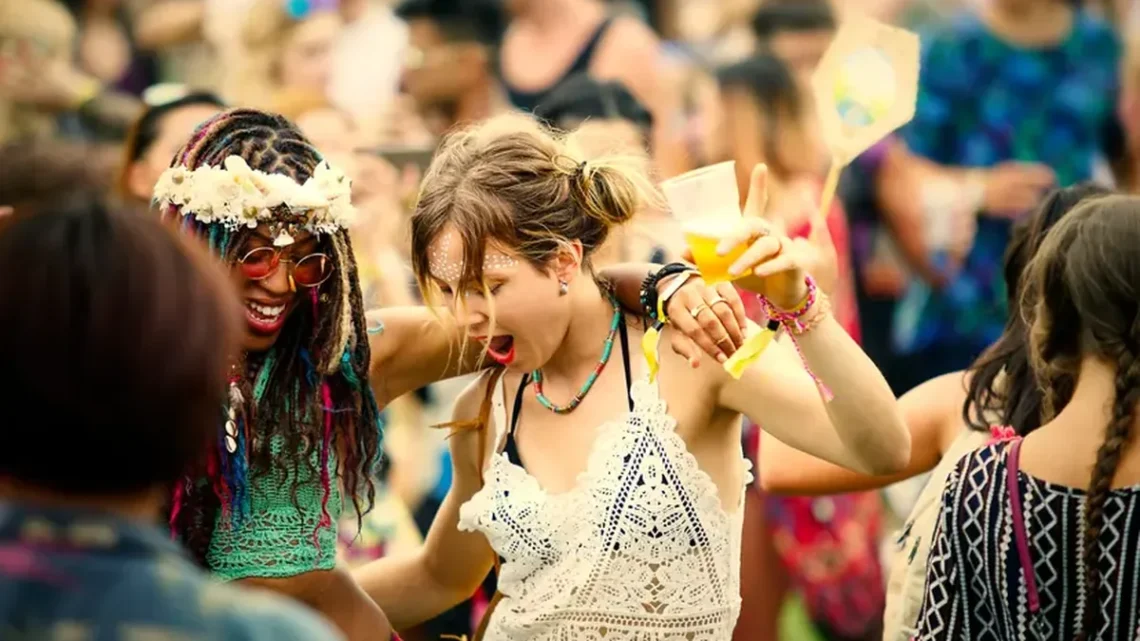
A music festival is the hardest place on earth for a hairstyle. There is dust in the air, sweat by midday, hours of dancing, no mirror and no plug socket. The hairstyles for a music festival that actually work are not the prettiest ones on a salon chair — they are the ones that still look good at 11 p.m., after twelve hours of heat, jumping and questionable portable toilets. That is the test every look in this guide has to pass.
This guide walks through 37 hairstyles for a music festival, from double Dutch braids and space buns to glitter roots, cornrows, mermaid waves and flower crowns, with honest notes on how long each one lasts and who it suits. It starts with eight explainers on what makes a style festival-proof, which styles suit your hair type, and exactly what to pack in your bag — then ends with the questions festival-goers ask most, including how to sleep in festival hair and get glitter out afterwards.
What Makes a Hairstyle Festival-Proof?
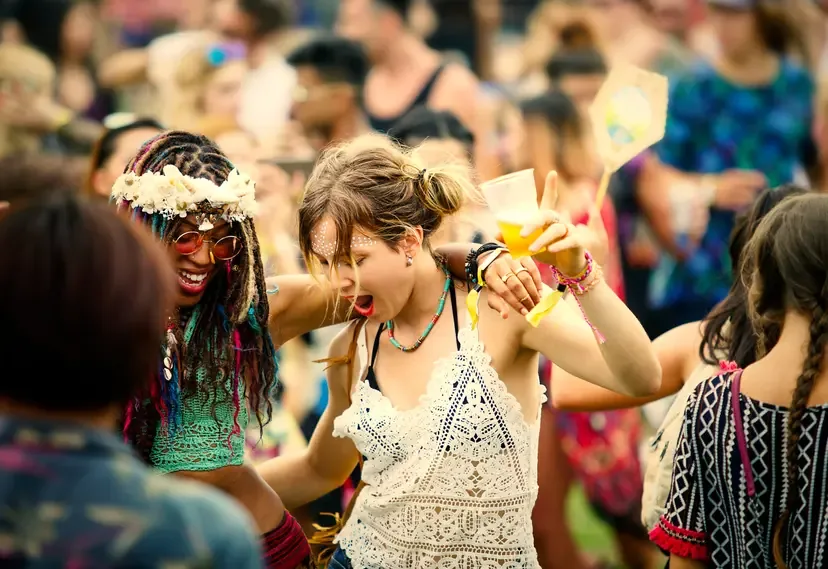
A festival-proof hairstyle does three things at once: it stays secure without constant fixing, it survives sweat, dust and humidity, and it still looks intentional when it starts to loosen. That is why braids, buns and pinned-up styles dominate festival hair — they anchor the hair to itself, so movement works for the style. Loose hair can look incredible at golden hour, but after a few hours of dancing it tangles, frizzes and ends up in a ponytail anyway, so the best loose styles are the ones that expect that and age gracefully.
What to look for: styles with at least two anchor points — a braid plus a bun, a ponytail plus a wrap, a plait pinned at the nape. What to avoid: anything that depends on perfect smoothness or a single bobby pin doing all the work. Quick verdict: if you would not trust it on a windy hilltop at midnight, it is not festival-proof — pick something with more structure and save the floaty look for the photos before you go in.
Festival Hair by Hair Type: Fine, Thick, Curly, Coily
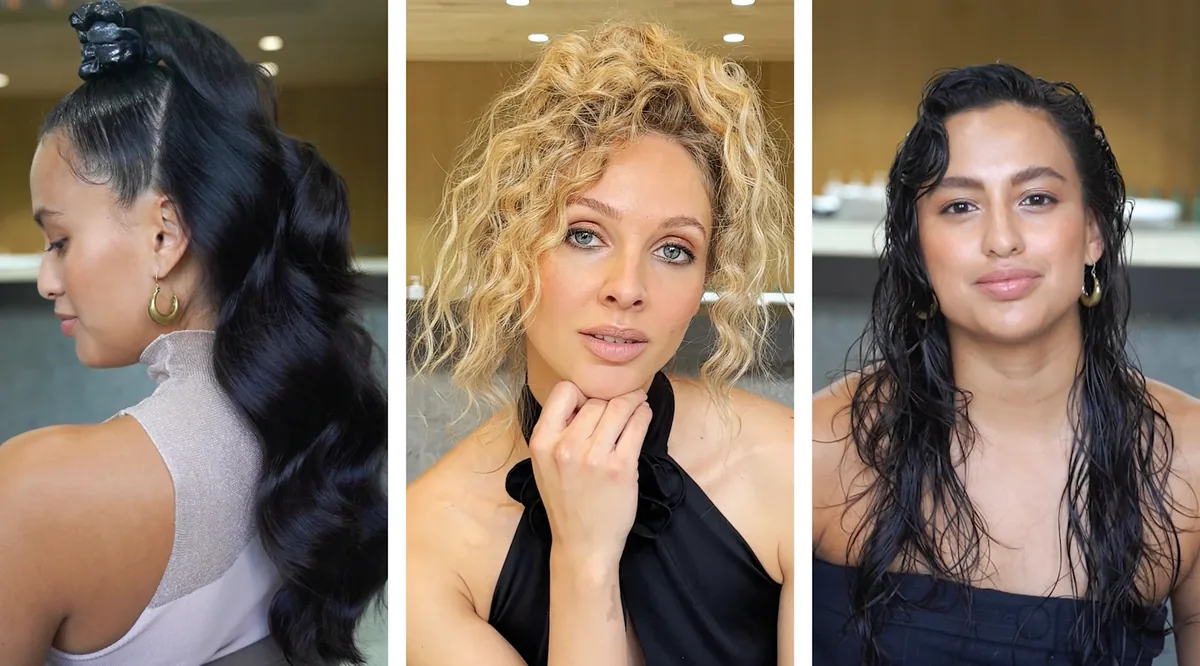
Fine hair slips out of pins and loses volume by lunchtime, so it needs texture first — dry shampoo, sea salt spray or a light mousse worked through before styling, plus styles that grip, like Dutch braids or a wrapped ponytail. Thick hair holds styles beautifully but gets heavy and hot, so split it into two braids or a high bun that lifts the weight off your neck. Curly and coily hair has natural grip and volume, so puffs, twists and braids last for days — the main job is moisture before you start.
Best for: fine hair suits bubble braids, fishtails and textured lobs; thick hair suits double braids, topknots and braided buns; curly hair suits puffs, halo braids and high ponies; coily hair suits cornrows, box braids and flat twists. Common mistake: copying a style made for a different hair type and expecting the same result. How to use this guide: filter the 37 looks below by your hair type first, then by how much time you have — the right match will last all day, the wrong one will be undone by the second set.
Braids vs Buns vs Loose Hair: Which Lasts Longest?
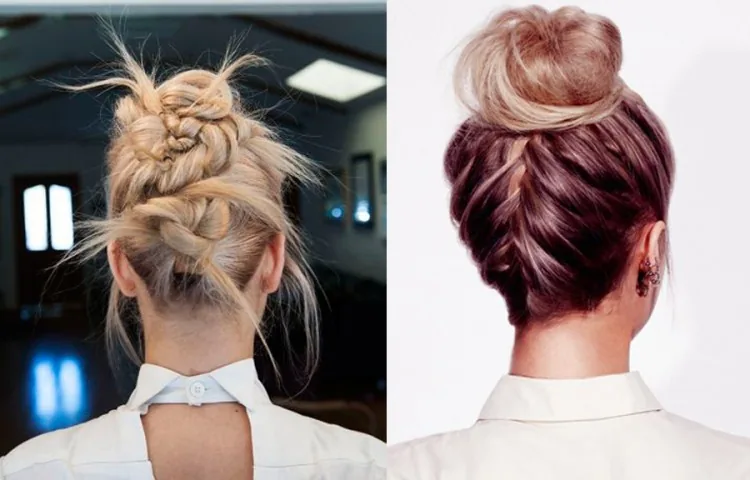
Braids win on longevity. A well-done Dutch or French braid can survive two days of festival wear, sleeping included, because the hair is locked into itself strand by strand. Buns come second — a wrapped or braided bun is very secure, but a plain messy bun loosens as the day goes on and usually needs one re-pin by evening. Loose hair looks the most romantic in photos and lasts the least long: wind, sweat and dancing turn it into tangles within a few hours, unless it is a textured style meant to look lived-in.
Pros and cons: braids take the most time up front but need almost no maintenance; buns are fast and keep hair off your neck in the heat; loose hair is the most comfortable and photogenic but demands the most fixing. What to do: match the structure to your day — braids for a full day of dancing, a bun for a hot afternoon, loose waves for a short evening set. Quick verdict: if you only learn one festival skill, learn a Dutch braid — it is the foundation of half the looks in this guide.
The Festival Hair Kit: What to Pack
Your festival hair kit should fit in a small pouch and cover four jobs: hold, refresh, repair and decoration. Pack a few snag-free elastics, a handful of bobby pins, one strong-hold mini hairspray or texture spray, dry shampoo, a travel comb, and a small bottle of hair oil or leave-in conditioner for the ends. Add glitter gel or hair gems if you want sparkle, a silk scarf for dust and sun, and a few spare elastics — they vanish at festivals, usually when you need them most.
What it costs: very little if you decant travel sizes from products you already own; the only thing worth buying new is a good dry shampoo and clear elastics. What to avoid: bringing full-size bottles, a straightener, or anything that needs power — festival campsites rarely have it, and the weight is not worth it. Maintenance note: check your kit the night before you leave, not at the gate. One missing pack of pins has ended more festival hairstyles than any amount of dancing ever has.
How to Make Any Festival Hairstyle Last All Day
The secret to all-day festival hair is preparation, not product. Start with hair that is not freshly washed — day-old hair has grip, clean hair slips. Work a texturising product through the lengths before you style, braid or pin while the hair is still slightly damp with product, and finish with a light mist of hairspray rather than a heavy coat, which flakes in the heat. Anchor every style in at least two places, tuck the ends in, and carry two spare pins for the inevitable mid-afternoon rescue.
Best for: this routine works for almost every style in this guide, from braids to buns to waves. Common mistake: overloading the hair with product at the start — it gets greasy by midday and weighs the style down. How to use it: do the full prep once in the morning, then leave it alone — every time you re-do a section, you weaken the hold that was already working.
Common Mistakes That Ruin Festival Hair
The most common mistake is styling freshly washed, silky hair and expecting it to hold — it will slide out of every braid and pin within an hour. The second is using too many products at once: oil plus serum plus spray plus glitter gel turns into a sticky mess by lunchtime. The third is choosing a style you have never tried before on the morning of the festival, which is how people end up re-doing their hair in a field with no mirror. And the fourth is forgetting the sun: a parting left unprotected will be sore by evening.
Mistakes to avoid: tight styles pulled hard enough to hurt — they cause headaches by mid-afternoon and damage the hairline over time; and sleeping in a style you plan to re-wear without protecting it. What works instead: practise the style once at home, pack the kit from the previous section, and protect your parting with sunscreen or a scarf. Quick verdict: most festival hair disasters are not caused by dancing — they are caused by starting with the wrong hair, the wrong products, or a style you have never actually done.
Festival Hair and Heat: Sun, Sweat and Dust Protection
Sun, sweat and dust are the three forces working against your hair at a festival, and each needs a different defence. The sun dries out the lengths and burns the scalp along the parting, so use a UV hair mist or a light oil on the ends and sunscreen on the parting itself. Sweat makes roots greasy and styles heavy, so dry shampoo at the roots in the morning — before the sweat starts — works far better than trying to rescue it afterwards. Dust is the hardest to fight, but a scarf or a braided style that keeps the lengths contained will keep most of it out.
Who should take it seriously: anyone with colour-treated, bleached or fine hair, which dries out fastest in sun and dust. What to do: oil the ends before you leave camp, reapply dry shampoo once in the afternoon, and rinse properly when you get home — dust and glitter need a double wash. Maintenance note: a festival weekend is not the time to try a new colour or treatment. Protect the hair you have; experiment when you are home with a proper shower and a mirror.
The Quick Verdict: Picking Your Look in Five Questions
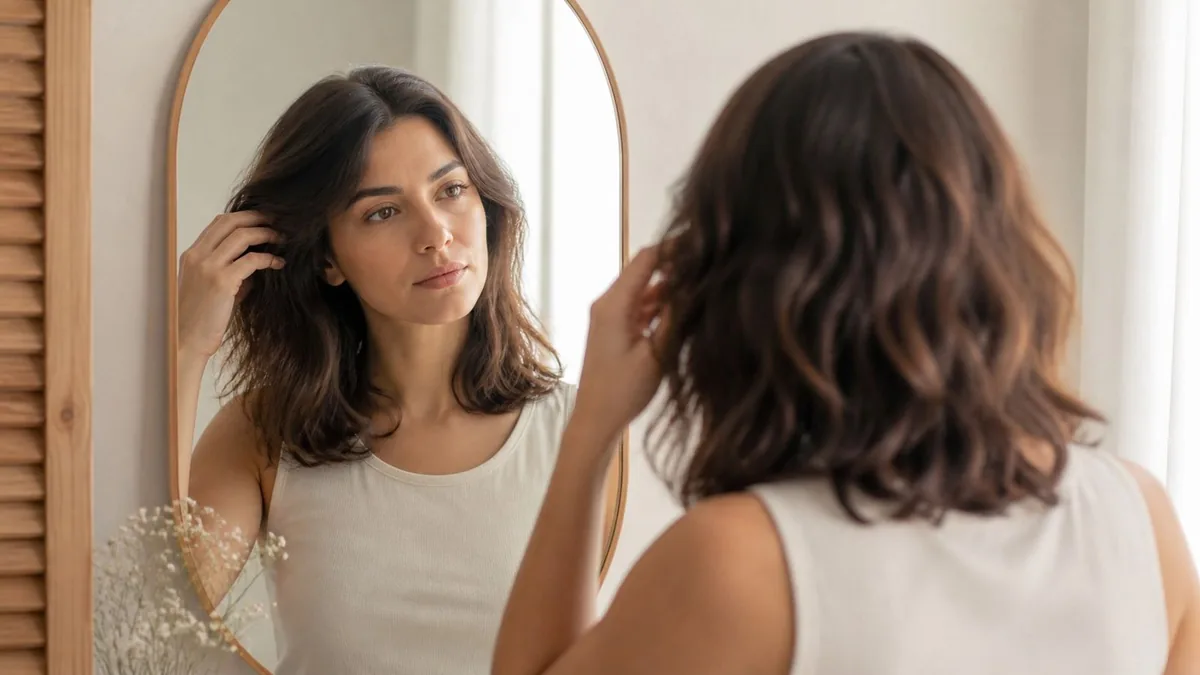
If you cannot decide between the 37 looks below, answer five questions and the choice makes itself. How long will you be dancing — a short evening set, or twelve hours from gates to headliner? How much time do you have to style in the morning? Is it hot, and do you want your hair off your neck? Does your hair hold a braid, or does it slip out of everything? And do you want to look polished in photos, or is comfort the priority? A long day, little time and hot weather points straight to double Dutch braids or a braided bun; a short evening opens up waves, glitter and flower crowns.
How to score it: if three or more answers point to practicality, choose a braid or a bun — you will thank yourself at 10 p.m. What to do next: pick your top two looks, practise the harder one at home, and pack the kit for both. Quick verdict: the best hairstyle for a music festival is not the most impressive one — it is the one you forget about completely, because it simply stays put while you dance.
1. Double Dutch Braids: The Festival Classic That Never Budges
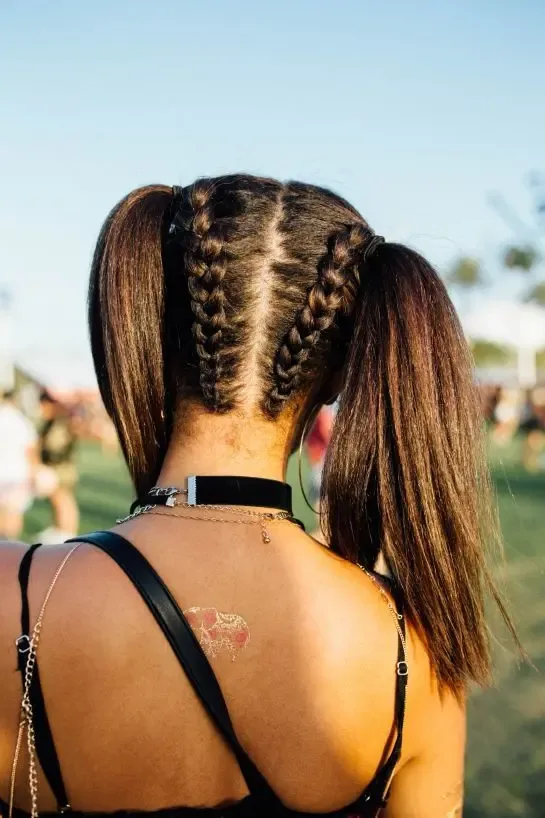
Double Dutch braids are the single most reliable hairstyle for a music festival, and there is a reason you see them at every festival on earth. The braids sit on top of the hair rather than inside it, so they look bold and dimensional in photos, and because each strand is locked into the next, they genuinely survive a full day of dancing, jumping and sleeping in a tent. They keep every strand off your face and neck, which matters when the afternoon sun is beating down and the crowd is packed tight.
Who it suits: almost everyone, but especially medium to long hair with a bit of texture. How long it takes: ten to fifteen minutes once you can do a Dutch braid, longer the first few times. What to ask a stylist: ask for the braids to start tight at the hairline, with the ends tucked under and pinned. Common mistake: braiding on freshly washed hair — day-old hair grips far better, so wash the night before and add dry shampoo at the roots.
2. Space Buns: Playful, Practical and Built for Dancing
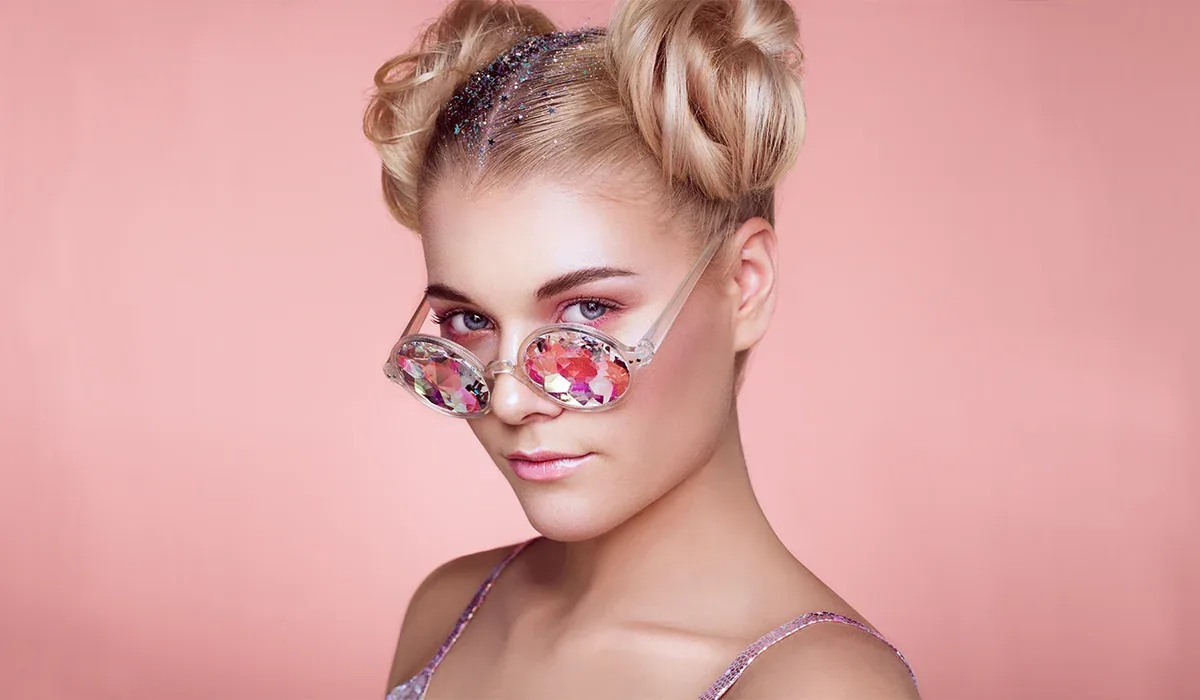
Space buns are the festival look that does everything at once: they are cute, they are comfortable, they keep your hair completely out of the way, and they survive the mosh pit better than almost any other style. Two high buns sit above the ears, balanced so they do not pull, and because the hair is coiled and pinned in on itself, there is almost nothing for the crowd or the wind to catch. Add glitter at the parting and they go from playful to properly festival-ready.
How to style: part the hair down the middle, make two high ponytails, twist each one into a bun and pin generously — at least four pins per bun. Pros and cons: they are fast, secure and photogenic, but very long or thick hair makes heavy buns that can ache by evening, so keep them smaller and higher. Who should avoid it: anyone with a very sensitive scalp should keep the buns looser and lower. Quick verdict: the one style that works for day one and day two.
3. Boho Messy Waves: Effortless Texture That Improves With Dust
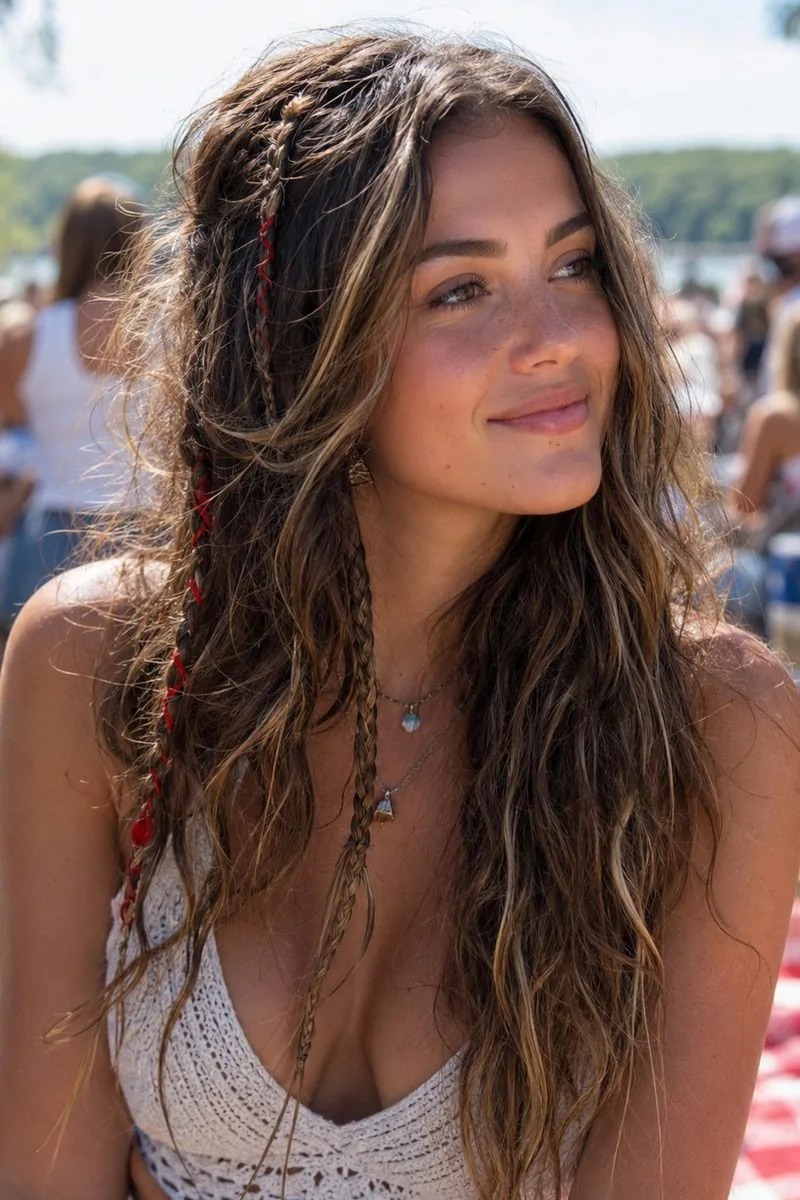
Boho messy waves are the rare festival hairstyle that actually gets better as the day goes on. The look is loose, textured and deliberately undone, so the wind, the dancing and even a bit of dust only add to the effect instead of ruining it. It photographs beautifully at golden hour, when the light catches the movement in the waves. The key is starting with real texture — sea salt spray, a loose curling wand, or braids slept in overnight — rather than trying to force perfectly smooth hair into looking messy.
How to style: curl large sections loosely, break them up with your fingers, and mist with sea salt spray. Maintenance: carry a small texture spray and scrunch the ends back to life once in the afternoon. Common mistake: over-brushing, which turns waves into frizz; use your fingers only. Who it suits: medium to long hair with natural wave, and anyone who wants a low-effort look that still feels styled.
4. Bubble Braids: The High-Impact Style Anyone Can Do
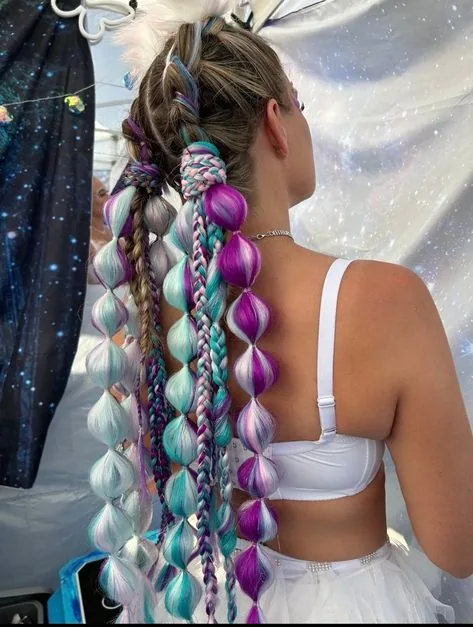
Bubble braids look far harder than they are, which is exactly why they are perfect for a festival. You simply make a ponytail, add elastics down its length, and gently pull each section out into a bubble — no braiding skill needed at all. The result is bold, graphic and very photogenic, and because the hair is held by elastics at regular intervals, it stays secure through hours of dancing. They work on long hair, pigtails and half-up styles, and they are the easiest look to refresh mid-day: tighten an elastic and re-fluff a bubble.
How to style: use clear elastics, space them evenly, and pull each bubble out gently from the sides, not the top. Pros and cons: they are quick, cheap and very secure, but they use a lot of elastics and can snag fine hair when you take them out. Cost and time: under ten minutes and a pack of elastics. Quick verdict: if you cannot braid, this is your festival style — maximum impact for minimum skill.
5. The High Ponytail, Wrapped and Locked In
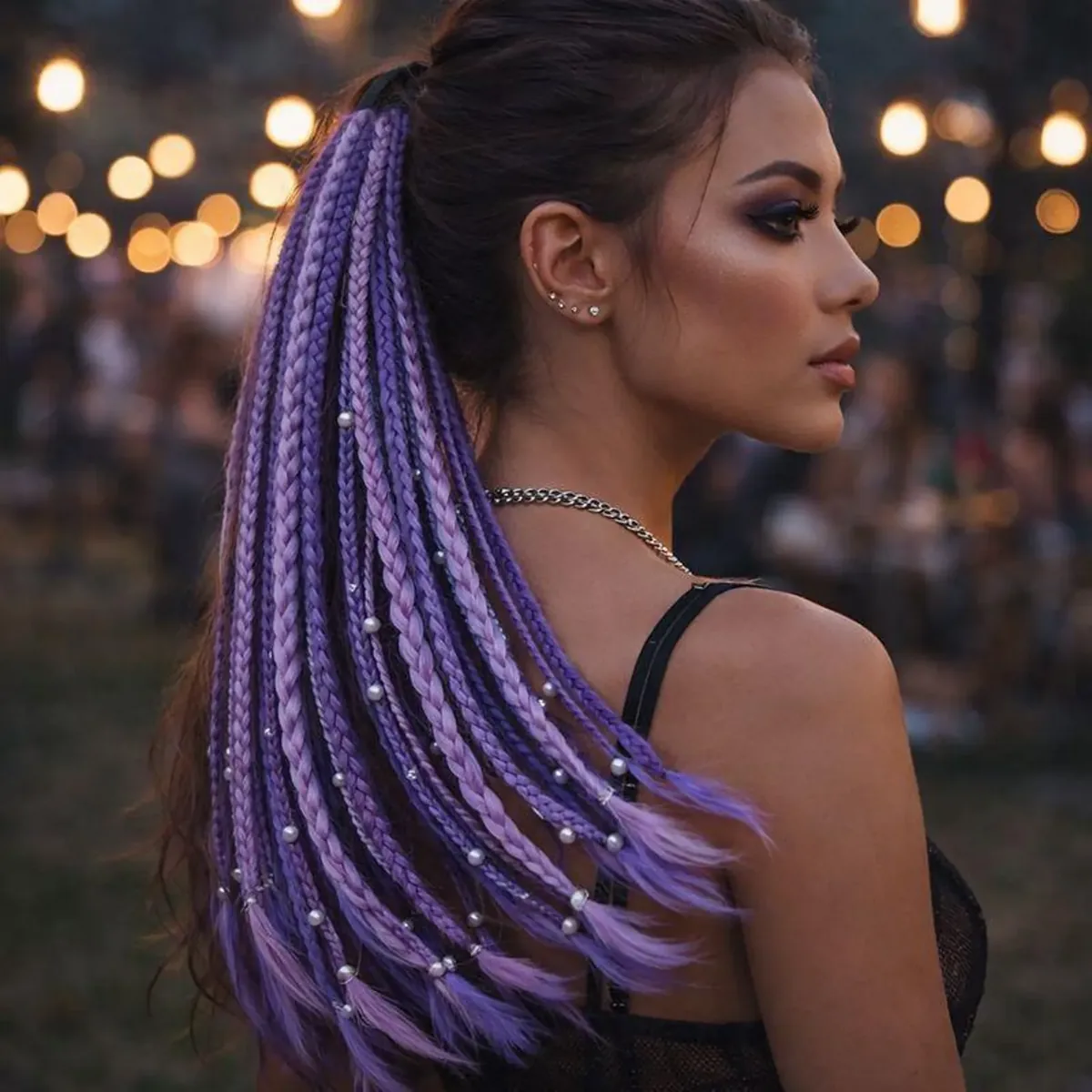
A high ponytail is the oldest festival trick in the book, and the wrapped version is what makes it last. The trick is the wrap: take a small section of hair from underneath the ponytail, wind it around the elastic, and pin it in place, which hides the elastic and stops the ponytail from sliding down. Wrap a ribbon or scarf around the base and a basic ponytail becomes a deliberate festival look. It keeps hair off your neck in the heat and gives you the swing and movement that photographs so well when you dance.
How to style: flip your head upside down to gather the ponytail high, secure with a strong elastic, then wrap and pin. Maintenance: carry one spare elastic — a ponytail that slips is fixed in ten seconds if you have one. Who it suits: long hair especially, and anyone who wants a simple style with a polished finish. Common mistake: pulling it too tight, which causes a headache by mid-afternoon; it should feel secure, not painful.
6. Fishtail Braid: Delicate Looking, Surprisingly Tough
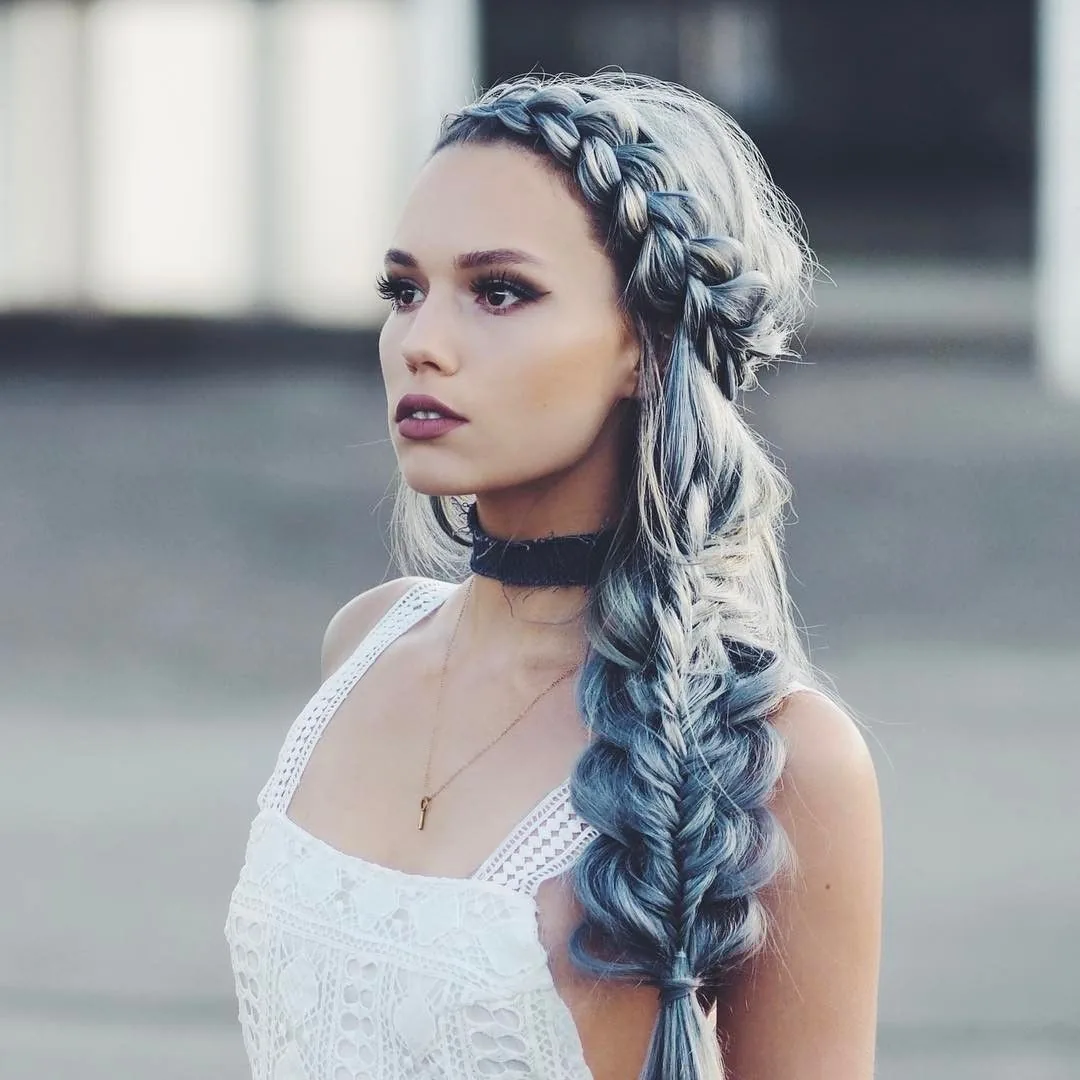
A fishtail braid looks delicate and intricate, all fine woven strands, but it is one of the toughest festival styles you can wear. Because it is built from just two sections crossed over each other again and again, the weave is dense and holds its shape for hours, and it actually looks better slightly loosened and lived-in, which is exactly what a festival does to it. Worn to one side it is romantic and photogenic; worn down the back it is neat and secure.
How to style: split the hair in two, take a thin piece from the outside of one side and cross it to the other, and repeat. Pros and cons: it is very secure and very pretty, but it takes longer than a normal braid and needs a bit of practice. Who should avoid it: very short hair, which will not hold the weave. Quick verdict: learn it once at home and you have a festival style for life.
7. Half-Up Top Knot: Hair Out of Your Face, Length Still Free
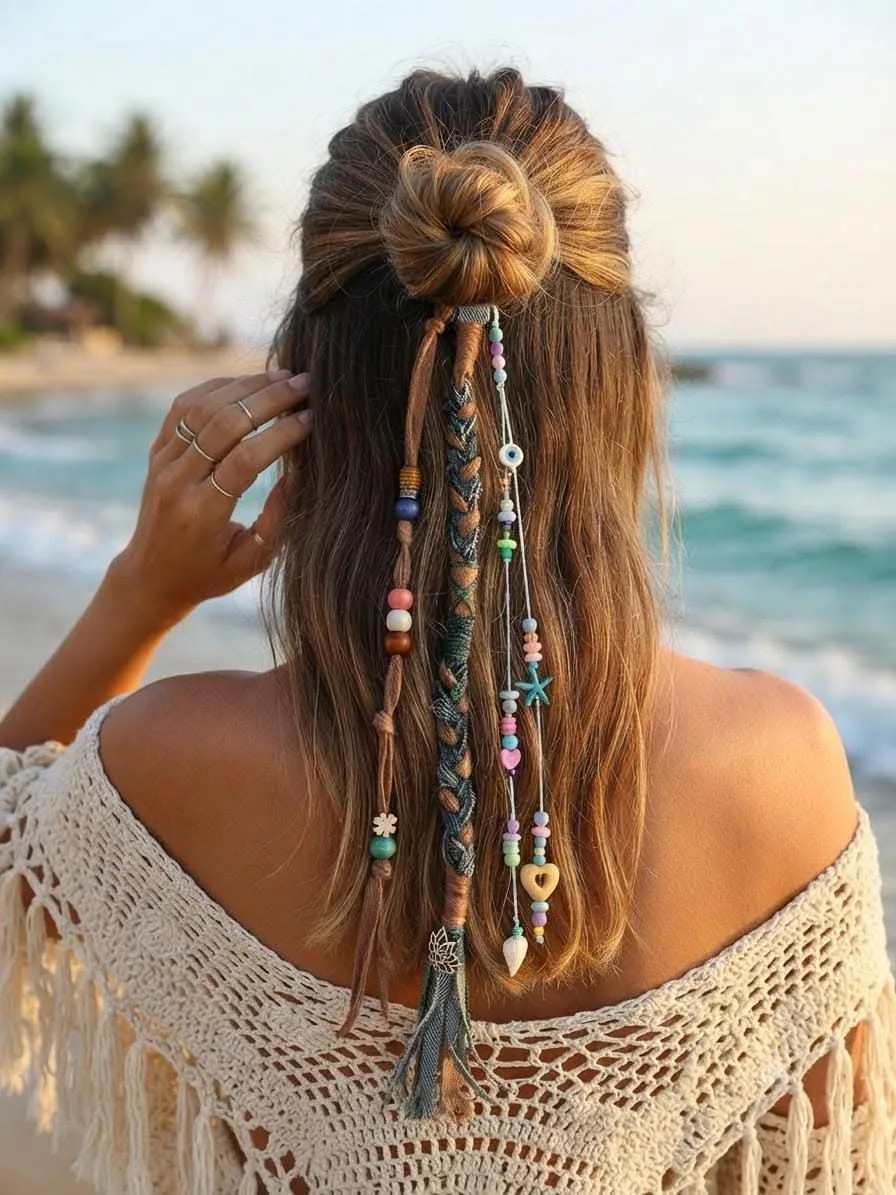
The half-up top knot is the compromise festival hairstyle: the top half of your hair is pulled up and out of your face, while the rest stays loose and free down your back. It is the style for people who love their length but hate hair sticking to their face when they dance, and it takes about two minutes to do, which makes it the easiest look in this guide. Add a braid into the top section, or wrap the knot and pin it loosely, and it stops looking like a lazy-day style and starts looking like a deliberate festival choice.
How to style: section off the top third, twist it into a small knot at the crown, and pin it — leave the rest loose. Maintenance: the loose half will tangle by evening, so carry a small comb. Common mistake: making the knot too small, so it slips; take a generous section and pin it twice. Who it suits: medium to long hair, and anyone who wants the festival feeling without committing to a full updo.
8. Glitter Roots: Sparkle That Stays Put Until You Wash It Out
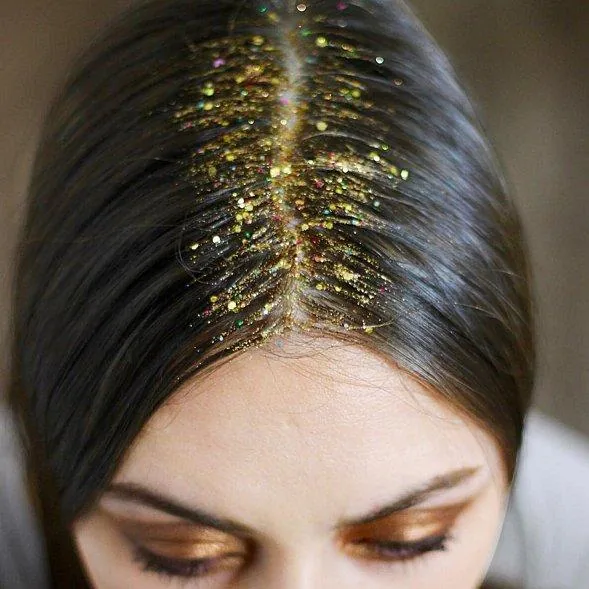
Glitter roots are the fastest way to look festival-ready with almost no effort: a stripe of glitter gel along the parting and the hairline, and suddenly even a plain ponytail looks like a festival look. The trick is using proper hair glitter gel rather than craft glitter, which is sharper, harder to remove and bad for the environment — look for biodegradable glitter, which is now widely available and washes out with shampoo. Applied to the roots, it stays put through sweat and dancing, and it catches the light beautifully under stage lights.
How to style: part the hair, paint glitter gel along the parting with a small brush, and add a little at the hairline. Cost and time: a pot of glitter gel costs a few pounds or dollars and lasts several festivals; application takes five minutes. What to avoid: glitter near the eyes, and craft glitter, which does not belong on skin or hair. Quick verdict: the highest-impact, lowest-effort festival upgrade there is — one pot, five minutes, instant festival hair.
9. Cornrows: The Ultimate Set-and-Forget Festival Style
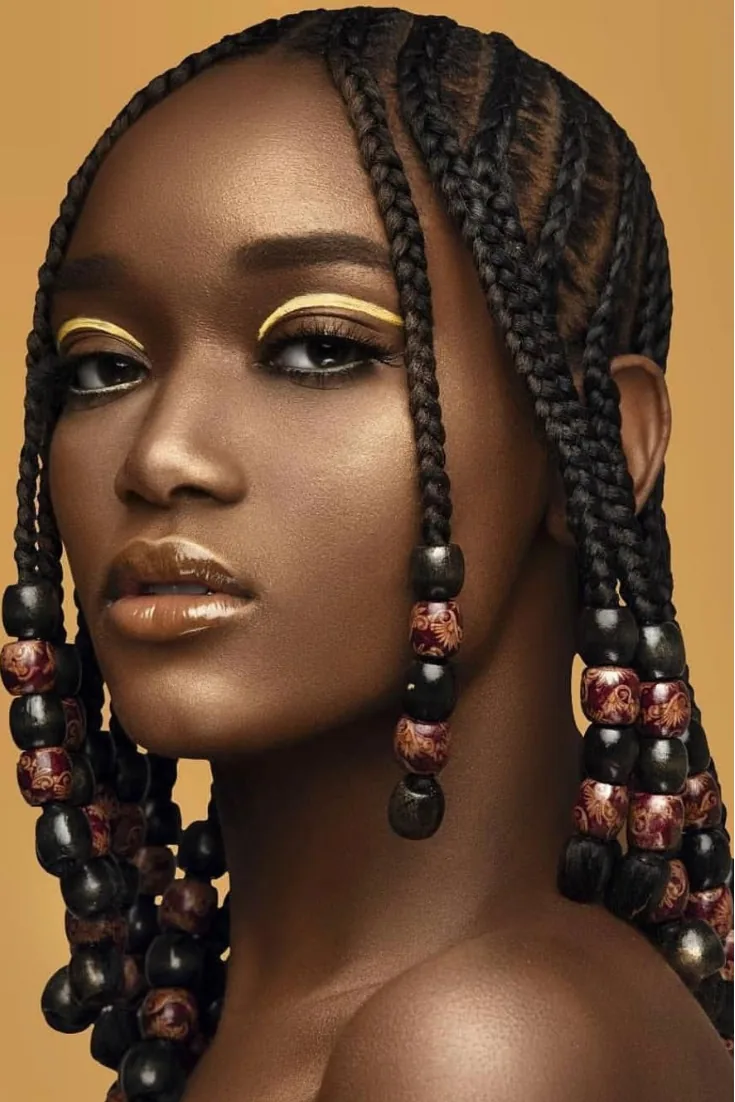
Cornrows are the ultimate festival hairstyle for anyone who wants to forget about their hair entirely for the whole weekend. The braids are woven tight to the scalp in neat rows, so they do not move, frizz or loosen no matter how much you dance, sleep in a tent, or get caught in the rain. They last for days, protect the hair underneath, and look sharp from every angle. Keep them simple and sleek, or add beads and coloured thread at the ends for a festival finish.
Who it suits: textured, coily and curly hair especially, and anyone with enough length to braid to the scalp. How long it takes: one to three hours depending on the number of rows, so book a braider before the festival or practise well ahead. Maintenance: almost none — a little oil on the scalp and a silk scarf at night. Common mistake: braiding too tightly, which causes pain and can damage the hairline; cornrows should feel snug, never sore.
10. French Braid Crown: A Halo That Holds Through the Headliners
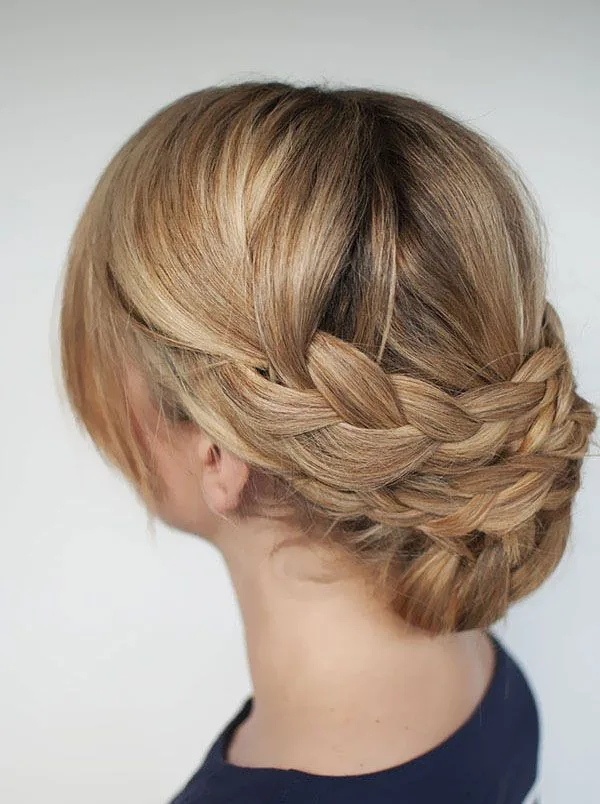
A French braid crown wraps a single braid around the head like a halo, pinning the hair up and away from the face in a style that looks romantic and stays put for hours. It is one of the most photogenic hairstyles for a music festival, because it frames the face beautifully from every angle and pairs perfectly with flower crowns, glitter and statement earrings. It also solves the heat problem completely — every strand is up and off the neck — while still looking soft and feminine rather than severe.
How to style: start a French braid at one ear, work it around the hairline to the other side, and pin the tail underneath. Pros and cons: it is elegant, secure and very cool in hot weather, but it needs medium to long hair and some braiding confidence. Who should avoid it: very short hair, which will not reach around the head. What to ask a stylist: ask for the braid to sit slightly loose, with a few face-framing pieces pulled out.
11. The Beachy Textured Lob: Short Hair, Big Festival Energy
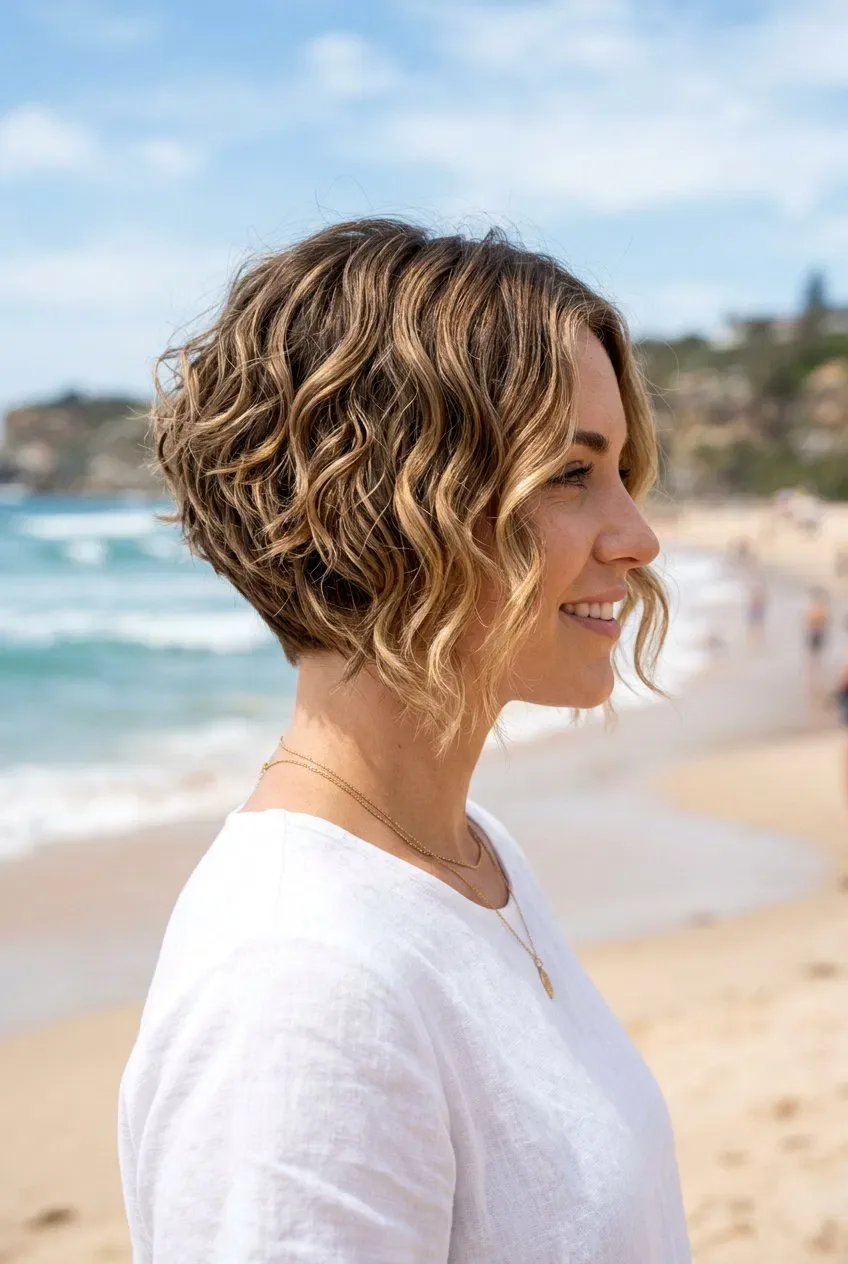
Short hair has a real advantage at a festival: it dries fast, it does not tangle, it stays cool, and it needs almost no maintenance — and a textured lob, cut to just above the shoulders with plenty of layers, is the short style with the most festival energy. The texture does the work: sea salt spray, a quick scrunch, and the lob looks deliberately tousled rather than flat, and it holds that look all day because there is not enough length to drag it down. Add a bandana or a glitter parting and it goes from everyday to festival in seconds.
How to style: work sea salt spray through damp hair, scrunch, and let it air dry — no heat needed. Maintenance: a mid-afternoon scrunch with texture spray brings it straight back. Who it suits: straight to wavy hair, and anyone who wants a genuinely low-maintenance festival weekend. Common mistake: over-styling it with a straightener, which removes exactly the texture that makes it work — the mess is the point.
12. Low Messy Bun: The Five-Minute Style That Looks Intentional
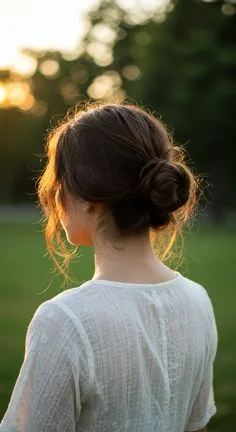
The low messy bun is the festival style for the morning you overslept: five minutes, a few pins, and you look like you meant it. The trick is in the looseness — pull the bun together low at the nape, leave a few pieces out around the face, and tug gently at the crown for volume, so it reads as relaxed rather than undone. It keeps your hair off your neck, survives dancing better than a high bun because it sits low and balanced, and when it loosens by evening it just looks messier in a good way.
How to style: gather the hair low, twist it loosely, pin it in a soft bun and pull out a few face-framing strands. Pros and cons: it is the fastest updo in this guide and very comfortable, but it loosens faster than a braided style, so carry extra pins. Who it suits: everyone, especially medium-length hair that will not quite hold a braid. Quick verdict: the best emergency festival hairstyle — learn it, and no bad hair morning can ruin your day.
13. Braided Pigtails: Nostalgic, Cool and Crowd-Proof
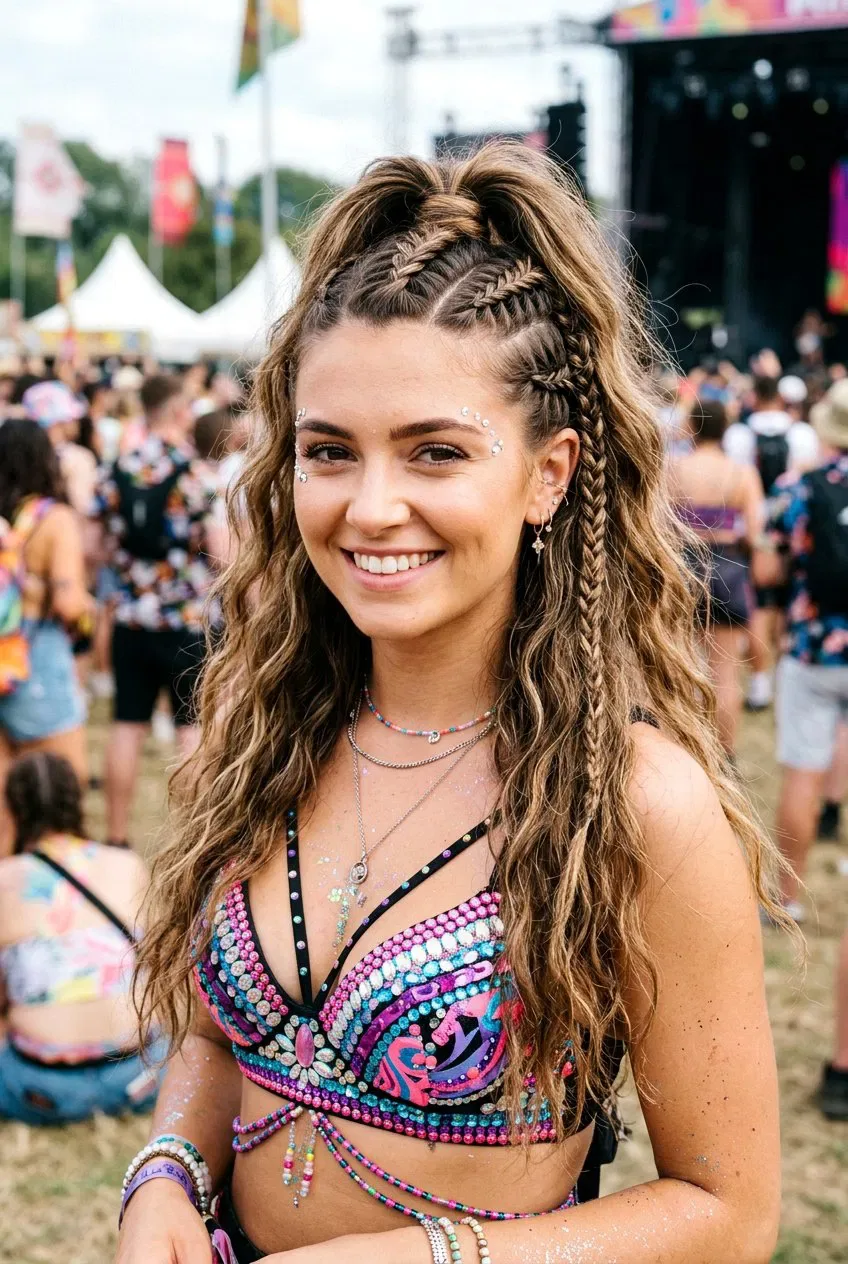
Braided pigtails are pure festival nostalgia — part schoolyard, part nineties pop star — and they are also one of the most practical styles you can wear in a crowd. Two braids keep the hair split, balanced and completely secure, so nothing falls in your face when you jump, and nothing gets pulled when someone brushes past you in a packed crowd. They work with glitter, beads or ribbons woven in, and they look just as good on day two as on day one.
How to style: part down the middle, braid each side from the crown to the ends, and secure with small elastics. Maintenance: almost none — if a braid loosens, re-braid just the end and carry on. Who it suits: medium to long hair, and anyone who wants a playful look that does not need a mirror. Common mistake: making the parting wonky in a rush — take thirty seconds to get it straight, because a crooked parting is the one thing people notice.
14. Slicked-Back Wet Look: Sweat-Proof Shine
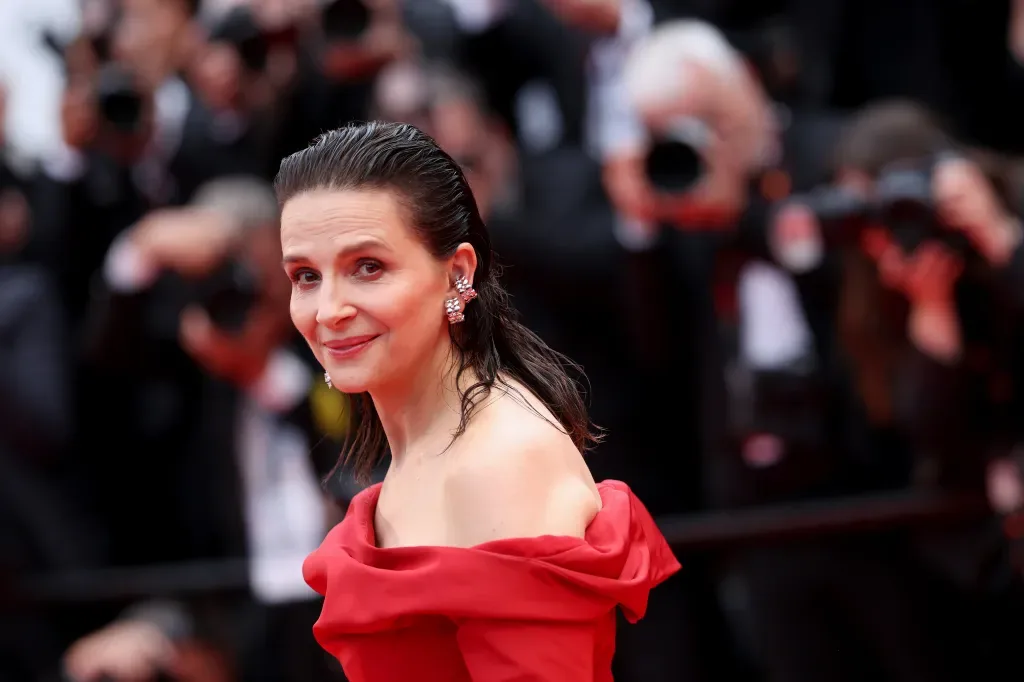
The slicked-back wet look is the festival style that turns sweat into a feature instead of a problem. Gel combed back from the forehead gives a glossy, editorial finish that does not move, frizz or fall in your face no matter how hot it gets or how hard you dance — because the look is already wet, a bit more moisture changes nothing. It works on short hair, long hair, curls and straight hair, and it pairs beautifully with bold earrings and sunglasses for a look that feels high-fashion rather than thrown together.
How to style: work a strong-hold gel through damp hair, comb it straight back, and smooth the sides flat. Pros and cons: it is extremely secure and sweat-proof, but it uses a lot of product and needs a proper wash at the end of the day. Who should avoid it: very fine hair, which can look flat and greasy rather than glossy. Quick verdict: the best choice for the hottest day of the festival — when every other style is wilting, this one looks better.
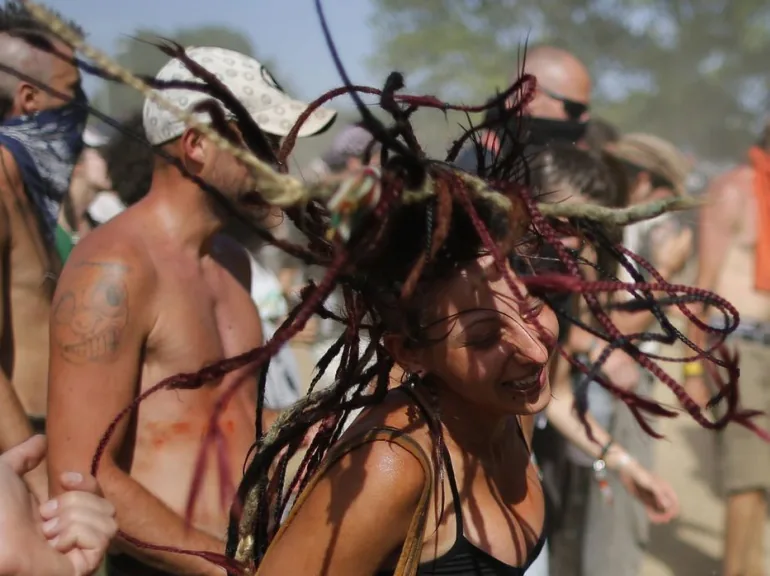
15. Coloured Streaks and Chunky Highlights: Instant Festival Colour
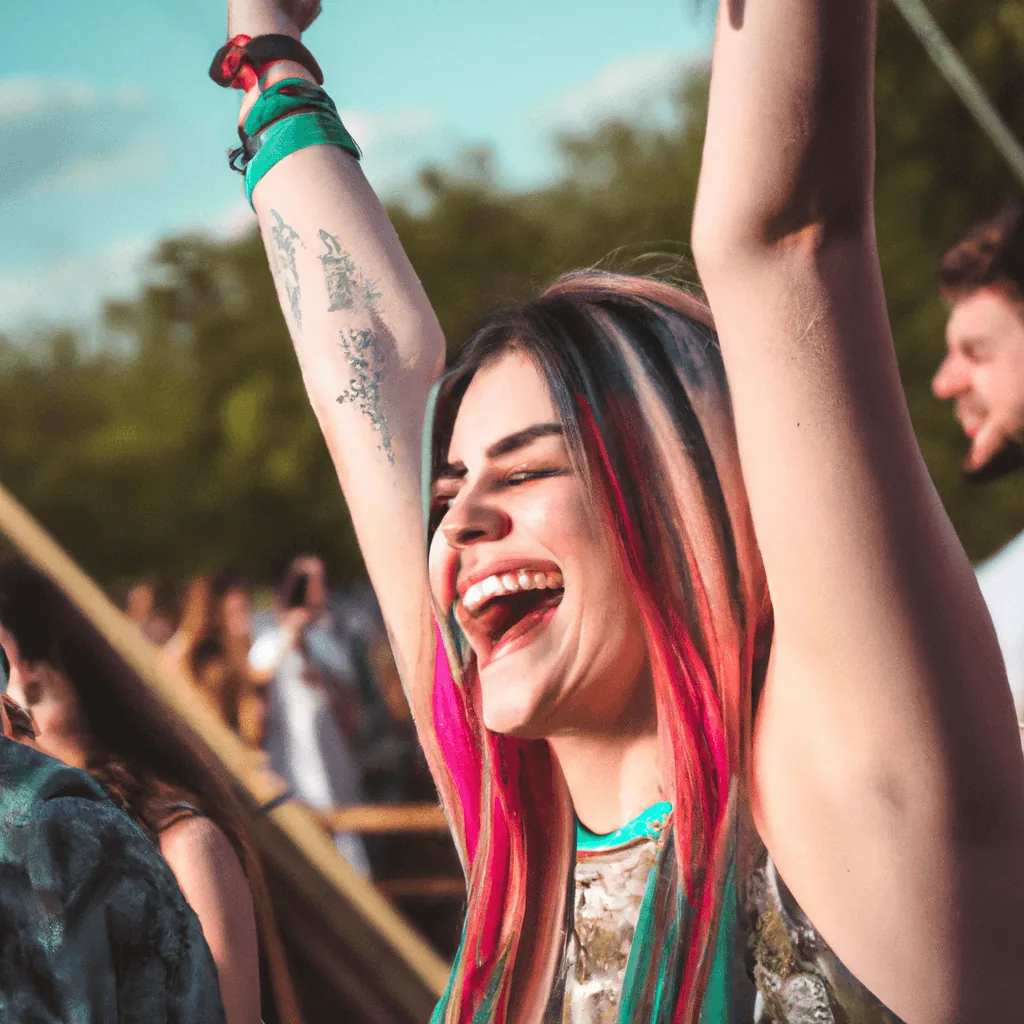
Nothing says festival like colour, and chunky coloured streaks are the fastest way to get it without committing to a full dye job. A few bold panels — pink, blue, purple, or a vivid copper — woven through the front sections or underneath the top layer catch the light when you move and transform even a simple braid or ponytail into a festival look. Temporary sprays and chalks wash out in one shampoo, clip-ins need no dye at all, and semi-permanent colour lasts the whole weekend.
How to style: apply temporary colour to the sections that frame the face, or clip in coloured pieces before braiding. Cost and time: a can of temporary colour spray costs very little and takes five minutes; clip-ins cost more but are reusable. What to avoid: applying temporary colour to wet hair, which makes it run. Who it suits: everyone — colour is the one festival trend with no hair-type limit.
16. Box Braids With Beads: Days of Wear, Zero Morning Effort

Box braids with beads are a festival investment that pays off every single morning: once they are in, you wake up, shake them out, and you are done. The braids are divided into neat square sections and braided down the length, and wooden or metal beads at the ends add movement, sound and colour — they catch the light and swing when you dance, which is half the joy of the style. They last for weeks, protect the natural hair underneath, and need almost no daily effort.
Who it suits: textured and coily hair especially, and anyone with the patience for a long braiding session. How long it takes: four to eight hours for a full head, so book a braider well before the festival. Maintenance: oil the scalp, tie the braids up at night with a silk scarf, and keep the beads secure. Common mistake: making the braids too heavy with too many beads, which pulls on the scalp — keep the beads light and the sections comfortable.
17. Twisted Halo Braid: Soft, Romantic and Surprisingly Secure
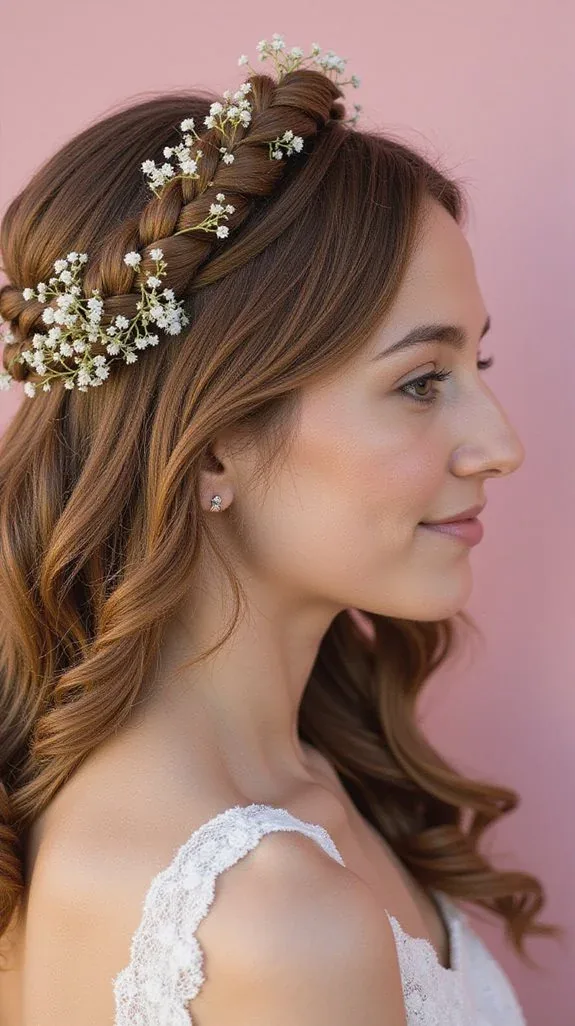
The twisted halo braid is the gentler cousin of the French braid crown: instead of braiding, you twist two sections of hair around each other and pin them around the head, which is faster, easier, and gives a softer, more romantic finish. It frames the face beautifully, keeps the hair completely off the neck, and because the twists are pinned at several points, it holds up well through a long day of dancing. It is also one of the best styles for hair that will not hold a proper braid — the twist grips where a braid slips.
How to style: take a section at one temple, split it in two, twist the pieces around each other towards the back, and pin; repeat on the other side. Pros and cons: it is quick, soft and forgiving, but it loosens faster than a true braid, so carry extra pins. Who it suits: medium to long hair, especially wavy or textured hair. What to ask a stylist: ask for the twists to be pinned at three points each side for real all-day hold.
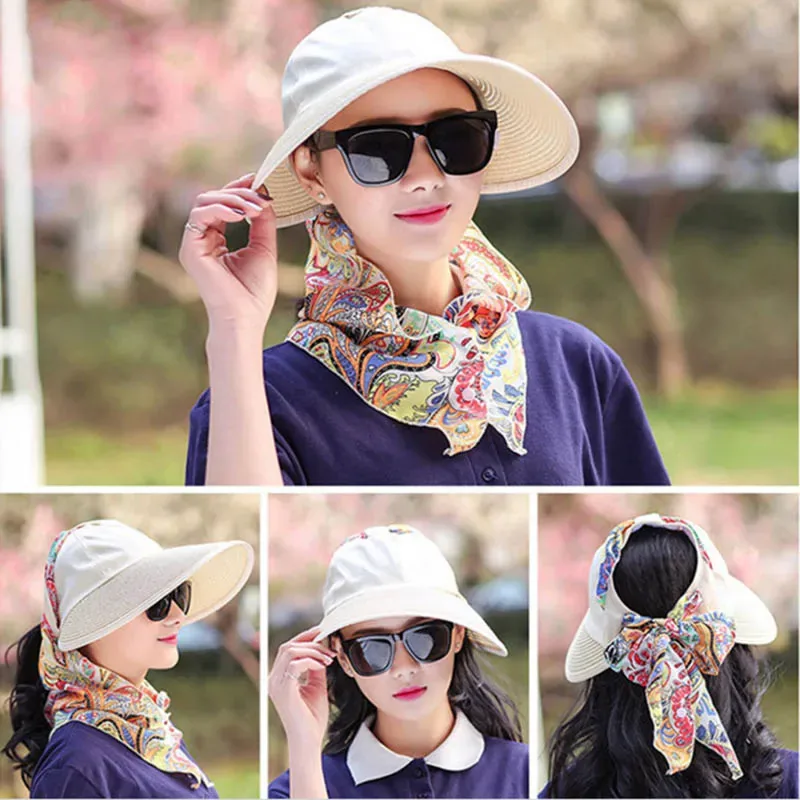
18. Scarf-Wrapped Low Pony: Colour, Coverage and Zero Frizz
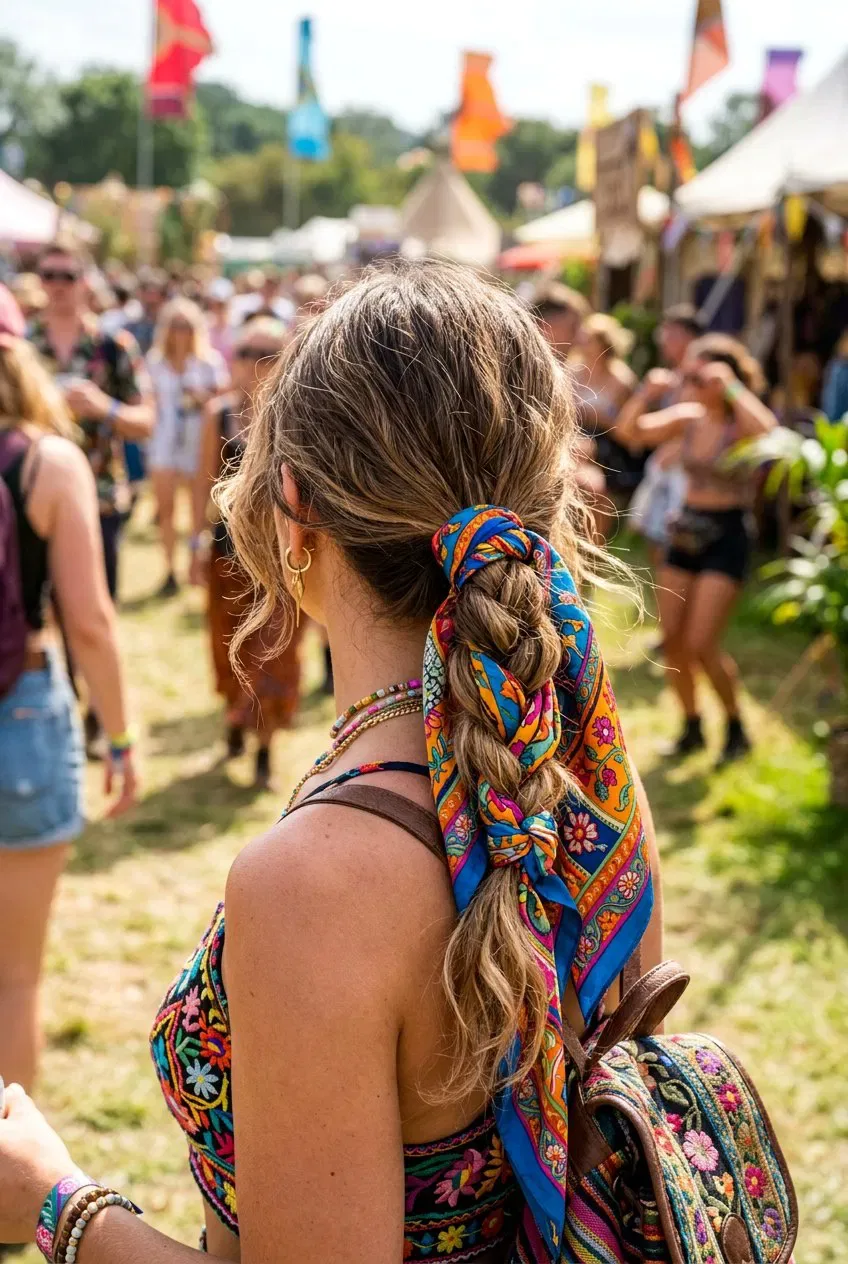
A scarf-wrapped low ponytail is the festival style that solves three problems at once: it adds a pop of colour, it protects the hair from dust and sun, and it hides frizz completely. You tie the hair into a low ponytail, wrap a silk or cotton scarf around the base, and let the ends of the scarf fall with the ponytail — the result looks polished, bohemian and deliberate, and it takes about three minutes. A bright print makes the scarf the accessory; a neutral one makes the ponytail look expensive.
How to style: secure a low ponytail, fold a scarf into a band, wrap it around the base twice, and tie it underneath. Maintenance: none — the scarf holds the style together and hides any loosening. Who it suits: everyone, and especially anyone whose hair frizzes in humidity. Common mistake: using a slippery silk scarf with no grip, which slides off — pin it once at the back, or use a cotton scarf that stays put.
19. Braided Space Buns: Two Styles in One
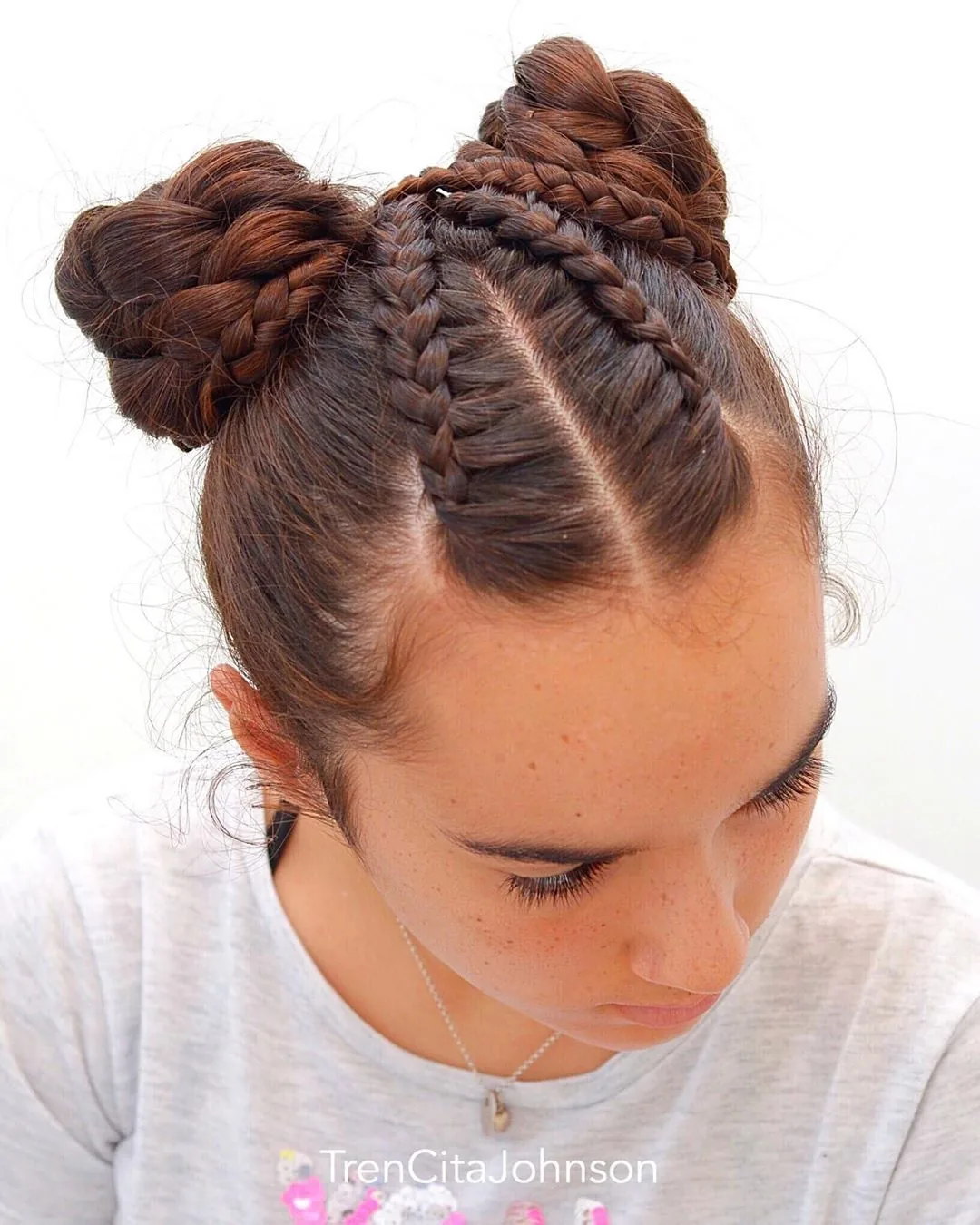
Braided space buns take the festival favourite and make it even more secure: each side is braided first — usually a Dutch braid from the hairline up to the crown — and then coiled into a bun. The braid anchors the bun to the head, so it cannot slip or flop, and the combination looks more detailed and deliberate than plain space buns, which makes it a favourite for photos. It is the style to choose when you love space buns but need them to survive a full day.
How to style: part down the middle, Dutch-braid each side up to the crown, then twist the remaining hair into a bun and pin. Pros and cons: they are extremely secure and very photogenic, but they take longer than plain space buns and need braiding skill. Who should avoid it: anyone short on time in the morning — save it for a day you can spare twenty minutes. Quick verdict: the most secure version of the most popular festival style.
20. Curly Afro Puffs: Volume That Dances With You
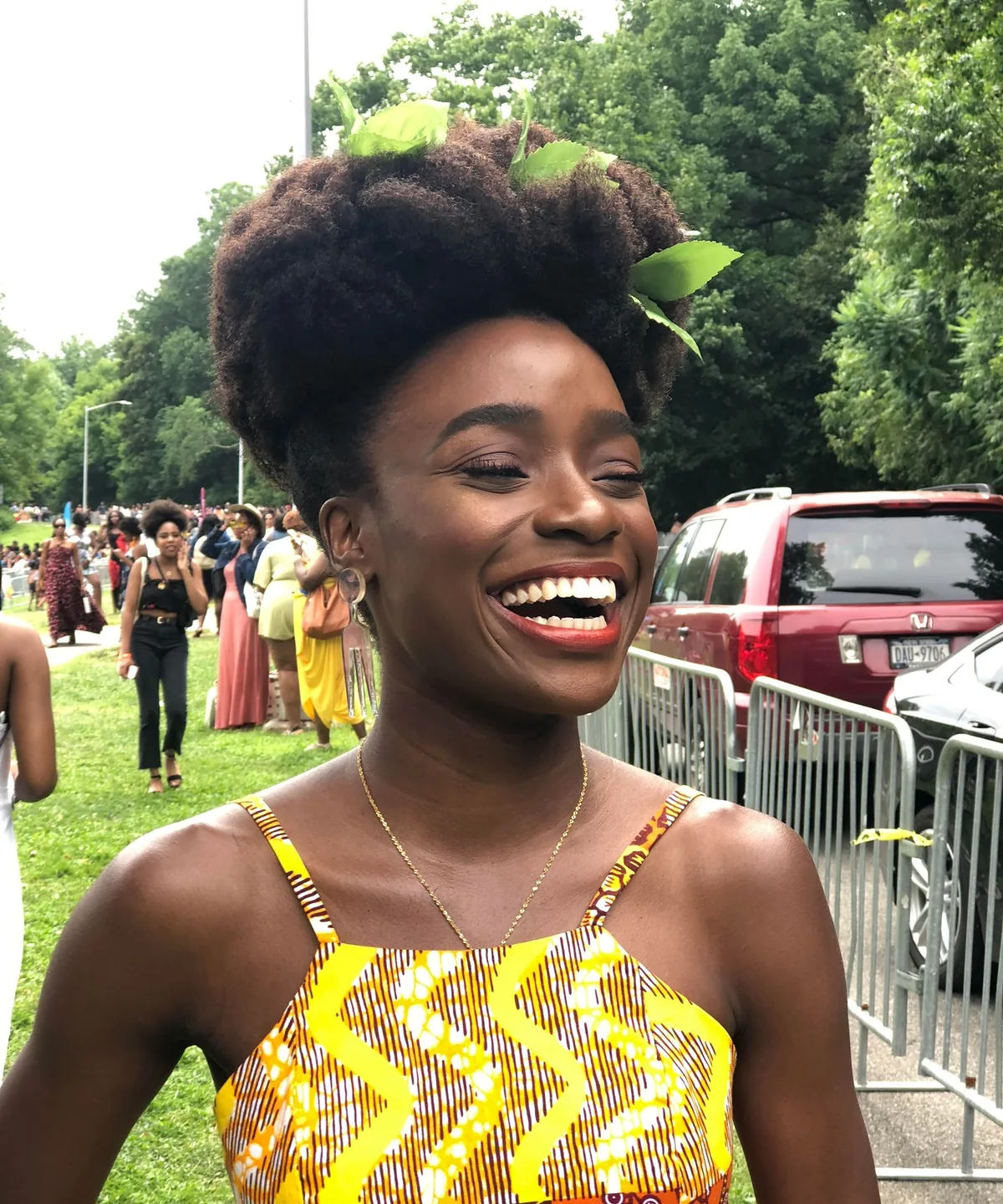
Curly afro puffs are joy in hairstyle form: two high puffs of natural curls that bounce when you dance, frame the face beautifully, and need almost no styling at all. They celebrate natural texture instead of fighting it, they keep the hair off the neck in the heat, and they are genuinely comfortable to wear all day because there is no pulling, no tight braiding and no heavy product. Add gold cuffs, a glitter parting or a colourful scarf at the base and they go from everyday to festival in seconds.
How to style: part the hair, gather each side into a high puff with a strong elastic, and fluff the curls out to the size you want. Maintenance: a little curl cream on the edges in the morning, and a silk scarf at night. Who it suits: curly and coily hair with enough length to gather — the curlier, the better. Common mistake: pulling the puffs too tight, which causes headaches; they should sit high and proud, not strained.
21. Side-Swept Curls: Old-Hollywood Glamour for the Main Stage
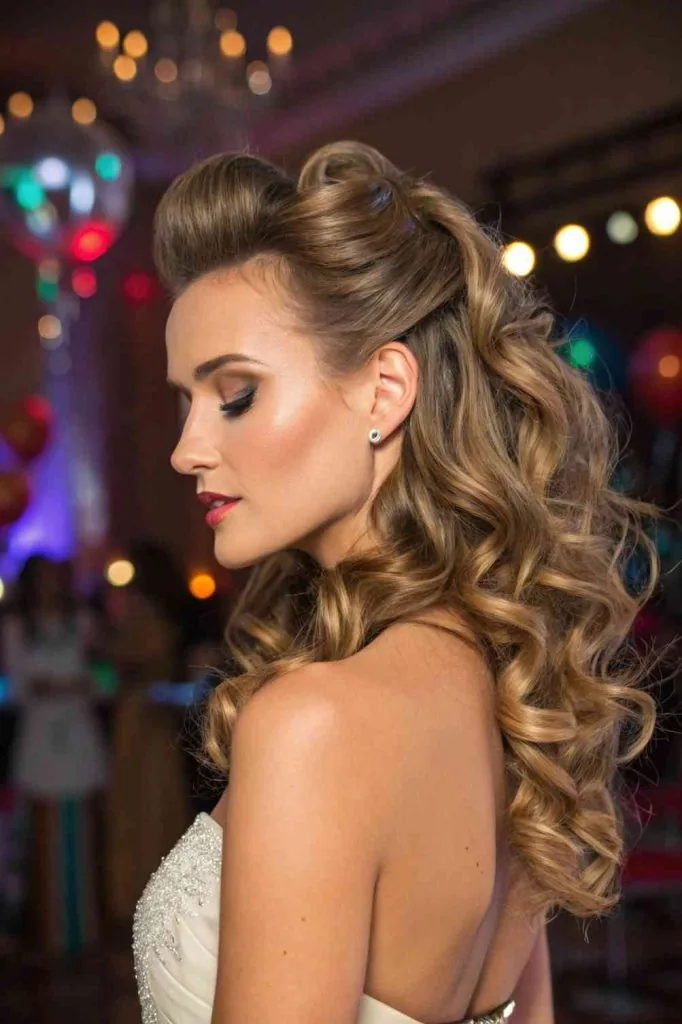
Side-swept curls bring old-Hollywood glamour to the main stage: a deep side parting, large soft curls swept over one shoulder, and the other side pinned neatly back so the style stays put. It is one of the most elegant hairstyles for a music festival, and it photographs beautifully at sunset. The pinned side is the practical secret — it anchors the style, keeps hair out of your face while you dance, and stops the whole look from collapsing into a tangle by the second song.
How to style: curl large sections, brush them out softly, sweep to one side and pin the other side flat with two or three pins. Pros and cons: it is glamorous and photogenic, but it is a loose style, so it needs a strong-hold spray and will loosen over a long day. Who it suits: medium to long hair, and evening sets rather than all-day dancing. Quick verdict: the best look for the night you want to feel like a star.
22. Mermaid Waves: Long, Loose and Made for Golden Hour
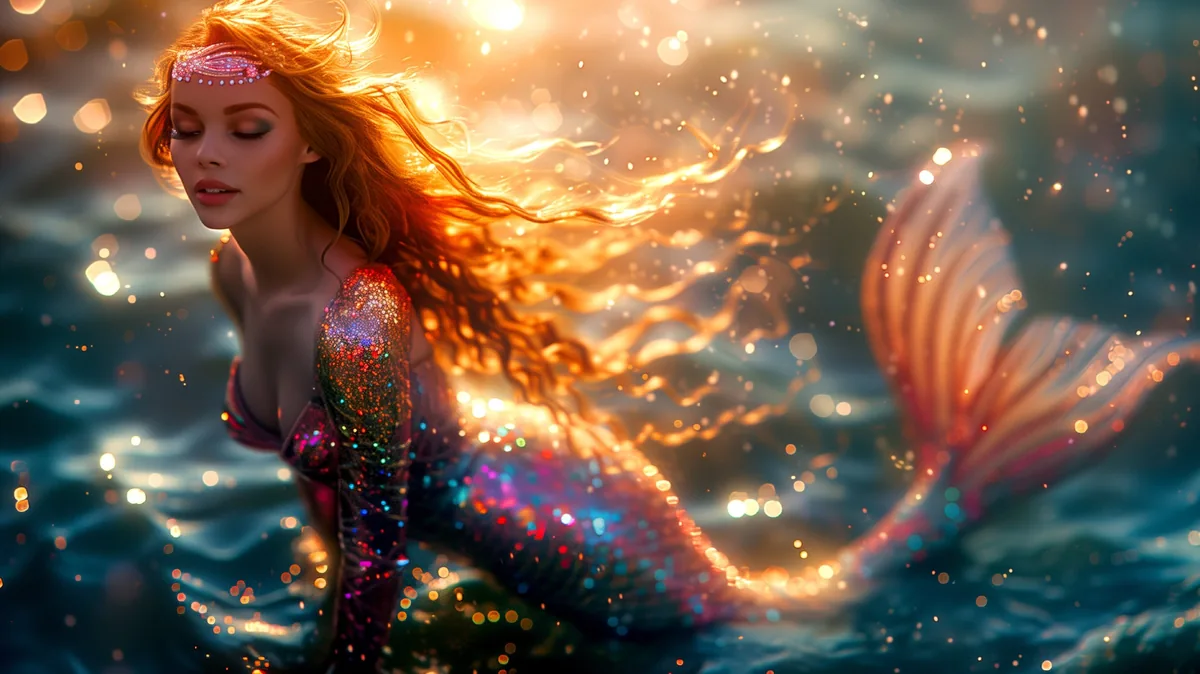
Mermaid waves are long, loose, flowing waves that look like they were made for golden hour — and at a festival, they practically were. The waves are created with a deep waver or a large-barrel curler, then brushed out into soft, uniform ripples that move when you do, and the length gives the style drama that shorter hair simply cannot match. It is a loose style, so it will not survive a mosh pit intact, but for a relaxed day of wandering between stages, sitting on the grass and taking photos, it is unbeatable.
How to style: wave the hair in sections with a deep waver, brush through gently, and mist with a light-hold spray. Maintenance: carry a wide-tooth comb and re-scrunch the ends once in the afternoon. Common mistake: using too much product, which weighs the waves down — mermaid waves need to move. Who it suits: long hair, and anyone whose festival day is more wandering than jumping. Cost and time: twenty to thirty minutes, plus a waver.
23. Feathered Layers With a Bandana: Seventies Spirit, Modern Hold
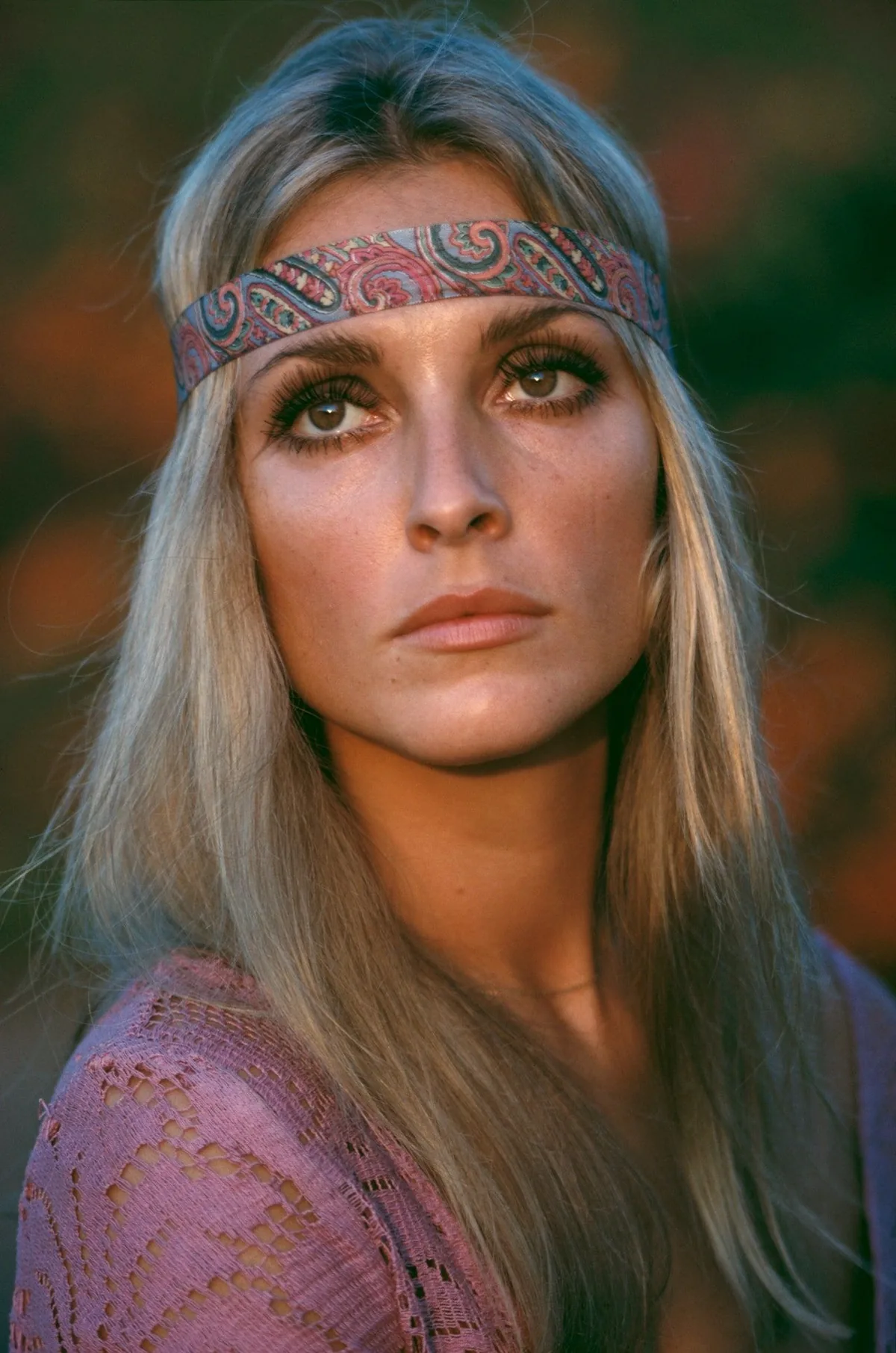
Feathered layers with a bandana are pure seventies festival spirit: soft, flicked-out layers that move in the breeze, held back by a folded bandana that doubles as sun protection and sweat control. The bandana is the practical hero here — it keeps the hair out of your face, absorbs sweat, and stops dust settling on the front sections, while the feathered layers give the style its shape and movement. It works on straight, wavy and curly hair alike, and takes almost no effort to maintain.
How to style: fold a bandana into a band, tie it at the nape with the knot underneath, and let the feathered layers fall around it. Pros and cons: it is fast, cool and very forgiving, but the bandana can slip on silky hair, so pin it once at each side. Who it suits: layered hair of any length, and anyone who loves a retro look. Quick verdict: the easiest way to look like you belong at a festival — one bandana, two minutes, done.
24. Clip-In Colour Extensions: Festival Colour Without Commitment
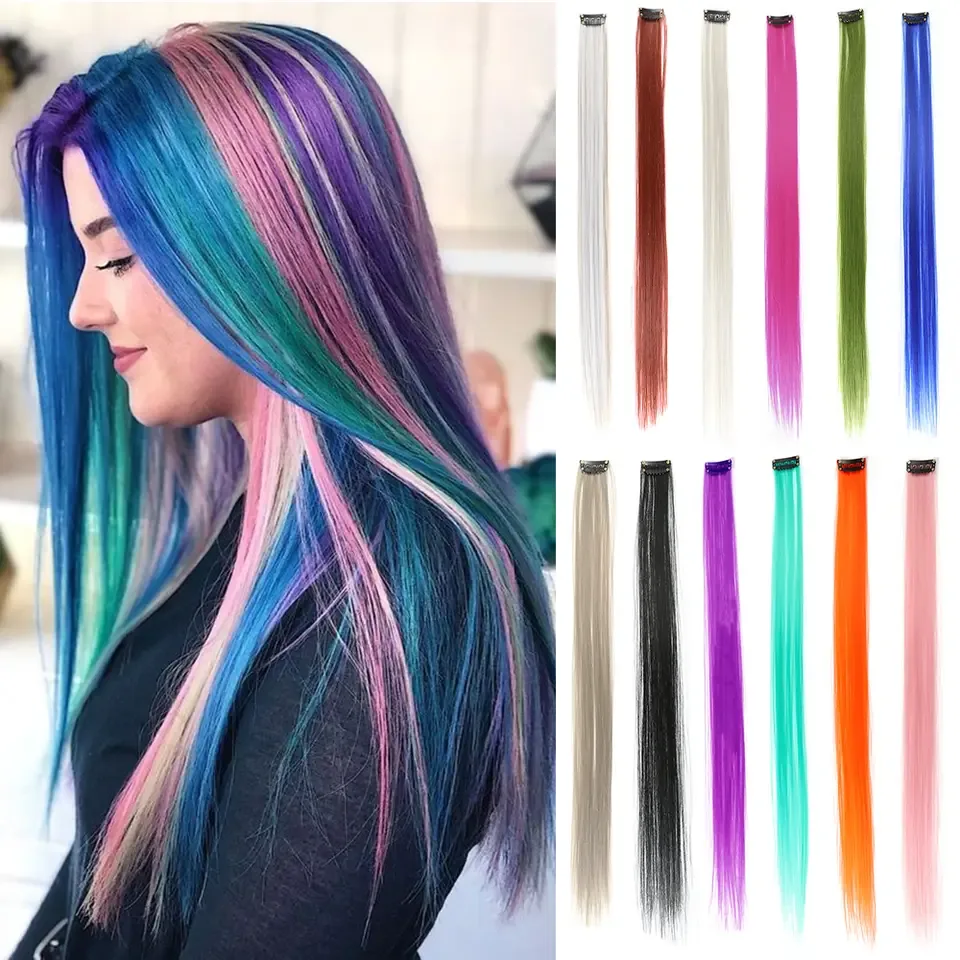
Clip-in colour extensions are the zero-commitment way to get festival colour: a few wefts of bright pink, blue, purple or pastel clipped into the hair, visible when you move and completely removable at the end of the night. They add length and volume as well as colour, they work on every hair type, and unlike dye they cannot go wrong — if you do not like the colour, you unclip it. Braid them in and the colour weaves through the braid; leave them loose and they flash in the sun.
How to style: clip the wefts into the under-layers where they blend, then style over them. Cost and time: a set of clip-ins costs more than a can of colour spray, but they are reusable for every festival you ever go to. What to avoid: clipping them too close to the parting, where the clips show, and cheap synthetic pieces that tangle. Who it suits: everyone — this is the safest way to try festival colour for the first time.
25. Sleek Middle Part With Statement Clips: Minimal Effort, Maximum Polish
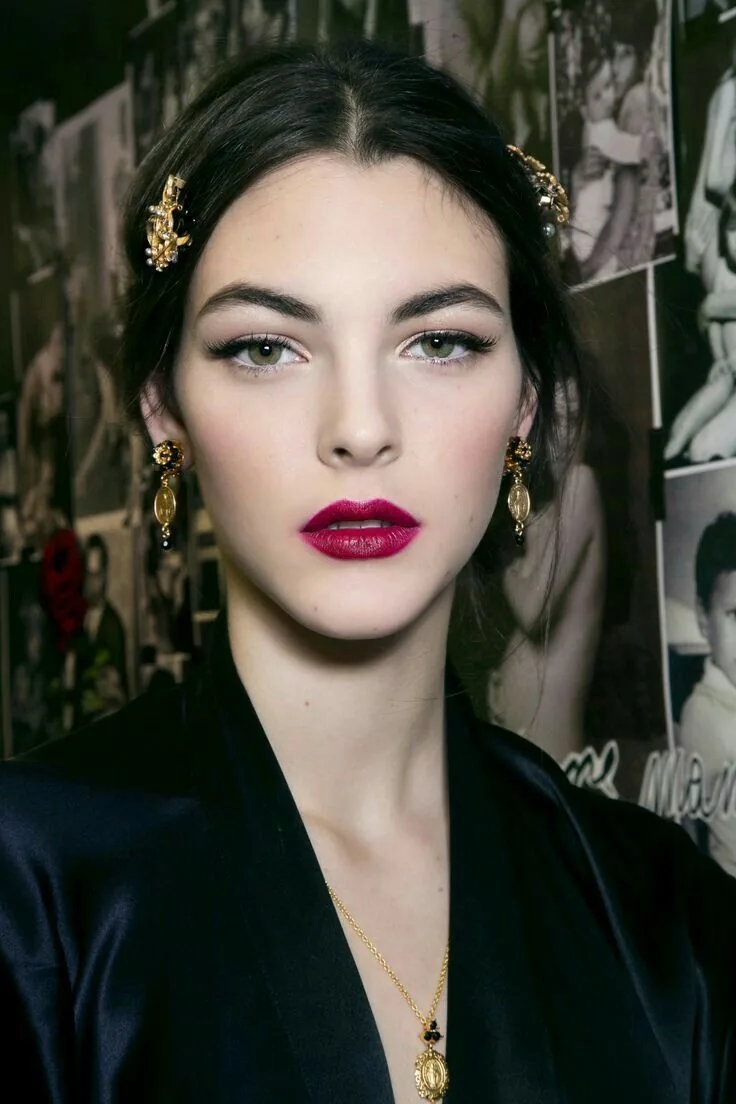
A sleek middle part with statement clips is the minimalist festival look: straight, smooth hair parted precisely down the middle, with a bold clip — pearl, crystal, gold or tortoiseshell — holding back each side. It is the opposite of the wild boho looks, and that is exactly why it stands out in a crowd full of braids and glitter. It takes five minutes, needs no heat beyond a quick straighten, and looks polished in every photo. The clips do double duty as well: they keep the hair out of your face while you dance, which is the practical job every festival style has to do.
How to style: straighten the hair, part it cleanly down the middle, and clip each side back just above the ear. Pros and cons: it is fast, elegant and very photogenic, but it is a smooth style, so humidity and sweat will undo it faster than a braid. Who it suits: straight to slightly wavy hair, and anyone who prefers polish to boho. Common mistake: using clips that are too small to hold the hair — choose statement clips with a strong grip, not decorative ones.
26. Bohemian Headband Braids: The Style That Doubles as an Accessory
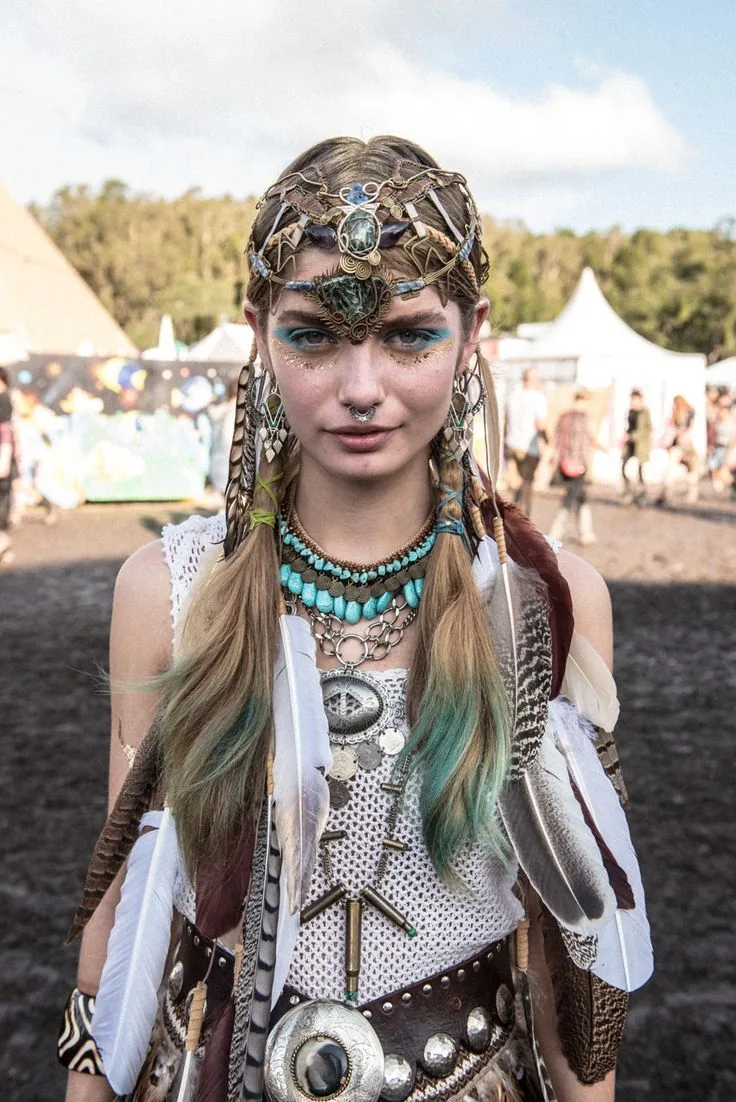
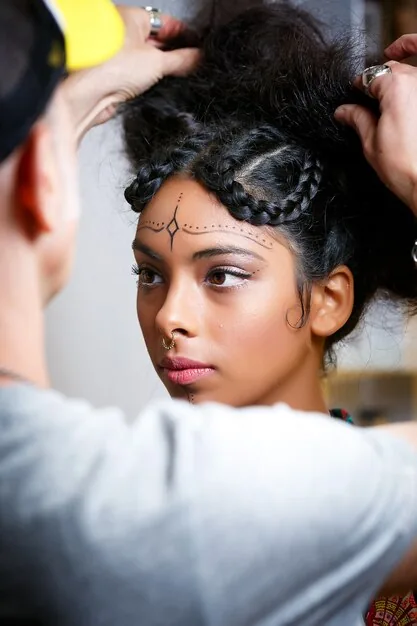
Bohemian headband braids are a braid and an accessory in one: a thin braid worked across the front of the head like a headband, holding the hair back while looking like jewellery. It is soft, romantic and very festival — it suits loose waves, straight hair and curls alike — and it solves the practical problem of hair falling in your face without needing a single extra accessory. Add a second thin braid, or weave in a ribbon or a few tiny beads, and it becomes even more detailed without any extra effort.
How to style: take a section behind one ear, braid it thinly, bring it across the forehead and pin it behind the other ear. Maintenance: one pin at each end is usually enough for all day. Who it suits: medium to long hair, and anyone who wants a soft, romantic festival look. What to avoid: pulling it too tight across the forehead — it should sit softly, like a headband.
27. Voluminous Topknot: Height, Drama and Hair Off Your Neck

The voluminous topknot is drama you can wear all day: the hair gathered high on the crown and piled into a big, soft bun that adds height, keeps every strand off your neck, and makes your cheekbones look incredible in photos. It is the style for the hottest day, when you want your hair out of the way but still want to look like you tried. A donut or a bit of backcombing gives the volume, and a few loose pieces around the face keep it from looking severe.
How to style: gather the hair high, backcomb the ponytail lightly, wrap it around a donut or into a soft bun, and pin. Pros and cons: it is cool, secure and very flattering, but a heavy topknot can ache by evening — keep it soft rather than scraped tight. Who should avoid it: a very sensitive scalp or very fine hair, which will not hold the volume. Quick verdict: the best festival updo for anyone who wants height and drama without a single braid.
28. Festival Faux Hawk Braid: Edgy Without the Clippers
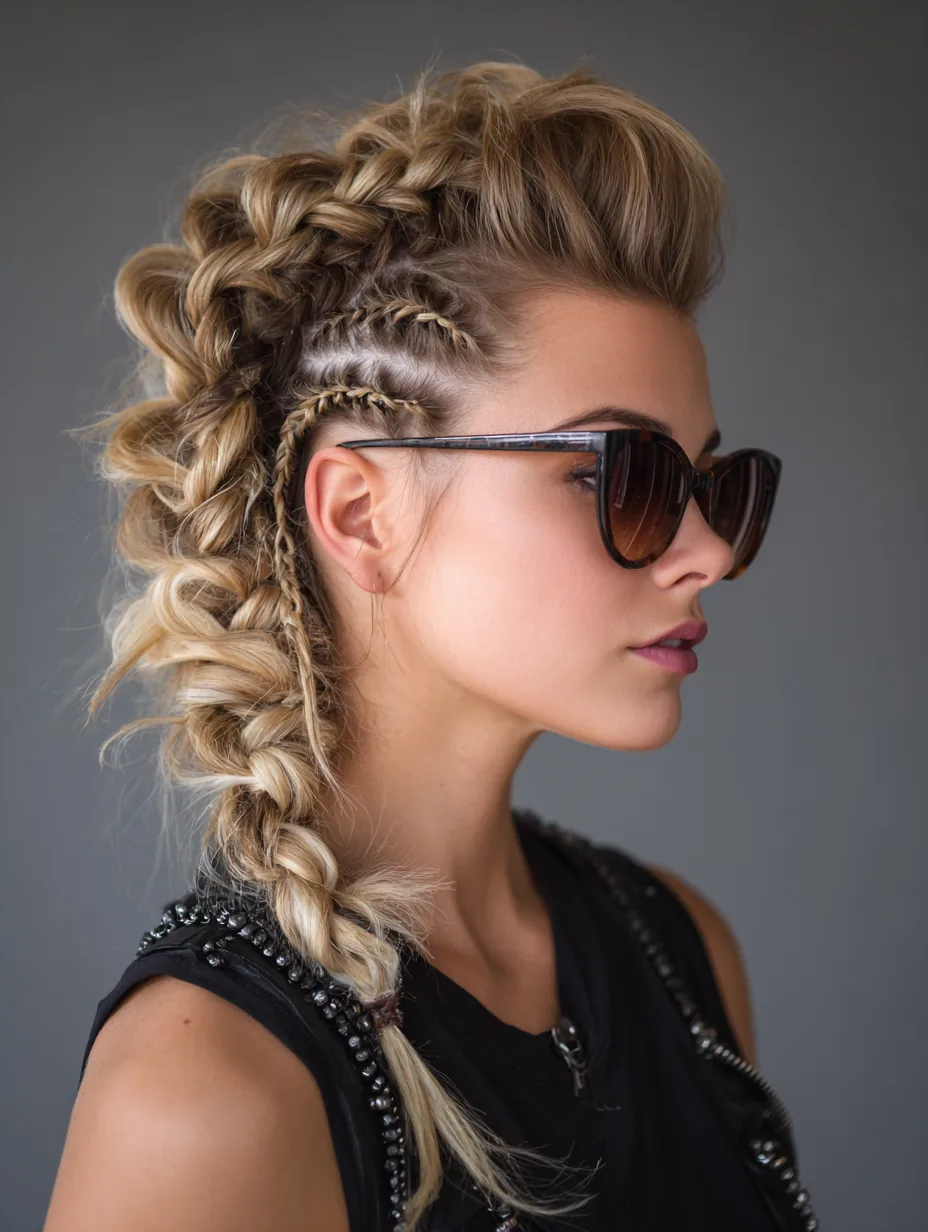
A festival faux hawk braid gives you the edge of a mohawk without touching a pair of clippers: a wide braid running down the centre of the head, with the sides pulled back tight and smooth, creates the same dramatic silhouette. It is bold, it is photogenic, and it is surprisingly practical — the hair is locked into the central braid, the sides are smooth and secure, and nothing falls in your face. Add glitter along the braid and it becomes the most head-turning style at the festival.
How to style: pull the sides back smoothly, Dutch-braid down the centre of the head, and pin the ends under. Pros and cons: it is striking and very secure, but it needs medium to long hair and a bit of braiding confidence. Who it suits: anyone who wants an edgy look without a permanent cut. Common mistake: leaving the sides too loose — they need to be smooth and tight for the shape to read.
29. Rope Twist Ponytail: The Two-Minute Style That Looks Like Effort
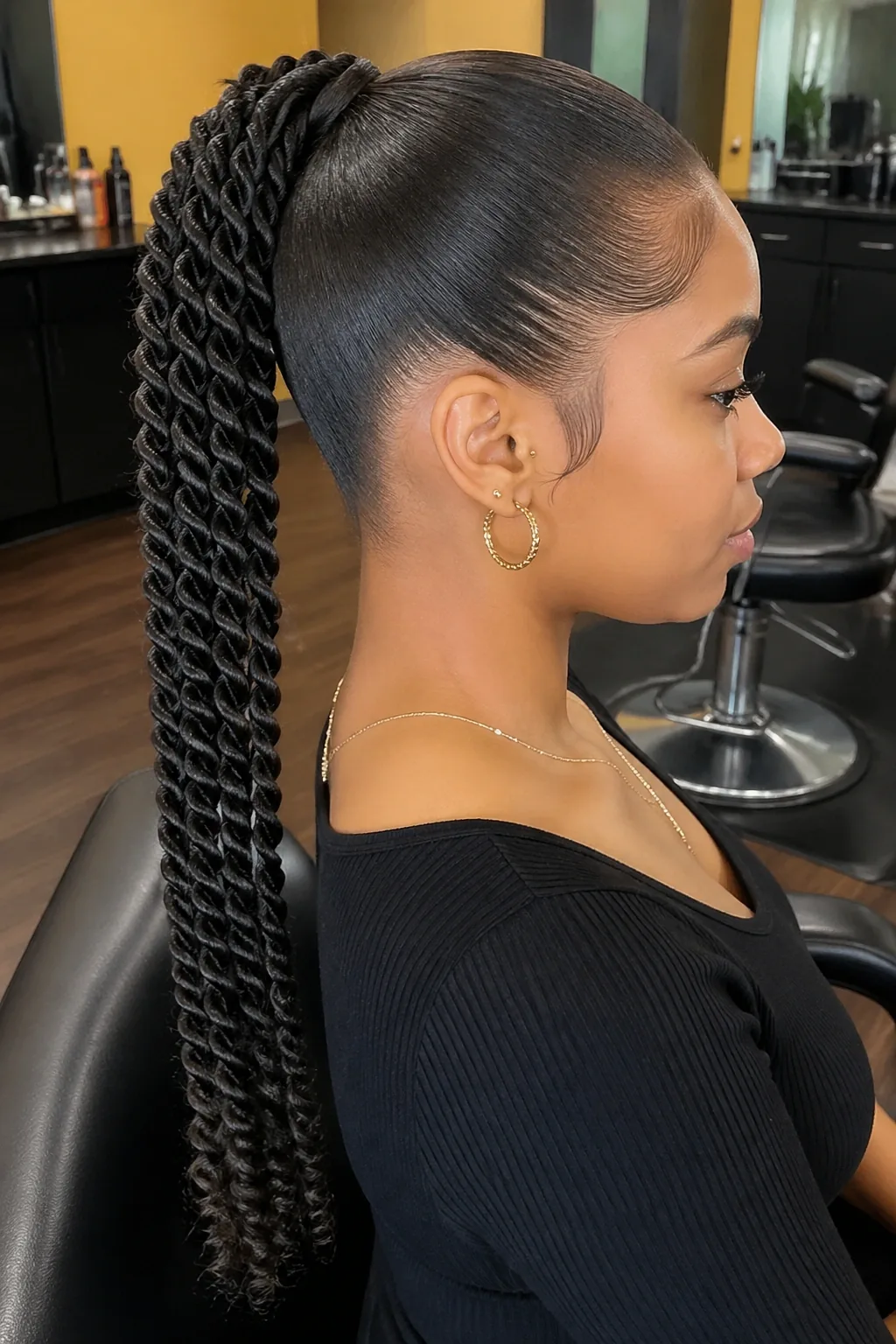
The rope twist ponytail is the festival style for people who are always running late: split a ponytail in two, twist each half in the same direction, then twist the two halves around each other in the opposite direction, and you have a rope that looks intricate and holds itself together. It takes two minutes, it needs no skill beyond twisting, and it is far more secure than a plain ponytail because the twist locks the hair in place. It works on long hair especially well, and it looks even better with a ribbon or a scarf wrapped around the base.
How to style: secure a ponytail, split it in two, twist each half clockwise, then wrap the halves around each other anticlockwise and secure the end. Maintenance: none — the twist tightens itself as you move. Who it suits: long hair, and anyone who cannot braid but wants something more interesting than a ponytail. Quick verdict: the best two-minute festival hairstyle in this guide.
30. Short Pixie With a Glitter Part: Small Hair, Big Statement
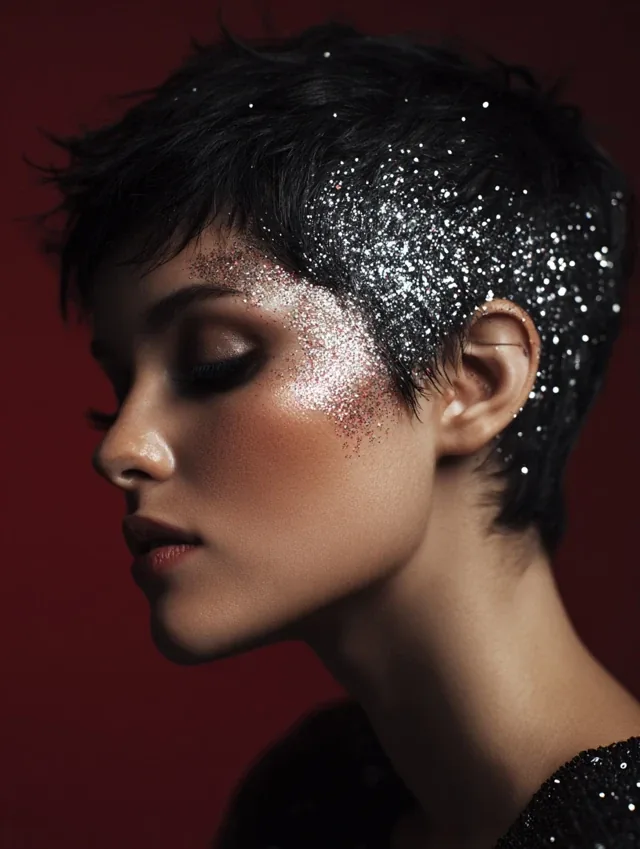
Short hair does not mean boring festival hair, and a pixie with a glitter part proves it. The pixie itself is the practical dream — it dries fast, it never tangles, it stays cool, and it needs no maintenance at all — and a stripe of glitter gel along the parting turns it into a deliberate festival statement in about thirty seconds. Add bold earrings and a touch of coloured hair wax, and a pixie becomes one of the most striking looks at the festival.
How to style: style the pixie as usual with a little wax for texture, then paint glitter gel along the parting. Pros and cons: it is the lowest-maintenance style in this guide and very cool in the heat, but there is less hair to play with, so accessories and glitter do more of the work. Who it suits: anyone with a pixie or a very short cut. Cost and time: a pot of glitter gel and thirty seconds — the cheapest festival transformation there is.
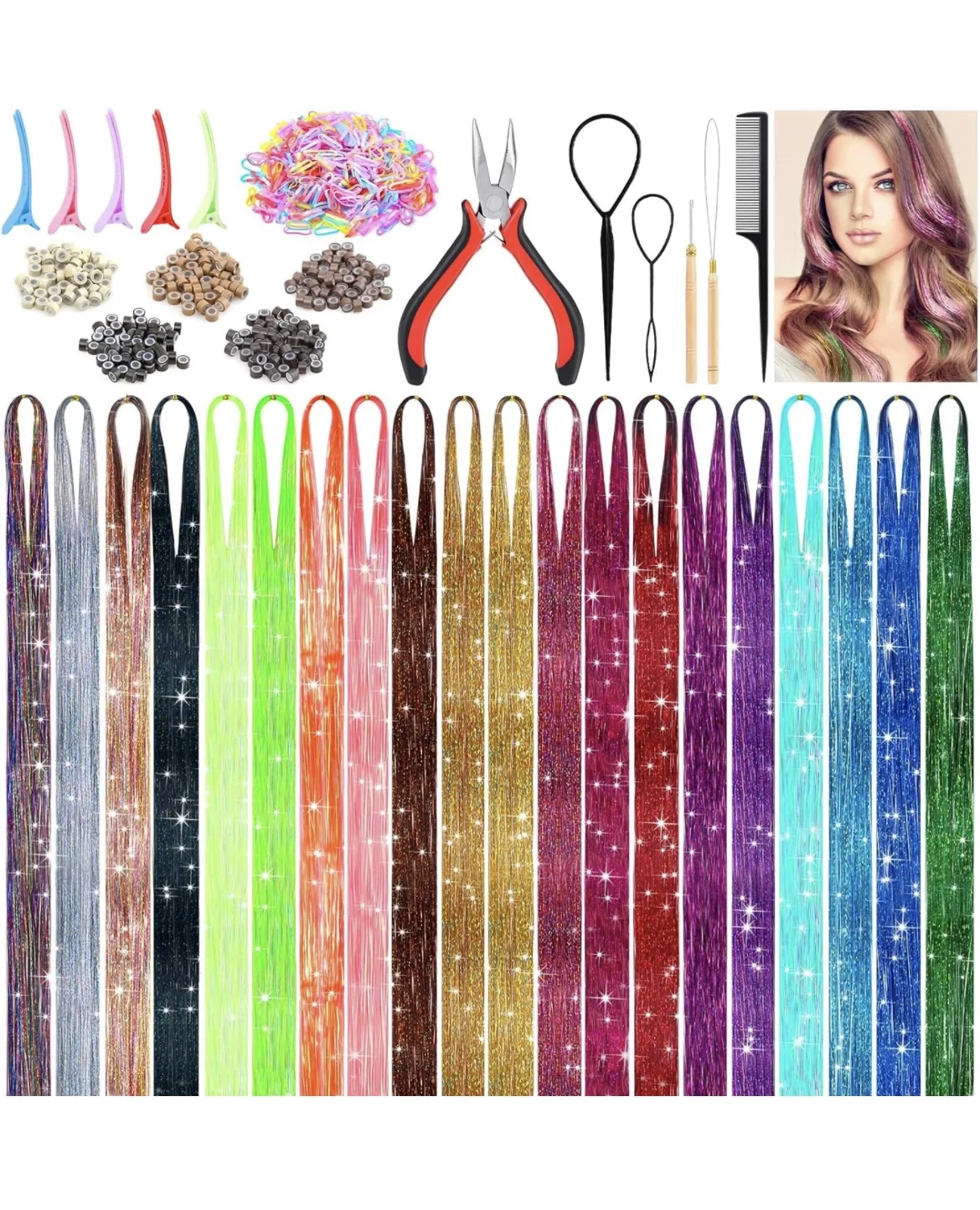
31. Hair Tinsel and Gems: Light-Catching Detail for Night Sets
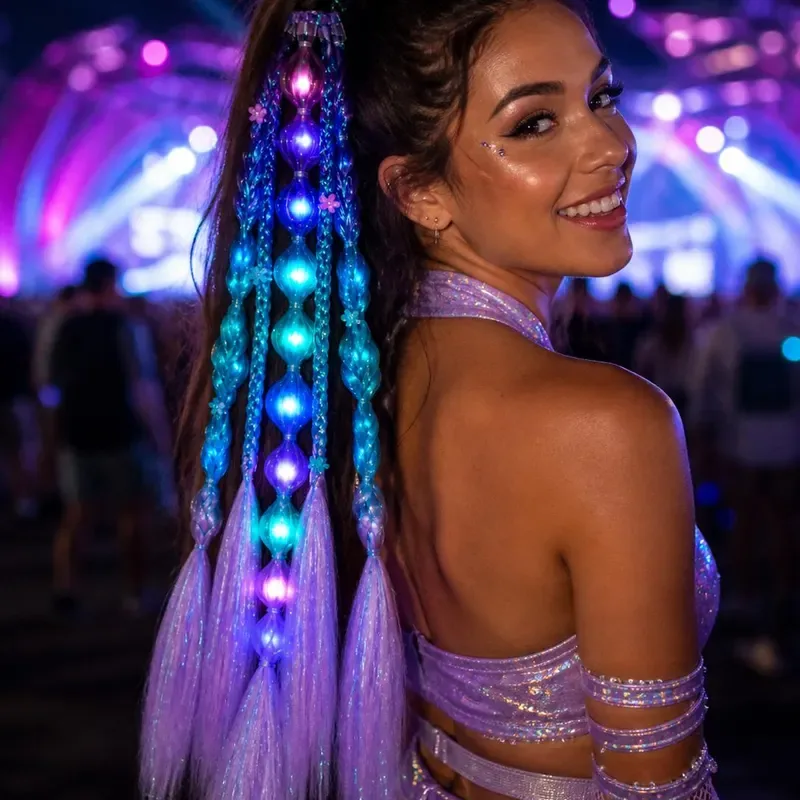
Hair tinsel and gems are made for the night sets, when the stage lights come on and everything sparkles. Fine strands of tinsel tied into the hair catch the light every time you move, and small adhesive gems along the parting or the hairline add a jewelled detail that photographs beautifully after dark. They are lightweight, work on every hair type and length, and stay put until you choose to take them out.
How to style: tie tinsel strands near the roots with a slip knot, and press adhesive gems along the parting or above the ear. Cost and time: a pack of tinsel and a sheet of gems cost very little and take ten minutes to apply. What to avoid: gems too close to the eyes, and tinsel tied too tightly, which can snap fine hair. Maintenance: none — they last until you wash them out.
32. Low Braided Bun: Elegant, Secure and Sweat-Friendly
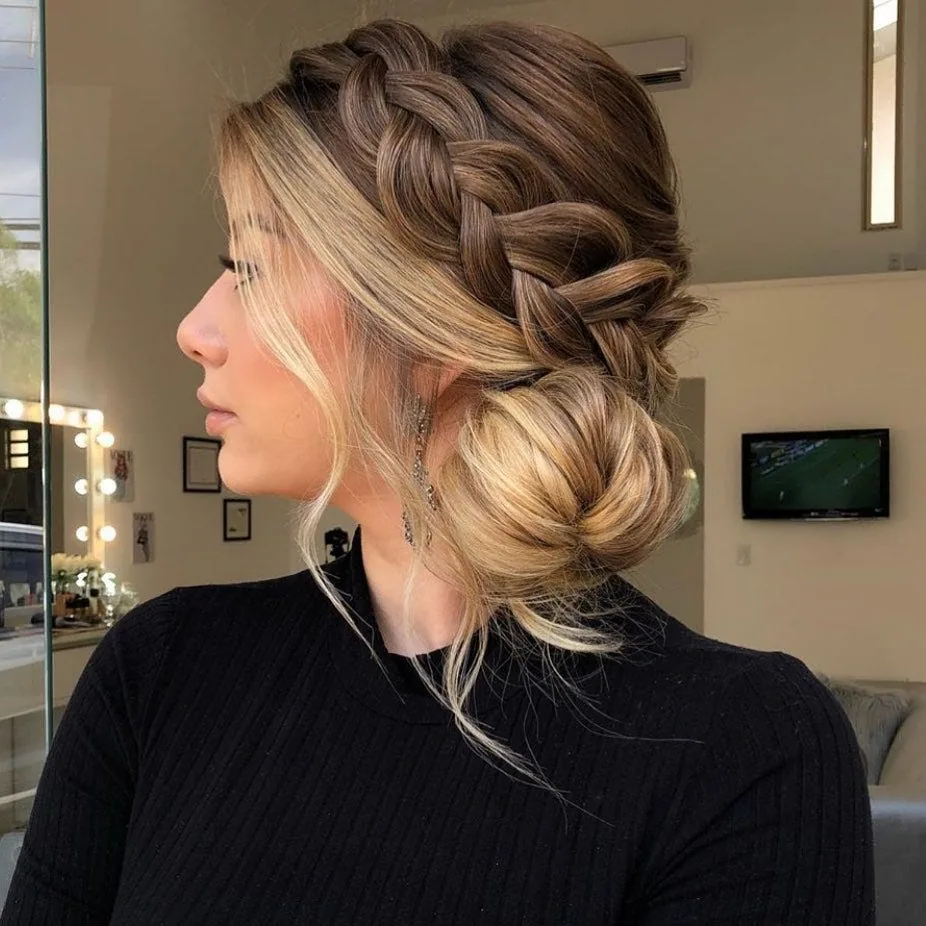
The low braided bun is the elegant festival style: a braid worked low at the nape, coiled into a soft bun and pinned, which gives you the security of a braid and the polish of an updo in one look. It keeps the hair off the neck, it survives dancing and heat, and it looks just as good at a sunset set as it does at a daytime picnic on the grass. Dress it up with a few gold pins or a flower for the fanciest evening; leave it plain for a practical all-day style.
How to style: braid the hair low, coil the braid into a bun at the nape, and pin it in several places. Pros and cons: it is elegant, secure and comfortable, but it needs enough length to braid and coil. Who it suits: medium to long hair, and anyone who wants an updo that does not look like a gym bun. What to ask a stylist: ask for the bun to sit soft and slightly loose, with a few pieces pulled out around the face for softness.
33. Side Braid With Ribbons: Soft, Sweet and Festival-Ready
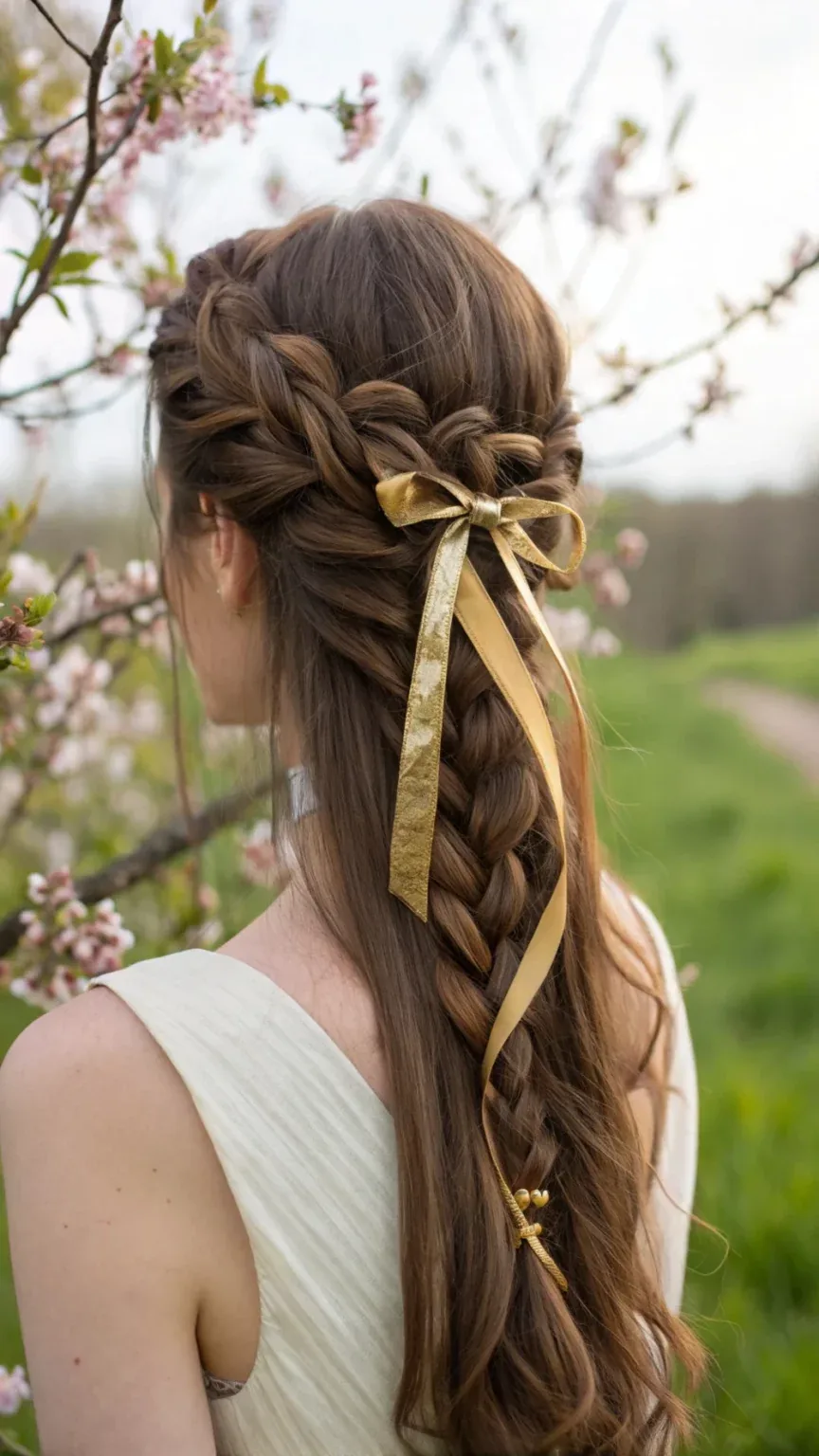
A side braid with ribbons is the sweetest festival style in this guide: a loose braid swept over one shoulder, with a ribbon woven through it that trails down and moves when you do. The ribbon adds colour and movement, the side position keeps the braid visible in photos, and the loose, soft finish makes it romantic rather than neat. Choose a ribbon that matches your outfit and the whole look comes together; choose a bright contrast and the braid becomes the centrepiece of your festival outfit.
How to style: sweep the hair to one side, braid loosely, and weave a ribbon through the braid as you go, tying it at the end. Maintenance: the ribbon can slip, so tie it twice and carry a spare. Who it suits: medium to long hair, and anyone who loves a soft, romantic festival look. Common mistake: braiding too tightly, which squeezes the ribbon out of shape — keep it loose.
34. Finger Waves, Retro Style: Vintage Glamour That Loves Humidity
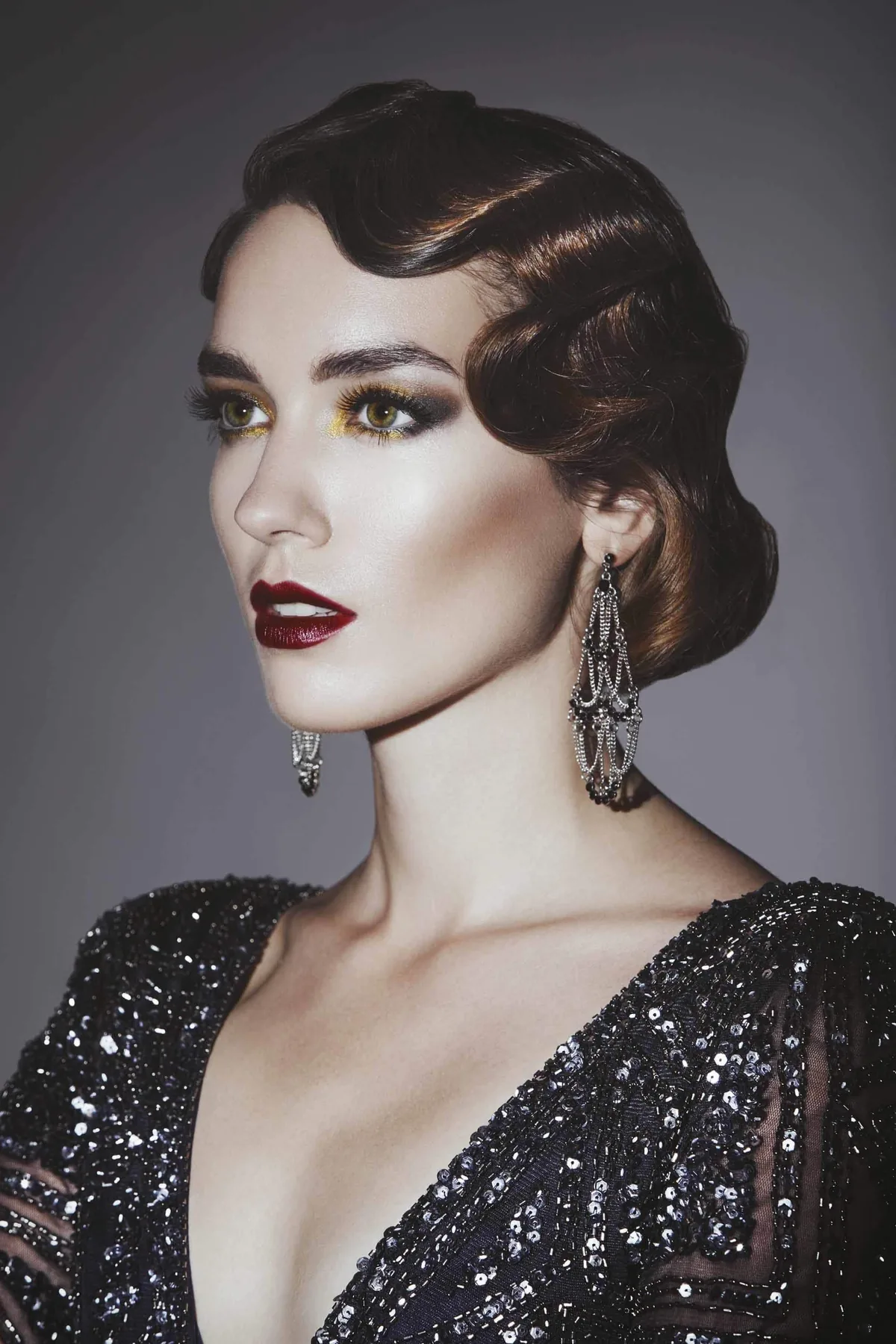
Finger waves are the vintage festival style that actually loves humidity: the sculpted S-shaped waves are set with gel and clips, so moisture in the air softens them slightly instead of ruining them, which is the opposite of what happens to a blow-dry. They are glamorous, dramatic and completely different from the boho looks around you, which is why they turn heads. They work best on short to medium hair, pair beautifully with red lipstick, and look better as the night goes on.
How to style: work gel through damp hair, shape the waves with a comb and your fingers, clip them in place and let them set. Pros and cons: they are striking and humidity-friendly, but they take time and practice to get right. Who should avoid it: very long hair, which is too heavy to hold the wave shape. Quick verdict: the festival style for anyone who wants to look like they stepped out of another era — and the one most likely to get you asked where you got your hair done.
35. Double French Braids Into a Bun: The Sporty Finish
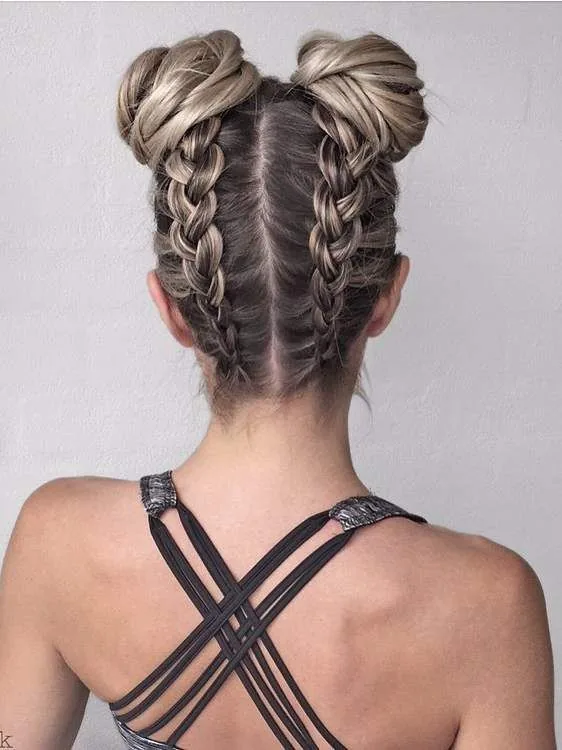
Double French braids into a bun are the sporty festival finish: two neat French braids from the hairline to the crown, joined into a single bun at the back. It is the style athletes wear for a reason — it is completely secure, it keeps every strand out of the way, and it does not move no matter how much you jump — and at a festival it reads as clean, confident and put-together. It is also one of the best styles for day two, when the hair is dirty and a braid is the only thing that still looks good.
How to style: part down the middle, French-braid each side to the crown, combine the two braids into a bun and pin. Maintenance: almost none — if a braid loosens, re-pin the bun and carry on. Who it suits: medium to long hair, and anyone who wants a no-fuss, all-day style. Common mistake: starting the braids too far back — start right at the hairline for a clean finish.
36. Curly High Pony With a Scrunchie: Bounce That Survives the Pit
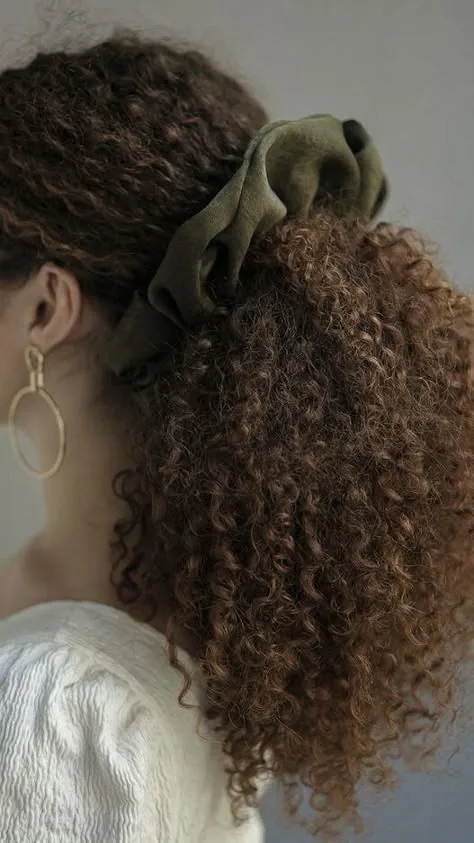
A curly high ponytail with a scrunchie is bounce you can wear all day: the curls piled high, held by a soft scrunchie that does not dent or damage them, swinging with every step you take. It is comfortable, it is joyful, and it is one of the best festival styles for curly hair, because the curls do the styling for you — you just need to gather them up and let them do their thing. The scrunchie is the practical hero: it holds securely without the pulling of a tight elastic, and it doubles as a wrist accessory when you take the ponytail down.
How to style: gather the curls high, secure with a silk or velvet scrunchie, and fluff the ponytail out. Maintenance: a little curl cream on the ends in the afternoon keeps the bounce. Who it suits: curly and wavy hair with enough length to gather high. Common mistake: using a thin elastic instead of a scrunchie, which pulls and breaks curls.
37. Flower Crown With Loose Waves: The Classic Festival Finish
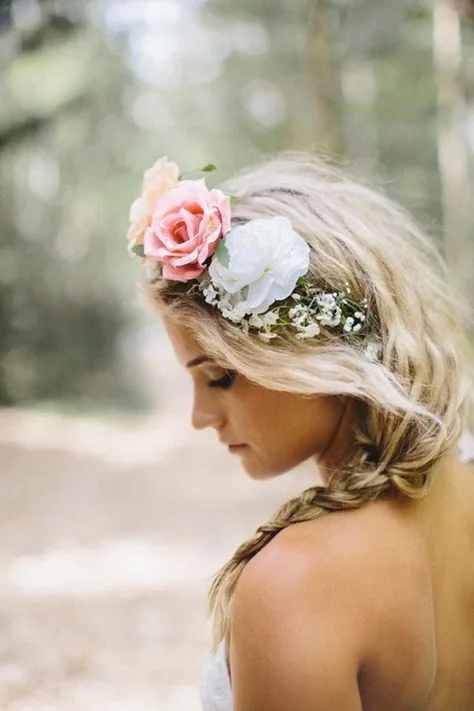
The flower crown with loose waves is the classic festival look, and it is a classic for a reason: soft waves, a ring of flowers, and nothing else needed. It is romantic, it photographs beautifully, and it suits every hair type — the waves give it movement, the crown gives it shape, and together they are the image most people picture when they think of a music festival. The modern version uses a real or high-quality faux crown that sits securely, and the waves are textured rather than perfectly curled, so the look survives the day.
How to style: create loose waves with a large-barrel curler or overnight braids, then place the crown so it sits just above the hairline and pin it in two places. Pros and cons: it is the most iconic festival look there is, but a crown can slip on silky hair, so pin it. Who it suits: everyone — this is the one festival style with no hair-type limit. Quick verdict: if you only wear one festival look in your life, make it this one.
What hairstyle lasts longest at a music festival?
Double Dutch braids last longest at a music festival, usually surviving a full day and night of dancing, and often looking good on day two as well. Cornrows and box braids last even longer — several days — because the hair is locked tightly to the scalp. Braids dominate because structure holds: hair pinned into itself outlasts loose styles.
How do I keep my hair from getting frizzy at a festival?
Start with leave-in conditioner or light hair oil on the lengths, choose a braided or pinned-up style, and carry a travel-size anti-frizz serum. A silk scarf over the front sections also stops humidity and dust reaching the hair. The most effective step is the simplest one: do not keep touching your hair, because every touch adds frizz and breaks up the style.
Can I wear my hair down at a music festival?
You can wear your hair down at a music festival, but it will not stay looking the way it started. Loose hair tangles, frizzes and ends up in a ponytail within a few hours of dancing, so the best loose styles are the ones that expect that — boho messy waves, mermaid waves and textured lobs all look better slightly undone. If you do wear it down, bring an elastic and a comb, because you will almost certainly tie it up by the evening.
How do I protect my hair from sun and dust at a festival?
Use a UV hair mist or a light oil on the ends before you leave camp, put sunscreen on your parting and any exposed scalp, and wear a scarf, bandana or hat during the hottest part of the day. Braided styles keep the lengths contained and out of the dust, which is another reason braids are so popular at festivals. When you get home, wash twice — once to remove dust and glitter, once to clean properly — and follow with a deep conditioner.
What should I pack for festival hair?
Pack snag-free elastics, bobby pins, a travel comb, dry shampoo, a small texture or hairspray, a leave-in conditioner or hair oil, and a silk scarf or bandana. Add glitter gel or hair gems for decoration, and always pack spare elastics — they disappear at festivals. Everything should fit in a small pouch, and none of it needs power, which matters because festival campsites rarely have a plug socket to spare.
How do I do space buns that stay in all day?
Part the hair cleanly down the middle, make two high ponytails, and twist each one into a bun, pinning each bun with at least four bobby pins pushed in from different angles. The key is the base: a ponytail secured with a strong elastic before you twist, plus a light mist of hairspray once the buns are pinned. If your hair is slippery, add dry shampoo or texture spray before you start — grip is everything, and clean, silky hair is the main reason space buns fall out.
Will glitter damage my hair?
Proper hair glitter gel will not damage your hair — it sits on the surface and washes out with shampoo, though you may need to wash twice to remove it all. Craft glitter is a different story: it is sharper, harder to remove, and can irritate the scalp, so never use it on hair or skin. Choose biodegradable glitter, keep it away from the eyes, and wash it out at the end of the festival rather than leaving it in for days.
How do I sleep with festival hair and keep it for day two?
Braid the hair loosely before bed, or gather it into a loose low bun or a pineapple ponytail on top of the head, and sleep on a silk scarf or a satin pillowcase if you have one. In the morning, take the braid out for instant waves, or re-pin the bun and add dry shampoo at the roots. Braided styles survive the night best — double Dutch braids often look better on day two — while loose waves need a quick refresh with texture spray.
What hairstyles work for short hair at a festival?
Short hair works beautifully at a festival, because it stays cool, dries fast and never tangles. The best options are a textured lob with sea salt spray, a pixie with a glitter parting, slicked-back wet look, finger waves, or a bandana and feathered layers. Accessories do more of the work on short hair, so pack a few and swap them between days.
How do I get festival braids out without breaking my hair?
Work a little hair oil or leave-in conditioner through the braids first, then undo them slowly from the ends upwards, gently separating the sections with your fingers instead of pulling. Never brush a braid out while it is still tangled, and never rip out elastics — slide them off or cut them carefully with small scissors. Once the braids are out, detangle with a wide-tooth comb, wash with a moisturising shampoo, and follow with a deep conditioner.
Conclusion: Pick the Style You Will Forget About
The best hairstyles for a music festival are not the most complicated ones — they are the ones you forget about completely, because they stay put while you dance. Double Dutch braids, space buns, cornrows and braided buns will carry you through a whole day and into the night; boho waves, mermaid waves and flower crowns will make the golden-hour photos unforgettable; and a pot of glitter gel will rescue any look in five minutes. Pick the style that matches your hair, your time and your day, practise it once at home, and pack the small kit that keeps it alive.
Then stop thinking about your hair and go and enjoy the music. A festival is for dancing and singing in a field with thousands of strangers who all love the same song — and the right hairstyle is the one that lets you do all of that without once reaching for a mirror. Choose it, pin it, pack a spare elastic, and forget about it until the headliner ends.

