

Hi friend. If you’ve ever stood in the hair aisle feeling completely lost, this one’s for you.
For years I copied whatever routine was trending, and my hair paid the price. It wasn’t until I learned my own hair type, scalp, and texture that things finally clicked. A custom routine isn’t complicated. It’s just built for you.
Below you’ll find a beginner-friendly plan you can start this week. No 12-step routine, no expensive haul. Just small, smart choices that add up. By the end, you’ll know what to buy, when to wash, and how to make any of the 2026 hairstyles work for your actual hair.
Let’s build yours together.
Why a Custom Routine Beats Copying Someone Else’s
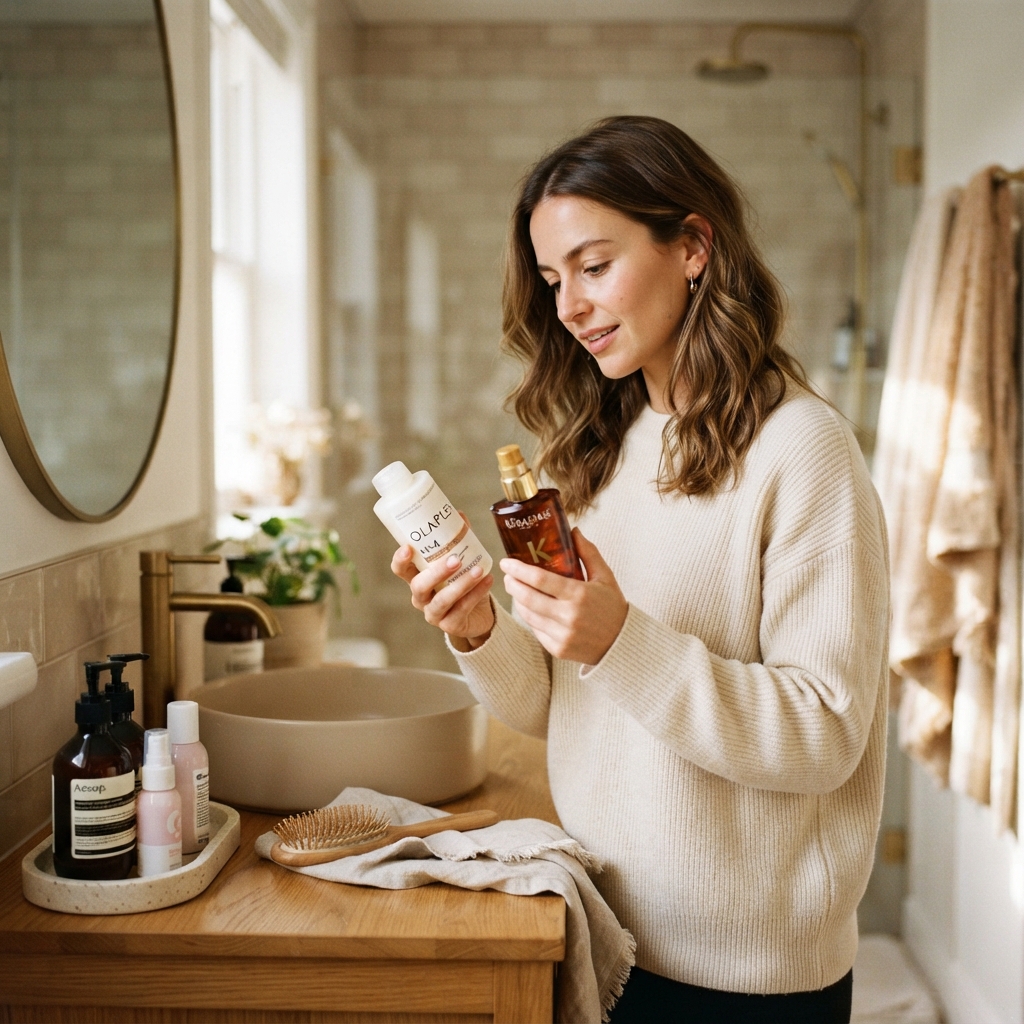
I spent years copying routines from people whose hair looked nothing like mine. Same products, same steps, totally different results. Just frizz and frustration.
Your hair has its own personality. Thick, fine, curly, straight, oily scalp, dry ends. A routine only works when it matches what you’re actually working with.
So before you buy a single thing, let’s learn your hair. That’s the whole secret, and it takes about ten minutes.
Start With Your Hair Type (Not Your Hair Goals)
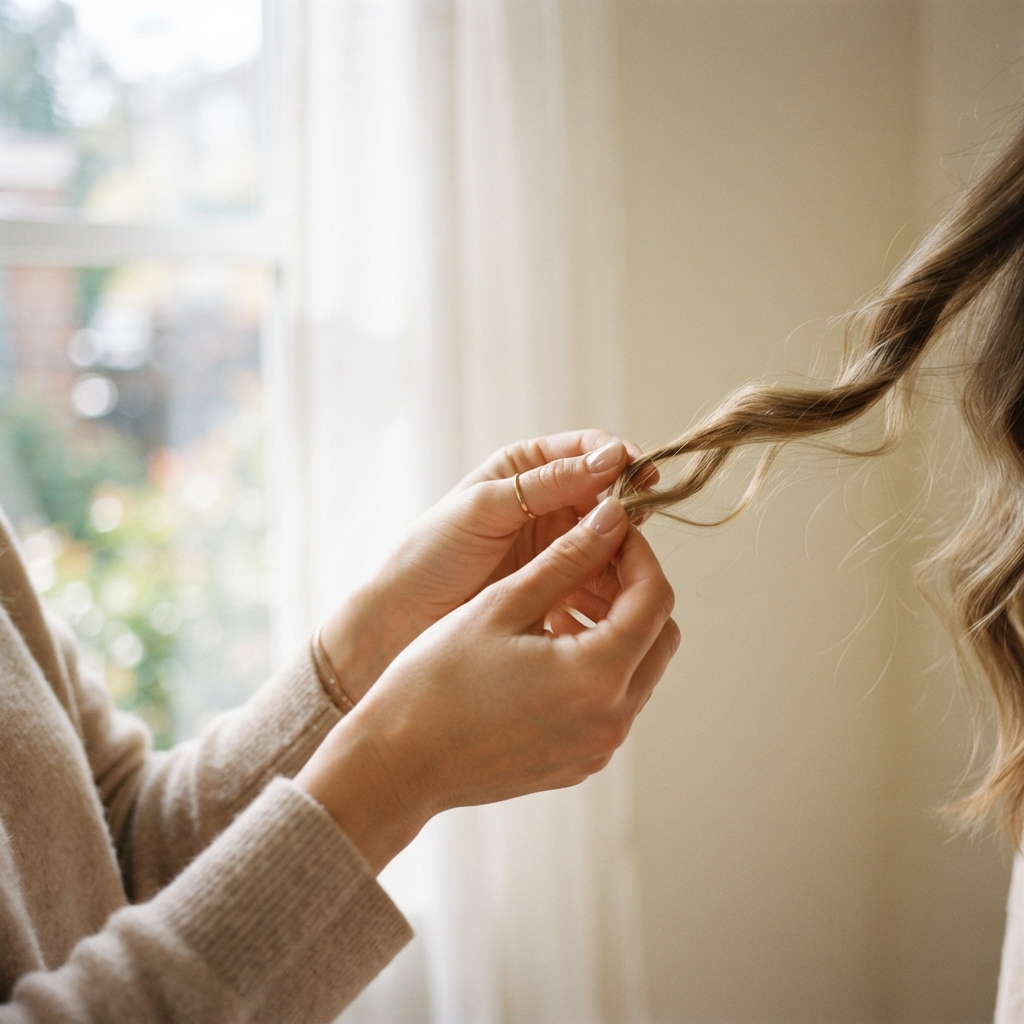
Forget the hair you want for a second. Look at the hair you have. Grab one clean strand and pay attention.
- Fine: you can barely feel it between your fingers
- Medium: you can feel it but it’s not thick
- Thick: it feels dense and full in your hand
- Texture: straight, wavy, curly, or coily
Write both down. Fine and wavy needs totally different care than thick and curly. This one note will save you hundreds of dollars.
Figure Out Your Porosity in Two Minutes

Porosity is how well your hair takes in and holds moisture. It’s the most underrated thing beginners ignore.
- Drop a clean strand of hair into a glass of water
- Wait two to three minutes
- Watch where it lands
Sinks fast means high porosity. Floats on top means low porosity. Hangs in the middle means medium. High porosity loves protein and rich creams. Low porosity prefers lightweight products and a little warmth to help things absorb.
Know Your Scalp Before You Buy Anything
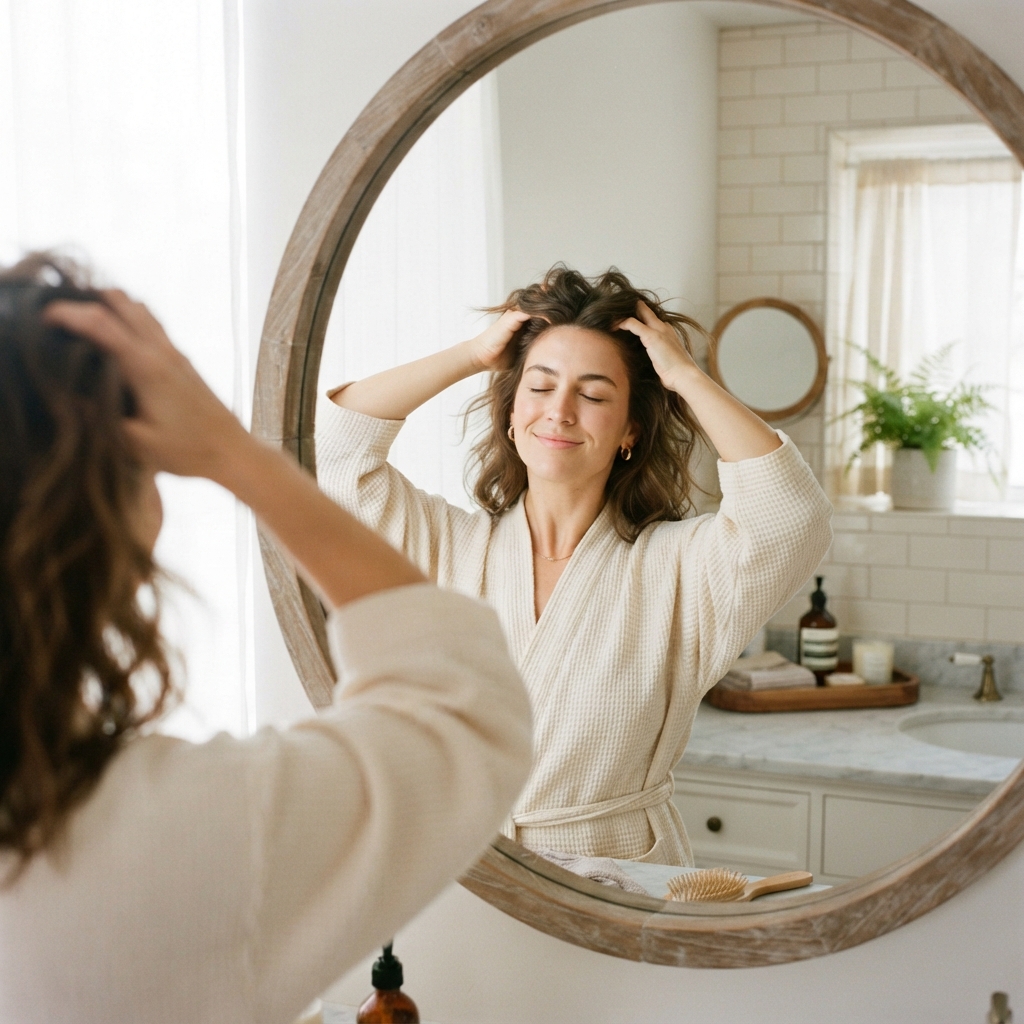
Your scalp runs the show. If it’s unhappy, your hair will be too, no matter how nice your products are.
- Oily by day two? Wash more often and skip heavy oils at the roots
- Flaky or itchy? Try a gentle clarifying wash once a week
- Dry and tight? Go sulfate-free and add a scalp serum
Treat your scalp like skin. Because it is skin.
The Three-Step Beginner Routine That Actually Works
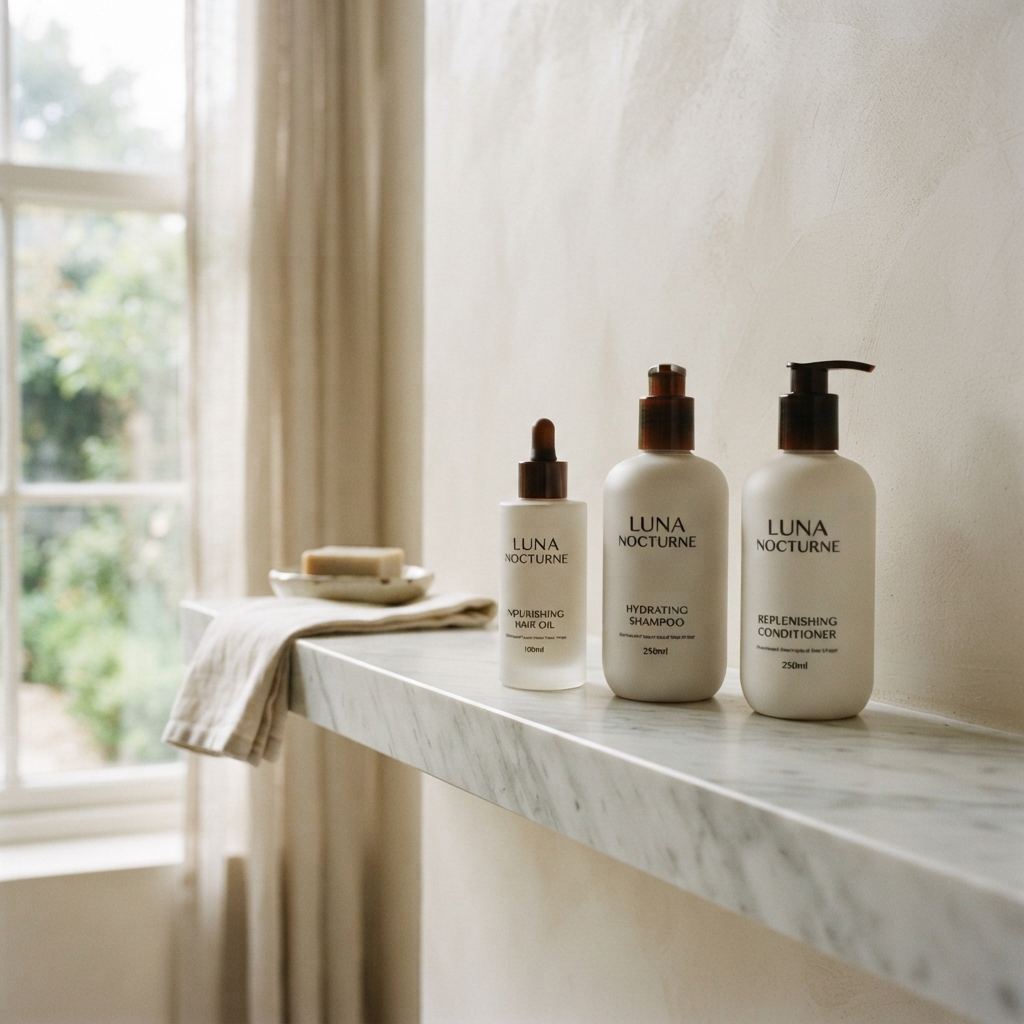
Here’s the truth: beginners need three things. Not thirteen.
- Cleanse with a shampoo that fits your scalp
- Condition from mid-length to ends
- Protect with one leave-in or heat protectant
That’s it. Do this consistently for a month before you add anything else. Most people quit too early and blame the products. Give it four weeks and you’ll actually see what’s working.
How Often Should You Actually Wash?
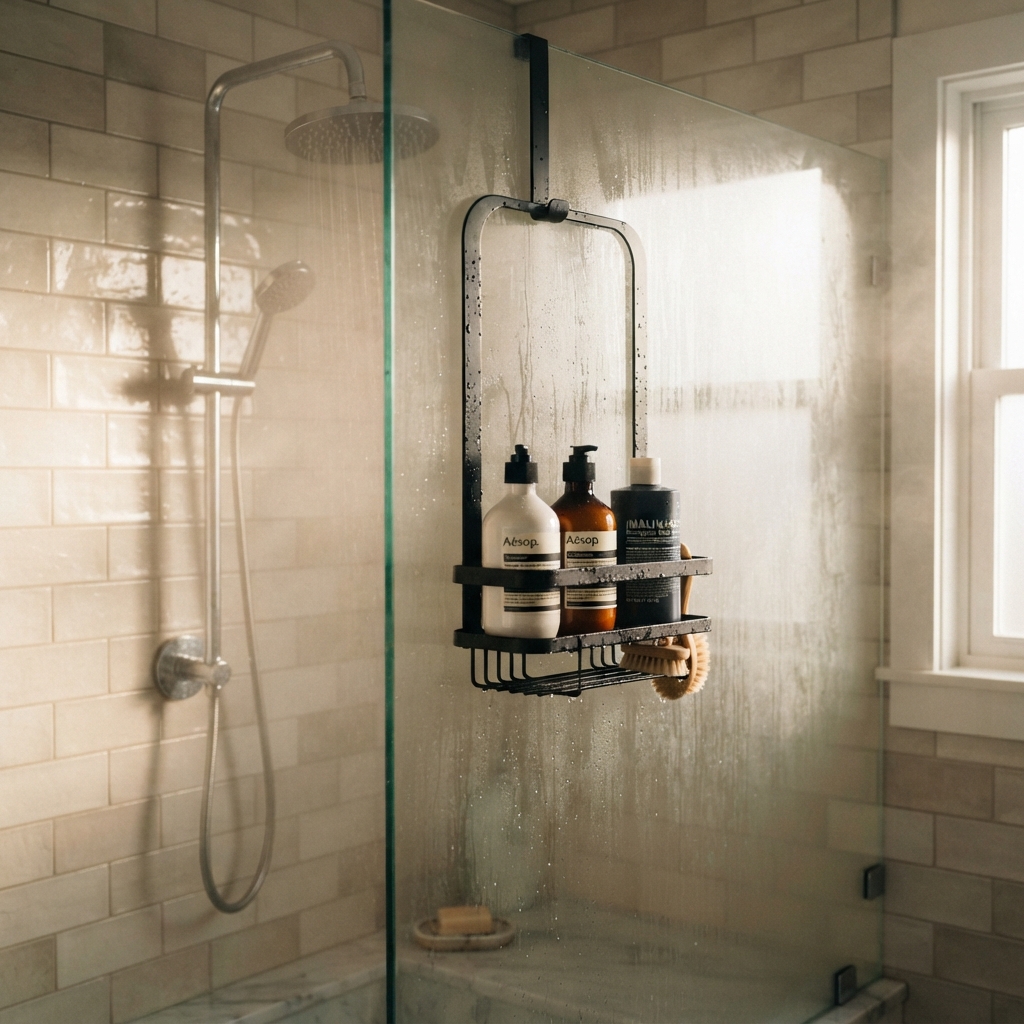
There’s no universal answer, and anyone who says there is is guessing.
- Fine or oily hair: every one to two days
- Medium hair: every two to three days
- Thick, curly, or coily: once or twice a week
- Color-treated: stretch it as far as your scalp allows
Start with the middle of the range and adjust. If your scalp feels greasy by evening, wash more. If your ends feel straw-dry, wash less and add a mask.
Conditioner Rules Beginners Always Break
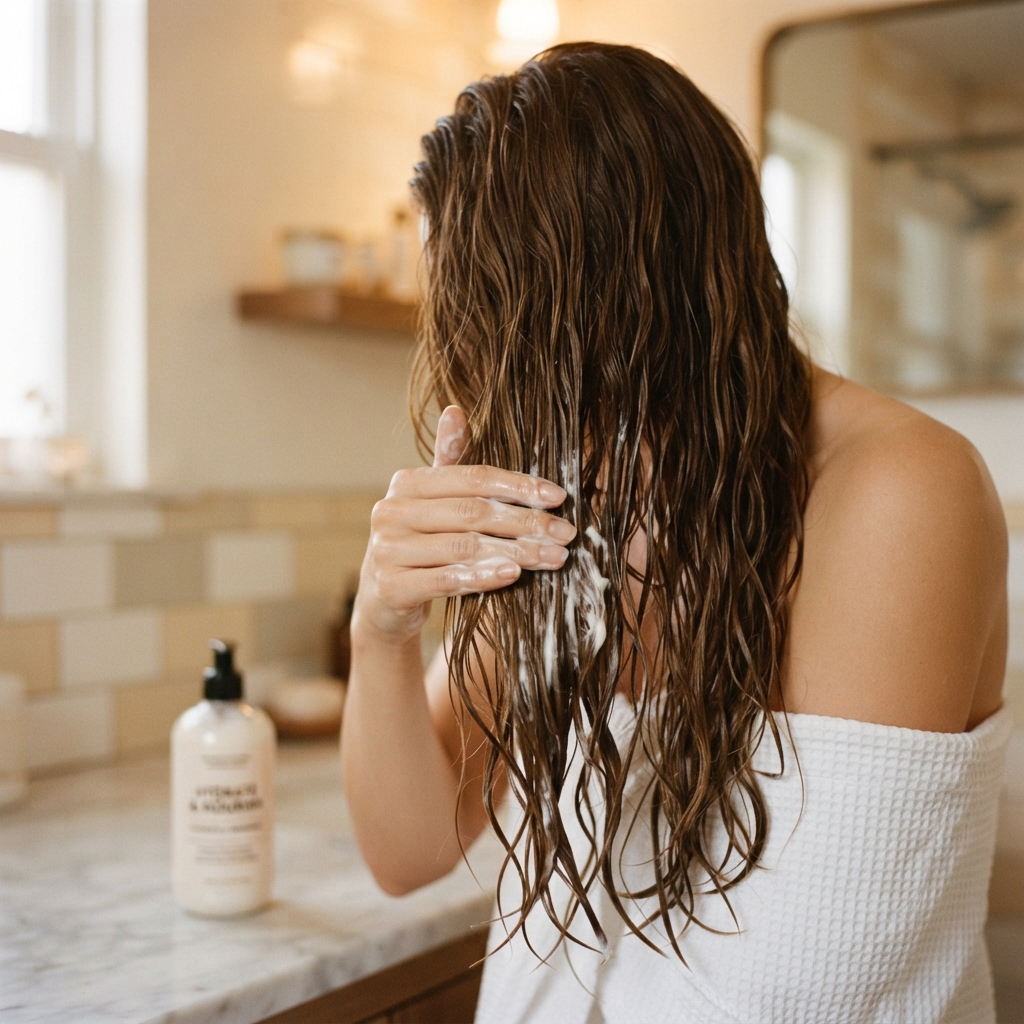
Conditioner is not shampoo. It doesn’t belong on your roots.
Apply from your ears down to your ends. That’s where the dryness lives. Rinse with cool water to seal the cuticle and boost shine.
- Squeeze out excess water before applying
- Leave it on for two to three minutes
- Use a wide-tooth comb to detangle while it’s in
Do this one thing right and your hair will feel softer within a week.
Why You Only Need One Leave-In Right Now
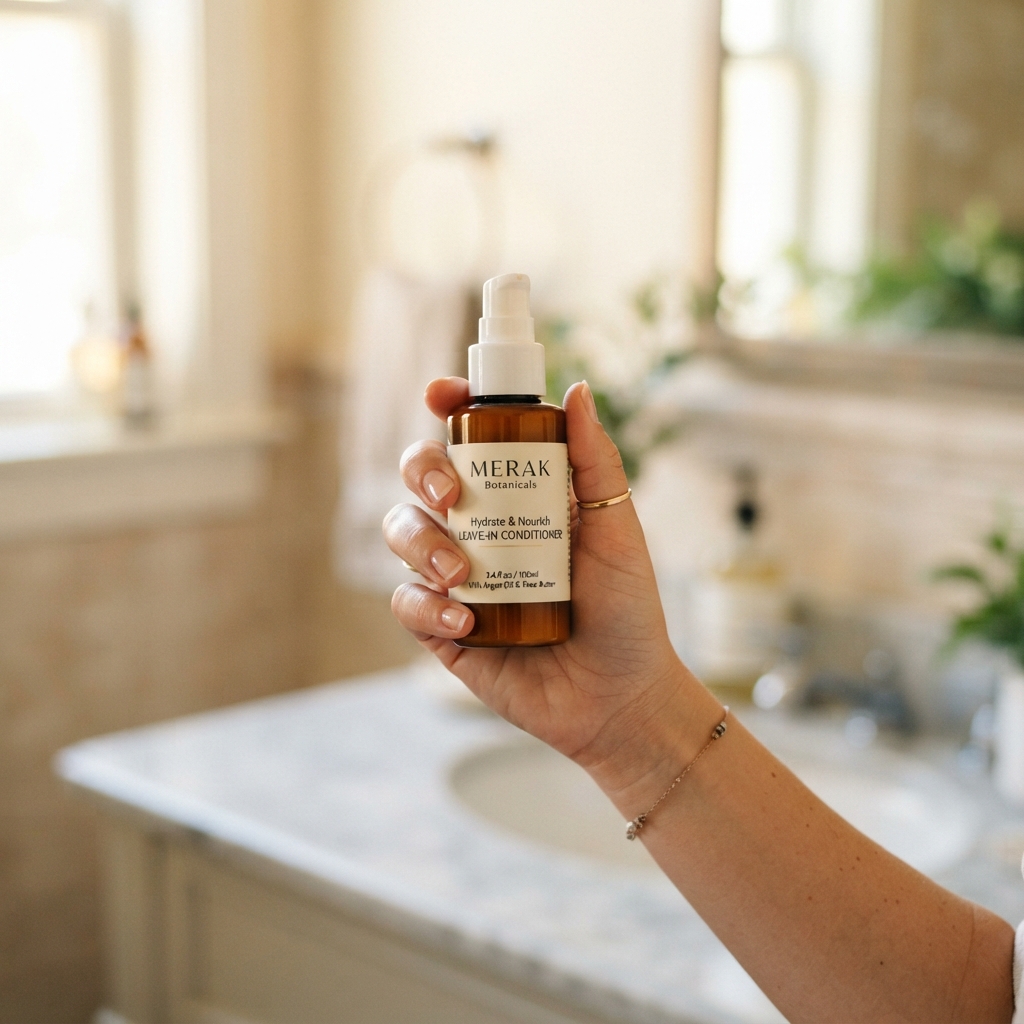
Product overload is the number one beginner mistake. Five products layered on wet hair do not equal better results.
Pick one leave-in that matches your main issue. Dry ends? Go creamy. Frizzy? Go smoothing. Fine hair? Go lightweight spray.
Use it on damp hair, mid-length to ends, and comb through. Once you know how your hair reacts, then you can layer. Order matters too: thin products first, thick products last.
Heat Protection Is Non-Negotiable
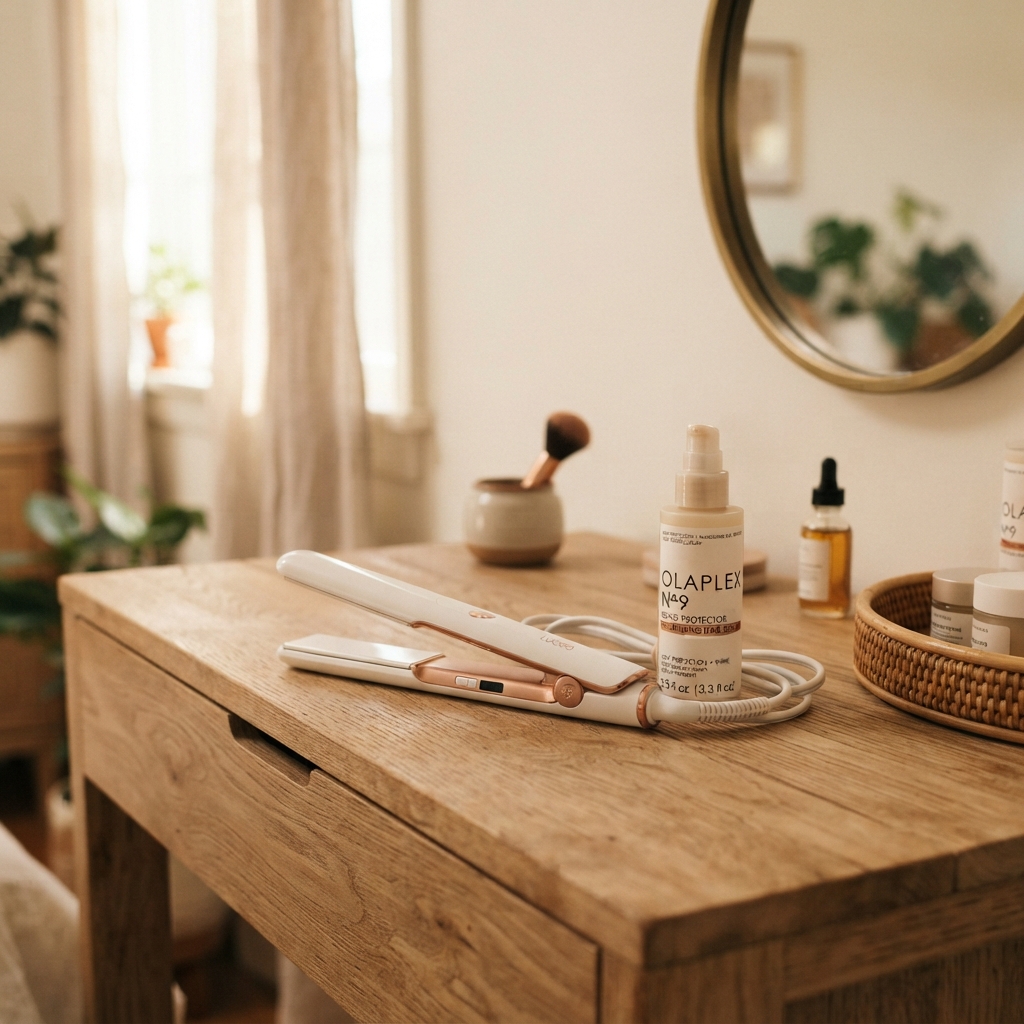
I know it feels like an extra step. It’s the step that keeps your hair on your head. Okay, that’s dramatic, but not by much.
- Always spray before blow-drying or styling
- Keep tools under 375 degrees when you can
- Never style soaking wet hair with a hot tool
- Give your hair one full day off from heat each week
Your future hair will thank you. Especially if you’re growing it out.
Build Your Routine Around Your Signature Cut

Your cut should shape your routine, not the other way around. Different shapes ask for different care.
- Quiet luxury bob: lightweight leave-in and a round brush
- Asymmetrical lob: heat protectant plus a little smoothing cream
- Hime cut: shine serum on the blunt sides, light oil on the long back
- Vampire haircut: texture spray and a soft-bristle brush
Match your products to your shape and suddenly everything feels easier.
How 2026 Hairstyles Change Your Routine
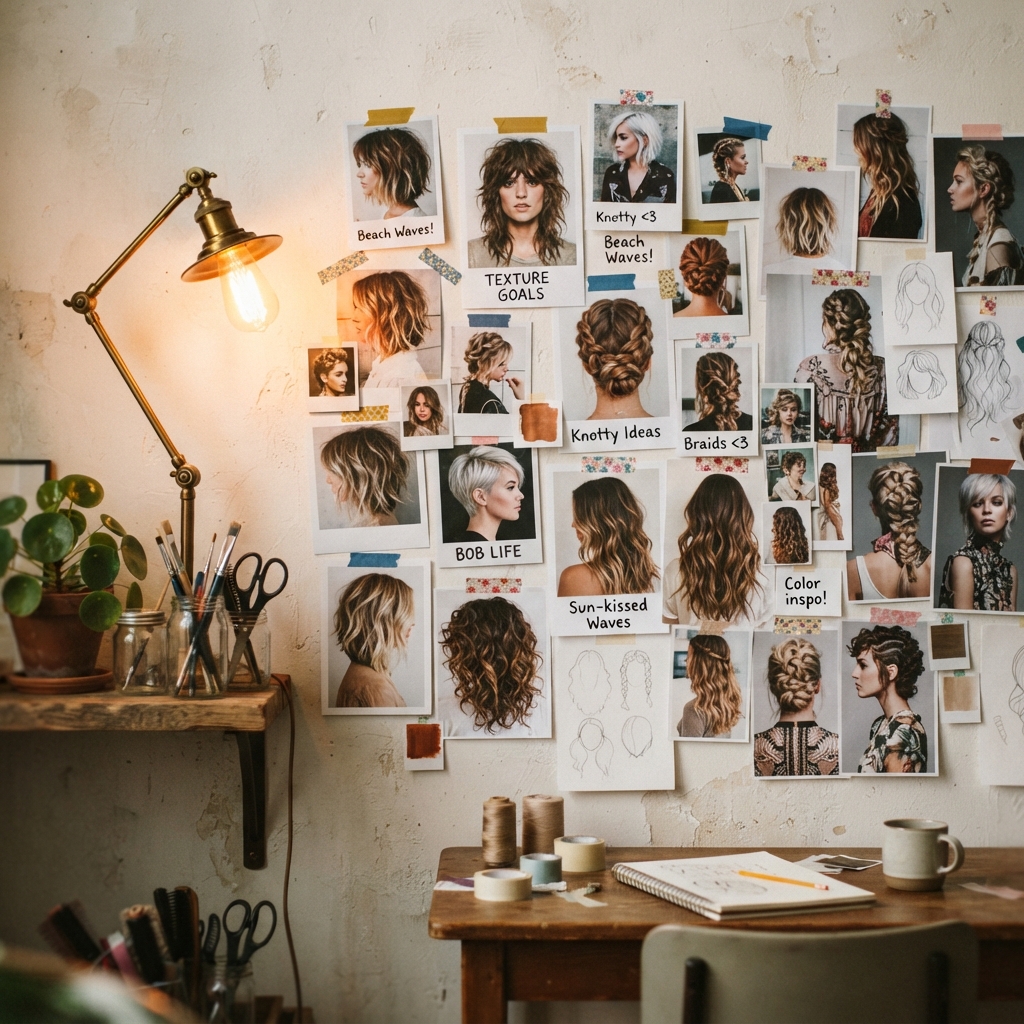
The 2026 hairstyles are all about polished, lived-in looks. Think soft shine, natural texture, and a little edge.
That means your routine should lean toward healthy hair over heavy styling. Less crunch, more movement.
- Add a weekly mask for shine
- Keep a texture spray for effortless days
- Trim every eight to ten weeks to hold the shape
Trends come and go. Healthy hair makes all of them look good.
Old Money Hair: The Low-Effort Routine

Old money hair is basically this: healthy, shiny, and never trying too hard. It looks expensive because it looks cared for.
- Wash two to three times a week
- Use a gloss or shine serum on damp ends
- Blow-dry with a round brush for smoothness
- Sleep on silk to cut down on frizz
No complicated styling. Just consistency, a good cut, and shine you can see from across the room.
Romantic Goth Hairstyles: Care for Color and Texture

Romantic goth hairstyles usually mean color, texture, and a little drama. That’s beautiful, but it asks more of your routine.
- Wash with cool water to slow color fade
- Use a color-safe shampoo once or twice a week
- Add a bond-building treatment every ten days
- Deep condition after any lightening service
Soft waves and dark tones look best on hair that’s actually healthy. Protect the canvas and the style does the rest.
Glitchy Glam Hair: Shine Without the Damage
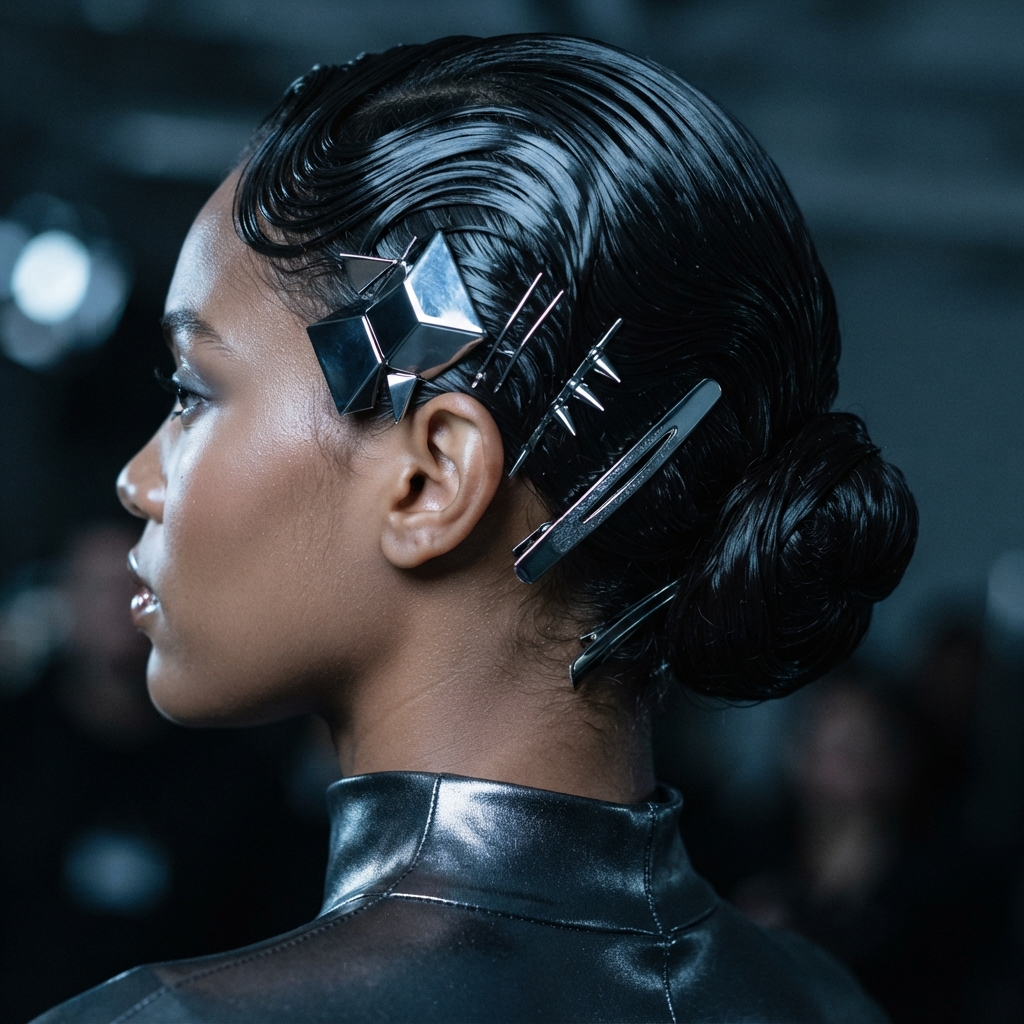
Glitchy glam hair is that slick, reflective, slightly futuristic look. It’s fun, and you don’t need hot tools to get it.
- Start with damp, freshly conditioned hair
- Run a shine serum through mid-length to ends
- Smooth with a fine-tooth comb, not a brush
- Pin sections in place and let it air dry
Finish with a light mist of flexible hold spray. All the shine, none of the heat damage.
Your First 30 Days: A Simple Beginner Calendar
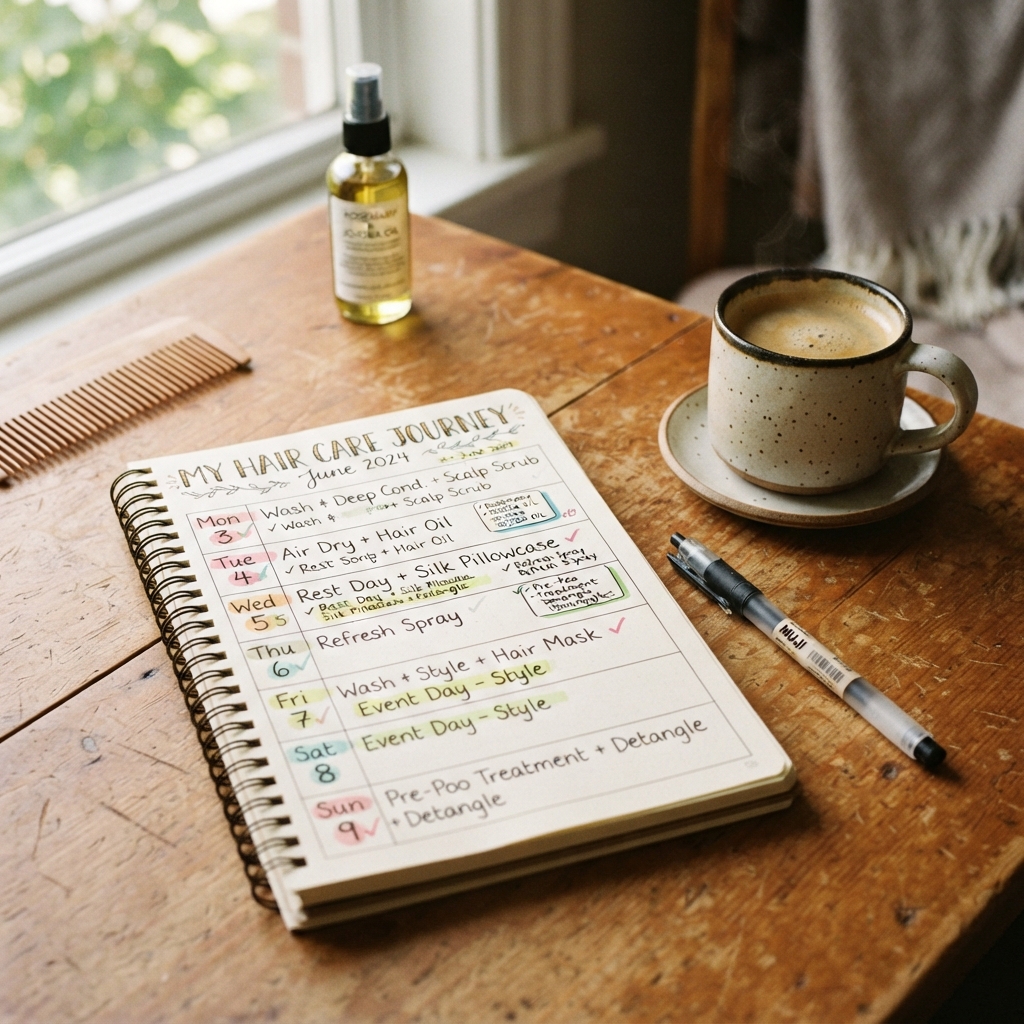
You don’t need to change everything at once. Here’s a gentle month-long plan.
- Week 1: find your hair type and porosity
- Week 2: switch to a three-step routine only
- Week 3: add one weekly deep conditioner
- Week 4: add heat protection and a silk pillowcase
Small changes, stacked slowly. That’s how routines actually stick.
Where to Spend and Where to Save
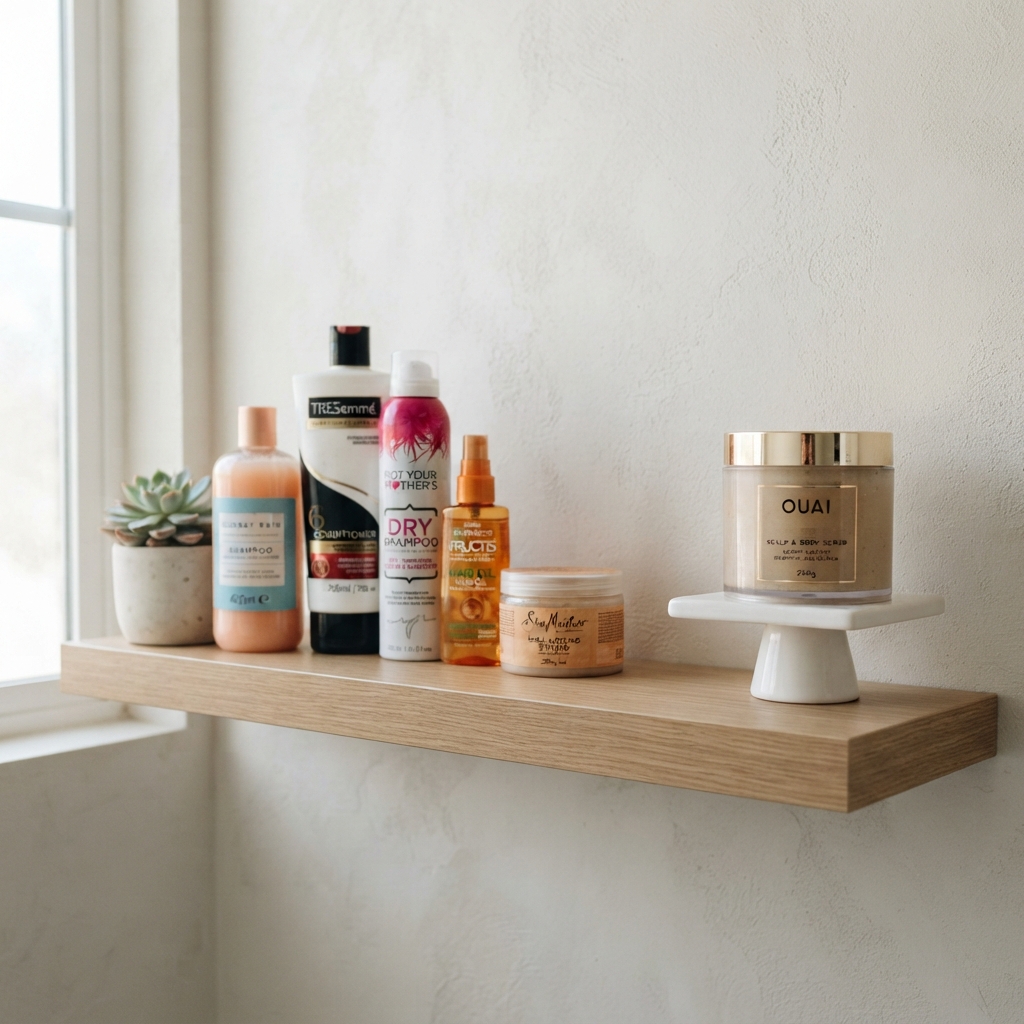
You don’t need to spend a lot. You need to spend in the right places.
- Spend on: shampoo, conditioner, and heat protectant
- Save on: masks, texture sprays, and styling tools
- Skip entirely: anything promising growth in a week
Drugstore shampoo can be great. Expensive shampoo can be bad. Read ingredients, not price tags.
How to Test a Product Without Wasting Money
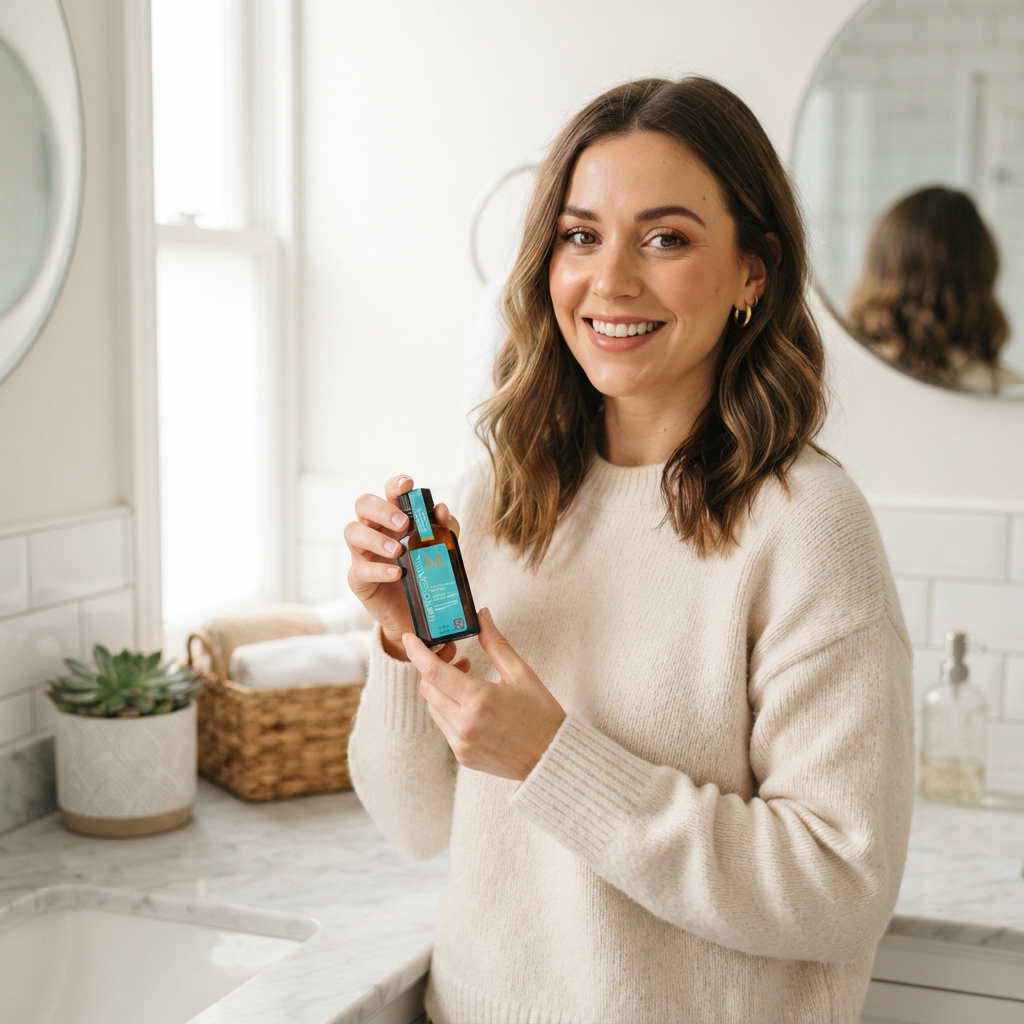
Buying full size and hating it is the worst feeling. Here’s how to avoid that.
- Grab a travel size or ask for a sample
- Change only one product at a time
- Use it for two weeks before judging
- Note how your hair feels on day one versus day ten
If your hair feels weighed down or crunchy after two weeks, it’s not for you. No guilt, just move on.
Wash Day vs. Refresh Day
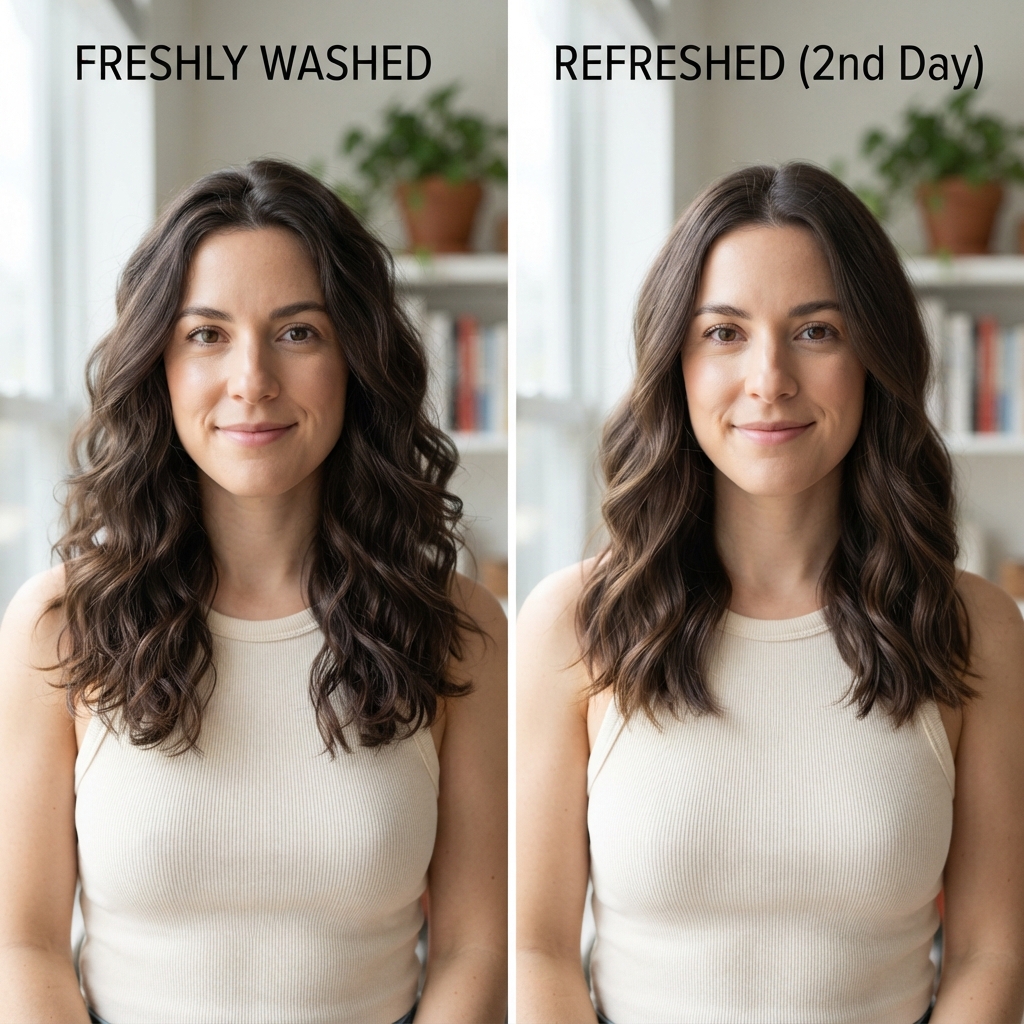
Not every day needs a full wash. Learning the difference changed everything for me.
Wash day is your full reset: cleanse, condition, leave-in, style.
Refresh day is a quick touch-up: a little water, a little leave-in, and a comb through the ends. Maybe dry shampoo at the roots.
This one habit stretches your style, saves your color, and keeps your hair from drying out.
Sleeping Habits That Protect Your Hair

You spend a third of your life asleep. Your hair is along for the ride.
- Switch to a silk or satin pillowcase
- Loose braid or a soft bun for long hair
- Loose scrunchie, never a tight elastic
- Let hair fully dry before bed when you can
Do this for a month and you’ll notice less breakage and way less morning frizz.
Water Temperature, Towels, and Tiny Details

The little things add up more than you’d think.
- Warm water for washing, cool for the final rinse
- Swap rough towels for a microfiber towel or cotton tee
- Never brush wet hair from the roots down
- Detangle from the ends upward, gently
None of this costs money. It just takes a small shift in how you handle your hair.
How to Track What’s Working

You can’t improve what you don’t measure. Keep it simple though. This isn’t homework.
Write down one line after each wash day. How did your hair feel? Soft, greasy, dry, frizzy? What did you use?
After a month you’ll see patterns you’d never notice otherwise. That’s how you build a routine that’s truly yours, instead of guessing forever.
When to See a Pro

Some things are worth paying for. Especially in the beginning.
- Sudden shedding or thinning
- Persistent scalp pain, flakes, or irritation
- Major color changes or lightening
- A cut that changes your whole routine
A good stylist will look at your hair and tell you what it actually needs. That’s worth more than ten viral products.
Beginner Mistakes to Skip
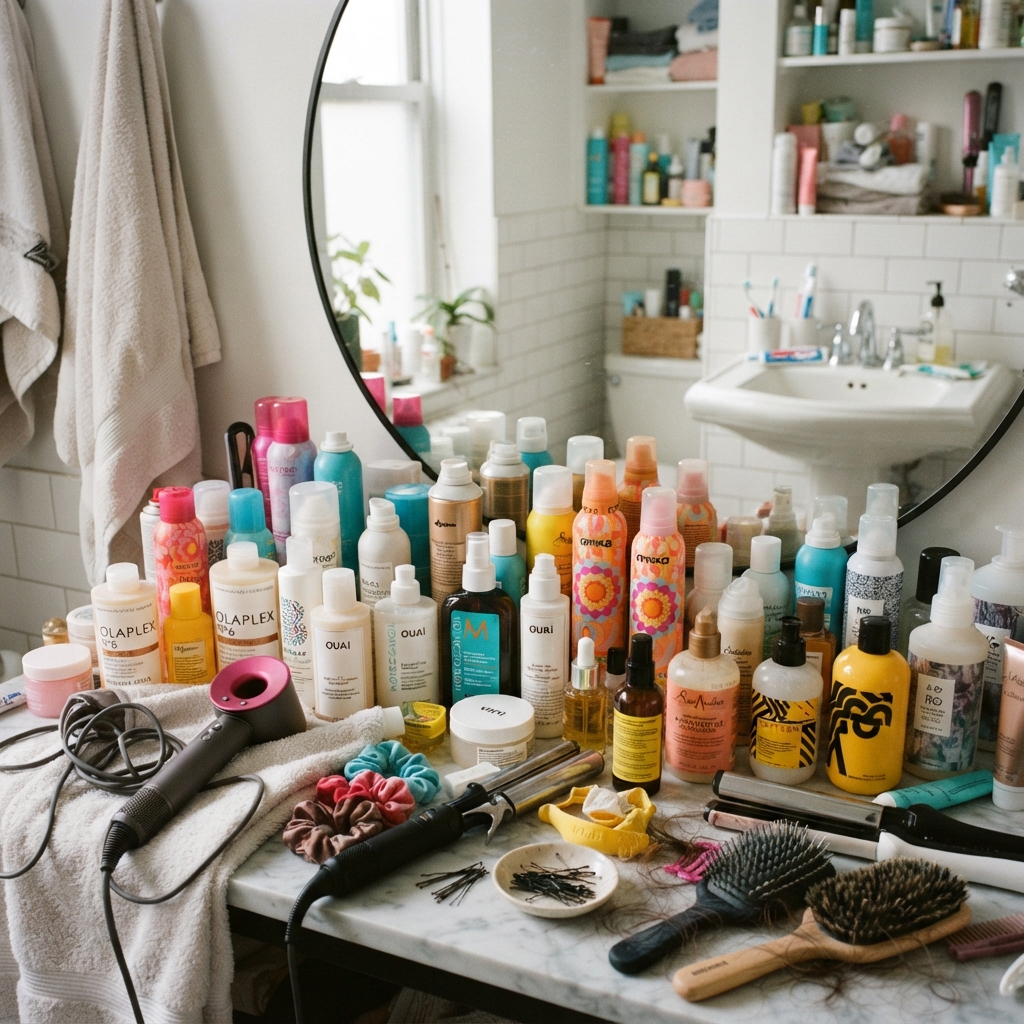
Learn from my mistakes so you don’t repeat them.
- Buying a full routine before knowing your hair type
- Changing five products at once
- Skipping heat protectant because you’re in a hurry
- Over-washing fine hair or under-washing oily scalps
- Expecting results in three days
Slow and steady wins here. Every single time.
A Few Last Words From Me
Your custom hair care routine doesn’t have to be perfect. It just has to fit you. Start with three steps, learn your hair, and adjust as you go.
Whether you’re into a quiet luxury bob, an asymmetrical lob, or romantic goth hairstyles, the foundation is the same. Healthy hair makes every style look better.
Be patient with yourself. You’re building a habit, not chasing a trend.
Save this post to Pinterest so you can come back to it on your next wash day. And tell me in the comments: what’s the one hair struggle you want to fix first? I read every single one.

