

Hey friend, Hailey here. Have you ever left the salon with a cut you loved in the chair and hated at home? Same. Most hair confusion isn’t bad luck. It’s usually about not knowing your hair type and porosity.
Your hair type is your natural pattern. Porosity is how your hair absorbs and holds moisture. Once you understand both, everything gets easier: products, styling, and which 2026 hairstyles actually work for you.
I’ll walk you through simple tests, the truth about density versus texture, and how to choose cuts like the quiet luxury bob, asymmetrical lob, hime cut, vampire haircut, and more.
Grab a mirror and a strand of hair. By the end, you’ll know exactly what your hair needs. Let’s make getting ready feel easy again.
What Does Hair Type Actually Mean?
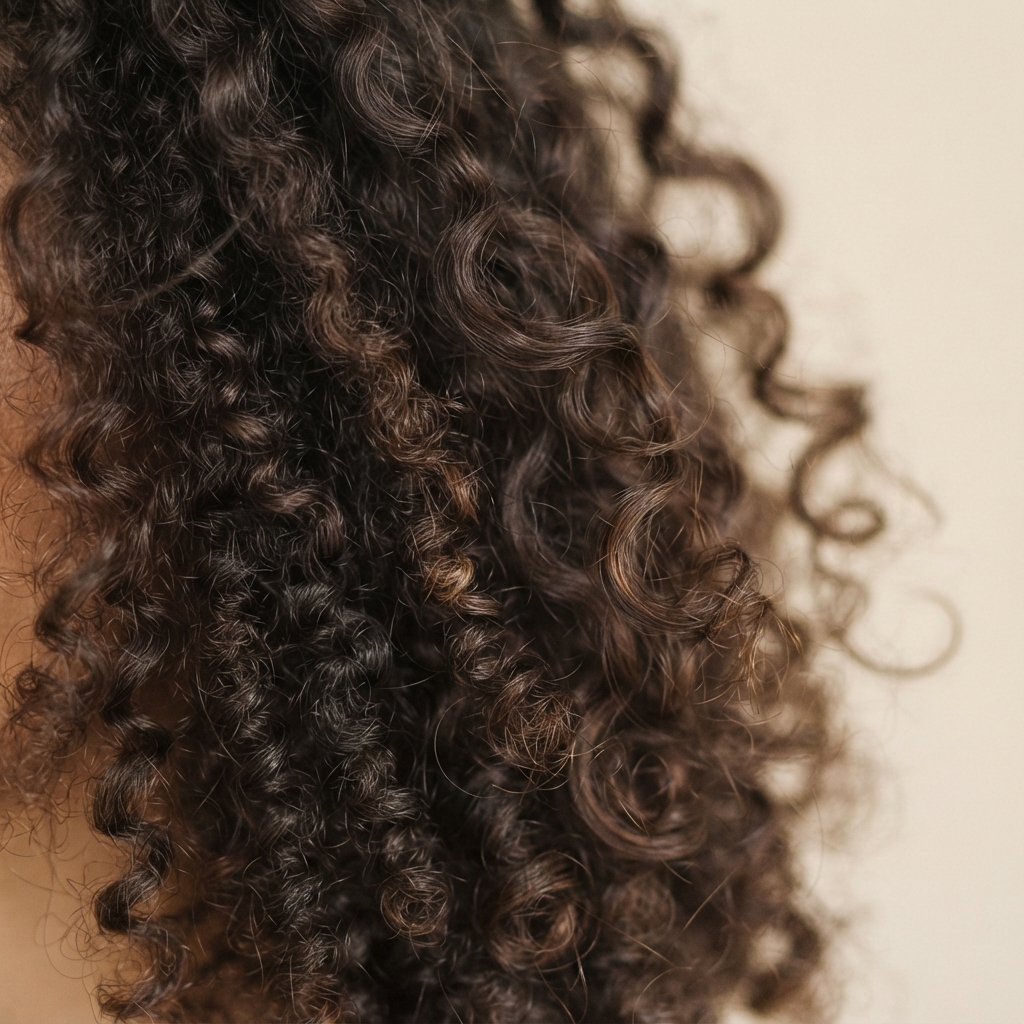
Your hair type is the natural shape your strands take when they dry without styling. It’s not about whether your hair is “good” or “bad.” It’s simply a starting point.
Most people use a scale from 1 to 4. Type 1 is straight, Type 2 is wavy, Type 3 is curly, and Type 4 is coily. Each type also has subcategories like 2A or 4C.
Knowing your type helps you pick cuts and products that work with your pattern, not against it. It’s the first step before chasing any trend, from old money hair to glitchy glam hair. There is no bad hair type.
The Four Main Hair Types, Explained Simply
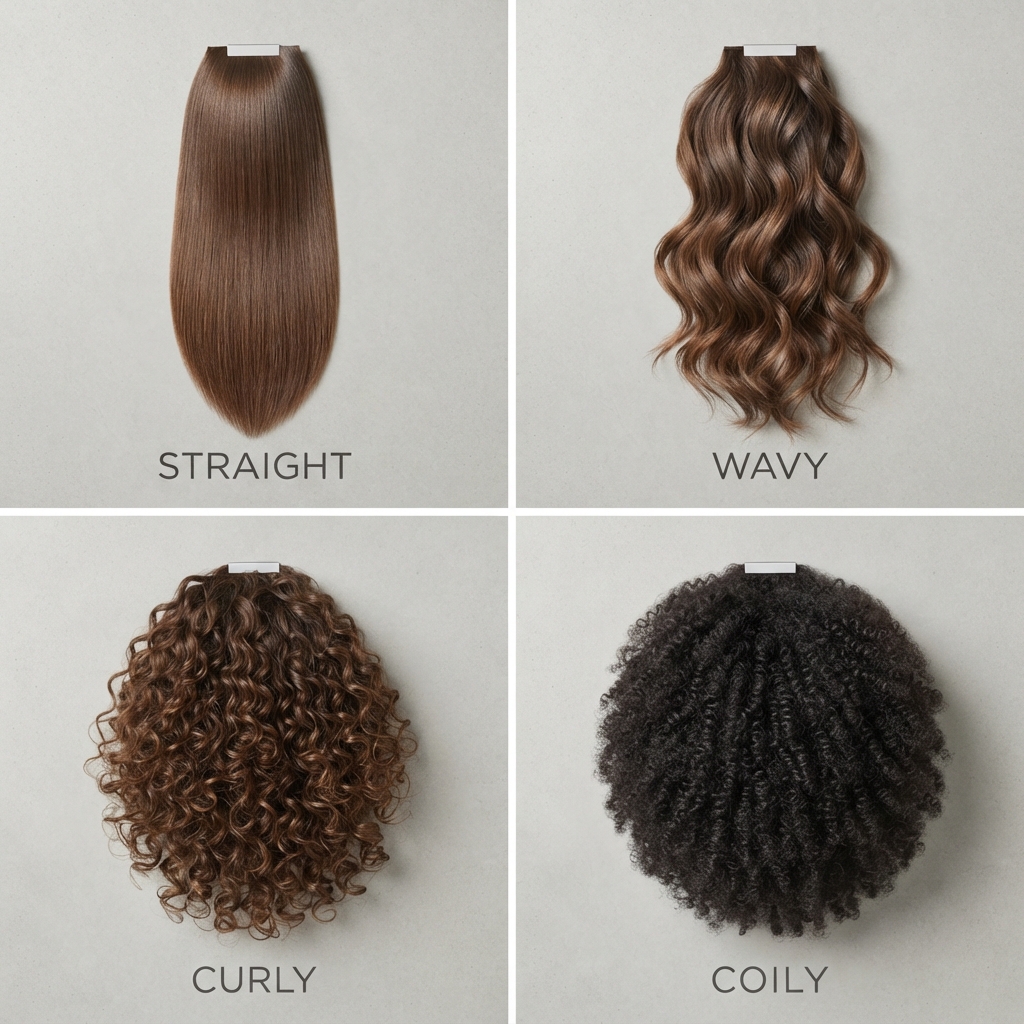
Here’s the quick version so you can spot yourself fast.
- Type 1: Straight hair that shines easily but can fall flat.
- Type 2: Wavy hair with soft bends and lots of versatility.
- Type 3: Curly hair with loops, bounce, and thirst for moisture.
- Type 4: Coily hair with tight patterns and beautiful volume.
Your type can change a little with hormones, heat damage, or pregnancy. That’s normal. Use your current pattern as your guide, not your high school photo.
Each type has subcategories, so don’t stress if you’re between 2B and 2C. The goal is understanding, not a perfect label. Once you know your family, you can fine-tune with porosity next.
How to Find Your Hair Type at Home
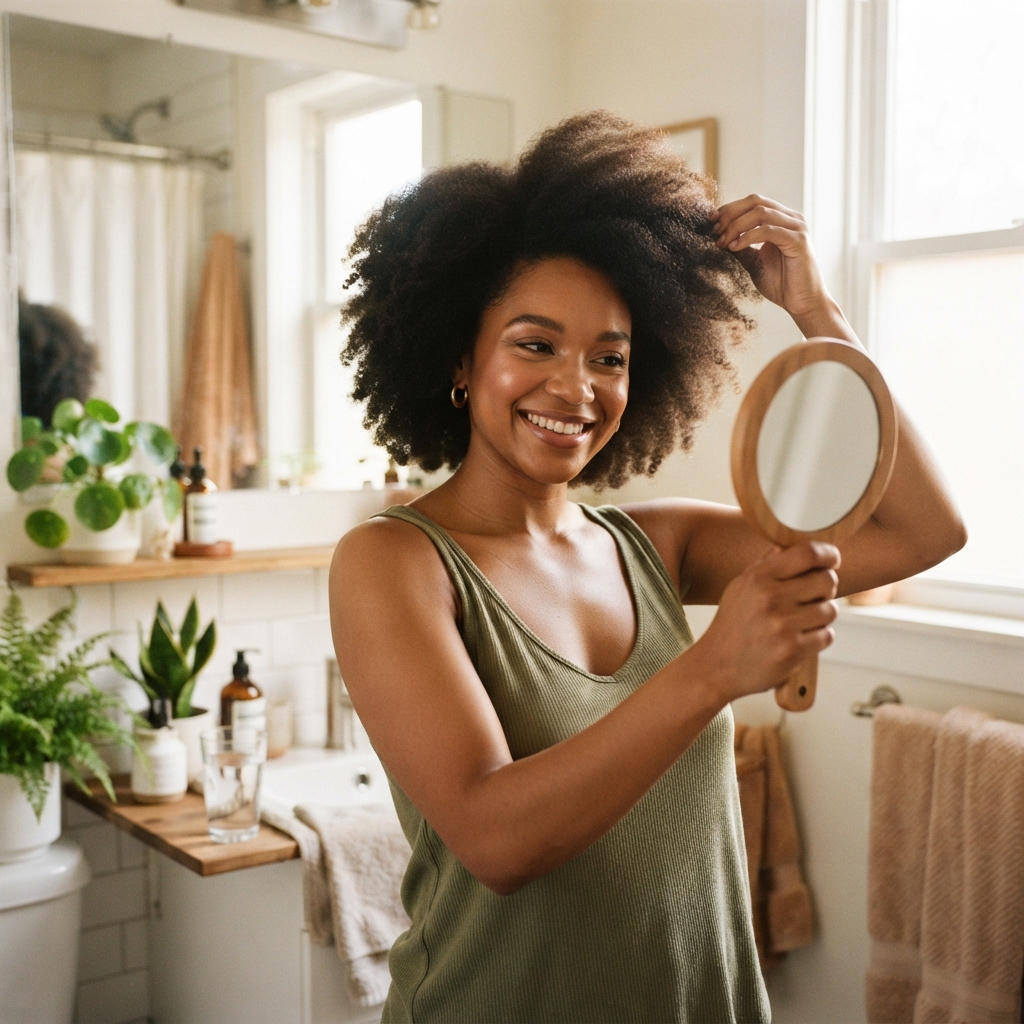
Wash your hair and let it air-dry with no products. No touching, no brushing, no twisting. This shows your true pattern.
Once dry, look at a single strand in good light. Ask yourself:
- Does it fall straight with no bend?
- Does it make a loose S shape?
- Does it form loops or spirals?
- Does it coil tightly with little definition?
Match your answer to Type 1, 2, 3, or 4. Then check a few strands from different parts of your head. Most of us are a mix.
Write it down so you can remember what your hair does naturally. No judgment.
Texture, Density, and Porosity: What Is the Difference?
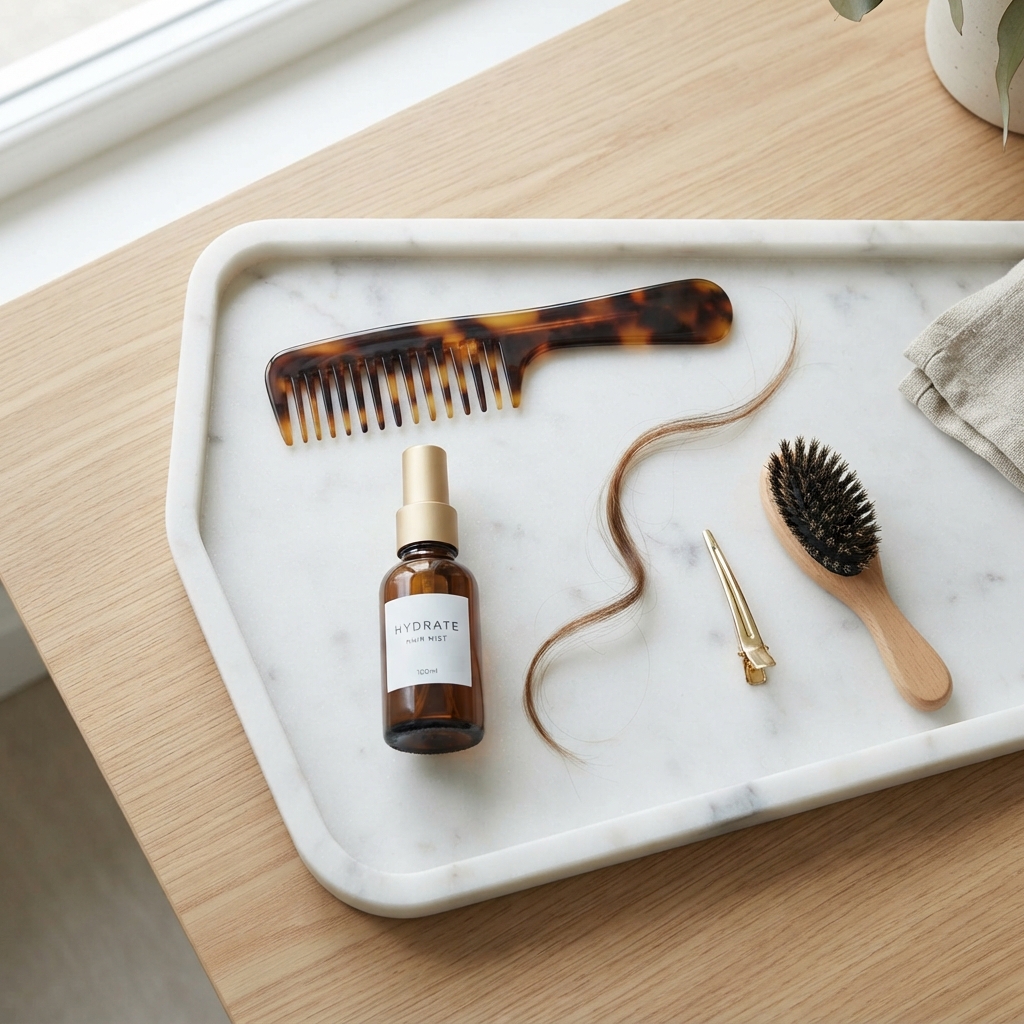
These three words get used interchangeably, but they mean different things.
- Texture is the width of each strand: fine, medium, or coarse.
- Density is how many strands you have: thin, medium, or thick.
- Porosity is how your hair absorbs and holds moisture.
You can have fine, thick, low-porosity hair. Or coarse, thin, high-porosity hair. That’s why one friend’s holy-grail product can flop on you.
For 2026 hairstyles, texture and density decide the shape. Porosity decides the products. Learn all three and you’re set. That combo is your hair’s fingerprint.
What Is Hair Porosity?

Porosity is your hair’s ability to soak up and keep moisture. Think of your strands like little sponges. Some soak fast and dry fast. Some repel water at first. Some are balanced.
It’s decided by the outer layer of your hair, called the cuticle. When the cuticle lies flat, moisture stays in. When it’s raised, moisture escapes.
Porosity matters more than your curl pattern for product choice. It explains why your hair might feel dry minutes after conditioning or why oils sit on top instead of sinking in.
Once you know it, shopping gets simpler. Your hair stops being a mystery.
Low Porosity Hair: Signs and Care
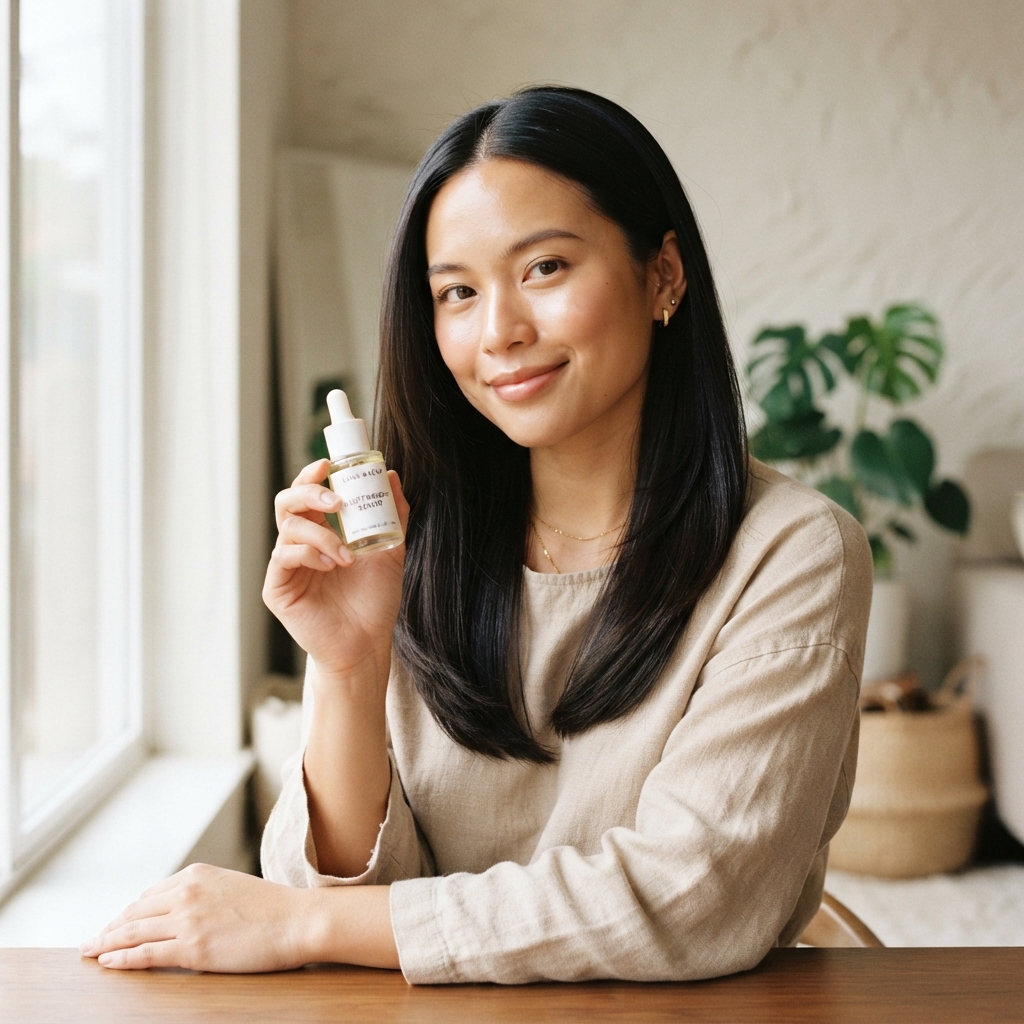
Low porosity hair has a tight, flat cuticle. Water and products take a while to sink in. But once moisture is in, it stays.
Signs you might have low porosity:
- Products sit on top and feel greasy.
- Hair takes forever to get fully wet.
- It air-dries slowly.
- It loves lightweight mists, not heavy butters.
Use warm water, steam, and thin leave-ins. Avoid layering thick oils on dry hair. Focus on water-based moisture first. A quiet luxury bob can look amazing on low porosity hair because shine comes naturally.
Your hair already has built-in gloss. You just need to let moisture in.
High Porosity Hair: Signs and Care

High porosity hair has a raised cuticle. It absorbs moisture quickly but loses it just as fast. It often feels dry, frizzy, or rough.
Signs you might have high porosity:
- Hair gets wet instantly.
- It dries very fast.
- Color or bleach damage is common.
- It loves creams, butters, and sealing oils.
Layer water, leave-in, cream, then oil to lock it in. Gentle protein treatments can help fill gaps. Romantic goth hairstyles with soft texture can work beautifully here because volume and grit are already your friends.
Seal in moisture after every wash. Your hair will thank you. It craves layers of care.
Medium Porosity Hair: The Balanced Middle

Medium porosity is the sweet spot. Your cuticle is slightly open but mostly smooth. Moisture goes in and stays in without much drama.
Your hair usually:
- Absorbs products easily.
- Holds styles well.
- Feels soft without heavy layering.
- Handles protein and moisture fairly well.
You can experiment more than most. Try an asymmetrical lob, a hime cut, or old money hair with a sleek finish. Just avoid overdoing protein or heavy oils. Balance is your superpower.
Keep a simple routine and your hair will glow. It rarely needs rescue mode. Just stay consistent with wash day. That’s the whole secret.
The Float Test: Quick Porosity Check
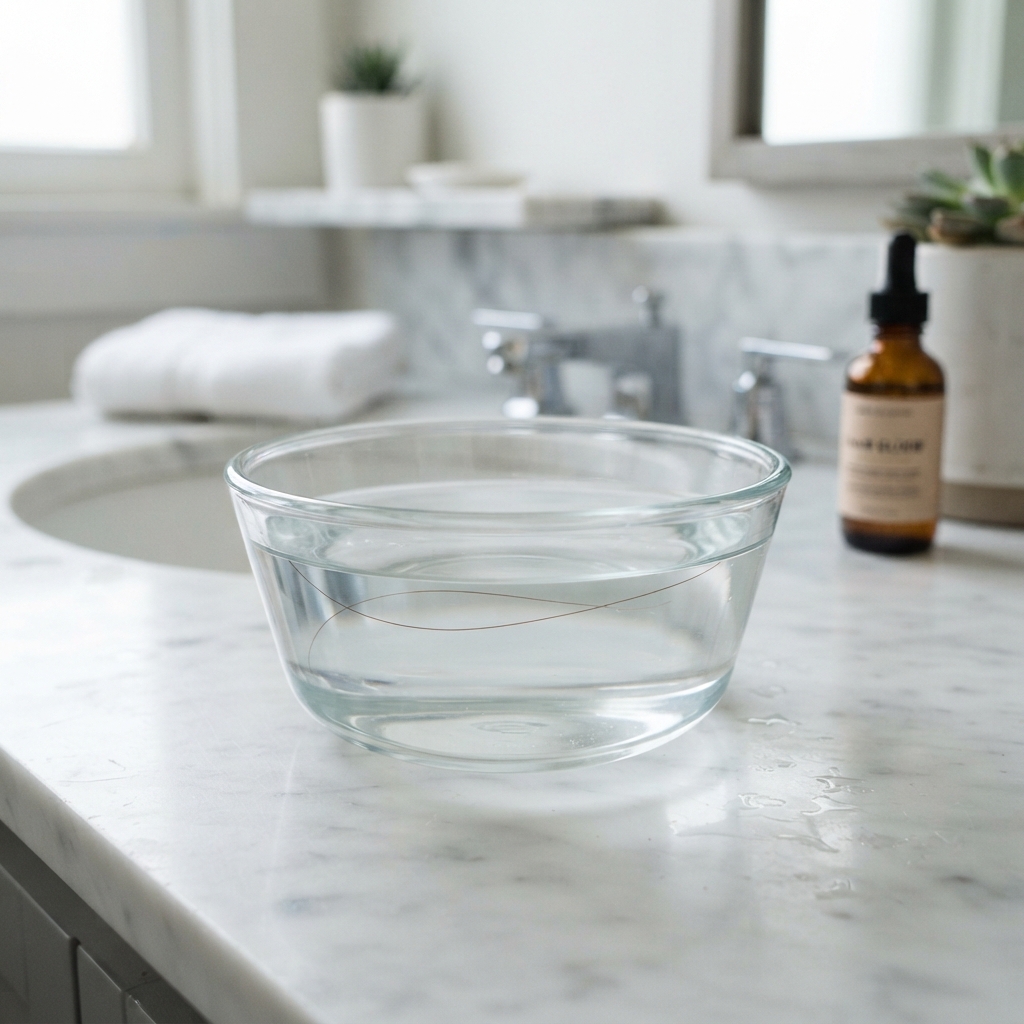
The float test is old-school, but it’s a fun starting point. It’s not perfect, but it can give you a clue.
- Wash and dry one clean strand of hair without product.
- Fill a glass bowl with room-temperature water.
- Drop the strand on top.
- Wait 2 to 4 minutes.
If it floats near the top, you may have low porosity. If it sinks slowly, medium. If it sinks fast, high porosity.
Don’t treat this as law. Product buildup and water temperature can change results. Use it with the slip test next. It’s just one clue. Your hair’s behavior matters more.
The Slip Test and Spray Test
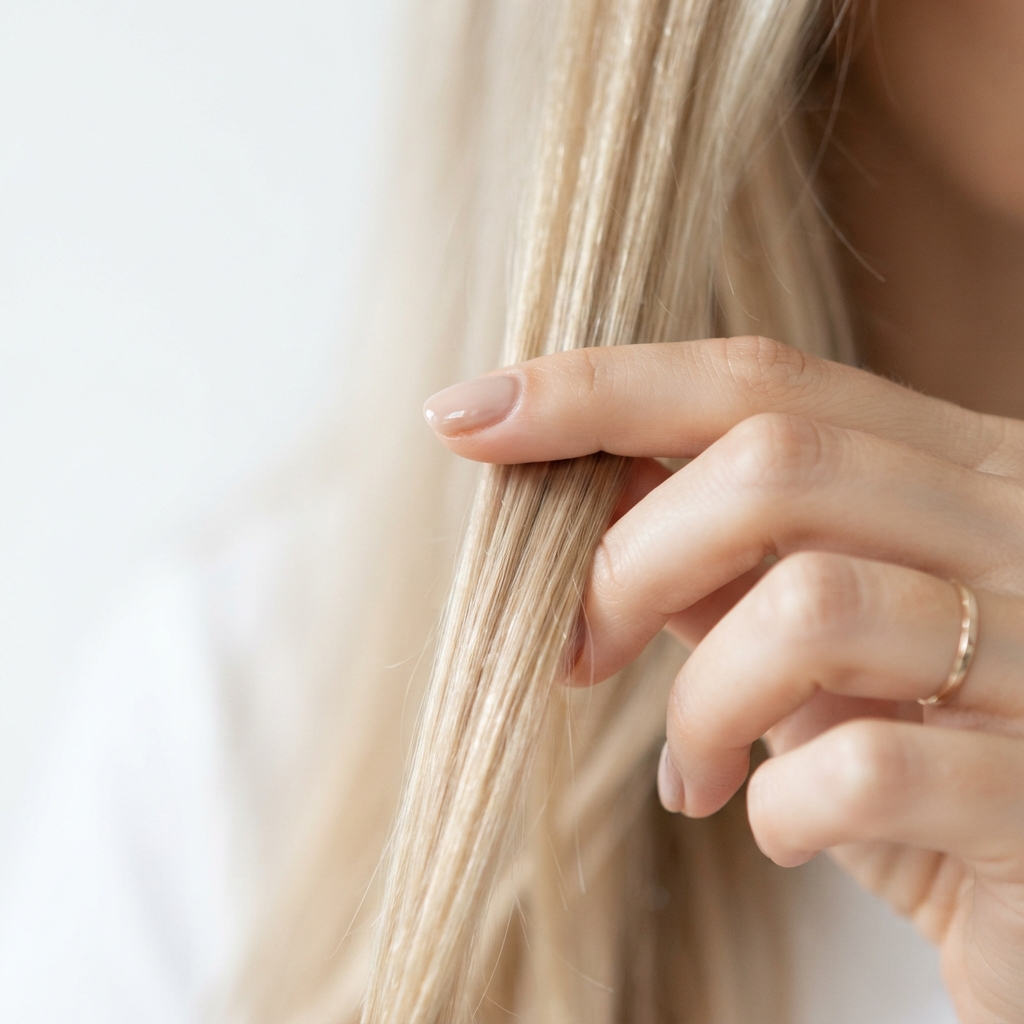
The slip test is simple and surprisingly accurate. Take a clean, dry strand and slide your fingers from end to root.
- If it feels smooth and slippery, you likely have low porosity.
- If it feels slightly bumpy, medium porosity.
- If it feels rough or catches, high porosity.
For the spray test, mist a small section with water. Low porosity hair beads up. Medium absorbs at a normal pace. High porosity drinks it in almost instantly.
Try both tests on clean hair. Then trust how your hair behaves in real life over any single test. Real life always wins. Use them together.
Why Porosity Matters More Than Your Curl Pattern

Your curl pattern tells you the shape. Your porosity tells you the recipe. That’s why two people with the same 3B curls need completely different products.
One might need lightweight mousse and no oil. The other might need a creamy leave-in and a sealing butter. Same curls, different needs.
When you shop, read labels for humectants, proteins, and oils. Then match them to your porosity, not just your type.
This is how you stop wasting money. It’s also how you make any 2026 hairstyle actually last from morning to night. It’s a total game changer. Your wallet will notice too.
How to Build a Wash Day Routine for Your Porosity
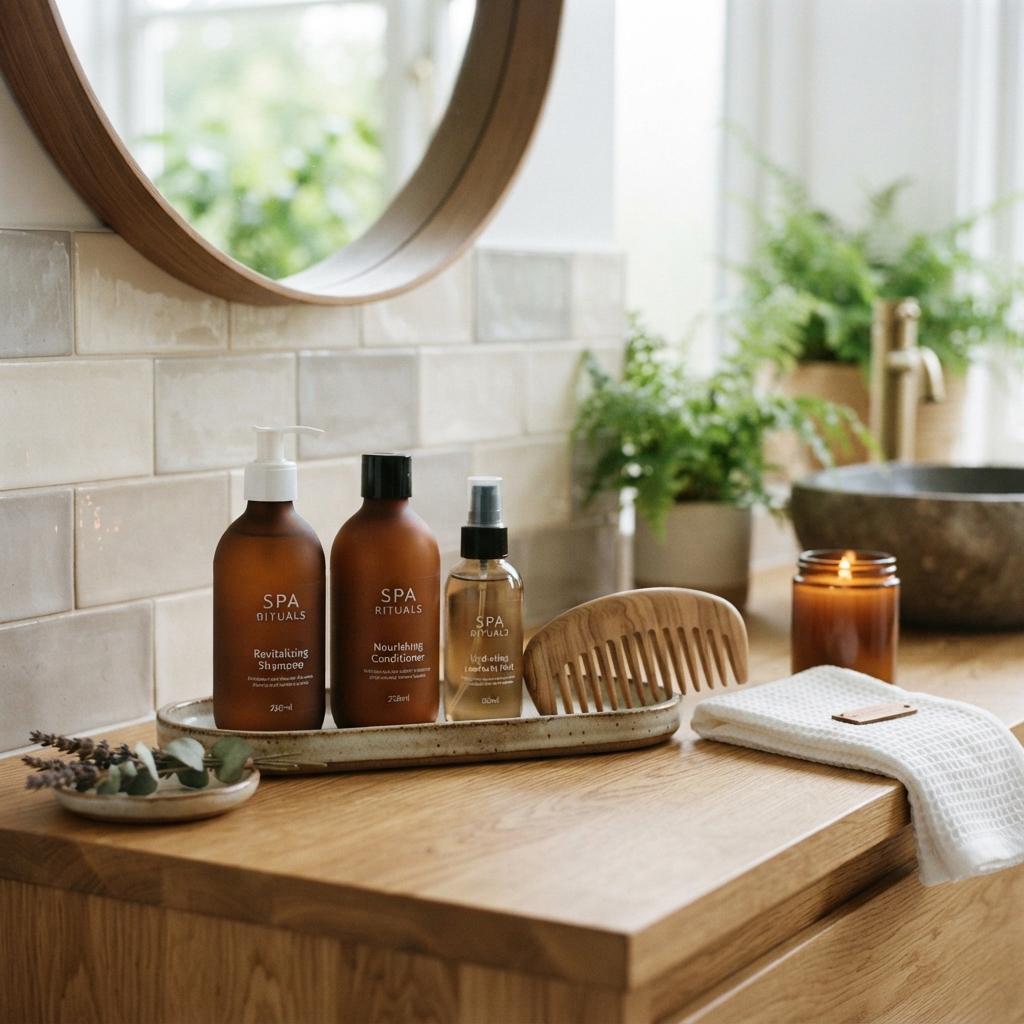
Your wash day should match your porosity. Here’s the simple framework.
- Low porosity: Clarify gently, use warm water, apply lightweight water-based products, skip heavy butters.
- Medium porosity: Shampoo, condition, use a leave-in or cream, seal lightly if needed.
- High porosity: Cleanse gently, deep condition, layer leave-in, cream, and oil to seal.
Always apply products to damp hair unless the label says otherwise. Scrunch or rake gently. Then leave your hair alone while it dries.
Consistency beats complexity. A simple routine you repeat is better than ten products you forget. Keep it boring. Your hair loves boring. It works.
Protein vs Moisture: The Simple Balance
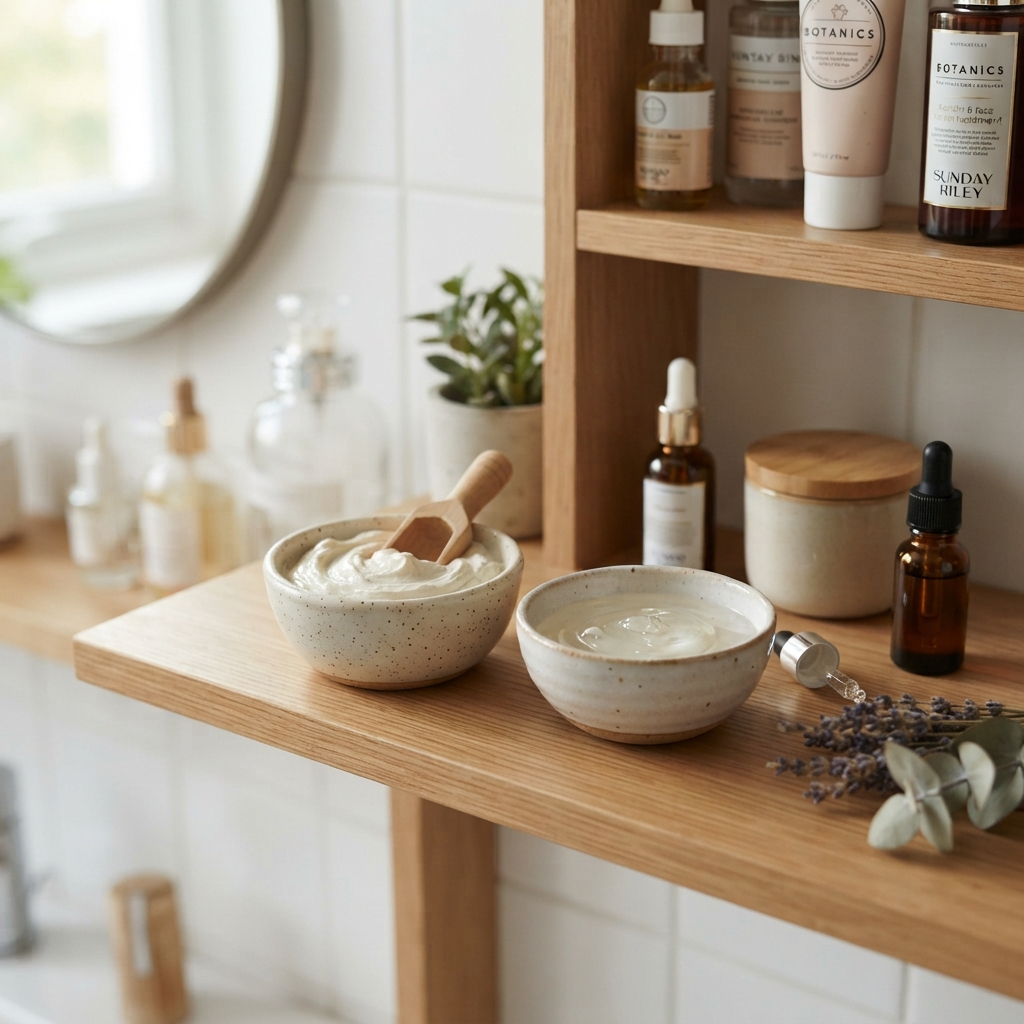
Protein strengthens. Moisture softens. Most hair needs both, but the ratio depends on porosity.
- Low porosity: Go easy on protein. Too much can make hair stiff and straw-like.
- Medium porosity: Use protein once or twice a month if your hair feels weak.
- High porosity: Protein can be helpful, but follow it with deep moisture.
Signs of too much protein: hair feels brittle, snaps, or looks dull. Signs of too much moisture: hair feels mushy and limp.
When in doubt, clarify and go back to a simple moisture-protein balance. Your hair will tell you what it needs.
How Heat, Color, and Bleach Change Porosity
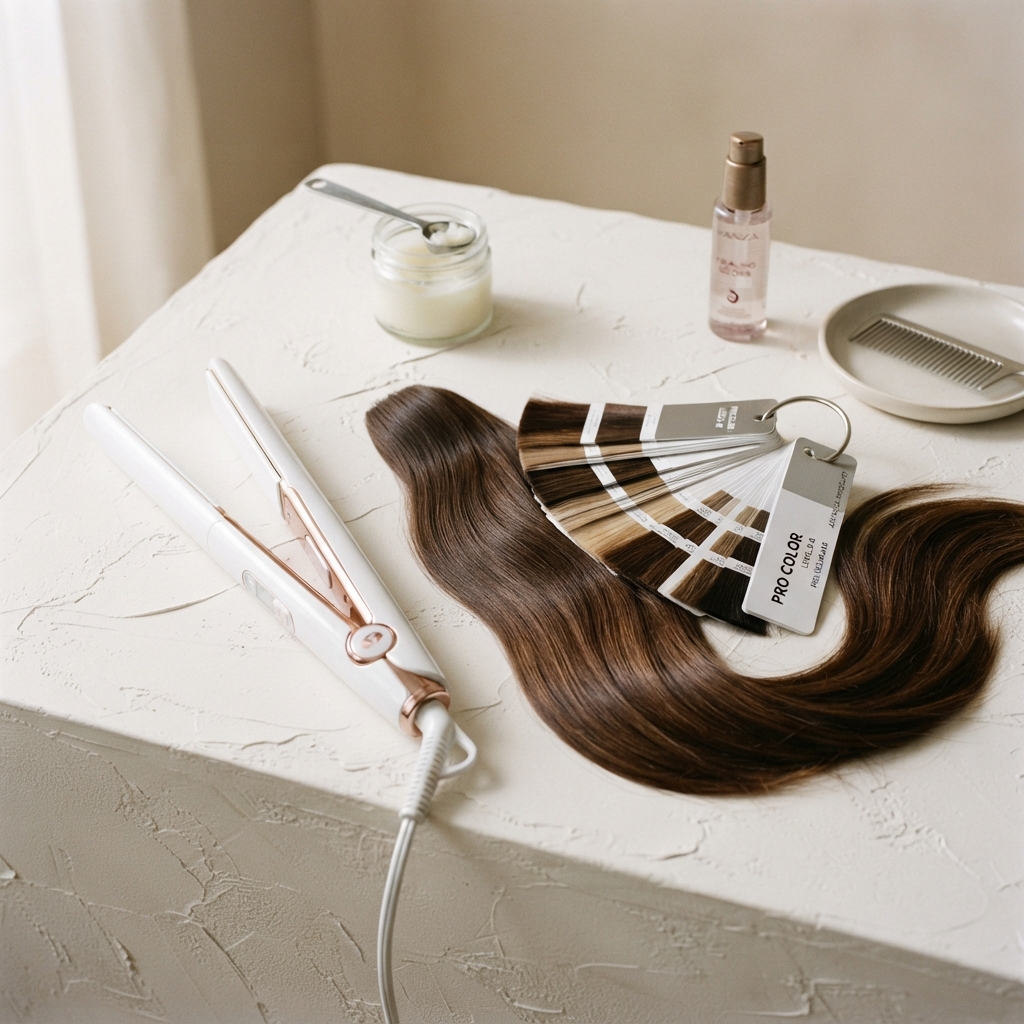
Porosity isn’t always permanent, but damage can change it. Heat tools, bleach, and repeated color can raise the cuticle.
That means hair that used to be medium porosity can become high porosity over time. It may start absorbing products too fast and losing moisture too quickly.
To protect your hair:
- Use heat protectant every single time.
- Keep bleach and lightening to a minimum.
- Deep condition after color services.
- Trim damaged ends before they split higher.
If your porosity changes, your routine should change too. That’s not a setback. It’s just new information. Adjust and keep going. Your hair can recover.
Best Cuts for Fine Hair

Fine hair needs cuts that create the illusion of density. Blunt lines help. Too many layers can make ends look thin.
Try these shapes:
- A blunt bob or quiet luxury bob.
- A subtle asymmetrical lob.
- Soft face-framing pieces, not heavy layers.
- A hime cut if you want sharp, elegant lines.
Keep styling light. Mousse, dry shampoo, and a round brush can add lift without weight. If you want old money hair, aim for healthy shine and a polished finish, not volume that falls flat by noon.
Fine hair can still look expensive. It’s all about shape. Keep it clean. That’s the trick.
Best Cuts for Thick Hair

Thick hair can handle layers, texture, and bigger shapes. The goal is removing bulk without losing the wow factor.
Ask your stylist for:
- Long layers to keep weight in check.
- An asymmetrical lob for movement.
- Curtain bangs if you want softness.
- Texturizing to help air-dry faster.
Avoid blunt cuts that sit too wide at the bottom unless you want a strong triangle shape. Romantic goth hairstyles love thick hair because the volume already looks dramatic. Just keep ends hydrated so they don’t look poufy.
Layers are your best friend. So is a good texturizing spray. You have plenty to work with.
Best Cuts for Curly and Coily Hair

Curly and coily hair looks best when the cut respects your natural shrinkage and shape. Dry cutting is often a game-changer.
Great options include:
- A rounded cut for even volume.
- Layers that follow your curl pattern.
- A curly shag for movement.
- A tapered cut for a bold silhouette.
Porosity still rules your products. High porosity curls need sealing creams. Low porosity curls need lightweight gels and mousses. Medium porosity can usually handle a bit of both.
A hime cut can work on straight textures, but for coils, focus on shape first. Then style with intention. Your curls will do the rest.
2026 Hairstyles That Flatter Every Hair Type
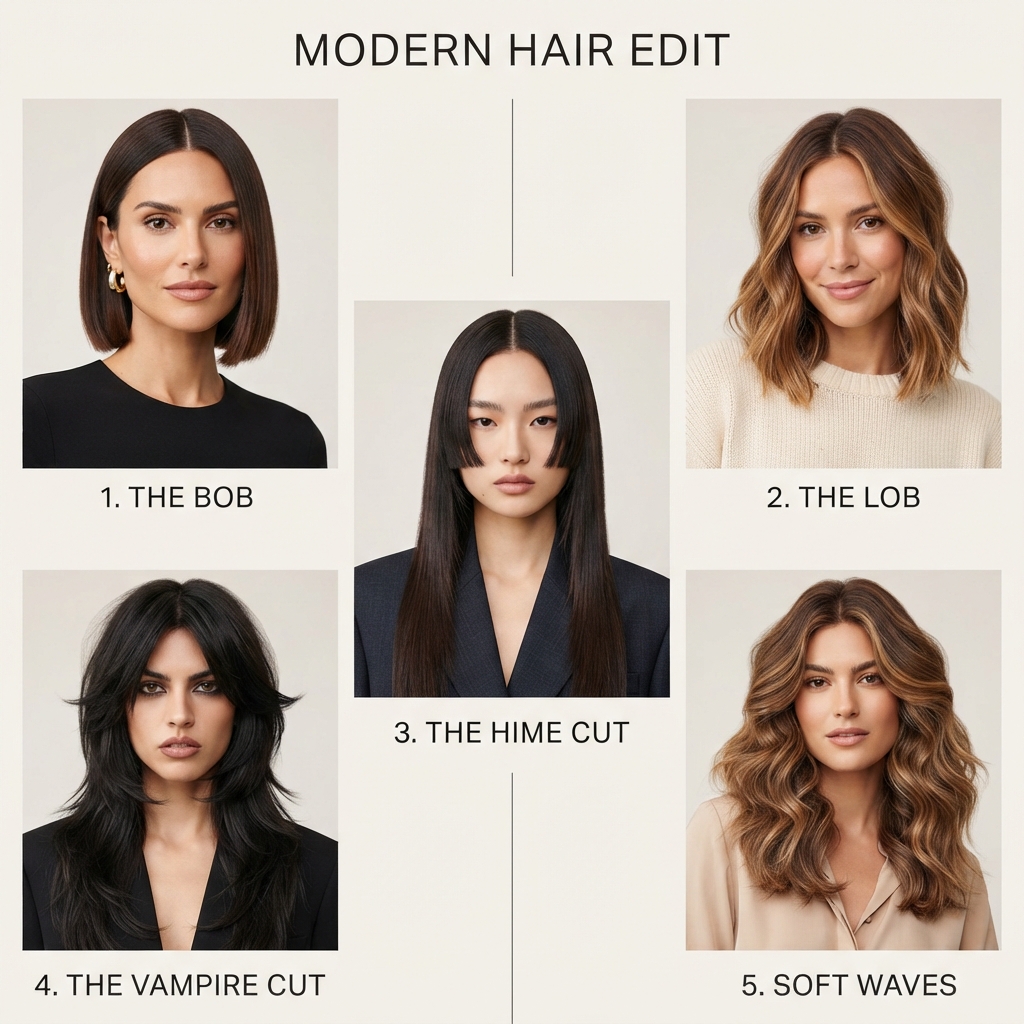
Good news: 2026 hairstyles are less about rules and more about personal fit. You can wear almost any trend if you adapt it to your type and porosity.
Trends to watch:
- Soft, polished old money hair.
- The quiet luxury bob.
- Romantic goth hairstyles with texture.
- Glitchy glam hair with shine and sharp edges.
- Asymmetrical lob, vampire haircut, and hime cut.
Pick one trend, then ask your stylist to translate it for your density, texture, and porosity. That’s how a trend becomes your signature instead of a costume.
You don’t have to copy anyone. Make it yours. That’s the fun part.
Old Money Hair, Quiet Luxury Bob, and Romantic Goth Styles
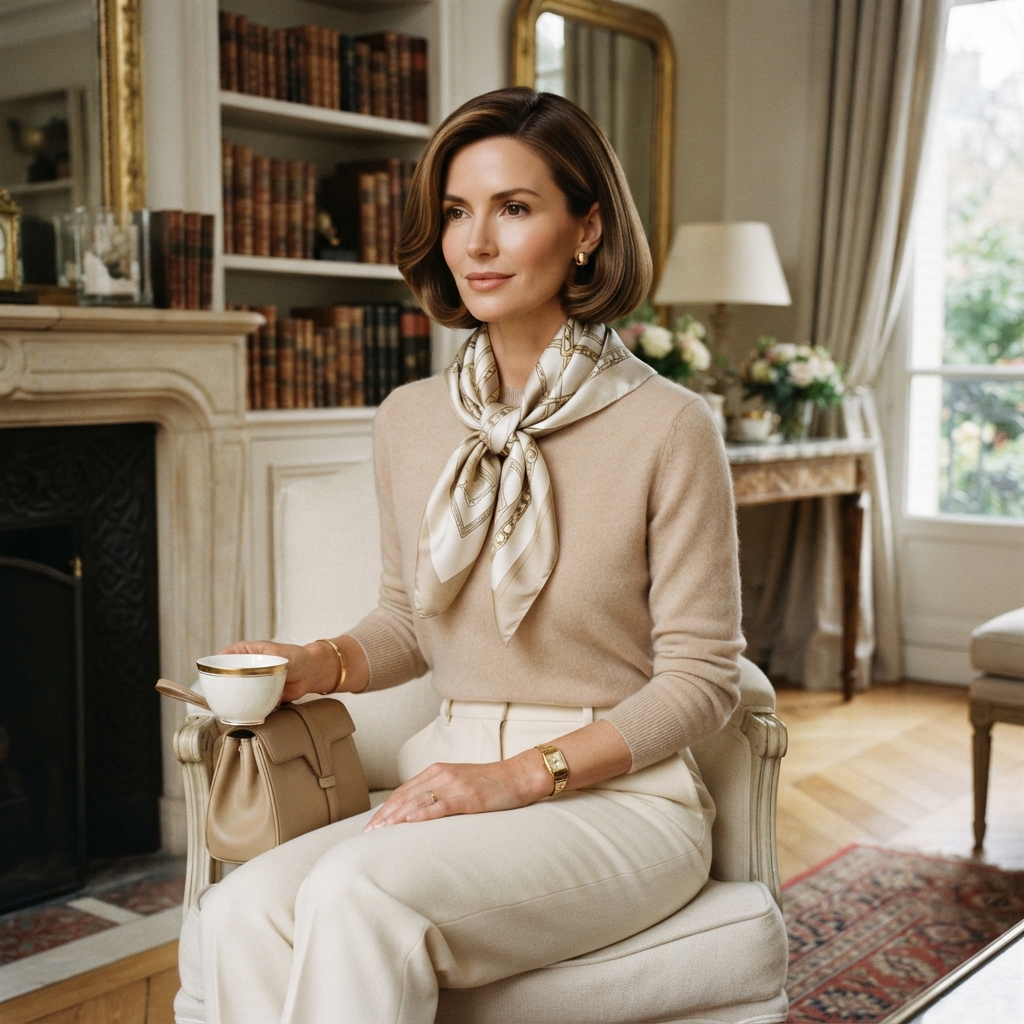
Old money hair is all about health, shine, and ease. Think smooth waves, neat ends, and a color that looks natural. The quiet luxury bob is its best friend: blunt, elegant, and low-effort.
Romantic goth hairstyles go the other way. They love soft darkness, face-framing pieces, and a little undone texture. Think velvet ribbons, deep berry tones, and loose waves.
Both can work on fine, thick, curly, or straight hair. The key is respecting your porosity. Low porosity hair shines easily. High porosity hair needs sealing products to keep that polish. Choose your mood, then work with your hair.
It’s that simple.
Glitchy Glam Hair, Asymmetrical Lob, Vampire Haircut, and Hime Cut
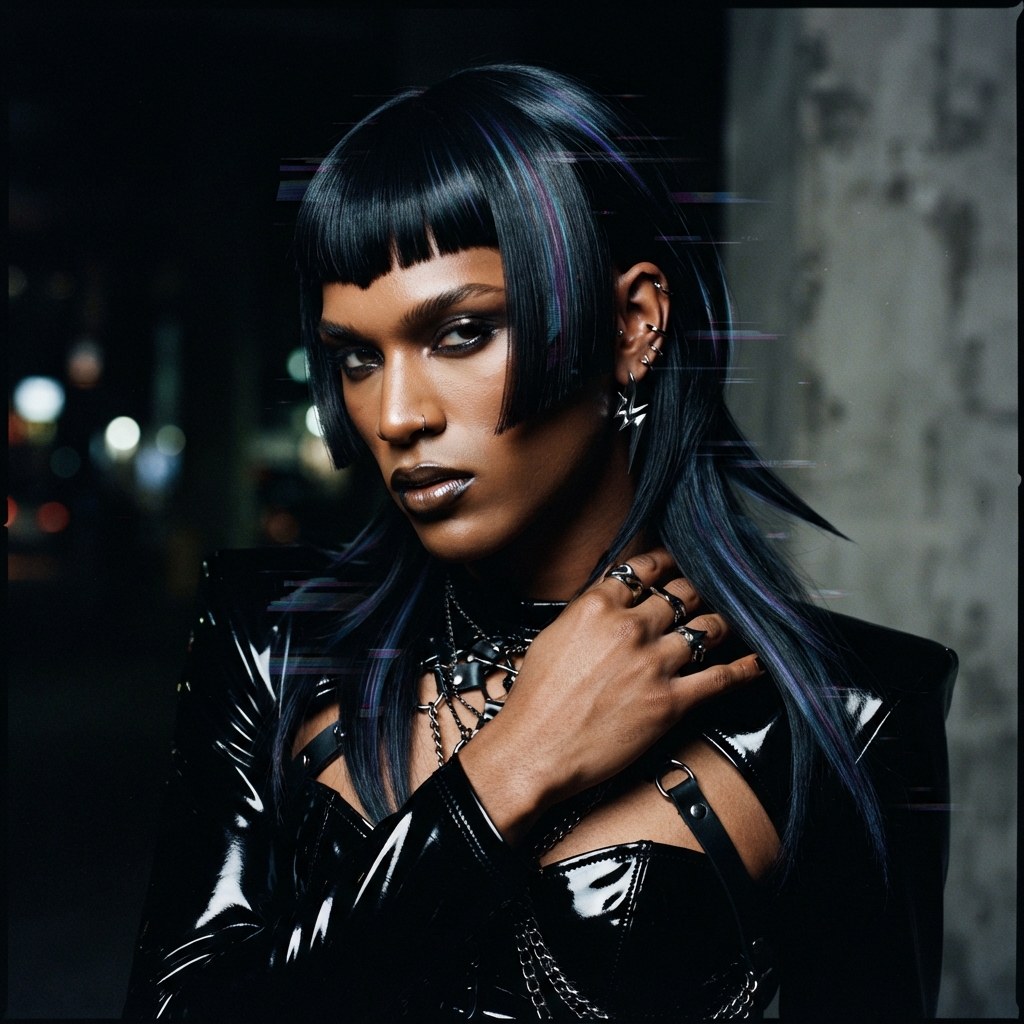
These are the statement looks of 2026. Glitchy glam hair mixes glossy shine with sharp, almost digital edges. The asymmetrical lob adds drama without going too short.
The vampire haircut usually means strong layers, face-framing points, and a moody vibe. The hime cut is blunt side sections with longer back length, and it looks incredible on straight or softly wavy hair.
Before you commit, check your porosity. High porosity hair may need extra smoothing products to keep sharp lines. Low porosity hair can handle sleek finishes beautifully. Bring photos and be honest about your routine.
Your hair will thank you.
How to Talk to Your Stylist About Your Hair Type
A good stylist can see your hair, but you know your daily routine. Speak up before the first cut.
Tell them:
- How you usually wear your hair.
- How much time you’ll style it.
- What your porosity seems to be.
- Which 2026 hairstyles you love.
Bring two or three photos, not ten. Point out what you like: the length, the layers, the shine. Ask what will happen when your hair air-dries. That one question saves so many regrets.
If they listen and explain, you’re in good hands. If they rush you, keep looking. Your hair deserves a plan. You deserve to feel heard.
One last thing, friend. You don’t need perfect hair. You need understanding. Once you know your type, density, and porosity, every product and cut decision gets easier.
Start with one small change this week. Try a porosity test. Read your product labels. Or save a few 2026 hairstyles that match your real life. Your hair will thank you.
And remember: trends are fun, but healthy hair is the real flex. Old money hair, quiet luxury bob, romantic goth hairstyles, glitchy glam hair, asymmetrical lob, vampire haircut, hime cut… they all look better on hair that’s cared for.
Save this post to Pinterest so you can find it before your next wash day or salon visit. Then comment below: what’s your hair type and porosity? I’d love to help you choose your next look.

