

I love a polished blowout as much as anyone. But I also know how fast daily heat can turn soft hair into straw. If you are eyeing 2026 hairstyles, from old money hair to a quiet luxury bob, you do not have to choose between style and healthy ends.
I have tested the late-night flat iron, the rushed curling wand, and the “just one more pass” habit. The fix is not quitting heat forever. It is protecting your hair before, during, and after styling.
Below, I am sharing the exact habits that keep my clients and me looking put together without frying our hair. You will get quick tips for romantic goth hairstyles, glitchy glam hair, an asymmetrical lob, vampire haircut, hime cut, and more.
1. Why Heat Styling Feels So Hard to Quit
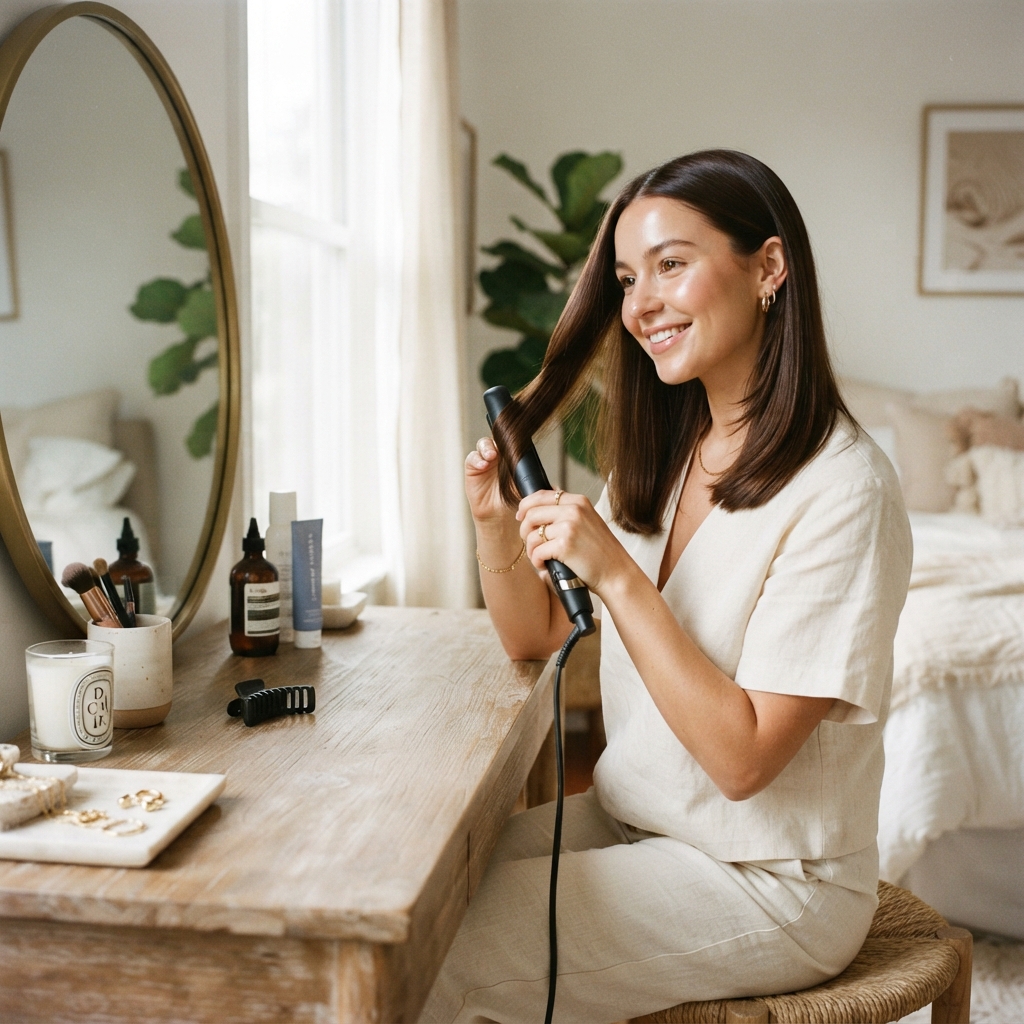
I get it. Heat gives you that instant polished look. It smooths frizz, bends ends, and makes any 2026 hairstyle feel finished. But daily hot tools can strip moisture and leave ends crunchy.
The goal is not zero heat. The goal is smarter heat. You can still wear old money hair, a quiet luxury bob, or romantic goth hairstyles. You just need a simple protection routine.
- Always start on dry hair
- Use the lowest heat that works
- Keep tools moving
- Never skip heat protectant
This one shift protects your strands while keeping your style sharp.
2. The Golden Rule: Always Use Heat Protectant
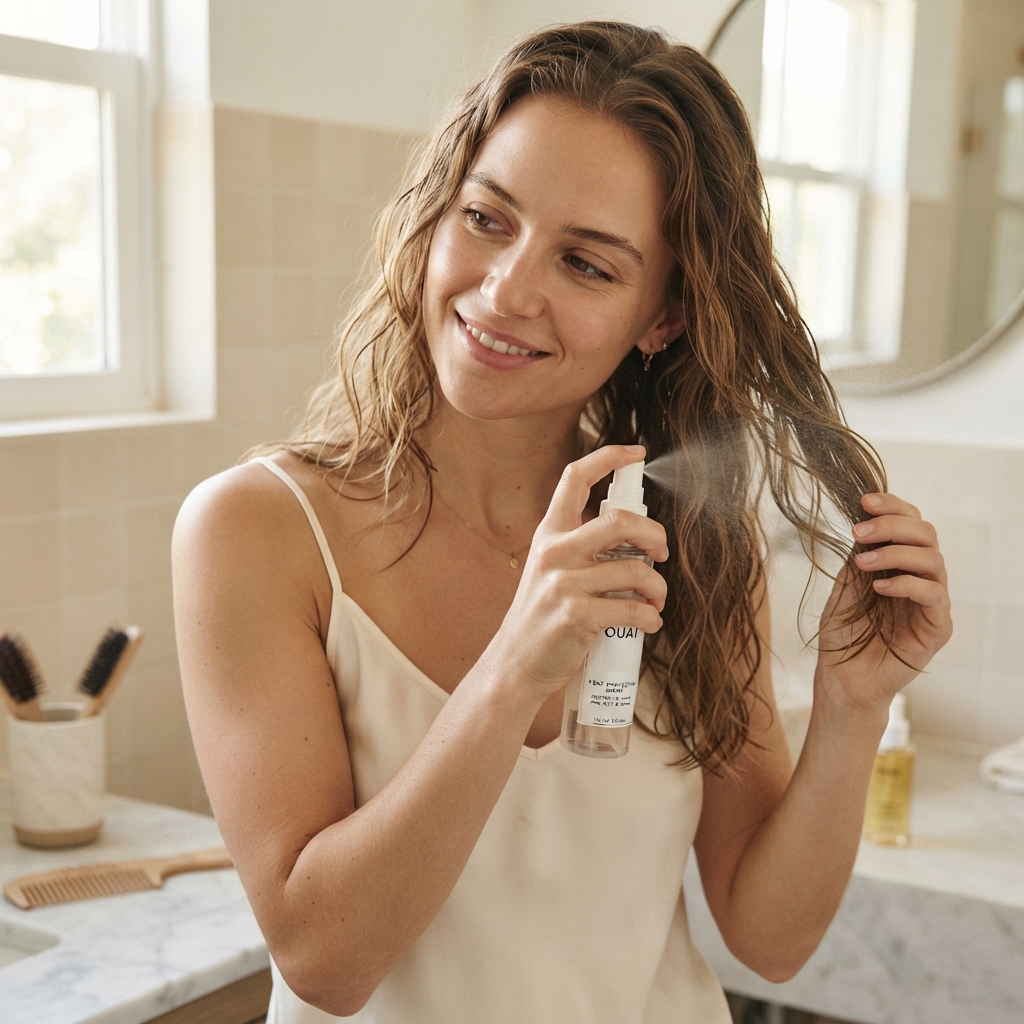
If you remember one thing from this post, make it this: heat protectant is not optional. It creates a buffer between your hair and the hot tool. That buffer helps reduce moisture loss and breakage.
Spray or apply it before blow-drying, flat-ironing, or curling. For fine hair, use a lightweight mist. For thick or coarse hair, a cream or serum may feel better.
- Mist evenly, not just on top
- Comb through so every strand gets covered
- Let it dry for a minute before styling
- Reapply lightly before a second pass
Yes, it adds one step. But it saves your hair from becoming straw. That is a fair trade.
3. How to Choose the Right Heat Protectant
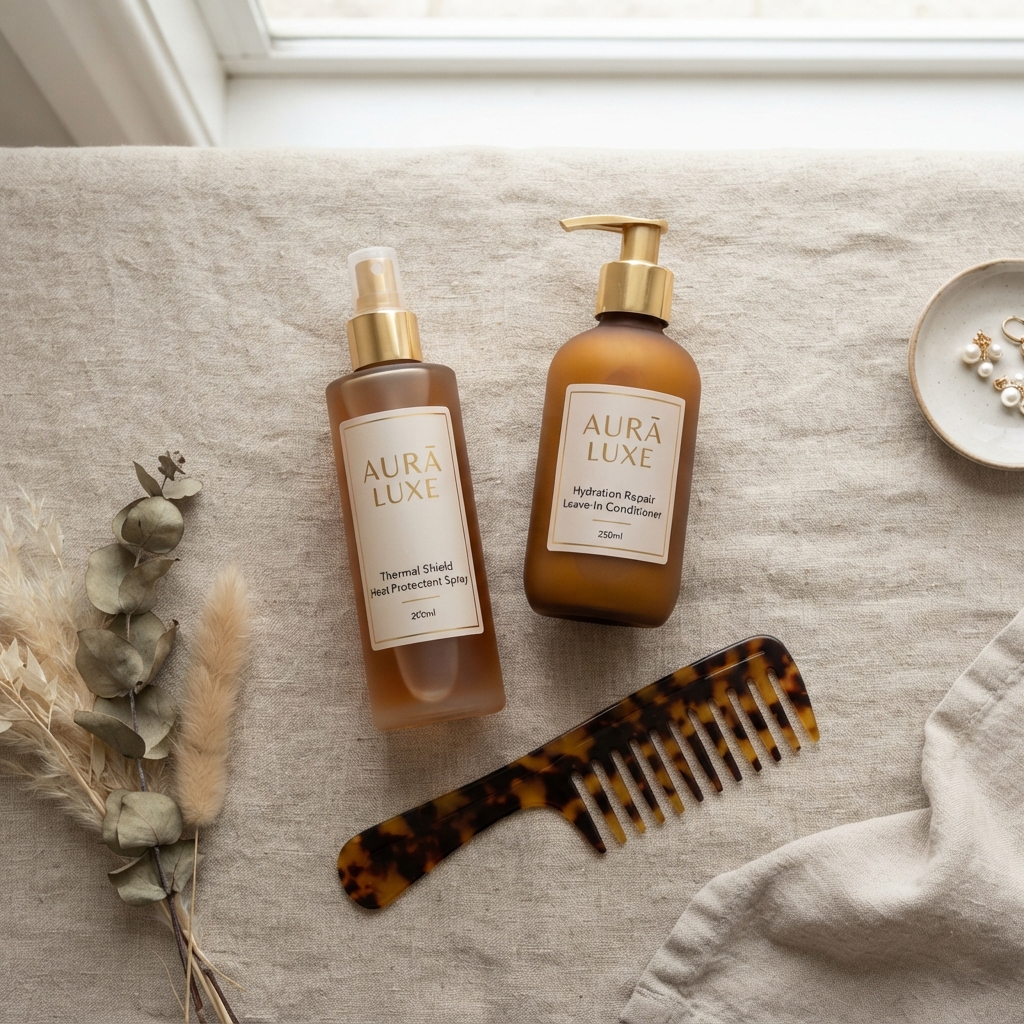
Not all heat protectants are the same. Some are sprays, some are creams, and some are oils. The best one for you depends on your hair type and how you style.
Look for ingredients like hydrolyzed protein, silicone derivatives, and panthenol. They help smooth the cuticle and lock in moisture. If your hair is fine, avoid heavy butters. If your hair is dry, a cream can add softness.
- Fine hair: lightweight mist
- Medium hair: spray or lotion
- Thick hair: cream or serum
- Color-treated hair: add UV protection
You do not need ten products. One good protectant plus a flexible hold spray can carry you through most 2026 hairstyles.
4. Prep Your Hair Before Any Hot Tool
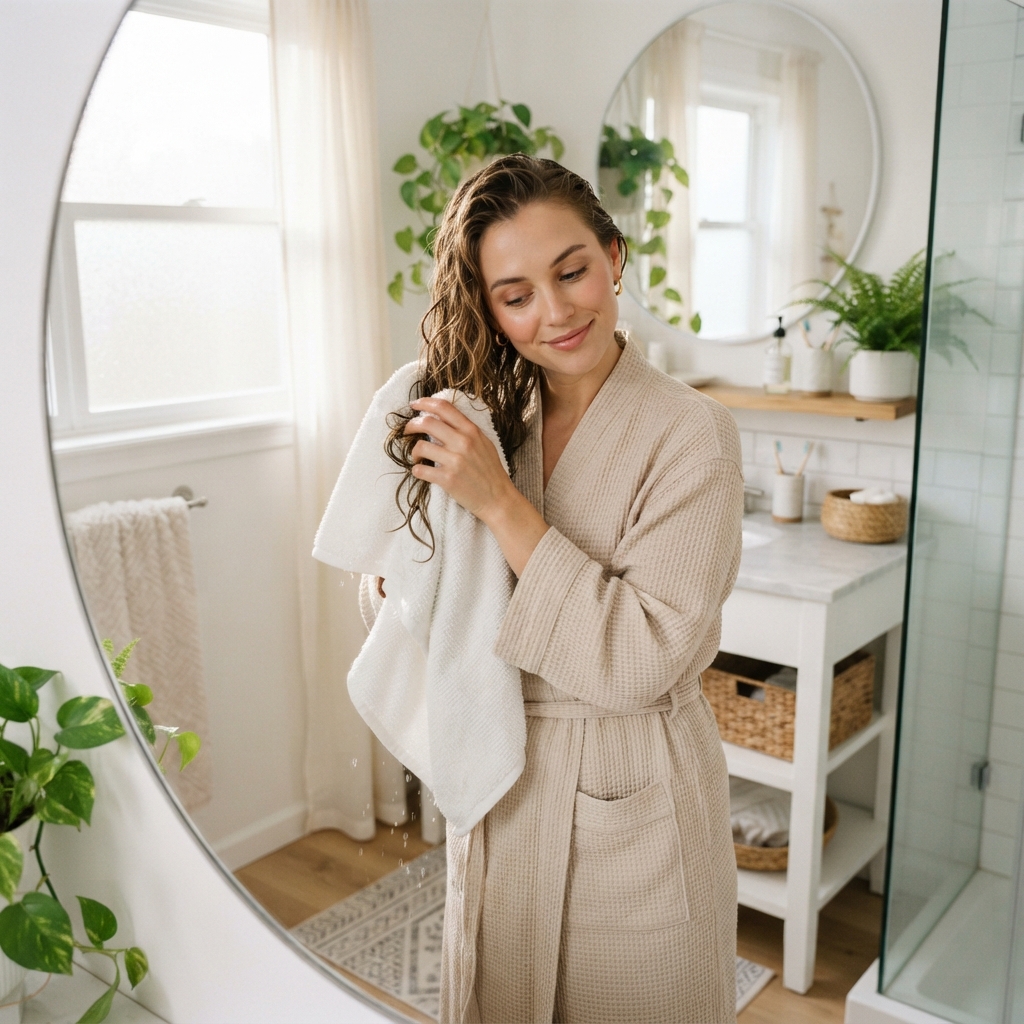
Preparation starts in the shower. Use a moisturizing shampoo and conditioner. Then gently squeeze water out with a microfiber towel or cotton T-shirt. Rubbing with a rough towel creates frizz and breakage.
Before heat, make sure hair is 100 percent dry. Sizzling means water is boiling inside your strand. That is damage you can hear.
- Wash and condition
- Apply leave-in conditioner
- Add heat protectant
- Detangle with a wide-tooth comb
- Dry fully before hot tools
This five-minute prep keeps your quiet luxury bob smooth and your old money hair glossy.
5. Blow-Dryer Tips That Cut Damage in Half
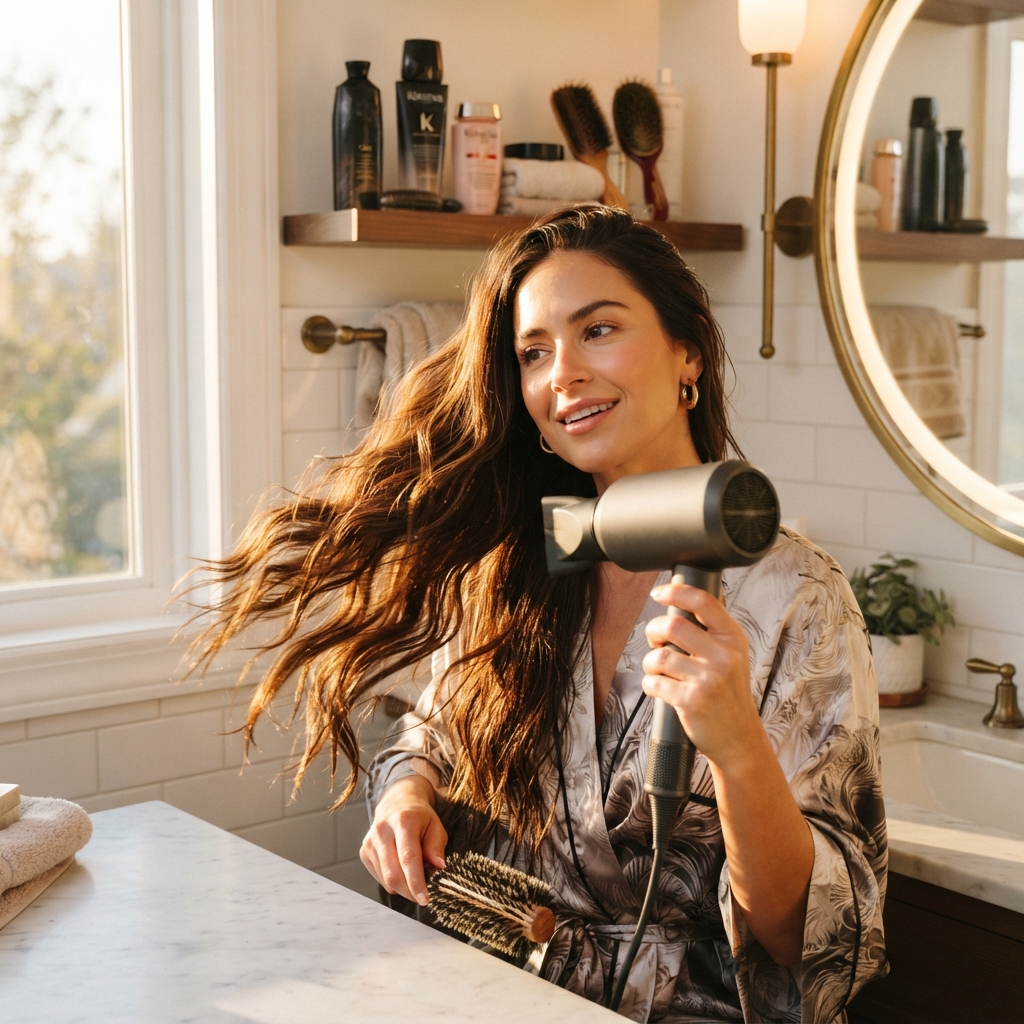
Blow-drying can be gentle if you do it right. Start with hair that is about 70 percent dry. If you let it air-dry a bit first, you spend less time under heat.
Keep the dryer six to eight inches away from your hair. Point the nozzle down the hair shaft to smooth the cuticle. Use medium heat and medium speed, not the highest setting.
- Use a concentrator nozzle
- Section hair with clips
- Move the dryer constantly
- Finish with a cool shot
This method gives you volume at the roots and a sleek finish without scorching your ends.
6. Flat Iron Rules for Smooth Hair Without Fried Ends
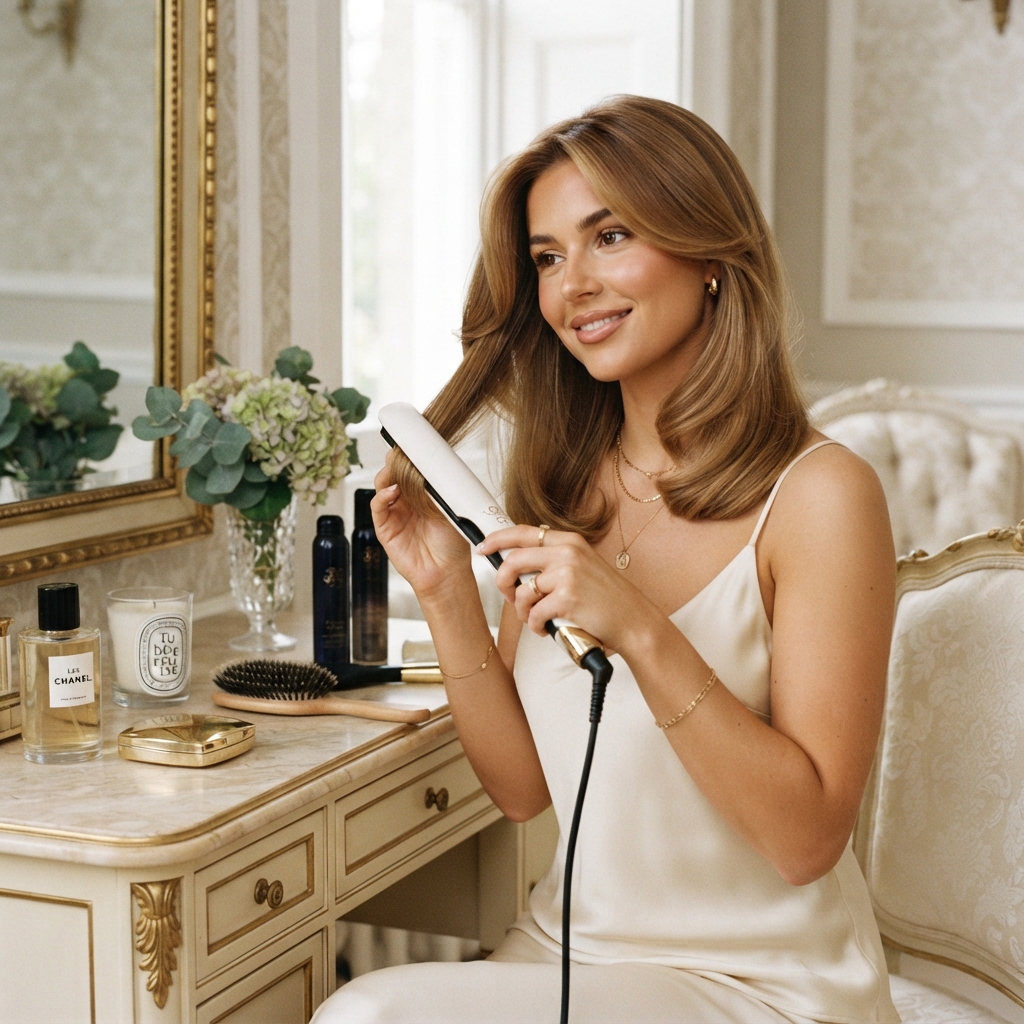
A flat iron is the fastest way to get sleek old money hair. But it is also the easiest tool to overuse. One slow pass can create a dent or burn. Two quick passes are usually enough.
Always use a heat protectant. Clip hair into thin sections. Glide the iron from root to tip in one smooth motion. Do not stop and hold it on the ends.
- Start at 300°F for fine hair
- Use 350°F for medium hair
- Try 375°F for thick hair
- Finish with a light serum
If you want a quiet luxury bob, a single pass with a rounded flat iron is all you need.
7. Curling Iron Tricks for Bouncy, Long-Lasting Curls
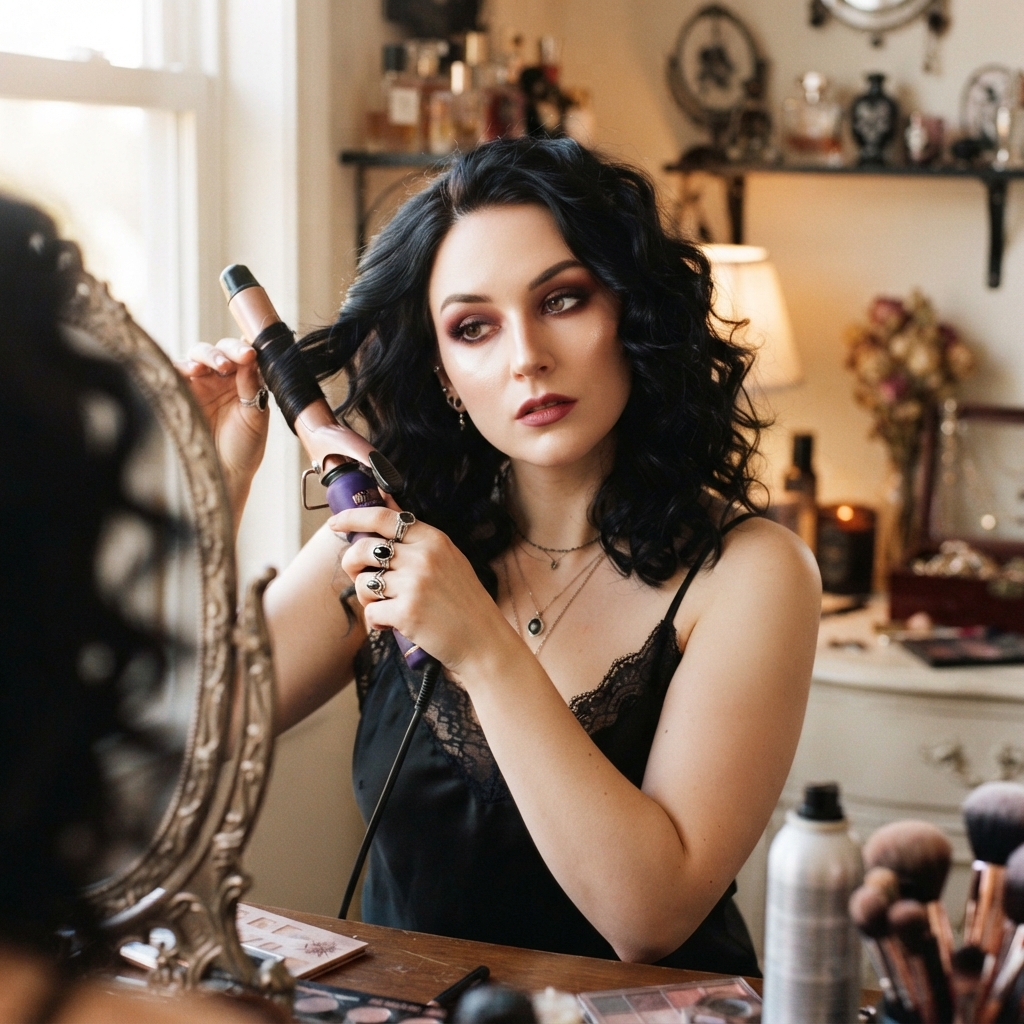
Curls should look effortless, not fried. The trick is to wrap hair around the barrel instead of clamping and holding. That creates a softer bend and less pressure on one spot.
Use a barrel size that matches your goal. One inch gives classic curls. One and a quarter inches gives loose waves. A wand gives a more undone texture.
- Keep the iron moving or wrap hair around it
- Hold for five to eight seconds
- Release and let the curl cool in your hand
- Pin it up until cool for longer wear
This works for romantic goth hairstyles, glitchy glam hair, and soft everyday waves.
8. How Often Should You Use Heat on Your Hair?
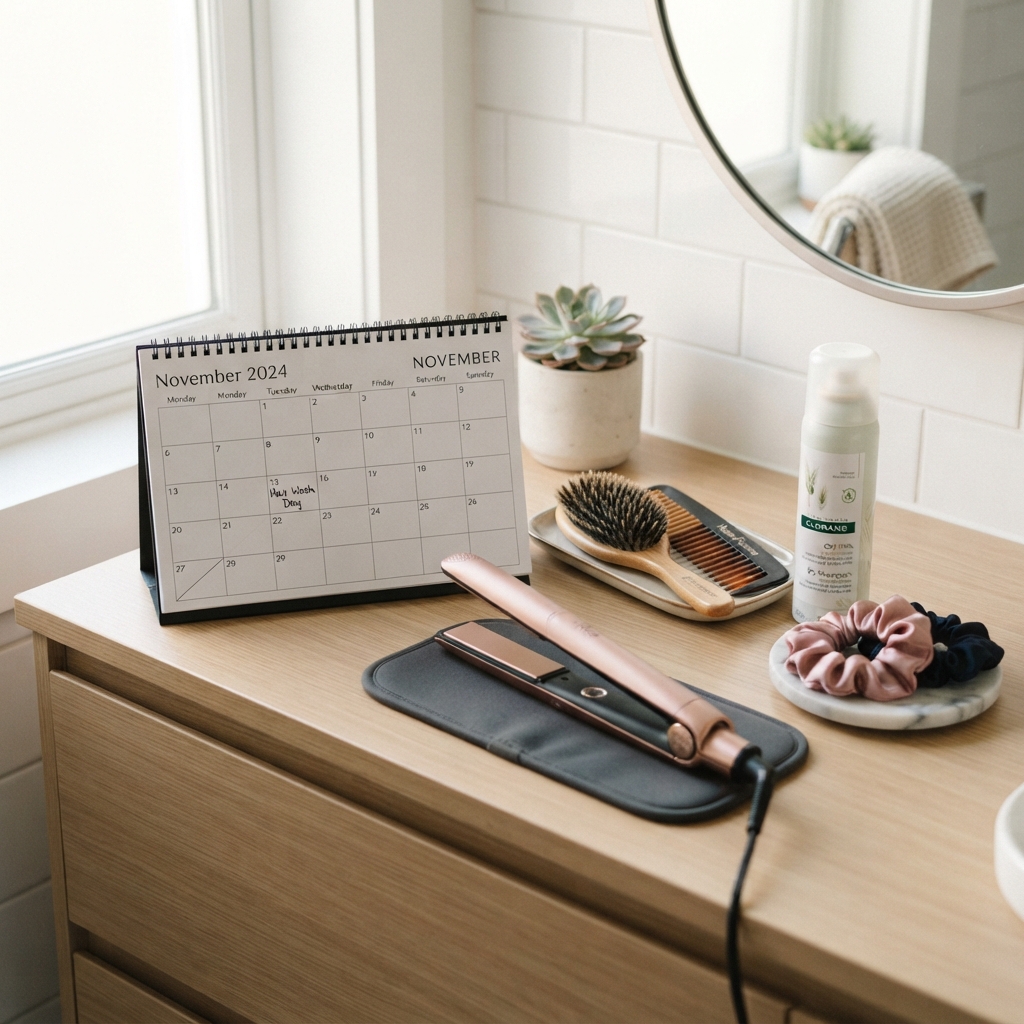
There is no perfect number, but most hair does best with heat two to three times a week. If your hair is fine, bleached, or already dry, aim for once a week or less.
You can still look polished on off days. Use heatless curls, a claw clip, or a sleek bun. Refresh with dry shampoo and a little water mixed with leave-in conditioner.
- Fine or damaged hair: 1 time per week
- Medium hair: 2 times per week
- Thick, healthy hair: 2 to 3 times per week
- Always take a full break day
Your future ends will thank you when you want a vampire haircut or hime cut to look sharp.
9. Temperature Guide by Hair Type
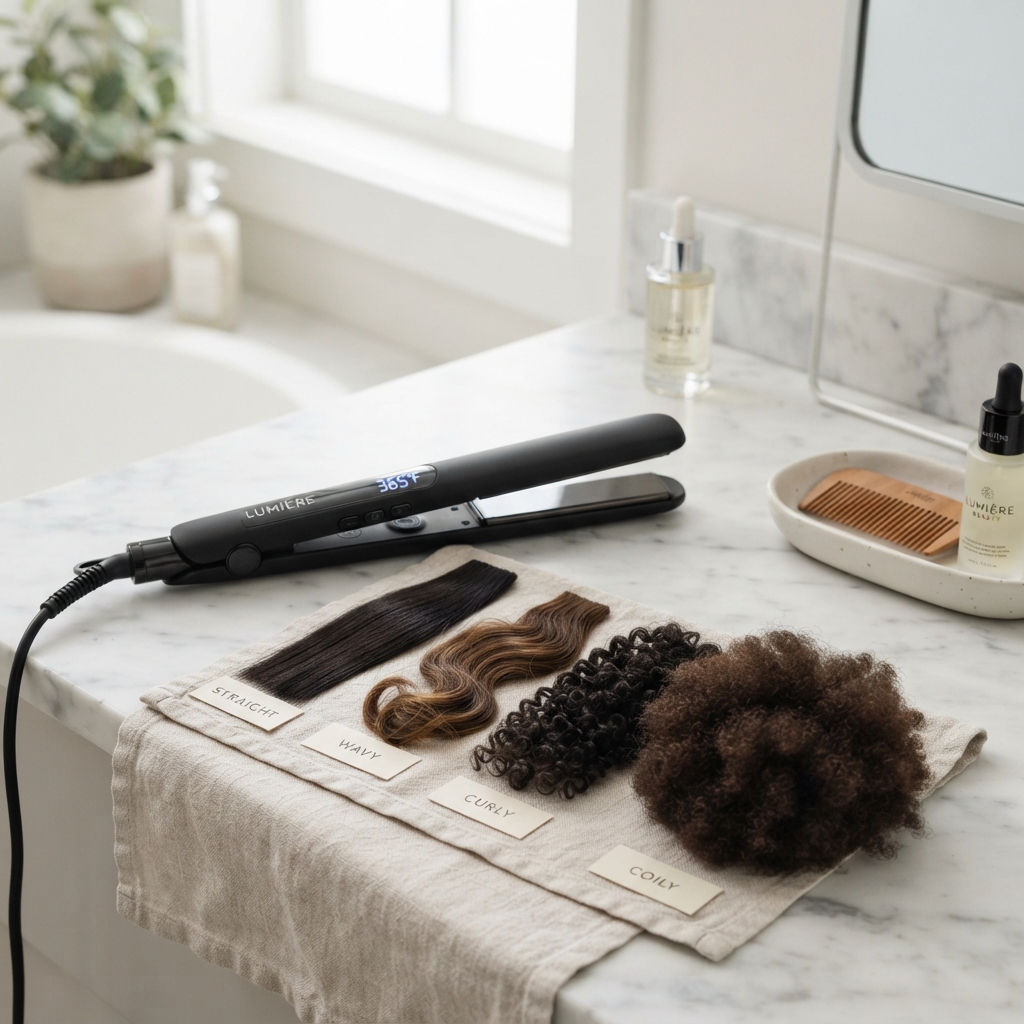
Temperature matters more than how long you hold the tool. Too high, and you risk permanent damage. Too low, and you may need multiple passes, which also causes damage.
Use this simple guide as a starting point. Always start lower and increase only if needed.
- Fine, damaged, or bleached hair: 250°F to 300°F
- Medium, healthy hair: 300°F to 350°F
- Thick, coarse hair: 350°F to 400°F
- Natural textured hair: 300°F to 375°F, with care
For an asymmetrical lob, medium heat plus a good protectant gives a smooth finish without flattening volume.
10. How to Get Old Money Hair With Less Heat

Old money hair is glossy, healthy, and effortless. It is not about perfect curls. It is about shine, soft movement, and clean ends. You can get that look without frying your hair daily.
Start with a good cut. A blunt or soft U-shape keeps ends looking full. Then use a round brush and blow-dryer only on the front pieces. Let the rest air-dry with a smoothing cream.
- Use a silk pillowcase
- Add a weekly hair mask
- Finish with a few drops of shine oil
- Keep heat to the roots and front layers
That is old money hair in real life: low effort, high shine.
11. Quiet Luxury Bob: Low-Heat Maintenance

The quiet luxury bob is sleek, simple, and expensive-looking. It usually hits at the jaw or collarbone. The key is keeping the shape crisp without flat-ironing every morning.
Ask your stylist for a cut that works with your natural texture. Then style with a large round brush and medium heat. For touch-ups, use a small flat iron only on the front sections.
- Wash every two to three days
- Use a smoothing cream on damp hair
- Blow-dry downward for a glassy finish
- Sleep with a loose silk scrunchie
This keeps your quiet luxury bob looking polished, not pressed.
12. Romantic Goth Hairstyles Without Daily Damage

Romantic goth hairstyles love volume, soft waves, and moody texture. You can create that look with heatless braids, velcro rollers, or a few pin curls. The result feels a little dark, a little dreamy, and very 2026.
Use a lightweight mousse or texturizing spray. Then set with cool air. If you do use heat, keep it on the mid-lengths and ends. Avoid the roots so you do not lose volume.
- Heatless: braid damp hair overnight
- Heatless: use foam rollers on dry hair
- Heat: curl only the face-framing pieces
- Finish with a soft-hold hairspray
This gives you the vibe without the crunch.
13. Glitchy Glam Hair: Heat-Styling Safely
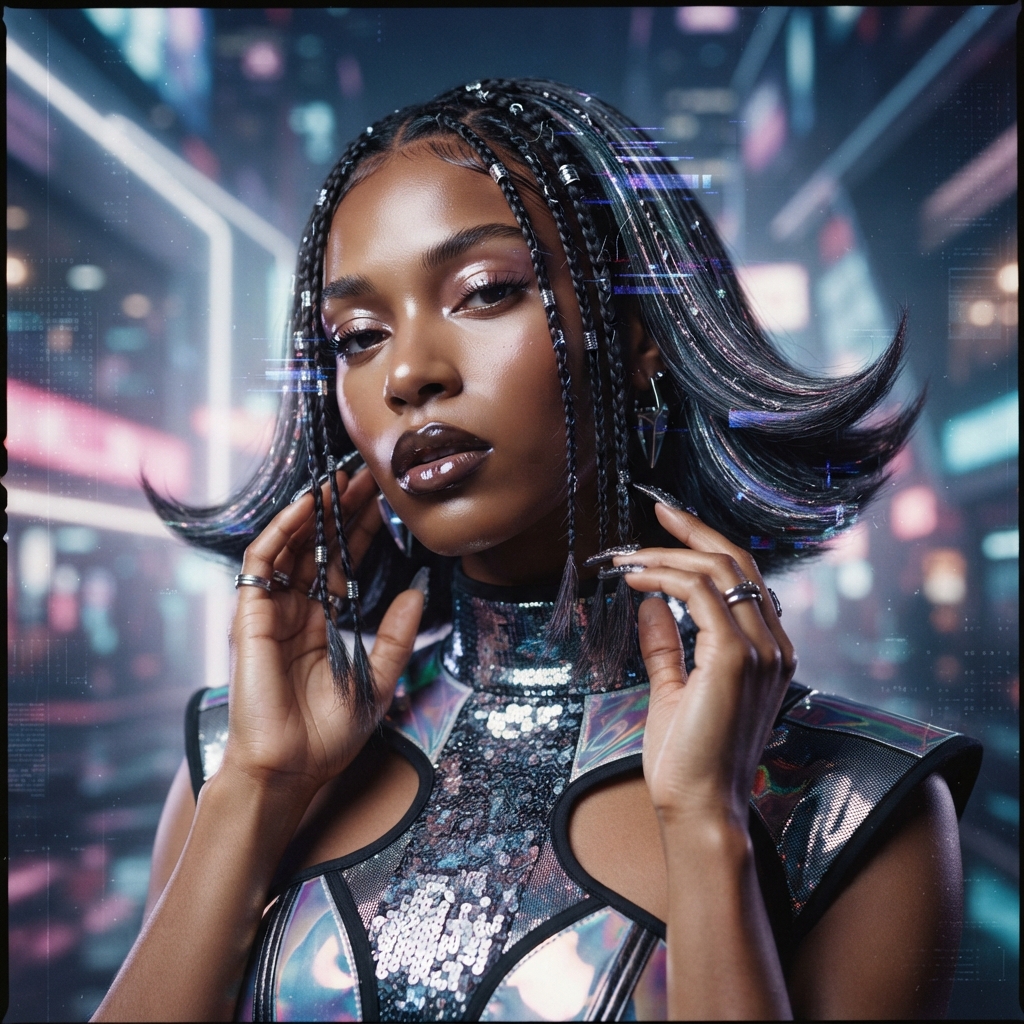
Glitchy glam hair is playful and a little undone. Think baby braids, flipped ends, asymmetrical parting, and glossy-frizzy texture. It looks chaotic on purpose, so you do not need perfect heat styling.
Use a flat iron to flip only a few sections. Leave the rest natural. Add a wet-look gel to the roots and a shine spray on the ends. The contrast makes the style feel modern.
- Flip ends outward in random pieces
- Add two tiny braids near the face
- Use a wide-tooth comb to break up curls
- Set with flexible hold spray
Less heat, more attitude. That is glitchy glam hair done right.
14. Asymmetrical Lob Styling Tips

An asymmetrical lob is short on one side and longer on the other. It is edgy, flattering, and very easy to style. The cut does most of the work, so you can use less heat.
Blow-dry with a round brush toward the longer side. Then use a flat iron to smooth just the ends. If you want volume, add a root lift spray before drying.
- Part where the cut looks best
- Keep the shorter side tucked or pinned
- Use a texturizing spray for grip
- Touch up only the front pieces
This is a great low-heat option if you want a 2026 hairstyle with personality.
15. Vampire Haircut Care With Minimal Heat

The vampire haircut is dramatic and layered. It often has face-framing pieces, a deep side part, and a slightly moody shape. To keep it looking sharp, focus on the cut and the finish, not high heat.
Use a leave-in conditioner and a round brush on the top layers. Let the rest air-dry. For the face-framing pieces, a quick pass with a small flat iron is enough.
- Ask for soft layers, not choppy ones
- Keep ends dusted every 8 to 10 weeks
- Use a serum on the ends only
- Avoid daily root ironing
This keeps the vampire haircut sleek without stealing its drama.
16. Hime Cut Heat Protection Plan
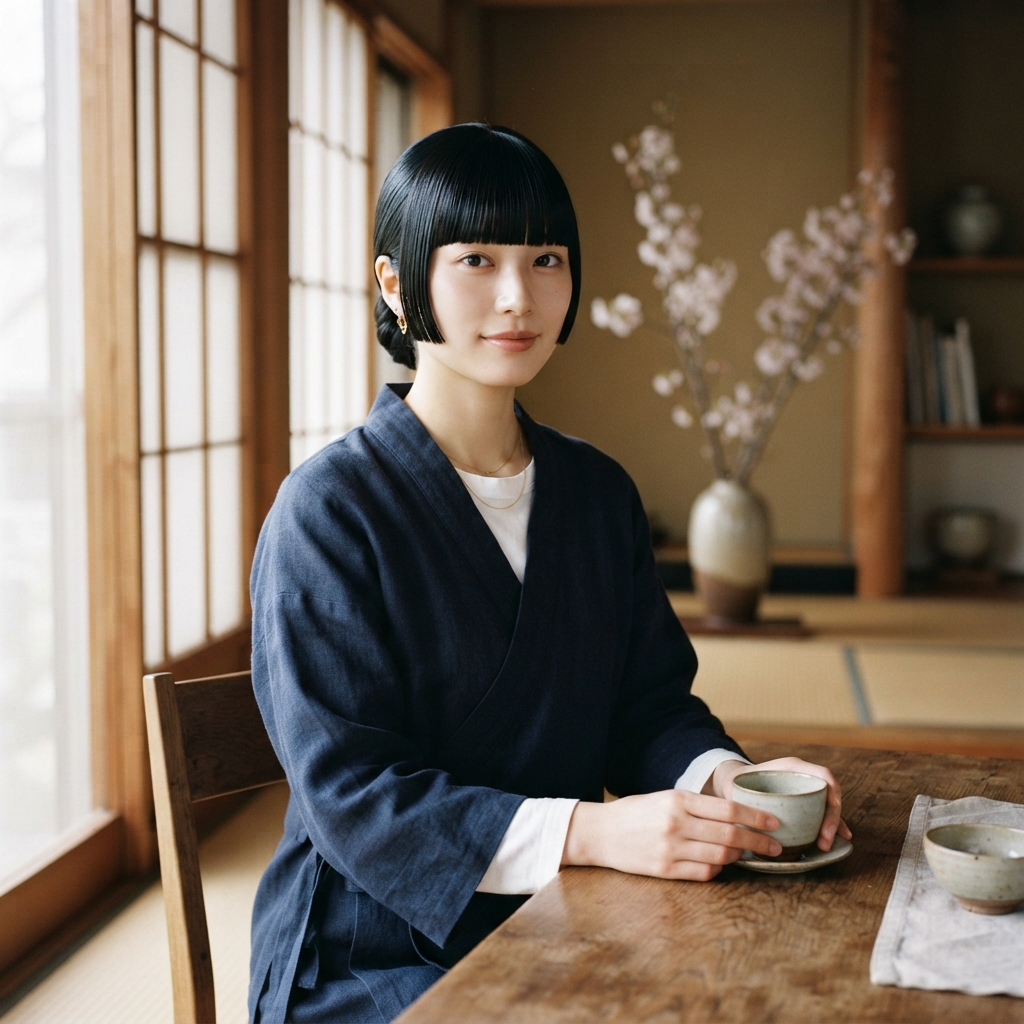
The hime cut has straight side pieces, blunt bangs, and longer back hair. It looks best with a smooth, glassy finish. But you do not need to flat-iron every section every day.
Blow-dry the front pieces with a paddle brush. Then use a flat iron only on the bangs and side lengths. The back can air-dry with a smoothing cream.
- Keep bangs trimmed every 3 to 4 weeks
- Use a heat protectant mist on front pieces
- Flat-iron on low to medium heat
- Finish with a light hair oil
This protects the hime cut while keeping it clean and sharp.
17. Refresh Second-Day Hair Without a Hot Tool
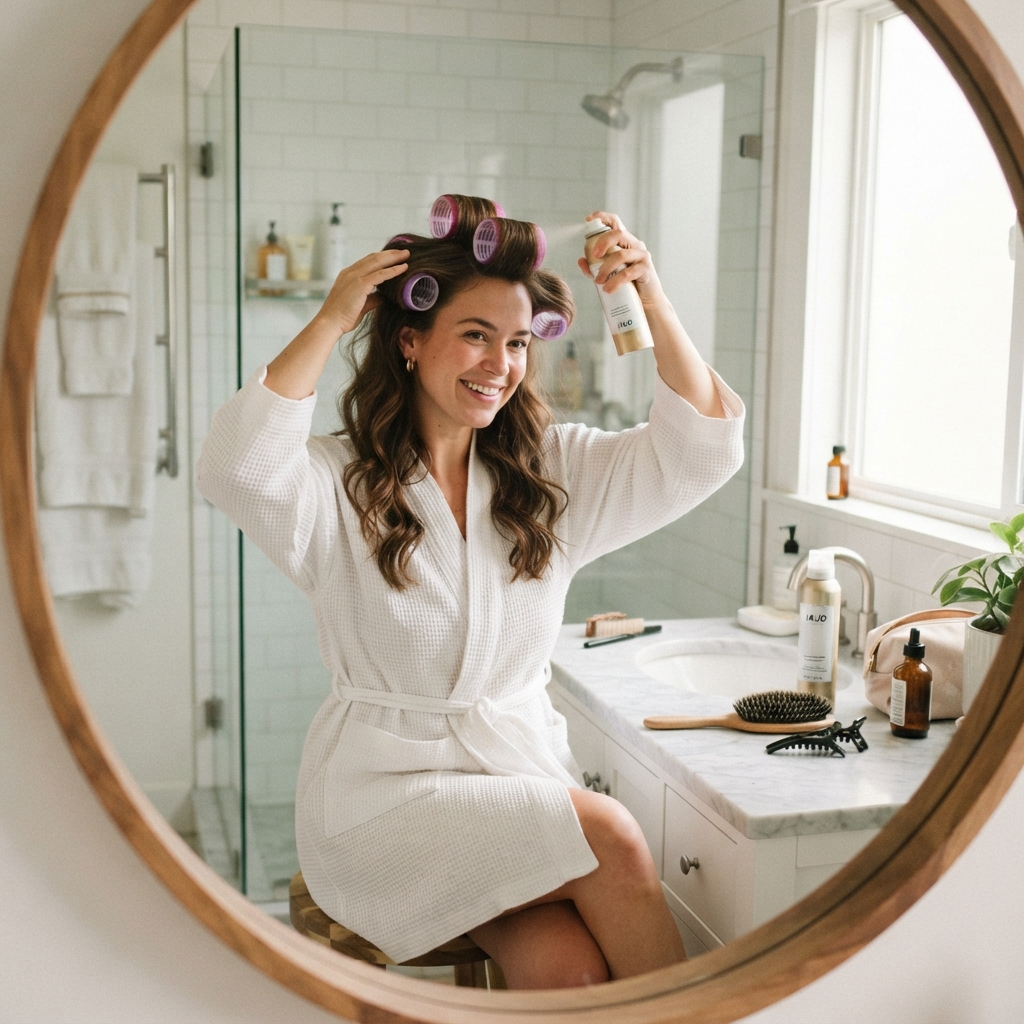
Second-day hair can look just as good as fresh hair. You just need a little moisture and a little grip. Dry shampoo at the roots soaks up oil. Then a tiny bit of leave-in conditioner on the ends smooths frizz.
For waves, mist with water and scrunch. For a sleek look, use a boar bristle brush and pull hair into a low bun. For volume, use velcro rollers for ten minutes.
- Dry shampoo the roots
- Leave-in conditioner on ends
- Velcro rollers for lift
- Silk scrunchie for a polished bun
No hot tools needed. Your hair gets a break, and your style still looks intentional.
18. Overnight Habits That Protect Your Ends

What you do at night matters as much as your morning routine. Cotton pillowcases create friction. That friction causes frizz, split ends, and tangles. Switching to silk or satin is a simple upgrade.
Loosely braid your hair or use a silk scrunchie for a top knot. Avoid tight ponytails. They pull on the hairline and can cause breakage over time.
- Silk pillowcase or satin bonnet
- Loose braid for waves
- Silk scrunchie for buns
- Never sleep on wet hair if you can avoid it
These small habits keep your old money hair and quiet luxury bob looking expensive.
19. Products That Actually Help (and What to Skip)
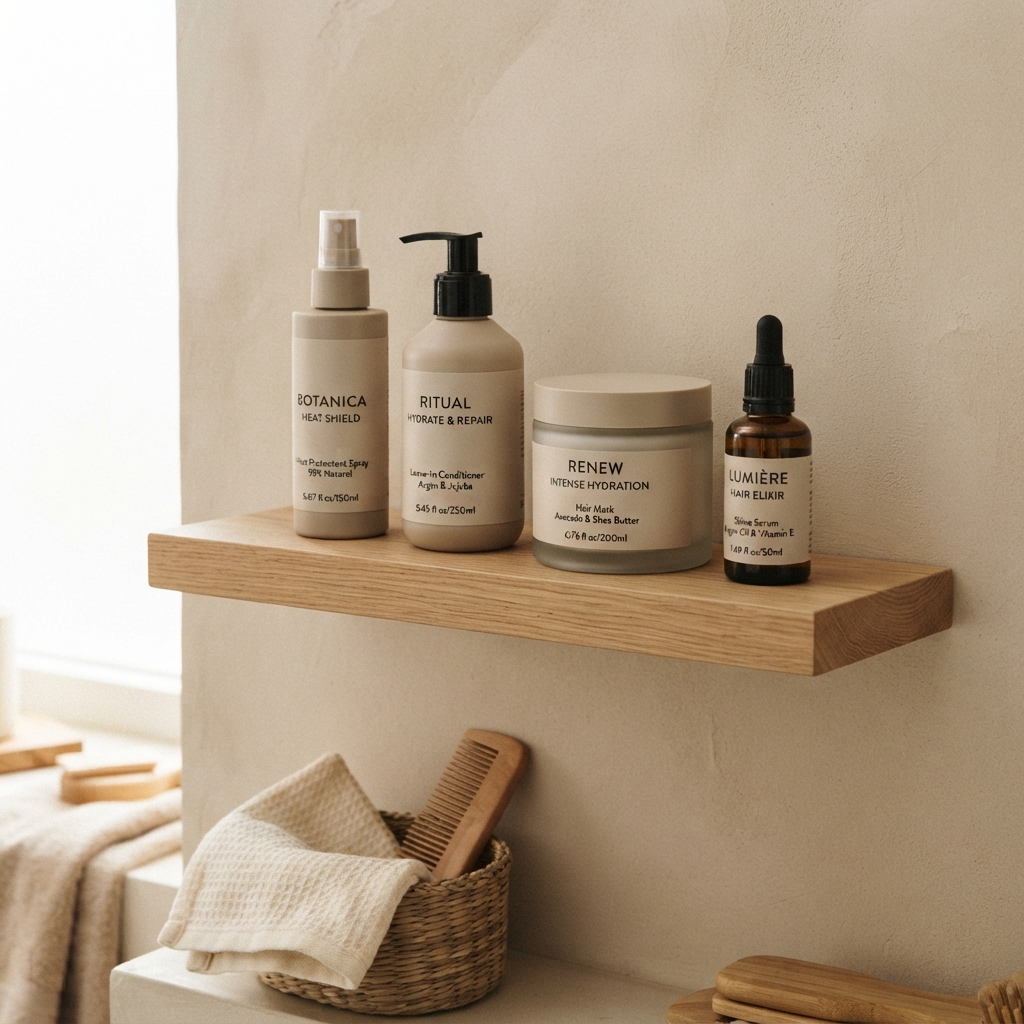
You do not need a cabinet full of products. You need a few that protect, moisturize, and hold without drying you out. Look for heat protectants, leave-in conditioners, and weekly masks.
Skip heavy alcohol sprays that make hair brittle. Skip high-hold gels unless you are going for a wet look. Skip brushing hair when it is soaking wet.
- Keep: heat protectant spray
- Keep: leave-in conditioner
- Keep: weekly moisture mask
- Keep: light shine serum
- Skip: excessive hairspray
Simple wins. Your hair will feel softer and look shinier.
20. When to Give Your Hair a Heat Break

Your hair will tell you when it needs a break. Look for extra tangles, dullness, split ends, or a rough texture when wet. If styling takes longer than usual, that is a sign too.
Take one to two weeks off from hot tools. Use heatless styles, air-drying, and deep conditioning. You can still wear romantic goth hairstyles or glitchy glam hair with braids and gels.
- Dullness or roughness
- More split ends than usual
- Hair feels gummy when wet
- Styles fall flat faster
A short break now means healthier hair for every 2026 hairstyle later.
21. A Warm Little Wrap-Up
You do not have to choose between healthy hair and a style you love. Use heat protectant, keep the temperature lower, and let your cut do more of the work. A little prep goes a long way.
Whether you are wearing old money hair, a quiet luxury bob, an asymmetrical lob, a vampire haircut, or a hime cut, your hair can look amazing without daily damage. Start with one habit today.
Save this post to Pinterest so you can find these heat protection tips the next time you reach for your flat iron. And tell me in the comments: which hairstyle are you protecting right now?
Love, Hailey & Team
