

If you have been dreaming about longer hair, I get it. I used to think growth was all about oils, scalp massages, and waiting. But after years of trial and error, I learned something big: your plate matters just as much as your products.
Your hair is built from the inside out. If your diet is low in key nutrients, your strands can grow slower, break easier, and feel thin no matter how many masks you use.
In this post, I am sharing the simple diet and vitamin habits that actually support long hair. No crazy rules. No expensive powders you do not need. Just real food, smart supplements, and a few honest truths.
Whether you are growing out a quiet luxury bob or keeping your length for romantic goth hairstyles, this will help you grow hair you feel proud of.
Why Your Diet Is the Real Hair Secret

Hair is one of the last places your body sends nutrients. If you are stressed, dieting hard, or missing key vitamins, your hair feels it first.
That is why a balanced plate beats a quick fix. You need protein, iron, zinc, vitamin D, and B vitamins working together.
- Protein builds the hair strand.
- Iron helps carry oxygen to the follicle.
- Zinc supports scalp repair.
- Vitamin D helps with growth cycles.
Feed your body consistently, and your hair has a much better chance to thrive.
The 5 Key Nutrients for Long Hair
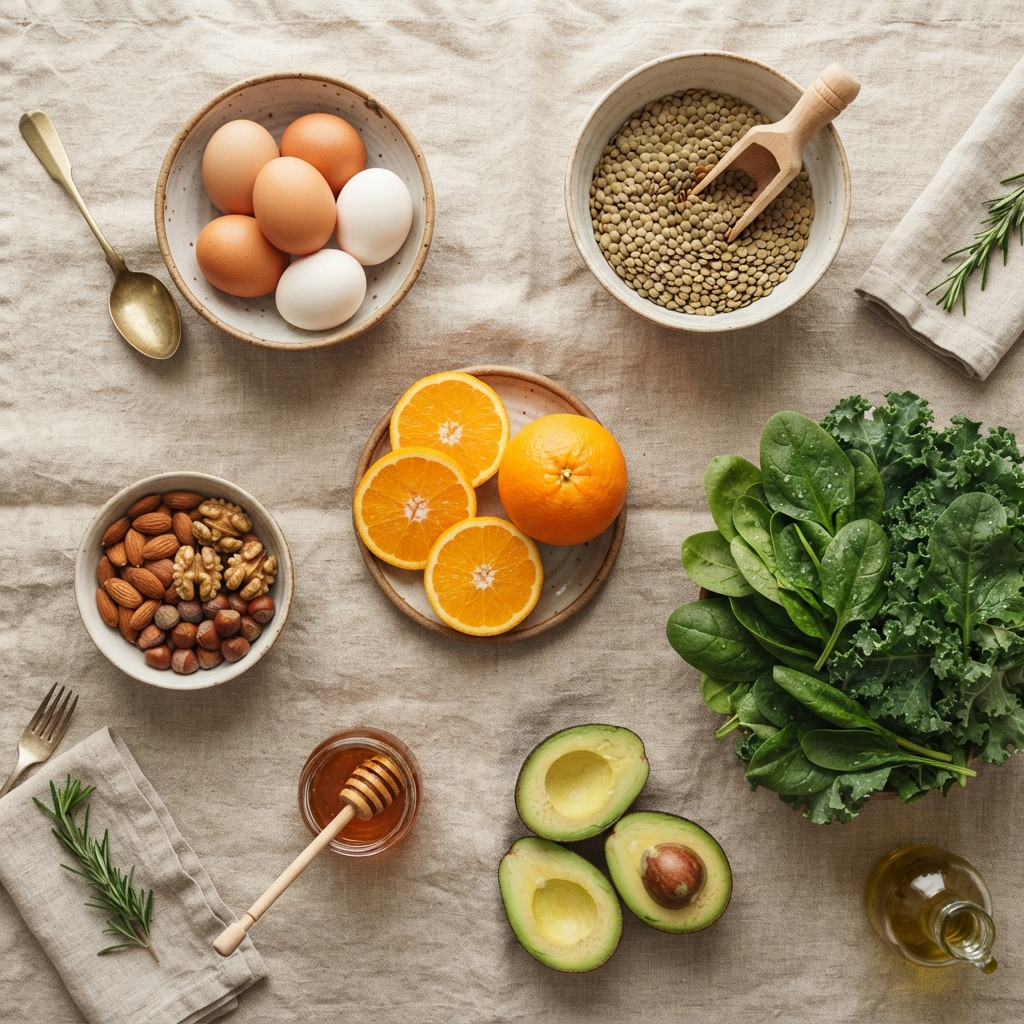
You do not need fifty supplements. You need the core five. These are the nutrients most linked to steady hair growth and less shedding.
- Protein
- Iron
- Zinc
- Vitamin D
- B vitamins, especially biotin and B12
Hit these through food first. Then talk to your doctor about supplements if you think you are low. Simple, right?
Protein: The Foundation of Strong Growth

Hair is mostly protein. If you skip protein, your body saves it for vital organs and your hair gets the leftovers.
Aim for a palm-sized portion at each meal. Eggs, Greek yogurt, chicken, tofu, lentils, and fish are great choices.
- Breakfast: eggs or Greek yogurt
- Lunch: chicken, tuna, or beans
- Dinner: salmon, tofu, or lean beef
Most women feel better with 20 to 30 grams of protein per meal. Your hair loves consistency, not perfection.
Biotin: Helpful or Hyped?
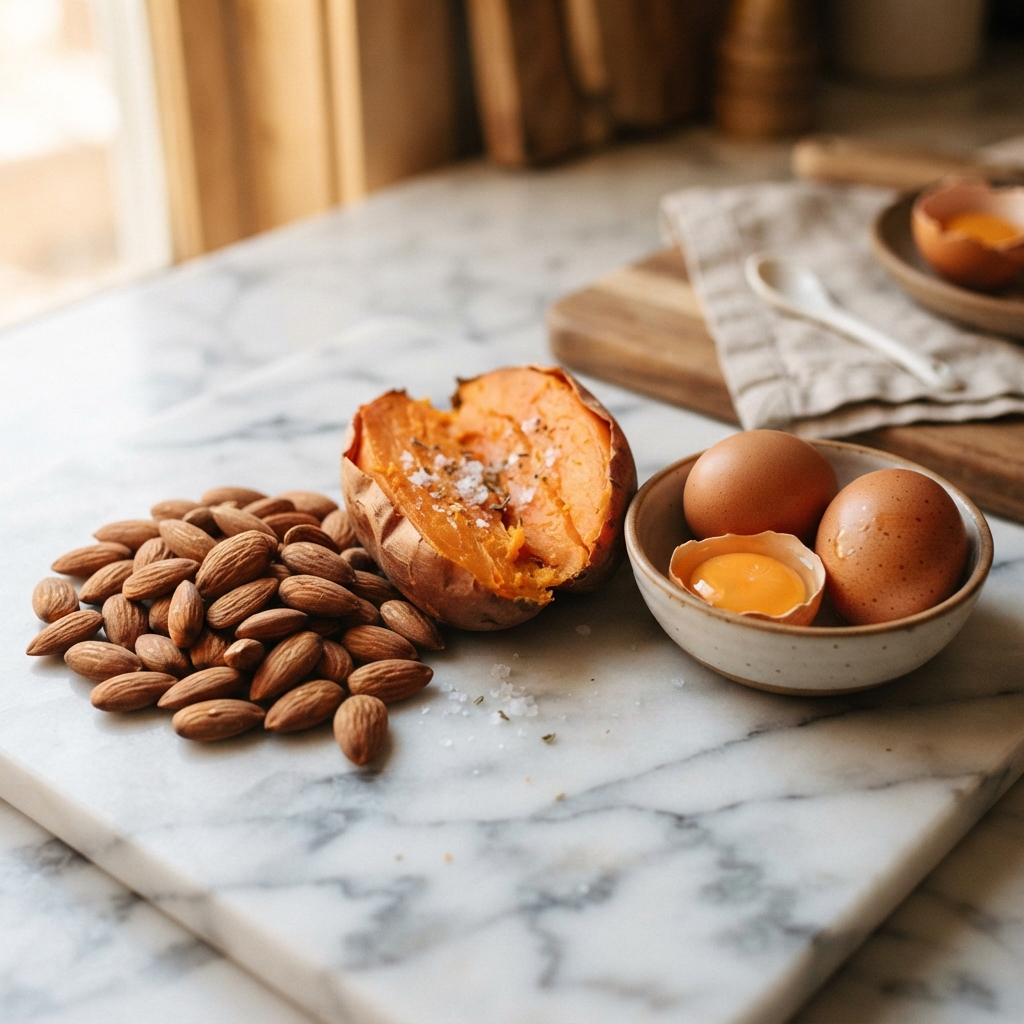
Biotin gets a lot of hype, and for good reason. It helps your body process protein and supports hair strength.
But most people already get enough biotin from food. Eggs, nuts, seeds, sweet potatoes, and salmon are solid sources.
If you have brittle hair or a known deficiency, a supplement may help. Just do not expect magic. Biotin works best with enough protein, iron, and sleep.
- Food first
- Ask your doctor before high doses
- Watch for breakouts in some people
Iron and Ferritin: The Hidden Hair Hero

Low iron is one of the most common reasons for hair shedding in women. Even if your iron is “normal,” low ferritin can affect growth.
Ferritin is your stored iron. Many doctors suggest keeping it above 40 to 70 ng/mL for healthy hair, but check with yours.
- Red meat, chicken, and tuna
- Lentils, beans, and tofu
- Spinach and fortified cereals
Pair plant iron with vitamin C, like oranges or bell peppers, to absorb more. Never start iron pills without testing first.
Vitamin D: The Sunshine Nutrient for Hair

Vitamin D helps create new hair follicles and supports your hair cycle. Low levels are linked to shedding and slower growth.
You can get vitamin D from sunlight, fatty fish, egg yolks, and fortified foods. Many people still need a supplement, especially in winter.
- Salmon and sardines
- Fortified milk and orange juice
- Egg yolks and mushrooms
Ask for a blood test before guessing your dose. Too much vitamin D can be harmful, so keep it smart.
Zinc: Scalp Repair and Growth Support
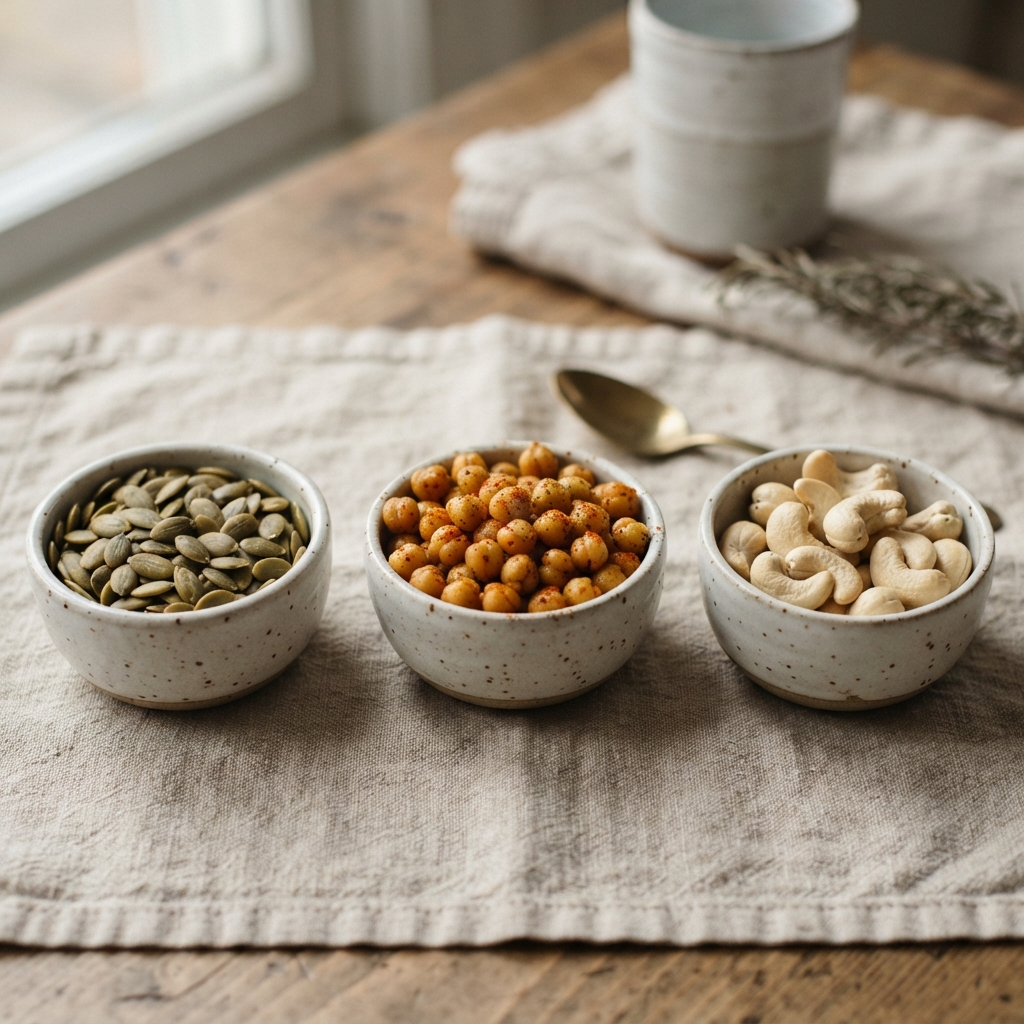
Zinc helps repair tissues, including your scalp. It also supports oil gland function and can reduce shedding when you are low.
Good sources include pumpkin seeds, chickpeas, cashews, beef, and oysters. You only need a small amount each day.
- Sprinkle pumpkin seeds on yogurt or salad.
- Add chickpeas to soups and bowls.
- Choose lean beef or oysters once in a while.
Too much zinc can block copper, so do not mega-dose without medical advice.
Vitamin C: Collagen and Iron Absorption
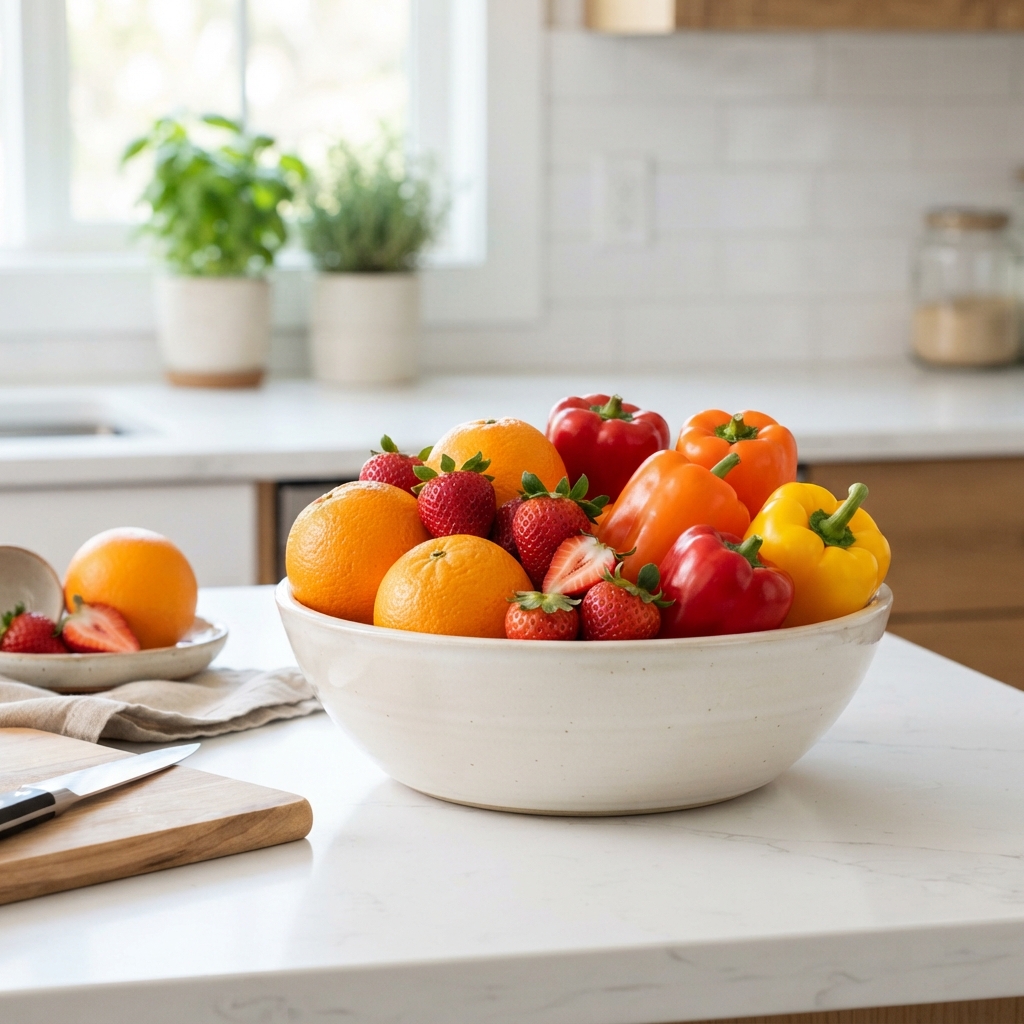
Vitamin C helps your body make collagen, which supports the hair structure. It also helps you absorb iron from plant foods.
You do not need huge doses. One orange, a handful of strawberries, or half a bell pepper goes a long way.
- Add berries to oatmeal.
- Squeeze lemon over lentils or spinach.
- Snack on bell pepper slices.
This is one of the easiest nutrients to get from food, so start there first.
B Vitamins Beyond Biotin
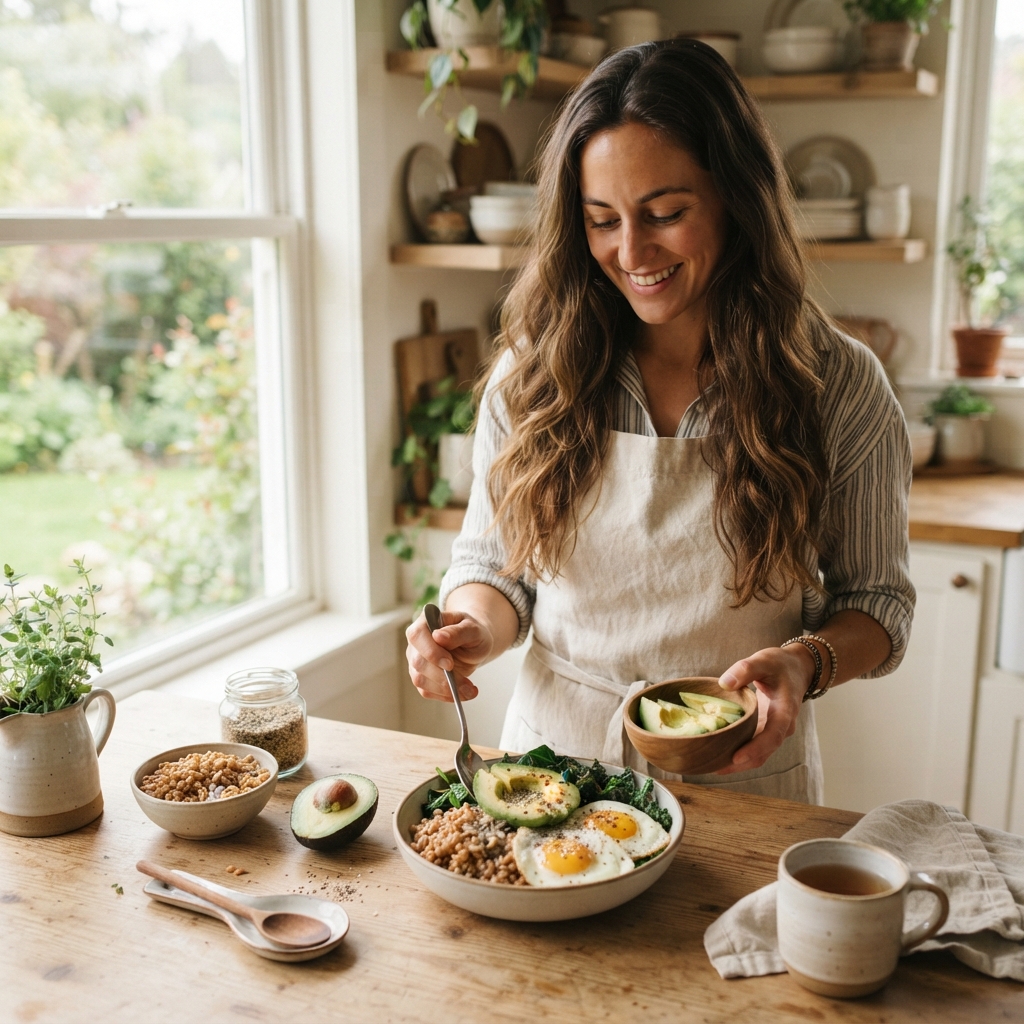
B vitamins work as a team. B12, folate, and B6 support red blood cell production and oxygen delivery to your scalp.
If you eat animal products, you likely get enough B12. If you are plant-based, fortified foods or a supplement are important.
- Eggs and dairy
- Salmon and poultry
- Leafy greens and beans for folate
- Fortified cereals and nutritional yeast
Low B12 can cause fatigue and shedding, so check your levels if you feel off.
Vitamin A: A Little Goes a Long Way
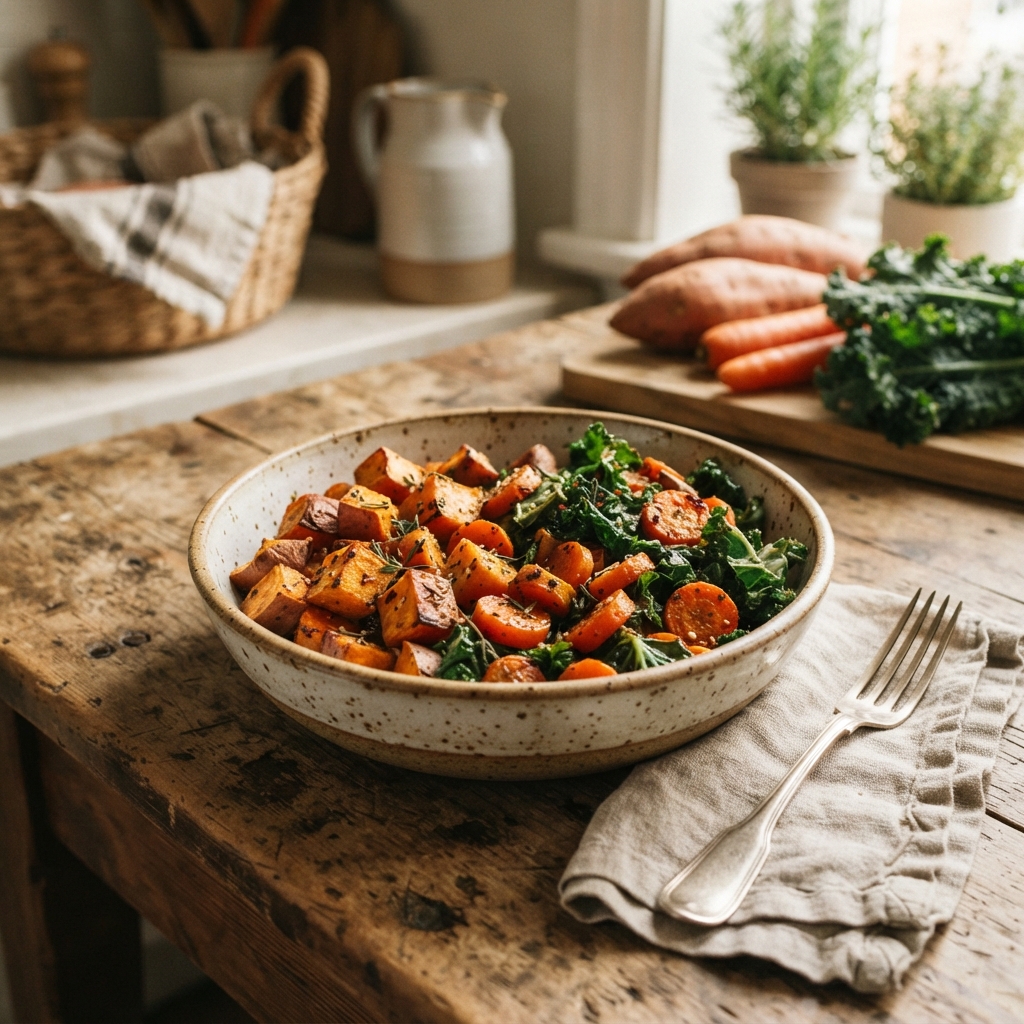
Vitamin A helps your scalp make sebum, which keeps hair moisturized. But more is not better.
Too much vitamin A can actually cause hair loss. Stick to food sources like sweet potatoes, carrots, spinach, and eggs.
- Roast carrots with dinner.
- Add spinach to smoothies.
- Choose sweet potato instead of fries.
You likely do not need a vitamin A supplement unless your doctor says so.
Vitamin E and Omega-3s: Shine From Within
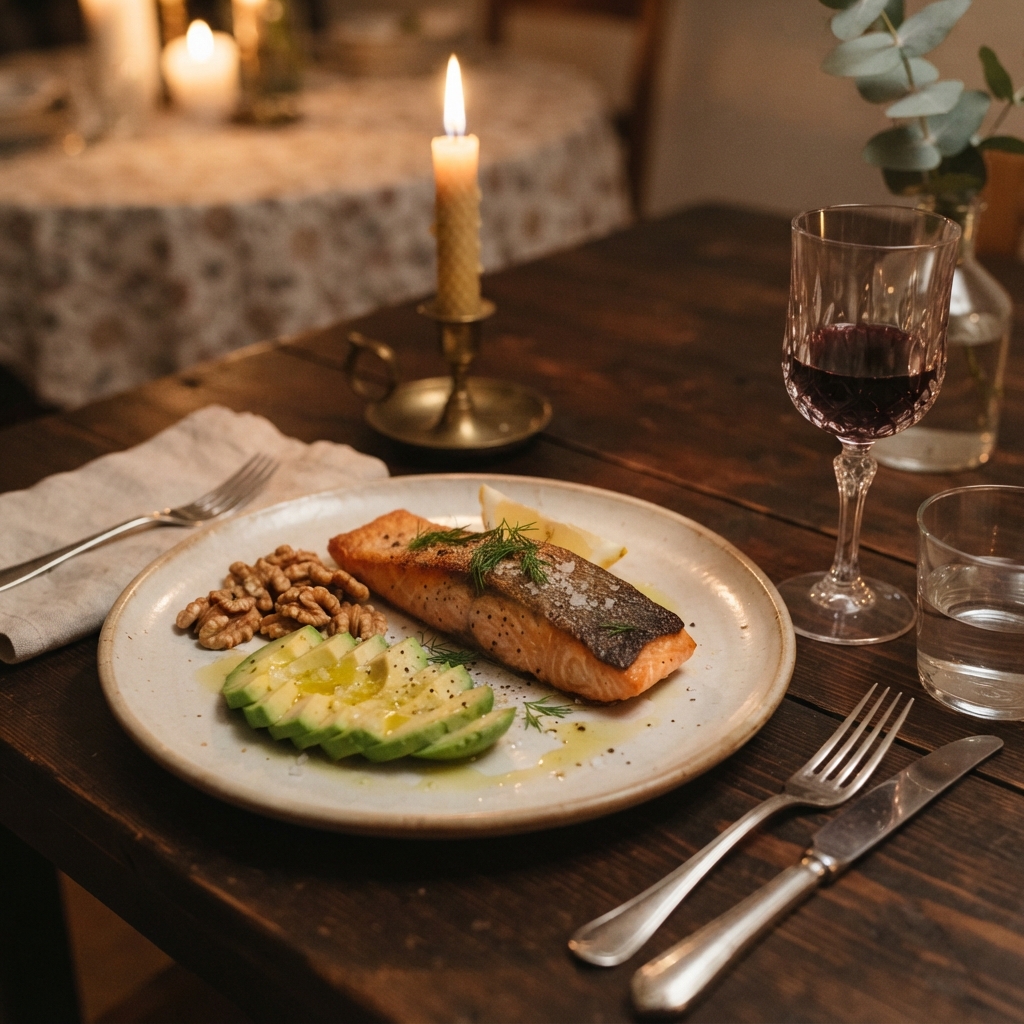
Vitamin E and omega-3s help reduce inflammation and support scalp health. They can also give your hair a natural shine.
Think salmon, walnuts, chia seeds, flaxseed, and olive oil. These fats help your body absorb vitamins A, D, E, and K.
- Add chia to yogurt.
- Use olive oil on salads.
- Eat fatty fish twice a week.
Healthy fats are not the enemy. They are part of your long-hair toolkit.
Water and Hydration for Flexible Hair

Hydration affects every cell, including your hair follicles. Dry scalp and brittle strands often get worse when you are dehydrated.
You do not need a gallon a day. Just sip consistently and watch your urine color. Pale yellow is a good sign.
- Start your morning with water.
- Keep a bottle where you work.
- Eat water-rich foods like cucumber and watermelon.
Water is boring advice, but it works. Your hair feels softer when your body is hydrated.
Foods That Support Long Hair
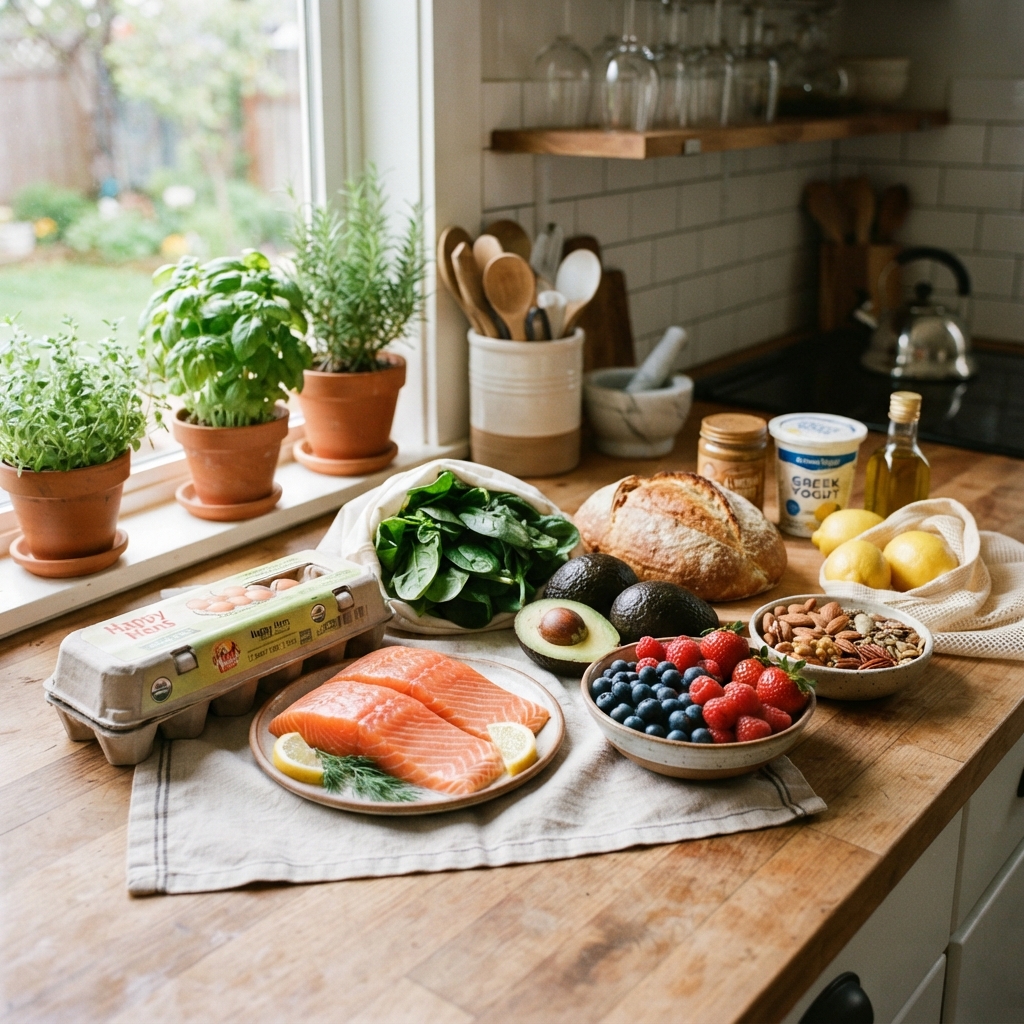
You do not need a perfect diet. You need a repeatable one. These foods cover most hair nutrients in one cart.
- Eggs for protein and biotin
- Salmon for omega-3s and vitamin D
- Lentils for iron and protein
- Spinach for iron, folate, and vitamin C
- Greek yogurt for protein and B12
- Nuts and seeds for zinc and vitamin E
- Berries for vitamin C and antioxidants
Pick three to five of these each day. That is a realistic start.
A Simple Long-Hair Grocery List
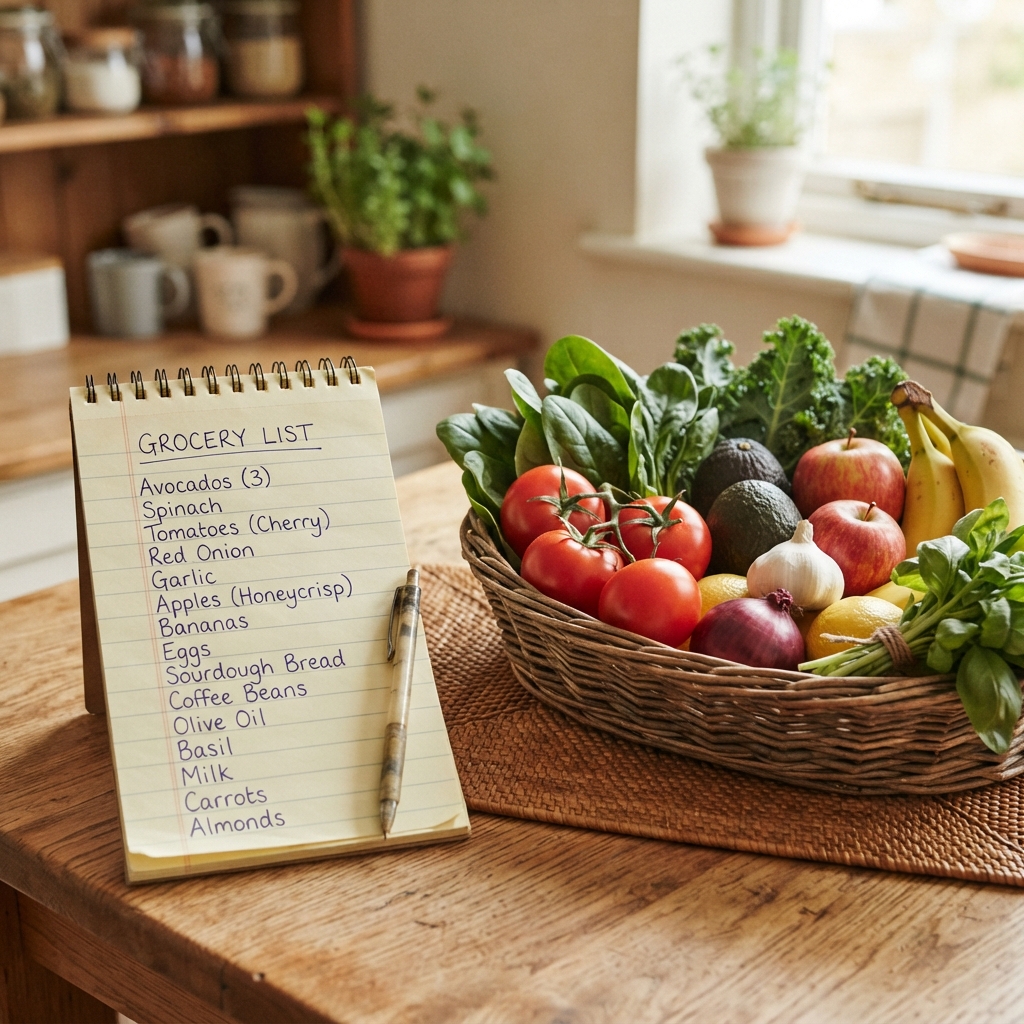
Here is my go-to list when I want to focus on hair growth. It keeps meals easy and covers the big nutrients.
- Eggs
- Greek yogurt
- Salmon or sardines
- Chicken or tofu
- Lentils and black beans
- Spinach and kale
- Sweet potatoes and carrots
- Oranges and strawberries
- Pumpkin seeds and walnuts
- Olive oil and chia seeds
Print it, screenshot it, or save it to Pinterest for your next shop.
Should You Take Hair Supplements?
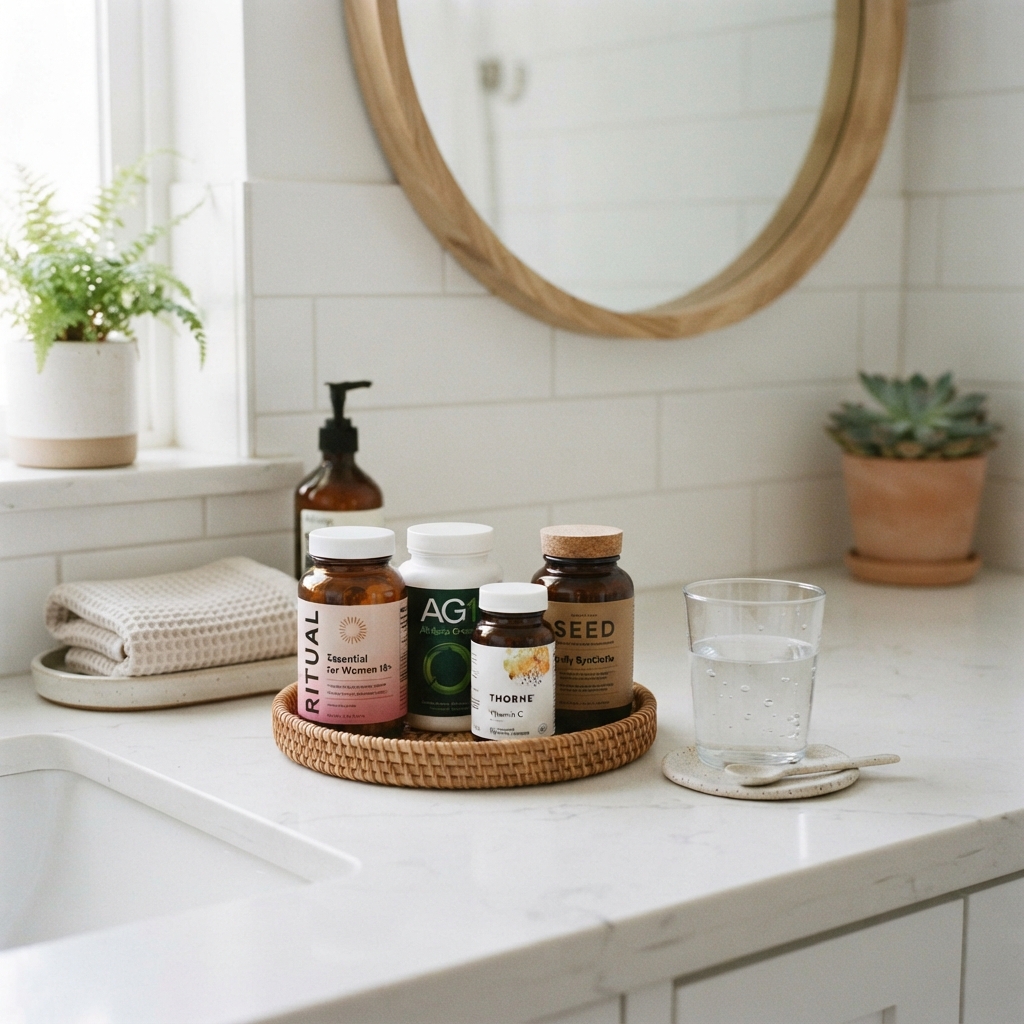
Supplements can help if you are actually low in something. They are not a shortcut around a poor diet.
Before you buy a hair, skin, and nails gummy, ask your doctor for blood work. Check ferritin, vitamin D, B12, and zinc.
- Test first.
- Choose third-party tested brands.
- Do not stack multiple products with the same vitamins.
If you are deficient, fixing it can make a real difference. If you are not, you may just be making expensive urine.
How to Take Hair Vitamins the Right Way

Timing and consistency matter. Most hair vitamins work best when taken with food and at the same time each day.
- Take fat-soluble vitamins with a meal that has healthy fat.
- Take iron with vitamin C, away from coffee and tea.
- Take zinc with food to avoid nausea.
- Set a phone reminder so you do not skip days.
Give it at least three to six months. Hair grows slowly, so patience is part of the plan.
Diet Mistakes That Can Stall Growth

Sometimes the problem is not what you are missing. It is what you are doing too much of.
- Eating too little protein
- Crash dieting or skipping meals
- Drinking too much coffee around iron-rich meals
- Taking random high-dose supplements
- Ignoring thyroid or hormone issues
Fix the basics first. Regular meals, enough protein, and blood work can reveal a lot. Your hair is often a messenger.
How Long Until You See Results?

Hair grows about half an inch per month. So real change takes time. Most people notice less shedding in 6 to 12 weeks.
New length and thickness usually show up around the 3 to 6 month mark. That is why consistency beats panic.
- Month 1 to 2: less shedding maybe
- Month 3 to 4: new baby hairs
- Month 6: visible length and shine
Take monthly photos in the same lighting. It helps you see progress when you feel impatient.
Pair Nutrition With Protective Styles

Diet helps your hair grow. Protective styling helps you keep the length you gain. Less friction means fewer broken ends.
- Use silk scrunchies or clips.
- Sleep on a silk pillowcase.
- Avoid tight ponytails daily.
- Trim split ends every 10 to 12 weeks.
Even a chic asymmetrical lob benefits from this. Healthy ends make every cut look better.
2026 Hairstyles That Love Healthy Long Hair
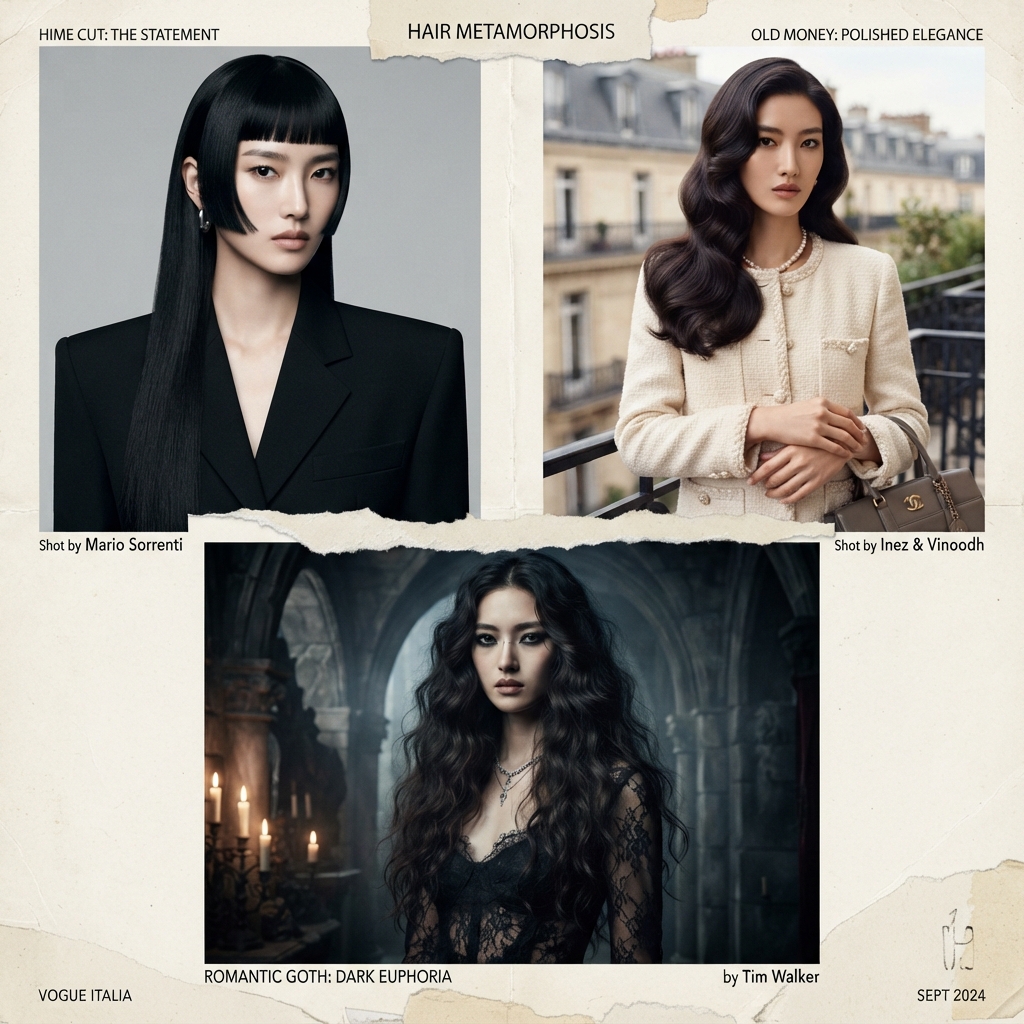
Healthy hair makes every trend easier. In 2026, we are seeing old money hair, soft waves, and sleek finishes that show off shine.
A quiet luxury bob looks best when strands are strong. Romantic goth hairstyles love deep nutrition and hydrated ends. Glitchy glam hair needs bounce, so protein and omega-3s help.
- Asymmetrical lob: sharp and healthy ends
- Vampire haircut: glossy, dense layers
- Hime cut: smooth, strong blunt lines
Feed your hair, and these 2026 hairstyles will sit beautifully.
Your 7-Day Hair Nutrition Starter Plan
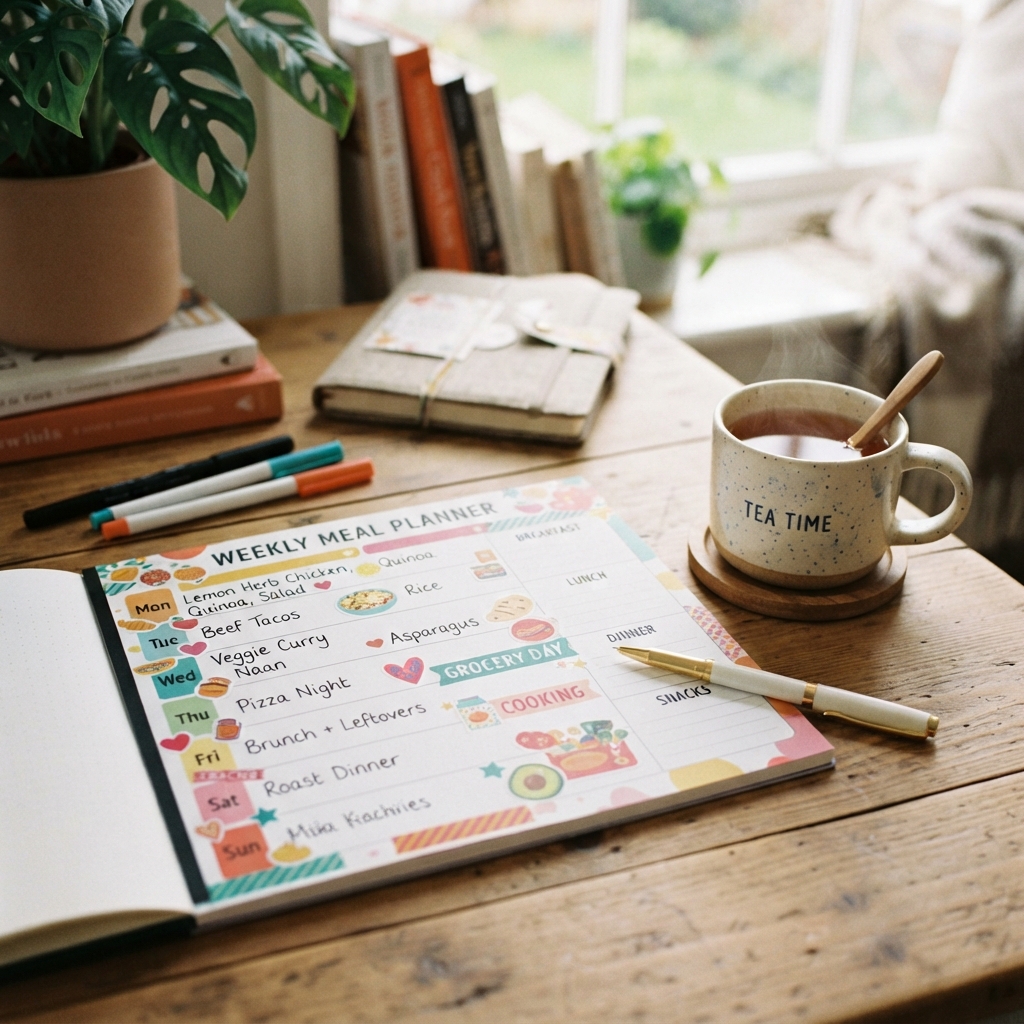
Want a simple way to start? Try this for one week. No calorie counting, just hair-friendly habits.
- Day 1: Add eggs or Greek yogurt to breakfast.
- Day 2: Eat salmon or sardines with lunch.
- Day 3: Add lentils and bell peppers to dinner.
- Day 4: Snack on pumpkin seeds and an orange.
- Day 5: Have spinach with olive oil and lemon.
- Day 6: Drink water instead of soda.
- Day 7: Take monthly hair photos and plan next week.
Small steps, repeated, become real growth.
When to Talk to a Doctor

Diet and vitamins are powerful, but they are not everything. If your hair is falling out in patches or shedding heavily, get help.
Talk to a doctor if you notice sudden loss, scalp pain, fatigue, irregular periods, or no growth after six months of solid habits.
- Thyroid issues
- PCOS or hormone imbalance
- Low ferritin or vitamin D
- Autoimmune conditions
You deserve answers, not just another hair oil. A simple blood test can change everything.
A Warm Send-Off
Growing long hair is not about being perfect. It is about giving your body what it needs, most of the time.
Eat your protein. Get your iron and vitamin D checked. Drink your water. Be patient with your strands and kind to yourself.
Save this post to Pinterest so you can come back to it on grocery day. And tell me in the comments: what is one hair-friendly food you are adding this week?

