

Hey friend. If you have ever scrolled hair forums at midnight (guilty), you have probably seen someone swear that onion juice grew back their edges in three weeks. Maybe you are curious. Maybe you are a little desperate. Maybe you are both.
So let me give it to you straight. Onion juice is not magic. It is also not total nonsense. There is real science around sulfur and scalp circulation, and there is a whole lot of hype wrapped around it too.
In this post I will break down what the research actually says, how to use it if you want to try, who should skip it, and what to do instead. Ten minutes, honest answers, zero fluff. Let’s get into it.
What Onion Juice Actually Is

Onion juice is exactly what it sounds like. You blend or grate an onion, squeeze out the liquid, and apply it to your scalp. That is the whole recipe.
The reason people care is its content. Onions are packed with sulfur compounds, quercetin, and flavonoids. Sulfur is a building block of keratin, which is literally what your hair is made of.
It has been used in folk medicine for centuries in different cultures. That alone does not prove it works, but it does explain why this trend keeps coming back around every few years.
The Sulfur Theory Behind the Hype
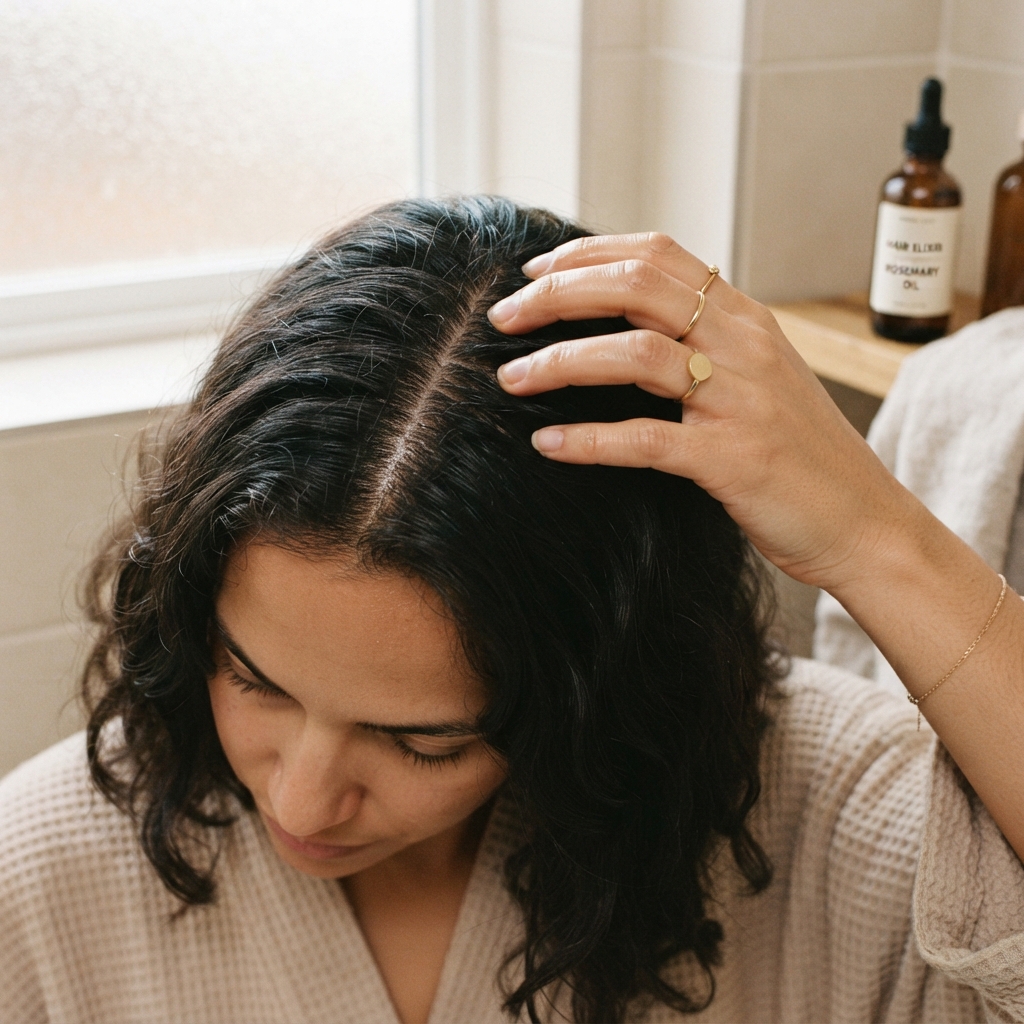
Here is the theory. Sulfur may support keratin production. It may also boost blood flow to the scalp when you massage it in. Better circulation means more oxygen and nutrients reaching the follicle.
Onions also have mild antibacterial and antifungal properties. If your scalp is irritated or flaky, calming that down can reduce shedding.
That is the logic. It sounds reasonable, and it might genuinely help. But a theory is not the same as proof, and that is where we need to be honest with each other.
What the Research Really Shows

Most of the excitement traces back to one small study from 2002. Researchers applied onion juice to people with alopecia areata, a patchy autoimmune type of hair loss. Most participants saw some regrowth within a few weeks.
Sounds amazing, right? Here is the catch. It was a tiny group, there was no control group, and the study was short. Since then, most supportive studies have been done on mice, not humans.
So the honest summary is this: promising, low risk, and not proven. It might help. It is not a cure.
How to Make Onion Juice at Home

Making it takes about five minutes. Here is my simple method:
- Peel one medium red or yellow onion and chop it roughly.
- Blend it until it becomes a paste. Add a splash of water if needed.
- Pour it through a fine strainer or cheesecloth into a bowl.
- Press the pulp with a spoon to get every last drop.
- Use it fresh, or refrigerate it for up to two days.
Red onions are the popular choice, but yellow work fine. Some people add a teaspoon of honey or aloe vera gel to make it easier to spread.
How to Apply It Without Losing Your Mind

Application matters more than you think. Here is the routine that keeps it manageable:
- Do a patch test behind your ear 24 hours before your first full session.
- Work on dry, detangled hair so you can actually see your scalp.
- Part in sections and dab the juice along the scalp, not the hair strands.
- Massage gently with your fingertips for two to three minutes.
- Cover with a shower cap and let it sit for 15 to 30 minutes.
- Rinse thoroughly and shampoo as usual.
Massage is half the benefit, so do not rush that part.
How Often Should You Use It

Two to three times a week is the sweet spot for most people. Daily use tends to irritate the scalp rather than help it.
Start with once a week for two weeks. If your scalp feels calm, bump it up. If you get itching, burning, or redness, stop and give it a break.
Consistency beats intensity here. A steady twice a week for three months will tell you more than a frantic week of daily treatments ever will.
How Long Until You See Results
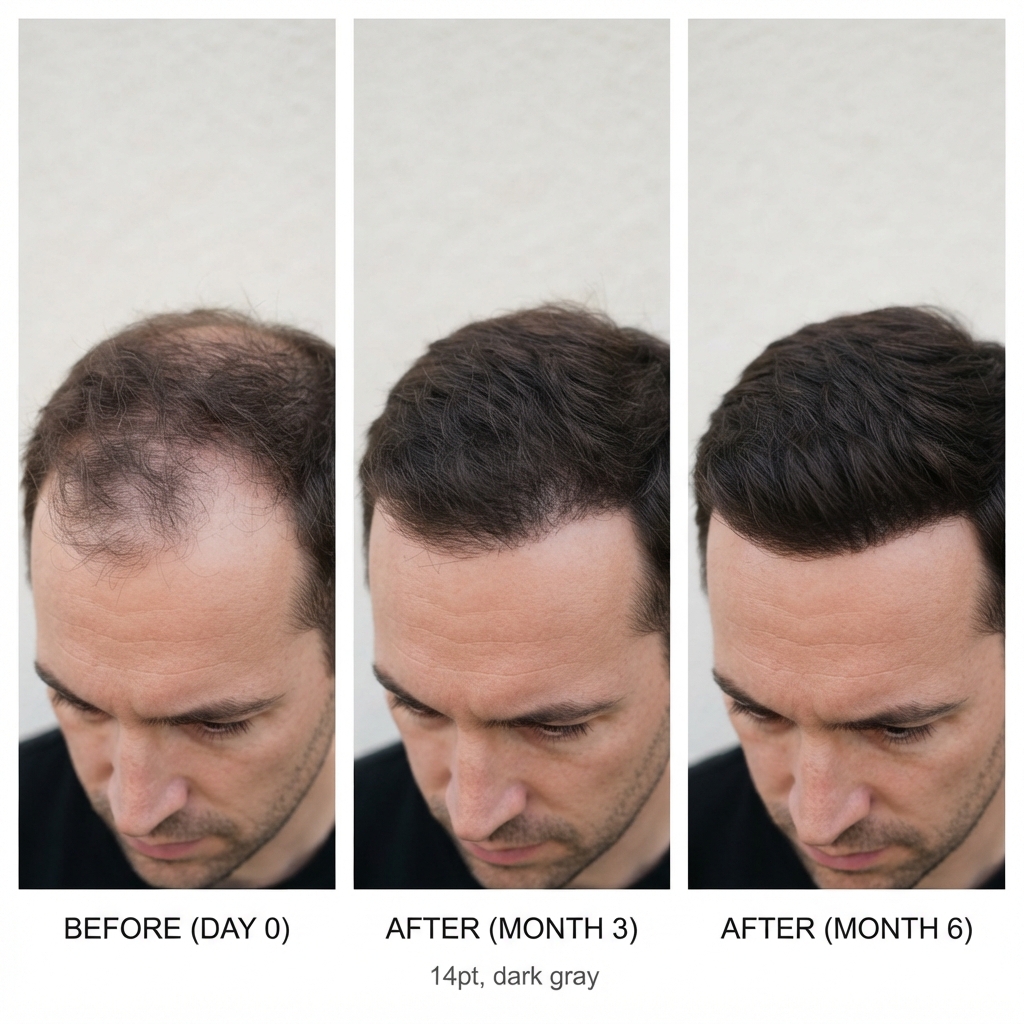
Be patient, because hair grows slowly. Nothing you do on Monday shows up on Friday.
- Weeks 1 to 4: less shedding, maybe a calmer scalp.
- Weeks 4 to 8: fine baby hairs along the hairline, if it is working for you.
- Months 3 to 6: visible density changes in the areas you treated.
Take photos in the same spot, same lighting, same time of day. Your memory is not a reliable before and after.
Does It Work for Every Type of Hair Loss
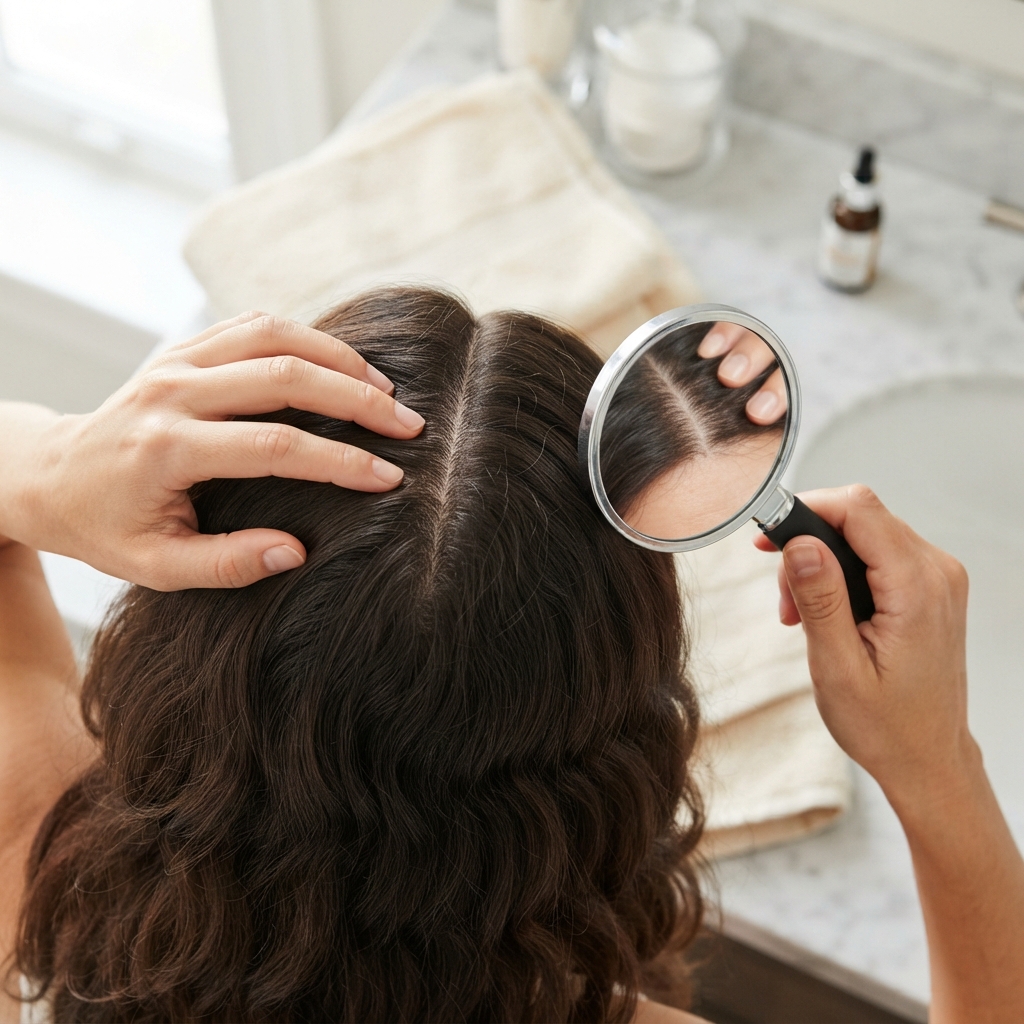
No, and this is where a lot of people get disappointed. Hair loss has many causes, and onion juice only makes sense for some of them.
- Telogen effluvium (stress or illness shedding): may help a little as support.
- Alopecia areata: the one type with a real, if small, study behind it.
- Traction alopecia: helpful only if you stop pulling the hair.
- Genetic pattern loss: unlikely to do much on its own.
- Scarring alopecia: see a doctor, not your kitchen.
Know your cause before you commit to a treatment.
Onion Juice for Thinning Edges

Edges are the number one reason people try this. Tight ponytails, braids, and slicked buns can pull the follicle until it gives up, and onion juice is often the last resort.
Here is the truth. The juice is not what saves your edges. Taking the tension off is.
- Skip tight styles for at least six weeks.
- Massage the area daily with your fingertips or a soft brush.
- Keep the scalp moisturized, not greasy.
- Add onion juice two to three times a week if your scalp tolerates it.
Give it a full three months before you judge anything.
Onion Juice vs Minoxidil

I have to be fair here. Minoxidil has decades of solid human research behind it. Onion juice has one small study and a lot of internet enthusiasm.
If you want the highest chance of results, minoxidil wins on evidence. That does not mean onion juice is useless. It means you should not expect them to perform the same.
Can you use both? Some people do, spacing them out on different days. Talk to a doctor first, especially if you are pregnant, nursing, or on other medications.
Onion Juice vs Rosemary Oil

Rosemary oil is the other big natural contender, and it has one clinical trial comparing it to minoxidil with decent results. It also smells like a spa instead of a sandwich.
So which one should you pick?
- Choose rosemary oil if you want a gentler, better smelling option with slightly better human data.
- Choose onion juice if you want the sulfur angle and you do not mind the scent.
- Or alternate them and see how your scalp responds.
Either way, dilute essential oils in a carrier oil before they touch your skin.
Onion Juice Plus Other Kitchen Helpers

Some combinations are worth trying because they make the treatment easier to apply or kinder to your scalp.
- Castor oil: thick and moisturizing, great for mixing.
- Fenugreek paste: soothing and slippery, easier to spread.
- Aloe vera gel: calming if your scalp runs sensitive.
- Honey: helps with texture and adds a little moisture.
Mix a small batch fresh each time. Do not store these blends for weeks in your fridge, because they will not stay fresh.
The Smell Problem and How to Fix It

Let’s be real. This is the number one reason people quit. The smell lingers, especially in thick hair.
These tricks genuinely help:
- Apply at night, then wash in the morning.
- Rinse with cool water first, then shampoo twice.
- Follow with a light vinegar rinse and a scented conditioner.
- Never apply to dry ends. It soaks in and holds the smell.
- Air dry outside if you can, or use a fan.
If the smell still bothers you after all that, this treatment might not be your match.
Side Effects and Who Should Skip It

Natural does not automatically mean safe. Onion juice is acidic and can irritate skin.
- Skip it if you have open cuts, eczema flares, or a raw scalp.
- Skip it if you are allergic to onions or garlic, and patch test first.
- Skip it if you just had a chemical service or relaxer.
- Check with your doctor if you are pregnant, nursing, or on prescriptions.
If you feel burning, wash it out immediately. Mild tingling is normal. Pain is not.
Scalp Health Comes First

No topical treatment works well on a scalp that is angry. Fix the basics and everything else gets easier.
- Wash when your scalp needs it, not on a rigid schedule.
- Skip harsh scrubs and heavy buildup products.
- Eat protein, iron, and enough calories.
- Get your vitamin D and ferritin checked.
- Sleep. Stress shows up on your head first.
Think of onion juice as a small supporting player, not the whole show.
What Onion Juice Cannot Fix

I want to save you months of frustration, so here is the list.
- Scarring alopecia, where the follicle is gone for good.
- Thyroid, iron, or hormone imbalances.
- Serious nutrient deficiencies.
- Pattern baldness driven by genetics.
- Hair loss from medications or illness.
If any of these are your situation, no amount of kitchen remedies will fix it. You need a diagnosis, not a blender.
When to See a Doctor Instead

Please book an appointment if any of these sound familiar:
- Sudden, heavy shedding that lasts more than two months.
- Round bald patches or a widening part.
- Scalp pain, itching, scaling, or redness.
- Hair loss with fatigue, weight changes, or irregular cycles.
- No improvement after six months of consistent effort.
A dermatologist can spot things you cannot see in a mirror. That visit is worth more than a year of guessing.
Trying It While Wearing Protective Styles
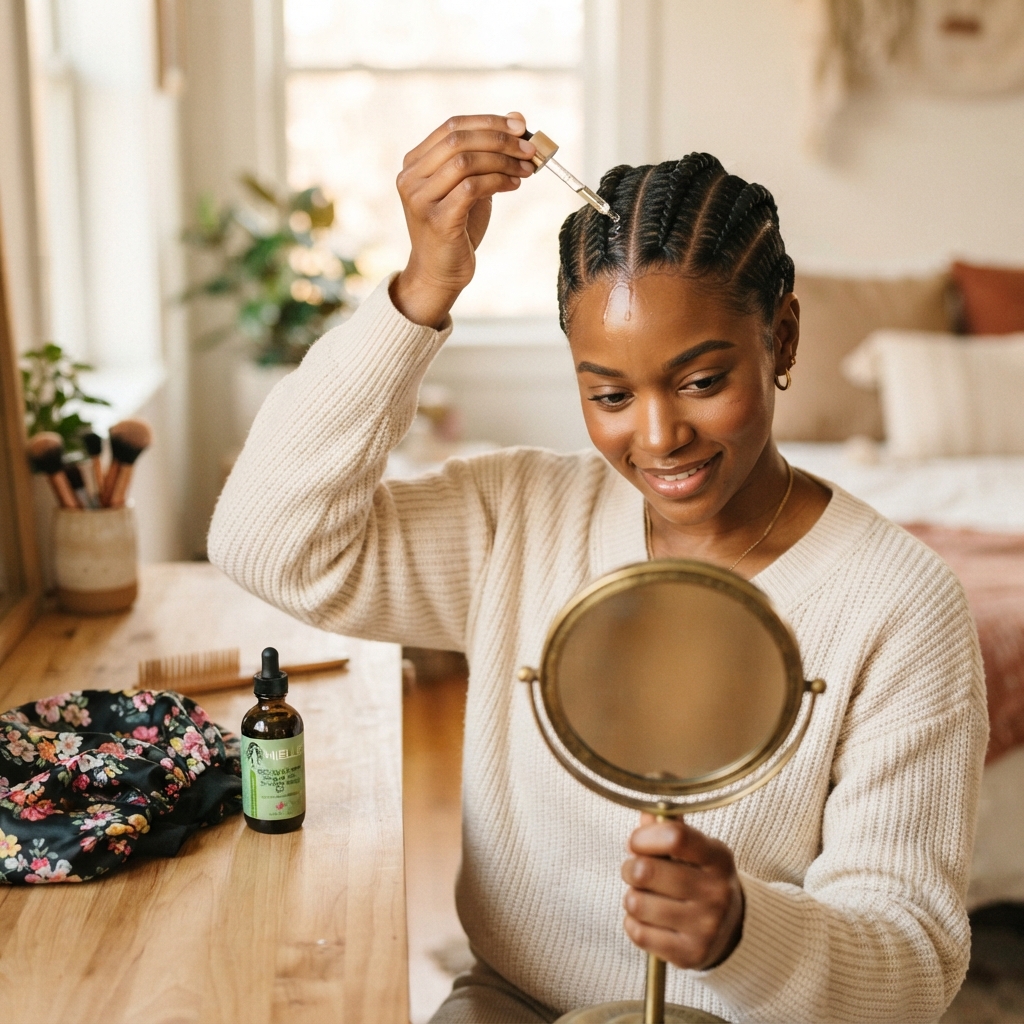
You can still do this if you wear braids, twists, or cornrows. You just have to be careful.
Use a cotton swab or dropper along the parts so you do not soak the extensions. Then blot gently with a towel and wrap up before bed.
The bigger rule in 2026 is tension. Keep edges and nape hair loose, and take styles down every six to eight weeks. Edge saving always beats edge regrowing.
Styling Thin Hair While You Treat It

While you wait on growth, styling can do a lot of heavy lifting. A quiet luxury bob with a blunt-ish line creates instant density, and it is the definition of old money hair.
An asymmetrical lob is another favorite. The uneven line breaks up thin patches and makes the whole head look fuller.
- Blunt lines look thicker than heavy layers.
- Mids and ends benefit from a little volume spray.
- A slightly darker root shadow adds depth.
- Skip heavy oils on the strands, keep them on the scalp.
2026 Hairstyles That Make Thin Hair Look Fuller

This is my favorite part, because trends are finally on your side in 2026. Texture and clean lines are everywhere.
- Hime cut: blunt cheek pieces plus length. Instantly frames a thinner face and hairline.
- Vampire haircut: sharp layers with a dramatic fringe. Volume where you need it.
- Romantic goth hairstyles: soft waves with deep color. Dimension hides thinness.
- Glitchy glam hair: intentional texture and shine. Mess reads as volume.
Pick one that matches your density, and let the cut do the work while your scalp does its thing.
Do Onion Juice Shampoos and Supplements Work?

Short answer: probably not much. Most onion shampoos list onion extract near the bottom of the ingredients, which means there is barely any in there.
Shampoo also sits on your scalp for maybe a minute before it rinses away. That is not enough contact time to do anything meaningful.
Supplements are a different story. If you actually have a deficiency, a doctor guided supplement can help a lot. Just do not expect an onion pill to replace a diagnosis.
Common Mistakes to Avoid

I have made most of these, so learn from me.
- Using it daily and irritating the scalp.
- Skipping the patch test.
- Applying it to the hair instead of the scalp.
- Expecting results in two weeks.
- Keeping up tight hairstyles that caused the damage.
- Ignoring diet, sleep, and stress.
Fix these and you will get a much clearer answer about whether it works for you.
My Honest Take

Would I tell you to run to your kitchen right now? Not exactly. Would I tell you it is a waste of time? Also no.
Here is where I land. Onion juice is cheap, low risk, and might help certain kinds of shedding. It is not a replacement for real treatment, real diagnosis, or real patience.
If you enjoy the ritual and your scalp tolerates it, try it for three months with photos. If it does nothing, you have lost a few onions and gained some clarity. That is a fair trade.
A Few Last Words, Friend to Friend
Hair loss is emotional in a way that is hard to explain to people who have not been through it. So be gentle with yourself while you figure this out.
Start simple. Patch test, stay consistent, take photos, and do not ignore the basics like sleep, food, and tension free styling. Those quiet habits often do more than any trendy treatment.
And if it is not working after a few months, that is not a failure on your part. It just means your hair needs a different kind of help.
Save this post to Pinterest so you can find it the next time you are standing in your kitchen with an onion and a dream.
Now tell me, have you ever tried onion juice on your scalp? Did it help, or did the smell win? Drop your story in the comments. I read every single one, and your experience might be exactly what someone else needs to hear today.

