
Ever wonder why your best friend’s hair routine works like magic on her and turns yours into straw? It’s usually not the products. It’s porosity. That one word explains almost everything about how your hair drinks in moisture, holds onto it, and reacts to protein.
Here’s the good news: once you know your porosity, picking the right protein balance becomes simple. No more guessing. No more buying every mask on the shelf hoping one sticks.
In this post I’m breaking porosity down in plain English, plus exactly how to balance protein and moisture for your hair. We’ll also talk styling, from a quiet luxury bob to the vampire haircut.
Grab a coffee. Ten minutes from now, you’ll know your own hair better than most people ever do.
What Hair Porosity Actually Means
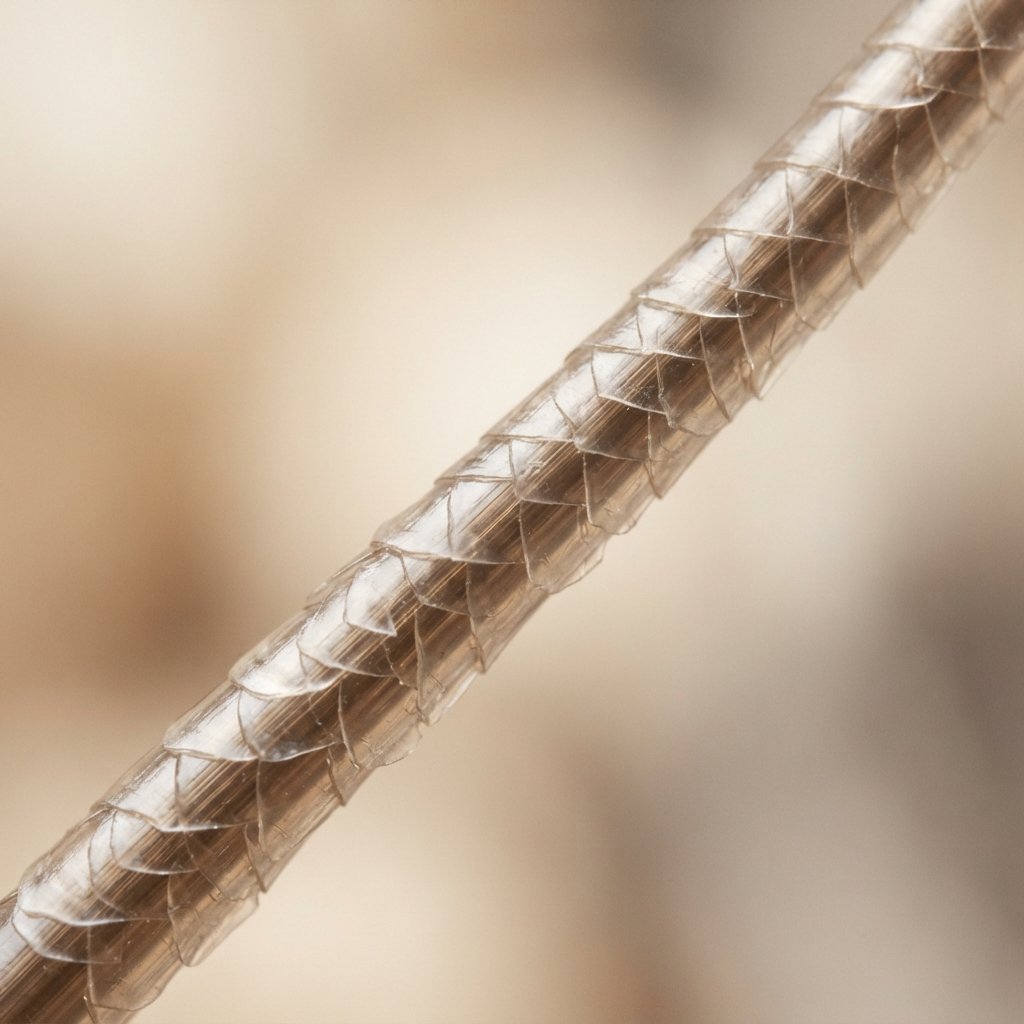
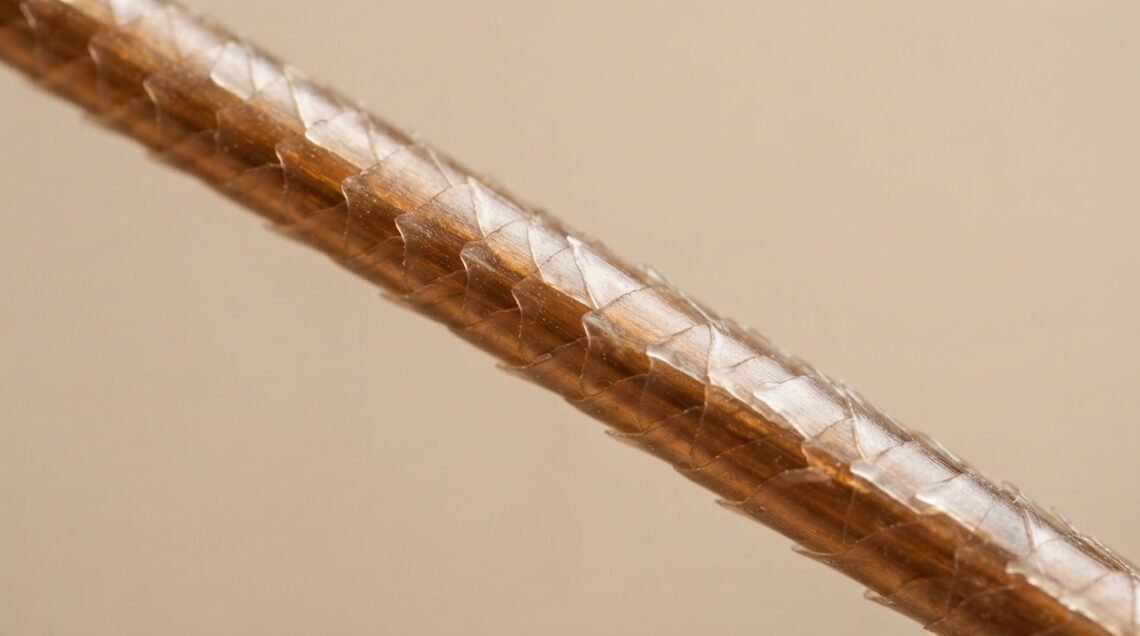
Porosity is just how open your hair’s outer layer is. That layer is called the cuticle, and you can think of it like roof shingles. When the shingles lie flat, moisture stays out. When they lift, moisture rushes in and then escapes fast.
Your porosity is mostly genetic. But heat, bleach, and rough handling can raise it over time. That’s why the hair you had at 20 isn’t always the hair you have now.
There are three levels: low, medium, and high. Each one needs a different protein-to-moisture ratio. Get that ratio right and your old products suddenly start working again.
How To Test Your Hair Porosity At Home

The glass of water test is the classic one. Drop a clean strand of shed hair into room-temperature water and wait a few minutes. Sinks fast means high porosity. Floats forever means low. Sits in the middle means medium.
It’s not perfect, but it’s a solid starting point.
Here’s a better method: watch your hair in the shower. Does it soak up water in seconds and feel dry ten minutes later? That’s high porosity. Does water bead up and take forever to saturate? Low porosity.
And the spray test: mist one section. If water sits on top, you’re low. If it vanishes instantly, you’re high.
Low Porosity Hair: The Tight Cuticle

Low porosity hair has a tight, flat cuticle. Water and products struggle to get in. That sounds great, but it comes with a catch: buildup. Conditioners sit on top and make hair feel greasy or stiff.
Your best friends are warmth and lightweight layers. Warm water, a warm towel, or a steamer helps lift that cuticle just enough.
Stick with light oils like argan or grapeseed. Skip heavy butters and thick creams, because they just coat the strand.
Go easy on protein too. Low porosity hair usually has plenty already. A light protein mist once a month is enough for most people.
High Porosity Hair: The Open Door

High porosity hair has a lifted cuticle with tiny gaps and holes. Moisture gets in fast, then leaves just as fast. That’s why your hair feels amazing right after washing and like straw by lunch.
You need richer products and regular protein. Protein fills those gaps so moisture has a reason to stay put.
Look for creams, butters, and leave-ins with shea, castor, or coconut. Layer a leave-in under a cream, then seal with oil.
Protein treatments every two to four weeks work well here. Finish with a cool rinse to help flatten that cuticle back down.
Medium Porosity: The Easy Middle

Medium porosity is the sweet spot. The cuticle is slightly lifted, enough to absorb products but tight enough to hold moisture in. If this is you, count your blessings.
Your hair usually behaves with a simple routine: shampoo, conditioner, a leave-in, and a protein treatment every four to six weeks.
You also have the most styling flexibility. You can wear a hime cut, an asymmetrical lob, or soft old money hair without much drama.
Don’t overthink it. Rotate a moisturizing mask and a light protein mask and you’ll stay balanced. This hair type is forgiving, but it still notices neglect.
Why Protein Is A Big Deal
Protein is literally what hair is made of. Keratin, specifically. When your hair loses protein through heat, color, or just daily life, it loses structure. Strands stretch, snap, and feel mushy.
But protein is not a cure-all. Too much and hair turns stiff and brittle. That’s the opposite problem with the same sad result.
Think of protein as scaffolding and moisture as the soft filling. You need both. The trick is matching the amounts to your porosity.
This is why two people can use the same mask and get totally different results. It’s not the product. It’s the balance.
Signs You Need More Protein
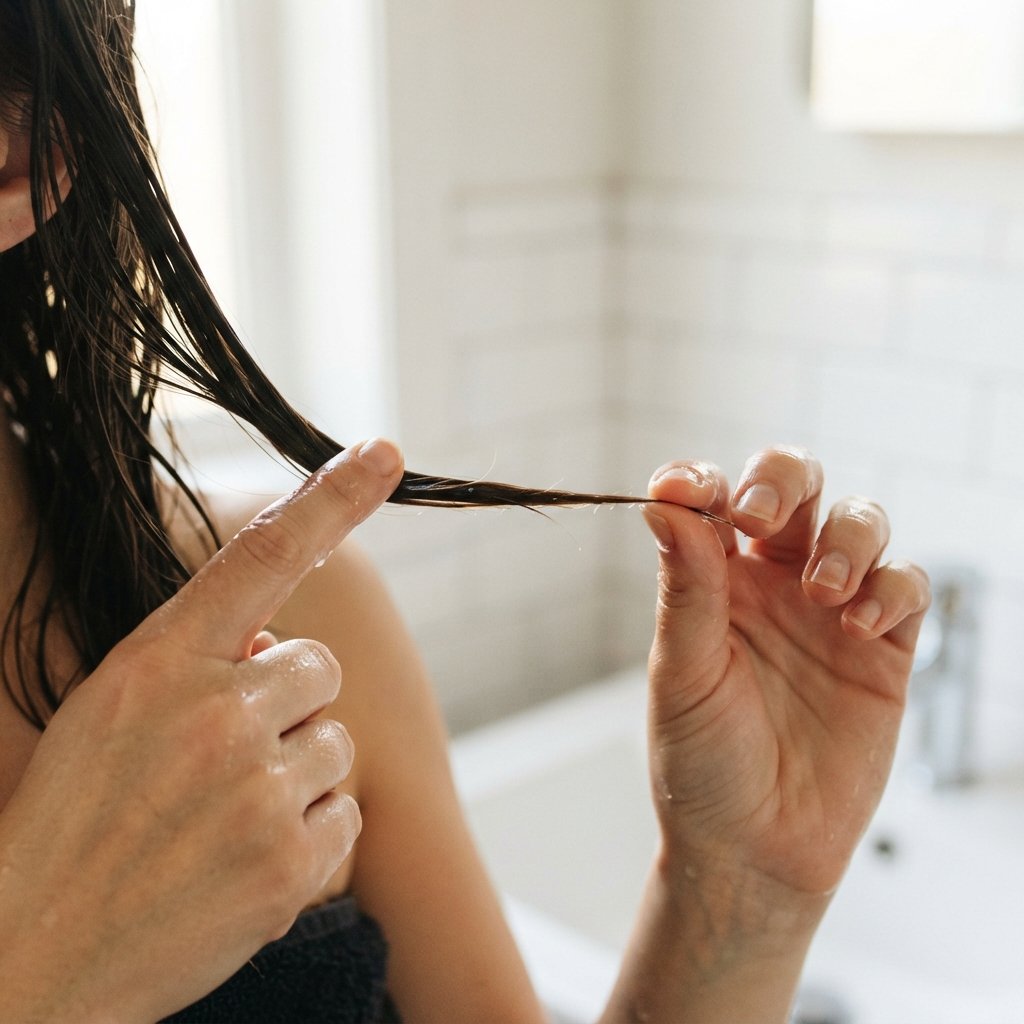
Your hair feels mushy, gummy, or limp when wet. It stretches way too far before snapping back, almost like chewing gum. It tangles easily and feels weak overall.
Breakage shows up as short pieces everywhere, and your strands look stringy instead of full.
If that sounds familiar, add protein. Start gentle with a light protein conditioner, then move up to a full treatment if you need more.
Do it once, then wait. Don’t stack three protein products on one wash day. Give your hair a week to respond before you decide anything.
Signs You Have Too Much Protein
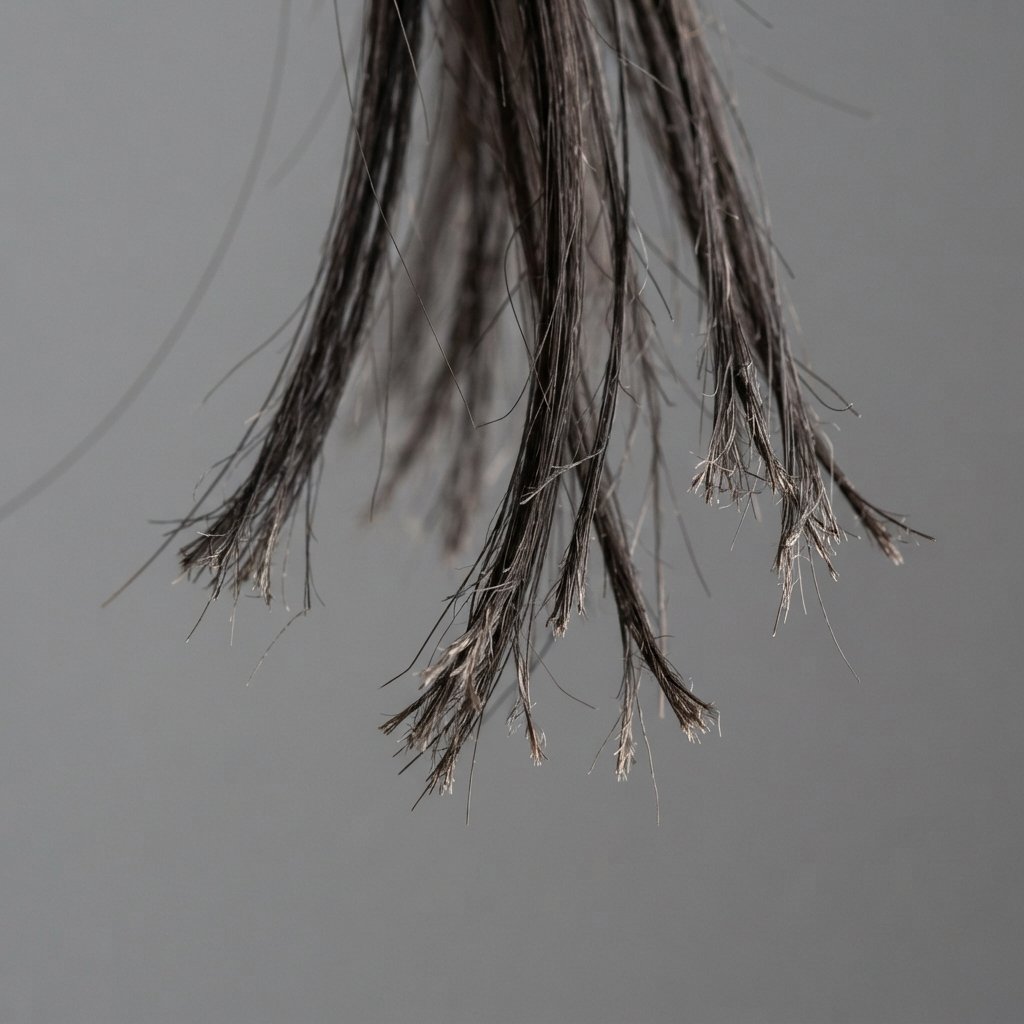
Now the other side. Hair feels stiff, straw-like, and rough. It snaps fast with almost no stretch at all. It looks dull and feels crunchy, especially at the ends.
That’s protein overload. It happens a lot with high-porosity routines, bond builders, and masks stacked back to back.
The fix is simple: back off protein and add moisture. Use a rich, protein-free deep conditioner. Warm it, let it sit, rinse cool.
Most people feel a difference in one or two washes. If you’ve been protein-heavy for months, give it two full weeks of moisture-focused care.
Protein vs Moisture: Not A Fight
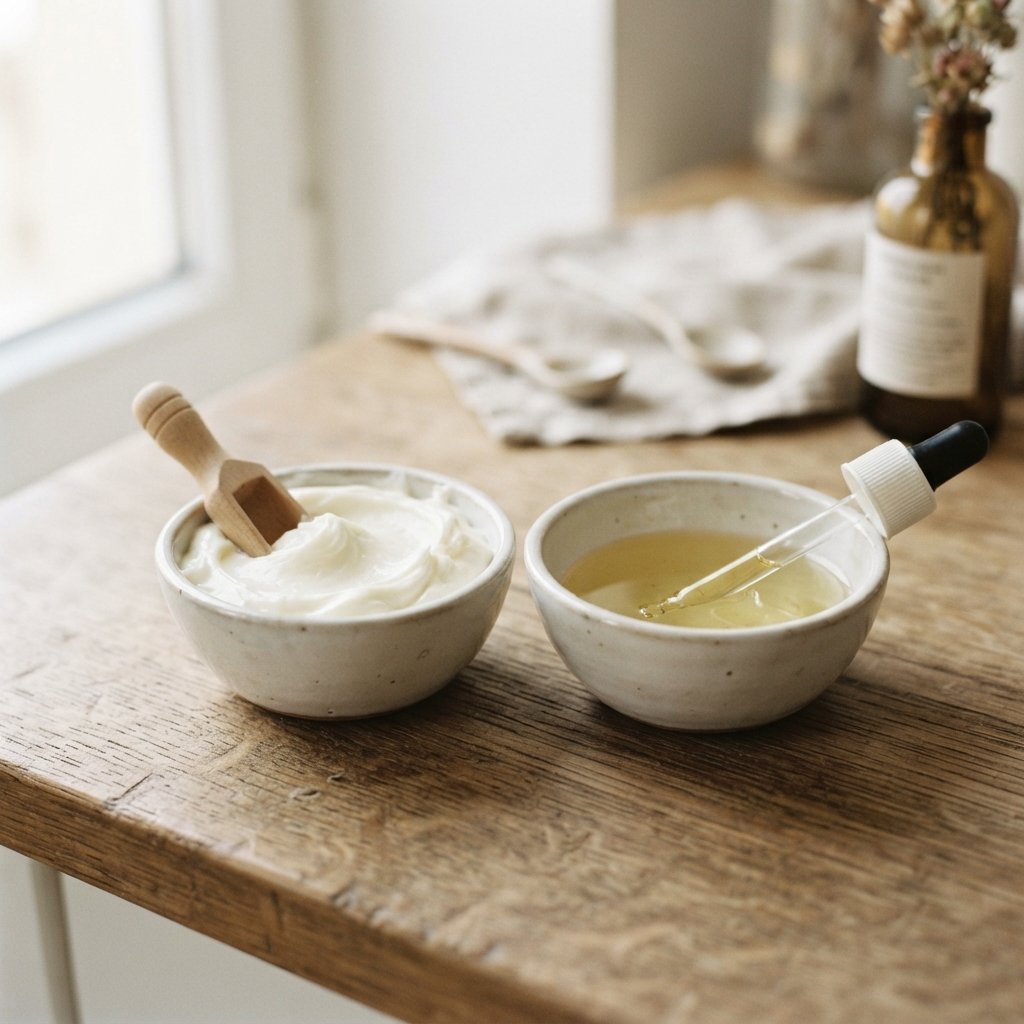
The internet loves to pit these two against each other. It’s not a battle. It’s a seesaw.
Protein strengthens. Moisture softens and adds flexibility. You want hair that stretches a little and bounces right back. That’s the goal.
If your hair snaps with no stretch, you need moisture. If it stretches like gum and won’t bounce back, you need protein.
That single test tells you more than any product label ever will. Try it on a wet strand in the shower.
Once you can read that signal, you’ll stop wasting money on products your hair never needed in the first place.
The Protein-To-Moisture Ratio By Porosity
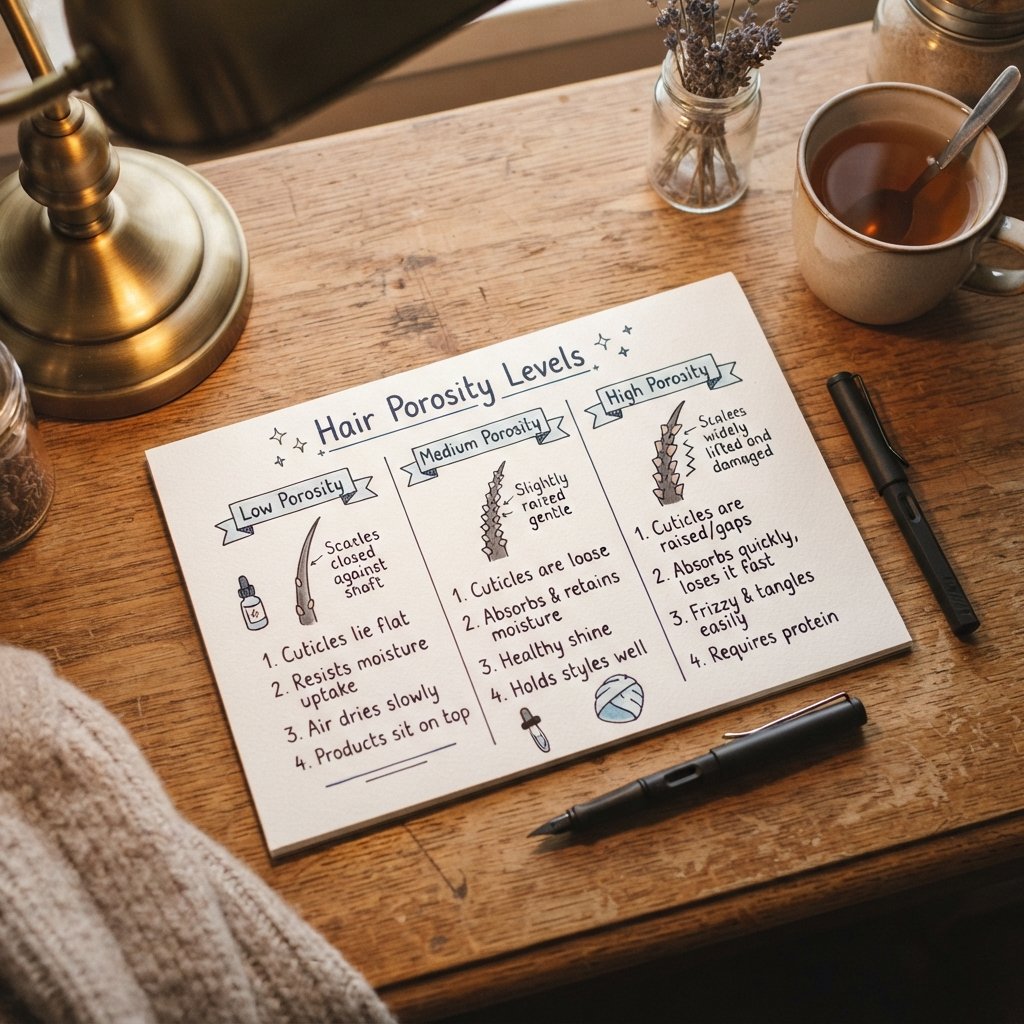
Here’s the quick version.
- Low porosity: mostly moisture, light protein every three to four weeks.
- Medium porosity: balanced, protein every four to six weeks.
- High porosity: moisture plus regular protein, every two to four weeks.
Notice nothing here is daily. Protein is a treatment, not a habit.
Also pay attention to what your hair has been through. Fine hair and color-treated hair usually need more protein than coarse virgin hair. These are starting points, not rules. Your hair will tell you if you’re close.
Reading A Label For Protein
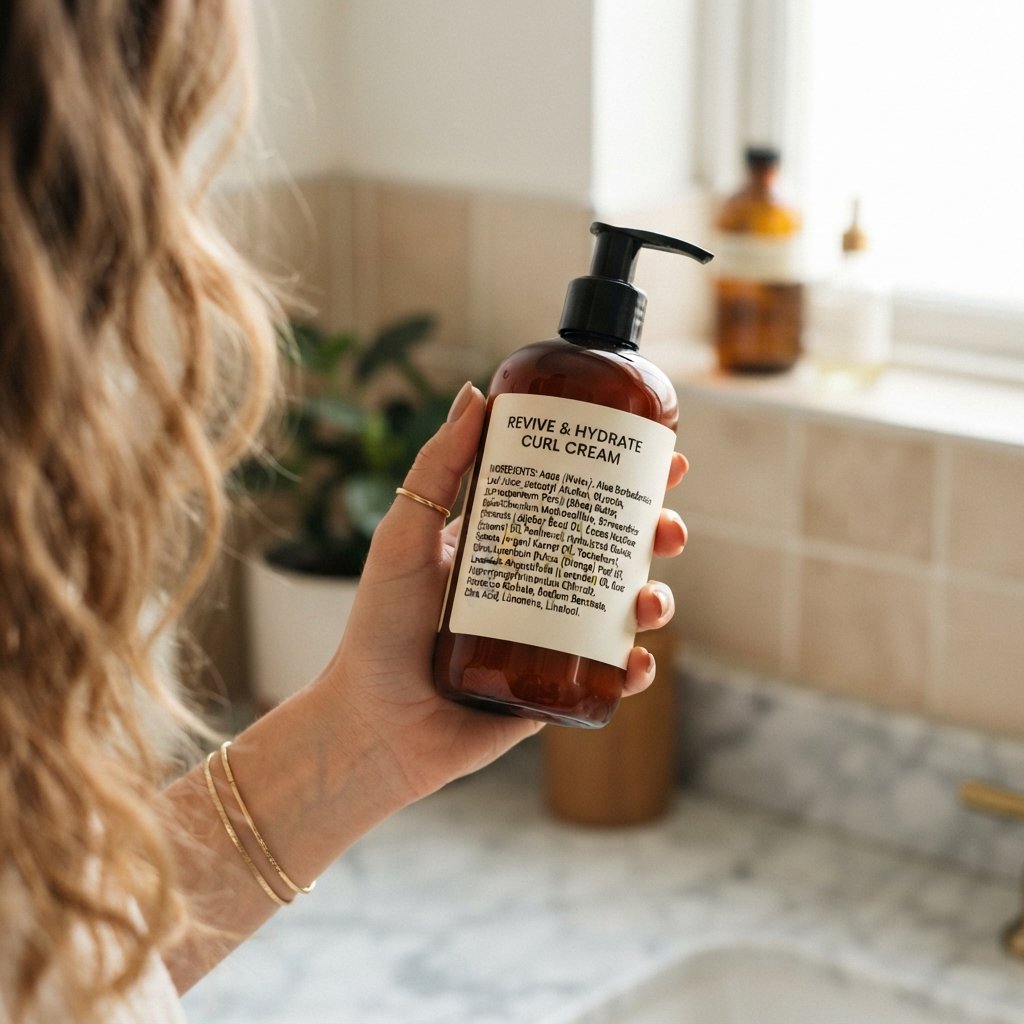
Ingredients are listed by amount, biggest first. So if hydrolyzed wheat protein shows up near the end of the list, it’s a light touch. Near the top, it’s a real treatment.
Look for words like hydrolyzed, amino acids, keratin, collagen, silk protein, rice protein, and wheat protein. Hydrolyzed means the protein is broken small enough to actually get into the strand.
Bond builders are their own category. They’re strong. Use them sparingly, not weekly.
If you see protein in the first five ingredients, treat it like a treatment instead of a daily cream.
Light Proteins vs Heavy Proteins
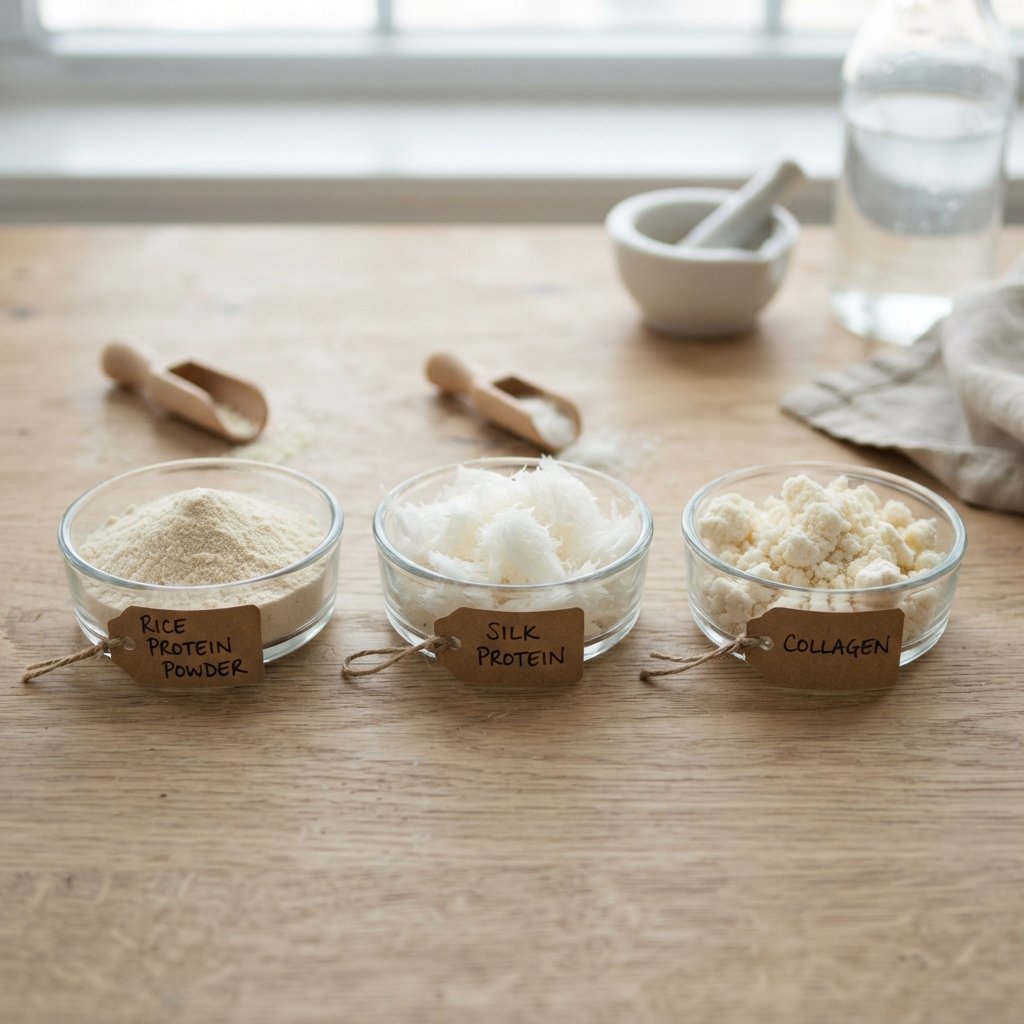
Proteins come in sizes. Small ones like silk, rice, and hydrolyzed wheat get deeper into the strand. Bigger ones like collagen and keratin mostly sit on the surface and patch things up.
For low porosity, stick with small, light proteins in small amounts.
For high porosity, you can handle bigger proteins plus a follow-up moisture layer.
If you’re not sure where to start, choose rice or silk protein. They’re gentle and hard to overdo.
Plant-based options like rice, soy, and pea protein work just as well as animal-based ones. Your hair honestly does not care where it came from.
How Often To Do A Protein Treatment

Once every two to four weeks is the sweet spot for most people. High porosity and damaged hair sits at the two-week end. Low porosity and healthy hair sits at four weeks or less often.
Listen to your hair, not the calendar. If it feels strong and springy, you’re good. If it feels mushy and weak, you’re due.
And always follow protein with moisture. That’s the rule. Protein treatment first, then a hydrating mask or leave-in.
One more thing: don’t do a protein treatment the same day as bleach or a strong chemical service. Give your hair a week to recover first.
Deep Conditioning Done Right
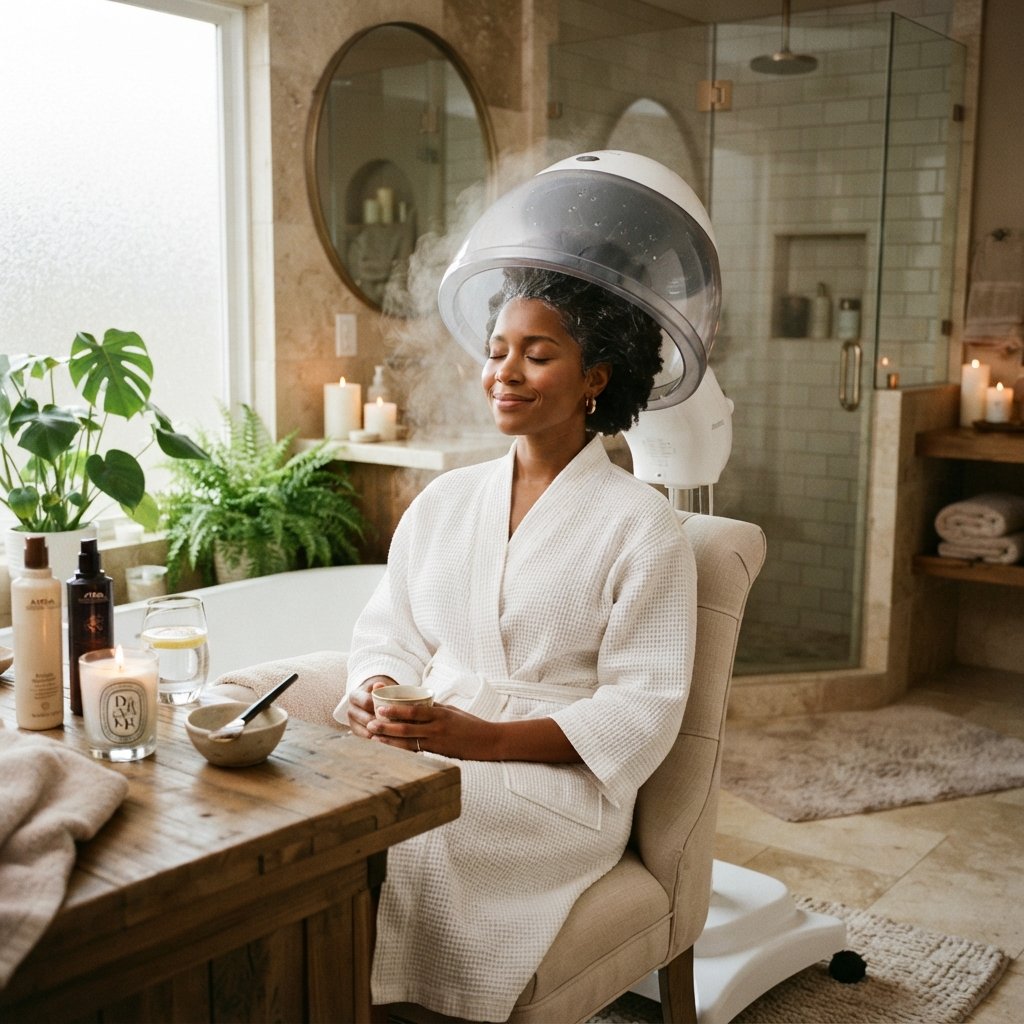
Deep conditioning is where moisture lives. And warmth helps it absorb.
After shampooing, squeeze out excess water. Apply your mask generously. Cover with a plastic cap and a warm towel, or sit under a steamer for 15 to 20 minutes. Rinse with cool water to close the cuticle.
- Low porosity: 10 minutes with heat, light cream formula.
- High porosity: 20 to 30 minutes, richer mask, plus a leave-in after.
Don’t deep condition every single wash. Once a week is plenty, and every other week is fine for low porosity hair.
Heat, Color, And Porosity
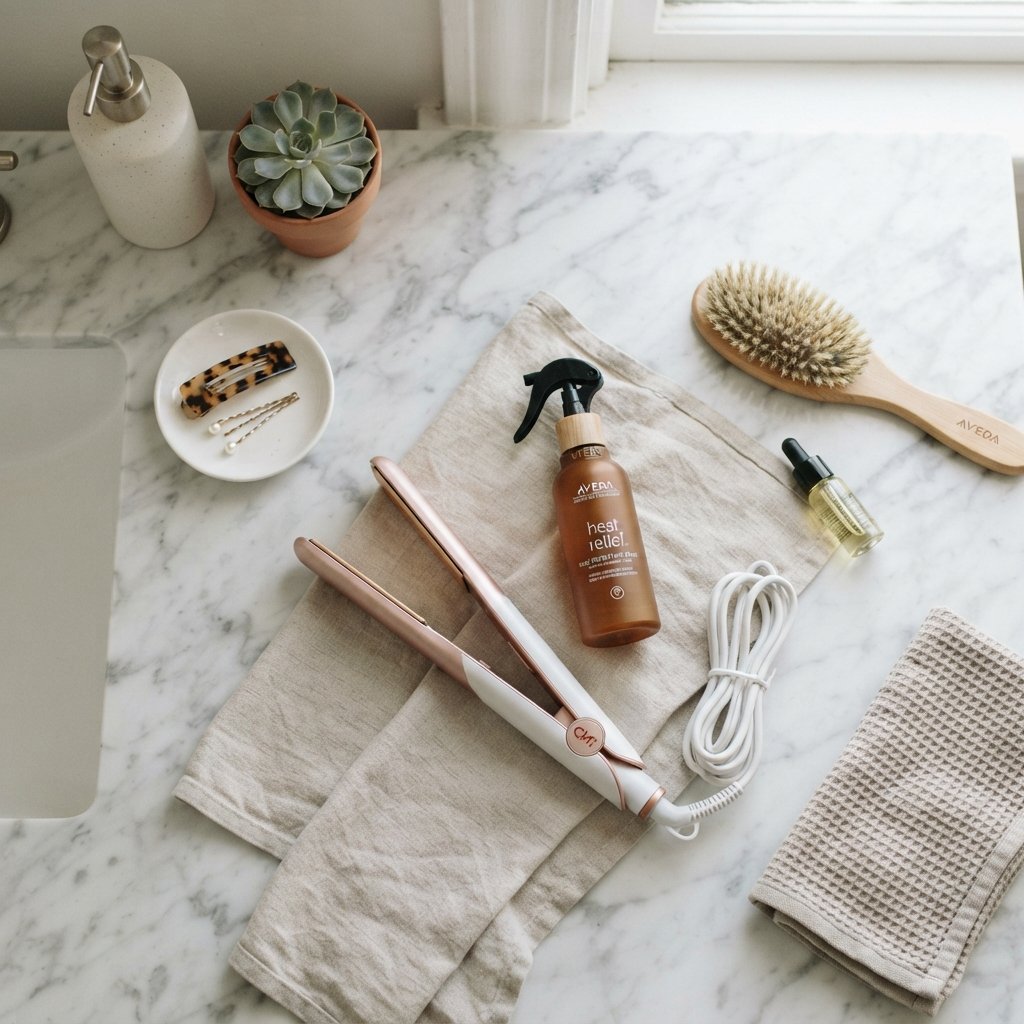
Anything that lifts the cuticle raises your porosity. That’s bleach, permanent color, relaxers, flat irons at high heat, and rough towel drying.
You can’t undo porosity, but you can manage it. Use heat protectant every single time. Keep flat irons under 380 degrees. Air dry when you can.
Touch up your roots instead of pulling color through the whole strand every time.
If your high porosity comes from damage, protein plus moisture is your main strategy. Smoothing treatments and bond builders help too, but they’re not magic. Small habits over a year beat one big rescue mission.
pH Is The Quiet Hero
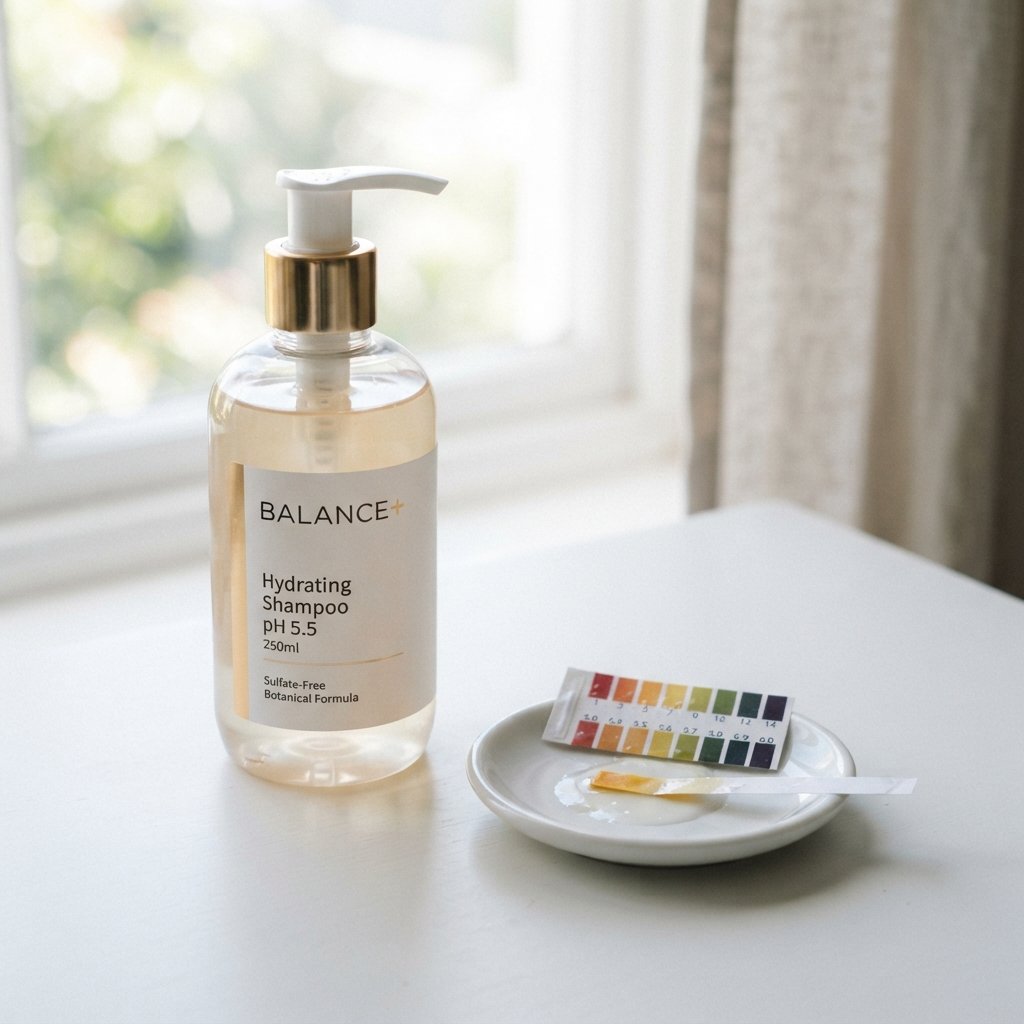
Your hair and scalp like slightly acidic products, around pH 4.5 to 5.5. That range keeps the cuticle flat and shiny.
Shampoos that are too alkaline lift the cuticle and leave hair rough. That squeaky-clean feeling is actually not a good sign.
Look for products labeled pH-balanced or made for color-treated hair. They’re usually in the right range.
A final rinse with cool water and a tiny splash of diluted apple cider vinegar can help flatten the cuticle.
It’s a small step with a big payoff, especially if your porosity runs high.
Protective Styles That Respect Your Porosity

Protective styles cut down on manipulation, which is great for fragile, high porosity hair. But they still need moisture and protein underneath.
Loose braids, twists, and low buns work for most people. Keep the tension gentle around your edges.
For a bold look that’s also protective, try a hime cut, those blunt side pieces frame the face beautifully. The vampire haircut, with its sharp layers and soft length, is another one that looks dramatic and stays low manipulation.
Just remember: any style tight enough to hurt is causing damage. If your scalp is complaining, take it down.
Styling By Porosity: 2026 Hairstyles

Your porosity affects how styles hold. Low porosity hair tends to be smoother and shinier, so sleek looks come easy. High porosity hair has more texture and volume, so it loves movement.
The quiet luxury bob is perfect for low porosity hair. So is old money hair, glossy, smooth, and simple.
If your hair runs high porosity, try romantic goth hairstyles with soft waves, or the asymmetrical lob with a little grit and texture.
Glitchy glam hair, with its sharp edges and unexpected pieces, works on both. Just add a smoothing serum or a texture spray depending on your type.
Asymmetrical Lob Tips

The asymmetrical lob is one of those cuts that suits almost everyone. Longer in front, shorter in back, or one side longer than the other.
It’s forgiving on fine hair because it keeps weight where you need it. And it grows out nicely, which matters if you’re not a salon regular.
For low porosity hair, blow dry smooth with a light serum. For high porosity hair, use a leave-in and let it air dry with a little natural wave.
Ask your stylist to cut it dry or with your natural texture in mind. That’s the trick to a lob that works on day two as well as day one.
Romantic Goth Hairstyles And Protein

Romantic goth hairstyles take a lot of styling. Teasing, heat, product. All of that stresses the strand.
So if this is your vibe, get serious about protein and moisture. Do a light protein treatment a week before a big event, then a moisture mask right before styling.
Use a heat protectant and keep the iron moving. Don’t tease the same section twice in one day.
Soft waves with a deep side part, or long hair with a few face-framing pieces, look romantic and need almost no damage. Velvet ribbons and small clips add the mood without any heat at all.
Your Simple Weekly Routine
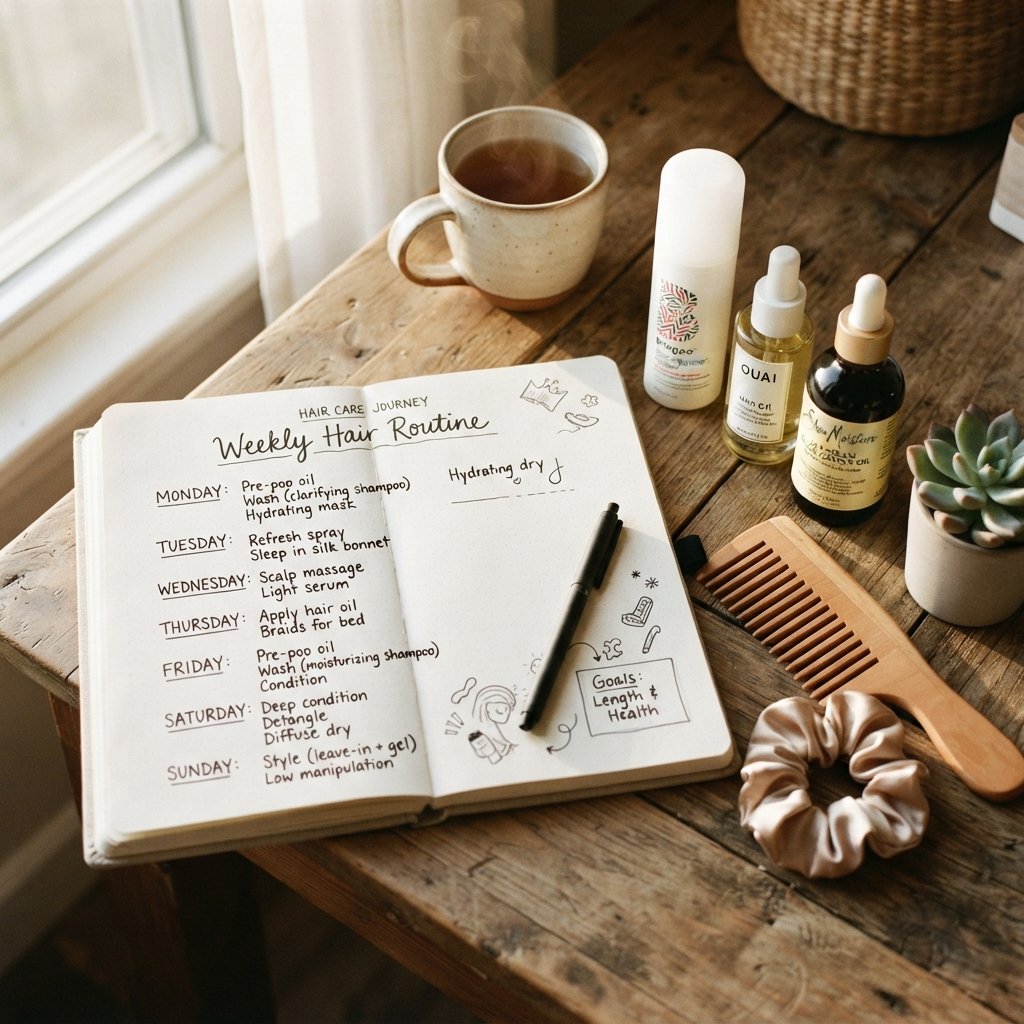
Let’s put it all together. This works for most porosity types with small tweaks.
- Wash one to two times a week with a pH-balanced shampoo.
- Deep condition weekly or every other week.
- Do a protein treatment every two to four weeks, based on porosity.
- Always follow protein with moisture.
- Apply leave-in to damp hair, then seal with a light oil.
- Sleep on satin or silk to reduce friction.
- Trim every 10 to 12 weeks.
That’s it. Simple beats complicated every single time.
Common Mistakes To Skip

A few things that trip people up over and over.
- Doing a protein treatment and skipping moisture after.
- Testing porosity on wet hair instead of dry.
- Using heavy butters on low porosity hair.
- Assuming all damage means you need protein. Sometimes it’s moisture.
- Buying a whole new product line before fixing your ratio.
Slow down. Change one thing. Give it two weeks before you judge it.
Your hair isn’t broken. It’s just asking for a different balance than the one you’ve been giving it.
When To See A Pro

If your hair is breaking in clumps, your scalp is irritated, or you’re seeing patches of thinning, see a professional. That’s beyond what a protein mask can fix.
A stylist can look at your hair in good light and check elasticity. A dermatologist can rule out scalp conditions.
For chemical services, especially lightening, let a pro handle it. High porosity hair plus box bleach is a rough combination.
And if you’re stuck, bring your products in. A good stylist can tell you in five minutes what’s throwing off your balance.
Quick Cheat Sheet To Save
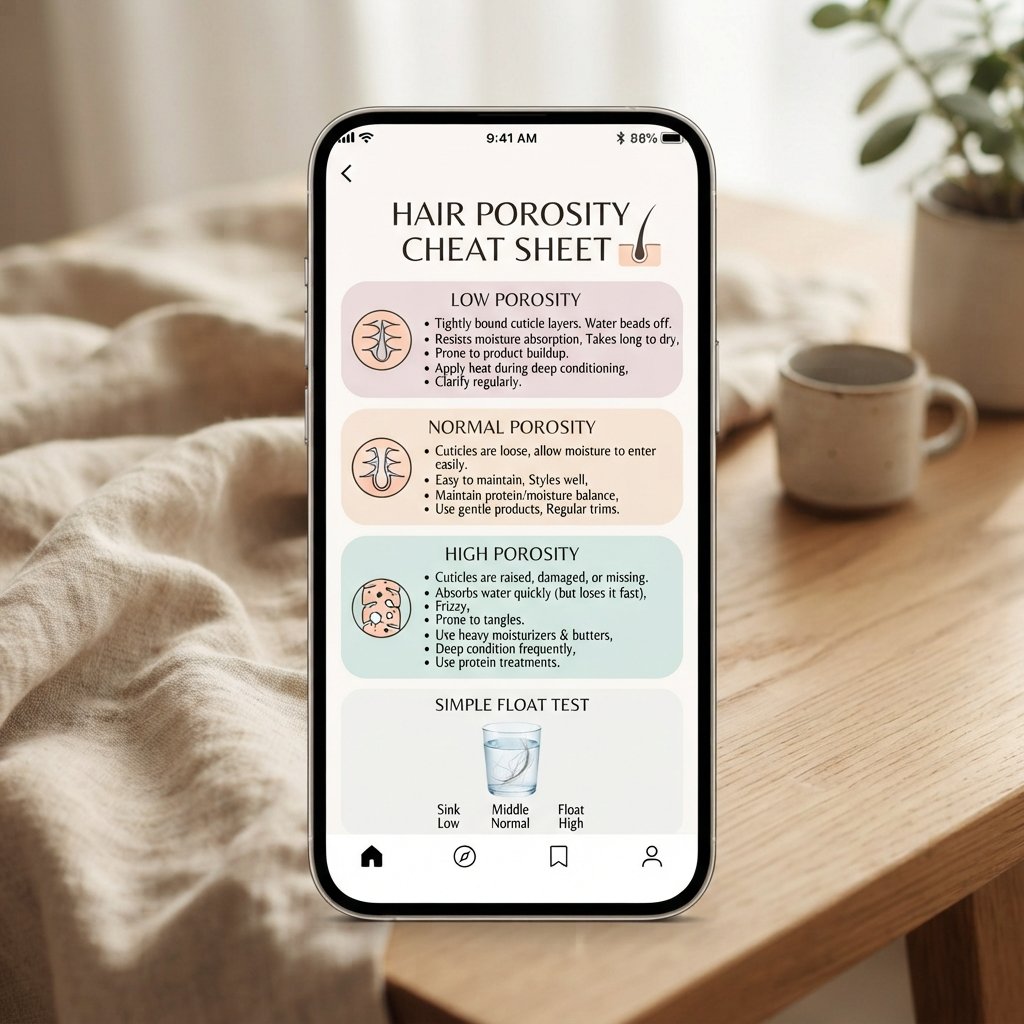
Save this part for the next time you’re standing in the hair aisle.
- Low porosity: light protein every 3 to 4 weeks, lots of moisture, use warmth to help absorption, skip heavy butters.
- Medium porosity: balanced routine, protein every 4 to 6 weeks.
- High porosity: protein every 2 to 4 weeks, rich creams, seal with oil, cool rinse to finish.
And the stretch test: if it snaps, add moisture. If it stretches and won’t bounce back, add protein.
That’s the whole thing in a nutshell.
A Few Last Words From Me
Here’s what I want you to take away. Porosity isn’t a flaw. It’s just information. And once you have it, everything gets easier.
You don’t need a twelve-step routine or a shelf full of products. You need to know your porosity, watch how your hair responds, and adjust slowly.
Protein and moisture are a team, not competitors. Give your hair both, in the right amounts, and it will show you the difference within a month.
If you try the stretch test this week, tell me what you find in the comments. I read every single one, and I love hearing what finally clicked for you.
Save this post to Pinterest so you can find your porosity ratio the next time your hair feels off. And drop a comment telling me your porosity type, low, medium, or high. Let’s figure this out together.

