Relationships

The Art of Listening: Why It’s Your Relationship Superpower

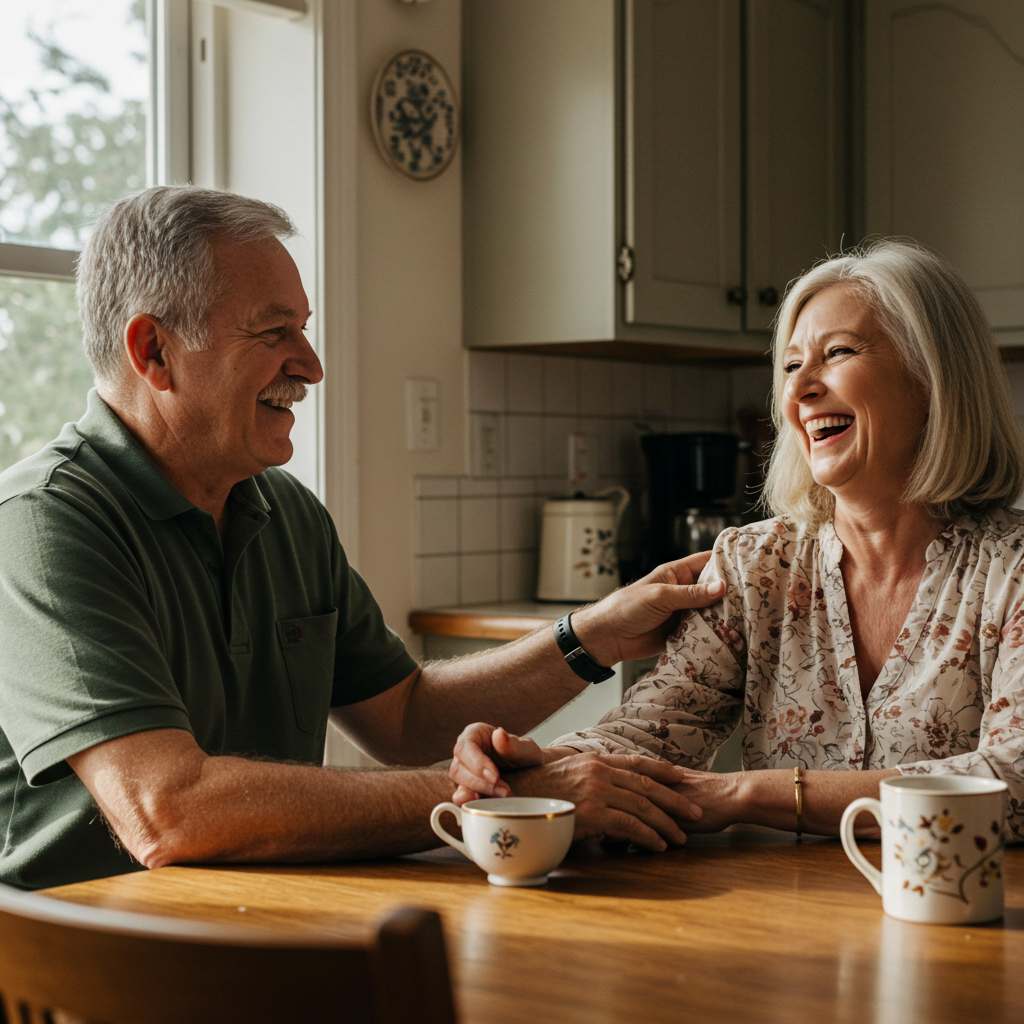
Have you ever felt like you’re talking but not being heard? Or perhaps you’ve noticed your partner’s eyes glaze over when you share something important? In today’s fast-paced world, genuine listening has become a rare commodity—yet it’s the secret ingredient that transforms good relationships into extraordinary ones. As a relationship psychologist, I’ve seen how mastering this simple but profound skill repairs broken connections, deepens intimacy, and creates emotional safety that allows love to flourish.

The Neuroscience Behind Being Heard

When someone truly listens to us, our brain releases oxytocin—the bonding hormone that creates feelings of trust and connection. This biological response explains why being heard feels so profoundly validating. Studies using fMRI scans show that when people feel listened to, the same brain regions light up as when we experience physical warmth and comfort. Conversely, when we feel dismissed, our brain processes it similarly to physical pain.

Consider Sarah and Mark, a couple I worked with recently. Sarah complained Mark never listened, while Mark insisted he “heard every word.” The breakthrough came when we identified Mark’s habit of problem-solving before Sarah finished speaking. Hearing words isn’t the same as listening to meaning. When Mark learned to pause and reflect Sarah’s feelings first (“It sounds like you’re overwhelmed about the project deadline”), their communication transformed.


Save to Pinterest
Not an actual Photo

The Three Levels of Listening (Most People Never Go Beyond Level 1)

True listening operates at different depths:

Level 1: Surface Listening – Hearing words while distracted by your own thoughts or formulating a response. This is where most everyday conversations live.

Level 2: Focused Listening – Giving full attention to both words and nonverbal cues like tone and body language.

Level 3: Empathic Listening – Sensing the emotions and needs beneath the words. This creates profound emotional resonance.

Try this self-reflection: When your partner last shared something stressful, did you jump to advice (Level 1), acknowledge their feelings (Level 2), or connect with their underlying vulnerability (Level 3)?

Save to Pinterest
Not an actual Photo

Listening as Emotional First Aid

During conflicts, most couples fall into the “talk-listen switch” trap—waiting for their turn to speak rather than absorbing their partner’s perspective. The revolutionary alternative? Practice “looping”—where you paraphrase what you heard before responding. This simple technique:

  • Reduces defensive reactions by 40% according to couples therapy research
  • Creates space for vulnerability to emerge
  • Prevents the common “But that’s not what I meant!” frustration

James and Priya avoided a major breakup using this method. When James said, “You’re always working,” Priya initially heard criticism. After looping (“So you’re feeling lonely and miss our connection?”), the real issue surfaced—James missed their Saturday morning rituals.

Save to Pinterest