
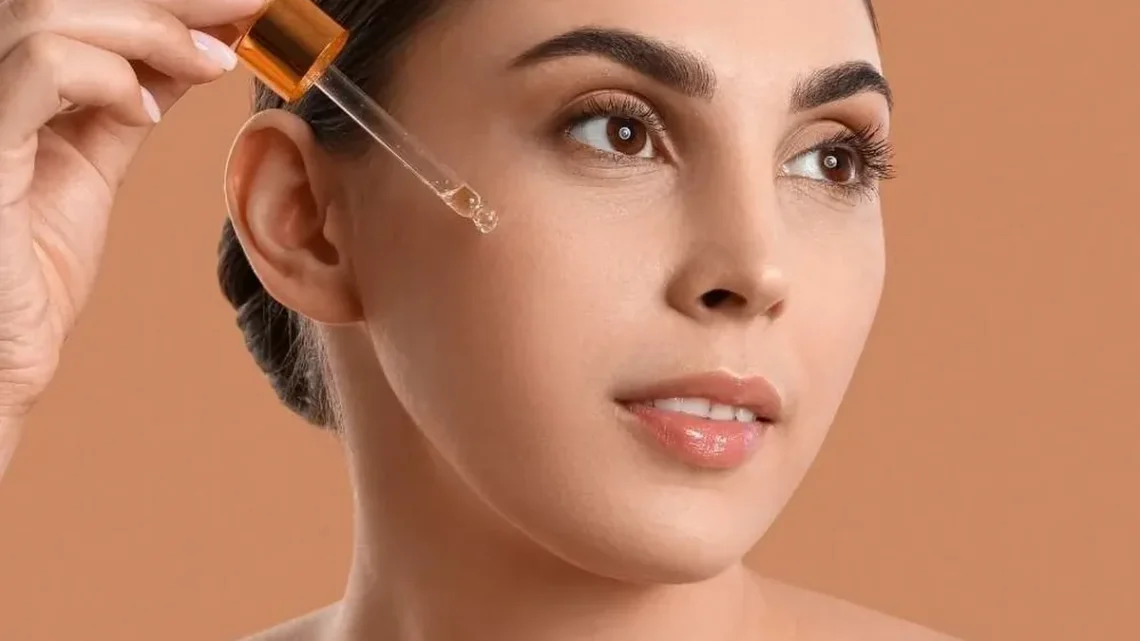
Every few years a skincare ingredient quietly goes from niche to essential, and squalane oil for face is having that moment right now. It is not flashy, it does not tingle, and it will never be the loudest bottle on your shelf — but it is the one your skin recognises instantly, because your own skin already makes something very like it. Squalane is a lightweight, non-comedogenic oil that mimics the squalene your skin produces naturally, and it sinks in fast, softens without grease, and suits almost every skin type, including oily and acne-prone skin.
This guide covers everything you need to know before you buy a bottle: what squalane actually is, why it helps, which skin types it suits, how to use it in the right order, how much to use, the mistakes that waste it, and how it compares with other face oils. Then come 35 practical ways to use it — morning and night, with retinol and vitamin C, in winter and summer, under makeup and after exfoliation — plus direct answers to the questions people ask most, and a simple four-week plan for starting out.
What Squalane Oil Actually Is
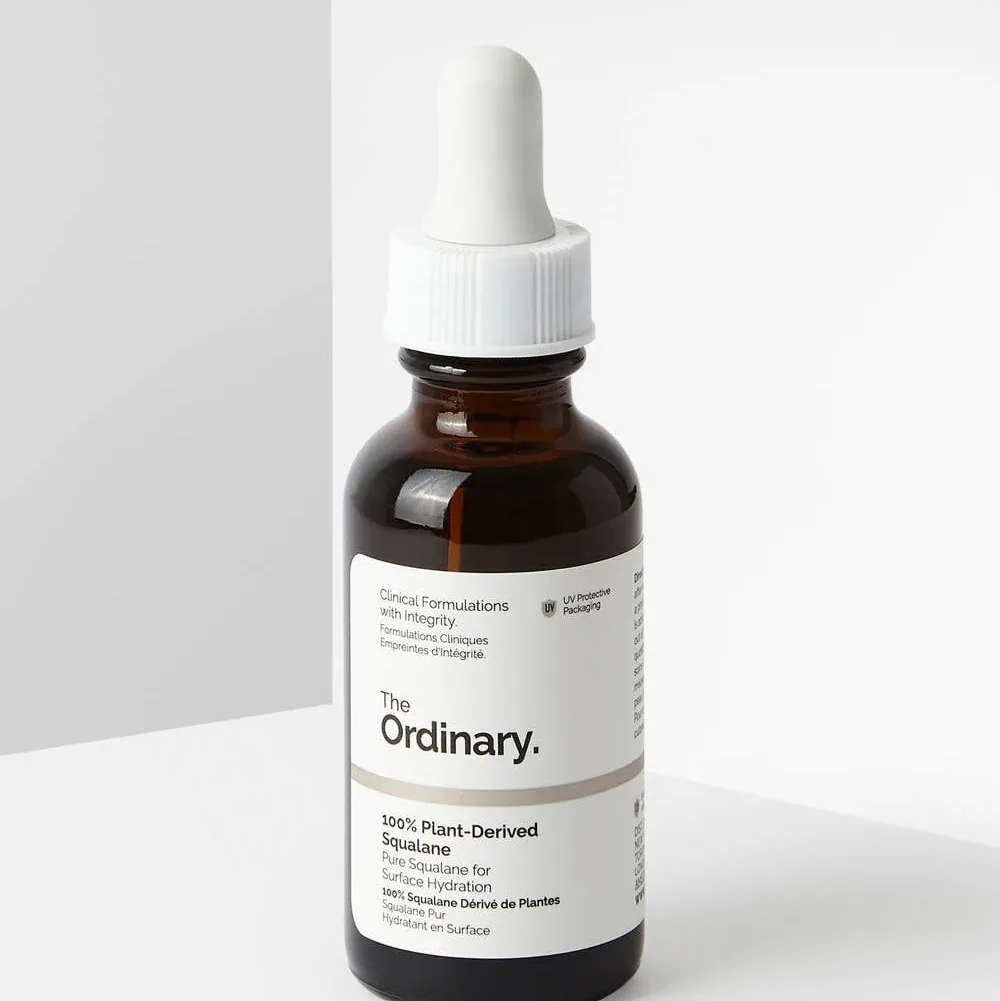
Squalane is a stable, skin-identical oil made by hydrogenating squalene, a lipid your own skin produces as part of its natural sebum. Squalene is wonderfully skin-friendly, but it oxidises quickly in a bottle, so skincare brands convert it into squalane, which stays stable on the shelf and keeps the same silky, fast-absorbing feel. Most squalane today comes from olives or sugarcane, and a good bottle should list just one ingredient: 100% squalane. There is nothing else in it — no fragrance, no essential oils, no fillers — which is a large part of why so many people tolerate it so well.
What it is: a stable version of your skin’s own squalene, usually from olives or sugarcane. Why it matters: because it is skin-identical, it absorbs fast and rarely causes reactions. Who it suits: almost everyone, from dry to oily skin. How to spot a good one: a short ingredient list that starts and ends with squalane. Common mistake: confusing squalane with squalene — the first is the stable, bottled version; the second is the raw lipid your skin makes.
Why Your Skin Loves Squalane So Much
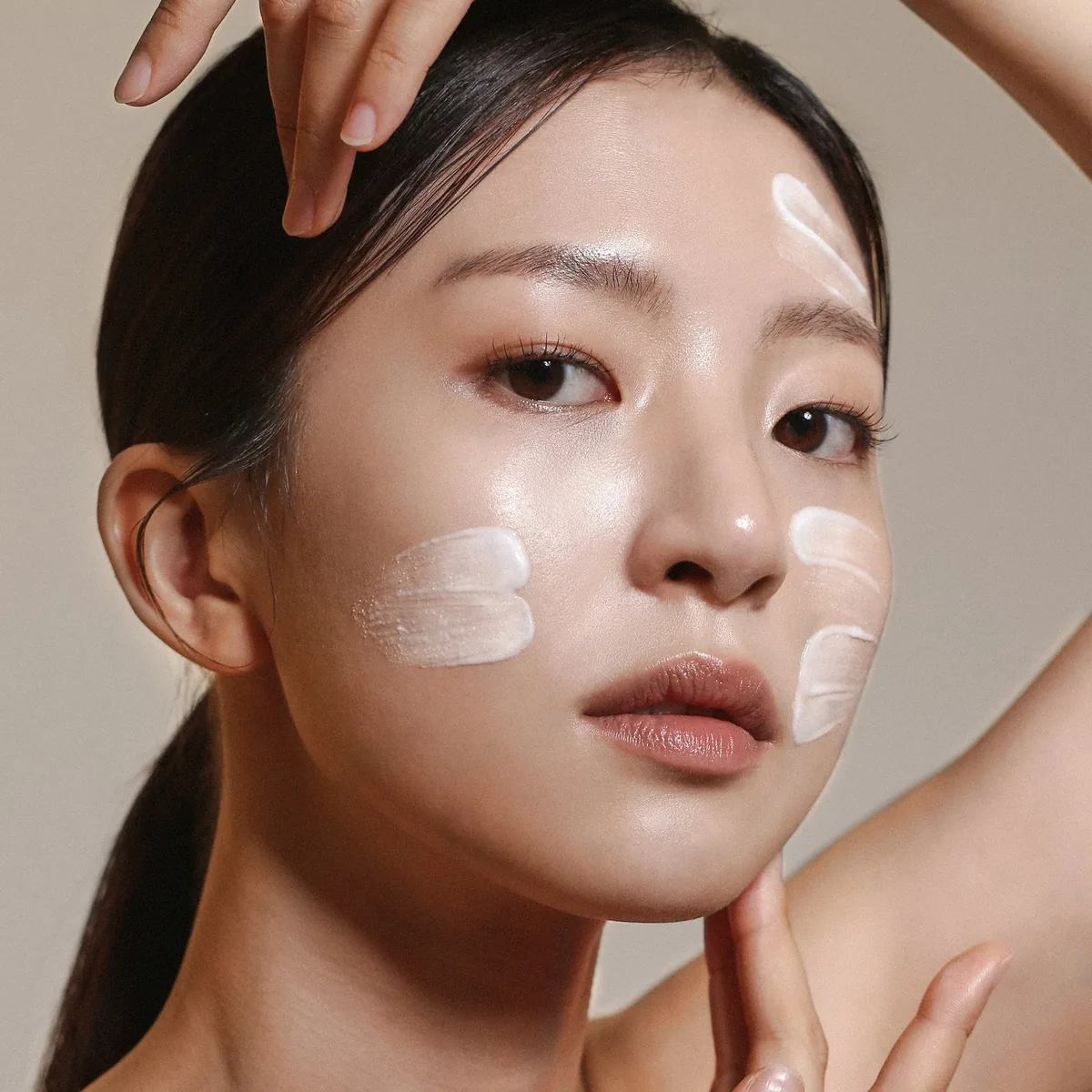
Skin loves squalane because it does not have to learn to live with it — it already knows it. Squalane sits in your skin’s natural moisture barrier, and topping it up helps that barrier hold water in and irritants out. The result is skin that feels softer and looks smoother, with less tightness after washing and fewer flaky patches. Because it is so light and non-comedogenic, it moisturises without clogging pores or leaving a heavy film, which is why dermatologists often recommend it to people who think they cannot use face oils at all.
What it does: reinforces the moisture barrier and locks water in. Why it works: it mimics a lipid your skin already makes, so it absorbs cleanly. Best for: tight, dehydrated or sensitised skin that needs comfort, not more actives. What to expect: softer skin in days, a smoother barrier in weeks. Quick verdict: the gentlest way to make your skin feel like skin again.
Which Skin Types Squalane Suits Best

Dry skin is the obvious match: squalane adds the oil that dry skin is missing, so flakiness and tightness ease quickly. But oily skin benefits too, because squalane is light, does not clog pores, and can help the skin feel balanced rather than stripped — many people with oily skin find a few drops stop the midday shine from getting worse, because their skin is no longer over-producing oil to compensate for dryness. Sensitive skin loves its one-ingredient simplicity, combination skin can use it only where needed, and mature skin appreciates how it softens the look of fine lines by plumping the surface with moisture.
Dry skin: an easy yes — it replaces missing lipids. Oily skin: yes, in small amounts; it will not make you greasier. Sensitive skin: often the safest face oil to try first. Combination skin: use it on the dry zones and skip the oily ones. Patch test first: even gentle ingredients deserve a test on your jawline for two or three days.
How to Use Squalane Oil, Step by Step
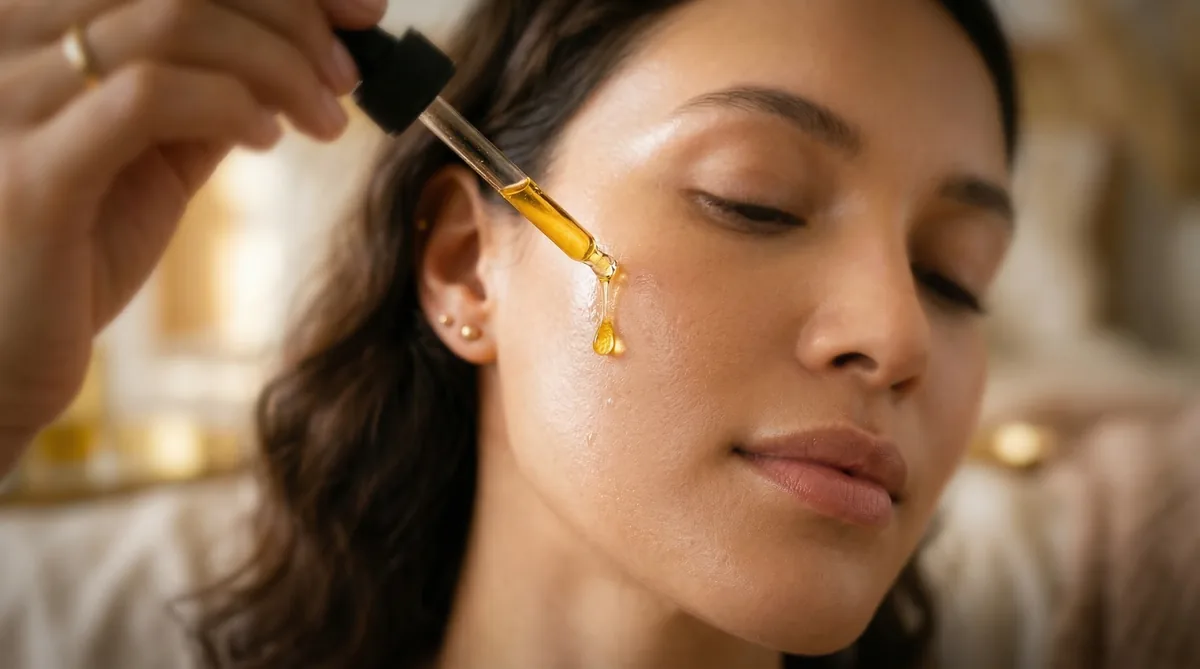
The order is simple: cleanse, apply any water-based serums, then press two to three drops of squalane over your face while the skin is still slightly damp, and finish with moisturiser if your skin needs it — or use the squalane as your last step instead. Warm the drops between your palms first, then press them gently into the skin rather than rubbing, and do not forget your neck. In the morning, squalane sits happily under sunscreen and makeup; at night, it seals in everything you applied before it. It works twice a day, every day, and it plays well with almost every other product in your routine.
Step one: cleanse, then apply water-based serums first. Step two: warm 2–3 drops between your palms. Step three: press into slightly damp skin, face and neck. Step four: follow with moisturiser, or let the squalane be the last step. Common mistake: applying it before a water-based serum — oil blocks water, so serums go first.
How Much Squalane Oil Should You Use?

Less than you think. Two to three drops cover the whole face, and four to five cover face and neck. One drop is enough if you are mixing it into moisturiser or foundation, and half a drop pressed onto a single dry patch can be all a spot treatment needs. Using more does not make it work faster — it just sits on the surface, feels greasy, and can pill under sunscreen or makeup. A 30 ml bottle used at three drops twice a day lasts most people three to four months, which makes squalane one of the best-value steps in a routine.
Face only: 2–3 drops, twice a day. Face and neck: 4–5 drops. Mixed in: 1 drop into moisturiser or foundation. What to avoid: pouring it straight from the bottle — use the dropper and count. Quick verdict: if your skin looks shiny an hour later, you used too much.
Squalane vs Other Face Oils: Jojoba, Rosehip and Argan
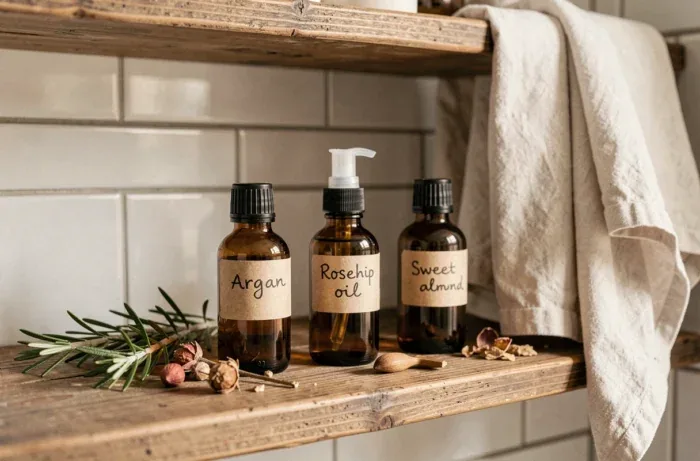
Jojoba is the closest rival: it also mimics sebum, absorbs well, and suits oily skin, but it can feel slightly waxier on some people. Rosehip is richer in fatty acids and vitamin A, which makes it better for scarring and pigmentation, but it oxidises faster and can irritate very sensitive skin. Argan is nourishing and lovely for very dry skin, yet it is heavier and slower to sink in than squalane. Squalane wins on lightness, stability and tolerance — it is the oil to choose when you want hydration without weight, scent or risk, and the one to reach for first if other oils have broken you out.
Choose squalane when: you want the lightest, most forgiving oil. Choose jojoba when: you like a sebum-like feel and a little more texture. Choose rosehip when: fading scars or dark marks is the priority. Choose argan when: your skin is very dry and you want richness. Pros and cons: squalane is the safest all-rounder; the others each do one thing better.
Common Mistakes That Waste Your Squalane Oil
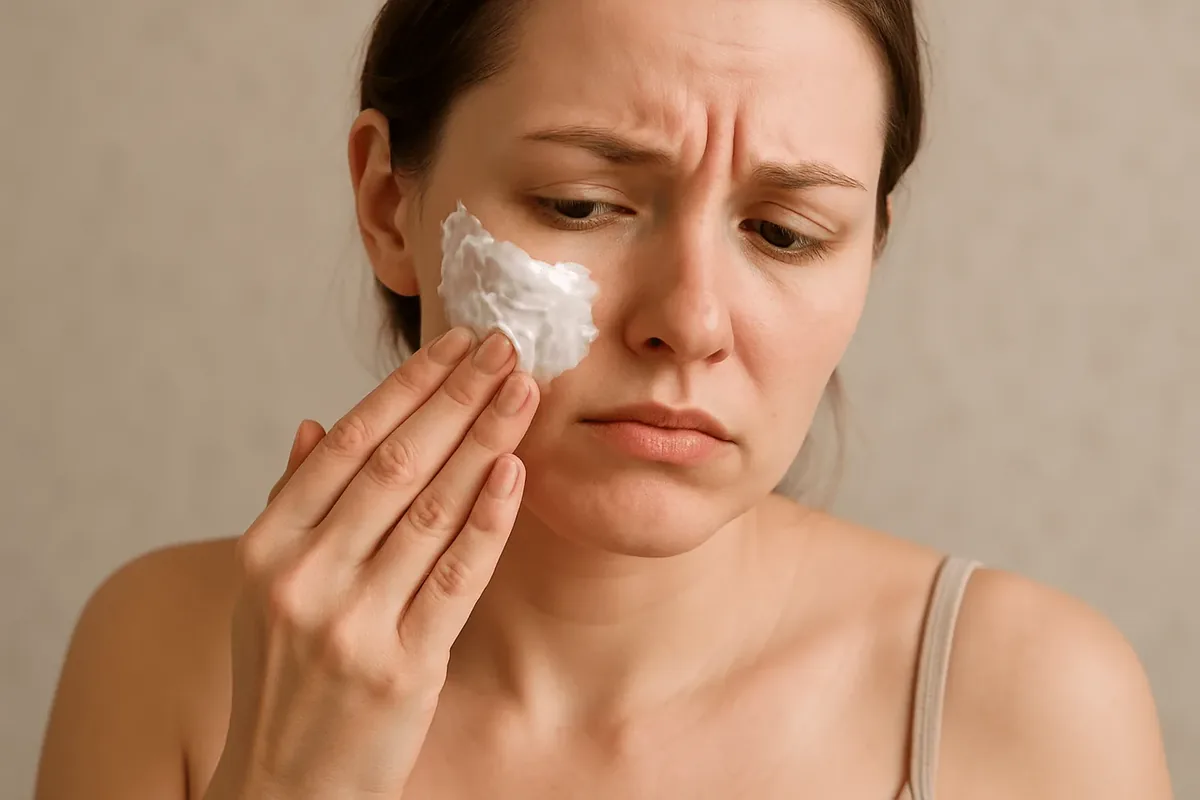
The most common mistake is using too much: a palmful of oil does not hydrate better than three drops, it just greases your pillow. The second is putting it on before water-based serums, which traps the serum out instead of sealing it in. The third is rubbing hard instead of pressing gently, which can irritate sensitised skin. The fourth is skipping sunscreen, because no oil — squalane included — protects you from the sun. And the fifth is expecting overnight miracles: squalane improves softness fast, but barrier repair and smoother fine lines take three to four weeks of steady use.
Mistake one: using too much and blaming the oil for the grease. Mistake two: oil before serum, which blocks absorption. Mistake three: rubbing instead of pressing. Mistake four: treating it as sun protection — it is not. How to avoid them: count your drops, layer water first, and give it a month.
How to Choose a Good Squalane Oil
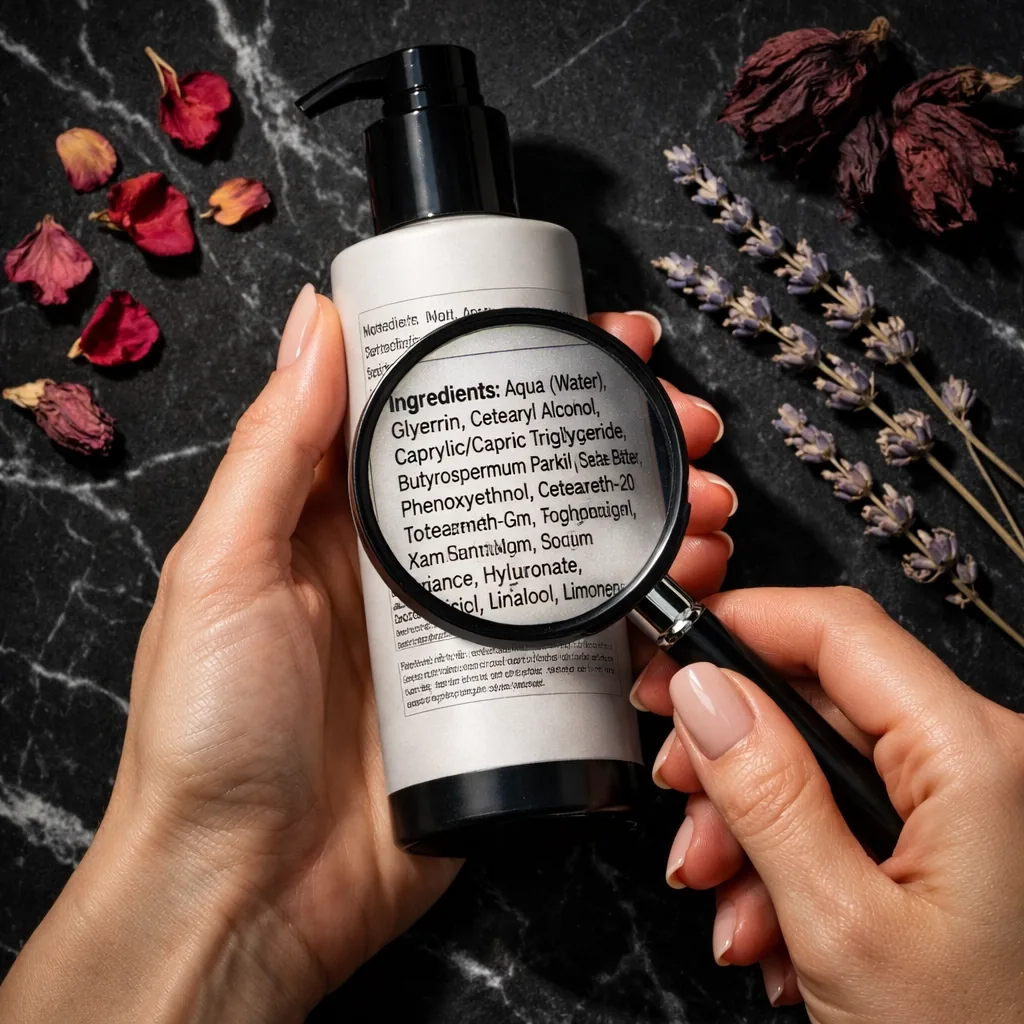
A good squalane oil is boring in the best way. Look for 100% squalane on the ingredient list, fragrance-free and essential-oil-free, in a dark glass bottle with a dropper that lets you count your drops. Olive-derived and sugarcane-derived squalane both work well — olive tends to feel a touch richer, sugarcane a touch lighter, but most people cannot tell them apart on the skin. Price is a poor guide: squalane is not an expensive ingredient, so a simple, affordable bottle is often identical in effect to a luxury one. Skip blends that hide a little squalane among many other oils, and skip anything with added fragrance if your skin is sensitive.
Must-have: 100% squalane, fragrance-free, dark glass bottle. Source: olive or sugarcane — both are good. Cost: affordable bottles work as well as luxury ones. What to avoid: blends with hidden extras and added fragrance. Quick verdict: buy the simplest bottle you can find, and spend the saving elsewhere.
1. The Morning Glow: Squalane Oil to Start Your Day
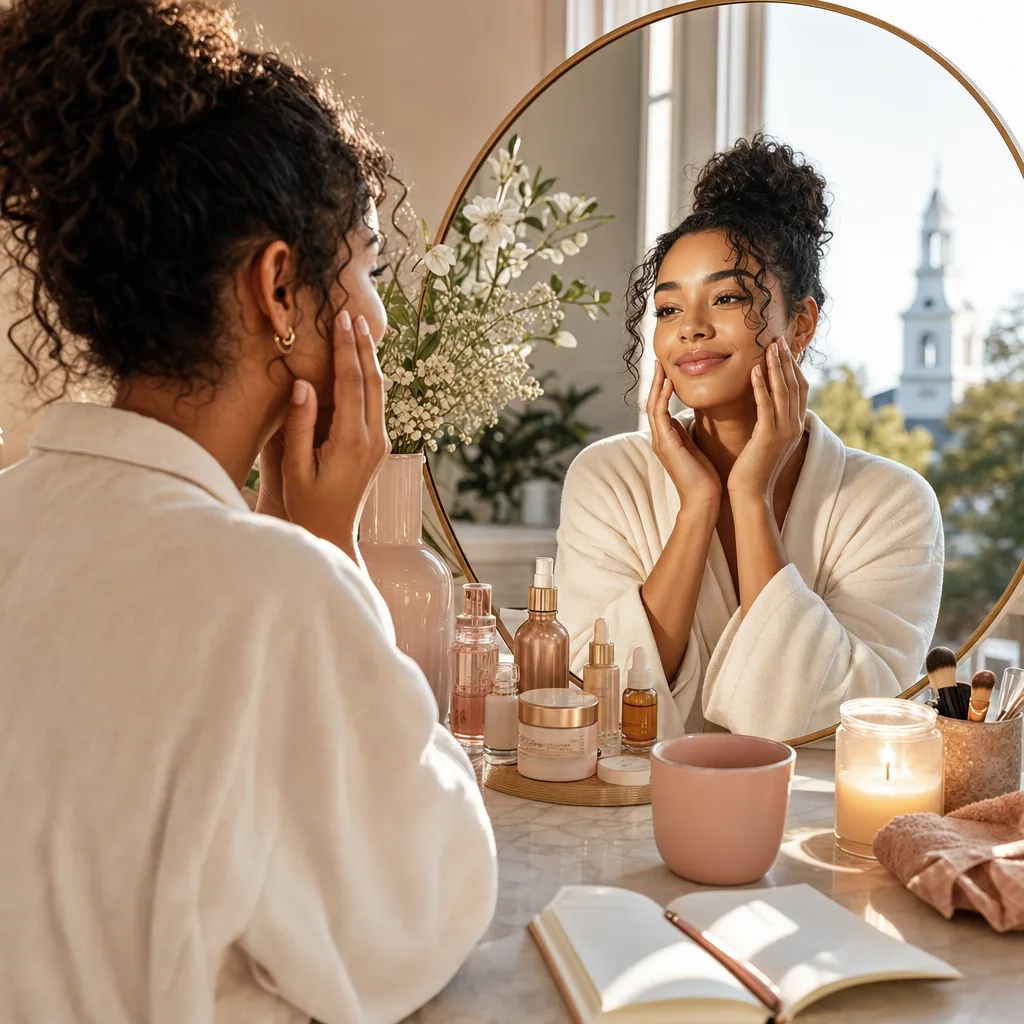
A morning drop of squalane is the easiest way to make your skin look awake before you have had your coffee. After cleansing and any vitamin C or hydrating serum, press two drops over your face while it is still slightly damp, wait a minute, then apply sunscreen. The oil smooths the surface so your sunscreen spreads evenly and your skin catches the light instead of looking flat and tired. It also stops that tight, stripped feeling that some morning cleansers leave behind, which means your skin starts the day comfortable rather than already asking for help.
Best for: anyone whose skin looks dull first thing. How to use it: 2 drops after serum, before sunscreen. Layering order: cleanse, serum, squalane, sunscreen. What to avoid: applying it after sunscreen — oil goes under, never over. Quick verdict: a one-minute step that makes the whole morning routine look better.
2. The Night Repair: Squalane Oil While You Sleep
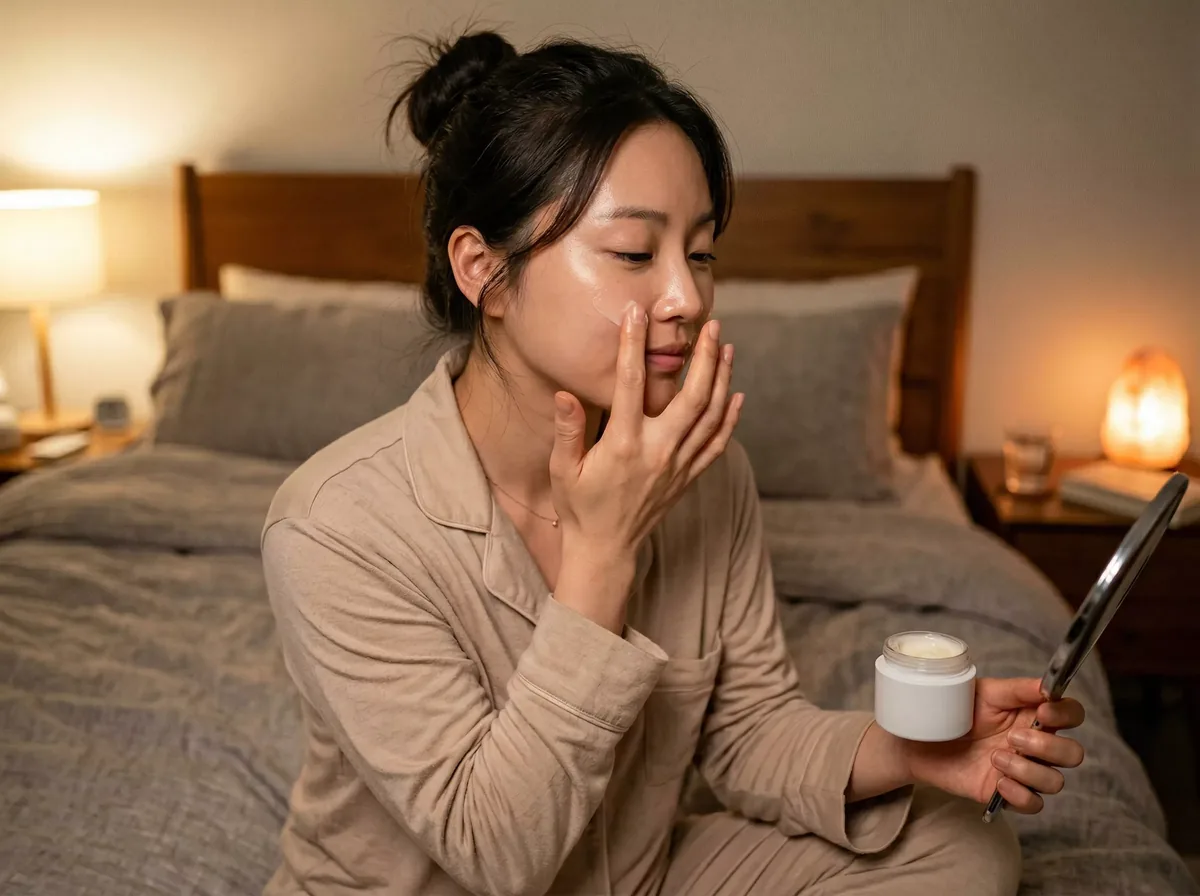
Night is when squalane does its best work, because your skin loses more water while you sleep and there is no makeup or sunscreen in the way. After cleansing and any treatment serums, press three drops over your face and neck as the last step, or mix one drop into your night cream for extra comfort. The oil forms a light seal that slows overnight water loss, so you wake up with skin that feels soft and plump instead of tight and papery. It will not stain your pillow the way heavier oils can, and it will not make you break out — which is why so many people make it their permanent last step at night.
Best for: dry, dehydrated or tired-looking skin. How to use it: 3 drops as the last step, or 1 drop mixed into night cream. Pros: seals in serums and stops overnight water loss. Cons: it cannot replace a treatment serum — it protects, it does not treat. Quick verdict: the simplest overnight repair you will ever use.
3. Squalane Oil for Dry Skin That Feels Tight All Day
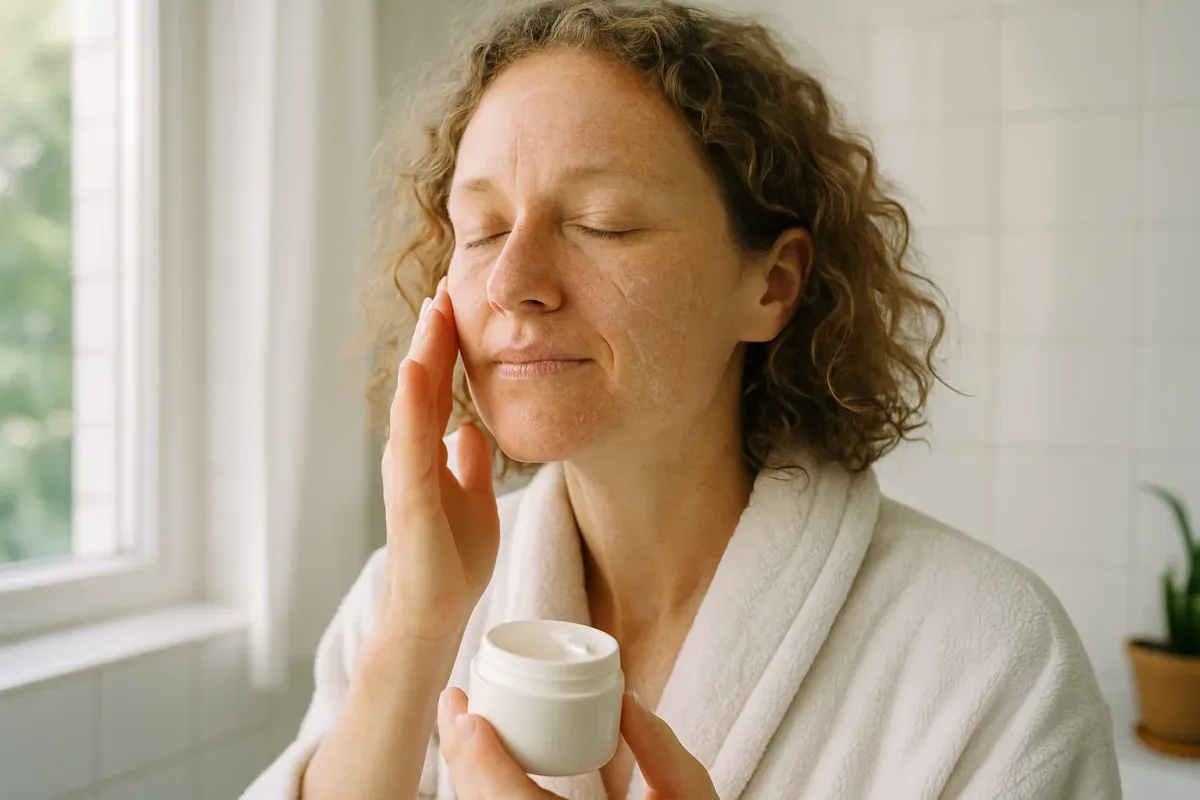
Dry skin is missing oil, not just water, and that is exactly what squalane replaces. If your face feels tight an hour after washing, flakes around your nose and brows, or looks fine in the morning and papery by lunch, two to three drops morning and night will change how it feels within a few days. Use it after a hyaluronic acid serum on damp skin for the best effect — the serum pulls water in, the squalane keeps it there — and add an extra drop on any flaky patch. Most people with dry skin end up using squalane twice a day, every day, and reaching for heavier creams far less often.
Best for: tight, flaky, uncomfortable dry skin. How to use it: after hyaluronic acid on damp skin, 2–3 drops twice daily. What to expect: less tightness in days, fewer flakes in two weeks. Common mistake: using oil alone on dry skin — pair it with a water-based serum. Quick verdict: if dry skin is your main complaint, this is the bottle to buy first.
4. Squalane Oil for Oily Skin: Yes, It Really Works

It sounds wrong — putting oil on oily skin — but squalane is one of the few oils that oily skin genuinely likes. It is non-comedogenic, which means it does not clog pores, and it is so light that it sinks in within a minute instead of sitting on top. Many people with oily skin find that a single drop in the morning, pressed in after a light gel moisturiser, actually reduces the midday shine, because skin that is properly hydrated stops over-producing oil to compensate. Start with one drop, once a day, and only increase if your skin stays comfortable. If you have spent years avoiding face oils, squalane is the one to try first.
Best for: oily skin that still feels dehydrated underneath the shine. How to use it: 1 drop in the morning, after a light moisturiser. Pros: light, non-comedogenic, can calm over-production of oil. Cons: too much will look shiny — count your drops. Quick verdict: the exception that proves oily skin can use oil.
5. Squalane Oil for Acne-Prone Skin
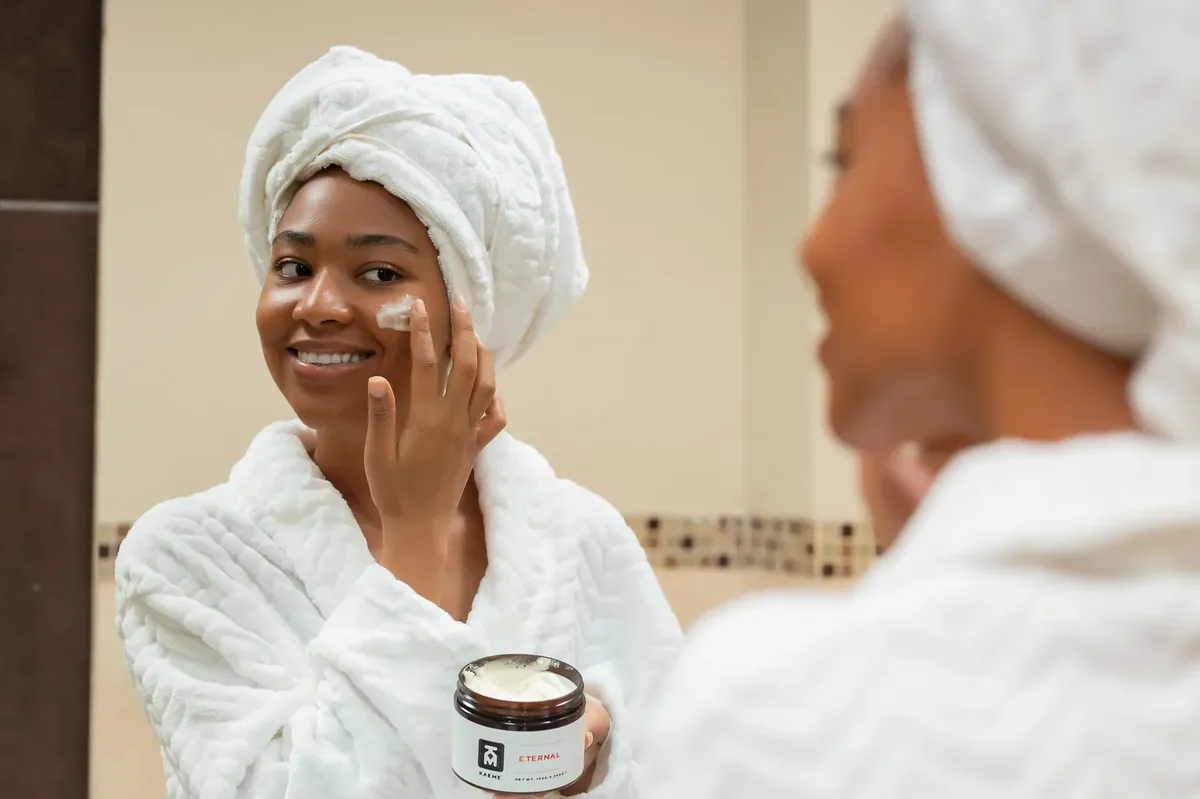
Acne-prone skin needs moisture too, and squalane is one of the safest ways to give it. Breakout treatments like benzoyl peroxide and retinoids dry the skin out, and dry, irritated skin heals more slowly — a few drops of squalane after your treatment helps the barrier recover without feeding breakouts, because it does not clog pores. It will not treat acne itself, and it will not clear spots, so do not expect it to replace your acne treatment. What it does is make the treatment bearable: less flaking, less redness, less of the tight, sore feeling that makes people quit their acne routine.
Best for: skin on acne treatments that has gone dry and flaky. How to use it: 2 drops after your treatment, once a day to start. What to avoid: using it on actively inflamed, broken skin without a patch test. Who should avoid it: anyone whose dermatologist has advised against oils — ask first. Quick verdict: a supporter for acne routines, not a treatment on its own.
6. Squalane Oil for Sensitive Skin That Reacts to Everything

Sensitive skin reacts to fragrance, essential oils and long ingredient lists — and squalane has none of those. A single-ingredient, fragrance-free oil is one of the lowest-risk products a reactive person can try, which is why it is often the first oil dermatologists suggest for sensitive skin. Patch test on your jawline for two or three days, then press one drop into one cheek before going all over. If your skin flushes after new products, squalane’s calm, barrier-supporting nature can actually help it settle. Keep the routine around it simple: gentle cleanser, squalane, plain moisturiser, sunscreen.
Best for: reactive, redness-prone and easily irritated skin. How to use it: patch test first, then 1 drop, building to 2–3. Pros: one ingredient, no fragrance, rarely causes reactions. Cons: it soothes, but it will not treat the cause of your sensitivity. Quick verdict: if most products sting, start here.
7. Squalane Oil for Mature Skin and Fine Lines
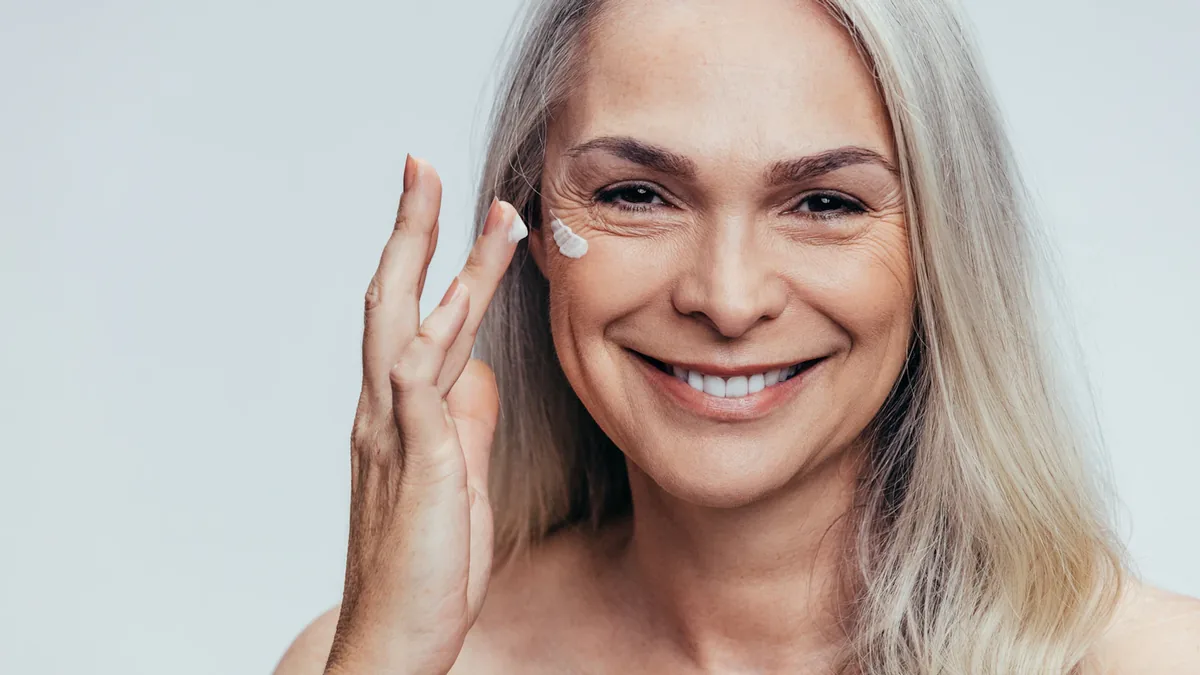
Mature skin makes less squalene than it used to, which is one reason it feels drier and looks less plump with age. Topping it up with squalane oil for face use softens the surface and makes fine lines look less obvious, because hydrated skin reflects light more evenly than dry skin. It will not erase wrinkles — no oil will — but it makes the skin look healthier and more comfortable, and it helps richer creams and retinoids absorb without irritation. Use three drops morning and night, and press an extra drop into the lines around your eyes and mouth, where dryness shows first.
Best for: mature skin that feels dry and looks crepey. How to use it: 3 drops twice daily, plus an extra drop on fine lines. What to expect: softer, plumper-looking skin in weeks, not overnight miracles. Common mistake: expecting it to replace retinol — it supports it, it does not do its job. Quick verdict: a quiet, daily comfort for skin that has earned it.
8. Squalane Oil for Combination Skin: Use It Where You Need It

Combination skin is two skins in one — an oily T-zone and dry cheeks — and squalane is easy to use that way. Press two drops into the dry areas only, and skip the forehead and nose, or use a single drop over the whole face and let the dry zones take what they need. It is light enough not to overwhelm the oily areas, and rich enough to comfort the dry ones, which makes it simpler than buying two different products. In winter, you may need it everywhere; in summer, only on the cheeks. Let the season and your skin decide, and change the amount as they change.
Best for: dry cheeks with an oily T-zone. How to use it: 2 drops on dry zones, 1 drop overall if you prefer. Pros: one bottle for two different skin needs. Cons: the T-zone may not need it at all in summer. Quick verdict: the easiest oil to use on combination skin, because you control where it goes.
9. Squalane Oil Under Makeup: A Smoother Base
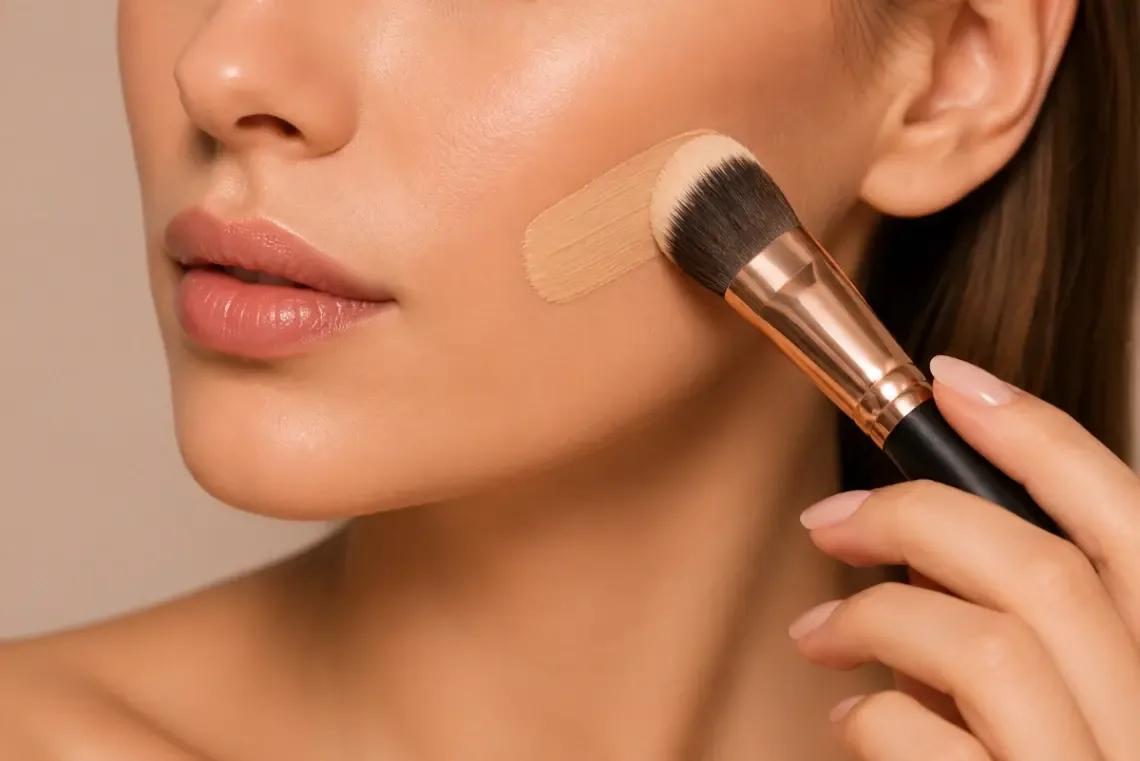
Foundation sits better on hydrated skin, and a drop of squalane is the fastest way to get there on a morning when your skin looks patchy. Press one drop into your face after moisturiser, wait two minutes for it to sink in, then apply primer or foundation as usual. The oil smooths dry patches so foundation does not cling to them, and it stops the powdery, cakey look that dry skin gives by midday. The trick is the wait: if you rush, the foundation slides; if you let the squalane absorb, the base stays put all day. One drop is enough — two will make your makeup move.
Best for: dry or patchy skin under foundation. How to use it: 1 drop after moisturiser, wait 2 minutes, then makeup. What to avoid: using two or more drops — makeup will slide. Layering order: moisturiser, squalane, primer, foundation. Quick verdict: a primer’s best friend on dry-skin days.
10. Squalane Oil After Retinol: The Buffer Your Skin Needs
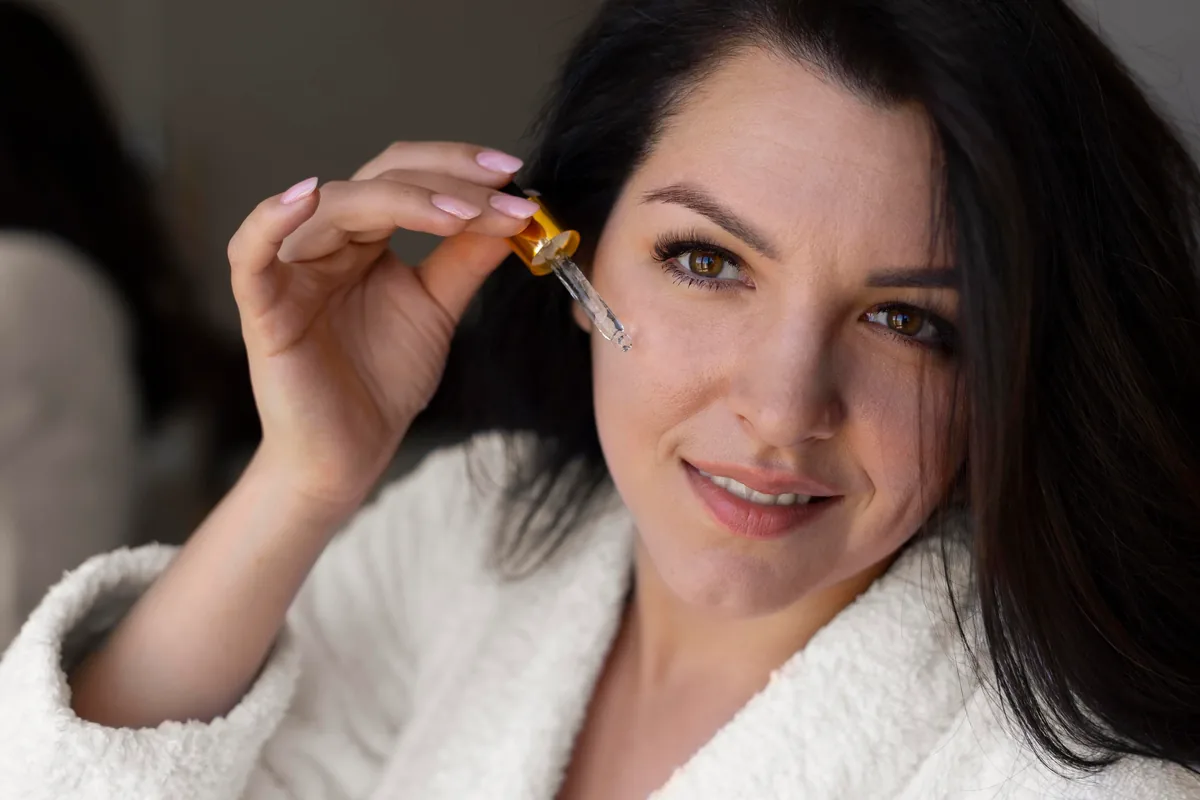
Retinol is brilliant and brutal in equal measure, and squalane is the buffer that makes it bearable. Apply your retinol as usual, wait a few minutes, then press two to three drops of squalane over the top — or mix one drop into your moisturiser and apply that over the retinol. The oil does not cancel the retinol out; it slows the water loss and irritation that retinol causes, so you get the benefits with less flaking and redness. Many people who quit retinol because their skin could not take it find they can use it comfortably once squalane is in the routine. On retinol nights, squalane is not optional — it is the step that lets you keep going.
Best for: anyone using retinol who feels dry or flaky. How to use it: retinol first, wait, then 2–3 drops of squalane. Pros: less irritation, less peeling, better tolerance. Cons: it will not stop all retinol side effects — introduce retinol slowly. Quick verdict: the single best companion for a retinol routine.
11. Squalane Oil With Vitamin C: Glow Without the Sting
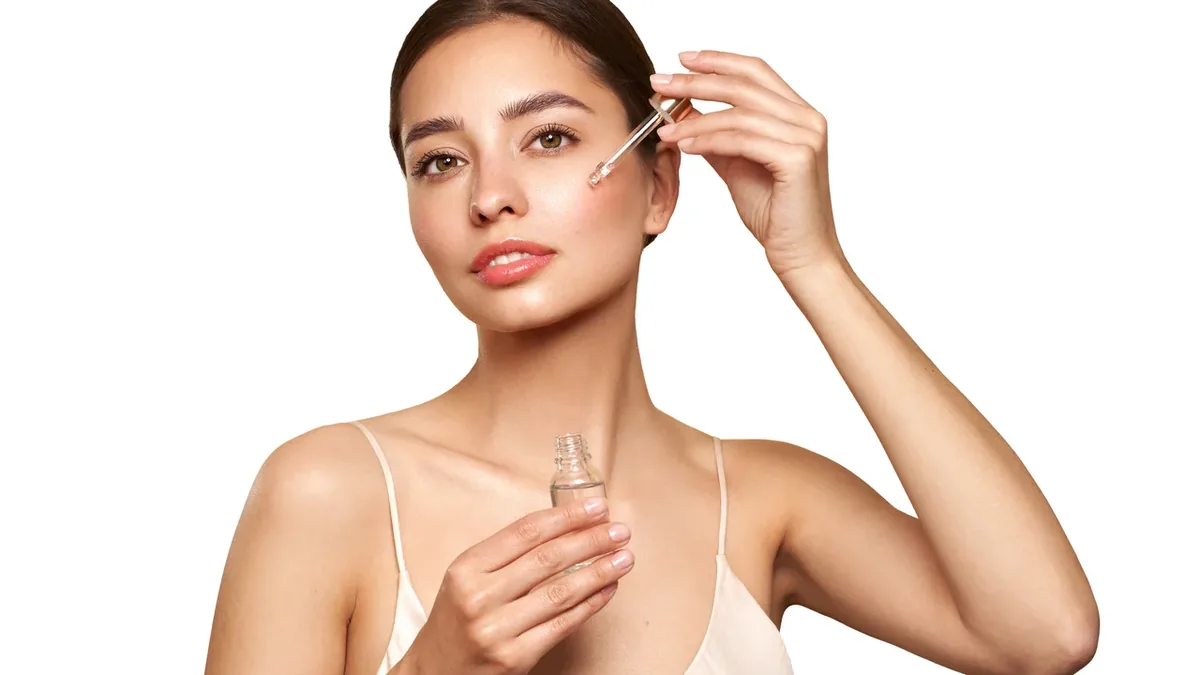
Vitamin C brightens, but it can sting and dry the skin, especially in stronger formulas. Squalane makes it gentler: apply your vitamin C serum first on clean, dry skin, wait a minute, then press two drops of squalane over the top to seal it in and calm the surface. The oil does not block the vitamin C — it locks it against the skin and stops the tight feeling that follows. This pairing is one of the best morning routines for dull skin: vitamin C for brightness, squalane for comfort, sunscreen on top. If your vitamin C has ever made your skin feel stripped, try this order before you give up on it.
Best for: dull skin that wants brightness without irritation. Layering order: vitamin C first, then squalane, then sunscreen. How much: 2 drops, pressed in gently. What to avoid: mixing the two in your palm — layer them instead. Quick verdict: brightness and comfort in the same two minutes.
12. Squalane Oil With Hyaluronic Acid: The Hydration Sandwich
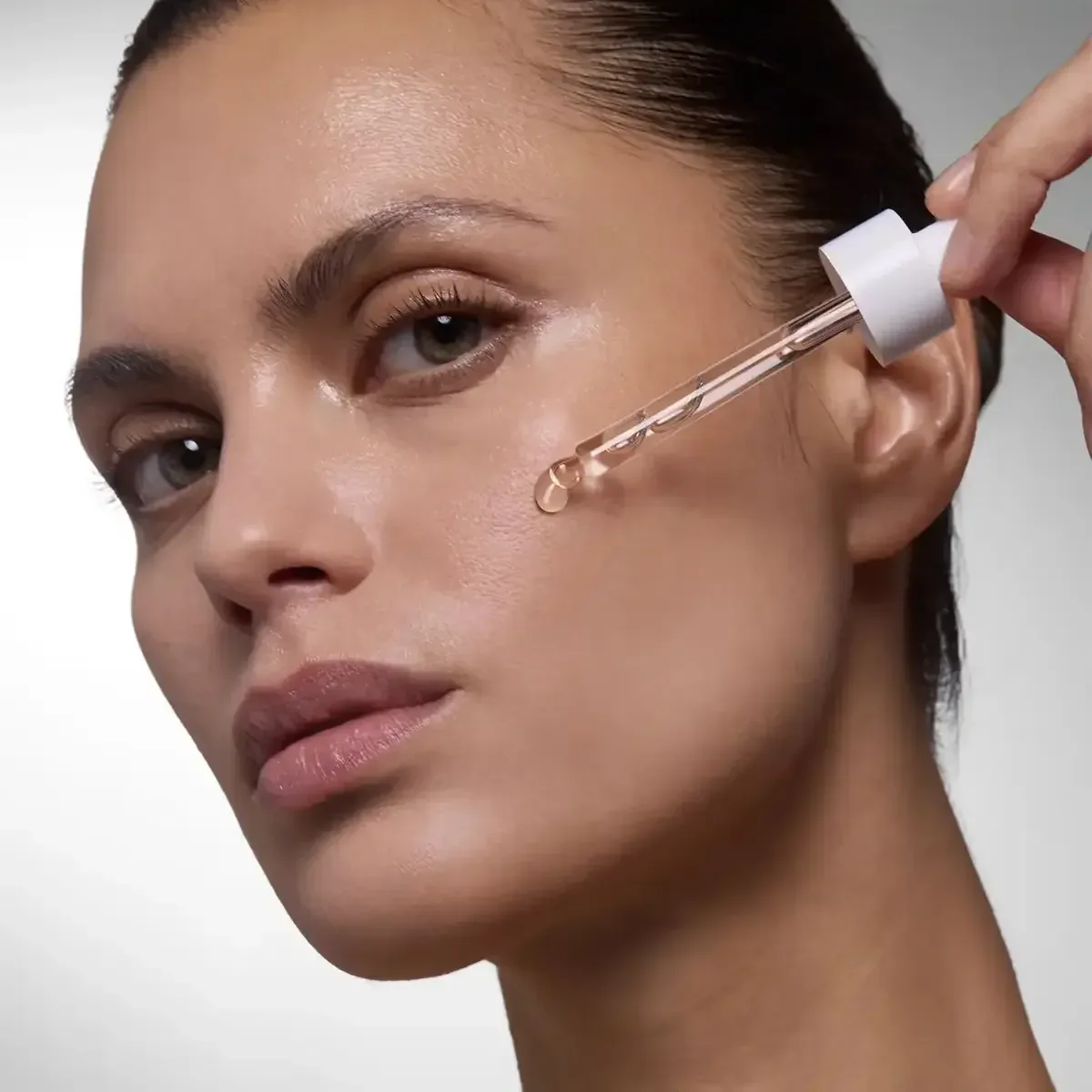
Hyaluronic acid and squalane are the classic hydration sandwich, and together they do what neither does alone. Hyaluronic acid pulls water into the skin, but it cannot keep it there on its own — in dry air it can even pull water back out. Squalane seals the surface so the water stays put. Apply hyaluronic acid to damp skin, press two drops of squalane over it while it is still tacky, then finish with moisturiser if you need it. The result is skin that stays plump all day instead of feeling hydrated for an hour and tight by lunch. If you only ever use one pairing with squalane, make it this one.
Best for: dehydrated skin that drinks up moisturiser and still feels tight. Layering order: damp skin, hyaluronic acid, squalane, moisturiser. Pros: water in, water kept in — the full job. Cons: skip it in very humid weather if your skin feels heavy. Quick verdict: the most reliable hydration routine in skincare.
13. Squalane Oil With Niacinamide: Calm, Even Skin
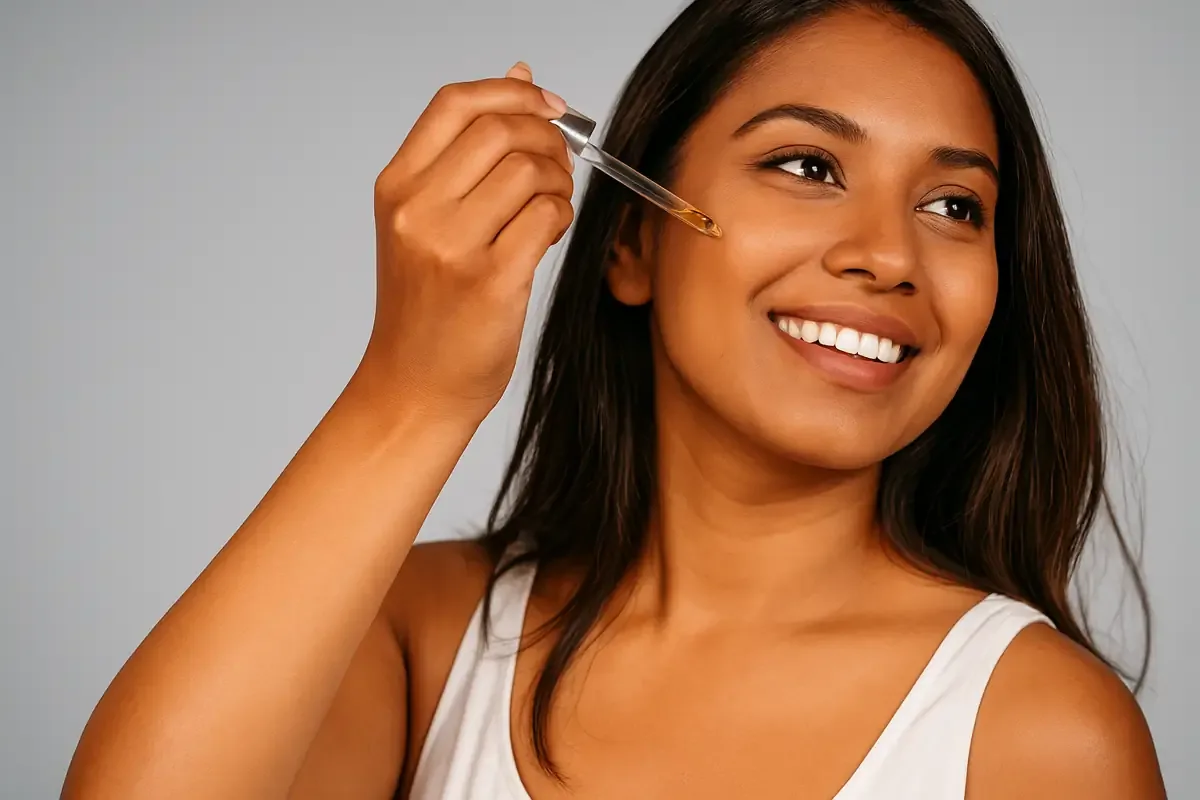
Niacinamide and squalane are a calm, low-drama pairing. Niacinamide works on pores, redness and uneven tone, while squalane keeps the barrier comfortable so the niacinamide can do its job without irritation. Apply your niacinamide serum first, wait a minute, then press two drops of squalane over the top. There is no conflict between them, no pilling, and no waiting period — they simply layer well. This is a good routine for skin that is both oily and sensitive, or for anyone who wants a simple, effective morning routine with two products that never argue.
Best for: uneven tone, visible pores and mild redness. Layering order: niacinamide serum, then squalane. How much: 2 drops, morning and night. What to avoid: nothing much — this is one of the safest pairings in skincare. Quick verdict: two quiet workhorses that make each other better.
14. Squalane Oil in Winter: Your Cold-Weather Skin Saviour
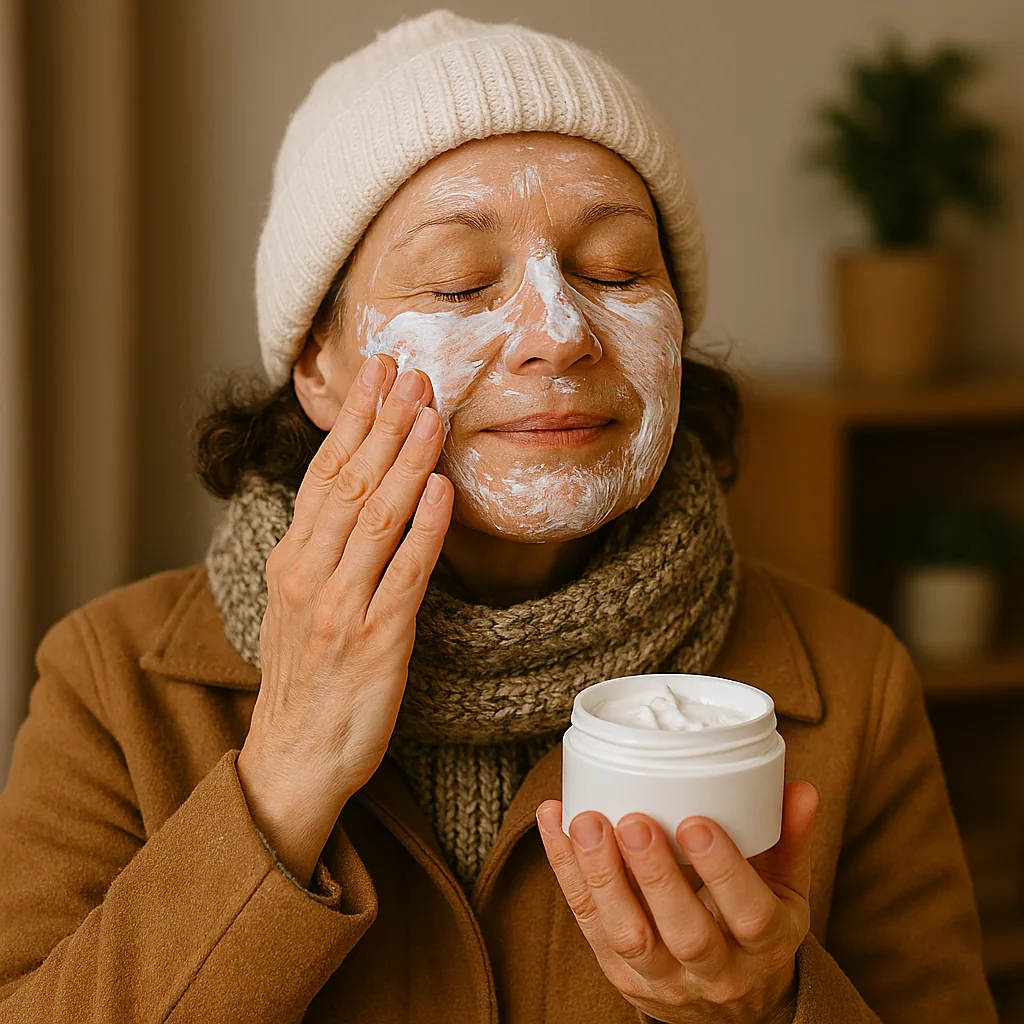
Winter is when squalane earns its place on the shelf. Cold air and indoor heating strip water from the skin faster than any other season, and the barrier takes the hit — tightness, flakes, redness, and makeup that will not sit properly. In winter, use three drops morning and night instead of two, and mix an extra drop into your moisturiser on the coldest days. It also helps chapped skin around the nose from colds and tissues. Keep the bottle in your bedroom rather than a cold bathroom, so the oil stays fluid and spreads easily.
Best for: winter tightness, flakes and wind-chapped skin. How to use it: 3 drops twice daily, plus 1 drop mixed into moisturiser. Pros: fast relief for cold-weather dryness. Cons: it will not replace a rich winter cream on its own. Quick verdict: the first thing to add when the heating goes on.
15. Squalane Oil in Summer: Lightweight Hydration That Won’t Melt
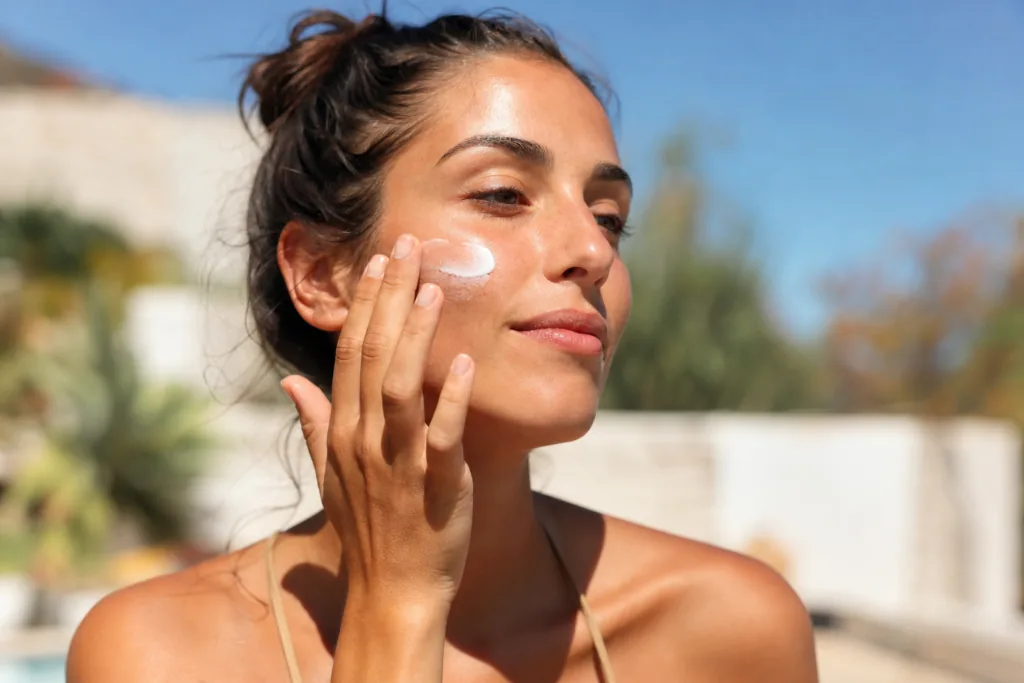
Summer is when most face oils feel too heavy, but squalane is the exception. It is so light that a single drop in the morning is enough, and it will not slide off in the heat or pill under sunscreen the way richer oils do. Use it after a light gel moisturiser, or on its own after a hydrating serum, and skip it at night if the humidity is already doing the work. It also helps skin that has been in air conditioning all day, which dries the face out just as surely as winter heating does. In summer, less is more — one drop, well pressed in, is the whole routine.
Best for: summer skin that needs hydration without weight. How to use it: 1 drop in the morning, after a light moisturiser. What to avoid: heavy oils in heat — squalane is the light alternative. Layering order: serum, squalane, sunscreen. Quick verdict: the only face oil that truly works in summer.
16. Squalane Oil After Exfoliation: Calming Skin Down
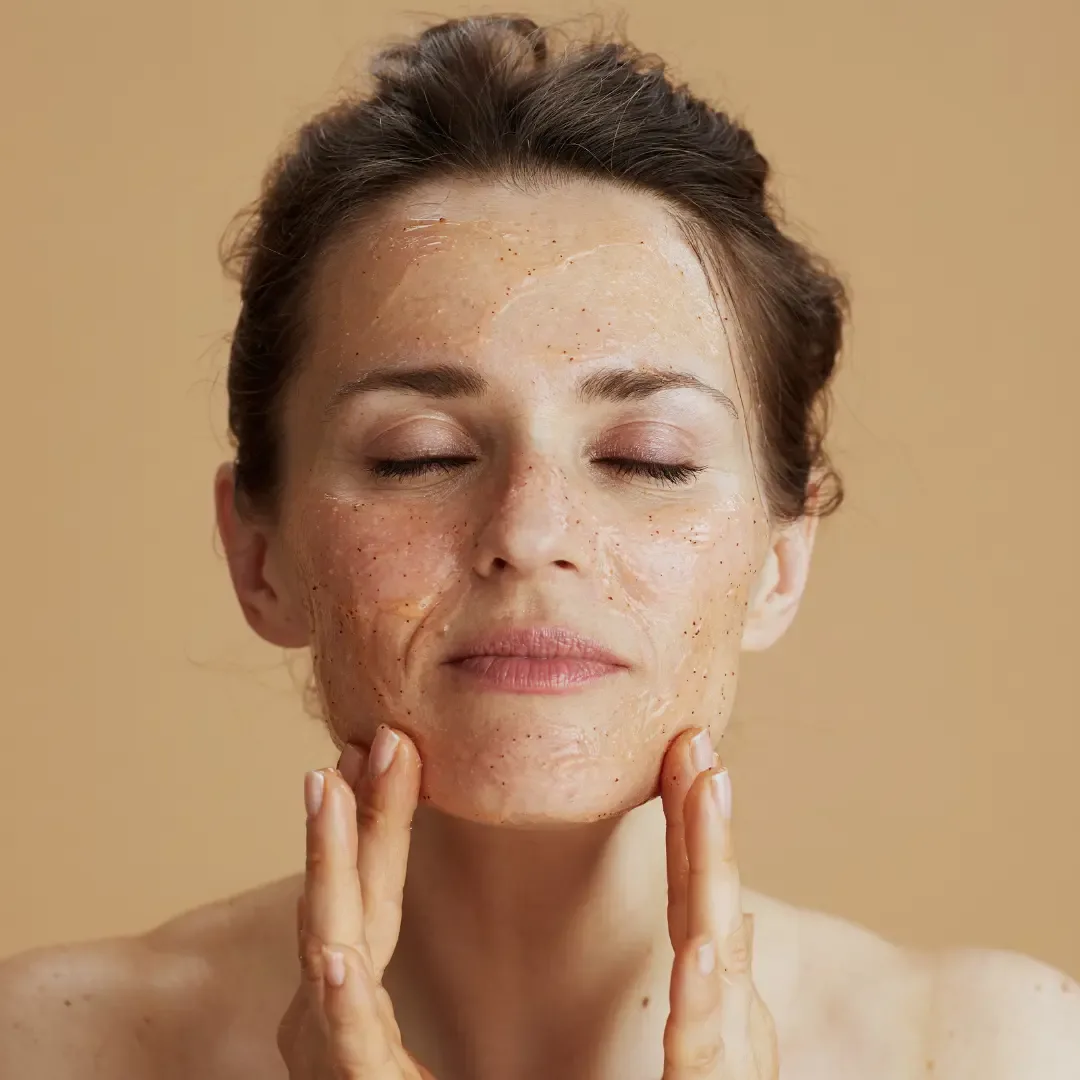
Exfoliation — whether a chemical exfoliant or a scrub — leaves the skin temporarily more vulnerable, and squalane is the ideal way to calm it down. After rinsing and patting dry, press two drops over the face to restore the lipid layer that exfoliation has just thinned. It reduces the tight, shiny feeling and helps the barrier recover faster, so the glow from exfoliating lasts instead of turning into irritation. Do not exfoliate and use strong actives on the same night; squalane is the gentle step that belongs on exfoliation nights, and it pairs beautifully with a plain, fragrance-free moisturiser.
Best for: the tight feeling after exfoliating. How to use it: 2 drops after rinsing, on slightly damp skin. What to avoid: strong actives on the same night as exfoliation. How often: only on exfoliation nights, 1–3 times a week. Quick verdict: the calm after the exfoliation storm.
17. Squalane Oil After Sun: Soothing Skin That Has Had Too Much Sun

Squalane is not sun protection and never will be, but after a day in the sun it can help skin feel comfortable again. Once you are out of the sun and have cooled down, cleanse gently and press two to three drops over the face to replace the lipids that sun and heat have stripped away. It soothes the tight, dry feeling and helps the barrier recover, especially when layered over a hydrating serum or aloe. Never apply it to skin that is actively sunburned and blistering — that needs cool water and medical advice, not oil. For ordinary sun-tired skin, though, it is a gentle, fast way to feel normal again.
Best for: sun-tired, dry skin after a day outdoors. How to use it: after cooling down and cleansing, 2–3 drops. What to avoid: applying oil to blistered or badly burned skin — seek advice instead. Remember: squalane is after-sun care, never sun protection. Quick verdict: comfort for skin that has had a long day in the sun.
18. Squalane Oil for a Damaged Skin Barrier
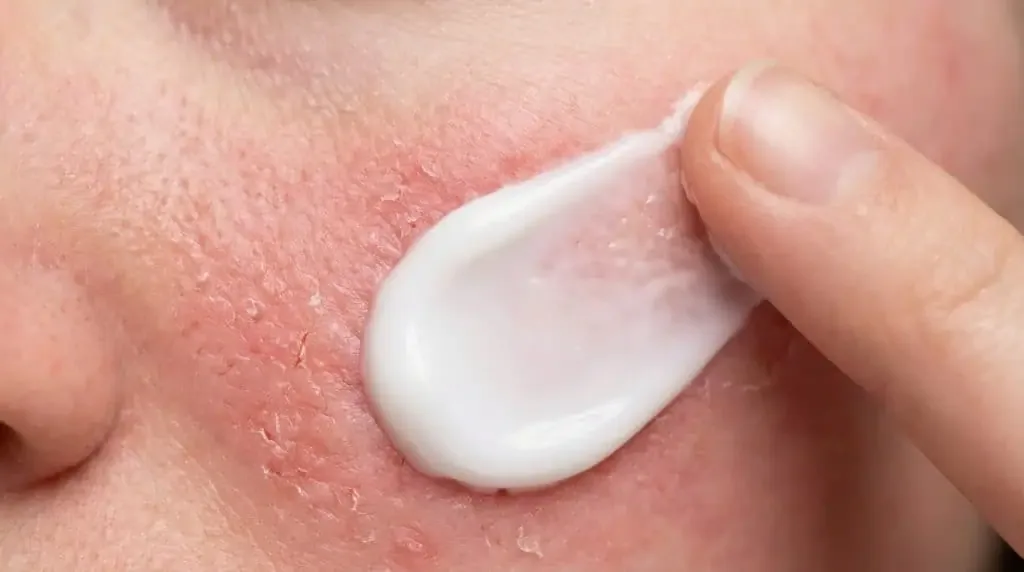
A damaged barrier shows up as stinging when you apply products, redness that will not settle, flaking, and breakouts that seem to come from nowhere. The fix is boring and it works: stop the strong actives, use a gentle cleanser, and rebuild the barrier with squalane. Press two to three drops over the face morning and night, over a plain moisturiser if you like, and give it two to four weeks. Because squalane is a barrier lipid itself, it slots straight into the gap your skin is trying to repair. Most people notice less stinging within a week, and the flaking and redness settle over the month that follows.
Best for: stinging, flaking, over-exfoliated skin. How to use it: 2–3 drops twice daily, actives paused. What to expect: less stinging in a week, real repair in 2–4 weeks. Common mistake: adding new actives before the barrier has healed. Quick verdict: the simplest barrier-repair routine there is.
19. Squalane Oil for Redness and Rosacea-Prone Skin
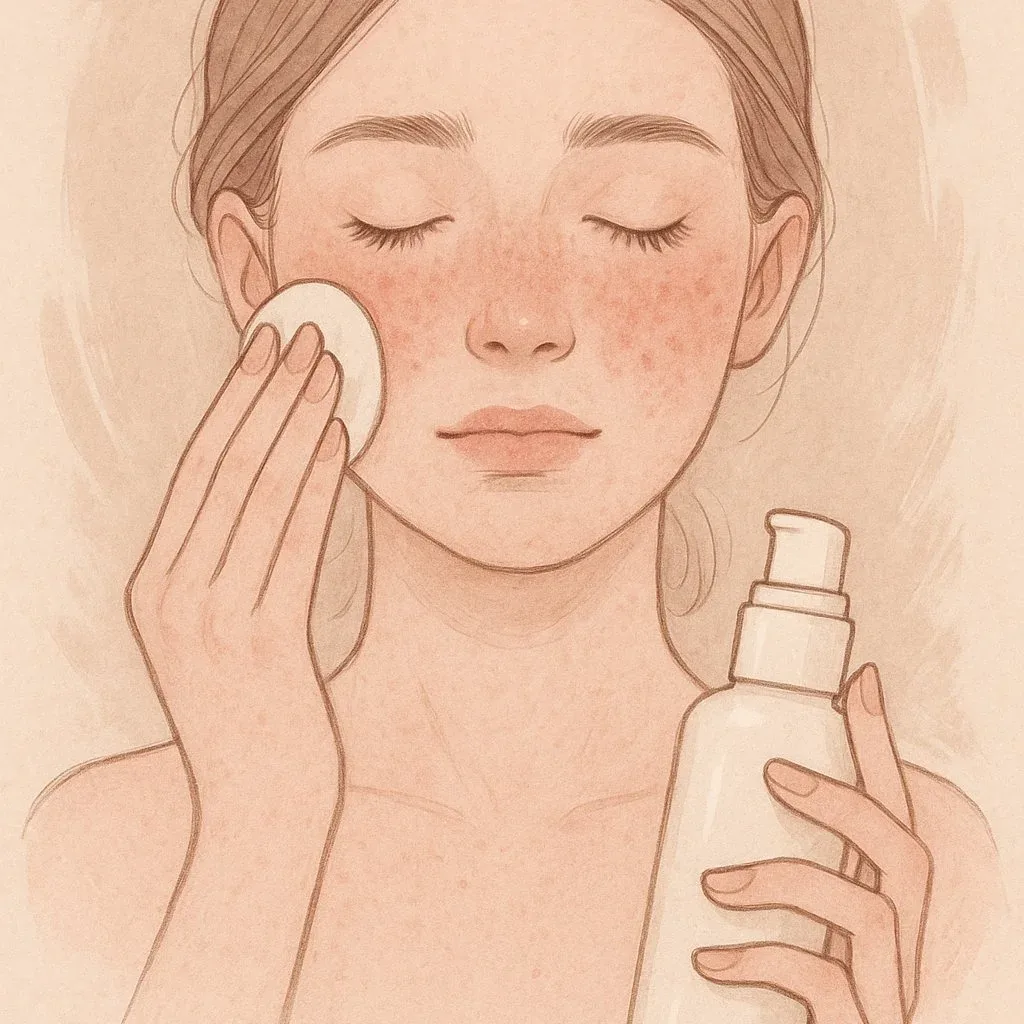
Redness-prone skin needs products that do not provoke it, and a single-ingredient oil is about as unprovocative as skincare gets. Squalane will not treat rosacea — that needs a dermatologist and proper treatment — but it can make the skin feel more comfortable day to day, because a stronger barrier is less reactive to heat, cold and friction. Patch test carefully, introduce it slowly, and use it over a plain moisturiser rather than under strong actives. If your skin flares, stop and speak to your dermatologist; if it stays calm, squalane can become a steady, reliable part of your routine.
Best for: redness-prone skin that needs a calm moisturiser. How to use it: patch test, then 1–2 drops over plain moisturiser. What it will not do: treat rosacea — see a dermatologist for that. Who should avoid it: anyone in an active flare — wait until the skin settles. Quick verdict: comfort, not cure, for redness-prone skin.
20. Squalane Oil for Eczema-Prone Patches on the Face
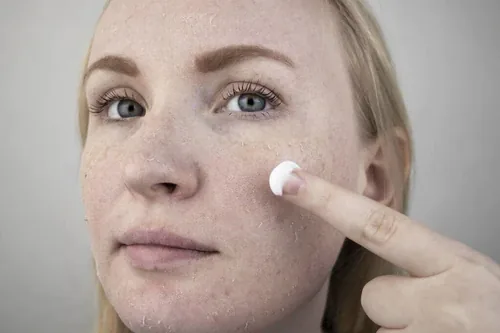
Eczema-prone skin on the face is dry, itchy and easily irritated, and squalane can help the dry part — but it is not an eczema treatment. A drop pressed onto a dry, non-broken patch can soften the flaking and reduce the tight feeling, especially when used over a plain emollient your doctor has already approved. Never apply it to broken, weeping or infected skin, and never use it instead of prescribed treatment. If the patch is new, spreading, or very sore, see a doctor first. For the familiar, mild dry patches that come and go, squalane is a gentle extra layer of comfort.
Best for: mild, dry, non-broken patches on the face. How to use it: 1 drop over an approved emollient, patch test first. What to avoid: broken, weeping or infected skin — see a doctor. Important: it supports prescribed treatment; it never replaces it. Quick verdict: a gentle extra, used carefully, for eczema-prone faces.
21. Squalane Oil for Dull Skin That Has Lost Its Radiance

Dull skin is usually dehydrated skin, and squalane fixes that fast. When the surface is dry, it scatters light instead of reflecting it, so the face looks flat and grey no matter how much sleep you had. Two drops pressed into slightly damp skin smooth the surface immediately, and the glow that follows is not glitter or shimmer — it is just healthy skin reflecting light properly. For a longer-term fix, pair it with vitamin C in the morning and gentle exfoliation twice a week, and the dullness lifts properly over a month instead of just for an hour.
Best for: flat, grey, tired-looking skin. How to use it: 2 drops on damp skin, morning and night. Long-term fix: add vitamin C and gentle exfoliation. What to expect: instant softness, real radiance in 3–4 weeks. Quick verdict: the fastest way to make dull skin look alive again.
22. Squalane Oil for Dehydrated Skin That Drinks Everything

Dehydrated skin is not the same as dry skin: it lacks water, not oil, and it can be oily on the surface while feeling tight underneath. That is why moisturiser alone never seems to be enough. The fix is water first, oil second — a hyaluronic acid serum on damp skin, then two drops of squalane to seal it in. Used this way, squalane stops the water from evaporating, so the hydration actually lasts. Most dehydrated skin feels different within a week of this pairing, and the tight, papery feeling under makeup is usually the first thing to go.
Best for: skin that feels tight even though it looks oily. How to use it: hyaluronic acid on damp skin, then 2 drops of squalane. Common mistake: using oil alone on dehydrated skin — water must come first. What to expect: less tightness in a week. Quick verdict: water in, oil on top — the only order that works.
23. Squalane Oil for Flaky Patches Around the Nose and Brows
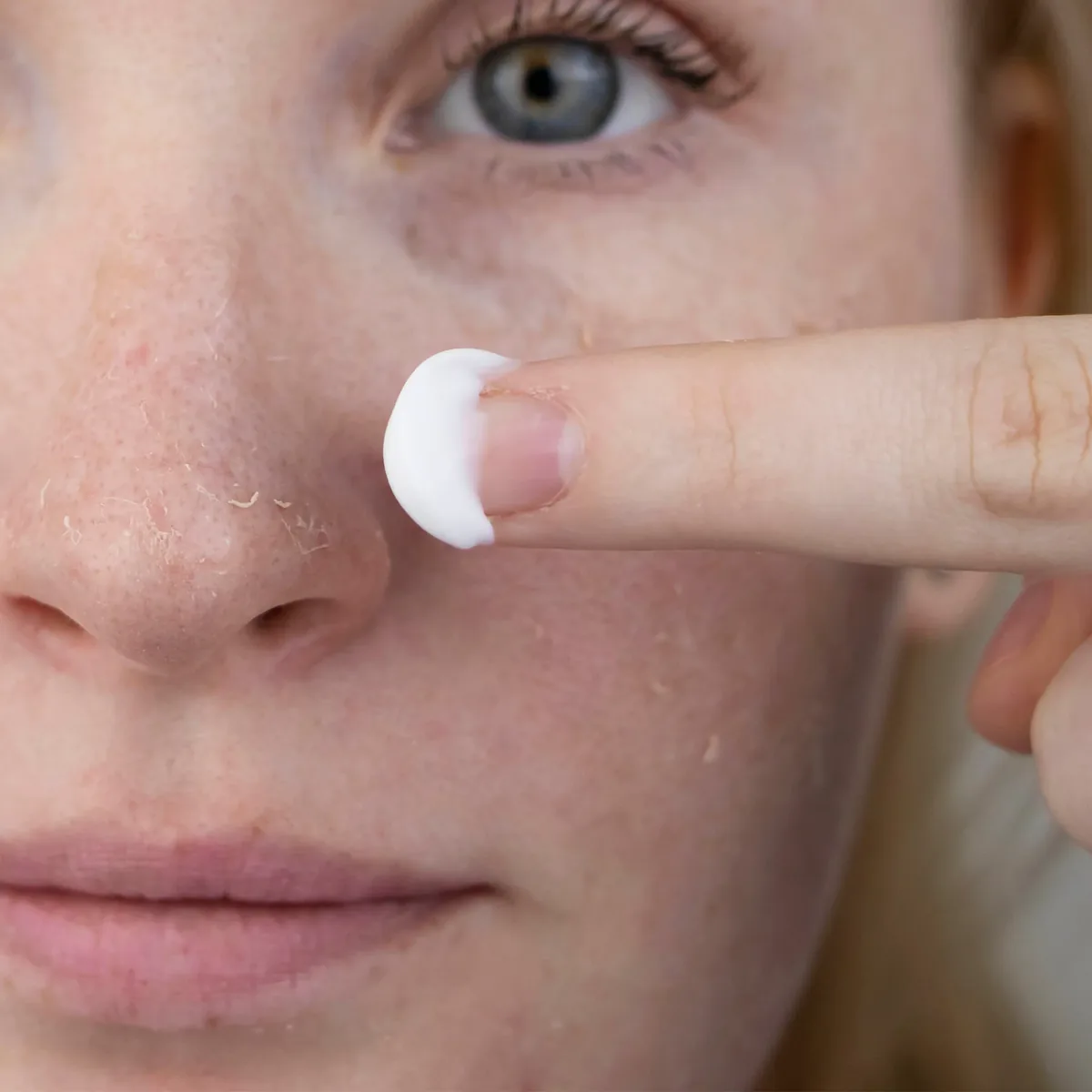
Flaky patches around the nose, brows and hairline are where dryness shows first, and they are also where makeup looks worst. A single drop of squalane, warmed between your fingertips and pressed onto the patch morning and night, softens the flakes so they stop catching the light and the foundation. Do not pick or scrub the flakes off — that only makes more. If the flaking is severe, itchy or spreading, it may be something else entirely, such as seborrheic dermatitis, and a dermatologist should take a look. For ordinary dry patches, though, a drop of squalane is the fastest, gentlest fix.
Best for: small, dry, flaky patches on the face. How to use it: 1 drop, pressed on morning and night. What to avoid: picking or scrubbing flakes — let the oil soften them. When to see a doctor: severe, itchy or spreading flaking. Quick verdict: a tiny amount, exactly where you need it.
24. Squalane Oil as the First Step of Double Cleansing
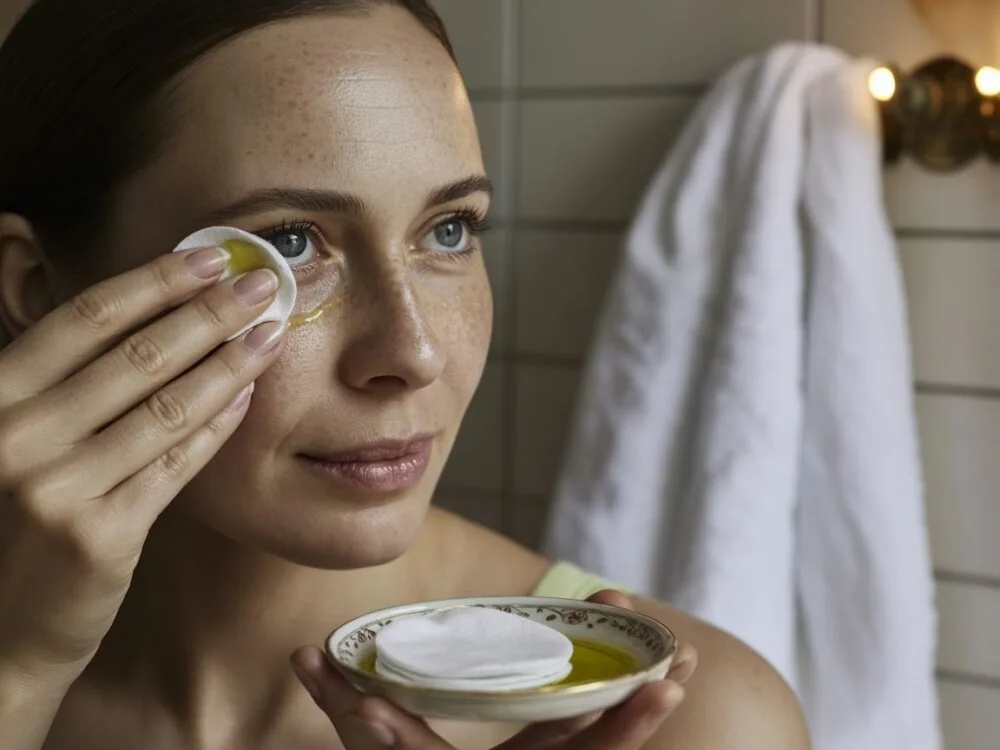
Squalane makes a surprisingly good first cleanse, because oil dissolves oil — makeup, sunscreen and sebum all lift away easily with it. Massage three to four drops over a dry face for a minute, focusing on the eyes and anywhere makeup sits heaviest, then add a little water or follow with your usual gentle cleanser to wash it all away. It is gentler than many makeup wipes and will not leave the skin feeling stripped. Do not use it as your only cleanse if you wear heavy makeup or waterproof sunscreen — the second cleanse matters — but as a first step, it is one of the kindest ways to take the day off.
Best for: removing makeup and sunscreen gently. How to use it: 3–4 drops massaged over a dry face, then a second cleanse. Pros: dissolves makeup without stripping the skin. Cons: not a complete cleanse on its own. Quick verdict: a gentle first step that makes the second cleanse easier.
25. Squalane Oil for Gua Sha and Facial Massage
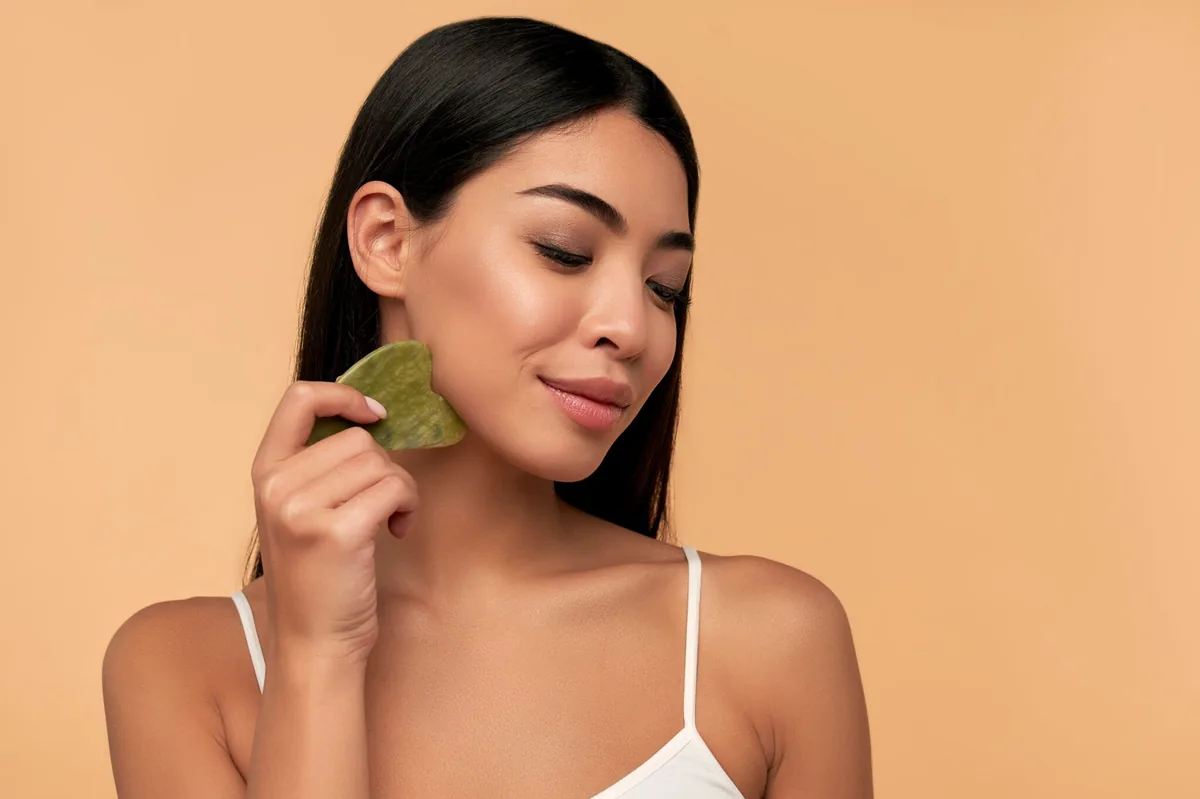
Gua sha and facial massage need slip, and squalane provides it without the heaviness of a balm. Apply three to four drops over the face and neck, then glide your gua sha stone or your fingertips over the oil — it lets the tool move smoothly without dragging the skin, and the massage itself boosts circulation and helps the oil absorb. The ritual is also a good way to wind down in the evening: five slow minutes, gentle pressure, always stroking upwards and outwards. Clean your stone after each use, and do not press hard on irritated or broken skin. The glow afterwards is real, and it lasts longer than the massage itself.
Best for: evening wind-downs and facial massage routines. How to use it: 3–4 drops, then glide the stone over the oil. Pros: perfect slip without dragging or heaviness. What to avoid: hard pressure on irritated skin. Quick verdict: the oil that turns a massage into a ritual.
26. Squalane Oil Around the Eyes: Gentle, But Go Carefully
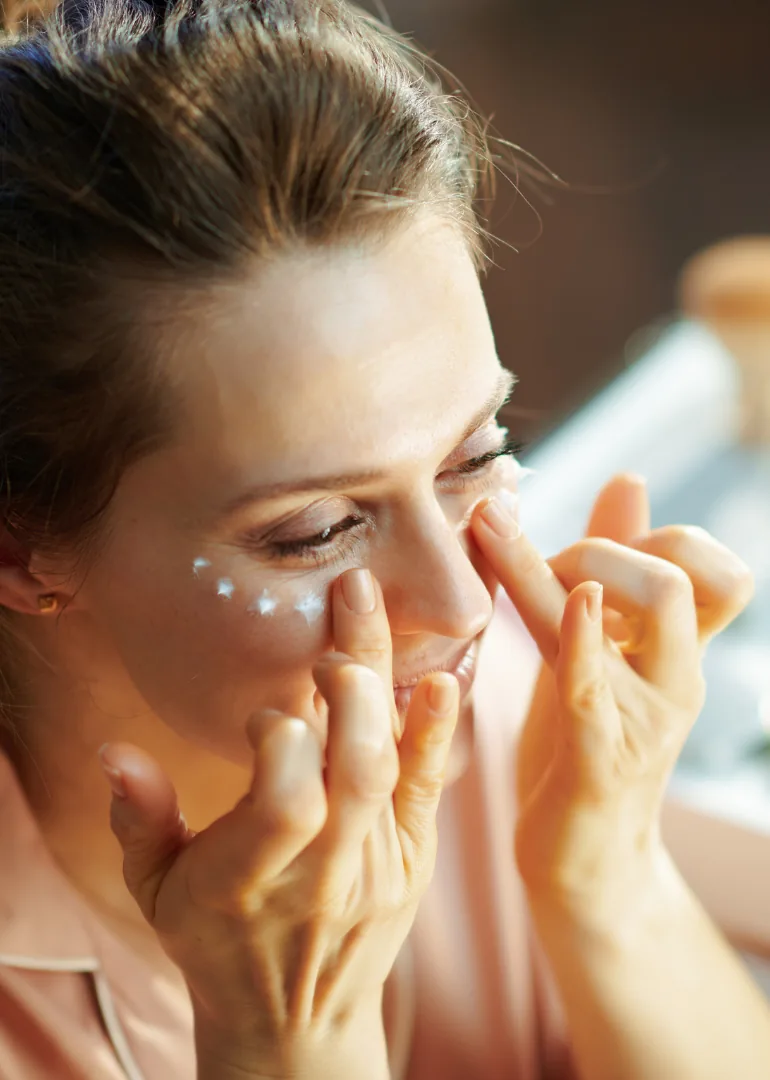
The skin around the eyes is the thinnest on the face, and it dries out first — but it is also the easiest to overwhelm. A tiny amount of squalane can soften fine lines and stop concealer from creasing, but the amount matters: half a drop, warmed between your ring fingers and patted gently around the orbital bone, is enough. Never apply it right up to the lash line, where it can migrate into the eyes and blur your vision, and never use it on the eyelids if you wear contact lenses without checking first. Used carefully, it is a lovely, simple eye-area moisturiser.
Best for: dryness and fine lines around the eyes. How to use it: half a drop, patted around the orbital bone. What to avoid: the lash line and the eyelids themselves. Common mistake: using a full drop — it will migrate into the eyes. Quick verdict: a little, carefully placed, goes a long way here.
27. Squalane Oil Around the Lips and Lip Lines
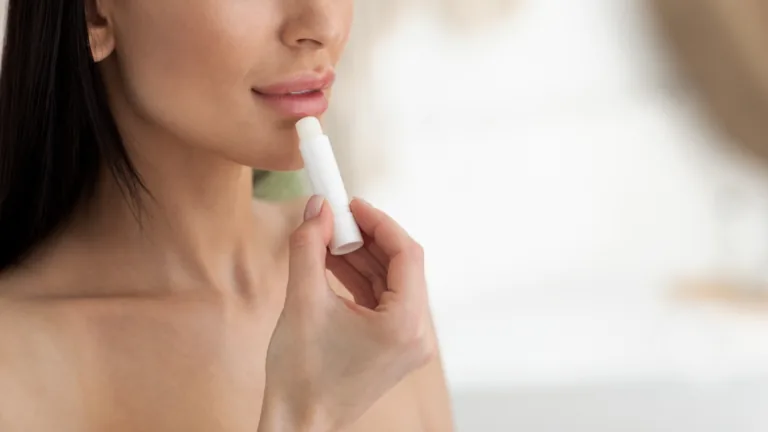
The skin around the lips dries out fast, and the fine lines there — the ones lipstick settles into — are often just dehydration showing. Pressing a single drop of squalane around the mouth, morning and night, softens that area and helps lipstick sit more smoothly. You can also press a tiny amount onto the lips themselves as a light balm, though a dedicated lip balm will last longer. It is not a lip plumper and it will not fill deep lines, but for the dry, crepey skin around the mouth, it is a simple fix that works within days.
Best for: dry skin and fine lines around the mouth. How to use it: 1 drop, pressed around the lips morning and night. Pros: lipstick sits better, lines look softer. Cons: it will not replace a proper lip balm or a filler. Quick verdict: a small drop for a small, often-ignored area.
28. Squalane Oil for Your Neck and Chest, Not Just Your Face

The neck and chest age just as fast as the face, and they get far less attention. Squalane is an easy way to fix that: after you have done your face, warm one or two extra drops between your palms and press them over your neck and upper chest, always stroking upwards. The skin there is thin and shows dryness early, especially in winter and after sun exposure, and a daily drop keeps it soft and comfortable. It also helps necklines and the chest area look smoother under clothes. Your face routine already has the product in your hand — just take it a little further down.
Best for: dry, crepey skin on the neck and chest. How to use it: 1–2 extra drops, stroked upwards, morning and night. Pros: one product, two more areas covered. Common mistake: stopping at the jawline — the neck needs it too. Quick verdict: take your face routine one step further down.
29. Squalane Oil After Shaving: Calming the Skin Down

Shaving strips the skin’s surface, which is why the face can feel raw, tight and bumpy afterwards — and why aftershave so often stings. Squalane is a much gentler answer: after rinsing with cool water and patting dry, press one to two drops over the shaved area to replace the lipids shaving has removed. It calms the tight feeling without fragrance or alcohol, and it softens the skin so the next shave is smoother. Wait a few minutes before applying sunscreen or makeup, and skip it on any nicks or cuts until they have closed. For anyone who shaves their face, it is a small step that makes the whole routine kinder.
Best for: post-shave tightness and irritation. How to use it: 1–2 drops on clean, dry skin after shaving. What to avoid: open nicks or cuts — wait until they close. Pros: no fragrance, no alcohol, no sting. Quick verdict: a kinder aftershave in a dropper bottle.
30. Squalane Oil for Travel and Long Flights

Aeroplane cabins are drier than most deserts, and a long flight can leave the skin tight, flaky and dull before you land. Squalane is the ideal travel companion: a small 30 ml bottle is cabin-legal, it does not leak the way creams can, and a couple of drops mid-flight keep the skin comfortable for hours. Apply it over a hydrating serum before boarding, and press another drop in halfway through the flight. It also works after landing, when the skin needs to recover from recycled air and a night of broken sleep. Pack it in your hand luggage, not your checked bag, so it is there when you need it.
Best for: flights, dry hotel rooms and changing climates. How to use it: 2 drops before boarding, 1 drop mid-flight. Pros: cabin-legal, leak-proof, multi-use. What to avoid: packing it in checked luggage. Quick verdict: the one skincare bottle worth carrying on.
31. Budget vs Premium Squalane: Is the Expensive Bottle Worth It?

Squalane is a single, simple ingredient, and that makes the price question easy: no, the expensive bottle is rarely worth it. A basic 100% squalane oil from a drugstore brand does the same job as a luxury bottle, because there is nothing in it to improve — it is the same molecule, from the same kinds of sources, in the same kind of bottle. What you are paying for in a premium bottle is packaging, branding and a nicer dropper, not better skin. Spend the difference on a good sunscreen or a treatment serum instead, and buy the simplest squalane you can find. The only reason to pay more is if the cheaper bottle has added fragrance or fillers — check the label, not the price.
Best value: a simple, fragrance-free 100% squalane. When to pay more: almost never — the molecule is the same. What to check: the ingredient list, not the brand name. Cost: a 30 ml bottle lasts 3–4 months at 2–3 drops a day. Quick verdict: buy cheap, spend the saving on sunscreen.
32. Mixing Squalane Oil Into Your Moisturiser
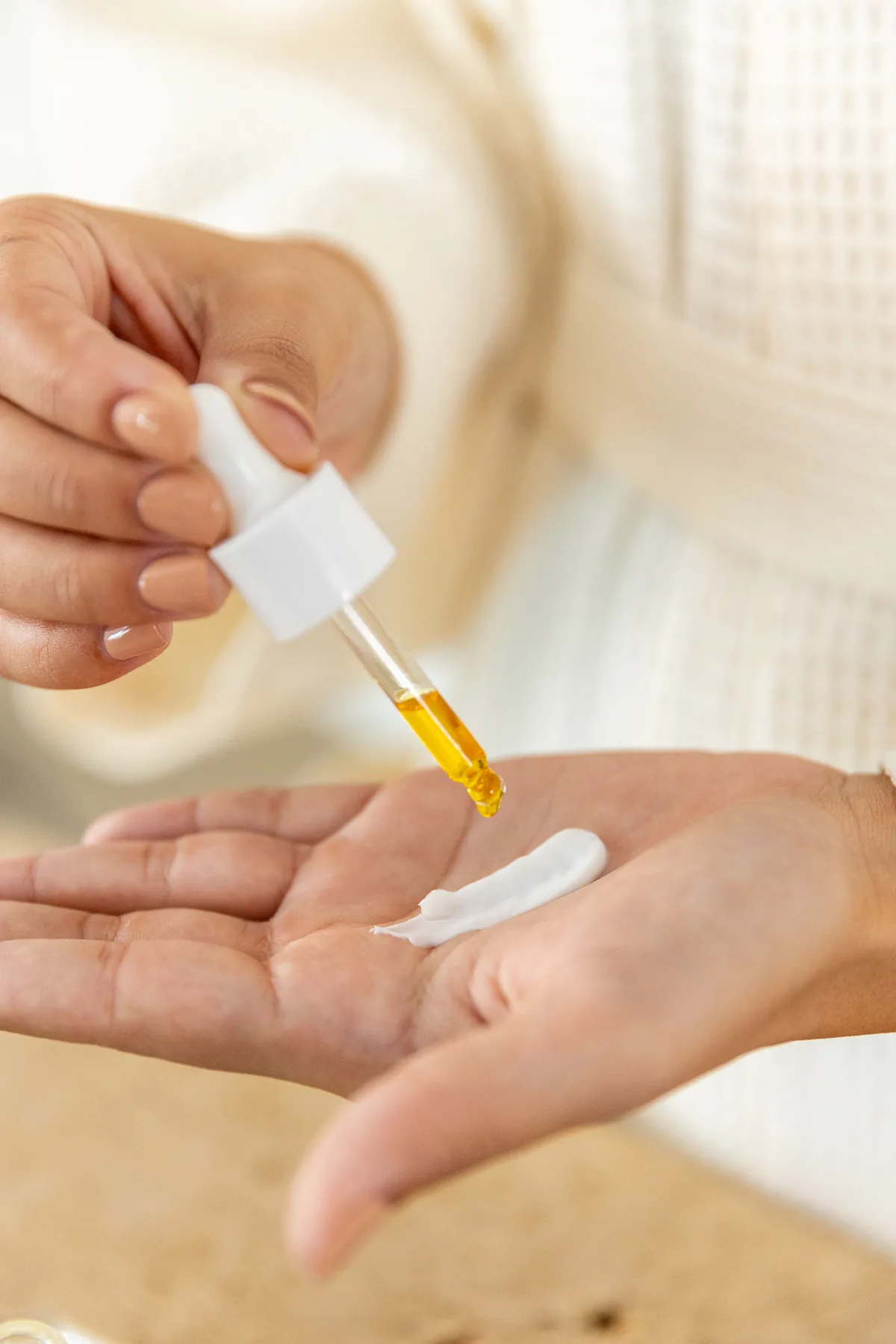
Mixing squalane into your moisturiser is the easiest way to use it, and it is perfect for people who do not want another step in their routine. Put your usual amount of moisturiser in your palm, add one drop of squalane, mix them together, and apply as normal. The moisturiser becomes richer and more comforting without feeling greasy, which is ideal in winter or when your skin is going through a dry patch. It is also a good way to use up a moisturiser that is slightly too light for your skin. The only rule is the ratio: one drop per application is enough, and two is the most you should ever mix in.
Best for: anyone who wants the benefit without an extra step. How to use it: 1 drop mixed into your usual moisturiser. Pros: makes a light cream richer, instantly. Cons: you lose the control of layering it separately. Quick verdict: the lazy way to use squalane — and it works.
33. Mixing Squalane Oil Into Your Foundation
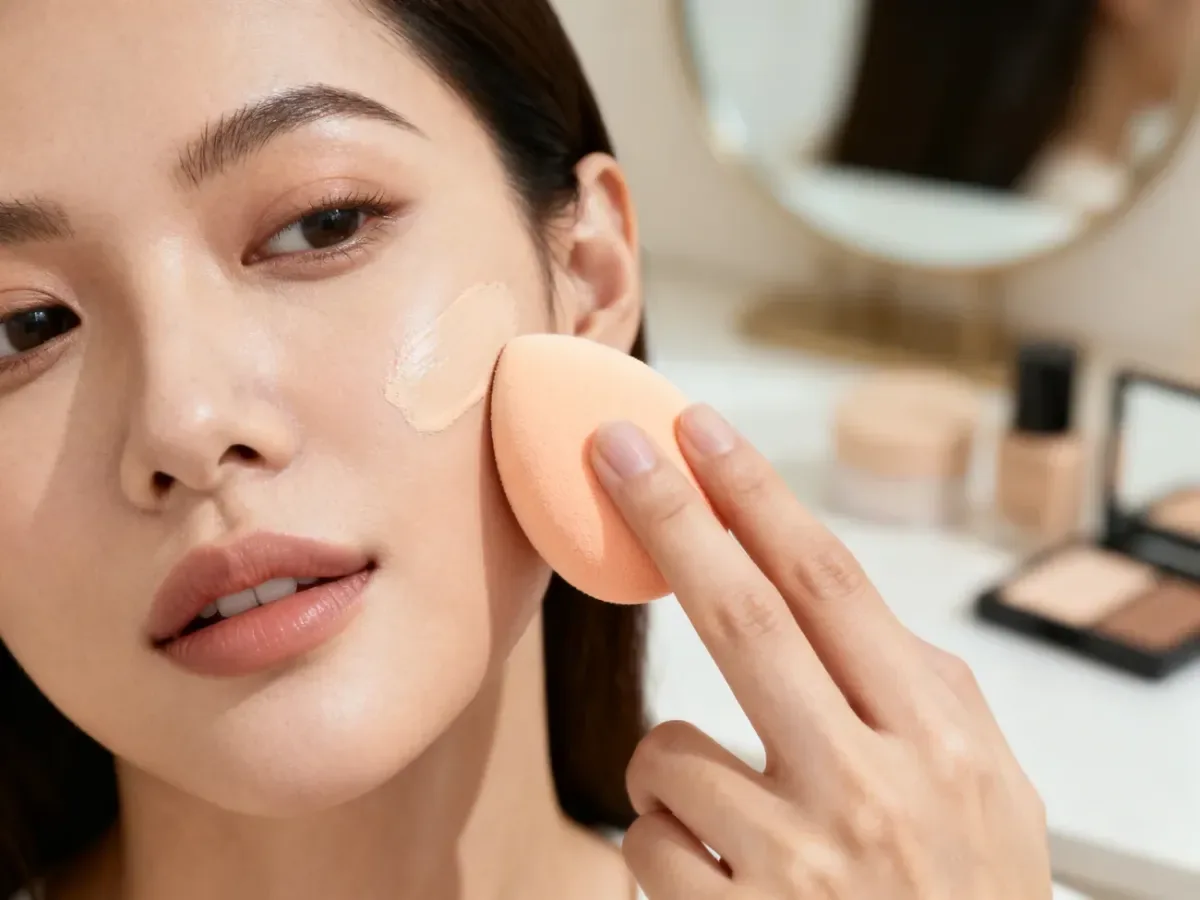
Mixing a drop of squalane into your foundation is a makeup-artist trick that turns a matte foundation into a skin-like one. Put your usual amount of foundation on the back of your hand, add a single drop of squalane, mix, and apply as normal. The foundation becomes more fluid, blends more easily, and leaves a soft, dewy finish instead of a flat, powdery one — which is exactly what dry or mature skin needs. It also sheers the coverage out slightly, so it is best for days when you want a lighter look. One drop is the limit: two will make the foundation slide off by lunchtime, and it will not work well with long-wear or waterproof formulas.
Best for: dry or mature skin under matte foundation. How to use it: 1 drop mixed into foundation on the back of your hand. Pros: dewier finish, easier blending, less caking. Cons: sheers coverage and shortens wear time. Quick verdict: a one-drop trick for a skin-like finish.
34. Squalane Oil for Teens: A First Face Oil, Used Carefully
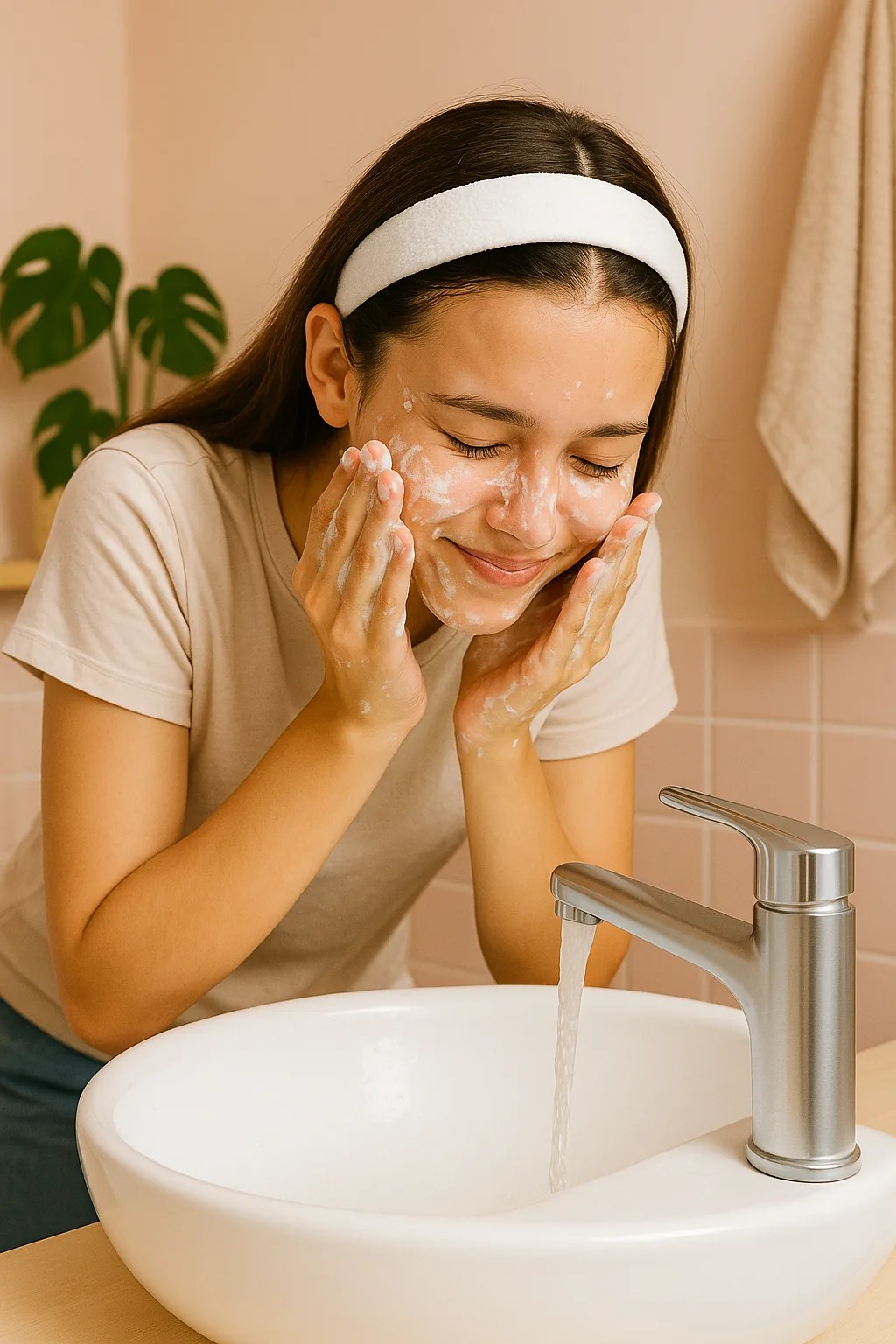
Teen skin is usually oily and breakout-prone, so most teens do not need a face oil at all — but the ones on acne treatments often do, because those treatments dry the skin out badly. For a teenager, squalane is the safest first oil to try: one drop, once a day, over a plain moisturiser, and only on the areas that feel dry or flaky from treatment. It will not treat acne, and it should never replace acne treatment or sunscreen. A parent or dermatologist should be involved in the decision, and a patch test is essential. Used carefully, it teaches a useful lesson early: skincare is about supporting the barrier, not stripping it.
Best for: teens on drying acne treatments. How to use it: 1 drop, once a day, on dry areas only. Important: involve a parent or dermatologist, and patch test first. Who should skip it: teens with oily skin and no dryness — they do not need it. Quick verdict: a careful first oil, not a routine for every teenager.
35. Your First Four Weeks With Squalane Oil: A Starter Plan
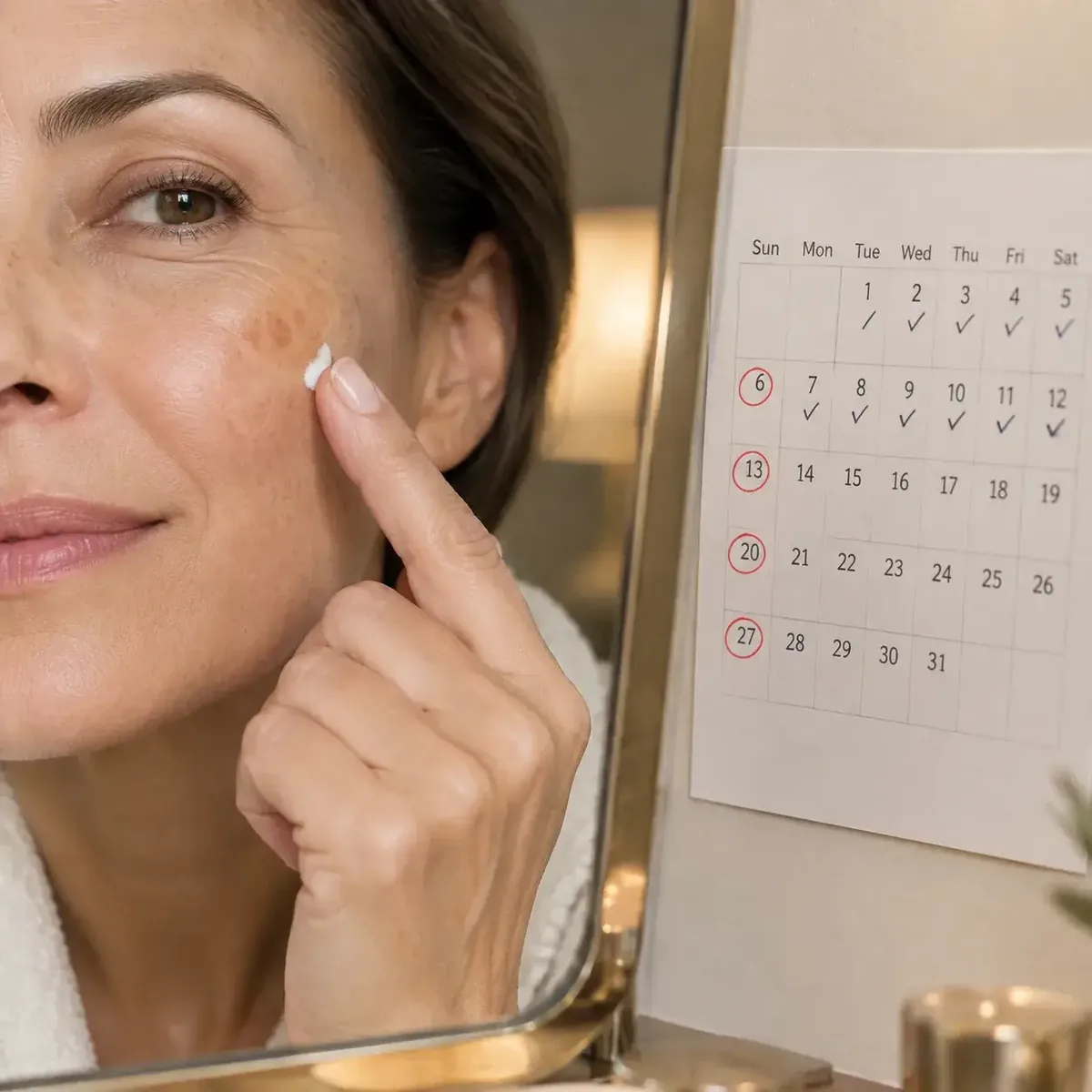
Starting squalane is easy if you go slowly and watch what your skin does. Week one: one drop at night only, after your serum, to see how your skin reacts. Week two: add a morning drop as well, and start using it under sunscreen. Week three: try it with your other products — over hyaluronic acid, after retinol, mixed into moisturiser — and find the combination you like best. Week four: settle into your routine, and judge it properly: is your skin softer, less tight, less flaky? If yes, squalane has earned its place. If nothing has changed, try using it on damp skin, or increase to three drops — and if your skin feels greasy, cut back to one. Four weeks is enough to know.
Week one: 1 drop at night, patch test first. Week two: add a morning drop under sunscreen. Week three: try the pairings — hyaluronic acid, retinol, moisturiser. Week four: judge it: softer, less tight, less flaky? Quick verdict: slow, simple, and by week four you will know if it is for you.
Is squalane oil good for your face?
Squalane oil is good for most faces because it mimics a lipid your skin already makes, absorbs quickly, and does not clog pores. It softens dry skin, comforts sensitive skin, and suits oily and acne-prone skin in small amounts. It will not treat acne, pigmentation or wrinkles on its own, but as a daily hydrator and barrier supporter it is one of the safest, most versatile oils you can use.
Can I use squalane oil on my face every day?
Daily use is fine for most people, morning and night, because squalane is gentle and non-irritating. Start with once a day for the first week, then add a second application if your skin stays comfortable. If your skin looks shiny or feels greasy, cut back to one drop once a day rather than stopping altogether.
Should I apply squalane oil before or after moisturiser?
Apply squalane oil after water-based serums and before or mixed into moisturiser, or as the very last step at night. Water-based products always go first, because oil blocks water from absorbing. If your skin is very dry, use squalane first and moisturiser on top; if your skin is normal, one or the other is usually enough.
Does squalane oil clog pores?
Squalane oil is non-comedogenic, which means it is not expected to clog pores, and it is one of the few oils often recommended for oily and acne-prone skin. No ingredient is safe for absolutely everyone, so patch test on your jawline for a few days first, and use only one to two drops if you are prone to breakouts.
Can I use squalane oil with retinol?
Squalane oil pairs well with retinol and is one of the best ways to make retinol more comfortable. Apply retinol first, wait a few minutes, then press two to three drops of squalane over the top to reduce dryness and flaking. It does not cancel the retinol out — it simply supports the barrier while the retinol works.
Can I use squalane oil with vitamin C?
Vitamin C and squalane work well together in a morning routine. Apply vitamin C serum first on clean, dry skin, wait a minute, then press two drops of squalane over the top and finish with sunscreen. The squalane seals the vitamin C in and stops the tight, dry feeling some vitamin C formulas leave behind.
How many drops of squalane oil should I use on my face?
Two to three drops cover the whole face, and four to five cover face and neck. One drop is enough when mixing it into moisturiser or foundation, and half a drop is enough around the eyes. Using more does not make it work better — it just sits on the surface and looks greasy.
Is squalane oil good for oily skin?
Squalane oil can be good for oily skin because it is lightweight, fast-absorbing and non-comedogenic. Start with one drop in the morning after a light moisturiser, and only increase if your skin stays comfortable. Many people with oily skin find it helps balance the skin rather than making it greasier, because properly hydrated skin produces less excess oil.
What is the difference between squalane and squalene?
Squalene is the raw lipid your skin produces naturally, and squalane is the stable version of it made by hydrogenation so it can be bottled and stored. Squalene oxidises quickly and goes off; squalane stays stable on the shelf and feels the same on the skin. Skincare products use squalane, not squalene, for that reason.
Can squalane oil replace my moisturiser?
Squalane oil can replace a moisturiser for oily or normal skin in warm weather, because it seals in hydration well on its own. Dry skin usually still needs a moisturiser as well, because squalane adds oil but not water. The best test is how your skin feels by midday: comfortable means the oil alone is enough; tight means you still need a cream underneath or on top.
Conclusion: The Gentle Hydrator Worth a Place on Your Shelf
Squalane oil for face use is not the most exciting product you will ever buy, and that is exactly why it works. It does one simple thing — it gives your skin back a lipid it already knows — and it does it gently, for almost every skin type, without fragrance, without heaviness, and without drama. Two to three drops, after your serums and before or instead of moisturiser, is enough to make dry skin comfortable, oily skin balanced, sensitive skin calm, and mature skin softer-looking. It will not replace your treatments, and it will not protect you from the sun, but it will make everything else in your routine work better.
Start small: one drop at night, on slightly damp skin, for a week. Then add a morning drop, try it with hyaluronic acid or after retinol, and see how your skin responds. By the end of four weeks you will know whether squalane has earned its place — and for most people, it does. The gentlest hydrator your skin has been waiting for is also one of the simplest, and sometimes simple is exactly what your skin needs.

