

When someone your partner loves dies, the ground shifts under both of you. Your partner is grieving, and you are standing beside them, wanting desperately to help and terrified of saying or doing the wrong thing. Learning how to support your partner through grief is not about having the perfect words — there are none — it is about showing up, staying close, and letting your partner grieve in their own way, at their own pace.
This guide gives you 34 gentle, practical ways to be there, starting with eight guides on what grief looks like in a partner, why your presence matters more than your words, the signs your partner is struggling more than they show, and the mistakes that hurt most. Then come the ways themselves: listening, practical help, hard dates, children, work, self-care, and knowing when to suggest professional help. Finish with direct answers to the questions every supporter asks, and a reminder for the long haul.
What Grief Looks Like in a Partner

Grief rarely looks the way films show it. Your partner may cry, but they may also go quiet, or numb, or strangely busy. Grief can look like exhaustion, forgetfulness, irritability, sleeping too much or not at all, losing interest in food, or being unable to concentrate on the simplest things. Some days your partner may seem almost normal, and the next day a song, a smell or a date on the calendar can undo them completely. None of this means they are coping badly — it means they are grieving, and grief moves in waves, not in a straight line.
What it looks like: tears, numbness, exhaustion, irritability, forgetfulness and changed sleep or appetite — often all in the same week. Why it matters: if you expect grief to look one way, you may miss it entirely when it looks another. Who it affects: everyone, differently — there is no single right way to grieve. What to remember: a calm day is not a finished grief, and a bad day is not a setback. Common mistake: assuming your partner is fine because they are not crying in front of you.
Why Your Presence Matters More Than Your Words

Most people supporting a grieving partner worry about saying the wrong thing, so they say nothing at all — and that silence is what hurts most. The truth is that no sentence can fix a death, and your partner does not expect you to find one. What they remember, months later, is who sat with them, who kept calling, who brought food and stayed. Presence is the support: sitting on the sofa together, holding a hand, being in the next room. You do not need wisdom. You need to be there, again and again, especially after everyone else has gone back to normal life.
What it is: the case for showing up over saying the right thing. Why it works: grief is lonely, and company — even silent company — breaks the loneliness. Best for: every supporter, especially anyone frozen by the fear of saying the wrong thing. What to avoid: disappearing because you do not know what to say. Quick verdict: a quiet hour beside your partner beats a perfect sentence every time.
The Signs Your Partner Is Struggling More Than They Show

Grieving people often say “I’m fine” when they are not, because they do not want to be a burden, or because they are too tired to explain. The signs that your partner is struggling are usually quiet: they stop eating properly, they work far too much or cannot work at all, they withdraw from friends, they stop doing things they used to enjoy, they lie awake at night or sleep all day. They may say the same thing over and over, or they may say almost nothing. Watch for the change from how they were, not for dramatic symptoms — a partner who was sociable and is now silent is telling you something, even if they cannot say it.
What it is: the quiet symptoms of grief that goes deeper than tears. Why it matters: these signs appear long before a crisis, when support is easiest to give. Who it suits: anyone whose partner insists they are fine while quietly falling apart. How to check: notice changes in sleep, appetite, work and social life, and gently name what you see. Common mistake: believing “I’m fine” at face value, week after week.
What Grief Does to Daily Life

Grief is not only an emotion — it is physical. It disrupts sleep, kills appetite, drains energy, fogs memory and makes ordinary decisions feel enormous. Your partner may forget appointments, lose their keys, stare at a simple form for an hour, or fall asleep at seven in the evening. They may feel aches, headaches or a tight chest that no doctor can explain. This is normal, and it is why practical help matters as much as emotional support: when daily life feels impossible, someone who quietly handles the shopping, the laundry and the phone calls is doing grief support in its most useful form.
What it is: grief as a whole-body experience, not just sadness. Why it matters: knowing this stops you expecting your partner to function normally. Best for: supporters puzzled by why their partner cannot manage simple tasks. How to handle it: take over small daily jobs without being asked, and lower expectations for a while. Common mistake: treating forgetfulness or tiredness as laziness or indifference.
How to Talk About the Loss Without Making It Worse

Talking about the person who died is not reopening a wound — the wound is already open, and your partner is thinking about them constantly. Saying their name, asking about them, and listening to stories is usually a relief, not a burden. The phrases that help are simple and honest: “I’m so sorry”, “Tell me about them”, “I miss them too”, “I’m here”. The phrases that hurt are the ones that minimise, compare or rush: “at least they lived a long life”, “I know exactly how you feel”, “you need to stay strong”, “it’s time to move on”. Ask open questions, listen longer than you speak, and let your partner decide how much to share.
What it is: a way to talk about the loss that comforts rather than wounds. Why it works: naming the person who died tells your partner their loved one mattered. How to do it: use their name, ask open questions, and listen without steering. What to avoid: comparisons, silver linings, and any sentence that starts with “at least”. Quick verdict: “Tell me about them” is one of the kindest things you can say.
Grief Has No Timeline: The First Year and Beyond

There is no date by which grief should be finished, and the idea of stages with a neat ending does more harm than good. The first year is full of firsts — the first birthday without them, the first holiday, the first anniversary — and each one can hit hard. Many grieving people say the second year is harder, because the shock has worn off and everyone else has moved on. Grief changes shape over time: it becomes less constant, but it does not vanish, and it can return in a wave years later. Your job is not to hurry your partner through it, but to stay patient for as long as it takes.
What it is: grief as a long, uneven road, not a timetable. Why it matters: expecting recovery by a date puts pressure on your partner to perform being fine. Best for: supporters who wonder why their partner is still struggling months later. How to handle it: mark the hard dates, keep showing up, and never mention a deadline. Common mistake: saying “it’s been six months” as if grief had an expiry date.
Supporting Your Partner When You Have Children Together

When children are involved, grief gets more complicated, because your partner is grieving while also trying to hold the family steady. Children grieve too, in their own way — they may ask the same questions again and again, act out, or seem fine one minute and tearful the next. Keep their routines as steady as you can, answer their questions honestly and simply, and let them see that sadness is allowed: children who see a parent cry learn that feelings are safe. Share the load openly — tell your partner you will handle bedtime, school runs or homework so they can rest, and agree together on what to tell the children and when.
What it is: grieving as a family, with children who need honesty and routine. Why it matters: children take their cues from you, and steady routines make a frightening time safer. Best for: parents grieving a grandparent, a relative, or anyone the children knew. How to do it: keep routines, answer questions simply, and share the parenting load. Common mistake: hiding all sadness from children — they notice, and silence frightens them more.
What to Avoid: The Mistakes That Hurt Most

Good intentions can still wound. Trying to fix the grief, minimising the loss, comparing it to your own losses, or disappearing when it gets uncomfortable are the mistakes that grieving partners remember. So are the well-meaning phrases that shut a conversation down — “stay strong”, “everything happens for a reason”, “they wouldn’t want you to be sad”. Avoid giving advice your partner did not ask for, avoid telling them how to grieve, and avoid making their grief about your discomfort. If you catch yourself saying something unhelpful, a simple “I’m sorry, that came out wrong — I’m here” repairs more than any clever sentence.
What it is: the habits that quietly make grief lonelier. Why it matters: each one is easy to stop, and each one does real damage if it continues. Best for: any supporter who wants to avoid the common traps. How to handle it: listen more than you advise, and apologise simply when you get it wrong. Quick verdict: do not fix, minimise, compare or disappear — just stay.
1. Just Be There, Quietly — Your Presence Is Enough

The most powerful thing you can do for a grieving partner is also the simplest: be in the room. Sit on the sofa beside them, make tea, read a book in the same room, drive them to an appointment. You do not need to fill the silence or find wise words — your presence says what words cannot, which is that they are not alone in this. Many grieving people say the hardest hours were the ones when everyone had gone home and the house went quiet. Be the person who is still there when the quiet comes.
What to do: show up, sit close, and stay a while. Why it works: grief is isolating, and company breaks the isolation even without conversation. Best for: the first days, when your partner is in shock and cannot say what they need. What to avoid: hovering anxiously or asking “are you okay?” every ten minutes. Quick verdict: just being there is not doing nothing — it is the whole job.
2. Say “I’m Here” and Mean It

Three small words — “I’m here” — are worth more than a long speech, because they are a promise, not a platitude. Say them plainly, and then prove them: answer the phone, come over, keep coming back. Grieving people often test whether people mean it, because so many people say “call me if you need anything” and then vanish. Mean it by being specific and by repeating it: “I’m here today, and I’ll be here next week too.” Your partner may not take you up on it right away, but knowing you are there is a kind of safety they will lean on when they are ready.
What to say: “I’m here. I’m not going anywhere.” How to mean it: show up more than once, and keep showing up after the funeral. Best for: anyone whose partner is too overwhelmed to ask for help. Common mistake: saying “call me anytime” and then waiting for them to call. Quick verdict: a promise kept twice is worth more than a promise made once.
3. Listen Without Trying to Fix It

When your partner talks about their loss, your instinct will be to fix it — to offer solutions, distractions or a brighter view. Resist it. Grief is not a problem to be solved; it is a pain to be carried, and listening is how you help carry it. Let your partner repeat the same story, cry over the same memory, or circle the same question. Do not interrupt with advice, do not change the subject, and do not rush to the silver lining. Nod, hold their hand, and say “tell me more” — that is the whole skill, and it is enough.
How to listen: put the phone away, face your partner, and let them finish. What to say: “Tell me more”, “That sounds so hard”, “I’m listening”. What to avoid: advice, solutions, and “have you tried…” in the middle of their story. Signs it is working: your partner keeps talking, even through tears. Common mistake: treating listening as waiting for your turn to speak.
4. Let Them Talk About the Person They Lost

Your partner’s loved one was a real person with a laugh, habits, favourite foods and stories — and talking about them keeps them present. Ask what they were like, what your partner misses most, what funny thing they used to do. Share your own memories if you have them. Some people worry that bringing the person up will upset their partner, but the opposite is usually true: what upsets grieving people is when everyone acts as if their loved one never existed. Talking about them is a way of saying their life mattered, and it will matter for as long as your partner needs to remember.
How to do it: ask open questions — “What do you miss most about them?” What to say: their name, often, and your own memories if you have them. Best for: the weeks after the funeral, when others stop mentioning the person. What to avoid: changing the subject when your partner brings them up. Quick verdict: memories are not painful reminders — they are the comfort.
5. Say Their Loved One’s Name

One of the kindest things you can do is simply use the name of the person who died. “I was thinking about your mum today” or “Your dad would have loved this” tells your partner that their loved one is not forgotten, and that their grief is not something to tiptoe around. Many grieving people say the loneliest feeling is when nobody says the name any more, as if the person has been erased. Saying the name out loud is a small act of remembrance, and it gives your partner permission to remember too — to smile, to cry, to talk, without feeling that they are burdening you.
What to say: their name, naturally, in ordinary conversation. Why it matters: a name keeps a person real, and real people are worth remembering. Best for: months after the loss, when others have stopped mentioning them. What to avoid: awkward euphemisms like “your loss” when a name would do. Quick verdict: a name spoken aloud is a small gift that costs nothing.
6. Bring Food Without Asking What They Need

Grieving people forget to eat, or cannot face cooking, and “let me know if you need anything” puts the work on them. So do not ask — just bring food. A casserole, a pot of soup, bread, fruit, easy meals that can be frozen and reheated. Drop it off with a note, stay for a cup of tea if welcome, and leave without expecting a long visit. If you live with your partner, cook quietly and put a plate in front of them at mealtimes without making it a big event. Food is care in its most practical form, and it is one of the few kinds of help that never feels intrusive.
How to do it: bring a complete, ready-to-eat meal, not ingredients that need work. Best for: the first two weeks, when cooking feels impossible. What to avoid: asking “what do you need?” — a grieving person rarely knows. Common mistake: bringing food once and assuming the need is over. Quick verdict: show up with food, not with questions.
7. Take Over the Small Daily Tasks

Grief makes ordinary life feel heavy, so the most useful support is often the most boring: do the laundry, take the bins out, answer the door, pay the bill, walk the dog, fill the car with petrol. These small tasks are the ones that pile up fastest when a person is grieving, and clearing them is a real kindness. Do them quietly, without announcing each one or asking for praise — the point is to lighten the load, not to add a new conversation about it. If you live together, simply take over more than your share for a while, and tell your partner that is the plan so they do not feel guilty about it.
What to do: laundry, dishes, shopping, school runs, bills — the invisible work of a household. Why it matters: when grief fogs the mind, even small tasks feel enormous. Best for: the first month, when daily life feels hardest. How to handle it: do it without being asked, and without keeping score. Common mistake: waiting to be asked — a grieving partner will almost never ask.
8. Hold Their Hand: The Power of Touch

Touch is one of the oldest forms of comfort, and in grief it can say what words cannot. Hold your partner’s hand, put an arm around them, sit close enough that your shoulders touch, hug them for longer than usual. Physical closeness tells the nervous system that it is safe, and for a grieving person, safety is in short supply. Follow your partner’s lead — some people want to be held, others need space, and the same person may want both on different days. Offer touch gently, without demanding it back, and let your partner lean in or step away as they need to.
How to do it: a hand on theirs, an arm around them, a long hug — gently offered, never forced. Why it works: touch calms the body when the mind cannot be calmed. Best for: moments when words fail, which in grief is often. What to avoid: pulling away when your partner cries — stay, and hold on. Quick verdict: a held hand is a whole sentence.
9. Sit With Them in Silence

Silence feels awkward to the supporter and comforting to the griever, which is why it is so often avoided. But sitting together without talking is one of the most generous things you can offer: it says you are comfortable with their pain, and you do not need them to perform being okay for your sake. Sit beside them, look out of the same window, hold a cup of tea, and let the quiet be enough. If your partner starts talking, listen. If they do not, stay anyway. Silence is not absence — it is presence without pressure, and for a grieving person, that can be the kindest gift of all.
How to do it: sit close, stay a while, and let the quiet be comfortable. Why it works: silence asks nothing of your partner, and grief is exhausting. Best for: evenings, car rides, and the days when talking feels like too much. What to avoid: filling every pause with chatter or questions. Quick verdict: comfortable silence is a language of its own.
10. Let Them Cry — and Cry With Them

Tears are not a problem to be stopped, and your partner does not need you to hand them a tissue and change the subject. Let them cry for as long as they need to, stay beside them, and let your own tears come if they do — crying together is not weakness, it is honesty. Avoid the phrases that rush tears away: “don’t cry”, “be strong”, “you’ve got to hold it together”. Instead, say “it’s okay to cry” and mean it. A partner who can cry freely in front of you feels safe with you, and that safety is the foundation of everything else in this guide.
What to do: stay, hold them, and let the tears run their course. What to say: “It’s okay to cry. I’m right here.” What to avoid: “Don’t cry”, “Be strong”, or handing over tissues as a hint to stop. Signs it is working: your partner relaxes into the tears instead of apologising for them. Common mistake: treating tears as a crisis that needs fixing.
11. Don’t Say “I Know How You Feel”

Even if you have lost someone yourself, your grief is not your partner’s grief, and saying “I know how you feel” can shut a conversation down. It tells your partner that their pain is already understood, when what they need is to be heard. If you have been through a similar loss, your experience can help — but share it as your own story, not as a translation of theirs: “When my dad died, I felt…” is honest; “I know exactly how you feel” is not. Listen first, share second, and let your partner’s grief be theirs, not a copy of yours.
What to say instead: “I can’t imagine how hard this is, but I’m here.” Why it matters: every loss is different, and every griever is different. Best for: supporters who have also lost someone and want to help. What to avoid: comparing losses, or ranking whose grief is worse. Quick verdict: your story can comfort — but only after you have heard theirs.
12. Avoid “They’re in a Better Place” and Other Well-Meaning Phrases
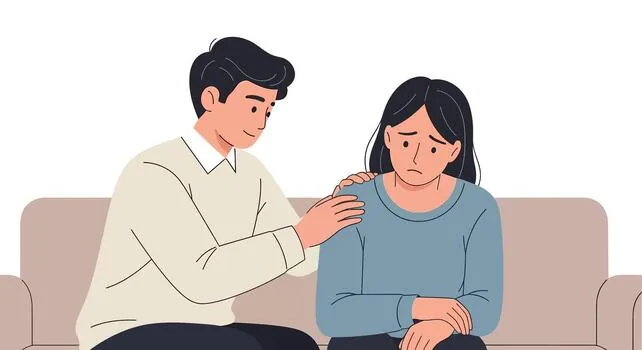
Some phrases sound comforting and land like a door closing. “They’re in a better place”, “everything happens for a reason”, “at least they’re not suffering”, “you need to stay strong” — each one, however kindly meant, tells your partner to stop feeling what they feel. Your partner does not want their loved one in a better place; they want them here. They do not want a reason; they want their person back. The kindest words are the simplest and the most honest: “I’m so sorry”, “This is awful”, “I don’t know what to say, but I’m here”. Honesty beats comfort that is not true.
Phrases to avoid: “better place”, “for a reason”, “at least”, “stay strong”, “time heals”. What to say instead: “I’m so sorry”, “This is awful”, “I’m here”. Why it matters: false comfort tells your partner their feelings are wrong. How to recover: if you say the wrong thing, apologise simply — “That came out wrong. I’m here.” Quick verdict: honest words, even clumsy ones, beat polished ones that are not true.
13. Ask “What Do You Need Today?” Instead of “How Are You?”

“How are you?” is almost impossible for a grieving person to answer honestly, so they say “fine” and the conversation ends. “What do you need today?” is a better question, because it is small, concrete and answerable: a nap, a walk, a phone call made on their behalf, an hour alone, a hug. Ask it daily, and accept the answer without judgement — even if the answer is “nothing” or “I don’t know”. And ask it with specifics sometimes, because a choice is easier than an open question: “Would you like me to cook, or shall we get takeaway?” gives your partner something they can actually say yes to.
What to ask: “What do you need today?” — and ask it again tomorrow. Why it works: it is small enough to answer, and it shows you are paying attention. Best for: every day, especially the weeks after the funeral. How to do it: offer two concrete options when an open question feels too big. Common mistake: asking “how are you?” and accepting “fine” as the whole answer.
14. Show Up Again After the Funeral

The funeral is when support is at its highest — and the week after, when everyone goes back to work and the casseroles stop, is when grief gets loneliest. Your partner will need you more in week three than in week one, so plan for it: put a reminder in your calendar to call, visit or bring food two weeks, four weeks and six weeks after the funeral. Say it out loud — “I’ll still be here next month” — because grieving people often fear that everyone will forget. The people who are remembered most fondly are rarely the ones who came to the funeral; they are the ones who came back afterwards.
When to show up: two weeks, one month, and two months after the funeral. How to do it: a call, a visit, a meal — small, regular, and reliable. Why it matters: grief peaks for many people after the support fades. What to avoid: assuming the funeral was the end of the hard part. Quick verdict: the second month is when your support matters most.
15. Remember the Hard Dates: Birthdays, Anniversaries, Holidays

Grief has a calendar, and your partner is carrying it in their head: the birthday of the person who died, the anniversary of the death, Mother’s Day, Father’s Day, Christmas, Eid, the first holiday without them. These dates can hit like a fresh loss, even years later. Remember them — write them down, set a quiet reminder, and on the day itself, say the person’s name and be close. You do not need a grand gesture: a card, a favourite meal, a visit to a special place, or simply being at home together is enough. Remembering the date tells your partner that their loved one is not forgotten, and neither is their grief.
Which dates: birthdays, death anniversaries, holidays, and the firsts of the first year. How to remember: write them down and set a private reminder. What to do: say their name, be close, and keep the day gentle. What to avoid: pretending the date is ordinary when your partner knows it is not. Quick verdict: remembering a hard date is remembering a person.
16. Help With the Practical Things: Paperwork, Calls, Errands

A death brings a mountain of practical work — death certificates, bank calls, insurance forms, funeral bills, closing accounts, sorting belongings — and it all arrives when your partner has the least energy to deal with it. Offer to take specific jobs: “I’ll call the bank”, “I’ll deal with the paperwork”, “I’ll drive you to the solicitor”. Sit beside them while they make difficult calls, take notes, and keep a simple folder of what has been done and what is left. Practical help is not unromantic or cold — it is one of the most loving things you can do, because it frees your partner to grieve instead of drowning in admin.
What to take on: phone calls, forms, bills, appointments, and sorting belongings. How to do it: offer a specific job, not a vague “let me help”. Best for: the first month, when the admin is at its worst. What to avoid: taking over decisions your partner wants to make themselves. Quick verdict: a handled phone call is a held hand.
17. Give Them Space Without Disappearing

Grieving people sometimes need to be alone, and that need is real — but alone is not the same as abandoned. The balance is to offer space while staying reachable: “I’ll be in the next room if you need me”, “Take all the time you need — I’ll check in later”, “I’m going for a walk, call me if you want to talk”. Give your partner a quiet room, a solo walk, or an afternoon alone without treating it as rejection. And check back in, gently, so that space never turns into silence. The message is: you can have room, and you still have me.
How to offer space: name it, time-limit it gently, and check back in. What to say: “Take your time — I’m right here when you need me.” Best for: partners who withdraw when they are overwhelmed. What to avoid: vanishing for days and calling it “giving space”. Common mistake: taking their need for quiet as a rejection of you.
18. Keep Their Routine Gently Going

When grief flattens everything, small routines are anchors: a morning coffee, a walk, a mealtime, a bedtime. Help your partner keep the ones that matter, without turning routine into pressure. Make breakfast at the usual time, suggest the usual walk, keep the bedtime roughly the same — and let the rest slide. Routine is not about pretending life is normal; it is about giving the day a shape when grief has taken the shape away. If your partner resists, do not force it — offer, and try again tomorrow. A gentle rhythm, held lightly, is a form of care.
Which routines: meals, walks, sleep times, and the small rituals of the day. How to do it: keep them going quietly, without making them a demand. Why it works: routine gives a shapeless day something to hold on to. What to avoid: insisting on normality when your partner cannot manage it. Quick verdict: a gentle rhythm is a quiet kind of rescue.
19. Encourage Rest and Sleep

Grief is exhausting, and exhausted people grieve worse — yet sleep is often the first thing grief steals. Your partner may lie awake replaying the last days, or sleep twelve hours and wake up still tired. Help where you can: keep the bedroom calm and dark, take over night-time duties with children or pets, suggest a short walk or some fresh air in the evening, and do not treat daytime naps as laziness. If sleeplessness goes on for weeks, gently suggest a chat with a doctor, because sleep is not a luxury in grief — it is part of healing. Rest is not giving up; it is how the body repairs itself.
How to help: a calm bedroom, an evening walk, and night duties taken off their hands. Why it matters: grief is physical work, and tired bodies cope worse. Best for: the first weeks, when sleep is most disrupted. Signs to watch: weeks of almost no sleep, or sleeping all day and night. Common mistake: treating a daytime nap as a sign of laziness.
20. Go for Walks Together

A walk is one of the simplest and most effective things you can do together in grief. Walking side by side makes talking easier — there is no eye contact to maintain, no room to sit in, just movement and air — and it gets your partner out of the house, which grief makes strangely hard. Walk slowly, without a destination, and let the conversation come or not come. A park, a quiet street, a riverside path: the place matters less than the rhythm. Many grieving people say their best conversations happened on walks, when the words could come out one step at a time.
How to do it: a slow walk, no destination, no agenda. Why it works: movement loosens words that sitting still cannot reach. Best for: days when talking face to face feels too hard. What to avoid: turning the walk into exercise — this is not a workout. Quick verdict: side by side is easier than face to face.
21. Let Them Be Angry

Anger is one of grief’s most common faces, and one of the most misunderstood. Your partner may be furious — at the doctors, at God, at the driver, at the person who died for leaving, at you for something small — and that anger is not a failure of grieving, it is part of it. Do not take it personally, do not argue it away, and do not tell them they should not feel it. Let the anger be spoken, stay steady, and wait for it to pass. Underneath anger is almost always pain, and the person who can sit with the anger is the person who is trusted with the pain.
What to do: stay steady, listen, and do not argue the anger away. Why it matters: anger is grief with nowhere to go, and it needs a safe place. Best for: the weeks when your partner seems furious at everything. What to avoid: taking the anger personally or answering it with your own. Common mistake: telling a grieving person they should not be angry.
22. Don’t Rush Their Grief or Set a Deadline

Nothing hurts a grieving partner more than a deadline they did not agree to: “you should be over this by now”, “it’s been a year”, “you need to move on”. Grief does not end; it changes, slowly, in its own time, and the person grieving is the only one who can say where they are. Your job is to make room for the long road: keep listening in month six as you did in week one, keep saying their loved one’s name, and never measure your partner’s grief against anyone else’s. Patience is not passive — it is an active, daily choice to stay, and it is one of the greatest gifts you can give.
What to avoid: any sentence with a time limit on grief. Why it matters: a deadline makes your partner hide their grief instead of healing it. Best for: the months after the loss, when others start expecting recovery. How to handle it: keep showing up, keep listening, and let your partner set the pace. Quick verdict: grief has no finish line — and love does not ask for one.
23. Support Them at Work

Work does not pause for grief, and your partner may have to return to a job while their mind is still somewhere else entirely. Help them think through the practical side: how much leave they can take, who to tell and what to say, whether a phased return is possible, and what to do on the hard days. Offer to help draft a short message to their manager, and remind them that struggling at work is normal, not a failure. If they work from home, protect their working hours from extra demands; if they go out to work, have a meal ready and a quiet evening waiting. Work support is grief support, because a job is where a large part of life happens.
How to help: leave, a phased return, and a short message to their manager. Why it matters: grief fogs concentration, and work expects clarity. Best for: the return-to-work weeks, when the shock meets the routine. What to avoid: expecting your partner to perform normally from day one. Common mistake: treating work as a distraction that should fix the grief.
24. Look After Yourself Too

Supporting a grieving partner is heavy work, and supporters burn out too — often quietly, because they feel guilty for struggling when they are not the one who lost someone. But you cannot pour from an empty cup: eat properly, sleep, take walks, talk to a friend, and let yourself feel sad, tired or frustrated without guilt. Your grief is real too — you may have lost someone you loved, and you are certainly losing the easy version of your daily life. Ask for help when you need it, whether that is a friend, family, or a counsellor of your own. Looking after yourself is not selfish; it is what lets you keep showing up.
What to do: sleep, eat, walk, and talk to someone you trust. Why it matters: a burnt-out supporter cannot support anyone. Best for: every supporter, especially after the first month. Signs to watch: exhaustion, irritability, and feeling guilty for having needs. Common mistake: believing your pain does not count because it is not your loss.
25. Keep the Children Steady

Children feel grief in waves, and they need steadiness from the adults around them — which often means you. Keep their school runs, mealtimes and bedtimes as normal as you can, and answer their questions simply and honestly: “Grandma died, and we won’t see her again, but we can remember her and talk about her.” Let them draw, play, and ask the same question ten times. If your partner is too overwhelmed to parent fully for a while, step in without making it a big deal — take over homework, bath time and school runs, and tell your partner that is the plan. Steady days are a gift to grieving children, and to their grieving parent.
How to help: steady routines, honest simple answers, and extra parenting load. Why it matters: children take their safety from the rhythm of the day. Best for: families with young children after a death. What to avoid: saying “don’t worry” or hiding the truth — children notice. Common mistake: expecting children to grieve like adults, in a straight line.
26. Let Them Keep Rituals and Memories
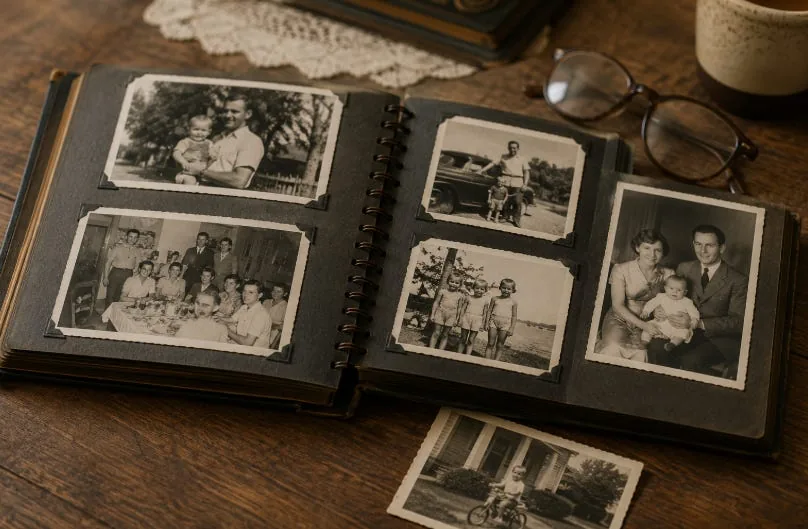
Rituals keep the dead close: lighting a candle, visiting a grave, cooking their favourite meal, looking through photos on their birthday, keeping a chair, a shirt, a playlist. Your partner may want to keep these rituals for years, and that is not clinging — it is remembering. Support them: go along, help set it up, join in or sit quietly nearby. If your partner wants to keep a loved one’s belongings for now, do not rush to clear them away; sorting a person’s things is one of the hardest jobs in grief, and it should happen at your partner’s pace, not anyone else’s. Memory is not the opposite of moving forward — it is part of it.
What to do: join their rituals, or sit quietly nearby, and let them keep what matters. Why it matters: rituals turn absence into something that can be honoured. Best for: anniversaries, birthdays, and the first year. What to avoid: clearing away belongings before your partner is ready. Quick verdict: remembering is not being stuck — it is loving.
27. Make Room for Laughter Without Guilt

One day, months after the loss, your partner will laugh at something — and then feel guilty for laughing, as if joy were a betrayal. It is not. Laughter is not the end of grief; it is proof that life is still there underneath it. Make room for it: share a funny memory of the person who died, watch something light together, let a joke land without rushing to apologise for it. Tell your partner plainly that laughing does not mean they have forgotten, and that their loved one would not want them to stop laughing for ever. Joy and grief can live in the same day, in the same hour — and they often do.
How to do it: share a funny memory, watch something light, and let laughter happen. What to say: “Laughing doesn’t mean you’ve forgotten them.” Why it matters: guilt after laughter is one of grief’s cruellest tricks. Best for: the months after the loss, when joy starts returning. Common mistake: treating laughter as a sign that grief is over.
28. Write It Down: A Note, a Letter, a Text That Stays

Spoken words fade, but written ones stay — and in grief, that matters. Write your partner a short note: “I’m so sorry. I love you. I’m here, and I’m not going anywhere.” Text it, leave it on the pillow, or tuck it into a book. Write about the person who died, if you knew them: a memory, a quality you admired, a moment you shared. Grieving people re-read such notes many times, on the hardest days, when they need to know they are loved. You do not need to be a writer — a few honest lines, in your own words, are worth more than a perfect card bought in a shop.
What to write: a few honest lines — “I’m so sorry. I love you. I’m here.” Why it works: written words can be re-read on the hardest days. Best for: anyone who struggles to say the right thing out loud. How to do it: a note, a text, or a letter — short, honest, and in your own words. Quick verdict: a note on a pillow is remembered for years.
29. Help Them Say No to People and Plans
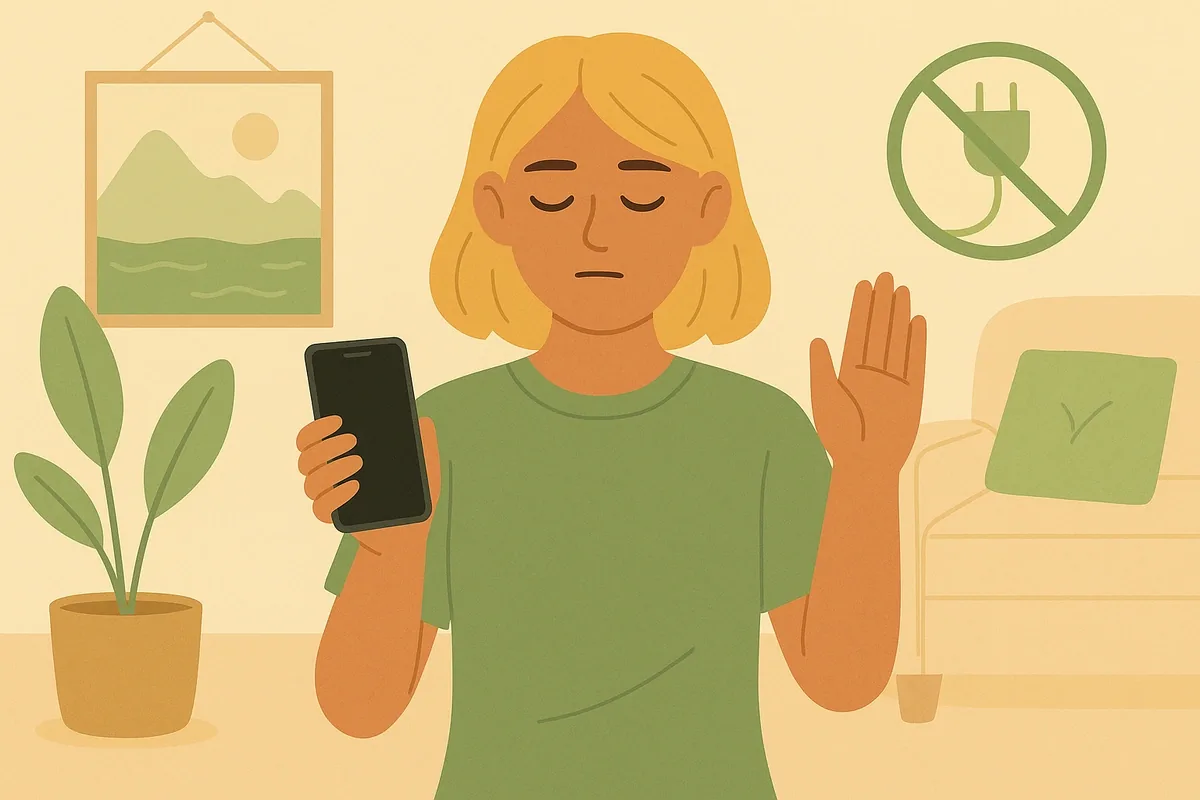
After a death, well-meaning people arrive with invitations, visits, phone calls and expectations — and your grieving partner does not have the energy to manage any of them. Be the person who says no on their behalf: answer the door, field the calls, decline the invitations, and tell visitors that now is not a good time. Give your partner a simple script they can use — “Thank you, but we’re keeping things quiet right now” — and use it for them when they are too tired to speak. Protecting your partner’s energy is a form of care, and it is one of the most useful jobs a supporter can take on.
How to do it: answer calls, decline visits, and run interference kindly. What to say: “Thank you — we’re keeping things quiet right now.” Why it matters: grief leaves no energy for other people’s expectations. Best for: the first weeks, when visitors and calls are constant. Common mistake: letting your partner manage everyone else’s feelings about the loss.
30. Notice the Warning Signs

Most grief, however painful, eases slowly over months. But sometimes grief turns into something that needs professional help, and noticing the difference matters. Watch for warning signs: your partner cannot eat or sleep for weeks, they withdraw completely, they talk about not wanting to live, they turn heavily to alcohol or medication, or they seem stuck in the same raw pain months later with no easing at all. If you see these signs, do not panic — but do not ignore them either. Raise it gently, offer to go with them to a doctor or counsellor, and if they talk about harming themselves, seek help immediately. Noticing is not overreacting; it is love with its eyes open.
Signs to watch: weeks without eating or sleeping, total withdrawal, talk of not wanting to live, heavy drinking. What to do: raise it gently, and offer to go with them for help. Why it matters: grief can become depression, and depression is treatable. What to avoid: ignoring the signs because you do not want to overreact. Quick verdict: if you are worried, say so — and act on it.
31. Suggest Professional Help Gently — and When

There is no shame in grief counselling, and suggesting it is not saying your partner is broken — it is saying they deserve support from someone trained to give it. The right time is usually after the first few weeks, when the shock has passed and the long road is clear, or sooner if the warning signs in the previous section appear. Raise it gently and practically: “I found a counsellor who works with bereaved partners — would you like me to book a first session, and I’ll come with you?” Offer to make the call, drive them there, and pay if you can. Many people who resist counselling at first are grateful later — and even one session can help.
When to suggest it: after the first weeks, or sooner if warning signs appear. How to say it: gently, practically, and with a concrete offer to help. What to offer: to book it, drive them there, and come along. What to avoid: presenting counselling as a last resort or a sign of failure. Quick verdict: asking for help is strength, not weakness.
32. Be Patient With Intimacy and Closeness

Grief changes intimacy, and it changes it differently for different people: some want to be held more than ever, others cannot bear to be touched, and the same person may swing between the two. Be patient, and do not take a closed door personally. Keep offering closeness without demanding it — a hand to hold, a hug, sitting close on the sofa — and let your partner come back to physical intimacy in their own time. Talk about it gently when the moment is right: “I miss being close to you, and I understand you need time — I’m here whenever you’re ready.” Patience here is not distance; it is love that waits.
How to handle it: offer closeness, never demand it, and let your partner set the pace. Why it matters: grief lives in the body as well as the mind. Best for: couples finding that grief has changed their physical closeness. What to avoid: taking a need for space as rejection, or pressuring for intimacy. Common mistake: assuming that wanting closeness — or not wanting it — means something is wrong.
33. Grieve Together, Differently

You and your partner will not grieve the same way, even for the same person. One of you may want to talk, the other to be quiet; one may cry, the other may throw themselves into work; one may want the house full of people, the other may want it empty. These differences are normal, but they can feel like distance if you do not name them. Talk about it: “I grieve by talking — you grieve by walking. Can we make room for both?” Respect your partner’s style without abandoning your own, and remember that different does not mean wrong. The couples who get through grief together are not the ones who grieve identically — they are the ones who make room for each other’s way.
What it is: two people grieving the same loss in different ways. Why it matters: different styles can feel like distance when they are really just difference. How to handle it: name the difference, and make room for both ways. What to avoid: judging your partner’s grief by your own. Quick verdict: same loss, different grief — and both are real.
34. The Long Haul: Still There a Year Later

A year after a death, the world has moved on — but your partner may still be grieving, and the second year can be lonelier than the first, because the support has gone. So stay. Keep calling, keep visiting, keep saying their loved one’s name, and keep marking the hard dates. Ask “how are you, really?” in month fourteen as you did in week one. The long haul is where love proves itself: not in the dramatic first days, when everyone is watching, but in the quiet months afterwards, when nobody is watching and it still matters. If you are still there a year later, you have given your partner one of the rarest gifts there is — a person who did not leave.
What to do: keep calling, keep visiting, keep remembering — a year later and beyond. Why it matters: the second year is often lonelier than the first. Best for: every supporter, for as long as grief lasts. How to handle it: mark the dates, say the name, and ask how they really are. Quick verdict: staying is the whole story.
What should I say to my partner when someone they love dies?
The simplest words are the best: “I’m so sorry. I’m here, and I’m not going anywhere.” You do not need a perfect sentence — there is not one — and your partner will not remember your exact words, only that you were there. Avoid phrases that minimise the loss, like “they’re in a better place” or “at least they lived a long life”, and avoid “I know how you feel”. If you are lost for words, say so honestly: “I don’t know what to say, but I love you and I’m here.” That is enough.
How long does grief last?
There is no set time for grief, and it does not end on a schedule. The sharpest pain usually eases over months, but grief changes shape rather than disappearing: it becomes less constant, returns in waves around birthdays and anniversaries, and can resurface years later. Many grieving people say the second year is harder than the first, because the shock has worn off and everyone else has moved on. The kindest thing you can do is never mention a deadline, and keep supporting your partner for as long as it takes.
My partner doesn’t want to talk about it. What should I do?
Respect the silence, and stay close anyway. Some people grieve quietly, and pushing them to talk can feel like pressure. Sit with them, offer gentle openings — “I’m here if you want to talk, now or later” — and let them come to you. Keep offering, without demanding, and pay attention to other signs: if your partner stops eating, sleeping or leaving the house for weeks, that is a different problem, and it is worth raising gently. Silence is fine; withdrawal that deepens is not.
What should I never say to a grieving partner?
Avoid “I know how you feel”, “they’re in a better place”, “everything happens for a reason”, “stay strong”, “at least they lived a long life”, and “it’s time to move on”. Each of these, however kindly meant, tells your partner to stop feeling what they feel. Also avoid comparing their loss to yours, or to anyone else’s. The safest words are simple and honest: “I’m so sorry”, “This is awful”, “Tell me about them”, and “I’m here”. If you say the wrong thing, apologise simply — “That came out wrong. I’m here” — and move on.
How can I help my partner who lost a parent?
Losing a parent is a particular kind of grief: it can make an adult feel orphaned, whatever their age, and it often brings practical work — paperwork, a house to clear, family disagreements — on top of the pain. Help with the practical side, listen to stories about their parent, say their parent’s name, and remember the hard dates like birthdays and the anniversary of the death. Be patient with the long tail: grief for a parent often resurfaces at life milestones, like the birth of a child or a wedding. Stay close, and stay for the long haul.
Is it normal for grief to get worse months later?
Grief often feels worse months after a death than in the first weeks, and that is normal. In the beginning there is shock, adrenaline, a funeral to organise and people everywhere; when all of that ends, the absence becomes real, and the loneliness sets in. Hard dates — birthdays, holidays, anniversaries — can bring fresh waves even a year or two later. This does not mean your partner is going backwards; it means grief is doing what grief does. Keep showing up, keep listening, and if the pain stays raw and unchanging for many months, gently suggest professional support.
How do I support my partner and look after the children too?
Keep the children’s routines steady — school, meals, bedtime — and answer their questions honestly and simply, at their level. Let children see that sadness is allowed, and let them grieve in their own way, which may look like play, questions, or sudden tears. Share the load openly with your partner: agree who handles bedtime, school runs and homework, and take on more while your partner is overwhelmed. Accept help from family or friends when it is offered, and remember that steady days are a gift to grieving children and to their grieving parent.
When should my partner see a counsellor or therapist?
Consider professional help if grief is not easing after several months, if your partner cannot eat, sleep or work for weeks, if they withdraw completely, turn heavily to alcohol or medication, or talk about not wanting to live — in that last case, seek help immediately. Grief counselling is not a sign of failure; it is support from someone trained to give it, and many people who resist it at first are grateful later. Offer to find a counsellor, book the first session, and go with them. A doctor can also help, especially if sleep or appetite has been badly affected for a long time.
My partner is angry all the time since the loss. Is that grief?
Anger is a very common part of grief, and it can last for months. Your partner may be angry at doctors, at family, at the person who died, at the world, or at you for small things — and underneath the anger is almost always pain. Do not take it personally, do not argue it away, and do not tell them they should not feel it. Let the anger be spoken, stay steady, and wait for it to pass. If the anger turns into shouting, threats or behaviour that frightens you, that is a different matter: step back, stay safe, and seek advice together.
How do I take care of myself while supporting my grieving partner?
Supporting a grieving partner is heavy work, and supporters burn out too — often quietly, because they feel guilty for struggling when they are not the one who lost someone. Eat properly, sleep, take walks, and talk to a friend or family member about how you feel. Your sadness, tiredness and frustration are real, and naming them does not take anything away from your partner. Ask for help when you need it, whether that is a friend, family, or a counsellor of your own. Looking after yourself is not selfish; it is what lets you keep showing up, day after day.
Conclusion: Just Keep Showing Up
Learning how to support your partner through grief comes down to one simple practice: keep showing up. Say you are sorry, say their loved one’s name, listen more than you advise, bring food, handle the small tasks, and stay long after everyone else has gone back to normal life. You will say the wrong thing sometimes, and that is all right — a simple apology and your continued presence will repair it. Your partner does not need you to be perfect. They need you to be there.
Start today, with one thing from this guide. Text your partner that you love them and you are here. Bring dinner, take a walk together, or simply sit beside them in silence. Then do it again tomorrow, and next week, and next month. Grief is long, and love is longer — and the partner who stays, gently and patiently, is the partner who makes all the difference.
