
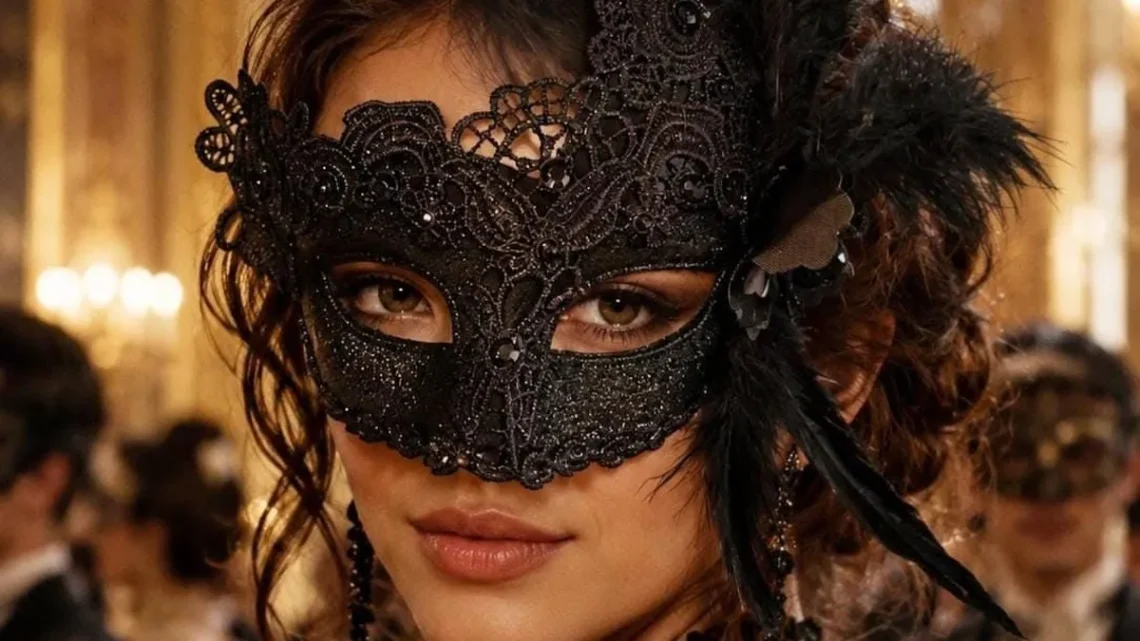
There is something deliciously different about a masquerade ball. The lights are lower, the music is slower, the gowns are grander — and half of every face is hidden behind a mask. That is exactly why hairstyles for a masquerade ball deserve more thought than your usual party hair: with your eyes framed by feathers, lace or jewels, your hair becomes the other half of the mystery.
This guide gives you 33 mysterious, elegant looks to wear behind the mask, from classic Hollywood waves and high chignons to braided crowns, vintage finger waves and pearl-adorned updos. First come eight practical guides on choosing a style for your mask, your hair length and your dress — then the looks themselves, each with styling notes, honest pros and cons, and what to ask your stylist. Finish with direct answers to the questions every masked-ball guest asks, so your hair still looks perfect at midnight.
Whether your ball is a grand Venetian affair, a New Year’s Eve masquerade, a charity gala or a themed birthday, the rule is the same: pick a style that holds the mask steady, flatters the half of your face people can see, and survives hours of dancing. Start with the guides, then find the look that feels like you — only more mysterious.
What a Masquerade Ball Hairstyle Really Is
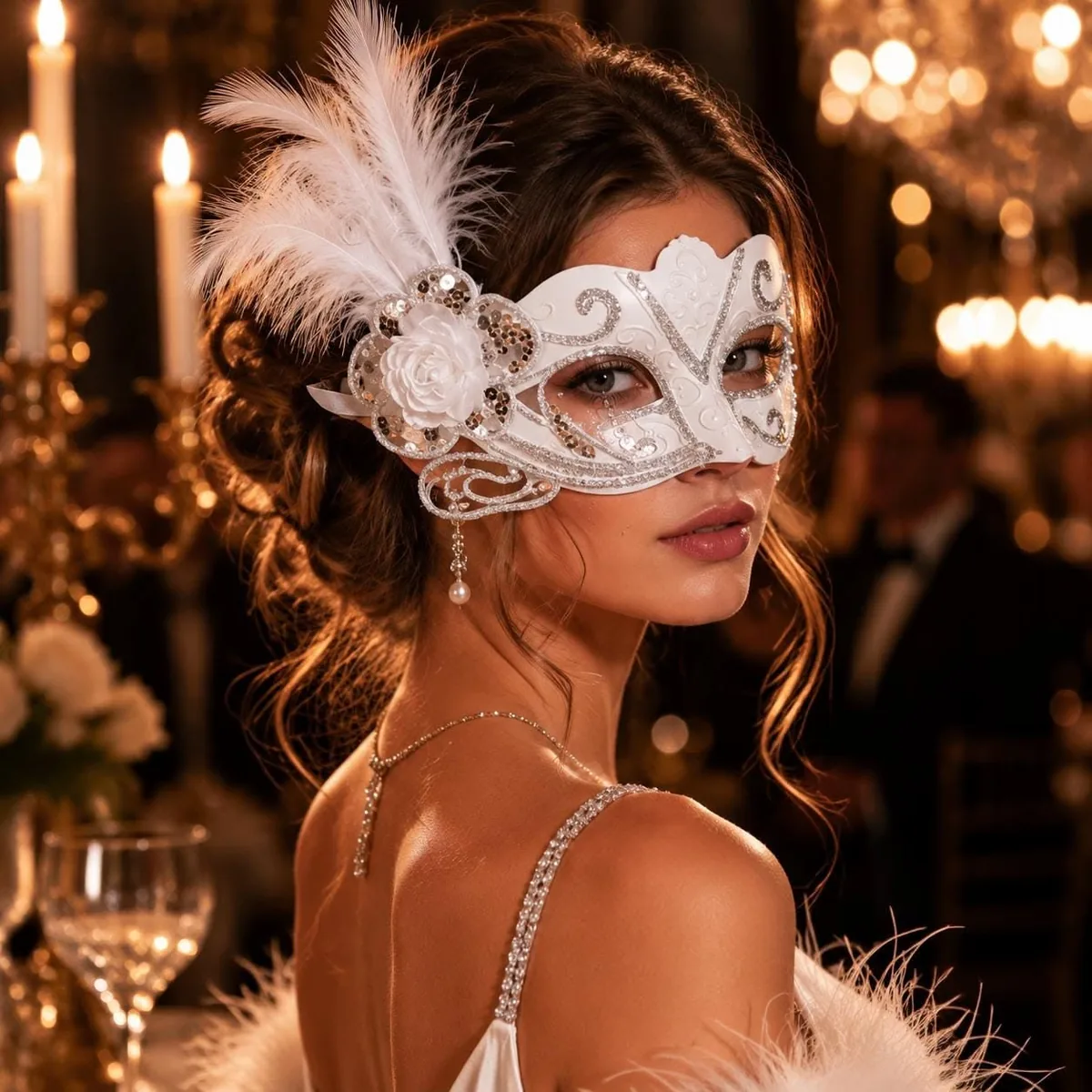
A masquerade ball hairstyle is not just a pretty updo with a mask added on top. It is a style designed around the mask: it keeps the ties, ribbons or elastic clear of tangles, it frames the eyes and cheekbones the mask leaves visible, and it stays secure through hours of dancing, bowing and unmasking at midnight. The best hairstyles for a masquerade ball look deliberate from every angle, because at a ball people see the back of your head as often as the front.
What it is: a formal, long-lasting style built around a mask. Why it matters: the mask hides half your face, so your hair carries more of the look than usual. Who it suits: anyone attending a masked ball, whatever their hair length — short hair simply needs a different kind of style, not a lesser one. How to choose: start with your mask, not your dress. Common mistake: styling the hair first and then discovering the mask ties sit exactly where the pins are.
Why Your Hair Matters as Much as the Mask
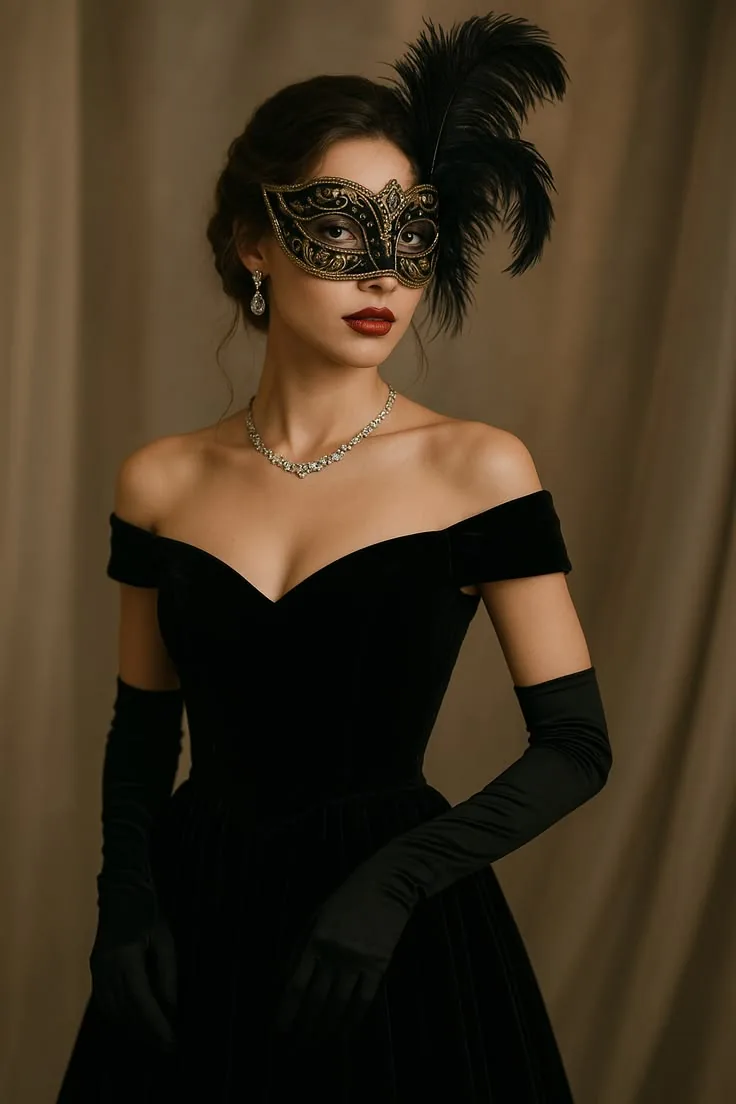
At an ordinary party, your hair is one part of your outfit. At a masquerade, it is half of your identity for the night. The mask covers your eyes and part of your forehead and cheeks; everything people notice about you — your silhouette, your colouring, your elegance — comes from your hair, your gown and your posture. A limp or careless style can flatten even the most beautiful mask, while a polished updo can make a simple mask look expensive.
Hair also does practical work at a ball. A good updo keeps hair off your neck while you dance under hot lights, stops long hair catching on the mask’s ties or your partner’s jacket, and gives the mask something to grip. Best for: anyone who wants to look finished rather than dressed up. Time to allow: 45 to 90 minutes for an updo, 30 to 45 for styled-down hair. Quick verdict: treat your hair as part of the costume, not an afterthought, and the whole look rises a level.
How to Choose a Style for Your Mask Shape
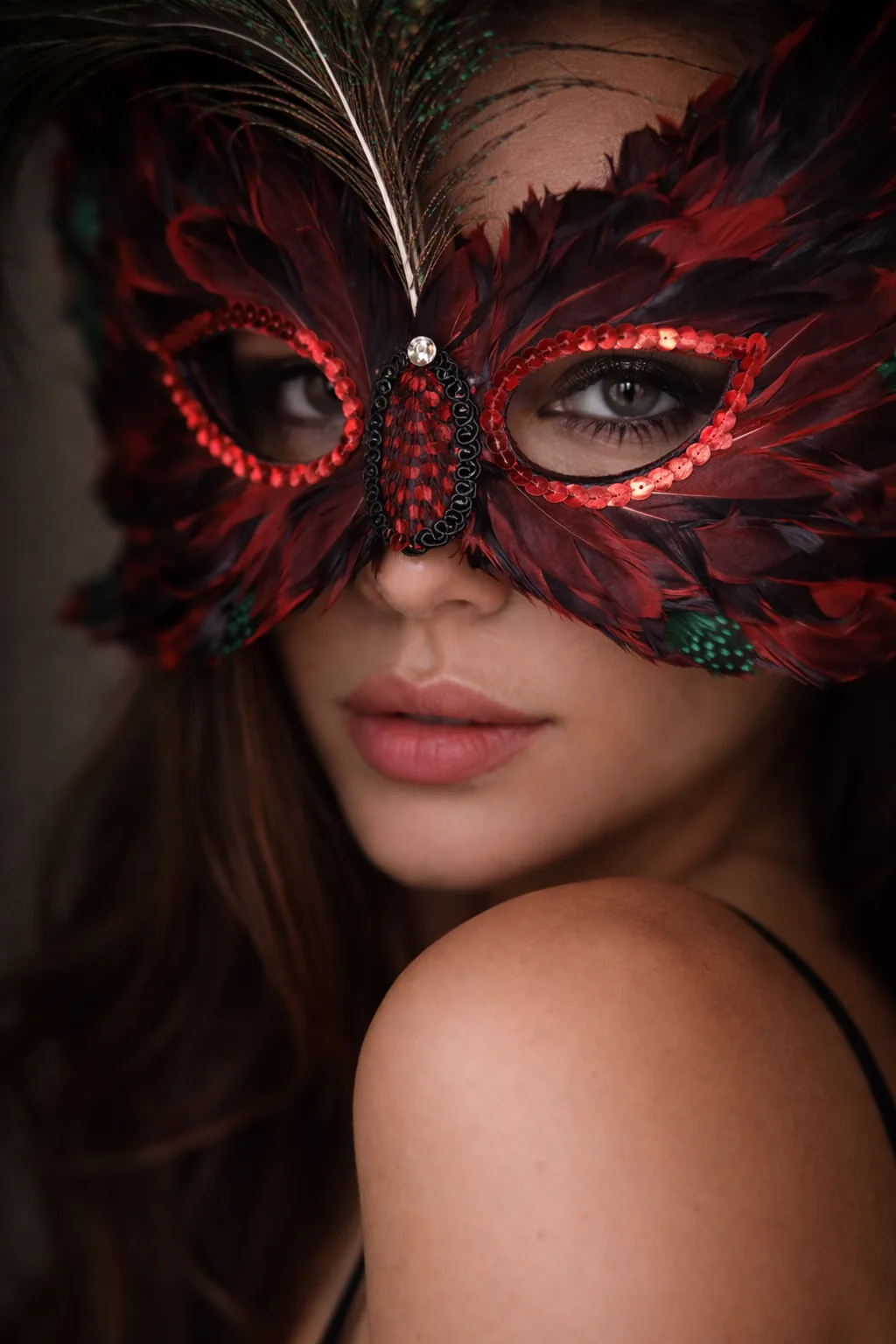
Start by holding your mask up to your face and looking at where it ends. A small eye mask leaves your forehead and hairline free, so almost any style works, including soft waves worn down. A half-face mask that covers the forehead needs height or a swept-back front, or the mask and the fringe will fight each other all night. A full-face or Venetian mask with feathers or a crest needs a smooth, secure base — an updo or a sleek swept style — because anything loose will snag on the decoration.
Also check how the mask fastens. Ribbon ties need a smooth surface to sit against, so a low bun or a sleek ponytail base works better than a textured knot. Elastic bands can slide on very smooth hair, so ask your stylist for a small anchor braid or a couple of hidden grips where the elastic sits. What to ask a stylist: “Can you style this so my mask ties sit flat and the mask will not slip when I dance?” Who should avoid it: heavy fringe with a half-face mask — the fringe pushes the mask down and the mask pushes the fringe into your eyes.
Hairstyles for Short, Medium and Long Hair
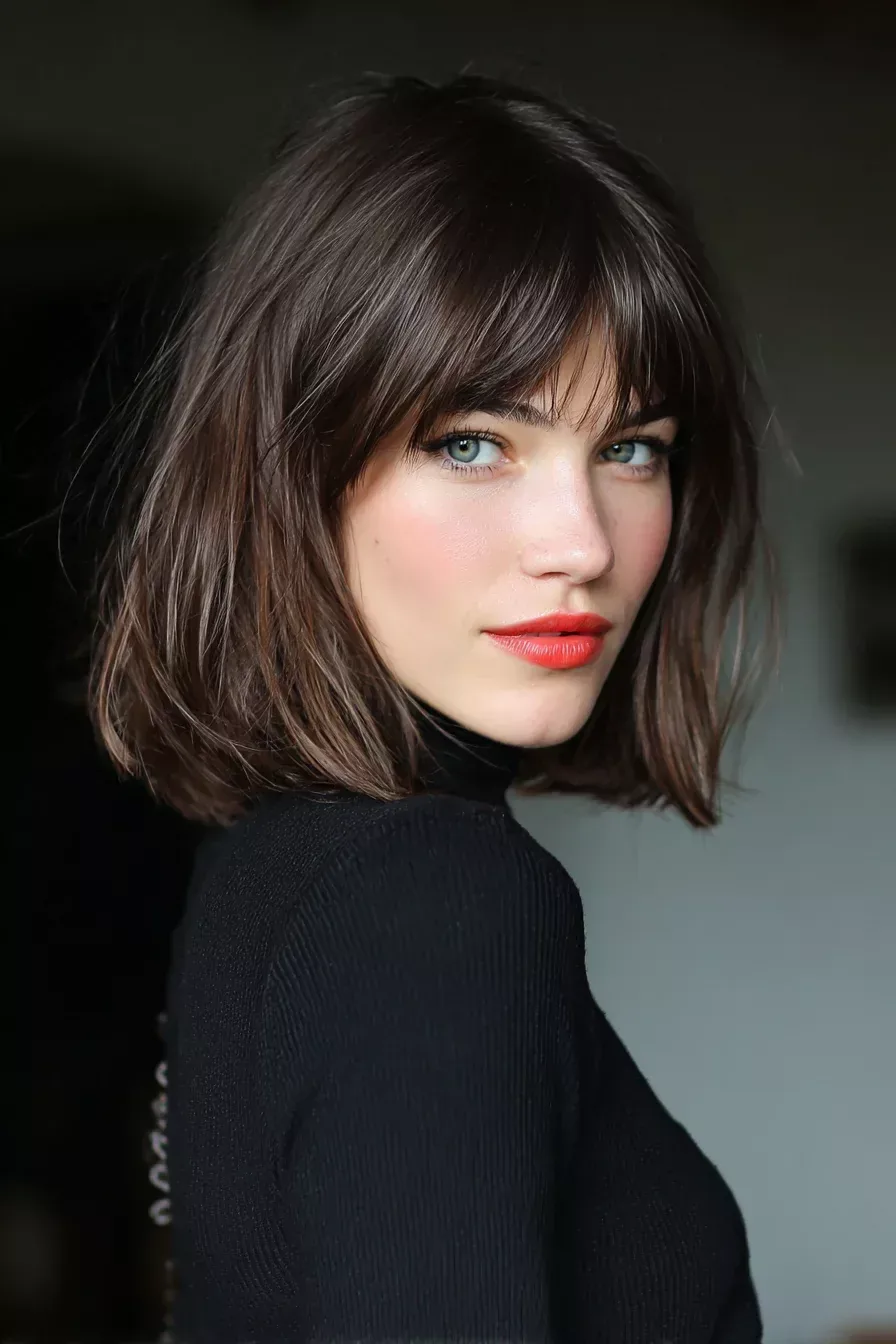
Short hair is no disadvantage at a masquerade — in fact, some of the most striking masked-ball looks are short. A sleek pixie, finger waves or a polished bob frames the mask beautifully and never needs pinning. Add a jewelled clip, a feathered comb or a small headpiece and the look is complete. If your bob is long enough to tuck, a faux bob or a pinned-under style can fake an updo.
Medium hair is the most versatile length for a ball: long enough for a chignon, a low bun or a half-up style, short enough to hold a curl without dropping. Long hair gives you the full range — high buns, braided crowns, cascading curls — but it also needs more pins and more product to last the night. Best for: medium and long hair for updos; short hair for sleek, sculpted styles. Maintenance: long updos need a check and a spritz of spray halfway through the evening; short styles usually last untouched.
How to Make Your Style Last All Night
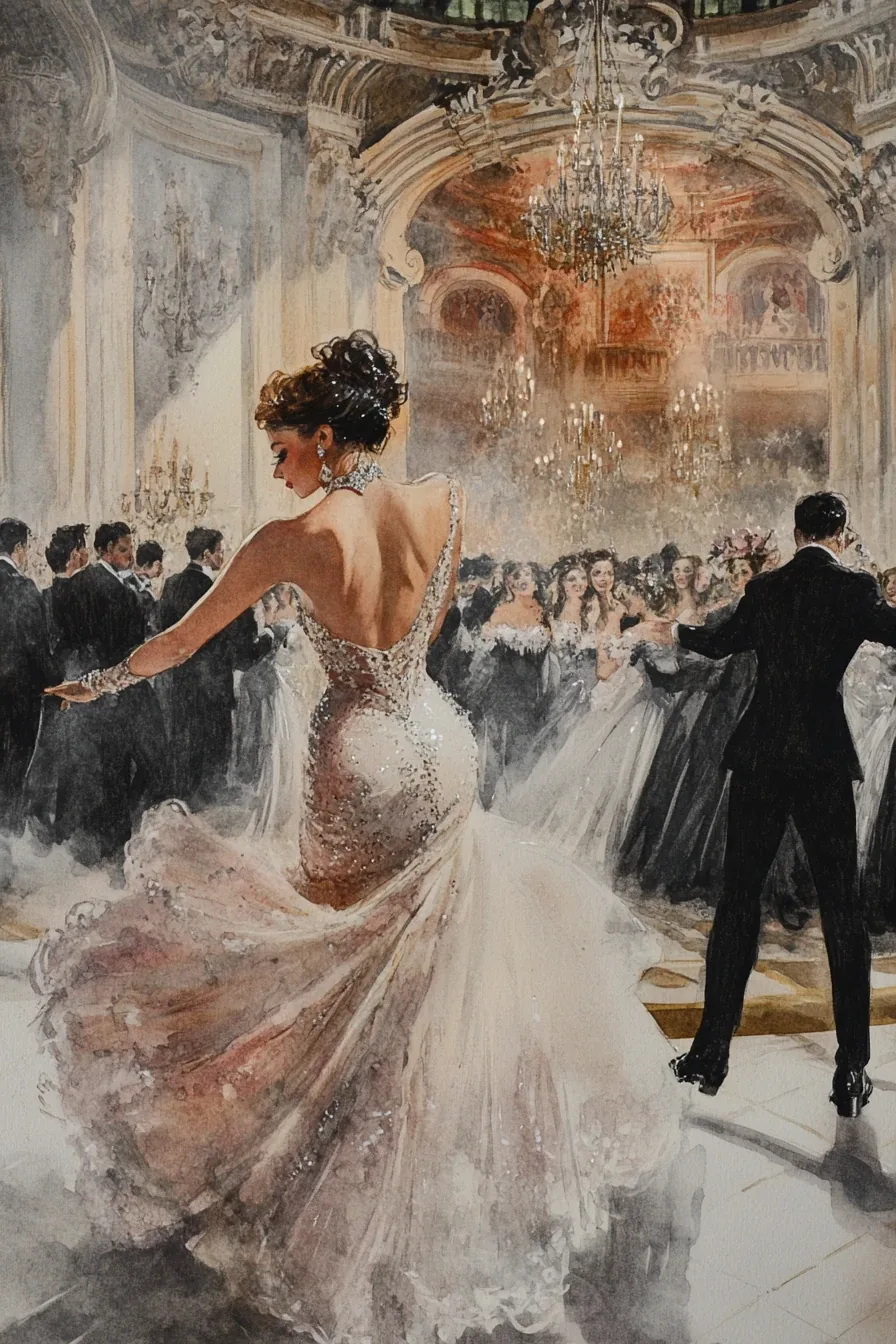
Masquerade balls run long, the rooms run warm, and you will dance. The secret to hair that survives is preparation, not extra hairspray at the end. Start with hair that is not freshly washed — day-old hair grips pins and holds curl far better than squeaky-clean hair. Work in a light mousse or texturising spray before styling, and let each curl cool completely before you brush it out.
Pin strategically rather than heavily: two crossed grips hold better than six parallel ones, and a hairnet-coloured elastic disappears under an updo. Finish with a flexible-hold spray, not a helmet of strong hold, so the style can move without cracking. Common mistake: touching your hair to check it — every touch loosens a pin. What to pack: four spare grips, two pins, a small comb and a travel hairspray in your clutch. Quick verdict: build the style on grip, not on spray, and it will still be standing at midnight.
What to Ask Your Stylist Before the Ball
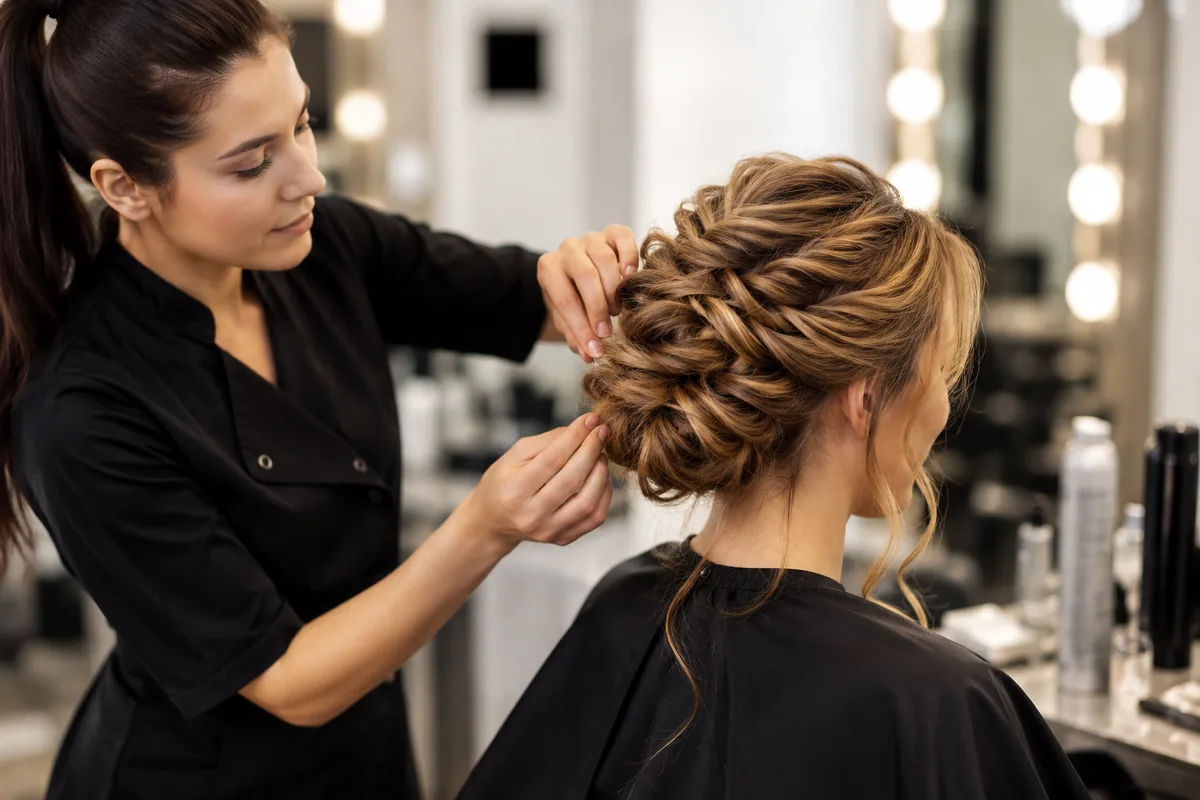
Book a trial if you possibly can, and bring the mask with you — not a photo of it, the actual mask. Your stylist needs to feel its weight, see where the ties fall and test whether it slips against your hair. Bring photos of two or three styles you like, and be honest about what you will actually do on the night: if you will dance for four hours, say so, and the stylist will pin accordingly.
Ask how long the style should take, what products will be used, and whether you need to arrive with clean or day-old hair. Ask what happens if it rains on the way there, and whether the style can be taken down without a fight at the end of the night. What to ask: “Will this hold for five hours of dancing?” and “Can you show me how to fix it if one side drops?” Cost guide: a formal updo at a salon typically takes 45 to 90 minutes; a trial is usually charged separately but is worth every penny.
Hair Accessories That Complete the Mystery
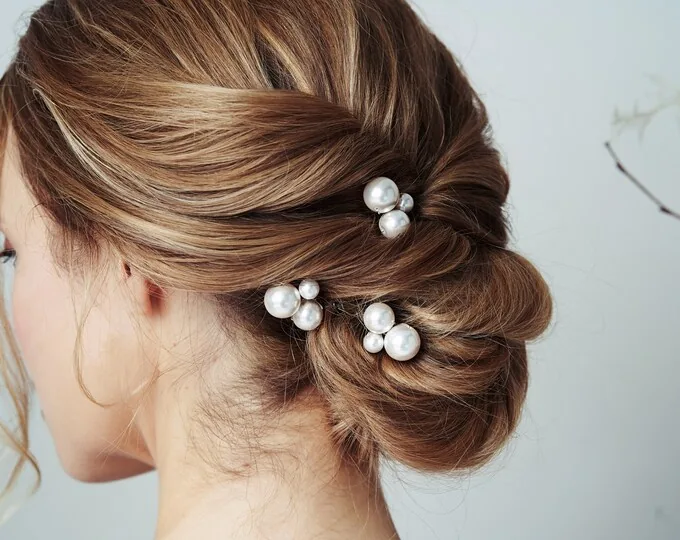
Accessories are where a masquerade hairstyle becomes a costume. Pearls pinned into an updo echo a Venetian ball; a feathered comb matches a feathered mask; a slim gold headpiece turns loose waves into something regal. The rule is to match, not to compete: if your mask is heavily jewelled, keep the hair accessories simple, and if your mask is plain black lace, let the hair carry the sparkle.
Choose accessories that pin in rather than clip on where possible — clips slide on smooth hair once you start dancing. Test every accessory with the mask on, because a comb that sits perfectly on bare hair can clash with a mask’s edge. Best for: pearl pins, slim headpieces, feather combs and jewelled clips. Who should avoid it: anyone with a very heavy mask — adding a heavy headpiece on top is a headache by 10 pm. Quick verdict: one statement accessory, placed where the mask does not cover it, beats three competing ones.
Common Mistakes to Avoid at a Masquerade Ball
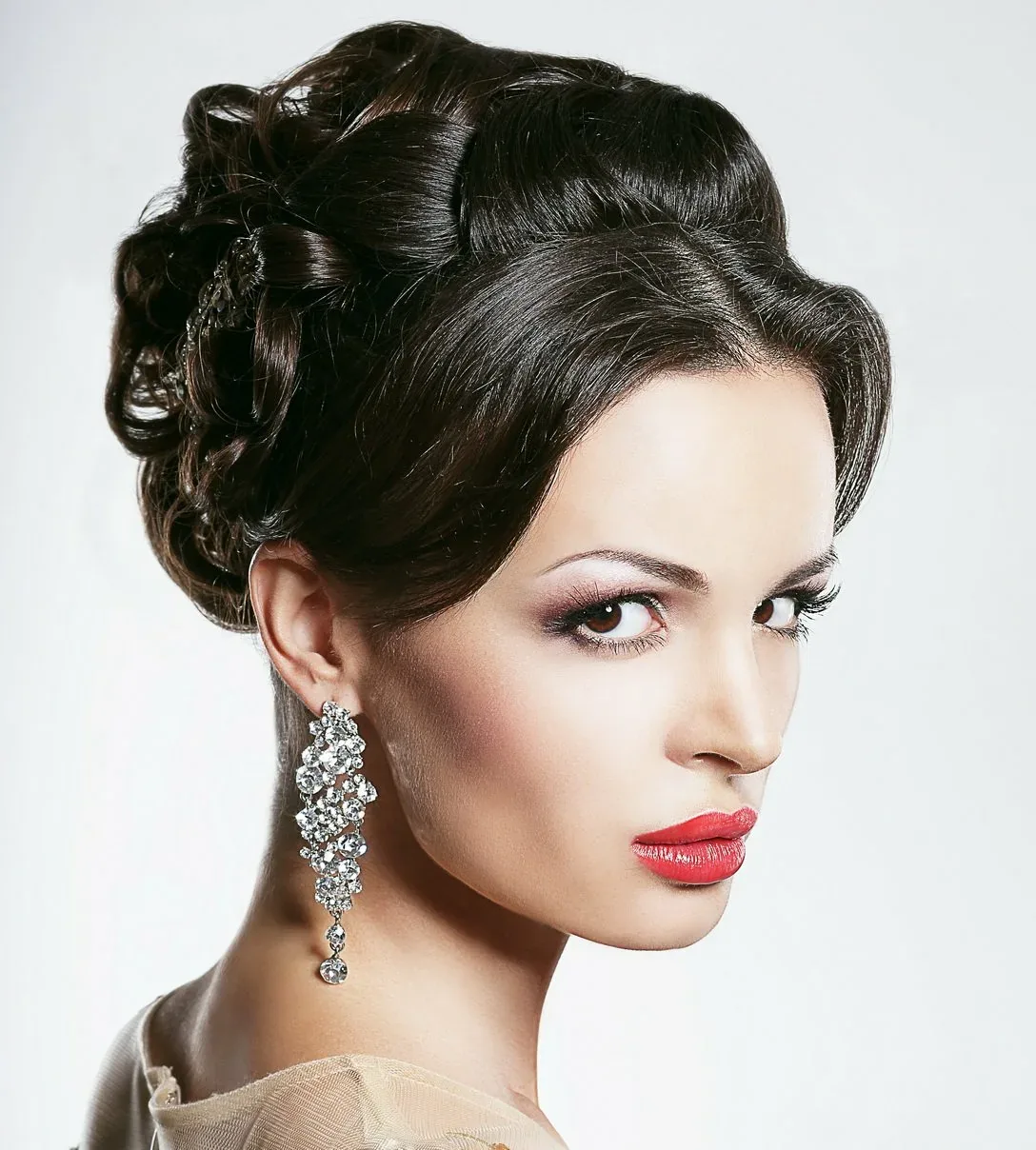
The most common mistake is choosing a style you have never worn before and discovering at 9 pm that it hurts, slips or itches. A masquerade is not the night to debut an untested updo. The second mistake is too much product: hair that is stiff with spray looks flat in photographs and feels awful when someone touches it. The third is forgetting the back — at a ball, people stand behind you in queues and watch you dance, so the back of your style matters as much as the front.
Other traps: a style that covers your ears completely when your mask ties need to sit there; loose hair that catches on feathered masks; and a fringe that falls into your eyes the moment you start to perspire. How to avoid them: wear the full outfit — mask included — for an hour at home before the night. Maintenance: check the back in a mirror before you leave, and take spare pins. Quick verdict: rehearse the whole look once, and the night itself will feel effortless.
1. Classic Hollywood Waves
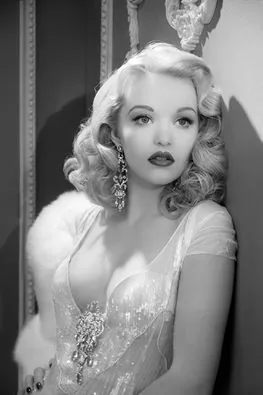
Classic Hollywood waves are the safest, most glamorous choice among hairstyles for a masquerade ball — and for good reason. The deep, polished S-waves frame the face, sit beautifully under any mask, and photograph like a film still. They suit almost every face shape and every gown, from a black velvet column dress to a full Venetian ballgown, and they never look like you tried too hard.
Best for: medium to long hair, and anyone whose mask is ornate — the smooth waves balance busy decoration. How to style: curl in large sections with a 32mm iron, all in the same direction, let the curls cool, then brush through with a soft bristle brush and set with a light spray. Time: 30 to 45 minutes. Common mistake: brushing the waves out too much, which turns glamour into frizz — brush gently and stop while the wave still holds its shape.
Pros: timeless, flattering on everyone, works with any mask. Cons: can drop in humidity, so it needs a good setting spray. Quick verdict: if you only know one formal style, make it this one.
2. The High Chignon
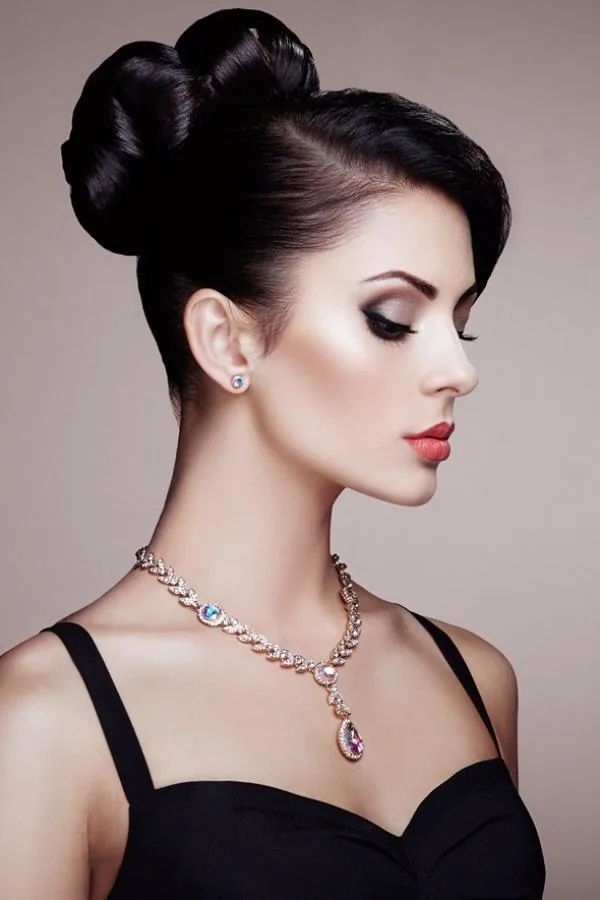
The high chignon is the ballerina of masquerade hairstyles: neat, tall, elegant, and impossible to ignore. Sitting high on the crown, it lengthens the neck, shows off bare shoulders, and gives a feathered or jewelled mask a clean canvas to sit against. It is the style to choose when your gown has a dramatic neckline or an open back.
A high chignon works best on medium to long hair with some texture in it, because very silky hair can slide out of the knot. Your stylist will usually build it over a small padding or a donut for shape, then wrap the hair smoothly around it. What to ask a stylist: “Can you make it sit high enough to show my neckline but low enough that the mask ties clear it?” Maintenance: check the pins once mid-evening; a chignon that starts to sag is easy to rescue with two crossed grips. Who should avoid it: anyone with a very heavy mask — the combined weight can pull at the end of a long night.
3. Low Sleek Bun
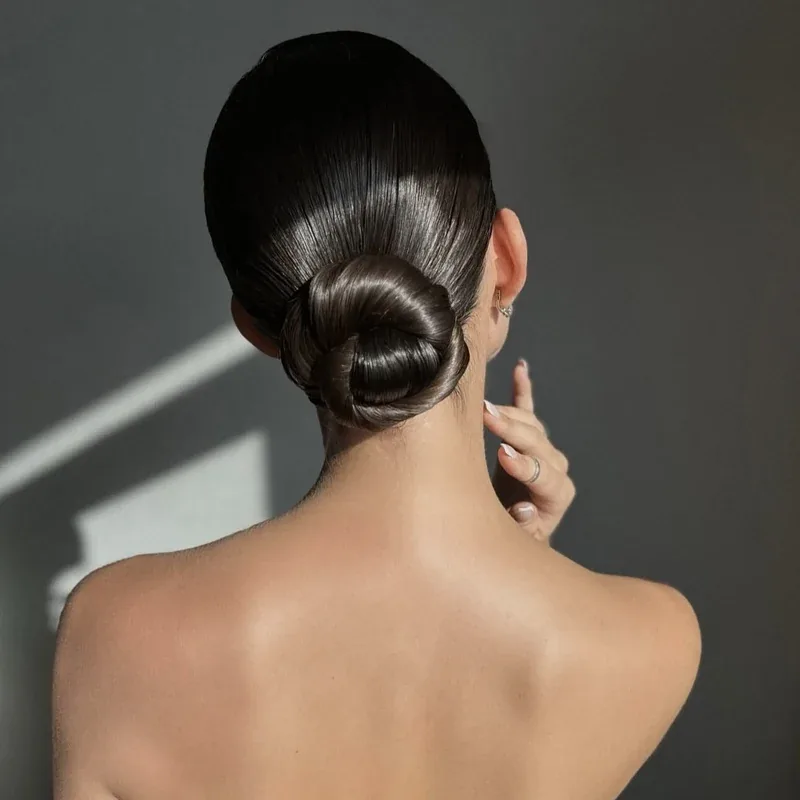
The low sleek bun is quiet luxury in hair form. Gathered smoothly at the nape, with not a strand out of place, it is the most understated of all masquerade ball hairstyles — and that is exactly its power. It lets the mask, the jewellery and the gown do the talking, and it suits a Venetian or black-tie ball better than almost anything else.
Best for: fine or straight hair, because the smooth finish shows off shine. How to style: brush the hair back with a smoothing serum, secure a low ponytail, twist it into a neat coil and pin flat. A centre part keeps it classic; a deep side part makes it more dramatic. Cost and time: one of the quickest formal styles — 20 to 30 minutes at home, or a short salon appointment. Pros: never falls apart, suits every mask. Cons: shows every bump, so the smoothing step matters.
4. French Twist
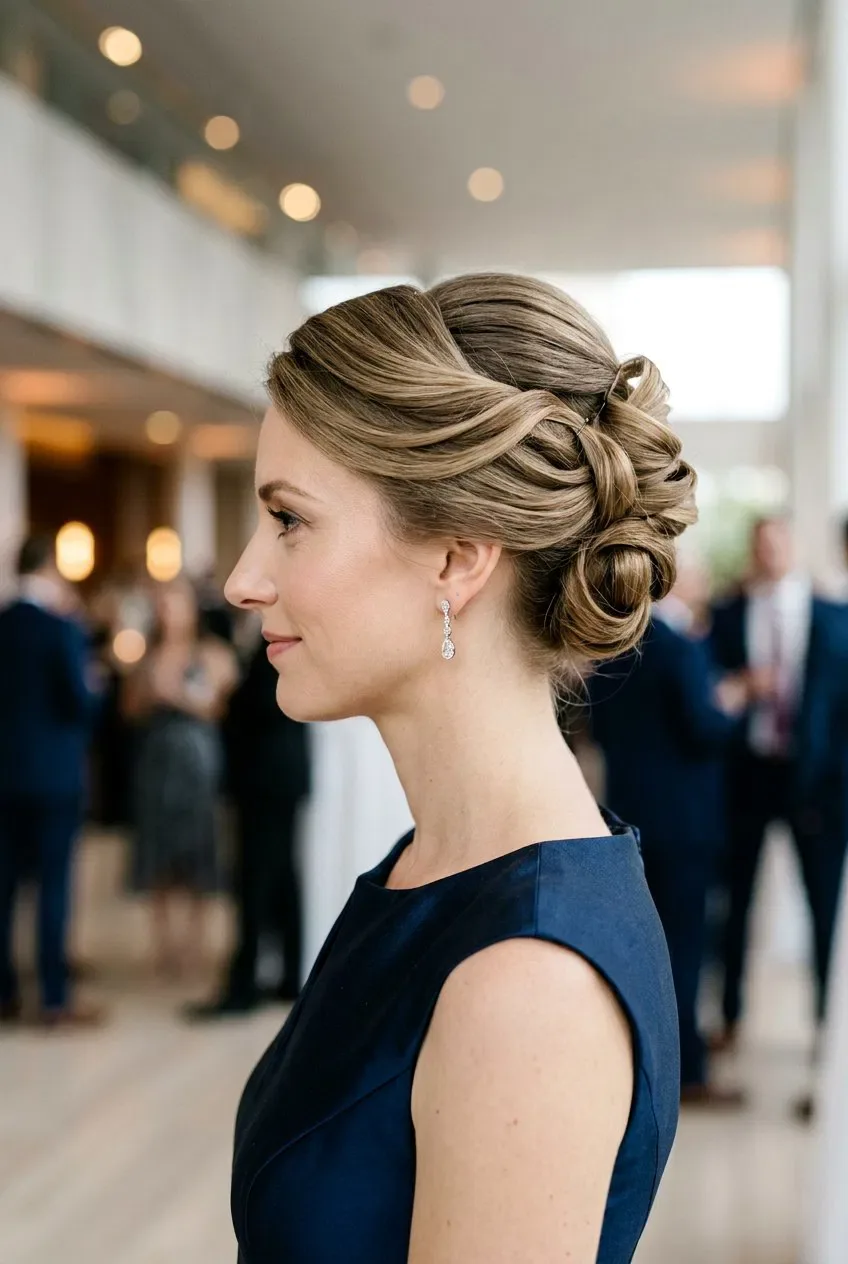
The French twist is pure old-world glamour: a vertical roll of hair pinned up the back of the head, sleek from the front and sculptural from behind. It is the hairstyle of Hitchcock heroines and Paris ballrooms, and it pairs beautifully with a lace or feathered mask because nothing loose can catch on the decoration.
This is a stylist job for most people, because a good French twist depends on tension and hidden pins rather than force. The front can be worn smooth, softly waved or with a deep side sweep. Best for: medium to long hair, and guests who want to look like they stepped out of another era. Common mistake: pinning it too tightly at the top, which makes it look severe — the top should be soft, with the twist itself doing the drama. Quick verdict: the most elegant silhouette in this whole list.
5. Romantic Loose Curls
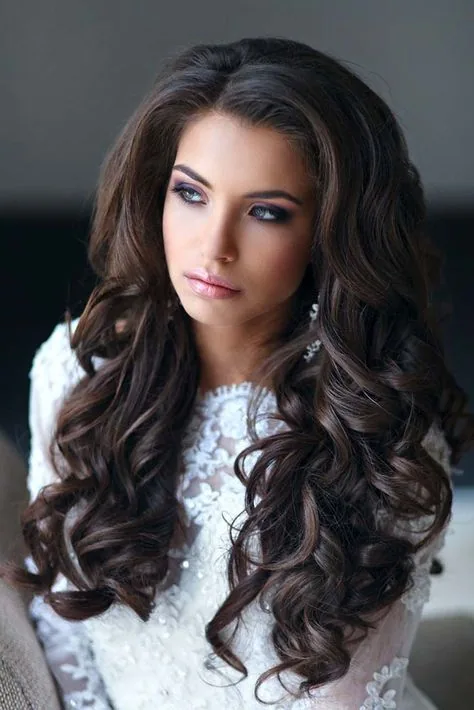
Romantic loose curls are the soft, dreamy answer to a masquerade ball. Big, touchable curls worn down over the shoulders suit a flowing gown and a delicate mask, and they give the whole look a softer, more approachable mystery — less Venetian countess, more romantic heroine.
How to style: curl large sections away from the face with a wide-barrel iron, let them cool, then run your fingers through them rather than brushing. A little texturising spray at the roots keeps the volume alive. Best for: long hair and outdoor or garden masquerades, where a stiff updo can look overdressed. Pros: comfortable, easy to fix, gorgeous in photographs. Cons: curls can catch on feathered masks, so keep the front sections pinned back or tucked behind the ears.
6. Vintage Finger Waves
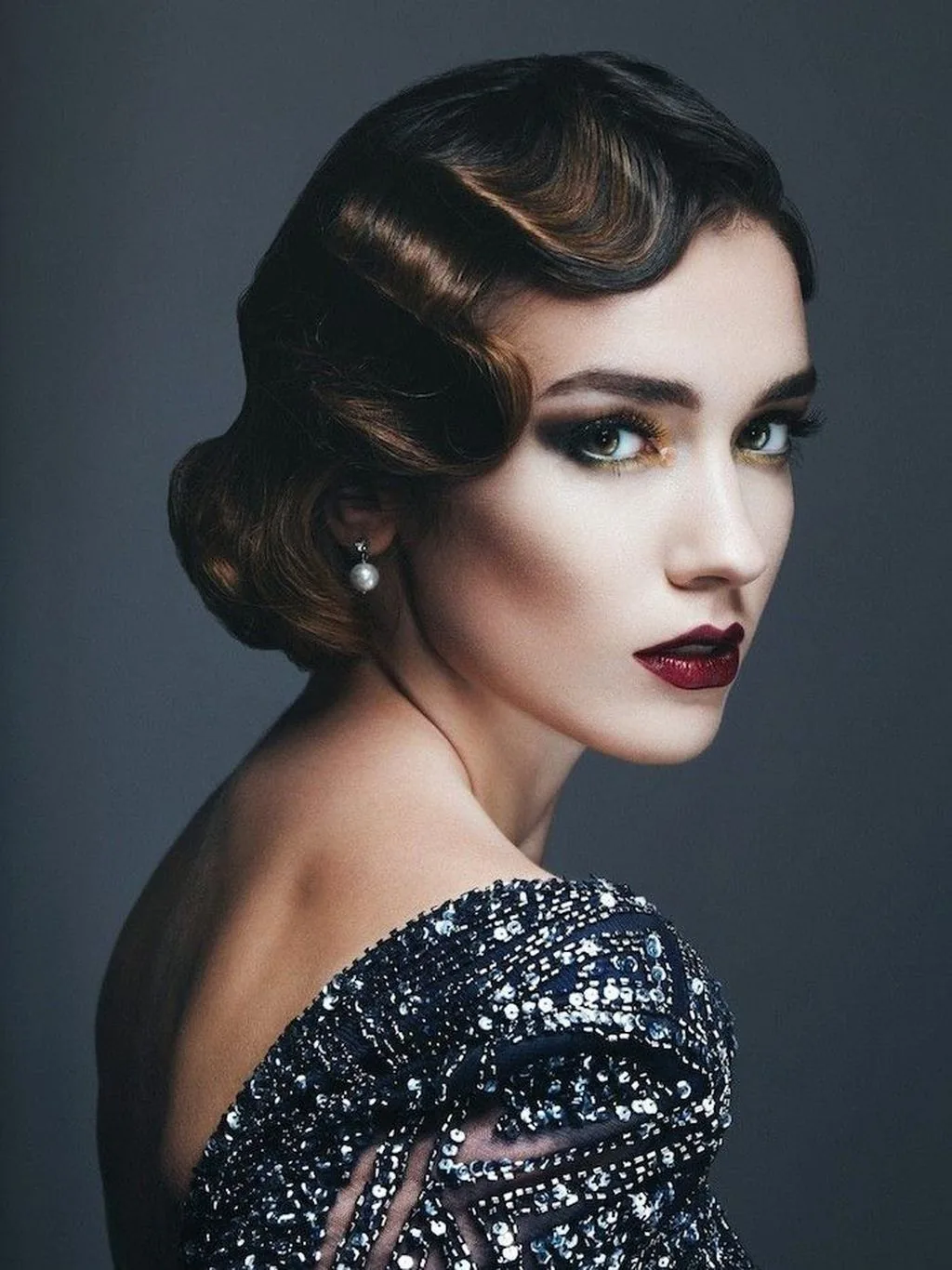
Finger waves are the 1920s made wearable: sculpted, glossy waves pressed close to the head in perfect ridges. With a beaded dress and a feathered mask, they are the most period-perfect of all hairstyles for a masquerade ball, and they photograph beautifully because the waves catch the light.
This style is best done by a stylist with setting lotion and clips, and it needs to dry completely before the clips come out — allow at least an hour, or ask for a modern version done with a flat iron. Best for: short to medium hair, especially bobs. Maintenance: almost none once set — finger waves do not move. Who should avoid it: anyone in a rush; this is a slow style that punishes shortcuts. Quick verdict: the most striking short-hair option in this guide.
7. Old Hollywood Side Sweep
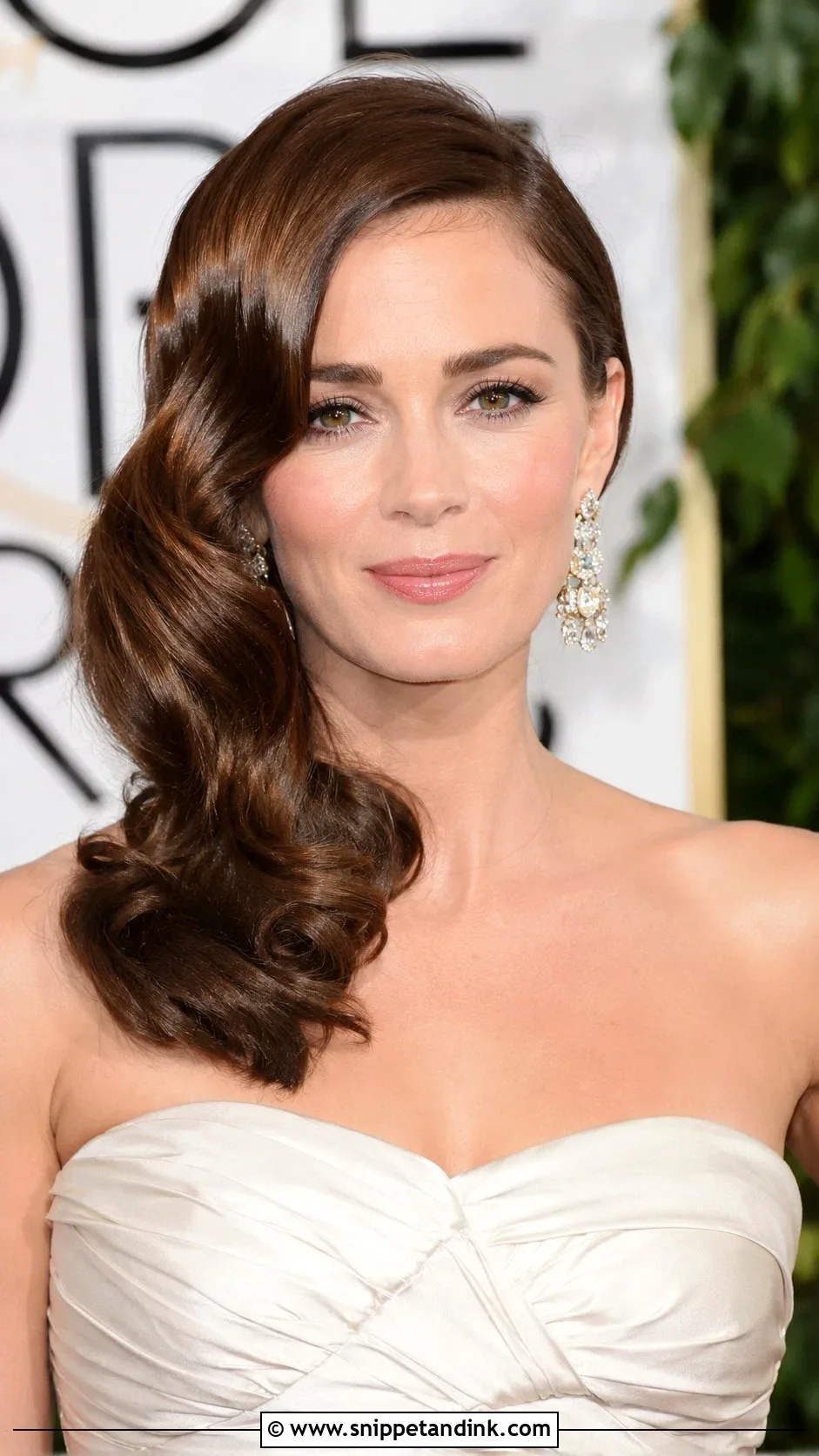
The Old Hollywood side sweep takes everything good about classic waves and adds drama: all the hair swept to one side in a deep, glossy fall over one shoulder. It leaves one side of the neck bare, shows off an earring, and gives the mask a clean, uncluttered side to sit against.
Best for: long hair and one-shoulder or off-the-shoulder gowns. How to style: part deeply on one side, curl the lengths, sweep everything over, and pin the hair flat behind the ear on the empty side with two hidden grips. Common mistake: letting the swept hair creep back across the face — pin it properly and it will stay put all night. Pros: red-carpet drama with very little effort. Cons: needs long hair to look its best.
8. Elegant Low Ponytail
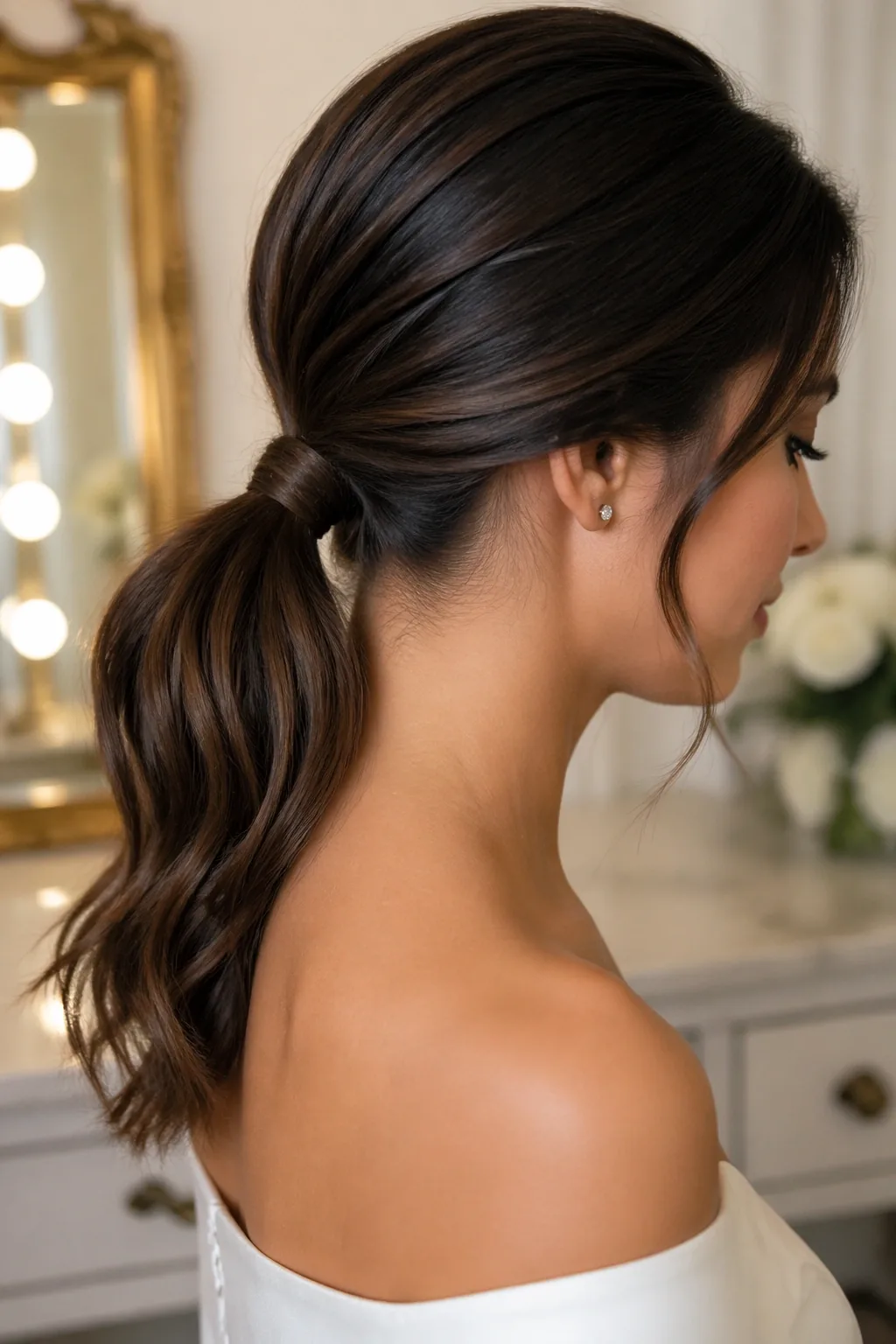
Do not dismiss the ponytail. Done properly — smooth, low, wrapped at the base with a strand of hair, and finished with soft waves through the length — the elegant low ponytail is one of the most modern hairstyles for a masquerade ball. It keeps hair completely clear of the mask ties, it survives dancing better than almost any style, and it looks expensive with a satin or velvet gown.
How to style: smooth the crown with serum, secure low at the nape, wrap a strand around the elastic, and curl the tail in large, loose waves. Best for: guests who plan to dance all night. Time: 15 to 25 minutes. Pros: comfortable, secure, easy to refresh. Cons: can read as too casual if the finish is not polished — the smoothing step is not optional.
9. Braided Crown
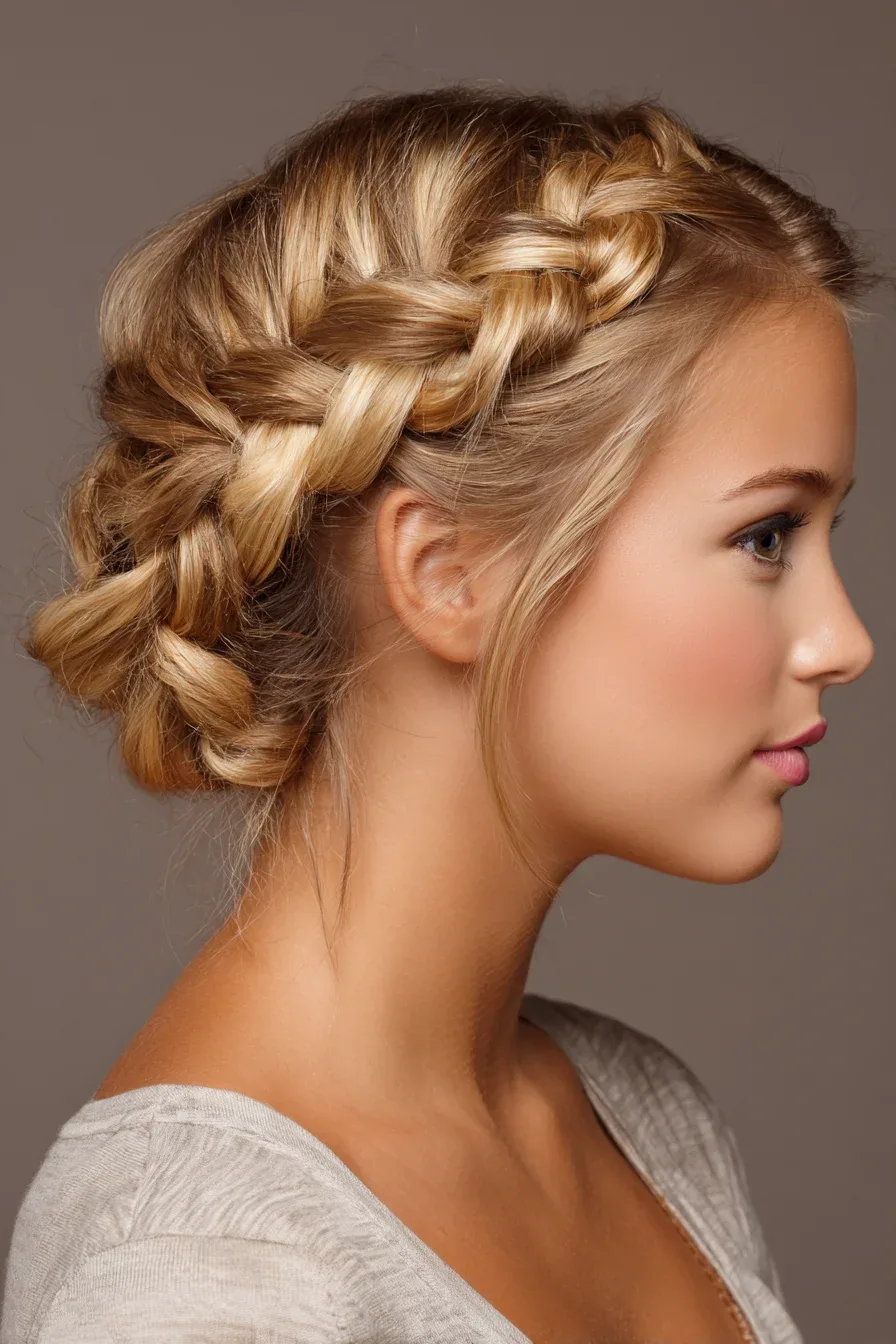
A braided crown — a thick braid wrapped around the head like a halo — is the most regal style on this list. It looks like something from a Venetian painting, it holds a mask perfectly because the braid gives the ties something to grip, and it keeps every strand off your face for the whole evening.
Best for: long, thick hair; finer hair can use a braid extension or padding to build the same shape. How to style: braid two Dutch braids from behind each ear, cross them over the crown and pin them in place, then loosen the braid edges slightly for softness. Maintenance: almost none — this is one of the most secure styles here. Who should avoid it: very short hair, which cannot make a full crown without extensions.
10. Half-Up Half-Down with Volume
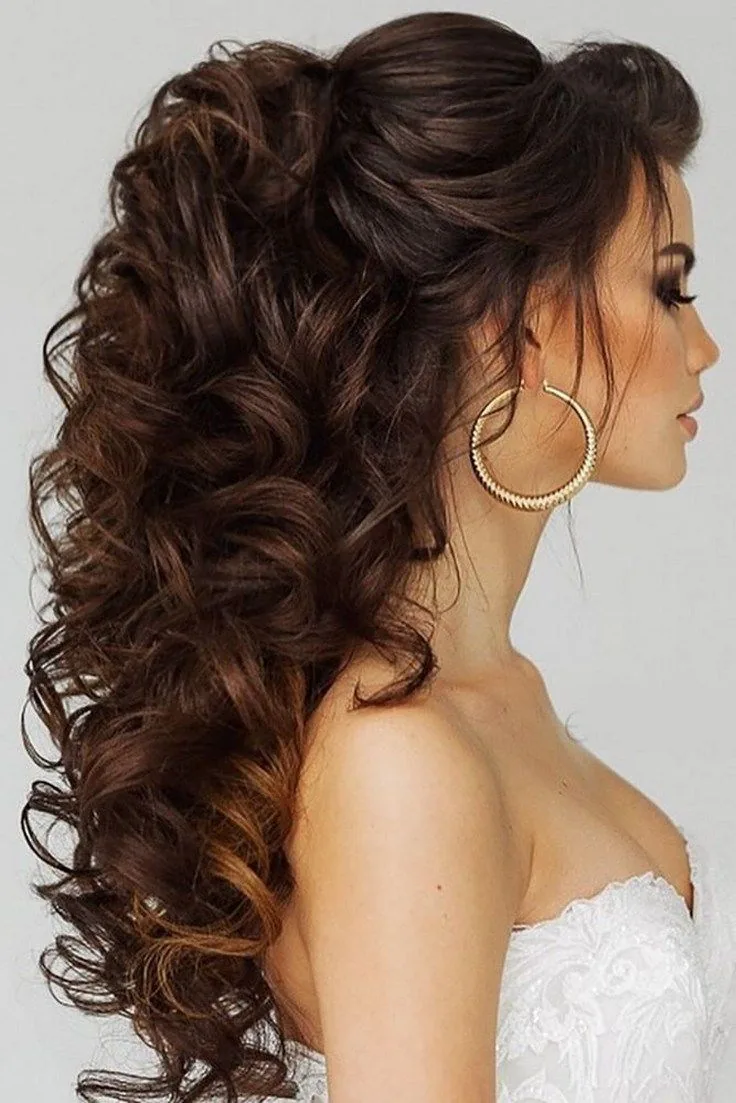
Half-up, half-down with volume is the compromise that refuses to feel like a compromise. The top half is lifted and pinned for height and polish, the bottom half falls in waves — you get the elegance of an updo and the softness of wearing your hair down, in one style. It is also one of the most forgiving masquerade ball hairstyles, because the pinned section holds the mask steady while the loose hair frames the face.
Best for: medium to long hair, and anyone who feels too severe in a full updo. How to style: backcomb the crown lightly, gather the top section and pin it, then curl the loose lengths. Common mistake: taking too much hair into the top section, which leaves the bottom thin — take less than you think. Quick verdict: the best all-rounder in this list.
11. Soft Updo with Face-Framing Pieces
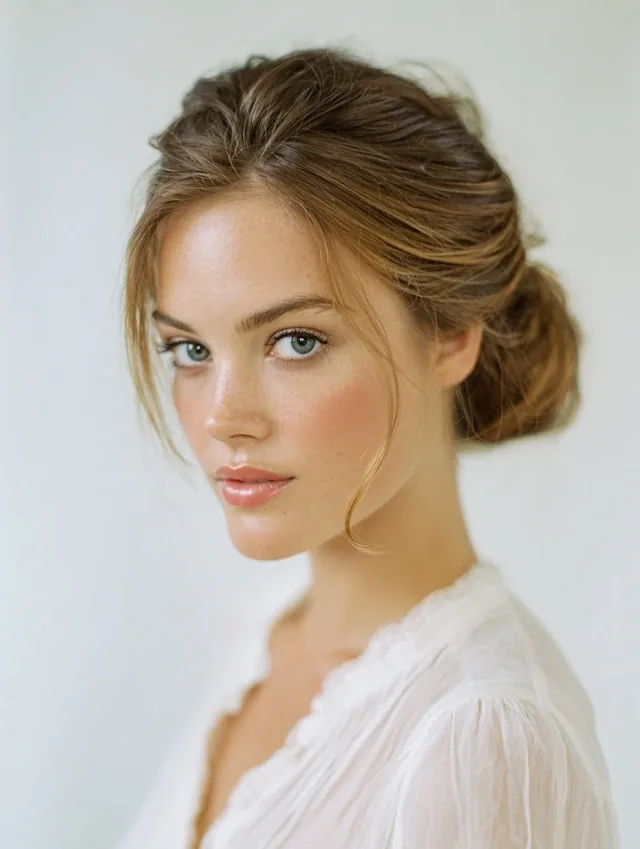
A soft updo with face-framing pieces is the romantic middle ground between a sleek bun and loose hair. The bulk of the hair is pinned up in a loose, textured knot, while two soft pieces are left out at the front to frame the face and the mask. It suits almost everyone, because the loose pieces soften the features the mask leaves visible.
How to style: curl the hair first for texture, gather it loosely at the back, pin it in a soft knot, and pull out two face-framing strands to curl lightly. Best for: round or square face shapes, because the loose pieces lengthen the face. Pros: forgiving, photogenic, comfortable. Cons: the loose pieces can fall into your eyes — keep them behind the mask’s edge, not in front of it.
12. Sleek Straight with a Centre Part
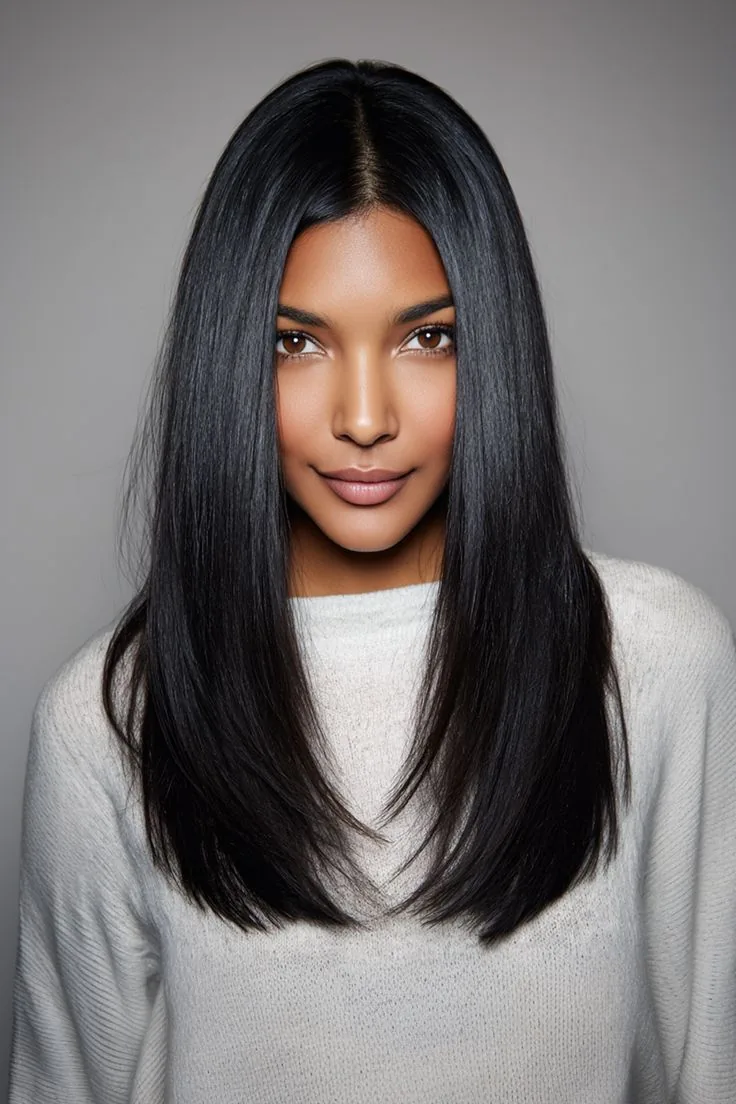
Sleek, straight hair with a centre part is the minimalist’s masquerade look — and minimalism suits a mask. The clean lines frame the mask symmetrically, the shine reads as expensive under ballroom lights, and nothing competes with the decoration on your face. It is the style to choose when your mask is the star of the outfit.
Best for: naturally straight or straightened hair, and bold, jewelled masks. How to style: flat-iron in small sections with a heat protectant, finish with a shine serum, and keep the part razor-straight. Common mistake: skipping the serum — without it, straight hair can look flat rather than glossy. Pros: fast, modern, shows off the mask. Cons: shows rain and humidity immediately, so have a backup plan for the journey there.
13. Voluminous Blowout
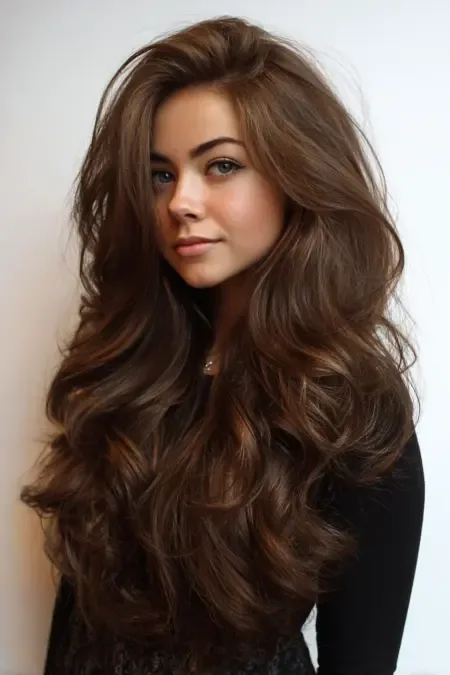
A voluminous blowout is big, bouncy, salon-fresh hair — the kind that moves when you walk into a room. For a masquerade ball, volume is your friend: it balances a large mask, fills out a bare neckline, and photographs with a softness that stiff updos cannot match. It is also one of the most comfortable styles to wear for hours.
How to style: blow-dry with a large round brush, lifting at the roots, and set each section with a velcro roller while it cools. Best for: medium to long hair with natural body. Time: 30 to 40 minutes. Maintenance: a quick upside-down shake and a spritz of dry shampoo halfway through the night revives it completely. Quick verdict: glamour without the pins.
14. Textured Messy Updo
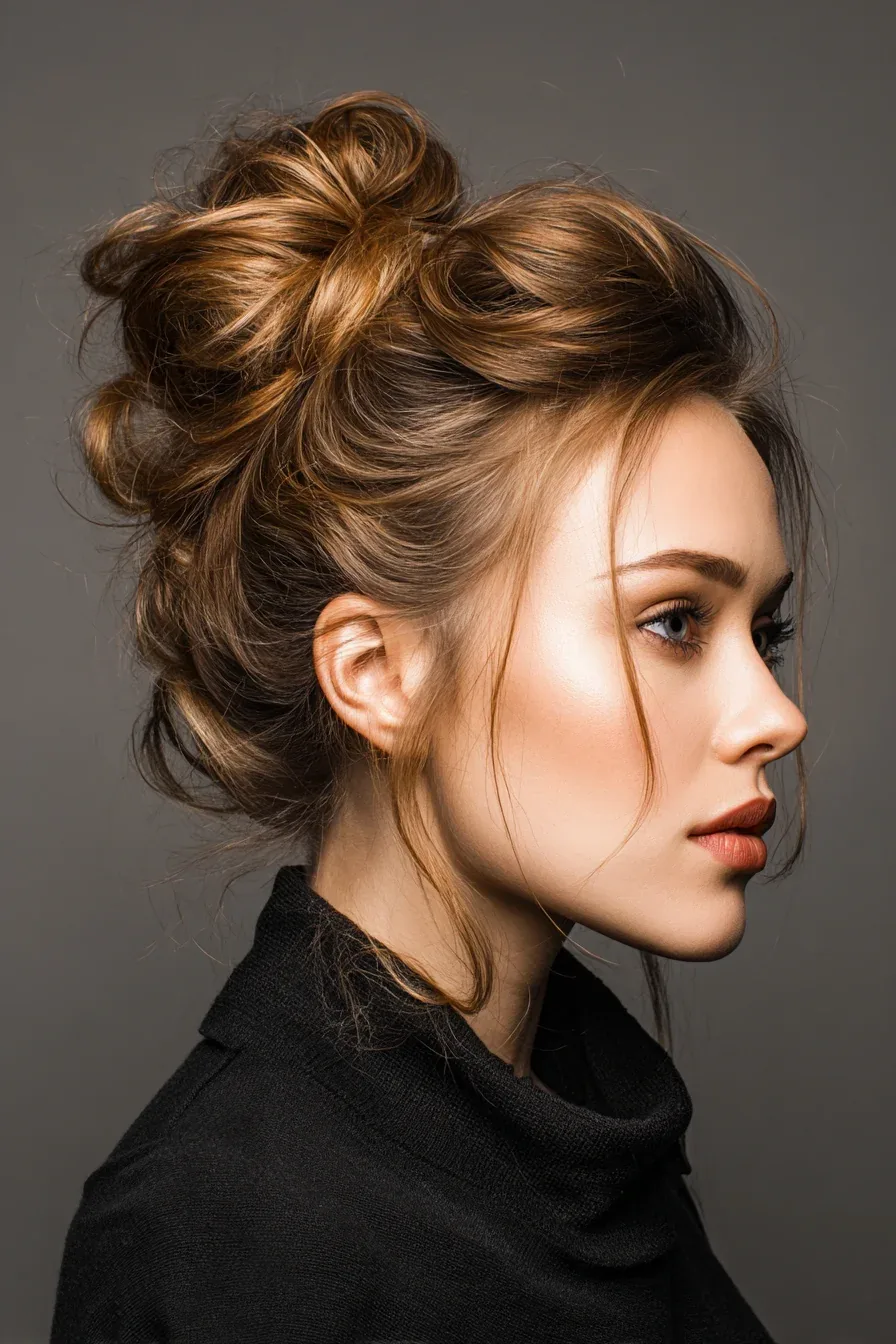
The textured messy updo is the deliberately undone style: hair loosely gathered, pinned with soft volume, a few pieces escaping on purpose. It sounds casual, but at a masquerade it reads as effortlessly romantic — the woman who looks beautiful without looking like she spent three hours on it. It suits flowing, bohemian gowns and softer, lace masks.
How to style: add texture spray, curl loosely, then gather and pin without smoothing — the mess is the point. Best for: wavy or curly hair, which does half the work for you. Common mistake: making it too neat. If it looks tidy, it is not a messy updo. Pros: forgiving, comfortable, easy to fix. Cons: can look unfinished in formal photographs if it is too loose — ask your stylist to keep the front polished.
15. Gibson Tuck
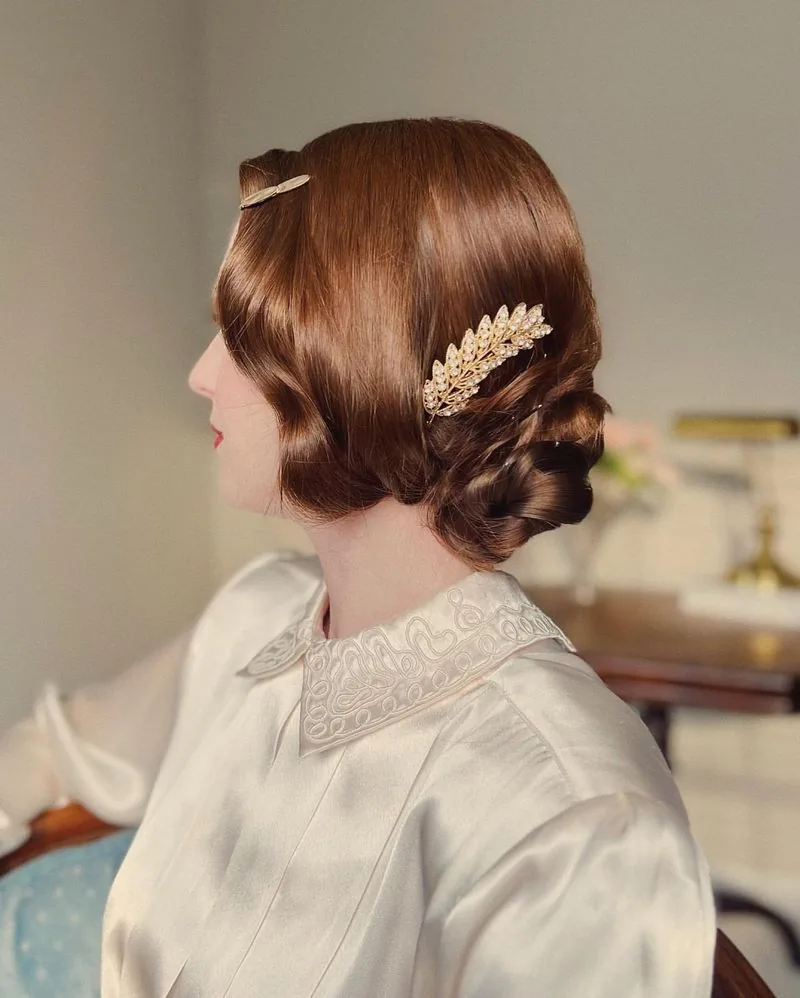
The Gibson tuck is a vintage trick worth reviving: the hair is rolled up and tucked into a band or a roll at the nape, creating a smooth, sculpted shape that looks like an updo but takes five minutes. It is one of the oldest hairstyles for a masquerade ball — Edwardian women wore it to exactly these kinds of dances — and it still works beautifully today.
How to style: put on a thin headband, then tuck sections of hair up and over the band all the way around, pinning where needed. Best for: medium-length hair and anyone who wants a vintage look without a salon visit. Time: 10 to 15 minutes. Pros: fast, secure, genuinely historical. Cons: needs a band that grips well, or the tuck slides out while you dance.
16. Braided Low Bun
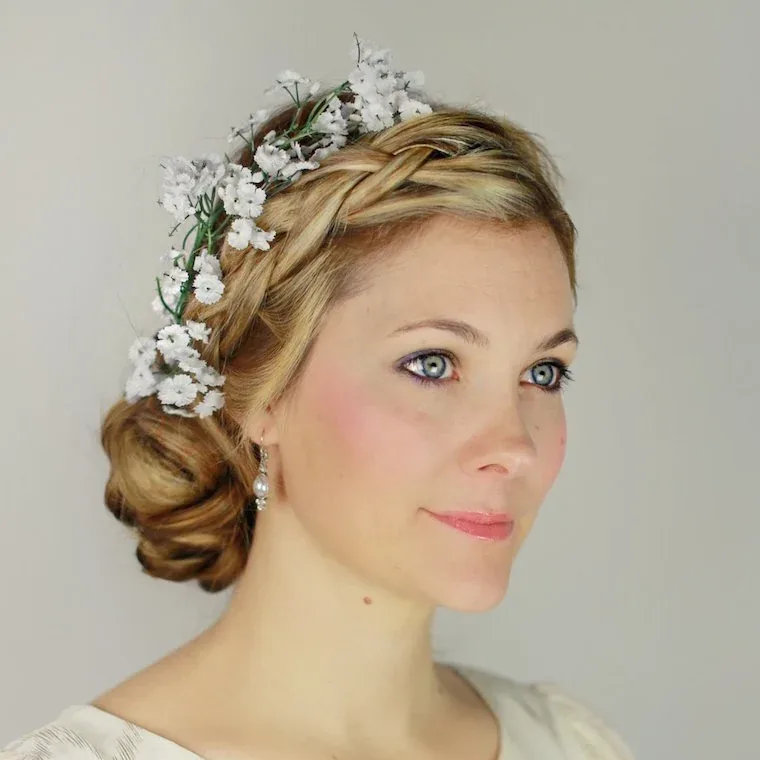
The braided low bun combines two classics: a braid for texture and interest, and a low bun for elegance and security. The braid can run along the crown, down one side, or wrap around the bun itself — each version looks different, and each one keeps hair completely clear of the mask.
Best for: long hair, and guests who want an updo with more detail than a plain bun. How to style: braid a section from the front or crown, gather everything low, twist into a bun, and wrap the braid around the base. Maintenance: almost none — braids lock the style in place. What to ask a stylist: “Can the braid sit where the mask ties will not pull it?” Quick verdict: a plain bun, upgraded.
17. Side Braid into a Bun
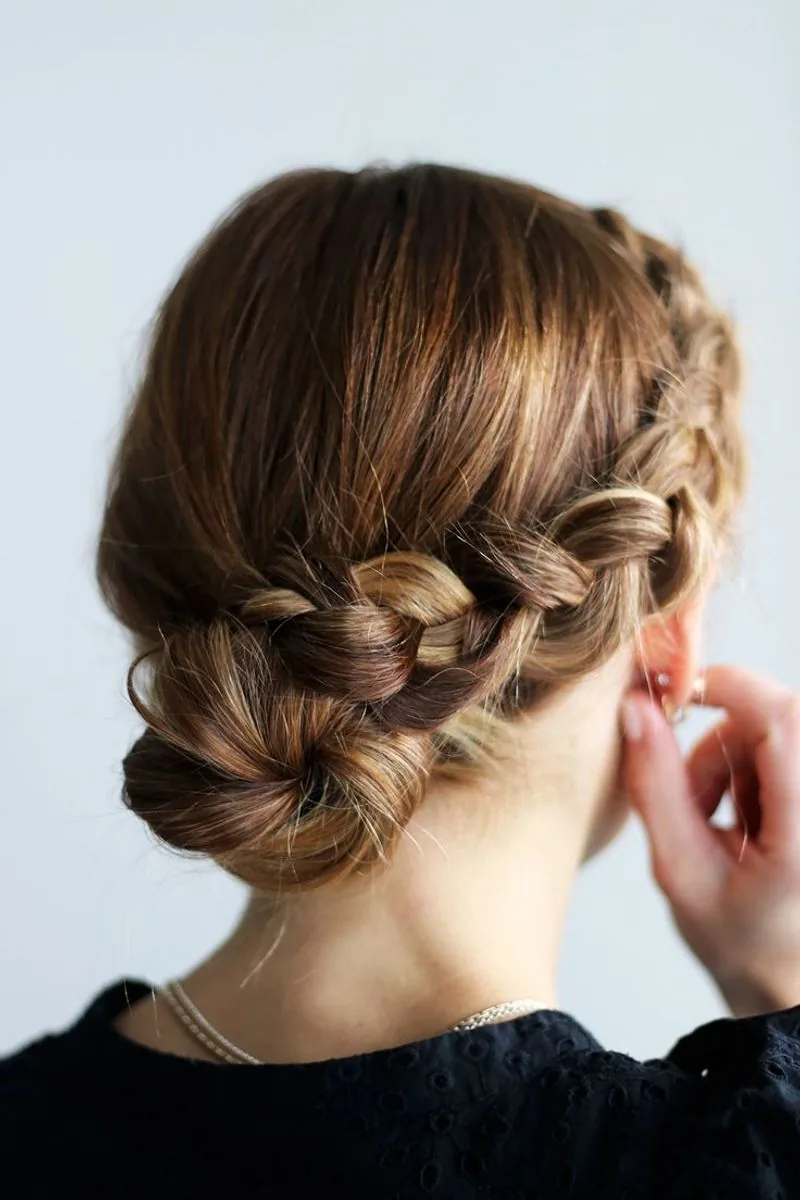
A side braid that flows into a low bun is the asymmetric cousin of the braided low bun, and it has one advantage: the braid runs visibly across the front, framing the mask on one side. From the front you see the braid; from the back you see the bun. It is a style with two faces, which suits a masquerade perfectly.
Best for: long hair and deep side parts. How to style: start a French or Dutch braid at one temple, work it down and across to the opposite side, then gather the remaining hair into a low bun. Common mistake: braiding too tightly at the front, which pulls the mask askew — keep the front braid soft. Pros: beautiful from every angle, very secure.
18. Retro Beehive
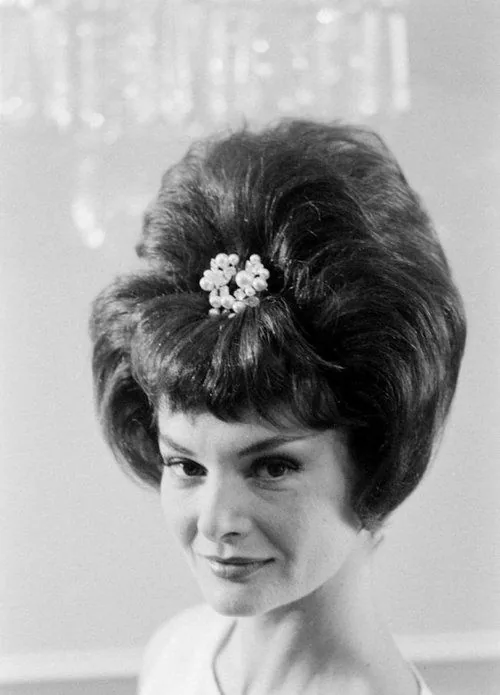
The retro beehive is the tallest, boldest style on this list — a tower of backcombed hair that turns heads the moment you enter the room. It is pure 1960s glamour, and with a black lace mask and a fitted gown it is unforgettable. Choose it if you want to be noticed, not if you want to blend in.
Best for: medium to long hair and confident dressers. How to style: this is a stylist job — backcombing, smoothing, pinning and spraying a beehive takes skill and patience. Time: 45 to 60 minutes. Maintenance: do not touch it, do not lean back in a chair, and do not dance under low chandeliers. Quick verdict: maximum drama, maximum commitment.
19. Pearl-Adorned Updo
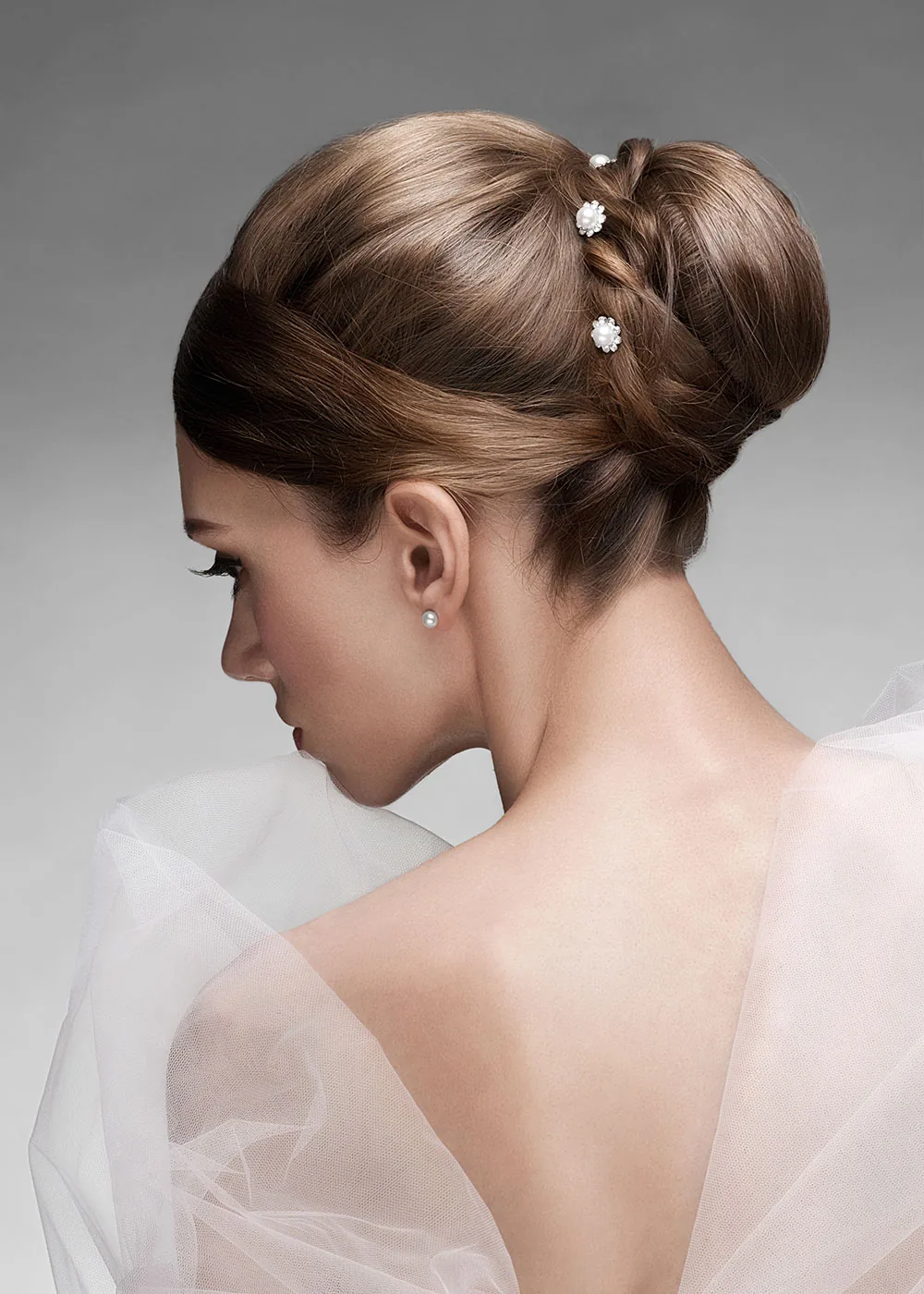
Pearls pinned into an updo are the most Venetian accessory in this guide. Small pearl pins scattered through a low bun or a soft chignon catch the light every time you move, echo the pearls on a mask or a gown, and turn a simple updo into something that looks like it belongs in a palace ballroom.
Best for: dark hair, where white pearls stand out, and pearl-trimmed masks or gowns. How to style: build any low updo first, then place pearl pins in a loose, scattered pattern — never in a straight line. Common mistake: using too many pearls, which looks like a craft project. Six to ten pins is plenty. Pros: instant elegance, easy to add to any updo. Cons: pins can work loose while dancing, so push them in at an angle.
20. Feathered Layers
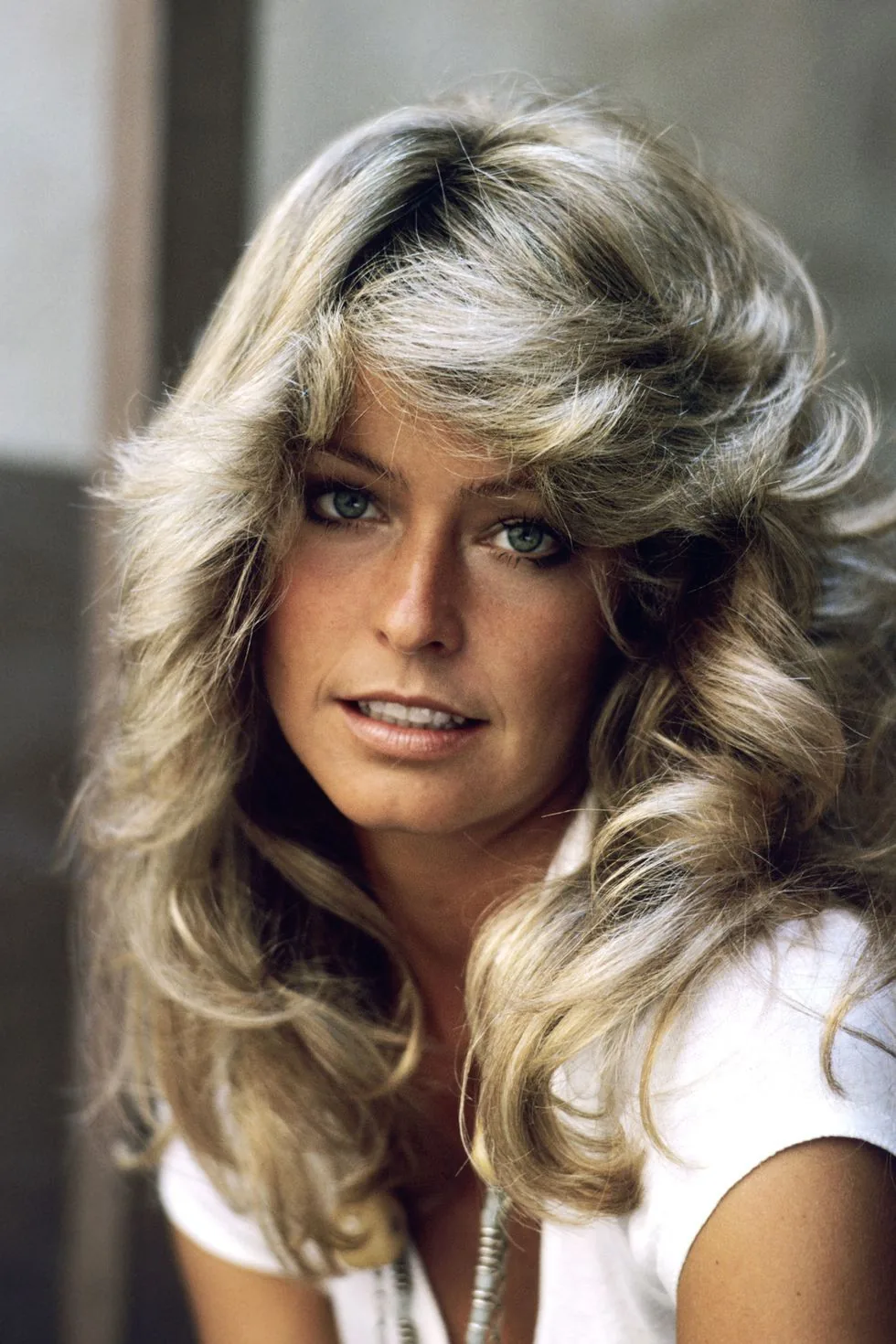
Feathered layers are a 1970s-inspired cut that works beautifully worn down at a masquerade: the layers flick outwards, the ends move when you dance, and the whole style has a soft, winged silhouette that echoes a feathered mask. It is one of the few styles in this list that is really a haircut as much as a style.
Best for: medium-length hair with layers already cut in. How to style: blow-dry with a round brush, flicking the ends outward, and finish with a light spray. Maintenance: very little — the layers do the work. Who should avoid it: anyone with very fine hair, where feathering can look thin rather than full. Quick verdict: the most dance-friendly worn-down style here.
21. Defined Curls Pinned Up
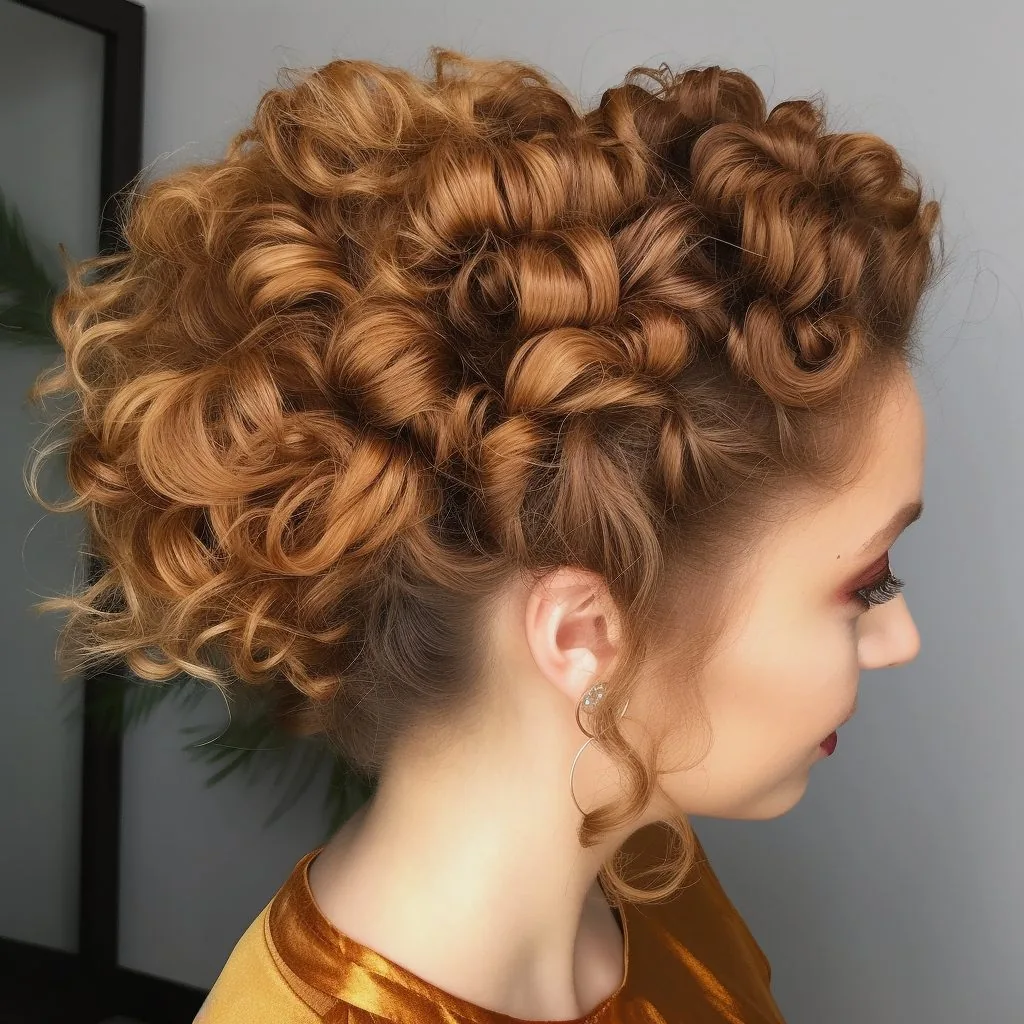
Defined curls pinned up celebrate natural texture instead of fighting it. Curls are gathered and pinned into a high, full shape — part updo, part crown — with the curl pattern itself providing all the decoration. It is one of the most striking hairstyles for a masquerade ball, and it suits masks of every kind because the volume balances any decoration.
Best for: naturally curly or coily hair. How to style: define the curls with cream or gel, let them dry fully, then pin sections up loosely, leaving the curl pattern visible rather than smoothing it away. Common mistake: brushing the curls out first — the definition is the whole point. Pros: the style is the texture; no heat needed. Cons: needs enough length to pin, so very short curls may need a different approach.
22. Milkmaid Braids
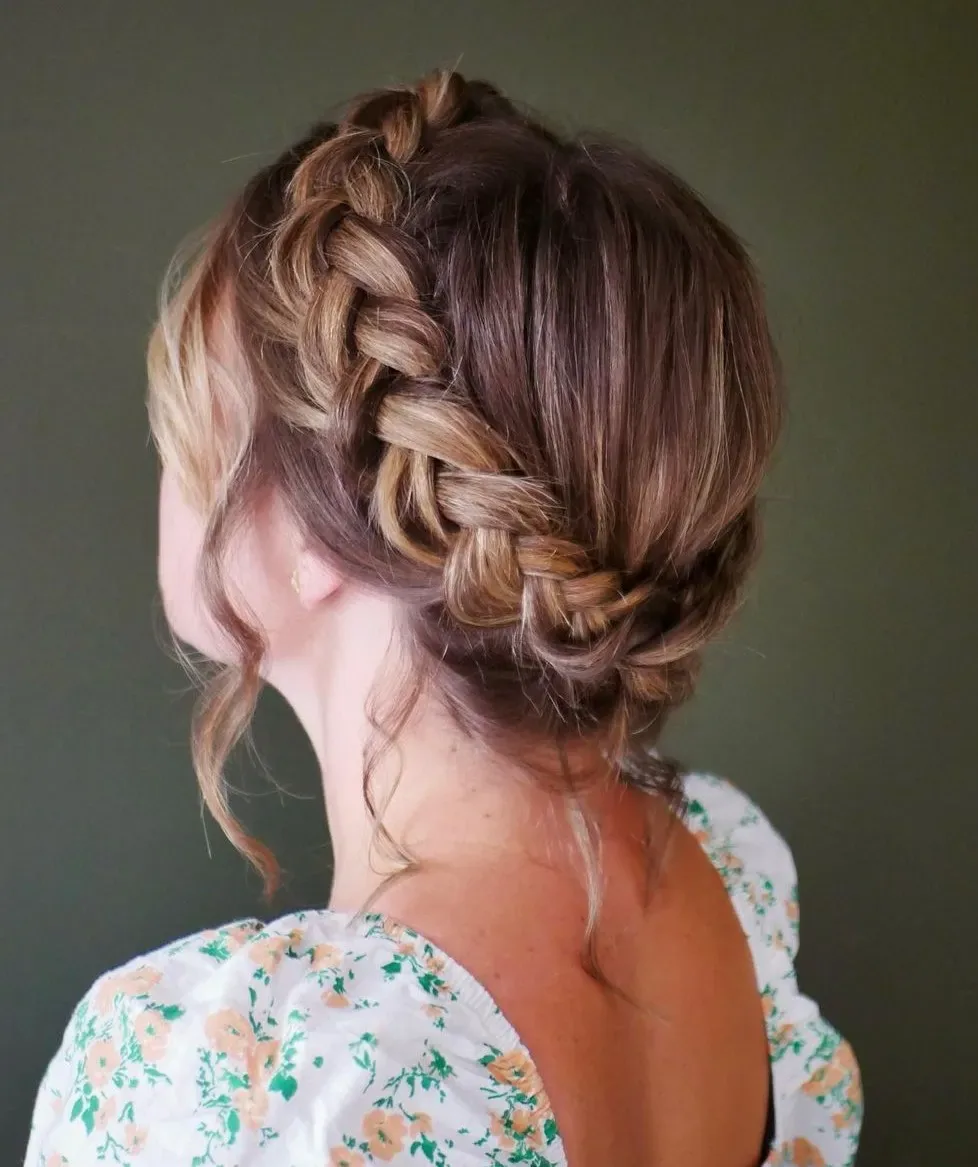
Milkmaid braids — two braids crossed over the top of the head — are the romantic, folk-tale version of the braided crown. They are softer and sweeter than a crown braid, they frame the mask beautifully, and they are so secure you could dance until dawn without a single pin moving.
Best for: long hair, and rustic or bohemian masquerade themes. How to style: part in the middle, braid each side, cross them over the crown and pin the ends underneath. Time: 15 to 20 minutes once you know the technique. Pros: extremely secure, charming, works without heat. Cons: can read as young or casual — pair it with a sophisticated gown to keep it ball-ready.
23. Twisted Halo Updo
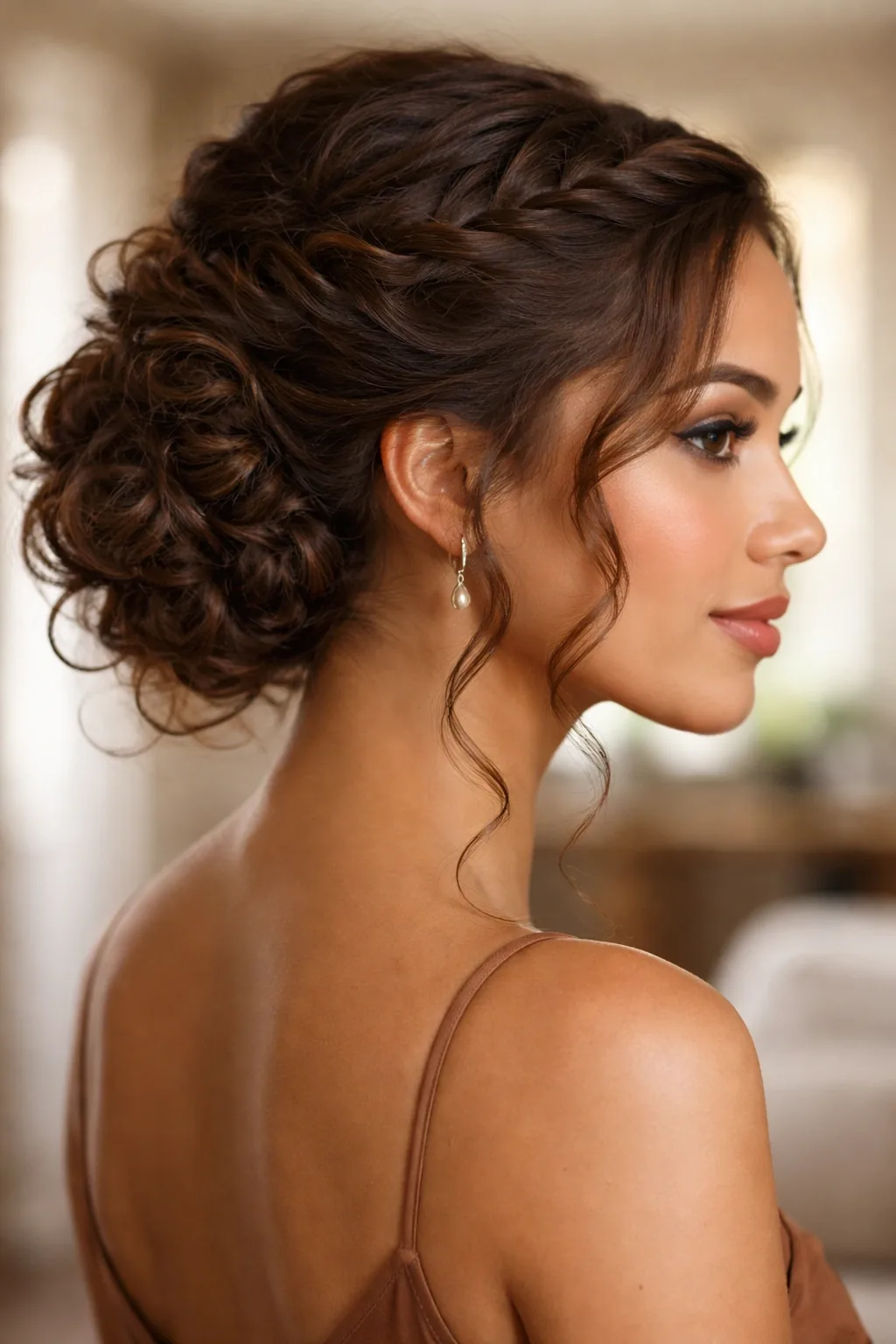
The twisted halo updo is a softer cousin of the braided crown: instead of braids, two sections of hair are twisted and wrapped around the head like a halo. The result is smoother and more polished than a braid, with a rope-like texture that catches the light. It is elegant without being severe, and it holds a mask beautifully.
Best for: medium to long hair, and guests who like braided styles but want something less obvious. How to style: twist two sections from behind each ear, bring them up and over the crown, cross them and pin. Maintenance: very secure once pinned. What to ask a stylist: “Can you keep the twists smooth rather than messy?” Quick verdict: the polished version of the crown braid.
24. Waterfall Braid
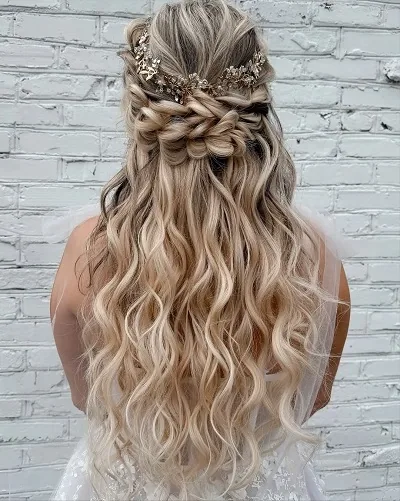
The waterfall braid is the most romantic braid in this guide: a braid that runs across the back of the head while strands of hair fall through it like water. Worn with the rest of the hair down in soft waves, it looks like something from a fairy tale — and it keeps the front of the hair neatly back from the mask while the back stays soft and flowing.
Best for: long, wavy hair. How to style: braid across the back of the head, dropping the bottom strand each time and picking up a new one, then curl the lengths below. Common mistake: making the braid too tight, which hides the waterfall effect — keep it loose and let the strands fall. Pros: beautiful from behind, which matters at a ball. Cons: takes practice; book a stylist if you have never done one.
25. Sleek High Ponytail
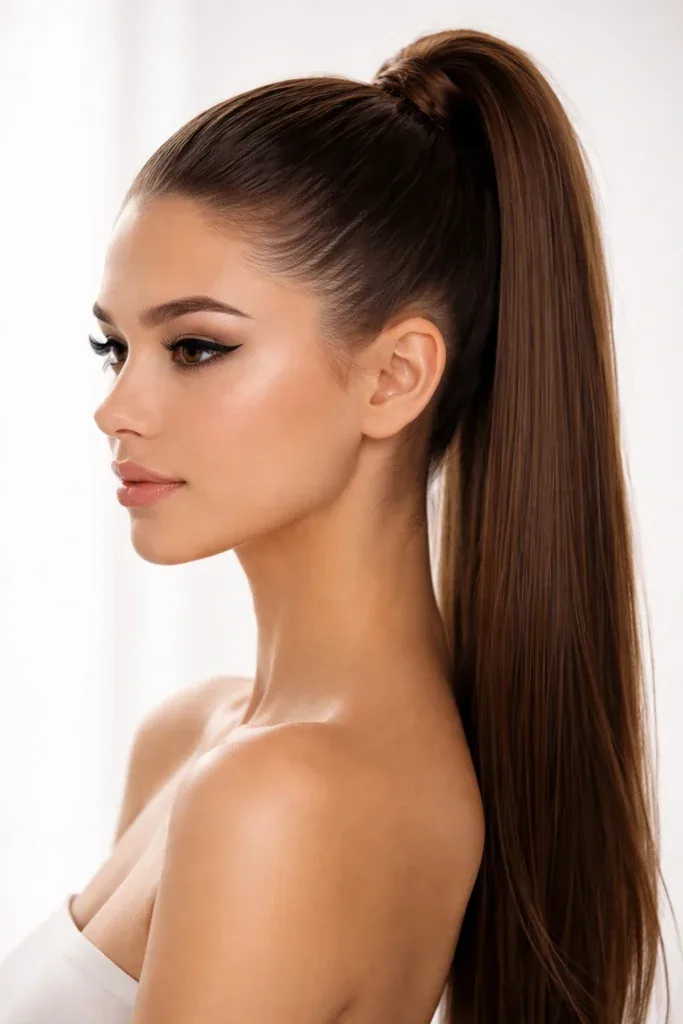
The sleek high ponytail is the most modern style on this list: hair pulled smooth and high, falling in a polished sweep down the back. It is bold, confident and youthful, and it works brilliantly with a dramatic mask because the clean lines of the ponytail balance the decoration on the face. It also shows off earrings and an open back.
Best for: long, thick hair and strong bone structure. How to style: smooth with serum, secure high on the crown, wrap the base, and straighten or wave the tail. Common mistake: placing it too low, which turns it into an ordinary ponytail — height is the whole point. Pros: dramatic, secure, dance-proof. Cons: can pull and give you a headache by midnight, so do not tie it too tightly.
26. Low Chignon with a Ribbon
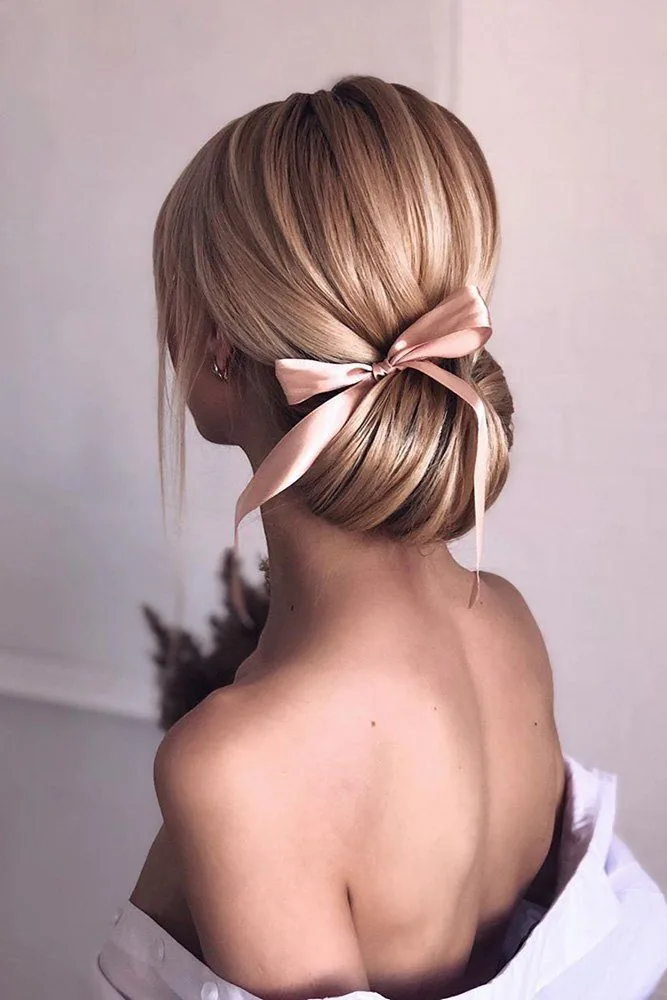
A low chignon with a ribbon is the low sleek bun’s romantic sister. The same elegant knot at the nape, but finished with a velvet or satin ribbon tied in a bow — a detail that echoes the mask’s own ties and adds a soft, feminine finish. Choose a ribbon in the colour of your gown or your mask for a look that feels deliberately put together.
Best for: medium to long hair, and anyone whose mask is tied with ribbons. How to style: build a low chignon, then wrap a ribbon around the base and tie it in a neat bow, with the ends left long. Time: 25 to 35 minutes. Pros: simple, charming, ties the whole outfit together. Cons: the ribbon can slip — pin it at the back of the knot.
27. Vintage Victory Rolls
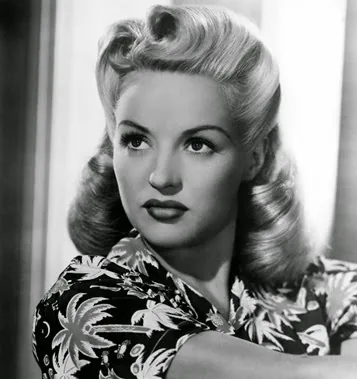
Victory rolls are the 1940s at their most joyful: two large, sculpted rolls of hair sitting on top of the head like a crown. With a red lip, a fitted dress and a feathered mask, they are pure vintage theatre — and they are one of the few styles in this guide that genuinely looks better with a mask than without one.
Best for: medium to long hair and vintage-themed balls. How to style: this is a stylist job — each roll is backcombed, rolled and pinned into shape. Allow an hour. Maintenance: once set, victory rolls do not move, but do not lean your head back. Who should avoid it: anyone who wants a subtle look — victory rolls are the opposite of subtle. Quick verdict: the most fun style in this list.
28. Soft Waves with a Jewelled Clip
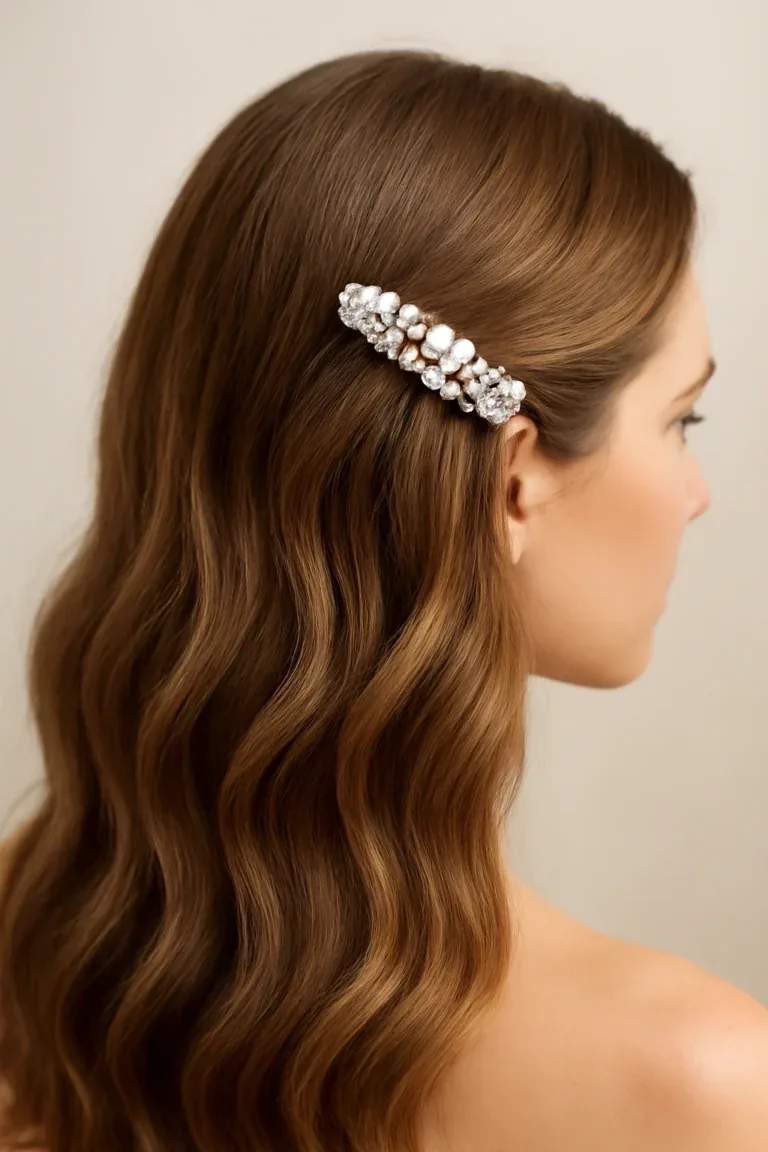
Soft waves with a jewelled clip are the easiest way to make worn-down hair look ball-ready. The waves do the softening, the clip does the sparkle, and together they frame the mask without competing with it. Pin one side back with the clip and you get an asymmetric, red-carpet finish in minutes.
Best for: medium to long hair, and guests short on time. How to style: curl loosely, brush out, then pin one side back with a jewelled clip above the ear. Time: 20 minutes. Common mistake: choosing a clip that is too heavy — it will slide down within the hour. Test it at home first. Pros: fast, pretty, easy to fix on the night.
29. Boho Loose Waves with a Headpiece
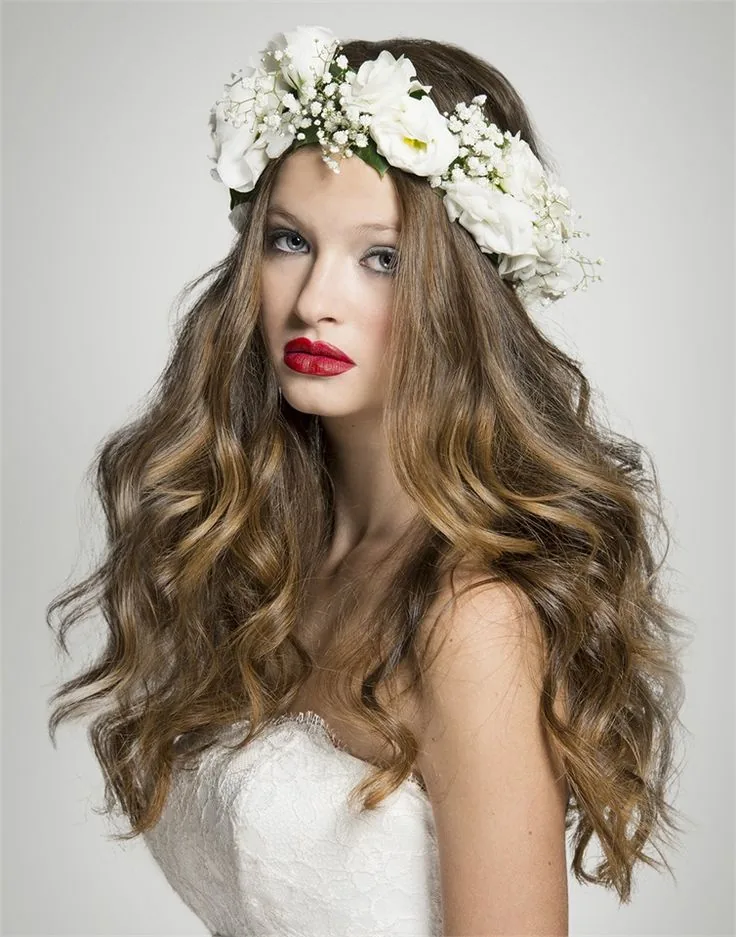
Boho loose waves with a headpiece are the free-spirited entry in this guide: soft, undone waves worn down, finished with a slim gold or silver headpiece across the forehead or crown. It suits garden masquerades, festival-style balls and flowing, unstructured gowns, and it feels more like a woodland queen than a Venetian countess.
Best for: long, wavy hair and relaxed dress codes. How to style: add texture spray, wave loosely with a large iron, then place the headpiece and pin it at both sides. Maintenance: check the headpiece stays level — it can tilt while dancing. Who should avoid it: anyone with a full-face mask, because a forehead headpiece and a mask edge will clash. Quick verdict: the most relaxed look here, and all the better for it.
30. Classic Ballerina Bun
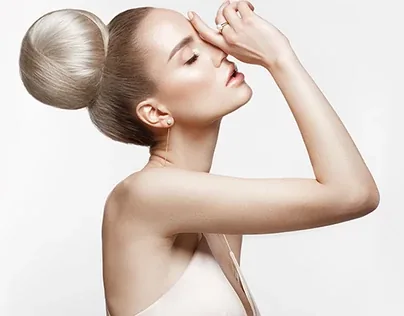
The classic ballerina bun is the tidiest style in this guide: hair pulled smooth and high into a perfect round bun, not a strand out of place. It is the ultimate choice for a black-tie masquerade, because it is so clean that the mask and the gown carry all the drama. It also photographs beautifully from every angle.
Best for: medium to long hair, and formal, black-tie balls. How to style: brush smooth, secure high, twist into a neat bun and pin flat, finishing with a smoothing spray. Time: 15 to 20 minutes. Pros: never falls apart, suits every mask, shows off the neck and shoulders. Cons: can feel severe — soften it with a deep side part or a single face-framing strand.
31. Side-Swept Curls
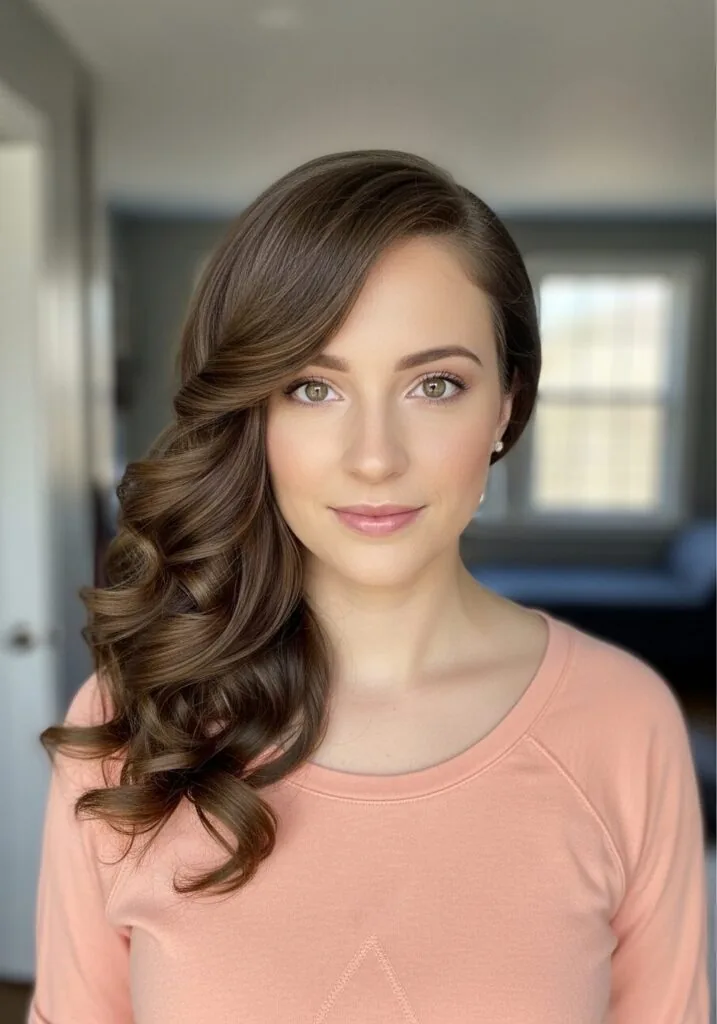
Side-swept curls are the softer version of the Old Hollywood side sweep: instead of polished waves, the hair falls in loose, touchable curls over one shoulder. It is romantic, a little less formal, and very forgiving — if a curl drops, it just looks like part of the style. It pairs beautifully with a lace mask and a flowing gown.
Best for: long hair and romantic, soft-focus looks. How to style: curl in large sections, sweep everything to one side, pin behind the ear on the empty side, and let the curls fall naturally. Common mistake: over-spraying, which makes soft curls stiff — use a flexible hold. Pros: comfortable, pretty, easy to refresh. Cons: the curls can catch on feathered masks, so keep them swept to the opposite side from any feathers.
32. Braided Ponytail
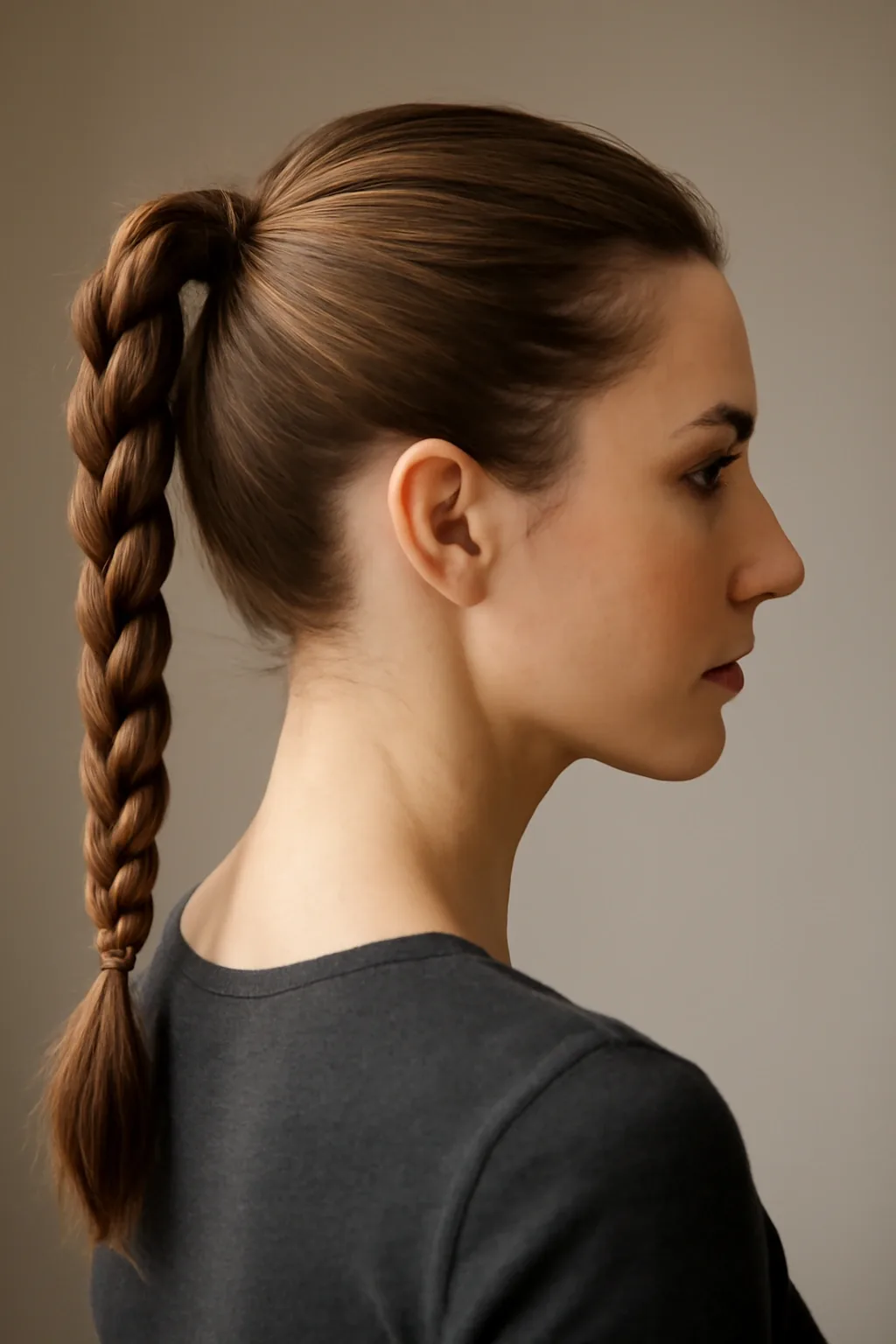
The braided ponytail is the sporty-chic entry in this guide: a sleek ponytail with a braid running through it, or a full braid that starts high and falls like a ponytail. It is secure, it keeps hair completely out of the way, and it looks modern and intentional — not like you ran out of ideas. It suits a contemporary masquerade or a themed ball with a modern dress code.
Best for: long hair and guests who will dance hard. How to style: secure a high or mid ponytail, braid the tail, and tie the end with a ribbon or a small jewelled band. Time: 15 to 25 minutes. Pros: the most secure worn-down style here. Cons: needs real length to look its best. Quick verdict: the practical choice that still looks dressed up.
33. The Dramatic Top Knot
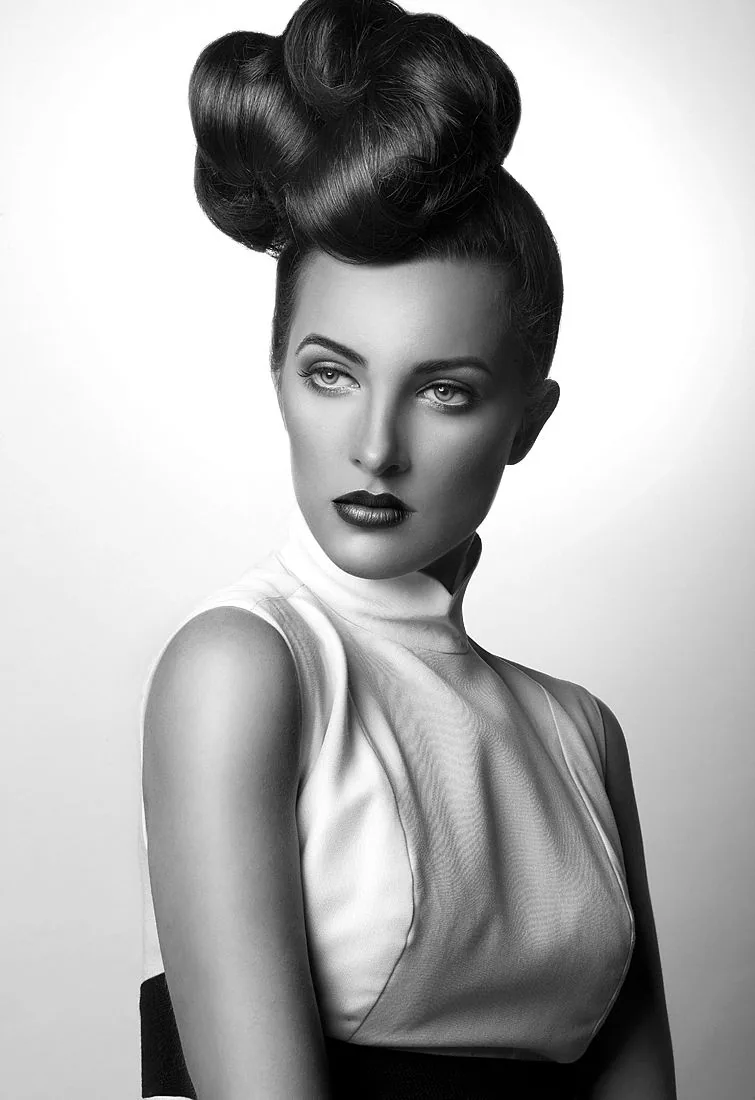
The dramatic top knot is the final look, and the boldest updo in this guide after the beehive: all the hair piled high on the very top of the head in a full, sculpted knot. It lengthens the neck, shows off the shoulders, and gives a feathered or jewelled mask a clean, uncluttered frame. It is the style for the guest who wants to look like the most elegant person in the room — and knows it.
Best for: long, thick hair and dramatic gowns. How to style: gather high, twist and wrap into a full knot, pin securely, and smooth the crown. A little height at the front keeps it from looking severe. Maintenance: check the pins once during the evening. Who should avoid it: anyone with a very heavy mask, or a sore neck — the combined weight adds up over five hours. Quick verdict: end the night at the top, literally.
What is the best hairstyle for a masquerade ball?
The best hairstyle for a masquerade ball is one that holds your mask steady, flatters the half of your face people can see, and survives hours of dancing. For most guests, a classic Hollywood wave, a low chignon or a soft updo with face-framing pieces is the safest choice. If your mask is heavy or feathered, choose an updo; if it is a small eye mask, loose waves worn down also work beautifully.
Should I wear my hair up or down to a masquerade ball?
Wear your hair up if your mask is heavy, feathered or tied with ribbons, because an updo gives the mask a secure base and keeps hair from snagging. Wear it down if your mask is a small eye mask and your gown is flowing, because soft waves look romantic and relaxed. When in doubt, a half-up style gives you the security of an updo and the softness of wearing your hair down.
How do I keep my mask from slipping all night?
Keep your mask from slipping by giving it something to grip: a smooth updo, a small anchor braid where the ties sit, or two hidden grips under the elastic. Make sure the mask ties sit on hair, not on bare skin, and test the whole outfit — mask included — at home for an hour before the night. Carry spare grips in your clutch for quick fixes.
What hairstyles work for short hair at a masquerade ball?
Short hair works beautifully at a masquerade. The best options are vintage finger waves, a sleek polished bob, a sculpted pixie, or a faux bob pinned under at the nape. Add a jewelled clip, a feathered comb or a slim headpiece to make the style feel ball-ready. Short hair also has one advantage long hair does not: it never needs pinning and never falls down while you dance.
Can I wear a wig to a masquerade ball?
A wig is a perfectly good option for a masquerade ball, especially if you want a dramatic style your own hair cannot make — a long cascade of curls, a beehive, or a period-perfect finger wave. Choose a good-quality wig, have it styled and fitted before the night, and secure it with wig grips or pins so it stays put while you dance. Make sure the mask ties do not pull the wig’s edge.
How far in advance should I book a stylist for a masquerade ball?
Book a stylist two to four weeks before the ball, and book a trial at least a week before the night. Popular stylists fill up fast around New Year’s Eve and charity gala season, so earlier is better. Bring your actual mask to the trial, not just a photo of it, so the stylist can test how it sits against your hair.
What should I do if it rains on the way to the ball?
If it rains, protect your style with a large umbrella and a silk scarf loosely draped over your hair — never a tight hood, which crushes an updo. Updos survive rain far better than worn-down curls, which is one more reason to choose a pinned style in wet weather. Carry a travel hairspray and a small comb so you can smooth the front and re-pin anything that slipped before you go in.
Do I need hair extensions for a masquerade ball hairstyle?
Hair extensions are not necessary, but they help if your hair is fine or short and you want a full updo, a braided crown or long cascading curls. Clip-in extensions are the easiest option for one night: they add volume and length without commitment, and your stylist can blend them in during the appointment. Tell your stylist in advance if you plan to bring them.
How do I match my hairstyle to my dress?
Match your hairstyle to your dress by balancing the two: a dramatic, detailed gown calls for a simpler, sleeker hairstyle, while a simple, elegant gown can carry a more dramatic style like a beehive or victory rolls. An open back suits an updo that shows it off; a high neckline suits hair worn down or half-up. Match your accessories to your mask, not to each other.
How do I take my masquerade hairstyle down afterwards?
Take your masquerade hairstyle down gently: remove the pins one at a time, working from the outside in, and never pull a pin straight out of a knot. Brush through with a wide-tooth comb, not a brush, and wash with a moisturising shampoo to remove the product. If you used a lot of hairspray, a little conditioner worked through the hair before shampooing helps it rinse out cleanly.
Conclusion
The best hairstyles for a masquerade ball are the ones that work with the mask, not against it. Start with your mask — its shape, its weight, how it fastens — then choose a style that holds it steady, flatters the face it leaves visible, and lasts from the first dance to the unmasking at midnight. Whether you choose classic Hollywood waves, a high chignon, a braided crown or a retro beehive, the secret is the same: rehearse the whole look once at home, pack spare pins, and then stop worrying about your hair and enjoy the mystery.
Pick the look that feels like you, only more mysterious. Behind the mask, your hair does half the talking — make sure it says something worth hearing.

