

Most toxic relationships do not start out looking toxic. They start with intensity, attention and chemistry — and the warning signs only become clear later, when the criticism, the control or the cold silences have become the normal rhythm of the relationship. That is why so many people stay far longer than they meant to: the signs of a toxic relationship are rarely one dramatic moment, but a slow pattern of small moments that add up to feeling smaller, sadder and less like yourself.
This guide walks through 35 red flags in plain language — from gaslighting and jealousy to financial control, silent treatment and the slow loss of your identity — with real examples of what each one looks like, why it matters, and what you can actually do about it. It starts with eight explainers on what toxic really means, how it differs from ordinary conflict, and why it is so hard to see from the inside, then ends with honest answers to the questions people ask most, including when to get help and how to leave safely.
What a Toxic Relationship Really Is

A toxic relationship is one that consistently harms your wellbeing — your confidence, your peace of mind, your friendships, your health — instead of supporting it. It is not defined by one bad argument or a rough week; it is defined by a pattern. One partner repeatedly uses criticism, control, manipulation or neglect to keep the upper hand, and the other partner slowly adapts, apologises and shrinks to keep the peace. Over time the relationship costs you more than it gives you, and that imbalance becomes the norm.
What it means: toxicity is about the pattern, not the person. A toxic partner is not always cruel — they can be charming, funny and loving in between the hurtful behaviour, which is exactly what makes the pattern so confusing. What to look for: how you feel after spending time together. If you regularly feel anxious, guilty, exhausted or afraid to speak honestly, the relationship is hurting you, whatever the good moments look like.
Toxic vs Unhealthy vs Abusive: What Is the Difference?

These three words get used as if they mean the same thing, but they describe different levels of harm — and knowing the difference helps you decide what to do next. An unhealthy relationship has poor communication, mismatched needs or repeated friction, but both people can still talk, listen and change. A toxic relationship adds a persistent pattern of control, disrespect or manipulation that damages one partner over time. An abusive relationship involves behaviour intended to dominate and frighten — threats, intimidation, physical harm, sexual coercion or severe financial control — and it needs outside help, not just better communication.
Why it matters: calling everything abusive can make real abuse sound less serious, while calling abuse merely toxic can make it sound like something a good conversation could fix. How to use this guide: if several signs below sound familiar, take the pattern seriously whether or not you would use the word abuse — and if you ever feel afraid, controlled or unsafe, treat that as the priority, not the label. Quick verdict: unhealthy can often improve with honest effort from both sides; toxic rarely improves without real change from the partner causing harm; abusive needs safety planning and support.
Why Toxic Patterns Are So Hard to Spot Early

Toxic behaviour rarely arrives all at once. It usually starts small — a joke at your expense, a plan cancelled without discussion, a phone checked once — and each small step is easy to explain away on its own. Add the good moments, the apologies, the promises to change and the genuine chemistry, and it becomes very hard to see the pattern while you are inside it. Friends often see it before you do, because they notice the change in you: quieter, more anxious, less available, less yourself.
Why it happens: early intensity can mask early control. Constant texting feels like care until it becomes surveillance; wanting all your time feels like devotion until it becomes isolation. Common mistake: waiting for one huge, undeniable moment before believing something is wrong. Most people who leave a toxic relationship say the same thing afterwards — they wish they had trusted the small signs sooner. What helps: write down what happens, dates included. A pattern you can read back is much harder to explain away than a feeling you can argue with.
How to Read the Signs Honestly: A Self-Check Before You Begin

Before you read the 35 signs below, take a breath and agree with yourself on one rule: you are checking for a pattern, not hunting for proof that your partner is a bad person. Read each sign and ask three questions — does this happen regularly, does it leave me feeling worse about myself, and does it keep happening after I have raised it? One yes is worth noticing. Several yeses across different signs is a pattern, and patterns are what this guide is about.
Best for: anyone who keeps thinking something feels off but cannot name it, and anyone whose friends or family have raised a concern. How to use it: notice which sections make you think of a specific memory rather than a vague idea — those are the ones that matter most. What to avoid: using this list as a scorecard in an argument. It is a tool for your own clarity first; what you do with that clarity is a separate, calmer decision.
Why People Stay: Attachment, Hope and Fear

Staying in a toxic relationship is not a sign of weakness, and it is not because you enjoy being treated badly. People stay because of hope — the good version of the partner is real, and they keep believing it will come back for good. They stay because of fear — of being alone, of starting over, of what the partner might do if they leave. They stay because of attachment, shared history, children, money, or the sheer exhaustion of imagining a different life. All of these are human reasons, and none of them means the relationship is fine.
What it costs: every month spent hoping for change is a month of your confidence, health and friendships quietly draining away. Hope is not a plan, and waiting for a partner to become the person they were at the start rarely works — because that version was often the beginning of the pattern, not the real baseline. What to remember: leaving is not the only brave step. Asking for help, telling one trusted person the truth, and making a small plan are brave too — and they are often what makes leaving possible later.
What Healthy Conflict Actually Looks Like

Every couple argues, and arguments are not a sign of a toxic relationship. What matters is how the argument goes. In a healthy relationship, both people can say they are upset without being punished for it, the issue stays on the actual issue instead of becoming a character attack, and someone apologises and changes something afterwards. Voices may rise, but nobody is afraid. After the argument, you feel closer — or at least relieved — rather than smaller and more careful.
The contrast: in a toxic relationship, conflict has a winner and a loser, and the loser is usually you. The same fight repeats for months, apologies come without change, and bringing up a problem becomes the problem itself. Quick check: after a disagreement, do you feel heard, even if you did not get your way? If the answer is almost never, you are not looking at healthy conflict — you are looking at a pattern that punishes honesty.
Common Mistakes When Trying to Fix a Toxic Relationship

The most common mistake is trying harder at the wrong thing: being more patient, more understanding, more accommodating, in the hope that your goodness will eventually be rewarded with change. It rarely is, because the problem is not that you have not tried hard enough — the problem is a pattern of behaviour on the other side that your effort cannot fix alone. Another common mistake is having the same conversation fifty times and expecting a different result, or accepting an apology as if it were a change.
Mistakes to avoid: keeping the problems secret from everyone, which protects the pattern; believing a grand gesture means the pattern is over; and setting a boundary once, watching it get crossed, and then quietly dropping it. What works instead: name the specific behaviour, state what you need, watch what actually changes over weeks — not what is promised in the moment — and tell at least one person outside the relationship what is happening. Maintenance note: a relationship that needs constant repair work from only one person is not being maintained; it is being carried.
The Quick Verdict: Five Questions to Ask Yourself

If you read nothing else in this guide, answer these five questions honestly. Do I feel safe disagreeing with my partner? Do I feel more like myself, or less, since this relationship began? Would I be comfortable if my best friend or my child were treated the way I am treated? When I raise a problem, does anything actually change? And if nothing changed for another year, could I honestly live with that? You already know the answers to most of these — the questions only make it harder to keep avoiding them.
How to score it: one troubling answer is a conversation worth having. Three or more is a pattern worth acting on, with support. What to do next: talk to one trusted person, write down the specific behaviours behind your answers, and read the 35 signs below to see which ones match. Quick verdict: a good relationship should make your life bigger, not smaller. If yours keeps making it smaller, that is not a rough patch — that is the answer.
1. Constant Criticism That Chips Away at You
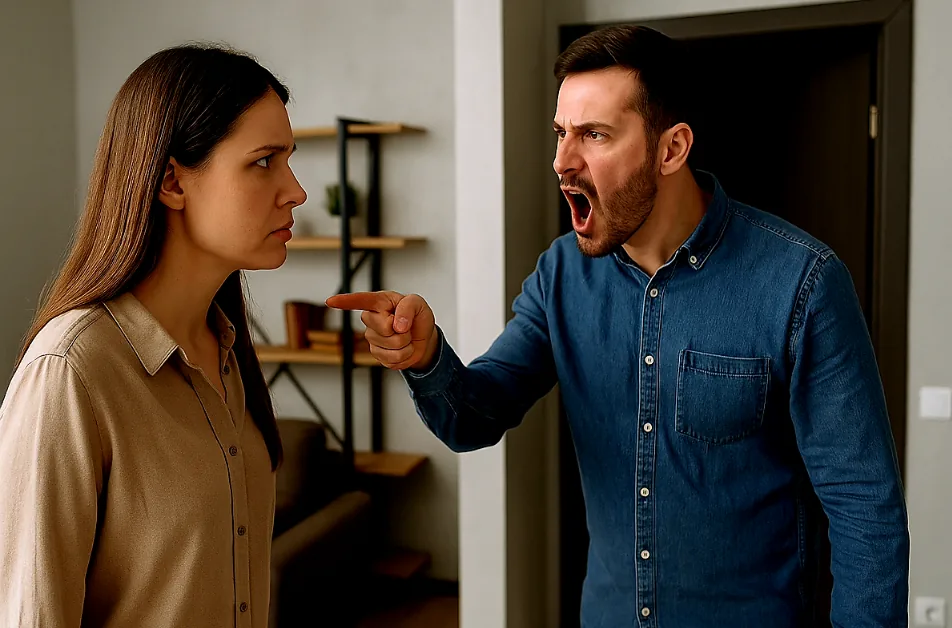
Everyone gets criticised sometimes, but in a toxic relationship criticism is the background music — your cooking, your clothes, your laugh, your friends, the way you tell a story. It is rarely framed as cruelty; it comes as jokes, helpful suggestions or just being honest. Over months, though, the effect is the same: you start editing yourself before you speak, second-guessing ordinary choices, and feeling that nothing you do is quite good enough. That slow erosion of confidence is the point, whether or not your partner realises it.
How to handle it: name it plainly the next time it happens — that was a criticism, not a joke — and watch the response. A caring partner will pause and reflect; a toxic one will tell you that you are too sensitive. What to avoid: trying to earn your way out of criticism by being perfect. The goalposts will move, because the criticism was never really about the cooking or the clothes.
2. Gaslighting: When You Start Doubting Your Own Memory

Gaslighting is when your partner denies things you know happened, rewrites conversations, or tells you that your memory, your feelings or your sanity cannot be trusted. You said that, I never said that, you are imagining it, you are overreacting — repeated often enough, these phrases make you doubt yourself instead of doubting them. You may start keeping notes, recording conversations, or asking friends whether something really happened the way you remember it. That confusion is not a flaw in you; it is the intended effect.
What it looks like: you apologise for things you are not sure you did, you rehearse conversations before having them, and you feel relieved when someone else confirms your version of events. How to handle it: keep a private written record with dates, and trust it over the argument in the moment. Who should take it seriously: anyone who has started to think their memory or mind might be the problem — that thought itself is one of the clearest signs of a toxic relationship.
3. Controlling Who You See and Where You Go

Control often starts as concern — I just worry about you, I do not like that friend, why do you need to go out again? But the pattern is what matters: your social circle gets smaller, your plans need permission, and going out starts to feel like it is not worth the argument that follows. A partner who loves you may dislike a particular friend; a partner who controls you will dislike almost all of them, one by one, until the only person left to turn to is them.
Best for: this is one of the earliest signs of a toxic relationship, and one of the easiest to spot from the outside. How to handle it: keep at least one friendship that is entirely yours, and notice how your partner reacts when you protect it. What to avoid: trading friends for peace. Every friendship you give up makes the next one harder to keep — and makes leaving harder later.
4. Jealousy Dressed Up as Love

Jealousy is often sold as proof of love — I only act this way because I care so much — but real love trusts, and jealousy controls. The signs of a toxic relationship often include a partner who questions your colleagues, checks who liked your photo, gets angry about a friendly conversation, or treats your independence as disloyalty. The occasional twinge of jealousy is human; a standing rule that you must prove your loyalty every day is not love, it is surveillance with a romantic name.
Pros and cons of staying quiet: staying quiet buys short-term peace, but it teaches your partner that jealousy works — and the demands usually grow. How to handle it: set one clear line, such as I will not be punished for having colleagues or friends, and hold it even when it causes a fight. Quick verdict: if love requires you to shrink your world to prove it, it is not love doing the shrinking — it is control.
5. The Silent Treatment as Punishment

Needing space after an argument is normal; the silent treatment is something else. It is hours or days of being ignored — no reply, no eye contact, no acknowledgement that you exist — until you apologise, give in, or beg for the coldness to stop. It is punishment, not processing, and it teaches you that raising a problem costs you connection itself. Over time you stop raising problems at all, which is exactly how the pattern protects itself.
What it looks like: you find yourself apologising just to end the silence, even when you did nothing wrong. How to handle it: say once, calmly, that you will talk when they are ready, then live your life — do not chase, beg or bargain for basic communication. Common mistake: treating the return of normal conversation as an apology. Silence followed by pretending nothing happened is not a resolution; it is a reset button on the same problem.
6. Love Bombing, Then Sudden Withdrawal

Love bombing is an overwhelming flood of affection early on — constant messages, grand gestures, talk of a future together within weeks — followed by a sudden cooling that leaves you chasing the version of them you first met. The swing is the mechanism: the high makes you attached, the withdrawal makes you anxious, and the anxiety makes you work harder to win back the warmth. It is one of the most confusing signs of a toxic relationship, because the good part feels so genuinely good.
How to handle it: judge the relationship by its steady average, not its peaks. A partner who is wonderful for a week and cold for three is not a wonderful partner having a bad week. What to avoid: competing for affection or treating the warm phases as proof that everything is fine. Maintenance check: healthy love is consistent enough that you do not have to earn it back every few weeks.
7. Blame-Shifting: It Is Never Their Fault

In a toxic relationship, everything is somehow your fault — their bad mood, their lateness, the argument, the fact that they shouted. If you raise a problem, the conversation flips within minutes into a list of your flaws, and you leave the discussion apologising for the very thing you came to raise. This is blame-shifting, and it is effective because it is exhausting: after enough rounds of it, you stop raising problems simply to avoid the reversal.
What it looks like: apologies that are actually accusations — I am sorry you made me do that — and a partner who can explain, in great detail, why every problem in the relationship starts with you. How to handle it: keep the conversation on one specific behaviour, and refuse the detour into your general character. Quick verdict: a partner who can never be wrong cannot grow, and a relationship with someone who cannot grow cannot get better.
8. Walking on Eggshells Every Day

If you plan your words, your timing and even your facial expressions around your partner’s mood, you are walking on eggshells — and it is one of the most tiring signs of a toxic relationship. You check their face when they come home, you warn the children to be quiet, you delay a simple request until the mood seems right. Home is supposed to be where you relax; if it is where you perform, something is wrong, even if no one is shouting.
The emotional cost: constant vigilance is exhausting, and over time it shows up as anxiety, poor sleep, headaches and a short fuse with everyone except the person causing it. How to handle it: notice how much of your day is spent managing someone else’s feelings, and ask whether that is a fair price for a relationship. What to avoid: calling it normal because you have got used to it. Getting used to fear does not make it healthy.
9. Your Boundaries Are Treated as Insults

A boundary is a simple statement of what you need — I need an hour alone after work, please do not read my messages, I am not comfortable with that — and a healthy partner may negotiate it but will respect it. A toxic partner treats a boundary as a personal attack: you are being cold, you do not love me, you are hiding something. The message is clear: your needs are only acceptable when they do not inconvenience them, which means they are not really accepted at all.
Best for: this sign matters most in the early months, when boundaries are being tested for the first time. How to handle it: state the boundary once, calmly, and then enforce it by action rather than by arguing about it again. Common mistake: explaining and re-explaining until your partner agrees. You do not need their permission to have a boundary — you need their respect, and the absence of it is information.
10. Financial Control: Money as a Leash

Financial control is one of the quietest signs of a toxic relationship, and one of the most effective. It can look like being given an allowance while your partner controls the accounts, being questioned about every purchase, being kept from working, or having your earnings taken and your debts run up in your name. The result is the same: you cannot leave, or even imagine leaving, because you have no money of your own. That is not budgeting; it is a leash.
What it looks like: you ask permission to buy ordinary things, you hide small purchases, and you have no idea what the household money actually is. How to handle it: quietly build a small separate safety net — your own account, copies of important documents, knowledge of what you earn and owe. Who should take it seriously: anyone who feels they could not support themselves for a month without their partner. Financial independence is safety, not disloyalty.
11. Monitoring Your Phone, Messages and Location

Trust means not needing to check. A partner who regularly goes through your phone, demands your passwords, reads your messages, or tracks your location is not being caring — they are removing your privacy, and with it, your freedom to have a private thought or a private friendship. It is often justified as transparency, but transparency is a choice you make together, not a search your partner performs on you.
Pros and cons of giving in: handing over your passwords buys a quiet evening, but it confirms that suspicion is a valid reason to invade your privacy — and the checks rarely stop at one. How to handle it: restore one clear line, such as my phone is private, and expect pushback. Quick verdict: if the price of trust is constant proof, there is no trust in the relationship — only monitoring.
12. Isolating You From Friends and Family

Isolation is the sign that makes every other sign worse, because it removes the people who would help you see clearly. It happens gradually: a partner who picks fights before family visits, who makes your friends feel unwelcome, who moves you away, or who simply creates so much drama around every outing that staying home feels easier. Months later you realise you have not spoken properly to your best friend in a year, and your family has stopped calling because every call ends in tension.
Why it matters: isolated people doubt themselves more, leave later, and have fewer places to go when they finally do. How to handle it: reconnect with one person, even briefly, and be honest about how things have been. What to avoid: believing the story that your friends and family are the problem. If your partner is in conflict with everyone you love, the common factor is not everyone you love.
13. Public Humiliation and Put-Downs Disguised as Jokes

There is a particular sting to being mocked in front of other people — a joke about your intelligence at dinner, an embarrassing story told to friends, a sarcastic comment in front of your family — and then being told you cannot take a joke when you flinch. Private criticism hurts; public humiliation adds shame to it, and it teaches everyone watching that disrespecting you is acceptable. The audience matters, because it turns a private problem into a public verdict on your worth.
What it looks like: you dread social events, you laugh along to survive them, and you feel smaller in a room full of people who just watched your partner diminish you. How to handle it: name it in the moment if you can — that was not funny to me — and note whether it stops or escalates. What to avoid: accepting the joke defence. If a joke needs someone to feel humiliated to work, it is not a joke; it is a put-down with an alibi.
14. Threats: Leaving, Self-Harm or Exposure

Threats are one of the clearest signs of a toxic relationship, and they should never be treated as ordinary conflict. I will leave you, I will hurt myself if you go, I will tell everyone your secret, I will take the children — each of these is designed to make you afraid of the consequences of standing up for yourself. Threats of self-harm are especially cruel, because they turn your compassion into a cage: leaving feels like causing harm, so you stay and absorb more harm instead.
How to handle it: take every threat seriously, but do not let it decide for you. If your partner threatens self-harm, call emergency services or a crisis line rather than staying to manage it alone. Who should take it seriously: anyone who has changed a decision because of a threat. That is control, not love — and if you feel unsafe, contact a domestic abuse helpline or a trusted person today, not after the next threat.
15. Double Standards: Different Rules for Them

They can go out with friends, but you cannot. They can raise their voice, but you must stay calm. They can have close friends of the opposite sex, but yours are a betrayal. Double standards are one of the most reliable signs of a toxic relationship, because they reveal the real structure underneath the arguments: one person has freedom, the other has rules. It is not hypocrisy by accident — it is a system that only works in one direction.
Best for: spotting this sign is easy once you ask one question — would this be acceptable if I did it? How to handle it: name the double standard directly, with a specific example, and ask for one rule that applies to both of you. Quick verdict: if the answer is a new set of reasons why their situation is different, you are not looking at a misunderstanding — you are looking at a rulebook written for one person only.
16. Stonewalling: Shutting Down Every Difficult Conversation

Stonewalling is when your partner simply refuses to engage — turning away, leaving the room, staring at their phone, or going silent in the middle of a conversation you both need to have. Unlike needing a short break to calm down, stonewalling has no return: the conversation never resumes, the issue never gets addressed, and you are left talking to a wall. Over time you learn that trying to solve problems is pointless, and the problems pile up in silence.
What it looks like: you do all the emotional work in the relationship while your partner opts out of every hard conversation, then acts as if the silence means agreement. How to handle it: agree on a rule together — we take twenty minutes, then we come back — and hold them to the coming back. Common mistake: chasing them from room to room. If a partner will not return to the conversation at all, that refusal is itself the answer about how much the relationship can change.
17. Weaponising Your Insecurities Against You

You told them something vulnerable in trust — a fear about your body, a past mistake, a family wound — and now it appears in arguments, sharpened into a weapon. That is one of the cruellest signs of a toxic relationship, because it punishes honesty itself. The message is that opening up to this person is dangerous, so you stop opening up, and the intimacy that made the relationship feel close quietly dies — replaced by carefulness about what you ever reveal again.
The emotional cost: you may start hiding ordinary feelings, editing your history, and feeling ashamed of things you once accepted about yourself. How to handle it: notice the pattern, not just the single incident. One careless remark is a mistake; a repeated habit of reaching for your softest spot in a fight is a tactic. What to avoid: sharing more in the hope that vulnerability will eventually be met with kindness. It will not be, until the weaponising itself stops.
18. Making You Feel Guilty for Having Basic Needs

Sleep, rest, time alone, time with friends, a hobby, a bad day that needs comfort — these are basic human needs, not favours. In a toxic relationship, asking for any of them is treated as selfish: you are too needy, you are always tired, why do you need space from me? The guilt does its work quietly. You start apologising for being human, meeting your own needs in secret, and feeling like a burden in your own home for wanting the same things everyone else takes for granted.
Pros and cons of giving in: skipping your needs keeps the peace today, but a person who never rests, never sees friends and never recharges eventually has nothing left to give — which is then blamed on them too. How to handle it: treat one need as non-negotiable, such as one evening a week that is yours, and protect it without apology. Quick verdict: a partner who makes you feel guilty for needing rest does not love you more — they love the version of you that never needs anything.
19. Minimising Your Feelings: You Are Too Sensitive

You are too sensitive, you are overreacting, it was not that bad — these phrases do not comfort you, they dismiss you. Minimising is the everyday version of gaslighting: instead of denying the event, it denies the importance of how the event made you feel. The result is that you stop trusting your own emotional reactions, which is convenient for a partner who benefits from you never making a fuss. Feelings are information, and a relationship that teaches you to ignore your own feelings is teaching you to ignore the warnings that protect you.
What it looks like: you rehearse whether your feelings are reasonable before expressing them, and you often decide they are not. How to handle it: state the feeling as a fact — I felt hurt when that happened — and do not accept a verdict on whether you were allowed to feel it. What to avoid: collecting permission from others for your own emotions. You do not need a committee to confirm that something hurt.
20. Competition Instead of Partnership

In a healthy relationship, your partner is your teammate. In a toxic one, they are your rival — competing over who had the harder day, who is more successful, who is right, who suffered more. Your achievements become threats rather than celebrations, and your struggles become competitions rather than moments of support. A partner who needs to win every comparison is not building a life with you; they are keeping score against you, and a relationship where one person must lose for the other to feel good cannot make both people happy.
Best for: this sign is clearest around good news — watch what happens when you succeed. How to handle it: notice whether your wins are celebrated, ignored or quietly diminished, and believe what you see. Common mistake: shrinking your own achievements to keep the peace. If your success has to be hidden for the relationship to work, the relationship is working against your success.
21. Keeping Score of Every Favour and Mistake

Healthy couples help each other without a ledger. A toxic partner keeps one — every favour, every sacrifice, every mistake, all carefully filed for the next argument. I did this for you, so you owe me. You did that three months ago, so you cannot complain now. Scorekeeping turns love into a transaction and makes genuine generosity impossible, because every kind act comes with an invoice attached. It also means forgiveness never really happens: old mistakes are never settled, only stored.
What it looks like: arguments that suddenly include a list of unrelated past offences, and apologies that come with a price tag. How to handle it: refuse the ledger. Deal with one issue at a time, and say plainly that a past mistake, once apologised for, is not a permanent debt. Quick verdict: if every kindness has to be repaid, it was not kindness — it was a loan, and you never agreed to the terms.
22. Withholding Affection as Punishment

Affection that disappears the moment you displease your partner is not love — it is a reward system. No kiss goodnight, no hug, no warmth, no intimacy, until you apologise or give in. It is especially confusing because affection returns so quickly once you comply, which makes it feel as if the coldness was your fault all along. But a partner who can switch love off as a tactic has shown you something important: their warmth is conditional on your obedience, and that is not how care works in a healthy relationship.
The emotional cost: you start to associate disagreement with losing love, so you stop disagreeing — and the relationship becomes a performance of agreement rather than a real connection. How to handle it: name it calmly — I notice affection stops when we disagree — and watch whether it changes. What to avoid: apologising for something you did not do just to restore warmth. That trade teaches your partner that withholding works.
23. Lying About Small Things, All the Time

Big lies are dramatic, but small lies are more revealing. A partner who lies about where they were, who they were with, what they spent, or what they said — about things that would not even have caused a fight — is telling you that honesty is optional for them. The problem is not just the lie; it is what the lying does to you. Once you catch the small lies, you start questioning everything else, and the trust that a relationship runs on quietly drains away, even if no single lie was ever that serious.
Pros and cons of ignoring it: ignoring a small lie avoids a fight today, but it establishes that lying has no consequences, and the lies usually grow. How to handle it: confront the pattern rather than each individual lie, and ask directly for honesty about the small things. Quick verdict: a partner who lies when the truth would have been fine will lie when the truth matters — and by then, you will have no way of knowing.
24. Disappearing Mid-Conflict, Then Returning Like Nothing Happened
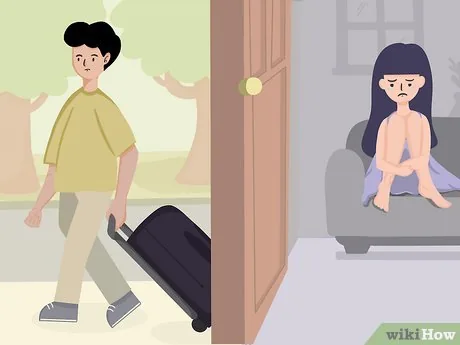
They walk out in the middle of a serious conversation, do not answer for hours or days, and then return as if nothing happened — no apology, no explanation, no return to the issue. It is stonewalling with an exit, and it leaves you in a particular kind of panic: worried about them, furious at the silence, and then so relieved when they come back that you drop the original issue entirely. That relief is the mechanism. The disappearance trains you to be grateful for their return instead of angry about their exit.
What it looks like: you stop raising difficult topics because you cannot bear the vanishing that follows. How to handle it: agree in a calm moment that leaving mid-conversation needs a time to return — and if they will not agree to one, believe them. What to avoid: treating their return as a resolution. A return without a conversation is not a repair; it is a reset, and the same conflict will be back within weeks.
25. Rushing Commitment: Too Fast, Too Soon

Moving in together, getting engaged, talking about marriage or children within weeks — it can feel romantic, like a whirlwind, but it is also one of the classic early signs of a toxic relationship. Speed is a tactic: the faster the commitment, the less time you have to notice the red flags, consult your friends, or see the person in ordinary, unromantic circumstances. Real connection does not need to be rushed. If someone pressures you to commit before you have seen them handle stress, disagreement or a bad day, that urgency is worth questioning.
Best for: this sign matters most in the first three months, when everything still feels new. How to handle it: slow down on purpose — a partner who respects you will respect your pace. What to avoid: making life-changing decisions during the high of a new relationship. Quick verdict: love that cannot wait a few months for you to be sure is not love in a hurry — it is control in a hurry.
26. No Respect for Your Time

They are always late, they cancel your plans without asking, they keep you waiting, they interrupt your work, and they treat your schedule as something that exists to serve theirs. On its own, lateness is a flaw; as a pattern, it is a statement — your time does not matter as much as theirs. The signs of a toxic relationship often include this quiet disrespect, because it is easy to excuse and hard to argue about, yet it steadily teaches you that your plans, your work and your rest are all negotiable while theirs are not.
What it looks like: you build your day around their whims, you stop making plans because they will be disrupted anyway, and you apologise to friends for cancellations you did not choose. How to handle it: protect one commitment a week that is yours alone, and go whether or not they approve of the timing. Common mistake: adjusting your whole life to someone who will not adjust an hour for you. Time is the one thing you cannot get back — spend it where it is respected.
27. Turning Others Against You: Triangulation and Smear Campaigns

Triangulation is when your partner recruits other people into your relationship — telling their family a distorted version of an argument, complaining about you to mutual friends, or using a third person to deliver messages and pressure. A smear campaign is the stronger version: after a conflict or a breakup, they tell people you are unstable, unfaithful or cruel, so that when you finally speak up, your credibility is already damaged. It is isolating by design, and it works best on people who already feel unsure of themselves.
Why it matters: this sign turns a private problem into a public one where you are already on trial. How to handle it: tell your side calmly to the people who matter, once, and then stop performing for an audience your partner created. What to avoid: trying to win over every person they have spoken to. The people who know you will not need convincing, and the people who believe a one-sided story were never your jury to win.
28. Intimacy Used as a Reward or a Punishment

Physical closeness should be an expression of connection, not a bargaining chip. When intimacy is offered as a reward for good behaviour and withdrawn as a punishment for disagreement, it stops being mutual and starts being a tool. It can also work the other way: pressure for intimacy when you have said no, or guilt when you are not in the mood, which treats your body as something owed rather than shared. Either way, the message is the same — your consent and your feelings about intimacy matter less than what your partner wants.
How to handle it: state clearly that intimacy is never a reward, a punishment or a debt, and notice the response. Who should take it seriously: anyone who has ever agreed to intimacy to end an argument or avoid a cold silence — that is not consent freely given. Quick verdict: a healthy partner wants closeness with you, not compliance from you, and can hear no without turning it into a crisis.
29. You Apologise for Everything, Even Things That Are Not Yours

Sorry for being upset. Sorry for asking. Sorry for existing too loudly in your own home. If you apologise constantly — for things you did not do, for feelings you are allowed to have, for simply taking up space — it is usually because the relationship has trained you to. Apologising becomes a reflex, a way of defusing tension before it starts, and each apology quietly confirms a story in which you are always the problem. That is not politeness; it is a survival strategy, and it is exhausting to live inside.
What it looks like: you say sorry before you have finished a sentence, and you feel guilty even when you know, rationally, that you did nothing wrong. How to handle it: practise pausing before the automatic apology, and ask yourself what exactly you are apologising for. Maintenance check: a relationship in which one person apologises for everything is not a balanced one — it is a relationship where only one person is allowed to be right.
30. Losing Yourself: You No Longer Recognise Who You Are

This is the sign people describe last, and feel first: you have stopped doing the things you loved, you dress differently, you laugh less, your opinions sound like theirs, and you cannot remember the last time you made a decision purely because you wanted to. Losing yourself does not happen in a day — it happens in hundreds of small compromises, each one reasonable on its own, until the person in the mirror feels like a stranger. If friends say you have changed, believe them; they are comparing you to the person you were before this relationship, and that comparison is data.
The emotional cost: identity erosion is linked to anxiety, low mood and a sense of emptiness that does not lift just because the relationship has a good week. How to handle it: do one thing a week that is only yours — a hobby, a friend, a walk, a book — and notice how it feels. What to avoid: waiting until you feel like yourself again before acting. Action often comes first; the feeling of being yourself returns after you start protecting it.
31. They Never Celebrate Your Wins

A promotion, a personal best, a goal you worked towards for months — and your partner shrugs, changes the subject, or finds the flaw in it. A partner who cannot celebrate you is telling you something important about how they see the relationship: your success is not shared joy, it is a threat, an inconvenience, or simply irrelevant. Over time you stop sharing good news at home, and you celebrate alone or with friends instead — which is a lonely way to live with someone who is supposed to be your biggest supporter.
Best for: this sign is easiest to see around the moments that should be happiest. How to handle it: notice the pattern over several wins, not just one distracted evening. Common mistake: downplaying your achievements to protect their feelings. Your success is not an attack on anyone — and a partner who treats it as one is not a partner, they are a competitor who happens to live with you.
32. Broken Promises on Repeat

Everyone breaks a promise occasionally, but a toxic pattern is a promise made, broken, apologised for, made again, and broken again — the same cycle, month after month. I will stop drinking so much, I will go to counselling, I will treat you better, I will change — and nothing changes except your hope, which gets a little smaller each time. Promises are cheap; change is visible. If the only evidence of change is the promise itself, repeated with feeling, you are not watching someone change — you are watching someone manage you.
Pros and cons of believing the next promise: belief costs nothing today, but it costs you the months you spend waiting for a change that never arrives. How to handle it: set a private, time-bound test — what specifically will be different in four weeks, and how will I know? Quick verdict: judge a partner by what they do after the apology, not by how sincerely the apology was delivered.
33. Anger That Frightens You

If your partner’s anger frightens you — shouting, slamming doors, punching walls, breaking things, driving dangerously, standing over you — that fear is not an overreaction, and it is not something you should get used to. Anger that frightens is a form of control even before it ever becomes physical, because you start organising your life around avoiding it. And intimidation that has never yet become physical is still intimidation; waiting for it to escalate before taking it seriously puts you in danger.
How to handle it: do not try to manage their anger alone, and do not accept the explanation that you caused it. Tell a trusted person what happens, keep a record, and make a safety plan — where you would go, who you would call, what you would take. Who should take it seriously: anyone who has ever felt afraid in their own home. If you feel unsafe now, contact a domestic abuse helpline or emergency services — you do not need to wait for proof.
34. You Feel Drained, Not Supported, After Time Together

Some relationships recharge you; others drain you. If you regularly feel exhausted, anxious or low after spending time with your partner — if weekends together leave you needing a weekend to recover — that feeling is information, not ingratitude. A healthy relationship has hard days, but its overall direction is towards support: you feel steadier, calmer and more able to face the world. A toxic one does the opposite, and the tiredness accumulates until you have nothing left for your work, your friends or yourself.
What it looks like: you feel relief when they leave the house, and dread when they come home — and you feel guilty for feeling relieved. How to handle it: track your energy for two weeks, honestly, and look at the pattern rather than the exceptions. Maintenance check: a relationship should not need constant recovery time. If rest from your partner is the best part of your week, the relationship is costing you more than it gives.
35. The Same Pattern Repeats After Every Apology

This is the sign that ties all the others together: the hurtful behaviour happens, there is a sincere apology, a good period follows — and then the behaviour returns, exactly as before. The cycle can last days or months, but it always comes back, because an apology without changed behaviour is not change, it is a pause. Many people stay for years inside this loop, because each apology feels like a new beginning. It is not a new beginning; it is the same beginning, and the pattern will repeat until something structural changes — real accountability, outside help, or your decision to stop waiting for the loop to break itself.
How to handle it: stop judging the apology and start judging the interval. Is the good period getting longer, or shorter? Is the behaviour getting milder, or worse? What to avoid: believing that the sincerity of the apology matters more than the repetition of the behaviour. Quick verdict: if you have had the same conversation, the same apology and the same relapse more than three times, you have your answer — the pattern is the relationship, and the pattern is not changing on its own.
What are the signs of a toxic relationship?
The most common signs of a toxic relationship are constant criticism, gaslighting, controlling behaviour, jealousy, the silent treatment, blame-shifting, isolation from friends and family, and feeling afraid or exhausted around your partner. One sign on its own may be a bad habit, but several signs together — especially if they repeat after you have raised them — point to a toxic pattern rather than a rough patch.
Can a toxic relationship be fixed?
A toxic relationship can improve only if the partner causing harm takes real responsibility, changes their behaviour consistently over time, and accepts outside help such as couples counselling or individual therapy. If only one person is doing the work, if apologies keep repeating without change, or if there is fear or abuse involved, the relationship is unlikely to improve — and trying harder on your own will not fix a pattern that needs two willing people to change.
Is jealousy a sign of a toxic relationship?
Occasional jealousy is a normal human feeling, but jealousy becomes a sign of a toxic relationship when it turns into control — checking your phone, questioning your friends, restricting who you see, or punishing you for ordinary interactions. Love trusts; jealousy that needs constant proof and restricts your freedom is not love, it is surveillance, and it tends to grow rather than fade on its own.
How do I know if I am in a toxic relationship or just going through a rough patch?
A rough patch has a cause, a conversation and an ending — both people work on it, and things genuinely improve. A toxic relationship has a pattern: the same problems repeat, apologies come without change, and you feel smaller, more anxious or less like yourself over time. Ask whether you feel safer and more supported than you did six months ago; if the honest answer is no, that is a pattern, not a patch.
What is gaslighting in a relationship?
Gaslighting is a form of manipulation in which one partner denies things that happened, rewrites conversations, or tells the other that their memory, feelings or sanity cannot be trusted. Over time the person being gaslit starts doubting their own mind, apologising for things they did not do, and relying on their partner to tell them what is real. Keeping a private written record with dates is one of the best ways to trust your own memory again.
Should I leave a toxic relationship?
Leaving is a personal decision, and only you can make it — but if you feel afraid, controlled, isolated or consistently unhappy, and nothing has changed despite honest conversations, leaving is a reasonable and healthy choice, not a failure. If you feel unsafe, make a safety plan first: tell a trusted person, keep copies of important documents, and contact a domestic abuse helpline for advice on leaving safely. You do not have to decide everything today; a small first step counts.
How do I leave a toxic relationship safely?
Start by telling one trusted person what is happening, and keep a private record of incidents with dates. Gather copies of important documents, set aside some money if you safely can, and plan where you would go and who you would call. If your partner has threatened you or you feel unsafe, contact a domestic abuse helpline or local support service before you leave — they can help you plan the safest time and way to go, and what to do about children, housing and money.
Can a toxic person change?
A toxic person can change, but only if they genuinely accept responsibility, seek help such as therapy, and change their behaviour consistently over months — not just apologise sincerely after each incident. Change is visible in actions, not words: fewer incidents, longer good periods, respect for boundaries, and accountability without blame-shifting. If the pattern keeps repeating despite promises, the honest answer is that this person is not changing, whatever they say.
What is the difference between a toxic relationship and an abusive one?
A toxic relationship involves a persistent pattern of harmful behaviour — criticism, control, manipulation or neglect — that damages your wellbeing. An abusive relationship involves behaviour intended to dominate and frighten, such as threats, intimidation, physical harm, sexual coercion or severe financial control. The two often overlap, and a toxic relationship can become abusive; if you ever feel afraid or unsafe, treat that as the priority and seek support, whatever label fits best.
How do I heal after leaving a toxic relationship?
Healing takes time, and it usually starts with reconnecting to the life the relationship shrank — friends, hobbies, routines and your own opinions. Talking to a therapist, joining a support group, and keeping a journal can all help, as can the simple habit of noticing what you want and choosing it without apology. Many people find that the hardest part is not leaving, but trusting their own judgement again — and that trust returns gradually, one small decision at a time.
Conclusion: Trust the Pattern, Not the Promise
The signs of a toxic relationship are rarely one dramatic moment. They are a pattern — criticism that never stops, apologies that never change anything, control dressed up as care, and a slow shrinking of your world, your confidence and yourself. If several of the 35 signs in this guide sounded familiar, trust what you recognised. You do not need a worse moment to justify taking the pattern seriously, and you do not need anyone’s permission to want a relationship that makes your life bigger, not smaller.
Start small and start honestly: tell one trusted person, write down what actually happens, and judge the relationship by what changes over weeks, not by what is promised in the moment. If you feel unsafe, reach out for help today — a domestic abuse helpline, a trusted friend, or emergency services if you need them. You deserve a relationship in which you feel safe, respected and free to be yourself. The first step is believing that the pattern you see is real — and then acting on it, one step at a time.

