

Azelaic acid for skin has quietly become one of the most recommended ingredients in dermatology — and yet most people have never heard of it. It does not have the fame of retinol or the glow-factor marketing of vitamin C, but it does something few single ingredients can: it fades dark spots, calms redness, clears acne and smooths texture, all while being gentle enough for sensitive and rosacea-prone skin. That rare combination is why dermatologists reach for it so often, and why it has earned a loyal following among people who found stronger actives too harsh.
This guide explains azelaic acid for skin in plain language — what it is, how it works, which strength to choose, how to layer it with the rest of your routine, and the mistakes that waste your money or irritate your face. It starts with eight explainers on the ingredient itself, then walks through 34 practical sections covering acne, melasma, rosacea, sensitive skin, layering, pregnancy safety and realistic timelines, and ends with honest answers to the questions people ask most.
What Azelaic Acid Is
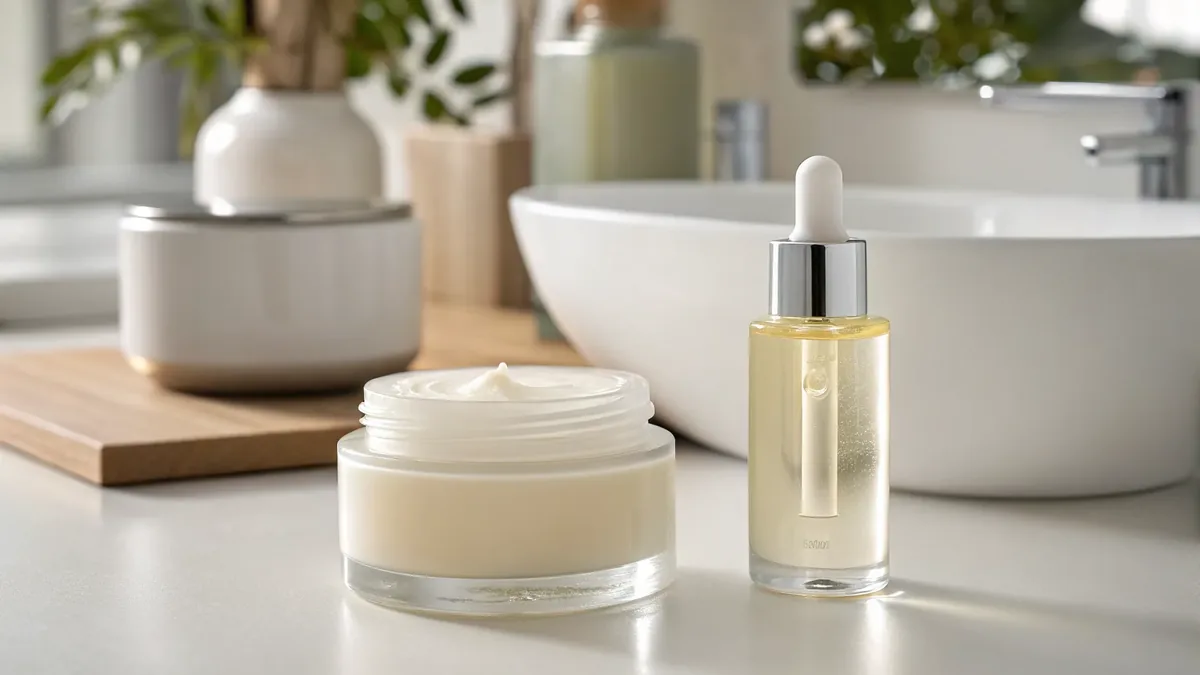
Azelaic acid is a naturally occurring dicarboxylic acid found in grains such as wheat, rye and barley, and it is also produced in small amounts by a yeast that normally lives on human skin. In skincare it is used as a purified, lab-made ingredient, usually in a cream or gel at strengths from 10% up to 20%. It has been used in prescription dermatology for decades, first for acne and later for rosacea, which gives it a much longer safety record than most trendy brightening ingredients.
What it means: azelaic acid is a multi-tasker rather than a one-trick ingredient. It is antibacterial, it calms inflammation, it slows down excess pigment production, and it helps skin shed dead cells more normally. What to look for: on a product label you will see it listed simply as azelaic acid, sometimes alongside soothing ingredients such as niacinamide or panthenol. A 10% product is the usual over-the-counter starting point, while 15% and 20% formulas are often prescription-only depending on where you live.
How Azelaic Acid Works on Your Skin

Azelaic acid works on several fronts at once, which is the reason it helps so many different concerns. It reduces the growth of the acne-causing bacteria that live in pores, it calms the inflammation that makes spots red and sore, and it interferes with tyrosinase, the enzyme skin uses to make melanin — the pigment behind dark spots and melasma. It also normalises how skin cells shed inside the pore, so pores are less likely to clog in the first place.
Why it matters: most brightening ingredients do one thing, so you need several products to cover acne, pigment and redness. Azelaic acid covers all three, which keeps a routine simpler and cheaper. How to use this guide: the sections below explain each benefit separately, so you can jump to the concern that matters most to you — acne, dark spots, rosacea or texture — and still understand how the ingredient fits your routine. Quick verdict: it is slower than a strong retinoid or a high-strength acid, but it is far more forgiving, and for many people that trade is worth it.
Why It Helps: Brightening, Acne and Redness in One Step

Azelaic acid is unusual because it treats the causes of three problems at the same time. For acne, it targets both bacteria and clogged pores. For dark spots, it slows the overproduction of pigment in the exact areas where it is happening, while leaving normally pigmented skin mostly alone — a selective effect that makes it safer for darker skin tones than many lightening ingredients. For redness, its anti-inflammatory action calms the flush of rosacea and the angry redness around active breakouts.
What it costs: patience. Azelaic acid is not an overnight fix, and anyone promising visible results in a week is overselling it. Most people notice calmer skin within two to four weeks and visible fading of dark spots after eight to twelve weeks of steady use. What to remember: because it works gently on several fronts, it is often the ingredient people keep using for years, long after stronger products have been abandoned for irritation. Consistency beats intensity with this one.
Skin Types It Suits — and Who Should Be Careful

Azelaic acid suits almost every skin type, which is rare for an active ingredient. Oily and acne-prone skin benefits from its antibacterial and pore-clearing action. Dry skin usually tolerates it well because it is not strongly exfoliating. Sensitive and rosacea-prone skin is where it truly stands out — it is one of the few actives dermatologists routinely recommend for people who cannot tolerate retinol or glycolic acid. Combination skin can use it all over, or just on the areas that need it.
Best for: anyone with a mix of concerns — for example acne plus dark marks, or rosacea plus uneven tone — who wants one ingredient to address several of them. Who should be careful: people with very reactive skin should still patch test and start slowly, because the first week can bring mild tingling or itching even in a gentle formula. Anyone with eczema, broken skin or a known allergy to azelaic acid should talk to a dermatologist first. What to avoid: assuming gentle means it cannot irritate — it can, especially at 20% or when layered with too many other actives at once.
How to Use It: A Simple Routine Order

Using azelaic acid correctly is simple, but the order matters. Apply it to clean, dry skin, usually after cleansing and any watery toners or serums, and before your moisturiser. A pea-sized amount is enough for the whole face — more product does not mean faster results, it just means more irritation. If your skin is sensitive, apply your moisturiser first and then the azelaic acid on top; this buffer method slows absorption slightly and often removes the tingling entirely.
How often: start once a day, or every other day for the first two weeks, then move to twice daily if your skin is comfortable. Morning or night: it works either time, and many people use it in the morning because it sits well under sunscreen and makeup, while others prefer it at night. Maintenance note: azelaic acid is a long-term ingredient. Stopping it usually means dark spots and breakouts slowly return, so think of it as a regular part of your routine rather than a short course.
10% vs 15% vs 20%: Which Strength Should You Pick?
The strength you choose is the single biggest decision with azelaic acid, and stronger is not automatically better. A 10% formula is the standard over-the-counter strength, effective for mild acne, general brightening and maintenance, and tolerated by most skin types. A 15% formula is the strength most often prescribed for rosacea and moderate acne, and it is noticeably more effective on stubborn pigment. A 20% formula is the strongest, used mainly for persistent melasma and acne under a dermatologist’s guidance, and it carries the highest risk of itching, dryness and redness.
Pros and cons: 10% is the safest starting point and the easiest to use daily, but it may be too gentle for deep melasma. 15% is the sweet spot for most people who want visible results without much irritation. 20% works fastest on stubborn pigment but is the most likely to sting. Quick verdict: start at 10%, give it eight to twelve weeks, and only move up if your skin is comfortable and you still need more. Jumping straight to 20% is the most common reason people quit azelaic acid altogether.
Common Mistakes With Azelaic Acid
The most common mistake is expecting it to work like a strong acid peel. Azelaic acid is slow and steady, so people who see no change in a week either quit, or double the amount and add three other actives at the same time — and then blame the ingredient when their skin turns red and flaky. Another common mistake is applying it to damp skin, which increases absorption and the chance of stinging, or skipping sunscreen, which lets the sun undo the brightening work while you sleep.
Mistakes to avoid: using it alongside a strong retinoid, a high-strength vitamin C and an exfoliating acid all in the same week; judging it before eight weeks; and applying a thick layer as if more product means faster fading. What works instead: one new active at a time, a pea-sized amount, daily sunscreen, and a simple moisturiser to support your skin barrier. Maintenance note: if your skin gets irritated, do not stop forever — drop back to every other day, buffer with moisturiser, and try again. Most irritation is a dosing problem, not a sign the ingredient is wrong for you.
The Quick Verdict: Is Azelaic Acid Right for You?
If you want one ingredient that can fade dark spots, calm redness and keep breakouts under control without the peeling and purging of stronger treatments, azelaic acid is one of the best choices in skincare. It is especially worth trying if you have sensitive skin, rosacea, post-acne marks, or darker skin where many brightening ingredients carry a risk of making pigment worse. It is less ideal if you want dramatic anti-ageing results quickly — that is still retinol’s job — or if you need fast results for an event next week.
How to score it: ask yourself three questions. Do I have more than one concern — spots, redness or acne — at the same time? Has my skin reacted badly to stronger actives before? Am I willing to use something daily for two to three months? Two or three yeses means azelaic acid is a strong fit. What to do next: pick a 10% product, patch test it, use it once daily for two weeks, and read the sections below for the concern that matters most to you. Quick verdict: it is the quiet, reliable workhorse of skincare — not the flashiest ingredient on the shelf, but one of the few that earns its place in a routine for years.
1. What Azelaic Acid Actually Is

Azelaic acid is a dicarboxylic acid that occurs naturally in grains such as wheat, rye and barley, and it is also produced by Malassezia furfur, a yeast that lives harmlessly on everyone’s skin. The version in skincare products is made in a laboratory for purity and consistency, and it has been used in prescription creams since the 1980s, which means dermatologists have decades of safety data behind it. It usually appears in creams or gels at 10%, 15% or 20%, and its texture is typically a light, slightly gritty-feeling cream that absorbs without much shine.
How to read a label: look for azelaic acid in the first half of the ingredient list for a meaningful amount, and check the percentage on the front of the pack — reputable brands state it clearly. Some products pair it with niacinamide, hyaluronic acid or soothing plant extracts, which can make the formula gentler and more pleasant to use. What to avoid: products that hide the percentage, or that combine azelaic acid with a long list of other strong actives in one bottle, since you cannot tell which ingredient is doing what — or which one is irritating your skin.
2. How Azelaic Acid Works in Your Skin

Azelaic acid works through four separate actions, and understanding them explains why it helps so many different problems. First, it is antibacterial against Cutibacterium acnes, the bacteria involved in acne, without being an antibiotic — so it does not contribute to antibiotic resistance. Second, it is anti-inflammatory, calming the redness and swelling around spots and in rosacea. Third, it inhibits tyrosinase, the enzyme that drives melanin production, which is how it fades dark spots. Fourth, it normalises keratinisation, the way skin cells shed inside pores, so pores clog less often.
Why it matters: because it works on bacteria, inflammation, pigment and clogged pores at the same time, it can replace two or three separate products in a routine. That matters for sensitive skin in particular, because every extra product is another chance for irritation. Quick verdict: it is not the strongest ingredient at any one of these jobs — a retinoid exfoliates more, hydroquinone lightens faster — but it is the only common ingredient that does all four gently, and that balance is its real strength.
3. Azelaic Acid for Acne: What It Can Do
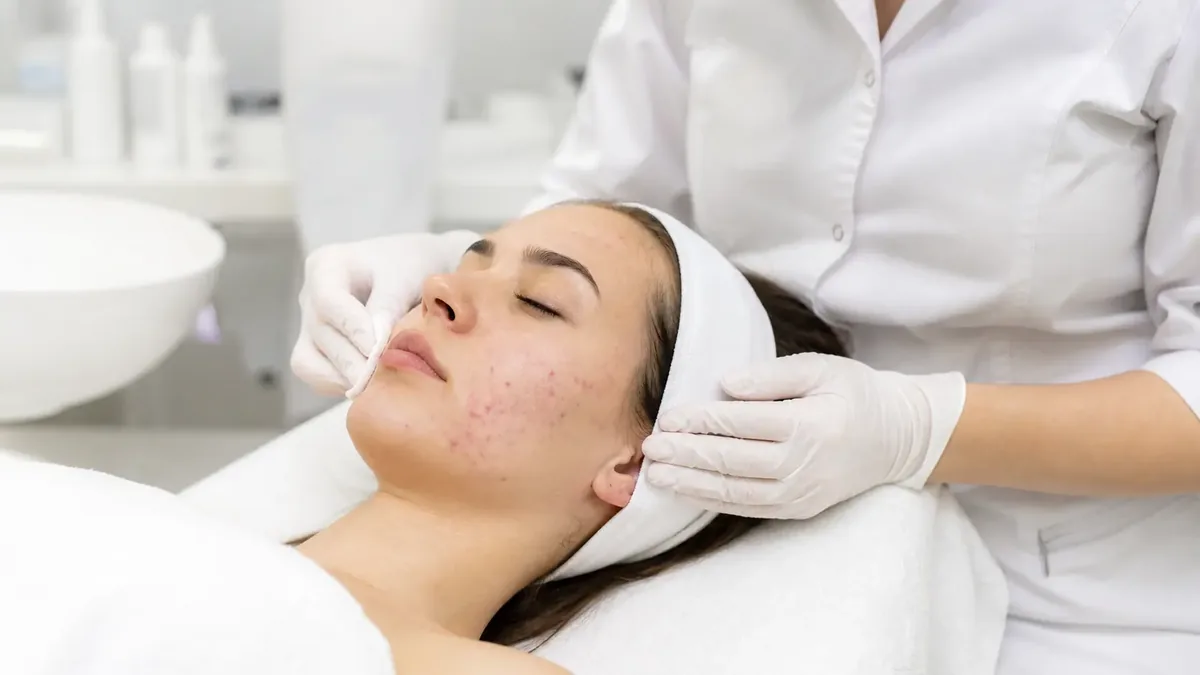
Azelaic acid is an effective acne treatment, particularly for mild to moderate breakouts, and it is one of the ingredients dermatologists turn to when benzoyl peroxide or retinoids prove too drying. It attacks acne from two directions: it reduces the bacteria that drive inflamed spots, and it keeps pores from clogging, which prevents new blackheads and whiteheads from forming. Because it also calms inflammation, the spots that do appear tend to be smaller, less red and less painful than they would be without it.
What to expect: most people see fewer new breakouts within three to four weeks, and a clear reduction in redness around existing spots sooner than that. It is slower than a prescription retinoid for deep, cystic acne, and severe acne usually needs a dermatologist’s combination treatment rather than azelaic acid alone. Common mistake: using it only as a spot treatment. Azelaic acid works best applied all over the face, because it prevents new spots as well as treating the ones you can already see.
4. Fading Dark Spots and Post-Acne Marks

The dark marks left behind after a spot heals — post-inflammatory hyperpigmentation — are one of the most common reasons people start azelaic acid, and it is genuinely good at this job. It slows melanin production in the overactive pigment cells that create the mark, while having little effect on normally pigmented skin, which is why it fades the spot without lightening the skin around it. This selective action is also why it is considered safer for medium and deep skin tones than many other brightening ingredients, which can cause patchy lightening.
How long it takes: fresh, light marks may fade noticeably in four to six weeks, while older, deeper marks usually need eight to twelve weeks of twice-daily use. Sunscreen is not optional here — without it, UV light keeps stimulating the same pigment cells and the mark barely fades at all. What to avoid: scrubbing the mark or adding a strong exfoliating acid to speed things up. Irritation triggers more pigment, so the fastest way to fade a dark spot is often the gentlest one.
5. Azelaic Acid for Melasma
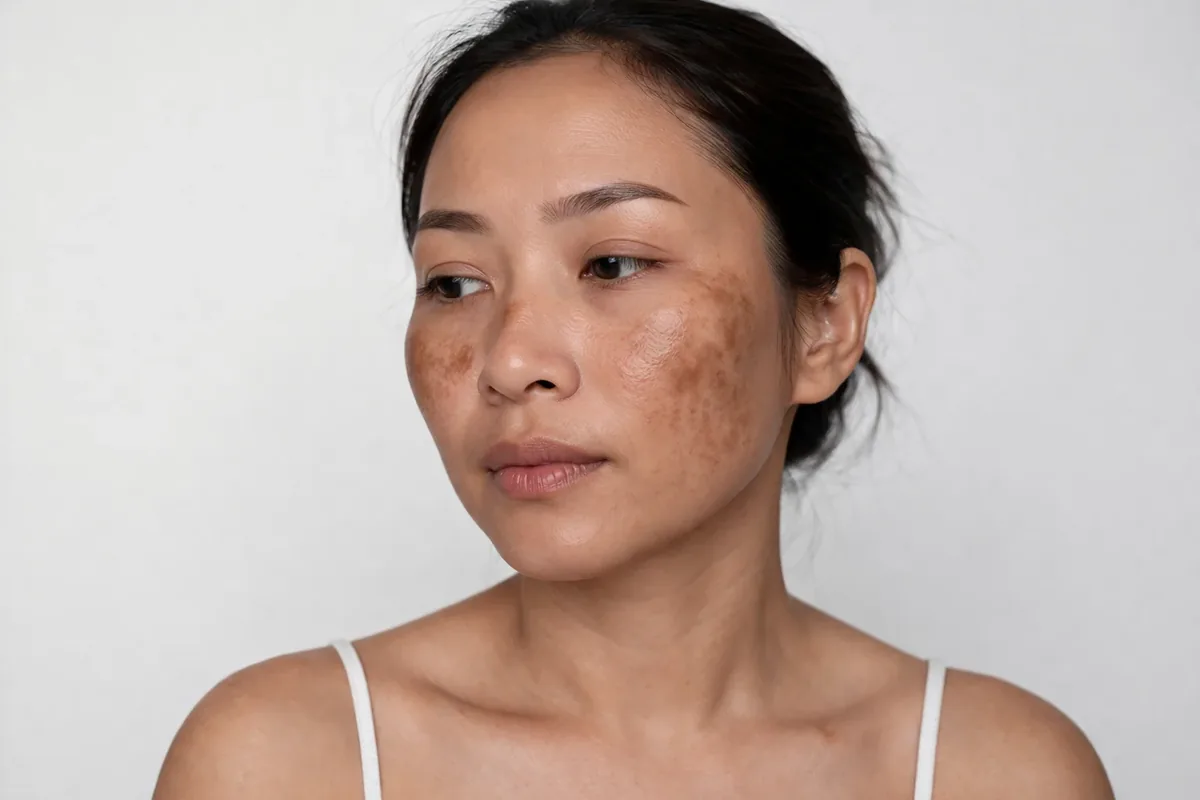
Melasma is a stubborn form of pigmentation, usually appearing as brown patches on the cheeks, forehead and upper lip, and it is driven by hormones, sun exposure and genetics. Azelaic acid is one of the standard treatments for it, often used at 15% or 20%, because it suppresses the overactive pigment cells without the irritation and rebound darkening that stronger lightening agents can cause. Dermatologists frequently combine it with sunscreen, and sometimes with other treatments, because melasma rarely responds to one ingredient alone.
Pros and cons: the advantage is safety for long-term use, including on deeper skin tones where hydroquinone carries more risk. The disadvantage is speed — melasma may take three to six months of consistent use to lighten meaningfully, and it tends to return if sun protection lapses. Who should see a dermatologist: anyone with melasma that covers large areas, keeps returning, or has not responded to over-the-counter products after three months. A dermatologist can confirm the diagnosis and combine azelaic acid with prescription options if needed.
6. Calming Rosacea and Persistent Redness
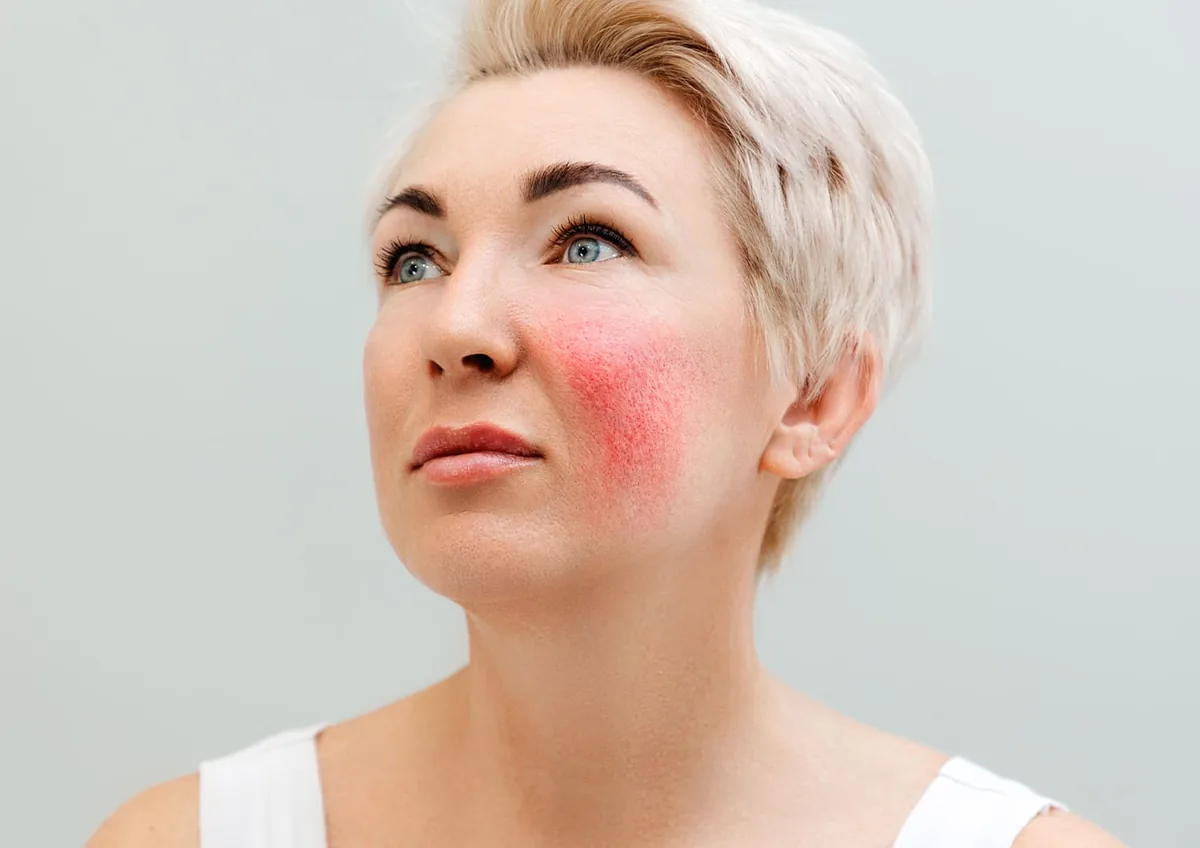
Rosacea is a chronic condition of facial redness, flushing, visible blood vessels and sometimes acne-like bumps, and azelaic acid 15% gel is one of the most widely prescribed treatments for it. It works by calming the inflammation that drives the redness and by reducing the bumps, and clinical studies have shown it reduces both redness and lesion counts over eight to twelve weeks. For many people with rosacea it is the first prescription-strength treatment they try, precisely because it calms rather than strips the skin.
What it feels like: some people with rosacea notice mild itching or burning in the first week, which usually settles as the skin adjusts. Applying it over moisturiser, or starting every other day, makes this much more manageable. What to avoid: the triggers that make rosacea worse regardless of treatment — hot water, alcohol-based toners, harsh scrubs and unprotected sun. Azelaic acid can calm rosacea, but it cannot outwork a routine that keeps provoking it. If flushing is severe or your eyes are affected, see a dermatologist rather than self-treating.
7. Smoothing Rough Texture and Bumps
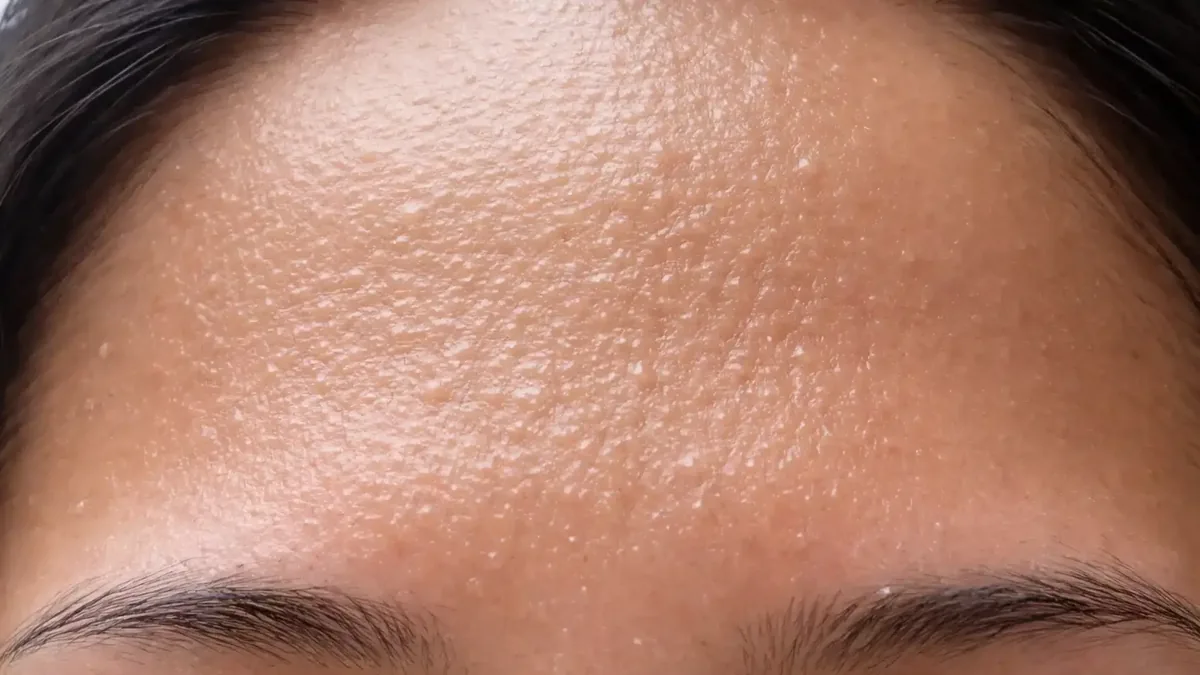
Rough, bumpy skin — small closed bumps, uneven texture, the sandpaper feeling on the forehead or cheeks — often comes from dead skin cells building up inside pores instead of shedding cleanly. Azelaic acid gently normalises that shedding process, so pores clear gradually and the skin surface becomes smoother over several weeks. It is a much gentler route to smooth skin than a strong glycolic acid peel, and it suits people whose texture problems come with redness or sensitivity, where exfoliating acids tend to make things worse.
How to use it for texture: apply it all over the face once or twice daily, and give it at least six weeks before judging the result — texture changes slowly because it depends on the skin’s renewal cycle. Common mistake: adding a daily exfoliating acid on top to speed things up. The combination often causes flaking and redness, and the texture ends up looking worse, not better. If you already use an exfoliant, alternate the days rather than layering both on the same night.
8. Azelaic Acid for Sensitive Skin
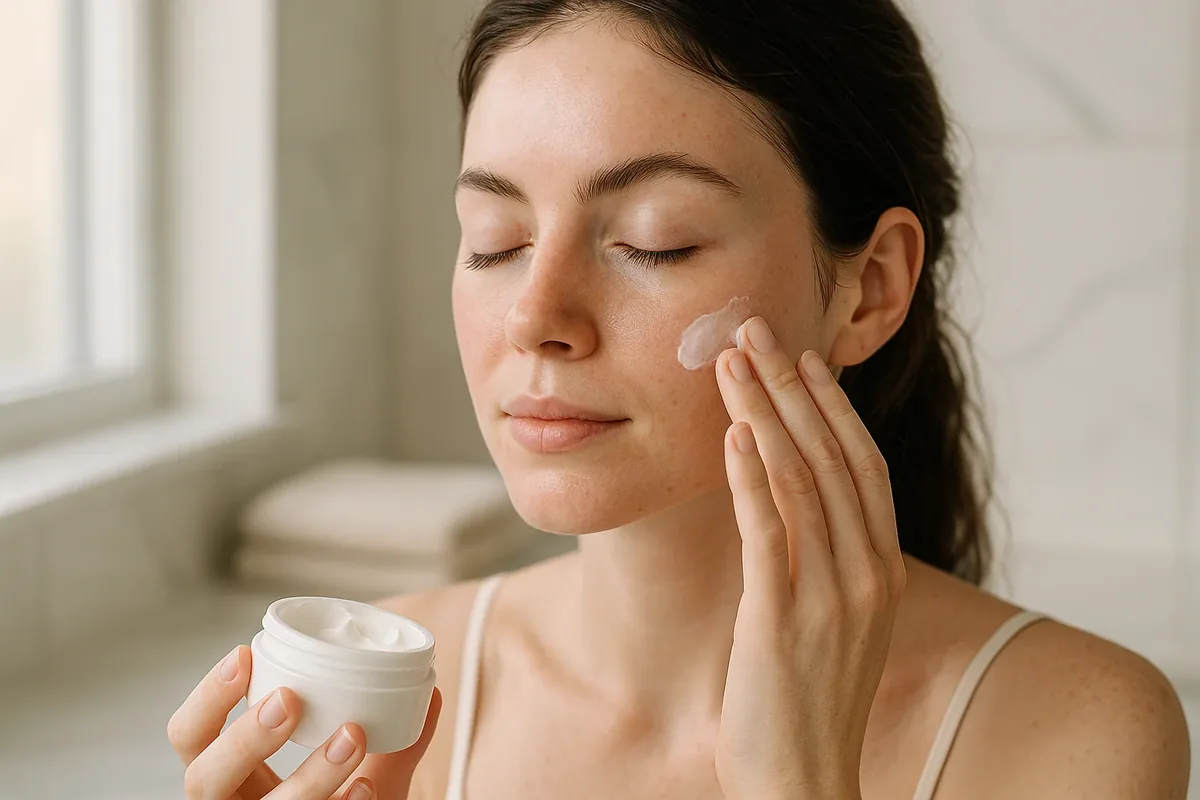
Sensitive skin is where azelaic acid earns its reputation, because it is one of the few active ingredients that sensitive skin can usually use every day. Unlike retinol, which causes peeling, or vitamin C at high strength, which can sting, azelaic acid at 10% typically causes only mild, temporary tingling in the first few days. It also actively calms redness rather than causing it, which is why dermatologists recommend it for people with rosacea, reactive skin, or a damaged skin barrier that cannot handle stronger products.
Best for: anyone who has tried and abandoned stronger actives, and anyone whose skin flushes easily, stings with most products, or reacts to fragrance and alcohol in skincare. How to start: patch test on the jawline for two or three days, then apply a pea-sized amount every other night for a week before moving to daily use. Buffering with moisturiser first is a sensible extra step for very reactive skin. What to avoid: fragrance-heavy formulas, which add an unnecessary irritant to an otherwise gentle ingredient.
9. 10% Azelaic Acid: The Everyday Starting Point
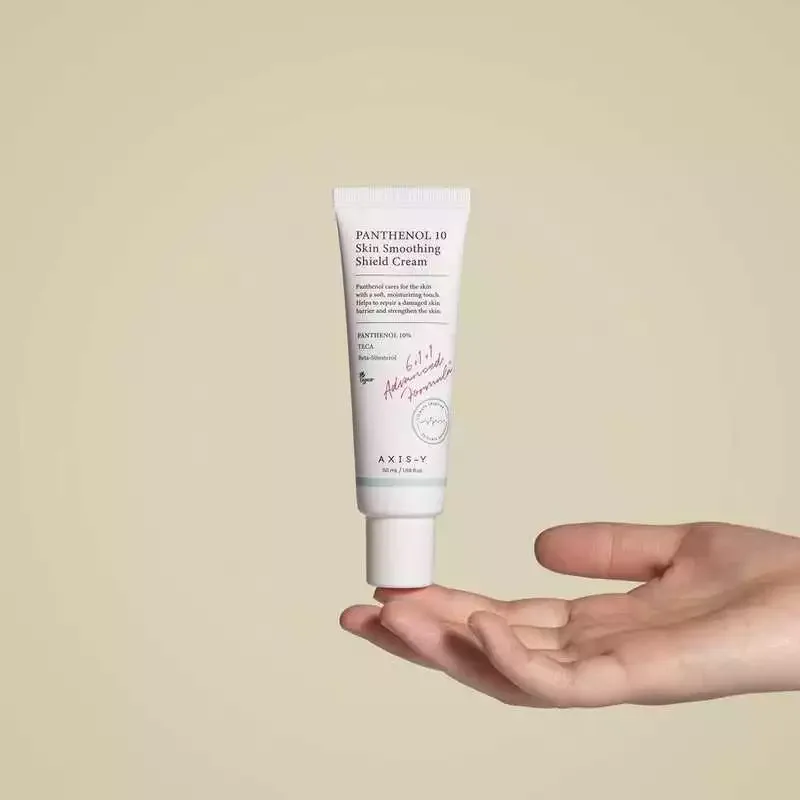
A 10% azelaic acid product is where almost everyone should start. It is the strength available over the counter in most countries, it is effective for mild acne, early dark spots and general brightening, and it is the strength most people can use twice a day without irritation. Several well-known 10% creams and gels have become cult products precisely because they deliver visible results without the drama of stronger treatments, and for many people 10% is all they ever need.
Pros and cons: the pros are tolerability, easy availability and a low price — most 10% products are affordable and last two to three months. The cons are that it may not be strong enough for deep melasma or stubborn, long-standing dark marks, and results arrive slowly. Quick verdict: if you are new to azelaic acid, start here. Use it for a full twelve weeks before deciding it is not working — most people who switch up too early never give 10% a fair chance.
10. 15% Azelaic Acid: The Prescription-Level Step Up
A 15% azelaic acid formula is the strength most often prescribed for rosacea and moderate acne, and it is noticeably more effective than 10% on stubborn pigment and persistent redness. In many countries it is available only on prescription, although some regions sell it over the counter, so availability depends on where you live. Clinical studies on 15% gel show significant reductions in rosacea bumps and redness within twelve weeks, which is why dermatologists consider it the standard therapeutic strength rather than an extreme one.
When to move up: after at least eight to twelve weeks at 10% with good tolerance but incomplete results — for example, dark spots that have faded but not cleared, or rosacea that is calmer but still flushing. What to expect: a little more tingling in the first week, which usually settles, and faster visible fading than 10%. What to avoid: jumping to 15% and a retinoid in the same week. Change one thing at a time so you know what your skin is reacting to.
11. 20% Azelaic Acid: Strongest, With More Irritation Risk

A 20% azelaic acid cream is the strongest commonly used strength, usually prescribed for persistent melasma, stubborn hyperpigmentation and acne that has not responded to lower strengths. It works faster on deep pigment than 10% or 15%, but the trade-off is real: itching, burning, dryness and redness are all more common, especially in the first two weeks, and some people cannot tolerate it daily at all. For that reason it is best used under a dermatologist’s guidance rather than bought on a whim.
Pros and cons: the pro is potency on pigment that has resisted everything else. The cons are irritation, a higher price, and the fact that it is often unnecessary — most people get the results they want at 15%. Who should avoid it: anyone with very sensitive or rosacea-prone skin, and anyone who has not yet tried 10% or 15%. Quick verdict: 20% is a specialist tool, not a starting point. If a dermatologist recommends it, follow their instructions on frequency and buffering, and expect the first week to be the hardest.
12. Azelaic Acid vs Vitamin C for Brightening
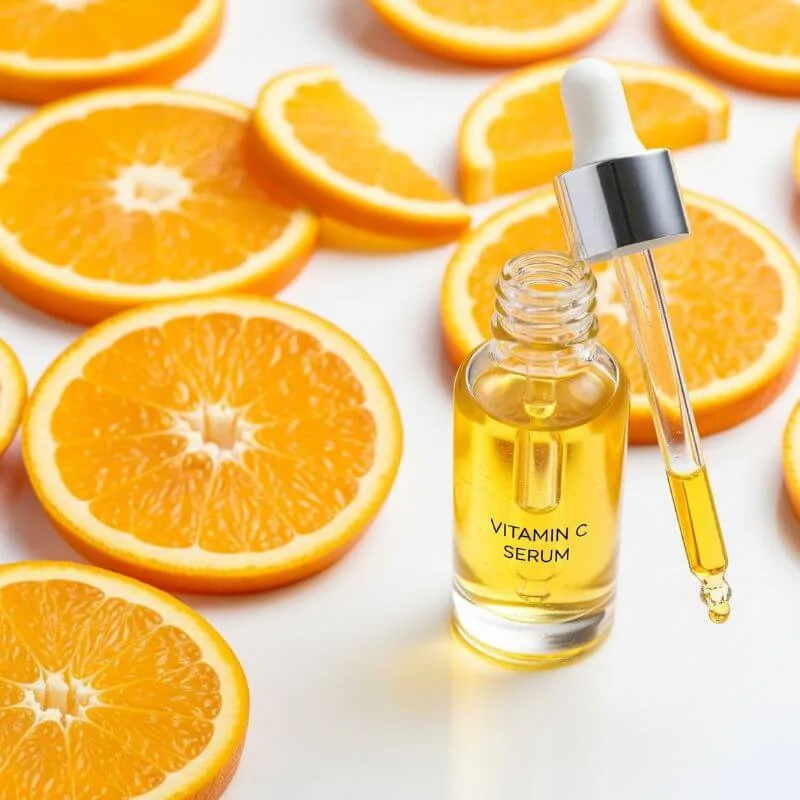
Azelaic acid and vitamin C are the two most popular brightening ingredients, and they work in different ways. Vitamin C is an antioxidant that brightens by neutralising free radicals and supporting collagen, and it gives skin a noticeable glow. Azelaic acid brightens by directly slowing pigment production, and it adds acne control and redness calming that vitamin C does not offer. For pure glow, vitamin C often wins; for dark spots plus breakouts or redness, azelaic acid usually wins.
Can you use both? Yes, and they pair well — many people use vitamin C in the morning and azelaic acid at night, or layer vitamin C first, wait a minute, then apply azelaic acid. Using both at the same time can occasionally cause mild stinging, so introduce them on separate days first. What to avoid: a high-strength vitamin C and a high-strength azelaic acid on the same irritated skin on day one. Quick verdict: if you can only afford one brightening product and you also have acne or redness, choose azelaic acid. If your only concern is dullness, vitamin C may be the better single pick.
13. Azelaic Acid and Niacinamide Together

Azelaic acid and niacinamide are one of the gentlest and most effective pairings in skincare. Niacinamide, also known as vitamin B3, strengthens the skin barrier, reduces redness and helps fade dark spots through a different mechanism than azelaic acid, so the two complement each other rather than competing. Many commercial azelaic acid products already contain niacinamide for exactly this reason, and the combination is well tolerated even by sensitive skin.
How to layer them: apply the thinner product first — usually a niacinamide serum — wait a minute for it to absorb, then apply the azelaic acid cream. Or simply choose a product that contains both and keep your routine to one step. Pros and cons: the main pro is that this pair covers barrier health, redness and pigment in two gentle steps. There is no meaningful con, which is rare for an active pairing. Quick verdict: if you want to boost your azelaic acid results without adding irritation risk, niacinamide is the safest partner to add first.
14. Layering Azelaic Acid With Retinol

Azelaic acid and retinol can be used together, and dermatologists often prescribe the combination, because retinol speeds up cell turnover and tackles fine lines while azelaic acid handles pigment, redness and breakouts. Used together they cover more concerns than either one alone, and azelaic acid’s calming action can even take the edge off retinol irritation. But the combination needs care: both are active ingredients, and using both at full strength from day one is a common route to red, flaky skin.
How to do it safely: introduce one first and use it for at least two weeks before adding the other. A popular approach is azelaic acid in the morning and retinol at night, which keeps them apart and lets each work without competition. Alternatively, alternate nights. Common mistake: applying retinol and azelaic acid in the same step on the same night, every night, from the start. What to avoid: if your skin becomes dry, peeling or stinging, drop the retinol to two or three nights a week and keep the azelaic acid daily — it is the gentler of the two.
15. Azelaic Acid With AHAs and BHAs
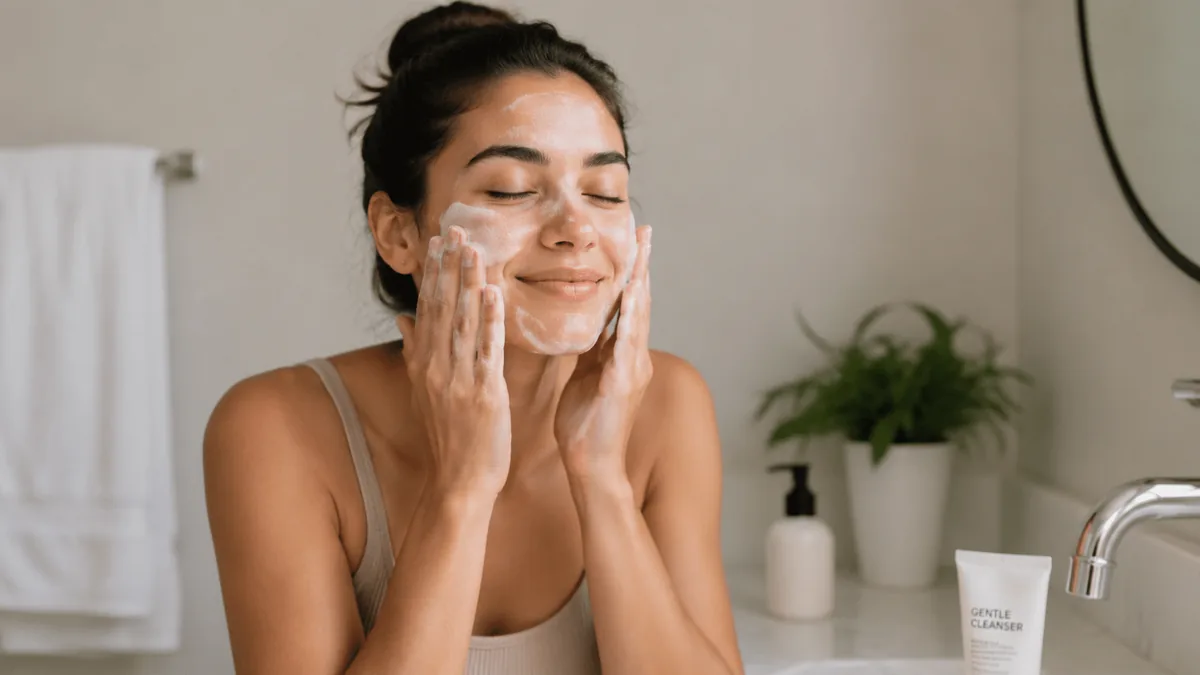
AHAs such as glycolic and lactic acid exfoliate the surface of the skin, and BHAs such as salicylic acid clear inside the pore — both useful, but both can irritate when combined with another active. Azelaic acid is itself mildly exfoliating, so adding a strong AHA or BHA on top can easily be too much, particularly for sensitive skin. That does not mean they cannot be used together; it means they should be separated, either by time of day or by alternating days, rather than layered in one step.
Best approach: use your exfoliating acid two or three times a week and azelaic acid on the other days, or use azelaic acid in the morning and the AHA or BHA at night. Salicylic acid pairs slightly better than glycolic acid with azelaic acid, because it is oil-soluble and works inside the pore where azelaic acid also acts. What to avoid: a daily high-strength glycolic acid plus daily azelaic acid plus retinol — a three-active stack that strips the barrier and then gets blamed on the wrong ingredient. Quick verdict: one exfoliant at a time, and let azelaic acid be the daily constant.
16. Morning or Night: When to Apply It
Azelaic acid works in the morning, at night, or twice a day — it is not light-sensitive the way retinol is, and it does not break down in sunlight. Morning use has a practical advantage: it layers well under sunscreen and makeup, it calms daytime redness, and its antioxidant action adds a small amount of extra defence against environmental stress. Night use suits people whose morning routine is already crowded, or who prefer to keep their daytime steps minimal.
Which is better? Twice daily gives the fastest results in studies, but once daily is enough for most people, especially at the start. If you can only commit to once a day, choose the time you will actually stick to — consistency matters more than the clock. Common mistake: applying it twice a day from day one and then quitting when the tingling feels too much. Start once daily, and add the second application after two comfortable weeks. What to remember: whichever time you choose, sunscreen in the morning is non-negotiable if you want the brightening to last.
17. Where It Goes in Your Routine Order
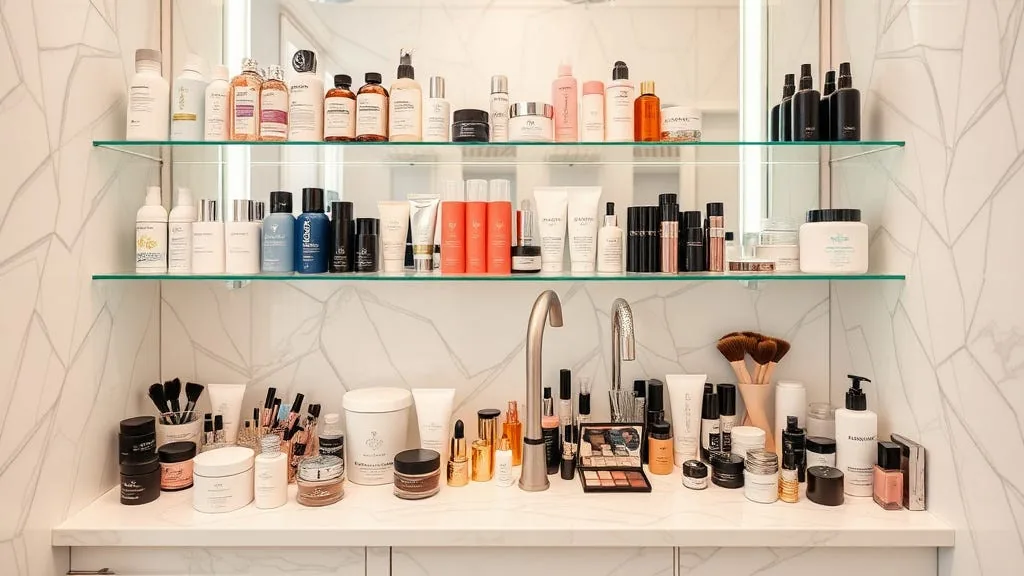
The general rule for skincare order is thinnest to thickest, and azelaic acid usually sits in the middle. A typical routine is: cleanser, then any watery toner or hydrating serum, then azelaic acid, then moisturiser, then sunscreen in the morning. If you use a niacinamide or hyaluronic acid serum, those go before the azelaic acid. If you use a retinoid, it usually goes at night, separated from your azelaic acid step by time of day or by alternating nights.
How to apply it: use clean, dry hands and a pea-sized amount for the whole face, dotting it on the forehead, cheeks, nose and chin, then spreading it in a thin, even layer. Let it absorb for a minute before your moisturiser. What to avoid: applying it to damp skin, which increases penetration and stinging, and mixing it in your palm with other products, which makes the dose unpredictable. Maintenance note: a simple routine that you follow every day beats a complicated one you abandon after two weeks.
18. Azelaic Acid and Sunscreen: The Pair That Matters

Sunscreen is the single most important partner for azelaic acid, because UV light is the main driver of the pigment it is trying to fade. Without daily sun protection, dark spots and melasma barely improve, no matter how faithfully you apply azelaic acid — the sun keeps stimulating the same pigment cells every day. A broad-spectrum sunscreen of at least SPF 30, applied every morning and reapplied when outdoors, protects the progress you are making and prevents new marks from forming.
How they work together: azelaic acid slows pigment production from the inside, while sunscreen stops the UV trigger from the outside. Neither works properly without the other for pigmentation concerns. What to choose: a gentle, fragrance-free sunscreen suits most azelaic acid users, and mineral formulas are often better tolerated by rosacea-prone skin. Common mistake: using azelaic acid diligently for months while skipping sunscreen on cloudy days. UV passes through cloud, and melasma in particular can worsen on a cloudy day without protection.
19. Purging vs Irritation: How to Tell the Difference
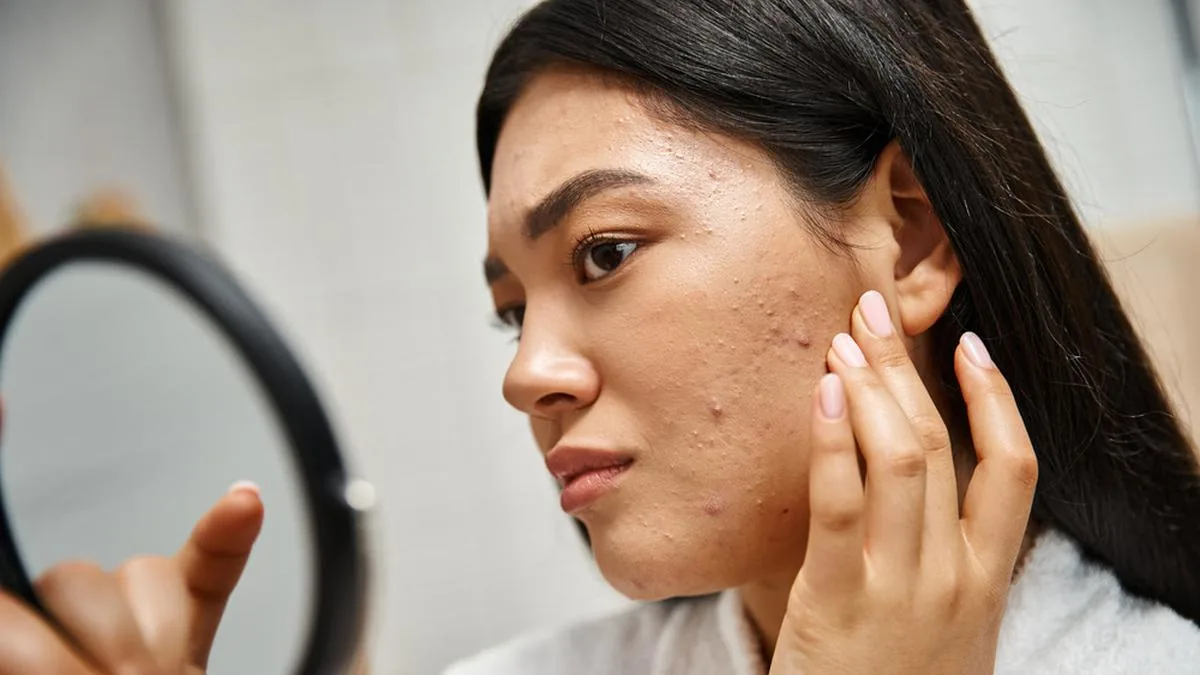
Purging and irritation look similar at first — more spots, redness, a rough feeling — but they mean opposite things, and confusing them leads people to quit a product that was working, or to keep using one that is harming their skin. Purging happens when an ingredient speeds up cell turnover, bringing existing clogged pores to the surface faster; the breakouts appear where you usually get them, they heal faster than normal, and they settle within four to six weeks. Irritation is different: burning, itching, dryness and redness in areas where you never break out, and spots that get worse the longer you continue.
Azelaic acid and purging: true purging with azelaic acid is uncommon and usually mild, because it is only gently exfoliating. Most of what people call purging with this ingredient is actually irritation from using too much, too often, or alongside too many other actives. What to do: if your skin burns, itches or flakes, cut back to every other day and buffer with moisturiser. If breakouts are in your usual spots and healing quickly, give it four weeks. When to stop: if irritation is severe, spreading, or not improving after two weeks of gentler use, stop and see a dermatologist.
20. The First Two Weeks: What to Expect
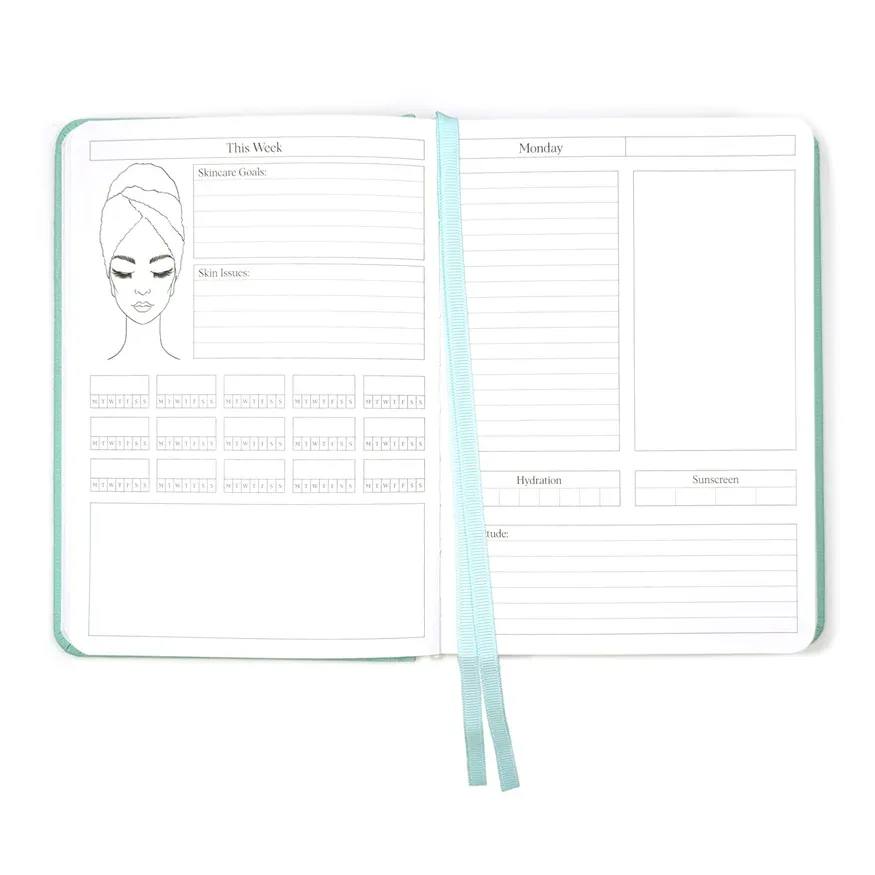
The first two weeks with azelaic acid are usually uneventful, which surprises people who expect drama from an active ingredient. Most people notice a mild tingling or slight itching in the first few applications, particularly on the cheeks and around the nose, and this typically fades within minutes and stops happening altogether after a week. Some notice their skin looks a little calmer and less red within days, while breakouts and dark spots take much longer to change. A small number of people get temporary dryness or mild flaking, usually because they applied too much or layered it with another active.
How to make it easy: start every other day, apply to dry skin, use a pea-sized amount, and moisturise well. Keep the rest of your routine simple during these two weeks so you can tell what is causing any reaction. What to avoid: judging the product after a week. Two weeks is enough to know whether your skin tolerates it, but nowhere near enough to judge whether it works. Quick verdict: if the first two weeks are comfortable, you have passed the hard part — the rest is patience.
21. How Long Before You See Results
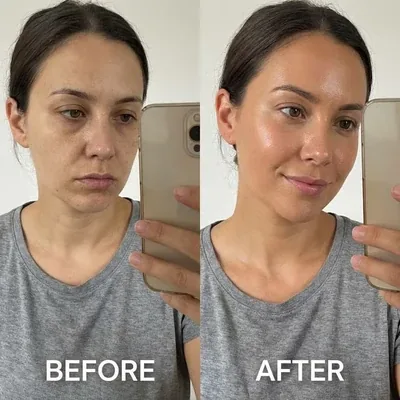
Azelaic acid rewards patience, and knowing the timeline in advance stops most people from quitting too early. Redness and inflamed spots often look calmer within two to four weeks. Fewer new breakouts usually show up around week four. Fading of dark spots and post-acne marks typically becomes visible at eight to twelve weeks. Melasma and deep, long-standing pigment can take three to six months, and rosacea improvement is usually judged over twelve weeks in clinical studies. These are averages — darker skin tones and deeper pigment often need the longer end of each range.
Why it takes so long: skin renews itself on roughly a four-week cycle, and pigment sits in layers that have to shed gradually. No safe ingredient can erase months of pigment in a week. What speeds it up: twice-daily use once tolerated, strict sunscreen, and not interrupting treatment with irritation from other actives. Common mistake: stopping at week six because the mirror looks unchanged, when the visible change was only a few weeks away. Take a photo on day one and compare it at week twelve — the difference is often much clearer in photos than in the mirror.
22. Azelaic Acid During Pregnancy: What to Know

Azelaic acid is generally considered one of the safer skincare actives during pregnancy, and it is often the ingredient dermatologists suggest when retinoids have to be stopped. Very little of it is absorbed through the skin into the bloodstream, and it is also a substance the body produces naturally in small amounts. Many pregnancy skincare guides list it as a preferred option for acne and melasma — the so-called mask of pregnancy — precisely because the usual alternatives, retinoids and hydroquinone, are avoided during this time. This is general information, not medical advice, and it does not replace a conversation with your own doctor.
What to do: if you are pregnant or trying to conceive, tell your dermatologist or obstetrician what you use, and use the lowest effective strength — 10% is a sensible choice. Patch test first, since pregnancy can make skin more reactive than usual. What to avoid: starting a 20% prescription formula, or any new combination of actives, without medical advice during pregnancy. Quick verdict: among acne and pigmentation treatments, azelaic acid is one of the most pregnancy-friendly options available, but your own doctor’s advice always comes first.
23. Azelaic Acid While Breastfeeding

Azelaic acid is also generally regarded as compatible with breastfeeding, for the same reason it is considered during pregnancy: very little is absorbed through the skin, so the amount that could reach breast milk is thought to be minimal. Dermatologists often continue it for mothers who need acne or melasma treatment while nursing, where retinoids and other systemic treatments would be paused. As with pregnancy, this is general information only, and your own doctor or dermatologist should confirm what is right for you and your baby.
Practical notes: apply it to the face only, wash your hands after applying, and avoid applying any skincare product to the chest area where the baby may come into contact with it. What to avoid: assuming that over-the-counter always means safe for everyone — if you have any concerns, a quick check with your doctor is worth more than any article. Who should ask first: anyone with a complicated pregnancy, a premature baby, or a baby with skin problems should always check with their clinician before starting or continuing any active ingredient.
24. Azelaic Acid for Oily Skin

Oily skin and azelaic acid are a good match. Oily skin tends to produce more sebum, which mixes with dead skin cells and clogs pores, and azelaic acid’s ability to normalise shedding inside the pore directly addresses that cycle. Its antibacterial action helps with the inflamed spots oily skin is prone to, and most azelaic acid formulas are gels or light creams that do not add shine or heaviness. Many people with oily skin find they can use it twice daily without the dryness that other acne treatments cause.
How to use it: apply it after cleansing and before a light, oil-free moisturiser. A gel formula often suits oily skin better than a rich cream, and it layers neatly under sunscreen and makeup. Pros and cons: the pro is that it controls breakouts without stripping the skin, which matters because stripping oily skin usually makes it produce even more oil. The con is that it will not control shine on its own — for that you still need a good cleanser and a mattifying sunscreen. What to avoid: harsh, foaming cleansers and alcohol toners alongside it, which dry the skin out and undo its gentle approach.
25. Azelaic Acid for Dry Skin
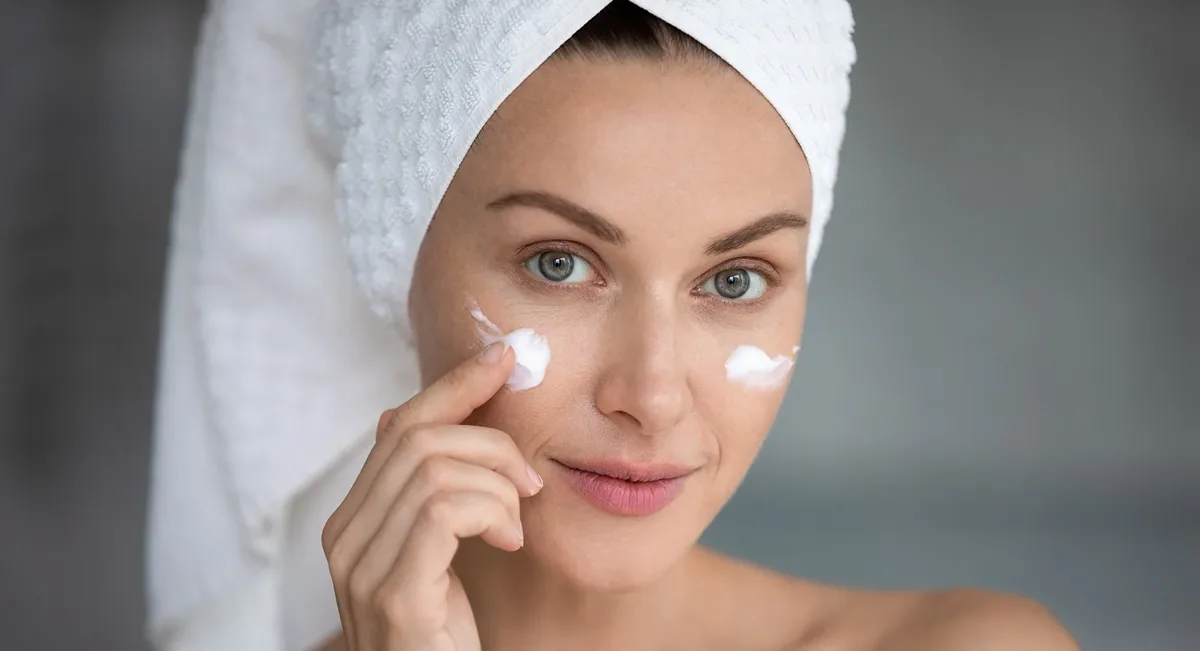
Dry skin can use azelaic acid, and often benefits from it, because the ingredient is not strongly exfoliating and does not strip the skin’s natural oils the way many acne treatments do. People with dry skin usually struggle with dullness, flaking and uneven tone rather than heavy breakouts, and azelaic acid helps all three by gently normalising cell turnover and fading the dull patches. The key is the formula and the routine around it — a cream base suits dry skin better than a gel, and a good moisturiser is essential.
How to use it: apply a pea-sized amount to dry skin, then follow with a rich moisturiser containing ceramides, hyaluronic acid or squalane. If you feel any tightness, try the buffer method — moisturiser first, then azelaic acid — or use it once a day instead of twice. Common mistake: pairing it with a drying cleanser or a strong exfoliant, which leaves dry skin flaky and defeats the purpose. What to avoid: skipping moisturiser because the azelaic acid cream feels like enough. It is a treatment, not a moisturiser, and dry skin needs both.
26. Azelaic Acid for Combination Skin
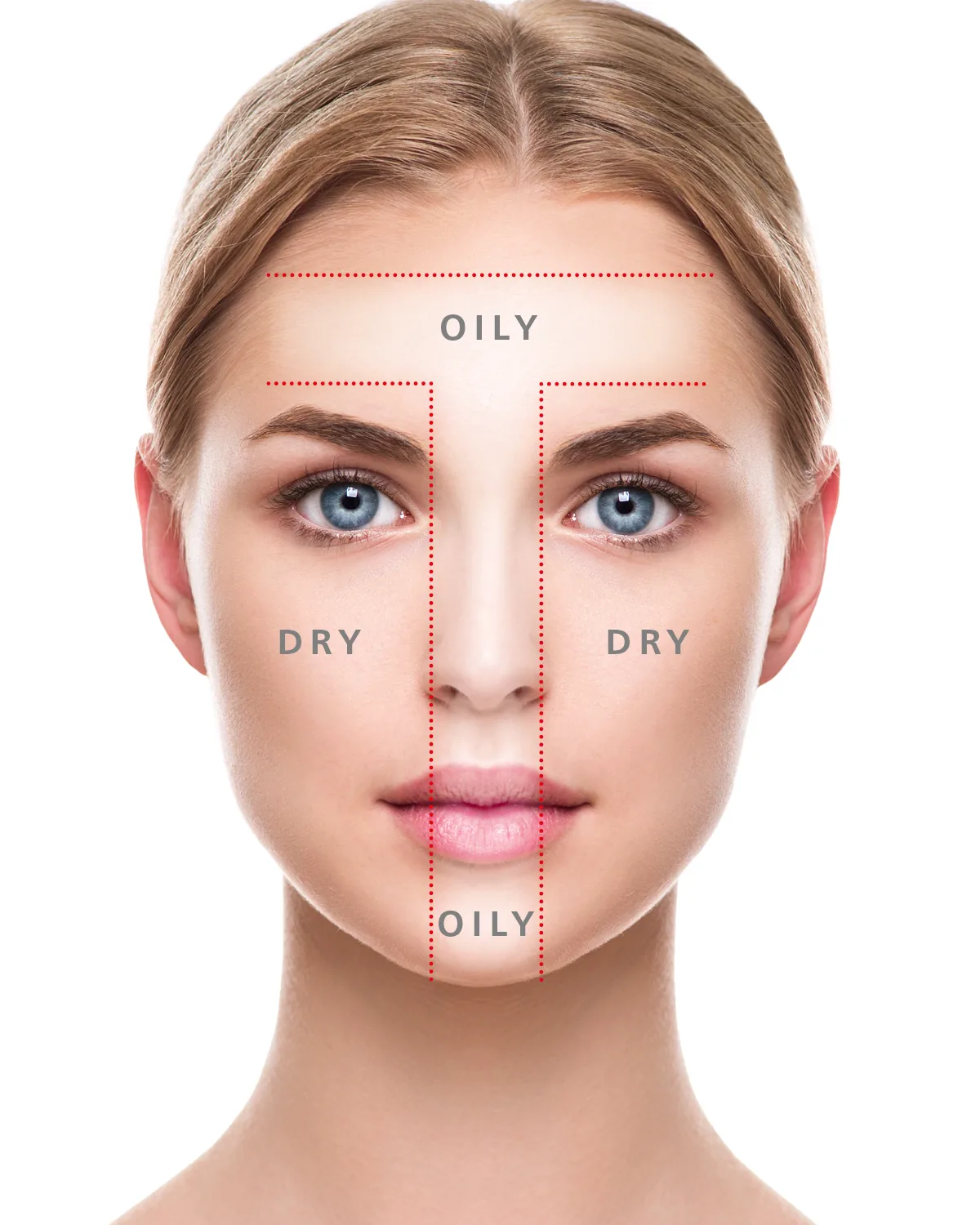
Combination skin — an oily T-zone with normal or dry cheeks — is one of the hardest types to treat, because what helps the forehead can irritate the cheeks. Azelaic acid is well suited to this problem, since it is gentle enough to use all over the face while still controlling oil and breakouts in the T-zone. It evens out the skin’s behaviour rather than treating one zone at the expense of the other, which is why it is often the single active dermatologists recommend for combination skin.
How to apply it: a thin layer over the whole face once or twice daily works for most people. If your T-zone needs more help, you can apply a second thin layer just there, or use it twice daily on the T-zone and once daily on the cheeks. Pros and cons: the pro is simplicity — one product for the whole face. The con is that it will not fully control a very oily T-zone on its own, so you may still want a light, oil-free moisturiser there. Quick verdict: if you are tired of buying different products for different parts of your face, azelaic acid is the best one-product compromise.
27. Azelaic Acid for Darker Skin Tones

Azelaic acid is one of the safest brightening ingredients for medium, brown and deep skin tones, and this is an important distinction. Many lightening ingredients, including hydroquinone and high-strength exfoliating acids, carry a risk of hypopigmentation — light patches — or rebound darkening on deeper skin, and irritation from any product can trigger more pigment. Azelaic acid is different: it selectively slows pigment production in overactive cells while leaving normally pigmented skin largely untouched, so it fades dark marks without lightening the surrounding skin.
Why it matters: post-inflammatory dark marks are one of the most common skin concerns for deeper skin tones, and they can last months longer than the spot that caused them. Azelaic acid is one of the few treatments that addresses them without creating new problems. What to do: use it consistently, wear sunscreen daily without exception, and give it twelve weeks before judging the result. What to avoid: strong peels, scrubs and high-strength acids used to force faster fading — on deeper skin, irritation almost always causes more pigment, not less.
28. How Much to Use: The Pea-Sized Rule
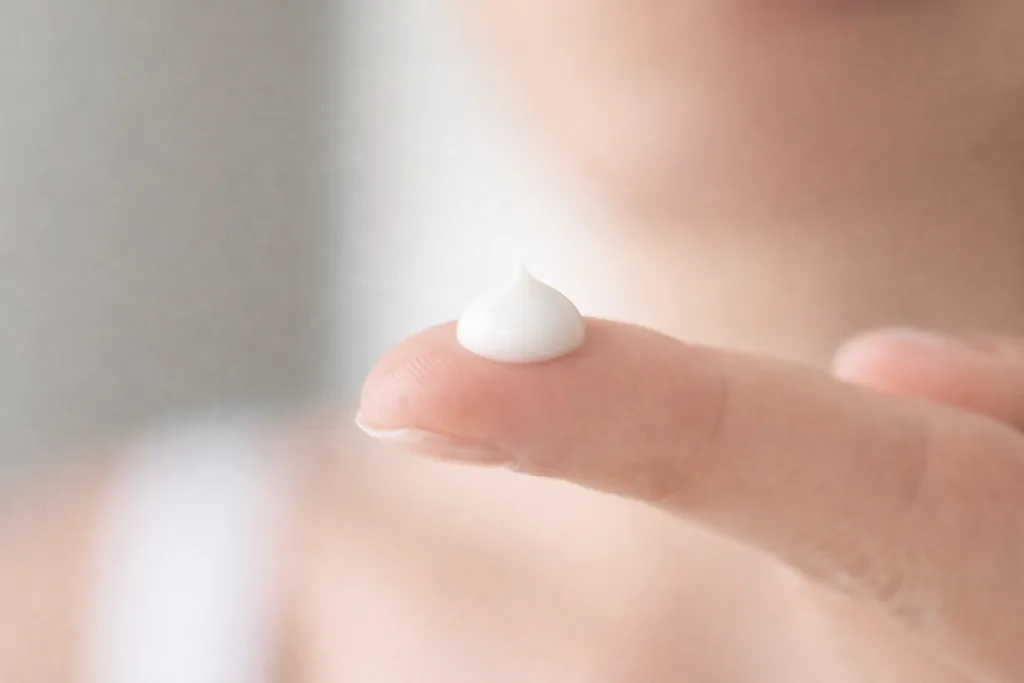
With azelaic acid, more is not better — it is just more irritating. A pea-sized amount is enough for the entire face, and a thin, even layer delivers the full benefit. The reason is simple: your skin can only absorb a certain amount, and the excess sits on the surface, where it increases the chance of itching, dryness and pilling under makeup without speeding up results. Most tubes last two to three months at the correct dose, which also makes azelaic acid one of the cheapest actives per month.
How to measure it: squeeze a pea-sized blob onto your fingertip, dot it across your forehead, cheeks, nose and chin, then spread it thinly and evenly. If the product pills or leaves a white cast, you used too much. Common mistake: applying a thick layer only on dark spots, like a spot treatment. Azelaic acid works best spread evenly, because it prevents new pigment and new breakouts as well as treating the ones you can see. Cost note: at the pea-sized dose, a typical tube costs only a few pounds or dollars a month — one of the best value ratios in skincare.
29. How Often to Apply: Building Up Slowly
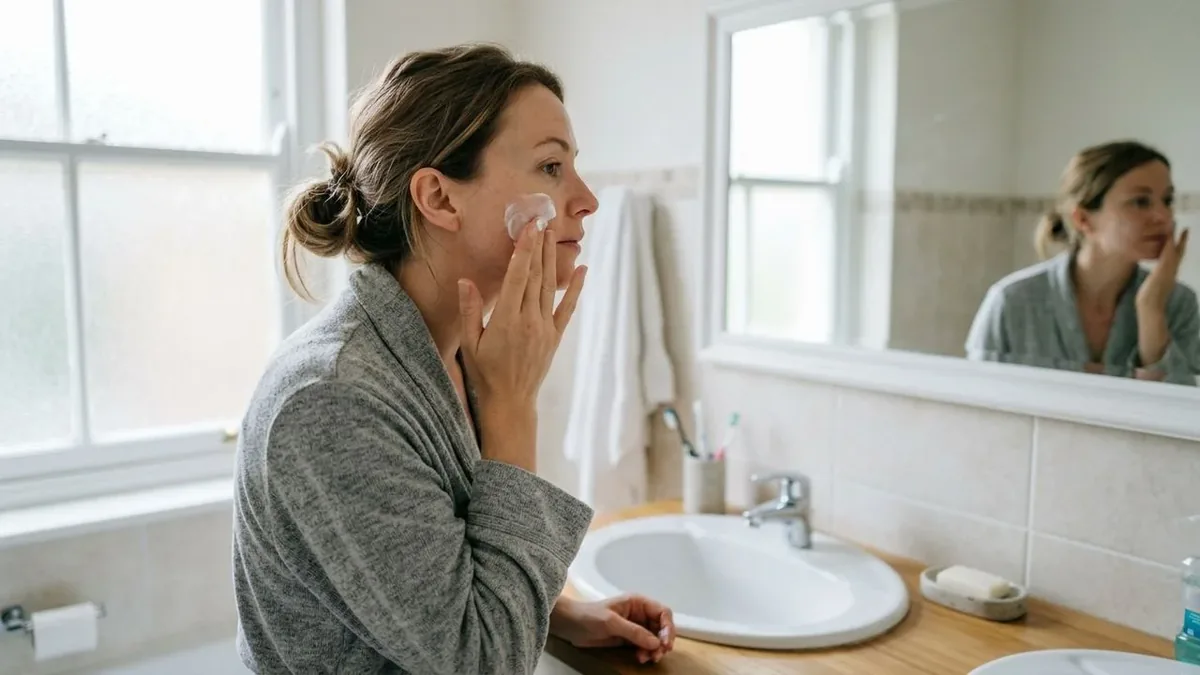
How often you apply azelaic acid matters as much as how much you use. The safest schedule is to start once a day, or every other day if your skin is sensitive, and to stay there for two weeks. If your skin is comfortable — no persistent redness, itching or flaking — move to twice daily, morning and night. Twice daily is the frequency used in most clinical studies and the one that gives the fastest results, but once daily still works; it simply takes a little longer.
Building up: increase frequency only when your skin is calm, and if irritation appears, step back to the previous frequency rather than stopping altogether. Skipping a day or two to let your skin settle is normal and does not undo your progress. What to avoid: twice daily from day one on skin that has never used an active ingredient, and increasing frequency at the same time as adding a new product. Maintenance note: once you reach a comfortable frequency, stay there. Azelaic acid is designed for daily, long-term use, and consistency is what produces results.
30. What to Avoid Mixing With Azelaic Acid
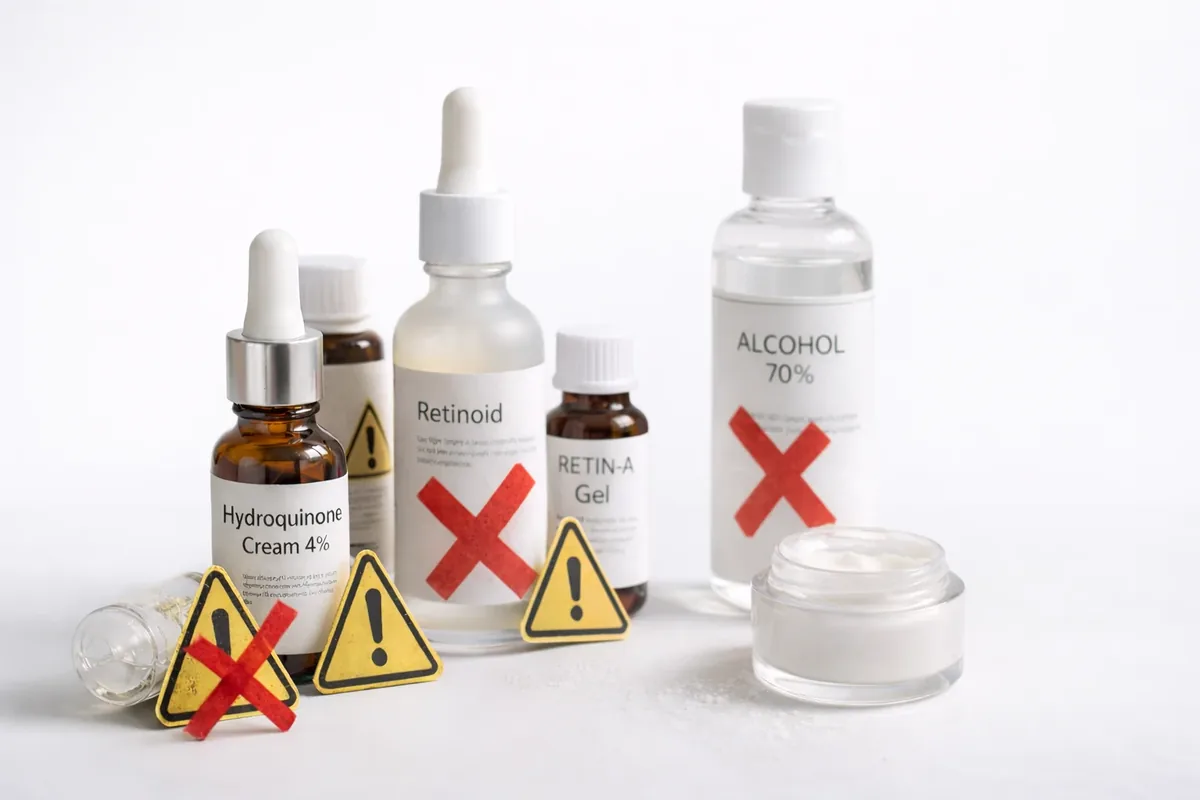
Azelaic acid is relatively easy to combine, but a few pairings deserve caution. Strong retinoids used at full strength on the same night, high-strength glycolic acid used daily, and high-strength vitamin C applied at the same moment can all increase irritation when combined with azelaic acid, especially in the first weeks. The problem is rarely any single ingredient — it is the total load of actives on skin that has not yet adapted. Benzoyl peroxide can also be drying when layered directly with azelaic acid, although many dermatologists prescribe them at different times of day.
Safe approach: separate strong actives by time of day or by alternating days, and introduce only one new product at a time. What to avoid: a routine that contains azelaic acid, retinol, glycolic acid, vitamin C and benzoyl peroxide all at once. No skin needs five actives, and the irritation they cause together is often blamed on whichever product was added last. Quick verdict: azelaic acid pairs well with gentle ingredients — niacinamide, hyaluronic acid, ceramides and peptides — and needs a little distance from the strong ones.
31. Common Mistakes That Waste Your Bottle
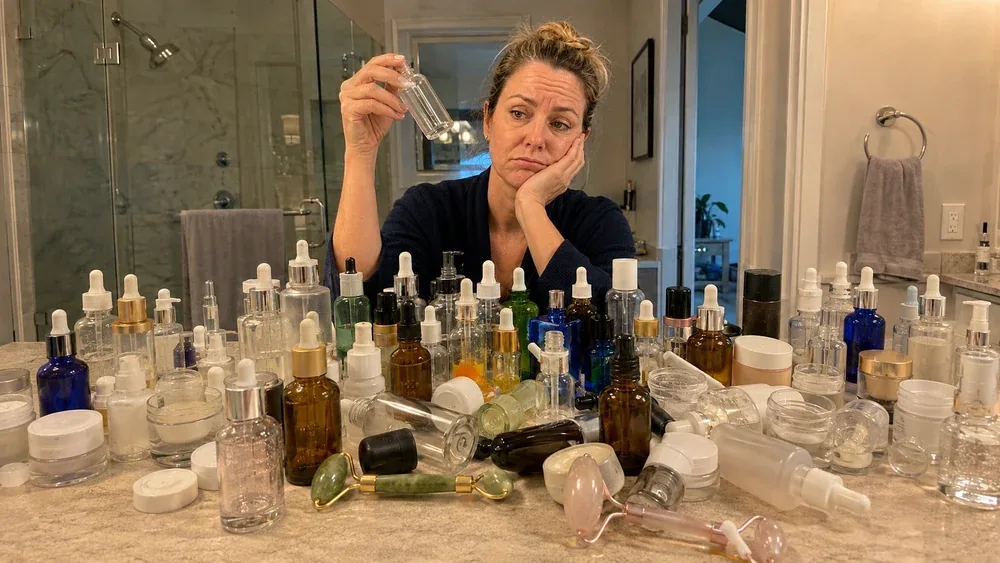
The most wasteful mistake with azelaic acid is using too much of it. A thick layer does not fade spots faster, but it does empty the tube in half the time and increases the chance of pilling and irritation. The second mistake is storing it badly — leaving it in a hot bathroom or in direct sunlight degrades the formula over time. The third is using it inconsistently: three days on, a week off, then a different product entirely. Azelaic acid only works with steady, daily use, and an interrupted routine is almost the same as no routine.
Other mistakes: applying it to wet skin, which increases stinging; skipping sunscreen, which lets the sun recreate the pigment you are fading; and judging it after two weeks, then switching to a different product before it has had a chance. What to do instead: one pea-sized dose, once or twice daily, on dry skin, with sunscreen every morning, for at least twelve weeks. Cost and time: at the correct dose, a tube lasts two to three months, so the real cost of azelaic acid is patience, not money.
32. Azelaic Acid Cost: What a Good Product Should Cost
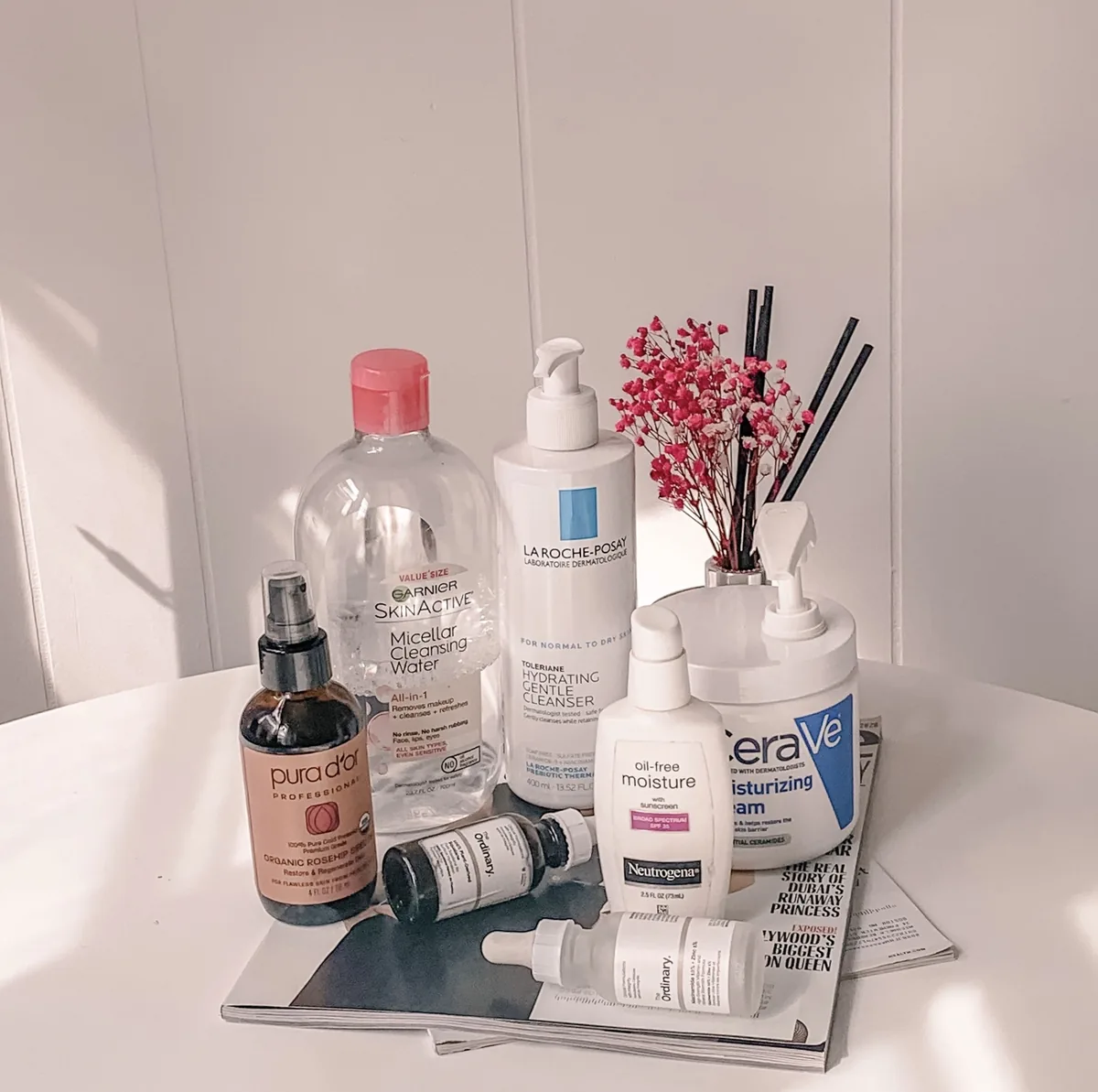
Azelaic acid is one of the most affordable effective ingredients in skincare. A good 10% over-the-counter product typically costs between $10 and $25, and a tube lasts two to three months at the correct pea-sized dose, which works out to only a few dollars a month. Prescription 15% and 20% formulas cost more and vary by country and insurance, but they are still inexpensive compared with most prescription dermatology treatments. There is no need to pay a premium price — the ingredient itself is the same whether the tube costs $12 or $60.
What you are paying for: at the low end you pay for the ingredient in a simple base, which is all you need. At the high end you pay for elegant texture, added soothing ingredients and packaging. Both can work equally well. What to avoid: products that charge a luxury price for a low percentage without stating it clearly, and multi-step kits that bundle azelaic acid with products you do not need. Quick verdict: spend $10 to $25 on a well-reviewed 10% product, and put the money you save towards a good sunscreen — that combination will do more for your skin than any expensive azelaic acid cream alone.
33. Choosing a Good Azelaic Acid Product

Choosing an azelaic acid product is simpler than choosing most skincare, because the ingredient matters more than the brand. Start by checking the percentage — 10% for a first product — then look at the formula type. Creams suit normal and dry skin, gels suit oily skin, and formulas with added niacinamide or soothing ingredients are a bonus for sensitive skin. Read reviews from people with your skin type, and prefer brands that state the percentage clearly and have a straightforward ingredient list.
Best for: first-time users should pick a simple, fragrance-free 10% cream or gel from a reputable brand and use it for twelve weeks before judging it. What to avoid: products that do not state the percentage, products with a long list of fragrances and essential oils, and products that combine azelaic acid with several other strong actives in one bottle. Maintenance note: once you find a formula your skin likes, stick with it. Switching brands every month makes it impossible to know what is working, and azelaic acid rewards loyalty more than novelty.
34. When to See a Dermatologist

Azelaic acid handles a lot, but it is not a replacement for a dermatologist. See one if your acne is severe, cystic or scarring, if your rosacea is worsening or affecting your eyes, if melasma covers large areas or keeps returning, or if a dark mark changes shape, colour or size — which needs checking for reasons that have nothing to do with cosmetics. You should also see a dermatologist if azelaic acid causes persistent irritation after two weeks of gentler use, or if you have used it correctly for three months with no improvement at all.
What a dermatologist can do: confirm the diagnosis, prescribe 15% or 20% strengths, and combine azelaic acid with other prescription treatments such as retinoids or oral medication where appropriate. They can also rule out conditions that look like acne or pigmentation but need different treatment. What to avoid: self-treating a changing mole or a sore that does not heal, and ordering prescription-strength products online without medical advice. Quick verdict: azelaic acid is an excellent first step, but a dermatologist is the right next step when the problem is severe, persistent, or changing.
Can I use azelaic acid every day?
Most people can use azelaic acid every day, and twice a day once their skin has adjusted. Start once a day, or every other day if your skin is sensitive, for the first two weeks, then increase to twice daily if there is no persistent redness, itching or flaking. Daily use is how it delivers results on acne, dark spots and redness, and it is designed for long-term, everyday use rather than short courses.
Does azelaic acid help with acne scars?
Azelaic acid helps with the dark marks left behind after acne, which are the most common kind of acne scar, by slowing pigment production in the mark so it fades over eight to twelve weeks. It does not fill in deep, pitted or ice-pick scars, which are structural changes in the skin and usually need in-clinic treatments such as microneedling or laser. For flat, dark post-acne marks, it is one of the best over-the-counter options available.
Can I use azelaic acid with vitamin C?
Azelaic acid and vitamin C can be used together, and they complement each other — vitamin C brightens and protects with antioxidant action, while azelaic acid slows pigment production and calms redness. Many people use vitamin C in the morning and azelaic acid at night, or apply vitamin C first, wait a minute, then apply azelaic acid. If your skin stings when you layer them, use them at different times of day instead.
Does azelaic acid cause purging?
True purging with azelaic acid is uncommon and usually mild, because it is only gently exfoliating. A few people notice a small increase in breakouts in the first two to three weeks as clogged pores clear faster, and this should settle within four to six weeks. More often, a flare-up after starting azelaic acid is irritation from using too much, too often, or alongside other strong actives — in that case, cut back to every other day and buffer with moisturiser.
Is azelaic acid safe during pregnancy?
Azelaic acid is generally considered one of the safer skincare actives during pregnancy, because very little is absorbed through the skin and it is a substance the body produces naturally in small amounts. Dermatologists often recommend it when retinoids have to be stopped. This is general information, not medical advice — if you are pregnant or trying to conceive, check with your own doctor or dermatologist before starting any new active ingredient.
How long does azelaic acid take to work?
Redness and inflamed spots often look calmer within two to four weeks, fewer new breakouts usually show around week four, and fading of dark spots becomes visible at eight to twelve weeks. Melasma and deep pigment can take three to six months. The timeline depends on the concern, the strength and how consistently you use it — and daily sunscreen is essential, because without it the sun keeps recreating the pigment you are trying to fade.
Can I use azelaic acid with retinol?
Azelaic acid and retinol can be used together, and dermatologists often prescribe the combination, but they should be introduced one at a time. A common approach is azelaic acid in the morning and retinol at night, or alternating nights. Using both at full strength from day one is a frequent cause of redness and flaking, so start slowly, and if irritation appears, reduce the retinol first and keep the azelaic acid daily.
Does azelaic acid make skin sensitive to the sun?
Azelaic acid does not make skin significantly more sensitive to the sun in the way that strong exfoliating acids and retinoids can, but sunscreen is still essential while using it. The reason is not sun sensitivity — it is that UV light stimulates the same pigment cells azelaic acid is trying to calm, so without sunscreen, dark spots and melasma barely fade at all. Use a broad-spectrum SPF 30 or higher every morning.
Which is better, azelaic acid or niacinamide?
Neither is better overall — they do different jobs, and they work well together. Niacinamide strengthens the skin barrier, reduces redness and helps with oil control, while azelaic acid is stronger on acne bacteria, stubborn dark spots and rosacea. If you have to choose one and your main concern is acne or pigmentation, azelaic acid is usually the stronger pick. If your main concern is barrier health and general redness, niacinamide may suit you better — and many products contain both.
Can azelaic acid make redness worse at first?
Azelaic acid can cause mild, temporary redness, itching or tingling in the first week, especially on sensitive or rosacea-prone skin, and this usually settles as the skin adjusts. If the redness is mild and fades within minutes, it is a normal adjustment. If redness is strong, lasts for hours, or gets worse over two weeks, cut back to every other day, apply it over moisturiser, and if it still does not settle, stop and speak to a dermatologist.
Conclusion: The Gentle Brightener Worth Keeping in Your Routine
Azelaic acid for skin is not the loudest ingredient in skincare, and it will never promise overnight miracles — but it is one of the few that does what it claims, gently, across acne, dark spots, redness and texture, and keeps doing it for years. It suits almost every skin type, it is affordable, and it is one of the safest options for sensitive skin, rosacea and darker skin tones. Its only real demands are patience and sunscreen: give it eight to twelve weeks, use a pea-sized amount daily, and protect the progress with SPF every morning.
Start at 10%, build up slowly, keep the rest of your routine simple, and judge it by a photo comparison at twelve weeks rather than by the mirror after seven days. If your acne is severe, your rosacea is worsening, or a dark mark is changing, see a dermatologist — azelaic acid is an excellent first step, not a substitute for medical care. Used steadily and sensibly, it is the quiet workhorse that earns its place in a routine and stays there.

