
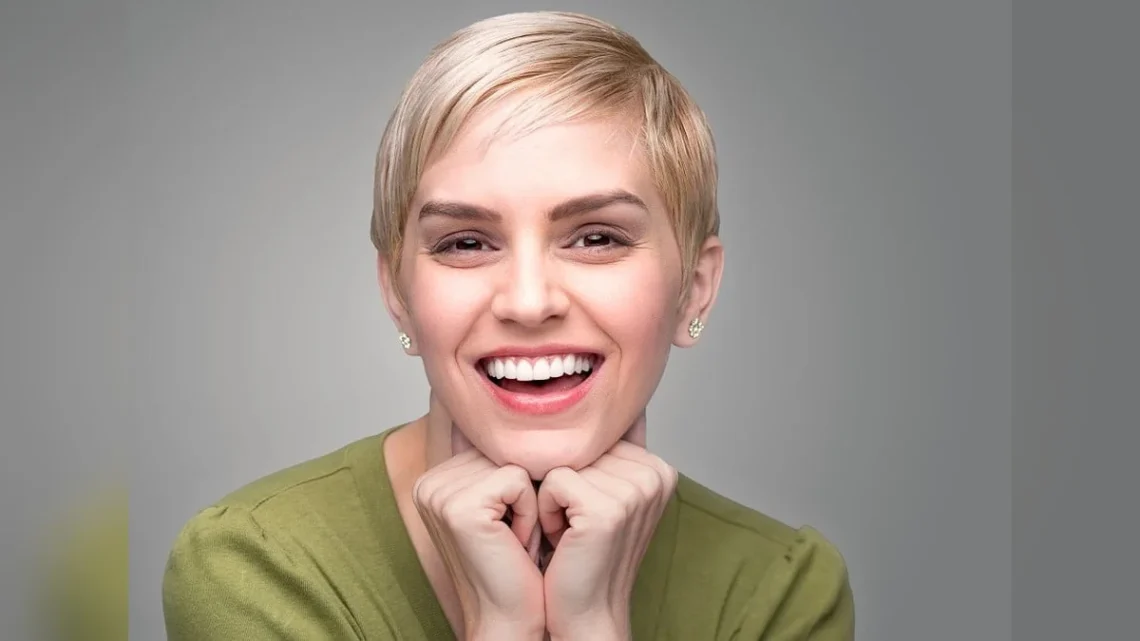
Few haircuts change a whole look as fast as a great pixie. The right pixie cut hairstyles for women can sharpen cheekbones, open up the face, cut morning styling down to minutes, and make fine or thick hair behave in ways a longer cut never could. This guide brings together 38 wearable versions of the cut, from the neat classic crop to curly, spiky, silver, and undercut pixies, so you can find the one that fits your hair texture, your face shape, and the amount of effort you honestly want to spend each morning.
A pixie is not one haircut. It is a family of short cuts that share short sides and back with longer, workable length on top, and the differences between them matter more than most people expect. A long pixie with a side-swept fringe feels soft and romantic, while the same length with choppy layers and a faded undercut reads bold and edgy. The guides below walk you through choosing by face shape and texture, what to ask your stylist before the scissors come out, and how to style and grow out the cut without an awkward phase.
Use this post the way you would use a lookbook and a checklist at the same time. Browse the 38 styles, save the two or three that feel most like you, then read the matching guide section before your appointment. Each style includes who it suits best, how to style it at home, and what to ask for in the salon, so you walk in knowing exactly what you want and walk out with a cut you actually love living with.
g01 How to Choose the Right Pixie Cut for Your Face Shape
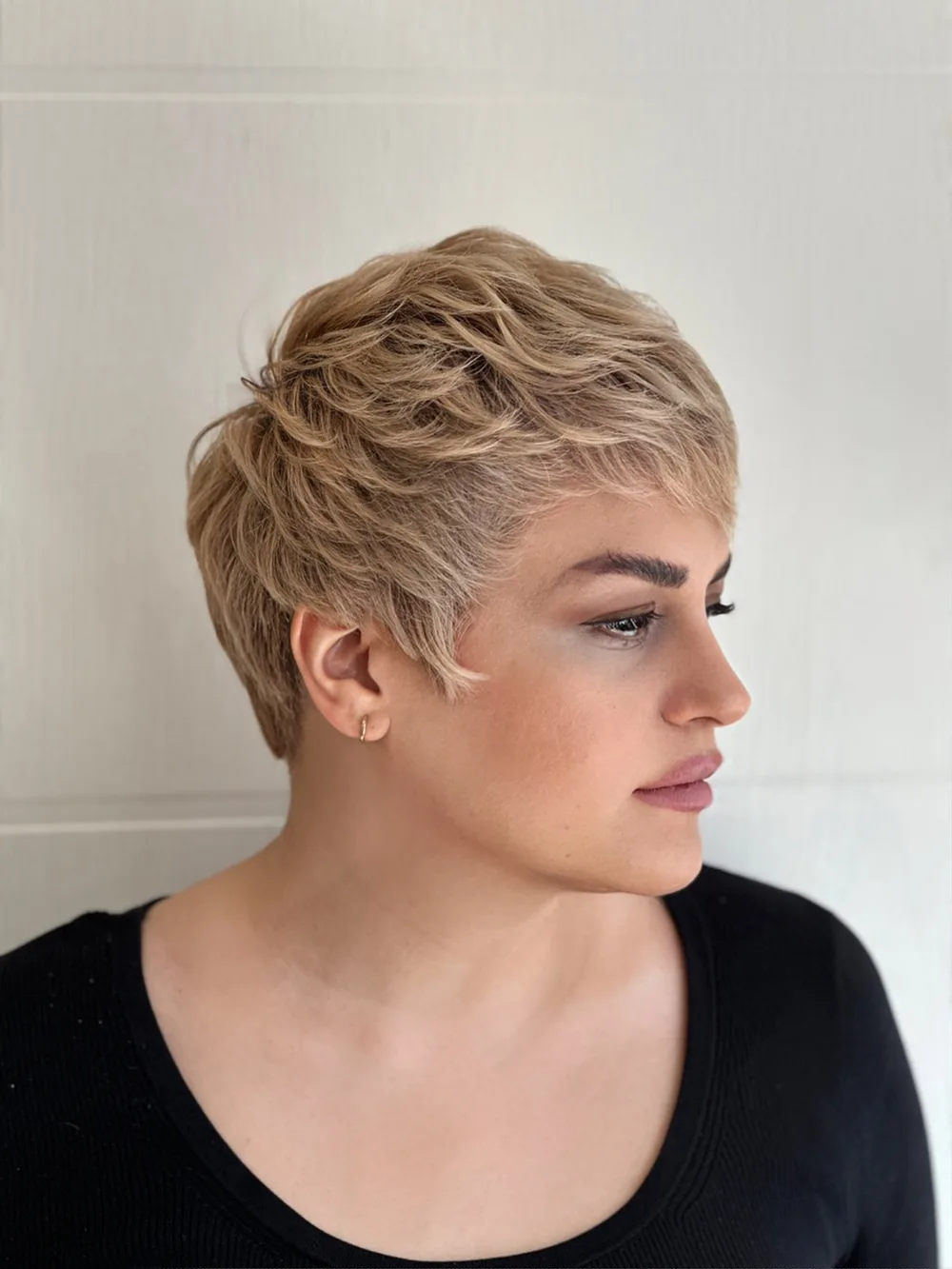
Start with your face shape, not with a photo of someone else. A pixie frames the face more openly than any other cut, so the shape it creates around your forehead, cheeks, and jawline is the whole game. Round faces gain the most from height on top and a side-swept fringe, because the vertical line lengthens the face. Oval faces can wear almost any pixie, from a tight crop to a long, sweeping fringe, so the choice comes down to texture and personality rather than rules.
Square faces soften with wispy, piecey layers around the temples and a fringe that breaks up a strong jawline, while heart-shaped faces look best when the pixie has some width at the jaw or the ears to balance a wider forehead. Long faces should avoid too much height on top and instead pick a fuller fringe and volume at the sides. The quickest test is to pull your hair back, look in the mirror, and notice where your face is widest; your pixie should add volume where your face is narrowest and keep things sleek where it is widest.
Bring two or three reference photos to your stylist, but ask them to adapt the cut to your bone structure rather than copy it exactly. A good stylist will point out whether your chosen style needs a longer fringe, a softer nape, or more texture through the crown to work on you. Ask for a cut that grows out gracefully too, because a pixie that looks perfect on day one but shapeless by week four is not the right pixie.
g02 Pixie Cuts for Different Hair Textures

Hair texture decides how a pixie behaves far more than face shape does. Straight hair takes a pixie beautifully because the lines stay clean and the shape holds, but it can also fall flat, so ask for point-cut texture through the top and a lightweight texturising product. Wavy hair is the easiest pixie texture of all: the natural bend gives the cut movement for free, and a little salt spray is often the whole styling routine.
Curly hair makes one of the most striking pixies, with volume and shape that straight hair cannot fake, but it needs a stylist who cuts curls dry or understands how much they spring up. A curly pixie should be cut longer than you think, because curls shrink as they dry, and it needs regular moisture so the curls stay defined instead of turning fluffy. Coarse or thick hair needs weight removed from the inside of the cut, usually with thinning shears or internal layers, or the pixie can puff out into a triangle.
Fine hair is where pixies truly shine, because short layers create the illusion of fullness that long fine hair rarely manages. The trick is keeping the cut blunt enough at the edges that it looks thick, while adding choppy texture only through the top. Whatever your texture, tell your stylist how you actually style your hair at home; a pixie cut for someone who air-dries is a different haircut from a pixie cut for someone who blow-dries every morning.
g03 What to Ask Your Stylist Before the Chop
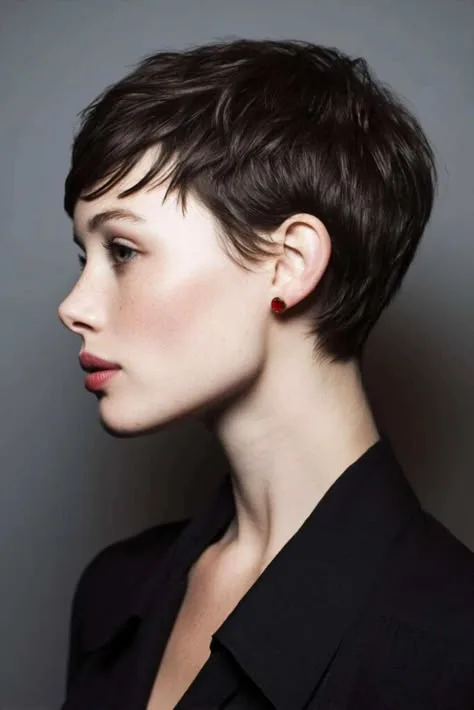
A pixie is a commitment, so the consultation matters as much as the cut itself. Start by asking how short the sides and back will be, because a clipper fade, a scissor taper, and a soft blended nape give three completely different results. Ask how long the top will be left and where the fringe will fall, and whether the cut is designed to be worn swept to the side, pushed forward, or slicked back. These answers tell you whether the style you pictured is the style you are actually getting.
Ask about upkeep before you agree to anything. How often will you need a trim to keep the shape, and how much will that cost? Most pixies need a tidy-up every four to six weeks, and some edgy versions with fades need one every three. Ask what products you will need at home and how long styling will take each morning. If the answer is more time or money than you want to spend, a longer, softer pixie is usually the smarter choice.
Finally, ask for the grow-out plan. A thoughtful stylist can cut a pixie so that it grows into a bob-shaped stage instead of a shapeless in-between, and they can show you how to change the parting or add a headband during the awkward weeks. Bring photos of styles you like and styles you do not like; the second set is often more useful. And if anything in the consultation feels rushed, walk away and book with someone who takes short hair seriously.
g04 How to Style a Pixie Cut at Home
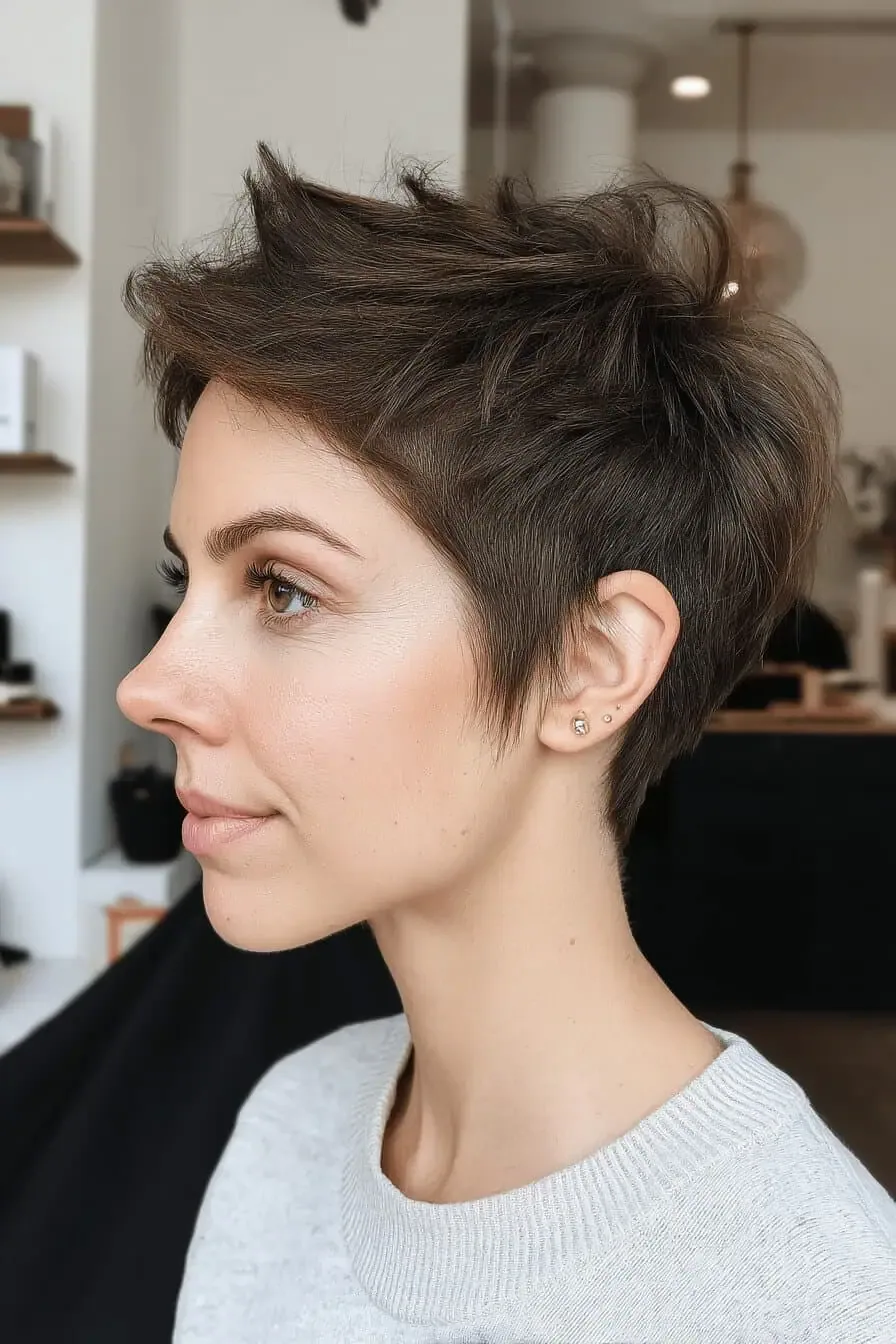
Styling a pixie takes minutes once you know the routine, and the secret is working with damp hair. Towel-dry gently, then work a pea-sized amount of styling cream or mousse through the top, starting at the roots. Blow-dry on a low heat while lifting the roots with your fingers, directing the fringe where you want it to fall. For a sleek finish, follow with a flat brush; for texture, scrunch and let it air-dry instead.
Texture is the difference between a pixie that looks salon-fresh and one that looks flat. A dab of matte pomade or wax, warmed between your palms and pinched into the ends, gives definition and separation without stiffness. Salt spray adds grit and volume to fine hair, while a light oil smooths frizz on thick or curly pixies. The golden rule is to use less product than you think you need; you can always add more, but too much product is the fastest way to make short hair look greasy.
Change the parting to change the whole look. A deep side part feels polished and elegant, a centre part looks modern and a little edgy, and pushing everything forward gives a soft, gamine finish. Keep a small flat iron and a travel-size dry shampoo in your kit; the iron tames a stubborn fringe in seconds, and dry shampoo revives second-day texture and volume. Most pixie wearers find their morning routine settles at five minutes or less once the cut has grown in a little.
g05 Best Products for Pixie Cuts
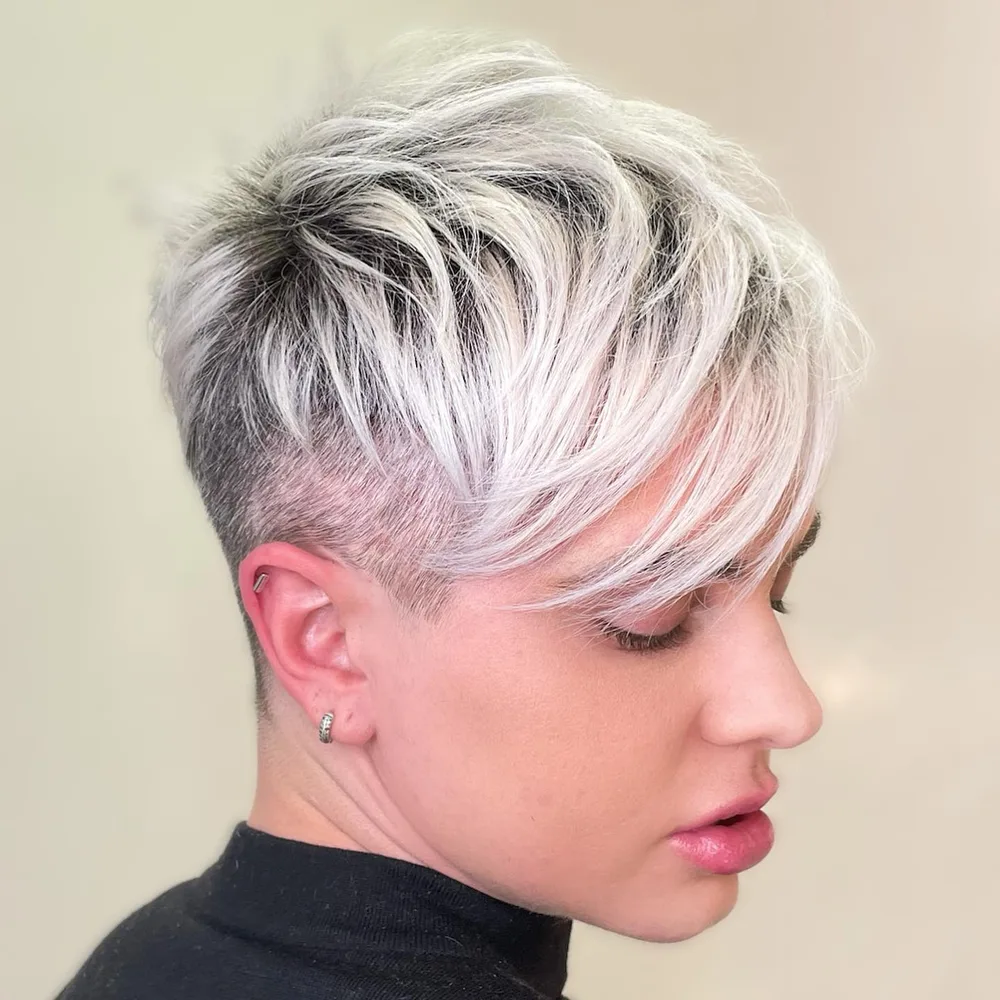
Short hair needs fewer products, but the right ones matter more because there is nowhere for a mistake to hide. A lightweight volumising mousse is the foundation for most pixies: it gives lift at the roots without weighing the top down. Follow it with a matte paste or fibre cream for definition, which lets you piece out the ends and direct the fringe. Avoid heavy gels and shiny pomades unless you want a wet, slicked look, because they can make a pixie look greasy by midday.
Dry shampoo is a pixie wearer’s best friend. It absorbs oil at the roots, adds grip and texture, and can revive a flattened crown in under a minute. Spray it at the roots, wait thirty seconds, then massage it in with your fingertips. For curly pixies, swap the mousse for a curl cream or leave-in conditioner, and use a diffuser on low heat so the curls keep their shape. A heat protectant is still worth using, even on short hair, because the fringe sits close to the face and shows damage quickly.
Do not overlook the tools. A small round brush or a vented brush gives control when blow-drying, and a mini flat iron is perfect for smoothing a fringe or flicking out the ends. Wash your hair with a shampoo matched to your scalp, not your length, and condition lightly; heavy conditioner on short hair flattens the roots. The whole kit fits in one small bag, and once you find the combination that works for your texture, styling becomes almost automatic.
g06 How to Grow Out a Pixie Cut Gracefully
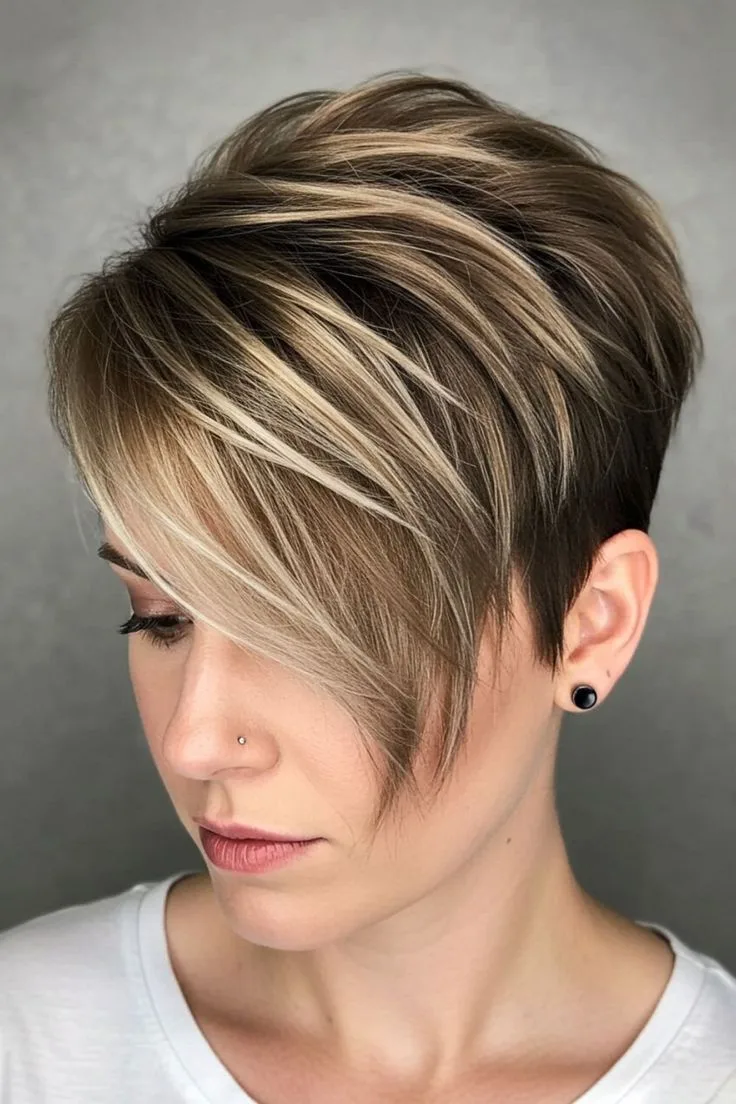
Growing out a pixie is a slow project, but it does not have to include an awkward phase if you plan for it. The trick is to keep the shape tidy while the top catches up with the back. Book a trim every six to eight weeks and ask your stylist to keep the nape neat while letting the top and fringe grow; this keeps the silhouette intentional instead of shaggy. The first goal is a short bob shape, which usually takes four to six months depending on how fast your hair grows.
Accessories become your best friends during the grow-out. Headbands, clips, and scarves tame the fringe while it is too long to style forward and too short to tuck behind your ears. Change your parting to the side to hide uneven lengths, and use a little extra texture product so the growing layers look deliberately tousled rather than neglected. A root touch-up or a few face-framing highlights can also refresh the look without cutting anything off.
The hardest weeks are usually around month three, when the back starts to flip out and the fringe falls into your eyes. Resist the urge to cut it all off again or to chop the back yourself; one shaping appointment will fix what feels like a disaster. Keep a photo of your goal length on your phone so your stylist knows where you are heading, and remember that every long hairstyle you have ever admired started with someone growing out a short cut.
g07 Pixie Cut Maintenance and Salon Schedule
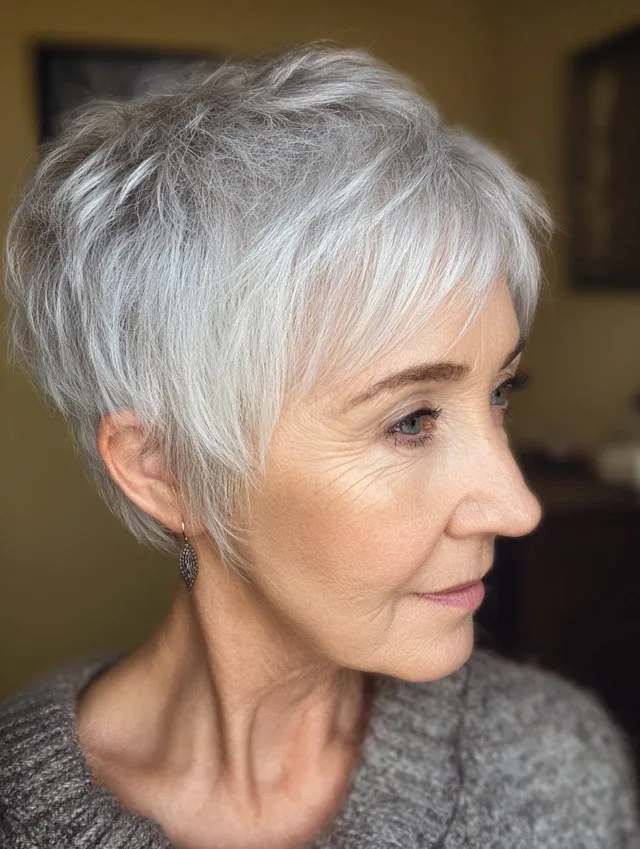
A pixie looks effortless, but it stays that way because of regular maintenance. Most pixies need a trim every four to six weeks to keep the shape, with fades and undercuts needing attention every three to four weeks. Book your next appointment before you leave the salon so the shape never gets the chance to grow out; a pixie that is two weeks overdue looks noticeably less sharp than one that is freshly cut.
Between appointments, a little home care goes a long way. Trim the nape yourself only if you are confident with clippers, and even then keep it to the very edges; one wrong move at the back is hard to fix. Wash your hair as often as your scalp needs, usually every one to two days for fine hair and every two to three for thicker hair, and use dry shampoo on the in-between days. A weekly deep-conditioning mask keeps the ends soft, which matters more on short hair because dry ends are always on show.
Budget honestly before you commit. A pixie usually costs less per visit than a long cut with colour, but you will visit more often, so the yearly total can be similar. Ask your salon about a maintenance price for a quick tidy-up between full cuts; many offer a cheaper neckline-and-fringe trim that keeps the shape fresh for half the price. If the schedule feels like too much, choose a longer pixie with a soft nape, which forgives an extra week or two far better than a sharp fade does.
g08 Pixie Cut vs Bob: Which Short Cut Wins
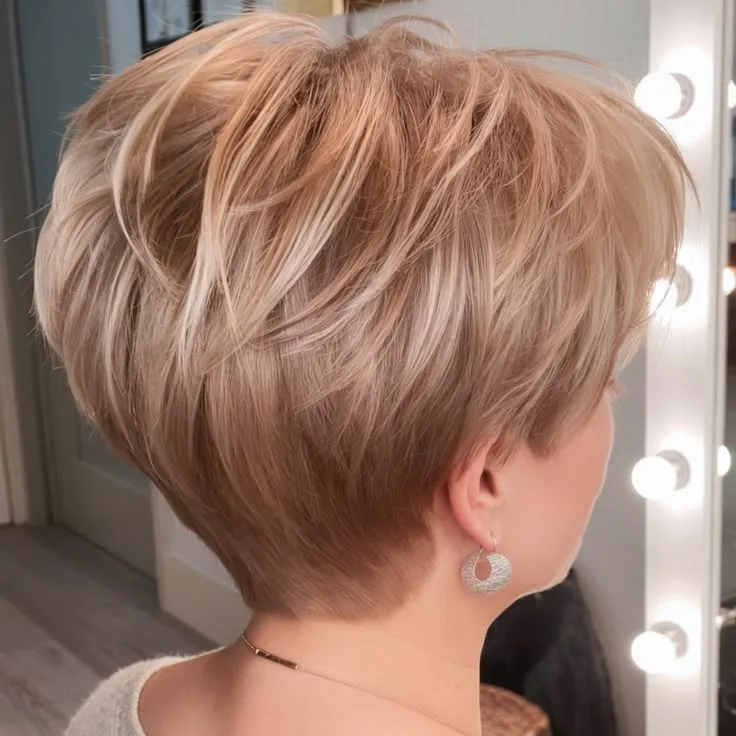
When you compare pixie cut hairstyles for women with the classic bob, you are choosing between the two great short haircuts, and the decision comes down to how much hair you want to keep and how much styling you want to do. A pixie is shorter, bolder, and lower maintenance day to day, but it needs more frequent trims and it shows your face completely. A bob keeps more length, frames the jaw, and grows out more forgivingly, but it usually needs more blow-drying to look polished.
Think about your lifestyle first. If you work out most days, swim, or simply hate spending time on your hair, a pixie wins easily; it dries in minutes and never needs tying back. If you like to change your look, wear your hair up sometimes, or feel nervous about very short hair, a bob is the safer choice because it can be pinned, curled, or tucked behind the ears. Face shape matters too: pixies suit strong cheekbones and defined jawlines, while bobs flatter rounder faces by adding length around the jaw.
There is also a middle ground, and it is one of the most popular cuts of all: the pixie bob, or bixie, which keeps pixie-like texture on top with bob-like length around the ears and nape. If you cannot decide, start with a long pixie or a pixie bob and go shorter at your next appointment; it is much easier to take more off than to wait for it to grow back. The best short cut is the one you will enjoy maintaining, not the one that looks best in a photo.
§01 Classic Pixie
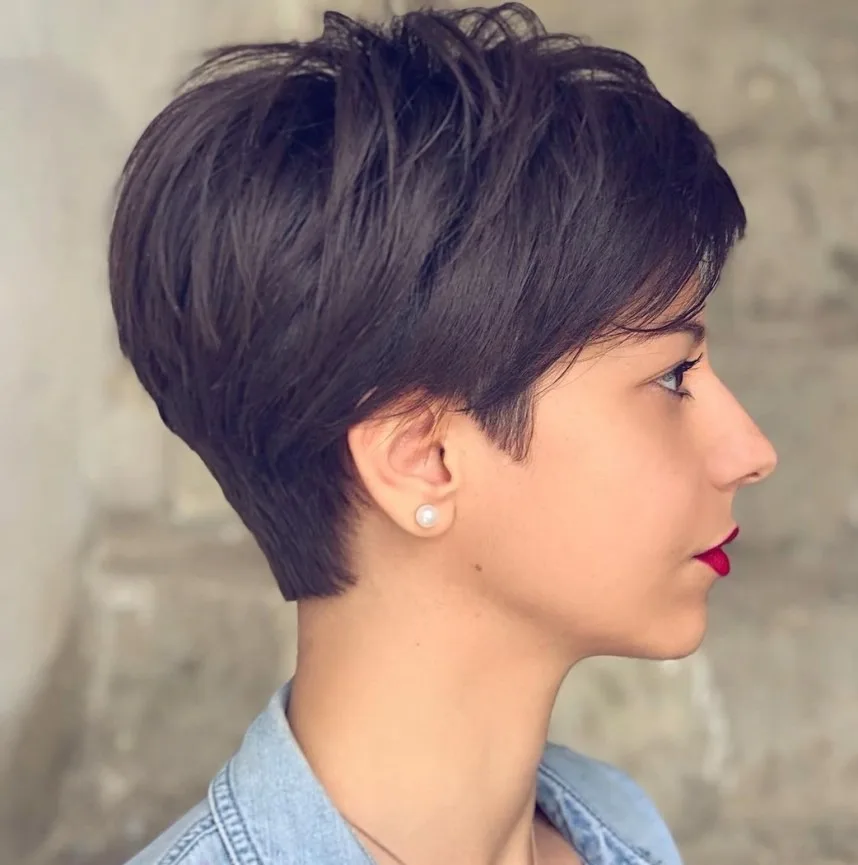
The classic pixie is the original short cut: neat tapered sides, a soft nape, and just enough length on top to sweep to the side or push forward. It is the style that made the pixie famous, and it has never really gone out of fashion because it suits so many women. The shape is clean and balanced, with no extreme lengths in any direction, which makes it the safest first pixie if you have never gone short before.
Best for: almost every face shape, especially oval and heart-shaped faces, and for straight or slightly wavy hair that holds a neat shape. How to style: work a small amount of light styling cream through damp hair, blow-dry the fringe to the side, and smooth the crown with your fingers. The whole routine takes about three minutes, and a little shine spray at the end gives it a polished finish.
What to ask your stylist: ask for tapered sides cut with scissors rather than clippers if you want a softer finish, and keep the top long enough to tuck behind one ear. The common mistake is going too short on top at the first appointment; you can always take more off next time. Quick verdict: timeless, elegant, and the easiest pixie to live with.
§02 Textured Pixie
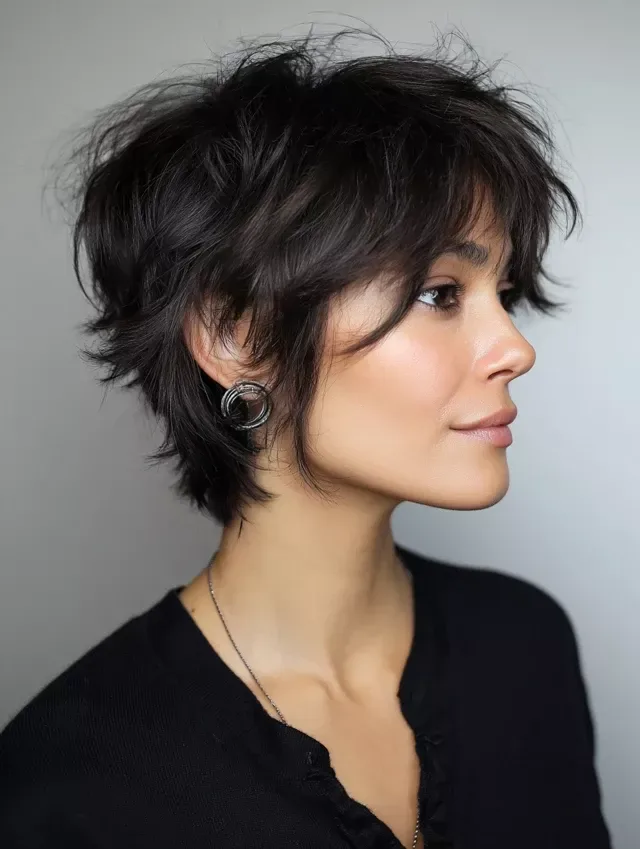
A textured pixie takes the classic shape and breaks it up with choppy, piecey layers through the top and crown. The result is a cut full of movement that looks deliberately undone rather than perfectly neat, and it is wonderfully forgiving if your hair has a natural wave or kink. Texture also adds volume, which is why this version is a favourite for fine hair that needs a lift.
How to style: the key product is a matte paste or fibre cream. Warm a pea-sized amount between your palms, then pinch and twist small sections of the top to create separation. A little salt spray on damp hair before blow-drying adds extra grit. Pros: looks great slightly messy, hides a bad hair day, and grows out more gracefully than a blunt pixie. Cons: it needs a texturising product every day, or the layers can fall flat.
Who should avoid it: very curly hair can turn a textured pixie into a triangle if the layers are cut too short, so curly-haired women should ask for longer, internal layers instead. Maintenance is a trim every five weeks to keep the pieces defined. Ask your stylist for point cutting through the top and razored ends, and the cut will practically style itself.
§03 Long Pixie
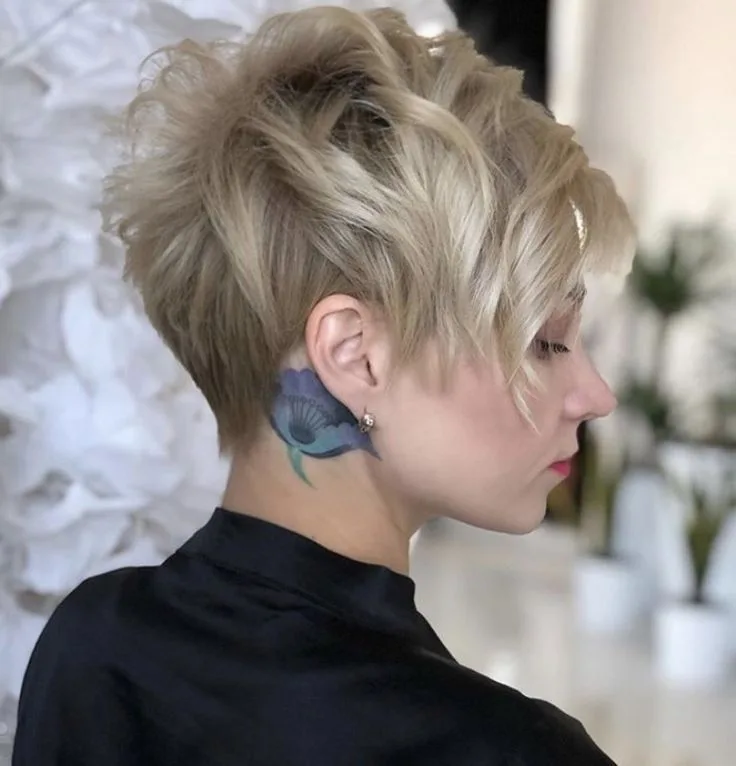
The long pixie is the gentle introduction to short hair. It keeps enough length on top to sweep across the forehead, tuck behind the ears, or even pin back, while the sides and back stay short and neat. If you are nervous about going short, this is the version to choose: it reads as a chic short cut, but it still feels like you have hair to play with.
Best for: women growing out a shorter pixie, anyone trying short hair for the first time, and round or long faces that benefit from a sweeping fringe. How to style: blow-dry with a round brush for a smooth, polished finish, or scrunch with mousse for a soft, tousled look. The fringe can be worn to the side, pushed back with a clip, or swept across the forehead depending on your mood.
What to ask your stylist: ask for the top to be left at least three to four inches long and the nape tapered rather than faded, so the grow-out stays soft. The cost is the same as any pixie, but trims can stretch to six or seven weeks because the extra length hides growth. Quick verdict: the most versatile pixie, and the best one to start with.
§04 Short Cropped Pixie
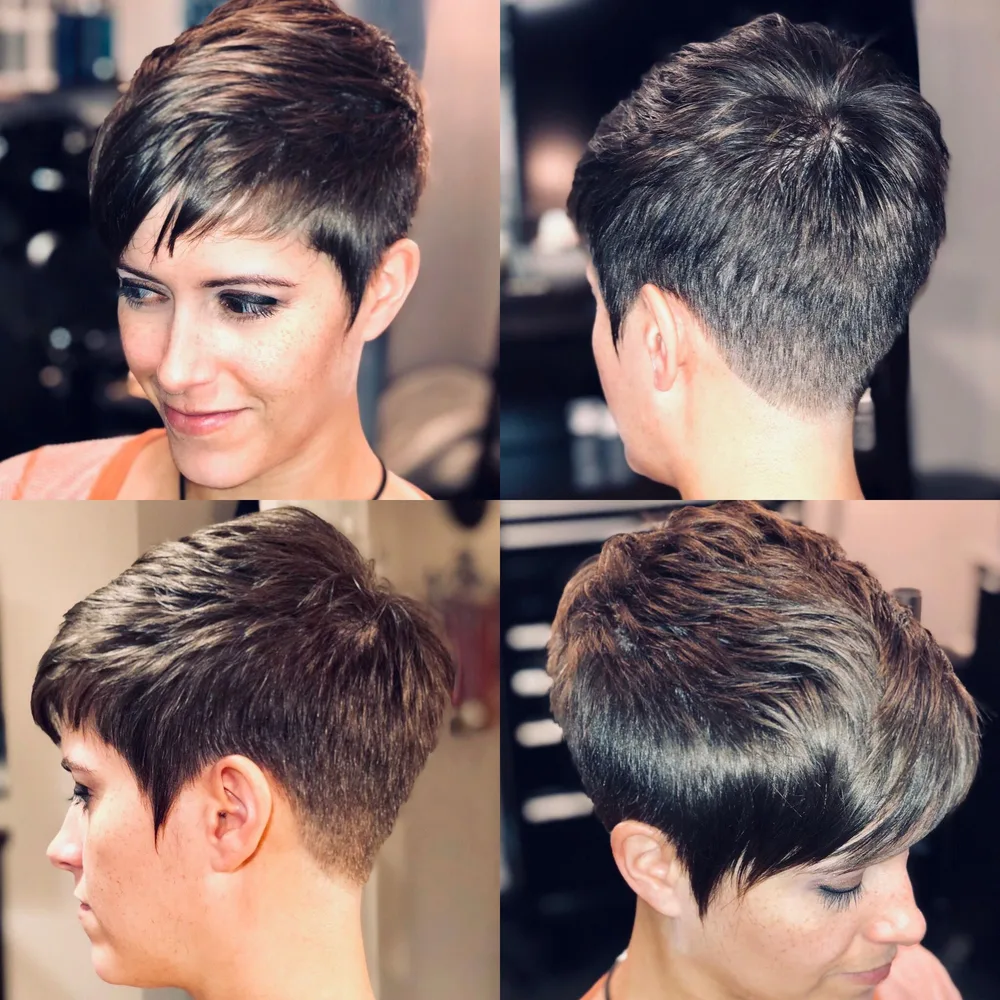
The short cropped pixie is the boldest version of the cut: very short all over, with the sides and back clipped close and just a whisper of length on top. It puts your face, cheekbones, and eyes completely on show, and it has a confident, modern energy that no other haircut matches. It is also the easiest pixie to maintain at home, because there is almost nothing to style.
Who it suits: strong cheekbones, a defined jawline, and oval or heart-shaped faces look stunning with a close crop. It also suits women who want to show off statement earrings or a bold lip, because nothing competes with the face. How to style: a tiny amount of pomade smoothed over the top is all it takes, and many women skip product entirely. Wash and go is genuinely possible with this cut.
Who should avoid it: if you are not ready for your face to be fully on display, or if your hair is very curly and would spring into a tight cap, a slightly longer pixie will suit you better. Maintenance is a trim every three to four weeks to keep the clipper work sharp. Ask your stylist for a soft, scissor-cut edge around the ears rather than a hard line, and the crop will look elegant instead of severe.
§05 Curly Pixie
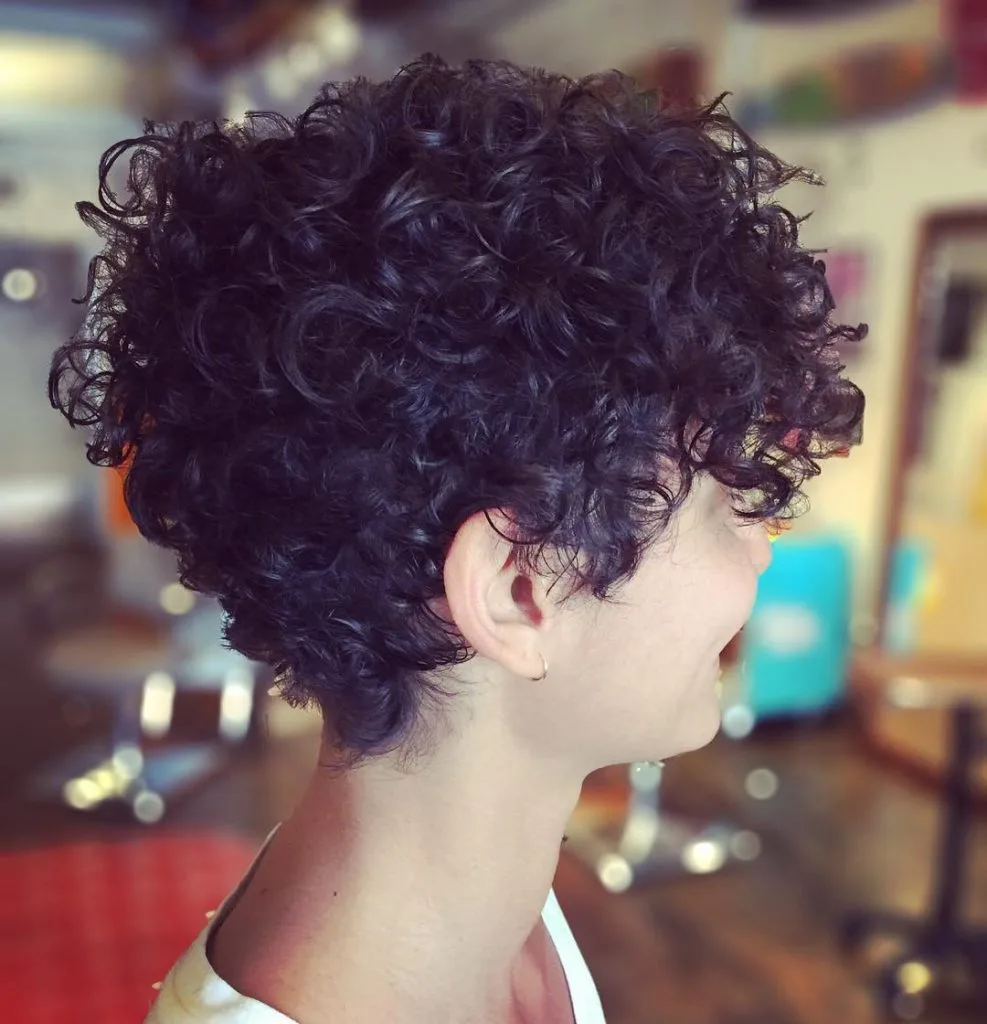
A curly pixie is pure joy: natural curls piled into a short, rounded shape with volume that straight hair can only dream of. The curls do the styling for you, giving the cut bounce, texture, and personality from the moment you wake up. It is one of the most flattering pixies for women with natural curl, because it works with the hair instead of fighting it.
How to style: apply a curl cream or leave-in conditioner to wet hair, scrunch gently, and diffuse on low heat or let it air-dry. Avoid brushing dry curls, which turns definition into frizz; instead, refresh second-day curls with a spritz of water and a little more cream. Best for: naturally curly and coily hair, round and oval faces, and anyone who wants a wash-and-go cut with maximum impact.
What to ask your stylist: this is the most important part. Ask for a stylist experienced with curly hair, and have the cut done dry or with the curls in their natural state, because wet curls shrink dramatically as they dry. The common mistake is cutting it too short; always cut longer than you think. Quick verdict: the liveliest pixie of all, and proof that curls and short hair are a perfect match.
§06 Wavy Pixie
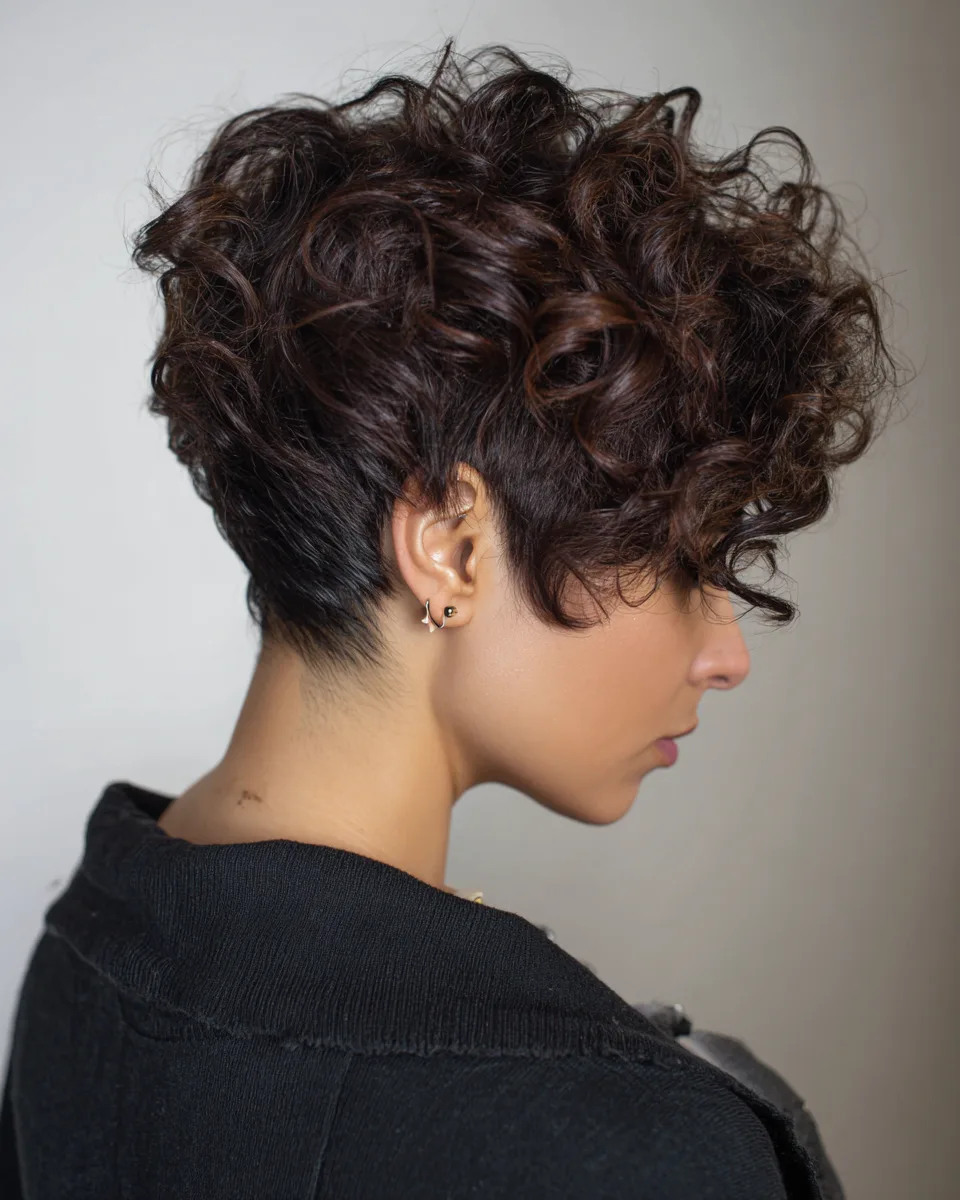
A wavy pixie sits in the sweet spot between straight and curly, with a natural bend that gives the cut effortless movement. The wave creates soft, face-framing pieces without any heat styling, and the cut looks slightly different every day depending on how the waves fall. It is the pixie that looks most like you just woke up looking good.
Best for: naturally wavy hair, of course, but also for straight hair that holds a bend after a quick pass with a flat iron. How to style: work a little salt spray or light mousse through damp hair and let it air-dry, scrunching the ends as it dries. For a more polished finish, blow-dry with your fingers and finish with a touch of styling cream on the ends.
Pros: minimal effort, natural texture, and a cut that grows out softly. Cons: very humid weather can make the waves puff up, so keep a smoothing serum in your bag. Who should avoid it: nobody, really, but if your hair is stick straight and refuses to hold a wave, a textured pixie with point-cut layers will give you a similar effect. Maintenance is a trim every five to six weeks.
§07 Pixie Bob
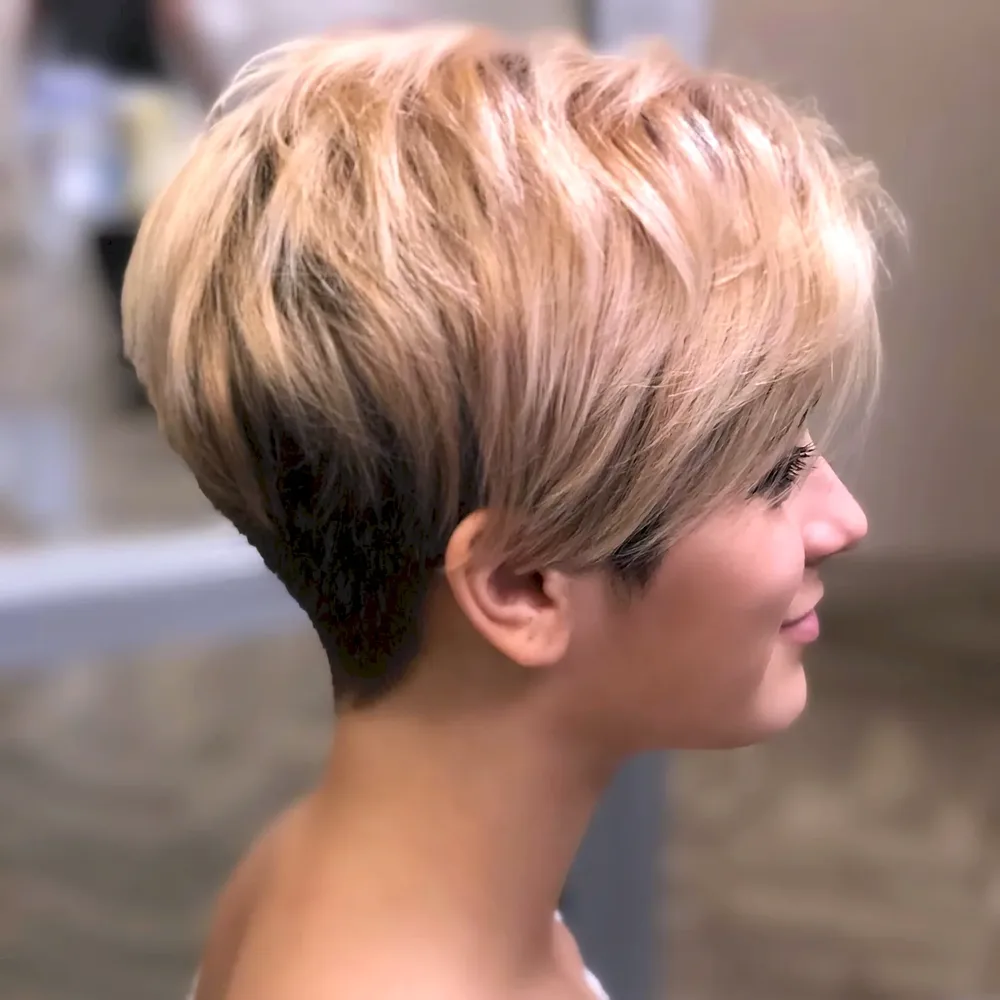
The pixie bob, sometimes called the bixie, is the perfect compromise: pixie texture and volume on top with bob-like length around the ears and nape. It keeps the lightness of a pixie but gives you enough hair to tuck, pin, or curl, which makes it ideal if you are not ready to commit to very short hair. It is also one of the most requested short cuts in salons right now.
Best for: women transitioning from a bob to a pixie, round faces that want length around the jaw, and anyone who likes to change their style. How to style: blow-dry smooth with a round brush for a sleek bob feel, or add texture paste for a piecey pixie finish. The same cut can look polished for work and tousled for the weekend, which is half its charm.
What to ask your stylist: ask for stacked layers at the back to keep the volume up, and longer pieces in front to frame the face. The grow-out is the easiest of any pixie, because it is already halfway to a bob. Quick verdict: if you cannot choose between a pixie and a bob, this is your answer.
§08 Undercut Pixie
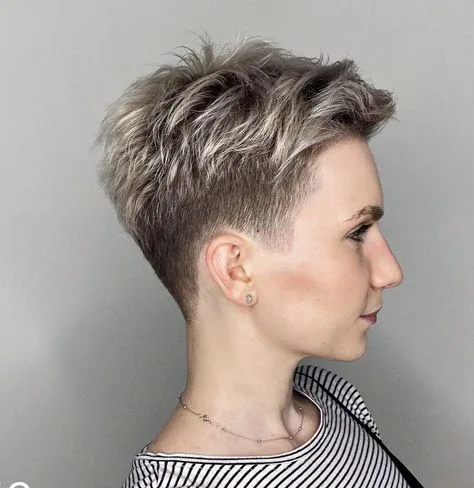
An undercut pixie pairs a longer, textured top with closely clipped sides or one shaved side, creating a sharp contrast that feels modern and fearless. The top can be swept to the side, pushed up, or slicked back, so the same cut gives you several different looks. It is the pixie for women who want their haircut to make a statement.
Best for: thick hair, because the undercut removes bulk and weight; oval and heart-shaped faces; and anyone who loves an edgy, fashion-forward look. How to style: blow-dry the top up and to the side with a round brush, then set it with a strong-hold paste. A little volume powder at the roots keeps the height all day.
Pros: dramatic, cool in hot weather, and surprisingly versatile. Cons: the undercut grows out fast and needs a clipper tidy-up every three weeks, and it is the hardest pixie to grow out. Who should avoid it: fine hair can look thin on top once the sides are removed, so ask your stylist to keep the undercut soft rather than skin-close. Quick verdict: bold, beautiful, and not for the faint-hearted.
§09 Side-Swept Pixie
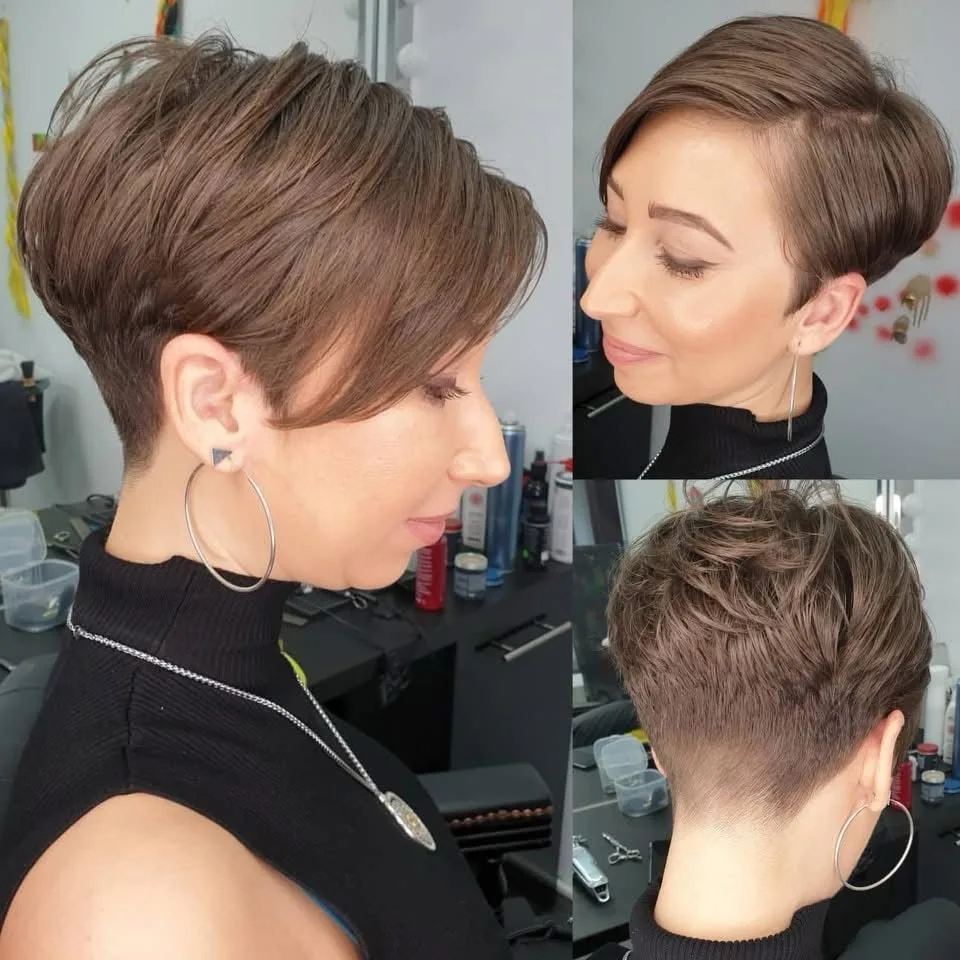
The side-swept pixie is all about the fringe: long layers swept across the forehead to one side, softening the face and adding a touch of old-Hollywood glamour. It is romantic, flattering, and surprisingly easy to wear, because the fringe does most of the work. This is the pixie to choose if you want short hair that still feels feminine and soft.
Best for: round faces, because the diagonal line lengthens the face; square faces, because the sweep softens a strong jaw; and anyone growing out a fringe. How to style: blow-dry the fringe across the forehead with a round brush, directing it to your preferred side, and finish with a light-hold spray. A deep side part makes the sweep even more dramatic.
What to ask your stylist: ask for the fringe to be left long enough to reach the cheekbone, and for the side it sweeps towards to be cut slightly shorter so the fringe sits naturally. The common mistake is cutting the fringe too short, which makes it flip up instead of sweeping. Maintenance is a trim every five weeks, with the fringe tidied in between if it starts falling into your eyes.
§10 Asymmetrical Pixie
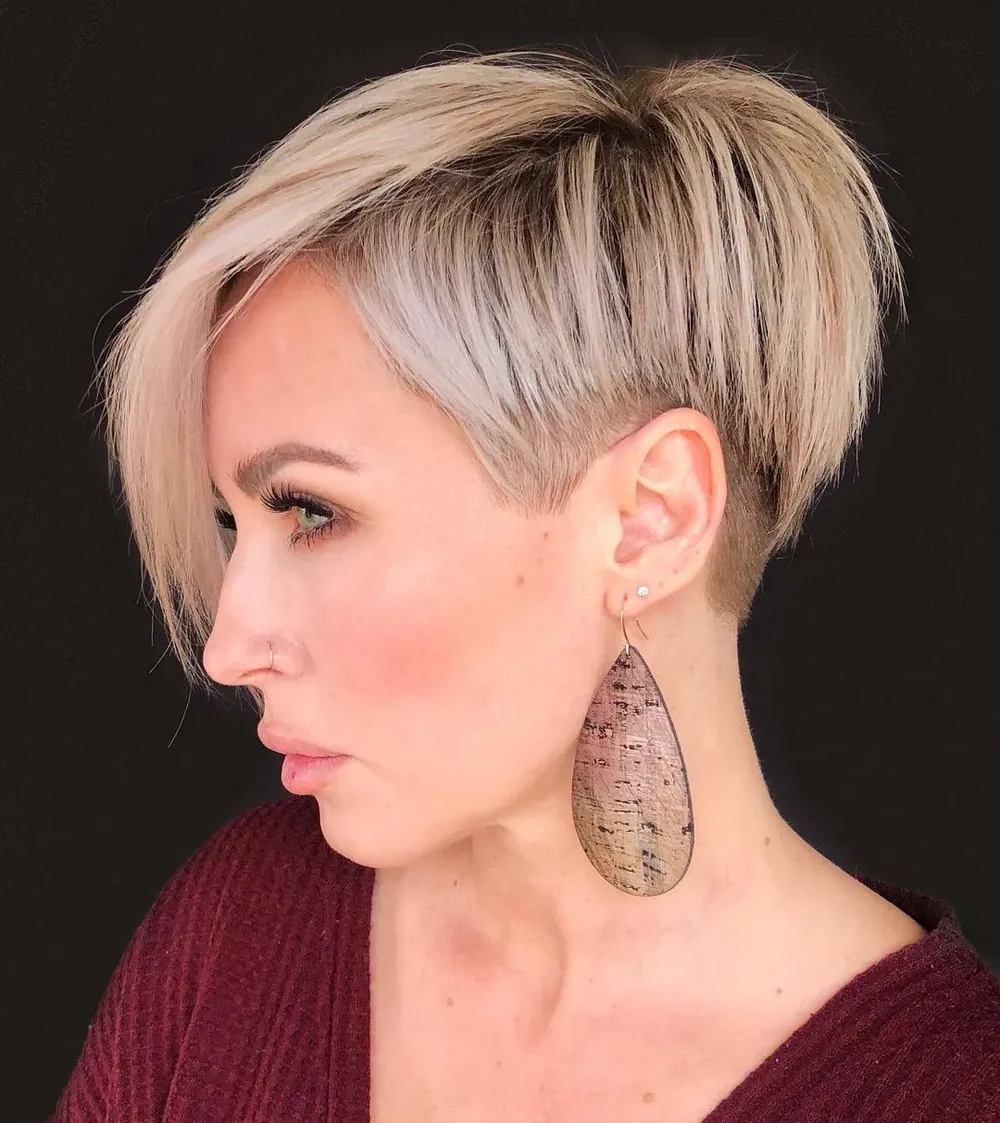
An asymmetrical pixie is deliberately uneven: one side longer than the other, with a sweeping fringe that crosses the face at an angle. The imbalance creates movement and drama, and it is one of the most flattering pixies for round faces because the diagonal lines break up the symmetry. It looks editorial and artistic without trying too hard.
How to style: the cut does most of the work, so styling is simple. Blow-dry the longer side forward and across, using a round brush to keep it smooth, and tuck the shorter side behind the ear to show off the contrast. A little shine serum on the longer side makes the shape look intentional and polished.
Best for: round and square faces, thick hair that needs shape, and women who want a pixie with personality. Pros: striking, face-slimming, and easy to style. Cons: it needs regular trims to keep the asymmetry crisp, and growing it out takes patience because the two sides grow at different rates. Ask your stylist to cut the longer side to at least cheekbone length so the sweep has somewhere to go.
§11 Choppy Pixie
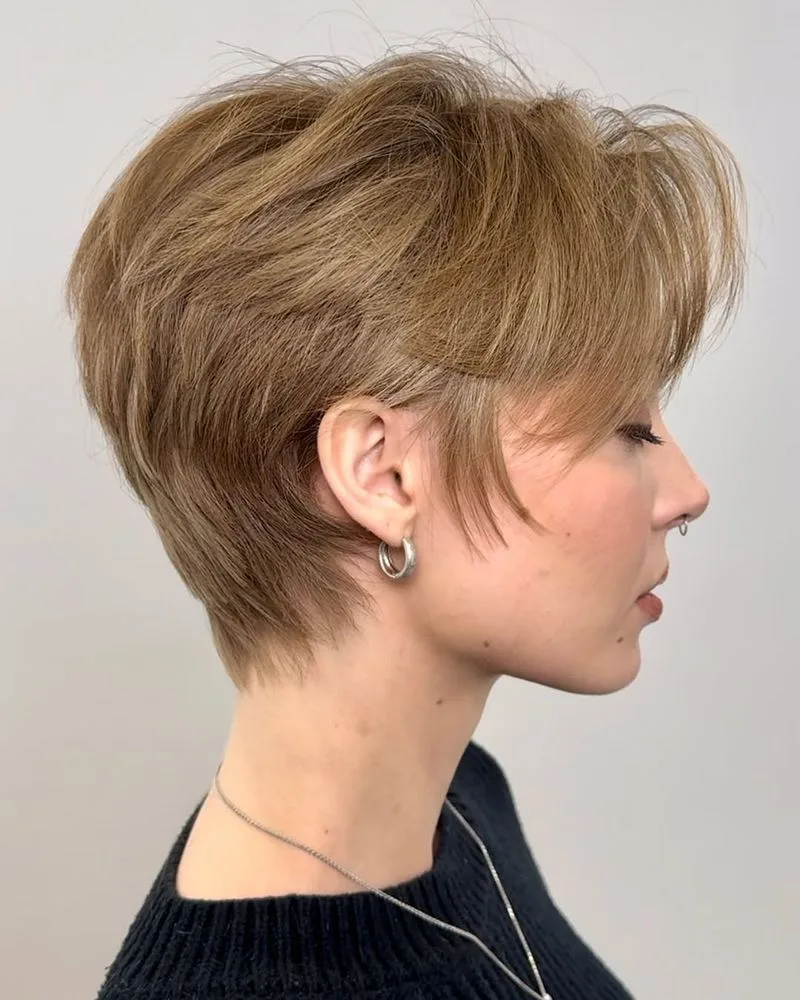
A choppy pixie is cut with lots of short, uneven layers that give the hair a piecey, lived-in texture. It is the cool-girl pixie: a little bit rock and roll, a little bit effortless, and completely unbothered by perfection. The choppy layers create volume and movement, which makes it a great choice for hair that tends to lie flat.
How to style: this is a wash-and-go cut at heart. Work a texturising paste through damp hair, scrunch, and let it air-dry, or blow-dry roughly with your fingers for extra volume. The messier it looks, the better it works, which makes it ideal for busy mornings. Best for: fine to medium hair, oval and heart-shaped faces, and anyone who likes a relaxed, modern look.
What to ask your stylist: ask for razor cutting or point cutting through the top, which creates the choppy ends, and keep the nape soft so the cut does not look severe. Maintenance is a trim every four to five weeks. Who should avoid it: very thick hair can look bulky with too many choppy layers, so ask for internal weight removal first. Quick verdict: edgy, easy, and full of personality.
§12 Layered Pixie
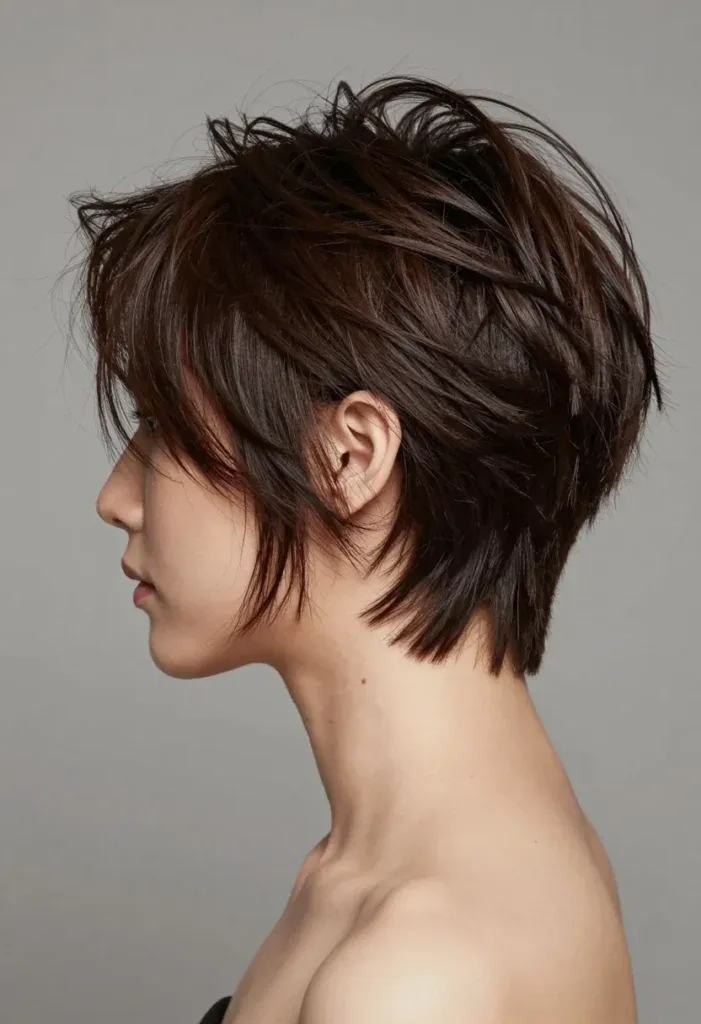
A layered pixie builds the cut in soft, graduated layers that stack on top of each other, creating volume at the crown and a feathered finish around the edges. It is softer and more feminine than a choppy pixie, with a shape that moves beautifully when you turn your head. Layers also make the cut adaptable: the same layers can be styled smooth, tousled, or swept to the side.
Best for: thick hair, because layers remove weight and stop the cut from puffing out; and for women who want volume without teasing or backcombing. How to style: blow-dry with a round brush, lifting at the roots, then smooth the ends with a little styling cream. A light-hold hairspray keeps the layers in place without stiffness.
Pros: versatile, voluminous, and flattering on most face shapes. Cons: layers need regular trims to stay defined, and too many layers on fine hair can make the ends look thin. Ask your stylist for long layers through the top and shorter layers at the crown for lift. The cost is a standard pixie cut, with trims every five weeks to keep the shape.
§13 Pixie with Bangs
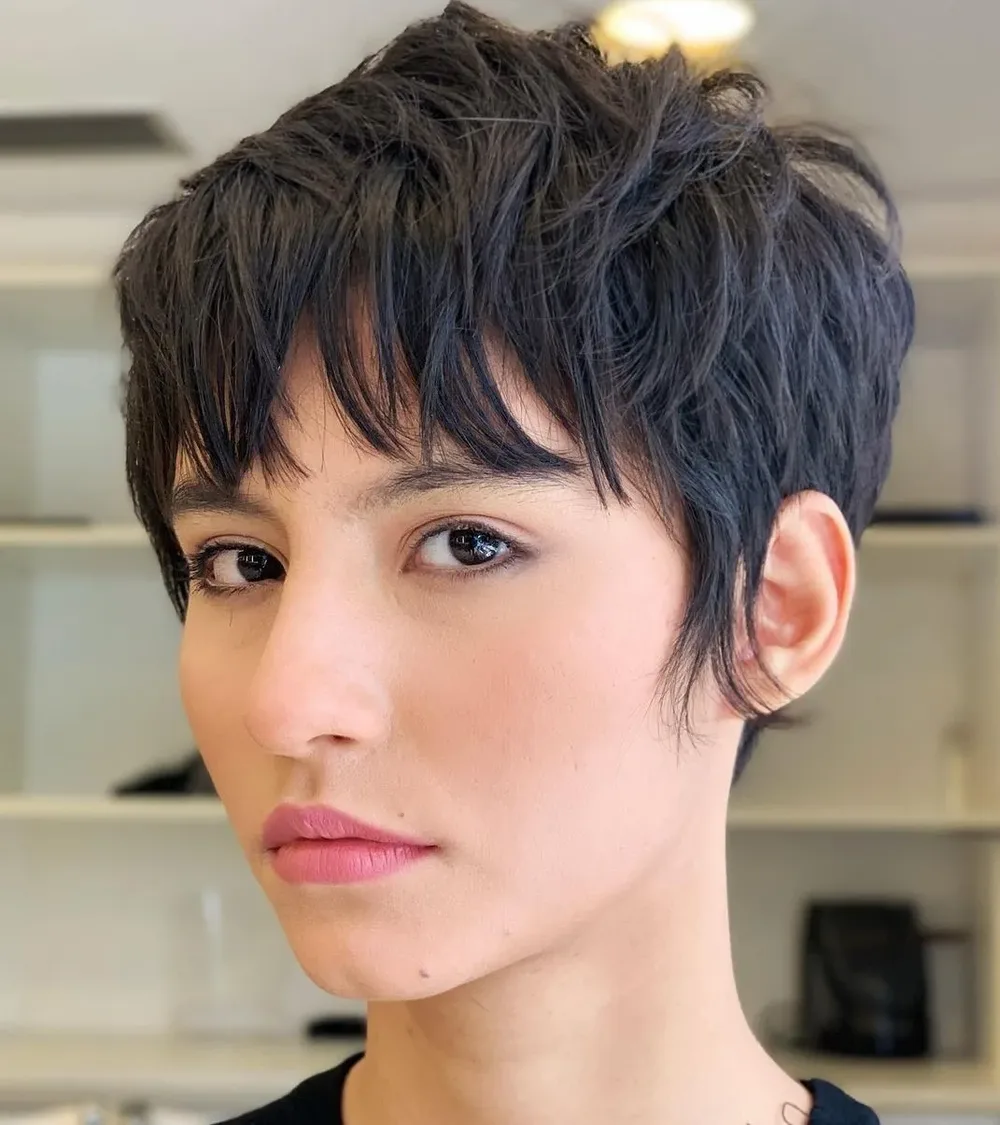
Adding bangs to a pixie changes everything. A soft fringe across the forehead frames the eyes, hides a high forehead, and gives the cut a youthful, playful feel. The bangs can be blunt, wispy, side-swept, or choppy, so this one detail lets you customise the whole haircut to your face.
Best for: long faces, because a fringe shortens the forehead; high foreheads; and anyone who wants a softer, more feminine pixie. How to style: blow-dry the bangs forward with a small round brush, then use a mini flat iron to smooth any kinks. A tiny amount of styling cream keeps wispy bangs from separating into strands.
What to ask your stylist: decide the bang length together before cutting, and ask for them to be cut dry or slightly longer than planned, because bangs shrink as they dry and can end up shorter than expected. The common mistake is cutting bangs too blunt on a round face; a wispy or side-swept bang is more flattering. Maintenance: bangs need a quick trim every three weeks, which many salons do free between appointments.
§14 Pixie with Long Fringe
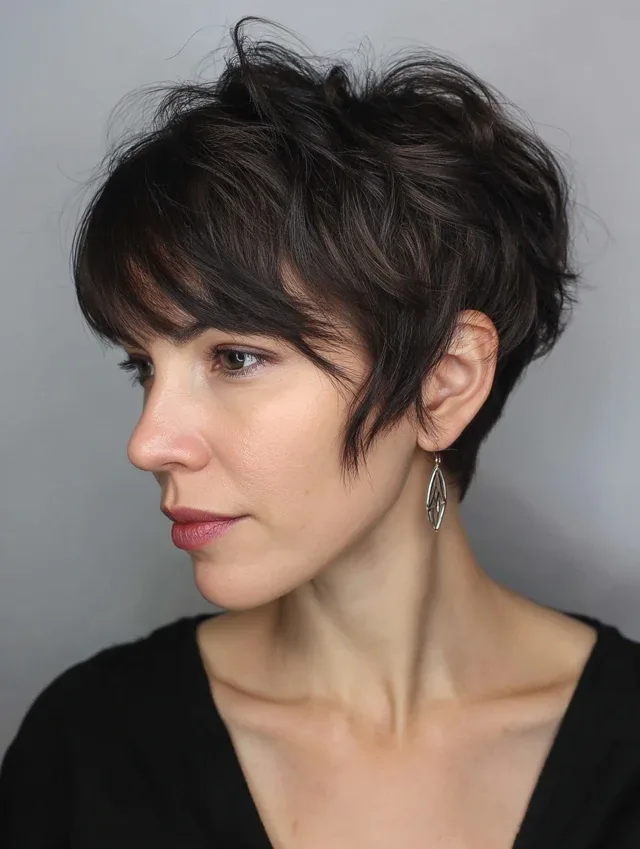
A pixie with a long fringe keeps the sides and back short while the front stays long enough to sweep across the face, tuck behind the ear, or pin back. It is the most flexible pixie of all, because the fringe can be styled a different way every day. One day it is a side sweep, the next it is a deep part with the fringe falling over one eye.
Best for: women who want styling options, round faces that benefit from a diagonal fringe, and anyone nervous about losing all their length at once. How to style: blow-dry the fringe to the side with a round brush for a smooth sweep, or use a flat iron for a sleek, straight fringe. A little texture spray gives the fringe movement without weighing it down.
Pros: versatile, face-framing, and easy to grow out. Cons: a long fringe falls into your eyes if you skip trims, so keep it shaped every four weeks. Who should avoid it: if you hate hair on your face, a shorter fringe will suit you better. Ask your stylist to cut the fringe to cheekbone length and to texturise the ends so it moves naturally.
§15 Blonde Pixie
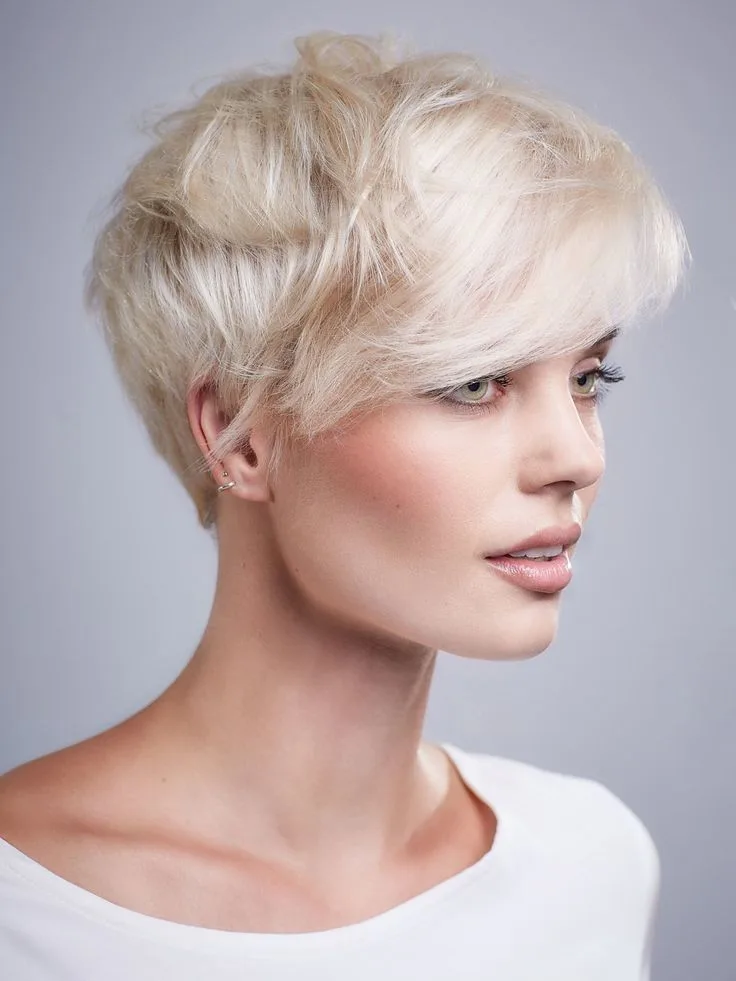
A blonde pixie is sunshine in a haircut: bright, fresh, and guaranteed to get compliments. The light colour shows off the layers and texture of the cut beautifully, because every piece catches the light differently. From icy platinum to warm honey blonde, the shade you choose changes the whole mood of the cut.
Best for: fair to medium skin tones, fine hair that needs the illusion of thickness, and anyone who wants a bold change. How to style: blonde pixies look best with a little texture, so work a matte paste through the top and piece out the ends. Use a purple shampoo once a week to keep the blonde bright and stop it turning brassy.
What to ask your stylist: talk about your skin tone before choosing a shade; cool platinum suits cool skin, while golden blonde flatters warm skin. Colour maintenance is the real cost here: roots need touching up every four to six weeks, and blonde hair needs regular conditioning to stay healthy. Quick verdict: the brightest, boldest pixie, and worth the upkeep.
§16 Brunette Pixie
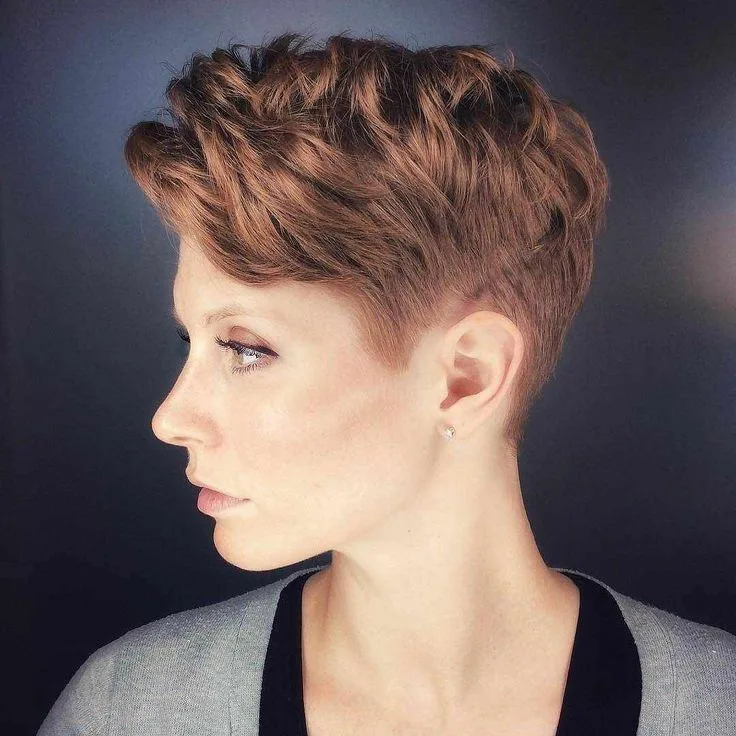
A brunette pixie is rich, glossy, and quietly luxurious. Dark hair shows off the shape of a pixie better than any other colour, because the clean lines and tapered edges are visible in sharp relief. A deep chocolate or espresso pixie looks polished with almost no effort, and it grows out gracefully because the roots blend in.
Best for: anyone who wants low-maintenance colour, darker skin tones, and women who want their pixie to look expensive without trying. How to style: shine is the whole point, so use a smoothing cream and a shine spray, and blow-dry the top smooth. A side-swept fringe on a brunette pixie looks especially elegant.
Pros: no root touch-ups, healthy-looking shine, and a cut that looks great even on day three. Cons: dark hair shows the shape of the cut mercilessly, so the trim needs to be precise. Ask your stylist for a gloss treatment to boost the shine, and consider subtle caramel highlights around the face if you want a little dimension. Maintenance is a trim every five weeks.
§17 Silver Gray Pixie
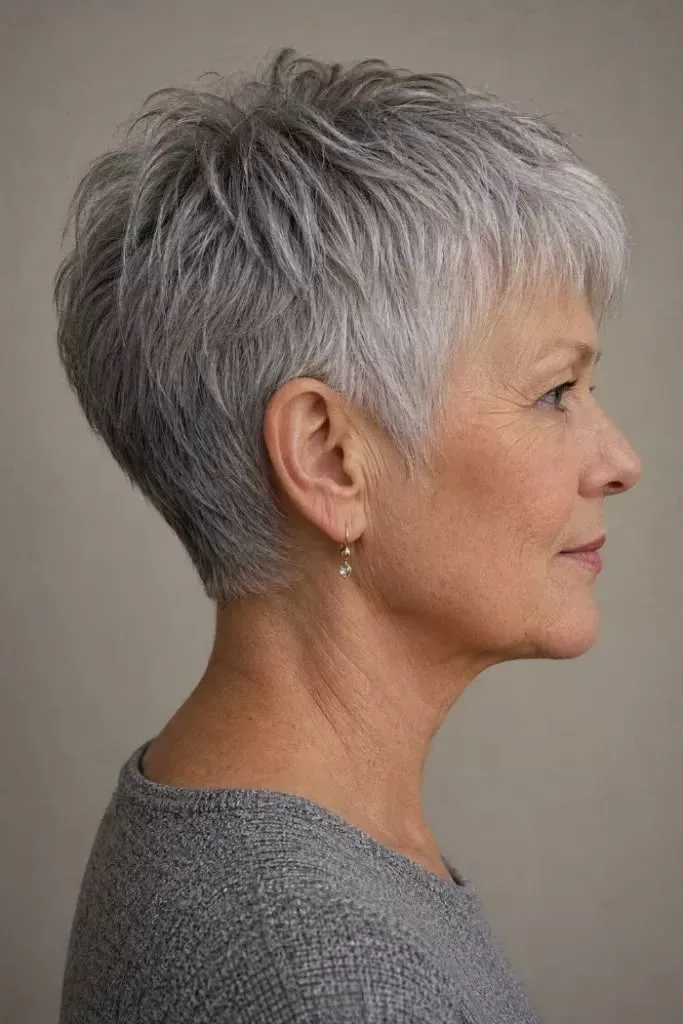
A silver or gray pixie is one of the most elegant haircuts a woman can wear. The metallic colour catches the light on every layer, turning a simple short cut into something striking and sophisticated. Whether your silver is natural or achieved with colour, a pixie shows it off better than long hair ever could.
Best for: women embracing their natural gray, and anyone who loves a bold, modern colour. How to style: keep the cut textured and piecey so the silver tones catch the light, and use a purple shampoo once a week to keep the colour bright and stop yellowing. A little styling cream gives definition without dulling the shine.
What to ask your stylist: if you are colouring to silver, ask about the lightening process and the upkeep, because going silver from dark hair takes several sessions. If your silver is natural, ask for a gloss to boost the shine. The common mistake is a cut that is too blunt, which can look harsh with silver; soft, textured layers are more flattering. Quick verdict: confident, chic, and utterly timeless.
§18 Red Copper Pixie
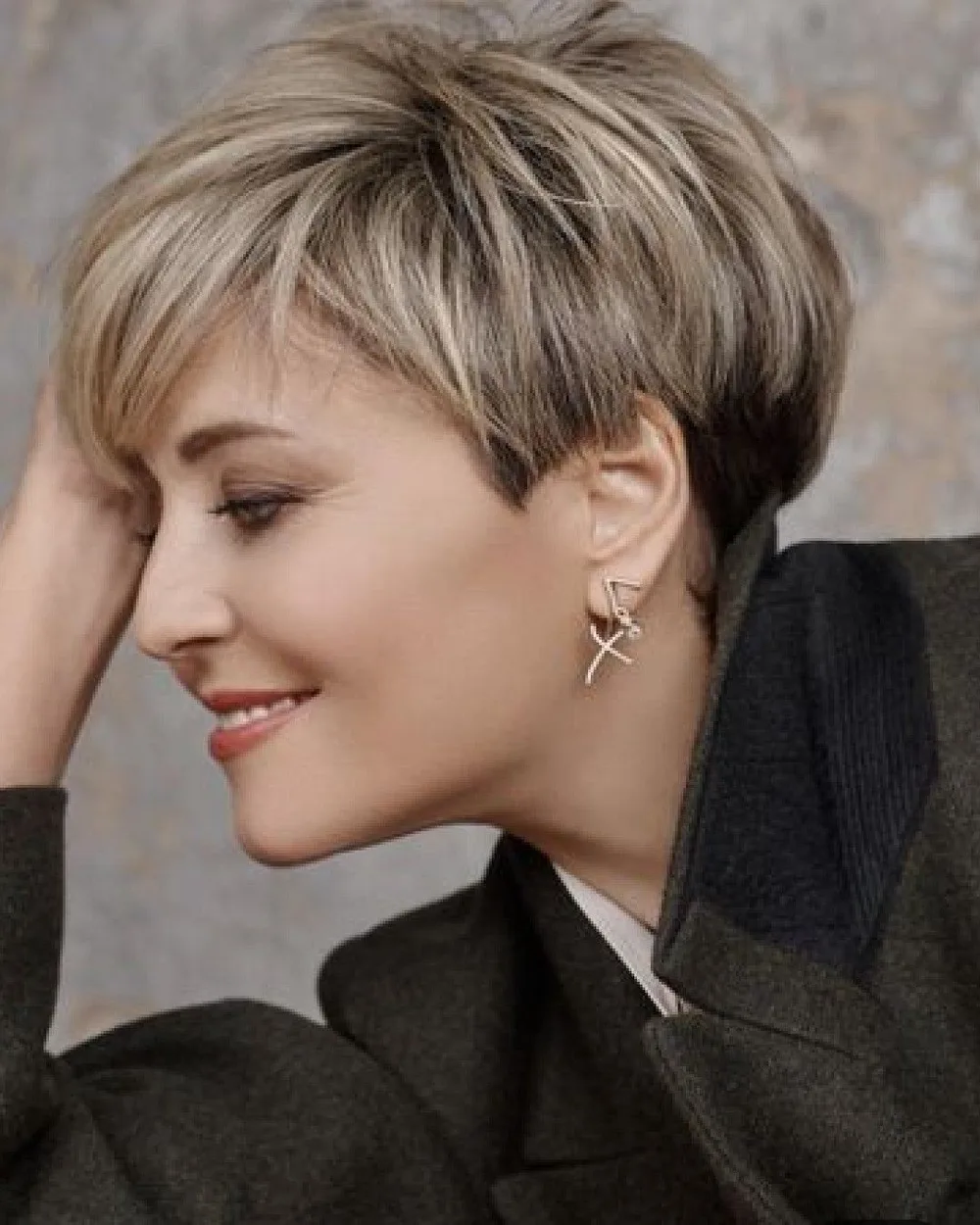
A red or copper pixie is warm, vibrant, and impossible to ignore. The fiery colour makes the short cut feel even bolder, and the way the light plays across the layers gives the hair a glow that photographs beautifully. From deep auburn to bright copper, there is a shade of red for every skin tone.
Best for: fair skin with warm undertones, green or hazel eyes, and anyone who wants their haircut to stand out. How to style: red hair fades fastest in the sun, so use a colour-protecting shampoo and a little shine serum to keep the colour rich. Style with texture paste for a piecey finish that shows off the colour variation.
What to ask your stylist: red fades quickly, so ask how often you will need a colour refresh, usually every four to six weeks, and whether a gloss between appointments will keep it fresh. Avoid washing with very hot water, which strips red faster. Pros: stunning colour, huge impact. Cons: the highest-maintenance colour of all. Quick verdict: if you love attention, this pixie delivers it.
§19 Pixie with Balayage Highlights
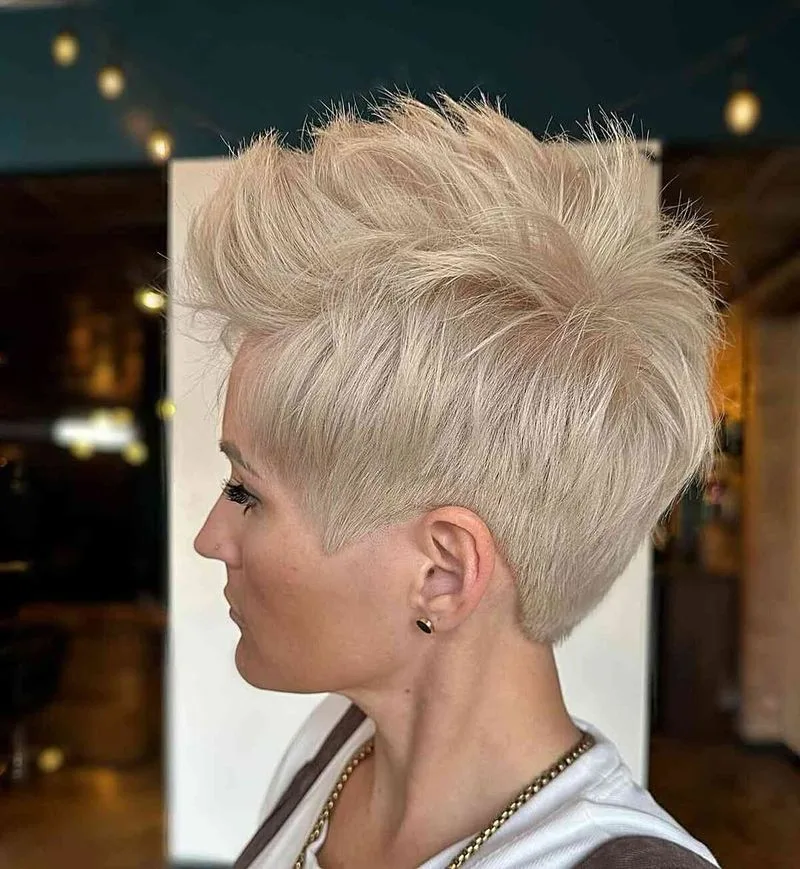
Balayage highlights on a pixie add dimension and light exactly where you want it: around the face, through the fringe, and on the tips of the top layers. The hand-painted colour grows out softly, so you get the brightness of highlights without the harsh root line of foils. It is the perfect way to add interest to a pixie without committing to a full colour change.
Best for: anyone who wants dimension, brunettes who want sun-kissed lightness, and women growing out their colour. How to style: texture is your friend here, because piecey layers show off the colour variation. Use a matte paste to separate the ends so the lighter pieces catch the light.
What to ask your stylist: ask for the highlights to be placed on the top layers and around the face, not underneath, where they will never be seen. Balayage on short hair needs a light hand; too much colour can look stripy. Maintenance is refresh every eight to ten weeks, which is gentler than full highlights. Quick verdict: dimension, brightness, and very little upkeep.
§20 Edgy Pixie
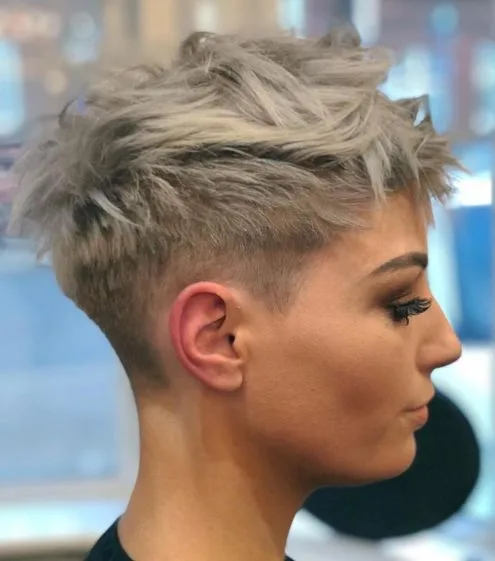
An edgy pixie is a pixie with attitude: sharp lines, a faded side, choppy texture, and a fringe that falls where it wants. It is the haircut for women who are done playing it safe, and it has a confidence that turns heads. The edgy pixie is less a single style and more a spirit, and your stylist can dial the drama up or down to suit you.
How to style: strong-hold paste is essential, because the shape needs to hold all day. Blow-dry the top up and forward, then piece out the ends with your fingers. A little volume powder at the roots keeps the height. Best for: oval and heart-shaped faces, thick hair, and anyone who loves fashion-forward looks.
Pros: unforgettable, fun, and full of personality. Cons: it needs the most frequent trims of any pixie, every three to four weeks, and it is the hardest to grow out. Who should avoid it: if your workplace is very conservative, a softer pixie might be a better fit. Ask your stylist for one edgy element, like a faded side or a choppy fringe, rather than all of them at once, and the cut will stay wearable.
§21 Soft Feminine Pixie
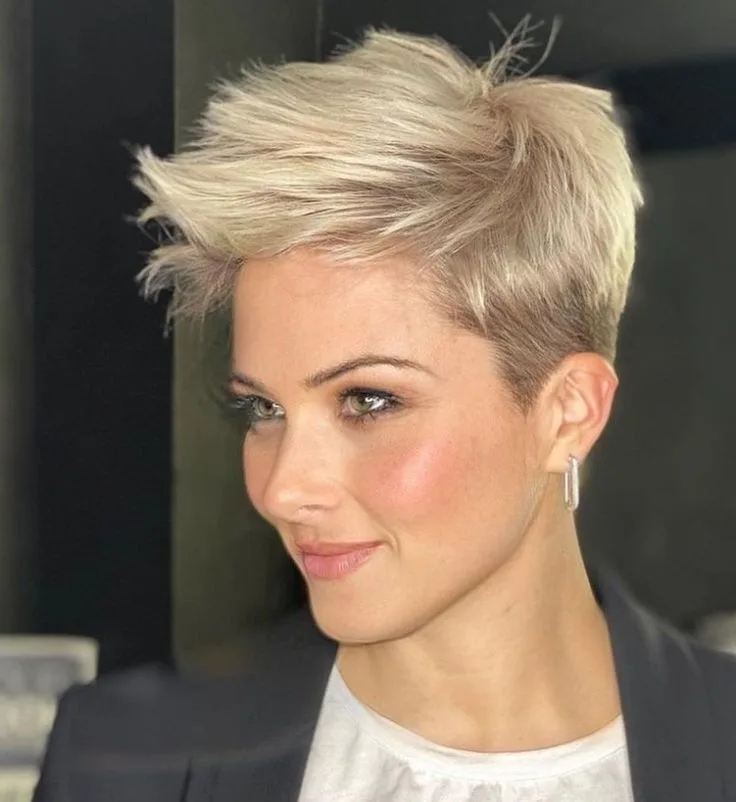
A soft feminine pixie keeps the length a little longer, the edges feathered, and the fringe wispy, so the whole cut feels gentle and romantic. It is the pixie for women who love short hair but want to keep a soft, graceful feel. The feathered layers move when you do, and the overall effect is pretty without being fussy.
Best for: heart-shaped and oval faces, fine hair that needs softness, and anyone who wants a pixie that still feels feminine. How to style: blow-dry with a round brush for a smooth, soft finish, and use a light styling cream rather than a matte paste, which can look too harsh. A little shine spray gives the feathered ends a healthy glow.
What to ask your stylist: ask for feathered, point-cut ends and a soft, tapered nape rather than a faded one. The common mistake is cutting the layers too short, which makes the pixie look spiky instead of soft. Maintenance is a trim every five to six weeks. Quick verdict: the gentlest pixie, and proof that short hair can be soft.
§22 Pixie for Thick Hair
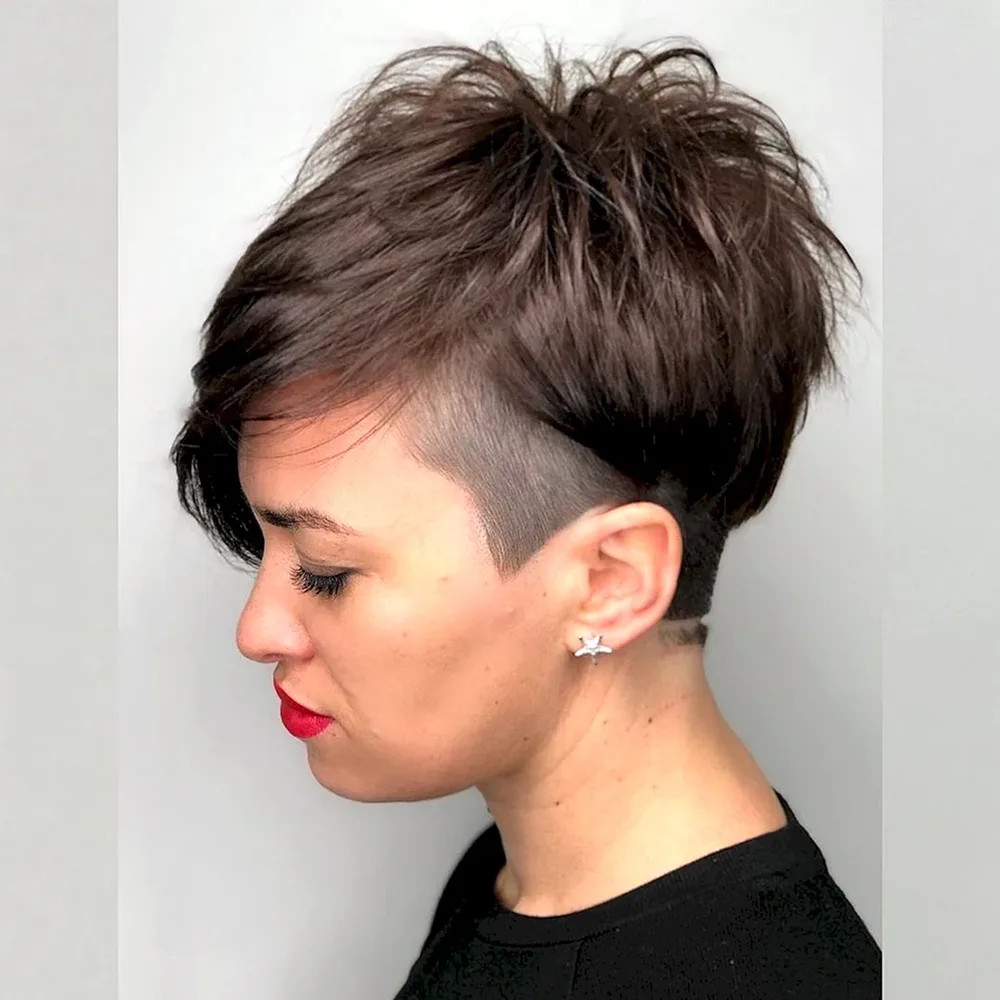
Thick hair and pixie cuts are a wonderful combination, as long as the cut removes enough weight. A good pixie for thick hair uses internal layers and thinning through the bulk so the hair sits close to the head instead of puffing out. The result is a cut with natural volume on top and a neat, controlled shape everywhere else.
Best for: thick, coarse, or heavy hair that overwhelms longer styles. How to style: a smoothing cream is your best friend, worked through damp hair before blow-drying. A flat iron can tame any stubborn pieces, and a light oil on the ends keeps the cut looking polished. Avoid mousse, which can add unwanted volume to already-full hair.
What to ask your stylist: this is the key question, so ask it directly: how will you remove the weight? A good answer involves thinning shears, internal layers, or an undercut at the nape. The common mistake is a pixie cut like thick hair is fine hair, which creates a triangle shape. Maintenance is a trim every four to five weeks, and the cut actually gets easier to style as it grows a little.
§23 Pixie for Fine Hair
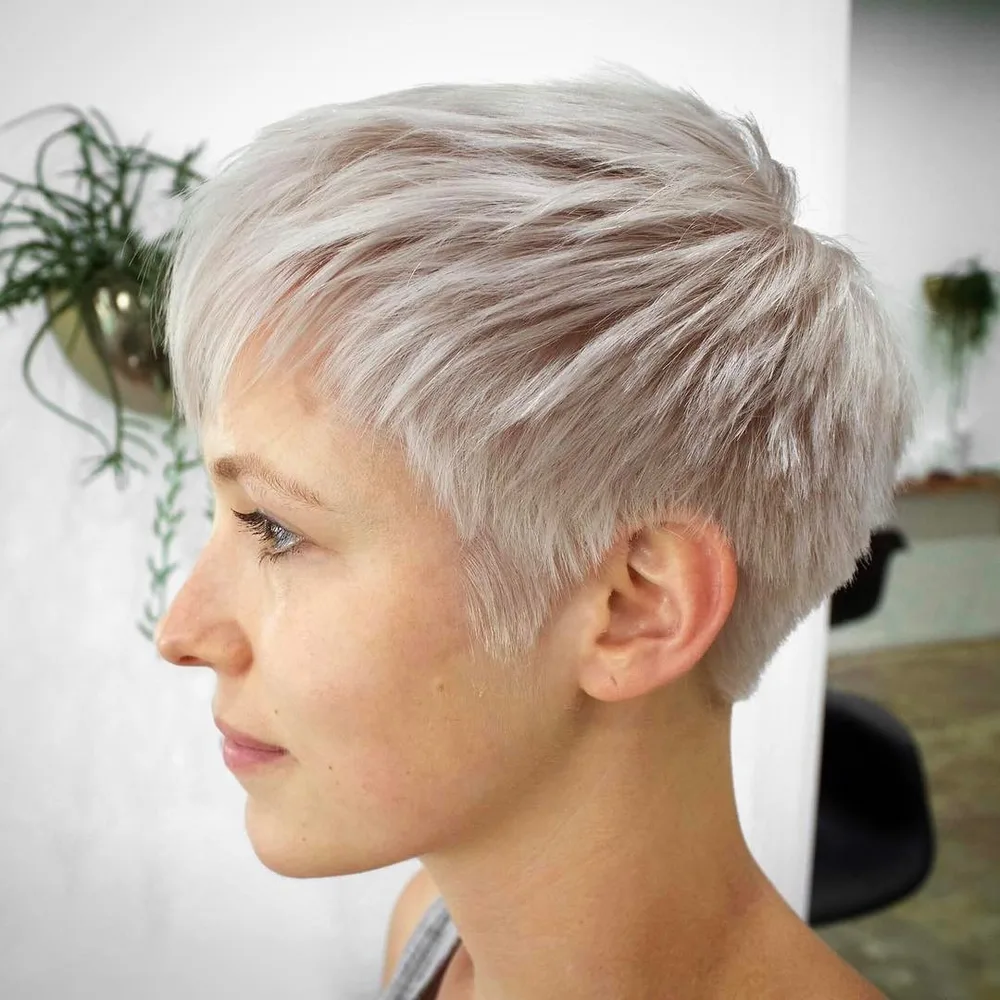
Fine hair was made for pixie cuts. Short layers create fullness and lift that long fine hair can never achieve, and a pixie makes fine hair look thicker than it really is. The trick is in the cutting: blunt edges make the hair look dense, while choppy texture through the top creates the illusion of volume.
How to style: volumising mousse at the roots is essential. Apply it to damp hair, blow-dry with your head upside down for maximum lift, then finish with a light texture spray. Dry shampoo on day two adds grip and makes the hair look even fuller. Best for: fine, thin, or limp hair, and anyone tired of long hair that falls flat.
Pros: instant volume, easy styling, and hair that finally holds a shape. Cons: fine hair shows scalp at the parting if the cut is too short, so keep the top a little longer. Who should avoid it: nobody with fine hair, but skip heavy oils and creams, which flatten fine hair in minutes. Ask your stylist for a blunt perimeter with texture only on top, and your hair will look twice as thick.
§24 Pixie for Round Face
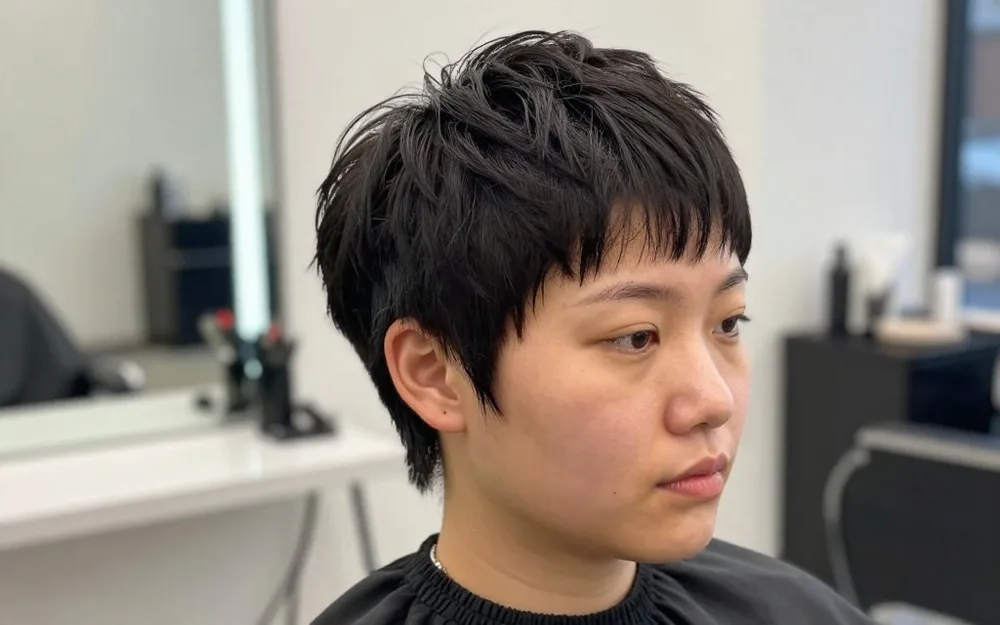
A pixie can be one of the most flattering cuts for a round face, as long as it adds height and angles. The formula is simple: volume at the crown, sleek sides, and a long fringe swept to one side. The vertical lines lengthen the face, while the diagonal fringe breaks up the roundness and adds definition.
Best for: round and full faces, and anyone who wants a slimming effect from their haircut. How to style: blow-dry the crown up and back with a round brush, and sweep the fringe across the forehead. A little volume powder at the roots keeps the height all day, and keeping the sides close to the head stops the face from looking wider.
What to ask your stylist: ask for height on top and an asymmetrical fringe, and avoid a short, blunt fringe that cuts straight across the widest part of the face. The common mistake is a pixie with too much volume at the cheeks, which widens the face. Quick verdict: with the right shape, a pixie slims a round face beautifully.
§25 Pixie for Oval Face
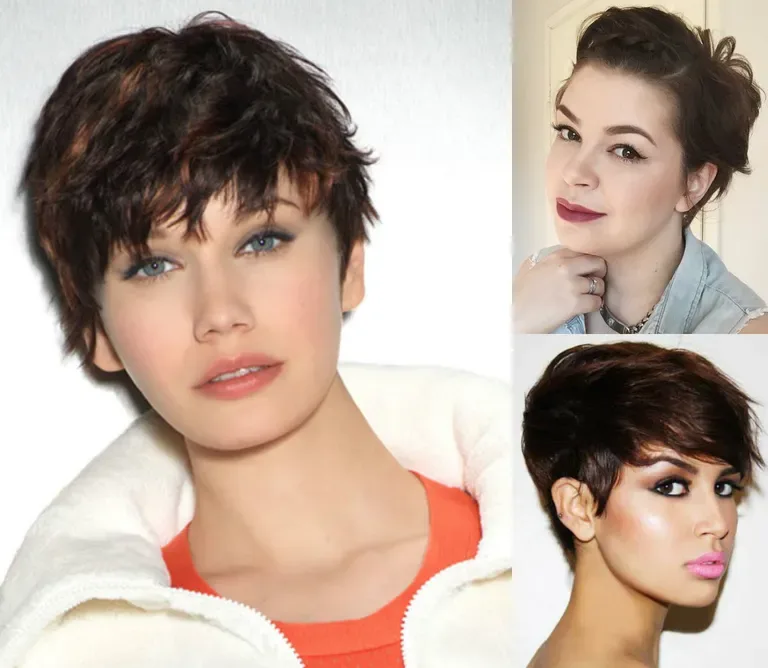
Oval faces are the lucky ones: almost every pixie suits them. The balanced proportions of an oval face mean you can choose your pixie based on your personality and hair texture rather than following rules. A close crop, a long pixie, an undercut, a curly pixie, they all work, so the only question is which one feels most like you.
How to style: because the face shape does the work, styling is about the texture you want. A sleek, smooth pixie looks elegant and polished, while a tousled, textured pixie feels relaxed and modern. Try a deep side part for drama, or push the fringe back for a clean, open look.
What to ask your stylist: ask them to show you two or three very different pixies and talk through which one matches your lifestyle, because the face shape will not limit you. The only real caution is a fringe that is too heavy, which can make an oval face look shorter. Maintenance is a standard trim every five weeks. Quick verdict: if you have an oval face, your pixie options are wide open.
§26 Pixie for Square Face
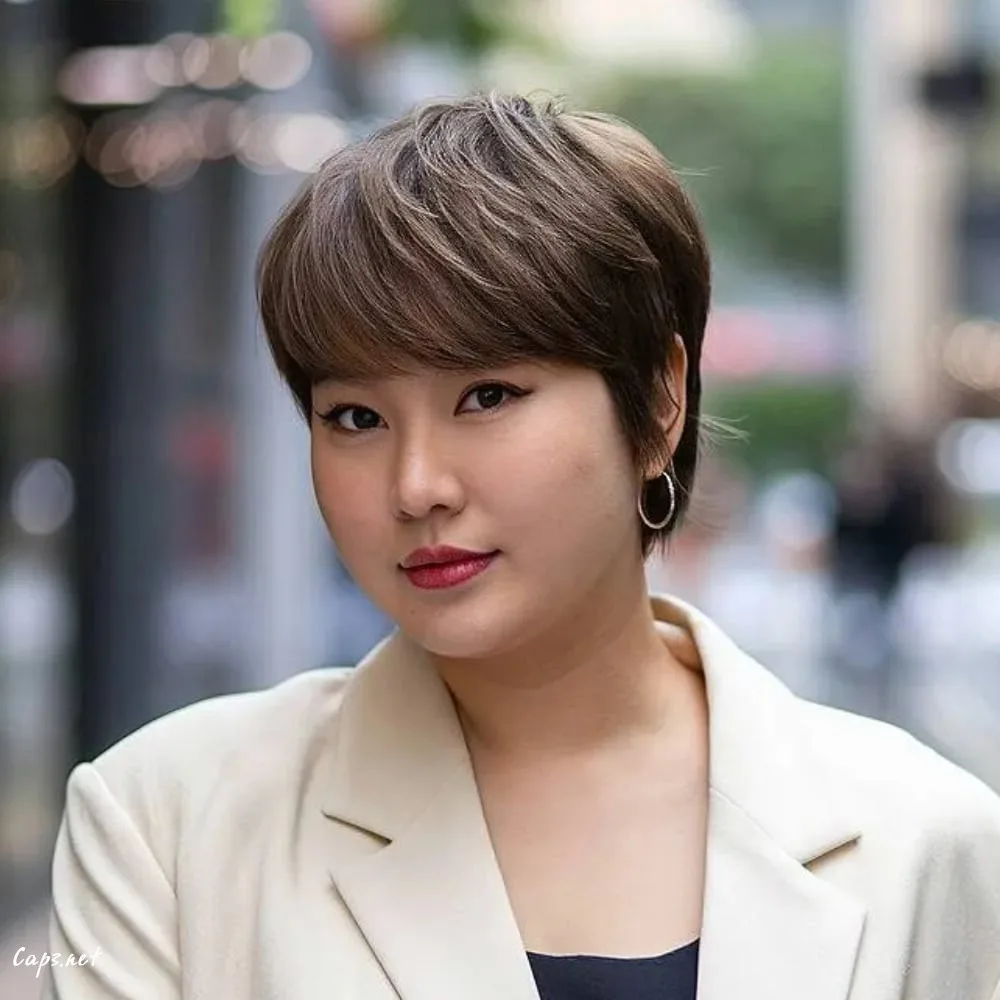
A square face has a strong jawline and a broad forehead, and the right pixie softens both without hiding them. The secret is texture and asymmetry: wispy layers around the temples, a side-swept fringe, and softness at the jaw. The pixie should add curves where the face has angles, and the result is a beautiful balance of strong and soft.
Best for: square and rectangular faces, and anyone who wants to soften a strong jawline. How to style: keep the fringe soft and swept to the side, and use a little styling cream to piece out the layers around the temples. Avoid slicking the hair straight back, which emphasises the squareness.
What to ask your stylist: ask for textured, feathered layers around the face and a fringe that falls past the eyebrows. Avoid a blunt, straight-across fringe and a severe, close crop, which can make the jaw look harder. The common mistake is a pixie that is too geometric; soft, uneven layers are far more flattering. Quick verdict: the right pixie turns a strong jawline into your best feature.
§27 Pixie for Heart Face
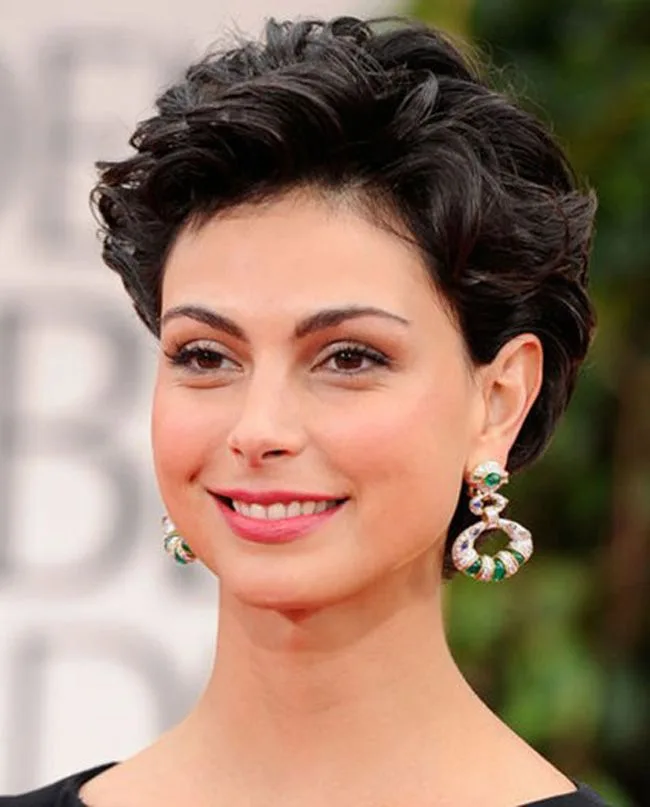
A heart-shaped face is wider at the forehead and narrower at the chin, and a pixie can balance it beautifully. The trick is to add a little width at the jaw or the ears, which balances the forehead, and to keep the fringe soft rather than heavy. A pixie with volume at the sides and a side-swept fringe is the classic answer.
Best for: heart-shaped faces, and anyone with a pointed chin they want to balance. How to style: blow-dry the sides out slightly with a round brush to create width at the jaw, and sweep the fringe to the side. A little texture paste on the ends keeps the shape soft and piecey.
What to ask your stylist: ask for length around the ears and a fringe that is longer on one side, which draws the eye diagonally across the face. Avoid a very short crop with no volume at the sides, which can emphasise the width of the forehead. Maintenance is a trim every five weeks. Quick verdict: a pixie that balances a heart-shaped face is pure elegance.
§28 Pixie for Women Over 50
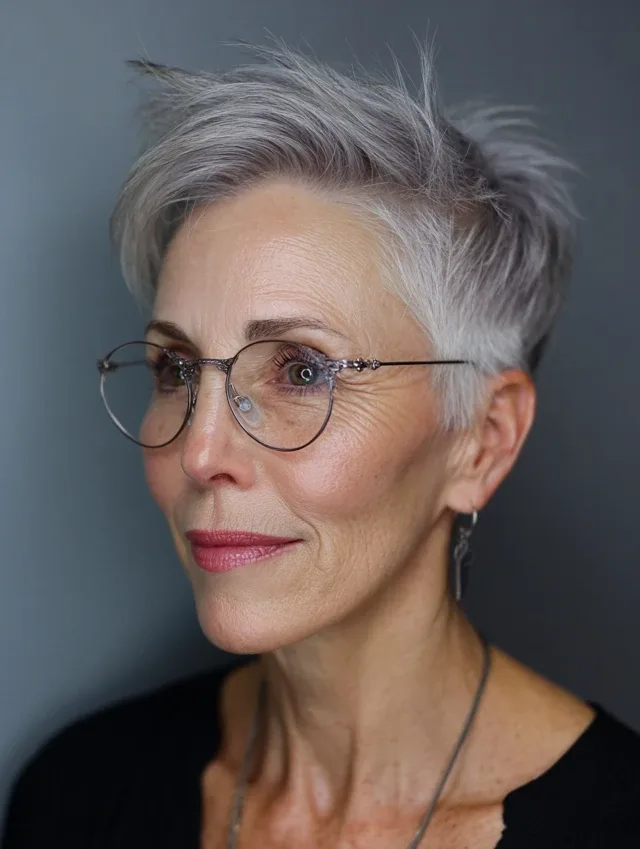
A pixie is one of the most popular haircuts for women over 50, and for good reason. It lifts the face, opens up the cheekbones, and takes years off the look without any effort. A soft, textured pixie with a side-swept fringe is flattering, modern, and easy to style, and it works beautifully with natural silver or grey.
Best for: women over 50 who want a fresh, youthful cut, and anyone whose hair is thinning with age, because a pixie makes fine hair look fuller. How to style: five minutes is all it takes. A little volumising mousse at the roots, a quick blow-dry, and a touch of styling cream on the ends. A side-swept fringe softens the forehead and draws attention to the eyes.
What to ask your stylist: ask for soft layers rather than a severe crop, and talk about colour, whether that means embracing silver, adding lowlights, or keeping your natural shade with a gloss. The common mistake is a pixie that is too short and too blunt, which can look harsh; texture is your friend. Quick verdict: the most flattering short cut after 50, and the easiest to love.
§29 Pixie for Women Over 60
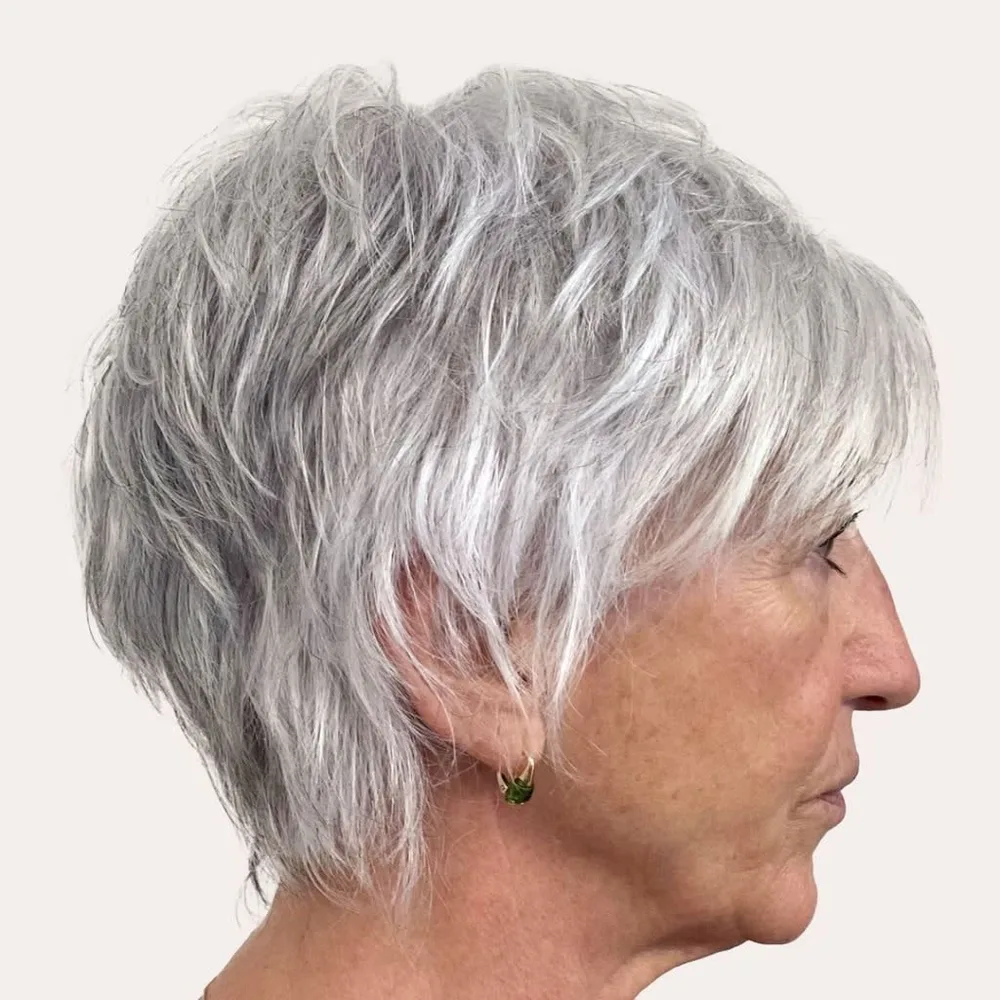
After 60, a pixie is pure freedom: easy to wash, quick to style, and wonderfully flattering. The right cut lifts the face, shows off your cheekbones, and works with your hair as it changes, whether that means embracing silver, coping with thinning, or simply wanting something low maintenance. It is a haircut that says you are confident and comfortable in your own style.
Best for: women over 60 who want a chic, easy cut, and anyone with thinning hair, because short layers create the illusion of fullness. How to style: keep it simple. A little mousse, a quick finger-dry, and you are done. A soft fringe swept to the side is flattering and hides forehead lines without looking like you are trying.
What to ask your stylist: ask for a cut that works with your natural texture and colour, and talk about whether a soft perm or a few highlights would add body. Avoid very dark, harsh colours and very severe crops, which can be ageing. Maintenance is a trim every five weeks, and the cut is forgiving if you stretch it a week longer. Quick verdict: elegant, effortless, and made for this stage of life.
§30 Wedding Pixie
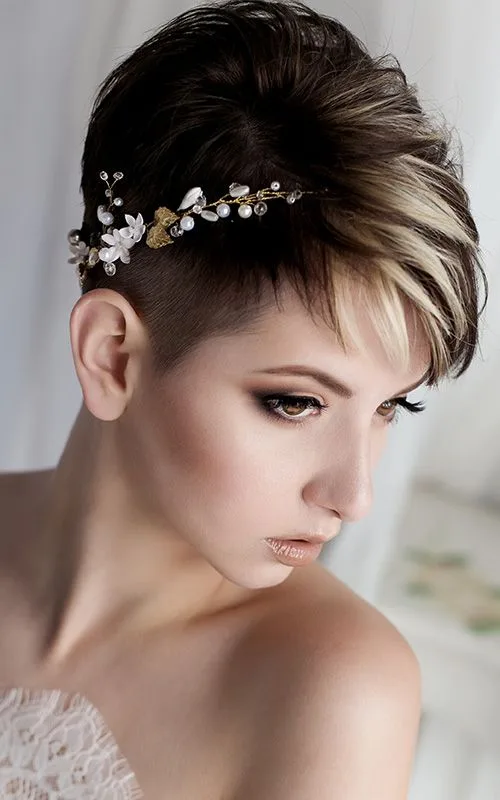
A pixie is a stunning wedding hairstyle, and brides with short hair have never had more options. The cut shows off your face, your dress neckline, and your earrings, and it photographs beautifully from every angle. With the right styling and accessories, a pixie can be every bit as romantic as an updo.
How to style for the day: a soft, side-swept fringe with a little curl at the ends looks romantic, while a sleek, polished pixie with a statement hairpiece feels modern and elegant. Add a delicate headband, a crystal clip, or a small veil, and keep the styling soft rather than stiff so the cut moves naturally. Book a trial with your stylist before the wedding and bring your accessories with you.
Best for: brides, bridesmaids, and wedding guests who want a chic short style. Pros: no worrying about an updo falling apart, and your hair looks perfect in every photo. Cons: you cannot change the length for the day, so the cut needs to be right. Ask your stylist for a trim a week before the wedding, not the day before, so the cut has time to settle.
§31 Office Professional Pixie
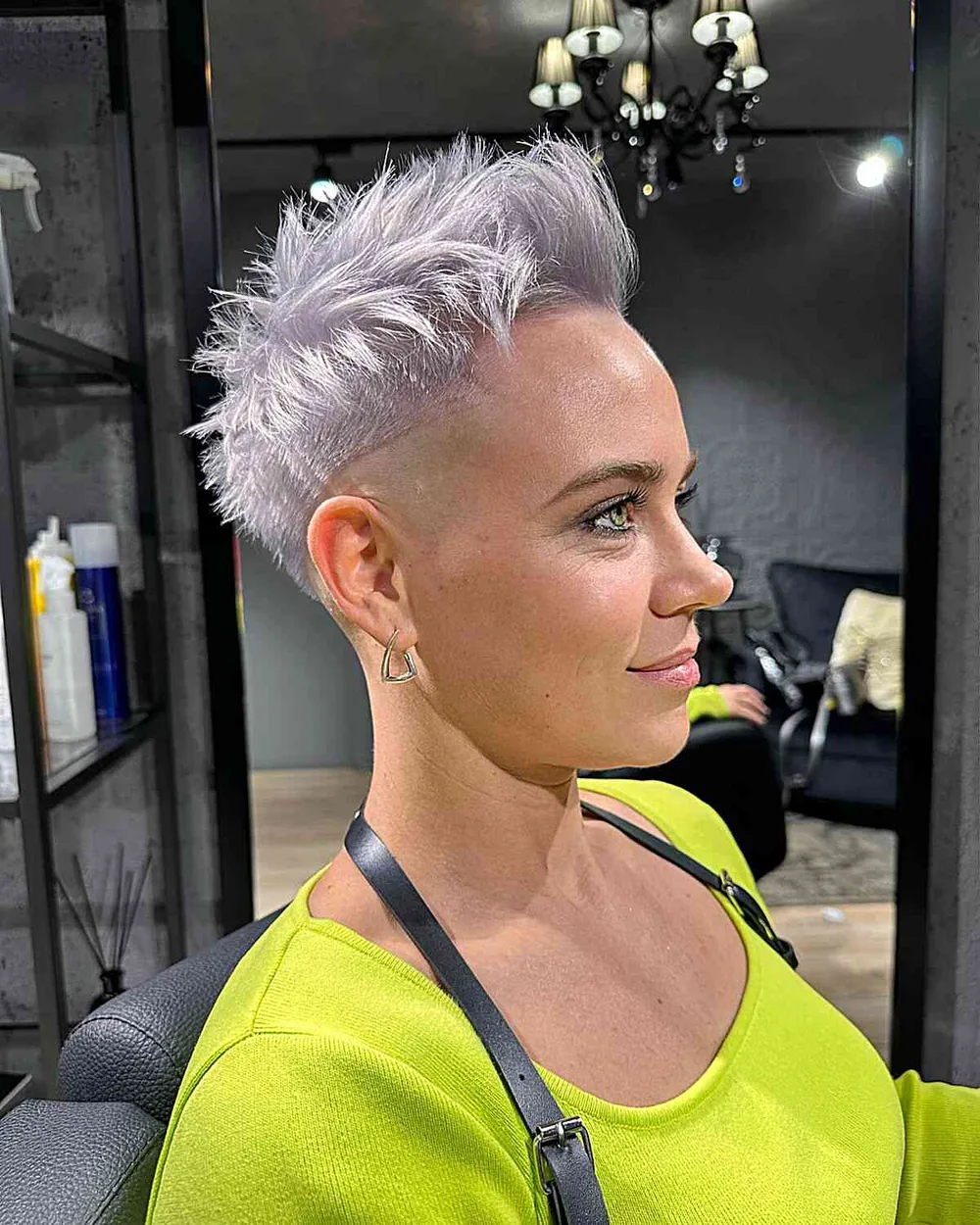
A pixie can be the most professional haircut in the office: neat, polished, and always looking intentional. The key is a clean shape, a smooth finish, and a fringe that stays out of your eyes. A classic or long pixie with a side part reads as confident and capable, and it never needs fussing with during the working day.
Best for: professional women, anyone who wants a low-fuss work hairstyle, and women who wear glasses, because a pixie frames the face without competing with the frames. How to style: blow-dry smooth with a round brush, tuck one side behind the ear, and finish with a light-hold spray. The whole routine takes under five minutes, and the cut looks polished until evening.
What to ask your stylist: ask for a neat, tapered nape and a fringe that sits above the eyebrows or sweeps to the side, so it never falls into your eyes during meetings. Avoid extreme fades or very choppy texture for a conservative office, and save the edgy version for the weekend. Maintenance is a trim every four to five weeks to keep the shape sharp. Quick verdict: smart, sleek, and seriously efficient.
§32 Messy Pixie
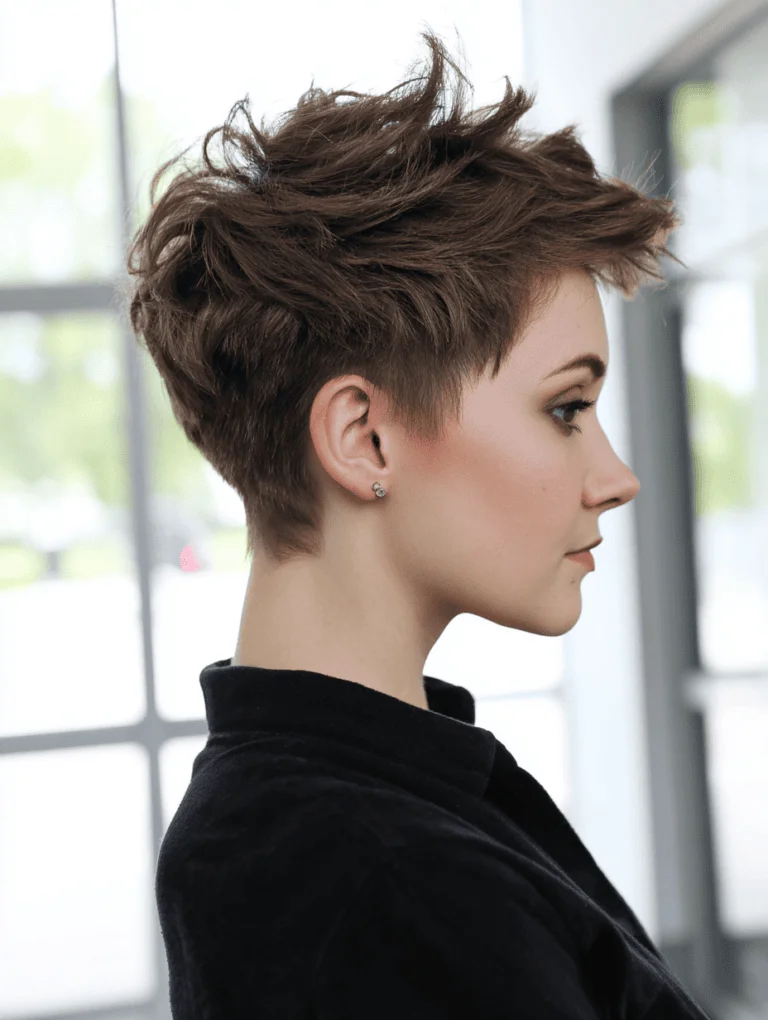
The messy pixie is the art of looking perfectly undone. Tousled layers, a fringe that falls where it likes, and texture that looks like you just came back from the beach: it is relaxed, modern, and wonderfully low maintenance. The secret is that the mess is deliberate, created by a good cut and a little product, not by neglect.
How to style: this is the easiest pixie to style, because imperfection is the point. Work a salt spray or texture paste through damp hair, scrunch, and let it air-dry. Shake it out with your fingers and go. Best for: busy mornings, wavy hair, and anyone who hates spending time on their hair.
Pros: fast, forgiving, and full of character. Cons: on very fine hair the mess can fall flat by midday, so a little dry shampoo helps. Who should avoid it: if you prefer a polished, neat look, a sleek or classic pixie will suit you better. Ask your stylist for choppy layers and a texturised fringe, and the cut will look artfully messy even when you do nothing at all.
§33 Sleek Pixie
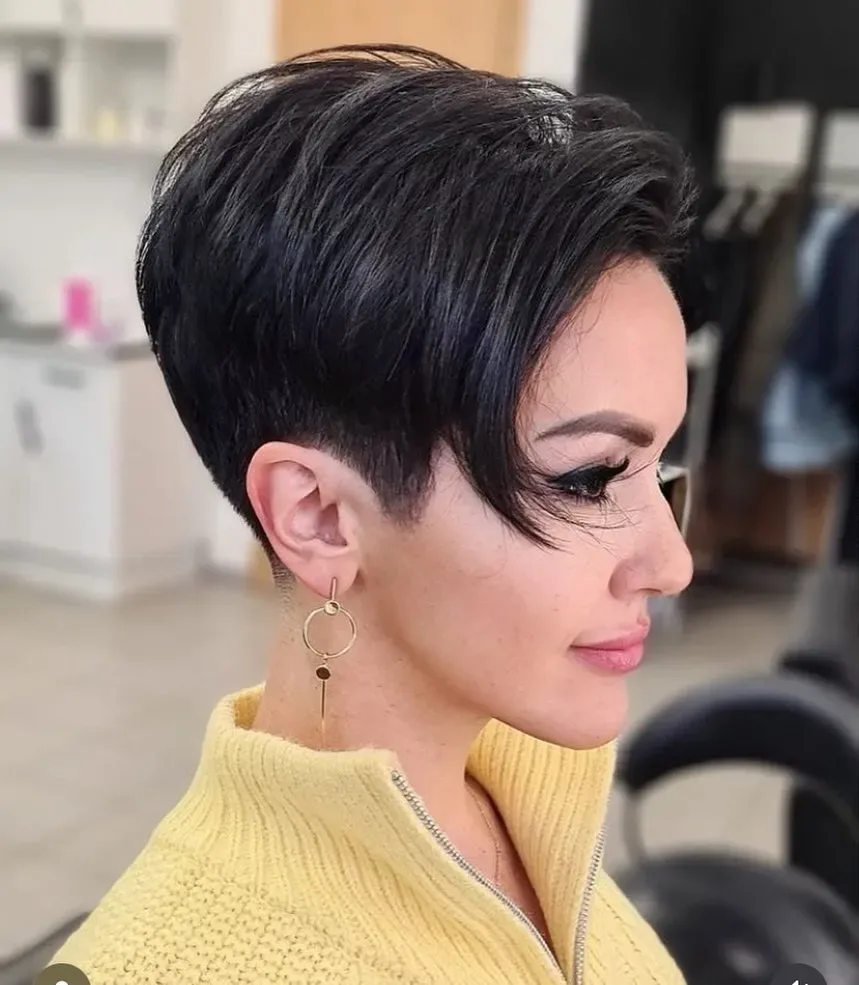
A sleek pixie is smooth, shiny, and polished to perfection. The hair lies close to the head, the fringe sweeps cleanly to the side, and the whole cut has a glossy, expensive finish. It is the pixie for evenings out, for work, and for anyone who loves a clean, elegant look.
Best for: straight hair, which takes a sleek finish naturally; oval and heart-shaped faces; and formal occasions. How to style: apply a smoothing cream to damp hair, blow-dry with a flat brush, then run a flat iron over the top and fringe for a glass-like finish. A shine spray is the final touch, and a little serum on the ends keeps everything smooth.
Pros: elegant, polished, and timeless. Cons: it needs more styling time than a textured pixie, and humidity is its enemy, so keep a smoothing serum in your bag. Who should avoid it: very curly hair will fight a sleek finish, so a textured or curly pixie is a better choice. Ask your stylist for a blunt, clean perimeter and minimal layering, which is what makes the sleek look possible.
§34 Spiky Pixie
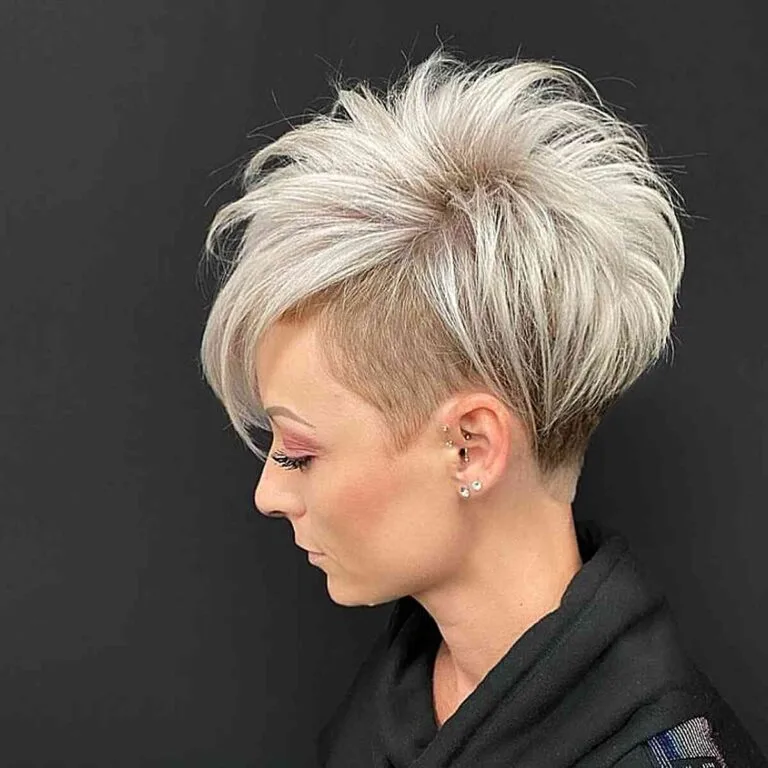
A spiky pixie is fun, fearless, and full of energy. Short, piecey layers are styled up and out into soft spikes, giving the cut height, texture, and a playful edge. It is the pixie for women who want their hair to show their personality, and it looks great at any age.
How to style: strong-hold paste is the key. Warm it between your palms, then pinch small sections of the top upwards and outwards to create the spikes. A little hairspray locks the shape in place. Best for: thick hair that holds a shape, oval and heart-shaped faces, and anyone who loves a bold look.
Pros: dramatic, fun, and surprisingly easy once you know the technique. Cons: it needs product every day and a trim every four weeks to keep the spikes defined. Who should avoid it: fine hair can struggle to hold spikes, so ask for a texturising product with strong hold or choose a textured pixie instead. Ask your stylist for short, choppy layers through the crown, and the spikes will practically form themselves.
§35 Tapered Pixie
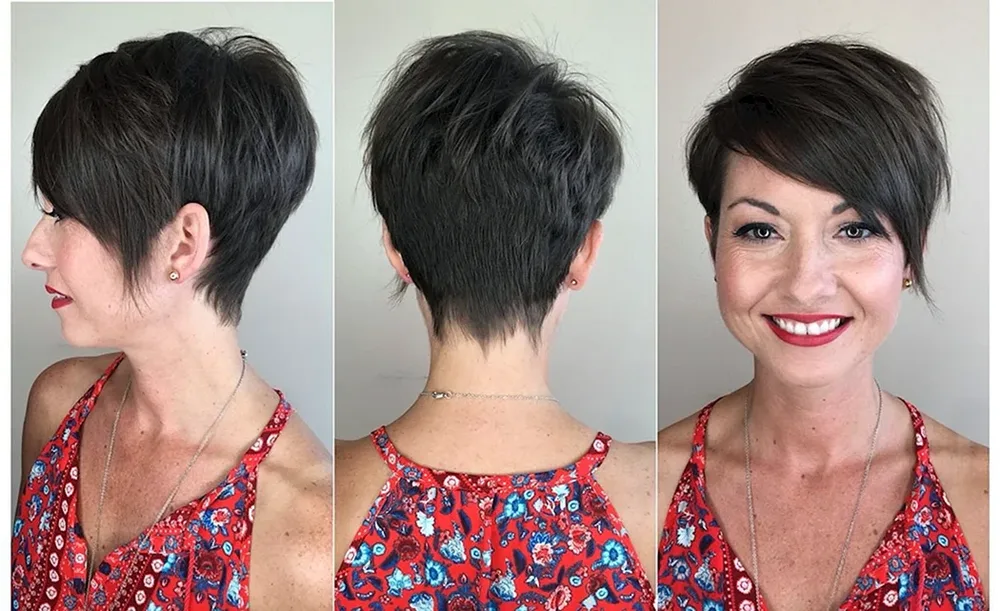
A tapered pixie is cut so the hair gradually shortens from the top down to the nape, creating a smooth, clean silhouette with no harsh lines. It is the most elegant of the short pixies, with a shape that looks neat from every angle and grows out gracefully. The taper gives the cut a soft, tailored finish that feels expensive.
Best for: anyone who wants a neat, polished pixie; thick hair, because the taper removes bulk at the nape; and women who prefer a classic look. How to style: blow-dry smooth with a round brush, directing the top forward or to the side, and finish with a light styling cream. The taper means the back needs almost no attention.
What to ask your stylist: ask for a scissor taper rather than a clipper fade if you want the softest finish, and for the nape to be tapered close to the head. The grow-out is gentle because there are no hard lines to grow through. Maintenance is a trim every five to six weeks. Quick verdict: the neatest, most tailored pixie, and a classic for a reason.
§36 Pixie for Black Women
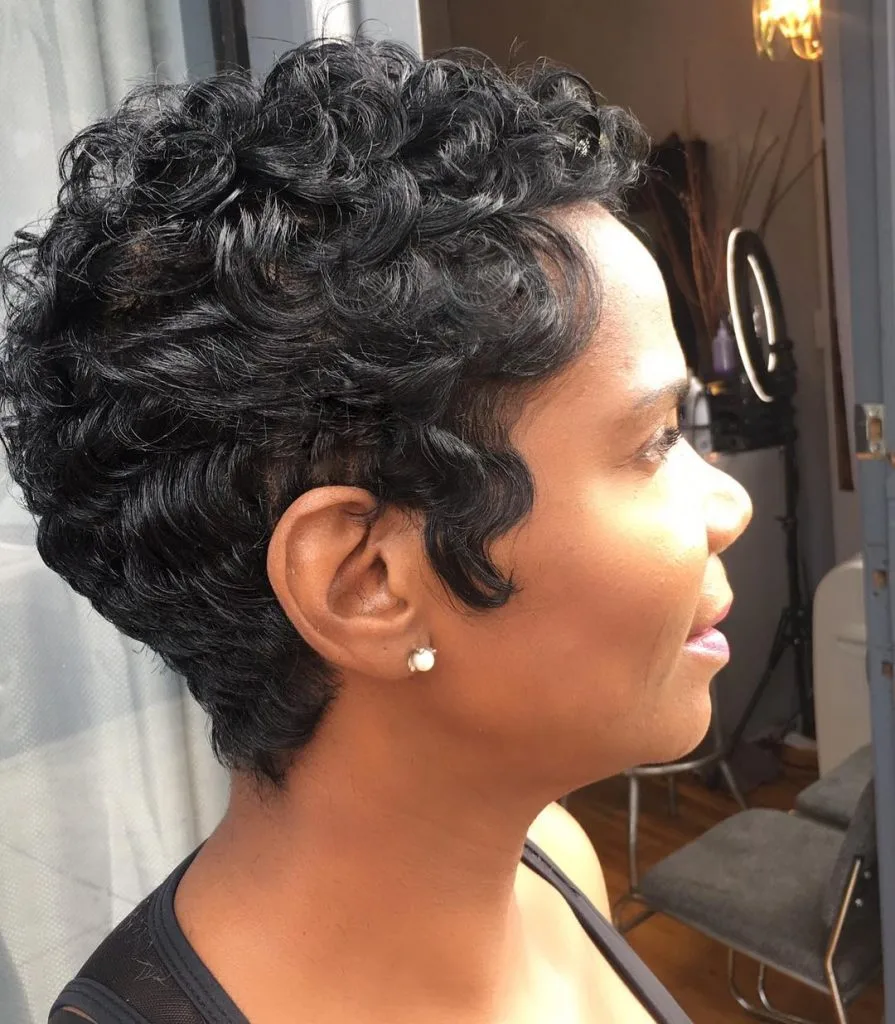
Pixie cuts are a beautiful choice for Black women, showing off bone structure, natural texture, and gorgeous curl patterns. From a close-cropped tapered cut to a curly pixie with volume on top, the options are endless, and the short length makes natural hair easier to care for day to day. A pixie also frames the face in a way that makes earrings and makeup pop.
Best for: natural curls and coils, relaxed hair, and anyone who wants a low-manipulation style. How to style: moisture is the foundation, so use a leave-in conditioner and a curl cream, and style with your fingers rather than a brush. For a sleek finish, use a little edge control around the hairline and a silk scarf at night to keep the shape.
What to ask your stylist: choose a stylist experienced with Black hair and natural texture, and talk about how you want to wear it, curly, tapered, or sleek, because each needs a different cut. Protective styling at night matters: a silk bonnet or pillowcase keeps the cut fresh for days. Quick verdict: bold, beautiful, and made to show off natural texture.
§37 Low-Maintenance Pixie
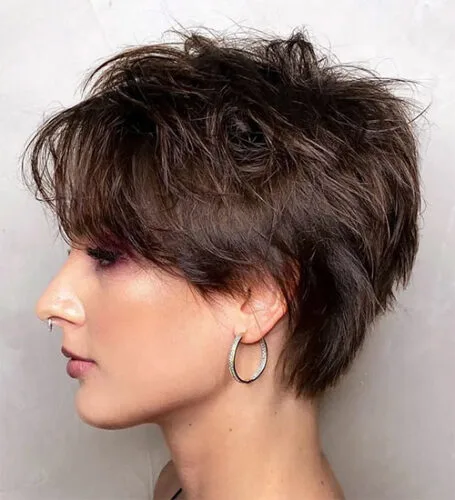
The low-maintenance pixie is for women who want short hair without a high-maintenance routine. It is a longer pixie with a soft nape, textured layers, and a fringe that can be worn several ways, so it looks good even when you do nothing at all. The cut is designed to grow out gracefully, which means fewer salon visits and less daily styling.
How to style: wash, add a little styling cream, and let it air-dry. That is the whole routine on most days. On days when you want more polish, a quick blow-dry with your fingers takes three minutes. Best for: busy women, new mothers, travellers, and anyone who wants great hair with minimal effort.
What to ask your stylist: ask for a longer pixie with a soft, tapered nape and no fade, because fades grow out fastest and need the most upkeep. Tell your stylist you want a cut that looks good at six weeks, not just on day one. The common mistake is choosing an edgy, high-maintenance pixie and then resenting the trims; this version avoids that entirely. Quick verdict: the easiest pixie to live with, and the one most women actually keep.
§38 Pixie with Volume on Top
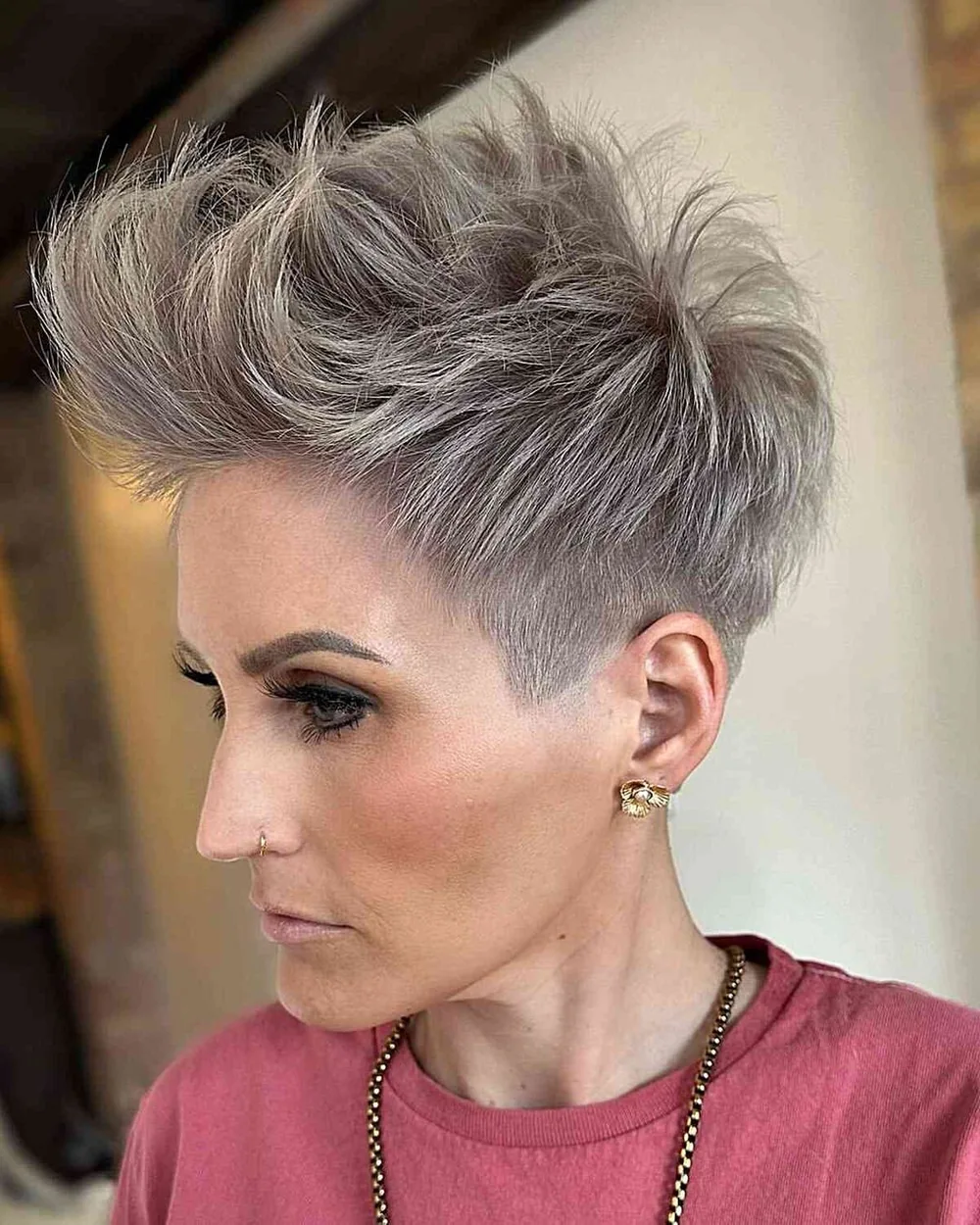
A pixie with volume on top is all about lift: short sides, a longer crown, and height that gives the cut drama and presence. The volume elongates the face, adds glamour, and makes the whole style feel alive. It is the pixie to choose if you love big hair but want it in a short, manageable cut.
Best for: round faces, because the height lengthens the face; fine hair, because the volume creates fullness; and anyone who loves a glamorous look. How to style: apply volumising mousse to the roots, blow-dry the crown up and back with a round brush, and finish with a volume powder or a light mist of hairspray. Backcombing the crown lightly adds even more height for evenings out.
Pros: face-slimming, glamorous, and full of energy. Cons: the volume needs a little effort each morning, and humidity can flatten it, so keep dry shampoo handy. Who should avoid it: long faces should keep the height modest, or the face can look longer. Ask your stylist for shorter layers at the crown and longer layers on top, and the volume will build naturally.
What face shape suits a pixie cut best?
Oval faces suit almost every pixie, while round faces look best with height on top and a side-swept fringe. Square faces soften with wispy layers around the temples, and heart-shaped faces benefit from a little width at the jaw. The right pixie is less about your face shape and more about adapting the length, fringe, and texture to your features, so bring photos and let your stylist tailor the cut.
Will a pixie cut make my face look fat?
A pixie can actually slim the face when it is cut with height on top and a longer, side-swept fringe, because the vertical lines draw the eye upward. A very short, flat crop with no volume can emphasise roundness, so ask for texture through the crown and avoid a blunt fringe that cuts straight across the widest part of your face.
How often do I need to trim a pixie cut?
Most pixies need a trim every four to six weeks to hold their shape. Fades and undercuts grow out fastest and may need a tidy-up every three to four weeks, while longer, softer pixies can stretch to six or eight weeks. Booking your next appointment before you leave the salon keeps the cut looking sharp all the time.
Is a pixie cut high maintenance?
Daily styling is very low maintenance, usually five minutes or less, but salon maintenance is higher than for long hair because the shape grows out quickly. If you are happy with a trim every month and a pea-sized amount of product each morning, a pixie will feel easy. A longer pixie with a soft nape is the lowest-maintenance version of the cut.
Can I get a pixie cut with curly hair?
Curly hair makes a beautiful pixie with natural volume and shape. Ask for a stylist experienced with curls, and have the cut done longer than you expect because curls spring up as they dry. Keep the curls moisturised with a leave-in conditioner or curl cream, and use a diffuser on low heat to keep the definition.
Does a pixie cut work for fine or thin hair?
Fine hair is one of the best candidates for a pixie, because short layers create fullness that long fine hair rarely achieves. Keep the edges blunt enough to look thick, add choppy texture only through the top, and use a volumising mousse at the roots. Avoid heavy products that flatten the hair.
How long does it take to grow out a pixie cut?
Growing a pixie into a bob usually takes four to six months, and reaching shoulder length takes around a year. Regular shaping trims every six to eight weeks keep the grow-out looking intentional, and changing your parting or using clips and headbands helps through the awkward middle stage.
What should I ask my stylist for at a pixie appointment?
Ask how short the sides and back will be, how long the top will be left, and where the fringe will fall. Ask how often you will need trims, what products you will need, and how the cut will grow out. Bring photos of styles you like and styles you do not like, and ask the stylist to adapt the cut to your face shape.
Can older women wear a pixie cut?
Pixie cuts are a wonderful choice at any age, and they are especially popular after 50 because they lift the face, open up the cheekbones, and are easy to style. Softer, textured pixies with a side-swept fringe tend to look most flattering, and a silver or grey pixie can look strikingly elegant with the right cut.
Will a pixie cut suit me if I have a round face?
A pixie can suit a round face very well when it adds height at the crown and keeps the sides sleek, with a long fringe swept to one side. Avoid a short, blunt fringe and too much volume at the cheeks, and ask for an asymmetrical or textured pixie, which breaks up the roundness and adds angles to the face.
Conclusion
The best pixie cut hairstyles for women are the ones that fit your hair, your face, and your real life, not just a photo. Whether you choose a neat classic crop, a curly pixie full of volume, a silver pixie that turns heads, or a soft long pixie you can style in five minutes, the right cut will make your mornings easier and your features stand out. Take your favourite two or three styles from this guide to your stylist, talk through the fringe, the nape, and the upkeep, and enjoy the freedom that comes with great short hair.
If you are still deciding, start longer. A long pixie or a pixie bob lets you test short hair without the shock of a close crop, and you can always go shorter at your next appointment. Book the trim, buy the one styling product your hair actually needs, and give the cut two weeks to settle before you judge it. Most women who try a pixie wonder why they waited so long, and the odds are good that you will feel exactly the same.

