

Raise your hand if your hair has felt heavy, flat, or weirdly greasy even right after you washed it. Same here. For months I blamed damage, hard water, and bad luck. Turns out my hair was just suffocating under layers of product buildup.
Dry shampoo, leave-in, heat protectant, serum, oil, hairspray. It stacks up, and most of us never actually wash it all out.
The good news? This is one of the easiest hair problems to fix. No salon appointment, no expensive treatment, no big lifestyle change.
Below is exactly how to remove buildup for good, how often to do it, and how to keep it from coming back, even if you style 2026 hairstyles every single day.
What Product Buildup Actually Is

Buildup is basically a film sitting on your hair and scalp. It is leftover product, your scalp’s natural oil, dead skin cells, and minerals from your shower water, all layered on top of each other.
Think of it like putting on six coats of lotion and never washing your hands. Eventually nothing soaks in and everything feels strange.
The annoying part is that buildup does two things at once. It blocks moisture from entering your strands while making your roots look greasy. So your hair feels dry and limp at the same time.
Signs You Have Buildup

Buildup is sneaky because it can look like a dozen other problems. Here is what to watch for:
- Hair feels waxy or coated, even right after washing
- Roots look greasy within hours of a shower
- Zero volume, especially flat at the crown
- Hair looks dull instead of shiny
- Scalp itches or feels tight
- Styles fall out or go limp fast
- Dry shampoo suddenly stops working
If you nodded at three or more of these, you are dealing with buildup, not damage.
Why It Happens Way More Than You Think
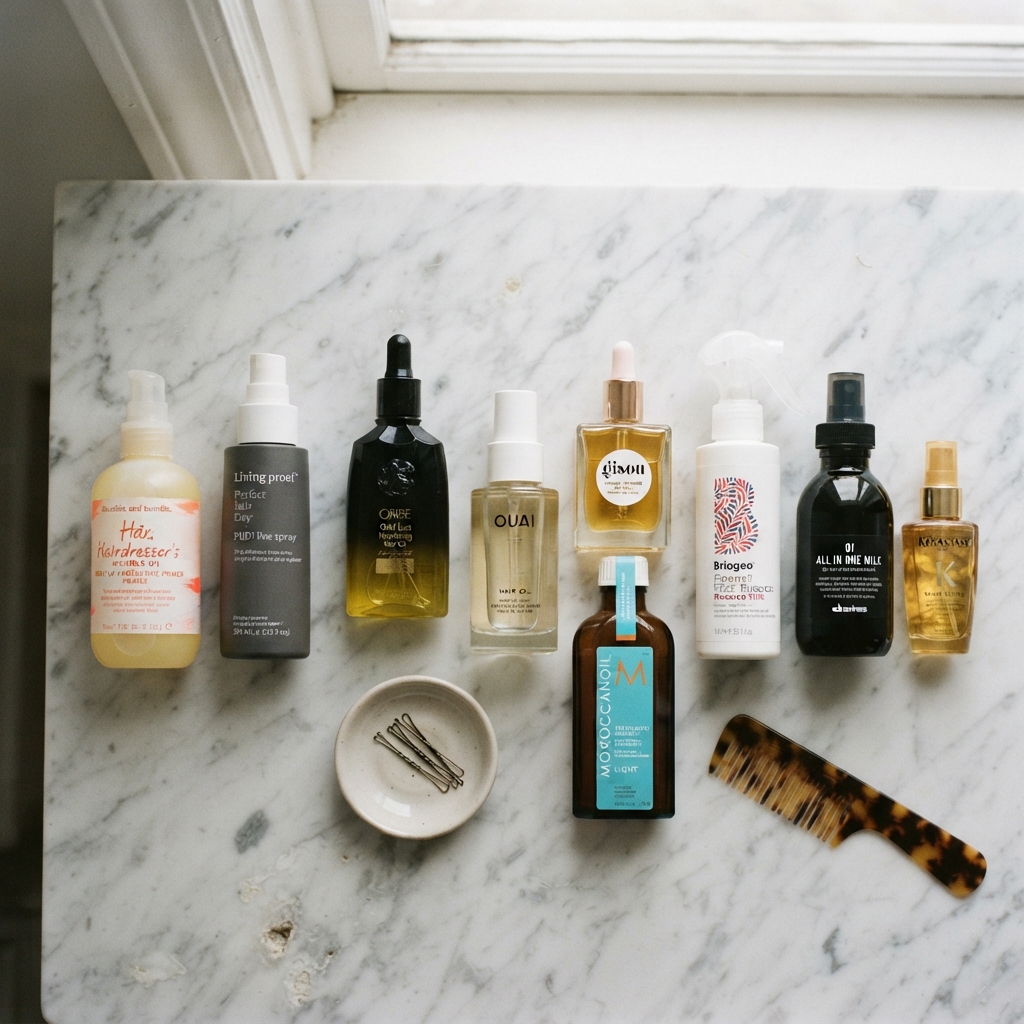
Most of us use four to six products a day. Heat protectant, leave-in, serum, dry shampoo, hairspray, oil. Each one leaves a little something behind.
Regular shampoo is designed to clean gently. It is not built to strip off layers of silicone, wax, and oil. So the residue keeps stacking.
Dry shampoo is the biggest offender. It is powder that absorbs oil, but if you keep spraying without truly washing, it turns into paste at your roots. That paste is what makes hair feel gritty and flat.
Stop Doing This One Thing Today

Stop adding more product to fix hair that feels dry or dull. That is the trap, and I lived in it for years.
You feel dryness, so you add oil. Then it looks greasy, so you add dry shampoo. Then you wash and it still feels coated, so you deep condition. The cycle repeats forever.
Instead, clarify first. Strip everything back to zero, then rebuild. A clean slate tells you what your hair actually needs. Most people discover their hair was never dry at all. It was just blocked.
Know Your Scalp Type First
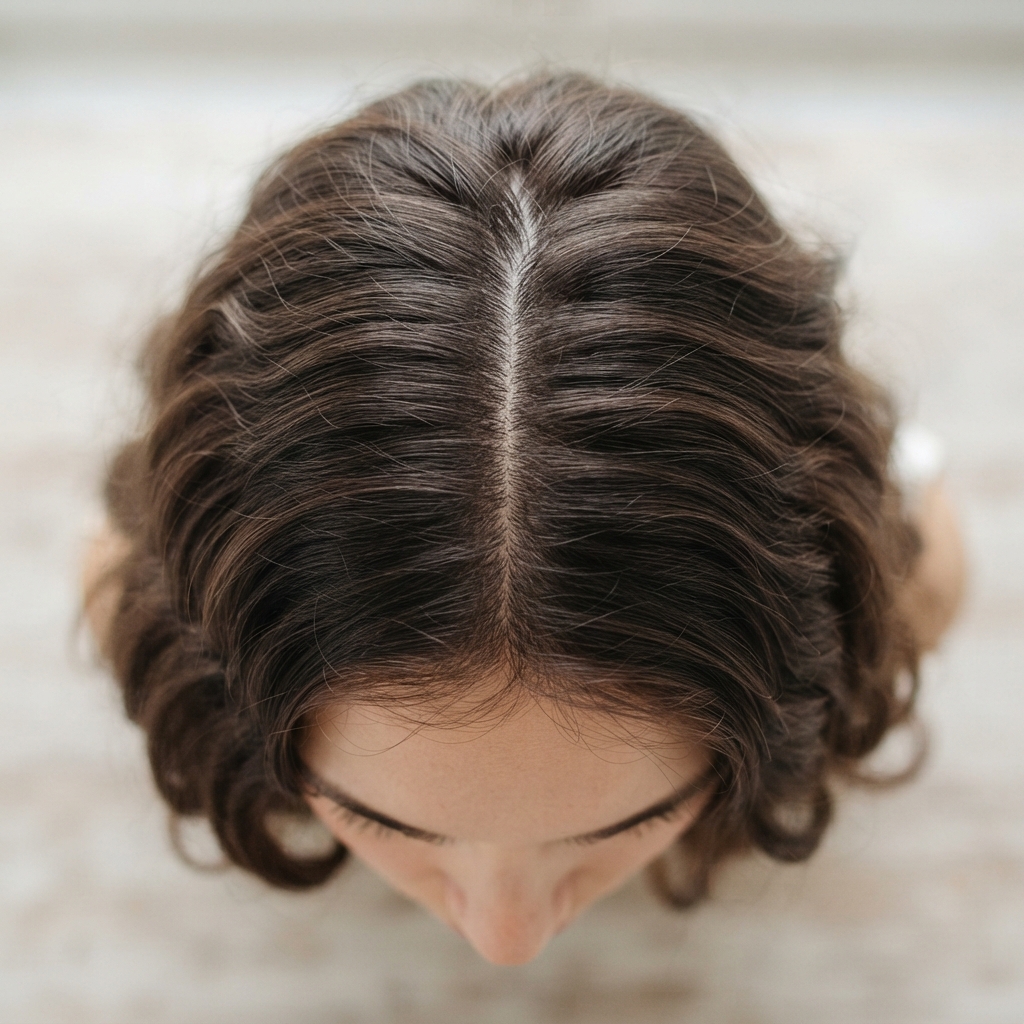
How often you clarify depends on your scalp, not your hair texture. Figure out which one you are:
- Oily scalp: greasy by end of day, buildup happens fast. Clarify weekly.
- Dry scalp: flakes and tightness. Clarify every two to three weeks, scalp only.
- Balanced: no drama either way. Every two weeks works.
- Curly or coily: less often, every three to four weeks, or when hair feels heavy.
Write it down. Guessing is how people over-strip their hair and wonder why it is suddenly straw.
Clarifying Shampoo vs. Regular Shampoo
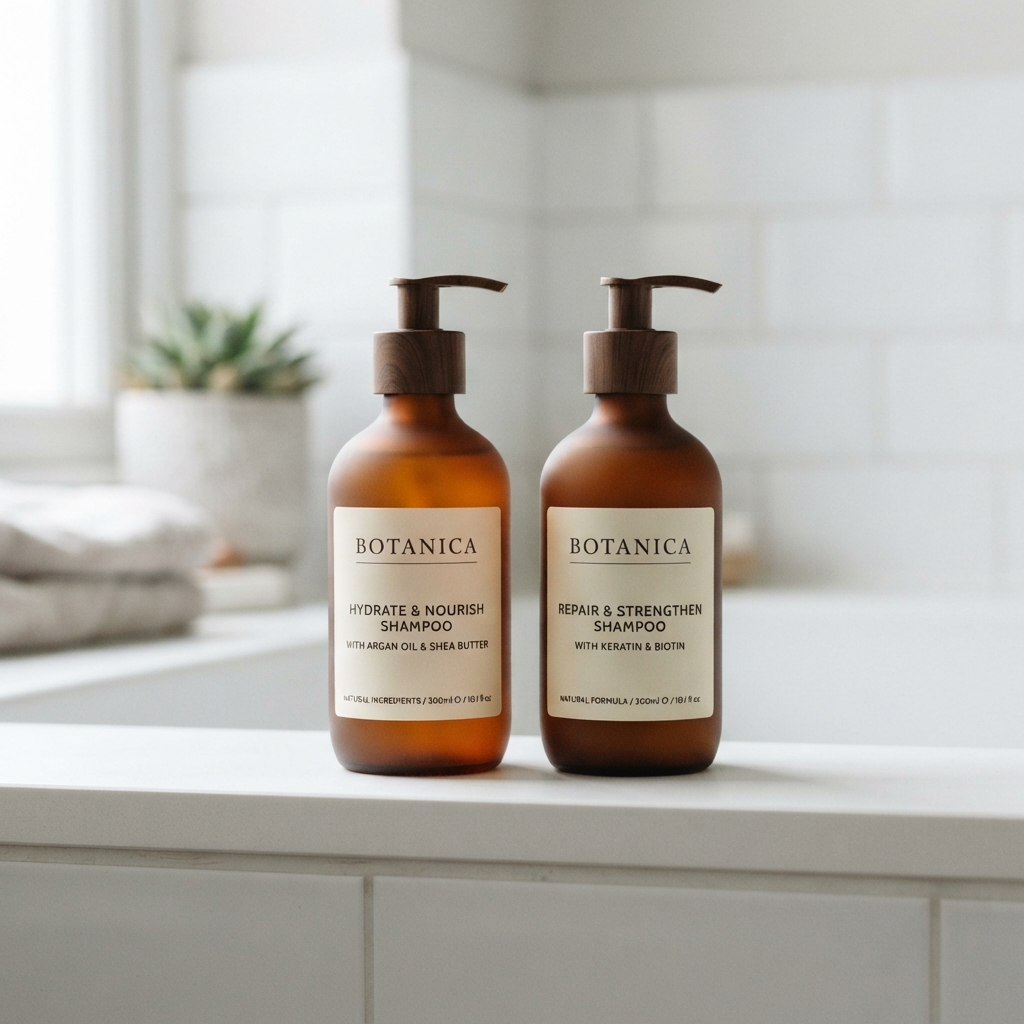
These are not the same thing, and switching between them is the whole game.
Regular shampoo is gentle. It cleans your scalp and hair while leaving some conditioning ingredients behind. It is built for frequent use.
Clarifying shampoo uses stronger surfactants and skips the heavy conditioners. It removes everything, including silicones and wax.
There is also a chelating shampoo, which is the next level up. It removes hard water minerals that normal shampoo cannot touch. If you live in a hard water area, keep one on hand.
The Double Cleanse Method

This is the single most effective change I made. Two washes, not one.
- Soak hair completely with warm water.
- First wash: a small amount of clarifying shampoo, scalp only, thirty seconds, rinse.
- Second wash: your regular shampoo, massage sixty seconds, then rinse for a full sixty to ninety seconds.
- Conditioner on mid-lengths and ends only.
The first wash lifts the gunk. The second wash actually cleans. Once you try it, you will feel the difference immediately.
How Often Should You Clarify?
Here is a simple cheat sheet based on your hair and habits:
- Fine or thin hair: every seven to ten days
- Medium texture: every two weeks
- Thick or coarse hair: every two to three weeks
- Curly or coily: every three to four weeks
- Daily dry shampoo user: weekly, no exceptions
- Swimmers or hard water: every one to two weeks with a chelating shampoo
Start on the less frequent end. You can always clarify more, but you cannot un-strip your hair.
The Apple Cider Vinegar Rinse
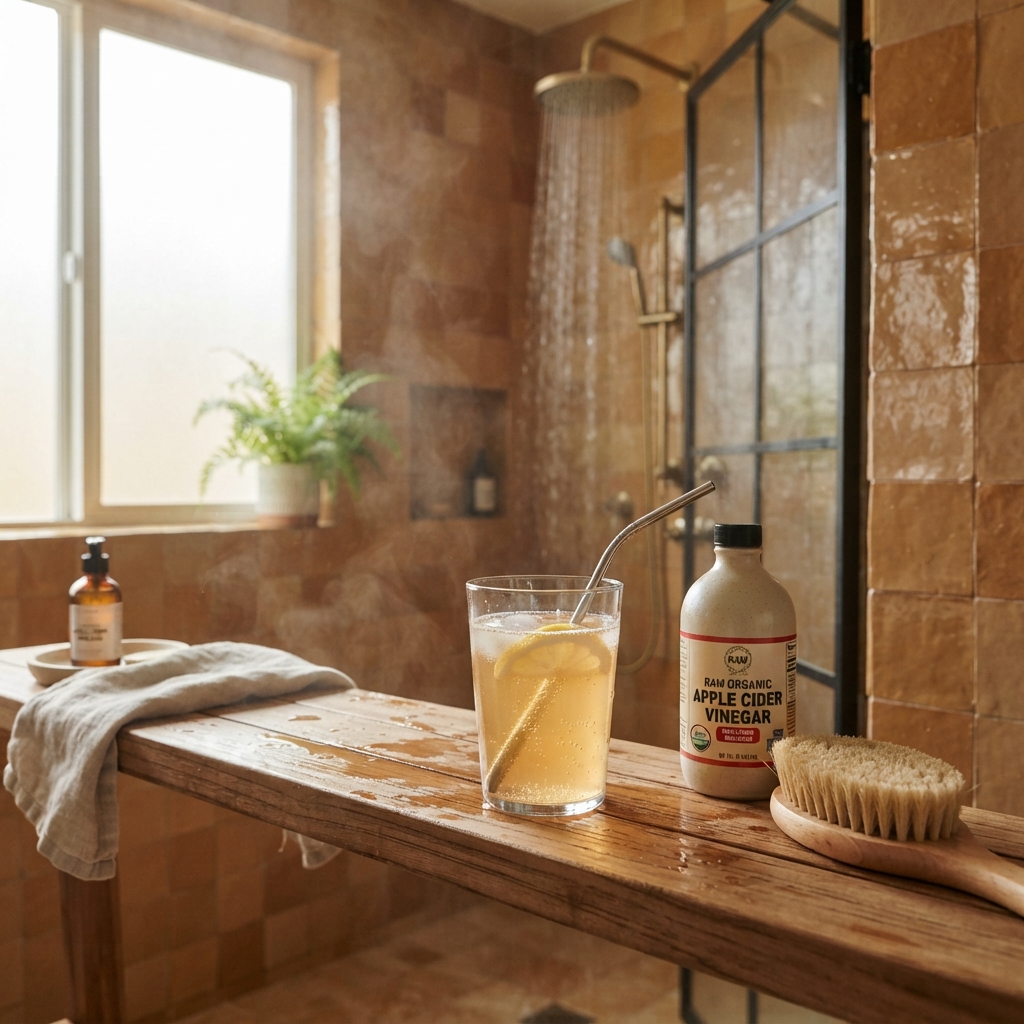
This is the classic at-home fix, and it works when you do it right.
Mix one tablespoon of raw apple cider vinegar with one cup of cool water. After shampoo and conditioner, pour it over your scalp, massage for thirty seconds, and rinse with cool water.
Do not leave it in. Do not do it more than once a week. And skip it entirely if your scalp is irritated, broken, or freshly colored. It helps seal the cuticle and removes light residue, but it is not a magic cure.
Skip the Baking Soda
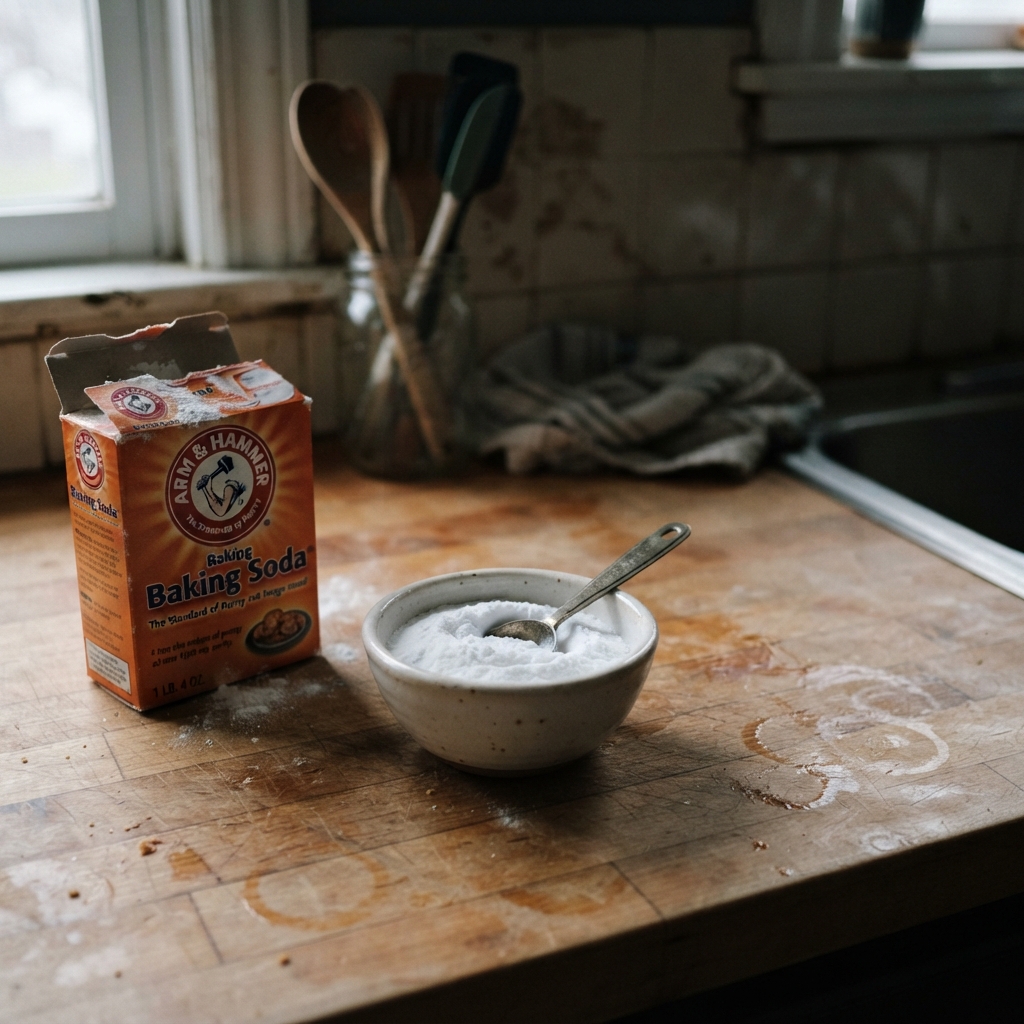
I know this one is everywhere online. I still would not make it a habit.
Baking soda has a pH that is way too high for your hair. It roughs up the cuticle, which means more tangles, more frizz, and more breakage over time. You might get one shiny wash and pay for it for weeks.
If you absolutely must, use it once every couple of months at most. Honestly, a good clarifying shampoo is safer, faster, and does a better job.
Scalp Scrubs That Actually Work
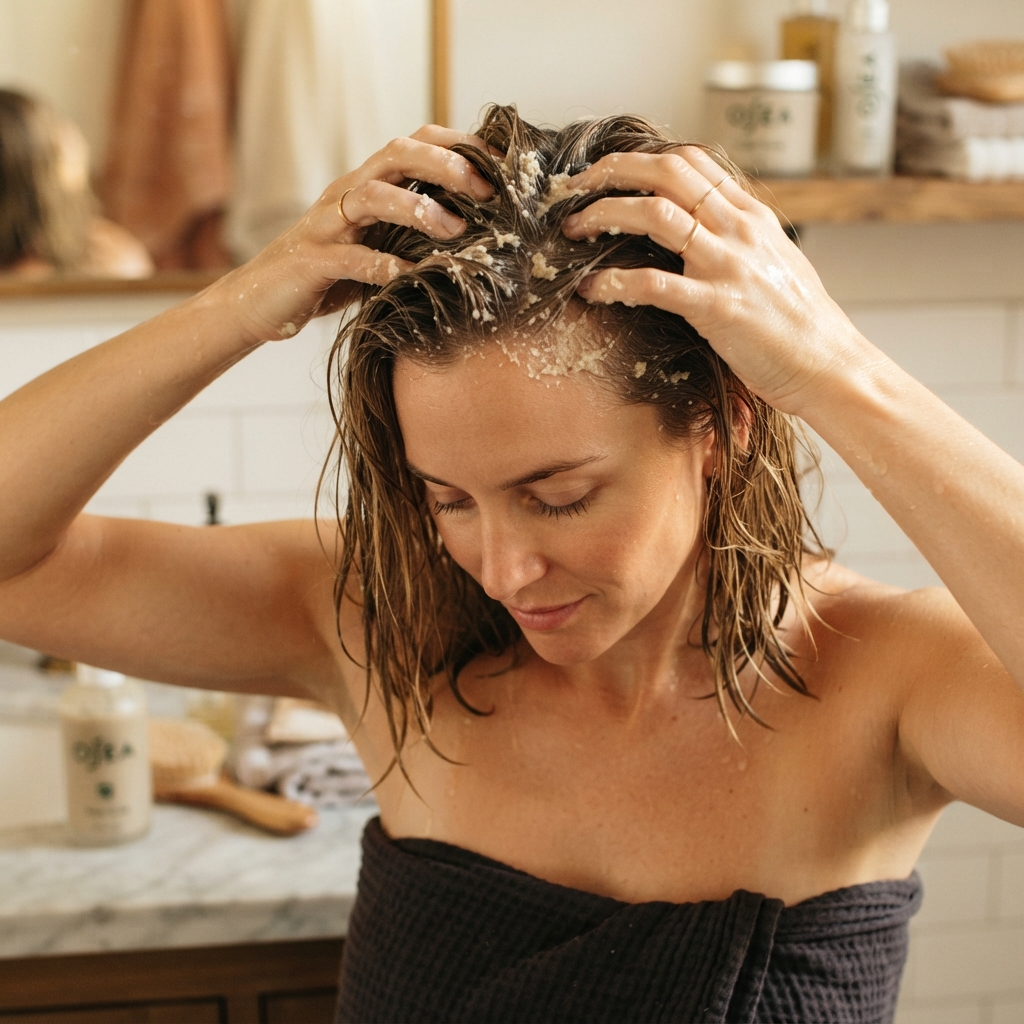
A scalp scrub physically lifts dead skin and product off your roots. It is satisfying and it genuinely helps.
Look for formulas with salicylic acid, glycolic acid, or gentle sugar and salt grains. Avoid harsh walnut shells, which can micro-tear your scalp.
Use it on a damp scalp before shampooing. Massage for two to three minutes with light pressure, then rinse and shampoo as usual. Skip it if you have cuts, active irritation, or a freshly treated scalp.
The 60-Second Scalp Massage
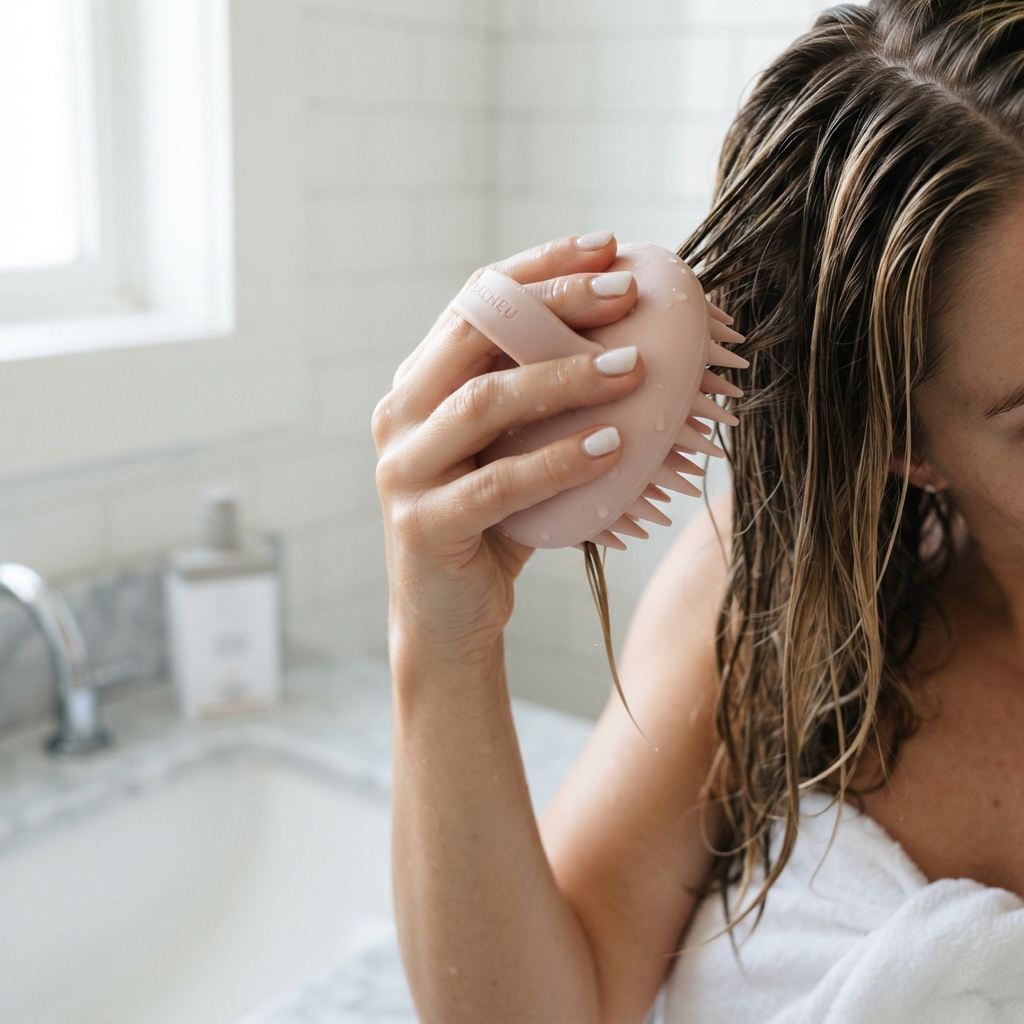
Free, fast, and weirdly relaxing. Do this on dry hair before you shower.
Use your fingertips or a silicone scalp brush. Press down and move in small circles across your whole scalp. Spend a full minute on it.
This loosens buildup, boosts circulation, and helps your shampoo do more work later. It also feels amazing after a long day. I do it while scrolling and call it self-care.
Clean Your Brushes and Tools
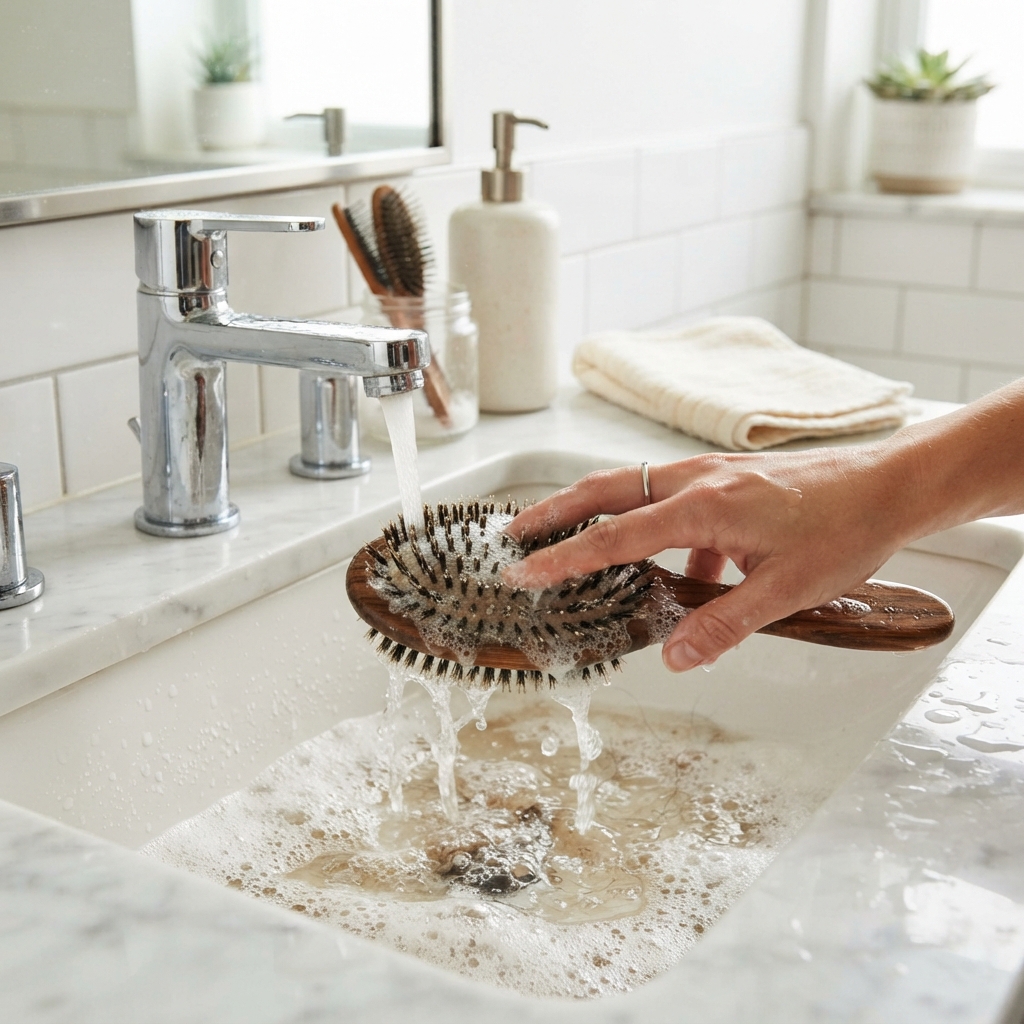
Your brush is transferring oil, product, and dust back into your freshly clean hair. Yes, really.
Once a week, pull the hair out of your brush and wash it with warm water and a drop of dish soap or shampoo. Let it air dry bristle-side down.
Once a month, soak brushes and combs in warm water with a splash of vinegar for twenty minutes. Also wipe down your flat iron, curling wand, and clips. Clean tools equal clean hair.
How Buildup Ruins Your 2026 Hairstyles

Every 2026 hairstyle trend depends on one thing: hair that is clean and light.
Quiet luxury bob needs shine. Old money hair needs bounce. Glitchy glam needs strands that separate on purpose. The asymmetrical lob needs swing and movement.
Buildup kills all of it. Coated hair cannot reflect light, hold shape, or move. You can have the perfect cut and still look flat because the product is doing the talking.
Buildup and the Quiet Luxury Bob

This cut is about polish. Smooth, glossy, healthy, and quietly expensive. There should be no visible product on the hair at all.
If your hair is coated, the bob reads greasy instead of luxurious. That is the opposite of old money hair, which is all about effortless shine.
Clarify first, then use a lightweight serum on your ends only. Blow dry with a round brush. Skip the heavy creams and pomades entirely.
Buildup and the Asymmetrical Lob

The asymmetrical lob only works if the hair can move. That is the whole point of the shape.
When buildup weighs hair down, the asymmetry disappears and it just looks like a grown-out cut. The swing is gone and the style falls flat.
Clarify before styling days. Use a light mousse at the roots instead of a cream. Point-cut ends need clean, airy strands to do their thing.
Buildup and the Hime Cut

The hime cut is sleek, blunt, and precise. Straight side pieces, blunt bangs, long length in the back. It is striking and it does not forgive messiness.
Buildup makes those straight pieces look stringy and piecey in the wrong way. The blunt lines get blurry. It looks unwashed instead of intentional.
Clarify, then smooth with one drop of lightweight oil on the ends. Flat iron on low heat. Less product is always more here.
Buildup and Romantic Goth Hairstyles

Romantic goth hairstyles and the vampire haircut live on texture and body. Soft waves, volume at the crown, a little drama around the face.
Buildup flattens all of that. Volume cannot happen on roots that are coated and oily.
Clarify, then use a texturizing spray or sea salt spray at the roots. Skip heavy pomade and thick creams. You want airy texture, not weight.
Buildup and Glitchy Glam Hair

Glitchy glam hair is piecey, separated, and deliberately wet-looking. Gel, shine spray, sculpted strands.
Here is the irony. This look fails on dirty hair. You need a completely clean base so the gel does the work, not your scalp oil.
Clarify, then apply gel to damp hair, scrunch, and air dry or diffuse. The texture will hold all day instead of turning greasy by noon.
Deep Condition Without the Weight
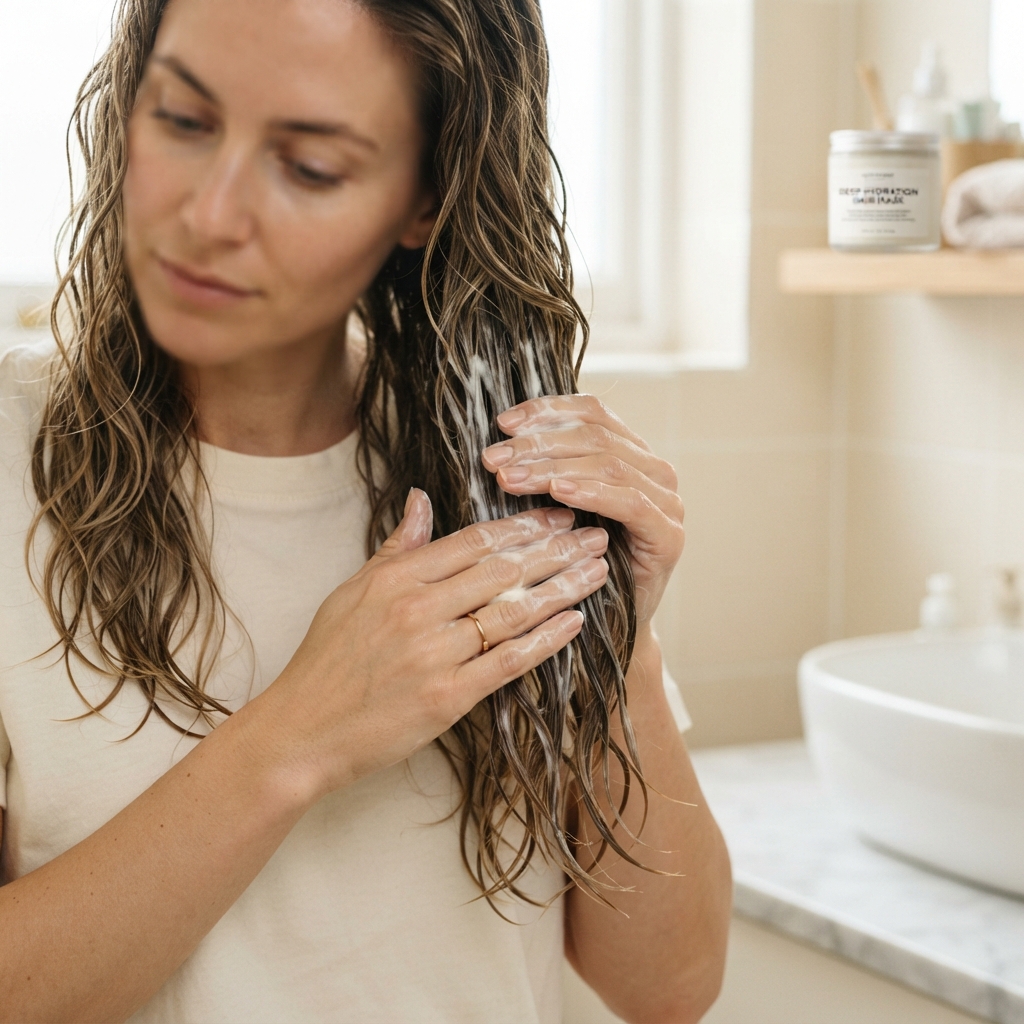
Deep conditioners are heavy by design. That is what makes them work. But placement matters more than the product.
Apply from mid-lengths to ends only. Never on your scalp. Leave it for ten to twenty minutes, then rinse with cool water to seal the cuticle.
Once a week is plenty for dry hair. Every two weeks is better for fine hair. And always deep condition after clarifying, because your strands will actually absorb it.
Choose Products That Do Not Cause Buildup
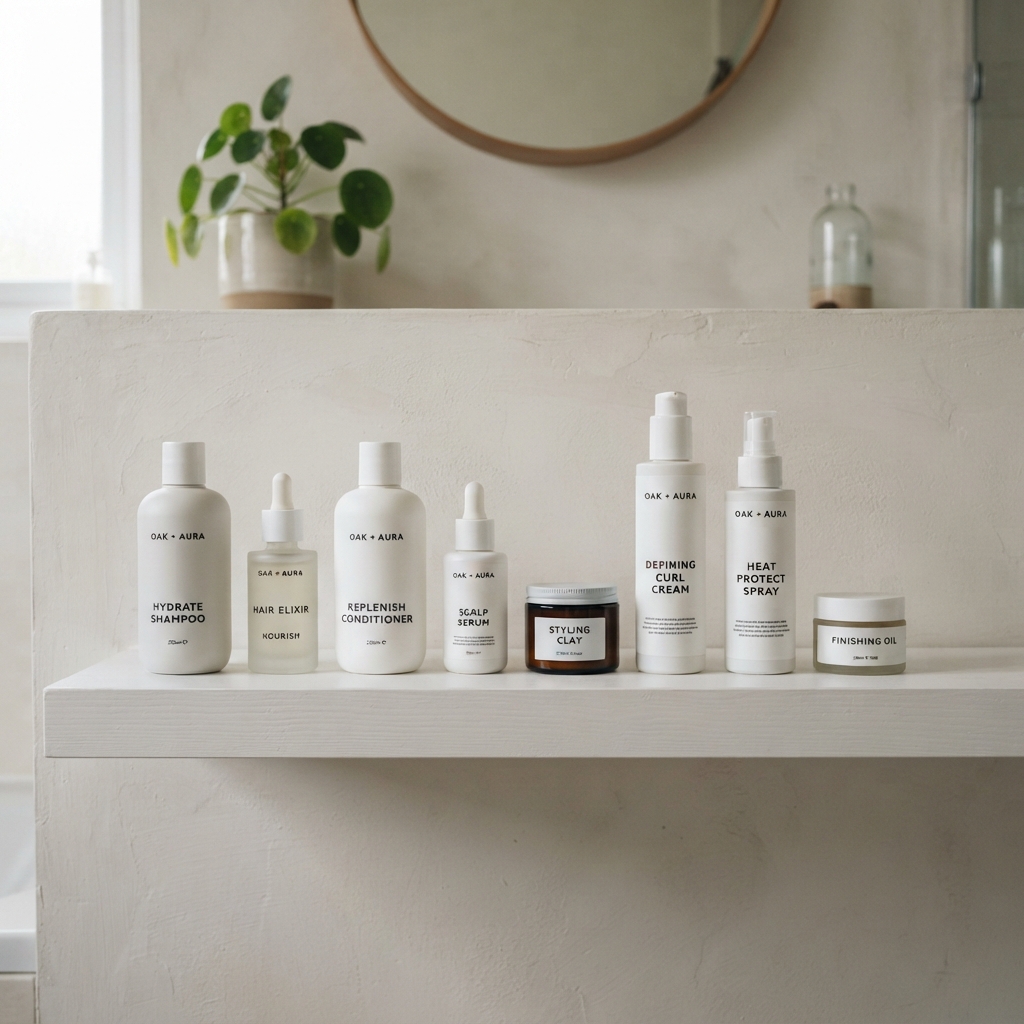
What you put in matters as much as how you wash it out.
Look for water-soluble ingredients and lightweight formulas. Silicones that start with PEG are water-soluble and rinse clean. Squalane and light oils are great choices.
Avoid heavy waxes, mineral oil, and dimethicone at the top of the ingredient list. Skip thick butters on fine hair. And remember, most people need two or three products max, not seven.
Your Water Might Be the Problem
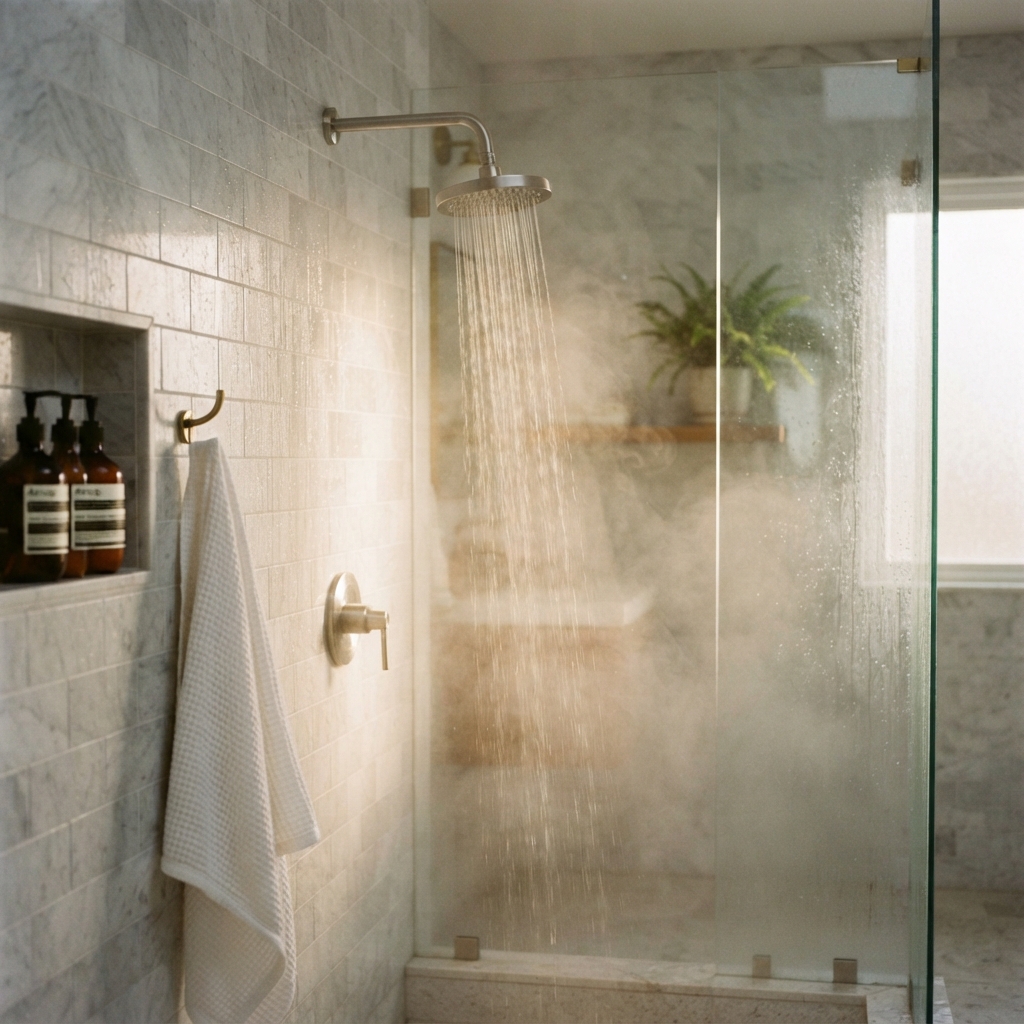
Hard water leaves calcium and magnesium behind on your hair. That is mineral buildup, and regular shampoo will not remove it.
Signs include a filmy feel, dullness that no shampoo fixes, and white spots on your faucets. If that sounds familiar, it is not you. It is your water.
Fix it with a filtered showerhead, a chelating shampoo once a month, or a final rinse with distilled water. This one change alone can transform how your hair feels.
Your Keep-It-Gone Maintenance Routine
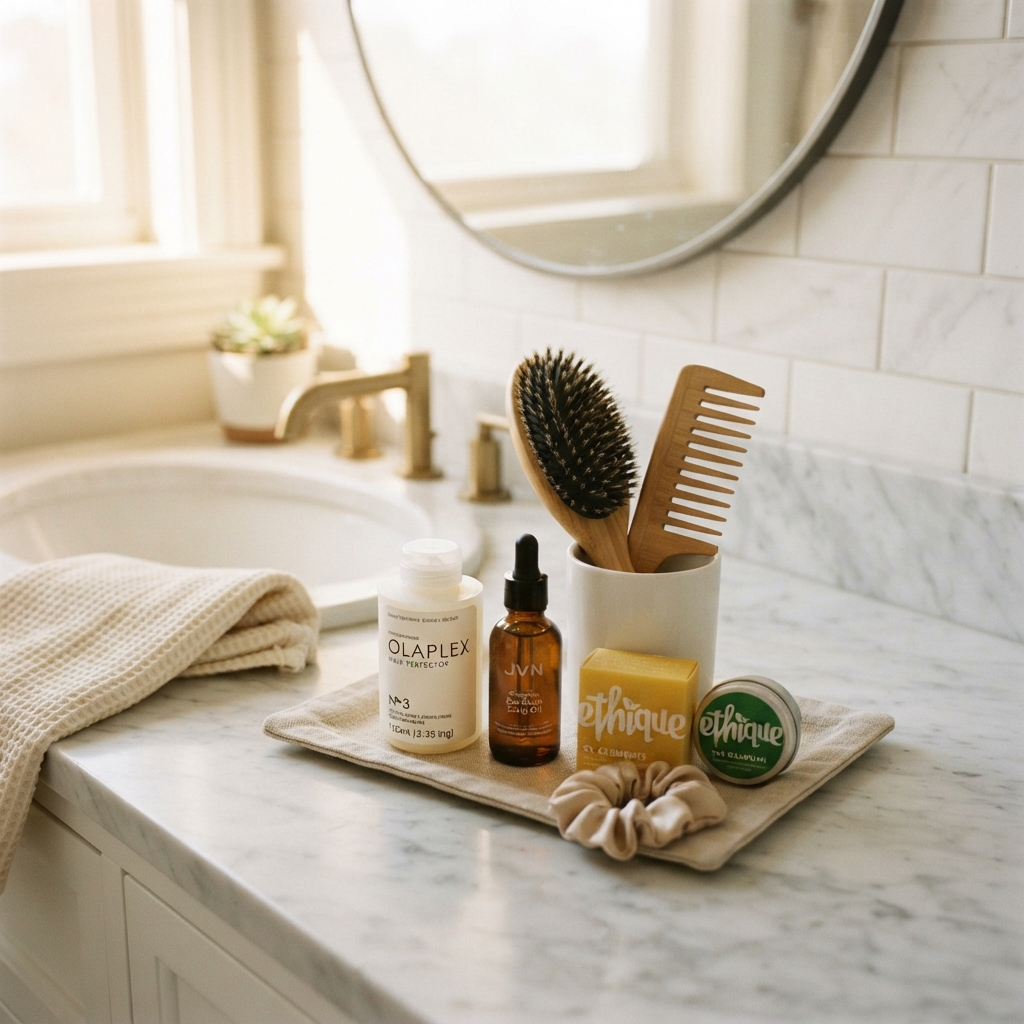
Once you clear the buildup, this is how you keep it gone for good.
- Daily: cap products at two or three, and focus them on mid-lengths and ends
- Weekly: sixty-second scalp massage, clean your brushes
- Every 7 to 14 days: double cleanse with a clarifying shampoo
- Monthly: chelating wash if you have hard water, deep clean your tools
- Always: rinse longer than you think you need to
That is it. Simple, cheap, and it works.
One Last Thing Before You Go
If your hair has felt heavy, dull, or impossible to style, please hear this. You probably do not need a new cut, a new color, or an expensive treatment.
You just need to strip it back and start fresh. Clarify, double cleanse, rinse longer, and use less. That is genuinely the whole fix.
Give it two weeks and you will notice the difference in shine, volume, and how your styles hold. Your quiet luxury bob, your hime cut, your glitchy glam look, all of it gets better on a clean base.
Save this post to Pinterest so you can find it the next time your hair feels coated and you cannot figure out why.
And tell me in the comments: what is the one product you cannot seem to quit? I will go first. Mine is dry shampoo, and I am working on it.

