

Hey, friend. If you’re reading this while staring at a shower drain full of hair, take a deep breath. I’ve been there, and I promise you are not going bald.
Postpartum hair loss is one of those things nobody warns you about properly. Everyone talks about the newborn snuggles and the sleepless nights, but the shedding? That hits different.
Here’s the good news: it’s temporary, it’s normal, and there are real ways to cope. I’m breaking down exactly what to expect, when it starts, when it stops, and how to feel like yourself again while you wait it out.
Let’s get through this together.
Why Does Postpartum Hair Loss Happen?
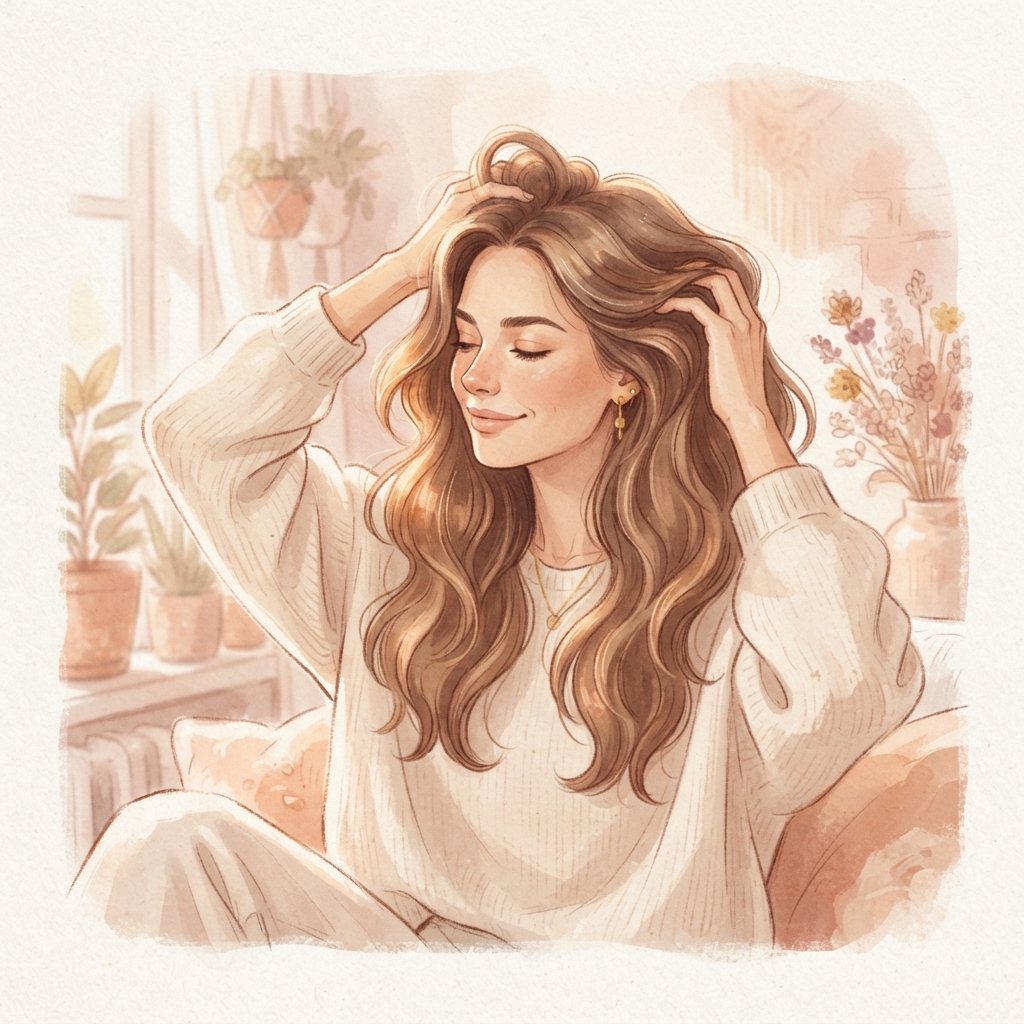
During pregnancy, your estrogen levels skyrocket. That keeps your hair in the “growing” phase way longer than usual. That’s why your hair looked so thick and shiny for nine months.
Once you give birth, hormones drop fast. All that hair that was hanging out in the growth phase suddenly shifts to the shedding phase at the same time.
It’s not random. It’s science. Your body is just resetting itself.
When Does It Usually Start?

Most women notice shedding around three months after delivery. Some start a little earlier, around two months. Others don’t see it until four or five months.
If you’re right in that window and your brush is looking scary, you’re exactly on schedule.
- Month 1 to 2: Usually quiet
- Month 3: The peak shedding begins
- Month 4 to 6: Shedding starts slowing down
Every body is different, so don’t panic if your timeline looks a little off.
How Long Does Postpartum Shedding Last?

The heavy shedding usually lasts somewhere between three and six months. After that, it tapers off.
By the time your baby is around one year old, most women see their hair back to its normal thickness. Some notice regrowth even sooner.
The key is patience. I know, I know. That’s the hardest part.
Is It Really Hair Loss or Just Shedding?
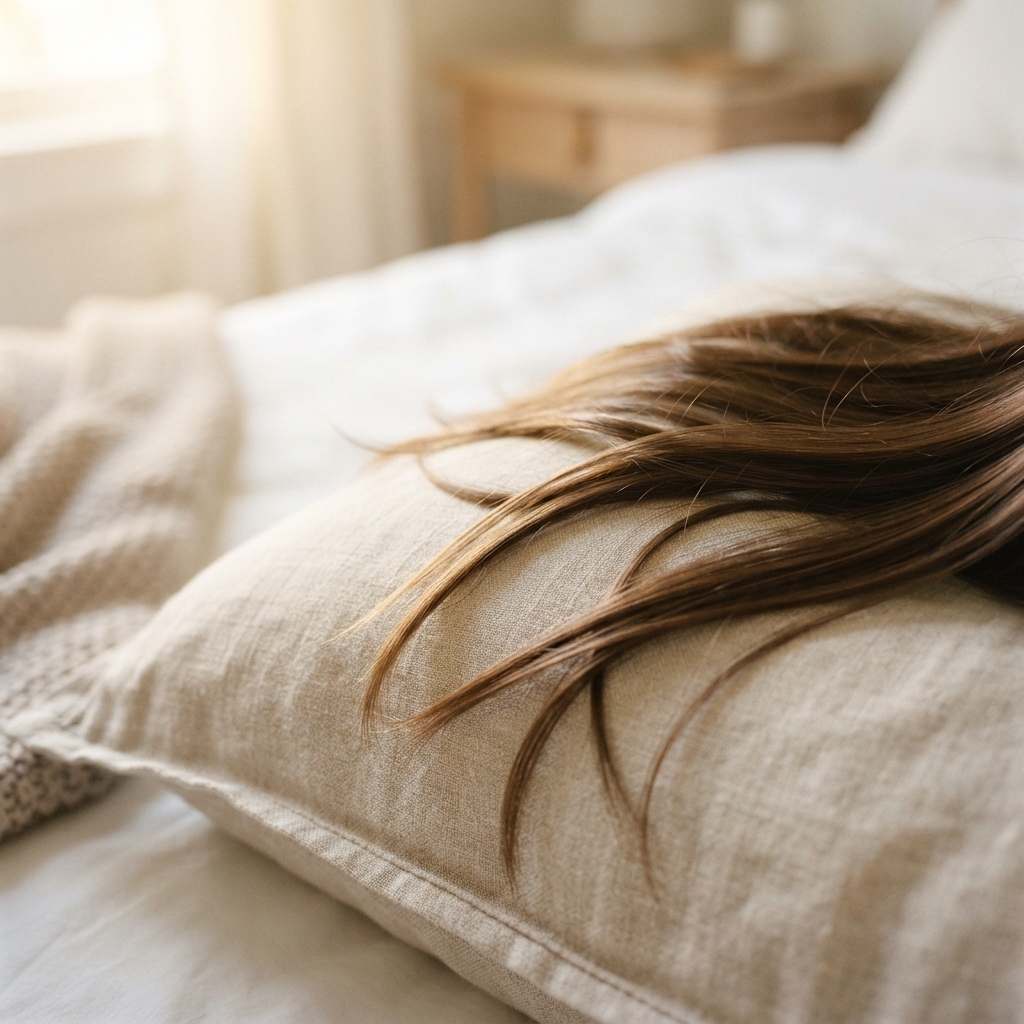
Technically, it’s shedding, not permanent loss. The hair follicles aren’t damaged. They’re just releasing hair that was hanging around too long.
That means your hair will grow back. This isn’t the same as genetic hair loss or thinning from a medical condition.
If you’re ever unsure, talk to your doctor. But for most of us, this is a temporary phase.
Will My Hair Grow Back the Same?
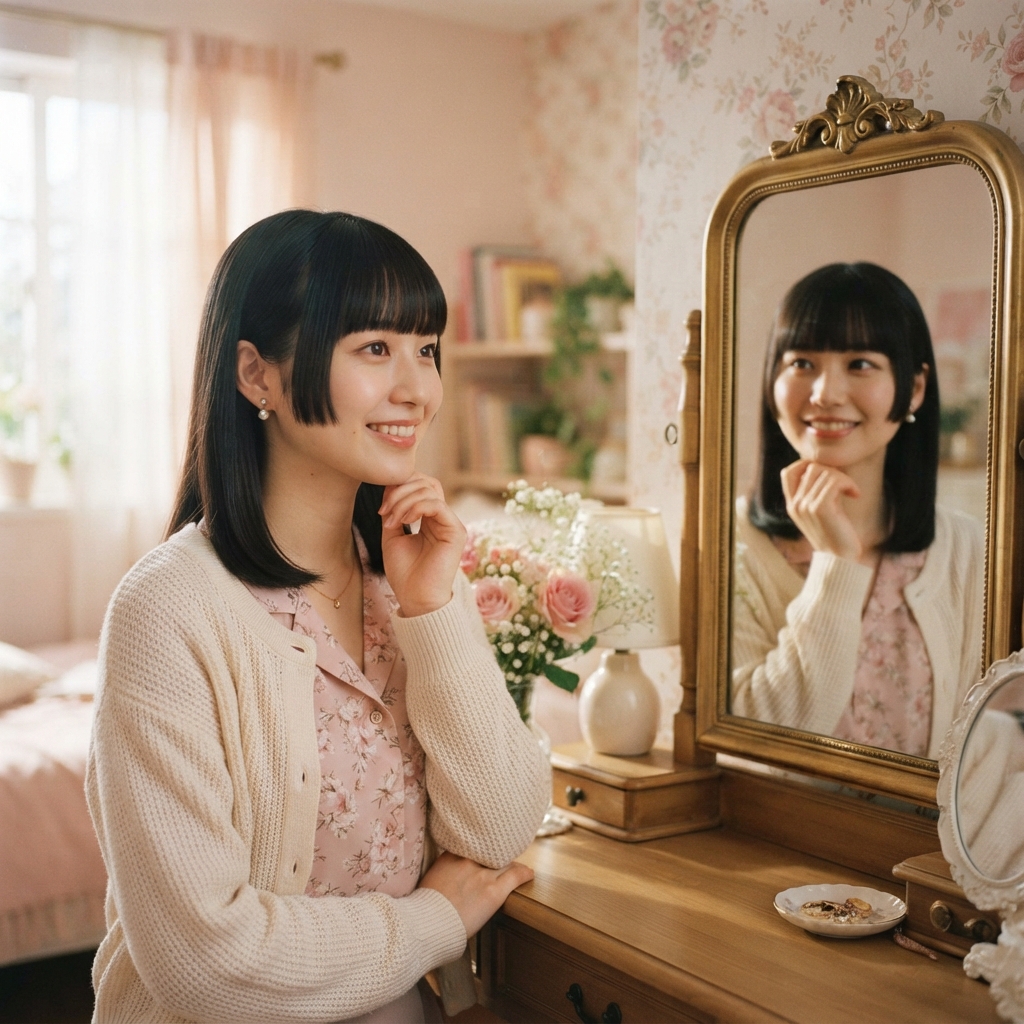
Yes, for most women. Your hair should return to its pre-pregnancy texture and thickness.
That said, some moms notice their hair feels different after. Maybe it’s a little wavier, a little drier, or grows back in a slightly different texture.
Hormones do wild things. But the volume? It comes back. Give it time.
Why Do I Have Baby Hairs Everywhere?
Those little wispy hairs around your hairline and temples? That’s regrowth. It’s actually a great sign.
It means your follicles are waking up and doing their job again. The hair is just too short to blend in yet.
It looks a little awkward for a few months, but it’s proof that things are healing.
Does Breastfeeding Make It Worse?
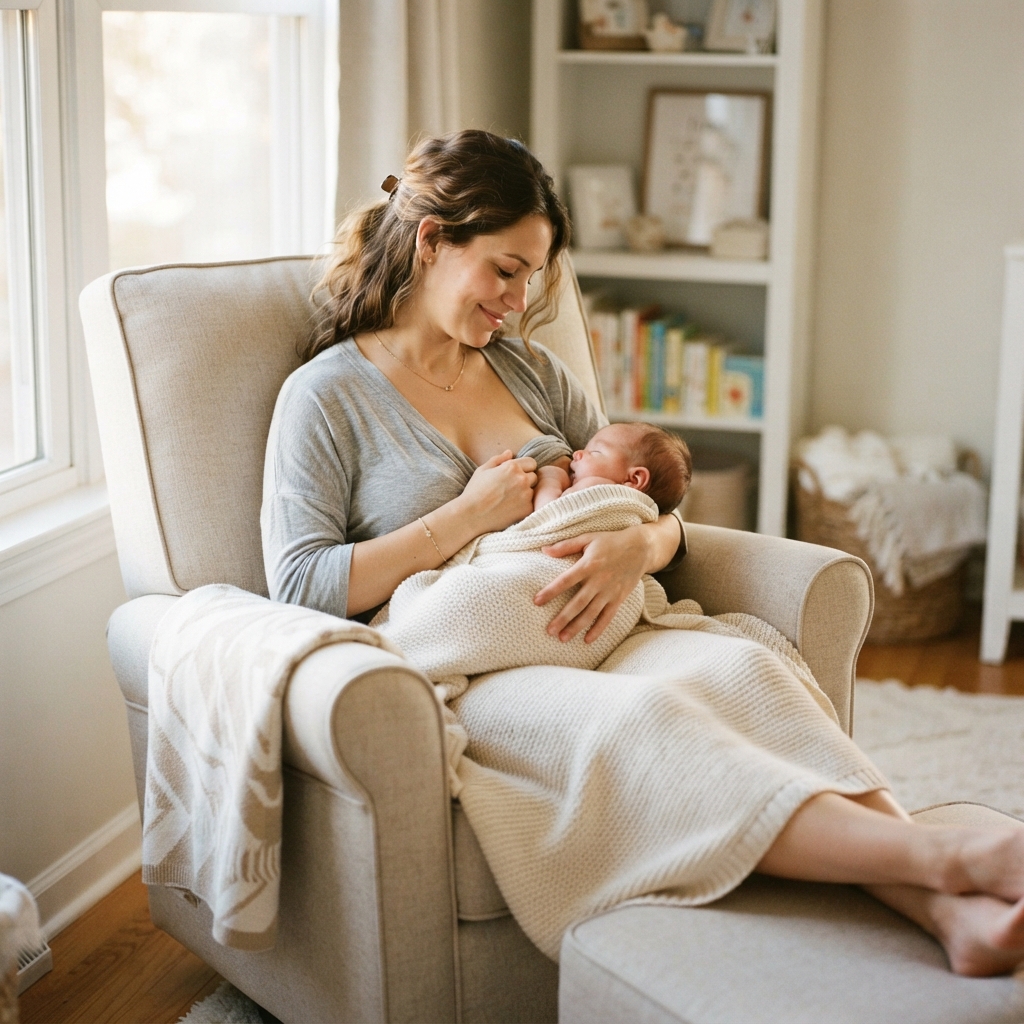
Not exactly. Breastfeeding doesn’t cause the shedding, but it can sometimes extend the timeline.
When you wean, your hormones shift again, and you might notice a second round of shedding. That’s totally normal.
It’s not a reason to stop breastfeeding if you don’t want to. It’s just something to be aware of.
Can I Prevent Postpartum Hair Loss?
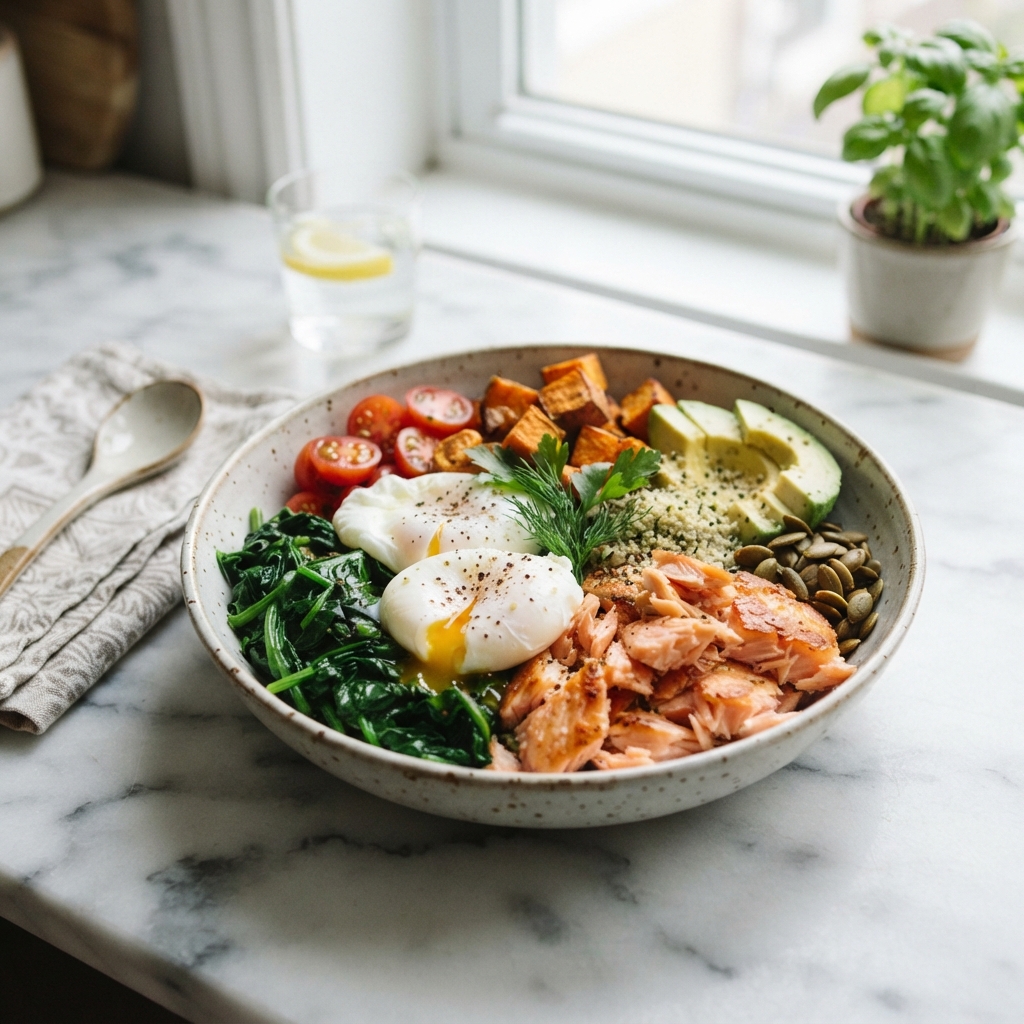
You can’t fully prevent it. It’s a hormonal process. But you can support your hair’s health while it happens.
Focus on eating well, staying hydrated, and managing stress where you can. Your body is doing a lot right now.
- Eat enough protein
- Take a postnatal vitamin
- Drink more water than you think you need
- Sleep when you can
What Vitamins Actually Help?
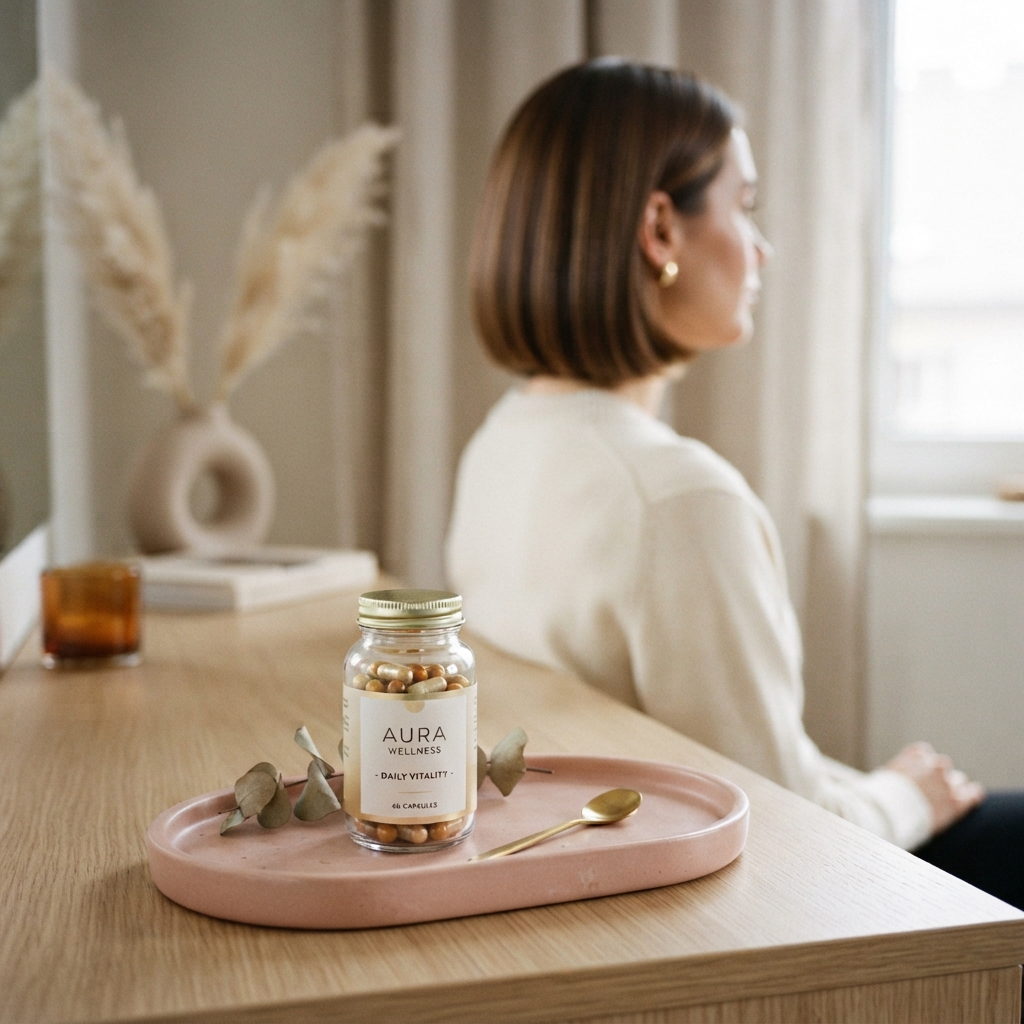
Biotin, iron, zinc, and vitamin D are the big ones for hair health. But don’t just grab random supplements.
Ask your doctor to check your levels first. Postpartum iron deficiency is super common and can make shedding worse.
A good postnatal vitamin is usually enough. More isn’t always better.
Should I Try Minoxidil?
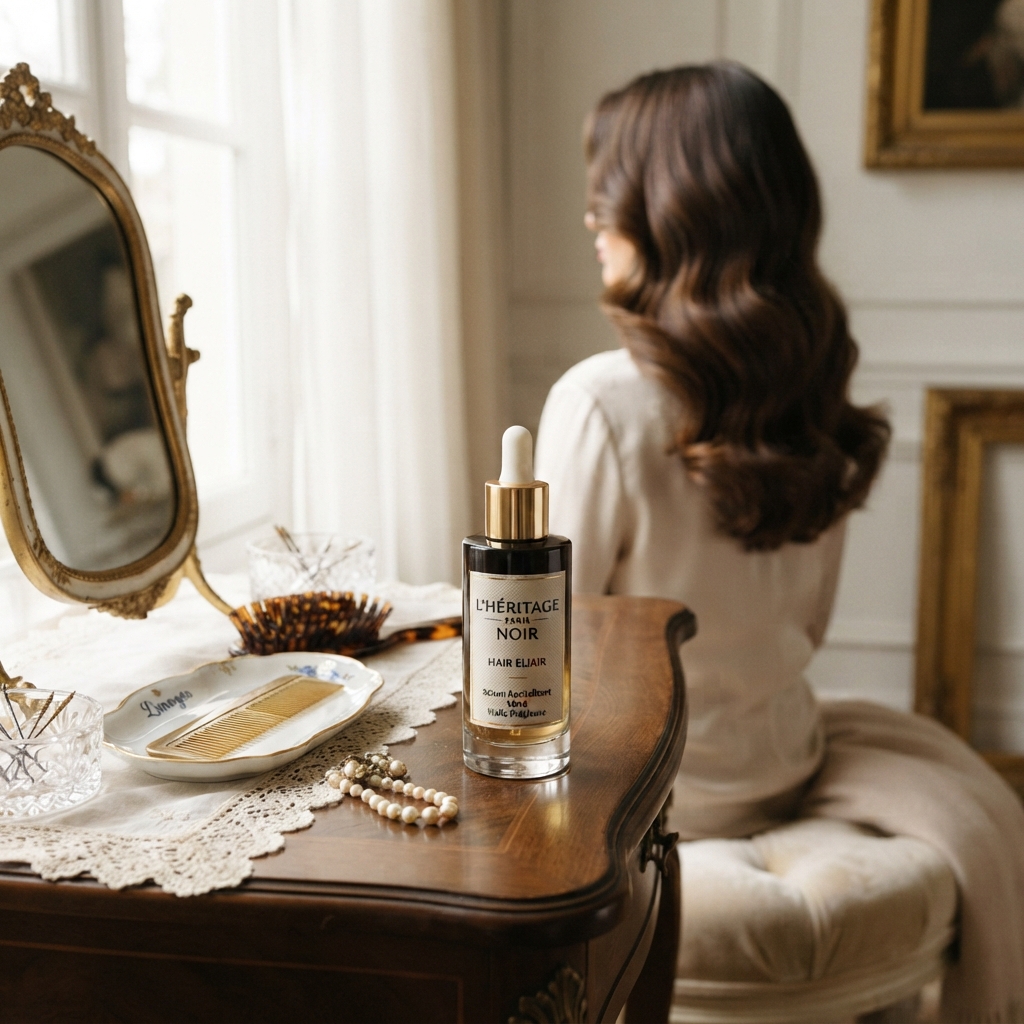
Minoxidil can help, but it’s not usually the first recommendation for postpartum shedding. That’s because the shedding is temporary anyway.
If you’re breastfeeding, talk to your doctor before using it. It’s not always recommended during that time.
For most moms, waiting it out is the safest and simplest approach.
How to Style Thinning Hair Without Stress

This is where you can have some fun. A few smart styling tricks can make a huge difference.
Volume is your friend. So are styles that distract from thinning areas.
- Try a soft asymmetrical lob for movement
- Add texture with a little dry shampoo at the roots
- Use a wide-tooth comb instead of a brush
- Skip tight ponytails that pull on your hairline
Best Haircuts for Postpartum Thinning

A good haircut can be a game changer. It won’t stop the shedding, but it can make your hair look fuller and feel more manageable.
Shorter styles often work well because they add volume and hide uneven growth.
- Quiet luxury bob: polished and full-looking
- Asymmetrical lob: modern and forgiving
- Textured layers: add movement and bounce
- Hime cut: structured and stylish
Talk to your stylist about what works for your face shape and hair type.
What About 2026 Hairstyles?

If you want to lean into trends while you wait for regrowth, 2026 hairstyles are actually pretty forgiving.
Soft, natural textures are in. So are low-maintenance cuts that look intentional even on messy days.
- Glitchy glam hair with subtle highlights
- Romantic goth hairstyles with soft waves
- Vampire haircut with blunt edges
- Old money hair with smooth, sleek finishes
Pick something that makes you feel good. That’s the real rule.
How to Hide Thinning at the Crown

The crown is a common spot for postpartum thinning. It can feel really noticeable, but it’s easy to work around.
Change your part. Add volume at the roots. Use a little tinted dry shampoo or root cover-up if you want extra coverage.
These little tricks take two minutes and make a big difference.
Scalp Care Tips That Actually Help

A healthy scalp supports healthy hair growth. This is a great time to be gentle and consistent.
- Massage your scalp for a few minutes daily
- Use a gentle, sulfate-free shampoo
- Don’t scratch or pick at your scalp
- Avoid harsh chemical treatments for now
Think of it as self-care, not just hair care.
Does Stress Make It Worse?

Stress can absolutely affect hair shedding. And let’s be honest, new motherhood is stressful.
You can’t eliminate stress, but you can manage it. Small moments of calm add up.
- Take five deep breaths when you can
- Step outside for fresh air
- Ask for help when you need it
- Lower your standards for “perfect”
When to Talk to Your Doctor
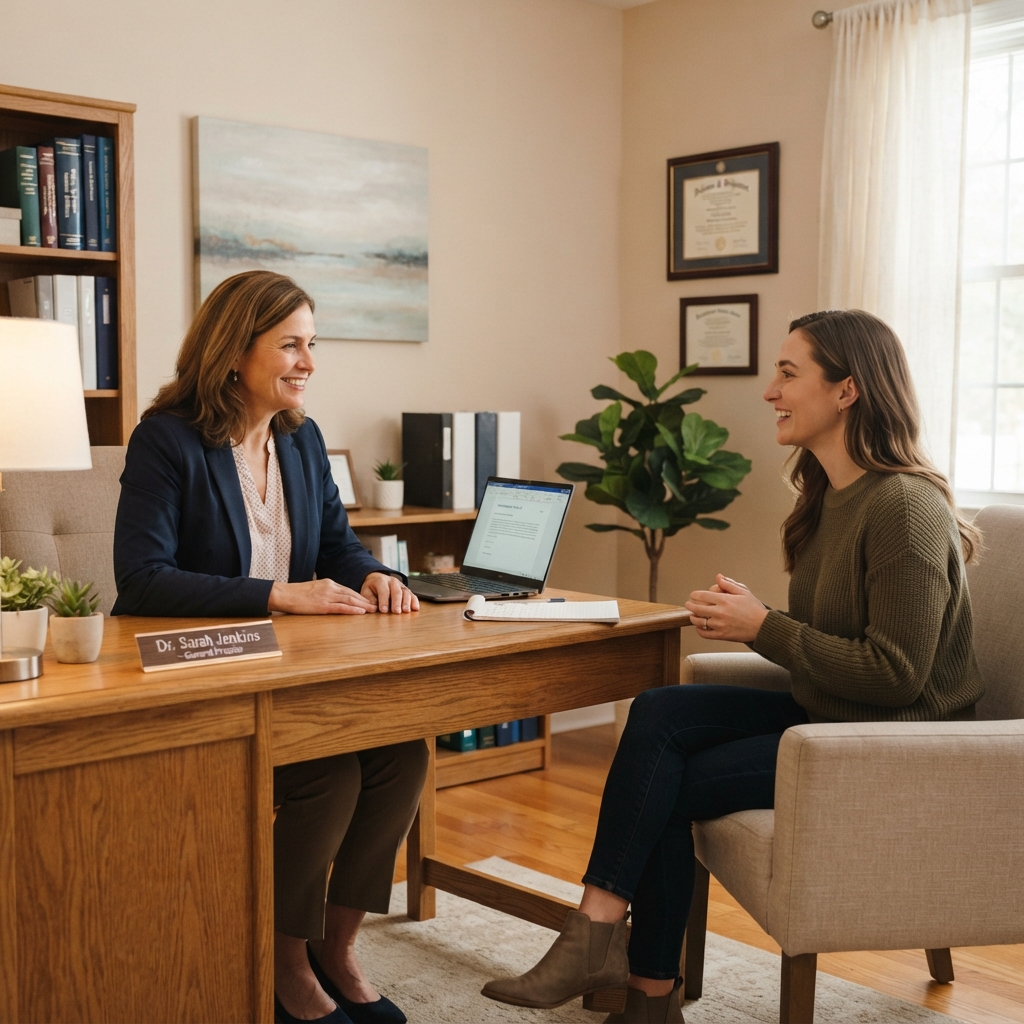
Postpartum shedding is normal. But there are times when you should check in with your doctor.
- Shedding lasts longer than a year
- You notice bald patches
- Your scalp is itchy, painful, or inflamed
- You have other symptoms like fatigue or dizziness
Trust your gut. If something feels off, get it checked.
How to Feel Confident While You Wait

This phase is temporary, but it can still mess with your confidence. That’s real, and it’s okay.
Find styles that make you feel good. Lean into accessories. Remember that you just grew a human.
Your worth is not measured by how much hair is on your head.
Products That Are Worth Trying
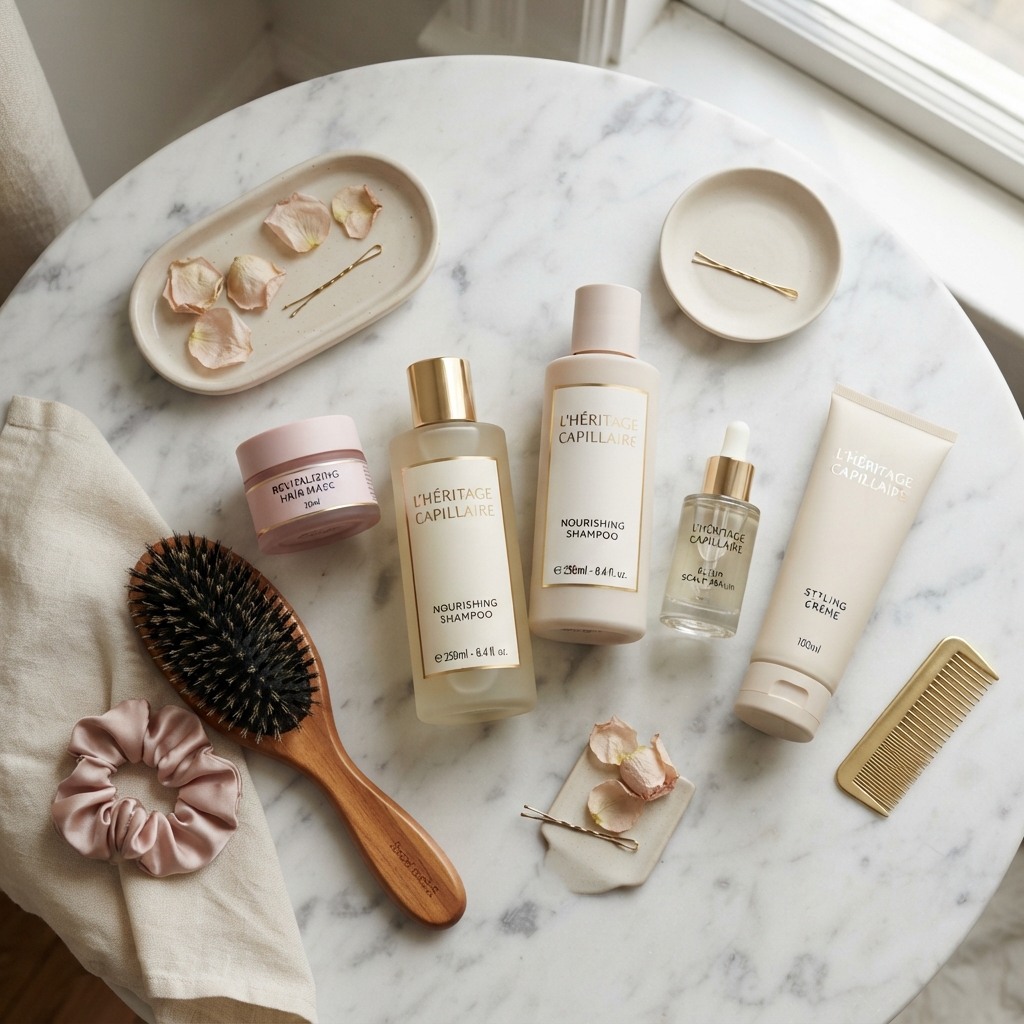
You don’t need a cabinet full of products. A few good ones can make a difference.
- Volumizing shampoo and conditioner
- Root lift spray or mousse
- Dry shampoo for body and texture
- Wide-tooth comb
- Silk pillowcase to reduce breakage
Keep it simple. Your hair is healing.
Real Talk: It Gets Better
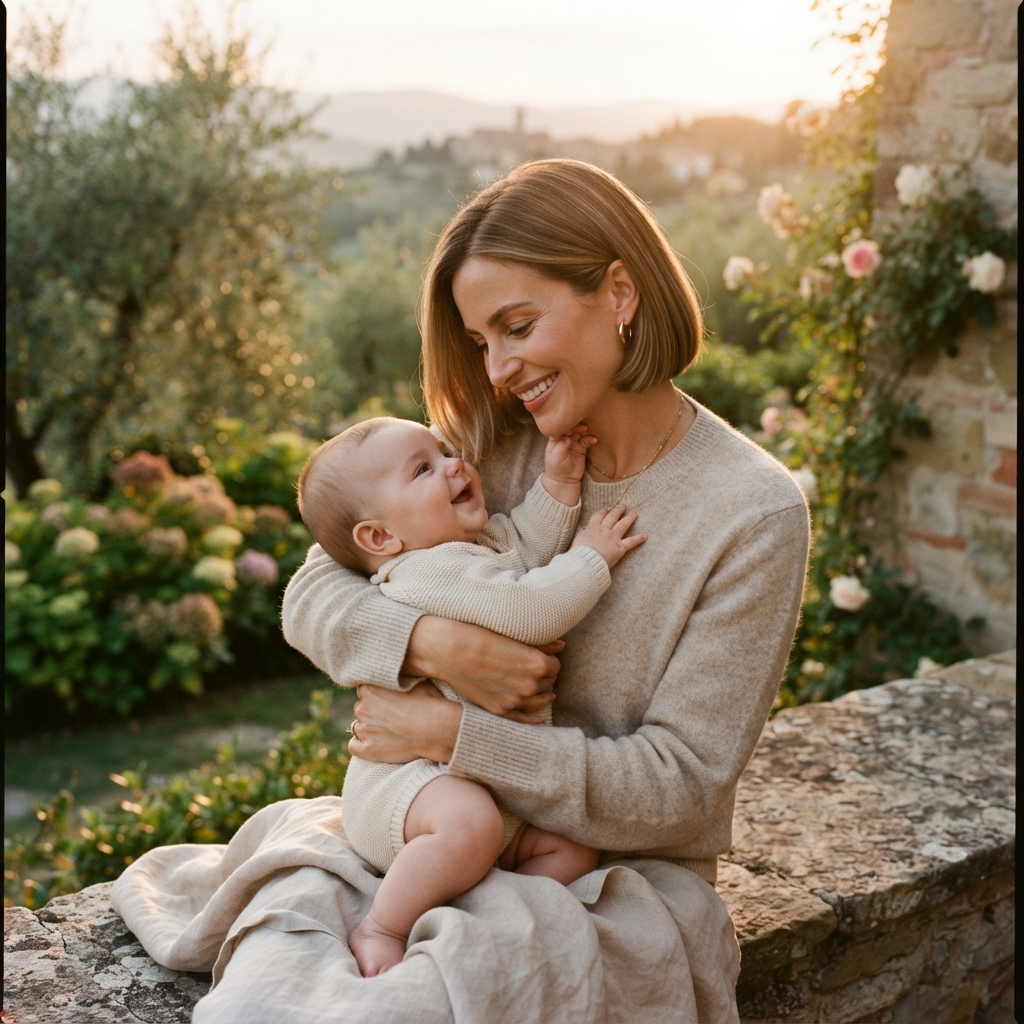
I know it feels like it’ll never end. But it does. One day you’ll notice the shedding has slowed, and then stopped.
Then you’ll see those little baby hairs growing in, and you’ll feel a tiny bit of hope.
You’re doing great. Your hair is coming back. And you’re stronger than you think.
A Few More Hairstyle Ideas to Try
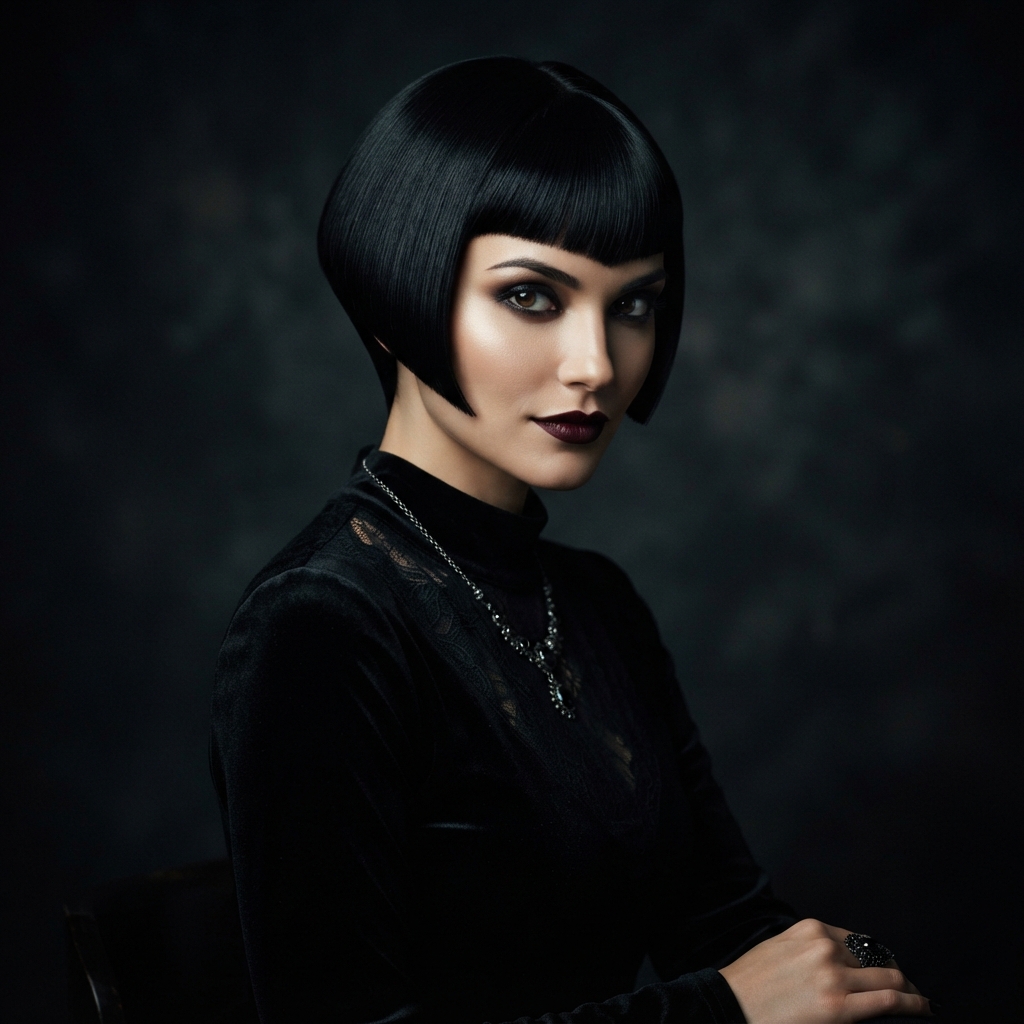
If you’re in the mood to experiment, here are a few more ideas that work beautifully with thinning or regrowing hair.
- Claw clip updos for easy volume
- Soft waves with a curling wand
- Low buns with face-framing pieces
- Half-up styles to hide thinning at the crown
- Headbands and scarves for a stylish cover
Have fun with it. Hair grows back. Style is forever.
Final Thoughts from Hailey
Friend, this phase is hard. But it’s not forever. Your body did something incredible, and now it’s just recalibrating.
Be gentle with yourself. Eat well. Rest when you can. Try a new haircut if it makes you feel good. And remember that those baby hairs are a sign of growth, not loss.
You’ve got this. And I’m right here with you.
Save this post to Pinterest so you can come back to it on a tough day. And drop a comment below: what’s been the hardest part of postpartum hair loss for you? I read every single one.

