

I’ve been watching hair color shift for years, and this season something finally clicked. The icy platinum that owned every mood board since 2021 is quietly stepping aside. In its place? Warm natural blondes like butter and wheat.
I noticed it first in my own feed. Then three friends in one week asked their colorists for “the blonde that looks expensive and soft.” That’s the whole vibe in five words: expensive and soft.
So today I’m breaking down why warm blondes are winning, who they flatter most, and exactly how to ask for one without walking out orange. No salon jargon, I promise.
Give me five minutes and you’ll know what to say at your next appointment. Let’s get into it.
Why Icy Platinum Is Starting to Feel Tired
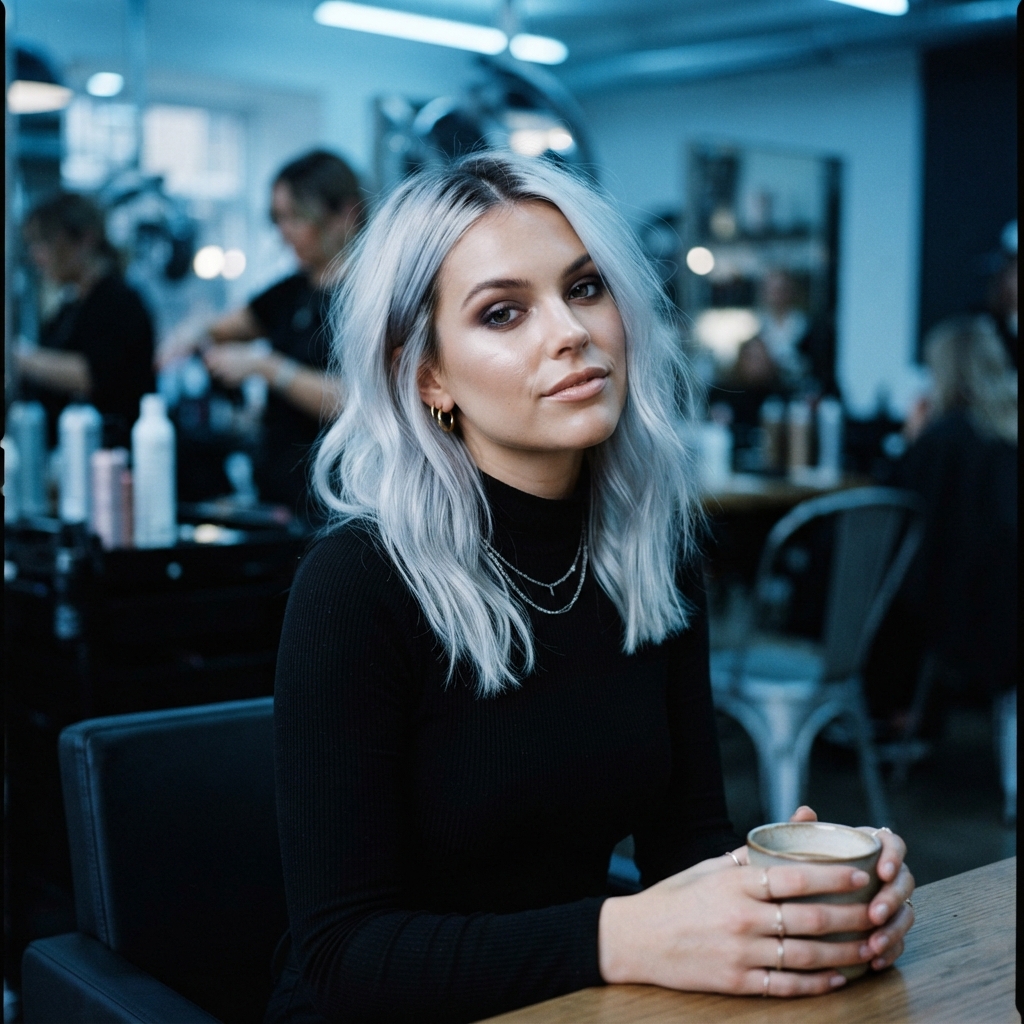
Platinum had a great run. It was bold, it looked expensive, and for a while it was everywhere. But nobody warns you how much work it takes to keep it looking good.
You’re basically living at the salon every four to six weeks. In between, you’re fighting yellow with purple shampoo and praying your ends don’t snap off. That’s a lot of energy for a color half your feed already has.
So people started craving something easier. Something softer. Something that looks like it grew out of your head instead of being poured on top of it. Enter warm blonde.
What Counts as Warm Natural Blonde, Exactly?
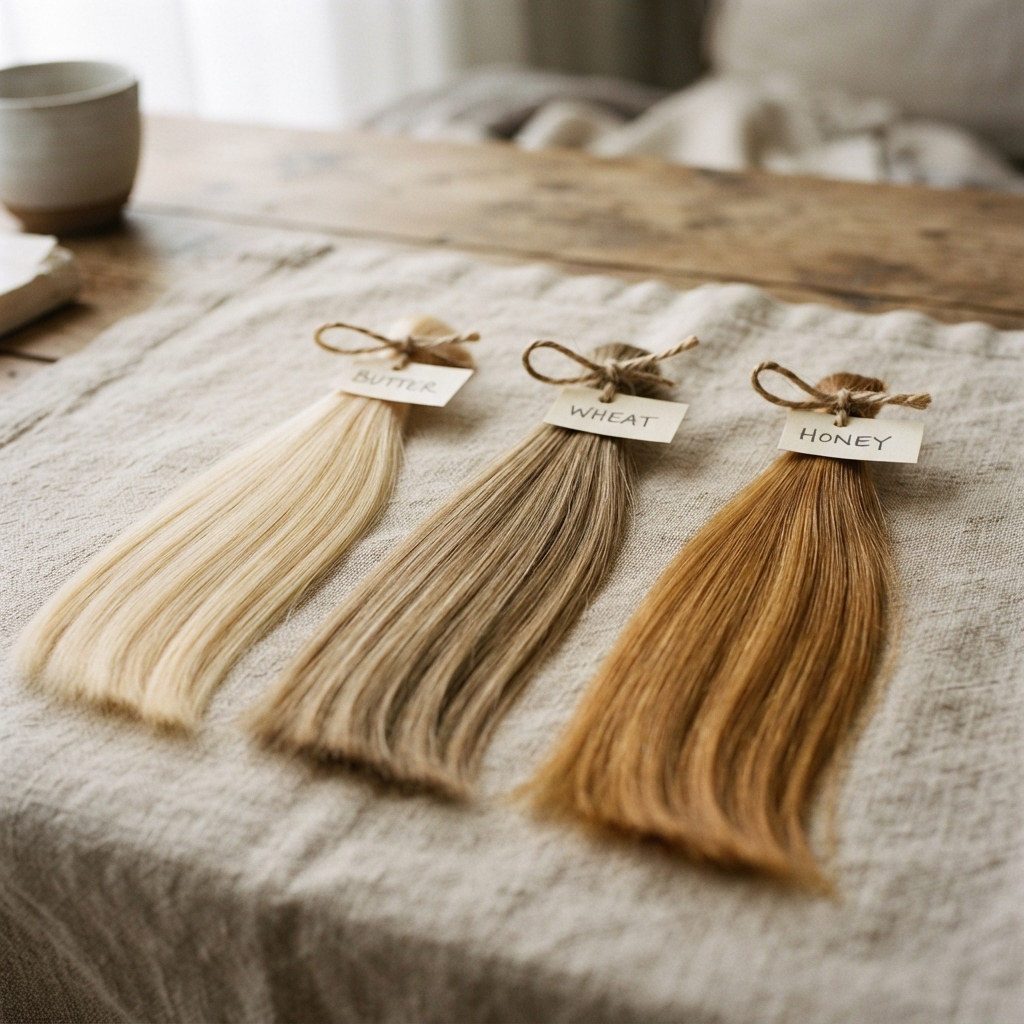
“Warm natural blonde” is a family, not one single shade. It includes butter, wheat, honey, vanilla, sand, and beige. What they share is undertone: golden, neutral-warm, or beige.
What they don’t have is ash, blue, or violet. Those are the tones that make blonde look cool, silvery, or icy. Warm blondes skip all of that on purpose.
- Butter: creamy pale gold
- Wheat: sandy beige with a hint of gold
- Honey: richer, more saturated gold
- Vanilla: soft neutral with a warm glow
If it looks like something in a bakery, you’re on the right track.
Butter Blonde, Explained Simply

Butter blonde is the shade everyone’s screenshotting right now. It’s a soft, creamy yellow-gold that sits right between pale and golden. Think melted butter on warm toast, not lemonade.
The trick is that it’s warm without being yellow-yellow. A good colorist keeps a touch of neutral in the mix so it reads creamy instead of brassy.
It flatters medium, olive, and golden skin tones beautifully. If you’re very fair and pink-toned, ask for a slightly more beige version so it doesn’t pull orange on you.
Wheat Blonde: The Grown-Up Neutral

Wheat blonde is the quiet one in the group, and honestly, it might be my favorite. It’s a sandy, beige-warm blonde that’s a touch deeper than butter. Less bright, more lived-in.
Because it’s darker, it blends into natural roots so much more gracefully. That means longer stretches between appointments and way less stress.
It’s especially flattering if your natural color is a level six or seven. Your colorist can lift you just enough to get that sunlit, expensive-looking finish without frying your hair.
Why Warm Blondes Look So Good on Real Skin
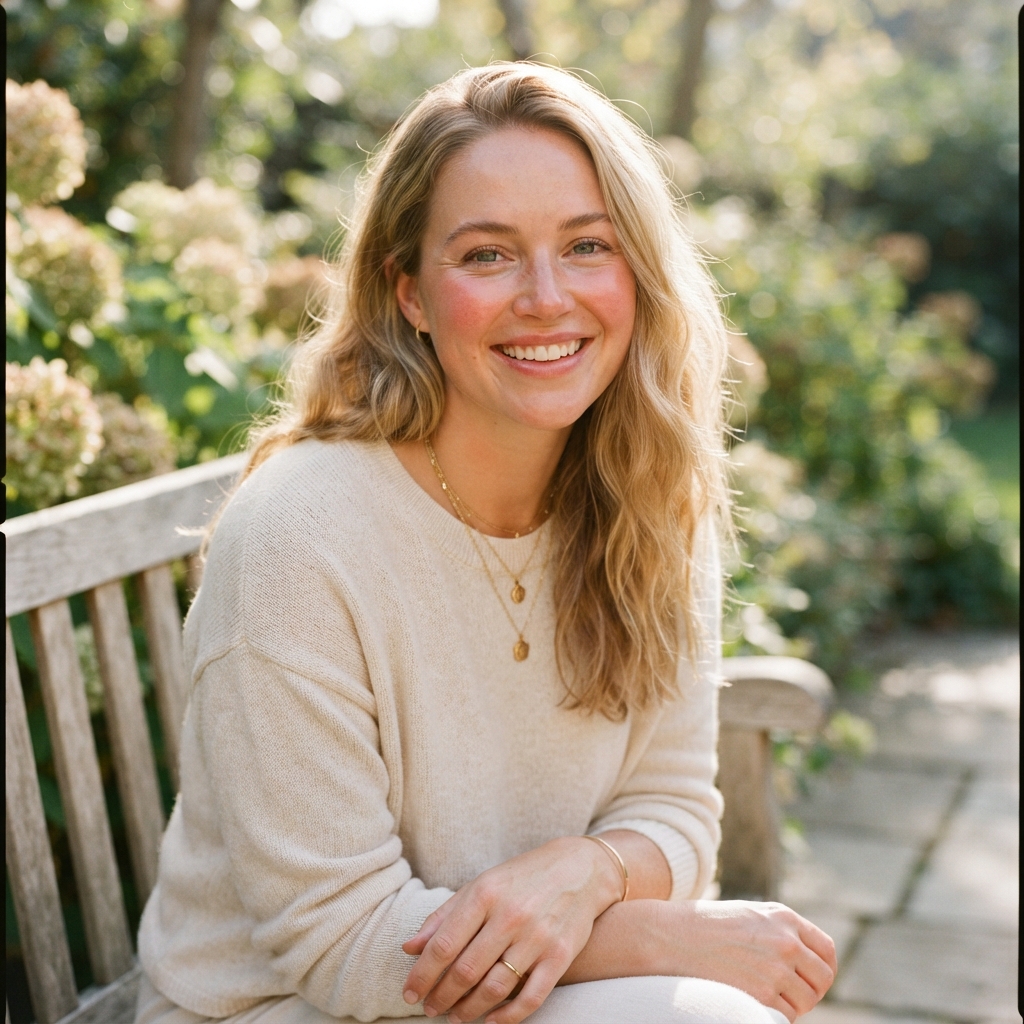
Here’s the simple science. Cool-toned blonde reflects cool light back onto your face. If your skin already runs pink or cool, that can leave you looking washed out or a little gray.
Warm blonde does the opposite. It bounces golden light onto your skin, which reads as healthy, rested, and glowy. It’s basically a filter you don’t have to turn on.
There’s also less contrast between a warm blonde and most natural root colors. Softer contrast equals a softer overall look. That’s a big part of why it feels so effortless.
The Old Money Hair Effect
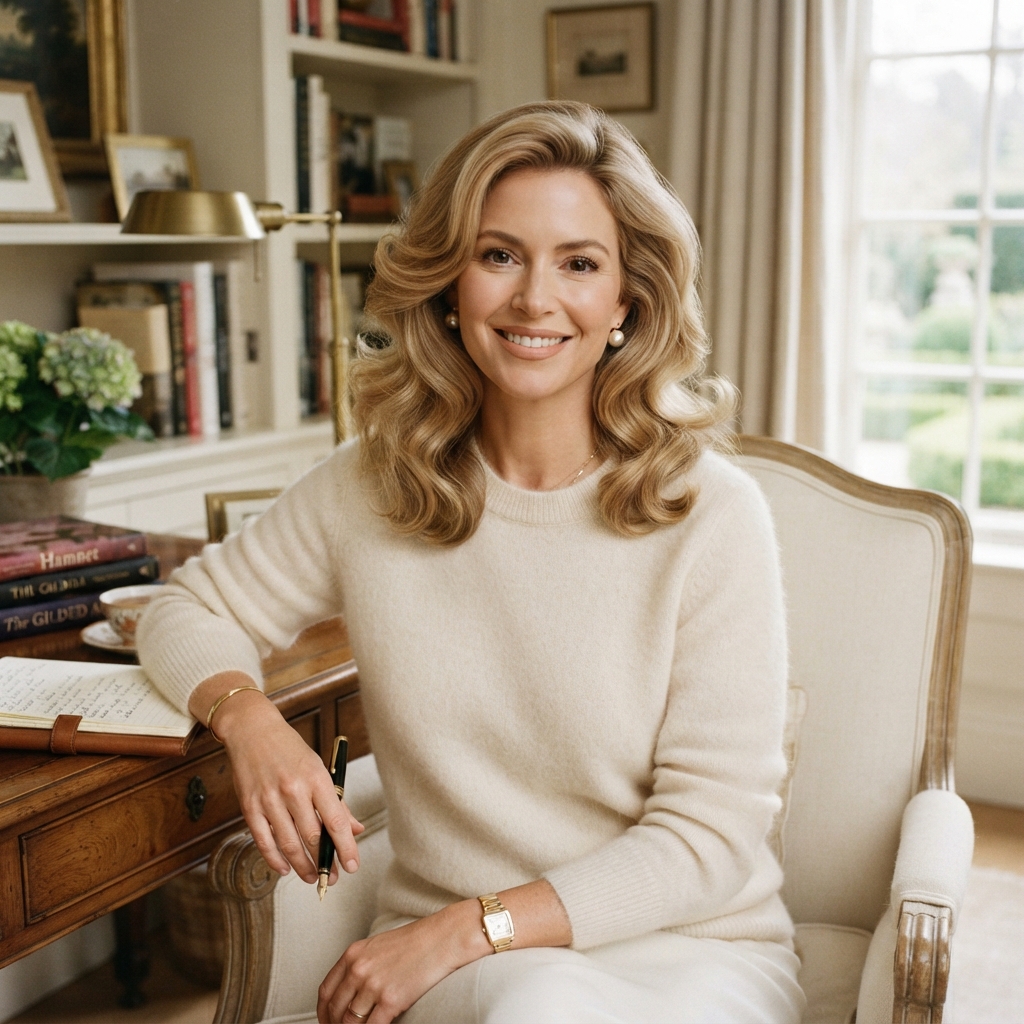
You’ve seen old money hair without knowing the name. It’s the soft, blended, healthy-looking blonde that never looks freshly dyed. It looks inherited.
The whole point is low contrast and high shine. No harsh lines, no visible grow-out, no chunky highlights. Just dimension that moves when you do.
Warm blonde fits that brief perfectly. It reads natural, which is exactly what makes it look expensive. If you want the vibe in one sentence: healthy hair that happens to be blonde, not blonde hair that happens to be healthy.
The Quiet Luxury Bob in a Warm Blonde
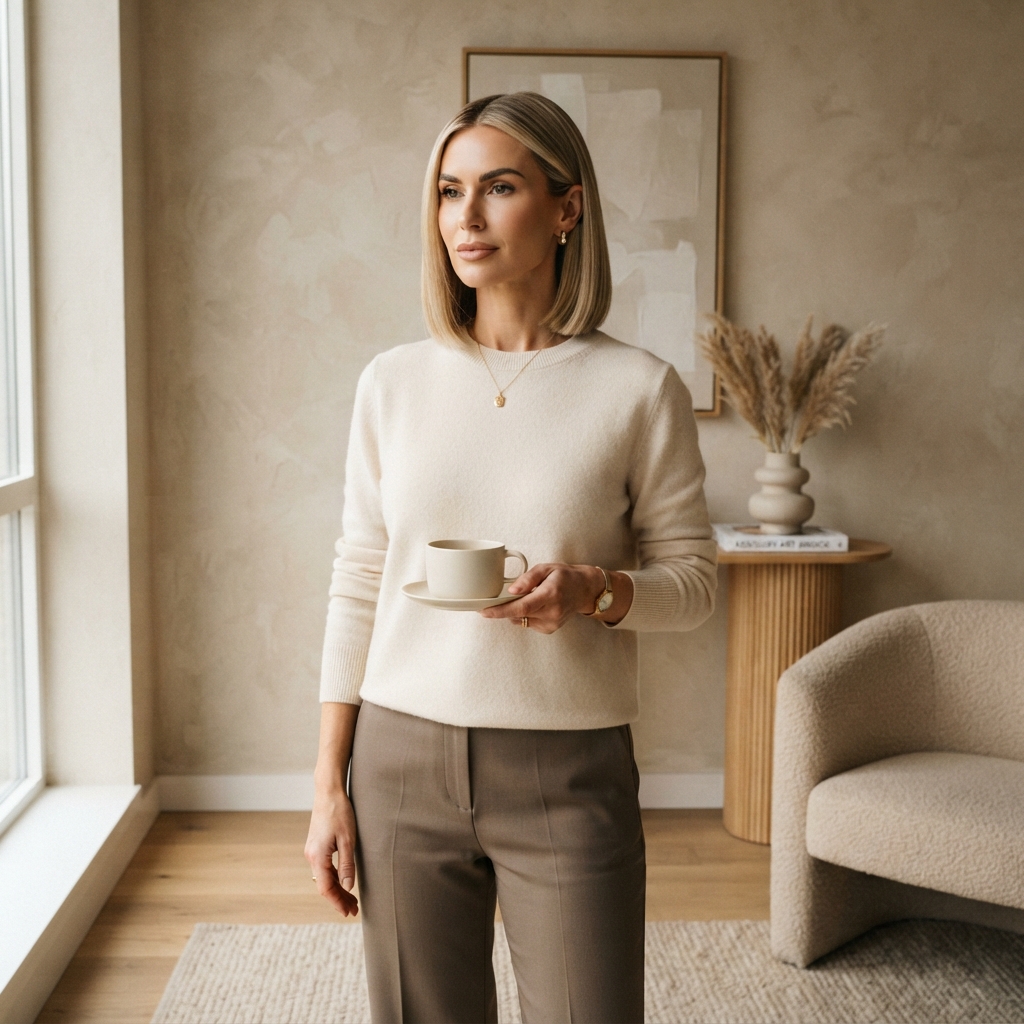
The quiet luxury bob is having a moment, and warm blonde makes it sing. Picture a blunt or softly layered bob right at the jaw or collarbone, in butter or wheat blonde, with a glass-like shine.
It works because there’s zero visual noise. One color family, one clean shape, one healthy finish. Nothing competing.
Ask your stylist for a blunt cut with slight softness at the ends so it doesn’t go helmet-y. Pair it with a middle or slight side part, and you’ve got a look that works for the office and dinner without a single change.
How Warm Blonde Fits Into 2026 Hairstyles
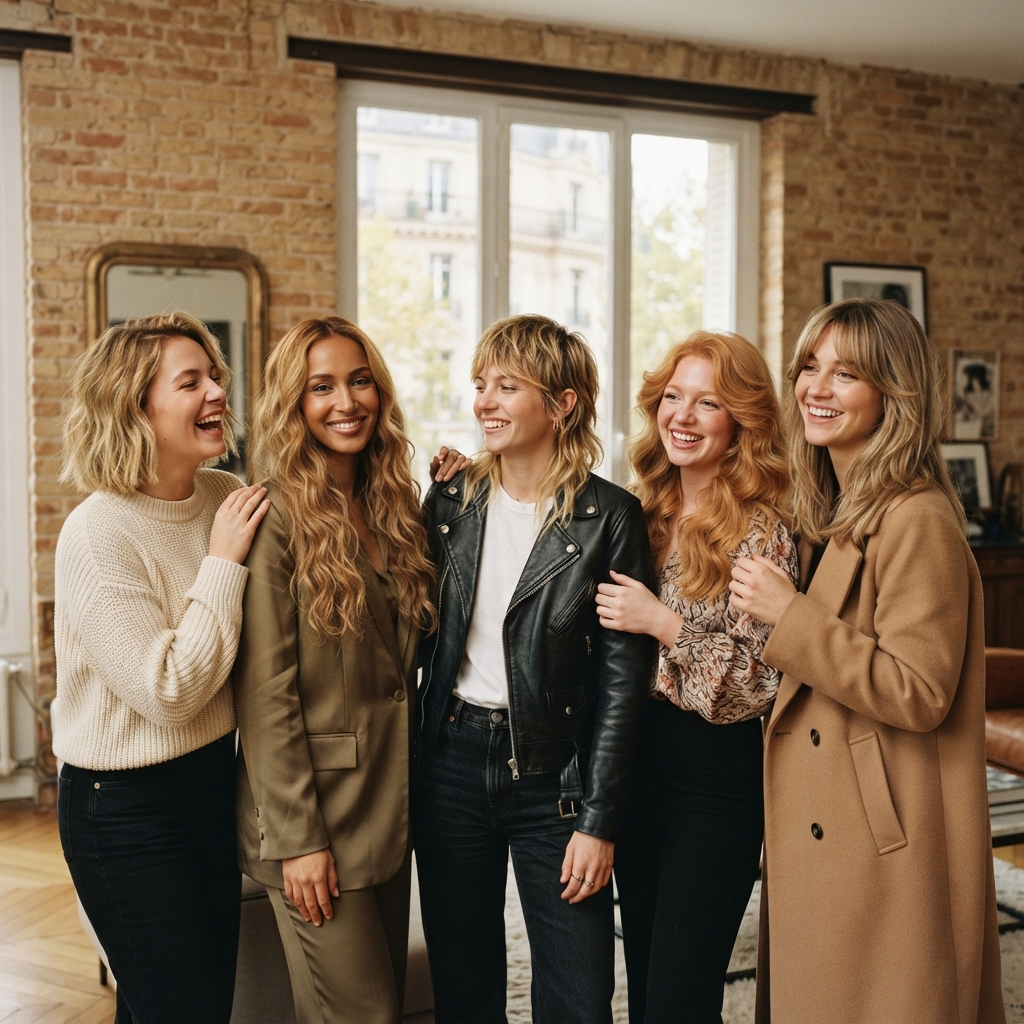
If you’ve been reading up on 2026 hairstyles, you’ve probably noticed a theme: softness. Lived-in layers, natural texture, low-contrast color, and hair that looks healthy above all else.
Warm blonde fits that mood perfectly. It’s the color equivalent of a relaxed silhouette. It doesn’t demand attention, but you notice it anyway.
- Pairs with soft layers and curtain bangs
- Works with air-dried texture and natural waves
- Looks intentional without looking styled
- Grows out gracefully instead of showing a line
Basically, it’s the color version of quiet confidence. Very on trend, very easy to live with.
Warm Blonde vs Platinum: An Honest Comparison
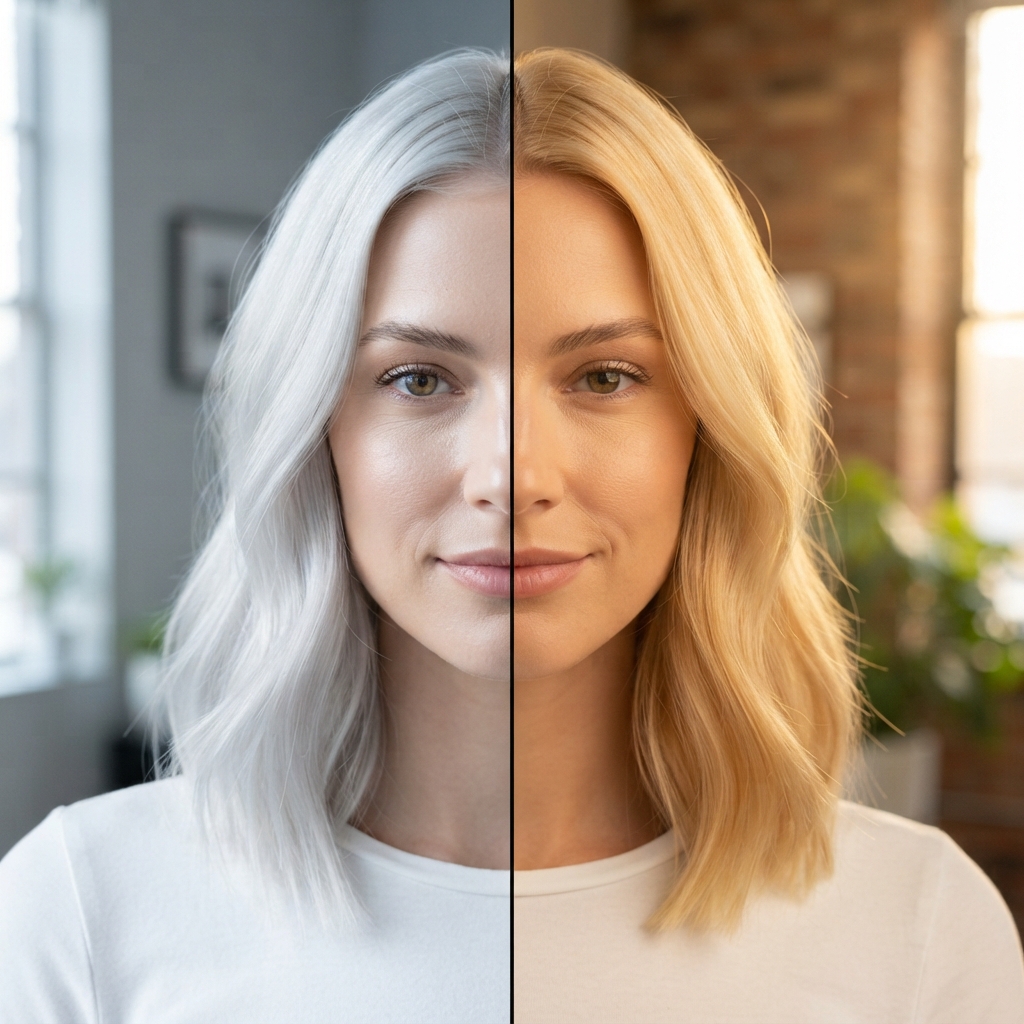
Let’s be real about the trade-offs, because this decision matters:
- Maintenance: Platinum needs 4–6 weeks. Warm blonde can stretch to 8–12.
- Damage: Platinum lifts hard. Warm blonde usually lifts less and can be done gradually.
- Grow-out: Platinum shows a hard line. Warm blonde blends.
- Skin tone: Platinum flatters cool tones. Warm blonde flatters warm and neutral tones.
- Vibe: Platinum is sharp and statement-making. Warm blonde is soft and expensive.
- Cost: Similar upfront, but far fewer visits over a year.
Neither is wrong. Warm blonde is just easier to live in.
The Root Shadow Trick That Makes It Work
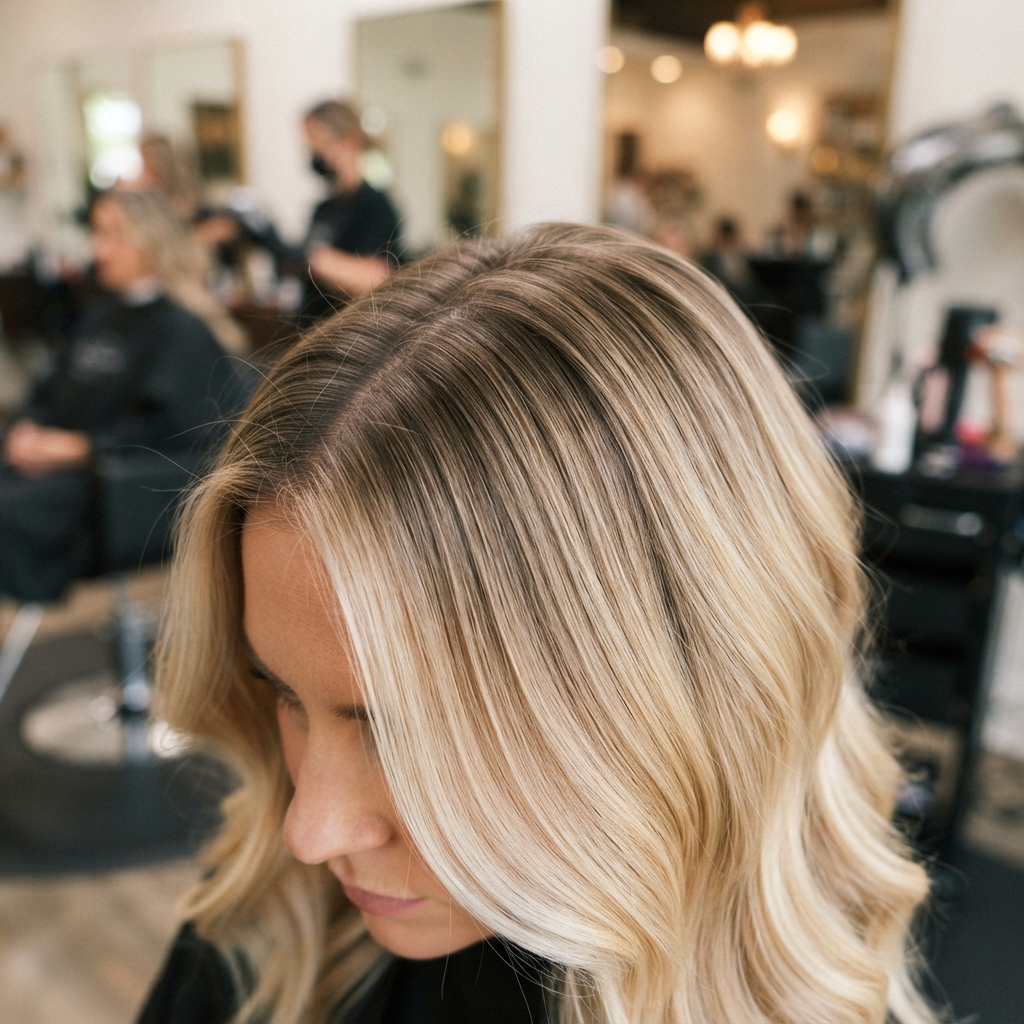
If there’s one technique behind every good warm blonde, it’s the root shadow. Your colorist paints a slightly deeper tone at the base and melts it into the lighter mid-lengths.
This does two things. First, it looks natural, because real hair is never one flat color. Second, it buys you time. When your roots grow in, they blend instead of announcing themselves.
Ask for a “soft shadow root, one to two inches, warm neutral, no ash.” That one sentence will save you months of grow-out pain, I promise.
The Asymmetrical Lob in Butter Blonde

The asymmetrical lob is one of those cuts that instantly makes you look like you have your life together. Slightly longer in front, shorter in back, or longer on one side. Just enough imbalance to be interesting.
In butter blonde, it gets even better. The warm tone adds softness to what could otherwise feel sharp or edgy.
Ask for a collarbone-grazing length with a subtle angle. If you want it to look expensive, keep the color blended and the ends healthy. A trim every eight to ten weeks keeps the shape crisp without losing length.
The Hime Cut With Warm Blonde Edges
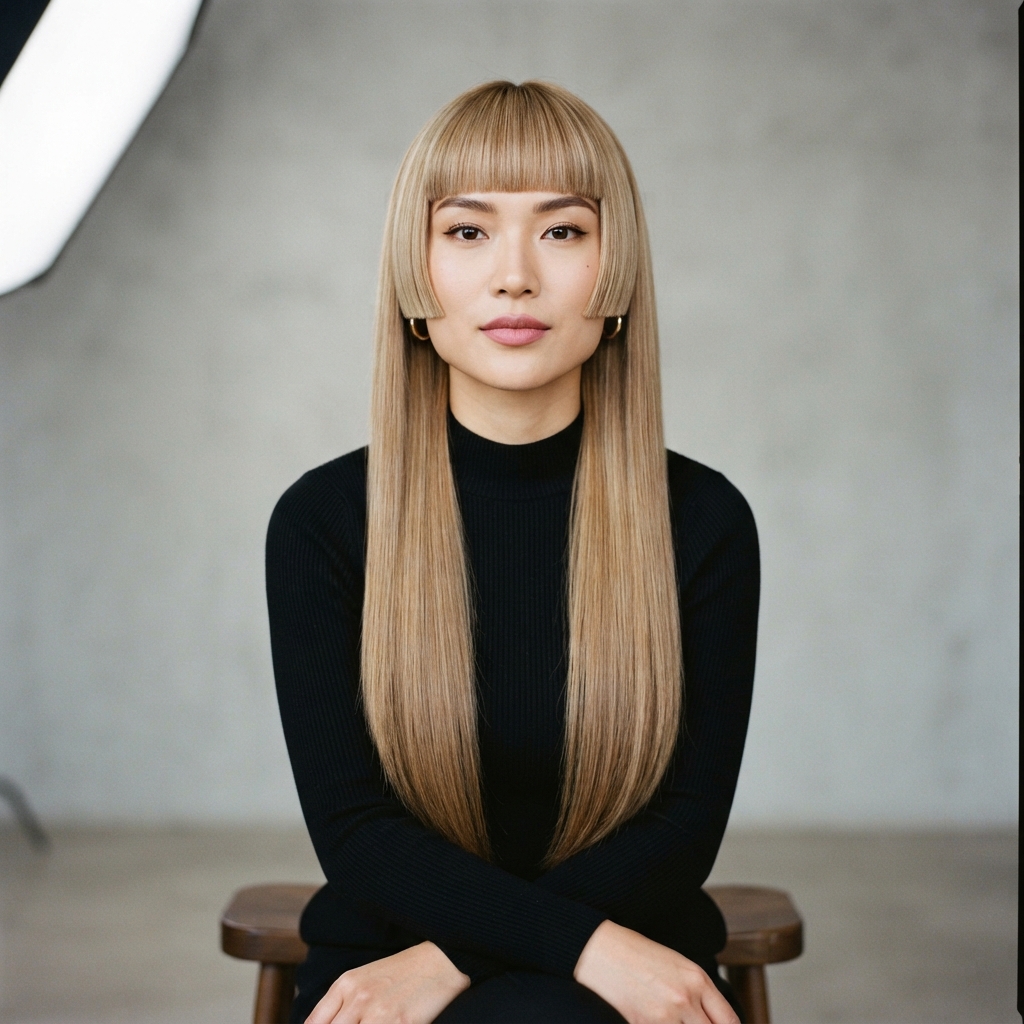
The hime cut is that striking Japanese style with blunt side pieces at the cheekbone and long hair in the back. It’s bold, graphic, and very recognizable.
In jet black it’s dramatic. In warm blonde it becomes something softer and almost ethereal. The blunt lines still read, but the color takes the edge off.
Because the hime cut relies on clean lines, your color needs to be just as clean. Keep it one warm family with a subtle shadow root. Skip chunky highlights, since they’ll fight the shape.
Romantic Goth Hairstyles, Softened With Warm Blonde
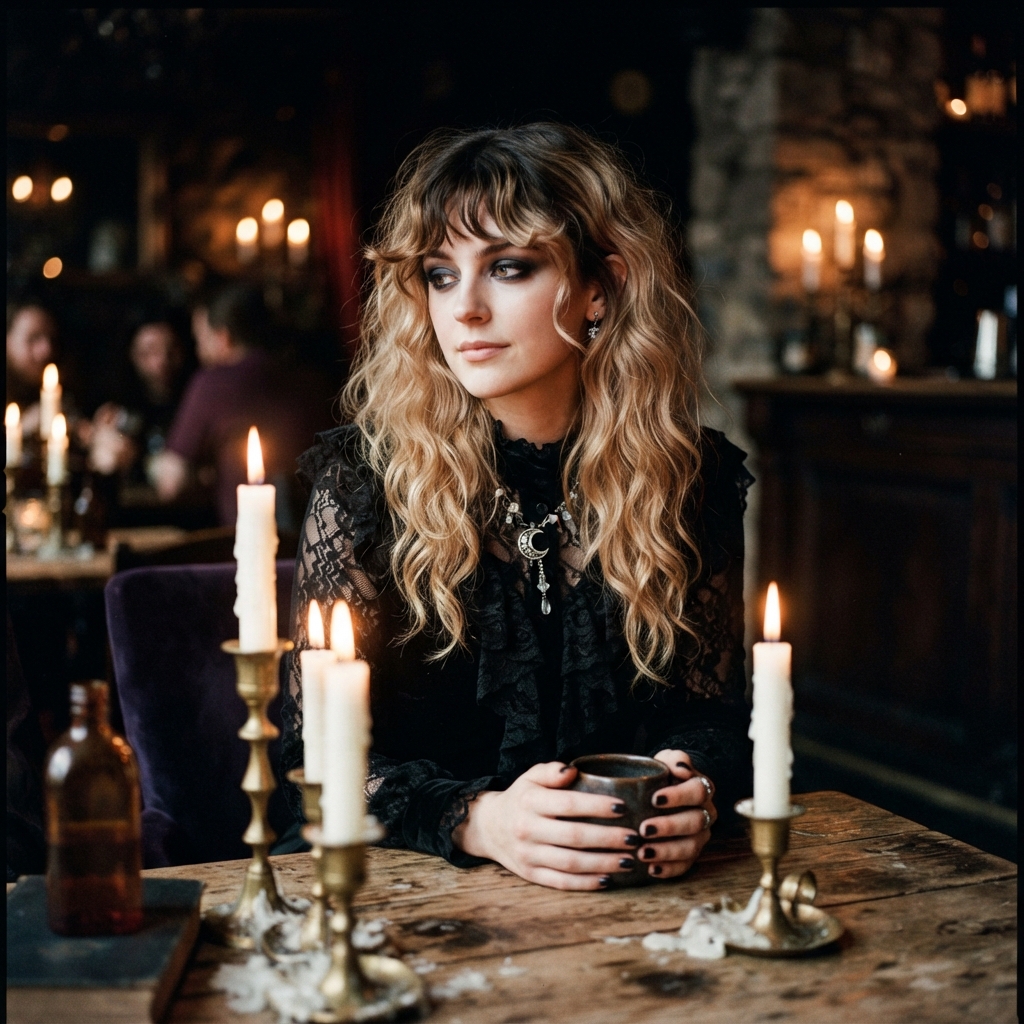
Romantic goth hairstyles are all about softness and drama at the same time. Think undone waves, face-framing pieces, a little bit of mystery. Traditionally that meant deep black or dark burgundy.
But there’s a newer version I’m loving: romantic goth in warm blonde. Dark shadow roots melt into butter blonde, and suddenly the whole thing feels haunted in a pretty way instead of harsh.
Pair it with a middle part, soft waves, and a velvet ribbon. It’s moody, it’s feminine, and it’s a lot easier to maintain than black.
The Vampire Haircut in Butter Blonde

The vampire haircut is exactly what it sounds like: sharp, sleek, and a little bit dangerous. Think defined layers, a strong middle part, and a silhouette that looks like it belongs in a film.
Most people picture it in black. But butter blonde with a deep root shadow gives it a completely different energy. Still sharp, still dramatic, but warmer and more wearable in daylight.
Ask for long, pointed face-framing layers and a smooth blowout finish. Keep the color glossy. The whole look depends on shine, so a clear gloss every couple of months is worth it.
Glitchy Glam Hair With Warm Blonde Ribbons

Glitchy glam hair is the fun one. It’s choppy, textured, slightly chaotic in a deliberate way. Think visible layers, a little grit, and color that plays with light.
Warm blonde works beautifully here as ribbons. Instead of one flat color, your stylist weaves thin slices of butter and wheat through a slightly deeper base. It looks almost glitchy when you move.
Ask for “fine woven slices, warm tones, no ash, keep the base dimensional.” It’s playful without being loud, and it grows out in a way that still looks intentional.
How to Ask Your Colorist for Butter or Wheat
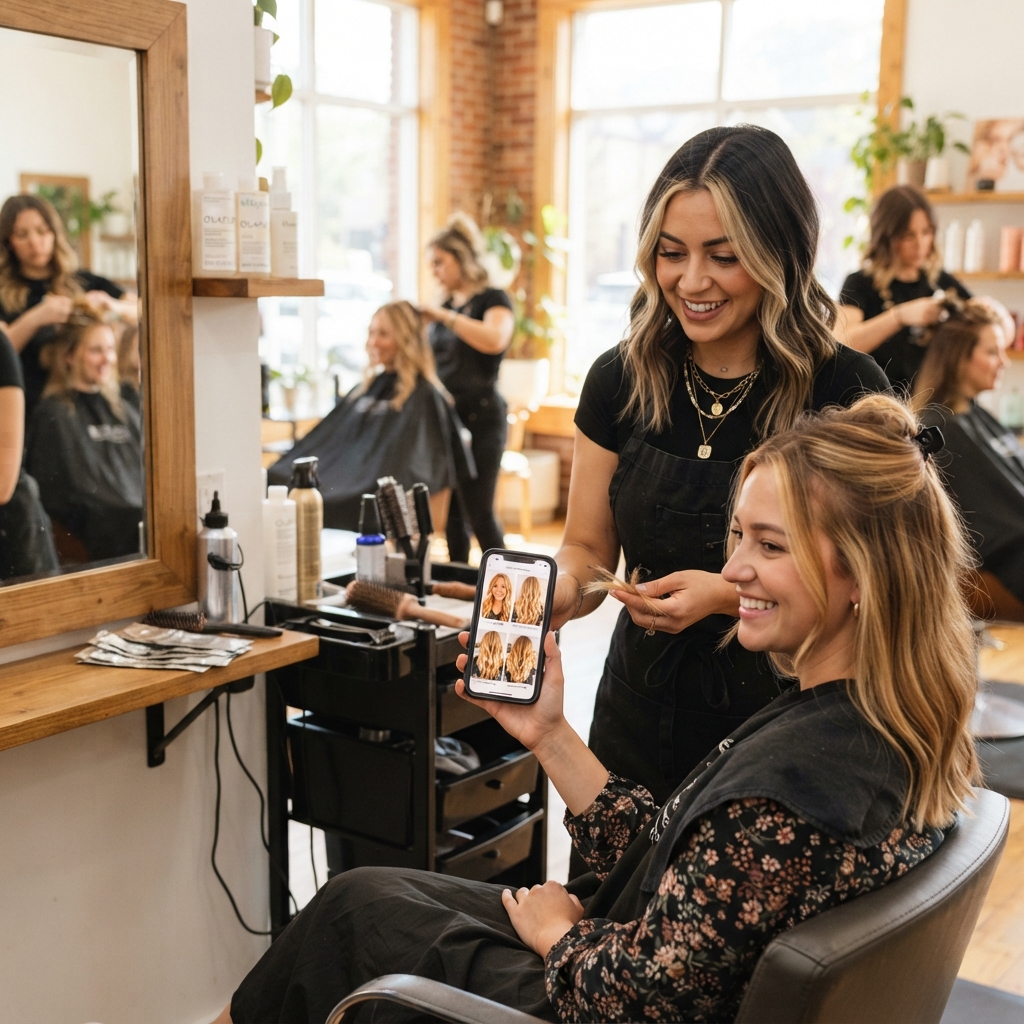
This is the part that matters most. Here’s exactly what to say:
- Name the shade: “I want butter blonde” or “I want wheat blonde.”
- Name the undertone: “Warm neutral, no ash, no violet.”
- Name the depth: “One or two levels lighter than my natural.”
- Ask for a shadow root: “Soft root melt, one to two inches.”
- Ask about process: “Can we do this in two sessions to protect my hair?”
- Ask for a gloss: “Finish with a warm gloss for shine.”
Say those six things and you’ll be speaking your colorist’s language.
Photos and Lighting: What to Bring

Words matter, but photos seal the deal. Bring three to five reference images, and make sure they were taken in similar lighting to what you want.
Here’s the trap: photos taken in golden hour look warm even if the hair is ash. Photos taken under cool salon lights look ashy even if the hair is warm. So mix it up.
- One photo in natural daylight
- One photo indoors with warm lighting
- One photo of your own hair in good light
- One photo of what you don’t want
That last one is weirdly helpful. Sometimes it’s easier to show what you’re avoiding.
Maintenance: The Real Talk on Touch-Ups

Here’s the honest truth about warm blonde: it’s easier than platinum, but it’s not zero maintenance. You’re still a blonde.
Expect a gloss or toner every six to eight weeks, and a full color appointment every eight to twelve. Roots are forgiving thanks to the shadow melt, which is the whole point.
Trims every eight to ten weeks keep ends healthy. If you use heat often, add a bond-building treatment once a month. Budget for it now so it doesn’t surprise you later.
Products That Keep Warm Blonde From Going Brassy
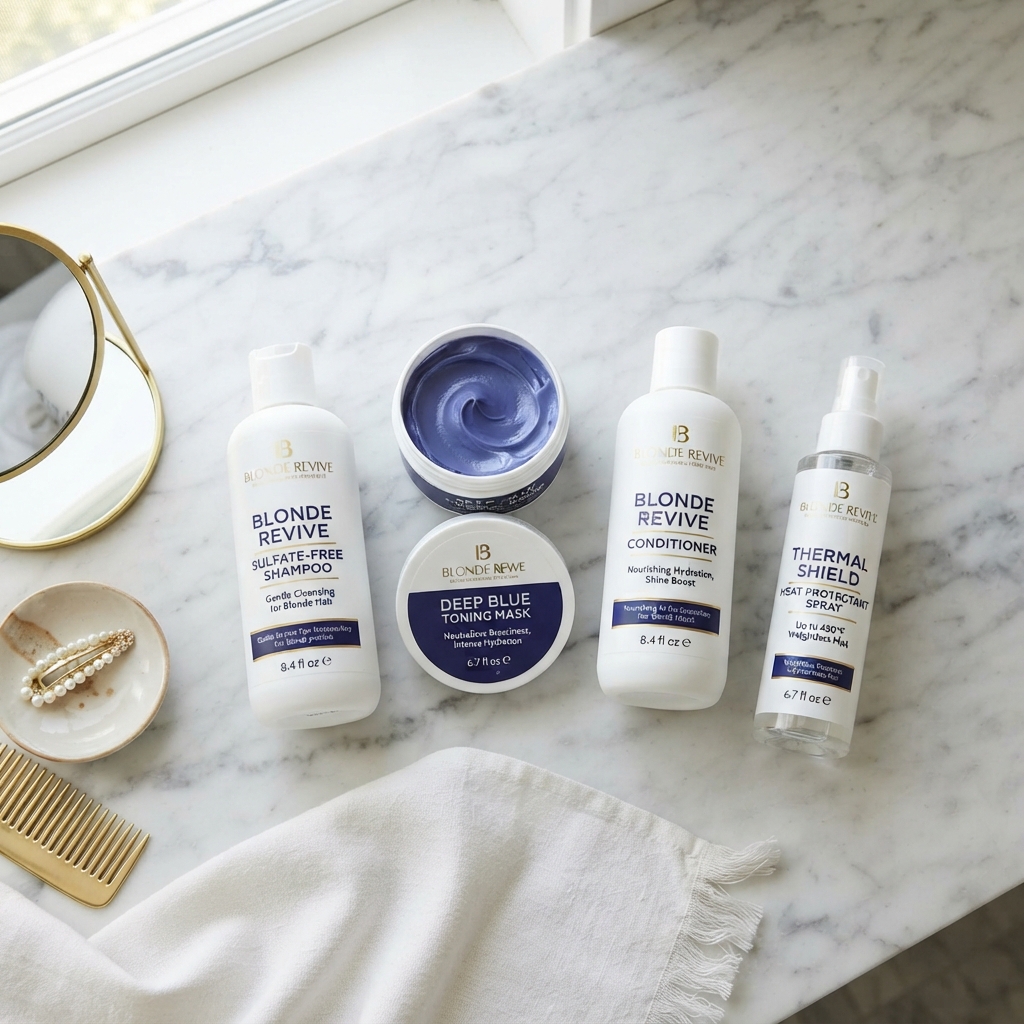
Brass is the number one enemy of warm blonde. The fix isn’t one magic product, it’s a small routine.
- Sulfate-free shampoo, always
- A blue or neutral toning mask once a week, not purple
- Heat protectant before every hot tool
- A bond-building treatment once a month
- Leave-in conditioner on damp ends
- UV spray if you’re outside a lot
Sun, chlorine, and hard water all push blonde toward orange. If you swim, rinse your hair before and after. Small habits, big difference.
Purple Shampoo: Use It Less Than You Think
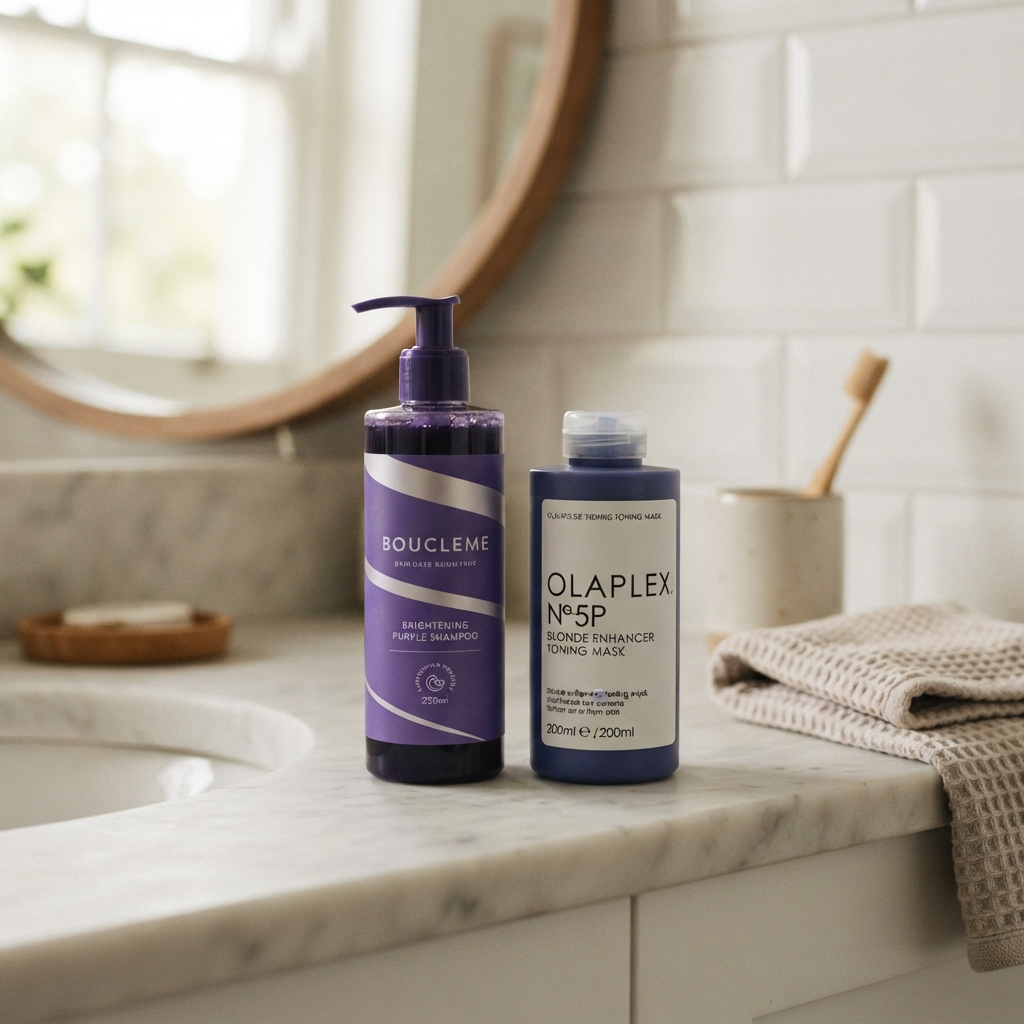
This one surprises people. Purple shampoo is made for cool, icy blondes. It neutralizes yellow. But warm blonde is supposed to have some gold in it.
If you use purple shampoo too often on butter or wheat blonde, you’ll pull it ashy and dull. It can even go slightly greenish on some tones.
Use it sparingly if at all. Once every two or three weeks, or only when you actually notice unwanted yellow. For warm blondes, a blue or neutral toning mask is usually the better tool.
At-Home Glosses That Actually Help
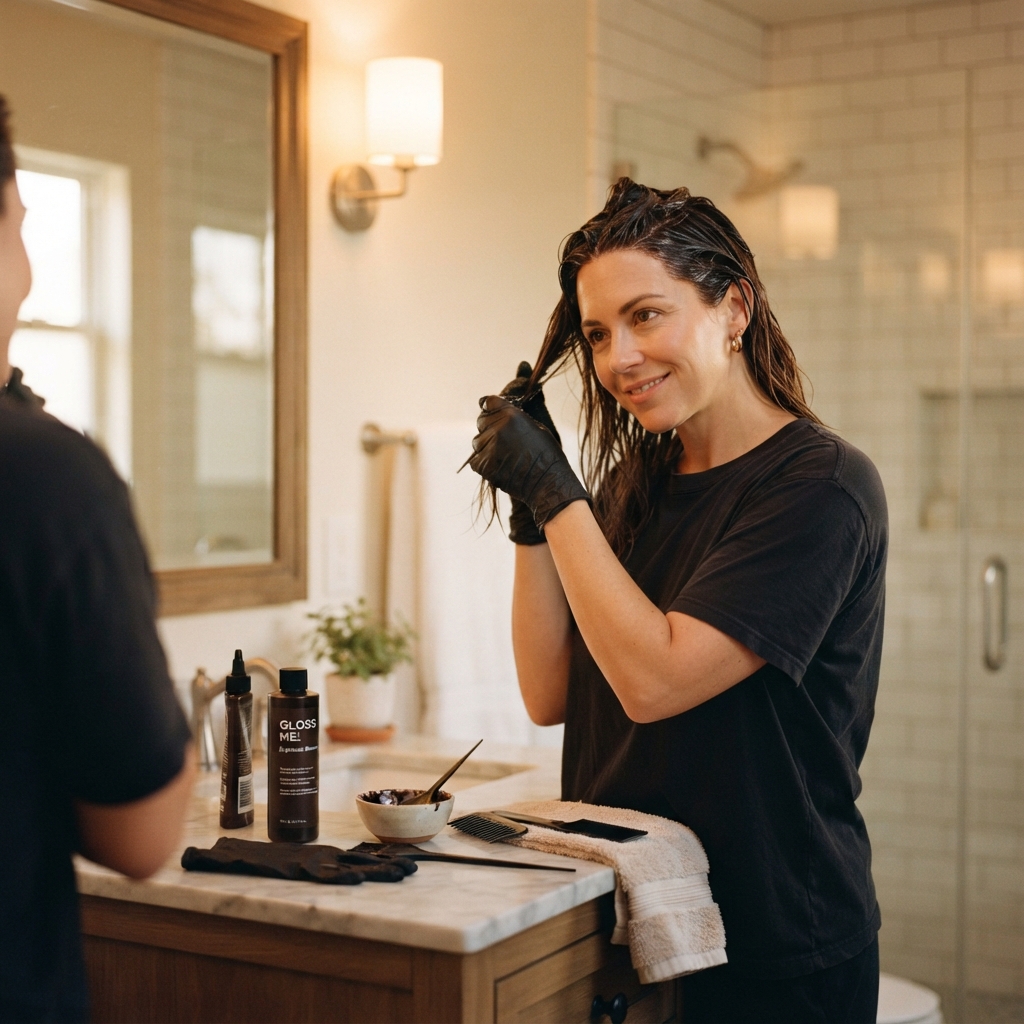
At-home glosses are the most underrated product in the blonde world. They won’t change your color, but they refresh the tone and add serious shine.
Look for a warm or neutral gloss in a clear or golden formula. Skip anything labeled “ash” or “silver.” Apply it every four to six weeks between salon visits.
It takes about twenty minutes and costs a fraction of a salon gloss. If your blonde starts looking flat or slightly dull, this is usually the fastest fix. Just follow the timing on the box and don’t leave it on longer thinking it’ll work better. It won’t.
Warm Blonde on Different Skin Tones

Warm blonde is flexible, but the exact shade should shift with your skin tone.
- Fair and pink: Go beige-warm, not golden. Too much yellow can clash.
- Fair and neutral: Butter blonde is basically made for you.
- Medium and golden: Honey and butter both look incredible.
- Olive: Wheat blonde keeps things balanced and rich.
- Deep skin tones: Go richer. Honey, caramel-wheat, and golden butter all glow.
When in doubt, ask your colorist to hold swatches next to your face in daylight. Your skin will tell you.
Short, Long, and Everything In Between
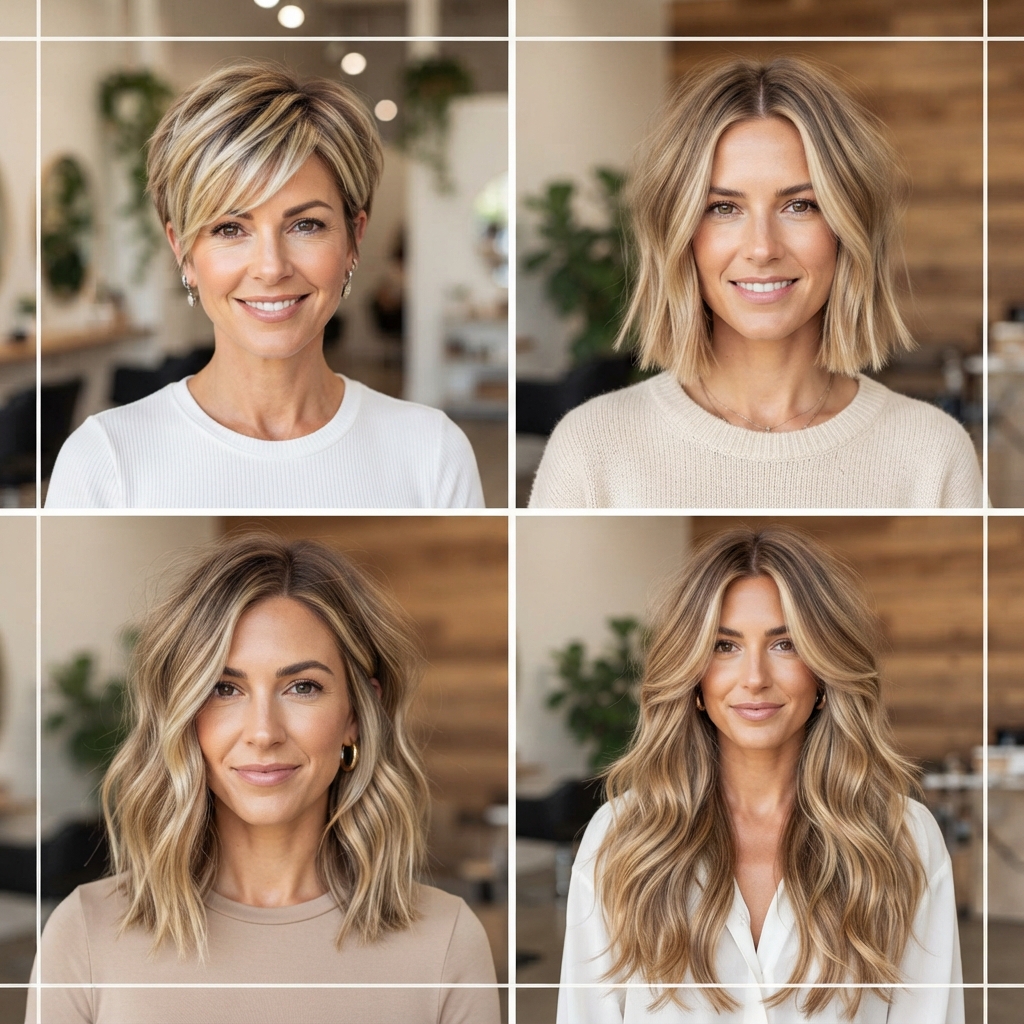
Warm blonde works at almost any length, but the shade should adjust a little.
On a pixie or short bob, go slightly brighter, like butter. Short hair catches less light, so a little extra glow helps. On a lob or mid-length, wheat blonde looks amazing because the dimension shows.
On long hair, keep the ends lighter than the roots. That natural gradient mimics how sun actually lightens hair, and it keeps the ends from looking heavy.
Whatever your length, ask for a gloss. Shine is what separates good blonde from great blonde.
Everyday Styling for Warm Blonde
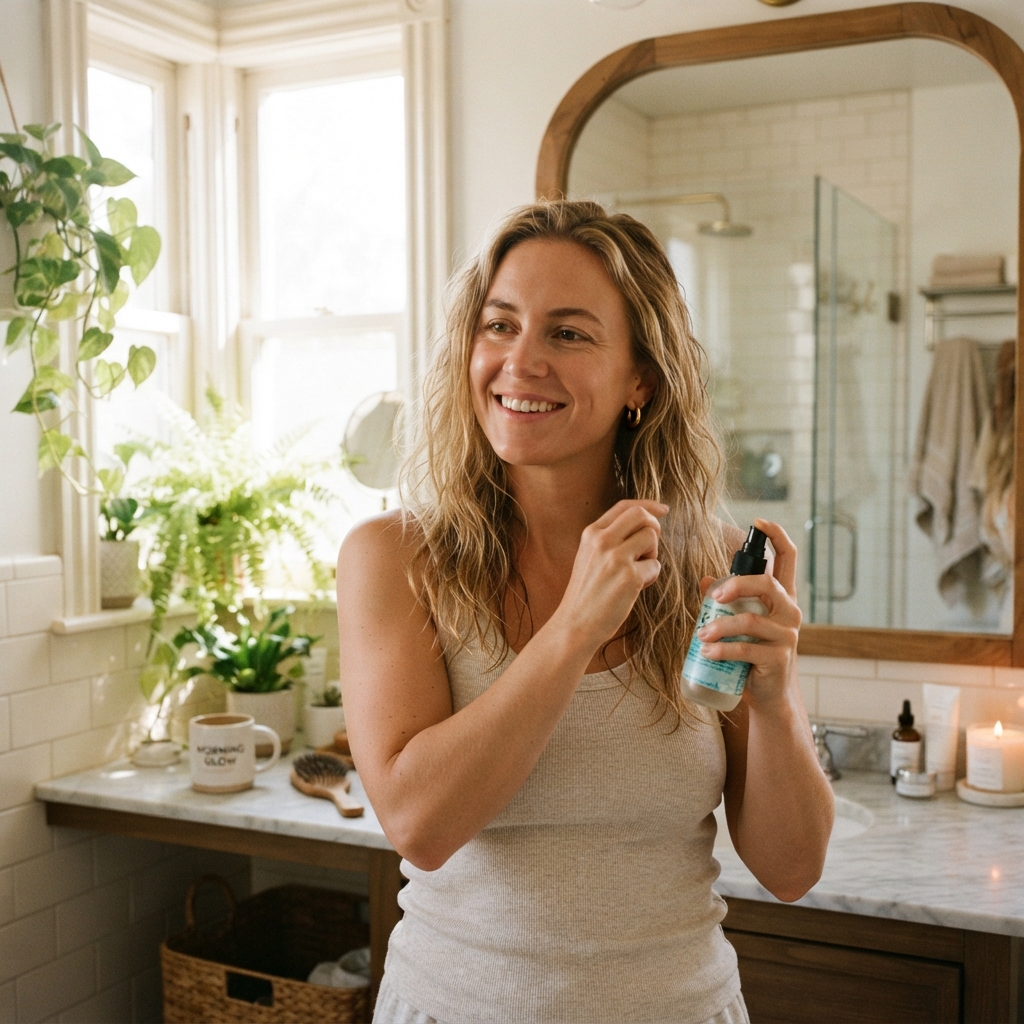
Good news: warm blonde looks best when you don’t try too hard. Here’s my low-effort routine.
- Wash two or three times a week, not daily.
- Apply leave-in to damp ends.
- Air dry or rough dry with a diffuser.
- Add a light texturizing spray at the roots.
- Twist a few pieces around your finger and let them set.
- Finish with a drop of shine oil on the ends.
That’s it. Soft, undone, healthy. The color does most of the work for you.
Heat Tools and Keeping That Buttery Shine
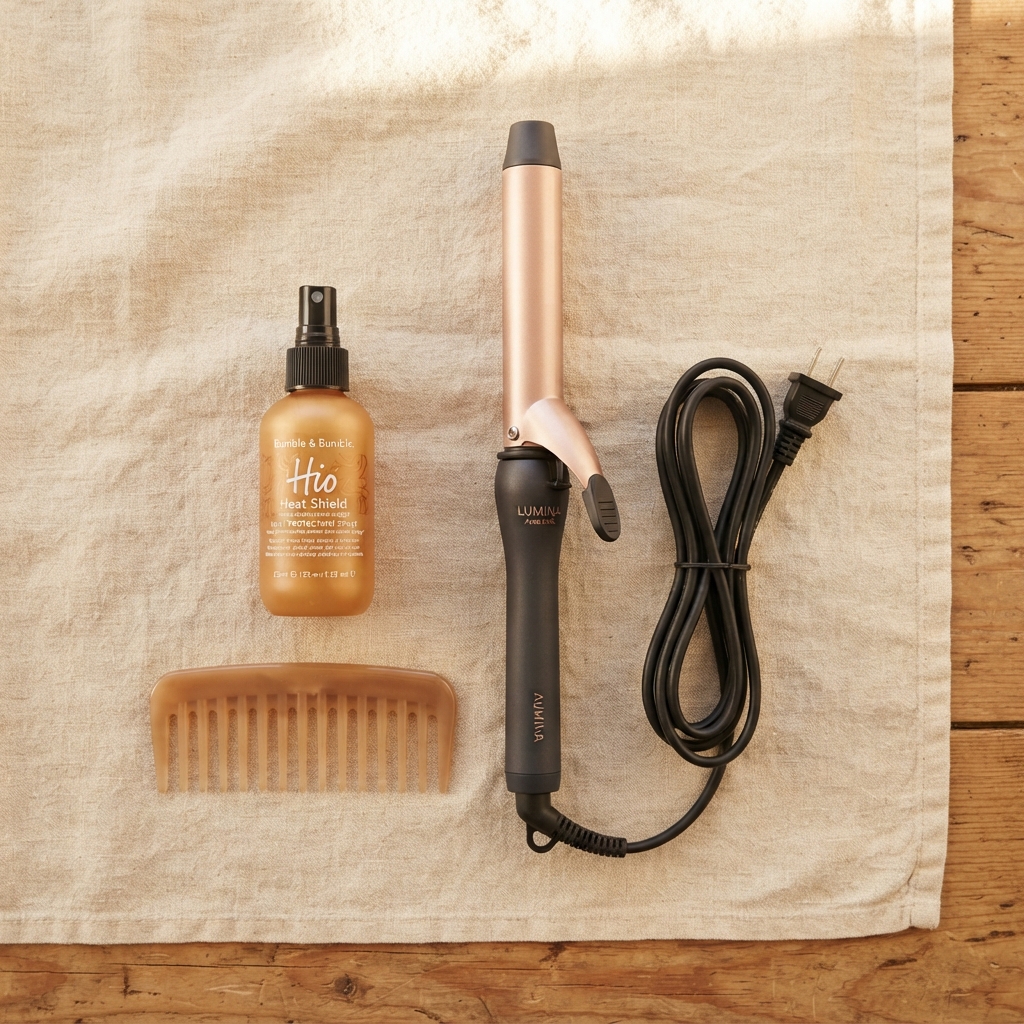
Warm blonde shows damage faster than dark hair, mostly because light reflects off every rough spot. So heat protection isn’t optional.
Always use a heat protectant, and keep your iron under 380 degrees. Lower if your hair is fine or already lightened. One pass per section, not three.
Give your hair a break one or two days a week. Air-dried warm blonde looks genuinely lovely, so it’s not a sacrifice. And get a trim every eight to ten weeks. Split ends kill shine faster than anything else.
Mistakes That Turn Butter Into Brass
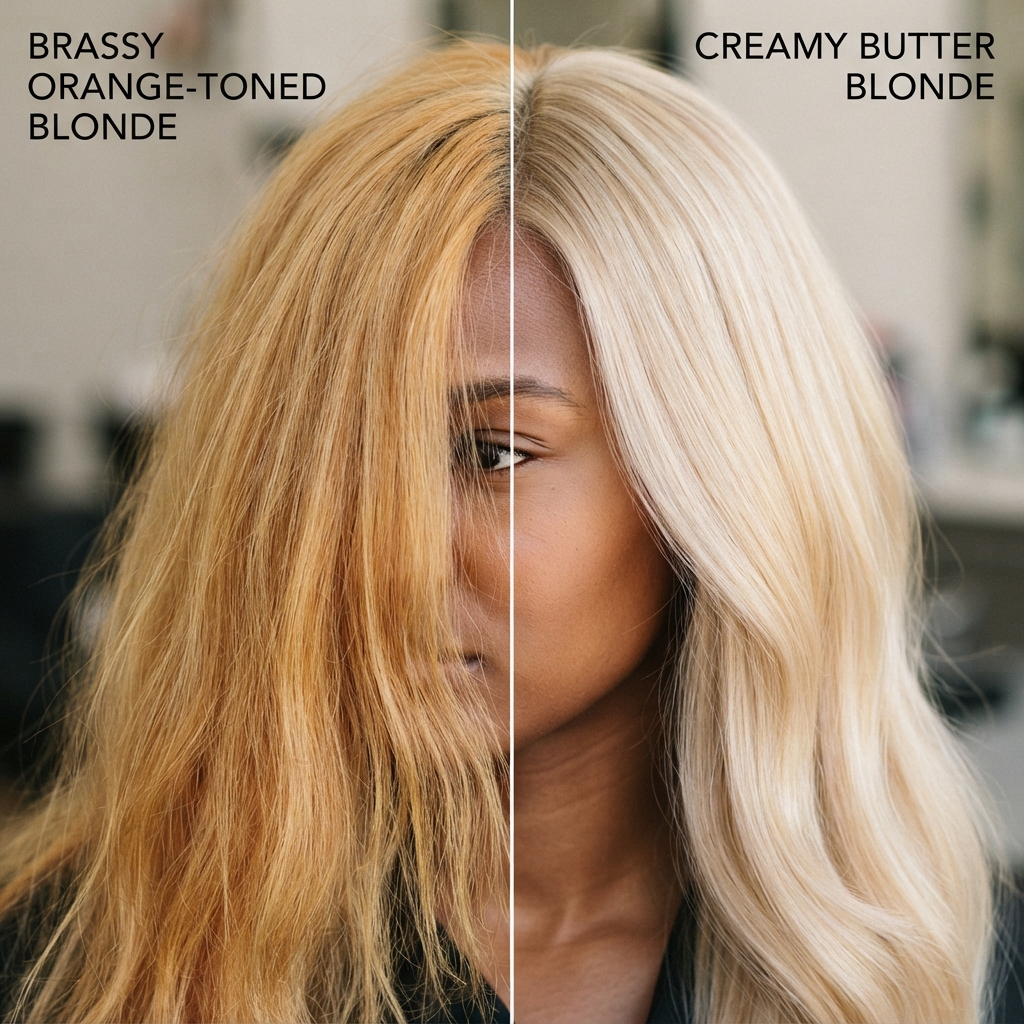
I’ve seen every version of this, so let me save you the trouble.
- Using purple shampoo daily on a warm blonde
- Skipping the root shadow and going flat all over
- Lifting too fast in one session
- Ignoring hard water buildup
- Sun exposure without any UV protection
- Letting a colorist talk you into “ash” when you asked for warm
That last one happens more than you’d think. If it doesn’t feel right, speak up. It’s your hair.
Budget-Friendly Ways to Try It

Not ready to commit? You don’t have to go full butter blonde on day one.
Start with a partial highlight or a face-framing money piece in a warm tone. It brightens your face without changing your whole look, and it costs a lot less.
Another option: ask for a warm gloss over your current color. It shifts the tone without any lightening at all. If you love it, you can build on it next visit.
And if you’re handy, a warm-toned at-home gloss is a low-risk way to test the vibe. Just don’t bleach anything yourself. Please.
Already Platinum? Here’s How to Shift Warm

Good news, this transition is way easier than going the other direction. You’re already light, so it’s mostly about adding warmth back in.
Ask your colorist for a warm gloss or toner first. That alone can shift you from icy to buttery in one appointment. If you want more, they can add fine warm lowlights for dimension.
Go slow. Adding warmth gradually looks natural. Jumping straight to full golden blonde in one sitting can go orange fast.
Plan two or three appointments over a few months. Your hair will thank you, and the result will look intentional instead of sudden.
Before You Go
Warm blonde isn’t just a trend, it’s a shift in how we think about blonde in general. Softer, healthier, easier to live with, and honestly, a lot more flattering on most of us.
Butter and wheat are leading the charge, but the real win is picking the shade that fits your skin, your lifestyle, and your patience level. Bring the photos, say the words, and trust the process.
You’re going to look like you were born this lucky. That’s the whole point.
Save this post to Pinterest so you can pull it up at your next salon appointment, and tell me in the comments: are you team butter, team wheat, or still holding onto your icy platinum?

