
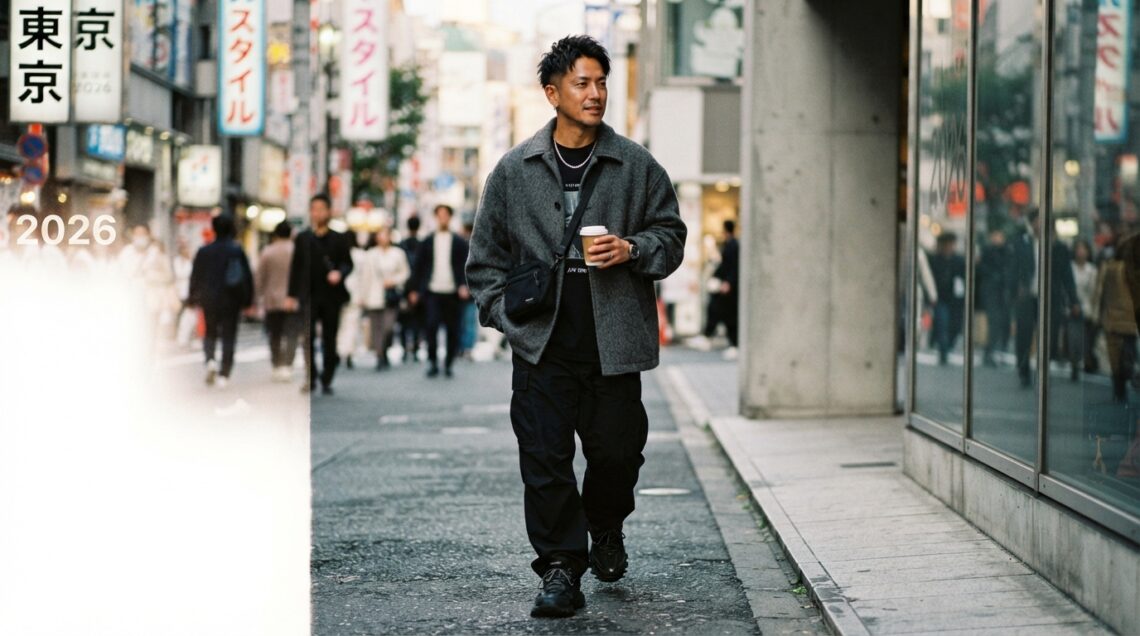
If your hairline is changing, you’re not alone. I’m Hailey, and I’ve watched my dad, my brother, and too many friends stress over thinning spots and receding edges. It feels personal, but it’s also incredibly common.
The good news? You have more control than you think. From simple haircuts to scalp habits to treatments that actually work, there are practical moves that make a real difference in 2026.
This guide is for men who want honest answers without the shame spiral. We’ll talk styling, products, doctors, and how to borrow confidence from trends like old money hair and 2026 hairstyles.
Grab a coffee. Let’s make your hair plan feel easy.
Why Thinning Hair Happens (Quick Truth)
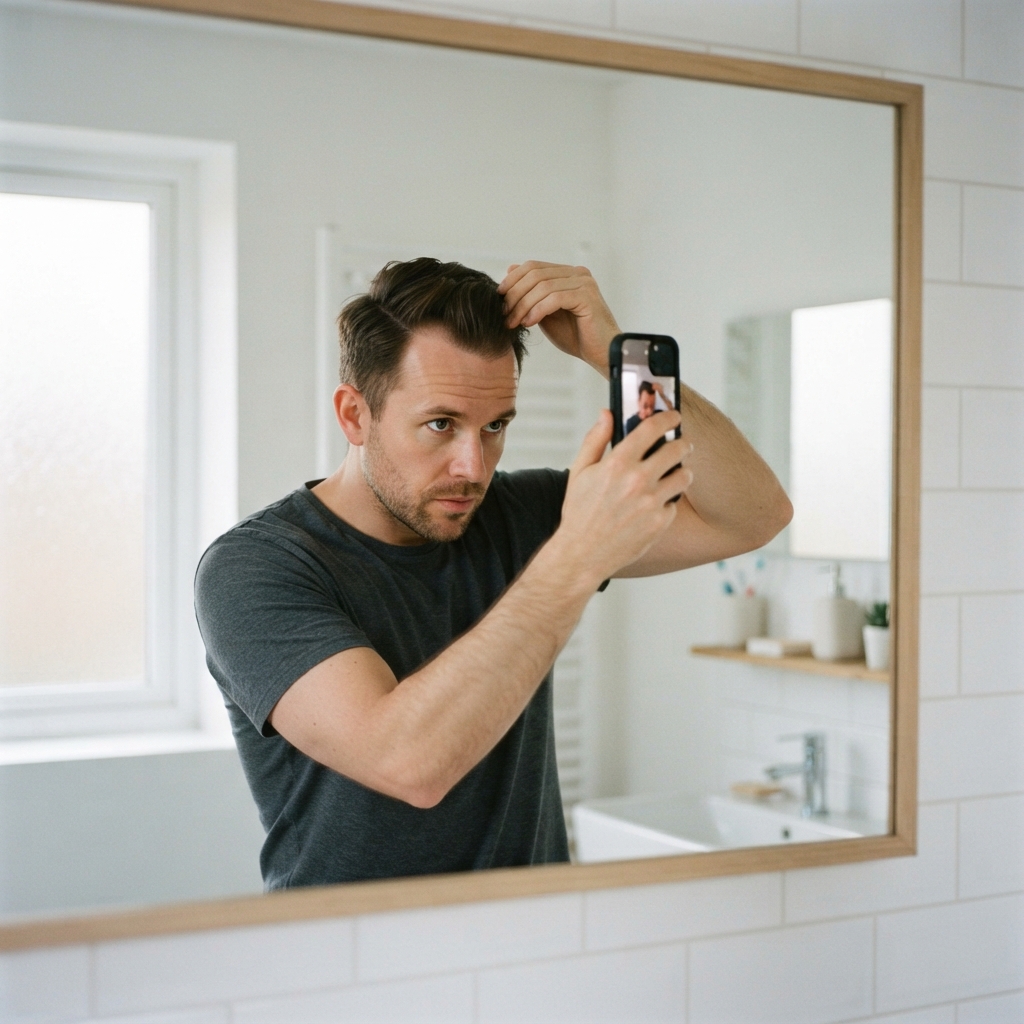
Thinning hair and a receding hairline usually come down to genetics. If your dad or grandpas lost hair early, your chances go up. That’s not a death sentence, just information.
Hormones called DHT shrink hair follicles over time. Stress, poor sleep, tight hairstyles, and harsh products can speed up the look of thinning.
- Male pattern baldness is the most common cause.
- Telogen effluvium is temporary shedding after stress or illness.
- Traction alopecia comes from pulling hair tight.
Knowing your type helps you choose the right plan. Next, we’ll track it.
Track Your Hairline Monthly

You can’t fix what you don’t measure. Once a month, take photos of your hairline and crown in the same light. Use a bright bathroom or window. Don’t judge daily changes.
This gives you real data. You’ll see if a treatment is slowing loss or if a haircut is creating a fuller illusion.
- Same angle, same light, same wet or dry hair.
- Check front, top, and crown.
- Save photos in a private album.
After three months, you’ll know what’s working. Bring these photos to your doctor.
See a Dermatologist Early

If you notice real thinning, don’t wait years. A dermatologist can confirm the cause and rule out thyroid issues, anemia, or scalp conditions.
Early action matters because once a follicle stops producing hair, it’s harder to bring back. You want options while you still have them.
- Ask about male pattern hair loss.
- Ask for blood work if needed.
- Bring your monthly photos.
You don’t need a dramatic appointment. You need a clear starting point. That’s it.
Minoxidil Basics
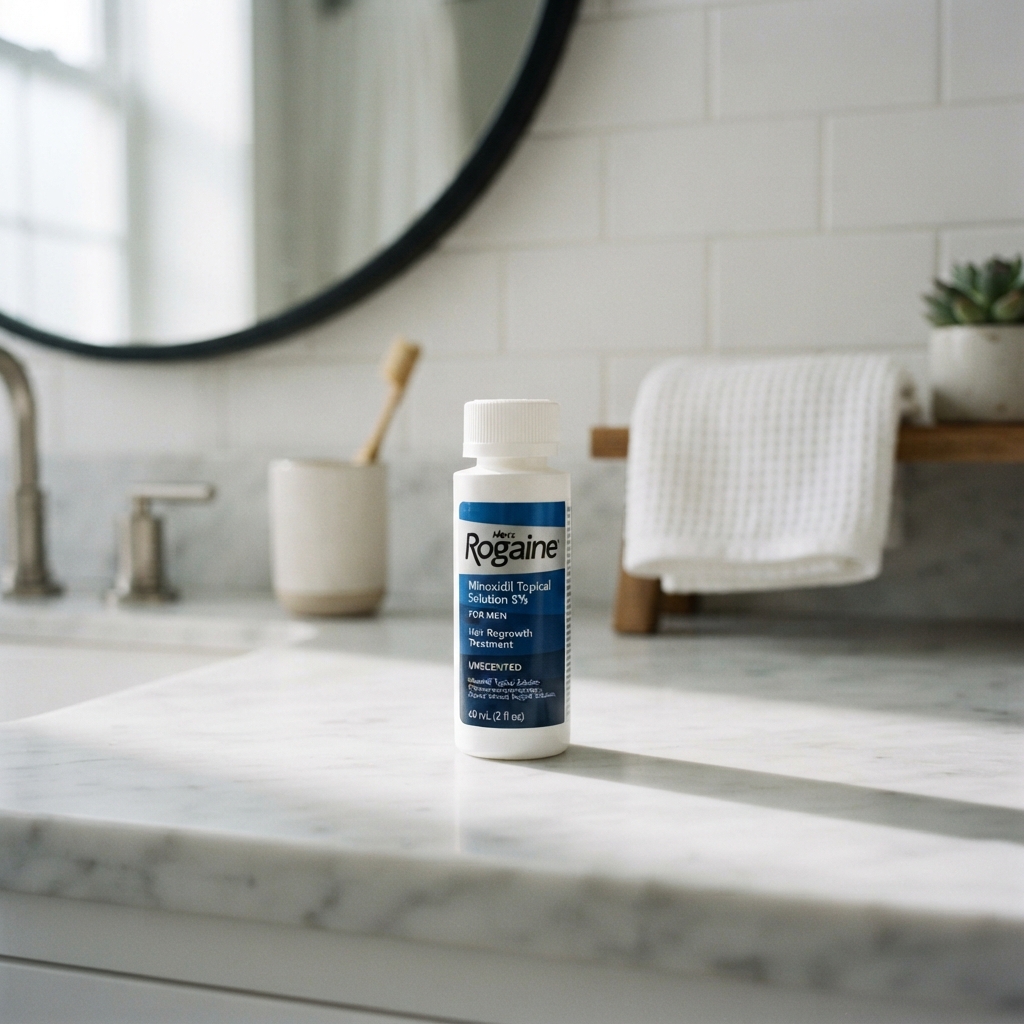
Minoxidil is a topical treatment you apply to the scalp. It can slow loss and grow some hair for many men. It works best on the crown but can help the hairline too.
You have to use it consistently. Stop, and the benefits usually fade. Give it at least three to six months before judging results.
- Use the dose your doctor recommends.
- Apply to a dry scalp, not soaking wet.
- Wash your hands after.
Some men get flakes or irritation. A foam version may feel better than liquid. Ask your doctor.
Finasteride and DHT

Finasteride is a prescription pill that lowers DHT, the hormone linked to male pattern baldness. It can slow loss and sometimes regrow hair. It’s one of the most studied options out there.
It’s not for everyone. Some men worry about side effects. Talk openly with your doctor about risks, benefits, and alternatives.
- Usually taken daily as a small pill.
- Results take months to show.
- Do not share with anyone else.
Knowledge is power here. Ask questions until you feel confident.
Other Treatments to Ask About

Minoxidil and finasteride are the big two, but they aren’t the only options. Your dermatologist might mention ketoconazole shampoo, low-level laser therapy, or platelet-rich plasma.
PRP uses your own blood platelets to stimulate follicles. Laser caps and combs are easy at-home tools. Results vary, so set realistic expectations.
- Ketoconazole shampoo can calm inflammation.
- Low-level laser therapy may boost density.
- PRP is done in office, often monthly at first.
Ask what fits your budget and routine. Consistency beats fancy every time.
Wash Thin Hair Gently

Thin hair looks thinner when it’s greasy or weighed down. But over-washing can strip your scalp. Aim for every other day unless you sweat a lot.
Use a gentle shampoo. Skip heavy conditioners at the roots. Condition mid-length to ends only.
- Warm water, not scalding.
- Massage with fingertips, not nails.
- Rinse until the water runs clear.
Pat dry with a soft towel. Don’t rub hard. Your scalp will thank you.
Scalp Care That Supports Growth
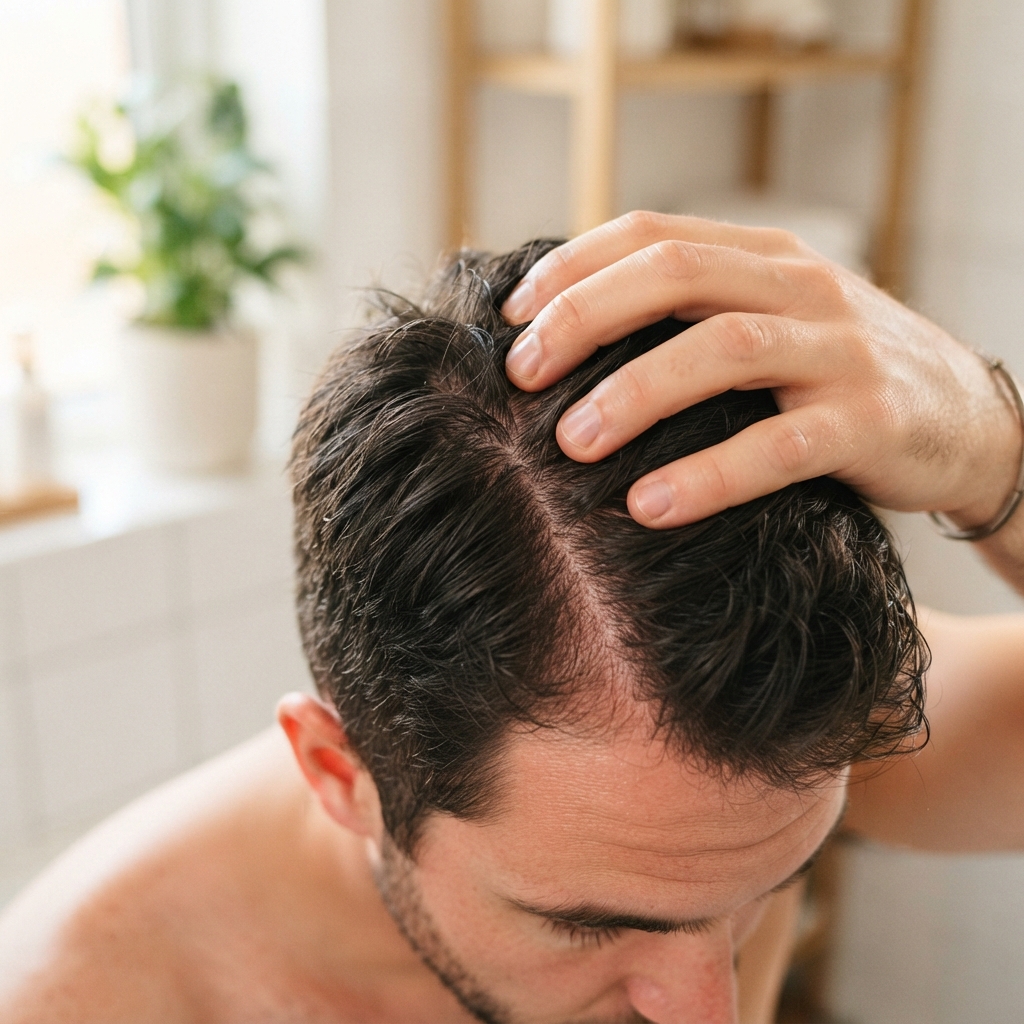
A healthy scalp is the soil for healthy hair. Treat it with care. Exfoliate once a week if you get buildup, but don’t scrub aggressively.
Scalp massage can boost blood flow and help you relax. Two minutes a day is plenty. You can use your fingers or a soft silicone brush.
- Keep your scalp clean but not squeaky dry.
- Don’t scratch or pick at flakes.
- Protect your scalp from sunburn.
Small habits add up. Your future hair will thank you.
Foods, Stress, and Sleep

You can’t eat your way out of genetics, but you can support your body. Protein, iron, zinc, and vitamin D matter for hair growth.
Stress and poor sleep can trigger shedding. You don’t need perfect habits, just better ones.
- Eat protein at breakfast.
- Add leafy greens and nuts.
- Aim for 7 to 8 hours of sleep.
Talk to your doctor before starting supplements. Too much of some vitamins can cause hair loss.
Best Haircuts for Thinning Hair
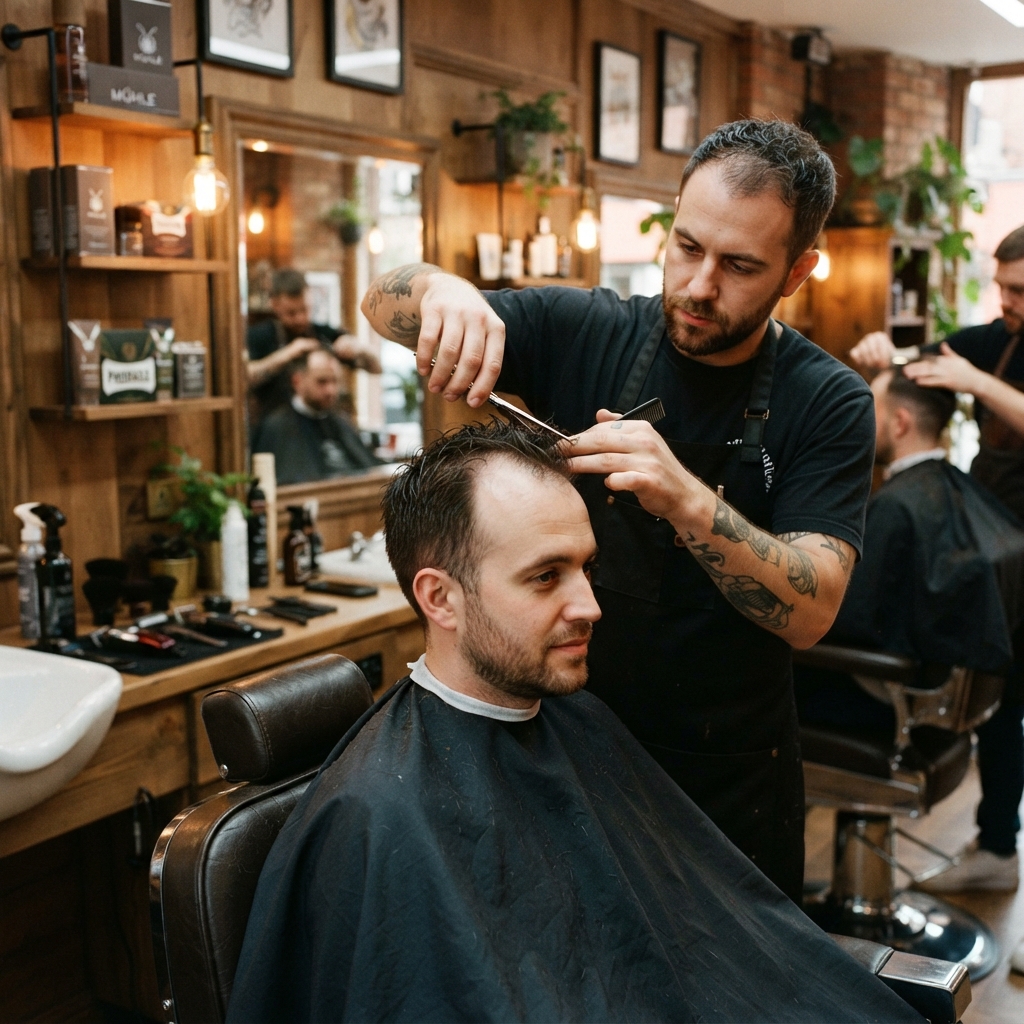
The right haircut is instant confidence. For thinning hair, you want texture, movement, and clean edges. Avoid heavy blunt lines that show scalp.
Shorter sides and a slightly longer top create balance. Fades can work, but keep them soft, not skin-tight.
- Textured crop.
- Classic taper with a side part.
- Buzz cut with a fade.
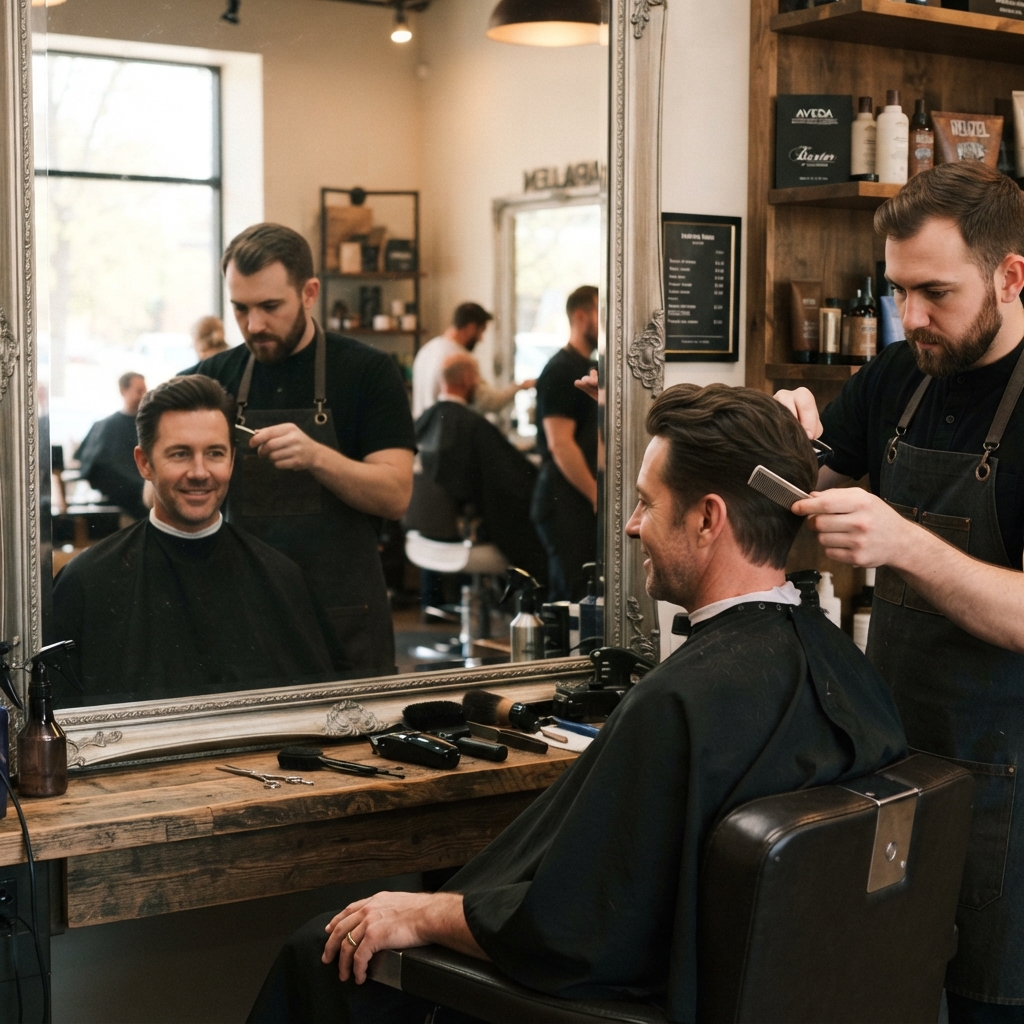
Ask your barber for advice based on your growth pattern. A good cut can make thinning hair look intentional.
How to Ask for a Receding Hairline Cut
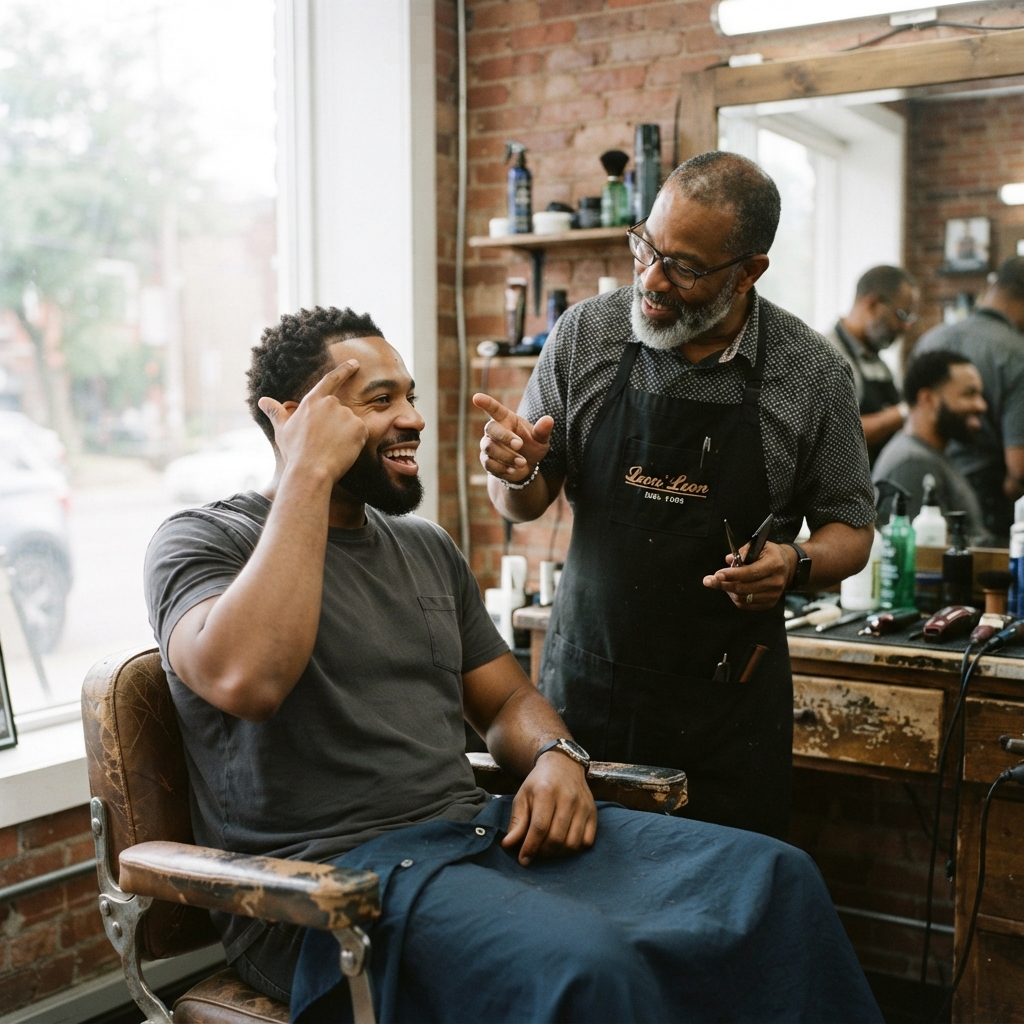
Be direct with your barber. Say, “I’m concerned about my receding hairline. Can we make the top look fuller without hiding it?”
Bring photos. Ask what length works with your density. A pro can blend the sides and top so it looks natural.
- Show your hairline and crown.
- Ask for texture, not weight.
- Book regular trims every 4 to 6 weeks.
You’re not being vain. You’re being smart about your style.
Short Styles That Look Fuller

Short hair often looks thicker because it’s harder to see through. A textured crop, French crop, or short quiff are great places to start.
Keep the sides short but not bald. Leave enough on top to style forward or slightly up.
- Textured crop with a low fade.
- Short quiff with matte product.
- Buzz cut with a clean fade.
Short doesn’t mean boring. It means low-maintenance and sharp. That’s a win.
Medium Length? Make It Work

Medium length can work if you have good density on top. The key is volume and movement. Flat, stringy hair shows every thin spot.
Ask for layers that lift the roots. Avoid heavy one-length cuts. Use a texturizing spray or sea salt spray.
- Keep sides shorter than top.
- Add layers for movement.
- Blow-dry roots upward.
If your crown is very thin, shorter is usually safer. But you can experiment.
Styling Products for Fine Hair
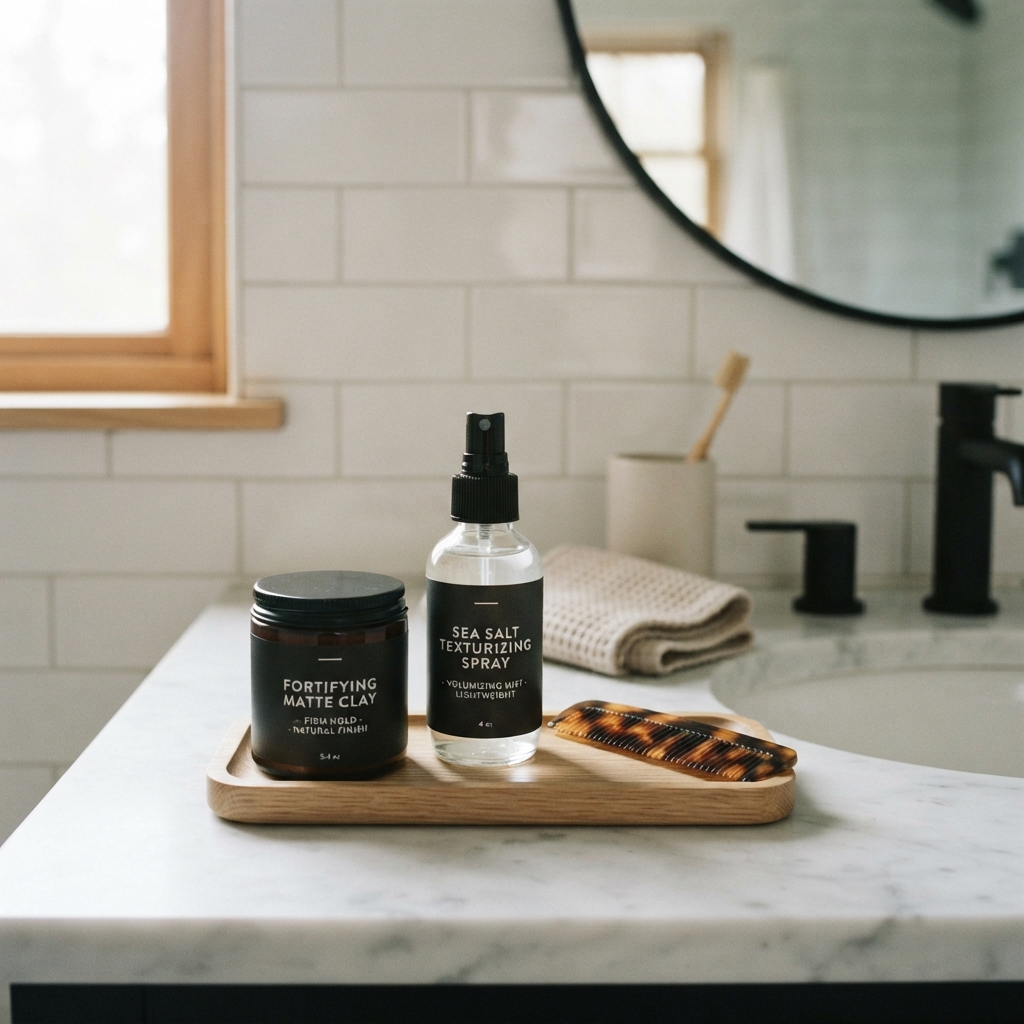
Heavy gels and pomades can clump thin hair and show scalp. Go for lightweight, matte products. You want texture, not shine or weight.
Start with a pea-sized amount. Rub it between your palms and apply to damp or dry hair. Less is more.
- Matte clay for short styles.
- Texturizing spray for medium length.
- Volumizing mousse for fine hair.
Avoid anything that says “high shine” or “heavy hold.” Your hair will look thinner.
Hide Thinning at the Crown
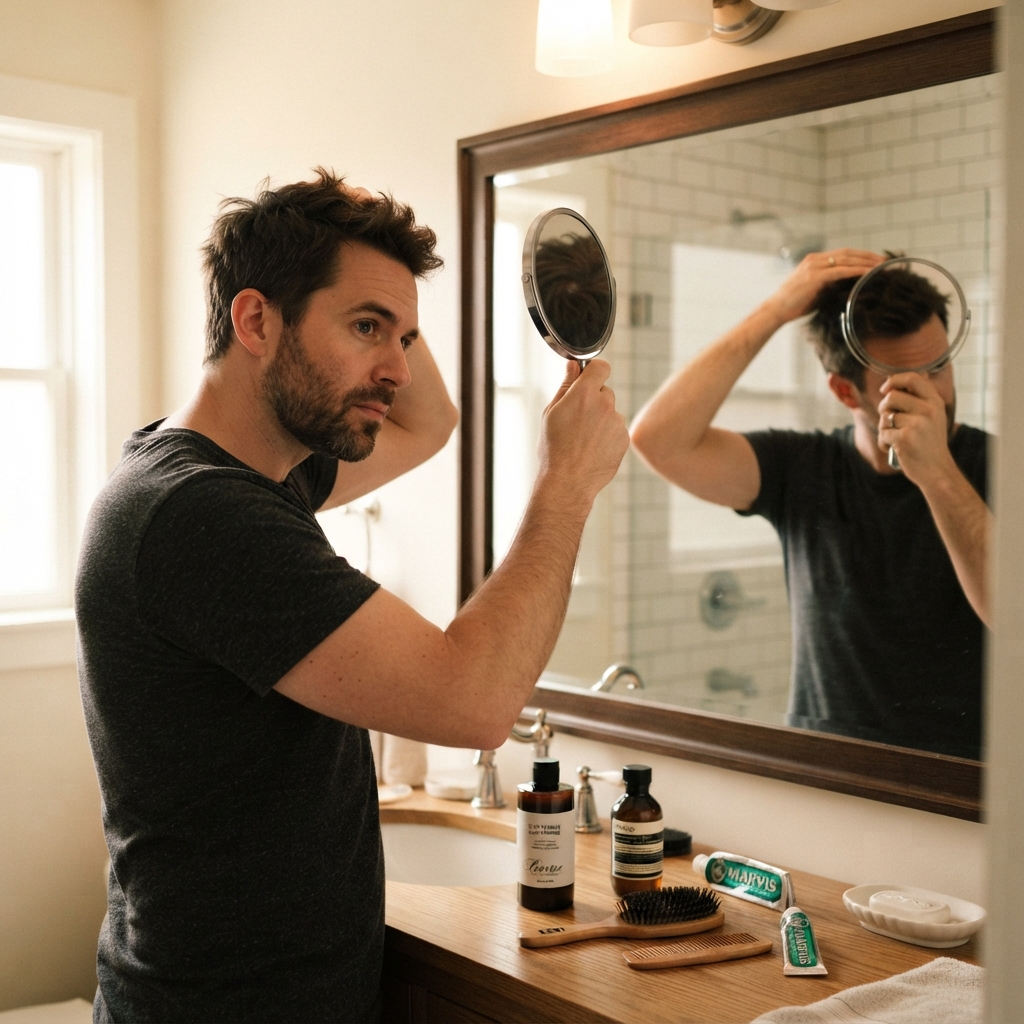
The crown is a common spot for thinning. You can’t always hide it, but you can distract from it. Add volume around it and keep the area clean.
Use a little colored scalp powder if you want. It blends with your hair color and reduces contrast. Just don’t overdo it.
- Style hair away from the thin spot.
- Use matte product, not oil.
- Consider a shorter crown blend.
Your barber can create a cut that minimizes the contrast. Ask for help.
Color, Texture, and Illusion
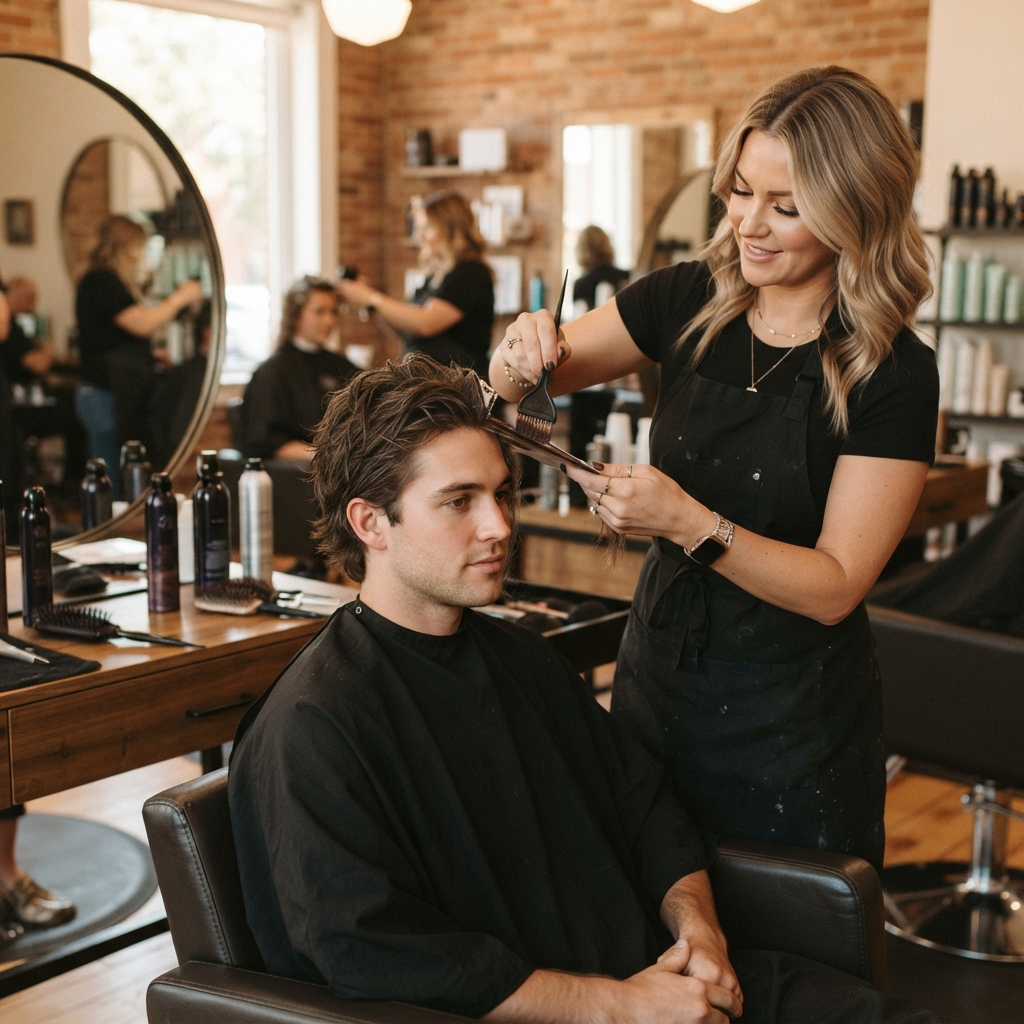
Color can make hair look thicker. A subtle shade close to your natural color can reduce scalp contrast. Highlights and lowlights add depth.
Texture also helps. A body wave or light perm can add volume for some men. It’s not for everyone, but it’s an option.
- Ask for a natural, blended color.
- Avoid dramatic changes.
- Keep up with trims.
Talk to a stylist who understands thinning hair. They can guide you.
Hats, Toppik, and Concealers

Hats are fine. Just don’t wear them tight all day, every day. Give your scalp room to breathe.
Hair fibers like Toppik cling to your existing hair and make it look denser. They wash out with shampoo. Great for events or photos.
- Match fibers to your hair color.
- Use a light hand.
- Keep a small bottle in your bag.
These are tools, not cures. Use them to feel confident, not ashamed.
When to Consider a Hair System
Hair systems have come a long way. They can look natural and feel comfortable. Many men use them for work, dating, or just feeling like themselves.
It’s a personal choice. Some love the results. Others prefer shorter hair or a bald look. There’s no wrong answer.
- Research local specialists.
- Ask about maintenance and cost.
- Look at real client photos.
If you’re curious, book a consultation. No pressure.
2026 Hairstyles for Men With Thinning Hair

In 2026, the best men’s hairstyles for thinning hair are all about texture and clean shape. Think soft fades, textured crops, and natural movement.
You’ll also see more men embracing shorter cuts with personality. The goal is to look intentional, not like you’re hiding something.
- Textured crop with mid fade.
- Modern bowl cut with soft edges.
- Short shag with volume.
Bring photos to your barber. Ask what fits your hairline. Trends are just inspiration.
Old Money Hair for Guys

Old money hair isn’t about logos or trends. It’s polished, natural, and effortless. For thinning hair, that means a clean side part, soft texture, and no harsh lines.
Keep it neat but not glued down. A little length on top gives you something to style.
- Classic taper.
- Side part with natural volume.
- Matte finish, no shine.
This look works at any age. It’s timeless for a reason.
Quiet Luxury Bob, Asymmetrical Lob, and Hime Cut Lessons
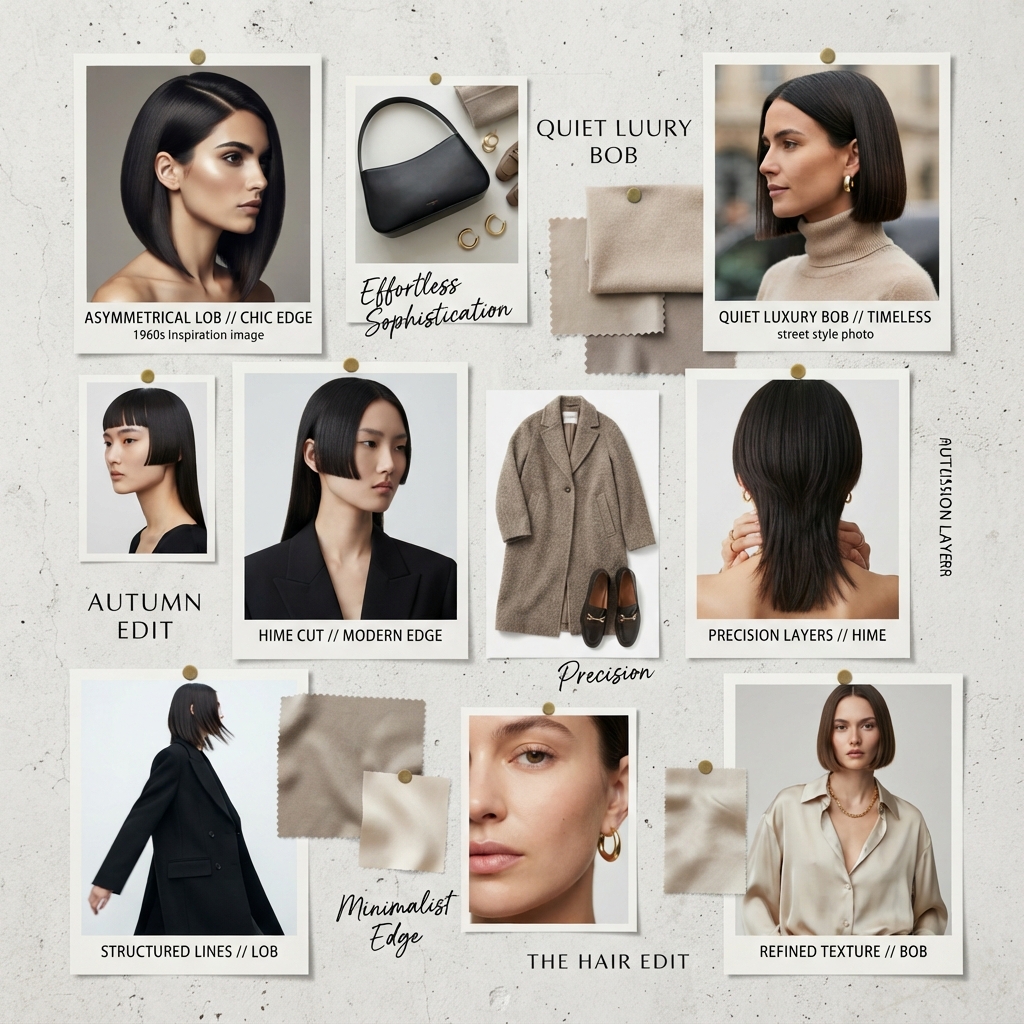
You might be searching for a quiet luxury bob, asymmetrical lob, or hime cut for someone else. But these trends teach great lessons for men’s thinning hair too.
They all use clean lines, soft movement, and strategic layering. A hime cut’s blunt side pieces frame the face. An asymmetrical lob creates volume through uneven length.
- Clean lines look intentional.
- Layering creates fullness.
- Contrast can distract from thinning.
Ask your barber how to borrow those ideas in a masculine way.
Romantic Goth, Glitchy Glam, and Vampire Haircut Trend Notes

Romantic goth hairstyles, glitchy glam hair, and the vampire haircut are having a moment. These looks are dramatic, but they still offer ideas.
Dark color can create depth. Slicked-back styles can look sharp. A vampire haircut often has a strong widow’s peak vibe, which can work with a receding hairline if styled well.
- Use dark color to add depth.
- Slicked styles can hide thin spots.
- Keep edges sharp but not severe.
You don’t have to copy the trend. Take what works for you.
Confidence Beyond Hair

Hair is part of your look, not your worth. Some days you’ll feel great. Other days you’ll fixate on a thin spot. That’s normal.
Focus on what you can control: your style, your health, your kindness. Confidence is the best accessory.
- Get a haircut you love.
- Wear clothes that fit.
- Talk to someone if it’s dragging you down.
You’re more than your hairline. Always were.
Your Simple 30-Day Plan

Let’s make this doable. For the next 30 days, keep it simple. No overwhelm, just small steps.
- Week 1: Take hairline photos and book a dermatologist.
- Week 2: Get a haircut that adds texture.
- Week 3: Start a gentle wash and scalp massage routine.
- Week 4: Review your progress and adjust.
That’s it. Small moves, real results. You’ve got this.
A Gentle Send-Off
Managing thinning hair and a receding hairline isn’t about winning a race. It’s about feeling good in your own skin while you make smart choices.
You have treatments, haircuts, styling tricks, and a whole community of men figuring this out too. You’re not alone.
Start with one small step today. Then another. I’m cheering for you.
Save this post to Pinterest so you can find it when you need a quick pep talk or a barber reference.
And tell me in the comments: what’s your biggest hair struggle right now? I read every comment. Love, Hailey & Team.

