

Hey friend. If you have ever stood over your bathroom sink and panicked at the amount of hair staring back at you, you are in exactly the right place.
Here is the good news: most of what you are seeing is probably completely normal. Your hair sheds every single day, and it always will. The tricky part is knowing when shedding is just your scalp doing its job and when breakage is quietly stealing your length.
In this post, I am breaking down the difference in plain English. You will learn how to tell them apart in seconds, what causes each one, and how to protect your strands without giving up the styles you love in 2026.
Grab a coffee. This one is quick, honest, and genuinely useful.
Normal Shedding Is Actually a Good Sign

Your hair grows in cycles. At any given moment, some strands are growing, some are resting, and some are ready to fall out. That is not a problem. That is the system working exactly as designed.
On average, you lose somewhere between 50 and 100 strands a day. If you wash your hair only twice a week, you will see way more on wash day. That is old hair finally letting go, not new damage.
- Strands come out with a tiny white bulb at the end
- They are full length, root to tip
- Shedding is spread evenly across your whole head
If that sounds like you, take a breath. You are fine.
What Breakage Looks Like Instead
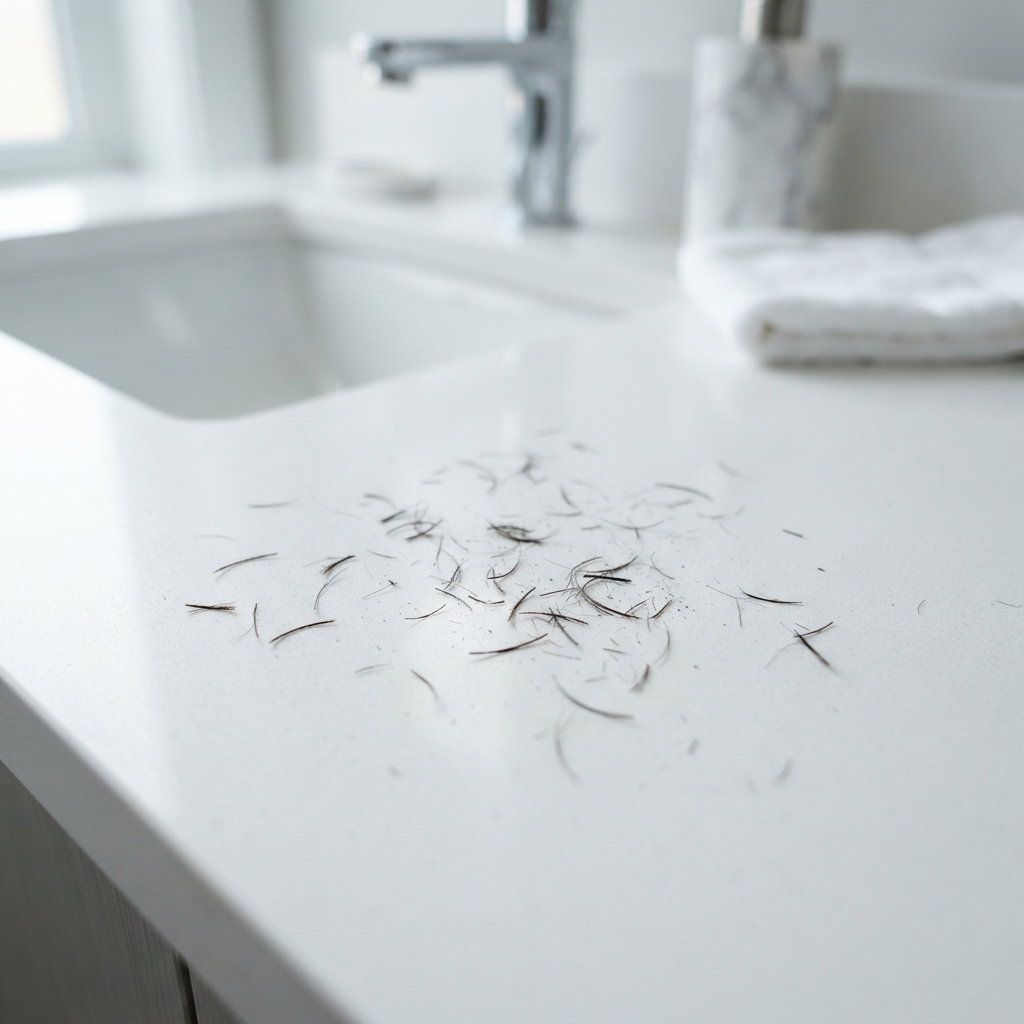
Breakage tells a different story. Instead of whole strands, you find little pieces. Short, snapped fragments with no bulb, no root, no smooth taper at the end.
You will usually notice it in specific spots: around your part, along your hairline, or at the mid-lengths where your ponytail sits. Breakage is not your body releasing hair. It is hair that got weaker than the stress placed on it.
- Short pieces in the sink or on your shirt
- No white bulb at the end
- Frizzy, uneven sections that never grow past a certain point
That last one is the giveaway most of us ignore for way too long.
The 30-Second Test You Can Do Right Now

Pull one strand from your brush. Seriously, do it. Then look at it closely in good light.
- Check for a white bulb at the root end. Yes means shedding.
- Check the length. Full length means shedding. Short means breakage.
- Run your fingers down the strand. Rough, bumpy, or frayed means damage.
- Look at the tip. A tapered end is natural. A blunt or split end is breakage.
Do this a few times over a week and you will spot your pattern fast. No guessing, no panic scrolling at midnight.
Your Hairbrush Tells the Truth
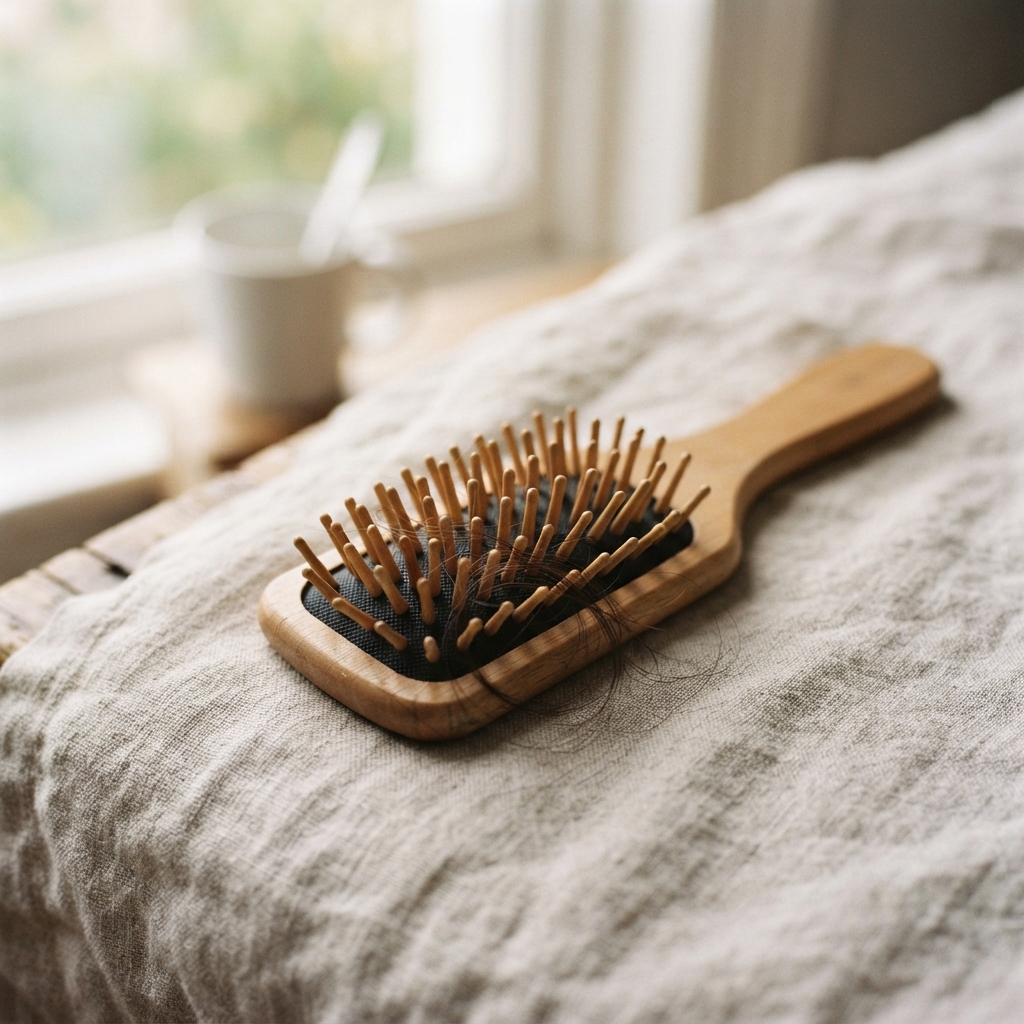
Your brush is basically a daily report card. Where the hair collects matters more than how much is there.
If you are pulling hair mostly from the scalp area right after brushing, that is normal shedding. If you are pulling short, broken pieces from the mid-shaft or ends, that is breakage.
- Hair on the brush after detangling: normal
- Hair snapping while you brush: breakage
- Tangled knots that form fast at the ends: damage
Here is a quick fix. Start detangling from the ends and work your way up. Never rip through from the top. That single change saves a lot of length.
Where Breakage Really Happens

Breakage is rarely random. It picks favorites. Most of it happens in the same three or four spots on almost every head.
- The hairline, from tight styles and friction
- The crown or part, from heat tools and sun exposure
- Mid-lengths, where ponytails and clips sit
- Ends, the oldest and weakest part of every strand
Once you know your weak spot, you can stop treating your whole head the same. Take a photo of the back of your head every month. It sounds silly. It also shows you the truth better than any mirror angle.
The Shower Drain Is Not Always Bad News
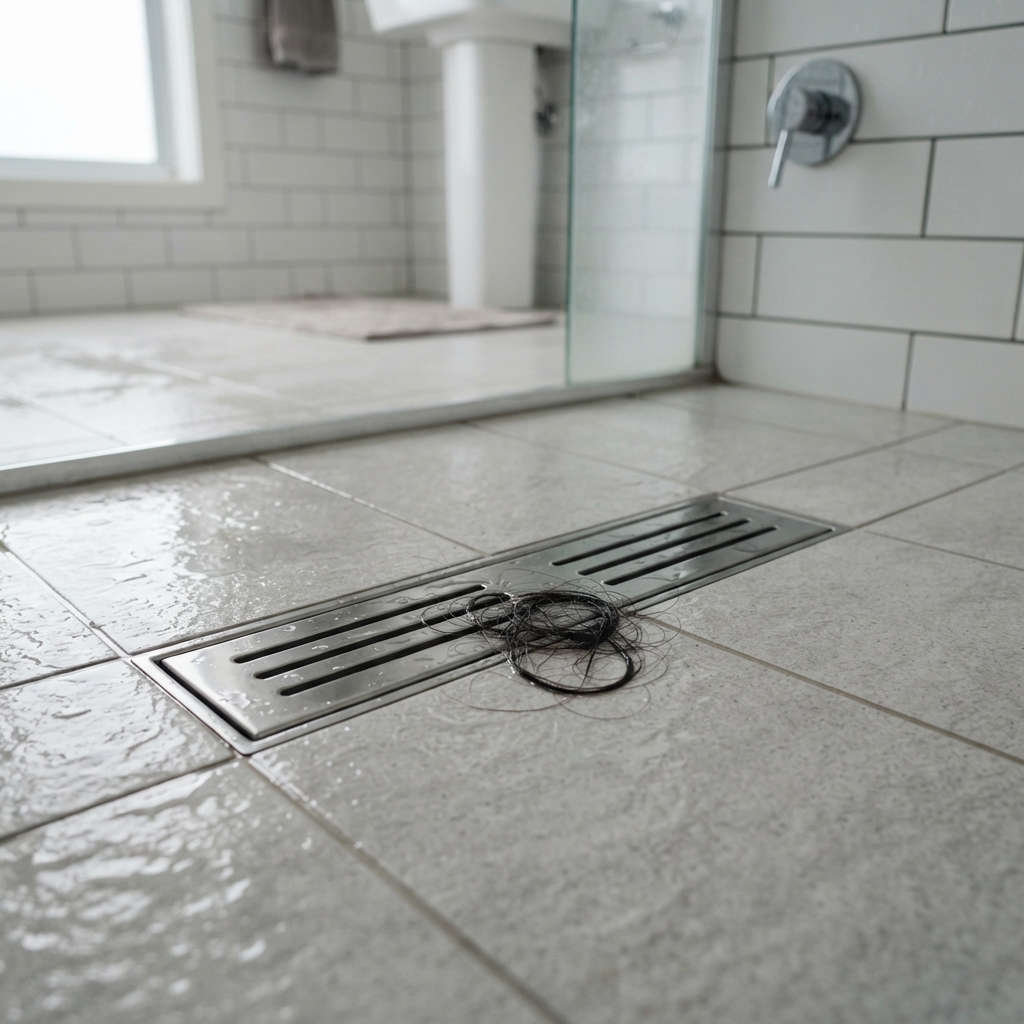
Everyone has that moment. You look down and think, wow, that is a lot.
But here is something most people never get told. You shed more on wash days because you are not brushing out loose hair in between. If you wash every three days, you are seeing three days of shedding at once.
What matters is the trend, not one scary drain moment. Photograph the drain after each wash for a month. If it looks the same each time, you are stable. If it is growing every week, that is when you dig deeper.
Heat Styling and the Damage You Cannot See
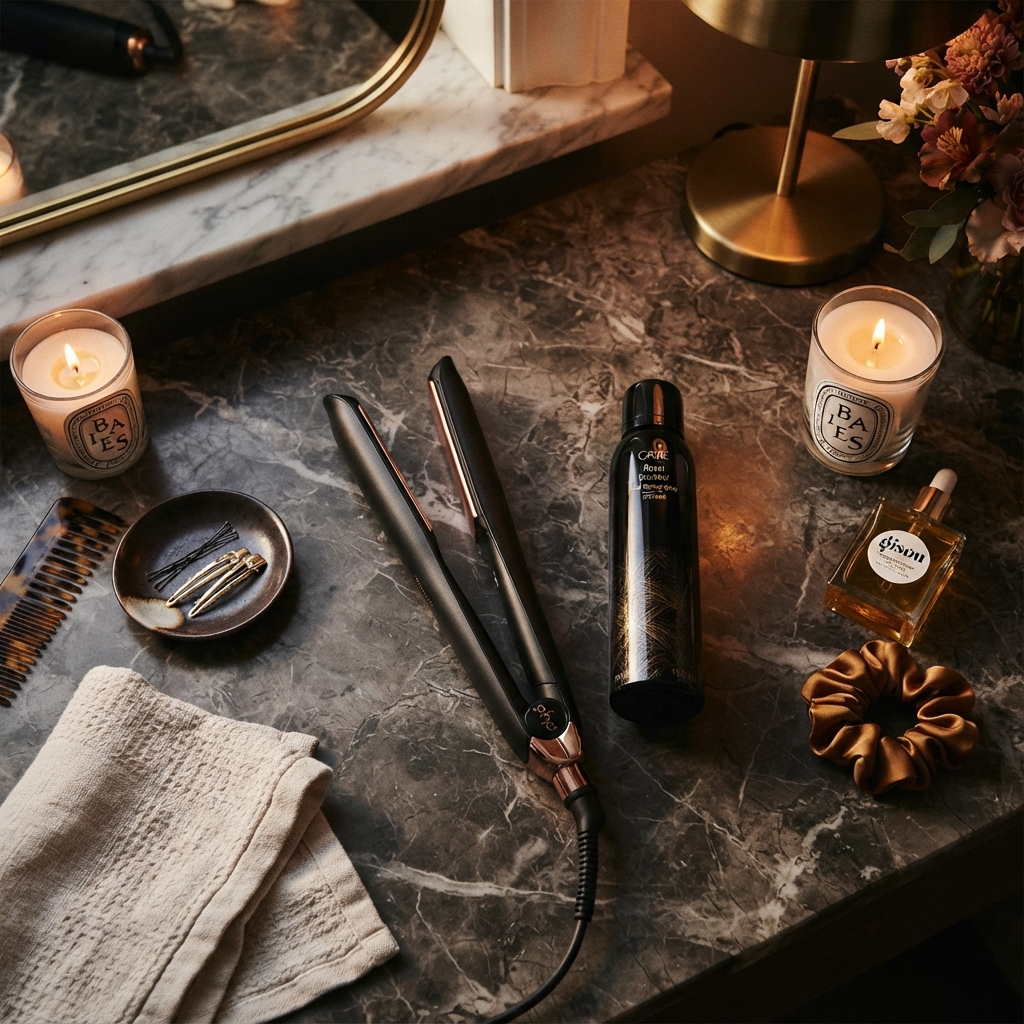
Heat damage is sneaky. Your hair can look shiny and great for months while the inside of each strand is quietly weakening.
The danger zone starts around 350 degrees. Above that, the bonds inside your hair begin breaking down, and once they are gone, they do not come back.
- Always use a heat protectant, every single time
- Keep flat irons and wands under 350 degrees
- Never style soaking wet hair with a hot tool
- Give your hair at least two heat-free days a week
Your future length depends on today’s temperature dial.
Tight Hairstyles Are Quietly Costing You
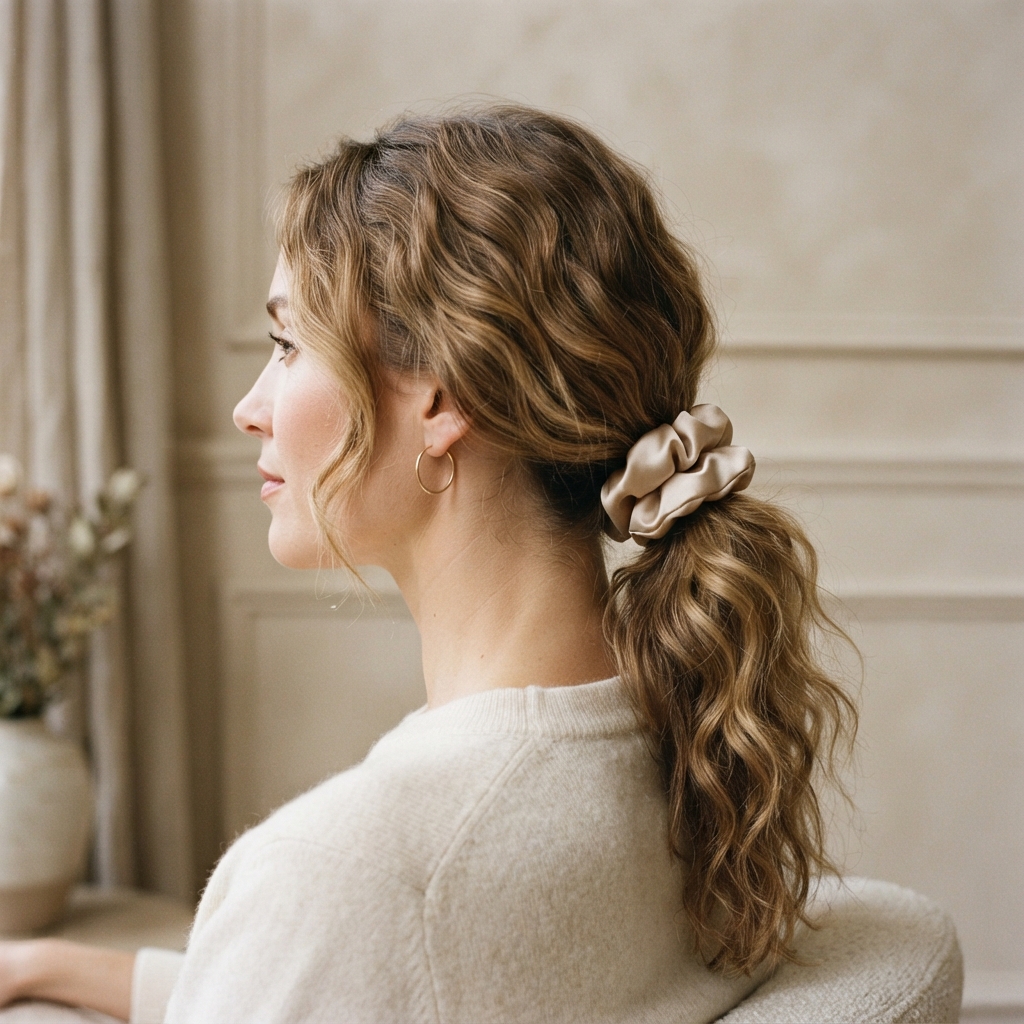
That snatched ponytail looks amazing. It can also be slowly pulling your hair out at the root and snapping it at the band.
Anything that hurts is too tight. That tugging you feel by lunchtime is traction, and over months it can thin your hairline for real.
- Switch to silk scrunchies or spiral ties
- Move your part and ponytail position often
- Skip sleek styles a few days a week
- Never sleep with tight braids or buns
Looseness is not laziness. It is strategy. And honestly, the slightly undone look is everywhere in 2026 hairstyles anyway.
Wet Hair Is Fragile Hair

Wet hair stretches. That sounds good, but it actually means it snaps more easily because it has less ability to bounce back.
So the worst thing you can do is attack it with a rough towel and then drag a brush through it. That is how a lot of breakage starts, and it happens in the first five minutes after your shower.
- Gently squeeze water out with a soft towel or t-shirt
- Apply a leave-in conditioner or detangler
- Use a wide-tooth comb, starting at the ends
- Let it air dry a bit before heat styling
Small change, big difference over a year.
Color, Bleach, and the Breaking Point

Lightening your hair is the single biggest cause of breakage I see. Bleach lifts the cuticle open to remove color, and it does not close back the same way.
If you color, you are not doomed. You just need to be smart about it.
- Space out lightening sessions by at least eight weeks
- Ask for bond-building treatments during the service
- Skip bleach on already-lightened mid-lengths
- Invest in a weekly protein mask
Going darker or staying closer to your natural tone is having a moment right now with old money hair, and honestly, it is kinder to your strands.
Protein and Moisture Need Each Other

This is the part where most people go wrong. Hair needs both protein and moisture, and too much of either causes snapping.
Signs you need protein: hair feels mushy, stretchy, or limp when wet. Signs you need moisture: hair feels straw-like, rough, and snaps instantly.
- Protein treatment: every two to four weeks for damaged hair
- Deep conditioner: once a week, or as often as needed
- Balance is the goal, not more of everything
Try one at a time. If your hair feels worse after a protein mask, add moisture instead. Your strands will tell you what they need.
Seasonal Shedding Is Real

Yes, your hair really does shed more in certain months. Many people see a spike in early fall and again in spring.
It is tied to daylight, temperature, and your body’s natural cycles. It usually lasts a few weeks and then settles down on its own.
- Fall shedding: often the biggest spike
- Spring shedding: usually milder
- Summer: more sun and chlorine damage, less shedding
If the change lines up with the season and stops within a month or two, it is probably not something to worry about. Just keep your routine gentle in the meantime.
Stress and Hormones Have a Say

Here is the frustrating part. When you go through something stressful, your hair does not react right away. It reacts two to three months later.
So the shedding you see in June might be from a hard April. That delay makes it really hard to connect the dots.
Other things that shift your shedding: pregnancy, postpartum, thyroid changes, starting or stopping birth control, and major weight loss. If shedding is heavy, lasts more than a few months, or comes with other symptoms, see a doctor. That is not dramatic. That is smart.
What You Eat Shows Up in Your Hair

Hair is one of the first things your body stops prioritizing when nutrients are low. That is why it can be a clue about what is going on inside.
You do not need a fancy supplement stack. You need enough food, enough protein, and a few key nutrients.
- Protein at every meal
- Iron and ferritin, especially if you have heavy periods
- Vitamin D and zinc
- Omega-3s and plenty of water
Talk to your doctor before adding supplements. Bloodwork beats guessing every single time.
How 2026 Hairstyles Fit Into This

Good news. The trends right now are actually friendly to fragile hair.
Blunt, soft cuts like the quiet luxury bob and the asymmetrical lob keep the ends thick and healthy-looking, and they hide breakage better than long layers. The old money hair look is all about glossy, low-fuss shine, not high heat.
Even the edgier stuff works. Romantic goth hairstyles lean on texture and dark tones, glitchy glam hair adds shine and small accents, and the vampire haircut and hime cut give you drama without daily damage.
Trends change. Healthy hair never goes out of style.
The Quiet Luxury Bob Is a Breakage Hack

Real talk. If your hair breaks off constantly, a blunt cut is one of the smartest moves you can make.
A quiet luxury bob removes the thin, damaged ends in one go, and because it is cut straight across, it looks fuller immediately. There is no fragile taper for breakage to travel up.
- Ask for a blunt or softly beveled line
- Keep it between chin and collarbone
- Skip heavy layers if your ends are fragile
- Refresh the line every eight to ten weeks
It is elegant, low maintenance, and it buys your hair time to recover.
The Asymmetrical Lob and Long Hair Goals

Growing your hair out but stuck at the same length for two years? That is the classic breakage plateau. Your ends are snapping as fast as your roots are growing.
An asymmetrical lob can break that cycle. It keeps noticeable length while trimming away the weak spots, and the angled shape makes it look intentional, not like a reset.
Once your ends are healthy, growth actually shows. That is the secret nobody tells you. Sometimes the fastest way to longer hair is to cut a little first.
When to See a Professional
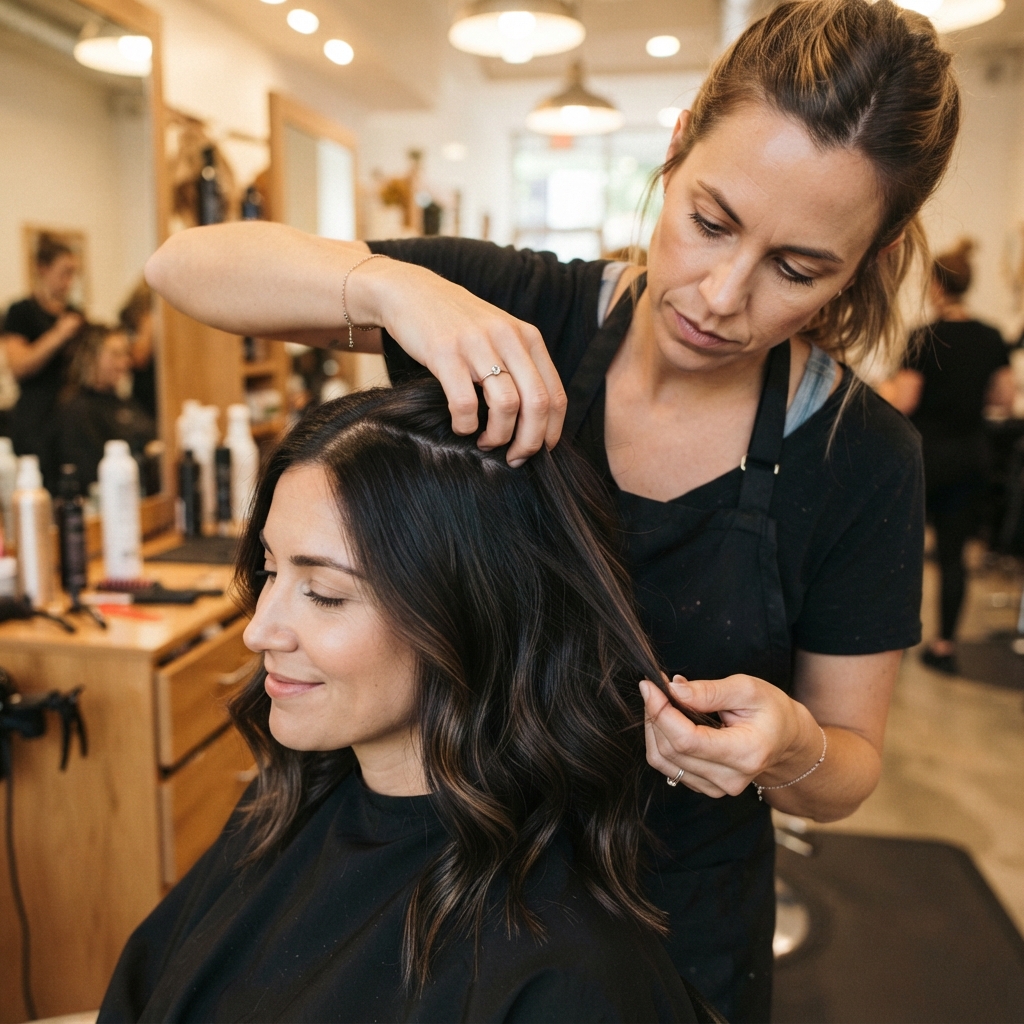
Most shedding and breakage can be handled at home. But there are moments when you should get help instead of experimenting.
- Shedding that lasts more than three months
- Visible thinning or bald patches
- Scalp pain, itching, or flaking that will not quit
- Sudden, dramatic change after medication or illness
Start with your doctor for anything internal, and your stylist for anything structural. A good stylist can spot breakage patterns before you even notice them. There is no shame in either. Getting answers early usually means fixing it faster.
Products Actually Worth Buying
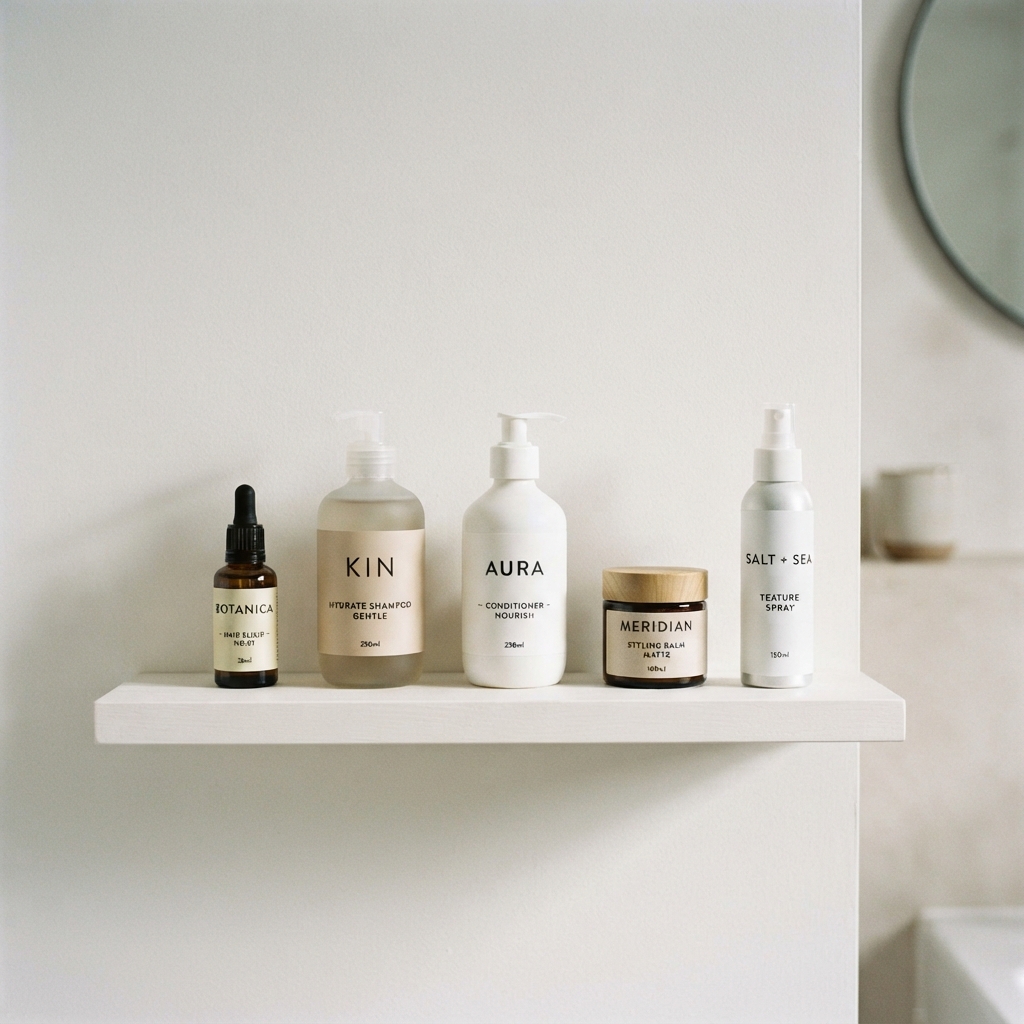
You do not need twelve products. You need a few good ones and the patience to use them consistently.
- A gentle sulfate-free shampoo
- A rich conditioner you leave on for three minutes
- A leave-in detangler
- A heat protectant you never skip
- One bond-building or protein treatment
- A silk pillowcase or bonnet
That is it. Everything else is bonus. Fancy packaging does not repair a broken strand, but consistency does. Bonus points if your shampoo has no drying alcohols in the first five ingredients.
Habits That Stop Breakage Fast

If you only change a few things, make it these.
- Detangle from the ends up, never top down
- Sleep on silk or satin
- Loosen your ponytails and rotate the position
- Lower your heat tools below 350 degrees
- Trim every eight to twelve weeks
- Drink more water than you think you need
None of these are dramatic. Together, they change everything in about three months. That is roughly one full growth cycle, and it is when you start seeing real progress.
How to Track Your Progress

You cannot manage what you do not measure, and hair is no exception.
- Snap a photo of your part and hairline every month
- Note your trim dates in your phone
- Track wash-day shedding for a few weeks
- Measure your length from your part to your ends
Trends matter more than single moments. If your shedding is stable and your breakage is shrinking, you are winning. Give it ninety days before you judge anything, and be kind to yourself. Hair grows slowly. Patience is part of the routine.
Before You Go, Friend
Here is what I want you to remember. Shedding is your scalp doing its job. Breakage is damage asking for attention. They look similar in the sink, but they need completely different responses.
So check a strand, watch your brush, and give your routine a few months to work. Gentle habits beat expensive fixes every time.
You are not losing your hair. You are learning to listen to it. And that changes everything.
Save this post to Pinterest so you can come back to the strand test the next time your sink scares you.
Now tell me in the comments: is your hair shedding or breaking? Look at one strand and let me know. I read every single one.

