

If your scalp starts itching the second the air turns cold, you are not alone. Mine used to get so flaky that I’d wear beanies just to hide it. Then I learned that winter scalp care is less about scrubbing harder and more about adding moisture, calming irritation, and being gentle.
In this post, I’m sharing the exact habits that helped me stop the itch without giving up cute hairstyles. We’ll talk shampoos, oils, hats, dry shampoo, and the little routines that make a big difference.
You’ll also get easy ways to wear 2026 hairstyles like an asymmetrical lob or quiet luxury bob while your scalp heals. Let’s make this cold season comfortable, cozy, and flake-free.
Why Cold Weather Makes Your Scalp Itch

Cold air holds less moisture. When you come inside and crank the heat, the air gets even drier. Your scalp loses oil and water, so it feels tight, itchy, and flaky.
Add hot showers, wool hats, and stress, and your skin barrier gets irritated. That’s why flakes show up even if you never had dandruff before.
You might notice flakes on your part, hairline, or shoulders. That’s your scalp asking for moisture, not punishment. Quick fix: treat your scalp like delicate skin. Moisturize, avoid harsh scrubs, and protect it from dry indoor heat.
- Cold outdoor air
- Dry indoor heat
- Hot water
- Wool hats
Stop Taking Scalding Hot Showers

Hot water feels amazing on a cold day, but it strips oil from your scalp. That makes the itch worse and flakes more visible.
Turn the temperature down to warm, not steaming. Finish with a cool rinse on your hair if you can handle it. It helps seal the cuticle and calms irritation.
If your scalp turns red after a hot shower, that’s your sign to cool it down.
- Keep showers under 10 minutes
- Use lukewarm water on your scalp
- Save hot water for your body only
Your scalp will feel less tight by your next wash.
Moisturize Your Scalp Like You Moisturize Your Face
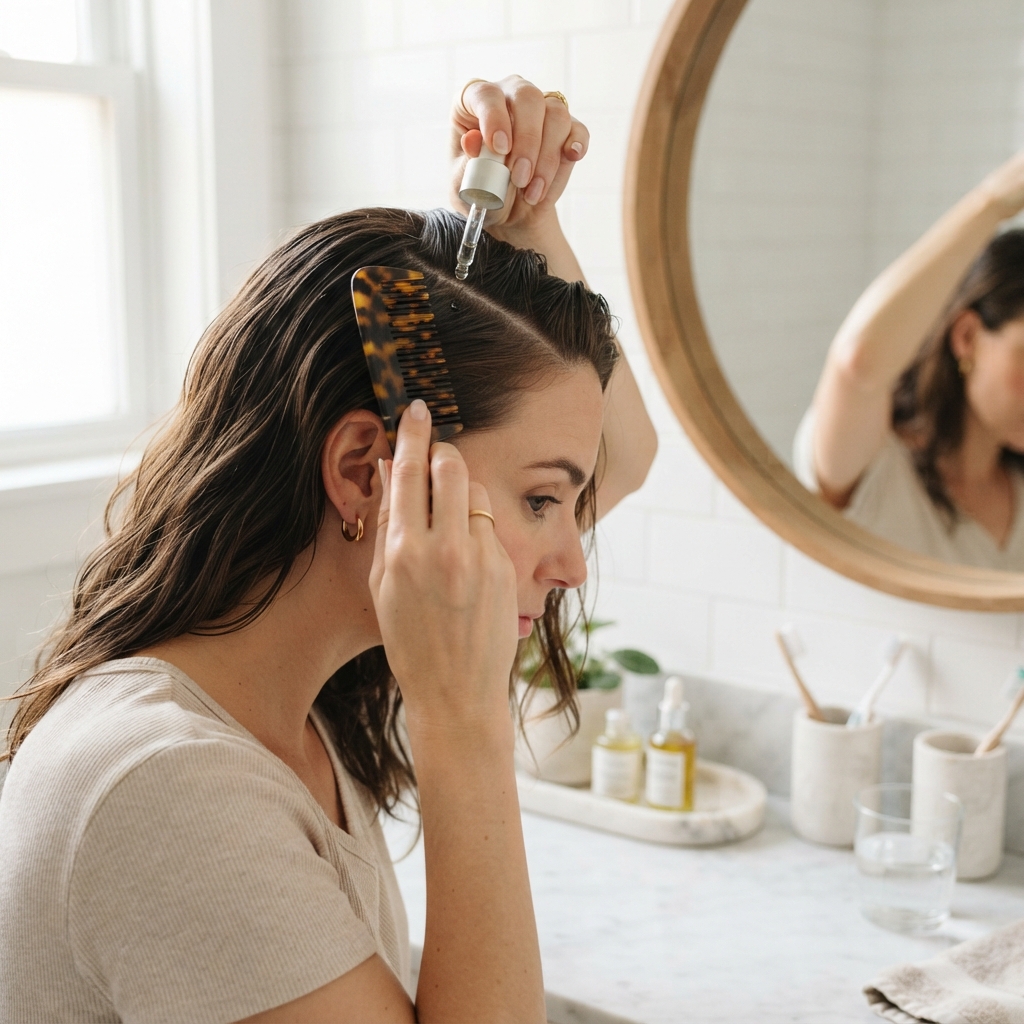
Your scalp is skin. In winter, it needs moisture just like your face. A lightweight scalp serum or moisturizing tonic can soothe tightness fast.
Look for ingredients like glycerin, hyaluronic acid, aloe, or ceramides. Apply a few drops along your part, then massage gently with your fingertips.
Skip heavy butters that sit on the scalp. Light layers absorb better and won’t clog pores.
- Part hair in sections
- Dot serum on dry, itchy spots
- Massage for one minute
- Leave it in
Do this once daily or every other day. It’s an easy upgrade to any 2026 hairstyle routine.
Try a Pre-Wash Scalp Oil
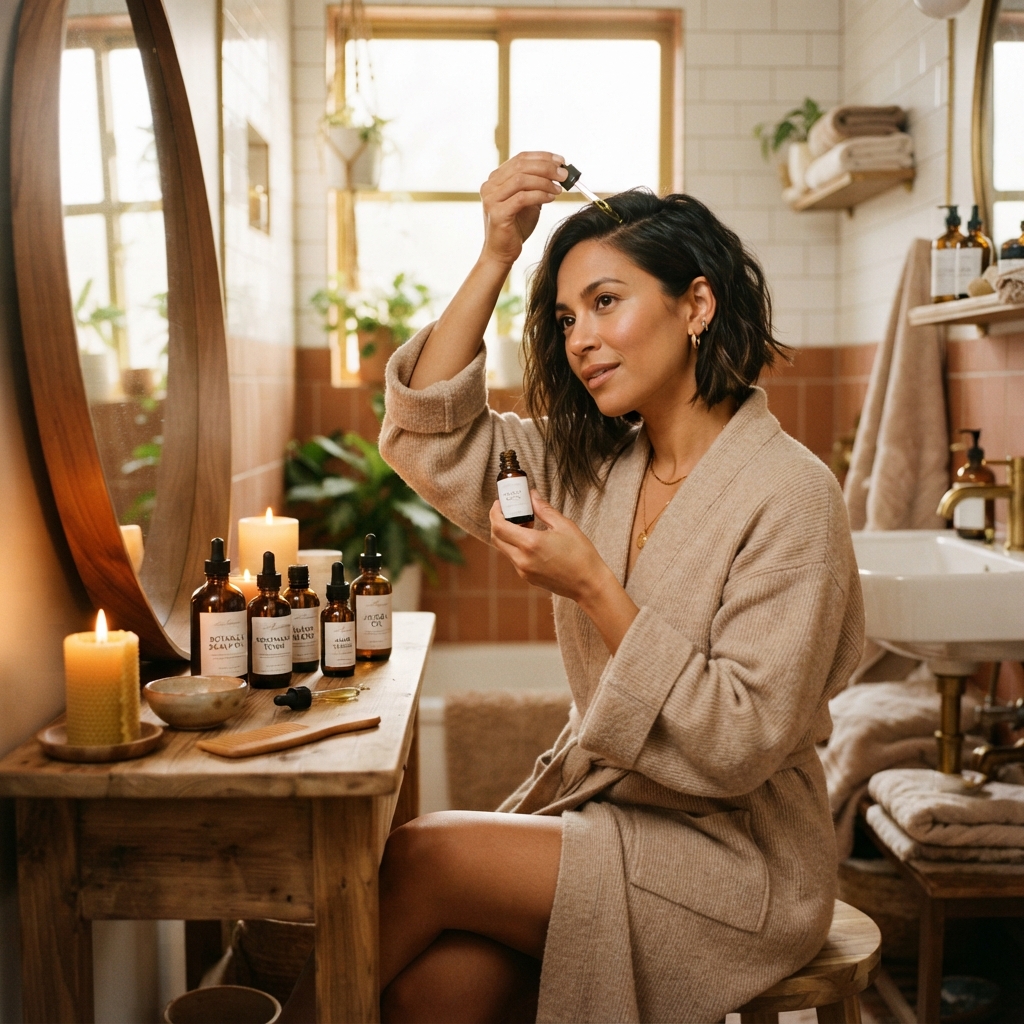
A pre-wash oil treatment can help loosen flakes and add comfort before shampoo. It’s especially nice if your scalp feels dry and tight, not oily.
Use oils like jojoba, squalane, or a blend with tea tree if your scalp tolerates it. Massage it in, then wait 20 to 30 minutes.
If your scalp is oily, keep oil off the roots and just treat the dry, flaky patches.
- Apply to dry scalp
- Massage gently
- Wait 20–30 minutes
- Shampoo twice if needed
Don’t sleep in heavy oil if you’re prone to buildup. Keep it simple and consistent.
Use Your Fingertips, Not Your Nails

Scratching feels good for three seconds. Then it makes everything worse. Nails can create tiny cuts, irritation, and more flakes.
Use the pads of your fingers. Move in small circles. Think “massage,” not “scrub.” This helps lift flakes without damaging your skin barrier.
Massaging also boosts blood flow, which can support a healthier scalp over time. If you have long nails, use a shampoo brush with soft silicone bristles instead.
- No nails
- No harsh brushes
- No scratching until it stings
- Be extra gentle around your hairline
If you need relief, press lightly instead of scratching. Your scalp will thank you.
Wash Smart, Not Less
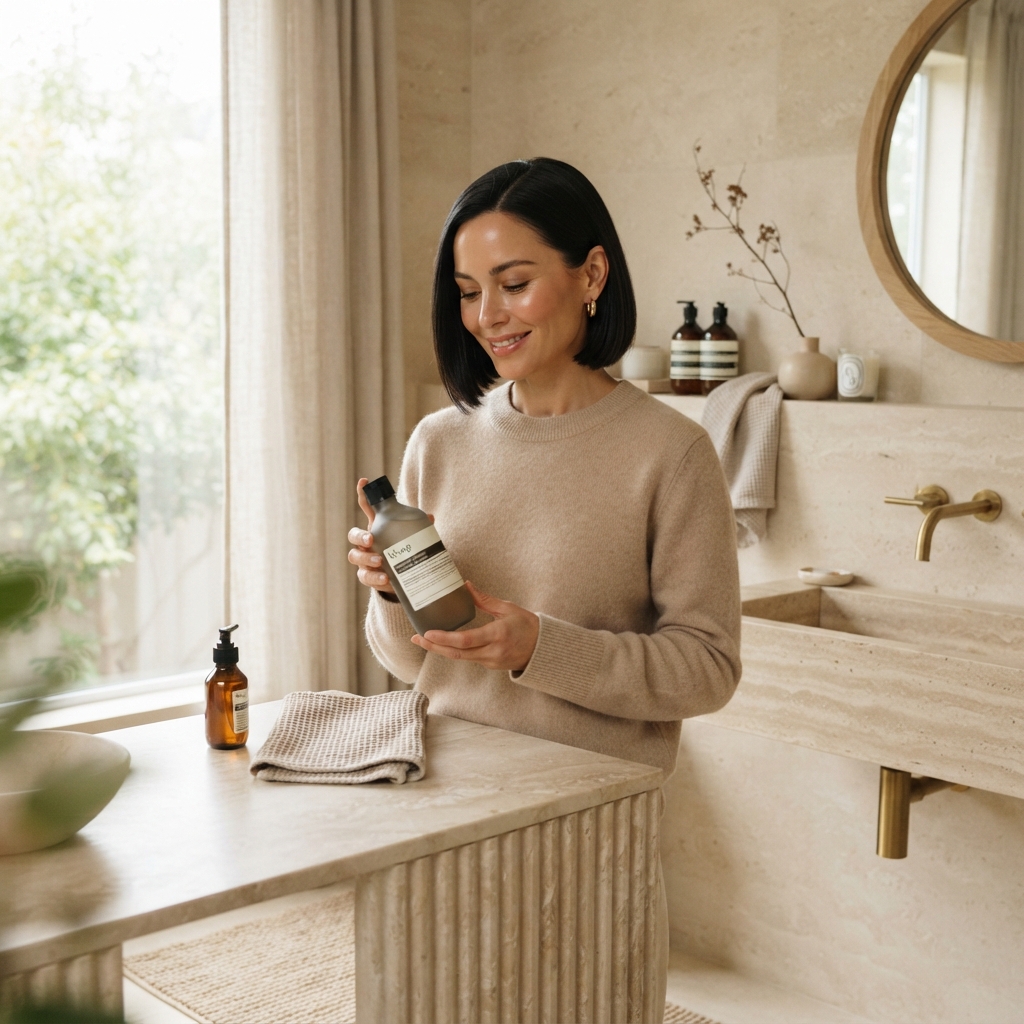
Some people skip washing because they think flakes mean dry scalp. But flakes can also come from oil, dead skin, and product buildup. You still need to cleanse.
Wash when your scalp feels oily, itchy, or dirty. For most people, that’s every two to three days. If you use lots of styling products, wash more often.
If your scalp is very oily, a daily wash is okay. If it’s dry, every other day may be enough.
- Focus shampoo on the scalp
- Let it sit for a minute
- Rinse before conditioning
- Don’t pile hair on top of your head
Clean scalp first. Cute hair second.
Pick a Gentle Shampoo
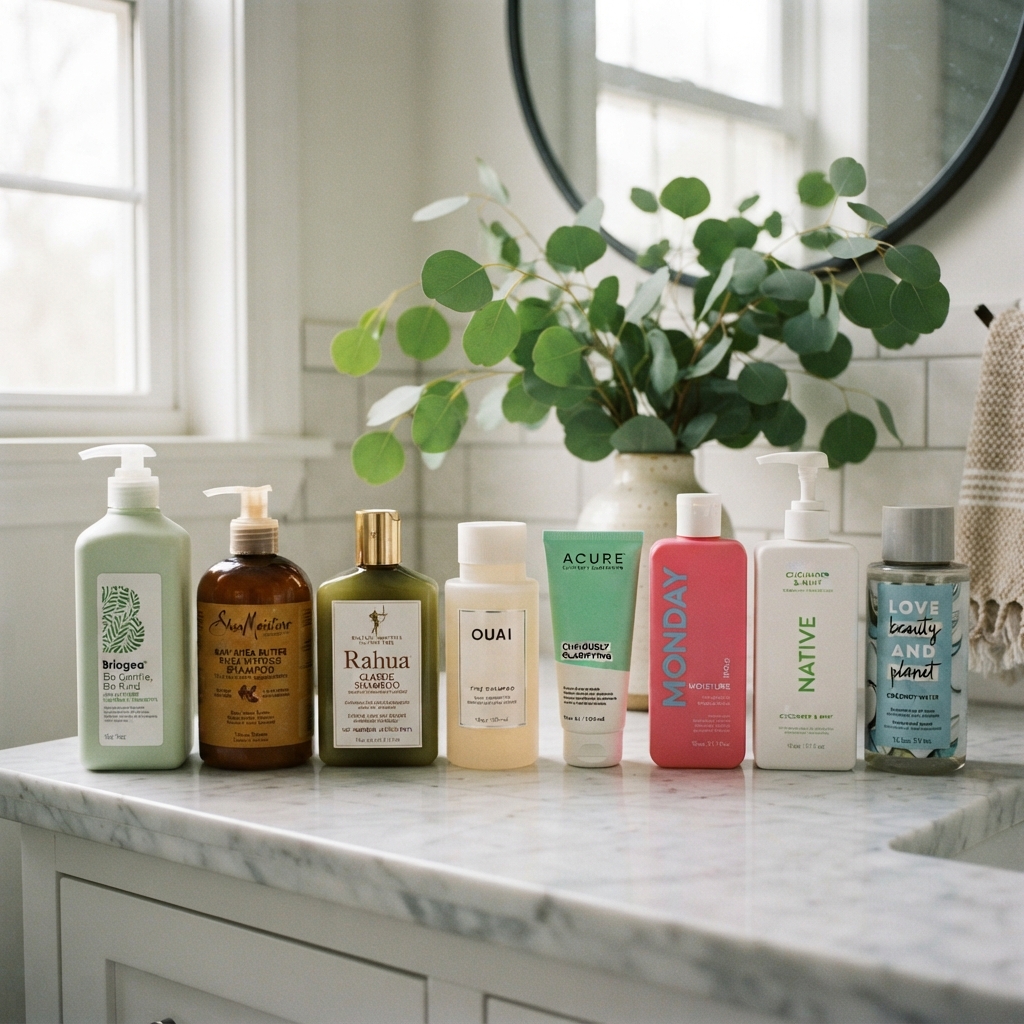
Harsh sulfates can leave your scalp feeling stripped. If you’re itchy and flaky, switch to a gentle, sulfate-free shampoo for regular washes.
But don’t go too gentle if you have real dandruff. You may need a medicated shampoo once or twice a week. Alternate it with your gentle formula.
If a shampoo makes your scalp burn or tingle, stop using it. That’s not a “purge.” That’s irritation.
- Look for “sulfate-free”
- Avoid heavy fragrance if sensitive
- Choose creamy over clarifying
- Use lukewarm water
One bad shampoo can undo a whole week of good scalp care. So pay attention.
Try an Anti-Dandruff Active
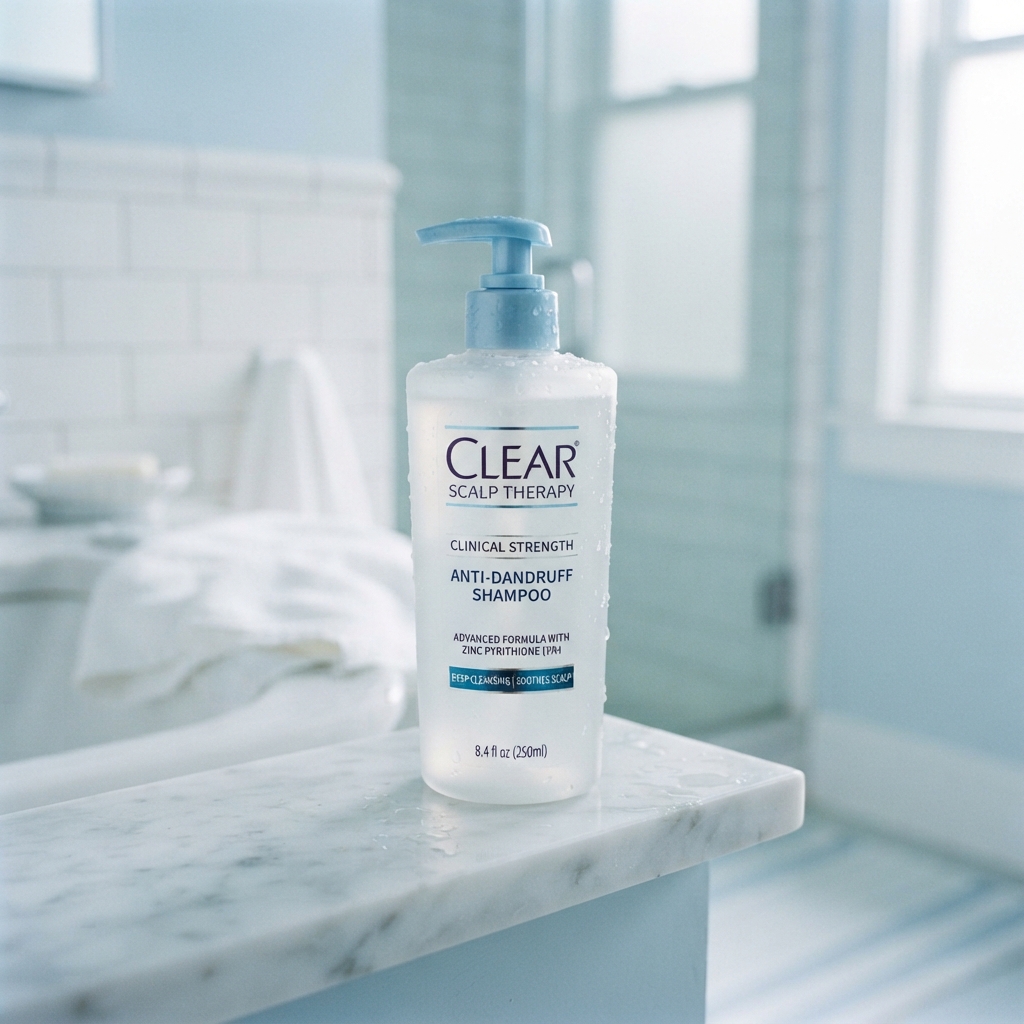
If your flakes are white, greasy, or yellow, you might have seborrheic dermatitis. That’s a fancy name for dandruff that needs an active ingredient.
Look for zinc pyrithione, ketoconazole, salicylic acid, or selenium sulfide. Use it as directed, usually two to three times a week at first.
Rotate actives so your scalp doesn’t get used to one. And always follow the label.
- Wet scalp
- Apply directly to roots
- Leave on 3–5 minutes
- Rinse well
Give it two to four weeks. Consistency matters more than price.
Rinse Really, Really Well
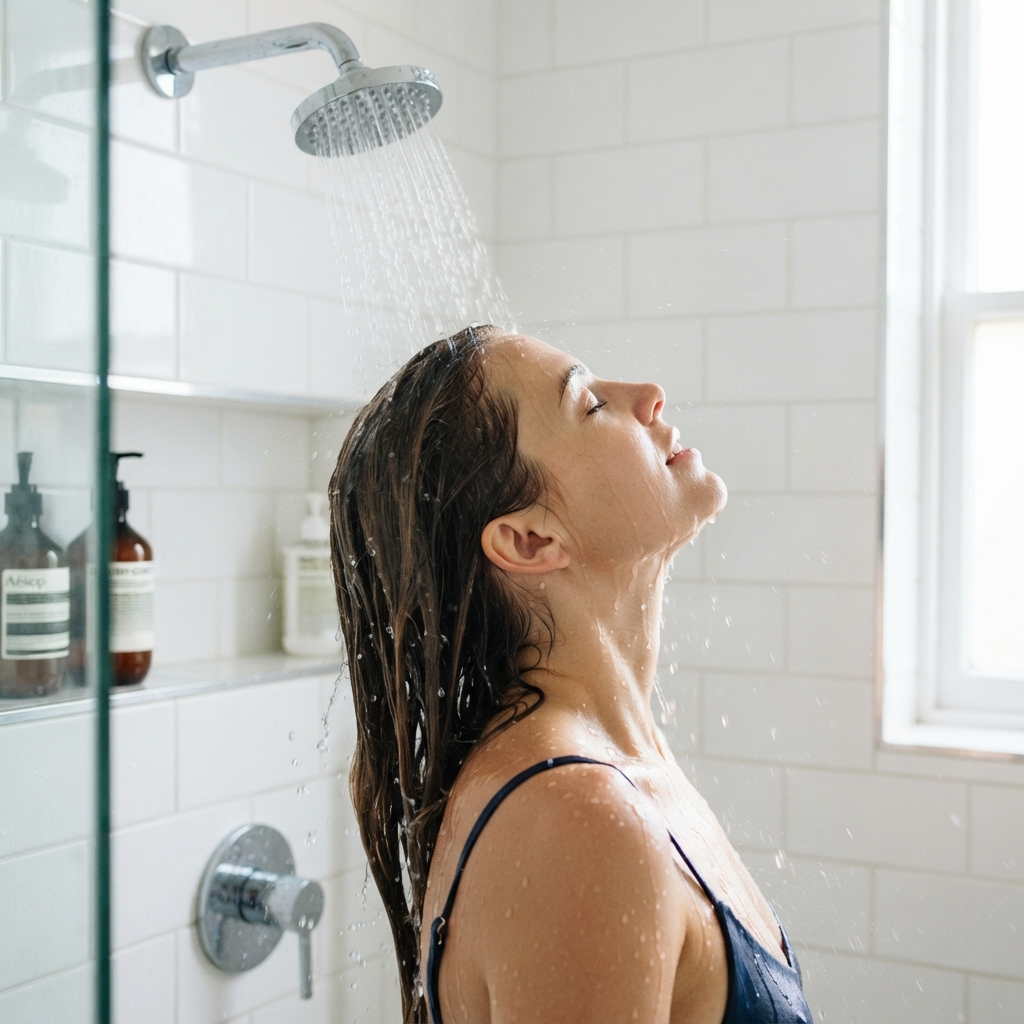
Leftover shampoo and conditioner can dry into flakes. They can also clog hair follicles and make you itch more.
Part your hair in sections and rinse each one. Spend at least 30 seconds just on your scalp. If your hair still feels slippery at the roots, keep rinsing.
If you have thick hair, a shower comb can help water and shampoo reach your scalp better.
- Rinse before you condition
- Rinse after you condition
- Check your nape and behind your ears
- Use a wide-tooth comb to help water reach your scalp
This one step is boring, but it changes everything.
Dry Gently, Never Rub Hard
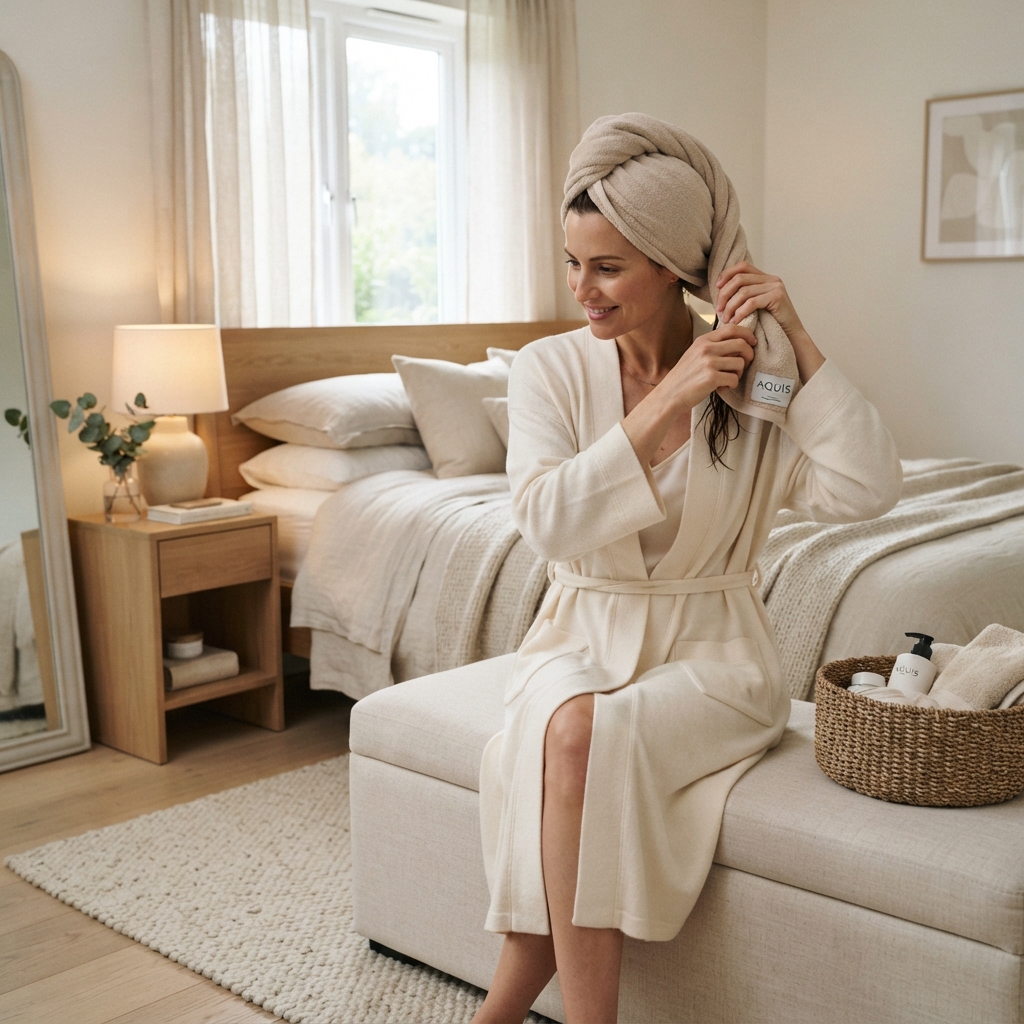
Wet scalp is sensitive scalp. Rubbing with a rough towel creates friction and irritation. That can trigger more flakes and itch.
Use a soft microfiber towel or an old cotton T-shirt. Press and squeeze the water out. Don’t twist, rub, or scrub your roots.
If you must blow dry, keep the nozzle pointed down the hair shaft and keep it moving.
- Press water out
- Air dry when possible
- Use low heat if you blow dry
- Keep the dryer moving
If you have a hime cut or blunt bangs, dry the front gently so flakes don’t settle at your part.
Add a Humidifier to Your Bedroom

Dry indoor heat pulls moisture from your skin all night. A humidifier adds moisture back into the air. That can reduce morning itch and flaking.
Place one near your bed and clean it regularly. Aim for 30–50 percent humidity. Too much can invite mold, so check the level.
You can also place a bowl of water near a radiator for a simple DIY boost.
- Run it while you sleep
- Clean it every few days
- Use distilled water if possible
- Keep it a few feet from your face
This is one of those small changes that feels oddly luxurious.
Clean Your Hats and Pillowcases
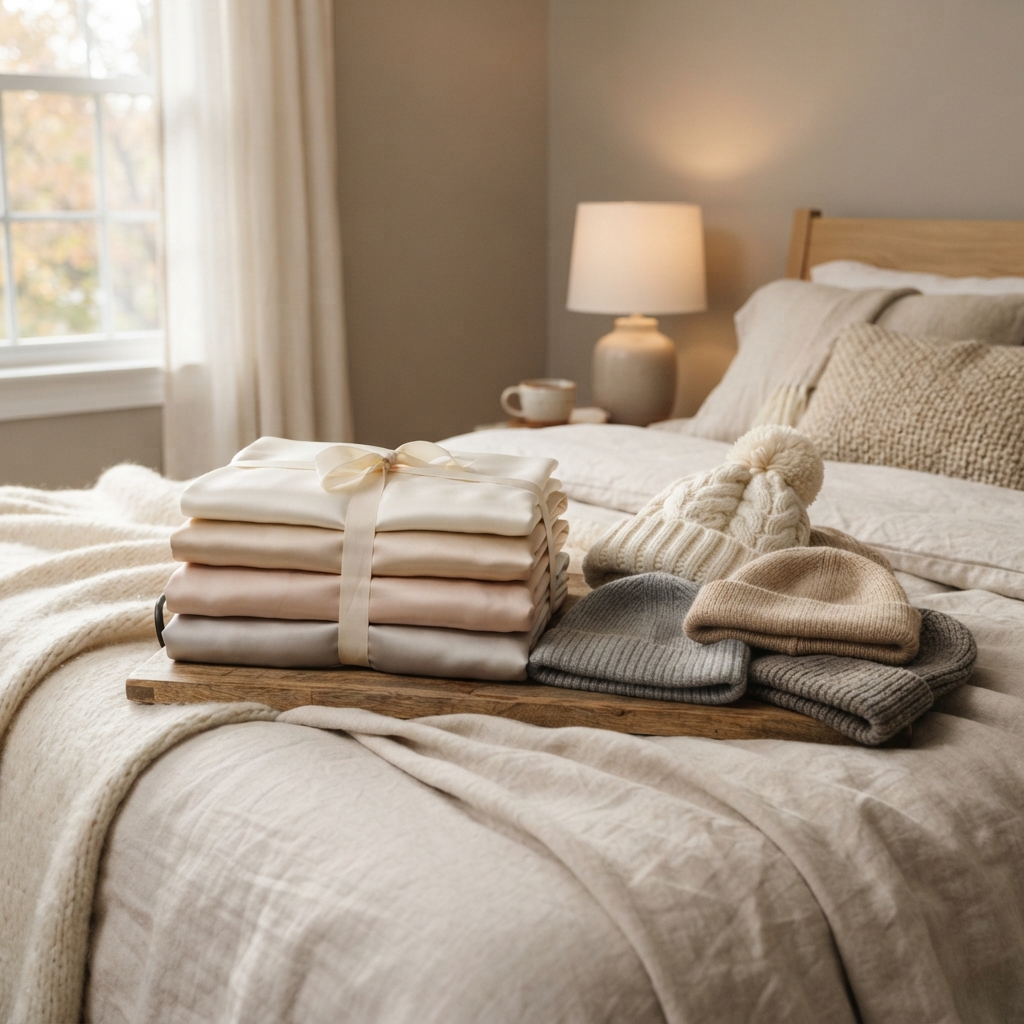
Hats trap heat, sweat, and oil. Pillowcases collect product, flakes, and bacteria. If you don’t clean them, you keep re-irritating your scalp.
Wash hats every week or two. Switch pillowcases every two to three days if you’re flaring. Silk or satin is gentler on hair, but cotton is fine if it’s clean.
If you wear a beanie daily, have two or three and rotate them so each one gets washed. That keeps bacteria and oil from building up.
- Wash hats inside out
- Use fragrance-free detergent
- Rotate pillowcases
- Don’t share hats or brushes
Clean tools, calm scalp.
Limit Dry Shampoo

Dry shampoo is a lifesaver for 2026 hairstyles, but it can build up on your scalp. That buildup can cause itching, flakes, and irritation.
Use it only when you need it. Spray from a distance, focus on the roots, and brush it through. Never use it as a replacement for washing.
If you already have flakes, dry shampoo can make them more visible and more irritating. Give your scalp a real wash instead.
- Use once between washes
- Don’t spray directly on itchy spots
- Brush out leftover powder
- Wash that night if you can
Your scalp needs breathable roots, especially in winter.
Be Careful With Tight Hairstyles
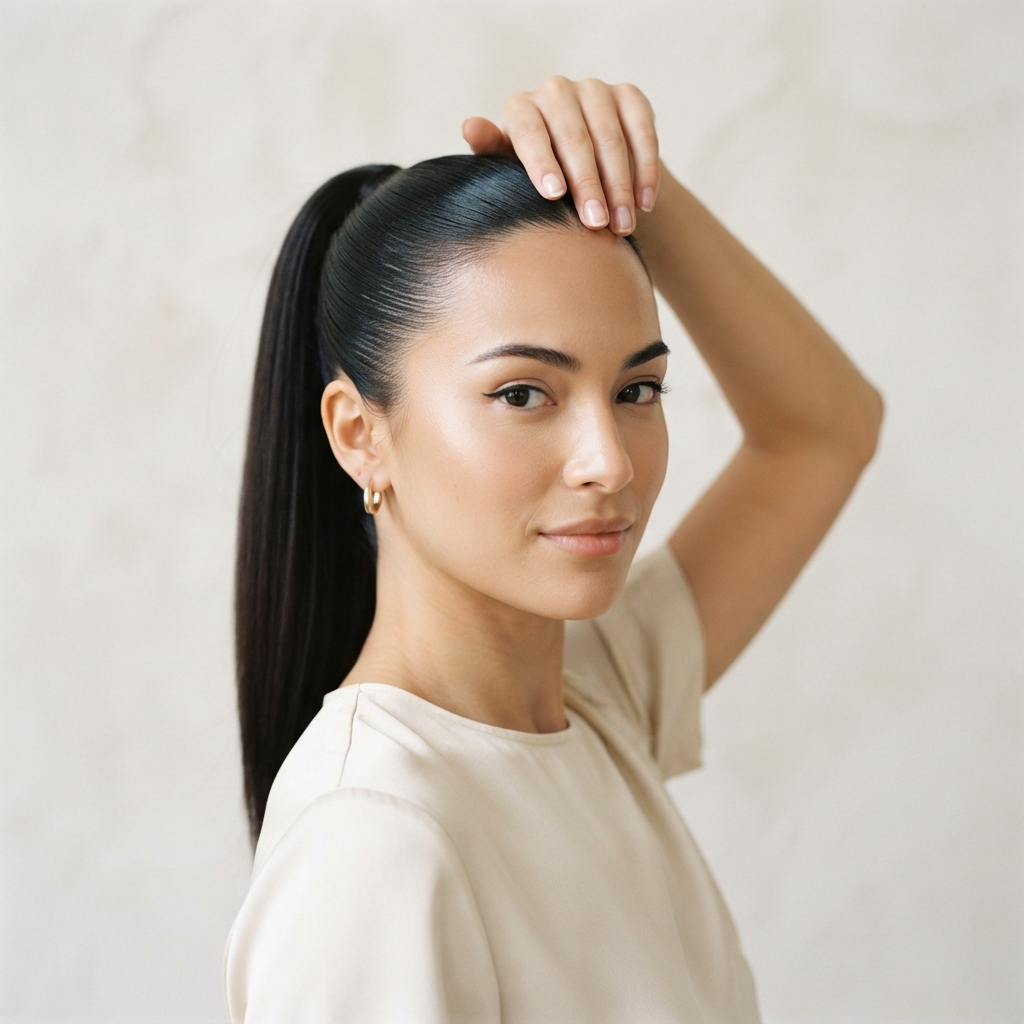
Tight ponytails, braids, and buns pull on your hairline. That tension can cause sore spots, irritation, and flakes. If your scalp is already sensitive, it’s a bad combo.
Choose looser styles. Use soft hair ties. Move your part around. Give your edges a break, especially if you wear the same look daily.
If you feel a headache or tender spots, take the style down right away.
- No tight ponytails every day
- Skip heavy edge control
- Use silk scrunchies
- Try loose braids or claw clips
An asymmetrical lob or quiet luxury bob is naturally easier on the scalp.
Feed Your Scalp From the Inside

Your scalp needs nutrients to stay calm. Omega-3s, zinc, vitamin D, and B vitamins all play a role in skin health. Winter can make some of these harder to get.
Add fatty fish, eggs, nuts, seeds, and leafy greens. Drink more water than you think you need. Skip excess sugar and alcohol if you’re flaring.
Talk to your doctor before starting new supplements, especially if you take medication.
- Salmon or sardines
- Avocado and olive oil
- Pumpkin seeds
- Spinach and kale
Food won’t fix everything, but it supports the work you’re doing outside.
Manage Stress for a Calmer Scalp

Stress can trigger inflammation and make itching feel worse. It also makes you scratch more, which creates more flakes. It’s a rough cycle.
You don’t need a full life overhaul. Pick one calming habit: a walk, deep breathing, a warm bath, or five minutes of stretching before bed.
Try a five-minute scalp massage with your fingertips. It lowers tension and feels amazing. Do it while you watch TV.
- Sleep seven to eight hours
- Move your body daily
- Try a scalp massage
- Put your phone down earlier
Calm body, calmer scalp. It sounds simple because it is.
When to See a Dermatologist

If you’ve tried gentle care, anti-dandruff shampoo, and moisture for a month and nothing helps, see a dermatologist. You might need a prescription. Or you might have psoriasis, eczema, or a fungal issue.
Go sooner if you have painful sores, oozing, redness, hair loss, or flakes that spread to your eyebrows and ears.
Bring a list of products you’ve tried and how long you used them. That helps your doctor help you.
- No relief after 4 weeks
- Severe itching
- Hair loss
- Painful or bleeding spots
Getting help is not dramatic. It’s smart.
Quick Morning Flake Rescue

Woke up itchy and see flakes? Don’t panic. Don’t scratch. Start with a gentle scalp massage using your fingertips to lift flakes without irritation.
Then use a soft brush to distribute natural oils. If you need to style, choose a loose look that doesn’t pull. A low bun or half-up style works well.
If flakes are heavy, use a damp washcloth to gently wipe your part before styling.
- Massage dry scalp
- Brush gently
- Apply a little scalp serum
- Style loosely
Keep a lint roller nearby for dark clothing. We’ve all been there.
Simple Nighttime Scalp Routine
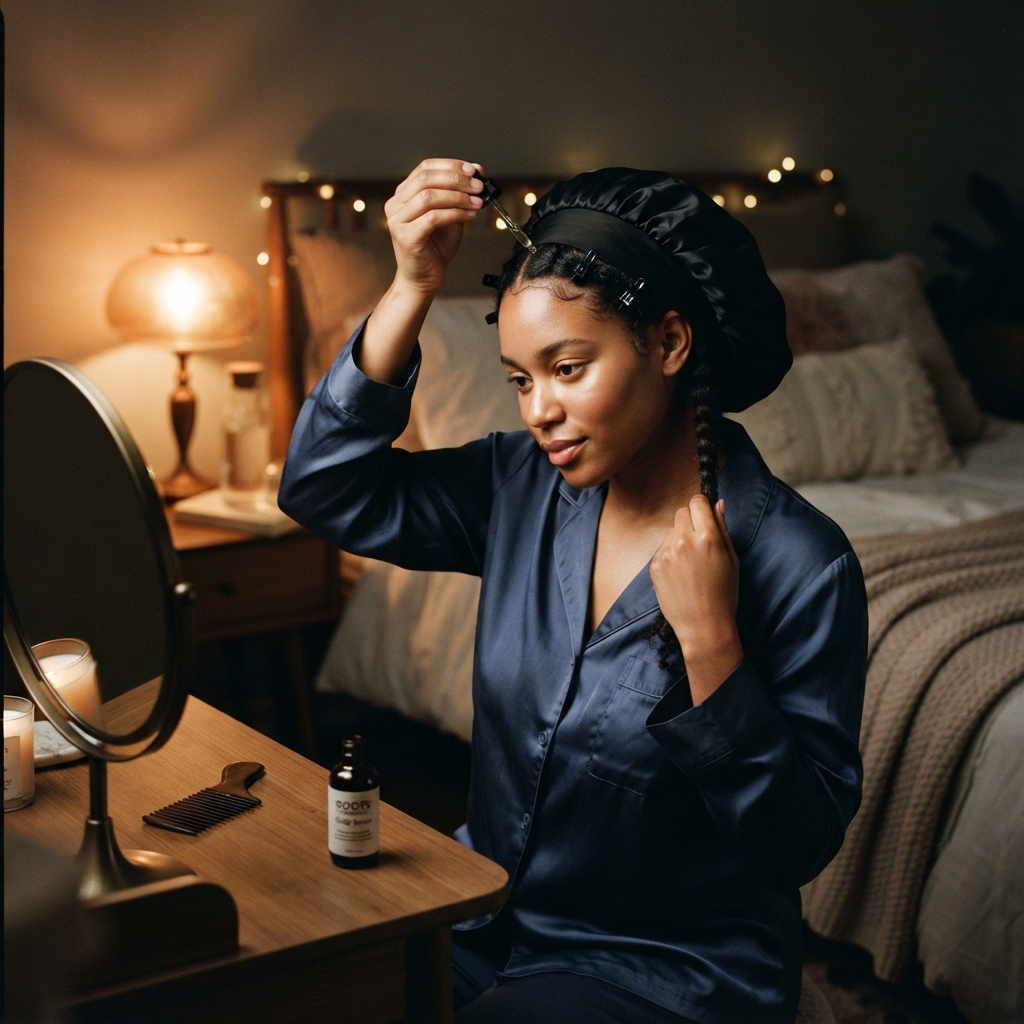
Nighttime is when your scalp can heal. Keep it simple so you’ll actually do it. Cleanse if needed, then apply a soothing scalp treatment.
Massage for one minute. Put your hair in a loose braid or bonnet. Switch to a clean pillowcase. That’s it.
Don’t apply heavy oils if your scalp is oily. A water-based serum is better. Keep products light so your scalp can breathe.
- Wash or rinse if needed
- Apply scalp serum
- Massage gently
- Protect hair while sleeping
Do this three to four nights a week. Your future scalp will thank you.
Hairstyles That Hide Flakes Without Irritating

You don’t have to hide under a hat. Some styles cover flaky areas while staying gentle on your scalp. Loose braids, low buns, and half-up styles are great.
Try a side part to move attention away from the center. Add face-framing pieces to soften the look. Avoid tight roots and heavy gels.
If your scalp is very irritated, skip accessories that press on the roots. Soft fabrics are your friend.
- Loose side braid
- Low messy bun
- Half-up with clip
- Soft headband
These work with an asymmetrical lob, hime cut, or long layers.
2026 Hairstyles and Scalp-Friendly Looks
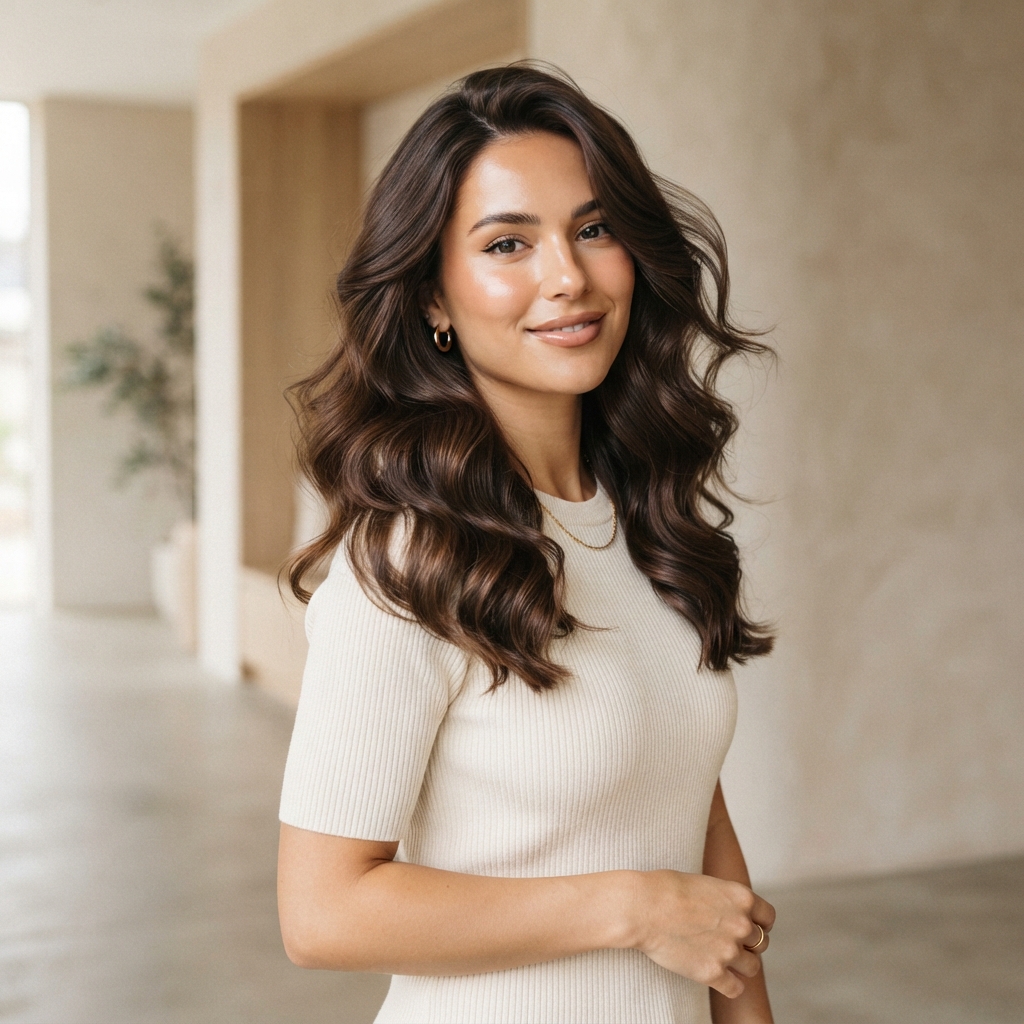
Good news: many 2026 hairstyles are already scalp-friendly. The quiet luxury bob is sleek but can be worn loose. The asymmetrical lob takes tension off the hairline. Old money hair is polished, not tight.
If you want something edgy, try a vampire haircut with soft layers or romantic goth hairstyles with loose texture. Keep roots breathable and avoid heavy buildup.
Ask your stylist for a cut that works with your scalp, not against it.
- Quiet luxury bob
- Asymmetrical lob
- Old money hair
- Soft curtain bangs
Cute hair and a calm scalp can coexist.
Old Money Hair and Quiet Luxury Bob With Scalp Care

Old money hair looks effortless, but it still needs a healthy scalp. The quiet luxury bob is all about shine and movement at the roots, so flakes and itch will show.
Keep it clean with gentle shampoo. Use a light scalp serum. Blow dry the roots gently. Finish with a tiny bit of oil on the ends, not the scalp.
Old money hair should look healthy, not stiff. A calm scalp makes that possible. Keep your routine simple and consistent.
- Wash gently
- Treat scalp
- Dry roots with low heat
- Oil ends only
That’s how you get that rich, polished look without irritation.
Romantic Goth Hairstyles, Vampire Haircut, and Hime Cut

Romantic goth hairstyles, the vampire haircut, and the hime cut are everywhere for 2026. They’re dramatic and fun, but they can put pressure on your scalp if styled too tight.
Keep the mood without the itch. Use loose braids, soft waves, and gentle clips. If you have a hime cut, keep your blunt bangs clean but don’t over-wash them.
If you use black hair dye or dark root spray, keep it off your scalp when it’s irritated.
- Loose gothic waves
- Vampire layers with soft volume
- Hime cut with silk press
- Romantic braided crown, not tight
Flakes don’t have to ruin the aesthetic.
Glitchy Glam Hair and Asymmetrical Lob With a Sensitive Scalp
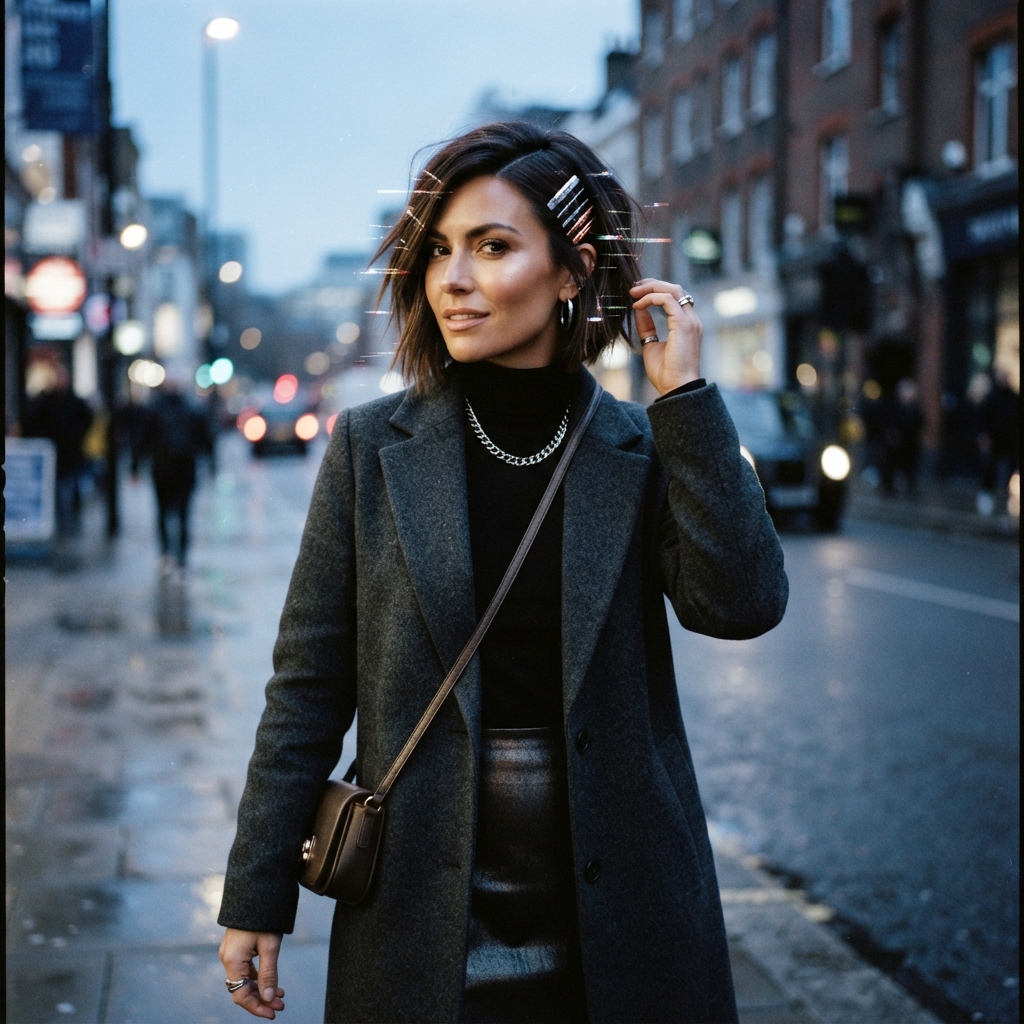
Glitchy glam hair is playful and a little futuristic. The asymmetrical lob is edgy but wearable. Both can work with a sensitive scalp if you avoid heavy products at the roots.
Use texturizing spray on mid-lengths and ends. Keep the scalp clean. Add a cool clip or pin for the glitchy vibe without pulling.
If you want extra hold, use flexible hairspray and keep it away from your roots. Your scalp will stay happier.
- Asymmetrical lob with soft ends
- Glitchy clips and pins
- Texture spray away from roots
- Loose sleek front pieces
Style the hair, protect the scalp. Always.
Build a Winter Scalp Kit
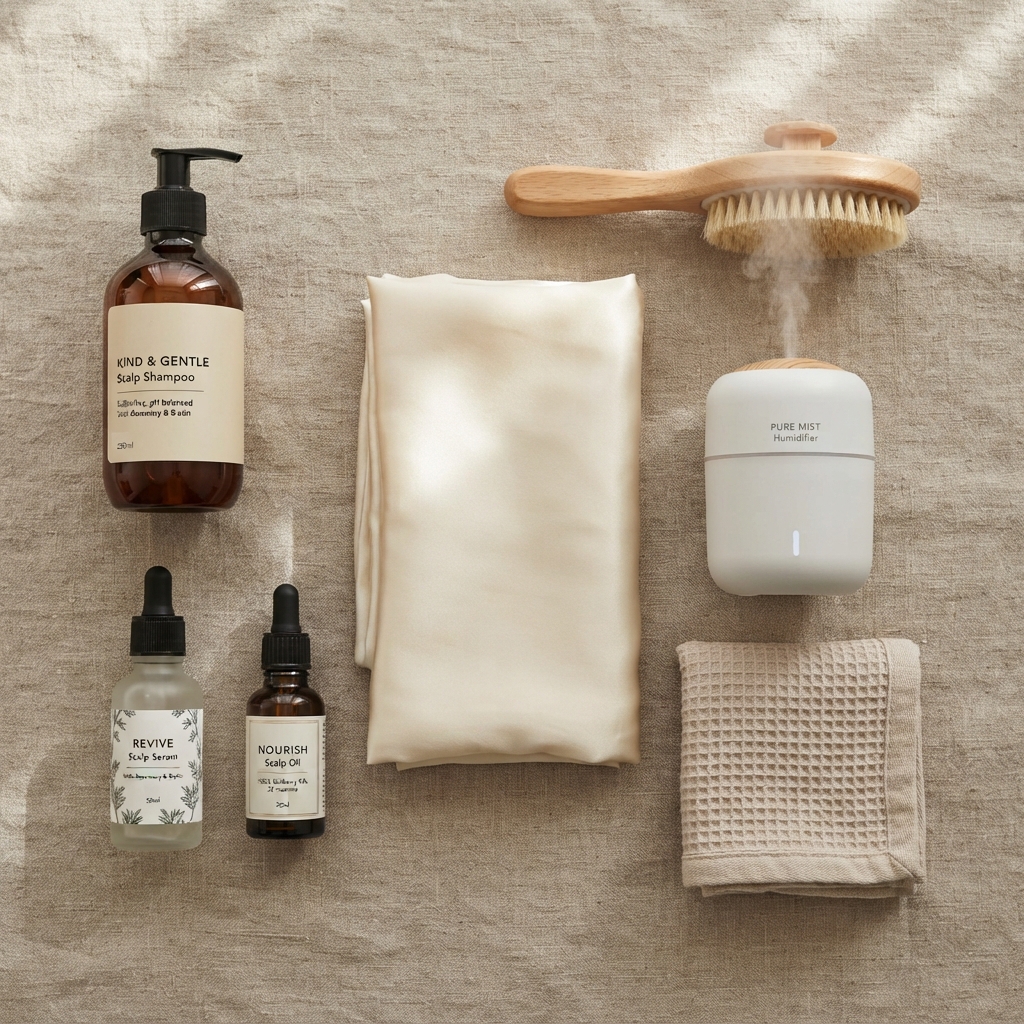
Keep your essentials together so you actually use them. A small kit makes winter scalp care feel easy, not like a chore.
Store it in your bathroom or nightstand. Restock when you run low. Your scalp will stay calmer when you’re consistent.
You don’t need expensive products. You need the right basics and a routine you’ll repeat.
- Gentle shampoo
- Anti-dandruff shampoo
- Scalp serum
- Pre-wash oil
- Microfiber towel
- Silk pillowcase
Add a humidifier and a soft hat that doesn’t itch. That’s your winter armor.
A Cozy Send-Off
An itchy, flaky scalp in colder months is frustrating, but it’s not forever. Start with gentler washing, real moisture, and less scratching. Then build from there.
You can still wear the 2026 hairstyles you love. You can still have old money hair, a quiet luxury bob, or romantic goth hairstyles. You just need to care for the skin underneath.
Be patient with yourself. Small changes add up, and your scalp will feel better soon.
Save this post to Pinterest so you can find it on your next wash day. And tell me: what’s your biggest winter scalp struggle? Comment below, friend. I read every one.
— Hailey & Team

