

Hi friend, it’s Hailey. If your shower drain has been looking a little scary lately, you are not imagining it — and you are definitely not alone.
Stress shows up in your hair faster than almost anywhere else. It can slow growth, trigger shedding, make strands feel dry and brittle, and even change the texture you’ve had your whole life. The good news? Hair is forgiving. Once you calm the chaos, it usually comes back.
In this post, I’m breaking down exactly how stress messes with your hair, plus simple, doable ways to counteract it — from scalp massage and smarter washing to the 2026 hairstyles that make fragile hair look full and expensive while it recovers.
Let’s get your hair, and your nervous system, back on track.
What Stress Really Does to Your Hair

When your body is under stress, it goes into survival mode. Hair is not essential for survival, so it gets pushed to the bottom of the priority list. That is the whole story in one sentence.
Here is what that looks like in real life:
- Growth slows down, so your hair feels like it stopped growing
- Shedding increases, usually a few months later
- Strands feel drier, finer, and more prone to snapping
- Your scalp might feel tight, itchy, or irritated
None of this means your hair is broken. It means it is waiting for you to feel safe again.
The Three Stages of Stress Shedding
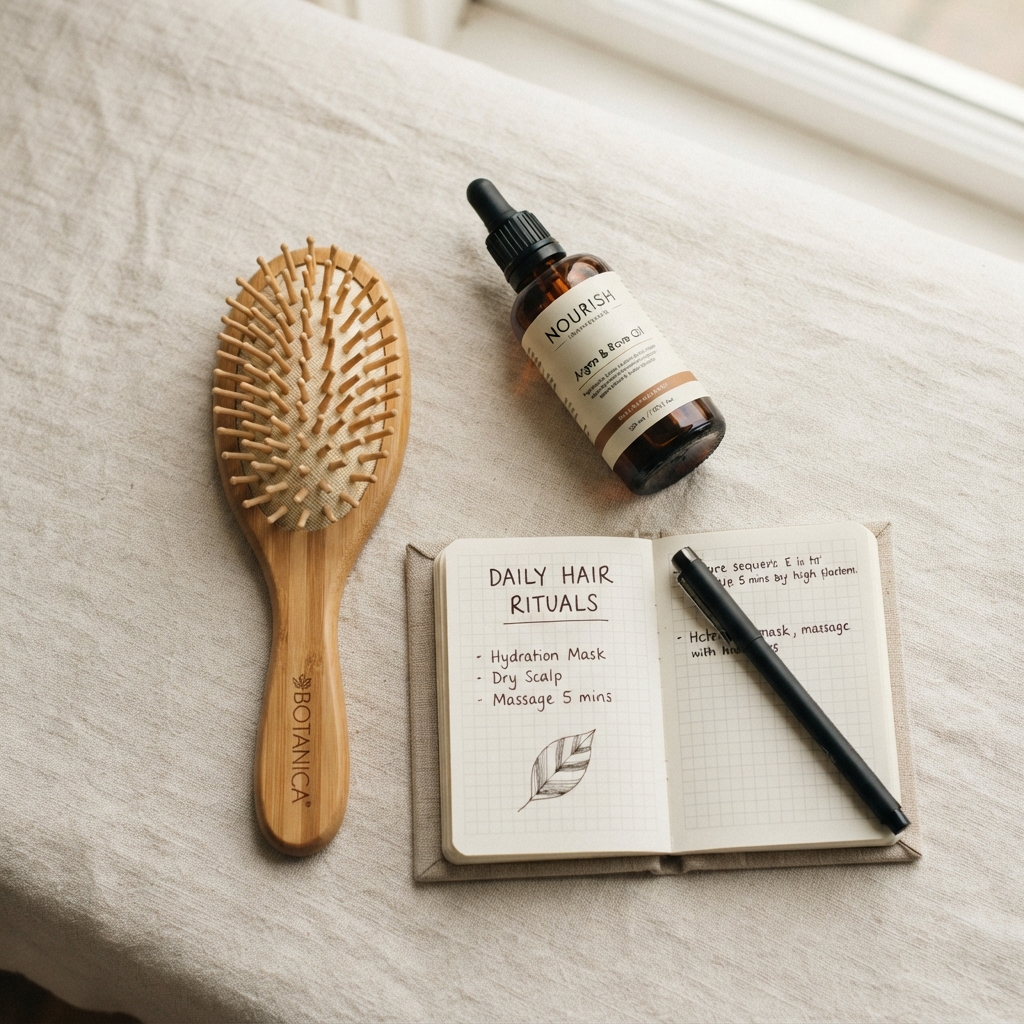
Every hair goes through three phases: growing (anagen), transitioning (catagen), and resting (telogen). Stress can shove way too many follicles into that resting phase at once.
Then, about two to three months later, all of those resting hairs let go together. That is why shedding seems to come out of nowhere.
- Week 0: the stressful event happens
- Week 4 to 8: hair quietly shifts into rest mode
- Week 8 to 12: the big shed shows up
Once the trigger passes, new growth usually follows.
Why Your Scalp Feels It First
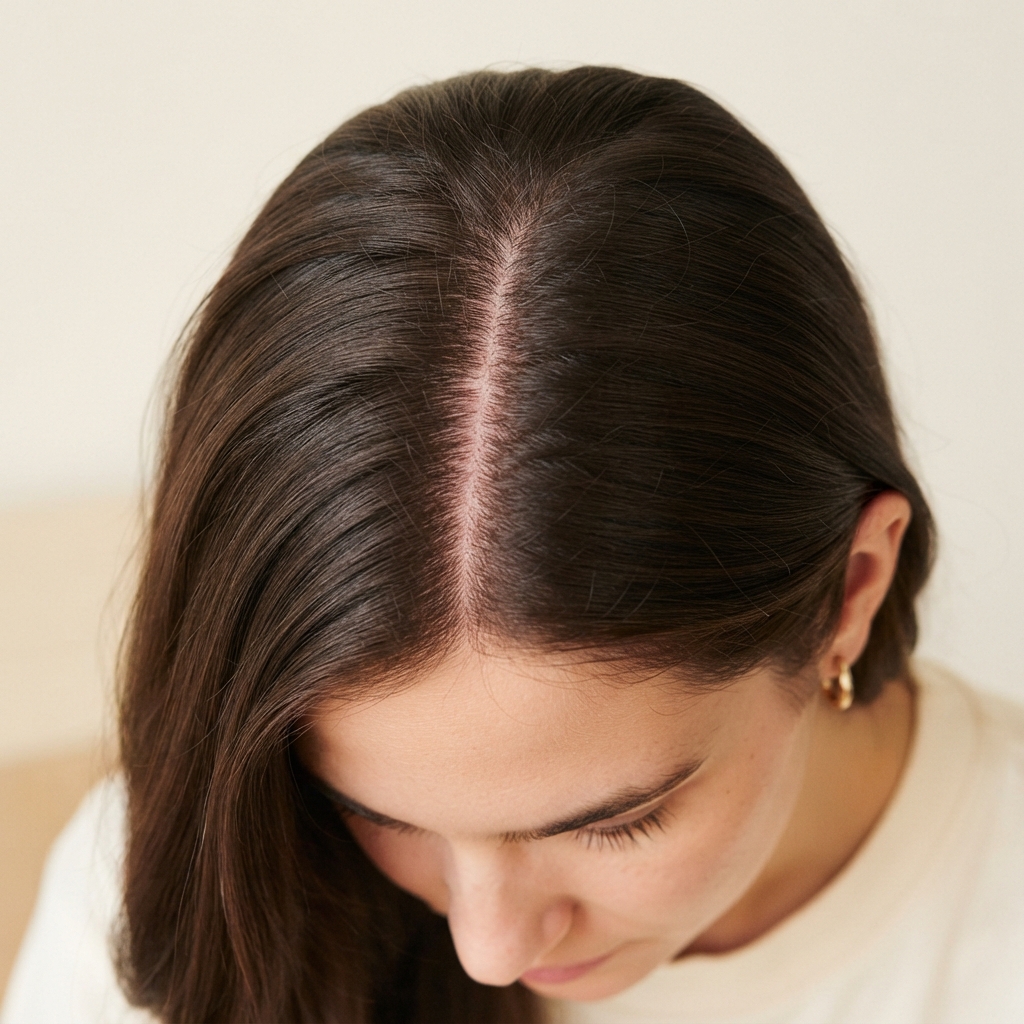
Your scalp is skin, and skin reacts to stress fast. When cortisol is high, blood flow to the scalp can drop and inflammation can creep in. That shows up as tightness, flakes, itching, or tenderness.
A cranky scalp is a bad host for hair. So before you buy a single new product, start here:
- Stop scratching with your nails — use fingertips only
- Do not pile on dry shampoo for weeks at a time
- Keep your scalp clean but not stripped
- Consider a gentle exfoliating scalp serum once a week
Calm scalp, calmer hair. It really is that simple.
Cortisol and Your Hair Growth Cycle
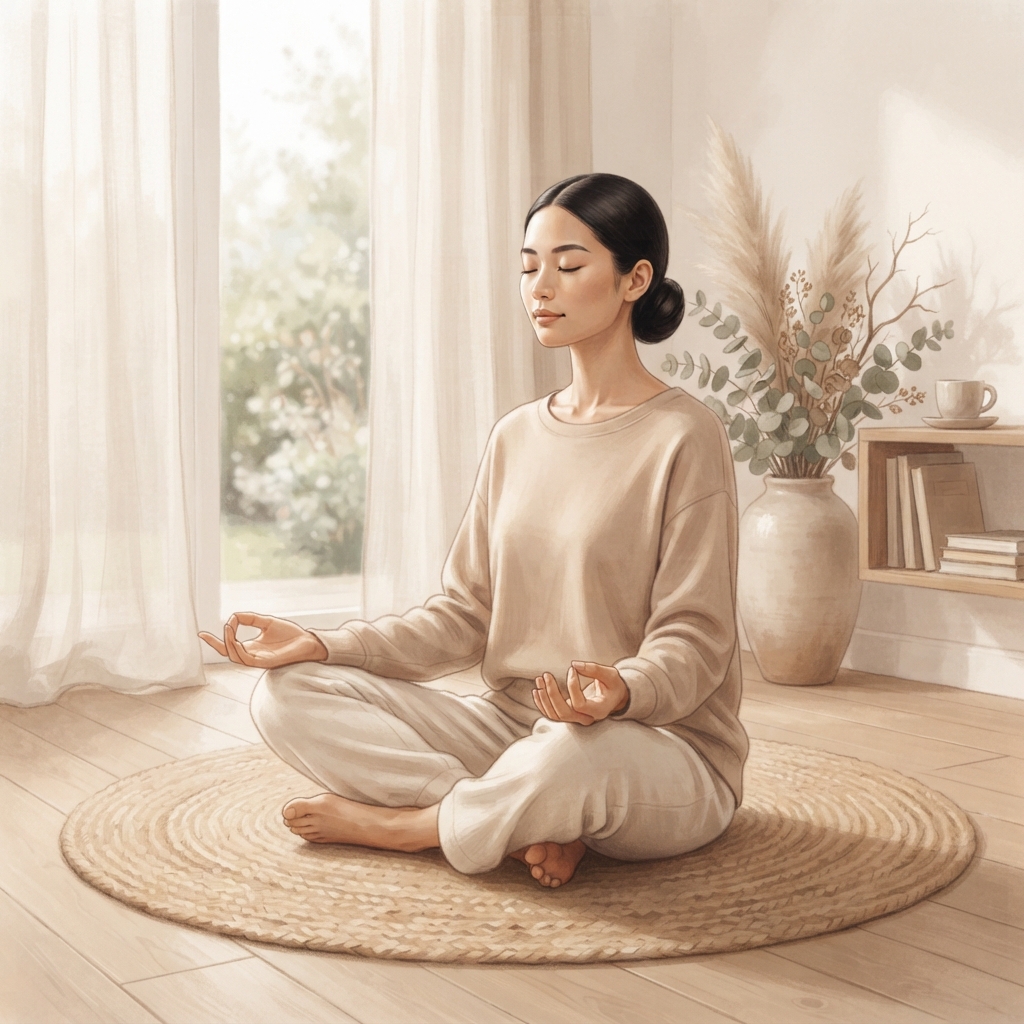
Cortisol is your stress hormone, and it is not the villain. It becomes a problem when it stays high for months instead of spiking and dropping.
Chronically high cortisol can shorten your hair’s growth phase and reduce the nutrients that actually reach the follicle. That means slower growth and thinner-looking ends.
The fix is not fancy. It is boring and it works:
- Move your body daily, even just a walk
- Lower your caffeine after noon
- Breathe slowly for two minutes when you feel wired
Your hair growth cycle follows your nervous system.
How Stress Changes Your Hair Texture

One of the strangest parts of stress hair is the texture shift. Curls can loosen. Straight hair can get frizzy. Strands can feel wiry in one spot and limp in another.
This happens because stress affects oil production, moisture retention, and the follicle itself. The good news is that texture changes from stress are usually temporary.
What to do in the meantime:
- Do not get a perm or relaxer while you are in it
- Add a weekly hydrating mask
- Use a leave-in cream instead of heavy oil
Give it six months before you make any permanent texture decisions.
Stress and Gray Hair: What’s Actually True

I get this question constantly, so let’s clear it up. Research does suggest that stress can contribute to graying by wearing down the pigment cells in your follicles.
But here is the honest part: genetics still plays the biggest role. Your parents’ timing matters more than your calendar.
There have been documented cases of strands repigmenting after a stressful period ended, but it is not something to bank on.
- Do not pull out grays — it does not help
- Use a gloss or toner to blend if you want to
- Or lean into it with an old money hair look
Silver can look incredibly chic when it is styled well.
How Long Does Stress Hair Loss Last?
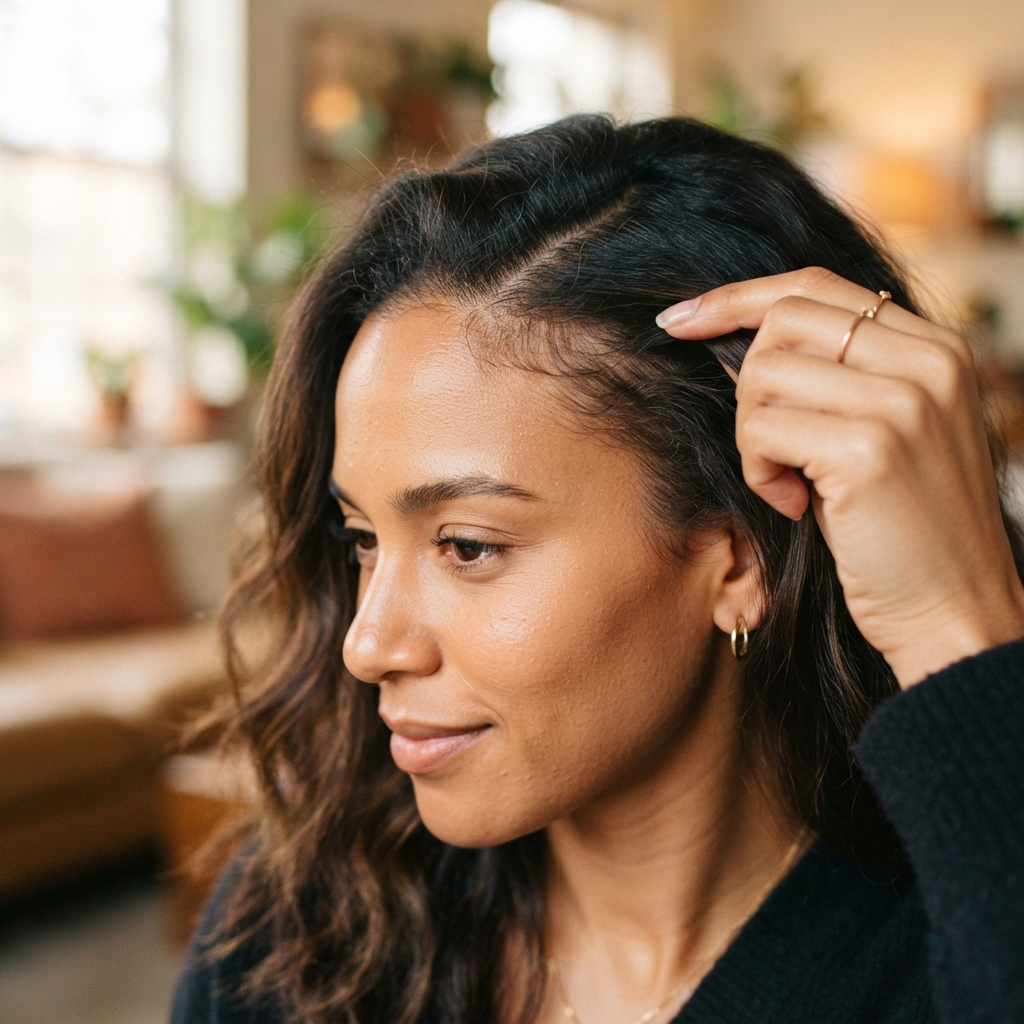
Most stress-related shedding runs its course in three to six months after the trigger calms down. Whether the trigger was a breakup, a move, an illness, or a brutal work season, the timeline is similar.
The telltale sign that you are recovering? Little fuzzy baby hairs along your hairline and part. Those are your comeback crew.
- Month 0 to 3: shedding peaks
- Month 3 to 6: shedding slows, growth restarts
- Month 6 to 12: density starts to feel normal again
It feels slow because hair only grows about half an inch a month.
The 5-Minute Scalp Massage That Calms Everything

This is my favorite free hair treatment, and it doubles as stress relief. Five minutes, no products required.
- Press your fingertips at your hairline and hold for five seconds
- Move in small circles across your scalp, front to back
- Use your thumbs at the base of your skull and press gently
- Finish by squeezing the scalp with your whole hand, like you are kneading dough
- Take slow breaths the entire time
Do it while your conditioner sits, or while you watch TV. Consistency beats intensity here. Aim for daily if you can.
Eat Your Way to Stronger Hair
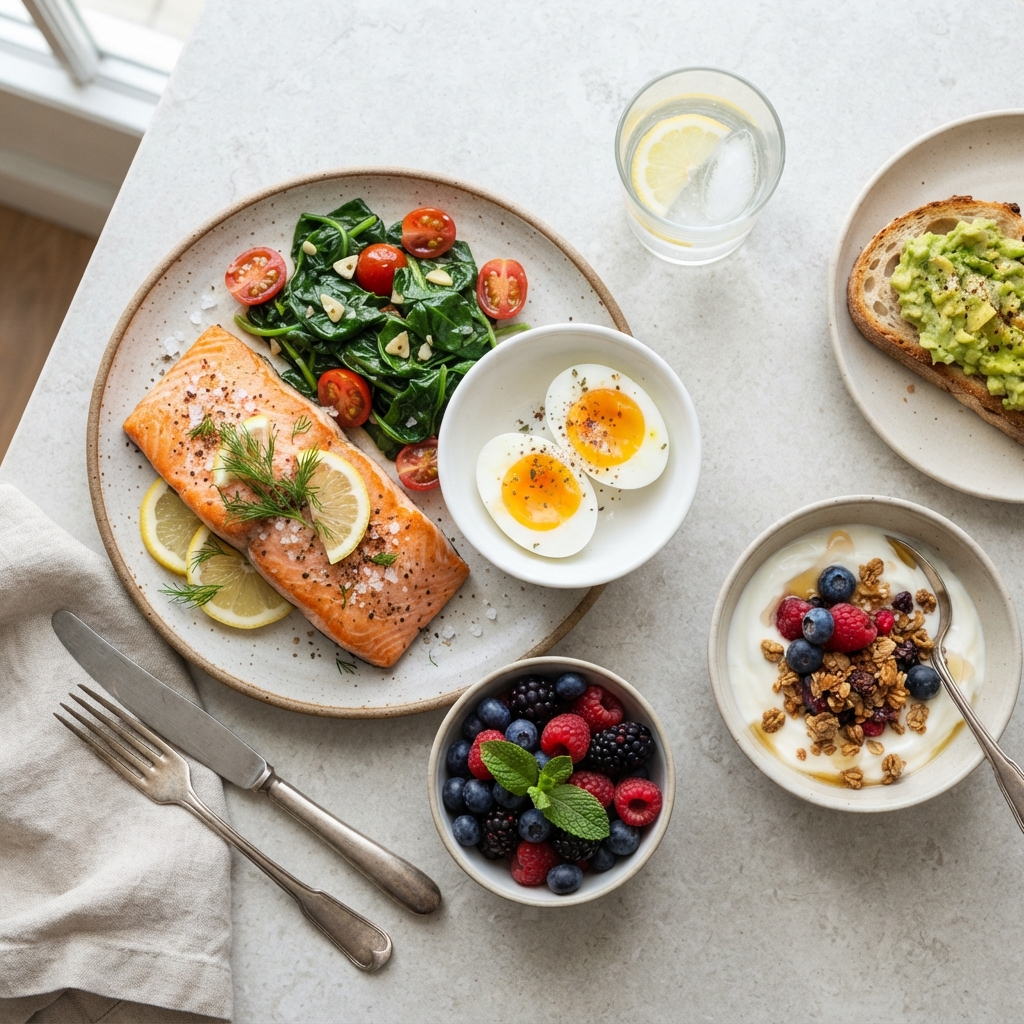
Hair is built from what you eat. There is no supplement on earth that beats actually feeding your body.
Focus on these, most days:
- Protein — eggs, chicken, fish, beans, Greek yogurt
- Iron — red meat, lentils, spinach, fortified cereal
- Zinc — pumpkin seeds, oysters, chickpeas
- Omega-3s — salmon, walnuts, chia
- Vitamin D — sunlight, fatty fish, fortified milk
Also, eat enough. Aggressive crash diets are one of the most common causes of hair shedding I see, and stress makes it worse. Your hair needs calories to grow.
Sleep Is a Free Hair Treatment

Most of your hair repair happens while you sleep. Growth hormone peaks at night, and that is when your scalp does its best work.
If you are running on five hours a night, no serum on the market can fix that.
- Aim for seven to nine hours
- Sleep on silk or satin to reduce friction
- Loose braid or a soft scrunchie instead of a tight bun
- Cool, dark room — your nervous system needs the cue
Honestly, sleep is the cheapest hair treatment you will ever get. And it comes free with better skin and a better mood.
Wash Less, Condition Smarter
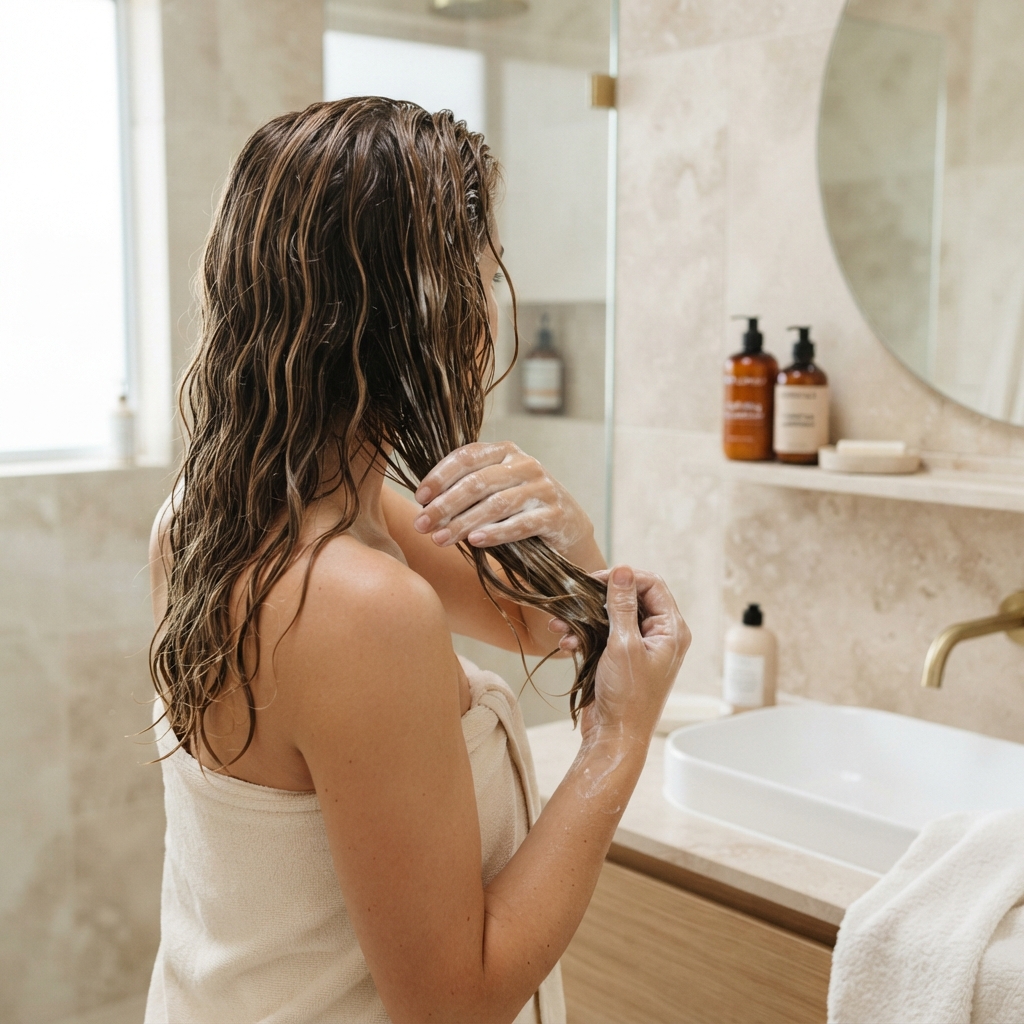
When your hair is fragile, over-washing strips it. But under-washing can clog your scalp. The sweet spot is usually every two to three days.
Here is how I do it:
- Shampoo the scalp only, not the ends
- Condition the mid-lengths and ends only
- Rinse with cool water to seal the cuticle
- Skip the tight towel turban — press, do not rub
If you use dry shampoo, treat it like a snack, not a meal. It is a bridge to your next wash day, not a replacement.
Gentle Styling Rules for Fragile Hair

Your styling habits can undo months of good work in a single week. Tight is the enemy right now.
Follow these rules until your hair feels strong again:
- No tight ponytails or slicked-back buns every day
- Never brush wet hair — use a wide-tooth comb
- Swap elastic bands for silk scrunchies or clips
- Rotate your part so one area is not always pulling
- Take down braids before bed
Loose, soft, and low-tension is the vibe. And honestly, that is exactly where the 2026 hairstyles are heading anyway.
The Quiet Luxury Bob for Thin or Shedding Hair

If shedding has left your ends looking thin, the quiet luxury bob is your best friend. It looks expensive and it removes the straggly part entirely.
Ask your stylist for a collarbone or chin-length cut with a soft blunt line and very light point-cutting at the ends. No heavy layers, no thinning shears.
Why it works:
- Blunt ends make hair look denser instantly
- One length means fewer split ends traveling up
- It air-dries beautifully with almost no effort
Pair it with a middle part and you have an old money hair moment in ten minutes.
The Asymmetrical Lob: Instant Volume Trick

The asymmetrical lob is the sneakiest haircut in the game. It is slightly longer in the front and shorter in the back, which makes your hair look fuller from every angle.
That diagonal line also draws the eye upward, away from any thin spots near your part. It is basically an optical illusion, and I am here for it.
- Ask for a long front and a shorter back
- Keep the ends blunt, not razored
- Add soft face-framing pieces if you want movement
It grows out gracefully too, which matters when you are trying not to stress about your hair.
Old Money Hair: Low Tension, High Shine

Old money hair is one of those trends that happens to be genuinely great for stressed hair. It is all about shine, smoothness, and zero drama.
The look: a clean middle part, glossy lengths, and a low bun or loose chignon. Ribbon instead of a hair tie. No heat required.
How to get it:
- Apply a lightweight gloss or oil to damp mid-lengths
- Air-dry or use the cool setting only
- Smooth into a low twist and secure with a satin ribbon
It looks intentional, it is gentle, and it hides a lot of regrowth at the same time.
Romantic Goth Hairstyles, Softened

Romantic goth hairstyles are having a moment, and the good news is they can be very hair-friendly. Think soft, moody, and loose rather than tight and lacquered.
My favorite version: gentle bendy waves, a half-up style, and a black velvet ribbon. No teasing, no hairspray helmet, no backcombing at the crown.
- Use a curl cream and scrunch, then air-dry
- Section into a soft half-up with a clip
- Leave the rest loose and touchable
It is dramatic in the best way, and it does not pull on your roots at all.
The Vampire Haircut and the Hime Cut

Two cuts doing a lot of talking right now are the vampire haircut and the hime cut. Both are actually smart choices if your hair needs a break.
The vampire haircut is a dramatic rounded shape with long face-framing pieces and a deep part. It adds structure and looks incredible on fine hair.
The hime cut is blunt sidelocks with long hair in the back. It is striking, it is low-maintenance, and it is essentially a protective style because you are not constantly styling the front.
Both give you a fresh identity without a big chop regret.
Glitchy Glam Hair Without the Damage

Glitchy glam hair is fun, a little futuristic, and surprisingly easy to do without harming your hair. The trick is keeping it temporary.
Skip the bleach. Use these instead:
- Clip-in extensions in an unexpected shade
- Temporary color wax or hair shadow on the ends
- A single foil-free streak placed underneath
- Glossy gel-slicked front pieces for that digital shine
It reads high fashion in photos and washes out in one shampoo. Your follicles will thank you for not committing.
2026 Hairstyles That Work With Recovery Hair
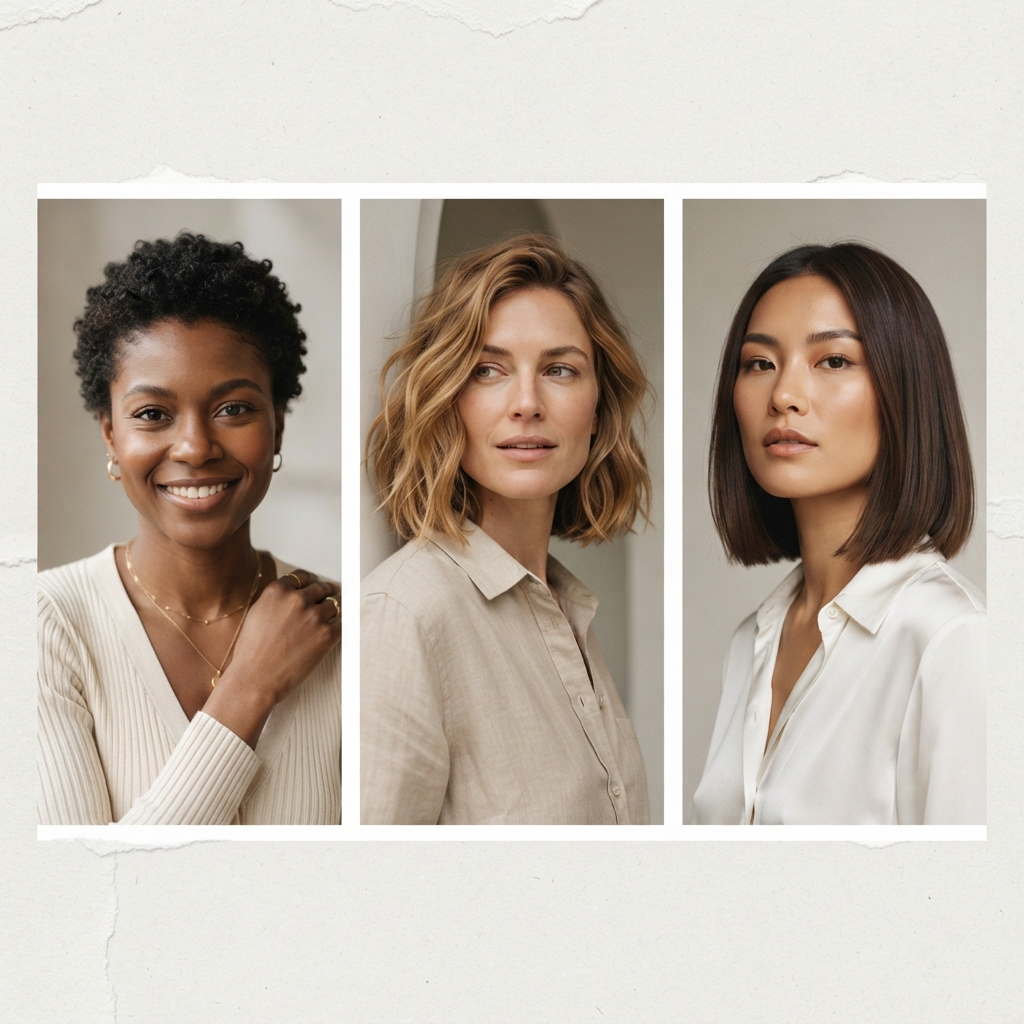
Here is the good news: the 2026 hairstyles lineup is genuinely kind to hair that is still recovering. Softness, texture, and low tension are everywhere.
My shortlist:
- Quiet luxury bob — blunt, collarbone, effortless
- Asymmetrical lob — volume where you need it
- Old money hair — sleek, low, and gentle
- Romantic goth hairstyles — soft waves, ribbons, no teasing
- Hime cut — blunt, bold, protective
- Glitchy glam hair — temporary color, zero bleach
Pick one that matches your energy, not just the trend chart.
Heat Tools: My Honest Rules
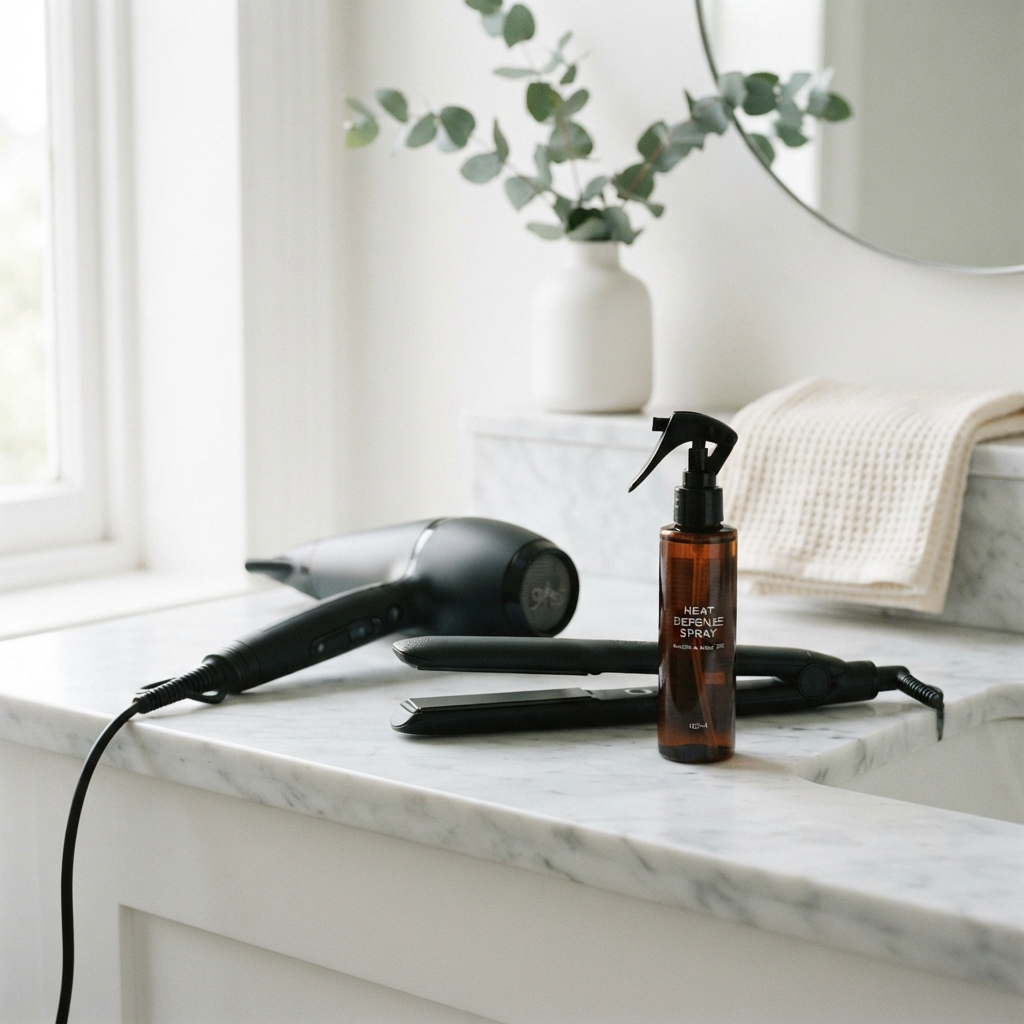
I am not going to tell you to throw your flat iron away. I am going to tell you to use it like an adult.
When your hair is stressed, it is weaker. Heat that normally would be fine can push it over the edge.
- Cap your iron at 350°F or lower
- Always use a heat protectant, every single time
- Keep the tool moving — never park it on one section
- Limit hot tools to once or twice a week
- Skip heat entirely on the days you can
One good blowout beats five days of daily touch-ups.
Supplements: What’s Worth Trying
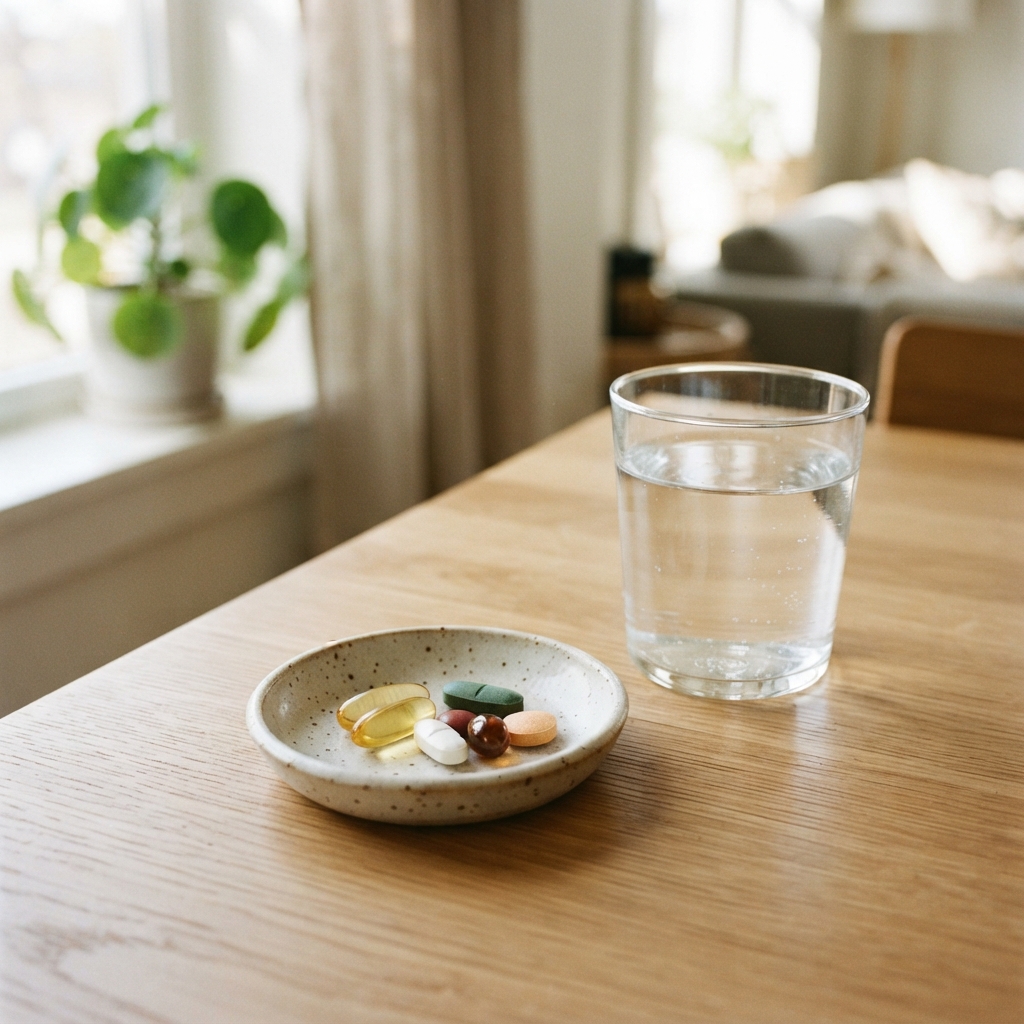
I want to be straight with you here, because this space is full of hype. Supplements are not magic. But a few can genuinely help if you are actually low.
Worth a conversation with your doctor:
- Iron — only if bloodwork shows you need it
- Vitamin D — very common deficiency
- Zinc — helps with shedding in some cases
- Biotin — mostly helpful if you are truly deficient
Skip the mega-dose hair gummies. More is not better, and biotin can interfere with lab tests. Test first, supplement second.
When to See a Doctor

Stress is not always the whole story. Sometimes it is just the thing that tipped a smaller issue over the edge.
Book an appointment if you notice:
- Smooth round bald patches
- Shedding that lasts longer than six months
- Scalp pain, redness, or scaling that will not quit
- Irregular periods, fatigue, or sudden weight changes
- Thinning at the part that keeps getting worse
Thyroid issues, PCOS, iron deficiency, and postpartum changes all masquerade as stress hair. A quick blood panel can save you months of guessing.
Your 7-Day Stress Reset Plan
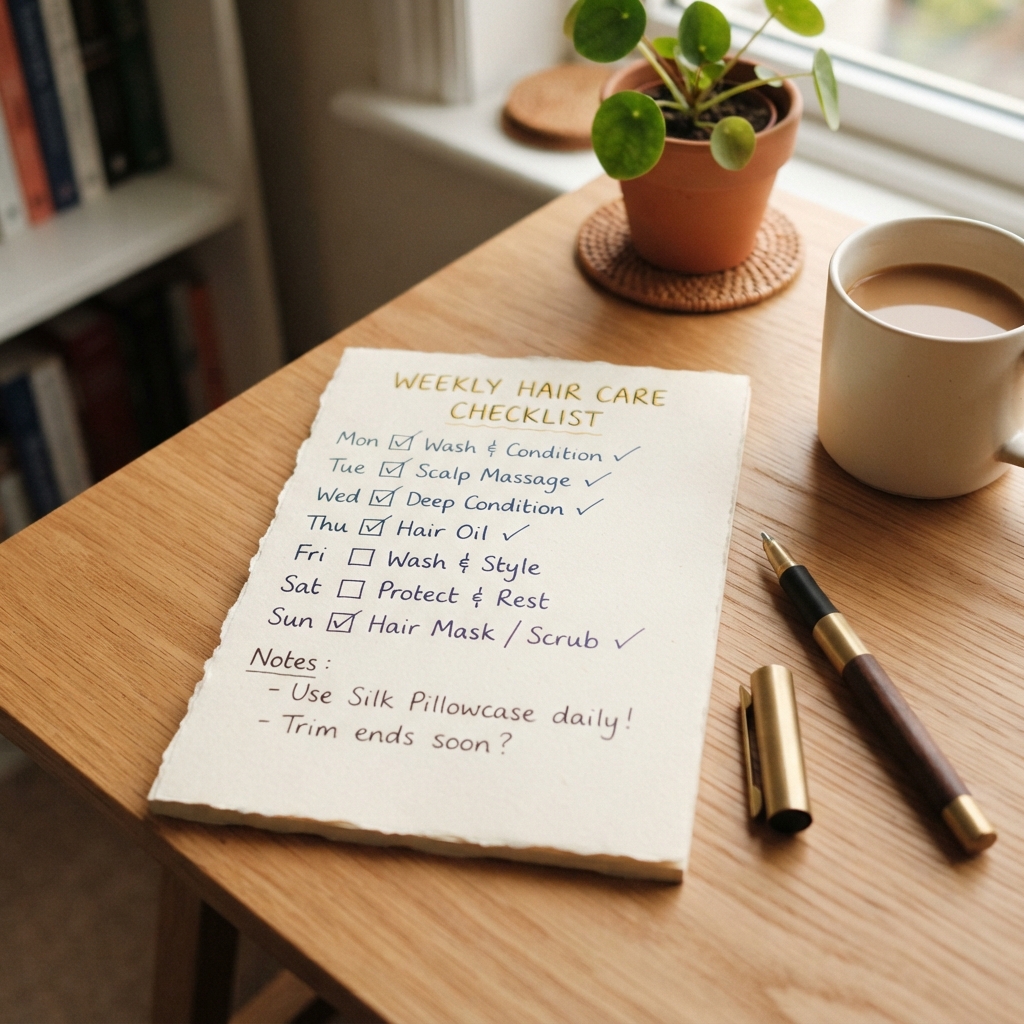
If you want somewhere to start, here is exactly what I would do in one week.
- Day 1: Wash with a gentle shampoo and do a 5-minute scalp massage
- Day 2: Protein-rich breakfast and a 20-minute walk
- Day 3: Silk pillowcase, loose braid, lights out early
- Day 4: Hydrating mask on mid-lengths and ends
- Day 5: No heat, air-dry, low bun with a ribbon
- Day 6: Book a trim if your ends are splitting
- Day 7: Rest, breathe, and take a hairline photo for your records
Seven small moves. That is it.
Track Progress Without Obsessing
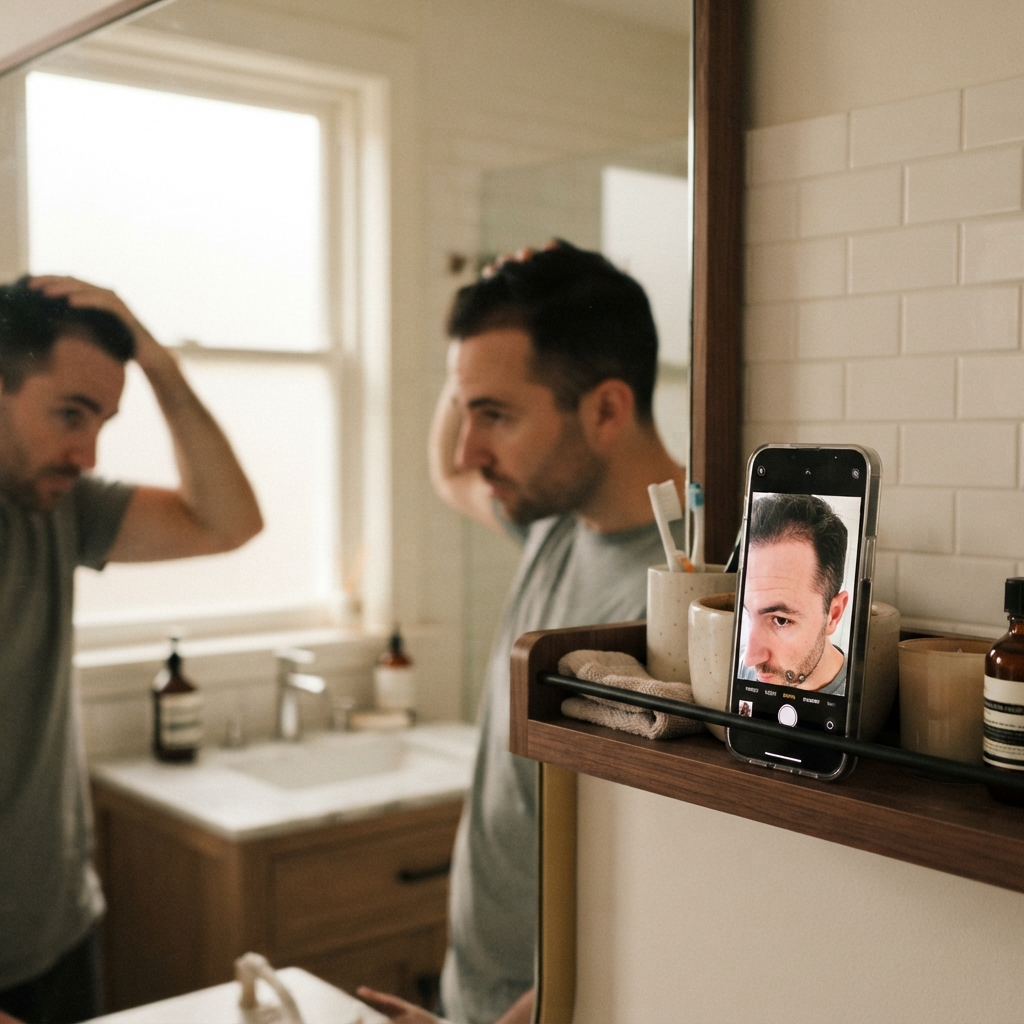
Here is a trap I fell into myself: checking your hair in the mirror fifteen times a day. That does not speed anything up, and it absolutely feeds the stress loop.
Instead, take one photo a month. Same spot, same lighting, same angle. That is your real data.
- Monthly photo, not daily mirror checks
- Note your shedding in a quick note, not a spiral
- Celebrate baby hairs — they mean it is working
- Expect a six-month timeline and be patient with it
Progress you cannot see day to day is still progress.
The Mind-Hair Connection Is Real

I saved this one for near the end because it is the piece most people skip. Your hair and your nervous system are connected. Calming one calms the other.
You do not need a wellness retreat. You need two minutes, most days.
- Breathe in for four, out for six, for ten rounds
- Put your phone down during your first coffee
- Stretch your neck and shoulders — that is where tension lives
- Say no to one thing this week
Lower stress is not a luxury. For your hair, it is a treatment.
A Little Pep Talk Before You Go
If you are in the middle of a shed right now, I know how scary it feels. I have been there, staring at my brush and doing math in my head. But your hair is one of the most resilient things about you.
Feed your body, sleep like it matters, keep your scalp calm, and pick a cut that works with where your hair is today instead of fighting it. That quiet luxury bob or soft asymmetrical lob will buy you time beautifully.
Six months from now, you will look back at this season and barely remember the panic. You have got this, friend.
Save this post to Pinterest so you can come back to the 7-day reset plan whenever you need it — and tell me in the comments: what is your biggest hair struggle right now? I read every single one, and I would love to help.

