
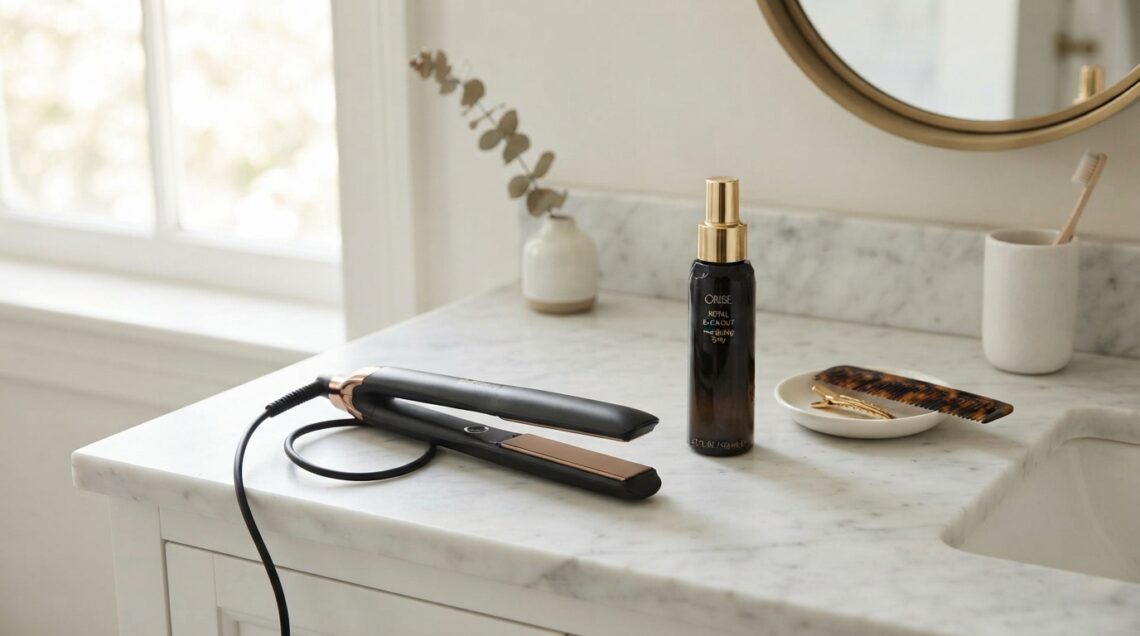
If you have been trying to grow your hair long, you have probably heard this a hundred times: get regular trims. And if you are anything like me, your first reaction was probably, absolutely not. I am not losing an inch of progress.
I get it. I spent years avoiding the salon because I thought every trim was a setback. Then I finally sat down and learned how hair actually grows, and it changed everything for me.
So today I want to walk you through why trims are not the enemy of long hair. They are the secret weapon. We will cover how often to go, what to ask for, and how to make every trim count.
Grab a coffee. This one is quick, practical, and honestly a little freeing.
Your Hair Grows No Matter What

Here is the truth I wish someone had told me at nineteen. Your hair does not stop growing when it hits your shoulders. It grows about half an inch every single month, whether you trim it or not.
What actually stops is your length retention. Every day your ends deal with brushing, heat, pillow friction, and styling. They get thin and rough. Then they split.
Once a split forms, it travels upward like a run in a stocking. So your hair gets shorter from the break, not the bottom. A trim keeps that damage from climbing.
Split Ends Do Not Heal
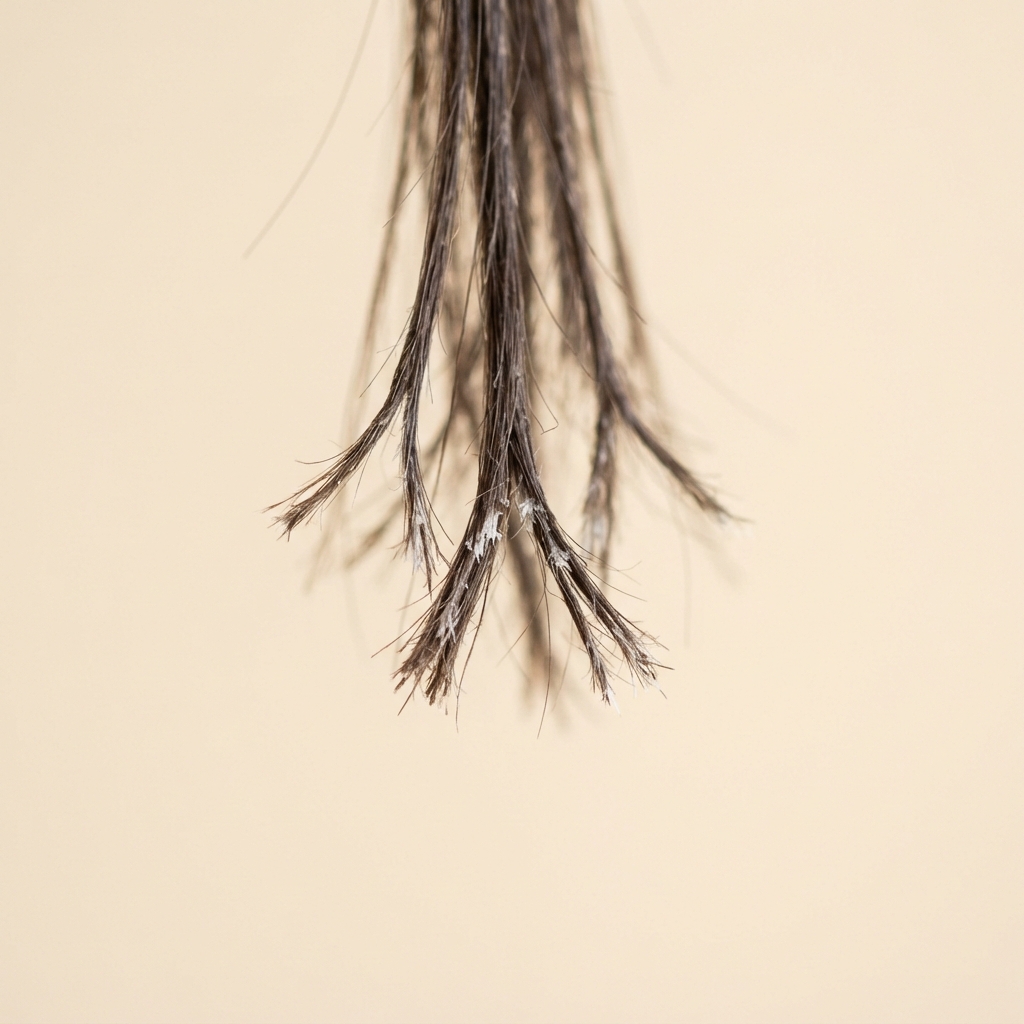
I need you to hear this one, because it saved me so much money. Split ends cannot be repaired. Not by a mask, not by oil, not by that serum everyone recommends.
Products can temporarily smooth the look of a split end. They can make it feel softer. But the structure is broken, and it stays broken.
- Masks and oils add softness and shine, not repair
- Heat tools make splits worse over time
- The only real fix is cutting above the split
Once you accept that, trims stop feeling like a loss and start feeling like maintenance.
How Often Should You Actually Trim?

This is the question I get most, and the honest answer is: it depends on your hair. There is no single number that works for everyone.
Here is my simple guide based on what I have seen work for me and for readers of this blog.
- Fine or fragile hair: every 8 to 10 weeks
- Medium, healthy hair: every 10 to 12 weeks
- Thick, strong hair: every 12 to 16 weeks
- Bleached or heat styled hair: every 6 to 8 weeks
If you are unsure, start at 12 weeks and adjust from there.
The Difference Between Growth and Retention

Growth and retention sound like the same thing. They are not, and mixing them up is why so many people feel stuck.
Growth is how fast your hair leaves your scalp. That is mostly genetics. Retention is how much of that length you actually keep over a year.
You cannot change genetics much. You can absolutely change retention, and that is where trims come in.
- Growth: roughly half an inch per month
- Retention: how much survives daily wear and tear
- Trims: the tool that protects retention
Focus on retention and the length takes care of itself.
What Happens When You Skip Trims

I skipped trims for almost a year once. I was so proud of myself. Then I looked at photos and realized my hair had not gotten longer at all. It had just gotten thinner.
This is the classic trap. The ends thin out, the hemline turns uneven, and the whole thing looks shorter even though it is technically not.
- Ends look wispy and see through
- Braids and buns look messy instead of full
- Detangling takes twice as long
- Damage climbs higher every month
You end up cutting more later than you would have cut all along.
Ask for a Trim, Not a Cut

Words matter at the salon. If you say cut, you might walk out three inches lighter. If you say trim, you are asking for something much smaller.
Be specific about what you want before the cape goes on. I always say the number out loud: half an inch, please.
- Say the exact amount you want removed
- Ask them to show you how much that is
- Request a dry cut if you want precision
- Confirm the shape you want to keep
A good stylist will repeat it back to you. That is your green light.
Dusting: The Trim You Barely Notice
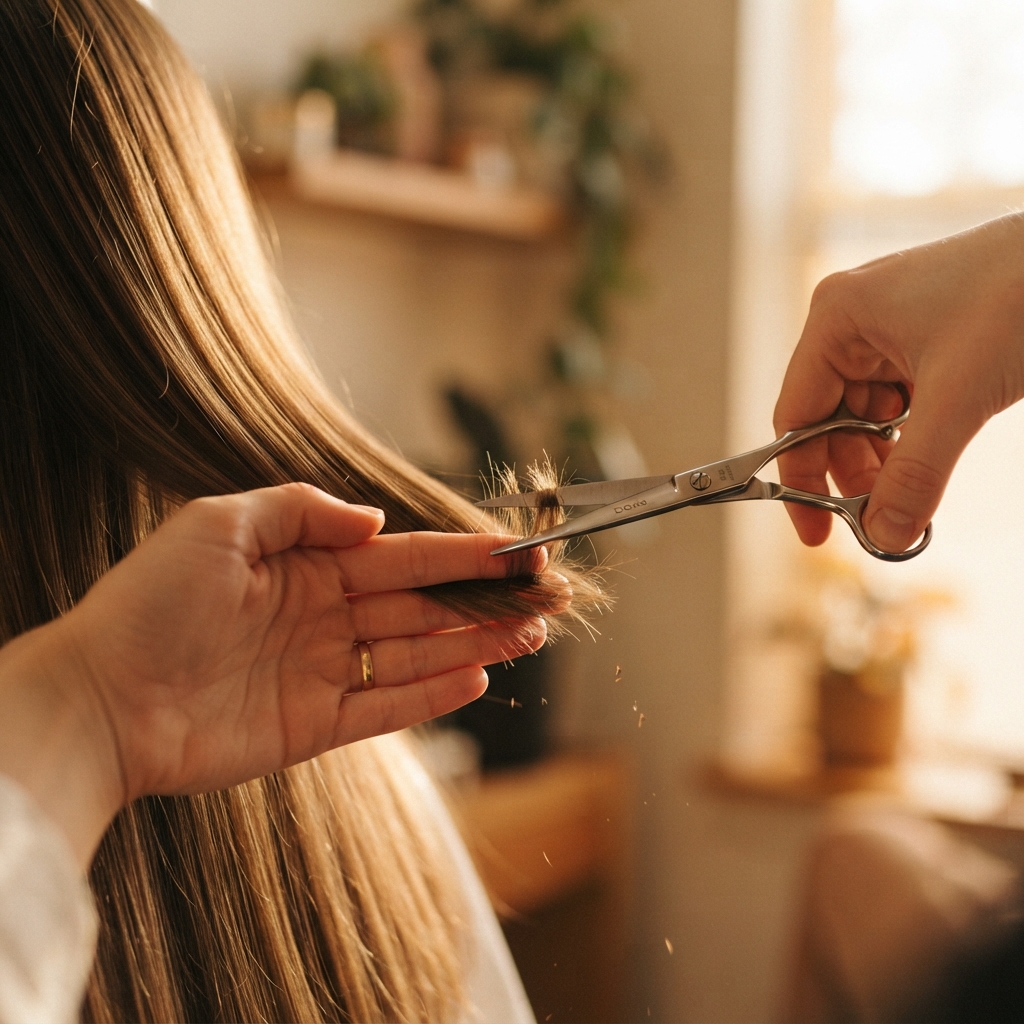
If you are not ready to lose any real length, ask for a dusting. It is exactly what it sounds like. The stylist only removes the tiny broken tips, sometimes less than a quarter inch.
It is perfect for fine hair, for anyone growing out a bob, or for anyone who is nervous about the chair.
- Removes only the very tips
- Great every 6 to 8 weeks
- Keeps ends looking fresh without changing shape
It is the gentlest way to stay on top of damage.
2026 Hairstyles Still Need Healthy Ends

Every trend I am seeing for 2026 hairstyles depends on one thing: ends that look clean. Blunt lines, soft waves, sleek finishes, all of it falls apart with frayed tips.
Think about the looks trending right now. They are polished. They are intentional. They look expensive because the hair looks cared for.
- Blunt cuts need an even hemline
- Soft waves need smooth ends
- Sleek styles need shine from root to tip
Trends change every season. Healthy ends never go out of style.
Old Money Hair Is Built on Trims

Old money hair has a very specific look. It is thick, smooth, and slightly undone in an effortless way. It never looks over styled or fried.
That look is not about product. It is about maintenance you cannot see. Regular small trims keep the hemline full and the ends soft.
- Full hemline over wispy ends
- Natural shine instead of heavy gloss
- Simple shapes that grow out gracefully
It is quiet luxury in hair form, and it starts with a pair of shears.
The Quiet Luxury Bob Grows Out Better

If you are growing out a quiet luxury bob, trims are your best friend. Without them, the shape collapses into something shapeless and stringy.
With them, you get a slow, elegant transition into longer lengths. You keep the polish the whole way through.
- Trim every 8 to 10 weeks while growing out
- Ask for soft blending at the sides
- Keep the back from getting too bulky
You will end up with a beautiful lob instead of an awkward in between phase.
The Asymmetrical Lob Needs Precision

An asymmetrical lob is all about that clean diagonal line. One side is longer, and the whole look depends on that angle staying sharp.
Skip trims and the longer side frays first. Then the shape disappears and it just looks uneven.
- Trim every 8 to 12 weeks
- Point out which side is longer
- Ask them to preserve the angle
This cut is stunning when maintained and frustrating when neglected. Stay on schedule and it stays gorgeous.
The Hime Cut and Blunt Precision

The hime cut is one of those styles that lives or dies by the blunt line. Straight side pieces, blunt fringe, long back length. Every edge is intentional.
Ragged ends completely ruin it. The whole point is that crisp, almost geometric finish.
- Trim every 6 to 8 weeks
- Ask for blunt, not layered
- Keep the side pieces sharp
If you love the hime cut, book your trims before you book anything else.
The Vampire Haircut Thrives on Sharp Ends

The vampire haircut is dramatic and a little moody, with sharp layers and a strong shape. It looks incredible when the ends are clean.
When they are not, it loses all its drama. The layers go fuzzy and the silhouette gets mushy.
- Trim every 6 to 8 weeks
- Keep layers sharp, not thinned out
- Ask for point cutting on the ends
Sharp ends are the whole personality of this cut.
Romantic Goth Hairstyles Love Fresh Ends

Romantic goth hairstyles are soft, flowing, and a little dreamy. Lots of waves, lots of length, lots of movement.
That movement only looks good when ends are healthy. Frayed ends catch the light in a way that reads as damage, not drama.
- Trim every 8 to 10 weeks
- Focus on softness, not sharp layers
- Use a light oil on ends only
Keep the ends smooth and the romance stays intact.
Glitchy Glam Hair Needs Clean Lines

Glitchy glam hair is bold, glossy, and a little futuristic. It plays with sharp pieces and unexpected texture.
That kind of style shows every flaw. Clean lines are non negotiable.
- Trim every 6 to 8 weeks
- Keep the top layer sharp
- Avoid over texturizing the ends
A fresh trim makes this look feel editorial instead of accidental.
Signs You Are Overdue for a Trim

Your hair will tell you when it needs attention. You just have to know what to look for.
Here are the signs I watch for, and if two or three of these apply to you, it is time.
- Ends feel rough even after conditioning
- You see tiny white dots at the tips
- Detangling takes longer than usual
- Your braid tassel looks thin and fuzzy
- Your hemline looks uneven in photos
Book the appointment. You will feel lighter immediately.
Heat and Color Change Your Trim Schedule
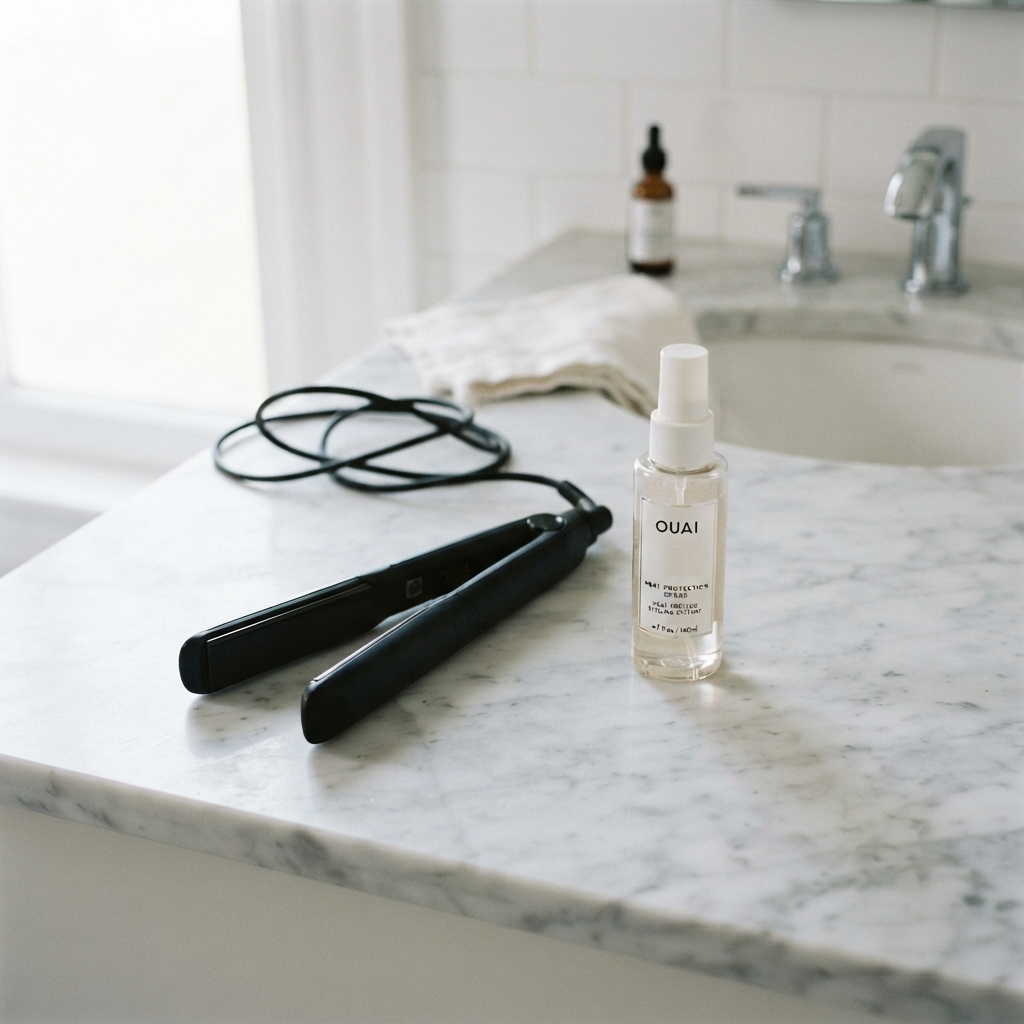
If you use heat tools or color your hair, your ends age faster. That is just the deal. It does not mean you have to stop, it means you adjust.
Bleach is the big one. It makes hair more porous, so splits form sooner and travel faster.
- Weekly heat styling: trim every 6 to 8 weeks
- Bleached or highlighted hair: every 6 to 8 weeks
- Occasional heat and no color: every 10 to 12 weeks
Match your schedule to your routine, not to someone else’s.
How to Make a Trim Last Longer

A trim buys you time. A few good habits make that time stretch a lot further.
None of these are complicated. They are the small things I do every week without thinking about it now.
- Use a wide tooth comb on wet hair
- Sleep on a silk pillowcase or in a loose braid
- Apply heat protectant every single time
- Put oil on your ends, not your roots
- Wear protective styles a few days a week
Protect the ends and your trims stay fresh longer.
Protective Styles and Trim Timing

Protective styles are great for growth. But they can hide damage for months if you let them.
I always trim before a long stretch of protective styling. That way I am not sealing damage in for weeks.
- Trim right before a protective style
- Take the style down gently
- Deep condition after takeover
- Trim again if ends feel rough
Two trims a year plus protective styling is a solid plan for most people.
Should You Trim Your Own Hair?
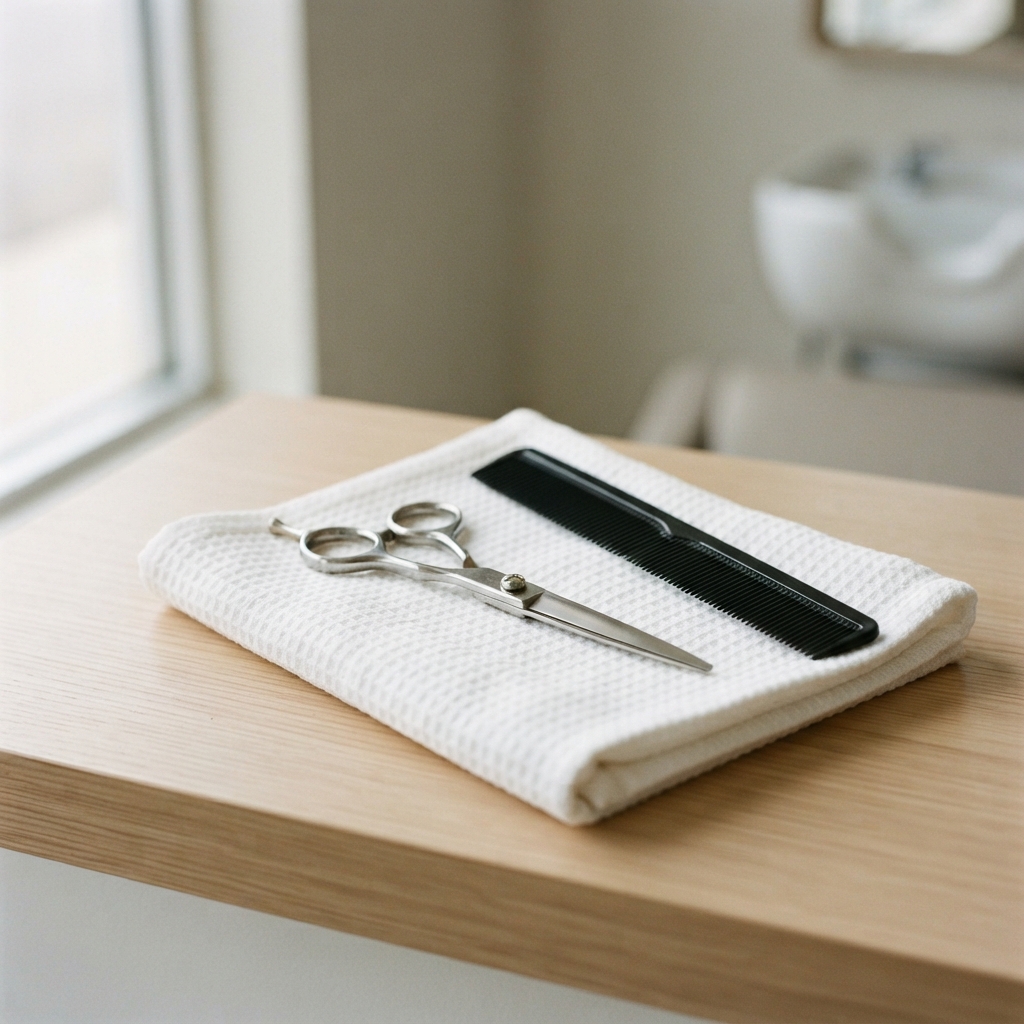
I am not going to tell you never. Plenty of people dust their own ends and do it well.
But there is a catch. Dull kitchen scissors crush the hair instead of slicing it, which causes brand new split ends.
- Only use proper hair shears
- Cut straight across, never at an angle
- Work on dry, straight hair
- Start with a tiny amount
For anything beyond a dusting, see a professional. Trust me on that one.
How to Find a Stylist Who Listens

A great stylist is worth driving an hour for. I learned that the hard way after too many surprise chops.
Look for someone who asks questions before they pick up the shears.
- They ask about your routine and history
- They show you how much they plan to remove
- They explain what they are doing
- They never push a big change you did not ask for
If you find that person, tip well and never let them go.
Tracking Your Progress Keeps You Motivated

Long hair growth is slow, so it is easy to feel like nothing is happening. Photos fix that.
Take one every month in the same spot, same lighting, same shirt. Same hair position too, if you can.
- Front, back, and side shots
- Note your trim dates
- Measure from your hairline if you like numbers
Six months in, you will see progress you completely missed in the mirror.
Why Trims Do Not Make Hair Grow Faster
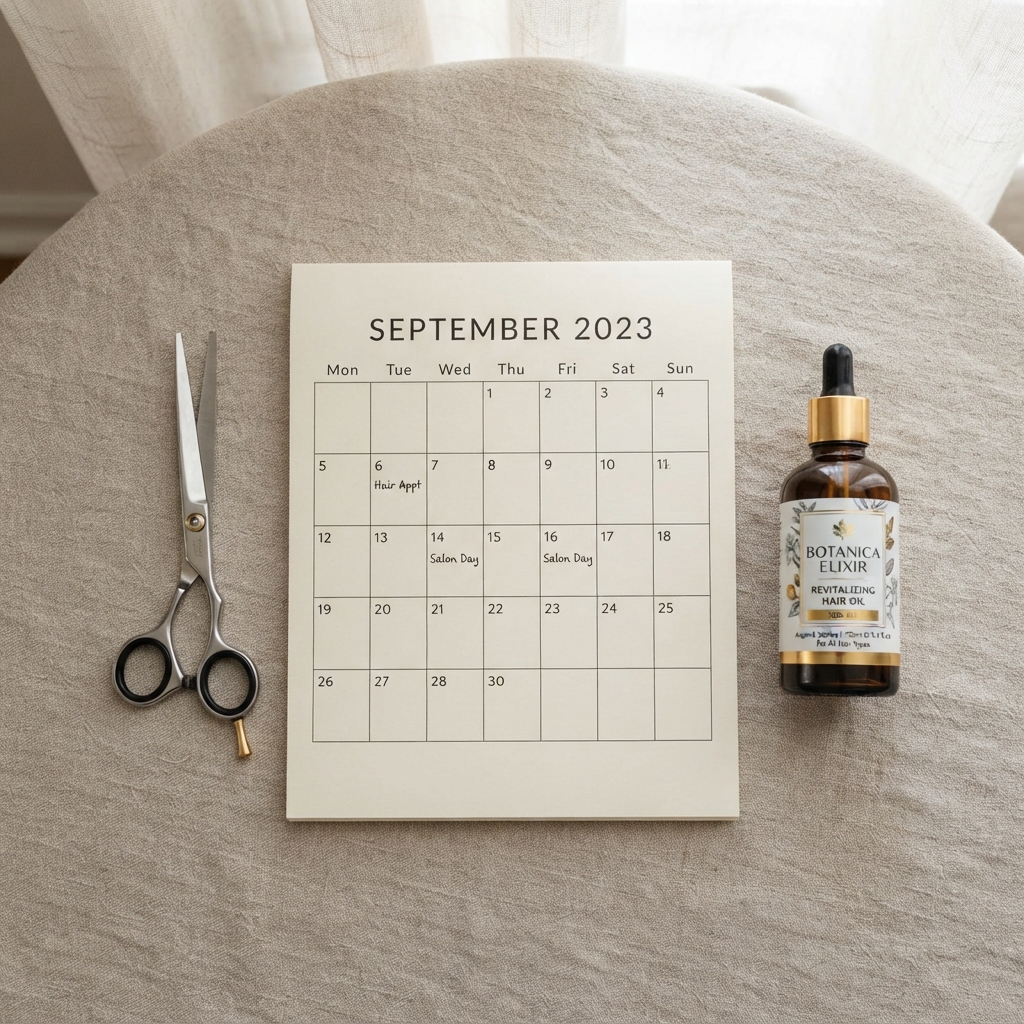
Let me be honest with you, because I hate when people oversell things. Trims do not speed up growth. Your scalp sets the pace.
What trims do is stop the losses. They keep damage from eating the length you already grew.
- Growth happens at the scalp
- Trims protect length at the ends
- Together, they equal visible progress
So no, trims are not magic. They are just the reason you finally see your growth.
Your Trim Day Checklist

Before you go, save this little list. It makes the whole appointment smoother.
- Bring reference photos of the shape you want
- Say the exact amount you want removed
- Mention your heat and color routine
- Ask how often they suggest coming back
- Book your next appointment before you leave
That last one is the game changer. Future you will be so grateful.
A Little Parting Thought
Growing long hair is not about avoiding the salon. It is about protecting what you have so it can keep going. Every small trim is a tiny act of faith in your future hair.
Your hair is growing right now, this very second. All you have to do is stop the damage from stealing it.
Book the trim. Keep the length. You are closer than you think.
Save this post to Pinterest so you have your trim schedule handy next time you book. And tell me in the comments, how often do you trim your hair? I read every single one.

