

Hey, friend. If your ends look a little rough but you are not ready to lose your length, I get it. A big chop can feel like a punishment when you have been growing your hair for years.
The good news? You can repair the look of split ends, protect your length, and keep your style fresh. You just need a mix of smart trimming, gentle care, and a few holy-grail habits.
In this post, I am sharing exactly how to repair split ends without cutting all your hair off. We will talk dusting, bond builders, heat rules, and even how to wear 2026 hairstyles like the quiet luxury bob, asymmetrical lob, and hime cut without making splits worse.
Let’s keep your hair long, healthy, and expensive-looking.
What Split Ends Actually Are
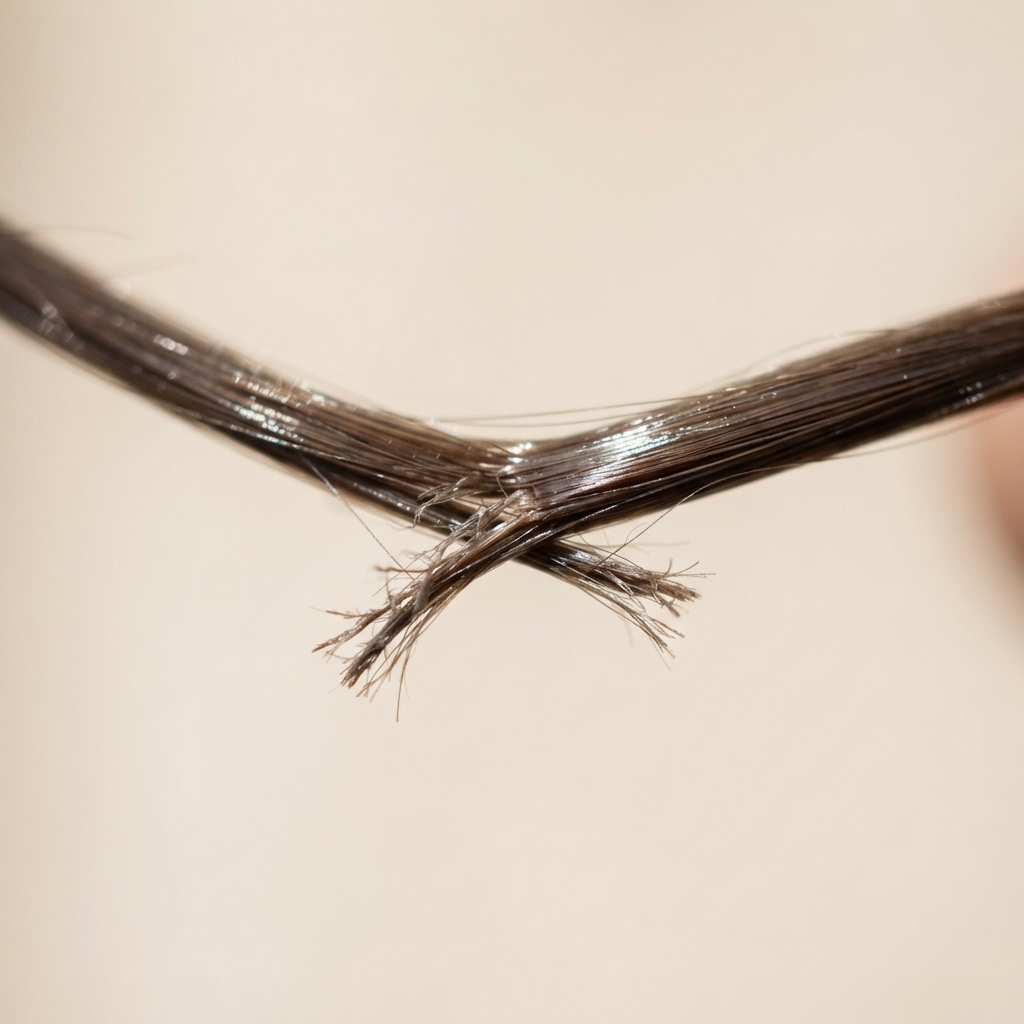
Split ends happen when the outer layer of your hair, called the cuticle, wears away. The inner fibers fray, kind of like a rope that has been rubbed too hard.
Once a split forms, it cannot magically fuse back together. No product can permanently seal it forever. But you can stop it from traveling up the strand.
That is why the goal is not “fix every split forever.” It is manage, trim, and protect. Think of it as maintenance, not a miracle.
- Frayed cuticle equals split end
- Splits can travel upward
- Products smooth, trims remove
Why You Do Not Need a Big Chop Today

I know stylists sometimes say the only fix is a big cut. And yes, if your hair is breaking off in chunks, a reset can help.
But for most of us, a full chop is not the first step. You can remove the worst splits, soften the rest, and keep your length.
You just need to be honest about the damage. If it is mostly your ends, you can save the rest. If your hair feels mushy or snaps near the roots, that is different.
- Big chop equals last resort
- Dusting equals small trims
- Protective care saves length
Trim vs. Repair: What Is Real
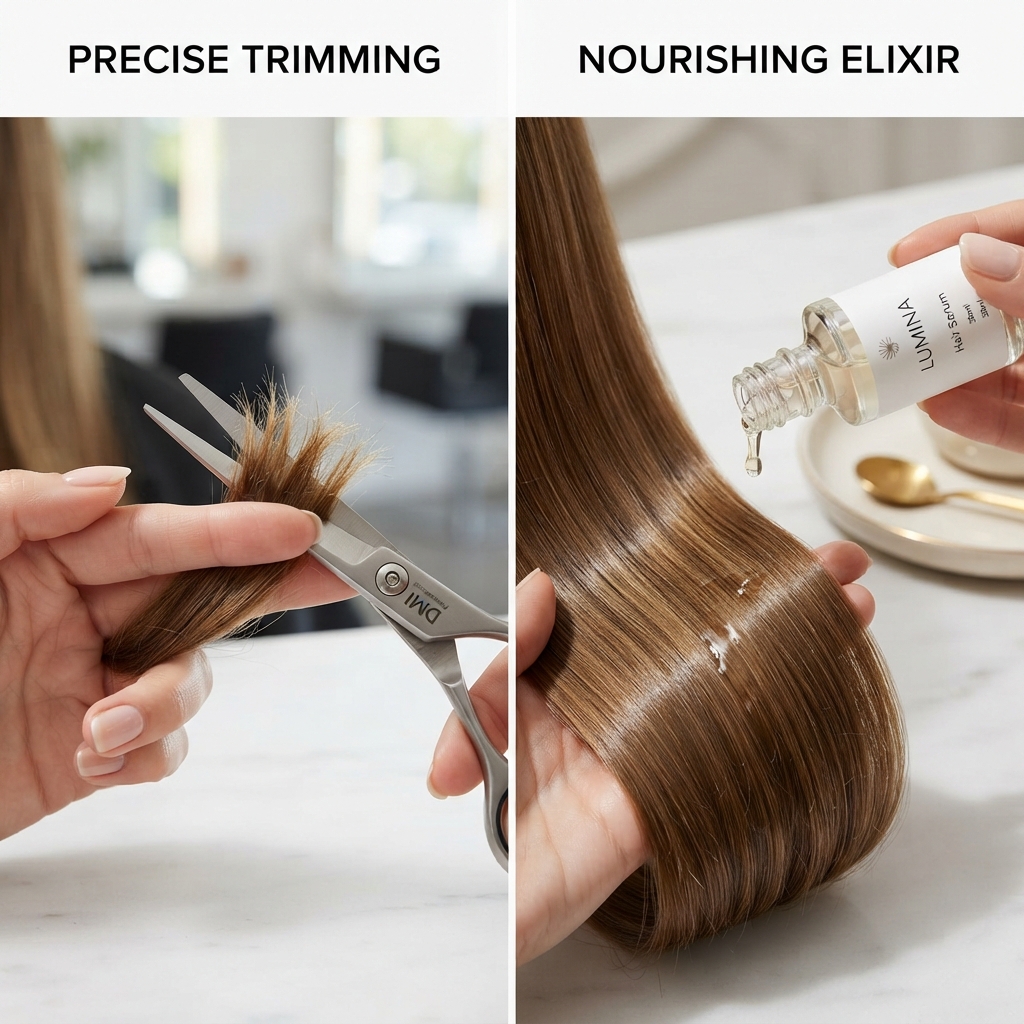
Let’s clear this up. Trimming removes split ends. Repairing makes the rest of your hair stronger so splits do not come back as fast.
You need both. A trim alone without better care means new splits in a few weeks. Care alone without any trim means the split keeps climbing.
So think of repair as your daily routine and trimming as your reset button. When they work together, your ends look better and your length stays.
- Trim cuts away damage
- Repair prevents future damage
- Best plan is trim plus repair
The Only Two Ways to Truly Remove Split Ends
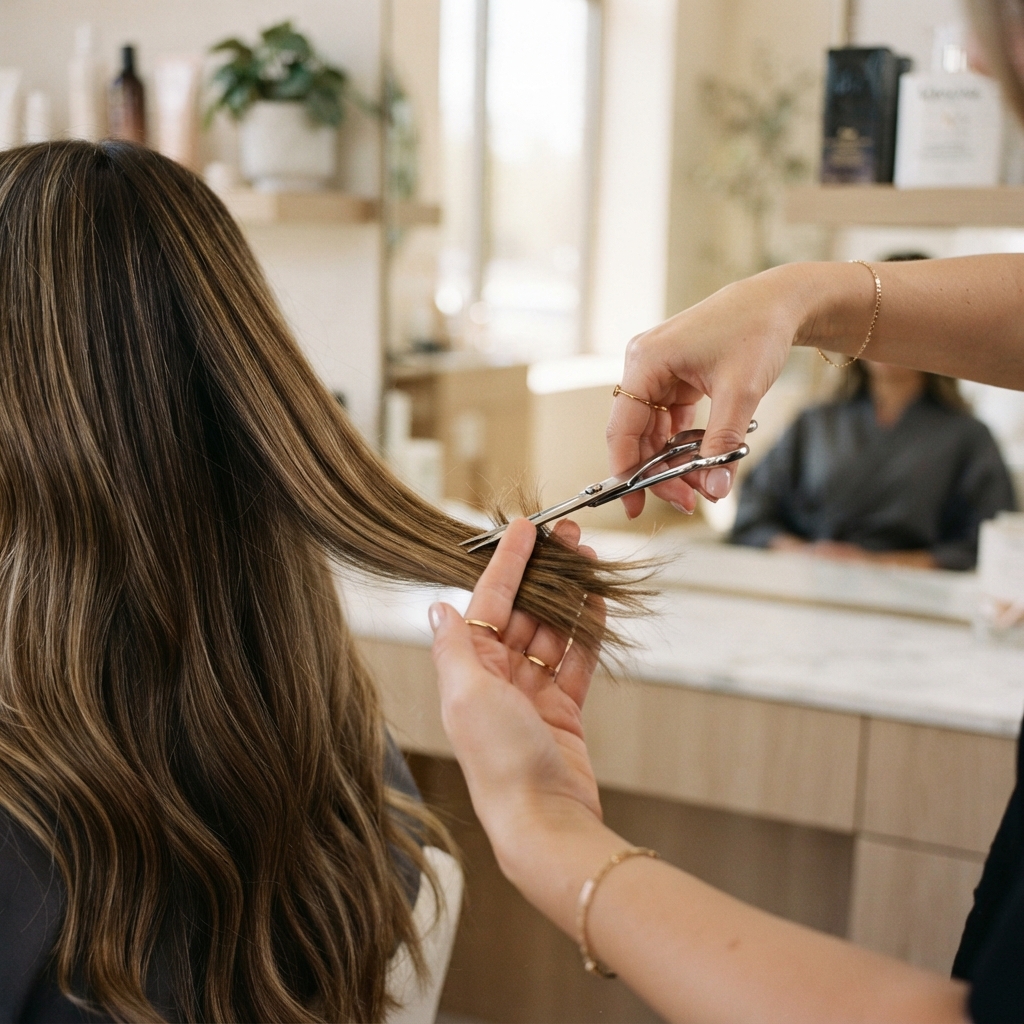
Here is the honest truth. There are only two real ways to remove a split end: cut it or hide it until you cut it.
Everything else is about preventing more splits. Bond builders, oils, and masks can make hair feel smoother and look shinier. They cannot glue a split back together forever.
That does not mean products are useless. They are your support team. They buy you time between trims and help your hair look polished.
- Cut the split with dusting or a trim
- Protect the strand so new splits slow down
How to Hide Split Ends Instantly

Need to look polished today? You can fake healthy ends for a bit. Start with a tiny bit of lightweight oil on just the ends.
Then use a round brush or a blow-dry brush to smooth the ends under. A small bend hides fraying better than straightening, which can make splits pop.
For 2026 hairstyles, a sleek low bun or a tucked asymmetrical lob looks intentional and hides rough ends. It is my go-to when I am between trims.
- Add one drop of oil
- Smooth ends under
- Tuck into a low bun
Dusting: The Tiny Trim That Saves Length
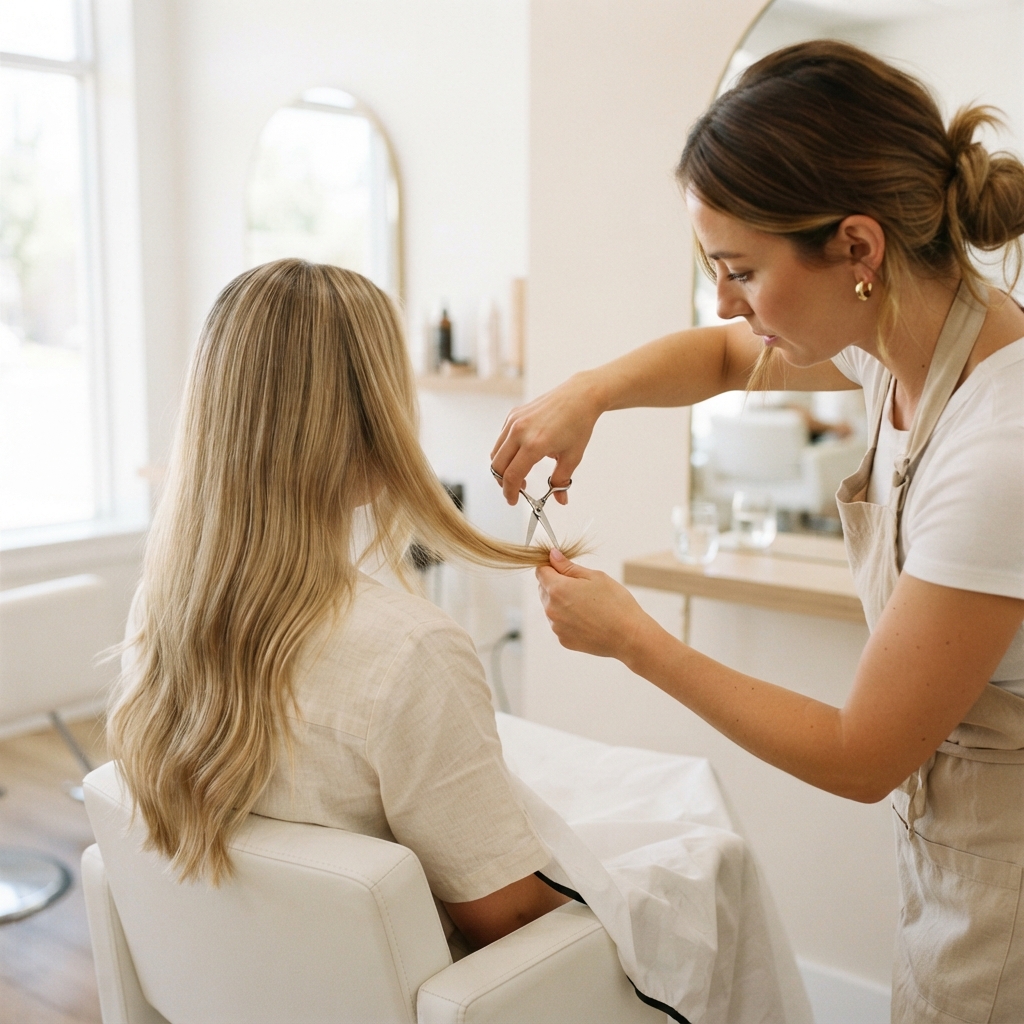
Dusting is when a stylist trims only the very ends, often less than a quarter inch. It removes splits without changing your shape.
You can ask for dusting every 8 to 12 weeks. If you wear a quiet luxury bob or old money hair, dusting keeps the shape sharp without losing length.
Do not try to dust your own hair unless you are very confident. One wrong snip can create a weird line. Ask a pro for this one.
- Removes tiny splits
- Keeps length and shape
- Book every 8 to 12 weeks
The Search and Destroy Method

Search and destroy is exactly what it sounds like. In good lighting, you find individual split ends and snip just above the split with sharp hair shears.
This works well between salon visits. It is slow, so do it in small sections while watching TV. Never use dull kitchen scissors.
Only cut the split, not a whole chunk. This is not a homemade haircut. If you feel unsure, stop and book a dusting instead.
- Use sharp hair shears
- Twist small sections
- Snip only the split
Why Heat Is Your Biggest Enemy
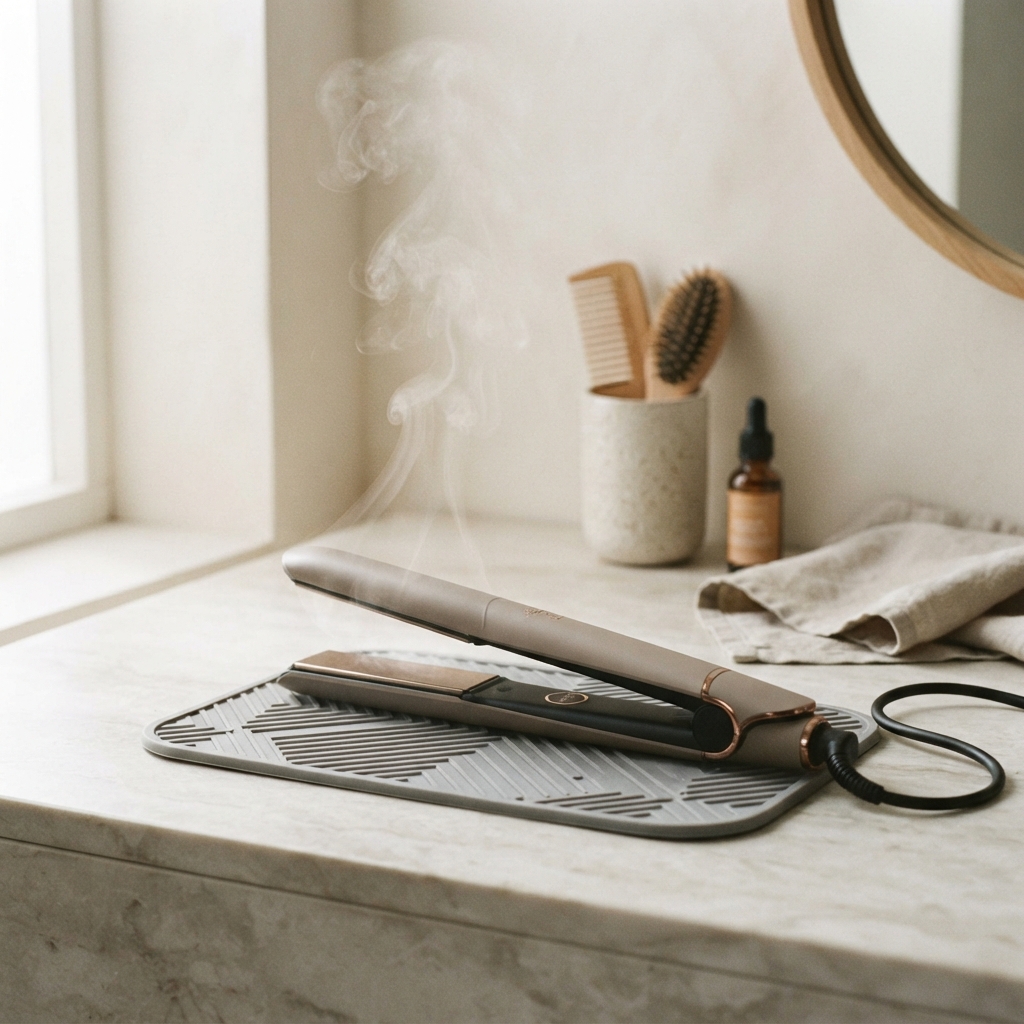
Heat is often the main reason splits keep coming back. Flat irons and curling wands can strip moisture and weaken the cuticle.
If you love glitchy glam hair or sleek old money hair, you can still use heat. But you have to lower the temperature and use a heat protectant every single time.
Think of heat as a treat, not a daily habit. Your ends will thank you, and your style will still look expensive.
- Lower the heat
- Always use protectant
- Limit hot tools to once or twice a week
The Right Way to Use Heat Tools

Start with dry hair. Never flat iron soaking wet strands. Apply heat protectant from mid-length to ends.
Use one pass per section, not five. If it is not smooth after two passes, your tool is too low or your technique needs a brush.
For a vampire haircut or hime cut, keep ends sharp with a light pass, not a heavy press. Too much heat will make blunt ends look fuzzy fast.
- Dry hair only
- Heat protectant first
- One to two passes max
Bond Builders and Split End Serums
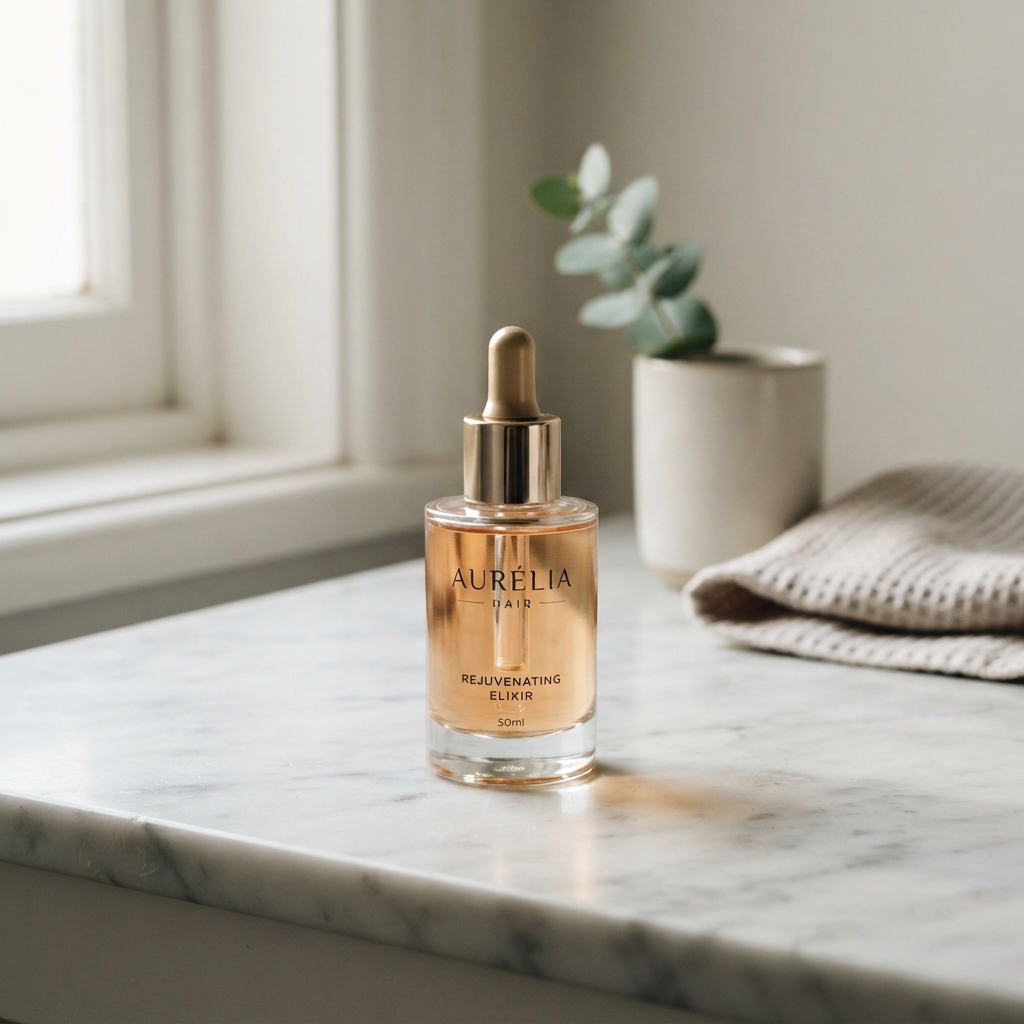
Bond builders can help rebuild some strength inside the hair. They are great if you color, bleach, or heat style often.
Split end serums are more like a coating. They smooth the cuticle and make ends look better. They do not permanently repair a split.
Use bond builders once or twice a week. Use serum on dry ends for shine. Both are helpers, but neither replaces a trim.
- Bond builder equals strength
- Serum equals smooth finish
- Neither replaces a trim
Deep Conditioning That Actually Helps

A deep conditioner adds moisture and slip. That makes hair less likely to tangle and snap. It also makes split ends look softer.
Apply from mid-length to ends. Leave it on for 10 to 20 minutes. Use a wide-tooth comb to distribute.
Do this once a week if your hair is dry. If your hair is fine, every other week is enough. Rinse well so your roots do not get greasy.
- Mid-length to ends
- 10 to 20 minutes
- Once a week or every other week
Protein vs. Moisture: Find Your Balance
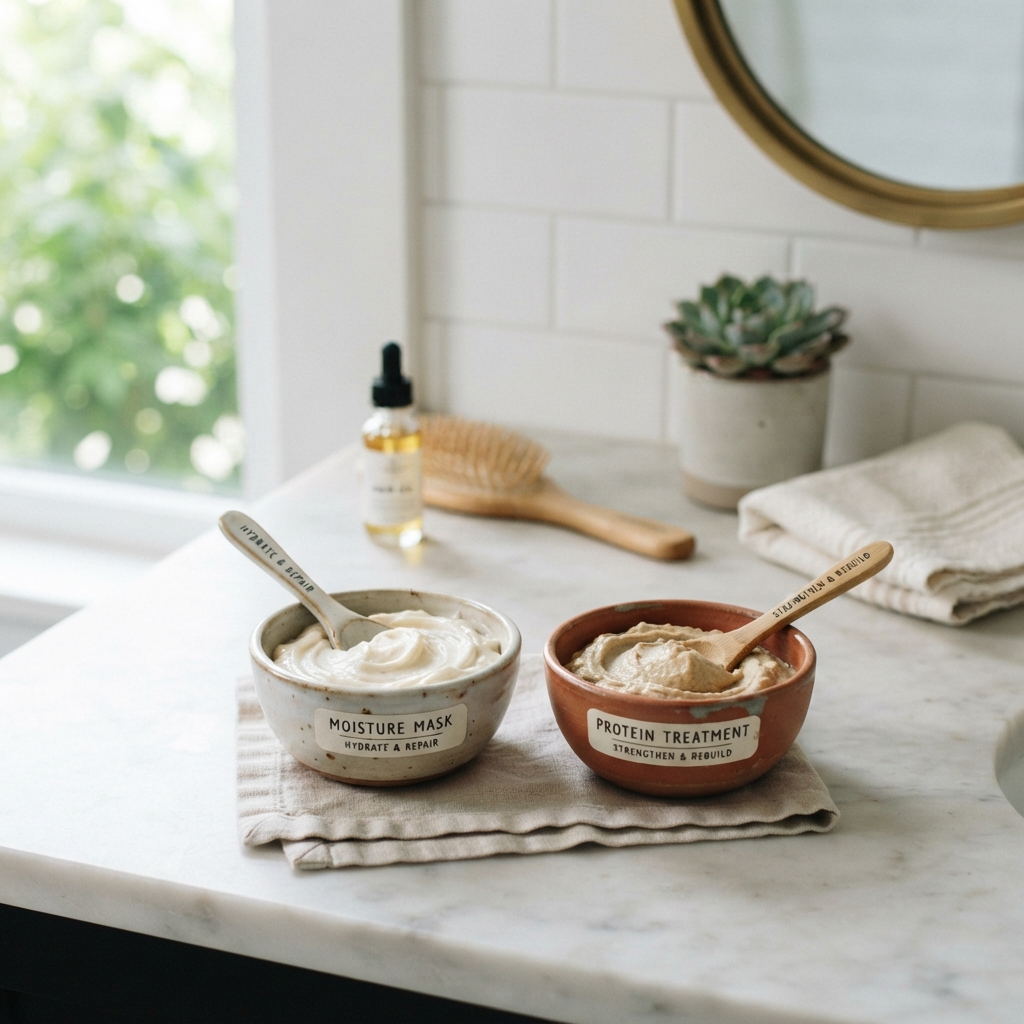
Protein makes hair stronger. Moisture makes hair flexible. Too much protein can make hair stiff and snap. Too much moisture can make hair stretchy and mushy.
If your hair feels straw-like, add moisture. If it feels gummy, add protein. Then follow with moisture.
This balance is key for any style, from romantic goth hairstyles to a clean asymmetrical lob. Healthy hair needs both, just in the right amounts.
- Straw-like means need moisture
- Gummy means need protein
- Alternate, do not overload
Overnight Treatments for Dry Ends

Overnight treatments are my favorite lazy-girl repair. You can apply a hair oil or mask to your ends, braid loosely, and sleep.
Just protect your pillowcase. Use a silk pillowcase or a soft towel over your pillow. Wash it out in the morning.
Do not do this every night if you have fine hair. It can weigh your roots down. Once or twice a week is plenty for most of us.
- Oil or mask on ends
- Loose braid
- Wash out in morning
How to Wash Your Hair Without Making It Worse

Hot water and rough towel drying can roughen the cuticle. Use lukewarm water and focus shampoo on your scalp.
Let conditioner do the work on your ends. When you dry, squeeze gently with a microfiber towel or cotton T-shirt.
Never brush wet hair from top to bottom. Start at the ends and work up. This one habit can save so many split ends from turning into breakage.
- Lukewarm water
- Shampoo scalp only
- Detangle ends first
The Power of a Silk Pillowcase

Cotton pillowcases grab and pull your hair while you sleep. That friction causes splits and breakage over time.
Silk or satin creates less friction. Your hair slides instead of snagging. It also helps keep your blowout smooth.
If you love old money hair or a quiet luxury bob, this is a tiny upgrade with a big payoff. It is one of the easiest changes you can make tonight.
- Less friction
- Less breakage
- Better blowout life
Protective Styles for 2026

Protective styles keep your ends tucked away. That means less rubbing on clothes, chairs, and car seats.
For 2026 hairstyles, try a low sleek bun, a loose braid, or a claw clip twist. These look chic and save your ends.
Just do not pull too tight. Tension can cause breakage at the roots. A soft, comfortable style is always better than a tight one.
- Low bun
- Loose braid
- Claw clip twist
How Old Money Hair Handles Split Ends

Old money hair looks effortless, but it is usually very maintained. The secret is regular dusting, soft shine, and no fried ends.
Think smooth, not stiff. A little oil on the ends and a clean shape go a long way.
If you want that quiet luxury vibe, keep your routine simple and consistent. You do not need ten products. You need a trim schedule and gentle habits.
- Regular dusting
- Light oil on ends
- Clean, soft shape
Quiet Luxury Bob Maintenance

A quiet luxury bob needs sharp ends to look expensive. Split ends make it look fuzzy and worn out.
Get a tiny trim every 6 to 8 weeks. Use a heat protectant before styling. Sleep on silk to keep the shape.
If you are growing out a bob, dusting helps you keep the length you have. It keeps the line clean while you wait for more growth.
- Trim every 6 to 8 weeks
- Protect from heat
- Sleep on silk
Romantic Goth Hairstyles Without Fried Ends

Romantic goth hairstyles often use texture, waves, and dark color. That can be tough on ends if you bleach or flat iron daily.
Try braided waves instead of hot tools. Use a bond builder if you lighten your hair. Keep ends oiled for a soft, moody finish.
You can be dramatic without being damaged. A little planning goes a long way, and your ends will still look soft and mysterious.
- Braided waves
- Bond builder
- Oil ends for shine
Glitchy Glam Hair and Split End Care

Glitchy glam hair is all about sleek pieces, sharp edges, and a little chaos. But those sharp styles often need heat.
Use heat protectant and keep the iron moving. If your ends are split, try a sleek top knot with face-framing pieces instead of straightening everything.
That gives you the vibe without cooking your ends. You can still look edgy and polished while protecting your length.
- Protect before heat
- Keep iron moving
- Try a sleek top knot
Asymmetrical Lob and Vampire Haircut Care

An asymmetrical lob and a vampire haircut both rely on clean, sharp lines. Split ends can ruin that crisp shape fast.
Ask your stylist to dust the ends and refresh your shape. At home, use a smoothing serum only on the very ends.
Avoid over-layering. Too many layers can make thin ends look more split. Keep the shape strong and the ends polished.
- Dust the ends
- Serum on ends only
- Avoid over-layering
Hime Cut Maintenance Tips

The hime cut has blunt side pieces and long back hair. Those straight lines show damage quickly, so maintenance is key.
Use a flat iron on low heat only when needed. Always use heat protectant. Trim the blunt edges every 6 to 8 weeks.
Sleep with your hair loose or in a low braid to avoid creases and friction. This keeps the silhouette sharp and the ends from fraying.
- Low heat only
- Trim blunt edges often
- Loose braid at night
Foods and Habits for Stronger Hair

Your hair grows from the inside. Protein, iron, and healthy fats help build stronger strands.
Try eggs, salmon, nuts, leafy greens, and beans. Drink water. Do not skip meals if you want your hair to thrive.
Stress and lack of sleep can also slow growth and weaken hair. So yes, rest is part of your hair routine too.
- Protein
- Iron-rich foods
- Healthy fats and water
When to See a Pro

If your splits are more than an inch up the strand, see a pro. At-home snipping can make it worse if you are not precise.
A stylist can dust, trim, or reshape without taking off all your length. Be clear about your goal: keep length, remove damage.
If your hair is breaking near the roots, ask about a treatment plan. That is a different issue than simple split ends.
- Splits high up
- Breakage near roots
- Shape needs a reset
Your 4-Week Split End Repair Routine
Week 1: Get a dusting or search-and-destroy the worst splits. Week 2: Deep condition and use a bond builder.
Week 3: Cut heat to once. Add a silk pillowcase. Week 4: Check your ends and repeat what worked.
Keep this up, and your hair will look healthier without losing your length. It is not about perfection. It is about small, consistent love.
- Dust or snip
- Deep condition
- Reduce heat
- Protect while sleeping
Before you go, remember this: split ends are normal. They do not mean you failed at hair care. They just mean your hair has lived a little and needs some gentle attention.
You can keep your length, rock your favorite 2026 hairstyles, and still have ends that look soft, shiny, and put together. Start with one small habit today, then add another next week.
Save this post to Pinterest so you can come back to this routine whenever your ends need a little love. And tell me in the comments: what is your biggest hair struggle right now? I read every comment and love hearing from you.
Love, Hailey & Team

