
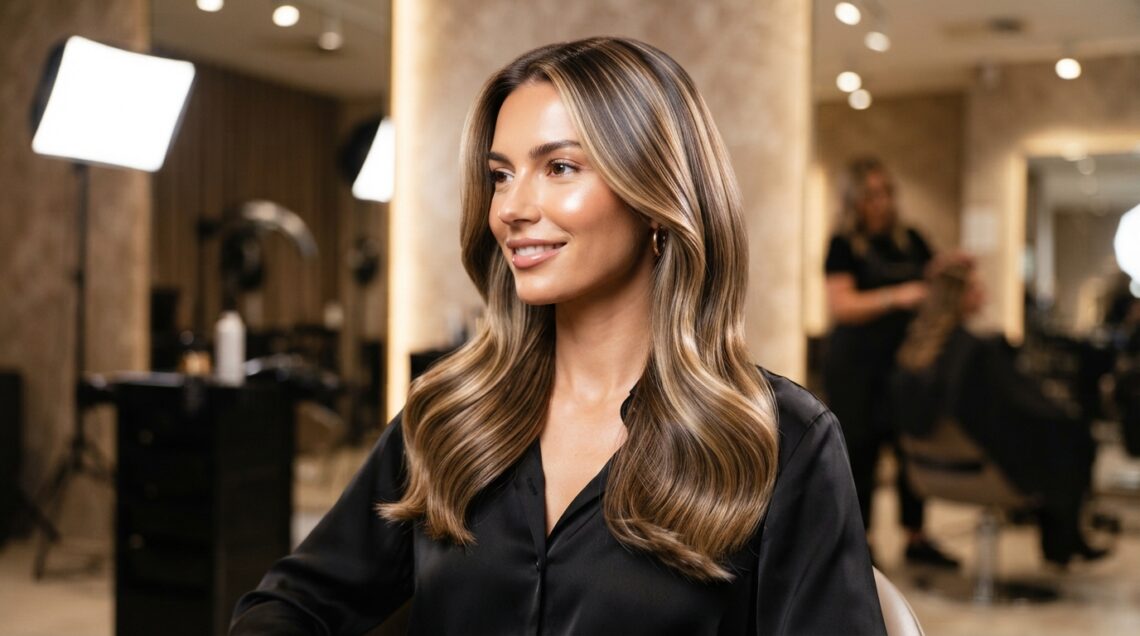
Ever wonder why your flat iron seems to fry your ends while your best friend’s hair bounces back like nothing happened? Nine times out of ten, it comes down to one little bottle.
A thermal protectant spray is the bodyguard standing between your hair and your hot tools. But here’s the catch: the wrong one can leave fine hair greasy, curls crunchy, and expensive color dull.
So today we’re breaking it down by hair type. Fine, thick, curly, coily, color-treated, damaged — you name it. You’ll walk away knowing exactly what to look for on the label and how to spray it so it actually works.
Two minutes of reading now saves you months of growing out a bad heat decision. Let’s get into it.
What a Thermal Protectant Spray Actually Does
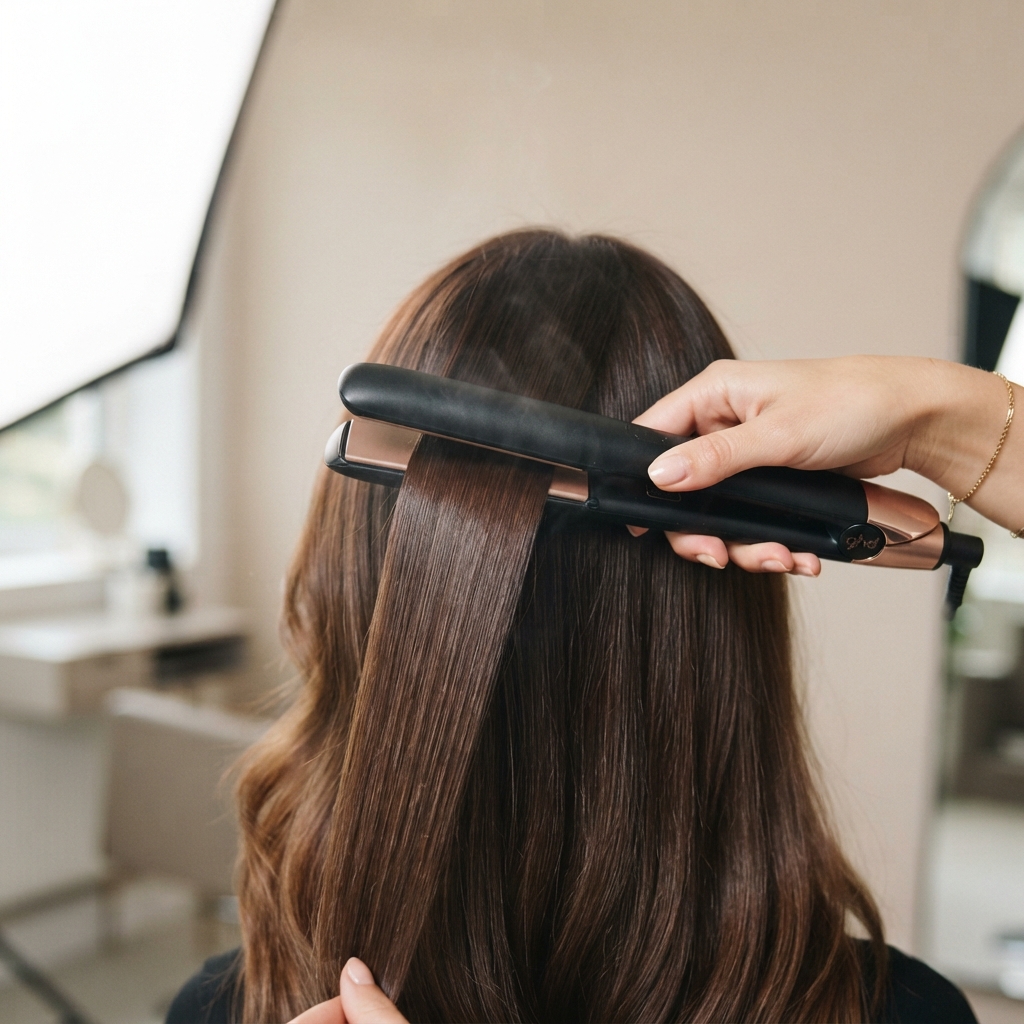
Think of it as a shield. When you spray it on, it forms a thin layer around each strand so the heat hits the shield before it hits your hair.
It doesn’t make your hair fireproof. Nothing does. What it does is slow down damage, keep moisture in, and help your style hold longer.
Here’s what a good one handles:
- Heat up to 400–450°F
- Friction from brushing and styling
- Some UV and humidity protection
Simple as that. It’s the cheapest insurance you’ll ever buy for your hair.
Know Your Hair Type Before You Buy
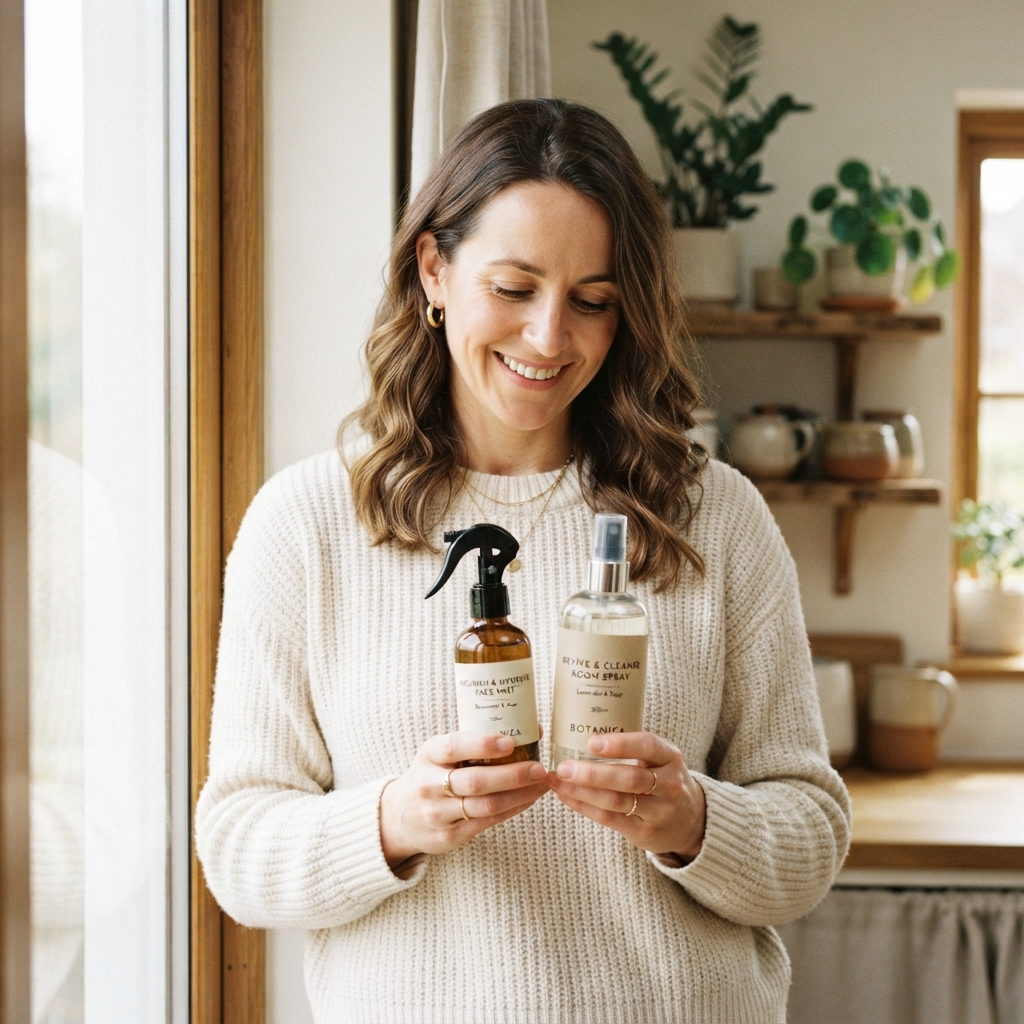
Most people buy protectant based on the pretty bottle, not their actual hair. That’s backward.
Ask yourself four things:
- Is my hair fine, medium, or thick?
- Is it straight, wavy, curly, or coily?
- Is it natural, colored, or bleached?
- Is it healthy right now, or fried?
Your answers point you straight to a formula. Fine hair needs light. Thick hair can take richer. Colored hair needs extra. Damaged hair needs gentle.
Once you know your type, shopping gets ten times faster.
Fine Hair: Go Lightweight or Go Home

Fine hair is the pickiest. Heavy sprays weigh it down, make it look greasy by noon, and kill any volume you just built.
Look for:
- Water-based, alcohol-light formulas
- Mists instead of creams
- Labels that say “weightless” or “for fine hair”
Skip anything with heavy oils like coconut or castor near the top of the ingredient list. Great for thick hair, a total disaster for you.
Spray from about ten inches away and use less than you think you need. A light mist is plenty — especially if you’re wearing an asymmetrical lob or a quiet luxury bob. Those cuts show every bit of grease.
Medium Hair: You Have the Most Options

Medium hair is the lucky one. You can wear mists, creams, and even light oils without much trouble.
Pick based on your goal, not your hair:
- Want volume? Choose a lightweight mist.
- Want smooth and sleek? Choose a cream.
- Want shine? Choose a formula with a touch of silicone.
Medium hair also handles higher heat better, so a spray rated to 450°F is a smart buy if you straighten often.
This is the hair type that pulls off almost every 2026 hairstyle out there, from old money hair to glitchy glam hair. Just don’t skip the spray because your hair “seems fine.”
Thick Hair: You Can Handle Richer Formulas
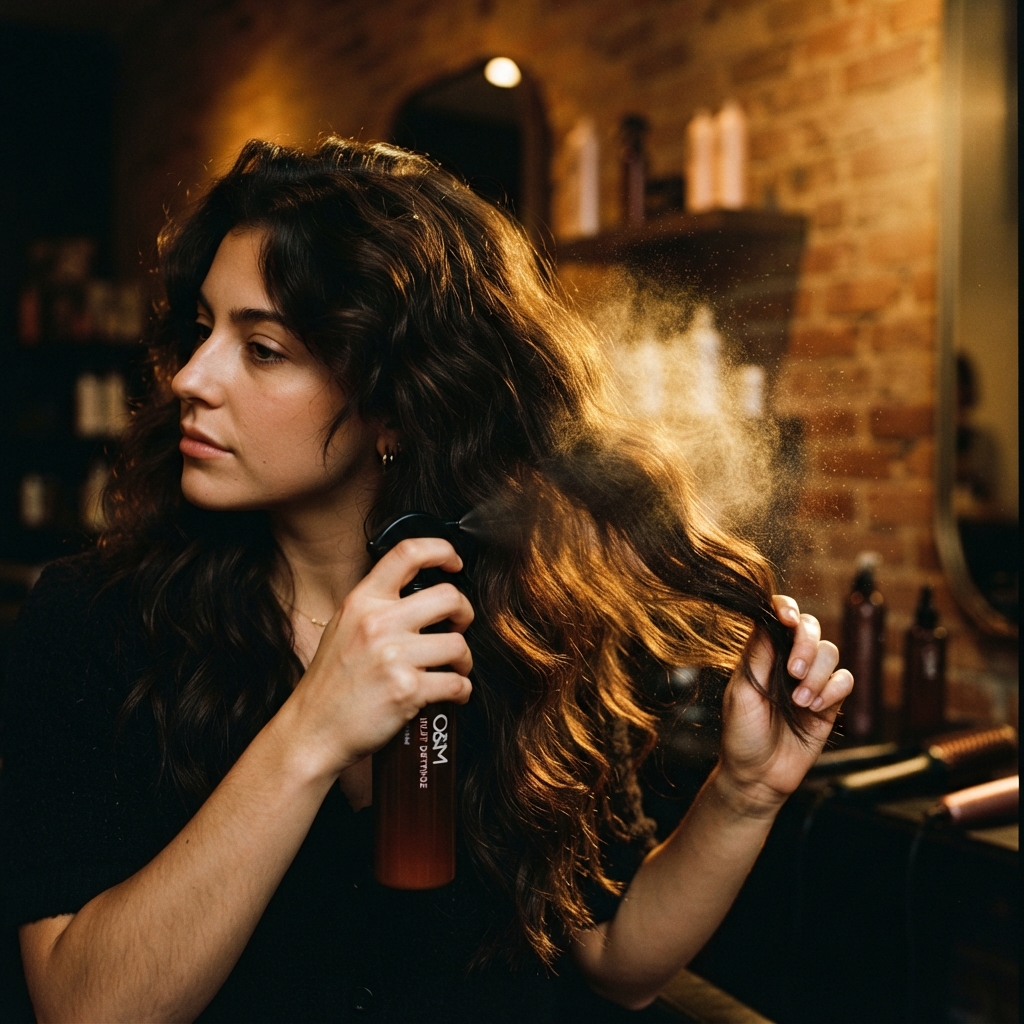
Thick hair can take more product, but it also needs more coverage. It’s easy to miss the middle layers and end up with frizz on top and protection hiding underneath.
What works:
- Cream or lotion formulas with a little weight
- Sprays with oils like argan or jojoba
- Anything rated for high heat
Section your hair into four parts and spray each one. Yes, it takes an extra minute. Yes, it’s worth it.
If you’re growing out a hime cut or rocking long romantic goth hairstyles, thick hair is your superpower. Just protect the ends — they’re the oldest and driest part.
Curly Hair: Heat Plus Curls Needs Slip
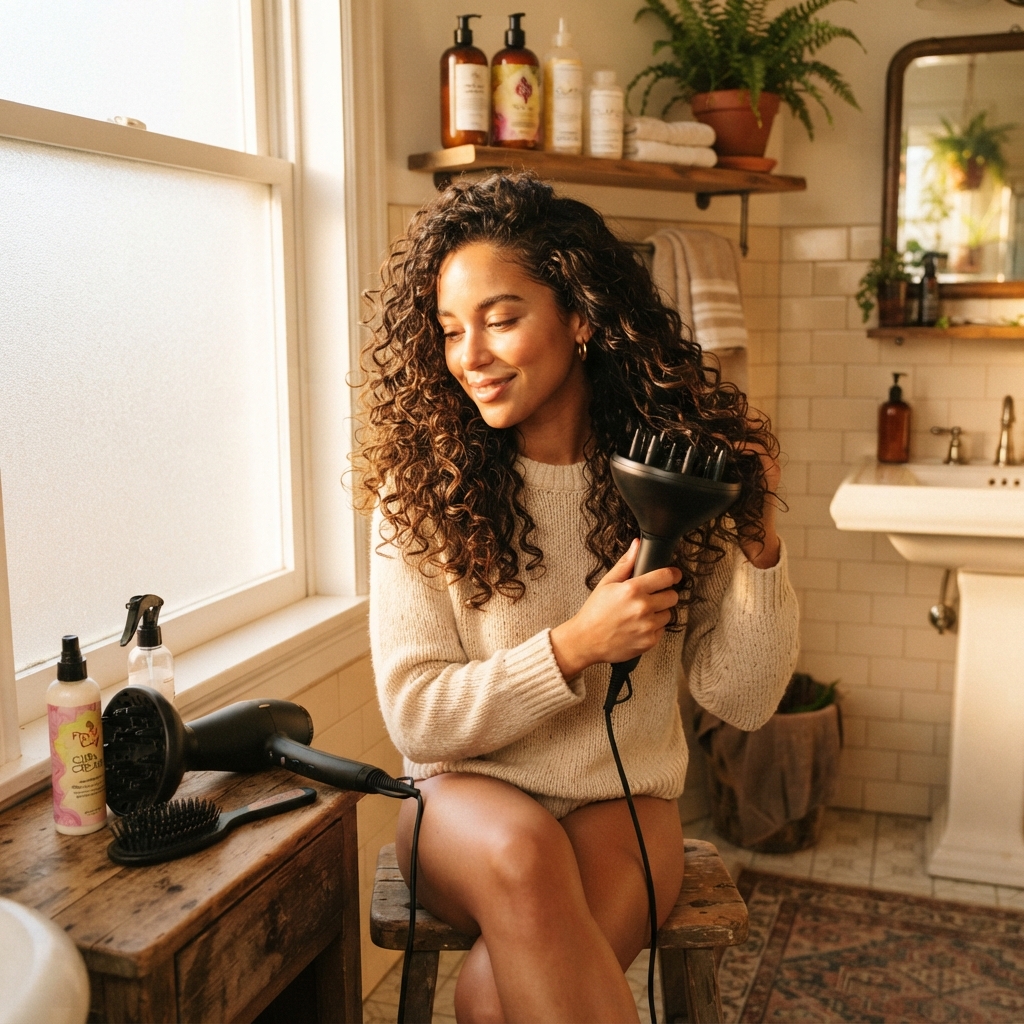
Curly hair is naturally drier, so heat hits it harder. You want a protectant that adds moisture and slip, not just a shield.
Look for:
- Alcohol-free formulas
- Glycerin, aloe, or panthenol in the first few ingredients
- Sprays you can use on damp hair before diffusing
Spray while your hair is damp, rake it through with your fingers, then scrunch. That way the product reaches every curl instead of sitting on the outer layer.
If you straighten your curls sometimes, go with a stronger formula rated for 450°F and keep that iron moving.
Coily Hair: Moisture Comes First
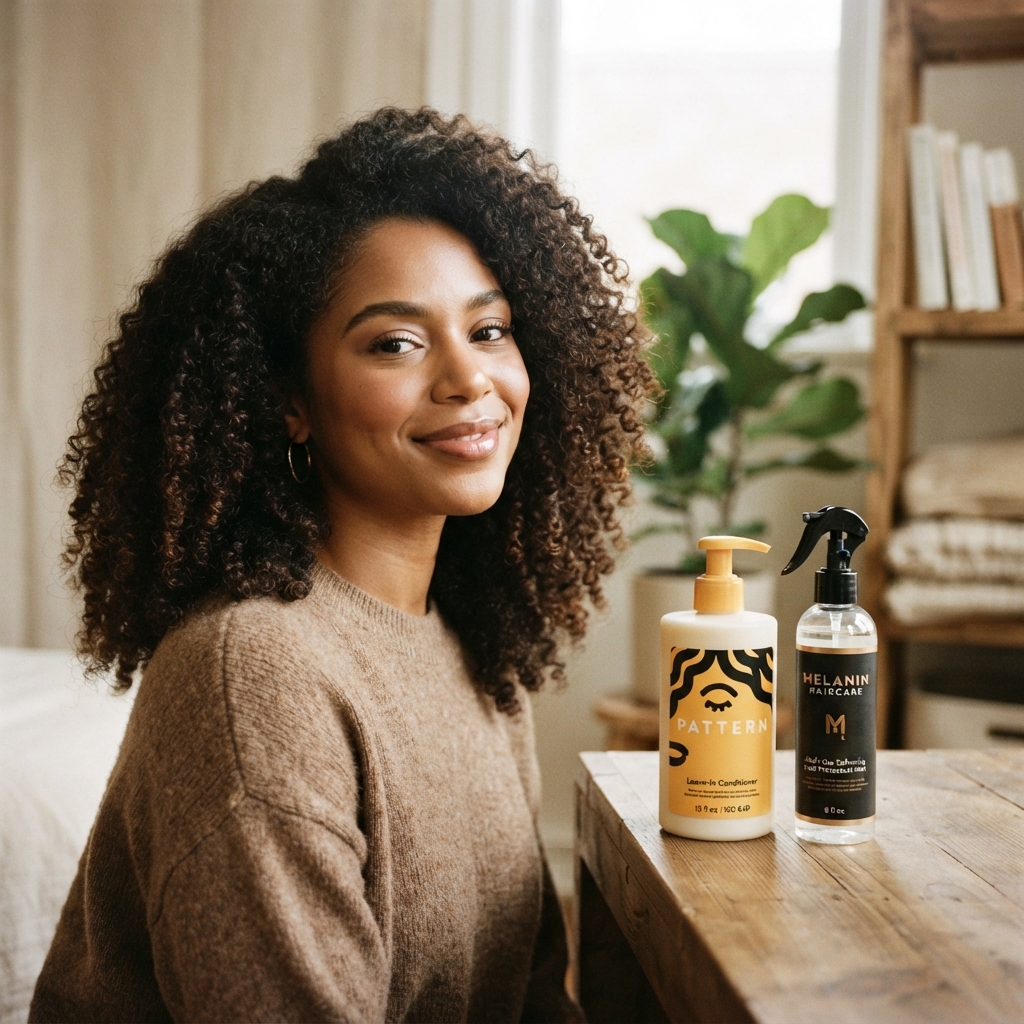
Coily hair needs the most care around heat. It’s the most fragile texture, and heat damage shows up fast as loosened curls that never bounce back.
Your order of operations:
- Leave-in conditioner on damp hair
- Thermal protectant spray on top
- A light oil to seal
- Then heat, on low to medium
Choose a spray made for textured hair — no drying alcohols, plenty of glycerin or shea.
And honestly? Air dry when you can. Save the hot tools for special occasions and protect like crazy when you do pull them out.
Wavy Hair: Protect the Pattern

Wavy hair sits right in the middle, which means it’s easy to overwrite. Too much product and your waves go flat or stringy.
Go with a lightweight mist and spray mainly on the mid-lengths and ends. Skip the roots entirely.
Signs you’ve used too much:
- Hair feels tacky or stiff
- Waves look greasy by lunch
- Your volume disappears
If that happens, don’t panic. Use less next time, or switch to a spray labeled for fine to medium hair. Wavy hair loves a quiet luxury bob or a soft asymmetrical lob, and both look best with a light hand.
Color-Treated Hair: Add Extra Shields

Color-treated hair fades faster when heat is in the mix. Heat opens the cuticle, and that’s exactly when your expensive color starts slipping out.
Look for a protectant that also offers:
- UV filters
- Color-locking ingredients
- Low or no alcohol
Bonus points if it says “sulfate-free” and “color-safe” on the label.
If you paid for beautiful balayage or a rich red, spend the extra ten dollars on a good spray. It’s the difference between color that lasts six weeks and color that lasts three months.
Bleached and Damaged Hair: Handle With Care
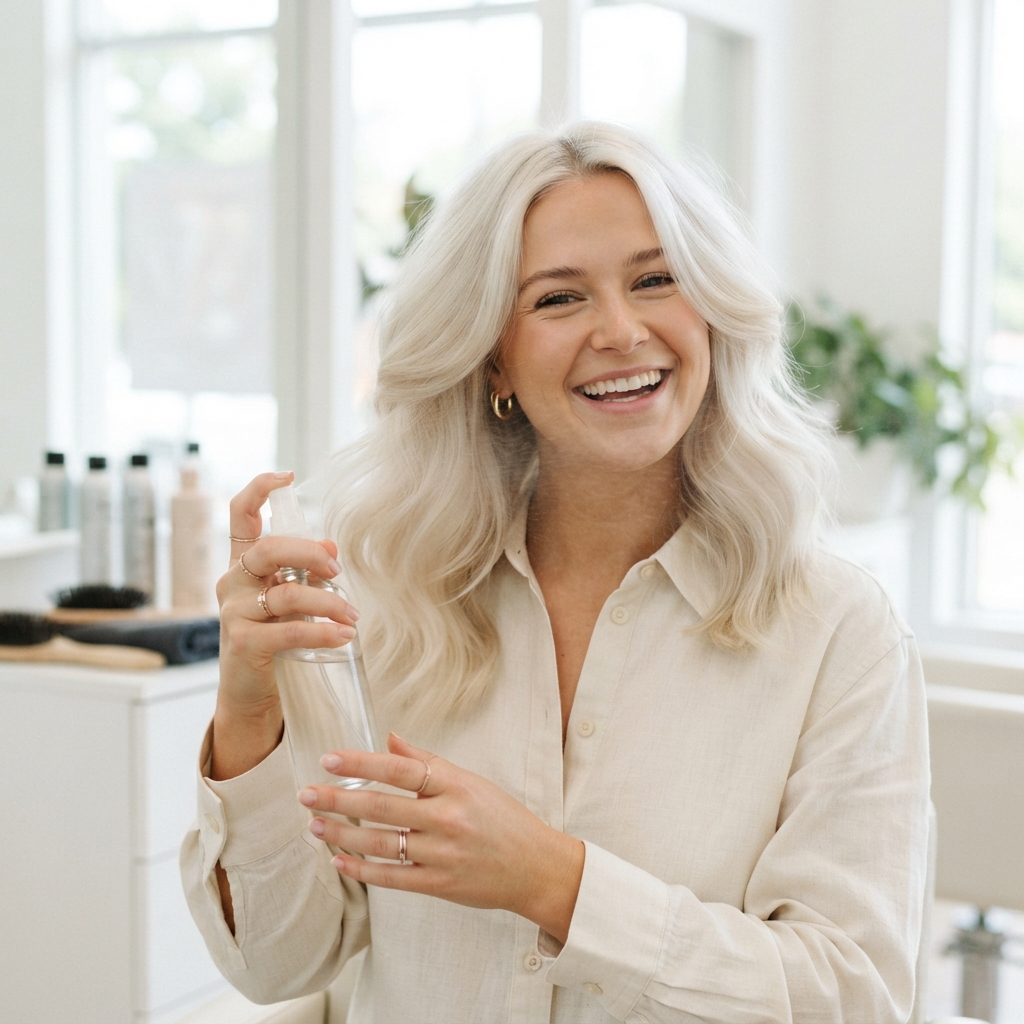
Bleached hair is already stressed. Adding heat without protection is like sunbathing with no sunscreen — you’ll feel it later.
Choose formulas with:
- Protein or keratin for strength
- Bond-building ingredients
- No drying alcohols
Keep your iron under 350°F and always use a protectant, even for a quick touch-up.
Also, trim regularly. Split ends travel upward, and no spray can fix hair that’s already broken. Protect, trim, and be patient — damaged hair does recover, it just takes a few months.
High Porosity vs Low Porosity Matters
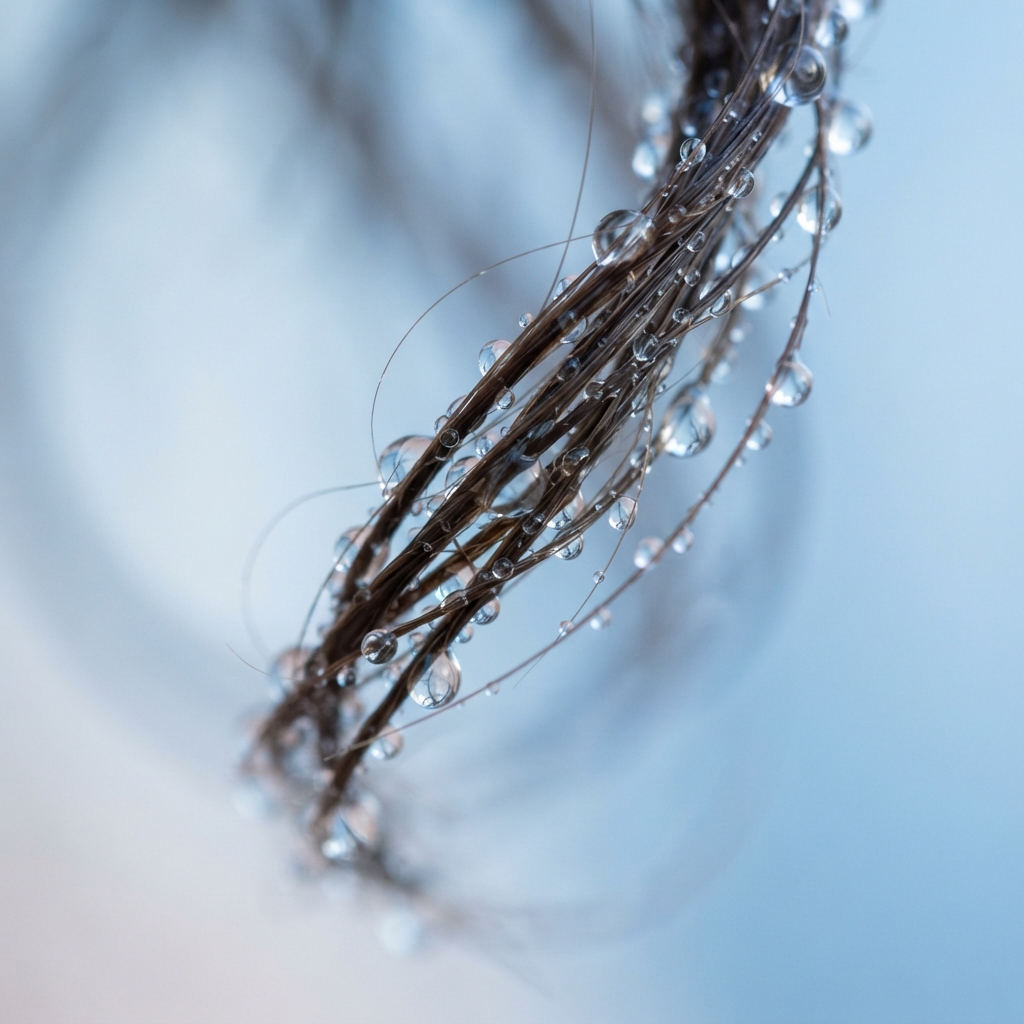
Porosity is how easily your hair absorbs and holds moisture. It changes which sprays actually work for you.
High porosity hair:
- Drinks up product fast
- Loves creams and richer sprays
- Needs heavier moisture
Low porosity hair:
- Product sits on top of the strand
- Prefers light mists
- Hates heavy buildup
Quick test: drop a clean strand in a glass of water. Sinks fast? High porosity. Floats? Low. Knowing this saves you from buying the wrong bottle again.
Read the Ingredient List Like a Pro
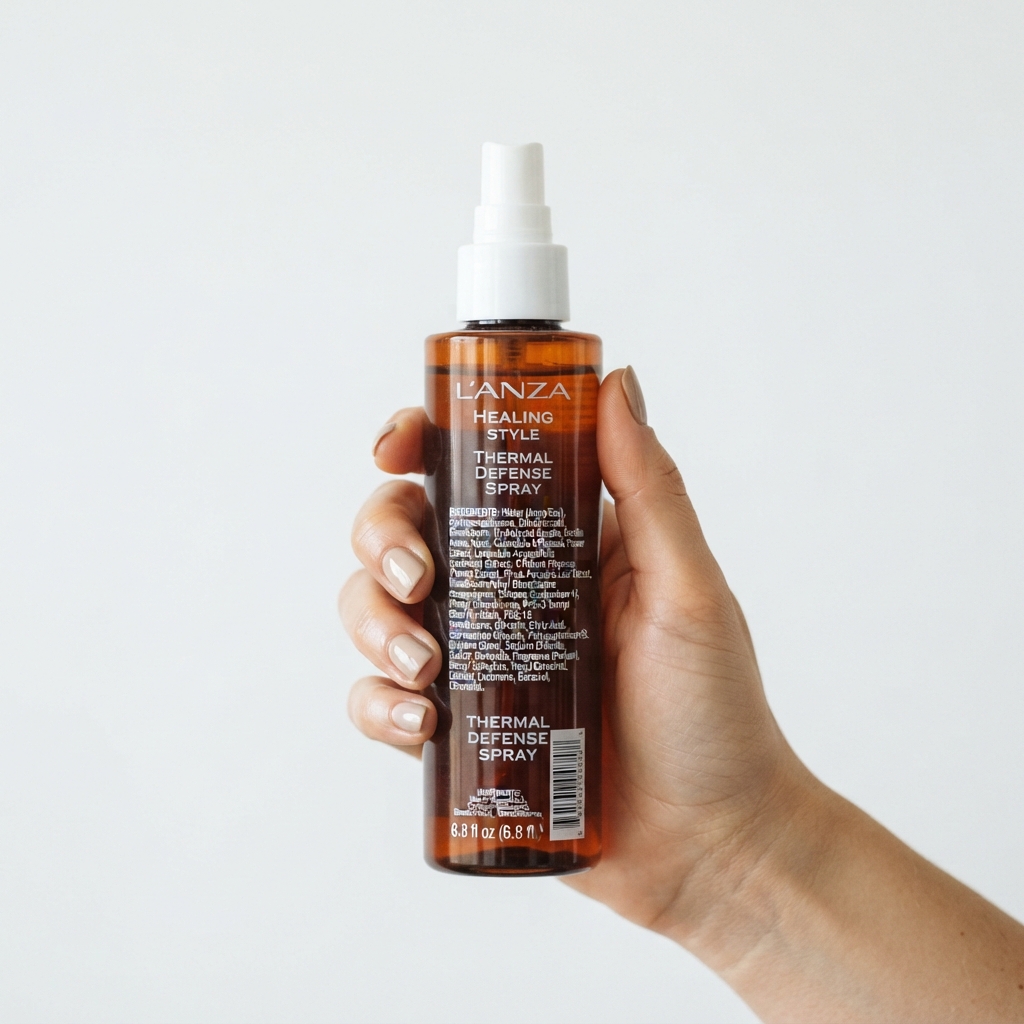
Flip the bottle over. The first five ingredients tell you almost everything you need to know.
Good signs:
- Water as the first ingredient
- Glycerin, panthenol, or aloe
- Silicones like dimethicone for slip and shine
Red flags:
- Alcohol denat near the top
- A long list of fragrance oils
- No heat rating anywhere on the label
You don’t need a science degree. Scan for the basics and you’ll spot a good formula in seconds.
Silicones: Friend or Foe?
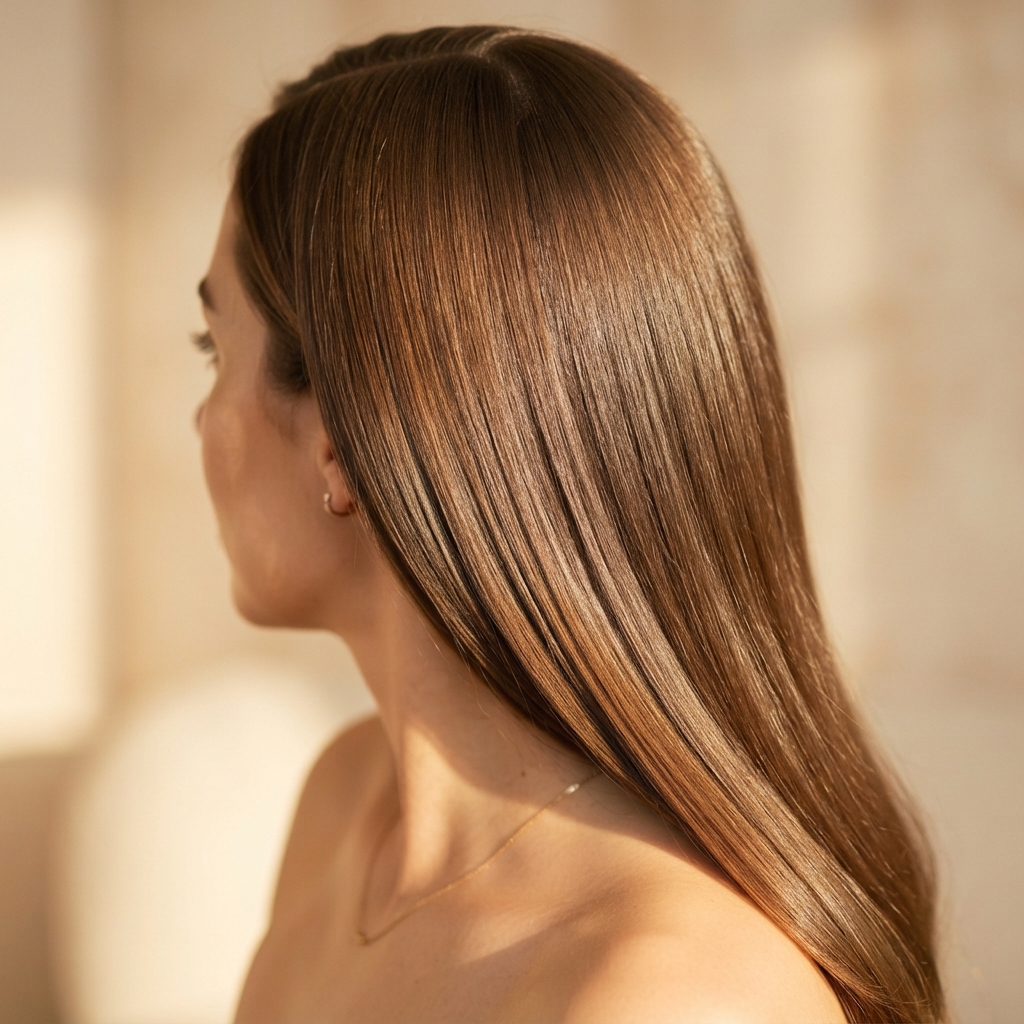
Silicones get a bad reputation, and honestly, it’s a little undeserved.
They coat the strand, add shine, reduce frizz, and help heat distribute evenly. That’s a good thing when you’re using hot tools.
The catch is buildup. If you use silicone-heavy products every day without shampooing properly, hair can start feeling coated and flat.
Simple fix: use a clarifying shampoo once every week or two. That resets everything without stripping your color. So no, you don’t need to fear silicones — you just need to wash them out sometimes.
What Do the Heat Numbers Actually Mean?
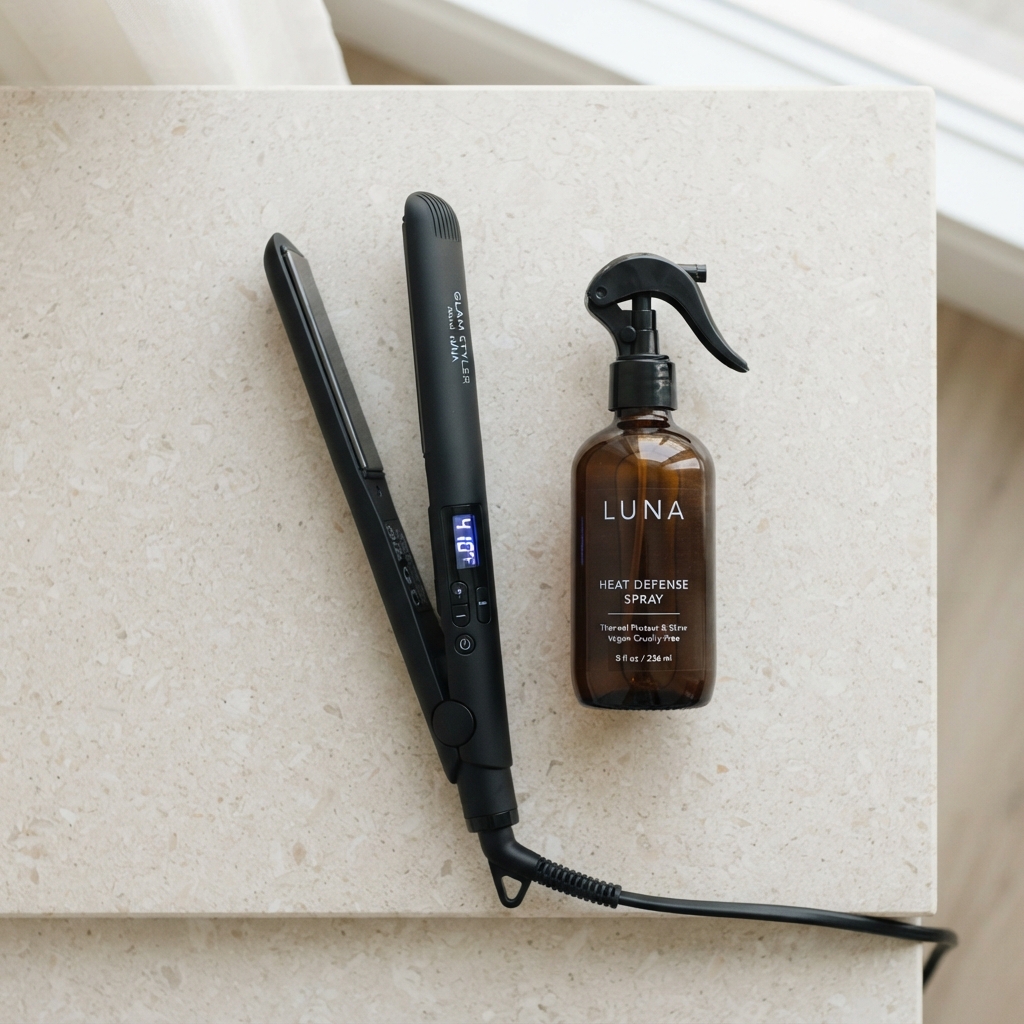
You’ll see numbers like 400°F or 450°F on the bottle. That’s the temperature the formula is tested to protect up to.
What that means for you:
- Fine or damaged hair: style under 350°F
- Medium hair: 350–400°F is fine
- Thick or coarse hair: up to 450°F
Here’s the thing — that number is a ceiling, not a target. You rarely need max heat. Lower heat plus a protectant beats high heat every single time.
And no spray makes 450°F safe forever. It reduces damage. It doesn’t erase it.
Spray, Cream, or Mist: Pick Your Format
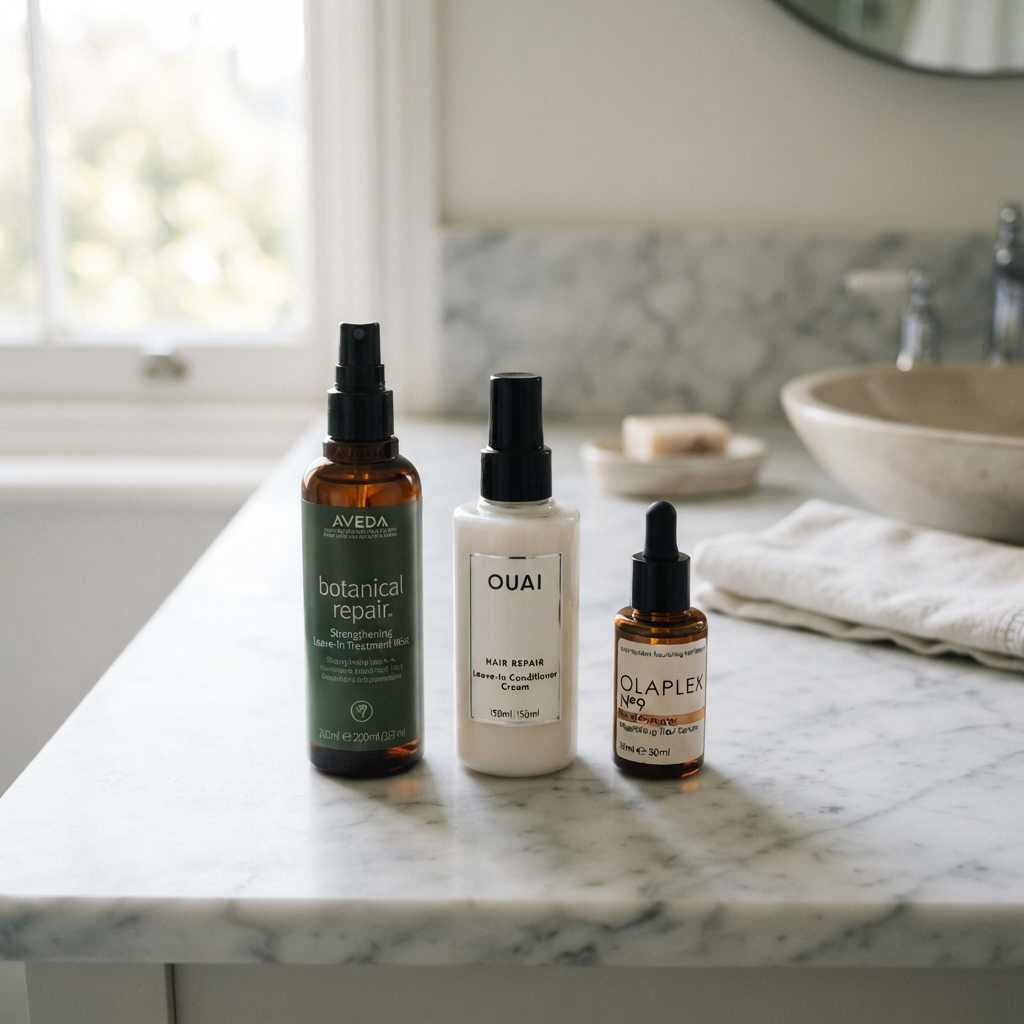
Same job, different delivery.
- Mist: Best for fine and medium hair. Light, fast, even coverage.
- Cream: Best for thick, curly, and coily hair. More moisture, more control.
- Serum or oil: Best as a finisher for shine and smooth ends.
You can layer them too. Mist first for protection, then a drop of serum on the ends for polish.
If you only buy one, get a mist. It’s the most versatile and the hardest to overdo.
How to Apply It the Right Way
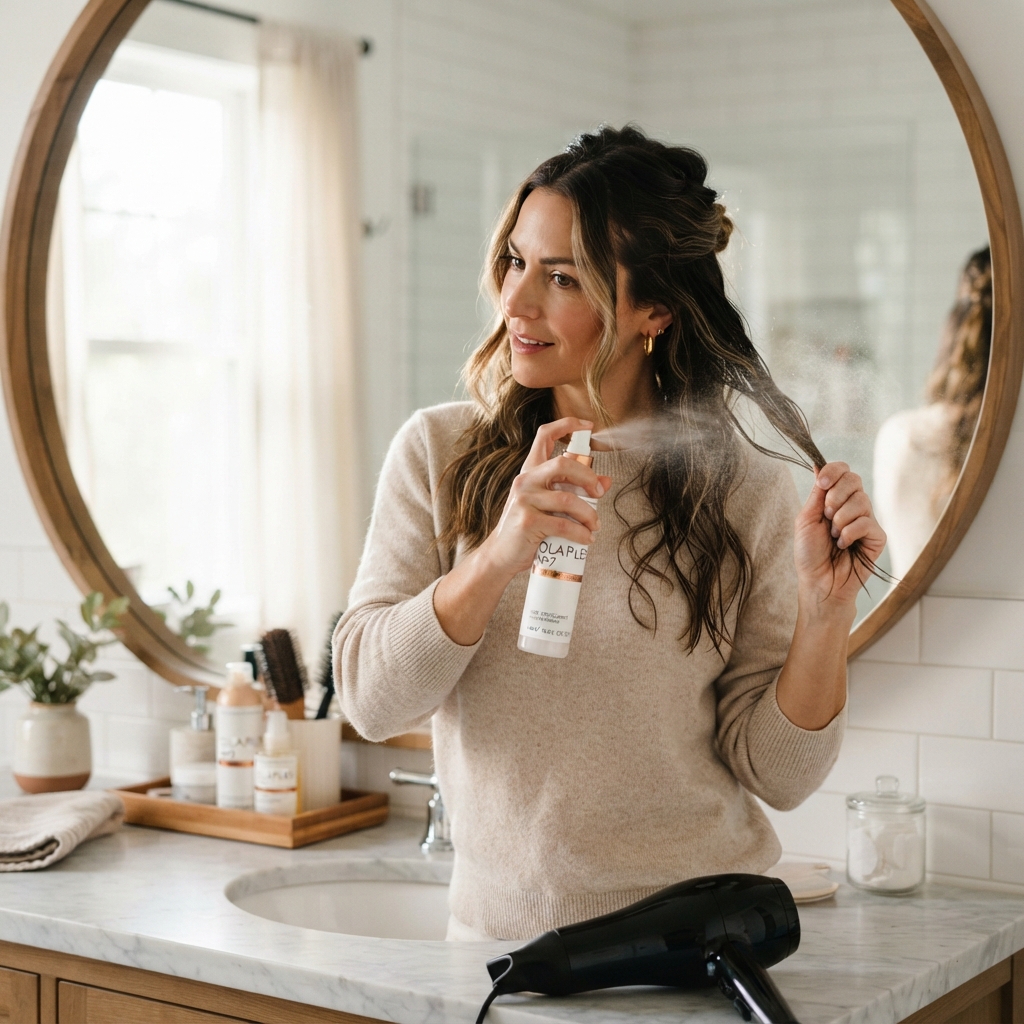
Application matters as much as the product. Here’s the routine:
- Section your hair into four parts.
- Hold the bottle 8–10 inches from your head.
- Spray in short bursts, not one long soak.
- Comb through with a wide-tooth comb.
- Wait a minute before you pick up the iron.
That last step is the one everyone skips. Give it a minute to dry down. Applying heat to wet product can sizzle and cause more damage than it prevents.
Also, don’t spray just the top layer. The hair underneath gets heat too.
How Much Is Too Much?
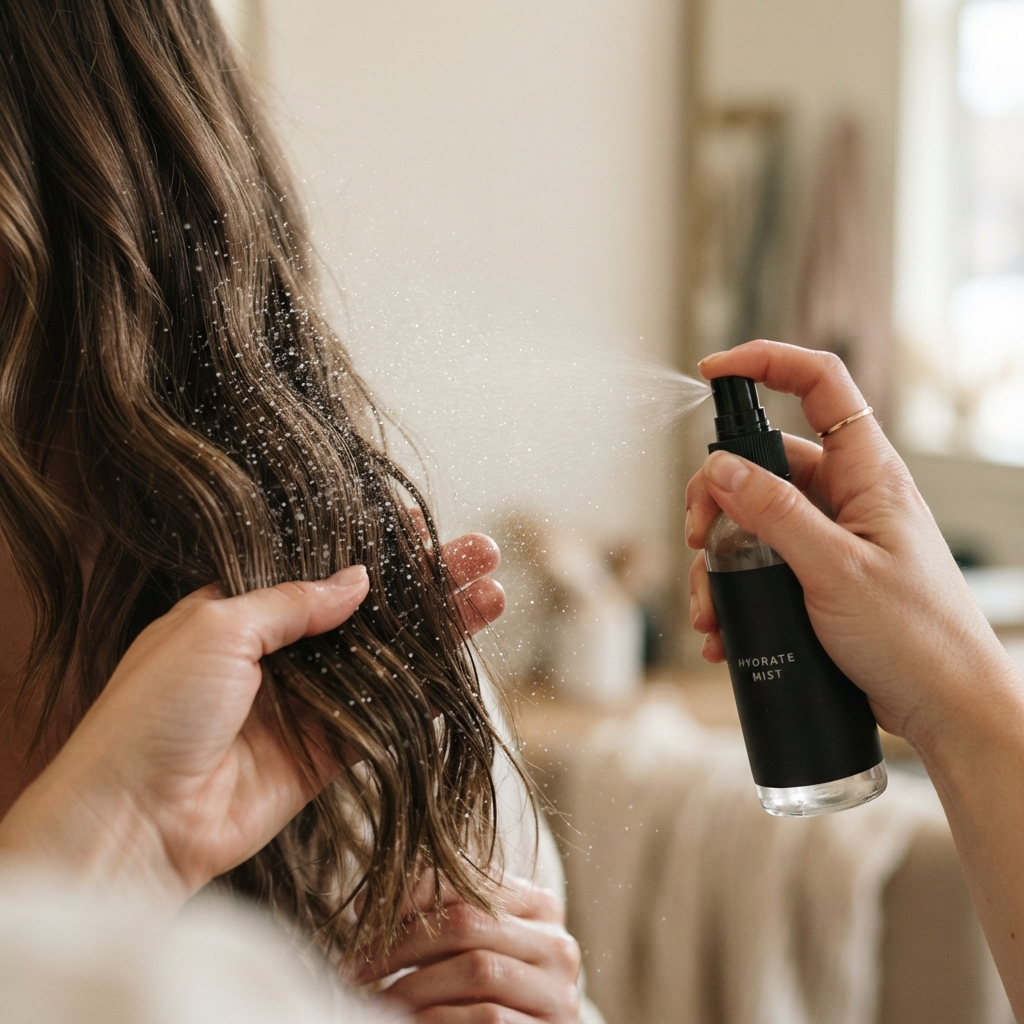
More product does not mean more protection. Past a certain point, it just means greasy hair and a sticky iron.
A good rule of thumb:
- Fine hair: 2–3 short bursts total
- Medium hair: 4–5 bursts
- Thick or curly hair: 6–8 bursts, section by section
If your hair looks wet after spraying, you used too much. If it looks damp and shiny, you’re right on target.
Remember, you can always add more. You can’t take it out without a wash.
Damp or Dry? The Honest Answer

Most sprays work best on damp hair. That’s when the cuticle is slightly open and the product can spread evenly.
So the sweet spot:
- Blow drying: spray on damp hair
- Flat ironing or curling: spray on fully dry hair
Never use a hot iron on soaking wet hair. That’s how you get steam damage and a very bad hair day.
If you’re doing a second-day refresh, a light mist on dry hair is totally fine.
Layering With Your Other Products
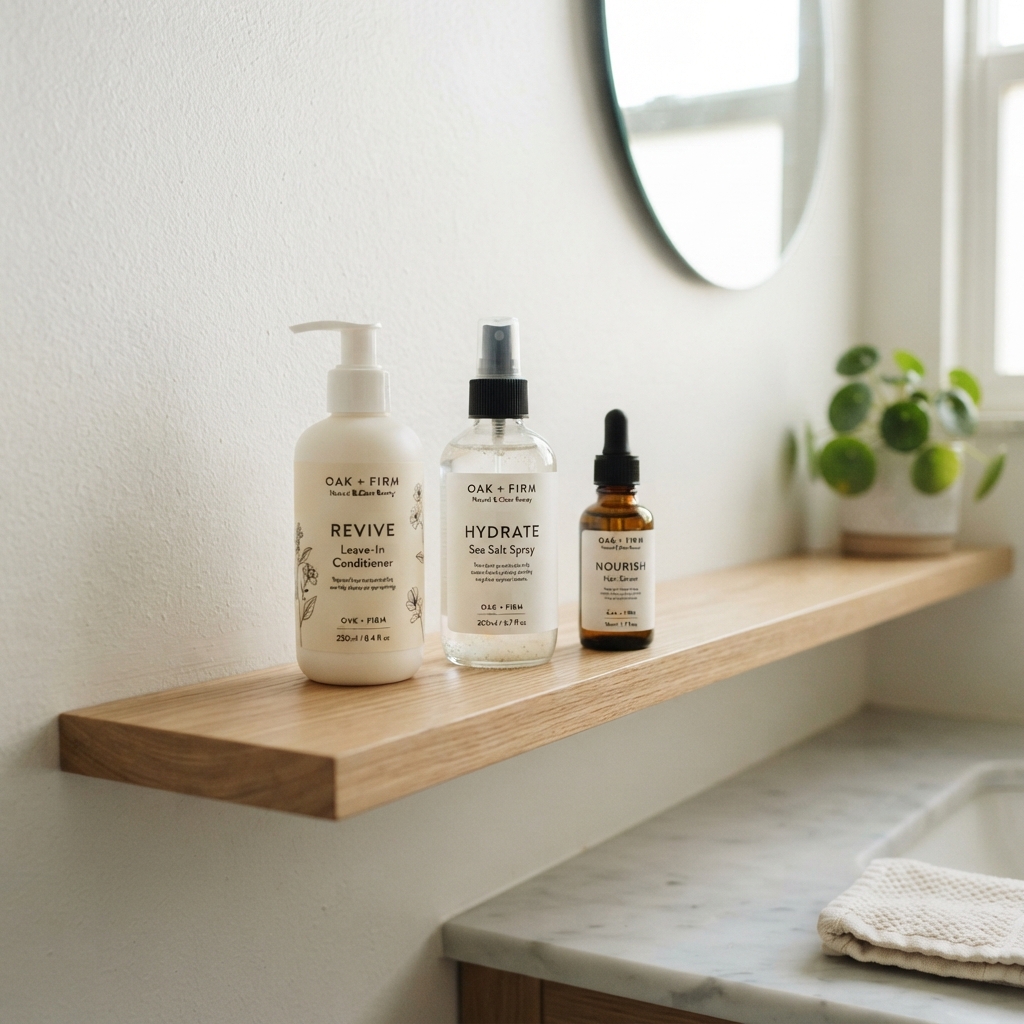
Order matters. Get it wrong and your protectant can’t do its job.
Here’s the sequence:
- Leave-in conditioner on damp hair
- Thermal protectant spray
- Styling cream or mousse
- Serum or oil on the ends, last
Oils go last because they seal everything in. If you put oil on first, your protectant just slides right off.
Keep it simple. Three products max and you’re set.
Match Your Spray to Your 2026 Hairstyle
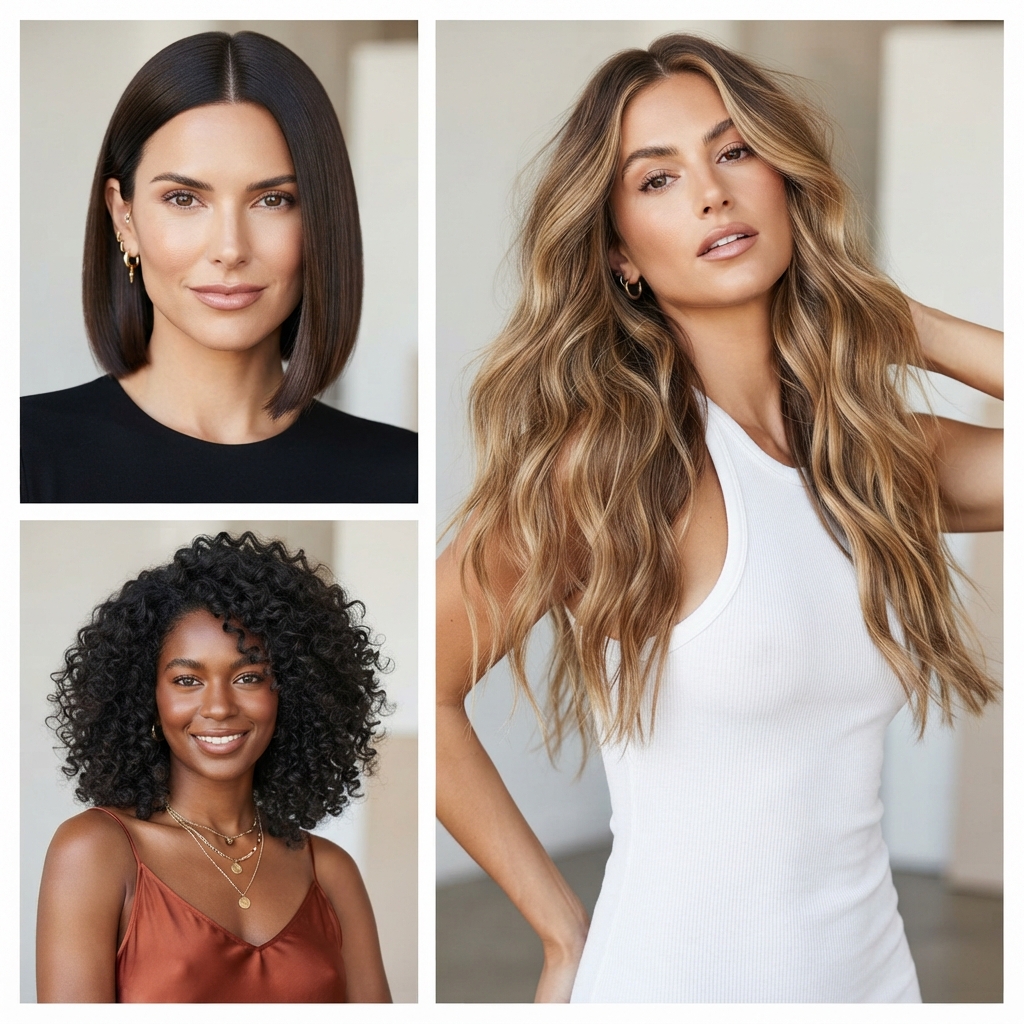
Different styles need different levels of hold and protection.
- Quiet luxury bob or old money hair: a lightweight mist for a smooth, glossy finish with zero crunch.
- Romantic goth hairstyles or a vampire haircut: a richer spray with shine, since these looks love sleek, dark, glossy texture.
- Glitchy glam hair: a flexible mist so you can re-iron pieces without frying them.
- Hime cut or asymmetrical lob: a spray that smooths blunt lines without weighing down the shape.
Same bottle, different technique. Just adjust how much you use.
Mistake #1: Skipping Spray Because You Only Blow Dry
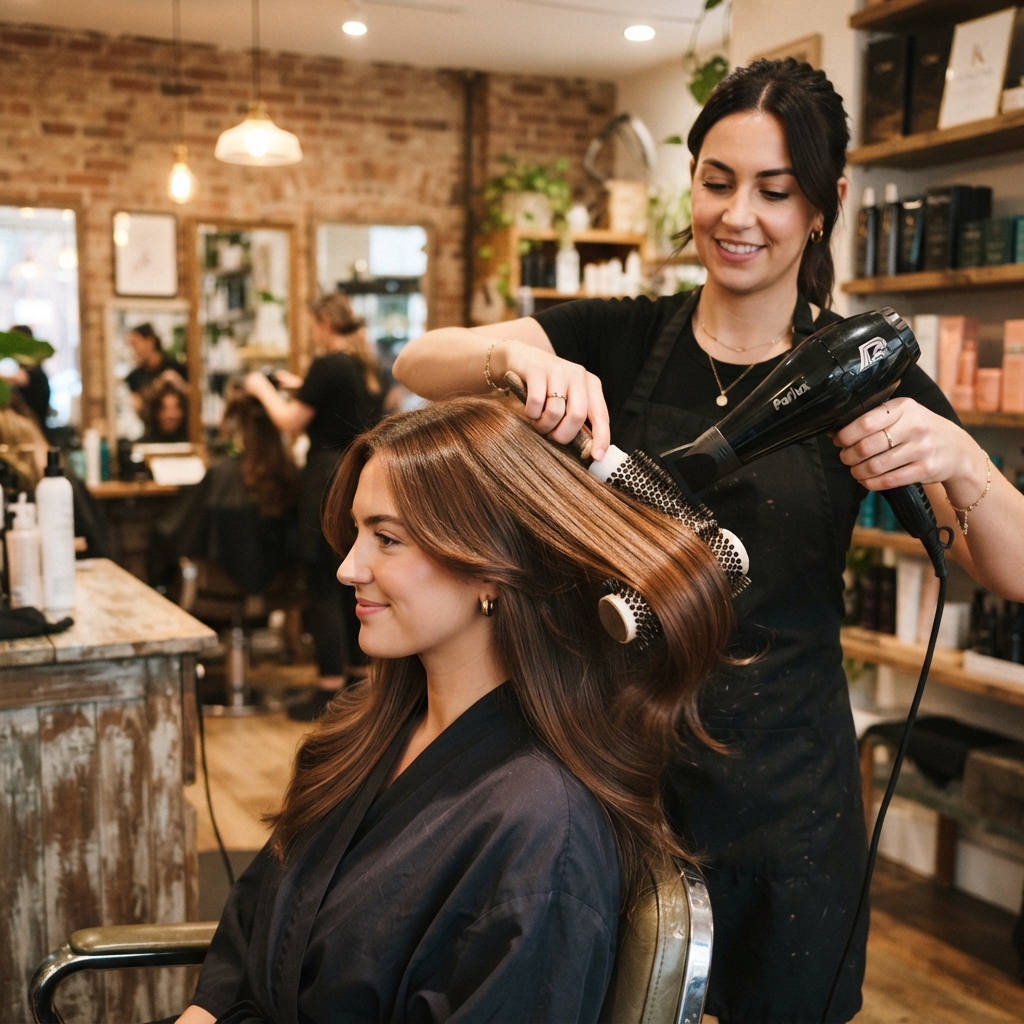
Blow dryers get a free pass and they shouldn’t. They run hot — often hotter than you think — and heat damage builds up over time.
If you blow dry even twice a week, you need protection. Every time.
Look for a spray labeled for blow drying specifically, or one that lists a heat rating. Most multi-use sprays cover both.
And keep the dryer moving. Holding it in one spot is worse than any product mistake you can make.
Mistake #2: Buying Based on Smell
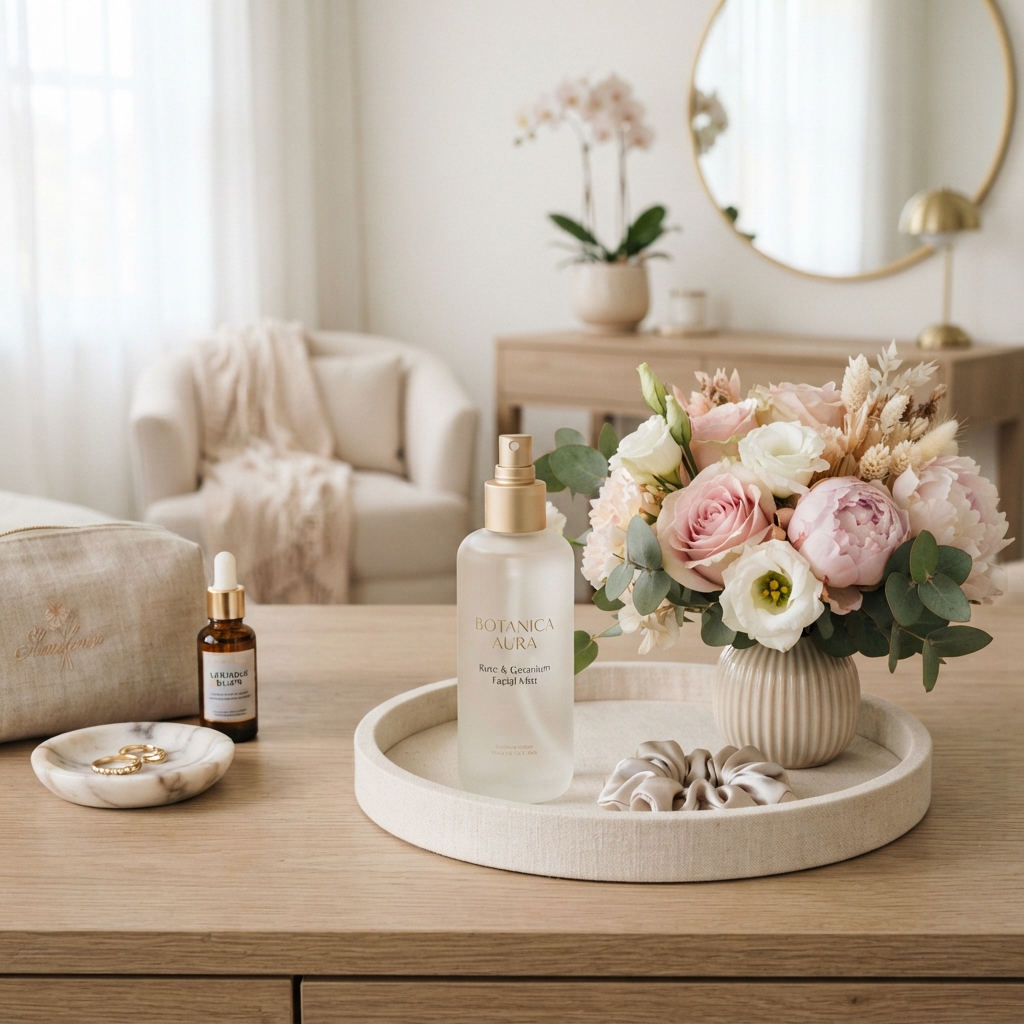
I get it. A good scent is nice. But scent shouldn’t be your deciding factor.
Heavily fragranced sprays can irritate your scalp and dry out your strands. That “salon fresh” smell often comes with alcohol high on the list.
What to do instead:
- Test the formula on one section first
- Check for alcohol in the first five ingredients
- Pick unscented if your scalp is sensitive
You’ll forget the smell in an hour. You’ll feel the damage for months.
Mistake #3: Using Cheap Spray on Expensive Color
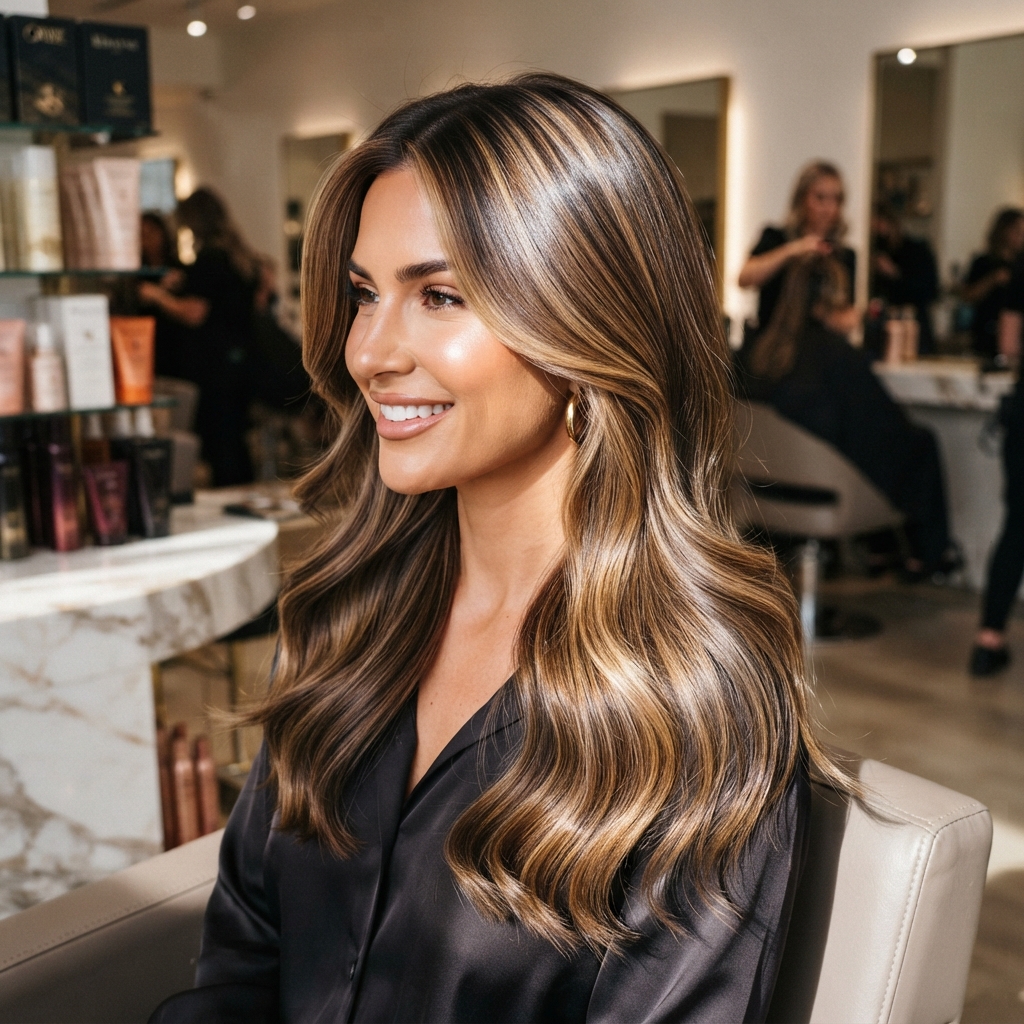
If you spend two hundred dollars on color and five dollars on protectant, you’re doing it backward.
A cheap spray often means more alcohol, less real protection, and a formula that fades your color faster.
You don’t need to spend a fortune though. Good options:
- Drugstore: around $8–12, perfectly fine for most hair
- Mid-range salon: $18–28, better ingredients, better coverage
- Premium: $30+, worth it for bleached or damaged hair
Match the price to your hair’s needs, not the label.
When to Reapply
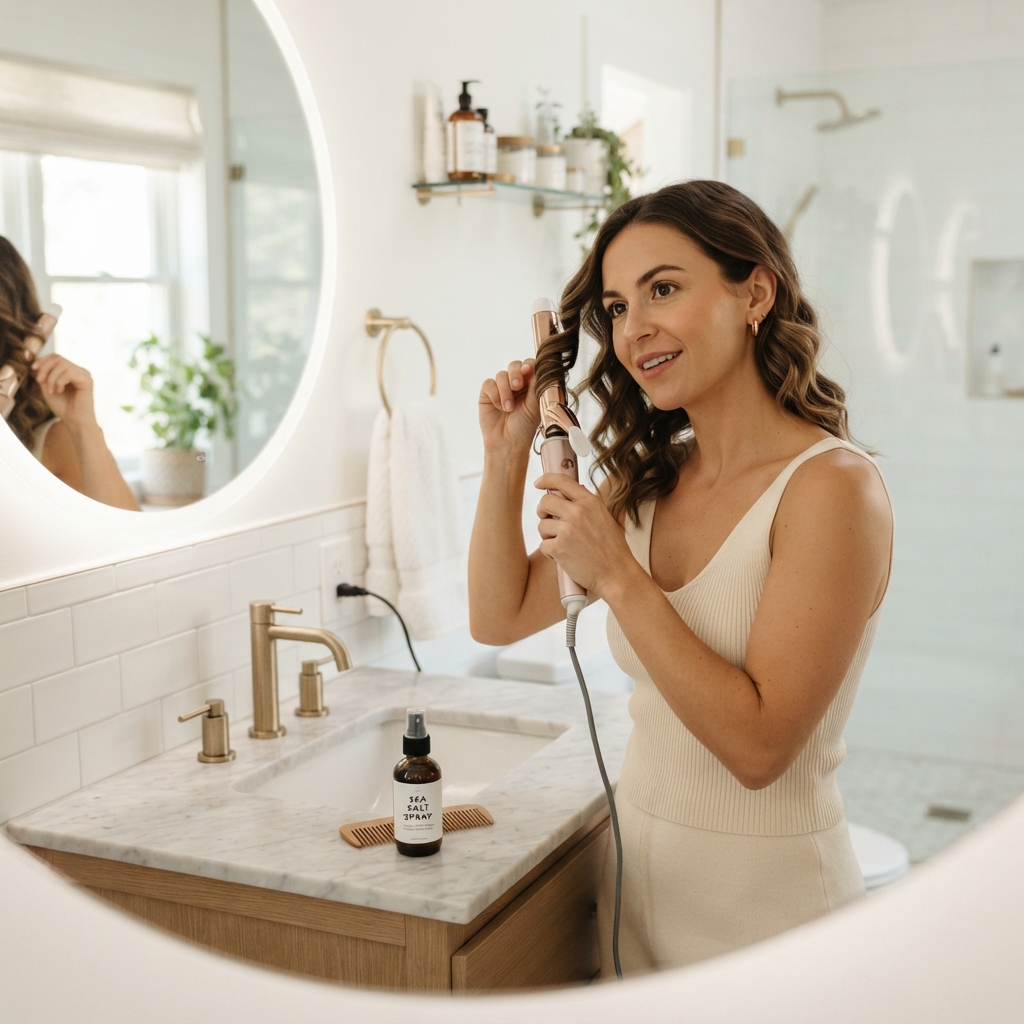
One application doesn’t last all day. Here’s when to spray again:
- Before each new round of heat
- After washing your hair
- When you’re re-ironing the same section
If you curl your hair in the morning and touch it up at night, that’s two applications.
Think of it like sunscreen. You wouldn’t put it on once at 8 a.m. and call it a day. For touch-ups, a quick mist is enough — you’re topping up, not starting over.
How to Test a New Spray
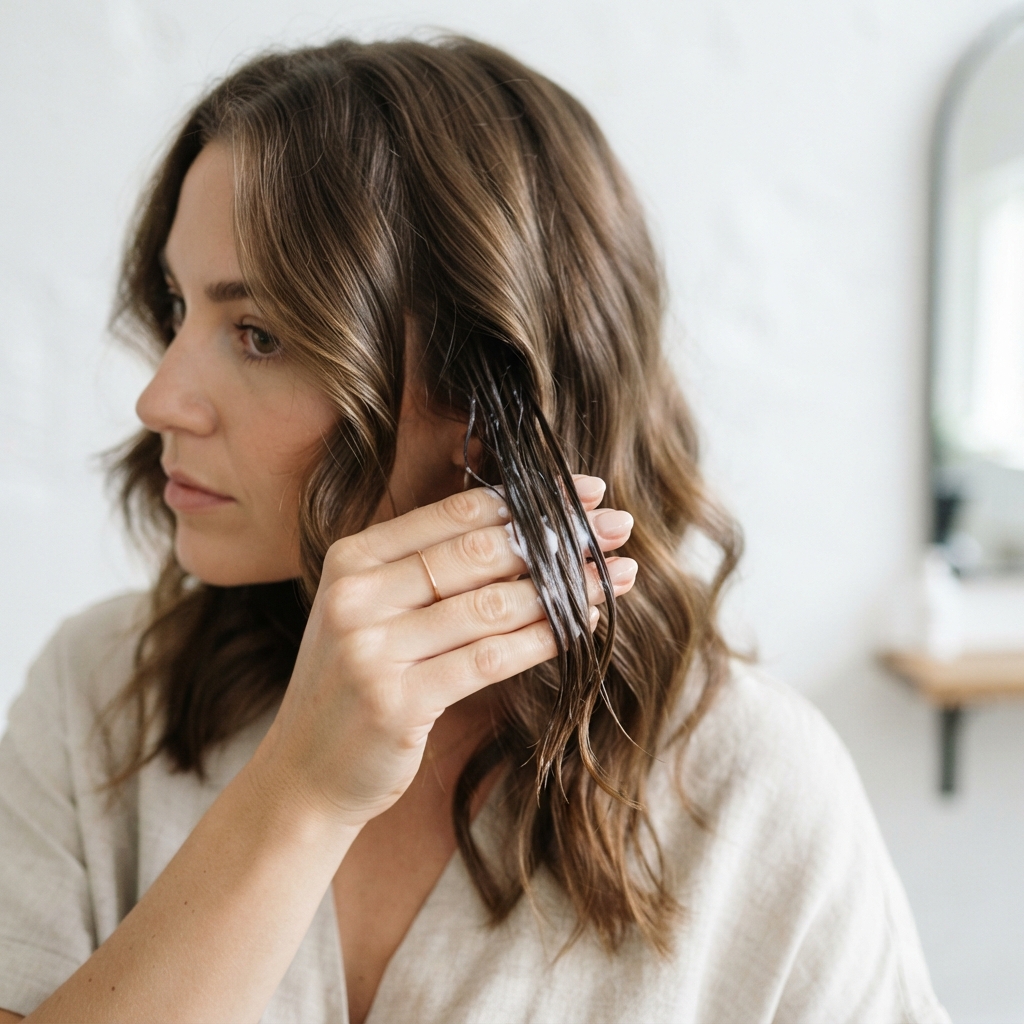
Don’t commit to a full bottle without a test. Here’s an easy way to try before you buy:
- Ask for a sample at your salon.
- Test it on one small section at the back.
- Style as usual and check for greasiness.
- Wait a full day and see how your hair feels.
Signs it’s a keeper: no crunch, no greasy roots, and hair that still feels soft the next morning.
Signs it’s not: stiffness, flakes, or hair that feels drier than before you started.
Quick Cheat Sheet by Hair Type
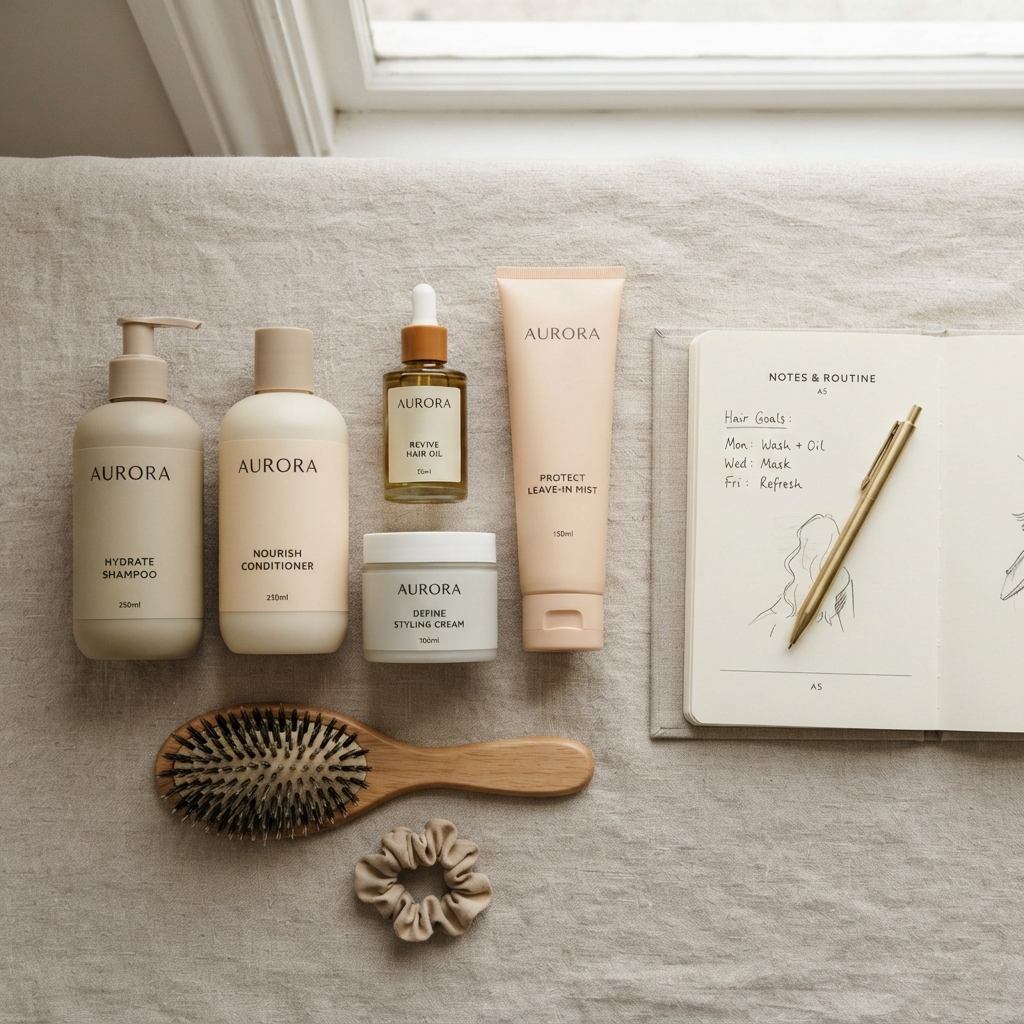
Save this for your next shopping trip.
- Fine: lightweight mist, low heat, tiny amounts
- Medium: mist or light cream, 350–400°F
- Thick: cream or oil-based, up to 450°F
- Wavy: light mist, mid-lengths and ends only
- Curly: alcohol-free, apply on damp hair
- Coily: leave-in first, then protectant
- Color-treated: UV filters, color-safe formula
- Damaged: protein, low heat, regular trims
Snap a photo of this section. Future you will thank you.
Before You Grab Your Flat Iron
Choosing the right thermal protectant isn’t complicated once you know your hair type. Fine hair wants light. Thick hair wants rich. Curly and coily hair want moisture first. Color-treated and damaged hair want extra shields.
Pick one bottle that matches your hair, use it every single time heat touches your strands, and don’t overdo it. That’s honestly 90% of healthy hair.
You don’t need a cabinet full of products. You just need the right one, used consistently.
Save this post to Pinterest so it’s handy next time you’re standing in the hair aisle second-guessing yourself. And tell me in the comments: what hair type are you working with, and which spray has actually worked for you? I read every single one.

