

If your hairbrush is suddenly full and your shower drain looks like a small animal, you are not alone. Seasonal hair shedding is real, and it can feel scary. The good news? Most of it is temporary, and there is a lot you can do to slow it down and help your hair grow back.
I’m Hailey. I have spent years testing hair routines, cuts, and scalp tricks. Today I’m sharing the simple plan I use every fall and spring. We will talk about gentle washing, scalp massage, food, supplements, and the best 2026 hairstyles to make thinning areas look full.
You will also learn when to ask for help. Let’s keep this easy, practical, and kind to your hair.
What Seasonal Hair Shedding Really Is

Seasonal shedding is a normal cycle. Hair grows, rests, then falls. Weather changes, daylight shifts, and stress can push more hairs into the resting phase. A few months later, they fall out. It is called telogen effluvium.
It usually shows up in fall and spring. You might see more hair on your pillow, in the shower, or on your clothes. It is not usually permanent. Your follicles are not gone. They are just taking a break.
The key is to support your scalp and body so new hair can come back. Keep reading for simple steps that actually fit real life.
How to Tell Seasonal Shedding From Hair Loss
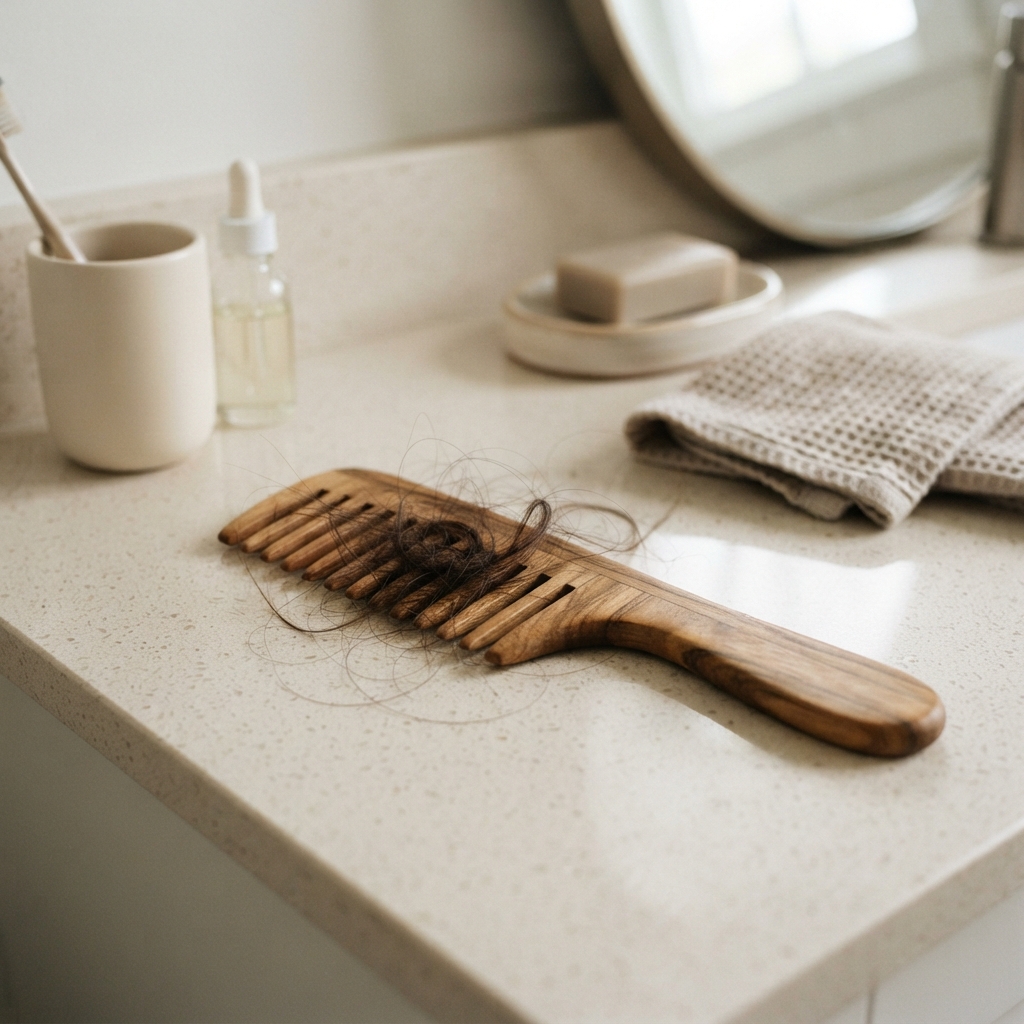
Seasonal shedding is usually spread all over. You may notice more hairs than normal for a few weeks. Real hair loss often shows a widening part, bald patches, or thinning at the crown. It can last longer than three months.
Seasonal shedding tends to slow down on its own. If your scalp itches, burns, or hurts, that is a sign to get checked. Also watch for breakage. Breakage means hair snaps mid-shaft. Shedding means the whole strand comes out with a tiny white bulb.
Knowing the difference helps you choose the right fix. When in doubt, take photos and ask a pro.
Why It Happens in Fall and Spring

In fall, your body responds to less daylight. More hairs enter the resting phase in summer, then shed in autumn. In spring, the shift in temperature and pollen can stress your scalp. Allergies can also cause inflammation, which can push shedding.
Your diet may change with the seasons too. Less fresh produce in winter can leave you low on key nutrients. Hormones can shift as well. The result is a natural ebb and flow.
You cannot stop the seasons, but you can support your hair through them with steady, gentle care.
The 100-Hair Rule and When to Worry
It is normal to lose 50 to 100 hairs a day. That sounds like a lot, but we have about 100,000 hairs on our heads. During seasonal shedding, you might lose a bit more.
- If you lose way more than that for weeks, pay attention.
- Do a gentle pull test: run your fingers through clean, dry hair.
- Check for fatigue, brittle nails, or cold hands.
Those can point to low iron or thyroid issues. If more than a few strands come out every time, talk to a doctor.
Start With a Gentle Scalp Reset
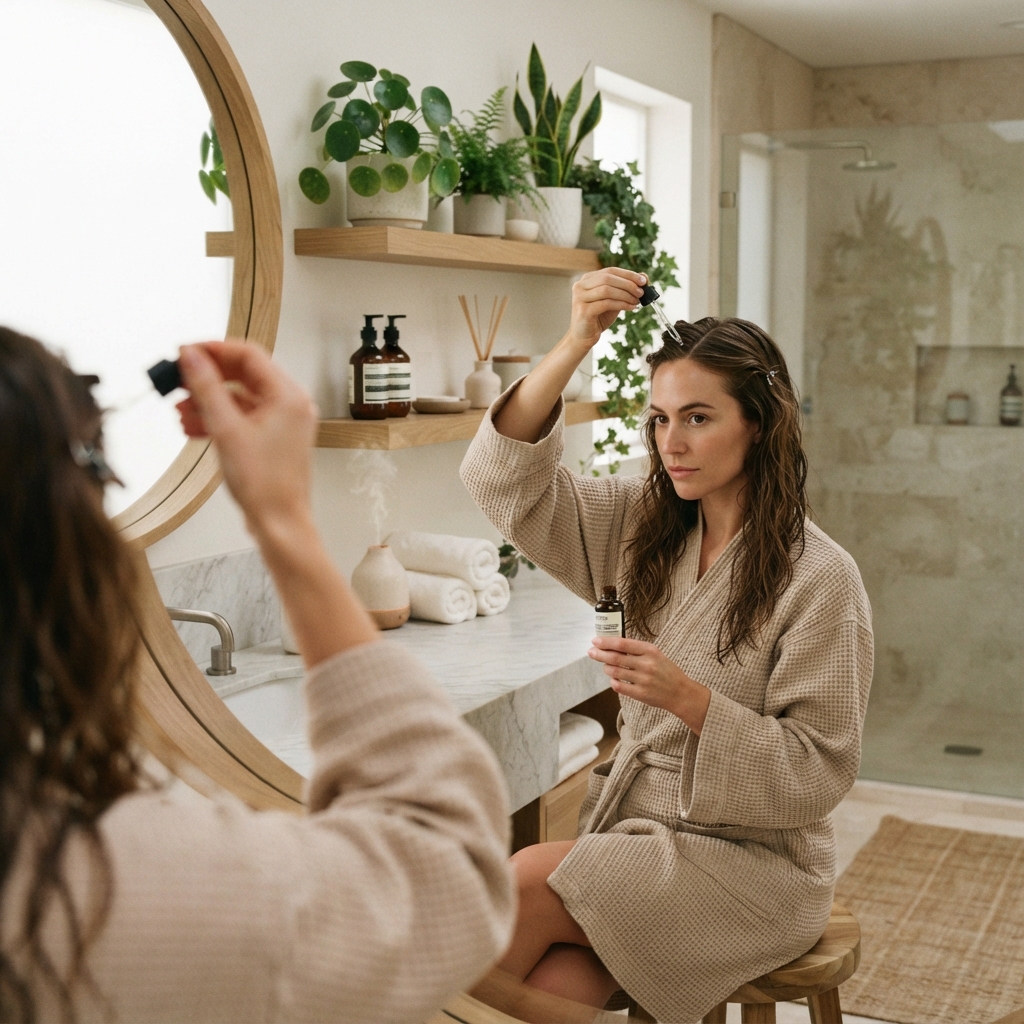
Your scalp is skin. Treat it with care. Start with a gentle reset.
- Use a sulfate-free shampoo.
- Wash with lukewarm water, not hot.
- Massage with your fingertips instead of scratching with nails.
- Do a clarifying wash once a week if you use heavy products.
Follow with a hydrating scalp serum. Look for niacinamide, green tea, or aloe. A calm scalp keeps follicles happy and helps hair stay put longer.
Feed Your Follicles: Protein and Iron
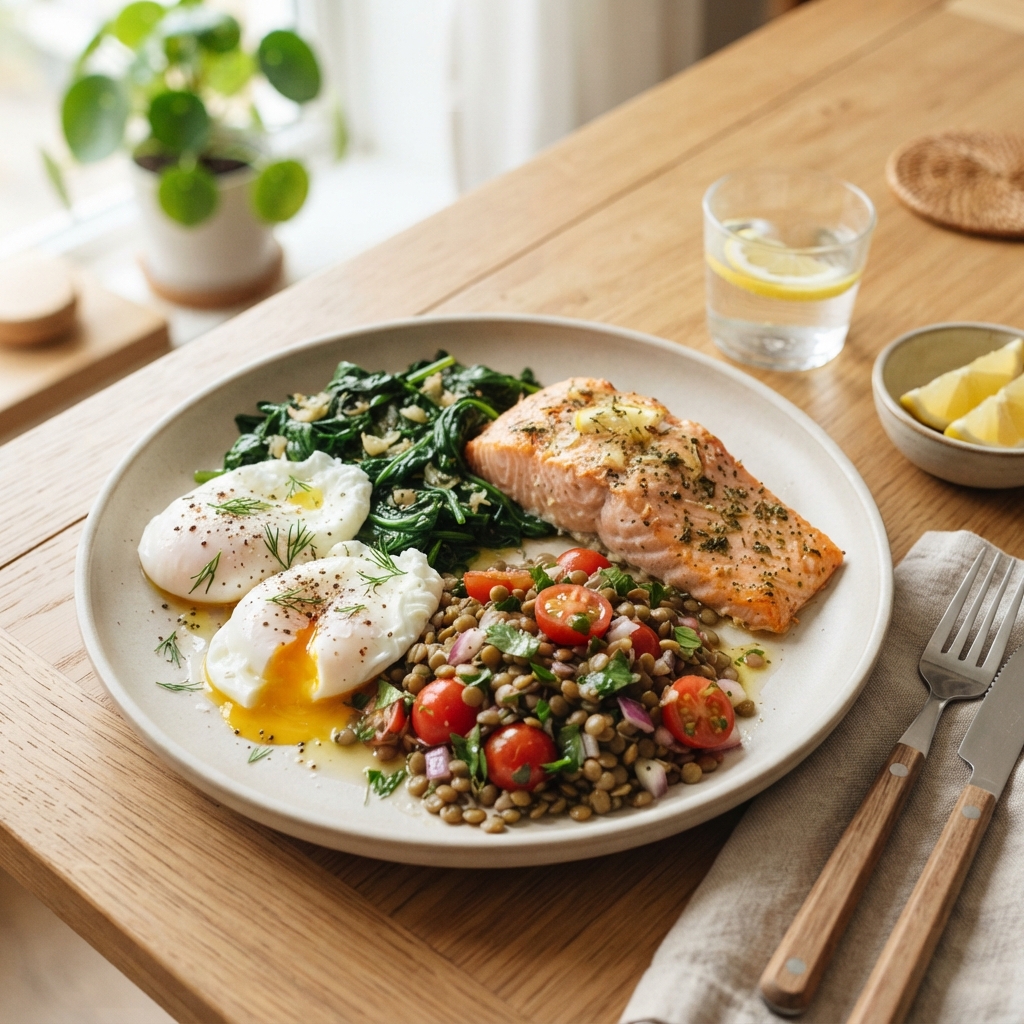
Hair is made of protein. If you are not eating enough, your body saves protein for vital organs. Your hair gets the leftovers. That can lead to more shedding.
Aim for protein at every meal. Eggs, Greek yogurt, chicken, fish, tofu, and beans are great. Iron matters too. Low ferritin is a common cause of hair loss in women.
Pair iron-rich foods with vitamin C. Think spinach with lemon, or lentils with bell peppers. Avoid coffee or tea right with iron meals because they block absorption.
Don’t Skip Vitamin D and Zinc

Vitamin D helps hair follicles cycle properly. Many of us are low, especially in winter. Ask your doctor to test your level. If you need a supplement, take it with a meal that has fat.
Zinc supports scalp repair and hair growth. You can find it in pumpkin seeds, beef, chickpeas, and oysters. But do not overdo zinc. Too much can cause hair loss.
Stick to food first. A daily multivitamin is usually enough unless your doctor says otherwise. Get sunlight when you can, even a 15-minute walk helps.
Hydrate From the Inside Out

Dehydration shows up in your hair. Dry strands break easily. A dry scalp can flake and itch. That makes shedding look worse.
Aim for half your body weight in ounces of water. Add electrolytes if you sweat a lot or drink coffee. Herbal tea counts too. Bone broth and coconut water are helpful.
You can also hydrate from the outside. Use a leave-in conditioner on damp ends. Seal with a light oil like squalane or jojoba. Do not coat your scalp unless it is dry.
Wash Less? Actually, Wash Smart

You do not have to wash every day. But you also should not let oil and dead skin build up. That can clog follicles and cause irritation.
Wash smart. If your scalp is oily, wash every other day. If it is dry, every two to three days. Use a gentle shampoo and focus on the scalp. Let the suds rinse through your ends.
Condition only the mid-lengths and tips. Always rinse well. A clean, balanced scalp is one of the best ways to prevent seasonal shedding.
Scalp Massage That Takes 5 Minutes
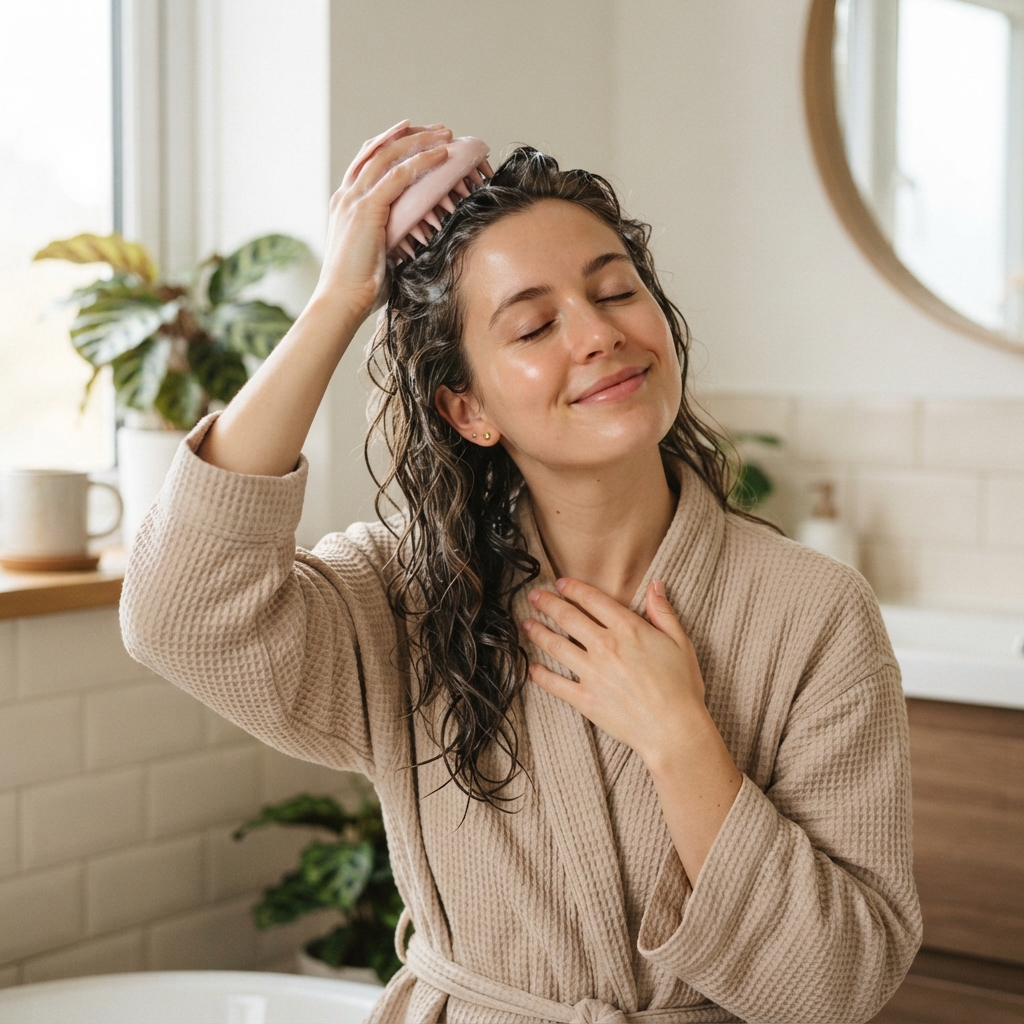
Scalp massage boosts blood flow. Better blood flow means more oxygen and nutrients reach the follicles. It also lowers stress.
Do it for five minutes a day. Use your fingertips or a silicone brush. Start at the hairline. Move in small circles toward the crown. Then go down to the nape. Keep the pressure gentle.
Rosemary oil has some research behind it, but always dilute it. Mix a few drops with a carrier oil. Consistency matters more than pressure.
Swap to a Silk Pillowcase
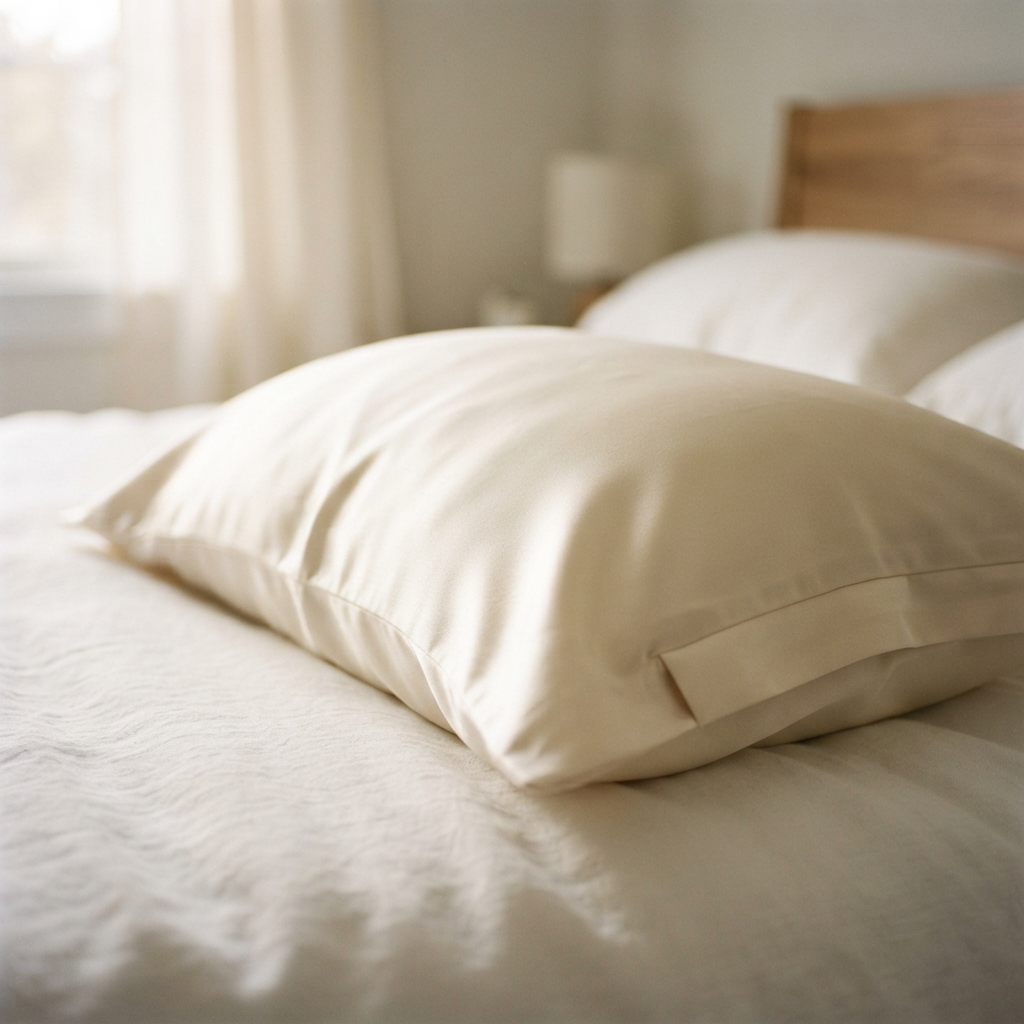
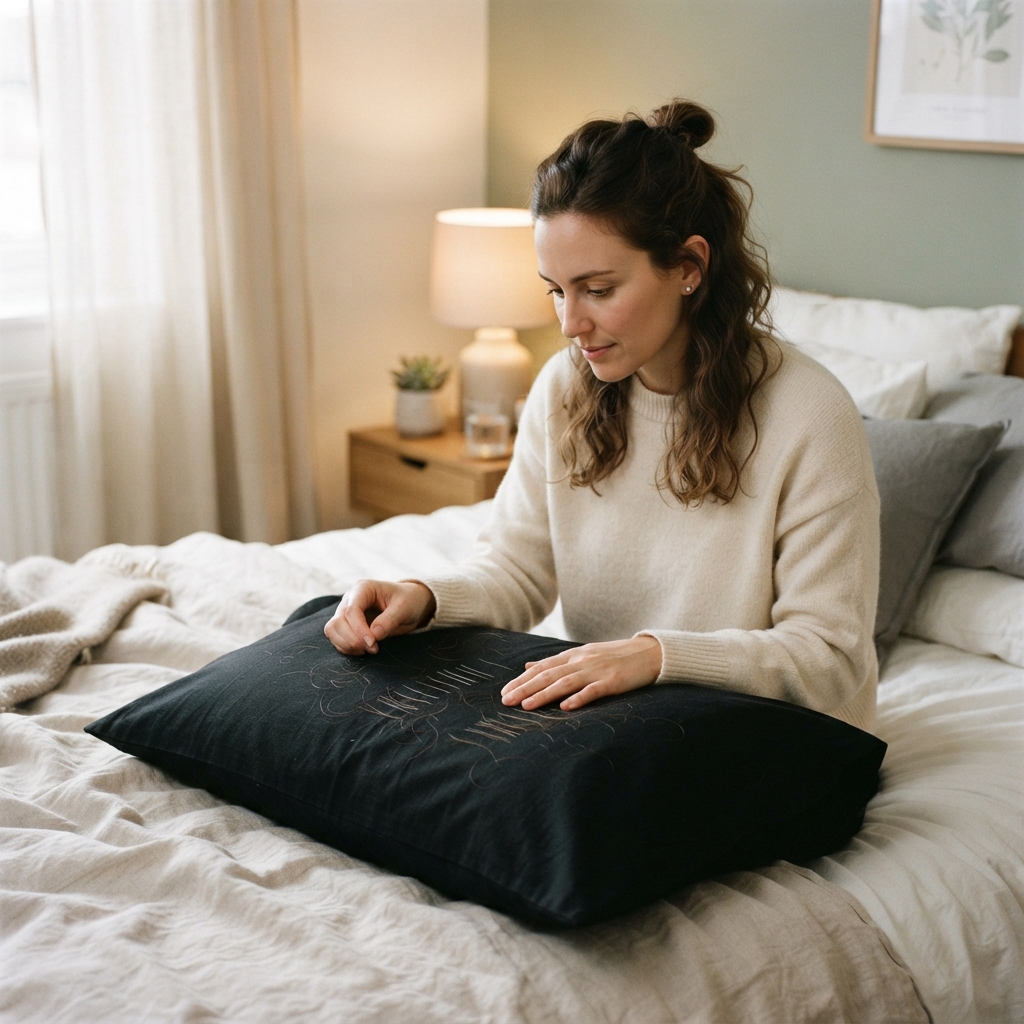
Cotton pillowcases pull at your hair while you sleep. That friction causes breakage and tangles. A silk or satin pillowcase lets hair glide.
You wake up with less frizz and fewer snapped strands. It is also gentler on your skin. Look for 100 percent mulberry silk if you can. Satin is a good budget option.
Wash it every few days with a gentle detergent. This one small swap makes a big difference during shedding season. It also helps your blowout last longer.
Lower the Heat on Your Tools
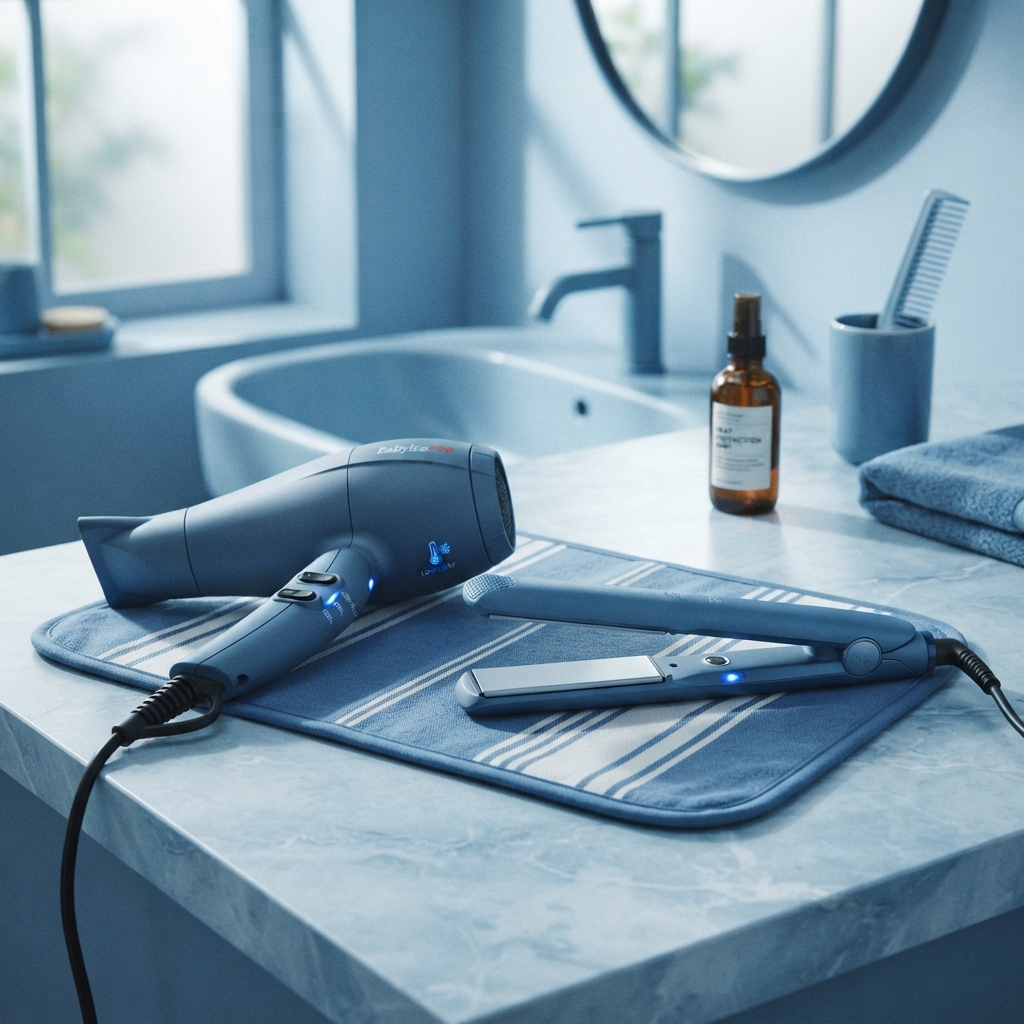
Heat damage makes hair look thin. It can also break strands close to the scalp. During seasonal shedding, give your hair a break.
Use heat tools only once or twice a week. Keep the temperature under 350 degrees. Always use a heat protectant. Air dry when you can. Try a microfiber towel or a cotton t-shirt to remove water.
If you need a quick style, use velcro rollers or a blow dryer on cool. Skip the flat iron on wet hair. That is a recipe for breakage.
Try Low-Tension Hairstyles

Tight ponytails and buns pull on follicles. Over time, that can cause traction hair loss. During shedding season, choose low-tension styles.
- A loose low braid is great.
- A claw clip with no pulling works too.
- Use a silk scrunchie instead of a tight elastic.
- Switch your part every few days.
Let your hair breathe. A gentle style protects your roots and still looks polished and effortless.
The Quiet Luxury Bob for Thinning Ends

The quiet luxury bob is perfect for shedding season. It is chic, simple, and makes hair look thicker. Ask for a blunt cut just above the shoulders. Blunt lines create the illusion of fullness.
Add slight face framing if you want softness. This cut works with old money hair vibes. It is low maintenance. You can air dry with a round brush.
Use a small amount of styling cream. Avoid lots of layers if your ends are thin. Layers can make hair look stringy. A clean bob keeps everything looking intentional and healthy.
The Asymmetrical Lob Adds Volume
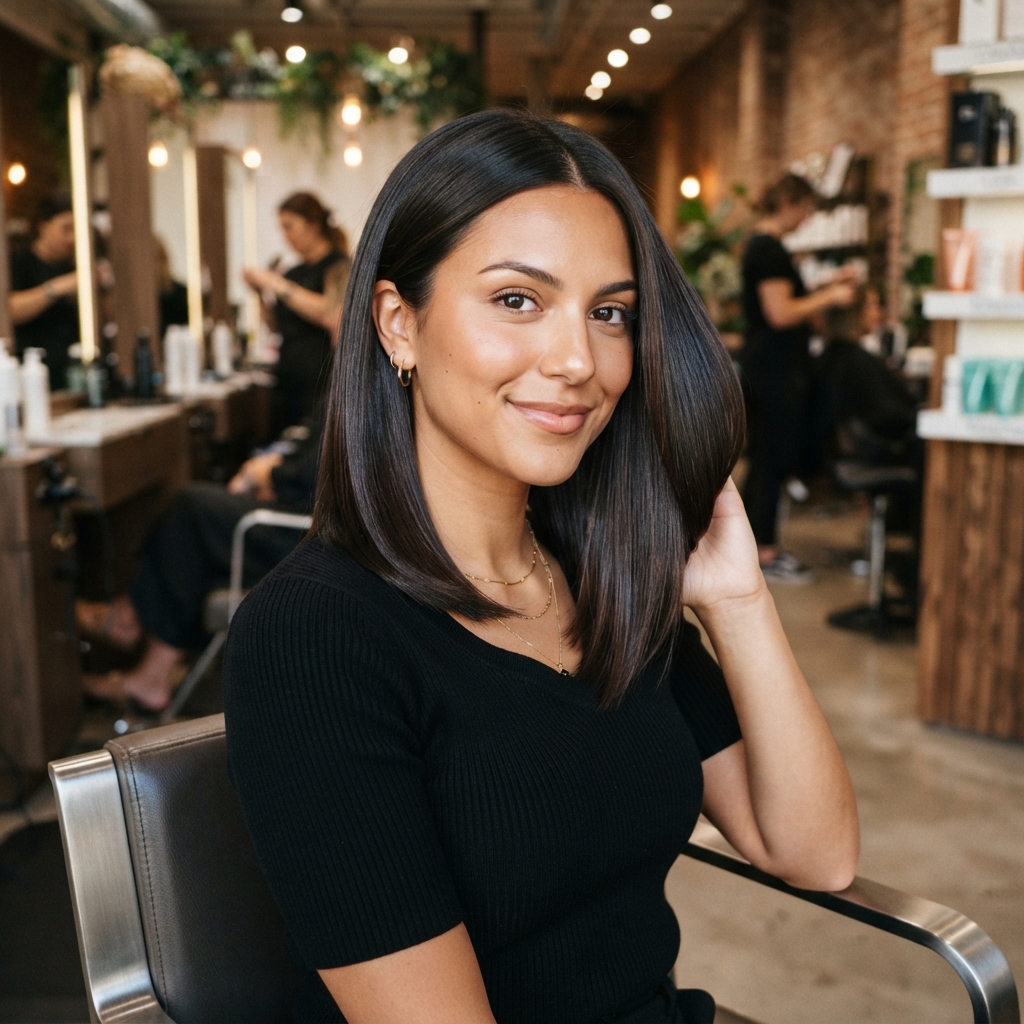
An asymmetrical lob is a smart choice for 2026 hairstyles. It gives you movement without thinning out the ends. The uneven length draws the eye sideways. That distracts from any sparse spots.
Ask for a long bob that hits your collarbone. Keep one side a bit shorter. Add minimal layers only where you need volume. This cut looks great with a middle part or a deep side part.
Use a texture spray at the roots. Then rough dry with your hands. It is modern, easy, and very forgiving.
Hime Cut for Fragile Hair

The hime cut is a Japanese style with straight side locks and a blunt fringe. It looks striking and protects fragile areas. The side pieces frame the face without pulling. The blunt ends make hair look thicker.
If your hair is shedding, this cut can hide thin temples. Ask your stylist to keep the side pieces chin to cheekbone length. Keep the rest long and smooth. Use a flat iron on low heat only.
Finish with a lightweight oil for shine. This cut pairs beautifully with romantic goth hairstyles. It is bold, clean, and surprisingly wearable.
Vampire Haircut and Romantic Goth Hairstyles

The vampire haircut is having a moment. It is usually long, layered, and dramatic. Think deep side part, face-framing pieces, and a little edge. It works for shedding because layers can lift the root area. But keep the layers long.
Short choppy layers can make fine hair look thinner. Romantic goth hairstyles often use soft waves and textured buns. They are beautiful, but avoid tight backcombing.
Instead, use a volumizing mousse and cool air. A loose braid with ribbon is gentle. You get the mood without the damage.
Glitchy Glam Hair Without Damage

Glitchy glam hair is fun and futuristic. It mixes sleek roots with messy, textured ends. The key is to get the look without heat damage.
Start with day-two hair. Use a strong hold gel on the roots only. Then scrunch the ends with a light mousse. Add temporary color wax or hair tinsel instead of bleach.
If you want a sleek front, use a comb and hairspray, not a hot tool. Pin small sections with bobby pins. This style is playful and very 2026. It also hides uneven growth while you recover.
Old Money Hair Care Habits

Old money hair is not about trends. It is about health. The look is glossy, smooth, and effortless. To get it, focus on routine.
Brush your hair before bed with a boar bristle brush. Use a silk scarf or pillowcase. Wash less often but keep the scalp clean. Use a hair mask once a week.
Choose a simple cut like a quiet luxury bob or a long layered look. Avoid trendy colors that need bleach. Keep your ends trimmed every eight to ten weeks. Healthy hair always looks expensive.
2026 Hairstyles That Hide Shedding
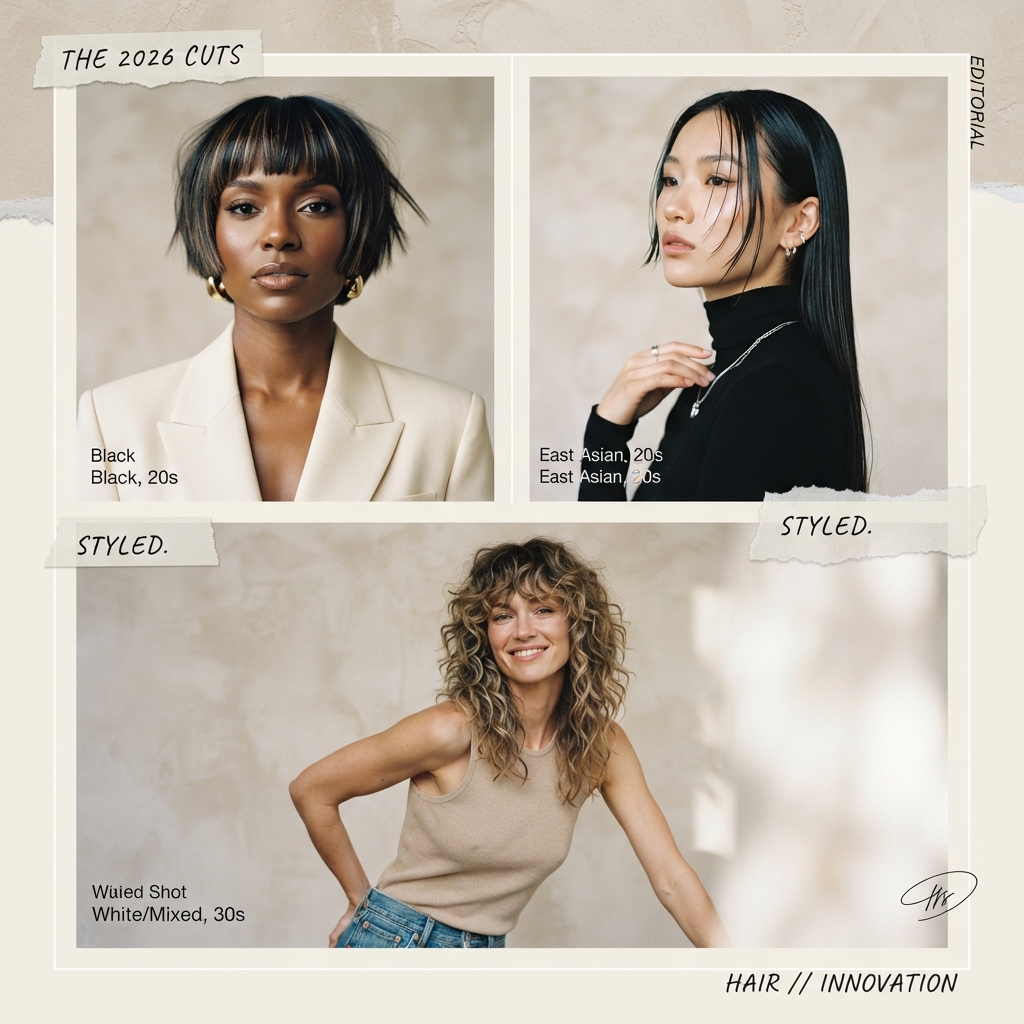
2026 hairstyles are actually great for thinning hair. The quiet luxury bob and asymmetrical lob are top picks. The hime cut is big for straight hair. The vampire haircut works for long hair.
Glitchy glam hair is fun for texture. Romantic goth hairstyles use soft volume. Old money hair keeps things classic. The common thread? Blunt ends, gentle layers, and low tension.
Ask your stylist for a cut that respects your density. Bring photos. Be honest about shedding. A good cut can make your hair look fuller instantly.
Supplements: What Helps and What Doesn’t
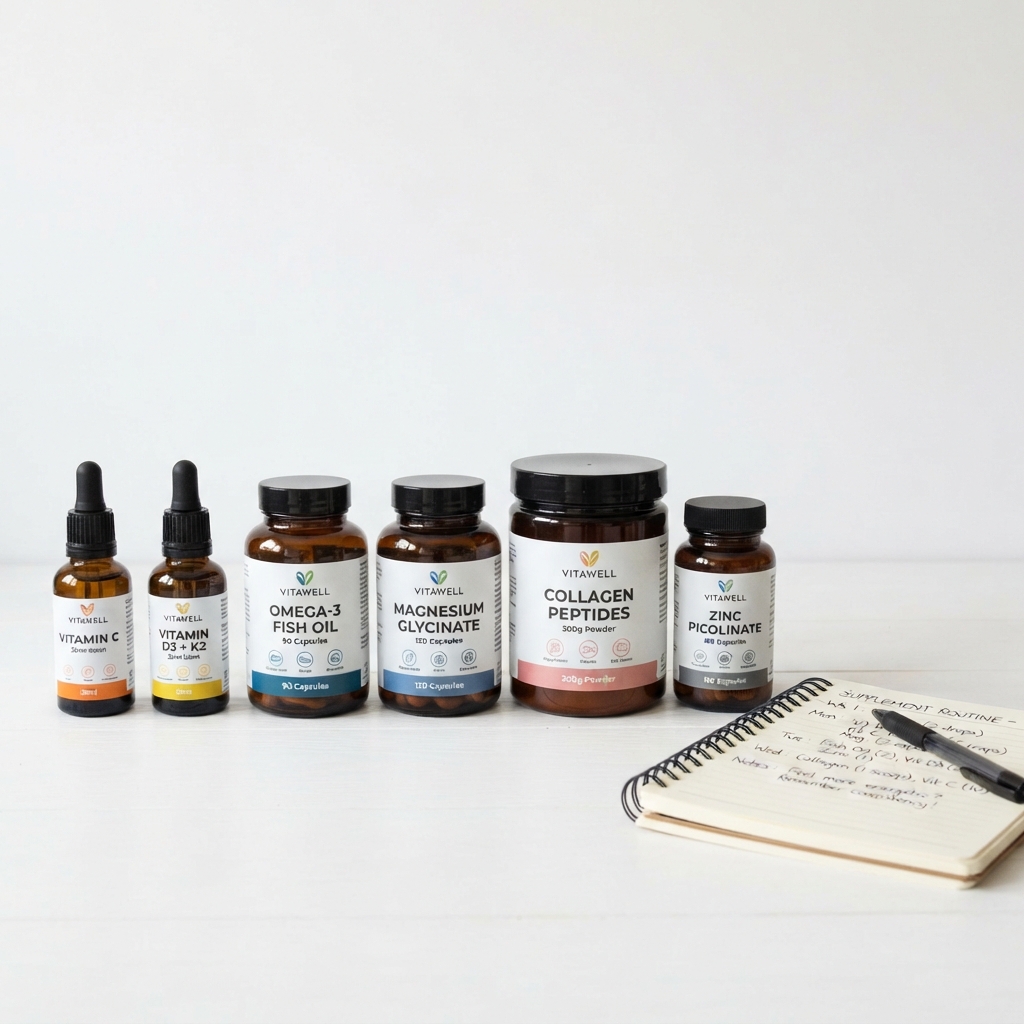
Supplements can help, but only if you are missing something.
- Iron, vitamin D, zinc, and B12 are the big ones.
- Biotin is popular, but it only helps if you are deficient.
- Collagen and keratin have some fans, but research is mixed.
- Always test before you guess.
Ask your doctor for a blood panel. Check ferritin, vitamin D, thyroid, and hormones. Food first, then targeted supplements. Give it three to six months to see real change.
When to See a Dermatologist

See a dermatologist if shedding lasts more than three months. Also go if you see bald patches, a widening part, or scalp pain. Other signs include scaling, redness, or sudden heavy loss.
A doctor can check for alopecia areata, thyroid issues, PCOS, or low ferritin. They may prescribe minoxidil, spironolactone, or other treatments.
Do not wait and hope. Early help makes a difference. Keep your routine gentle. Take photos every month in the same light. That helps you track progress. You deserve answers.
Stress Reset for Your Hair

Stress is a major trigger for shedding. When you are stressed, your body shifts energy away from hair growth. That can cause a shed three to six months later.
So calming your nervous system is hair care. Try five minutes of deep breathing. Go for a walk. Sleep more. Say no to one thing this week. Gentle yoga helps too.
Keep a journal. Talk to a friend. These habits lower cortisol. Lower cortisol means better hair cycles. You cannot remove all stress, but you can support your body through it.
Sleep and Hair Growth

Sleep is when your body repairs itself. That includes hair follicles. Aim for seven to nine hours. Keep your room cool and dark. Put your phone away an hour before bed.
Try a silk pillowcase to reduce friction. If you can, sleep with hair loose or in a very loose braid. Tight styles can pull all night.
A consistent sleep schedule helps hormones balance. Balanced hormones support hair growth. If you snore or wake up tired, ask about sleep apnea. Rest is not lazy. It is part of your hair plan.
Your 4-Week Shedding Reversal Plan
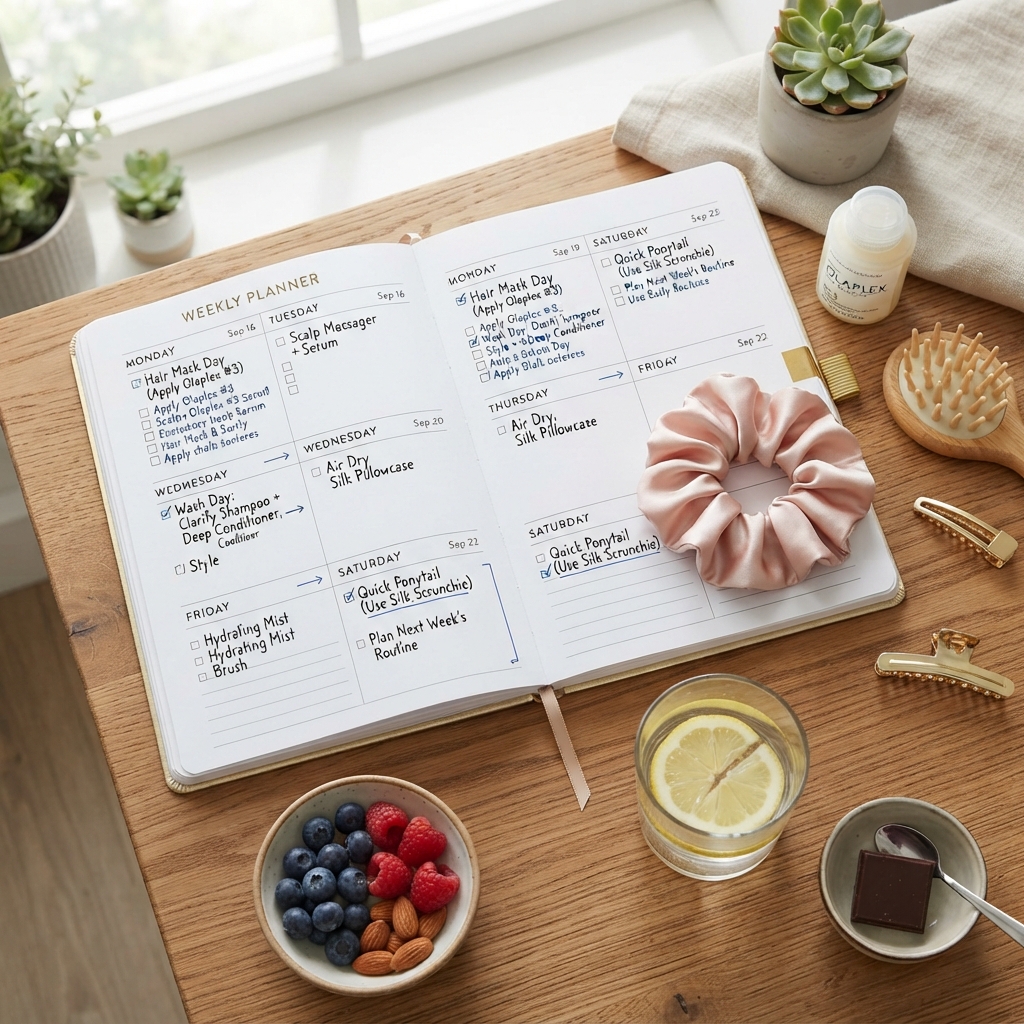
Here is a simple plan to start today.
- Week one: switch to a gentle shampoo and silk pillowcase. Start scalp massage.
- Week two: add protein and iron-rich foods. Drink more water.
- Week three: lower heat tools. Try a low-tension style.
- Week four: check your vitamin D and ferritin. Book a trim if ends are thin.
Hair grows slowly. You may see less shedding in four to six weeks. New growth takes three to six months. Be patient. Take progress photos. Celebrate small wins.
A Warm Final Note
Seasonal shedding can feel alarming, but it is usually a phase. You are not losing your hair forever. Small daily choices add up. Gentle washing, good food, low-tension styles, and the right cut can make a huge difference.
Be kind to yourself. Hair grows on its own timeline. If something feels off, ask for help. You deserve to feel confident in every season.
Save this post to Pinterest so you can come back to the plan later. And tell me: what is your biggest hair shedding worry? Drop a comment below. I read every one.

