
Are you tired of seeing clumps of hair in your brush or shower drain? Hair loss can be frustrating and disheartening, but before you invest in expensive treatments, why not try natural remedies from your own kitchen?
Many common kitchen ingredients are packed with nutrients that can strengthen hair follicles, promote growth, and reduce breakage. The best part? These remedies are affordable, chemical-free, and easy to make at home. Let’s dive into the most effective kitchen ingredients to stop hair loss naturally.
Why Kitchen Ingredients Work for Hair Loss
Hair loss can stem from various factors, including nutrient deficiencies, hormonal imbalances, stress, and scalp conditions. Many kitchen ingredients contain vitamins, minerals, and proteins that address these issues:
- Eggs: Rich in protein and biotin, essential for hair growth.
- Coconut oil: Penetrates hair shafts to prevent protein loss.
- Aloe vera: Soothes the scalp and unclogs hair follicles.
- Onion juice: High in sulfur, which boosts collagen production.
- Green tea: Contains antioxidants that stimulate hair follicles.
These ingredients not only nourish your hair but also improve scalp health, creating the perfect environment for strong, healthy hair growth.

5 Powerful Kitchen Ingredients to Combat Hair Loss
1. Egg Mask for Protein Boost
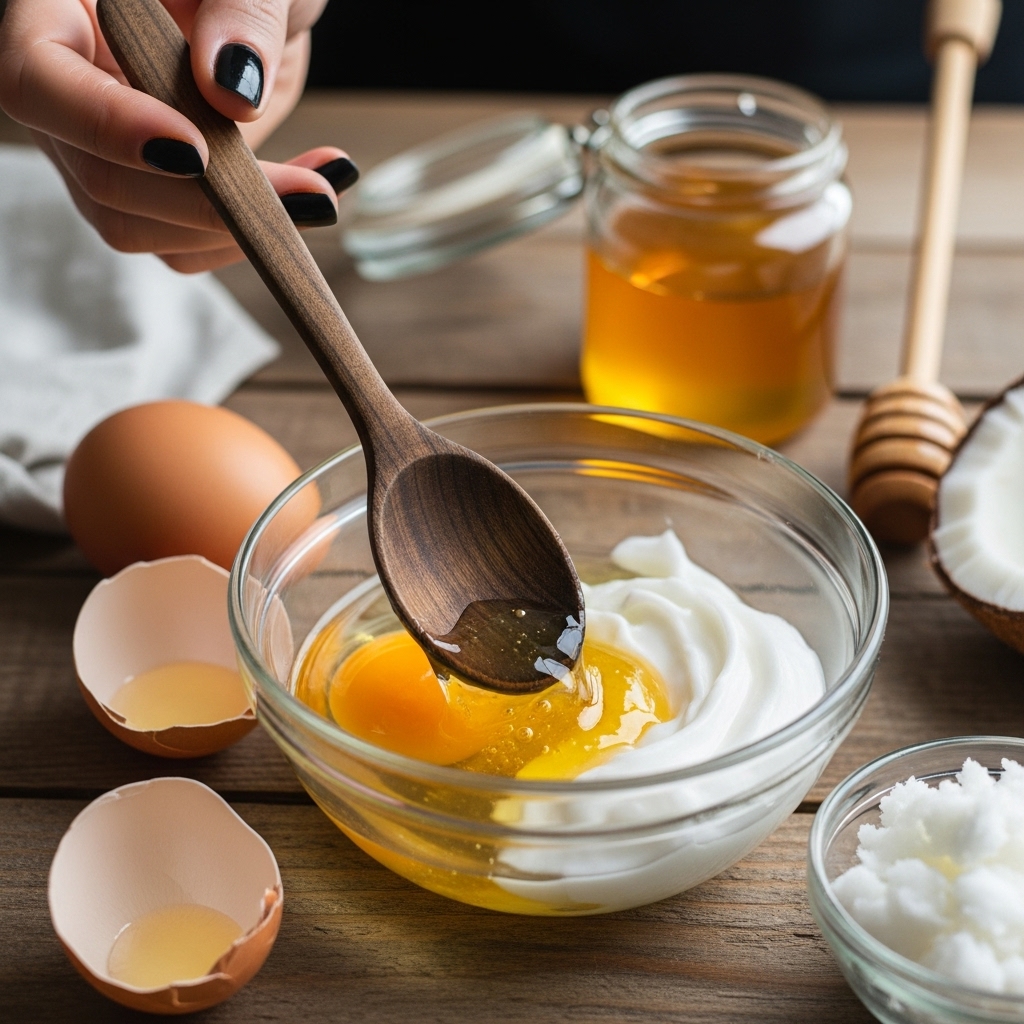
Eggs are a powerhouse of protein and biotin, two key nutrients for hair growth. A simple egg mask can strengthen weak hair and reduce breakage.
How to use:
- Beat 1-2 eggs (depending on hair length).
- Add 1 tbsp of olive oil or honey for extra moisture.
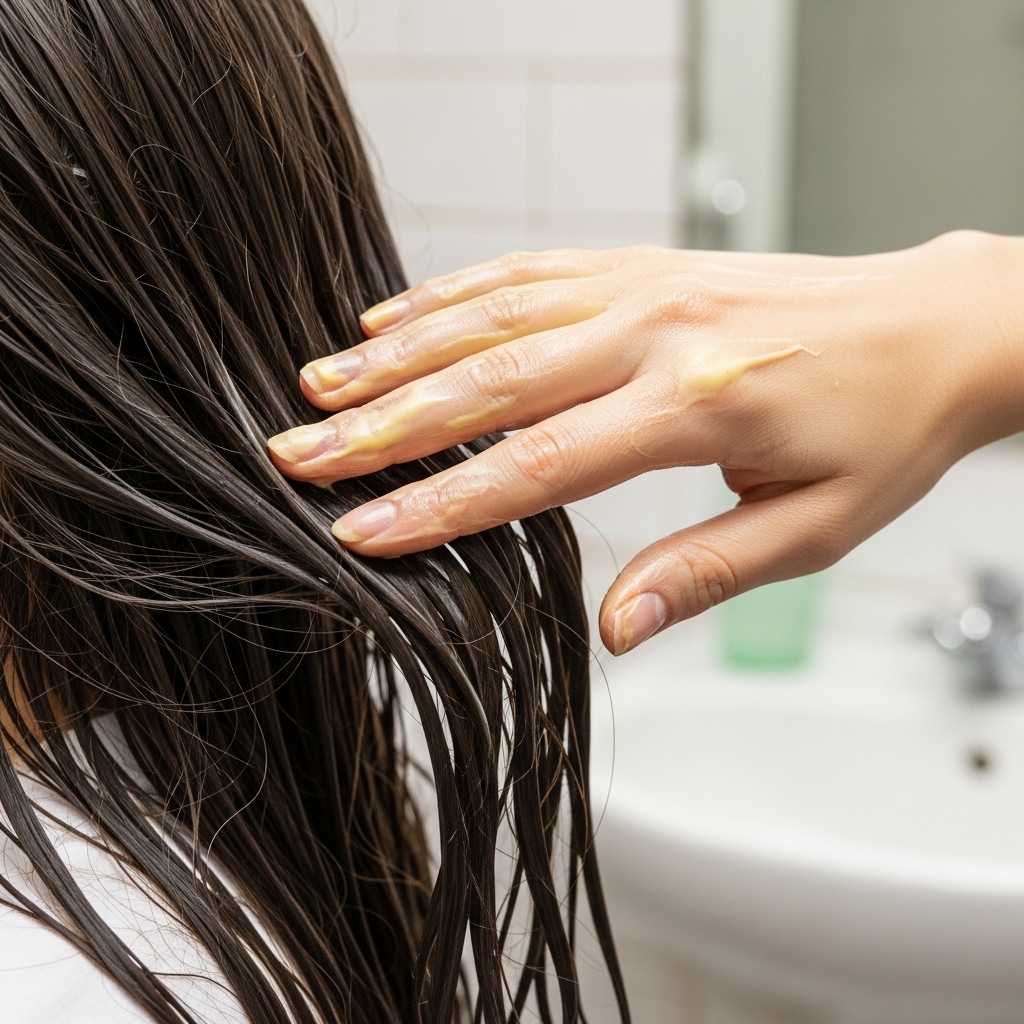
- Apply to damp hair, focusing on the roots and tips.
- Leave for 20-30 minutes, then rinse with cool water.
Tip: Use this treatment once a week for best results.
2. Coconut Oil & Lemon Juice Scalp Treatment
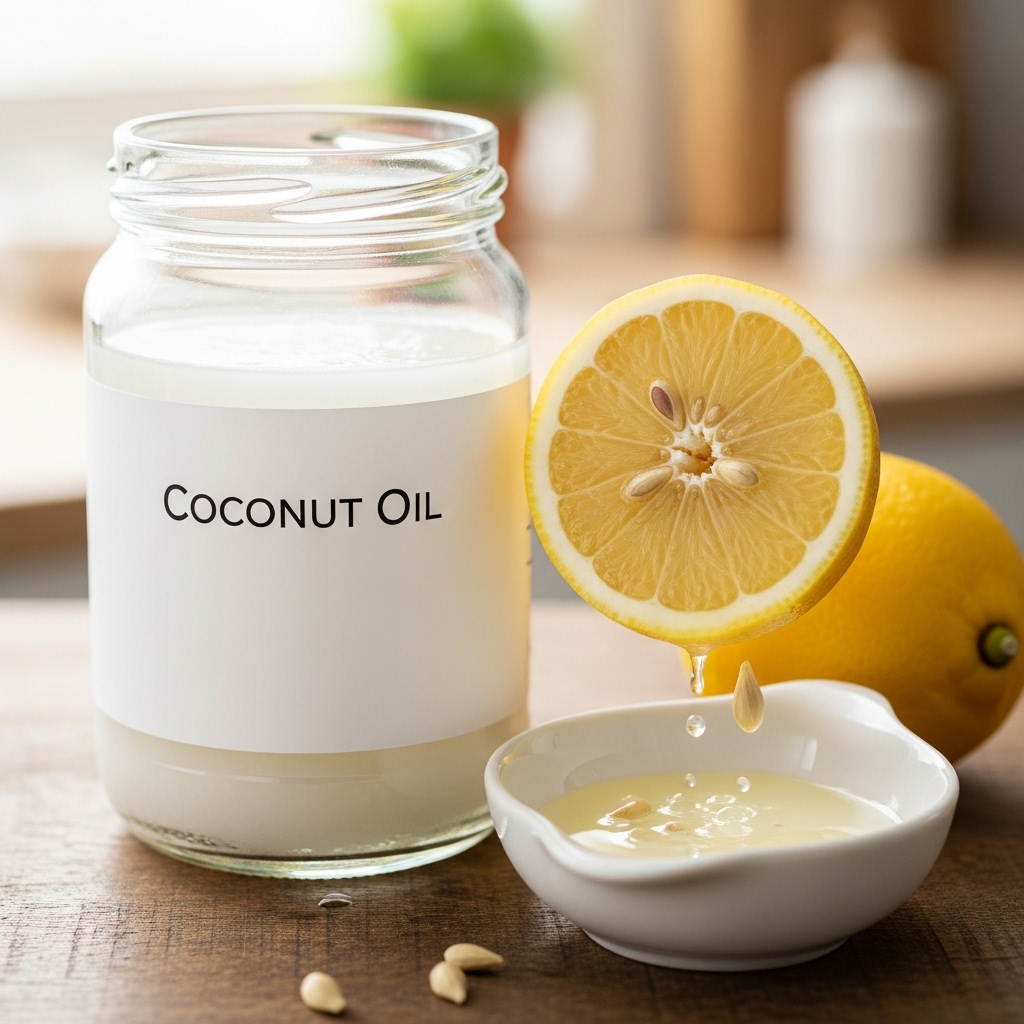
Coconut oil deeply moisturizes hair, while lemon juice helps balance scalp pH and reduce dandruff—a common cause of hair loss.
How to use:
- Mix 2 tbsp of warm coconut oil with 1 tbsp of fresh lemon juice.
- Massage into the scalp for 5-10 minutes.
- Leave on for 30 minutes before washing off with a mild shampoo.
Tip: Ideal for dry, flaky scalps that contribute to hair fall.
3. Aloe Vera & Onion Juice Growth Serum
Onion juice is surprisingly effective for hair regrowth due to its sulfur content, while aloe vera soothes inflammation.
How to use:
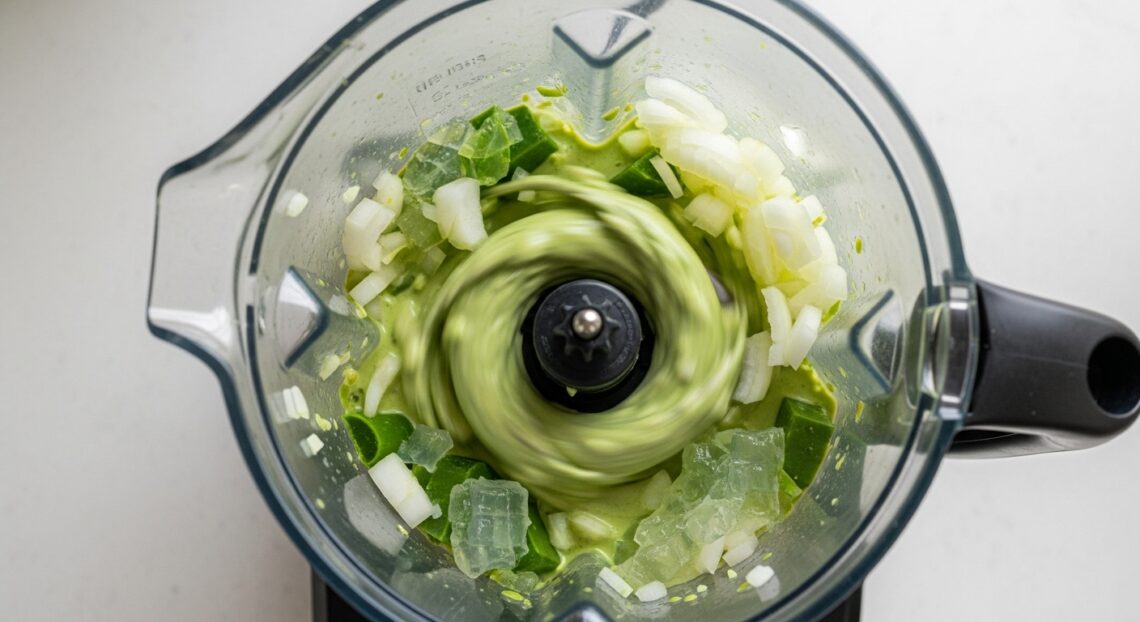
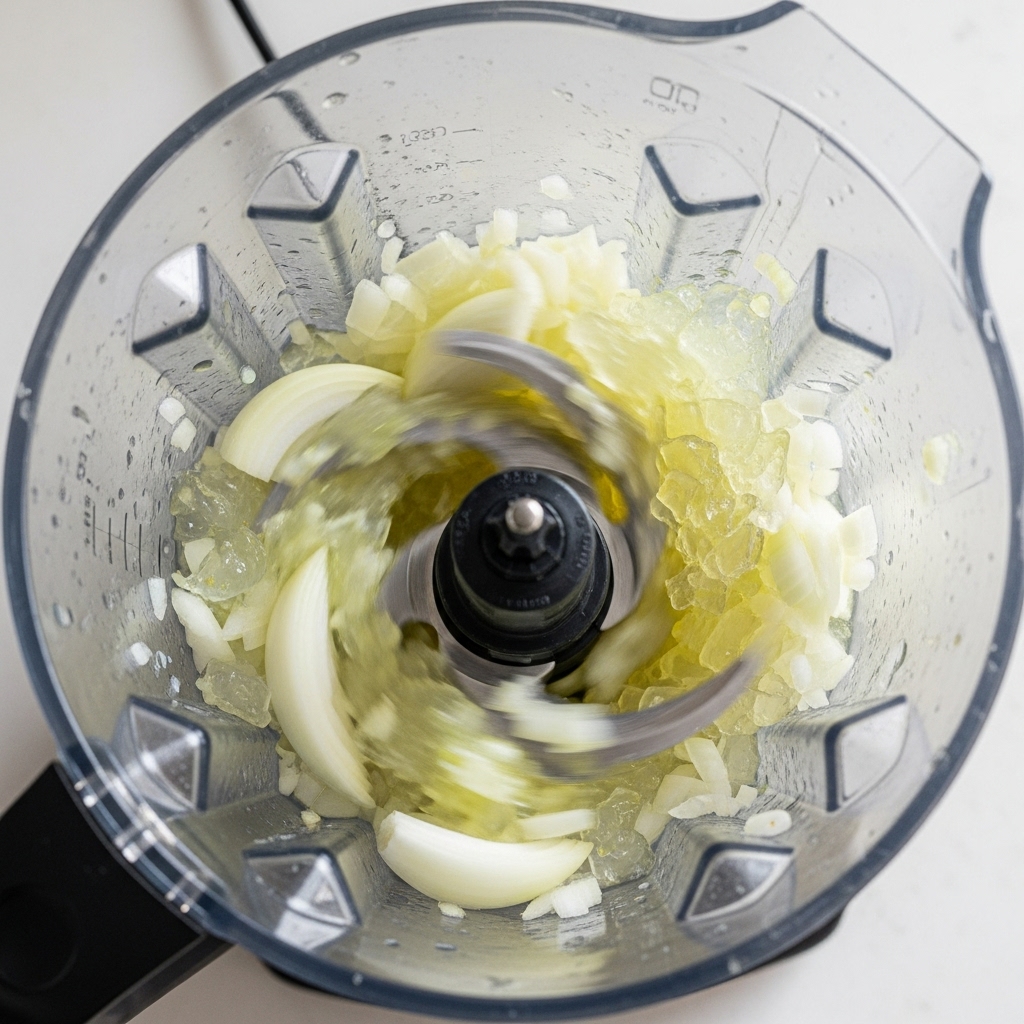
- Blend half an onion and strain the juice.
- Mix with 2 tbsp of fresh aloe vera gel.
- Apply to the scalp and leave for 30-45 minutes before rinsing.
Tip: The smell can be strong, so rinse thoroughly with a fragrant shampoo.
4. Green Tea Rinse to Strengthen Hair
Green tea is rich in antioxidants that help block DHT, a hormone linked to hair loss.
How to use:
- Brew 2-3 bags of green tea in hot water and let it cool.
- After shampooing, pour the tea over your hair and scalp.
- Leave for 10 minutes before rinsing with water.
Tip: Use this rinse 2-3 times a week for stronger hair.

5. Fenugreek Seeds for Thicker Hair
Fenugreek seeds are packed with proteins and nicotinic acid, which stimulate hair growth.
How to use:
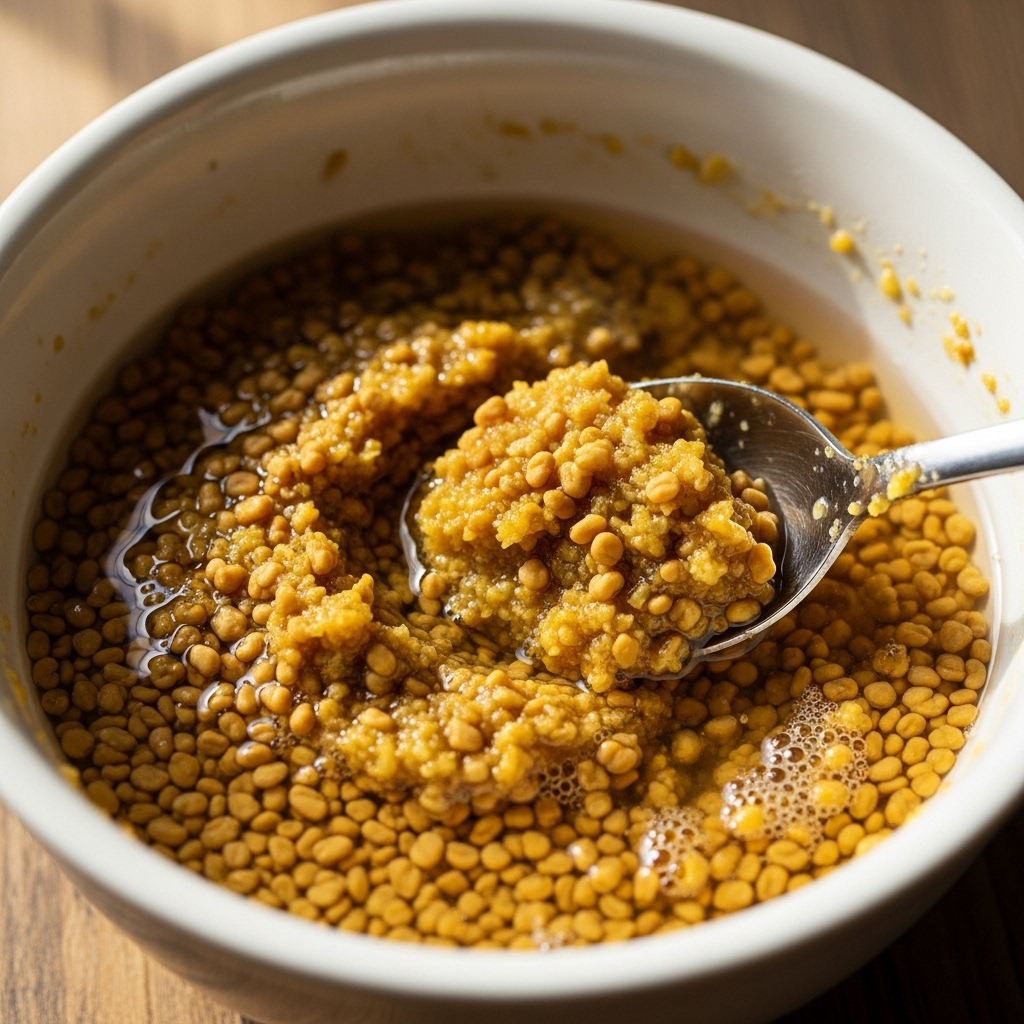
- Soak 2 tbsp of fenugreek seeds overnight.
- Grind into a paste and apply to the scalp.
- Leave for 30 minutes before washing off.
Tip: This remedy also helps with dandruff and scalp irritation.
Bonus Tips to Prevent Hair Loss Naturally
While these kitchen remedies work wonders, combining them with healthy habits maximizes results:
- Eat a balanced diet – Include protein, iron, and omega-3s for hair health.
- Reduce heat styling – Excessive heat weakens hair strands.
- Manage stress – High stress levels can trigger hair shedding.
- Stay hydrated – Dehydration leads to brittle hair.

Final Thoughts
Hair loss doesn’t always require expensive treatments—sometimes, the best solutions are already in your kitchen. By using nutrient-rich ingredients like eggs, coconut oil, and aloe vera, you can strengthen your hair, improve scalp health, and reduce shedding naturally.
Consistency is key. Stick with these remedies for at least 4-6 weeks to see noticeable improvements. If hair loss persists, consult a dermatologist to rule out underlying conditions.

