

I used to think a bob was a one-size-fits-all kind of haircut. Then I watched my best friend with super thick curls get one and look like a mushroom. Meanwhile, my fine, limp hair looked flat the second I walked outside.
Here’s the truth: a bob is one of the most flattering cuts out there, but only when it’s matched to your hair type. Fine hair needs different lines than thick hair. Same cut, totally different result.
So I rounded up 29 chic bob haircuts that actually work, split them by hair density, and added the little details that make each one look expensive. You’ll find 2026 hairstyles, old money hair, the quiet luxury bob, and even romantic goth hairstyles if you want something moodier.
Let’s find your next cut.
Why the Bob Still Rules in 2026

A bob is the rare cut that reads polished with zero effort. That’s why it keeps showing up in every 2026 hairstyles roundup I see. It works for a Monday meeting and a Saturday dinner.
But density is everything. Thick hair can go blunt and heavy. Fine hair needs movement and softer ends. Pick wrong and you fight your hair every morning.
- Thick hair: ask for invisible layers, point-cutting, or a blunt line if you want drama
- Fine hair: ask for a slightly angled or collarbone length, plus texture
- Curly hair: ask for a dry cut so your shape stays honest
Get that part right and everything else is easy.
The Quiet Luxury Bob for Old Money Hair

Old money hair is soft, healthy, and never trying too hard. The quiet luxury bob is exactly that: a chin-to-jaw length cut with a gentle bend, no harsh layers, and a glossy finish.
Ask for:
- A blunt or softly rounded line
- Minimal layering so ends stay full
- A middle or slight side part
- Length that hits just below the jaw
It shines on medium to thick hair because the density does the work. Fine hair can wear it too, just add a little root lift and keep the ends blunt instead of thinned out.
The Classic French Bob for Fine Hair

Short, chin-grazing, a little undone. The French bob is basically the perfect fine hair cut because it stops before your ends get stringy.
What makes it work:
- Chin or just-above length so hair doesn’t stretch thin
- Soft, piecey ends instead of a razor-sharp line
- A slightly messy part
- Air-dried texture, not a perfect blowout
Ask your stylist to point-cut the ends so they look fuller, and skip heavy layers near the crown. Fine hair loses volume fast when it’s over-layered.
To style, spritz in a salt or texture spray on damp hair, scrunch, and let it dry.
The Blunt Collarbone Bob for Thick Hair

If your hair is thick, blunt is your best friend. A collarbone-length blunt bob takes all that density and turns it into one clean, expensive-looking line.
Why it works:
- One length keeps thick hair from puffing out
- Collarbone length gives you weight without dragging
- No layers means no triangle shape
Ask for a blunt cut with a very slight angle in front so it frames your face. If it feels too heavy, ask for invisible layers underneath, not on top.
Style with a smoothing cream and a flat brush. This is also the easiest cut to grow out.
The Asymmetrical Lob

The asymmetrical lob is that longer, angled cut that hits between your jaw and shoulder and falls slightly longer on one side. It’s flattering, modern, and sneaky-good at balancing round or square face shapes.
How to ask for it:
- Front pieces one to two inches longer than the back
- A soft diagonal line, not a harsh chop
- Light layers only at the ends
Fine hair gets instant movement from the angle. Thick hair gets relief because the longer front pieces break up the bulk.
Style with a one-inch iron, curling away from your face. Easy, done.
The Micro Bob
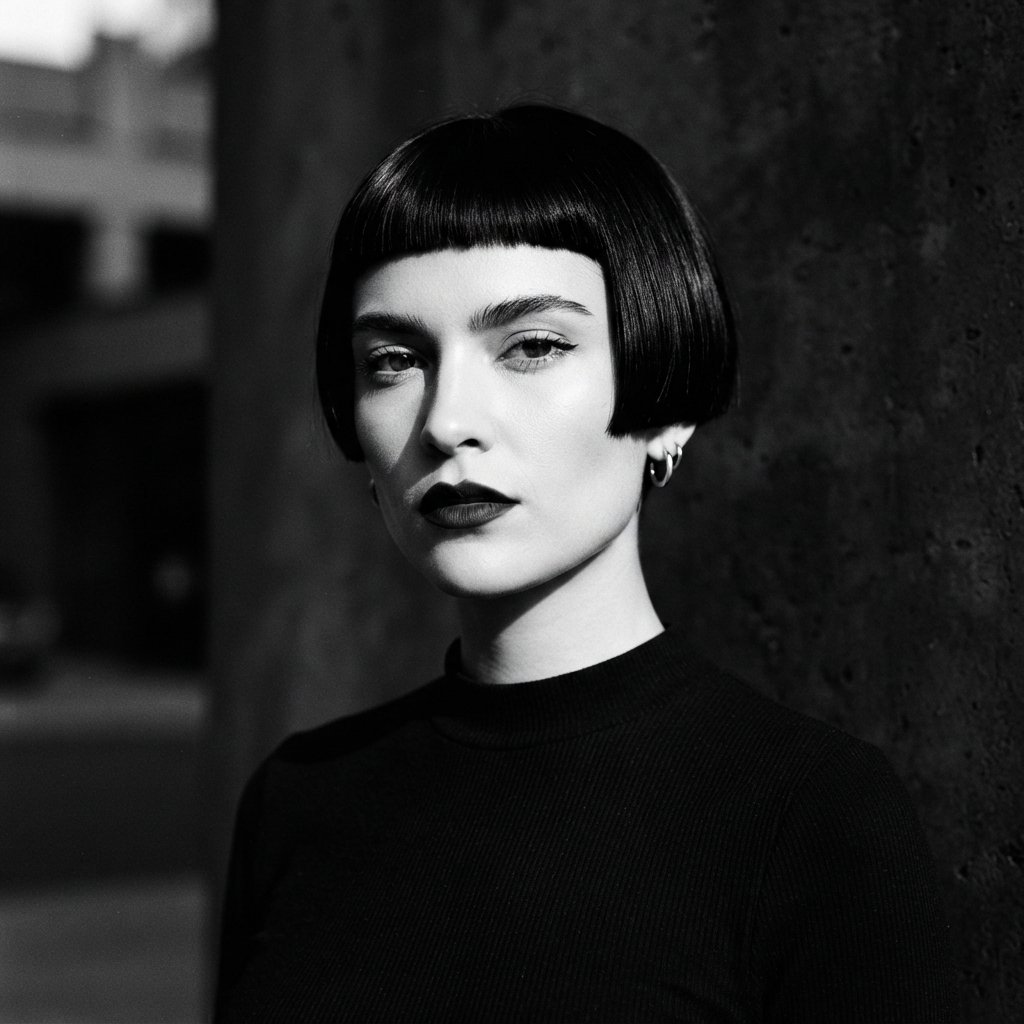
The micro bob is short, sharp, and barely touches your jaw. It’s the boldest version of this whole list, and honestly, it’s stunning.
Who it suits:
- Fine hair that needs to look thicker, because short hair always looks denser
- Straight or slightly wavy textures
- Anyone ready for a real change
Who should pause: very thick, coarse hair, unless you’re okay with regular thinning. And anyone who loves a ponytail.
Ask for a blunt line with a tiny bit of softness at the ends so it doesn’t look stiff. Style with a little pomade and your fingers.
The Hime Cut Bob

The hime cut is a Japanese style with blunt side pieces framing the face and the rest of the hair left long and straight. Shorten the back, and you get a hime bob.
The key features:
- Blunt cheek-to-jaw side panels
- Straight, unlayered length behind
- A clean middle part
It looks incredible on straight, medium-thick hair because the line stays crisp. Fine hair can wear a softer version with slightly tapered side pieces.
This one requires upkeep. Those side pieces need trims every four to six weeks. Very quiet luxury, very editorial.
The Vampire Haircut

The vampire haircut is exactly what it sounds like: dark, dramatic, and a little moody. Think long face-framing layers, a slight mullet influence, and a length that hits around the jaw or neck.
Why people love it:
- It frames cheekbones hard
- Works on straight and wavy hair
- Feels edgy without being loud
For thick hair, ask for lots of movement and texturizing so it doesn’t get bulky. For fine hair, keep the layers long so you don’t lose density.
Style with a texture spray and a messier finish. It’s the cooler cousin of the romantic goth hairstyles crowd.
Romantic Goth Hairstyles: The Soft Bob Version

Romantic goth hairstyles are less about black lipstick and more about soft drama. For a bob, that means a slightly rounded shape, soft waves, and a deep, rich color.
What to ask for:
- A rounded bob with a bit of length at the jaw
- Soft, brushed-out waves
- Baby bangs or a soft curtain fringe
- A glossy dark brown, black, or cherry tone
Thick hair loves this shape because it absorbs bulk without looking heavy. Fine hair can do it too, just keep the waves loose and add volume at the roots.
Glitchy Glam Hair Meets the Bob
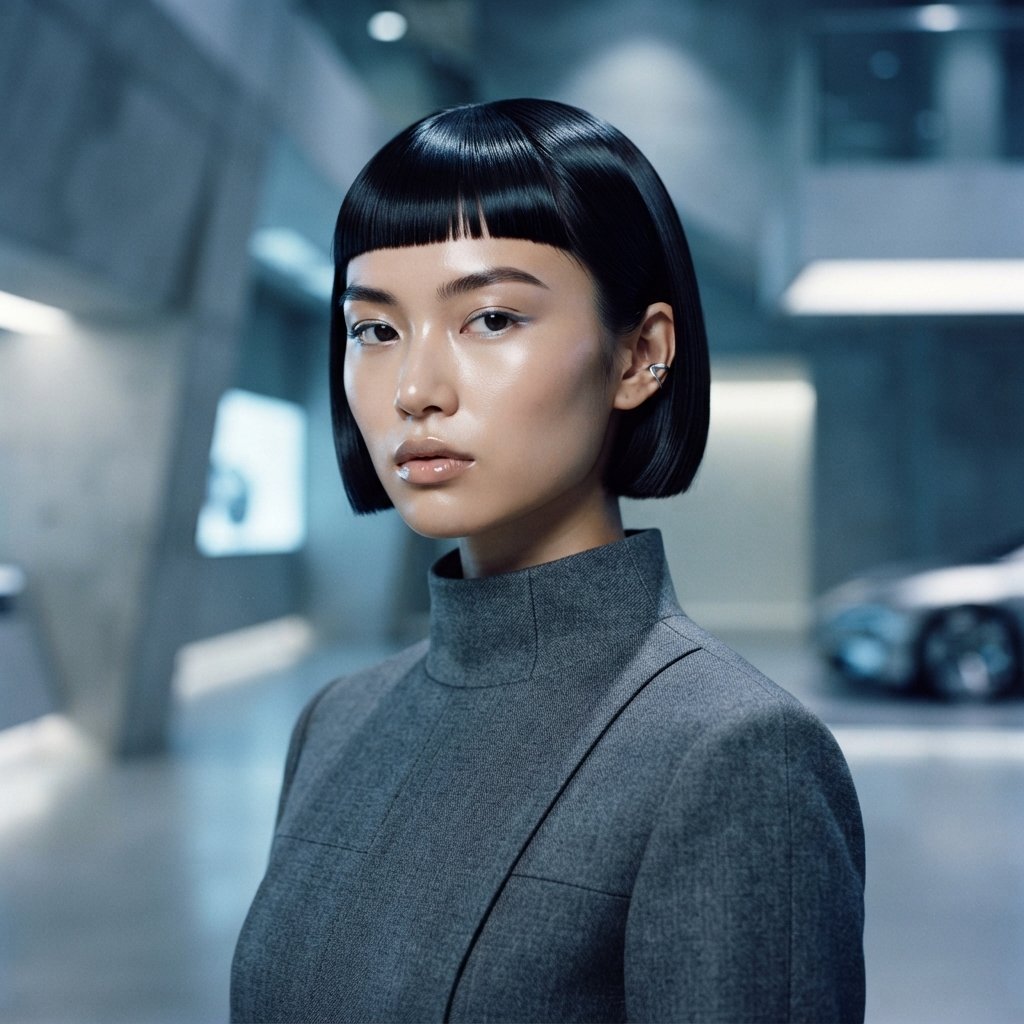
Glitchy glam hair is the fun, slightly futuristic trend showing up everywhere in 2026 hairstyles. On a bob, it looks like sharp disconnected lines, blunt baby bangs, or an unexpected part.
How to get the vibe:
- Blunt or micro bangs
- A crisp, straight finish
- One asymmetric detail, like a sliced layer
- Sleek shine
Fine hair wears this well because straight and sharp equals fuller-looking. Thick hair needs a stylist who can remove weight without killing the shape.
Style with a flat iron and a glossy serum, then smooth with a comb.
The Invisible Layer Bob for Thick Hair

Invisible layers are cut underneath the surface so you keep the outer shape but lose the bulk. For thick hair, this is the magic trick.
Why stylists love it:
- Keeps the blunt line intact
- Removes weight where it matters
- Adds movement without visible choppiness
- Makes air-drying way faster
Ask for invisible or internal layers through the back and sides, and tell your stylist you want to keep a solid perimeter.
It works on straight, wavy, and curly thick hair. If your hair tends to puff, this cut plus a good smoothing cream is basically a new life.
The Curtain-Bang Bob

A bob plus curtain bangs is the easiest way to make fine hair look like it has more going on.
Why it works:
- Bangs add volume near the face
- The split opening keeps the middle from looking flat
- Bangs are long enough to grow out gracefully
Ask for bangs that start around your cheekbone and curve outward. For fine hair, keep the ends blunt-ish. For thick hair, ask for light texturizing so they don’t sit like a curtain rod.
Style with a round brush for two minutes, or let them air-dry and use a roller.
The Angled Graduated Bob

The graduated bob is shorter in the back and longer in the front, and it’s been a salon classic for decades. It lifts the neck and adds a ton of shape.
Best for:
- Fine hair that needs lift at the back
- Straight or slightly wavy textures
- Anyone who wants a style that grows out neatly
Thick hair can wear it too, but ask for the graduation to be gentle and the back thinned carefully. Too much stacking on thick hair equals a shelf.
Style with a round brush pulling up and back, and finish with a light hairspray.
The Wavy Beach Bob

One-length bobs can look great, and this one is all about easy texture. A wavy beach bob is a soft, mid-length cut with light layers and a relaxed finish.
How to wear it:
- Cut to the jaw or just below
- Light layers for bend, not bulk
- Air-dried with a salt or wave spray
- Pieces left slightly undone
Fine hair gets body from the waves. Thick hair looks intentional instead of puffy because the layers direct the wave.
Ask your stylist to keep the layers long and blended so it still reads as a bob, not a shag.
The Sleek Middle-Part Bob

If you want the quiet luxury bob with a sharper edge, go sleek and middle-parted. It’s clean, glossy, and looks expensive in photos.
The recipe:
- Blunt or very softly rounded line
- Middle part
- Zero visible layers on the surface
- Glass-like shine
Fine hair looks instantly denser when it’s straight and smooth. Thick hair needs the perimeter cleaned up so it doesn’t look wide.
Style with a heat protectant, a flat iron, and a shine serum. Pin the sides back with a clip while you finish your makeup for a smooth finish that stays.
The Bixie: Bob Plus Pixie

The bixie sits between a bob and a pixie. Short at the nape, slightly longer on top, soft around the ears. It’s playful and modern.
Good for:
- Fine hair that wants volume at the crown
- Wavy and curly textures that like shape
- People who want short but not too short
Thick hair can absolutely wear a bixie, but it needs texturizing scissors and regular trims to stay light. Otherwise it turns into a helmet.
Ask for a soft, piecey finish rather than a hard line. Style with a texture paste and your fingers.
The Blunt Bob With Baby Bangs
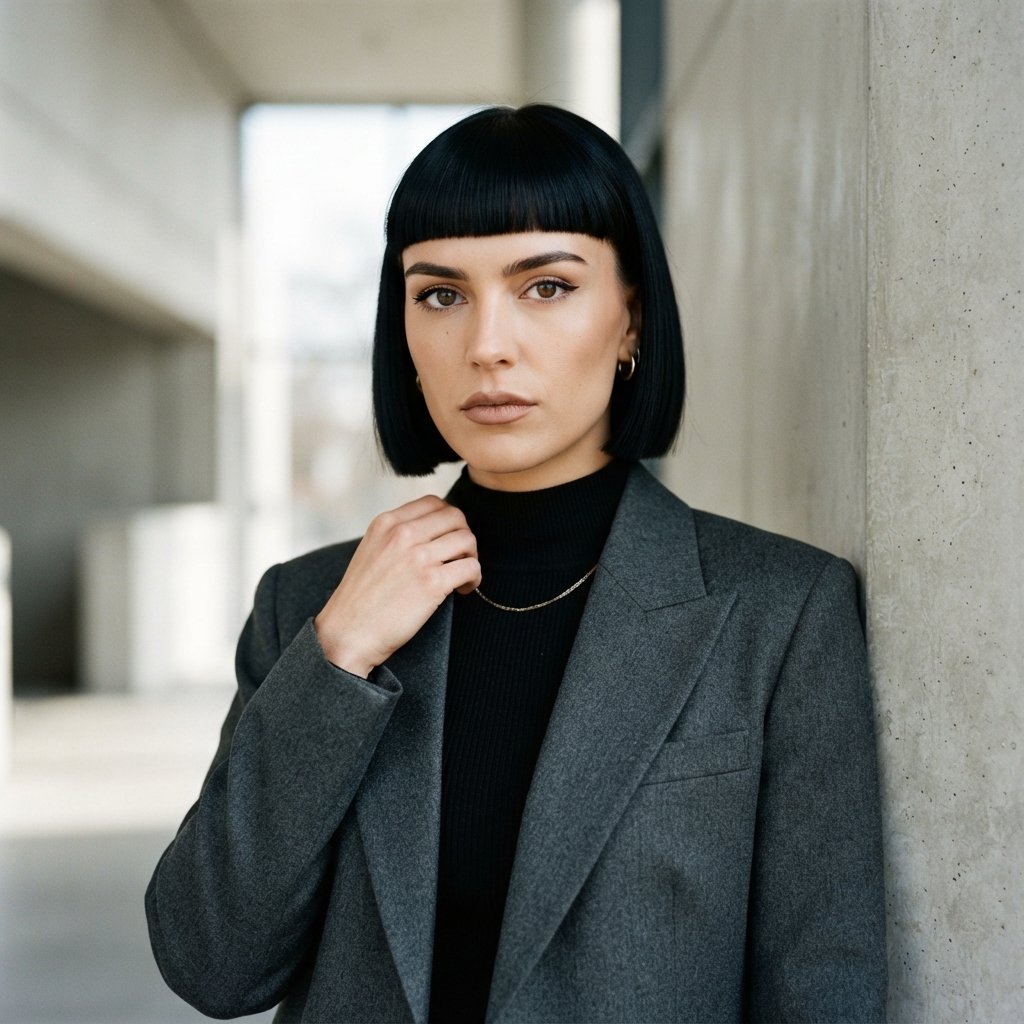
Blunt bob plus blunt baby bangs is a look. It’s strong, simple, and very chic when it’s done right.
How to make it work:
- Keep the bob line blunt, not choppy
- Ask for bangs that hit mid-forehead
- Match the texture of both so they look like a set
- Bring a photo, because bang length is a fine art
Fine hair pulls this off beautifully because straight lines read fuller. Thick hair looks amazing too, but the bangs need a little room to move.
Style with a flat iron and a light serum.
The Layered Lob for Fine Hair

A lob is just a long bob, and layers make it work for fine hair. Without layers, fine hair tends to go flat and pointy at the ends.
What to ask for:
- Length at or just above the collarbone
- Long layers that start around the chin
- Soft, blended ends
- No short face-framing layers if you’re trying to keep density
Thick hair can wear a layered lob too, just ask for fewer layers and more weight removal.
Style with a round brush and a volumizing mousse at the roots. This is one of the easiest cuts to grow out.
The Curly Bob

Curly hair shrinks, so a curly bob has to be cut longer than you think. Always get a dry cut so your stylist can see the actual shape.
Rules for curly bobs:
- Cut dry, curl by curl
- Aim for jaw length when stretched
- Keep layers soft and rounded
- Avoid thinning shears, they cause frizz
Thick curly hair gets a beautifully sculpted shape. Fine curly hair looks fuller because all the curl sits in a compact area.
Style with a leave-in conditioner and a gel, then diffuse. Hands off while it dries.
The Wet-Look Bob

The wet-look bob is sleek, shiny, and slightly dramatic. It’s a styling choice more than a cut, which means anyone can try it.
How to get it:
- Start with a blunt or softly rounded bob
- Apply a gel or gloss serum to damp hair
- Comb it back or to the side
- Let it air-dry or diffuse lightly
Fine hair looks thicker when it’s slicked because it’s all going one direction. Thick hair gets a controlled, editorial finish.
It’s the easiest way to make a simple cut feel like a statement for a night out.
How to Talk to Your Stylist
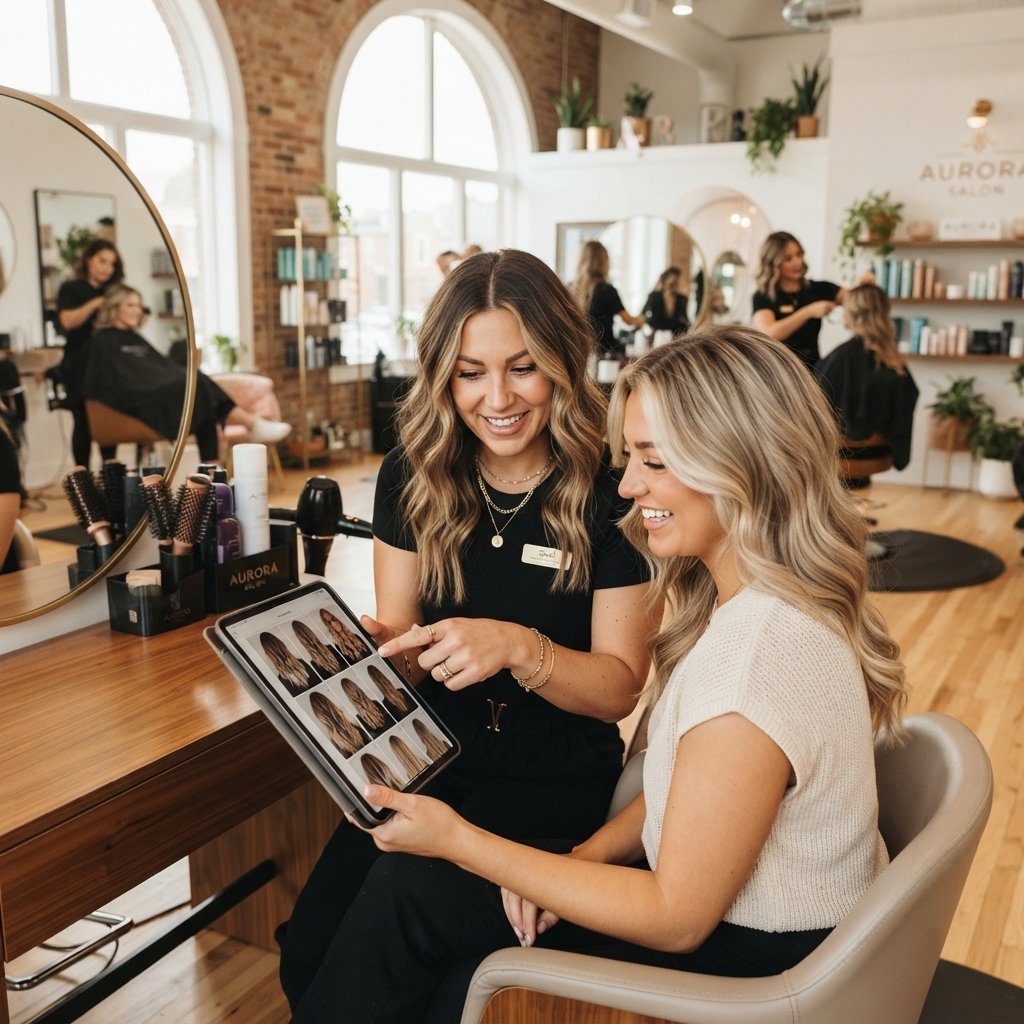
This part matters more than the cut. Bring photos. Two or three, not twenty.
Say this:
- “My hair is fine, so I want to keep the ends blunt for fullness.”
- “My hair is thick, so I want invisible layers for movement.”
- “I want a shape that grows out well in three months.”
- “Show me how you’d style this at home.”
Also be honest about how much time you’ll actually spend. If the answer is five minutes, say so. A great stylist adjusts the cut to fit your real life.
Products That Actually Earn Their Spot
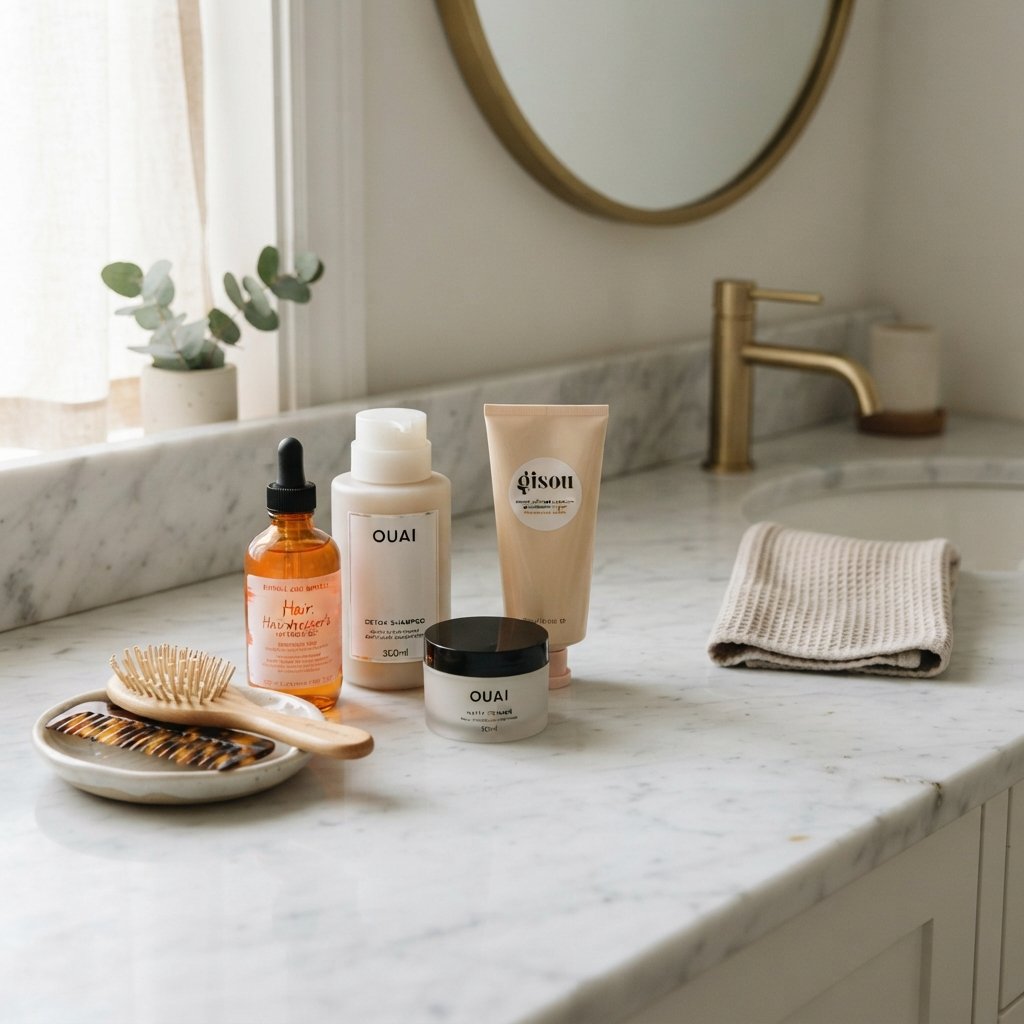
You don’t need a shelf full of products. You need three or four that match your hair type.
For fine hair:
- Volumizing mousse at the roots
- Light texture spray
- Dry shampoo for grip
For thick hair:
- Smoothing cream
- Lightweight oil for the ends
- A heat protectant you actually like the smell of
For curly hair: leave-in conditioner, a gel with hold, and a silk pillowcase. Buy less, use it consistently, and your bob will look better than any product haul.
Your Trimming Schedule
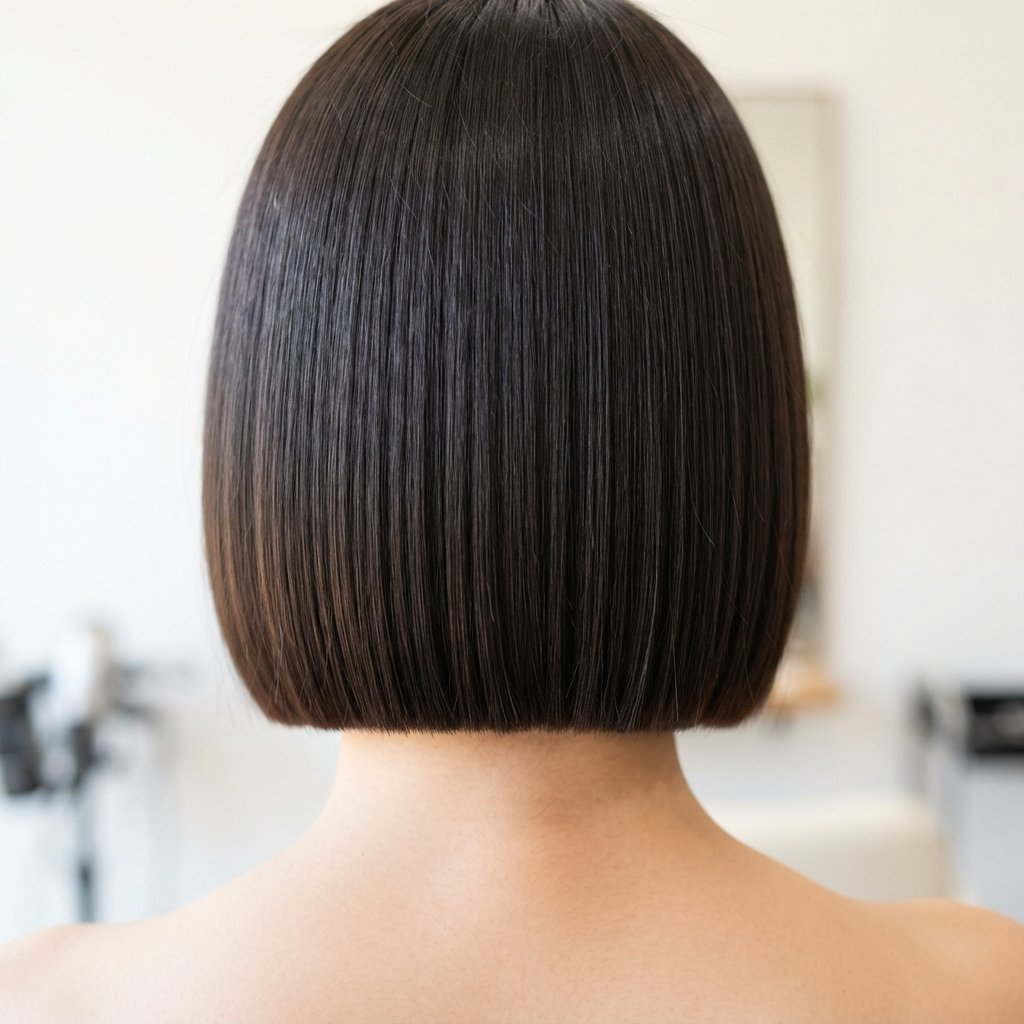
Bobs need trims more often than long hair, because the shape is the whole point.
A simple schedule:
- Blunt chops and micro bobs: every 4 to 6 weeks
- Chin-length bobs: every 6 to 8 weeks
- Collarbone and lobs: every 8 to 10 weeks
- Bangs: every 3 to 4 weeks, or learn to trim them yourself
If you’re growing it out, still get trims. Skipping them makes the ends thin and the shape disappear.
Book your next appointment before you leave the salon. Future you will be grateful.
Which Bob Matches Your Face Shape

Quick guide, because this saves a lot of guessing.
- Round face: go for a lob or an angled bob with length below the chin
- Square jaw: soft, rounded bobs and curtain bangs
- Long face: a chin-length bob with width, plus bangs
- Heart face: a blunt collarbone bob
- Oval face: honestly, anything
The goal is balance. If your face is wide, add length. If it’s long, add width.
If you’re not sure, take a photo straight-on and draw lines with your stylist.
Final Thoughts on Finding Your Bob
Okay, let’s land this. The best bob isn’t the trendiest one. It’s the one that fits your hair density, your face, and your actual morning routine.
If your hair is fine, chase fullness: blunt ends, a little lift, not too many layers. If your hair is thick, chase movement: invisible layers, gentle texturizing, a clean perimeter. And if you’re somewhere in between, you get to play.
Start with one photo. Book the appointment. Bring this list with you if it helps. You’ll be shocked how much a good cut changes your whole week.
Save this post to Pinterest so you have it ready before your next salon visit, and tell me in the comments: are you team fine hair or thick hair, and which bob are you trying first?

