

If you’ve been staring at the same shoulder-length hair for two years, I get it. I tried the fancy masks, the growth gummies, the whole thing. My hair stayed exactly where it was.
Then I learned the boring truth: your hair is probably growing just fine. You’re just losing the ends as fast as they arrive. Breakage is the real villain here, not slow growth.
So today I’m sharing 12 simple hair care tips that actually helped me get longer, healthier hair. No $80 treatments. No twelve-step routine. Just small habits you can start tonight.
We’ll also talk about how to wear the cuts everyone’s asking for in 2026 hairstyles — the quiet luxury bob, old money hair, even romantic goth hairstyles — without slowing your growth down. Grab a coffee. This one’s easy.
Why Your Hair Might Be Stuck at the Same Length

Hair grows about half an inch a month. That’s it. So if you’re not seeing length, growth usually isn’t the problem. Retention is.
Most of us lose our ends to everyday friction long before they ever get long.
- Your ends are the oldest, driest part of your hair
- Wet hair stretches and snaps easily
- Heat and color weaken the outer layer over time
Fix the breakage and the length shows up. That’s the whole game.
Tip 1: Trim It, Even When You’re Growing It

I know. Nobody wants to hear this one. But a trim every 10 to 12 weeks is what keeps your ends from splitting all the way up the strand.
Think of it this way: you’re not cutting off length, you’re protecting it.
- Ask for a dusting if you’re nervous
- Only the very ends need to go
- Skip it too long and you’ll lose inches, not millimeters
Healthy ends mean you keep the length you earn. Simple as that.
Tip 2: Wash Your Scalp, Not Your Ends
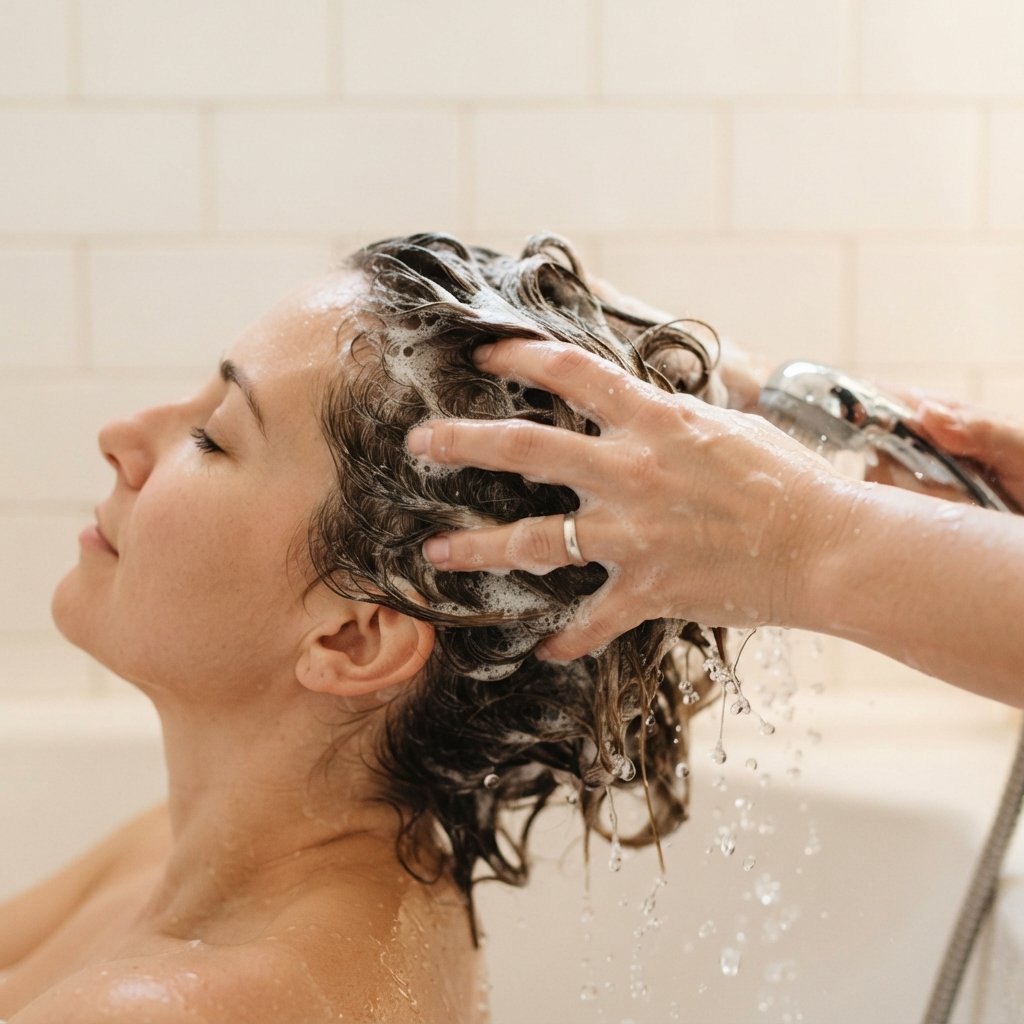
Shampoo is for your scalp. Your ends barely need it. They get cleaned enough when the suds rinse down.
So next wash day, focus your fingertips right at the roots and let the rest slide.
- Wet hair thoroughly with warm water
- Shampoo the scalp only, in small circles
- Rinse well, then condition mid-length to ends
This one change alone cut so much dryness for me. My ends stopped feeling like straw.
Tip 3: Turn the Water Temperature Down

Hot showers feel amazing. They’re also rough on your hair. Heat lifts the cuticle, which lets moisture escape and roughness in.
You don’t need freezing cold water. Just lukewarm is plenty.
- Wash with lukewarm water
- Do your final rinse slightly cooler
- Skip super hot water on wash day if you can
A cool rinse also smooths the cuticle, which makes hair look shinier with zero styling effort. Free shine. Take it.
Tip 4: Give Yourself a 2-Minute Scalp Massage

Scalp massage is one of those things that feels like a luxury and costs nothing. It boosts blood flow to the follicle and helps loosen buildup.
Two minutes is enough. I do it while my conditioner sits.
- Use your fingertips, not your nails
- Small circles, all over the scalp
- Do it on dry hair too, before bed
No fancy tool required, though a silicone scrubber is nice if you like gadgets. Consistency beats pressure here.
Tip 5: Sleep on Silk or Satin

Cotton pillowcases grab your hair and pull. Every night. All night. That friction adds up fast.
Silk and satin let hair slide instead of snag.
- Less breakage at the ends
- Less frizz in the morning
- Bonus: kinder to your skin
You don’t need a designer set. A single satin pillowcase is one of the cheapest hair upgrades out there. I’ve had mine for years and it still looks new.
Tip 6: Stop Sleeping With Loose Hair

Loose hair tangles while you sleep. Tangles mean you’re ripping through knots in the morning, and that’s where breakage happens.
Put it up gently before bed.
- Loose braid or a low twist
- Silk scrunchie, never a tight elastic
- Never tie it wet and tight
If you want serious protection, try the “pineapple” — a loose, high, soft tie. Your morning self will thank you.
Tip 7: Cut Your Heat Styling in Half

Heat is the fastest way to lose everything you’re working for. A flat iron at 400 degrees can do permanent damage in one pass.
You don’t have to quit. Just halve it.
- Air dry whenever you have time
- Use the lowest heat that gets the job done
- Never flat iron damp hair
- Give your hair one full day off a week
Some of the prettiest 2026 hairstyles are air-dried and undone anyway. Textured beats overdone right now.
Tip 8: Never Skip Heat Protectant

If you’re using heat and no protectant, you’re basically cooking your hair. Protectant buys you a cushion between the tool and the strand.
It’s the difference between hair that lasts and hair that frays.
- Spray on damp hair before blow drying
- Use a cream or mist before flat ironing
- Don’t forget your ends — that’s where damage shows first
One product. Ten seconds. Do it every single time.
Tip 9: Deep Condition Once a Week

Regular conditioner coats. A deep conditioner actually gets inside and repairs. Once a week is the sweet spot for most hair types.
Twenty minutes makes a real difference.
- Wash first, squeeze out extra water
- Apply mid-length to ends, not the scalp
- Leave 15 to 20 minutes, then rinse cool
Fine hair should stick to once a week. Thick, curly, or colored hair can go twice if it feels dry. Skip it if your hair feels mushy — that’s a sign it’s already hydrated.
Tip 10: Balance Protein and Moisture

Hair needs both protein and moisture, and too much of one causes problems.
- Too much protein: stiff, brittle, snaps easily
- Too much moisture: mushy, gummy, stretches and breaks
Healthy hair stretches a little and bounces back. If it snaps instantly, you’re protein heavy. If it stretches like gum, you need protein.
Alternate your treatments instead of loading up on just one. Your hair will tell you what it needs if you actually listen.
Tip 11: Detangle From the Ends Up
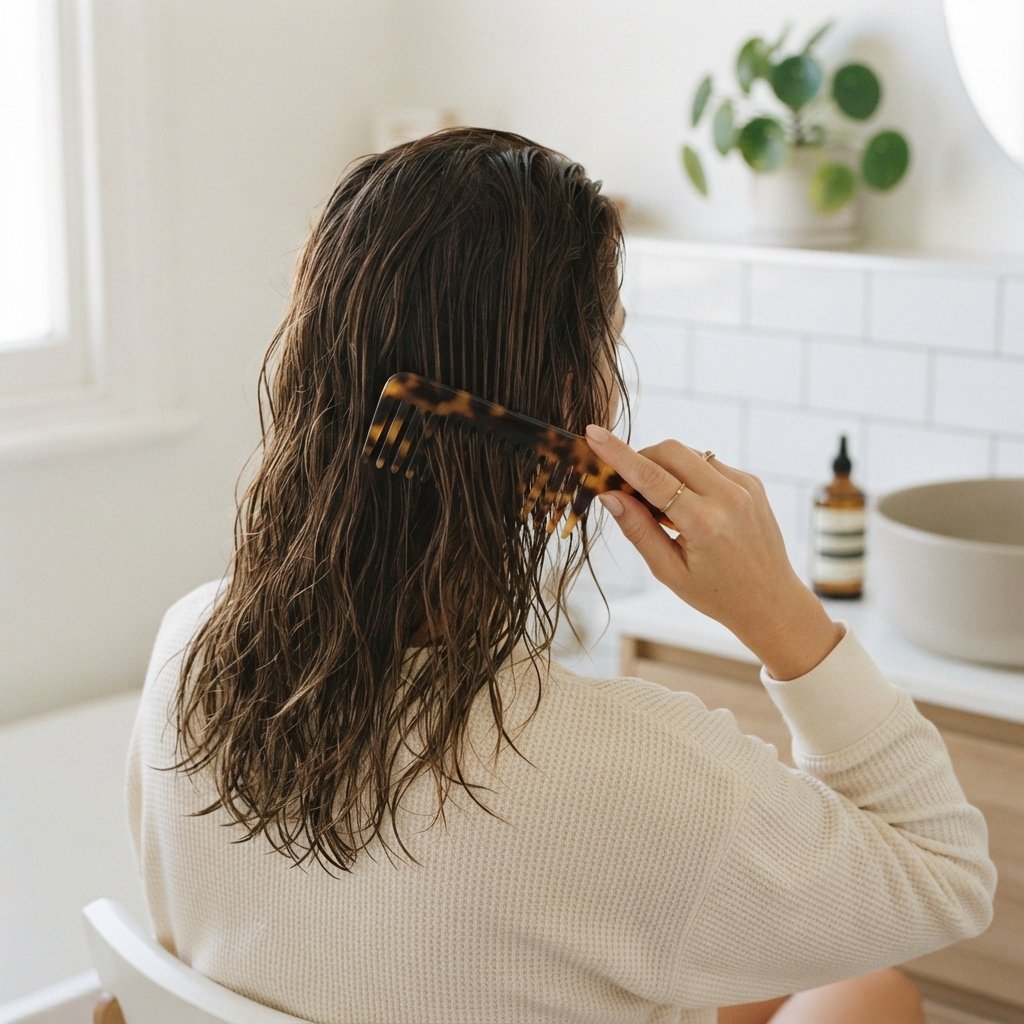
Brushing from the top down just pushes knots into bigger knots. Start at the bottom and work your way up.
And never brush dry, tangled hair with a bristle brush.
- Start with fingers or a wide-tooth comb
- Work in small sections from ends to roots
- Detangle on damp, conditioned hair
- Be patient — rushing costs hair
This is easily the most underrated tip on this list. Gentleness beats technique every time.
Tip 12: Feed Your Hair From the Inside

Hair is made of protein, and it needs iron, zinc, and vitamins to grow well. If your diet is low, your hair shows it first.
Real food beats powders almost every time.
- Protein: eggs, fish, beans, chicken
- Iron: leafy greens, red meat, lentils
- Healthy fats: avocado, nuts, olive oil
- Water: more than you think you need
Drink your water. Eat your greens. It sounds boring because it works.
How Often Should You Actually Wash Your Hair?

There’s no universal answer here, no matter what the internet says.
- Fine or oily hair: every 1 to 2 days
- Medium hair: every 2 to 3 days
- Thick, curly, or dry hair: once or twice a week
Washing less doesn’t magically grow hair, and washing more doesn’t make it fall out. What matters is using a gentle shampoo and not scrubbing your ends raw. Train your scalp slowly and let it adjust.
Skip the Tight Styles (Your Edges Will Thank You)

Traction alopecia is real. Tight ponytails, slicked-back buns, and glued-down edges can thin your hairline over time.
Look, I love a snatched bun too. Just not every day.
- Alternate your part and where you tie
- Use silk scrunchies or claw clips
- If it hurts, it’s too tight
- Give your hairline a break between sleek days
Even the polished old money hair look works better when it’s a little looser. Softness reads as expensive anyway.
The Truth About Growth Oils and Serums
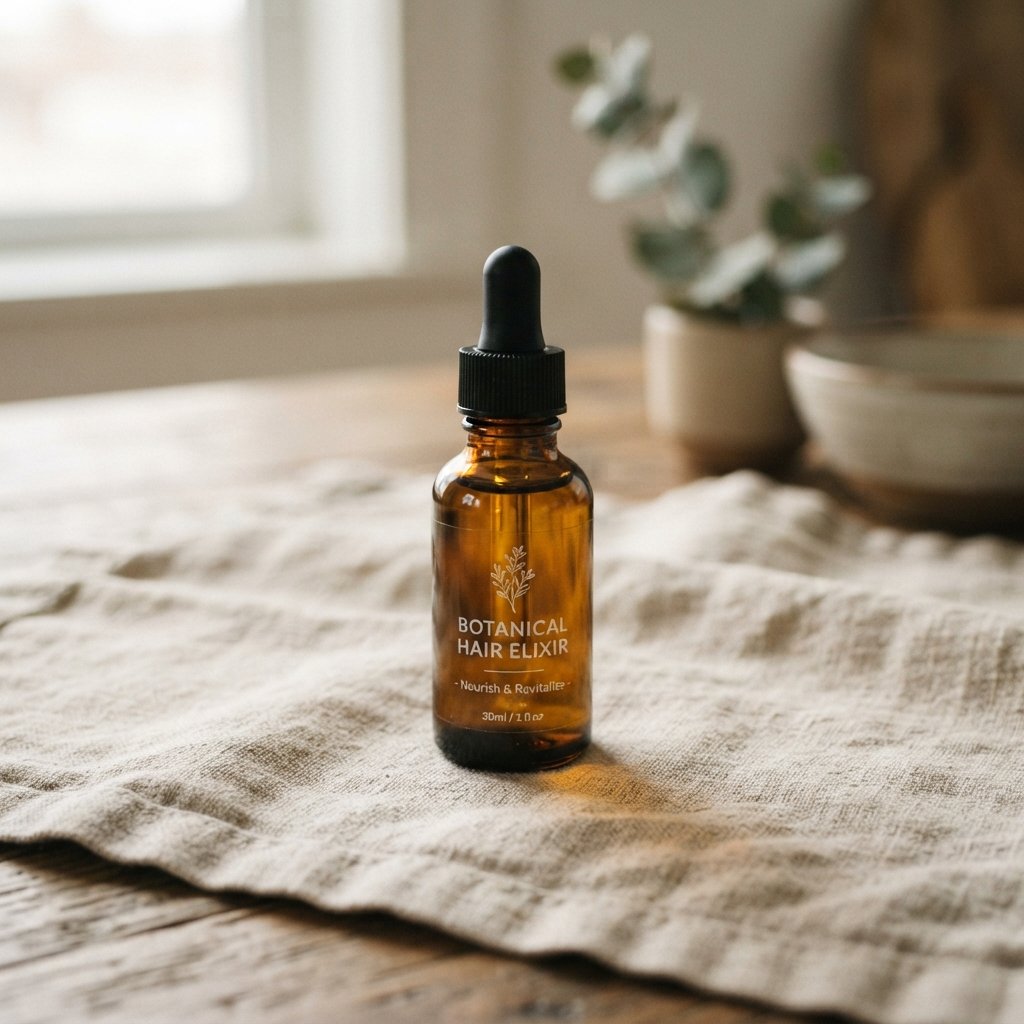
Most oils don’t grow hair. They seal moisture and make hair look glossy, which is genuinely nice. But that’s a different job.
Only a few ingredients have real research behind them for the scalp.
- Rosemary oil: promising, but dilute it
- Peppermint oil: may support circulation
- Coconut oil: great on ends, not a growth serum
Use oils for shine and softness, not as a magic length formula. They’re the finishing touch, not the engine.
Do Hair Supplements Actually Work?
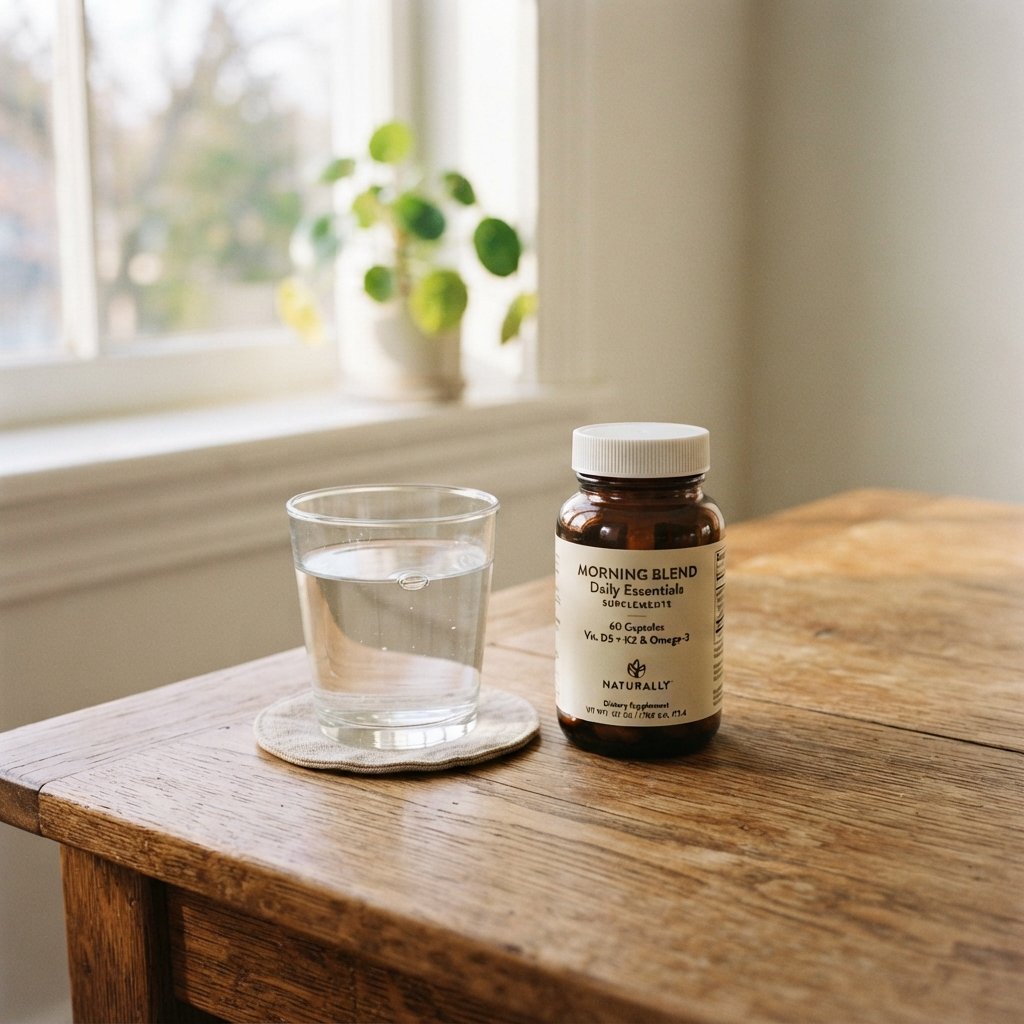
Short answer: they help if you’re actually deficient. If you’re not, they mostly give you expensive pee.
Skipping this step is fine unless a doctor says otherwise.
- Iron and vitamin D are the most common gaps
- Biotin helps few people, unless they’re low
- Get bloodwork before you spend
Talk to your doctor first. It’s cheaper than guessing, and you’ll actually know what your body needs.
Stress, Sleep, and Slow Hair Growth

Your hair is one of the first things your body cuts when you’re stressed or exhausted. It’s not vanity — it’s biology.
Hair growth happens while you rest.
- Aim for 7 to 9 hours of sleep
- Move your body a few times a week
- Try 5 minutes of deep breathing before bed
If you went through something hard a few months ago and your hair is shedding now, that’s normal. It usually recovers on its own. Be patient and kind to yourself.
Trendy Cuts You Can Wear While Growing Your Hair

Growing your hair doesn’t mean boring hair. Some of the best 2026 hairstyles actually work while you grow.
- Quiet luxury bob: blunt, glossy, low maintenance
- Asymmetrical lob: length in front, short in back
- Hime cut: straight sides with shorter face-framing pieces
- Vampire haircut: dramatic layers with soft movement
- Romantic goth hairstyles: soft waves with dark, rich tones
These shapes look intentional while the back quietly grows out. That’s the trick.
How to Style Trendy Hair Without Damage

Trendy looks can still be gentle. It’s all in the method.
- Start with heat-free volume — rollers, braids, or clips
- Add a little shine serum to damp ends
- Use low heat only where you need it
- Finish with a light mist, not a heavy spray
For glitchy glam hair, sleek center parts, and old money hair, the goal is polish over damage. Sleek doesn’t have to mean scorched. A little oil and a good brush do most of the work.
How Long Until You See Results?

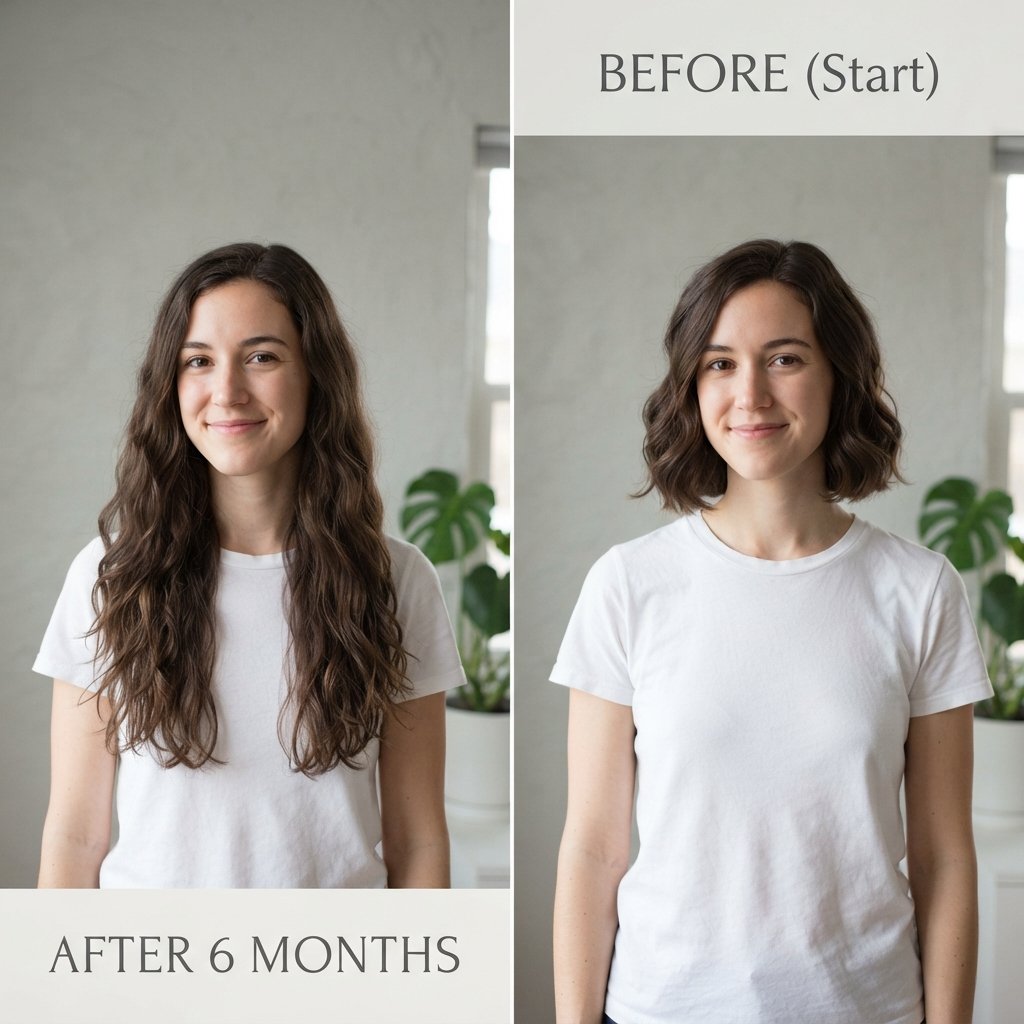
Realistically? Three to six months before you notice a difference. A full year before other people do.
Hair grows slowly, and there’s no shortcut around that.
- 1 month: hair feels healthier
- 3 months: less breakage, fewer split ends
- 6 months: visible length at your shoulders
- 12 months: noticeable to everyone else
Take a photo today. You’ll want the comparison later. It’s the only way to actually see progress.
A Simple Routine You’ll Actually Stick To
You do not need 14 products. You need four good habits.
- Wash your scalp 2 to 3 times a week
- Deep condition once a week
- Protect your hair at night
- Trim every 10 to 12 weeks
That’s it. Boring routines are the ones that work, because you actually keep doing them. Everything else is a bonus.
When to See a Professional

Sometimes it’s not your routine. Sudden shedding, patchy thinning, or a scalp that itches and burns deserves a real answer.
Don’t wait a year hoping it fixes itself.
- Sudden heavy shedding
- Bald patches or a widening part
- Scalp pain, flakes, or redness
- No growth after 6 months of solid care
See a dermatologist or trichologist. A blood test can answer in a week what guessing can’t answer in a year.
Before You Go, Sweet Friend
Long, healthy hair isn’t about one magic product. It’s about a hundred small gentle choices stacked up over months. Protect your ends, feed your scalp, and let time do its thing.
You’ve got this. Start with one tip today — the trim, the satin pillowcase, the scalp massage. One habit is enough to begin.
Save this post to Pinterest so you can come back on your next wash day. And tell me in the comments: which tip are you trying first? I read every single one, and I’d love to cheer you on.

