
Scrolling through your social feeds or spotting your favorite celebrities, you’ve undoubtedly seen it: that perfectly imperfect, textured, and impossibly cool short shag haircut. It’s not your grandmother’s shag—though it pays homage to its rebellious roots. This is a modern revival, a masterclass in effortless style that promises volume, movement, and a serious dose of attitude. But what is it about this particular cut that has everyone from Gen Z to stylish professionals flocking to the salon chair?
The short shag is more than just a haircut; it’s a statement. It’s for the person who values authenticity, ease, and a touch of rock-and-roll spirit. If you’re tired of flat, one-length hair or high-maintenance styles that require an arsenal of products, the shag might just be your hair’s new best friend. Let’s dive into the world of choppy layers, curtain bangs, and lived-in texture to uncover why this trend has captured our collective imagination.
The Modern Revival of a Classic Cut
To understand the current shag phenomenon, we have to take a quick trip back to the 1970s. Originally popularized by icons like Jane Fonda and Joan Jett, the shag was the epitome of counter-culture cool. It was choppy, it was layered, and it screamed freedom and nonconformity. For decades, it fell out of favor, often remembered as a dated, sometimes unkempt look.
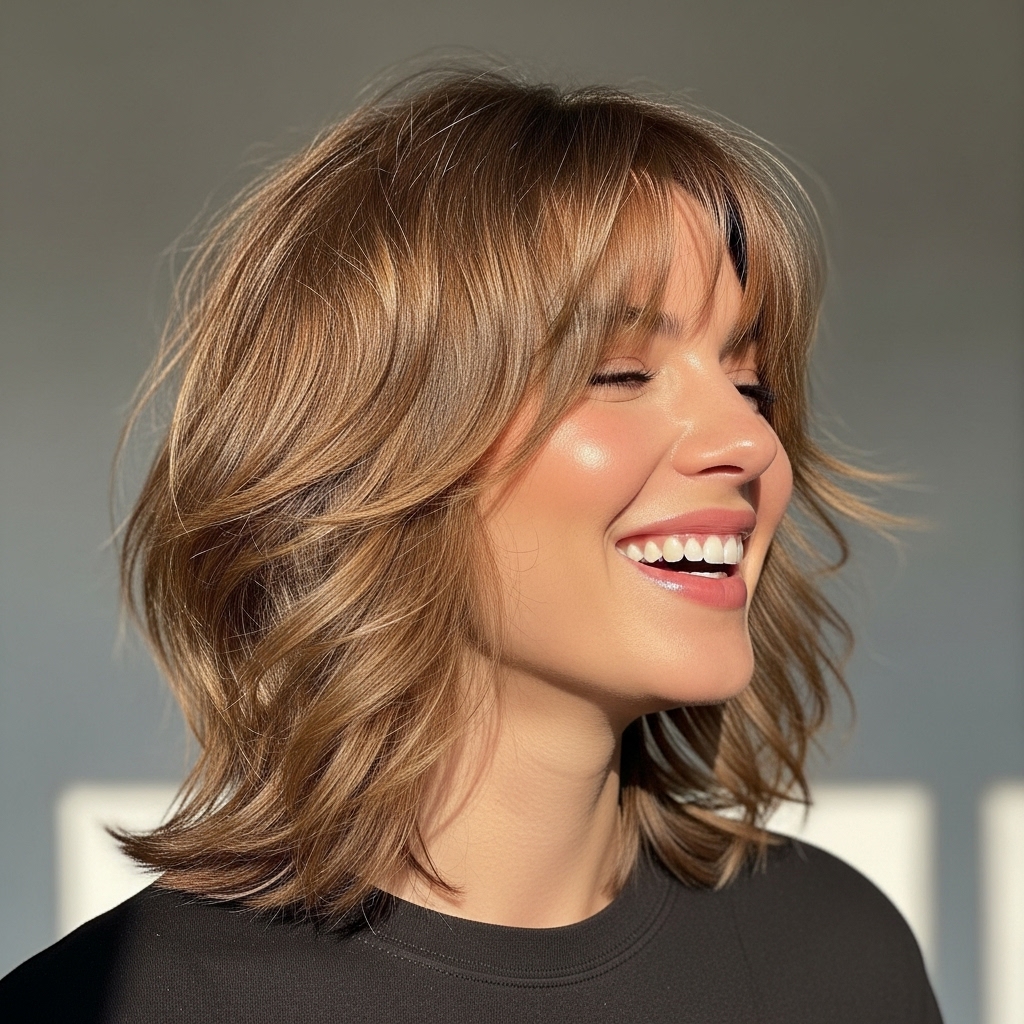
So, what sparked its triumphant return? The answer lies in our collective desire for low-maintenance, high-impact beauty. In a world where “effortless” is the ultimate compliment, the shag delivers. Stylists have ingeniously updated the classic silhouette, softening the layers, incorporating face-framing elements like curtain bangs, and focusing on creating texture rather than just volume. Today’s shag is less about a rigid shape and more about enhancing your hair’s natural movement and personality. Celebrities like Miley Cyrus, Scarlett Johansson, and Michelle Williams have all recently sported variations, proving its versatility and timeless appeal.
What Exactly Defines a Short Shag?
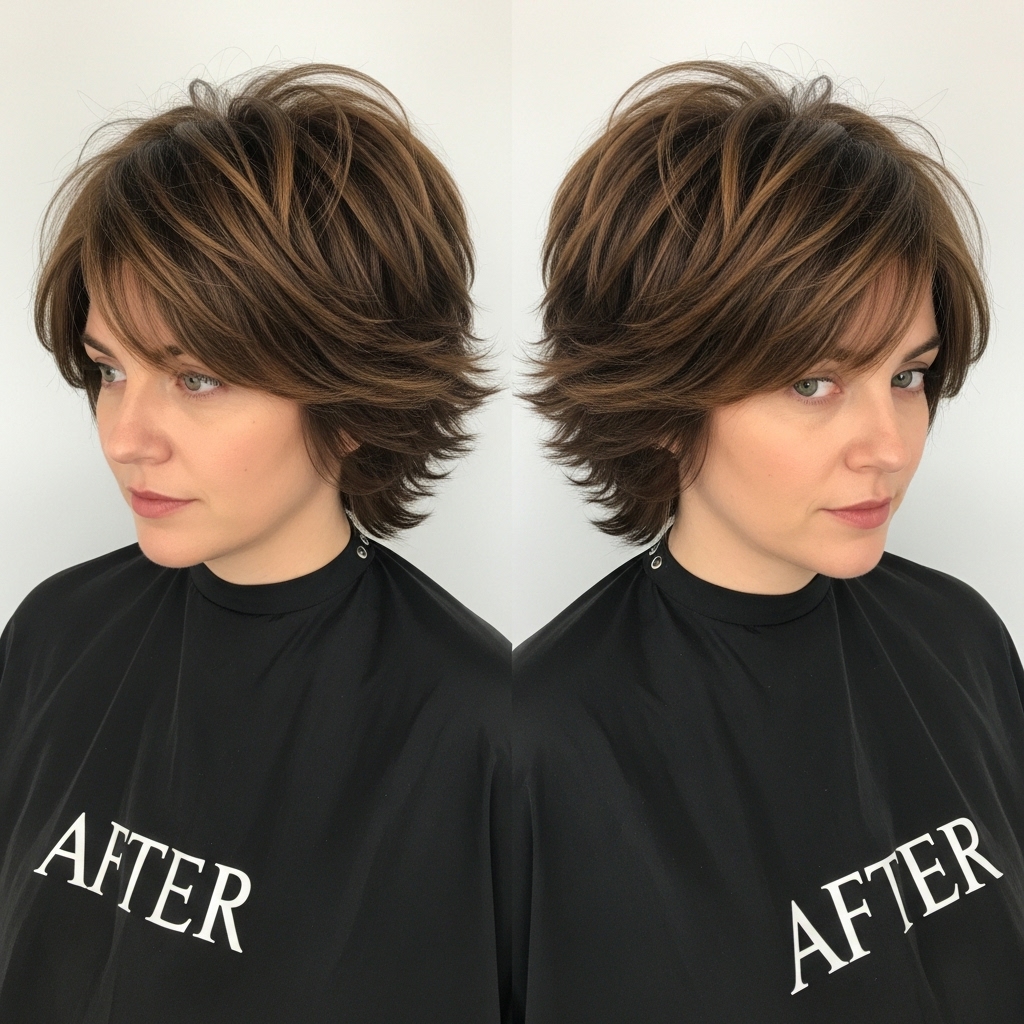
At its core, a short shag is a haircut built on layers—lots of them. But it’s the specific type and placement of these layers that create its signature look. Unlike a standard layered cut, a shag features heavily textured, choppy layers that are shorter on the crown and around the face, gradually getting longer towards the bottom. This technique is what gives the shag its incredible volume and that coveted “lived-in” feel.
Key elements include:
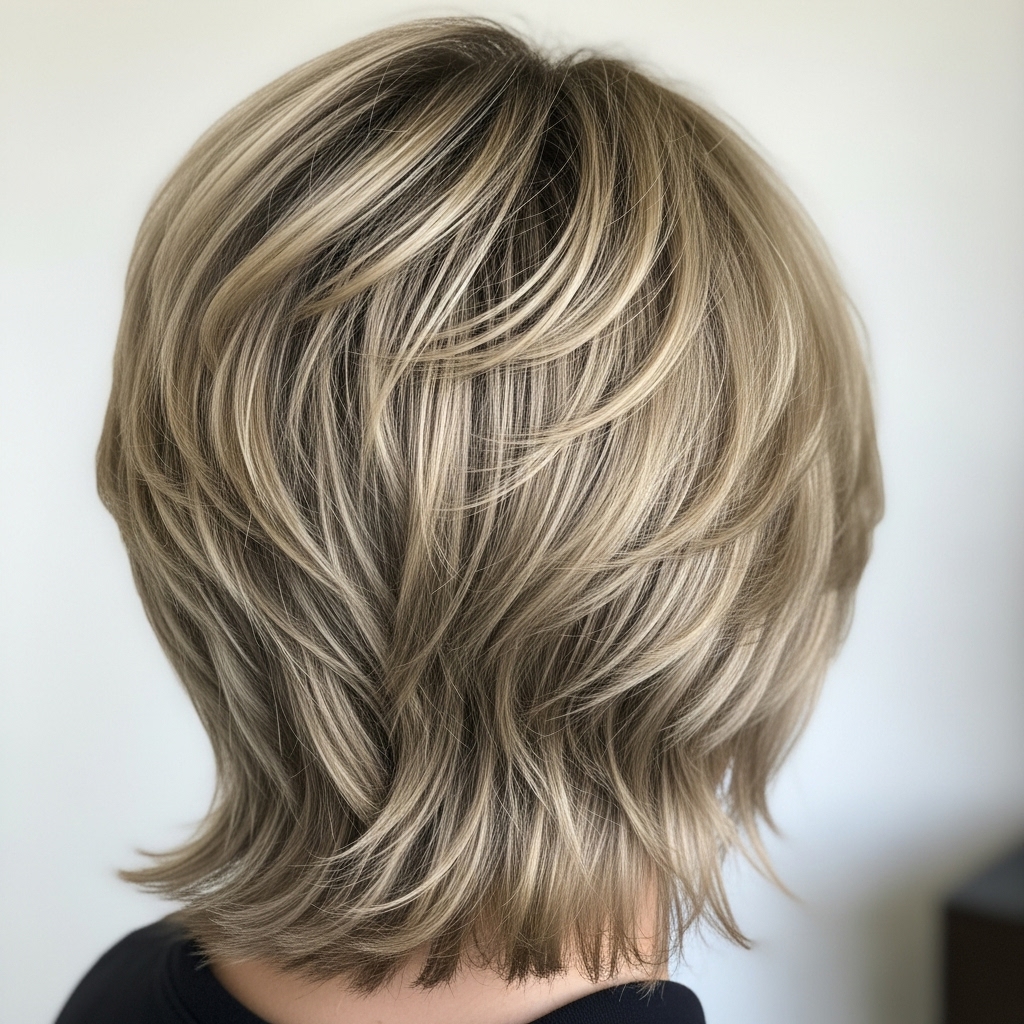
Textured Layers: The layers are cut with techniques like point cutting or razor cutting to remove weight and create a piecey, separation.
Face-Framing Bangs: Often, but not always, a shag comes with bangs. The most popular style is the curtain bang, which parts in the middle and elegantly frames the cheeks and jawline.
Choppy Ends: The ends of the hair are never blunt. They are feathered and uneven, which contributes to the overall texture and movement.
Internal Layers: What you don’t always see at first glance are the layers cut into the interior of the hair. These are the secret weapon for adding body and preventing the hair from falling flat.
The Undeniable Benefits of Going Short and Shaggy
Why should you consider taking the plunge? The benefits of this cut extend far beyond its aesthetic appeal.
First and foremost is volume, volume, volume. If you have fine or flat hair, the shag is a game-changer. By removing weight from the bottom and adding layers on top, it instantly creates the illusion of thicker, fuller hair. For those with thick hair, it’s equally magical, as it tames bulk and reduces frizz by distributing the hair’s density more evenly.
Secondly, it’s notoriously low-maintenance. While it might look like a style that requires a lot of work, the opposite is true. The shag is designed to air-dry beautifully. The texture and layers mean that a little messiness is part of the charm. A quick scrunch with some texturizing spray or mousse is often all you need to look perfectly undone.
Finally, it’s incredibly versatile and customizable. The shag isn’t a one-size-fits-all cut. It can be adapted to suit straight, wavy, and even curly hair types. It can be worn edgy and rocker-chic or soft and romantic. The length can vary from a chin-length bob shag to one that grazes the shoulders. It’s a collaborative canvas for you and your stylist.
Is the Short Shag Right for Your Face Shape and Hair Type?
One of the most common questions about any trending haircut is: “Will it work for me?” The good news is that the modern shag is remarkably adaptable.
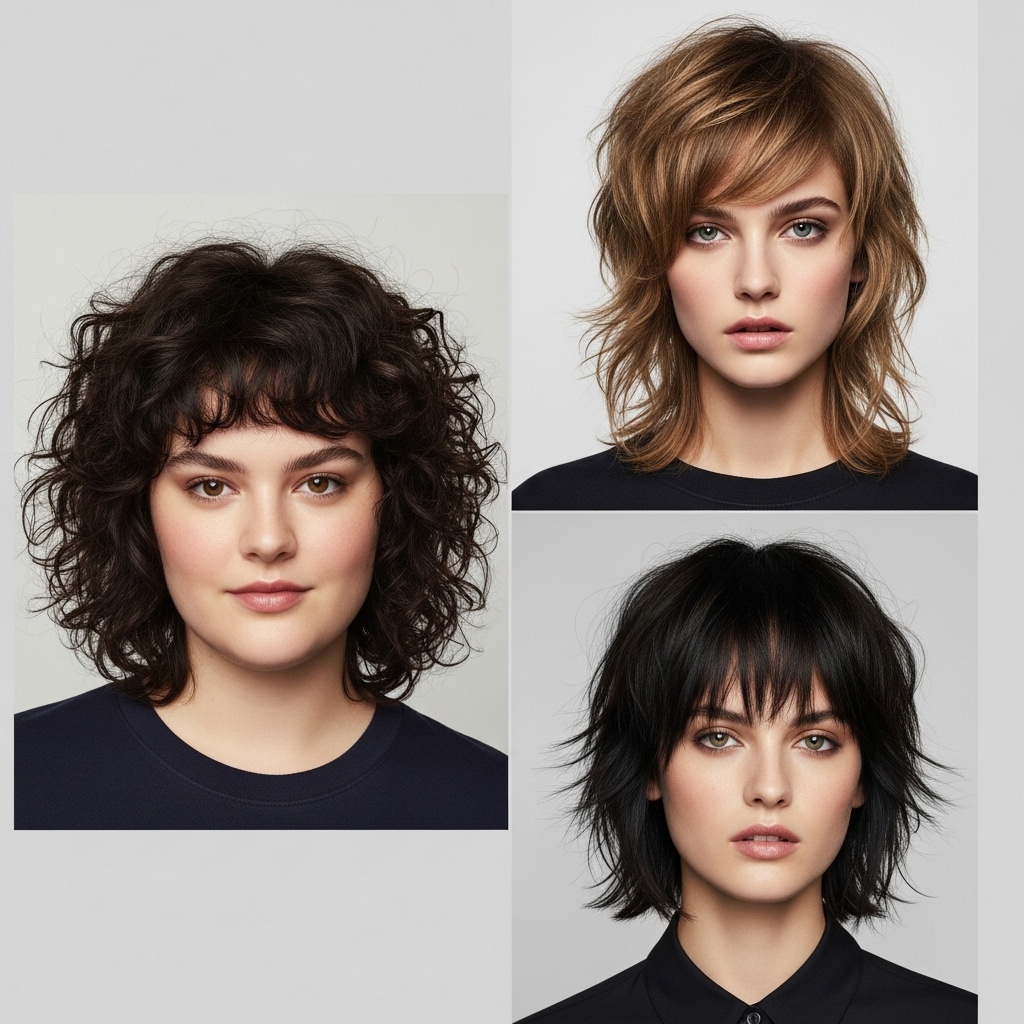
For Face Shapes: The genius of the shag lies in its face-framing layers. For round faces, longer layers that fall below the chin can help elongate the face. For square faces, soft, wispy bangs and layers that break up the jawline are ideal. Oval faces are the most versatile and can carry almost any variation of the cut. The key is communicating with your stylist to ensure the layers are tailored to highlight your best features.
For Hair Types: As mentioned, the shag is a friend to many textures. Wavy and curly hair truly shines with this cut, as the layers enhance the natural pattern and reduce triangular bulk. For straight hair, the shag injects much-needed movement and body. Even those with thick, coarse hair can benefit, as the strategic removal of weight makes the hair more manageable and less prone to puffiness.
How to Style and Maintain Your Short Shag
Embracing the shag life means embracing texture. Your styling routine becomes less about sleekness and more about enhancing the cut’s inherent piecey-ness.
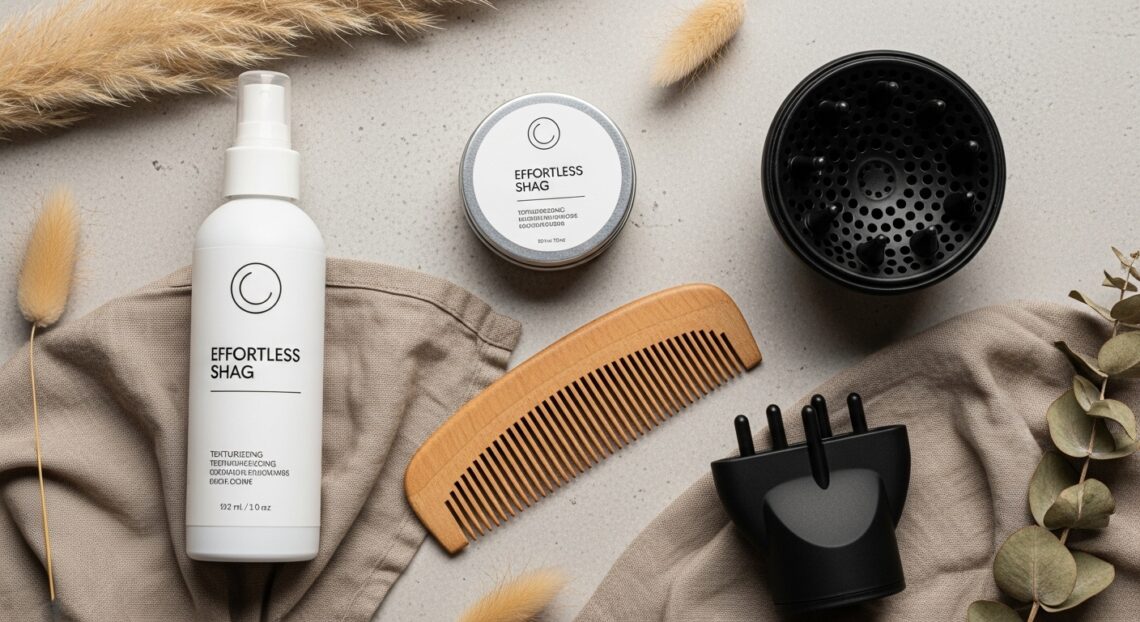
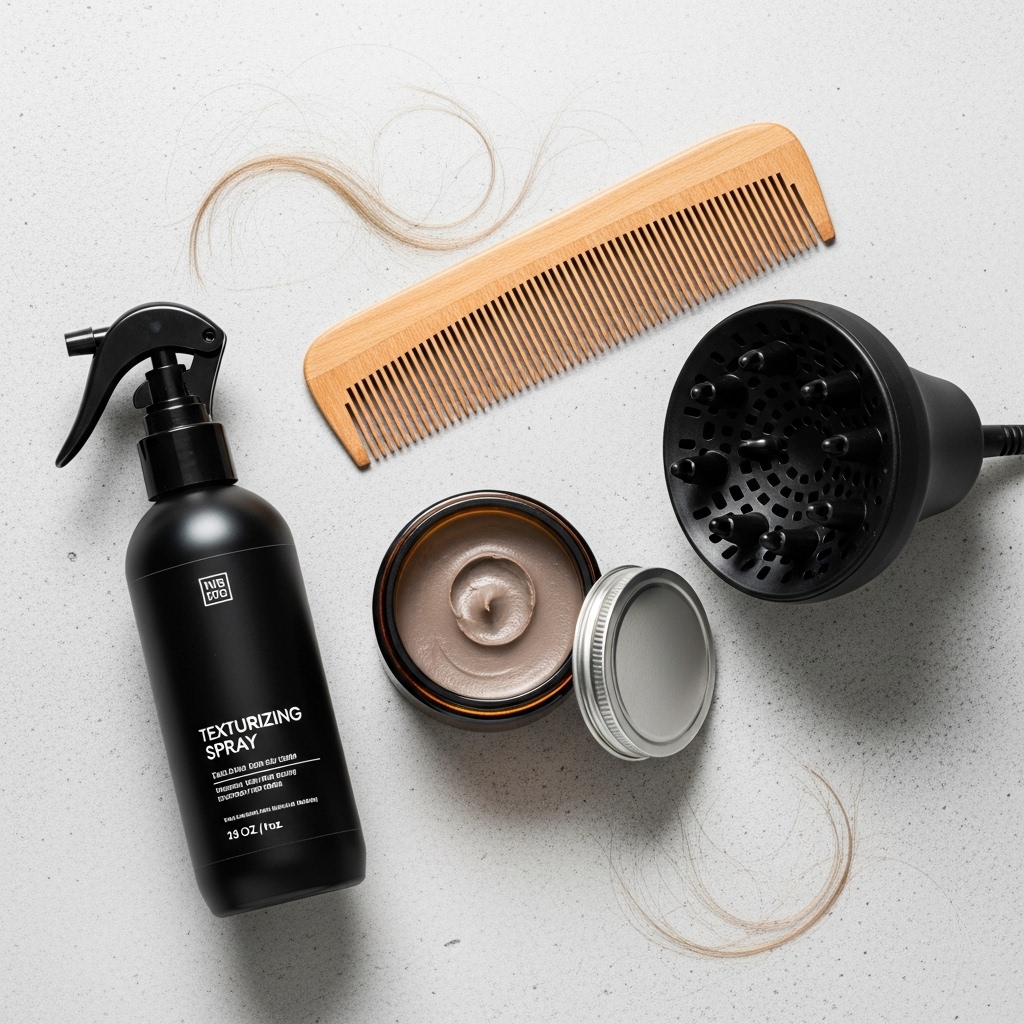
Start with a good texturizing spray or sea salt spray. Apply it to damp hair, scrunching your hair from the ends up to the roots. Then, let it air dry. You’ll be amazed at how the layers naturally separate and fall into place. For a more defined look, you can use a diffuser on a low heat setting.
To add a bit of polish or piecey definition, a matte pomade or wax is your best friend. Take a tiny amount, rub it between your fingers, and gently pinch and pull at the ends of your layers and bangs. This emphasizes the separation and gives you that cool, “I just woke up like this” vibe.
Maintenance is key. To keep a shag looking its best, you’ll need trims more frequently than with a blunt cut—approximately every 6-8 weeks. This isn’t because of split ends, but to maintain the shape and prevent the layers from growing out and losing their definition.
Finding Your Signature Shag: Inspiration and Ideas
Ready to bring inspiration to your stylist? The short shag has many beautiful iterations.
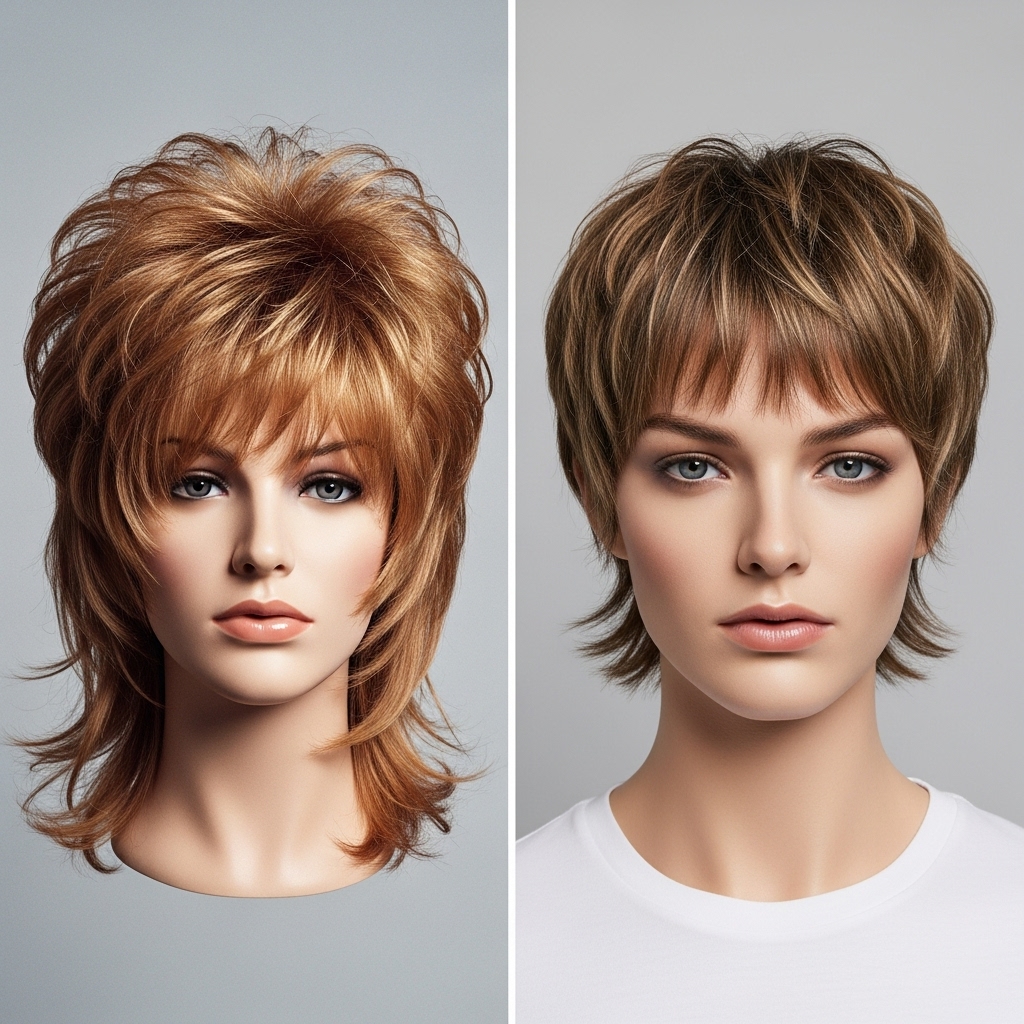
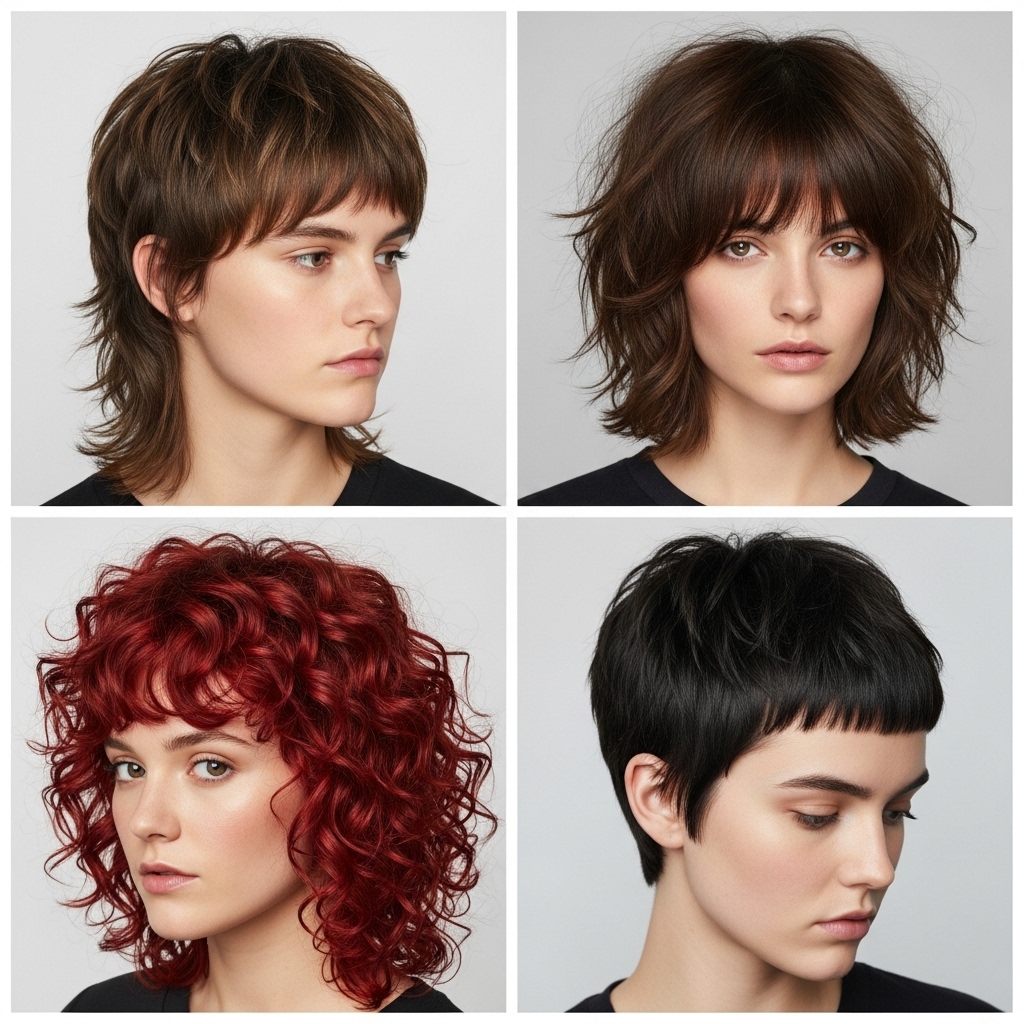
The Mullet Shag: A bolder, more androgynous take that is shorter in the front and longer in the back. It’s a high-fashion statement that’s all about attitude.
The Shaggy Bob (The “Shob”): A perfect entry point into the trend. This is a classic bob length infused with shag layers and texture, offering a chic and manageable style.
The Curly Shag: An absolute dream for curly girls. This version celebrates natural curl patterns by cutting layers that allow curls to spring up with life and definition, eliminating the dreaded “pyramid” shape.
The Micro Shag: For the truly adventurous, this is a very short, punk-inspired version with lots of texture and often paired with a full fringe.
No matter which direction you lean, the most important thing is to find a stylist who understands the anatomy of a modern shag. Look at their portfolio for evidence of textured, layered cuts to ensure you’re in good hands.
Embrace the Effortless Cool
The short shag haircut is more than a fleeting trend; it’s a celebration of individuality, texture, and easy beauty. It’s a cut that works with you, not against you, encouraging your hair to be its most authentic self. It breaks the rules of perfectionism in the best way possible, proving that a little chaos can be incredibly chic.
So, if you’re looking for a change that promises volume, style, and a liberating dose of low-maintenance appeal, the short shag might just be the trend you’ve been waiting for. It’s the haircut that everyone is talking about for a reason—it’s simply that good.

