
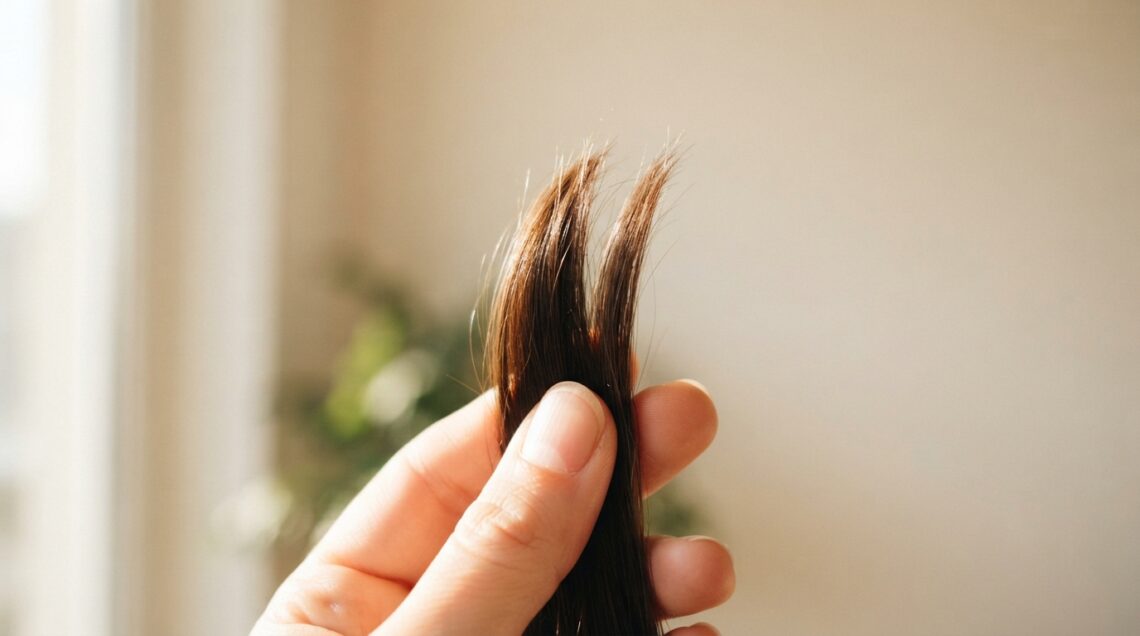
Hey, it’s Hailey. If you’ve been chasing long, healthy hair and feel like trims are setting you back, I get it. I used to skip appointments for months because I thought every tiny cut meant less length. Then my ends got thin, stringy, and impossible to style.
Here’s the truth: regular trims are not the enemy of long hair. They’re the secret. They keep split ends from climbing up, make every 2026 hairstyle look intentional, and help your hair stay full from root to tip.
In this post, I’m breaking down why trims are non-negotiable, how often to book them, and what to ask for. You’ll also see how fresh ends elevate everything from old money hair to a quiet luxury bob, romantic goth hairstyles, glitchy glam hair, an asymmetrical lob, vampire haircut, and hime cut.
Let’s make your grow-out plan simple, pretty, and actually work.
Trims Stop Split Ends From Traveling
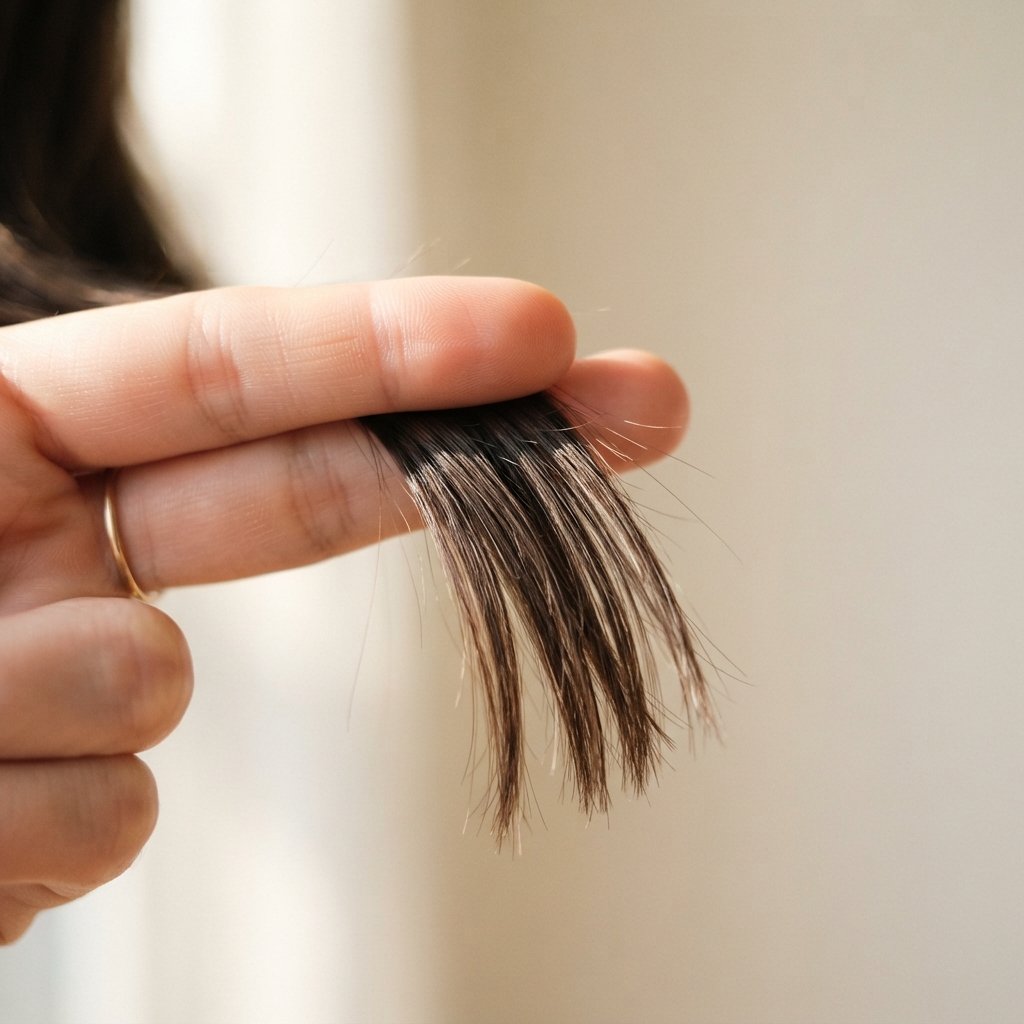
Split ends are like tiny cracks in a rope. Leave them alone, and they keep splitting upward until your hair looks thin and fragile.
A regular trim removes the damaged tip before it becomes a bigger problem. That means your length stays stronger as it grows.
- Less tangling at the ends
- Fewer knots after washing
- More even thickness over time
If you want long hair in 2026, don’t wait for a big chop. Tiny maintenance cuts protect the length you’re working so hard to keep. Think of it as editing, not erasing. Your ends will feel smoother too.
The Hair Growth Myth That Keeps You Stuck

Myth: trims make your hair grow slower. Truth: hair grows from the scalp, not the ends. Trimming doesn’t change your growth rate, but it changes how your length looks and feels.
If your ends are splitting, your hair can still grow at the root while breaking off at the bottom. That’s why some people feel stuck at the same length for months.
- Root growth = genetics, health, hormones
- End retention = care, trims, gentle styling
- Visible length = both working together
Regular trims help you retain length. That’s the real glow-up. Once I understood this, I stopped fearing the salon.
How Often You Really Need a Trim

Every six to eight weeks works for most people with fine or damaged hair. If your hair is healthy and you wear it mostly down, ten to twelve weeks can be fine.
Your routine matters. Hot tools, bleach, tight styles, and rough brushing mean more frequent dusting. Gentle care means you can stretch it a bit.
- Check your ends monthly in good light.
- Book a trim when they feel rough or look see-through.
- Ask for a dusting if you’re not ready to lose visible length.
Your hair doesn’t need a strict calendar. It needs a stylist who listens. And your ends need a plan.
What to Ask Your Stylist for

Don’t just say “a trim.” Be specific so you leave happy. Tell them your goal: long, healthy, even ends with shape.
- “Please dust the split ends, not my length.”
- “Keep my overall shape but clean the perimeter.”
- “I’m growing out an asymmetrical lob, so keep the front longer.”
- “I want a quiet luxury bob vibe, but I’m not ready to chop.”
Bring photos. Mention your 2026 hairstyles inspiration. A good stylist can protect your growth while making your hair look polished. Clear communication is everything. It saves so much regret.
Dusting vs Full Trim

Dusting removes only the tiniest amount of hair, often less than a quarter inch. It’s perfect for maintaining healthy ends while growing length.
A full trim removes more, usually half an inch to two inches. It’s better when your ends are uneven, damaged, or thin from old layers.
- Dusting = maintenance and length retention
- Full trim = reset and shape
- Big chop = major damage or major change
Most long-hair girls rotate between dusting and full trims. Ask which one your hair actually needs. Don’t let fear keep you from healthy ends.
Why Long Hair Needs Shape, Not Just Length

Long hair can look flat if it’s all one blunt weight. A little shape around the face keeps it fresh and modern, especially with 2026 hairstyles leaning soft and intentional.
Trims create movement, remove bulk where it drags, and keep the ends from looking stringy. You can stay long and still have a style.
- Face-framing pieces for softness
- Light layers for movement
- Blunt ends for an old money hair look
Shape is what makes people ask if you just left the salon. Length is lovely, but shape is what makes it look expensive. Even one inch of shaping can change everything.
Trims Make 2026 Hairstyles Look Intentional

2026 hairstyles are all about quiet polish: soft texture, clean lines, and hair that looks cared for. Even messy styles need healthy ends to look chic instead of tired.
A fresh trim takes your look from “I’m growing it out” to “I meant to do that.” It’s the difference between a trend and a mess.
- Old money hair needs smooth, even ends
- Glitchy glam hair needs crisp texture
- Romantic goth hairstyles need defined layers
Book the trim. Your future self will thank you. Trends change, but healthy ends always look good. A dusting counts.
Old Money Hair and the Polished Ends Rule

Old money hair is never frayed. It’s glossy, healthy, and quietly expensive-looking. The secret isn’t a huge cut. It’s consistent tiny trims.
Think smooth blowouts, soft bends, and ends that reflect light. Split ends scatter light and make hair look dull, no matter how much serum you use.
- Trim every 8 weeks for polished ends
- Use a heat protectant before blowouts
- Sleep on silk to reduce friction
That’s quiet luxury in real life. Simple, steady, beautiful. You don’t need to spend a fortune, just stay consistent. Polished ends do the heavy lifting.
Quiet Luxury Bob Maintenance

A quiet luxury bob looks best when the baseline stays sharp. Even if you’re growing it into an asymmetrical lob, regular trims keep the shape from turning shaggy.
Ask for a clean perimeter and soft interior layers. This keeps the bob elegant, not bulky. It also helps the grow-out phase look intentional.
- Trim every 6–8 weeks
- Keep the back neat while front grows
- Use a round brush for smooth ends
If you love the quiet luxury bob, maintenance is the price of polish. It’s worth it. The right cut makes styling easier every morning.
Romantic Goth Hairstyles Need Clean Ends

Romantic goth hairstyles mix dark romance with soft texture. Think long layers, face-framing pieces, and ends that move. Frayed ends kill the mood fast.
Trims keep layers defined so your hair looks moody and elegant, not just overgrown. They also make styling with clips, ribbons, and braids easier.
- Dust ends every 6 weeks if you heat style
- Keep face-framing pieces sharp
- Refresh layers every 3 months
Healthy ends make the whole look feel intentional and a little bit magical. A fresh trim keeps the romance alive. Don’t skip the ends just because the top looks good.
Glitchy Glam Hair Thrives on Fresh Cuts

Glitchy glam hair is edgy, textured, and full of contrast. It often uses blunt lines, disconnected layers, or sharp baby bangs. That kind of style needs precision.
When ends get split, the texture turns fuzzy instead of cool. Regular trims keep the edges crisp so the glitch looks deliberate.
- Maintain blunt lines every 6 weeks
- Trim bangs every 2–3 weeks
- Use lightweight texture spray, not heavy wax
If you want the vibe, protect the cut. Fresh edges make the whole look more editorial. Ask your stylist for a precise dusting.
Asymmetrical Lob Grows Out Better With Trims

The asymmetrical lob is gorgeous, but it can get awkward as it grows. One side gets heavier. The shape shifts. Ends start to look uneven.
Regular trims keep the angle clean while letting you gain length. You don’t have to chop back to the start every time.
- Ask for a “grow-out trim.”
- Keep the shorter side intentional.
- Dust the longest points monthly if needed.
With the right maintenance, an asymmetrical lob can become a stunning long layered cut. Stay patient and keep the shape sharp. It’s one of the prettiest grow-out paths.
Vampire Haircut and Sharp Ends

The vampire haircut is all about drama: strong layers, sleek volume, and ends that look almost sharp. It lives somewhere between romantic goth and old money mystery.
When your ends split, that sharpness disappears. The cut starts looking worn out instead of cinematic.
- Trim every 6–8 weeks
- Keep layers point-cut and fresh
- Use serum only on ends, not roots
Clean ends make the vampire haircut feel expensive and intentional. A little maintenance keeps all the drama. Don’t wait until the shape is lost.
Hime Cut and Blunt Line Maintenance

The hime cut relies on strong lines: blunt bangs, side pieces, and long straight back sections. It’s beautiful, but it’s not a low-maintenance style.
Regular trims keep those lines crisp. Without them, the hime cut can lose its signature shape and look grown out.
- Trim bangs and side pieces every 2–3 weeks
- Refresh the back every 8–10 weeks
- Use a flat iron on low heat for sleekness
If you love the hime cut, consistency is everything. The clean lines are the whole point. So protect them. A tiny trim makes a big difference.
How Trims Support Healthy Hair Growth

Trims don’t make hair grow from the root, but they help you keep the length you gain. Healthy ends mean less breakage, fewer tangles, and more visible progress.
Think of your hair like a garden. You don’t just water the roots. You also prune the dead bits so the whole plant thrives.
- Less breakage = more retained length
- Cleaner ends = easier detangling
- Even shape = better styling
That’s why trims are non-negotiable for long, healthy hair. Growth is good. Retention is better. And retention is where trims shine.
Products and Habits That Pair With Trims

Trims work best when your daily routine supports them. You can’t cut your way out of rough handling and expect long hair.
Be gentle. Use a wide-tooth comb. Don’t rip through knots. Keep heat tools on low and always use protectant.
- Bond-building mask once a week
- Leave-in conditioner on damp ends
- Silk pillowcase or satin bonnet
- Microfiber towel instead of rough rubbing
Small habits keep your fresh ends fresh longer. It’s the little things that add up to long hair. Consistency beats expensive products.
DIY Trim Warning
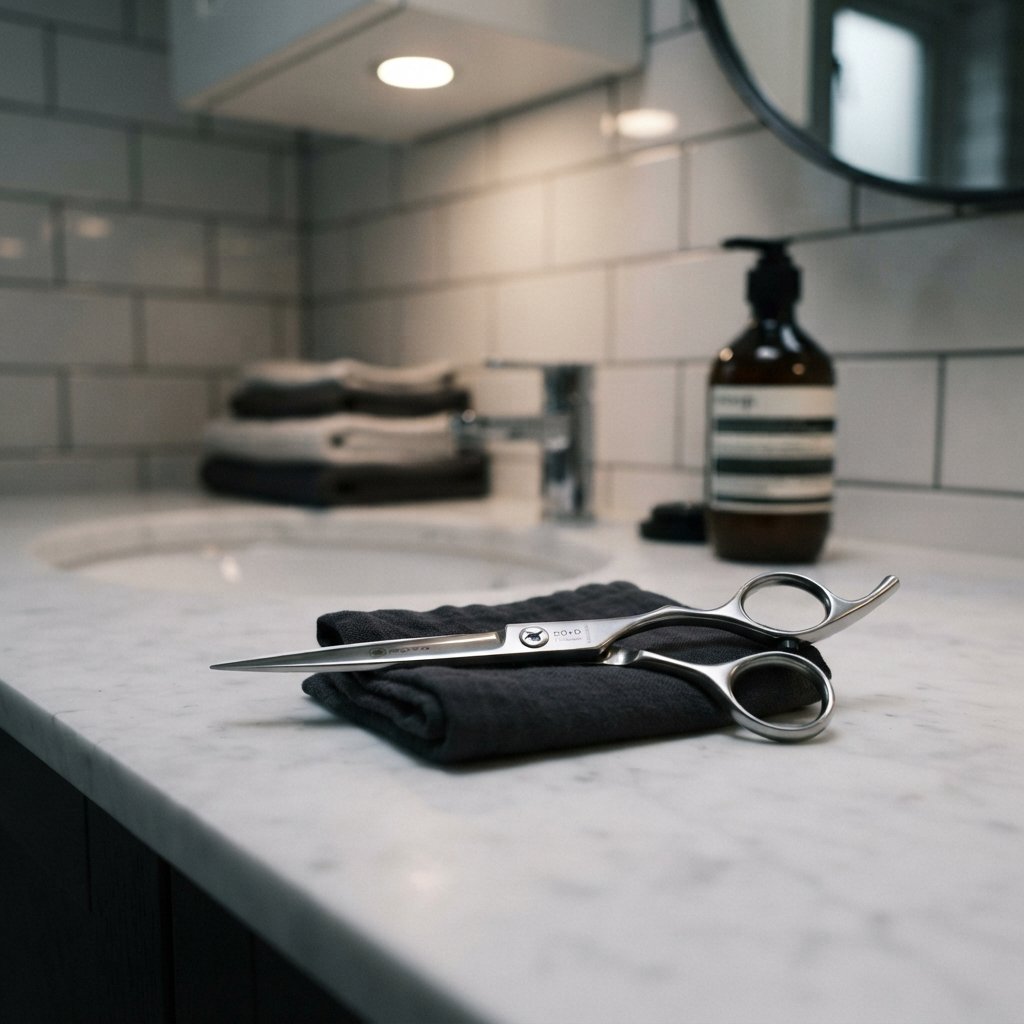
I get the temptation. Salon appointments cost money, and YouTube makes DIY trims look easy. But one wrong angle can create uneven ends that take months to fix.
If you must trim at home, only dust the very tips. Use sharp hair shears, not kitchen scissors. Never cut wet hair unless you know exactly how it dries.
- Good for: single split-end dusting
- Bad for: layers, bobs, hime cuts, asymmetrical lobs
For anything with shape, see a pro. Your future length depends on it. A bad trim can set you back further than a good one. So be honest about your skills.
Finding a Stylist Who Gets Long Hair Goals

Not every stylist loves long hair. Some are scissor-happy. You need someone who respects your goal and understands “healthy length” means both words.
Book a consultation first. Ask how they maintain long hair. Show photos. Be clear about how much you’re willing to lose.
- They listen before they cut
- They show you how much they’ll trim
- They suggest dusting before chopping
The right stylist becomes your grow-out partner, not your setback. Good communication protects your length. Don’t be shy about your goals. You’re allowed to say no.
Seasonal Trim Schedule for 2026

Your hair changes with the seasons. Summer means sun, salt, and chlorine. Winter means dry air and static. Both can rough up your ends.
A simple 2026 plan: dust in early spring, full trim in summer, dust in fall, and a shape refresh in winter. Adjust based on heat styling and color.
- March: dust ends, keep length.
- June: full trim before beach days.
- September: dust after summer damage.
- December: shape refresh for holiday styles.
A seasonal rhythm makes trims feel less random. Your hair will love the routine. It also helps you budget. And it keeps your ends healthy all year.
Breakage vs Split Ends: Know the Difference

Split ends happen at the tip. Breakage happens anywhere along the strand. Both make hair look thin, but they need different fixes.
Trims remove split ends. Breakage needs gentler handling, protein/moisture balance, and less tension. If your hair snaps mid-shaft, a trim alone won’t solve it.
- Split ends: frayed, white dots, fairy knots
- Breakage: short pieces, uneven sections, snapping
Address both. Trim the tips, then fix the routine. Know the difference and your hair will recover faster. Don’t blame length for a care issue.
Trims and Heat Styling Balance

If you use hot tools, your ends age faster. That doesn’t mean you can’t style your hair. It means your trim schedule needs to be a little tighter.
Use heat protectant every single time. Keep irons under 350°F. Don’t flat-iron dirty hair or repeat passes over the same section.
- Heat style 1–2 times a week max
- Trim every 6–8 weeks
- Deep condition weekly
Balance is how you keep your 2026 hairstyles looking fresh without losing length. A little discipline goes a long way. Your ends will stay smoother.
Protecting New Growth Between Appointments
Between trims, your job is simple: protect the ends. They’re the oldest part of your hair and the first to show damage.
Wear loose braids or claw clips instead of tight ponytails. Moisturize ends nightly. Avoid rough brushing when hair is wet.
- Sleep on silk
- Seal ends with light oil
- Detangle from bottom to top
- Get regular dustings
Then your next trim is just maintenance, not damage control. That’s how you keep length and health at the same time. Small choices protect big progress.
One Last Love Note
Regular trims are not a setback. They’re the quiet secret behind long, healthy hair that actually looks good while you grow it. Whether you’re dreaming of old money hair, a quiet luxury bob, romantic goth hairstyles, glitchy glam hair, an asymmetrical lob, a vampire haircut, or a hime cut, clean ends make every look better.
Start small. Book a dusting. Ask for a grow-out trim. Keep your routine gentle. Then watch how much faster your hair feels like it’s growing.
Save this post to Pinterest so you remember your next trim. And tell me in the comments: are you team dusting, full trim, or big chop?

