

If you are staring at your part line and wondering why it looks wider than it did last year, you are not alone. I have been there too, and I know how scary it feels when your hair starts thinning. The good news? Most thinning has a reason, and many causes are fixable.
Maybe it is stress, hormones, tight hairstyles, or a simple nutrition gap. Maybe it is just your hair cycle doing its thing. Either way, you deserve real answers, not panic.
Below, I am breaking down why your hair may be thinning and the exact steps that can help you stop it. We will talk scalp care, treatments, and flattering 2026 hairstyles like the quiet luxury bob and asymmetrical lob. Let’s get your confidence back, one strand at a time.
Why Is My Hair Thinning? Start Here

Shedding 50 to 100 hairs a day is normal. Thinning is different. It is when your overall density drops, your part looks wider, or your ponytail feels smaller. It usually happens slowly, so you may not notice until photos or your scalp tell the story.
Most thinning comes from a mix of genetics, hormones, stress, nutrition, and styling habits. The fix is rarely one miracle product. It is a few smart changes repeated over time.
- Wider part line
- More scalp visible at the crown
- Thinner ponytail
- More hair in the shower drain
The Most Common Causes of Thinning Hair
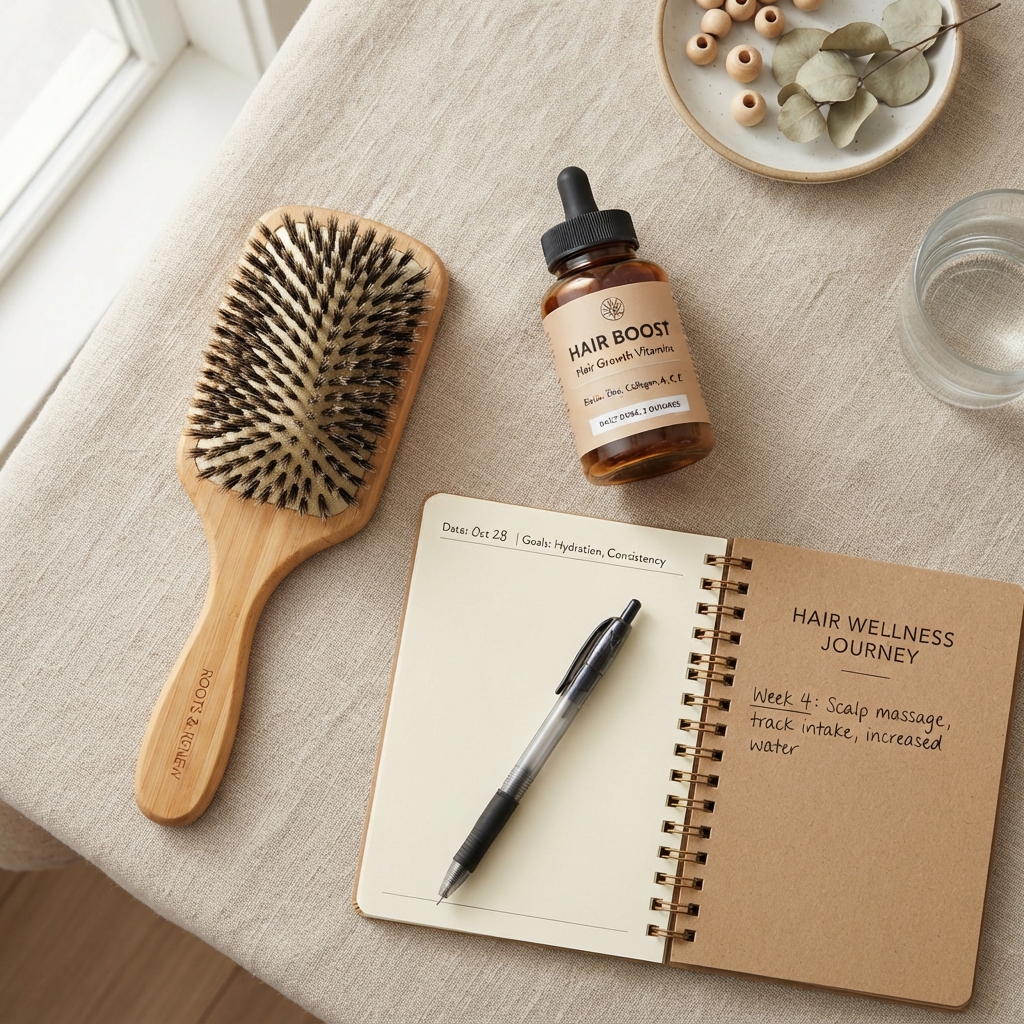
If you want the short answer, most thinning falls into a few buckets. Knowing your bucket helps you stop guessing.
- Genetics: female pattern hair loss
- Hormones: thyroid, PCOS, menopause, postpartum
- Stress: physical or emotional shock
- Nutrition: low iron, protein, vitamin D, zinc
- Styling: tight braids, hot tools, bleach
You can have more than one cause. That is why a doctor visit and bloodwork can be so helpful. Once you know what you are dealing with, you can build a plan that actually works.
Is It Shedding or Real Thinning?
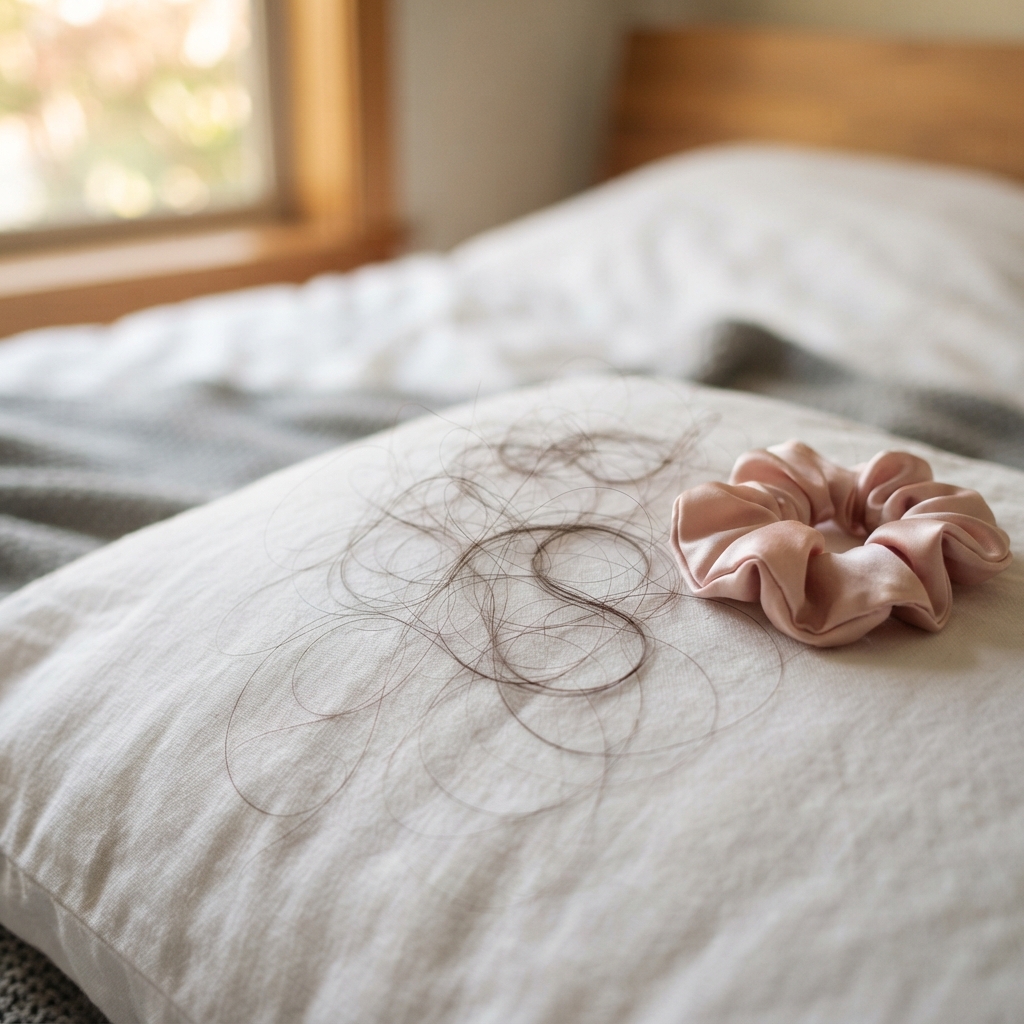
Shedding is temporary. Thinning is a trend. If you are losing more hair after stress, illness, or childbirth, it may be telogen effluvium. It often peaks a few months later and improves.
Real thinning tends to stick around and slowly changes your density. Check your part in the same light each month. Look at your hairline and crown.
- Sudden shedding? Check stress, illness, meds.
- Slow widening part? Think genetics or hormones.
- Patchy spots? See a dermatologist.
Hormones, Stress, and Your Hair Cycle

Your hair grows in cycles. Stress can push more follicles into the resting phase, so months later you shed more. Hormone shifts can also shrink follicles over time.
Common players include thyroid issues, PCOS, menopause, and postpartum changes. Even poor sleep and high cortisol can make your scalp unhappy.
- Prioritize 7 to 8 hours of sleep.
- Move your body most days.
- Ask your doctor about thyroid and hormone panels.
- Manage stress with therapy, journaling, or walks.
Nutrition Gaps That Show Up in Your Hair
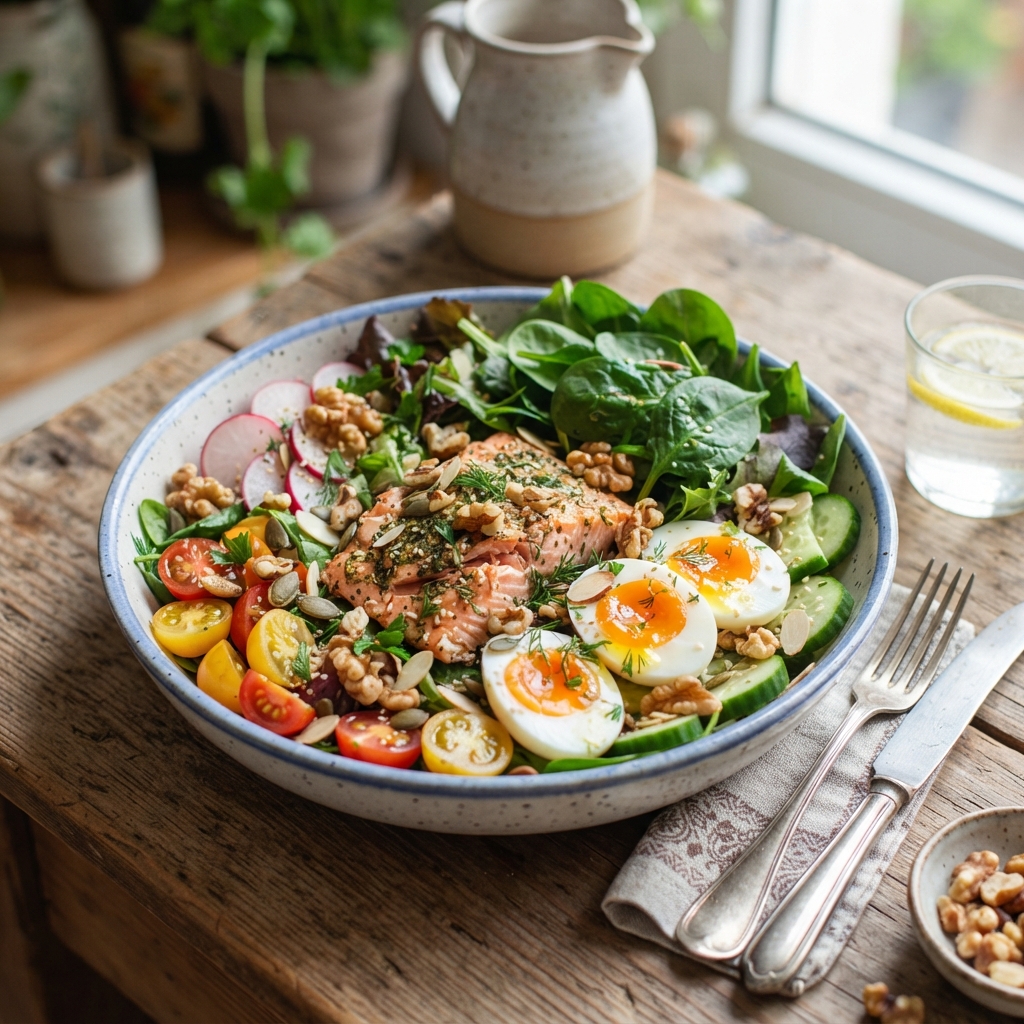
Hair is not a vital organ, so when your body is low on nutrients, hair is one of the first things to suffer. Low iron, protein, vitamin D, zinc, and B12 are common culprits.
Do not mega-dose. More is not better. Food first, then test, then supplement with your doctor.
- Protein: eggs, salmon, chicken, beans, tofu
- Iron: lentils, spinach, red meat, fortified cereal
- Vitamin D: sunlight, fatty fish, fortified dairy
- Zinc: nuts, seeds, beef, chickpeas
Tight Hairstyles and Traction Thinning

If your hairstyle hurts, it is too tight. Repeated tension can cause traction alopecia, especially around the hairline and temples. Over time, it can become permanent.
Give your hair breaks. Alternate your part. Skip super tight ponytails, braids, and heavy extensions for a while. If you catch it early, hair often grows back. Once follicles scar, it is much harder.
- Use silk scrunchies or claw clips.
- Ask for looser braids.
- Never sleep in tight styles.
- Switch your part every few days.
Heat, Color, and Chemical Damage
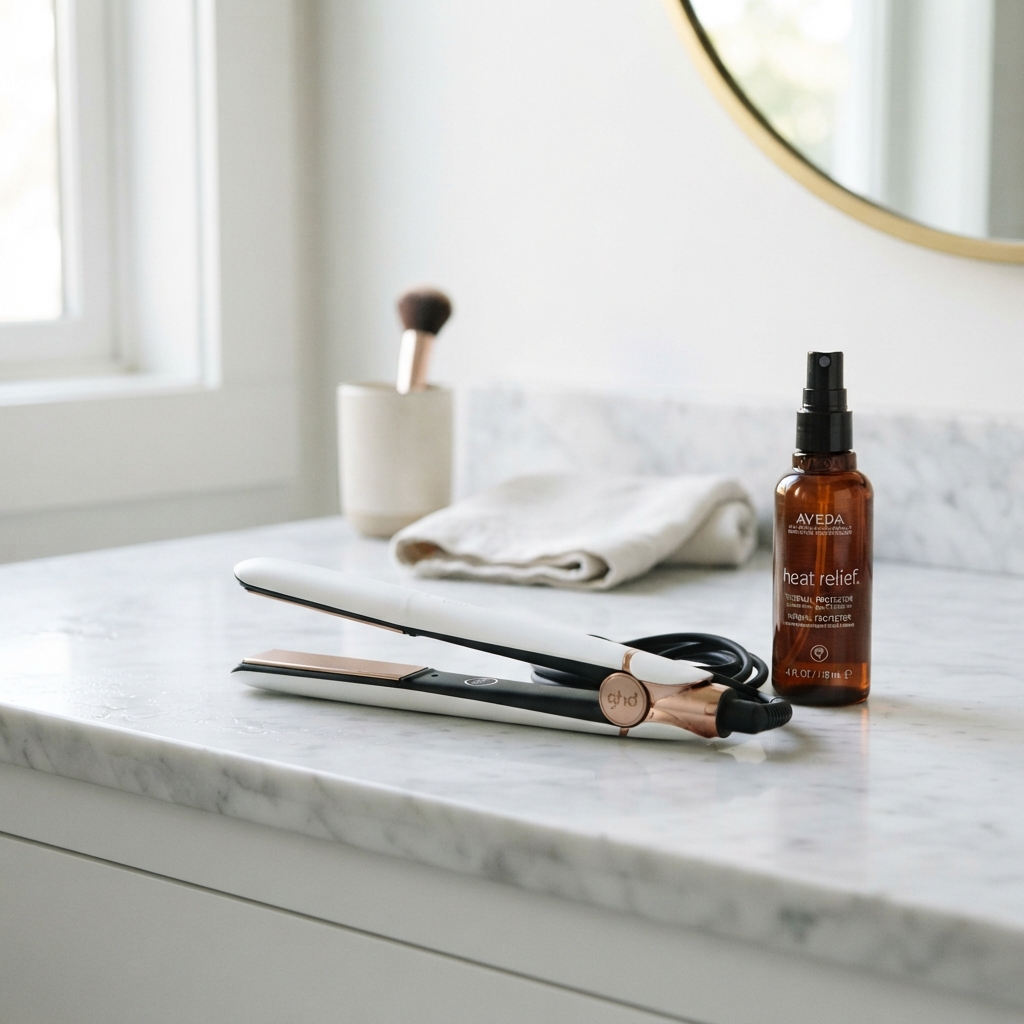
Breakage can look exactly like thinning. If your ends snap and your mid-lengths feel fragile, your styling routine may be the problem. Bleach, relaxers, and daily flat ironing are tough on fine hair.
Lower the heat. Space out color appointments. Add a bond-building treatment if your hair is compromised.
- Use heat protectant every time.
- Keep flat iron under 350°F.
- Try a silk pillowcase.
- Get regular trims to stop split ends from traveling.
Scalp Health: The Foundation You Can’t Skip

Your scalp is skin. If it is flaky, inflamed, or clogged with buildup, hair growth suffers. A healthy scalp routine is simple and consistent.
Wash regularly, massage gently, and treat dandruff if you have it. Do not scratch with your nails. You do not need expensive treatments. Consistency beats intensity.
- Use a gentle shampoo.
- Try a scalp brush once a week.
- Massage for 5 minutes daily.
- See a doctor for redness, pain, or scaling.
When to See a Doctor About Hair Loss

You do not have to figure this out alone. Some hair loss needs medical help. The earlier you go, the more options you have.
Book a dermatologist or doctor if you notice sudden loss, patches, scalp pain, or loss with fatigue, irregular periods, or weight changes. Bring photos of your hair from a year ago. It helps your doctor see the pattern.
- Sudden shedding
- Bald patches
- Pain or itching
- Hormone symptoms
- No improvement after 6 months
How to Wash Thinning Hair Without Fear

You do not need to wash less to “save” hair. A clean scalp supports growth. Just be gentle and smart about it.
Wash two to three times a week, or more if you sweat or use a lot of product. Focus shampoo on the scalp. Conditioner goes mid-length to ends.
- Wet hair with lukewarm water.
- Massage shampoo with fingertips.
- Rinse well.
- Apply conditioner away from roots.
- Finish with cool water.
Best Foods and Supplements for Thinning Hair

Food is your first line of defense. A balanced plate with protein, iron, healthy fats, and colorful plants supports hair growth. Supplements only help if you are actually deficient.
Biotin gets hype, but most people are not deficient. Too much can even mess with lab tests. Ask your doctor before starting anything. Aim for a colorful plate and enough calories. Extreme diets can trigger shedding.
- Eggs and salmon
- Leafy greens and lentils
- Nuts and seeds
- Berries and citrus
Minoxidil, Rosemary Oil, and Real Treatments
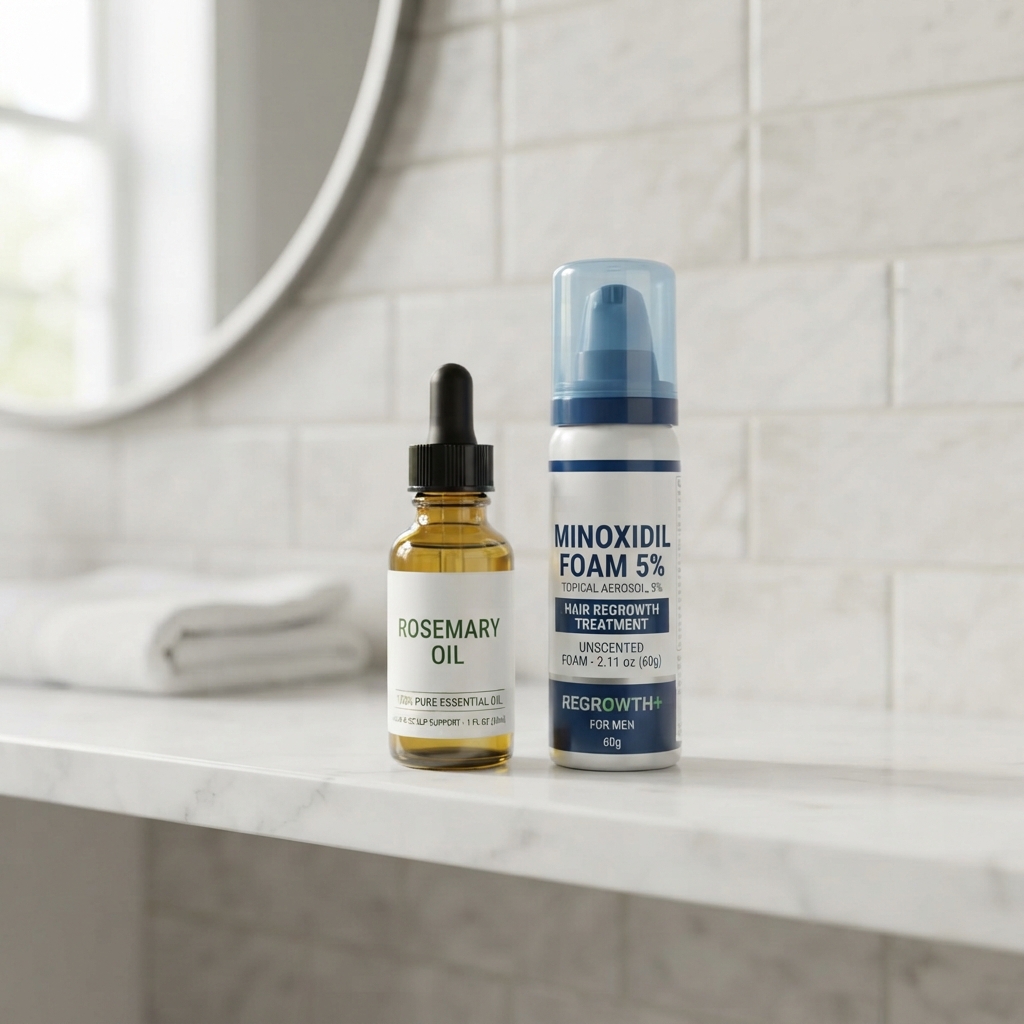
Minoxidil is the most proven over-the-counter treatment for many types of thinning. It takes 3 to 6 months to work, and consistency is everything. Rosemary oil has some promising studies, but it is not a magic cure.
Prescription options like spironolactone or finasteride can help some people. They require a doctor. Do not start without guidance.
- Minoxidil: use daily as directed.
- Rosemary oil: dilute and patch test.
- Prescriptions: talk to a dermatologist.
- Give any treatment 6 months.
How to Style Thinning Hair So It Looks Fuller

Styling can make a huge difference. The goal is lift at the roots, texture through the mid-lengths, and less weight on the ends. Heavy products flatten fine hair.
Blow dry upside down, use a round brush at the crown, and keep oils away from your roots. A little dry shampoo can add grip and volume.
- Volumizing mousse at roots
- Root lift with clips while drying
- Light texture spray
- Root touch-up color to blur the part
Hairstyles for Thin Hair in 2026

2026 hairstyles are all about soft volume, blunt ends, and face-framing pieces. These cuts make fine hair look thicker without much styling.
Think quiet luxury bob, asymmetrical lob, hime cut, and old money hair. They are polished, not fussy. A good stylist can customize any of them for your density.
- Quiet luxury bob for sleek fullness
- Asymmetrical lob for volume
- Hime cut for blunt thickness
- Old money hair for shine and polish
The Quiet Luxury Bob for Fine Hair

The quiet luxury bob is a collarbone or chin-length cut with minimal layers and a smooth finish. It looks expensive because it is simple. For thin hair, blunt ends create the illusion of density.
Ask for a slight angle in front and keep the back fuller. Style with a round brush and a light gloss. This cut works on straight, wavy, and fine hair. It just needs a good trim every 6 to 8 weeks.
- Blunt cut
- Minimal layers
- Soft side part
- Shiny finish
Old Money Hair Secrets for Thinning Hair

Old money hair is not about trends. It is about health, shine, and low-maintenance polish. That is perfect for thinning hair because it hides the struggle.
Keep color close to your natural shade. Add a gloss every 6 to 8 weeks. Use a silk scarf at night. The vibe is quiet, not overdone. Skip heavy pomades and obvious extensions. The goal is natural, healthy, and effortless.
- Low-contrast highlights
- Regular gloss treatments
- Silk pillowcase or scarf
- Soft, bouncy blowout
Asymmetrical Lob: A Smart Cut for Volume

An asymmetrical lob is shorter on one side and longer on the other. It shifts weight, creates angles, and makes thin hair look fuller. It also grows out beautifully.
Ask for a deep side part and face-framing pieces. Keep the ends blunt, not razor-thin. This cut works with wavy or straight hair. It also gives you options: wear it sleek, wavy, or tucked behind one ear.
- Deep side part
- Blunt ends
- Face-framing angle
- Easy to air dry
Hime Cut: Sleek, Strong, and Protective

The hime cut features straight side locks, a blunt fringe, and longer back length. It is dramatic, sleek, and surprisingly good for fine hair because the blunt lines look thick.
Keep the side locks chin-length and the rest one length. If your hair is fragile, avoid excessive flat ironing. A smooth blowout is enough. This cut is low-maintenance but needs regular trims to keep the lines crisp.
- Blunt fringe
- Chin-length side locks
- Long, straight back
- Low heat styling
Romantic Goth Hairstyles That Add Softness

Romantic goth hairstyles are dark, soft, and moody. Think loose waves, braids, velvet ribbons, and deep colors. They can make thin hair feel intentional instead of exposed.
Use volumizing mousse before braiding. Avoid heavy backcombing, which can cause breakage. Softness is the secret. Dark color can reflect shine, which makes hair look thicker. Just avoid flat black if it washes you out.
- Loose crown braids
- Velvet ribbon accents
- Deep burgundy or black-brown gloss
- Soft, brushed-out waves
Glitchy Glam Hair and Vampire Haircut for Edgy Coverage

Glitchy glam hair mixes metallic streaks, sharp parts, and texturized pieces. The vampire haircut is a sleek middle part with face-framing layers and a bit of drama. Both can distract from thinning and add volume.
Ask your stylist for low-contrast highlights and a cut that keeps weight at the ends. Avoid too many choppy layers if your hair is fine. These styles are fun, but do not sacrifice scalp health for the look.
- Metallic face-framing streaks
- Sharp middle part
- Texturized ends
- Root volume
How to Hide Thinning at the Crown and Part

The crown and part are the first places thinning shows. The fix is usually color, texture, and a little camouflage. You are not cheating. You are styling smart.
Try a zigzag part, root spray, hair fibers, or a clip-in topper. Match your color carefully. Blend with your fingertips. Practice at home before a big event. A little trial and error goes a long way.
- Zigzag part
- Tinted root spray
- Hair fibers
- Clip-in topper
Products That Help (and Hurt) Thinning Hair
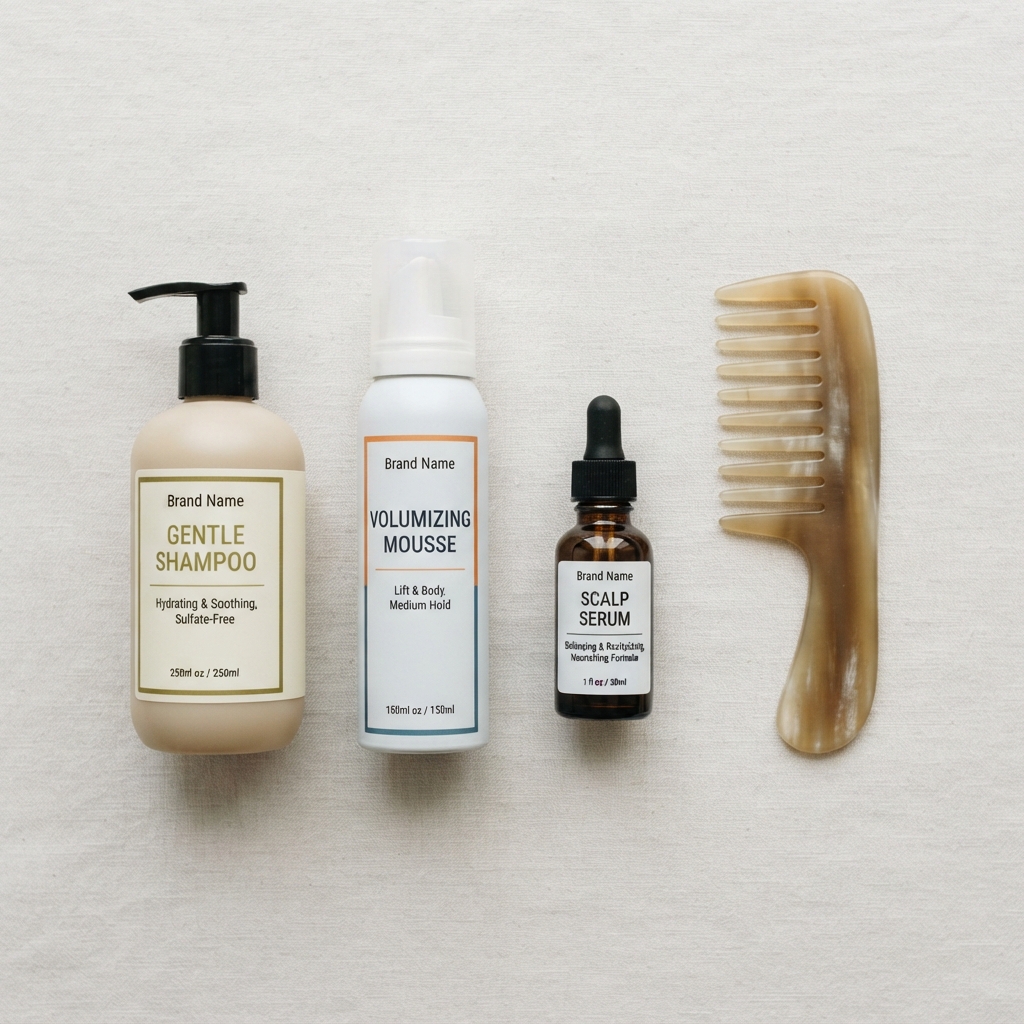
Not all products are equal. Some support a healthy scalp, and some just weigh hair down. Keep it simple and read labels.
Helpful products are gentle, lightweight, and scalp-friendly. Harmful ones are heavy, greasy, or full of drying alcohol.
- Help: gentle shampoo, volumizing mousse, scalp serum, wide-tooth comb
- Hurt: heavy wax, thick oils at roots, dry shampoo buildup, tight elastics
- Help: silk scrunchies, heat protectant
- Hurt: daily hot tools, harsh bleach
A Simple 30-Day Thinning Hair Routine

You do not need 20 products. You need a routine you can repeat. Here is a simple 30-day plan to calm your scalp and support growth.
- Week 1: Start gentle washing and scalp massage.
- Week 2: Add protein and iron-rich foods.
- Week 3: Swap tight styles for loose ones.
- Week 4: Take progress photos and book a doctor if needed.
Stay consistent. Hair changes slowly, but it does change.
How to Track Progress Without Obsessing
Checking your hair every hour will only stress you out. Stress can make thinning worse. Track progress monthly, not daily.
Take photos in the same light and angle. Measure your ponytail. Notice how your scalp feels. Then put the mirror down. Celebrate small wins: less shedding, new baby hairs, a fuller part. Those matter more than perfection.
- Monthly photos
- Same lighting
- Ponytail measurement
- Note scalp symptoms
The Bottom Line, Friend
Thinning hair can feel personal and scary, but it is also common and often treatable. Start with the basics: gentle washing, better nutrition, looser styles, and a doctor visit if something feels off. Then add the styling tricks and treatments that fit your life.
You do not have to fix everything overnight. Pick one or two changes this week and let them build. Your hair may not transform in a day, but your confidence can start today.
Save this post to Pinterest so you can come back to these tips later. Which tip are you trying first? Tell me in the comments. I read every one. Love, Hailey & Team.
